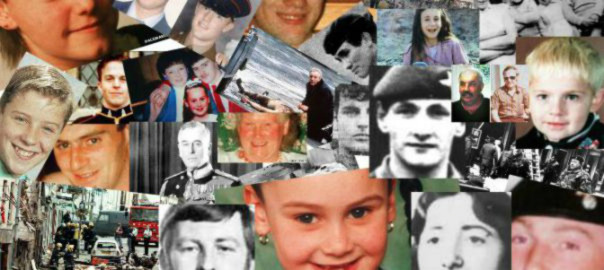
Category Archives: Deaths in the Troubles

20th April – Deaths & Events in Northern Ireland Troubles

Key Events & Deaths on this day in Northern Ireland Troubles

20th April

———————————————

Sunday 20 April 1969 Loyalist Bombs

There was an explosion at Silent Valley reservoir in County Down cutting off water supplies to Belfast. There was a second explosion at an electricity pylon at Kilmore, County Armagh.

[It was later established that the bombs were planted by Loyalists who were members of the Ulster Volunteer Force (UVF) and the Ulster Protestant Volunteers (UPV). Following these, and earlier attacks on other

Wednesday 20 April 1977

Two Catholic civilians were killed when the Ulster Volunteer Force (UVF) carried out a bomb attack on the funeral of an Irish Republican Army (IRA) member in the Ardoyne area of Belfast.

Monday 20 April 1981

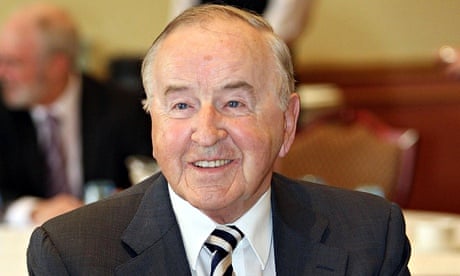
Three Irish TDs (Teachta Dáil; Members of the Irish Parliament) together with Owen Carron, then Bobby Sands’ election agent, paid a visit to the Maze Prison. Following a meeting with Sands the TDs called for urgent talks with the British government. [Margaret Thatcher, then British Prime Minister, announced on 21 April 1981 that the British government would not meet the TDs.]

Tuesday 20 April 1982

The Irish Republican Army (IRA) carried out a series of attacks in Northern Ireland. Wilbert Kennedy (36) and Noel McCulloch (32), both Protestant civilians, were killed in a bomb blast at the Diamond, Magherafelt, County Derry. An inadequate warning had been given. A further 12 people were injured in the attacks. Bombs exploded in Armagh, Ballymena, Belfast, Bessbroke, Derry, and Magherafelt, and caused an estimated £1 million pounds in damage.

Wednesday 20 April 1983
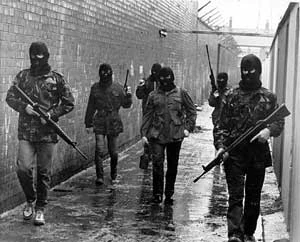
There was a Northern Ireland Assembly by-election in Armagh. The by-election occurred because Seamus Mallon, then Deputy Leader of the Social Democratic and Labour Party (SDLP), was removed from his seat because he had been a member of the Irish senate at the time of the election.

The SDLP had called on voters to boycott the election and the turnout was 34.1 per cent. The Ulster Unionist Party (UUP) candidate, Jim Speers, won the by-election beating the only challenger, Tom French, the Workers’ Party (WP) candidate.

Saturday 20 April 1985

Four senior Irish Republican Army (IRA) members were believed to have been expelled from the organisation.

Tuesday 20 April 1993

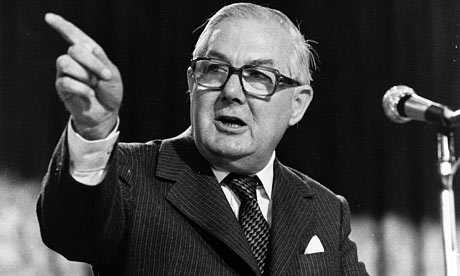
James Molyneaux, then leader of the Ulster Unionist Party (UUP), presented a set of proposals entitled ‘Blueprint for Stability’ to John Major, then British Prime Minister, while on a visit to London.

Wednesday 20 April 1994

The Irish Republican Army (IRA) killed Gregory Pollock (23), a Royal Ulster Constabulary (RUC) officer, and wounded two other officers, in an attack on a RUC mobile patrol in Derry.

Pollock was killed when a horizontal mortar bomb struck the vehicle he was travelling in on Spencer Road, Waterside, Derry.

Saturday 20 April 1996

It was believed that John Major, then British Prime Minister, and Bill Clinton, then President of the United States of America (USA), discussed the ‘Peace Process’ at a summit in Moscow. A Child Poverty Action Group (CPAG) report showed that poverty in Northern Ireland continued to be the highest in the United Kingdom (UK).

Sunday 20 April 1997

David Ervine, then a spokesperson for the Progressive Unionist Party (PUP), said that dissident Loyalists from the Loyalist Volunteer Force (LVF) had carried out the attack on the Mountpottinger Baptist Tabernacle in east Belfast.

Initially Catholics were blamed by Sammy Wilson, then a Democratic Unionist Party (DUP) councillor. Ervine said the attack on the Protestant church was an attempt by the LVF to stir up sectarian tension.

Gerry Adams, then President of Sinn Féin (SF), addressed the SF Ard Fheis in Monaghan and said that a vote for SF was a vote for peace. He also called for an electoral pact with the Social Democratic and Labour Party (SDLP) in areas where a split Nationalist vote would allow a Unionist candidate to win the seat.

[The SDLP later rejected his appeal for a pact.]

Monday 20 April 1998

Ian Paisley, then leader of the Democratic Unionist Party (DUP), said that his party aimed to secure a 40 per cent ‘no’ vote in the forthcoming referendum on the Good Friday Agreement. [The actual ‘no’ vote was 28.88%.]

Tuesday 20 April 1999

The Northern Ireland Office (NIO) released figures that showed that the annual cost of running the Northern Ireland Assembly was £10.7 million. The US Congress called for the ending of the financing of joint initiatives by the Federal Bureau of Investigation (FBI) and the Royal Ulster Constabulary (RUC) because of allegations of intimidation and harassment of lawyers by the RUC.

———————————————

Remembering all innocent victims of the Troubles

Today is the anniversary of the death of the following people killed as a results of the conflict in Northern Ireland

“To live in hearts we leave behind is not to die

– Thomas Campbell

To the innocent on the list – Your memory will live forever

– To the Paramilitaries –

There are many things worth living for, a few things worth dying for, but nothing worth killing for.

 8  People lost their lives on the 20th   April   between 1972– 1994

———————————————–

20 April 1972
Gerard Donnelly,   (22)

Catholic
Status: Civilian (Civ),

Killed by: non-specific Loyalist group (LOY)
Taxi driver. Found shot, Harrybrook Street, off Crumlin Road, Belfast.

———————————————–

20 April 1974
James Corbett,   (20)

Catholic
Status: Civilian (Civ),

Killed by: Irish Republican Army (IRA)
Found shot by the side of Upper Springfield Road, Hannahstown, Belfast. Alleged informer.

———————————————–

20 April 1977


Sean Campbell,  (19)

Catholic
Status: Civilian (Civ),

Killed by: Ulster Volunteer Force (UVF)
Killed in car bomb attack on funeral of Irish Republican Army (IRA) member Trevor McKibben, Etna Drive, Ardoyne, Belfast.

———————————————–

20 April 1977


John McBride,  (18)

Catholic
Status: Civilian (Civ),

Killed by: Ulster Volunteer Force (UVF)
Killed in car bomb attack on funeral of Irish Republican Army (IRA) member Trevor McKibben, Etna Drive, Ardoyne, Belfast.

———————————————–

20 April 1982


Noel McCulloch,  (32)

Protestant
Status: Civilian (Civ),

Killed by: Irish Republican Army (IRA)
Killed in car bomb explosion, The Diamond, Magherafelt, County Derry. Inadequate warning given.

———————————————–

20 April 1982


Wilbert Kennedy,  (36)

Protestant
Status: Civilian (Civ),

Killed by: Irish Republican Army (IRA)
Killed in car bomb explosion, The Diamond, Magherafelt, County Derry. Inadequate warning given.

———————————————–

20 April 1987


David Ead,   (38)

Protestant
Status: Royal Ulster Constabulary (RUC),

Killed by: Irish Republican Army (IRA)
Shot while on Royal Ulster Constabulary (RUC) foot patrol, Central Promenade, Newcastle, County Down.

———————————————–

20 April 1994


 Gregory Pollock, (23)

Protestant
Status: Royal Ulster Constabulary (RUC),

Killed by: Irish Republican Army (IRA)
Killed during horizontal mortar bomb attack on Royal Ulster Constabulary (RUC) mobile patrol, Spencer Road, Waterside, Derry.

———————————————–


19th April – Deaths & Events in Northern Ireland Troubles

Key Events & Deaths on this day in Northern Ireland Troubles

19th April

————————————–

Saturday 19 April 1969

There was serious rioting in the Bogside area of Derry following clashes between Northern Ireland Civil Rights Association (NICRA) marchers, and Loyalists and members of the Royal Ulster Constabulary (RUC). A number of RUC officers entered the house of Samuel Devenny, who had not been involved in the disturbances, and severely beat him with batons causing internal injuries and a heart attack.

A number of other people in the house were also beaten by the police including Devenny’s 16 year old and 18 year old daughters.

[Samuel Devenny died on 17 July 1969 as a result of his injuries. The Police Ombudsman for Northern Ireland issued a report on 4 October 2001 about the death of Devenny (PDF File; 44KB).]

See Battle of Bogside –


Wednesday 19 April 1972

Edward Heath, then British Prime Minister, confirmed that the plan to conduct an arrest operation, in the event of a riot during the march on 30 January 1972, was known to British government Ministers in advance.

Wednesday 19 April 1978

James Callaghan, then British Prime Minister, announced that legislation would be brought forward to increase the number of Members of Parliament (MPs) who represented Northern Ireland at Westminster from 12 to between 16 and 18.

[A Bill was passed at parliament on 28 November 1978 which increased the representation to 17 seats.]

Thursday 19 April 1979

Agnes Wallace (40), a Prison Officer, was shot dead and three of her colleagues injured when the Irish Republican Army (IRA) carried out a gun and grenade attack outside Armagh women’s prison. A member of the British Army was shot dead by the IRA in Belfast.

Sunday 19 April 1981


James Brown & Gary English

James Brown (18) and Gary English (19), both Catholic civilians, were killed when a British Army vehicle drove into a crowd of people on Creggan Road, Derry.

[There had been rioting in the area but local people stated that the vehicle was driven deliberately at the crowd.]

Monday 19 April 1982

Stephen McConomy, an 11 year old Catholic boy, died as a result of the injuries he received when he was hit on the head by a plastic bullet in Fahan Street, Derry.

[His death lead to calls for the weapon to banned. On 13 May 1982 the European Parliament called on member states not to use plastic bullets.]

Monday 19 April 1993

Patrick Mayhew, then Secretary of State for Northern Ireland, held a meeting with John Alderdice, then leader of the Alliance Party of Northern Ireland (APNI), at the start of a new round of bilateral talks with the main political parties.

Monday 19 April 1999

A pipe-bomb was found on the side of Catholic home in Serpentine Park, Belfast. A hoax device was found in Newtownabbey, Belfast. Several families had to be evacuated from their homes. The Red Hand Defenders (RHD) admitted responsibility.

Gerry Kelly, then a senior member of Sinn Féin (SF), said that the latest attack was part of a Loyalist attempt at “ethnic cleansing” in the area.

[In 2001 it became apparent that RHD was a cover name used by both the Ulster Defence Association (UDA) and the Ulster Volunteer Force (UVF).]

Tony Blair, then British Prime Minister, and Bertie Ahern, then Taoiseach (Irish Prime Minister), held an intensive round of negotiations in Downing Street with the Ulster Unionist Party (UUP), Sinn Féin (SF), and the Social Democratic and Labour Party (SDLP).

The talks failed to achieve a breakthrough on decommissioning and the implementation of the Executive.

The British government ruled out any suggestion of ‘parking’ the political negotiations. A campaign for an independent international investigation and a judicial inquiry into the killing of the Rosemary Nelson was opened in Belfast.

———————————————

Remembering all innocent victims of the Troubles

Today is the anniversary of the death of the following people killed as a results of the conflict in Northern Ireland

“To live in hearts we leave behind is not to die

– Thomas Campbell

To the innocent on the list – Your memory will live forever

– To the Paramilitaries –

There are many things worth living for, a few things worth dying for, but nothing worth killing for.

 11  People lost their lives on the 19th  April   between 1972– 1989

———————————————–

19 April 1972
James Elliott, (36)

Protestant
Status: Ulster Defence Regiment (UDR),

Killed by: Irish Republican Army (IRA)
Off duty. Found shot by the side of the road, Altnamackan, near Newtownhamilton, County Armagh

———————————————–

19 April 1972
Martin Owens  (22)

Catholic
Status: Civilian (Civ),

Killed by: Irish Republican Army (IRA)
Found shot shortly after being thrown from car, Horn Drive, Suffolk, Belfast.

———————————————–

19 April 1973


Anthony McDowell (12)

Catholic
Status: Civilian (Civ),

Killed by: British Army (BA)
Shot while travelling in car during gun battle between British Army (BA) and Irish Republican Army (IRA), Alliance Avenue, Ardoyne, Belfast.

———————————————–

19 April 1976
John Cummings  (55)

Protestant
Status: Prison Officer (PO),

Killed by: Irish Republican Army (IRA)
Off duty. Shot at his home, Coolemoyne House, Dunmurry, near Belfast, County Antrim.

———————————————–

19 April 1977
William Strathearn  (39)

Catholic
Status: Civilian (Civ),

Killed by: Ulster Volunteer Force (UVF)
Shot at his shop, Ahoghill, near Ballymena, County Antrim.

———————————————–

19 April 1979


Agnes Wallace (40)

Protestant
Status: Prison Officer (PO),

Killed by: Irish National Liberation Army (INLA)
Shot during sniper and grenade attack, outside Armagh Prison, Armagh.

———————————————–

19 April 1979
Paul Rogers  (37)

nfNI
Status: British Army (BA),

Killed by: Irish Republican Army (IRA)
Shot by sniper while on British Army (BA) mobile patrol, Falls Road, Belfast.

———————————————–

19 April 1981


 James Brown   (18)

Catholic
Status: Civilian (Civ),

Killed by: British Army (BA)
Knocked down by British Army (BA) landrover, which drove into crowd during street disturbances, Creggan Road, Derry.

———————————————–

19 April 1981


Gary English   (19)

Catholic
Status: Civilian (Civ),

Killed by: British Army (BA)
Knocked down by British Army (BA) landrover, which drove into crowd during street disturbances, Creggan Road, Derry.

———————————————–

19 April 1982


Stephen McConomy   (11)

Catholic
Status: Civilian (Civ),

Killed by: British Army (BA)
Died three days after being shot by plastic bullet, Fahan Street, Bogside, Derry.

———————————————–
19 April 1989
Francis Galbraith   (29)

Protestant
Status: Civilian (Civ),

Killed by: non-specific Loyalist group (LOY)
Shot while walking along Park Avenue, off Holywood Road, Belfast.

———————————————–


18th April – Deaths & Events in Northern Ireland Troubles

Key Events & Deaths on this day in Northern Ireland Troubles

18th April 

————————————–

Tuesday 18 April 1972

Widgery Report Published

The Widgery Report on ‘Bloody Sunday’, Report of the Tribunal appointed to inquire into the events on Sunday, 30th January 1972, (HC 220) was published.

See Bloody Sunday

[The findings of this report caused outrage among the people of Derry and was referred to as the “Widgery Whitewash”. It was to lead to a 26 year campaign for a new independent inquiry.]

Thursday 18 April 1974

Harold Wilson, then British Prime Minister, paid a visit to Northern Ireland and said that there was no alternative to the Sunningdale Agreement.

[Public Records 1974 – Released 1 January 2005: Note of the meeting between Harold Wilson and the Northern Ireland Executive which was held in Stormont Castle on 18 April 1974.]

  Sunningdale; Ulster Workers’ Council Strike.

Thursday 18 April 1996

Although the Unionist parties and the Social Democratic and Labour Party (SDLP) opposed aspects of the legislation, the Northern Ireland (Entry to Negotiations) Act was passed at Westminster. The names of the 30 parties and individuals who will appear on the ballot paper for the Northern Ireland election were published in the Bill.

Friday 18 April 1997

The Irish Republican Army (IRA) planted two bombs and issued a number of other hoax bomb warnings across a number of motorways and railways in England. The bombs and alerts resulted in large-scale disruption.

Saturday 18 April 1998

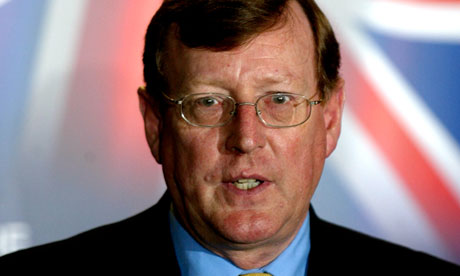
The Ulster Unionist Council (UUC), the policy making body of the Ulster Unionist Party (UUP), gave the Good Friday Agreement a significant boost when delegates backed if by 540 to 210 (72 per cent). While this was a major boost to David Trimble, then leader of the UUP, six out of the 10 UUP Members of Parliament (MPs) opposed the Agreement.

Gerry Adams, then President of Sinn Féin (SF), addressed the SF Ard Fheis in Dublin. During his address he informed delegates of the news of the UUP vote on the Agreement and said “Well done, David”; there was a round of applause from the delegates at the news.

Trimble later said this support by SF was a “poisoned chalice”.

Later in his speech to delegates on the Agreement, and the negotiations that had preceded it, Adams gave a cautious response. In particular, he noted the concerns of many republicans with certain aspects of the Agreement such as the proposed new Northern Ireland Assembly.

Adams recognised that Irish republicans still had “… an emotional … political as well as constitutional block to participation in a Stormont parliament”. At the same time however Adams went onto point out that if SF did not fully participate then the opportunity “… we have to make and implement policy on an all Ireland basis … could be allocated to other parties”.

[In the end no definitive response on the Agreement was reached and it was agreed to reconvene the Ard Fheis on 10 May 1998 to deal with the issue.]


———————————————

Remembering all innocent victims of the Troubles

Today is the anniversary of the death of the following people killed as a results of the conflict in Northern Ireland

“To live in hearts we leave behind is not to die

– Thomas Campbell

To the innocent on the list – Your memory will live forever

– To the Paramilitaries –

There are many things worth living for, a few things worth dying for, but nothing worth killing for.

 3  People lost their lives on the 18th April   between 1974– 1992

———————————————–

18 April 1974
Seamus O’Neill,  (32)

Catholic
Status: Civilian (Civ),

Killed by: Irish Republican Army (IRA)
Killed by booby trap bomb while driving tractor on his farm, The Loup, near Moneymore, County Derry.

———————————————–

18 April 1990


Martin Corrigan, (25)

Catholic
Status: Irish People’s Liberation Organisation (IPLO),

Killed by: British Army (BA)
Shot while in the back garden of Royal Ulster Constabulary (RUC) member’s home, Lislasley Road, Kinnegoe, near Loughgall, County Armagh.

———————————————–

18 April 1992
Brendan McWilliams,  (50)

Catholic
Status: Civilian (Civ),

Killed by: Irish Republican Army (IRA)
Civilian employed by British Army (BA) . Shot at his home, Nialls Crescent, off Killylea Road, Armagh.

———————————————–

Bessbrook bomb kills four RUC men- 17th April 1979

Bessbrook

Booby Trap Van Bomb

17th April 1979

Four Protestant members of the Royal Ulster Constabulary (RUC), were killed by a Provisional IRA remote-controlled bomb hidden in a parked van, and detonated when their mobile patrol drove past, Bessbrook.

The bomb was estimated at 1,000 pound and was believed to be the largest bomb used by the IRA up to that date.

———————————————–

Victims

———————————————–

17 April 1979


Paul Gray, (25)

Protestant
Status: Royal Ulster Constabulary (RUC),

Killed by: Irish Republican Army (IRA)
Killed by remote controlled bomb hidden in parked van, detonated when Royal Ulster Constabulary (RUC) mobile patrol drove past, Bessbrook, County Armagh.

See 17th April Deaths & Events

———————————————–

17 April 1979


Robert Lockhart,  (44)

Protestant
Status: Royal Ulster Constabulary (RUC),

Killed by: Irish Republican Army (IRA)
Killed by remote controlled bomb hidden in parked van, detonated when Royal Ulster Constabulary (RUC) mobile patrol drove past, Bessbrook, County Armagh

See 17th April Deaths & Events

———————————————–

17 April 1979


Richard Baird,  (28)

Protestant
Status: Royal Ulster Constabulary (RUC),

Killed by: Irish Republican Army (IRA)
Killed by remote controlled bomb hidden in parked van, detonated when Royal Ulster Constabulary (RUC) mobile patrol drove past, Bessbrook, County Armagh

See 17th April Deaths & Events

———————————————–

17 April 1979


Noel Webb,  (30)

Protestant
Status: Royal Ulster Constabulary (RUC),

Killed by: Irish Republican Army (IRA)
Killed by remote controlled bomb hidden in parked van, detonated when Royal Ulster Constabulary (RUC) mobile patrol drove past, Bessbrook, County Armagh

See 17th April Deaths & Events

———————————————–

Visit the RUC website & memorial list

———————

17 April 1980


In January 1981, Patrick Joseph Traynor (27) from Crossmaglen was found guilty of the four murders and a range of other charges. He was jailed for life on each of the four murder charges and was sentenced to 12 years for the related crimes.

———————————————-

BESSBROOK

Army Base

Bessbrook, saw some of the worst violence in the Troubles. 25 British soldiers and local Protestants, all male, lost their lives. Four soldiers died in a non-combat related air accident, but the rest (21 men) were killed by the Provisional Irish Republican Army (IRA).

The linen mill was converted by the British Army into a major military base. A helicopter landing area was established to supply other military outposts in the area since road-borne movements of troops and supplies were vulnerable to landmine attack.

At one stage the little village was reportedly the busiest helicopter airport in Europe, more so than the major heliports supplying the North Sea oil rigs. For many years British Army helicopters would take off and land every few minutes. To avoid the risk of missile attack they would fly at rooftop level over the village. For a time, direct access to much of the village was sealed off by security barriers to minimise the risk of vehicle-borne bomb attacks on the security forces. Some have claimed that this contributed to the commercial decline of local businesses.

—————————————————-


.

17th April – Deaths & Events in Northern Ireland Troubles

Key Events & Deaths on this day in Northern Ireland Troubles

17th April

————————–

Thursday 17 April 1969

Westminster By-Election

In a by-election to the Westminster parliament Bernadette Devlin, standing as a Unity candidate in Mid-Ulster, was elected and, at 21 years of age, became the youngest woman ever to be elected as a Member of Parliament (MP).

Sunday 17 April 1977

Cardinal Willian Conway, then Catholic Primate of Ireland, died in Armagh.

Tuesday 17 April 1979


Four Royal Ulster Constabulary (RUC) officers were killed when the Irish Republican Army (IRA) exploded an estimated 1,000 pound van bomb at Bessbrook, County Armagh.

[This was believed to be the largest bomb used by the IRA to this date.]

See Bessbrook Van Bomb

Saturday 17 April 1982

A British soldier driving an armoured personnel carrier rammed the vehicle into the gable wall that formed ‘Free Derry Corner’. The soldier was later taken into military custody.

Wednesday 17 April 1991

The Combined Loyalist Military Command (CLMC), acting on behalf of the Ulster Volunteer Force (UVF), the Ulster Freedom Fighters (UFF), and the Red Hand Commandos (RHC), announced that there would be a ceasefire beginning on 30 April 1991.

[The ceasefire was to facilitate the proposed political talks and would last as long as the talks. Attacks by all three organisations continued in the period before the ceasefire.]

Friday 16 April 1993

Dick Spring, then Tánaiste (deputy Irish Prime Minister and Minister for Foreign Affairs), addressed a meeting of the British-Irish Association in Oxford, England. Spring stated that a possible solution to the conflict in Northern Ireland lay in a ‘Europe of the regions’.

Saturday 17 April 1993

Douglas Hurd, then British Foreign Secretary, said that the Republic of Ireland had a “crucial role” in any new talks. He also stated that the Republic’s willingness to consider changes to the Irish Constitution provided a “positive context”.

Monday 17 April 1995

The Royal Ulster Constabulary (RUC) rerouted an Apprentice Boys of Derry parade away from the lower Ormeau Road area of Belfast. Approximately 200 people had joined a protest against loyal order parades passing through the area.

[There was a further protest on 23 April 1995.]

Wednesday 17 April 1996

The Irish Republican Army (IRA) exploded a bomb in The Boltons, Earls Court, London. The bomb went off in a vacant house and there were no injuries.

Thursday 17 April 1997

Patrick Mayhew, then Secretary of State for Northern Ireland, referred the cases of two Scots Guards to the Life Sentence Review Board.

The two British soldiers, Mark Wright and James Fisher, were both serving life sentences for the murder of Peter McBride (18) in the New Lodge area of Belfast (on 4 September 1992).

Of the seven men who were arrested on 11 April 1997, three were released, three charged with various offences, and one man was flown to London for questioning about the Docklands bomb on 9 February 1996.

All seven men alleged that they had been beaten while in custody in Gough Barracks in Armagh.

The Council for Catholic Maintained Schools objected to a statement by Julia Neuberger, then Chancellor of the University of Ulster and a Rabbi, in which she criticised the sectarian nature of primary and secondary education in Northern Ireland. Neuberger denied that her statement referred solely to Catholic schools.

The University initially defended the remarks but later apologised to the Council for Catholic Maintained Schools

Friday 17 April 1998

Mark McNeill (32), a former member of the Irish National Liberation Army (INLA), was shot dead by two gunmen as he got out of his taxi on Shaw’s Road in the west of Belfast. McNeill was a father of five.

[It was believed that the attack was a “grudge killing” involving former INLA members and there was speculation that the killing may have been drugs-related.]

David Trimble, then leader of the Ulster Unionist Party (UUP), delivered a speech to the Northern Ireland Forum. Tony Blair, then British Prime Minister, stated that the Royal Ulster Constabulary (RUC) would not be disbanded and that only those prisoners whose organisations were on ceasefire would be release, on licence, from prison.

Saturday 17 April 1999

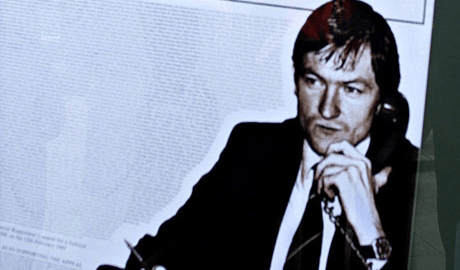
Ronnie Flanagan, then Chief Constable of the Royal Ulster Constabulary (RUC), announced that John Stevens would conduct a fresh inquire into the killing of Pat Finucane, a Belfast solicitor killed on 12 February 1989.


———————————————

Remembering all innocent victims of the Troubles

Today is the anniversary of the death of the following people killed as a results of the conflict in Northern Ireland

“To live in hearts we leave behind is not to die

– Thomas Campbell

To the innocent on the list – Your memory will live forever

– To the Paramilitaries –

There are many things worth living for, a few things worth dying for, but nothing worth killing for.

 13  People lost their lives on the 17th April   between 1972– 1998

———————————————–

17 April 1972
Patrick Magee, 

  (20) Catholic
Status: Civilian (Civ),

Killed by: British Army (BA)
Shot as he walked along Divis Street, Lower Falls, Belfast.

———————————————–

17 April 1972
Patrick Donaghy, 

(86) Catholic
Status: Civilian (Civ),

Killed by: British Army (BA)
Shot at the window of his flat, Divis Tower, Divis Flats, Belfast.

———————————————–

17 April 1973


Brian Smyth, 

  (32) Catholic
Status: Irish Republican Army (IRA),

Killed by: British Army (BA)
Shot by British Army (BA) sniper while standing with group of men, Etna Drive, Ardoyne, Belfast.

———————————————–

17 April 1976
Rachel Hyams,  (79)

nfNIB
Status: Civilian (Civ),

Killed by: Irish Republican Army (IRA)
Died three weeks after being injured in bomb attack on Ideal Home Exhibition, Olympia, London.

———————————————–

17 April 1977


Trevor McKibben,  (19)

Catholic
Status: Irish Republican Army (IRA),

Killed by: British Army (BA)
Shot by British Army (BA) sniper while carrying rifle, Flax Street, Ardoyne, Belfast.

———————————————–

17 April 1979


Paul Gray, (25)

Protestant
Status: Royal Ulster Constabulary (RUC),

Killed by: Irish Republican Army (IRA)
Killed by remote controlled bomb hidden in parked van, detonated when Royal Ulster Constabulary (RUC) mobile patrol drove past, Bessbrook, County Armagh.

See Bessbrook Van Bomb

———————————————–

17 April 1979


Robert Lockhart,  (44)

Protestant
Status: Royal Ulster Constabulary (RUC),

Killed by: Irish Republican Army (IRA)
Killed by remote controlled bomb hidden in parked van, detonated when Royal Ulster Constabulary (RUC) mobile patrol drove past, Bessbrook, County Armagh

See Bessbrook Van Bomb

———————————————–

17 April 1979


Richard Baird,  (28)

Protestant
Status: Royal Ulster Constabulary (RUC),

Killed by: Irish Republican Army (IRA)
Killed by remote controlled bomb hidden in parked van, detonated when Royal Ulster Constabulary (RUC) mobile patrol drove past, Bessbrook, County Armagh

See Bessbrook Van Bomb

———————————————–

17 April 1979


Noel Webb,  (30)

Protestant
Status: Royal Ulster Constabulary (RUC),

Killed by: Irish Republican Army (IRA)
Killed by remote controlled bomb hidden in parked van, detonated when Royal Ulster Constabulary (RUC) mobile patrol drove past, Bessbrook, County Armagh

See Bessbrook Van Bomb

———————————————–

17 April 1980


Victor Morrow,  (61)

Protestant
Status: ex-Ulster Defence Regiment (xUDR),

Killed by: Irish Republican Army (IRA)
Shot near to his home, Newtownbutler, County Fermanagh.

———————————————–

17 April 1982
William Morrison,  (42)

Protestant
Status: Civilian (Civ),

Killed by: Irish Republican Army (IRA)
Shot at his farm, Kilturbid Road, Middletown, County Armagh.

———————————————–

17 April 1991


John O’Hara,  (41)

Catholic
Status: Civilian (Civ),

Killed by: Ulster Freedom Fighters (UFF)
Taxi driver. Shot when lured to bogus call, Dunluce Avenue, off Lisburn Road, Belfast

———————————————–

17 April 1998


Mark McNeill,  (32)

Catholic
Status: ex-Irish National Liberation Army (xINLA),

Killed by: Irish National Liberation Army (INLA)
Taxi driver. Shot while getting out of his car, outside taxi depot, Shaws Road, Anderstown, Belfast.

———————————————–

16th April – Deaths & Events in Northern Ireland Troubles

Key Events & Deaths on this day in Northern Ireland Troubles

16th April

—————————–

Thursday 16 April 1970

Ian Paisley

Paisley Won Stormont By-Election In a  by – elections to the Stormont parliament, Ian Paisley, standing on behalf of Protestant Unionist, won the seat formerly held by Terence O’Neill.

See here for more details

Terence O’Neill


Terence O’Neill, the former Northern Ireland Prime Minister, had vacated his seat following his elevation to the peerage. A second person, William Beattie, was also elected for Protestant Unionist.

These elections provided further evidence of the break-up of the unionist block and the unease among a large section of Protestants about the reform measures introduced under Chichester-Clark, then Northern Ireland Prime Minister.

Sunday 16 April 1972


Gerard Bristow and Martin Robinson 

Two British soldiers were shot dead by the Official Irish Republican Army (OIRA) in separate incidents in Derry.

Friday 16 April 1976


Vincent Hamilton and Harry   McAleese

Two Catholic civilians were killed in an Irish Republican Army (IRA) bomb at Servia Street, Lower Falls, Belfast.

Monday 16 April 1979

Michael Cassidy (31), a Prison Officer, was shot dead by the Irish Republican Army (IRA) as he left a church in Clogher, County Tyrone, where his sister had just gotten married.

Thursday 16 April 1981

 1981 Hunger Strike.

Friday 16 April 1982

Stephen McConomy, an 11 year old Catholic boy, was struck in the head by a plastic bullet in Derry.

[McConomy died on 19 April 1982 from the injuries he received.]

James Prior, then Secretary of State for Northern Ireland, said that he had no plans to proscribe the Ulster Defence Association (UDA).

Saturday 16 April 1988

Proinsias De Rossa replaced Tomás Mac Giolla as leader of the Workers Party (WP).

Monday 16 April 1990

There was further trouble at Crumlin Road Prison when Republican prisoners damaged furniture in protest at the lack of segregation. This disturbance followed incidents at the prison on 14 March 1990.

Tuesday 16 April 1991

The Irish Republican Army (IRA) carried out a bomb attack on the Shorts aircraft factory in east Belfast.

Saturday 16 April 1994

Albert Reynolds, then Taoiseach (Irish Prime Minister), addressed a Fianna Fáil (FF) conference in Dublin. He said he envisaged that, in the event of a united Ireland, the government would be comprised of 30 per cent representation from Northern Ireland.

Sunday 16 April 1995

Gerry Adams, then President of Sinn Féin (SF), who was in Dublin at the time said that: “if the British won’t listen to reasoned and reasonable argument then let them listen to the sound of marching feet and angry voices.”

Tuesday 16 April 1996

British government published draft legislation (in the form of a Command Paper, ‘Ground Rules for Substantive All-Party Negotiations’) for the proposed elections in Northern Ireland on 30 May 1996.

[The proposals lead to a period of debate before the legislation was rushed through parliament on 18 April 1996. The number of parties entitled to stand in the elections was increased from the original 15 to 30, however the list still excluded the Irish Republican Socialist Party (IRSP).]

Wednesday 16 April 1997

There was an arson attack on St Coleman’s Catholic church in Annaclone, County Armagh. The chapel was badly damaged by the fire.

The Royal Ulster Constabulary (RUC) fired 8 plastic bullets in disturbances involving Catholics and Protestants in Lurgan, County Armagh.

David Trimble, then leader of the Ulster Unionist Party (UUP), proposed that the best solution for the forthcoming march in Drumcree on 6 July 1997 would be a repeat of the outcome to the march in 1995.

This would mean that the Orangemen would walk through the Nationalist Garvaghy Road in silence. This proposal was rejected by the Catholic residents who called for a face-to-face meeting with Trimble.

Thursday 16 April 1998

An opinion poll indicated that 73 per cent of people in Northern Ireland were in favour of the Good Friday Agreement. The British government gave the go-ahead for an “educational village” to be sited close to the ‘peaceline’ in Springvale, Belfast.

The new campus is to be a joint initiative of the University of Ulster (UU) and the Belfast Institute of Further and Higher Education (BIFHE) and is expected to cost £70 million.

 ———————————————

Remembering all innocent victims of the Troubles

Today is the anniversary of the death of the following people killed as a results of the conflict in Northern Ireland

“To live in hearts we leave behind is not to die

– Thomas Campbell

To the innocent on the list – Your memory will live forever

– To the Paramilitaries –

There are many things worth living for, a few things worth dying for, but nothing worth killing for.

 9 People lost their lives on the 16th  April   between 1972– 1982

———————————————–

16 April 1972


Gerald Bristow,  (26)

nfNI
Status: British Army (BA),

Killed by: Official Irish Republican Army (OIRA)
Shot by sniper while on British Army (BA) foot patrol, Bishop Street, Derry.

———————————————–

16 April 1972


Martin Robinson,  (21)

nfNI
Status: British Army (BA),

Killed by: Official Irish Republican Army (OIRA)
Shot during gun attack on British Army (BA) base, Brandywell, Derry.

———————————————–

16 April 1974


Thomas McCall,   (34)

Protestant
Status: Royal Ulster Constabulary (RUC),

Killed by: Irish Republican Army (IRA)
Shot by sniper outside Newtownhamilton Royal Ulster Constabulary (RUC) base, County Armagh.

———————————————–

16 April 1974


Josepha Neill,  (25)

Protestant
Status: Ulster Volunteer Force (UVF),

Killed by: Ulster Volunteer Force (UVF)
Killed in premature bomb explosion in house, Union Street, Portadown, County Armagh.

———————————————–

16 April 1976


Vincent Hamilton,   (45)

Catholic
Status: Civilian (Civ),

Killed by: Irish Republican Army (IRA)
Killed in bomb explosion at his workshop, Servia Street, Lower Falls, Belfast.

———————————————–

16 April 1976


Henry McAleese,  (23)

Catholic
Status: Civilian (Civ),

Killed by: Irish Republican Army (IRA)
Killed in bomb explosion at his workplace, Servia Street, Lower Falls, Belfast.

———————————————–

16 April 1979


Michael Cassidy,   (31)

Catholic
Status: Prison Officer (PO),

Killed by: Irish Republican Army (IRA)
Off duty. Shot just after leaving St Macartan’s Church, Clogher, County Tyrone.

———————————————–

16 April 1981


John Donnelly,  (56)

Protestant
Status: Ulster Defence Regiment (UDR),

Killed by: Irish National Liberation Army (INLA)
Off duty. Shot while in The Village Inn, Moy, County Tyrone.

———————————————–

16 April 1982


David Brown,   (35)

Protestant
Status: Royal Ulster Constabulary (RUC),

Killed by: Irish Republican Army (IRA)
Died two weeks after being shot while travelling to New Barnsley British Army (BA) / Royal Ulster Constabulary (RUC) base, Springfield Crescent, off Springfield Road, Belfast

———————————————–

15th April – Deaths & Events in Northern Ireland Troubles

Key Events & Deaths on this day in Northern Ireland Troubles

15th April

———————————-

Saturday 15 April 1972

Joe McCann, a member of the Official Irish Republican Army (OIRA), was shot dead by British soldiers at Joy Street in the Markets area of Belfast close to his home. McCann was unarmed at the time.

[McCann was a prominent member of the Official IRA. His funeral was one of the largest Republican funerals to be held in Belfast. Following McCann’s death a number of people were killed during disturbances in Belfast and Derry. The Official IRA carried out a number of attacks on the British Army and killed two soldiers in Derry.]

[On 29 January 2013 a Historical Enquires Team (HET) report found that the British soldiers were not justified in shooting McCann. See: BBC.]

Nicholas Hull, a member of the British Army, was shot dead by the Offiicial IRA in the Divis area of Belfast. Sean McConville (17), a Catholic man, was shot dead by members of a Loyalist paramilitary group on the Crumlin Road, Belfast.

[This shooting was subsequently believed to be carried out by the Ulster Defence Association (UDA). This was the first of an intense series of random shootings of innocent Catholics by Loyalist paramilitaries.]

At approximately 8.00 am two brothers were shot and injured in the Whiterock Road area of west Belfast.

[On 1 December 2015 the PSNI listed this shooting as one of nine incidents it was investigating in relation to the activities of the British Army’s Military Reaction Force (MRF).]

Tuesday 15 April 1980

Humphrey Atkins, then Secretary of State for Northern Ireland, travelled to Dublin for talks with Charles Haughey, then Taoiseach (Irish Prime Minister), and members of the Irish government.

Wednesday 15 May 1985

District Council Elections

District Council elections were held across Northern Ireland.

[When the votes were counted and seats allocated Sinn Féin (SF) had secured 11.8 per cent of the vote and 59 seats in its first local government election in Northern Ireland.]

Sunday 15 April 1990

Gerry Adams, the President of Sinn Féin (SF), addressed an Easter Rising commemoration and stated that the ‘struggle’ in Northern Ireland would continue as long as there was a British presence in Ireland.

Monday 15 April 1991

Peter Brooke, then Secretary of State for Northern Ireland, began a week-long visit to the United States of America (USA) to promote the forthcoming talks on the future of Northern Ireland. The then head of the Northern Ireland Civil Service, Sir Kenneth Bloomfield, retired and was replaced by David Fell.

[Bloomfield was later appointed as the first Victims’ Commissioner.]

Saturday 15 April 1995

Gerry Adams, then President of Sinn Féin (SF), gave a radio interview during which he again ruled out the decommissioning of Irish Republican Army (IRA) weapons.

Wednesday 15 April 1998

The Grand Orange Lodge, the ruling body of the Orange Order, decided not to support the Good Friday Agreement. While not rejecting the Agreement outright the members demanded clarification of a number of issues from British Prime Minister, Tony Blair before it would consider changing its position.

[During the referendum campaign the Orange Order came out against the Agreement.]

Thursday 15 April 1999

Pipe-bombs were pushed through the letter boxes of two Catholic homes in Randalstown, County Antrim. Neither device exploded. The attacks were carried out by Loyalist paramilitaries. Ulster Volunteer Force (UVF) graffiti had appeared near one of the houses prior to the attack.

Tony Blair, then British Prime Minister, and Bertie Ahern, then Taoiseach (Irish Prime Minister), held talks in London on the peace process. They announced a series of bilateral talks in London for 19 April 1999 aimed at breaking the deadlock over decommissioning.

The Alliance Party of Northern Ireland (APNI) accused the Irish government of double standards after it was disclosed that those convicted of killing Jerry McCabe, who was a Detective in the Garda Síochána (the Irish police), would not be included in the early release scheme.


———————————————

Remembering all innocent victims of the Troubles

Today is the anniversary of the death of the following people killed as a results of the conflict in Northern Ireland

“To live in hearts we leave behind is not to die

– Thomas Campbell

To the innocent on the list – Your memory will live forever

– To the Paramilitaries –

There are many things worth living for, a few things worth dying for, but nothing worth killing for.

10 People lost their lives on the 15th April   between 1972– 1992

———————————————–

15 April 1972


Joe McCann,   (25)

Catholic
Status: Official Irish Republican Army (OIRA),

Killed by: British Army (BA)
Shot as he walked along Joy Street, Markets, Belfast.

———————————————–

15 April 1972


Nicholas Hull,   (22)

nfNI
Status: British Army (BA),

Killed by: Official Irish Republican Army (OIRA)
Shot by sniper while travelling in British Army (BA) Armoured Personnel Carrier, Divis Street, Lower Falls, Belfast.

———————————————–

15 April 1972


Sean McConville,  (17)

Catholic
Status: Civilian (Civ),

Killed by: Ulster Volunteer Force (UVF)
Shot from passing car while walking along Crumlin Road, Belfast.

———————————————–

15 April 1973


Margate Miller,   (59)

Protestant
Status: Civilian (Civ),

Killed by: non-specific Loyalist group (LOY)
Shot at her home, Beit Street, Village, Belfast. Mistaken for a Catholic neighbour

———————————————–

15 April 1976


Peter Cleary,   (25)

Catholic
Status: Irish Republican Army (IRA),

Killed by: British Army (BA)
Shot by undercover British Army (BA) member, shortly after being detained at a friend’s home, Tievecrom, near Forkhill, County Armagh.

———————————————–

15 April 1977
William Edgar,   (34)

Catholic
Status: British Army (BA),

Killed by: Irish Republican Army (IRA)
On leave. Found shot in City Cemetery, Creggan, Derry.

———————————————–

15 April 1978


John Moore,  (57)

Protestant
Status: Royal Ulster Constabulary (RUC),

Killed by: Irish Republican Army (IRA)
Off duty. Killed by booby trap bomb attached to his car, outside his home, Armoy, near Ballymoney, County Antrim.

———————————————–

15 April 1980
David Livingstone,  (35)

Protestant
Status: Ulster Defence Association (UDA),

Killed by: Ulster Defence Association (UDA)
Killed in premature bomb explosion at his workplace, Connsbrook Filling Station, Connsbrook Avenue, Belfast

———————————————–

15 April 1990


Eoin Morley,  (23)

Catholic
Status: ex-Irish Republican Army (xIRA),

Killed by: Irish Republican Army (IRA)
Shot at his girlfriend’s home, Iveagh Crescent, Newry, County Down. Internal Irish Republican Army (IRA) dispute.

———————————————–

15 April 1992
Edward McCreery,  (46)

Protestant
Status: Ulster Defence Association (UDA),

Killed by: Ulster Freedom Fighters (UFF)
Shot outside his home, Grahams Bridge Road, Dundonald, Belfast. Alleged informer.

———————————————–

14th April – Deaths & Events in Northern Ireland Troubles

Key Events & Deaths on this day in Northern Ireland Troubles

                                                                                           14th April   

———————————-      

Friday 14 April 1972

The Irish Republican Army (IRA) exploded 23 bombs at locations all over Northern Ireland.

[Public Records 1972 – Released 1 January 2003: Current Situation Report No 118 by A.W.Stephens, then Head of Defence Secretariat 10 at the Ministry of Defence, providing details of security incidents during the previous 24 hours in Northern Ireland.]

Wednesday 14 April 1982

The Royal Ulster Constabulary (RUC) carried out a raid on the Ulster Defence Association (UDA) headquarters in Belfast.

The raid uncovered ammunition and gun parts. Four leading members of the UDA were arrested.

[At this time the UDA was not a ‘proscribed’ organisation. It was only declared illegal on 10 August 1992.]

Sunday 14 April 1991

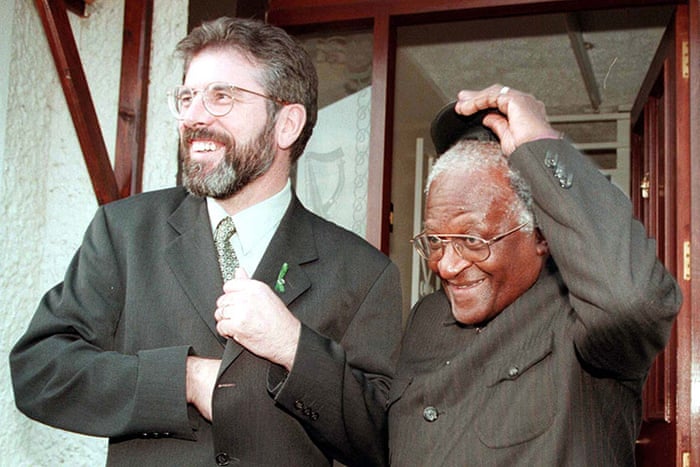
Bishop Desmond Tutu, from South Africa, attended an Anglican conference in Newcastle, County Down. Tutu said that Sinn Féin (SF) should be invited to attend the forthcoming talks on the future of Northern Ireland.

Tuesday 14 April 1992

Michael Newman

A British Army (BA) recruiting sergeant died after being shot by the Irish National Liberation Army (INLA) in Derby, England.

[This was the first killing by the INLA in Britain since March 1979.]

Thursday 14 April 1994

Teresa Clinton

Teresa Clinton (34), a Catholic Civilian, was shot dead by the Ulster Freedom Fighters (UFF), a cover name (pseudonym) used by the Ulster Defence Association (UDA), during a gun attack on her home, off Ormeau Road, Belfast.

Her husband had been a former Sinn Féin (SF) election candidate.

The UFF carried out another gun attack and wounded of two Catholic civilians.

The Northern Ireland Office (NIO) offered to clarify, for the benefit of SF, specific points related to the Downing Street Declaration (DSD).

Friday 14 April 1995

The Royal Ulster Constabulary (RUC) discovered 40 weapons and hundreds of rounds of ammunition which were believed to belong to the Ulster Volunteer Force (UVF). The cache was found in Holywood, County Down.

[Three men were arrested following the discovery. A second cache of arms was later found in the town.]

Monday 14 April 1997

There was an arson attack on St Peter’s Catholic church in Stoneyford, County Antrim. The chapel was badly damaged by the fire.

A man (24) was seriously injured in what was believed to be a Loyalist ‘punishment’ shooting that took place in the Ballysally estate in Coleraine, County Derry.

The Irish Republican Army (IRA) was believed to be responsible for a ‘punishment’ beating attack on a man in Derry. The man subsequently went into hiding.

See Corporal Killings

Patrick Mayhew, then Secretary of State for Northern Ireland, referred the case of Patrick Kane to the Court of Appeal. Kane had been convicted of, and was serving a life sentence for, the murder of corporals Derek Wood and David Howes on 19 March 1988.

Tuesday 14 April 1998

In the Republic of Ireland the Irish authorities released nine Irish Republican Army (IRA) prisoners from Portlaoise Prison. On their release the prisoners pledged their “total support” for the leadership of Sinn Féin (SF).

[The releases were criticised by Unionists and by the Garda Representative Association.]

Wednesday 14 April 1999

Liz O’Donnell, then Irish Minister of State for Foreign Affairs, acknowledged that the Hillsborough Declaration would not be the basis for resolving the decommissioning impasse.

Saturday 14 April 2001

Bomb Explosion in London

There was a bomb explosion at a Post Office delivery depot in north London at 11.28pm (2328BST).

There had been no warning of the bomb but no one was injured in the explosion which caused “minor” damage to the building at The Hyde in Hendon. The “real” Irish Republican Army (rIRA) was thought to have been responsible for the attack.


———————————————

Remembering all innocent victims of the Troubles

Today is the anniversary of the death of the following people killed as a results of the conflict in Northern Ireland

“To live in hearts we leave behind is not to die

– Thomas Campbell

To the innocent on the list – Your memory will live forever

– To the Paramilitaries –

There are many things worth living for, a few things worth dying for, but nothing worth killing for.

8 People lost their lives on the 14th  April   between 1973– 1994

———————————————–

14 April 1973


Robert Millen,   (23)

Protestant
Status: Official Irish Republican Army (OIRA),

Killed by: Ulster Volunteer Force (UVF)
Shot from passing car while standing in McClure Street, off Ormeau Road, Belfast

———————————————–

14 April 1974
Anthony Pollen,  (27)

nfNI
Status: British Army (BA),

Killed by: Irish Republican Army (IRA)
Undercover British Army (BA) member. Shot while observing Republican Easter commemoration parade, Meenan Square, Bogside, Derry.

———————————————–

14 April 1975


Stafford Mateer,   (32)

Protestant
Status: Civilian (Civ),

Killed by: not known (nk)
Died two days after being shot while driving his car, at the junction of Albertbridge Road and Woodstock Road, Belfast.

———————————————–

14 April 1978


James McKee,  (61)

Protestant
Status: Ulster Defence Regiment (UDR),

Killed by: Irish Republican Army (IRA)
Off duty. Shot while driving school bus, Creggan, near Pomeroy, County Tyrone.

———————————————–

14 April 1978

Robert McCullough,   (27)

Protestant
Status: Civilian (Civ),

Killed by: Ulster Volunteer Force (UVF)
Shot at his home, Rathmore Drive, Rathcoole, Newtownabbey, County Antrim.

———————————————–

14 April 1986


White, Keith (20)

Protestant
Status: Civilian (Civ),

Killed by: Royal Ulster Constabulary (RUC)
Died 15 days after being shot by plastic bullet, during street disturbances, Woodhouse Street, Portadown, County Armagh.

———————————————–

14 April 1992


Michael Newman,   (34)

nfNIB
Status: British Army (BA),

Killed by: Irish National Liberation Army (INLA)
Shot shortly after leaving British Army (BA) recruiting office, Derby, England.

———————————————–

14 April 1994


Teresa Clinton,  (34)

Catholic
Status: Civilian (Civ),

Killed by: Ulster Freedom Fighters (UFF)
Shot during gun attack on her home, Balfour Avenue, off Ormeau Road, Belfast. Her husband a Sinn Fein (SF) member.

———————————————–


13th April – Deaths & Events in Northern Ireland Troubles

Key Events & Deaths on this day in Northern Ireland Troubles

13th April

———————————

Saturday 13 April 1991

Two people were killed in separate incidents.


Thursday 13 April 1995

Patrick Mayhew, then Secretary of State for Northern Ireland, invited the political parties to engage in a series of bilateral talks.

Saturday 13 April 1996

John Alderdice, the leader of the Alliance Party of Northern Ireland (APNI), addressed his party conference in Belfast.

Sunday 13 April 1997

Marjorie (Mo) Mowlam, then Labour Party Spokesperson on Northern Ireland, announced that she was recovering from treatment for a brain tumour. [Mowlam made the announcement following press comments about her appearance, particularly her gain in weight.]

Monday 13 April 1998

Representatives of Sinn Féin (SF) said that they needed a “period of consultation” with their membership before they could sign the Good Friday Agreement.

Bill Clinton, then President of the United States of America (USA), said that he would visit Northern Ireland if it would help ensure the success of the Agreement.

Ian Paisley, then leader of the Democratic Unionist Party (DUP), launched a DUP campaign calling for people to reject the Agreement. William Thompson, then Ulster Unionist Party (UUP) MP, announced that he would be supporting the DUP campaign.

Tuesday 13 April 1999

Politcal Talks Resumed

Efforts to break the deadlock over decommissioning resumed at Stormont with a series of meetings, including a round table session involving all the parties supporting the Good Friday Agreement. Prior to the resumption of talks, Marjorie (Mo) Mowlam, then Secretary of State of Northern Ireland, issued a statement.

Mitchel McLaughlin, then Sinn Féin (SF) chairman, also issued a statement claiming that the Hillsborough Declaration (1 April 1999) moved away from the Good Friday Agreement and as such, was formally rejected by SF.

The Declaration was also rejected by the Progressive Unionist Party (PUP).

The Northern Ireland Police Authority (NIPA) strongly defended Ronnie Flanagan, then Chief Constable of the Royal Ulster Constabulary (RUC), against allegations of “indifference” made in the report by the United Nations (UN) Special Rapporteur on 12 April 1999. The total number of prisoners released under the terms of the Good Friday Agreement was reported as being 257. 131 were Republican, 118 Loyalist, and eight had no classification.

Friday 13 April 2001

The “real” Irish Republican Army (rIRA) issued a statement to mark the 85th anniversary of the Easter Rising in Dublin. The statement read: “Partition has failed and those who attempt to uphold it will fail. As for republicans, we will continue to attack the problem at its root and make no apology for undertaking this necessary task.”#

———————————————

Remembering all innocent victims of the Troubles

Today is the anniversary of the death of the following people killed as a results of the conflict in Northern Ireland

“To live in hearts we leave behind is not to die

– Thomas Campbell

To the innocent on the list – Your memory will live forever

– To the Paramilitaries –

There are many things worth living for, a few things worth dying for, but nothing worth killing for.

9 People lost their lives on the 13th April   between 1972– 1991

———————————————–

13 April 1972
Elizabeth McAuley,  (64)

Protestant
Status: Civilian (Civ),

Killed by: Irish Republican Army (IRA)
Killed in van bomb explosion, Main Street, Ballymoney, County Antrim. Inadequate warning given.

———————————————–

13 April 1974


Kenneth Lennon,   (30)

Catholic
Status: Civilian (Civ),

Killed by: not known (nk)
Originally from Northern Ireland. Found shot Park Road, Chipstead, Surrey, England

———————————————–

13 April 1974
William McDonald,   (21)

nfNI
Status: Civilian (Civ),

Killed by: British Army (BA)
Scottish visitor. Shot during street disturbances, Crimea Street, Shankill, Belfast.

———————————————–

13 April 1979
Thomas Armstrong   (63)

Protestant
Status: Ulster Defence Regiment (UDR),

Killed by: Irish Republican Army (IRA)
Off duty. Shot near to his home, Tynan, near Middletown, County Armagh.

———————————————–

13 April 1980
Mary Doherty  (53)

Catholic
Status: Civilian (Civ),

Killed by: British Army (BA)
Shot while travelling in car approaching British Army (BA) Vehicle Check Point (VCP), Strabane, County Tyrone.

———————————————–

13 April 1983
Trevor Elliott   (38)

Protestant
Status: British Army Territorial Army (TA),

Killed by: Irish Republican Army (IRA)
Off duty. Shot at his shop, Keady, County Armagh.

———————————————–

13 April 1984


John George   (26)

Catholic
Status: Civilian (Civ),

Killed by: Irish National Liberation Army (INLA)
Shot at his home, Thornhill Crescent, Twinbrook, Belfast. Alleged criminal.

———————————————–

13 April 1991
Ian Sproule,  (23)

Protestant
Status: Civilian (Civ),

Killed by: Irish Republican Army (IRA)
Shot outside his parents’ home, Liskleen Road, Killen, Castlederg, County Tyrone

———————————————–

13 April 1991


Samuel McCrum  (62)

Protestant
Status: Royal Ulster Constabulary (RUC),

Killed by: Irish Republican Army (IRA)
Off duty. Shot at his wife’s shop, Antrim Street, Lisburn, County Antrim.

———————————————–


12th April – Deaths & Events in Northern Ireland Troubles

Key Events & Deaths on this day in Northern Ireland Troubles

12th April Saturday

———————————

12 April 1975

Loyalist paramilitaries killed six Catholic civilians in a gun and bomb attack on the Strand Bar, in the Short Strand area of Belfast.

Paul Crawford

Paul Crawford (25), then a member of the Official Irish Republican Army (OIRA), was shot dead on the Falls Road, Belfast. This killing was another in the feud between the OIRA and the Irish National Liberation Army (INLA).

Thursday 12 April 1984


Margaret Whyte (51), a Catholic civilian, and Michael Dawson (23), a Royal Ulster Constabulary (RUC) officer, were killed in a bomb attack carried out by Loyalists on Mrs Whyte’s home, University Street, Belfast.

Lord Lyell replaced Lord Mansfield as government spokesman on Northern Ireland in the House of Lords.

Tuesday 12 April 1994

Ian Hamiltion (21), a Ulster Volunteer Force (UVF) member, was shot dead by the UVF because they claimed he had admitted killing Margaret Wright on 7 April 1994.

Wednesday 12 April 1995

The leaders of the Ulster Unionist Party (UUP), Democratic Unionist Party (DUP), and the Social Democratic and Labour Party (SDLP), met for talks. Unemployment in Northern Ireland in March 1995 was recorded as 89,600 which was the lowest it had been since December 1981.

Friday 12 April 1996

The 26th annual conference of the Alliance Party of Northern Ireland (APNI) opened in Belfast.

Saturday 12 April 1997

Following a series of attacks and intimidation by Loyalists, eight Catholic families left their homes in the Limestone Road area of north Belfast. There were arson attacks on commercial properties in Armagh, Derry and Portadown.

Sunday 12 April 1998

At a series of Sinn Féin (SF) rallies in Ireland to commemorate the Easter Rising in Dublin in 1916, speeches were delivered which appeared to give the Good Friday Agreement a cautious welcome.

The Irish Republican Army (IRA) issued a statement which said that it would judge the Agreement “against its potential to deliver a just and durable peace in our country”. Republican Sinn Féin (RSF) called for a ‘no’ vote in the planned referendums on the Agreement.

Monday 12 April 1999

UN Report on RUC

Param Cumaraswamy, then United Nations (UN) Special Rapporteur, published a report that criticised Ronnie Flanagan, then Chief Constable of the Royal Ulster Constabulary (RUC), over the alleged harassment of defence solicitors.

Cumaraswamy also called for an independent inquiry into the killing of Pat Finucane because there was evidence of collusion between members of the security forces and Loyalist paramilitaries.

Patrick Finucane

See Pat Finucane

Flanagan rejected an accusation of indifference over the matter. Marjorie (Mo) Mowlam, then Secretary of State for Northern Ireland, said she would have talks with Cumara

swamy, about his report.

A man was shot and injured in the Ardoyne area of Belfast by Republicans during a paramilitary ‘punishment’ attack.

Thursday 12 April 2001

Census Day

The Census was conducted across Britain and Northern Ireland.

The Northern Ireland contained two questions on Religion.

[The Religon Report of the Census would not be published for a year or two but there was speculation about how large an increase there would be in the percentage of Catholics in the region. Analysis of the 1991 Census put the figure for Catholics at 41.5 per cent of the population. There was speculation that the figure could now be as high as 45 per cent.]

Security forces made safe a “barrack buster” bomb which had been discovered at Altmore Forest, Galbally, County Tyrone. The bomb was believed to have been manufactured by the “real” Irish Republican Army (rIRA).


———————————————

Remembering all innocent victims of the Troubles

Today is the anniversary of the death of the following people killed as a results of the conflict in Northern Ireland

“To live in hearts we leave behind is not to die

– Thomas Campbell

To the innocent on the list – Your memory will live forever

– To the Paramilitaries –

There are many things worth living for, a few things worth dying for, but nothing worth killing for.

13 People lost their lives on the 12th April   between 1973 – 1994

———————————————–

12 April 1973


Edward O’Rawe,  (27)

Catholic
Status: Irish Republican Army (IRA),

Killed by: British Army (BA)
Shot while at the rear of house, Cape Street, Lower Falls, Belfast.

———————————————–

12 April 1975


Paul Crawford,  (25)

Catholic
Status: Official Irish Republican Army (OIRA),

Killed by: People’s Liberation Army (PLA)
Shot while selling United Irishman newspaper outside Beagon’s Bar, Falls Road, Belfast. Official Irish Republican Army (OIRA) / Irish National Liberation Army (INLA) feud

———————————————–

12 April 1975


Mary McAleavey,  (57)

Catholic
Status: Civilian (Civ),

Killed by: Ulster Volunteer Force (UVF)
Killed in gun and bomb attack on Strand Bar, Anderson Street, Short Strand, Belfast.

———————————————–

12 April 1975


Elizabeth Carson,   (64)

Catholic
Status: Civilian (Civ),

Killed by: Ulster Volunteer Force (UVF)
Killed in gun and bomb attack on Strand Bar, Anderson Street, Short Strand, Belfast.

———————————————–

12 April 1975


Marie Bennett,  (42)

Catholic
Status: Civilian (Civ),

Killed by: Ulster Volunteer Force (UVF)
Killed in gun and bomb attack on Strand Bar, Anderson Street, Short Strand, Belfast.

———————————————–

12 April 1975


Agnes McAnoy,   (62)

Catholic
Status: Civilian (Civ),

Killed by: Ulster Volunteer Force (UVF)
Killed in gun and bomb attack on Strand Bar, Anderson Street, Short Strand, Belfast

———————————————–

12 April 1975


Arthur Penn,   (33)

Catholic
Status: Civilian (Civ),

Killed by: Ulster Volunteer Force (UVF)
Killed in gun and bomb attack on Strand Bar, Anderson Street, Short Strand

———————————————–

12 April 1975
Michael Mulligan,  (33)

Catholic
Status: Civilian (Civ),

Killed by: Ulster Volunteer Force (UVF)
Injured in gun and bomb attack on Strand Bar, Anderson Street, Short Strand, Belfast. He died 20 April 1975.

———————————————–

12 April 1984


Margaret Whyte,  (51)

Catholic
Status: Civilian (Civ),

Killed by: non-specific Loyalist group (LOY)
Killed by time bomb left on the windowsill of her home, University Street, Belfast

———————————————–

12 April 1984


Michael Dawson,   (23)

Protestant
Status: Royal Ulster Constabulary (RUC),

Killed by: non-specific Loyalist group (LOY)
Killed by time bomb left on the windowsill of Margaret Whyte’s home, University Street, Belfast.

———————————————–

12 April 1987
Charles McIlmurray,  (30)

Catholic
Status: Irish Republican Army (IRA),

Killed by: Irish Republican Army (IRA)
Found shot in van, abandoned at the rear of petrol filling station, Killeen, County Armagh. Alleged informer.

———————————————–

12 April 1989
Joanne Reilly,  (20)

Catholic
Status: Civilian (Civ),

Killed by: Irish Republican Army (IRA)
Killed in van bomb attack on Warrenpoint Royal Ulster Constabulary (RUC) base, County Down. Inadequate warning given.

———————————————–

12 April 1994
Ian Hamilton, (21)

Protestant
Status: Ulster Volunteer Force (UVF),

Killed by: Ulster Volunteer Force (UVF)
Found shot on playing field, off Agnes Close, Shankill, Belfast. Alleged to have been involved in the killing of Margaret Wright on 6 April 1994.

———————————————–

v