Category Archives: Deaths in the Troubles

Deaths in Northern Ireland Troubles

28th November – Deaths & Events in Northern Ireland Troubles

Key Events & Deaths on this day in Northern Ireland Troubles

28th November

————————————-

Tueday 28 November 1972
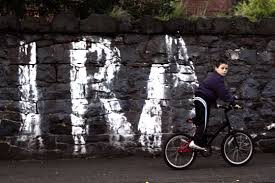
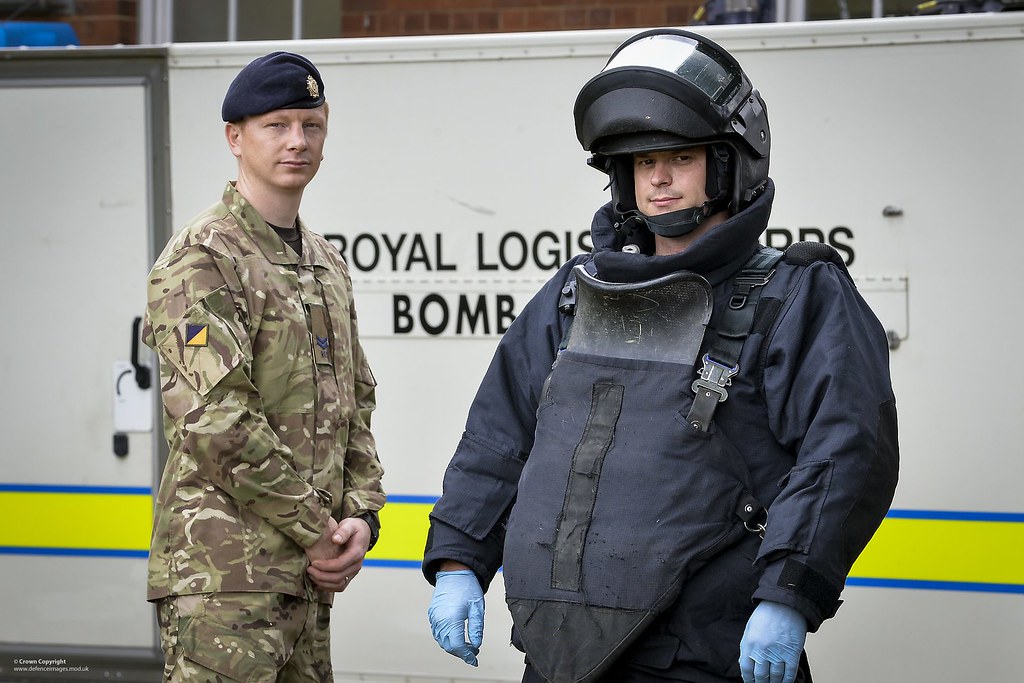
Two members of the IRA were killed in a premature bomb explosion in the Bogside area of Derry. A RUC officer was killed in an IRA rocket attack in Fermanagh. A member of the bomb disposal team of the British Army was killed in Derry.

Wednesday 28 November 1973

Assembly proceedings were halted due to verbal assaults on those who had been named as members of the proposed Executive. The disruption was caused by Loyalists and those opposed to the new Executive. Eventually the meeting of the Assembly had to be adjourned.


Friday 22 November 1974

See Birmingham  Bombing

The Irish Republican Army (IRA) denied responsibility for the bombs in Birmingham on 21 November 1974.

Thursday 28 November 1974

The Irish government introduced legislation which would allow people to be tried for offences committed outside the jurisdiction of the Republic of Ireland. Paul Hill was arrested in Southhampton and taken to Guildford for questioning about the bombings on 5 October 1974. [On 29 November 1974 Hill signed a statement admitting his involvement in the Guildford bombing. Hill became the first of the ‘Guildford Four’ to be charged with the bombing.]

Tuesday 28 November 1978

Increase in Number of MPs A Bill was passed in the House of Commons to increase the number of Northern Ireland Members of Parliament (MPs) at Westminster. The number was increase from 12 to 17 seats.

Wednesday 28 November 1979

John Hume succeeded Gerry Fitt as leader of the Social Democratic and Labour Party (SDLP).

Friday 28 November 1986

The Fair Employment Agency (FEA) published a report that concluded that the geographical distribution of government sponsored jobs did not disadvantage Catholics.

Sunday 28 November 1993

Secret Talks Between British and Republicans The nature and extent of a series of secret talks between the British Government and the Republican Movement was revealed by the Observer (a British Newspaper). The report indicated that a secret channel of communication had existed between the British government and the Irish Republican Army (IRA) for three years and the two sides had been in regular contact since February 1993. Patrick Mayhew, then Secretary of State for Northern Ireland, claimed that the Irish Republican Army (IRA) had initiated the contacts with an oral message on 22 February 1993 that stated:

“The conflict is over but we need your advice on how to bring it to a close. We wish to have an unannounced cease-fire in order to hold dialogue leading to peace.”

[Sinn Féin (SF) denied that it had sent the message. The Observer carried a report on 28 June 1998 in which it claimed that Denis Bradley, a former Catholic priest, had acted as a means of contact between the Republican movement and the British and Irish governments over a 20 year period. The report also claimed that Bradley was responsible for the message of 22 February 1993.]

Tuesday 28 November 1995

Joint Communiqué by British and Irish Governments The British and Irish Governments issued a Joint Communiqué stating that: “the two governments have agreed to launch a “twin-track” process to make progress in parallel on the decommissioning issue and on all-party negotiations”. The governments hoped to have all-party negotiations begin by the end of February 1996. They also invited the parties to intensive preparatory talks. The governments also undertook to: “… establish an international body to provide an independent assessment of the decommissioning issue”. [George Mitchell, a former American Senator, was asked to lead this body.]

Thursday 28 November 1996

John Major, then British Prime Minister, replied in the House of Commons to proposals for a new Irish Republican Army (IRA) ceasefire. The proposals were developed during meetings between John Hume, then leader of the Social Democratic and Labour Party (SDLP), and Gerry Adams, then President of Sinn Féin (SF). Essentially the proposals called for the entry of SF into the Stormont talks immediately following an IRA ceasefire. Major rejected the central proposal stating that the British government would make its own assessment of the permanence of any new ceasefire. Ian Paisley, then leader of the Democratic Unionist Party (DUP), warned against any changes to the Act of Succession which forbids any English monarch from marrying a Catholic.

Saturday 28 November 1998

George Mitchell, formerly Chairman of the multi-party talks, held meetings with Northern Ireland political leaders in Belfast. Seamus Mallon, Deputy First Minister designate, spoke of a “distinct possibility” that President Clinton would try to resolve the decommissioning row but added that he had no specific knowledge of the such a move. Peter Robinson, then deputy leader of the Democratic Unionist Party (DUP), addressed the Annual Conference of the DUP and urged members of the Ulster Unionists Party (UUP) to “topple” their leader David Trimble. Robinson went on to say: “Better by far that you topple Trimble now rather than give him time to drag this province step by step to Dublin.” The conference was also addressed by the party leader Ian Paisley.

———————————-

———————————————————————————

Remembering all innocent victims of the Troubles

Today is the anniversary of the death of the following  people killed as a results of the conflict in Northern Ireland

“To live in hearts we leave behind is not to die

– Thomas Campbell

To the innocent on the list – Your memory will live  forever

– To  the Paramilitaries  –

There are many things worth living for, a few things worth dying for, but nothing worth killing for.

6 People lost their lives on the 28th  November between 1972 – 1983

————————————————————

 28 November 1972


 Robert Keys,  (55)

Protestant
Status: Royal Ulster Constabulary (RUC),

Killed by: Irish Republican Army (IRA)
Killed in rocket attack on Belleek Royal Ulster Constabulary (RUC) / British Army (BA) base, County Fermanagh.

————————————————————

28 November 1972


John Brady,   (21)

Catholic
Status: Irish Republican Army (IRA),

Killed by: Irish Republican Army (IRA)
Died in premature bomb explosion in house, Meenan Drive, Bogside, Derry.

————————————————————

28 November 1972


James Carr,   (19)

Catholic
Status: Irish Republican Army (IRA),

Killed by: Irish Republican Army (IRA)
Died in premature bomb explosion in house, Meenan Drive, Bogside, Derry.

————————————————————

28 November 1972
Paul Jackson,  (21)

nfNI
Status: British Army (BA),

Killed by: Irish Republican Army (IRA)
Member of British Army (BA) bomb disposal team. Killed while sitting in British Army (BA) Armoured Personnel Carrier monitoring bomb which exploded, Strand Road, Derry.

————————————————————

28 November 1981

William Coulter,   (23)

Protestant
Status: Royal Ulster Constabulary (RUC),

Killed by: Irish Republican Army (IRA)
Killed by remote controlled bomb hidden behind fencing while on Royal Ulster Constabulary (RUC) foot patrol, Unity Flats, Peter’s Hill, Belfast.

————————————————————

28 November 1983


Brigid Foster,  (77)

Catholic
Status: Civilian (Civ),

Killed by: Royal Ulster Constabulary (RUC)
Passerby. Shot shortly after armed robbery at Post Office, Pomeroy, County Tyrone.

————————————————————

27th November – Deaths & Events in Northern Ireland Troubles

Key Events & Deaths on this day in Northern Ireland Troubles

27th November

Thursday 27 November 1969

A Commissioner for Complaints, John Benn, was appointed to deal with matters related to local government and public bodies.

Saturday 27 November 1971

Two Customs officials, Ian Hankin (27) a Protestant and James O’Neill (39) a Catholic, were shot by an Irish Republican Army (IRA) sniper who fired upon a British Army (BA) patrol investigating a bomb attack on a Customs Post near Newry, County Armagh. A British soldier was shot dead in Belfast.

Wednesday 27 November 1974

Roy Jenkins


Roy Jenkins, then British Home Secretary, introduced the Prevention of Terrorism (Temporary Provisions) Bill into the House of Commons, Westminster. One of the provisions of the Bill provided the police with powers to arrest and detain suspected terroristts for up to 48 hours in the first instance, and for up to seven days if the police applied to the Home Secretary for additional time.

The provision also allowed for exclusion orders to be made against people suspected of involvement in terrorism. Jenkins described the provisions in the Bill as “draconian measures unprecedented in peacetime”.

[The Bill became law on 29 November 1974.]

The Irish Republican Army (IRA) carried out two bomb attacks near an Army museum in Tite Street, Chelsea, London. Initially a small bomb exploded in a post office pillar-box at 8.30pm. Approximately 20 minutes later a second, larger bomb, exploded behind a hedge just a short distance away from the first explosion. Twenty people were injured in the second explosion including an explosives officer, six policmen and two ambulance men.

[The tactic of the ‘come-on’ bomb was one which the IRA used on many occasions in Northern Ireland.]

Thursday 27 November 1975

Ross McWhirter (50), who had publicly criticised Irish Republican Army (IRA) violence, was shot dead by the IRA at his home in Village Road, Enfield, London. McWhirter was a founder of the Guinness Book of World Records and had offered a £50,000 reward for the capture of the IRA members responsible for the bombings in London.

Saturday 27 November 1976

The Irish Republican Army (IRA) killed two Catholic civilians in separate booby-trap bomb attacks in Lurgan, County Armagh and Bogside, Derry. The bombs had been intended for the security forces.

The Peace People held a rally in London which was attended by approximately 30,000 people. Republican sympathisers held a small counter demonstration and chanted ‘troops out’.

Thursday 27 November 1980

Humphrey Atkins, then Secretary of State for Northern Ireland, told the House of Commons that there was still no consensus amongst the parties in Northern Ireland and little prospect for a devolved government in the region.

Sunday 27 November 1983

Dominic McGlinchey, believed to be chief of staff of the Irish National Liberation Army (INLA), admitted that his organisation had been involved in the Darkley killings on 20 November 1983


Wednesday 27 November 1985

The House of Commons approved the Anglo-Irish Agreement (AIA) in a vote of 473 votes to 47. During her speech Margaret Thatcher, then British Prime Minister, said that the government would not give way to threats or violence.

Tuesday 27 November 1990

During the Conservative Party leadership contest Margaret Thatcher failed to win outright victory and withdrew from the race. John Major was elected as the new leader of the Conservative Party and the new British Prime Minister.

Wednesday 27 November 1991

Four members of the Irish National Liberation Army (INLA) were arrested outside the home of Laurence Kennedy, then leader of the Northern Ireland Conservative Party.

Saturday 27 November 1993

The Social Democratic and Labour Party (SDLP) held its annual conference in Cookstown, County Tyrone. In his address John Hume, then leader of the SDLP, stated that John Major, then British Prime Minister, held

“the key to peace”.

The Democratic Unionist Party (DUP) held its annual conference at Castlereagh in Belfast. Ian Paisley, then leader of the DUP, told delegates that Northern Ireland faced “the greatest threat to the Union since the Home Rule Crisis”.

Monday 27 November 1995

Catholic Killed in Sectarian Attack Norman Harley (46), a Catholic civilian, was found beaten to death at the Waterworks, off Cavehill Road, Belfast.

[Harley was going through the park to visit his mother when two Protestant men beat him to death with an iron bar before going to a public house. This sectarian killing appears not to have been carried out by Loyalist paramilitaries (McKitterick, 1999; p1383).]

Thursday 27 November 1997

Jack Mahood was shot and injured in his taxi depot in north Belfast.

[The attack was blamed on the Ulster Volunteer Force (UVF). Mahood had been a member of the Progressive Unionist Party (PUP) negotiation team who resigned over differences on matters of policy.]

Friday 27 November 1997

The Northern Ireland Office (NIO) published a list of the main initiatives introduced since the IRA ceasefire of 20 July 1997 to reduce the impact of security measures.


Friday 27 November 1998

British soldiers who were serving in Derry on 30 January 1972 were offered immunity from prosecution when they provide evidence to the Saville inquiry into the events of ‘Bloody Sunday’.

Saturday 27 November 1999

The Ulster Unionist Council (UUC), the policy-making body of the Ulster Unionist Party (UUP), held a meeting in the Waterfront Hall, Belfast, to discuss the Mitchell Review. The Council decided by 480 votes to 349 to back the deal. The decision opened the way for the UUP to enter the power-sharing Executive with Sinn Féin (SF).

The UUC also attached a condition that the Council should meet again in February 2000 “to take a final decision” on the matter. At a press conference after the vote David Trimble, then leader of the Ulster Unionist Party (UUP), said:

“We’ve done our bit. Mr Adams its over to you. We’ve jumped, you follow”.

[It was later revealed that Trimble had lodged a post dated resignation letter with a party official which would come into effect if Irish Republican Army (IRA) decommissioning did not occur.]

The Democratic Unionist Party (DUP) held its annual conference at the La Mon House Hotel near Belfast. During his speech Ian Paisley, then leader of the Democratic Unionist Party (DUP), said that Northern Ireland was facing its gravest crisis and that no unionist should be holding negotiations with the Irish government, the SDLP, or Sinn Féin. He accused the Ulster Unionist Party (UUP) of betrayal and said Trimble was as “much of an enemy of Ulster as the IRA”.

———————-


———————————————————————————

Remembering all innocent victims of the Troubles

Today is the anniversary of the death of the following  people killed as a results of the conflict in Northern Ireland

“To live in hearts we leave behind is not to die

– Thomas Campbell

To the innocent on the list – Your memory will live  forever

– To  the Paramilitaries  –

There are many things worth living for, a few things worth dying for, but nothing worth killing for.

11 People lost their lives on the 27th November between 1971 – 1995

————————————————————

27 November 1971
Ian Hankin,  (27)

Protestant
Status: Civilian (Civ),

Killed by: Irish Republican Army (IRA)
Customs official. Shot by snipers firing at British Army (BA) patrol which had just arrived after bomb attack on Killeen Customs Post, near Newry, County Armagh.

————————————————————

27 November 1971
James O’Neill,  (39) Catholic
Status: Civilian (Civ), Killed by: Irish Republican Army (IRA)
Customs official. Shot by snipers firing at British Army (BA) patrol which had just arrived after bomb attack on Killeen Customs Post, near Newry, County Armagh.

————————————————————

27 November 1971
Paul Nicholls, (18)

nfNI
Status: British Army (BA),

Killed by: Irish Republican Army (IRA)
Shot by sniper while on British Army (BA) foot patrol, St James Crescent, Falls, Belfast.

————————————————————

27 November 1972
Rory Gormley, (14)

Catholic
Status: Civilian (Civ),

Killed by: Ulster Volunteer Force (UVF)
Shot while travelling in car, junction of Downing Street and Ariel Street, Shankill, Belfast

————————————————————

27 November 1973
Desmond Morgan  (18)

Catholic
Status: Irish Republican Army (IRA),

Killed by: British Army (BA)
Shot during attempted hijacking of vehicle, Coalisland, County Tyrone.

————————————————————

27 November 1975
Ross McWhirter,  (50)

nfNIB
Status: Civilian (Civ),

Killed by: Irish Republican Army (IRA)
Shot at his home, Village Road, Enfield, London.

see : Ross McWhirter 

————————————————————

27 November 1976
Philomena Green ,  (16)

Catholic
Status: Civilian (Civ),

Killed by: Irish Republican Army (IRA)
Killed by booby trap bomb in derelict house, Mary Street, Lurgan, County Armagh. House had been used as British Army (BA) observation post.

————————————————————

27 November 1976
Frank McConnellogue,   (46)

Catholic
Status: Civilian (Civ),

Killed by: Irish Republican Army (IRA)
Killed by booby trap bomb in entry, off Lecky Road, Bogside, Derry.

————————————————————

27 November 1978
Robert Bachelor,  (36)

Protestant
Status: Ulster Defence Regiment (UDR),

Killed by: Irish Republican Army (IRA)
Off duty. Shot just after leaving his workplace, Institution Place, off Durham Street, Belfast.

————————————————————

27 November 1982
John Martin,   (34)

Protestant
Status: ex-Royal Ulster Constabulary (xRUC),

Killed by: Irish Republican Army (IRA)
Shot at his garage, The Mall East, Armagh.

————————————————————

27 November 1995
Norman Harley,   (46)

Catholic
Status: Civilian (Civ),

Killed by: non-specific Loyalist group (LOY)
Found beaten to death, Waterworks, off Cavehill Road, Belfast.

————————————————————

see : Ross McWhirter 

26th November – Deaths & Events in Northern Ireland Troubles

Key Events & Deaths on this day in Northern Ireland Troubles

26th November

————————————-

Sunday 26 November 1972

There was a bomb explosion at the Film Centre Cinema, in O’Connell Bridge House in Dublin. A late film was being shown and although no one was killed, approximately 40 people required hospital treatment.

The explosion happened at 1.25am and the bomb had been placed outside the rear exit door of the Film Centre Cinema in a laneway connecting Burgh Quay to Leinster Market.

[The ‘Interim Report on the Report of the Independent Commission of Inquiry into the Dublin Bombings of 1972 and 1973’, [PDF; 687KB], concluded that: “… it seems more likely than not that the bombing of the Film Centre Cinema was carried out by republican subversives as a response to a Government ‘crackdown’ on the IRA and their associates”.]

Friday 26 November 1976

Roy Mason, then Secretary of State for Northern Ireland, said that the region might be left behind by ‘the tide of devolution’.

Saturday 26 November 1977

William Craig, then an Member of Parliament (MP), announced that the Vanguard Unionist Progressive Party (VUPP) would cease to exist as a political party as from 25 February 1978.

Sunday 26 November 1978

Albert Miles


Albert Miles, then Deputy Governor of Crumlin Road Prison, was shot dead by the Irish Republican Army (IRA) outside his home in Evelyn Gardens, Belfast. [This was one of a series of attacks on prison officers.]

Tuesday 26 November 1985

In the House of Commons at Westminster a two-day debate on the Anglo-Irish Agreement (AIA) began.

Wednesday 26 November 1986

Ulster Unionist Party (UUP) councillors decided not to resign from district councils in protest at the Anglo-Irish Agreement (AIA). The decision was taken although the leadership of the UUP was in favour of mass resignations. The Standing Advisory Commission on Human Rights (SACHR) recommended that Diplock courts in Northern Ireland should have three judges to hear cases.

However, the Commission did not support calls for a return to jury trials for scheduled (terrorist) offences.

Tuesday 26 November 1996

David Trimble, then leader of the Ulster Unionist Party (UUP), criticised Mary Robinson, then President of the Republic of Ireland, for not following “the proper protocol” when arranging visits to Northern Ireland.

Thursday 26 November 1998

Tony Blair became the first British Prime Minister to address both houses of the Oireachtas (the Irish Parliament) the Dáil and the Seanad. His speech dealt with the Good Friday Agreement and the relationships between Britain and the Republic of Ireland.

Friday 26 November 1999

Ronnie Flanagan, then Chief Constable of the Royal Ulster Constabulary (RUC), said that there was “no intelligence basis” for the view that the Irish Republican Army (IRA) was planning to return to violence.

—————————————–


———————————————————————————

Remembering all innocent victims of the Troubles

Today is the anniversary of the death of the following  people killed as a results of the conflict in Northern Ireland

“To live in hearts we leave behind is not to die

– Thomas Campbell

To the innocent on the list – Your memory will live  forever

– To  the Paramilitaries  –

There are many things worth living for, a few things worth dying for, but nothing worth killing for.

6 People lost their lives on the 26th  November between 1973 – 1991

————————————————————

26 November 1973
Anthony Braden,   (58)

Catholic
Status: Civilian (Civ),

Killed by: Irish Republican Army (IRA)
Shot while driving his car along Jamaica Street, Ardoyne, Belfast.

————————————————————

26 November 1974
Thomas Hamilton,   (34)

Protestant
Status: Civilian (Civ),

Killed by: non-specific Republican group (REP)
Shot at his shop, Duncairn Gardens, Belfast.

————————————————————

26 November 1978


Albert Miles,  (50)

Protestant
Status: Prison Officer (PO),

Killed by: Irish Republican Army (IRA)
Deputy Governor of Long Kesh / Maze Prison. Off duty. Shot outside his home, Evelyn Gardens, off Cavehill Road, Belfast.

————————————————————

26 November 1980
Norman Donaldson,  (59)

Protestant
Status: Ulster Defence Regiment (UDR),

Killed by: Irish Republican Army (IRA)
Shot while leaving Royal Ulster Constabulary (RUC) base, Derrygonnelly, County Fermanagh.

————————————————————

26 November 1987
Martin Bryan,   (32)

Catholic
Status: Irish National Liberation Army (INLA),

Killed by: Garda Siochana (GS)
Shot during gun battle at Garda Vehicle Check Point (VCP), Urlingford, County Kilkenny.

————————————————————

26 November 1991


Kenneth Newell,   (30)

Protestant
Status: Ulster Defence Regiment (UDR),

Killed by: Irish Republican Army (IRA)
Off duty. Abducted while driving delivery lorry, Crossmaglen, County Armagh. Found shot, near Crossmaglen, County Armagh, on 27 November 1991.

————————————————————

25th November – Deaths & Events in Northern Ireland Troubles

Key Events & Deaths on this day in Northern Ireland Troubles

25th November

————————————–

Tuesday 25 November 1969

The Commissioner for Complaints Act (Northern Ireland) became law.

The act allowed for the establishment of a Commissioner to deal with complaints against local councils and public bodies. The Electoral Law Act (Northern Ireland) became law. The main provision of the act was to make the franchise in local government elections in Northern Ireland the same as that in Britain.

Thursday 25 November 1971

Harold Wilson, then leader of the Labour Party, proposed that Britain should work towards a withdraw from Northern Ireland, with the consent of Protestants, after a period of 15 years. As part of the proposal the Republic of Ireland would rejoin the British Commonwealth. [ Political Developments. ]

Sunday 25 November 1973

Two British soldiers were shot dead by the Irish Republican Army (IRA) in Derry.

Monday 25 November 1974

Roy Jenkins 1977b.jpg

Roy Jenkins, then British Home Secretary, announced that the Irish Republican Army (IRA) was to be proscribed (declared illegal) in the United Kingdom and further emergency powers would be introduced through legislation. The IRA carried out three bomb attacks in the centre of London. In each case a small bomb with a timer was placed inside a post office pillar-box. The first bomb exploded at 5.50pm in King’s Cross and injured two people. The second bomb exploded at 6.00pm in a pillar-box in Piccadilly Circus injuring 16 people. The final bomb exploded at 6.50pm outside Victoria Station and two people were injured.

Saturday 22 November 1975

Three British soldiers were shot dead in a gun attack on a British Army observation post near Crossmaglen, County Armagh.

Wednesday 25 November 1981

The Irish National Liberation Army (INLA) carried out a bomb attack at a British Army base in Herford, West Germany. There were no injuries in the attack. [ Political Developments.]

Monday 25 November 1985

Unionists lost a High Court action in London during which they sought leave to challenge certain aspects of the Anglo-Irish Agreement (AIA).

Friday 25 November 1988

Patrick Ryan, a Catholic priest arrested for alleged involvement with the Irish Republican Army (IRA), was deported from Brussels directly to the Republic of Ireland.

The Belgian government had earlier refused an extradition request from Britain. The issue caused friction between the Irish and British governments.

Saturday 25 November 1989

The Democratic Unionist Party (DUP) held its annual conference. The DUP decided to contest all ‘safe’ Unionist seats so ending an electoral pact with the Ulster Unionist Party (UUP).

Wednesday 25 November 1992

Pearse Jordan (21), a member of the Irish Republican Army (IRA), was shot dead by members of an undercover Royal Ulster Constabulary (RUC) mobile patrol. Although Jordan was unarmed the RUC claimed that he had just left a ‘bomb-making factory’.

Thursday 25 November 1993

The Irish Times (a Republic of Ireland newspaper) carried a report of an interview with an Irish Republican Army (IRA) spokesperson. The IRA declared that there would be no unilateral cessation of violence.

Saturday 25 November 1995

The Times (a London based newspaper) carried a report that the Irish Republican Army (IRA) had warned its members to prepare for a “return to war” if the deadlock in the peace process was not resolved.

Monday 25 November 1996

Roisin McAliskey, daughter of the former Member of Parliament (MP) Bernadette McAliskey, was detained in prison following a request by German police for her extradition. The charge related to an Irish Republican Army (IRA) mortar attach on the British Army Osnabruck barracks in Germany on 28 June 1996. Roisin was five months pregnant at the time of her arrest.

Tuesday 25 November 1997

There were riots in Loyalist areas of north and west Belfast which were believed to have been sparked by the arrest of a leading Loyalist figure from the Shankill area.

The Northern Ireland Office (NIO) announced that the British Army would end its daytime patrolling of west Belfast.

[The move was welcomed by Nationalists but criticised by Unionists.]

The International Commission on Decommissioning issued an initial report stating that it had “detailed estimates” of the arms held by various paramilitary organisations.

Marjorie (Mo) Mowlam, then Secretary of State for Northern Ireland, issued a set of proposals for the future planning of police requirements. These included proposals for a community police service “which does not have to respond to a terrorist threat”.

Seán Brady, then Catholic Primate of Ireland, held a meeting with the South Armagh Residents and Farmers Association which were campaigning for a reduction in the level of security activity in the area.

Wednesday 25 November 1998

Tony Blair, then British Prime Minister, travelled to Northern Ireland for talks with representatives of the main political parties in the region.

Thursday 25 November 1999

A British Army bomb disposal unit carried out a controlled explosion on a pipe-bomb found in the village of Bushmills, County Antrim. The weapon was believed to have been produced by Loyalist paramilitaries.

In an interview with The Irish Times (a Dublin based newspaper), David Trimble, then leader of the Ulster Unionist Party (UUP), acknowledged Unionist concerns about accepting the Mitchell Review as an open-ended process. He promised his party that its entry into government with Sinn Féin (SF) could be time-limited to ensure decommissioning followed devolution, tied in with the developing role of the Independent International Commission on Decommissioning (IICD).

He criticised the “dirty tricks” of Unionist hardliners over a bogus Sinn Féin (SF) letter to Ulster Unionist Council (UUC) members ahead of the council’s meeting to vote on the Mitchell Review.

The letter purported to come from Gerry Adams and called for a ‘yes’ vote “so we can move forward together to build a new prosperous Ireland. Peter Mandelson, then Secretary of State for Northern Ireland, gave a speech on the theme of ‘Rebuilding Northern Ireland’ to staff and students at Victoria College, Belfast.

Saturday 25 November 2000

A pipe-bomb was defused after it had been left at a side entrance to a Catholic-owned public house in Coleraine. The attack was carried out by Loyalist paramilitaries.

———————————-

———————————————————————————

Remembering all innocent victims of the Troubles

Today is the anniversary of the death of the following  people killed as a results of the conflict in Northern Ireland

“To live in hearts we leave behind is not to die

– Thomas Campbell

To the innocent on the list – Your memory will live  forever

– To  the Paramilitaries  –

There are many things worth living for, a few things worth dying for, but nothing worth killing for.

15 People lost their lives on the 25th November between 1973 – 1992

————————————————————

25 November 1973

Heinz Pisarek (30)

nfNI
Status: British Army (BA),

Killed by: Irish Republican Army (IRA)
Shot while on British Army (BA) foot patrol, Rossville Flats, Bogside, Derry.

————————————————————

25 November 1973


  Joseph Brooks,  (20)

nfNI
Status: British Army (BA),

Killed by: Irish Republican Army (IRA)
Shot while on British Army (BA) foot patrol, Rossville Flats, Bogside, Derry.

————————————————————

25 November 1974


James Murdock,  (55)

Protestant
Status: Civilian (Civ),

Killed by: non-specific Republican group (REP)
Shot from passing car at the junction of Bray Street and Rathlin Street, Shankill, Belfast

————————————————————

25 November 1974
John Ramsey,  (35)

Protestant
Status: Civilian (Civ),

Killed by: Ulster Defence Association (UDA)
Shot shortly after leaving his workplace, Ewart’s Mill, Crumlin Road, Belfast. Assumed to be a Catholic.

————————————————————

25 November 1974


Patrick Cherry,   (36)

Catholic
Status: Civilian (Civ),

Killed by: non-specific Loyalist group (LOY)
Shot while sitting in stationary car, waiting to pick up workmate, Portaferry Road, Newtownards, County Down.

————————————————————

25 November 1975


Francis Crossan,   (34)

Catholic
Status: Civilian (Civ),

Killed by: Ulster Volunteer Force (UVF)
Abducted while walking along Library Street, off Royal Avenue, Belfast. Found stabbed to death several hours later in entry off Bisley Street, Shankill, Belfast.

————————————————————

25 November 1975


Patrick Maxwell,   (36)

Catholic
Status: Royal Ulster Constabulary (RUC),

Killed by: Irish Republican Army (IRA)
Shot by snipers while on Royal Ulster Constabulary (RUC) mobile patrol, Clonavaddy, near Ballygawley, County Tyrone.

————————————————————

25 November 1975


Samuel Clarke,   (35)

Protestant
Status: Royal Ulster Constabulary (RUC),

Killed by: Irish Republican Army (IRA)
Shot by snipers while on Royal Ulster Constabulary (RUC) mobile patrol, Clonavaddy, near Ballygawley, County Tyrone.

————————————————————

25 November 1975
Robert Stott,   (22)

Protestant
Status: Ulster Defence Regiment (UDR),

Killed by: Irish Republican Army (IRA)
Off duty. Shot outside his home, The Fountain, Derry.

————————————————————

25 November 1976
James Loughrey,  (35)

Catholic
Status: Civilian (Civ),

Killed by: Ulster Freedom Fighters (UFF)
Died eleven days after being shot at his home, Greysteel, County Derry. He was wounded on 14 November 1976.

————————————————————

25 November 1976
Andrew Crocker,   (18)

nfNI
Status: British Army (BA),

Killed by: Irish National Liberation Army (INLA)
Shot when British Army (BA) foot patrol arrived at scene of armed robbery, Monagh Post Office, Turf Lodge, Belfast.

————————————————————

25 November 1981


 Angela D’Arcy,  (25)

Catholic
Status: Civilian (Civ),

Killed by: British Army (BA)
Shot by off duty British Army (BA) member, while walking along Middletown Street, Enniskillen, County Fermanagh.

————————————————————

25 November 1983


Daniel Rouse,   (51)

Catholic
Status: Civilian (Civ),

Killed by: non-specific Loyalist group (LOY)
Beaten to death, while walking along Old Portadown Road, Lurgan, County Armagh.

————————————————————

25 November 1991
 James McCaffrey,  (48)

Catholic
Status: Civilian (Civ),

Killed by: Ulster Freedom Fighters (UFF)
Takeaway delivery driver. Shot shortly after leaving Chinese takeaway, Candahar Street, Ballynafeigh, Belfast.

————————————————————

25 November 1992


Pearce Jordan,   (21)

Catholic
Status: Irish Republican Army (IRA),

Killed by: Royal Ulster Constabulary (RUC)
Shot, immediately after being stopped by undercover Royal Ulster Constabulary (RUC) mobile patrol, while driving car along Falls Road, Belfast.

————————————————————


24th November – Deaths & Events in Northern Ireland Troubles

Key Events & Deaths on this day in Northern Ireland Troubles

24th November

————————————-

Monday 24 November 1971

A woman was killed when members of the Irish Republican Army (IRA) carried out an attack on British soldiers in Strabane, County Tyrone. A British Army (BA) bomb-disposal specialist was killed by a bomb in Lurgan, County Armagh.

Friday 24 November 1972

Jack Lynch, then Taoiseach (Irish Prime Minister), met Edward Heath, then British Prime Minister, in London to give Irish approval to Attlee’s paper that said new arrangements should be ‘acceptable to and accepted by the Republic of Ireland.’

Wednesday 24 November 1982

‘Shoot to Kill’ Allegation Michael Tighe (17), a Catholic civilian, was shot dead by an undercover Royal Ulster Constabulary (RUC) unit at a farm in Derrymacash, near Lurgan, County Armagh.

Martin McCauley, a Catholic civilian, was shot and seriously injured in the same incident. Police officers said the two men were armed and they issued a warning before opening fire. McCauley denied that he and Tighe had been armed and said the police opened fire without warning. The police fired 47 shots but none were fired at them.

[The hayshed where the shooting occurred was being used by the Irish Republican Army (IRA) to store weapons and it was believed that the young men had discovered the arms by accident. This shooting, following on from the shooting on 11 November 1982, convinced many Nationalists that the security forces were operating a ‘shoot to kill’ policy.]

[Three years after the incident McCauley was convicted of the possession of three rifles found inside the shed. On 20 May 2014 the Court of Appeal ruled that the conviction was unsafe and was therefore quashed.] There was a General Election in the Republic of Ireland. [When the count was finished a new coalition government of Fine Gael (FG) and the Irish Labour party was elected. Garret FitzGerald became the new Taoiseach (Irish Prime Minister).]

Thursday 24 November 1983

Don Tidey, an American supermarket executive, was kidnapped by the Irish Republican Army (IRA). The kidnap took place in Rathfarnham, County Dublin, Republic of Ireland. [Tidey was rescued on 16 December 1983.]

Saturday 24 November 1990

The Democratic Unionist Party (DUP) held their annual conference. The Apprentice Boys of Derry rejected £277,500 from the International Fund for Ireland to cover part of the costs of a heritage centre.

Sunday 24 November 1991

Explosion Inside Crumlin Prison Two Loyalist paramilitary prisoners were killed by an explosion inside Crumlin Road Prison in Belfast. The explosives had been smuggled into the prison, and fabricated into a bomb, by Republican paramilitary prisoners.

Wednesday 24 November 1993

A consignment of arms that was being shipped to the Ulster Volunteer Force (UVF) was intercepted by British police at Teesport, England. The arms contained 300 assault rifles, thousands of bullets, 4,400 pounds of explosives, and detonators, and had originated in Poland. Representatives of the Democratic Unionist Party (DUP) held a meeting at Downing Street, London, with John Major, then British Prime Minister.

Thursday 24 November 1994

The two government ministers responsible for tourism in Northern Ireland and the Republic of Ireland launched a joint marketing initiative.

Friday 24 November 1995

There was a referendum in the Republic of Ireland on a change to the constitution. There was a narrow majority, 50.2 per cent, in favour of the right to divorce.

Suday 24 November 1996

A planned march by the Orange Order through the Catholic village of Dunloy was stopped by the Royal Ulster Constabulary (RUC). Following this RUC decision Loyalists resumed their weekly picket of the Catholic church in Harryville, Ballymena.

Monday 24 November 1997

Marjorie (Mo) Mowlam, then Secretary of State for Northern Ireland, gave a press conference in Stormont, Belfast, and told journalists that she would like to see “more direct communication between Sinn Féin [SF] and the UUP”

Ian Paisley, then leader of the Democratic Unionist Party (DUP), went to Downing Street, London, for a meeting with Tony Blair, then British Prime Minister. Paisley criticised Blair for making concessions to SF and said that the peace process and the Irish Republican Army (IRA) ceasefire were both “a sham

Wednesday 24 November 1999

Peter Mandelson, then Secretary of State for Northern Ireland, speaking in the House of Commons, Westminster, criticised the Democratic Unionist Party (DUP) and accused the party of “breathtaking hypocrisy” for being prepared to take up its two seats on the proposed Executive but not having contributed to the Mitchell Review of the Agreement.

All 860 members of the Ulster Unionist Council (UUC) were sent a letter signed by James Molyneaux, former leader of the Ulster Unionist Party (UUP), and Robert Salters, then Grand Master of the Orange Order, urging them to vote against the proposed deal on 27 November 1999. Gerry Adams, then President of Sinn Féin (SF), gave an address to a special meeting of the SF Ard Chomhairle in Dublin and told those present that the proposals from the Mitchell Review were “the historic compromise between Nationalism and Unionism”.

—————————–


———————————————————————————

Remembering all innocent victims of the Troubles

Today is the anniversary of the death of the following  people killed as a results of the conflict in Northern Ireland

“To live in hearts we leave behind is not to die

– Thomas Campbell

To the innocent on the list – Your memory will live  forever

– To  the Paramilitaries  –

There are many things worth living for, a few things worth dying for, but nothing worth killing for.

9 People lost their lives on the 24th November between 1971 – 1991

————————————————————

24 November 1971


Colin Davies,  (38)

nfNI
Status: British Army (BA),

Killed by: Irish Republican Army (IRA)
Killed attempting to defuse bomb left in car showroom, William Street, Lurgan, County Armagh.

See: The Long Walk

The Long Walk

————————————————————

24 November 1973


David Roberts,   (25)

nfNI
Status: British Army (BA),

Killed by: Irish Republican Army (IRA)
Killed in land mine attack on British Army (BA) foot patrol, Carlingford Street, Crossmaglen, County Armagh.

————————————————————

24 November 1973

Michael Marley,   (17)

Catholic
Status: Irish Republican Army Youth Section (IRAF),

Killed by: British Army (BA)
Shot while involved in a bomb attack on a British Army (BA) foot patrol, Divis Flats, Belfast.

————————————————————

24 November 1978


Patrick Duffy,  (50)

Catholic
Status: Irish Republican Army (IRA),

Killed by: British Army (BA)
Shot by undercover British Army (BA) members, at arms cache in unoccupied house, Maureen Avenue, off Abercorn Road, Derry.

————————————————————

24 November 1981
Stephen Murphy,   (19)

Catholic
Status: Civilian (Civ),

Killed by: Ulster Volunteer Force (UVF)
Died ten days after being shot at his home, Oldpark Avenue, Belfast.

————————————————————

24 November 1982


Michael Tighe,   (17)

Catholic
Status: Civilian (Civ),

Killed by: Royal Ulster Constabulary (RUC)
Shot by undercover Royal Ulster Constabulary (RUC) members at farm, Ballynerry Road North, near Lurgan, County Armagh.

————————————————————

24 November 1988


Phelim McNally,   (28)

Catholic
Status: Civilian (Civ),

Killed by: Ulster Volunteer Force (UVF)
Shot during gun attack on the home of his brother, a Sinn Fein (SF) Councillor, Derrycrin Road, Coagh, County Tyrone.

————————————————————

24 November 1991


Robert Skey,  (27)

Protestant
Status: Ulster Defence Association (UDA),

Killed by: Irish Republican Army (IRA)
Killed when time bomb exploded in dining hall of ‘C’ wing, Crumlin Road Prison, Belfast.

————————————————————

24 November 1991


Colin Caldwell,   (23)

Protestant
Status: Ulster Volunteer Force (UVF),

Killed by: Irish Republican Army (IRA)
Injured when time bomb exploded in dining hall of ‘C’ wing, Crumlin Road Prison, Belfast. He died 28 November 1991

————————————————————

23rd November – Deaths & Events in Northern Ireland Troubles

Key Events & Deaths on this day in Northern Ireland Troubles

23rd November

——————————-

Monday 23 November 1970

Arthur Young resigned as Chief Constable of the Royal Ulster Constabulary (RUC). He had announced his decision to resign on 23 September 1970. He returned to his former role as Commissioner of the City of London Police. He was succeeded by the deputy Chief Constable, Graham Shillington.

Friday 23 November 1973

William Whitelaw, then Secretary of State for Northern Ireland, gave details of the agreement on the Executive to the House of Commons at Westminster.

Saturday 23 November 1974

A Catholic civilian and a Protestant civilian were shot dead by Loyalist paramilitaries at Clifton Street, Belfast.

Loyalists also shot dead a Catholic civilian on the Hightown Road, near Belfast.

Two Protestant civilians were killed at their workplace on Crumlin Road, Belfast, by members of the Irish Republican Army (IRA).

Monday 23 November 1981

Loyalist ‘Day of Action’ Ian Paisley, then leader of the Democratic Unionist Party (DUP), organised a Loyalist ‘Day of Action’ to protest at the British government’s policy on security in Northern Ireland. A series of rallies where held in Protestant areas of Northern Ireland and a number of businesses closed.

The DUP and the Ulster Unionist Party (UUP) held separate rallies at Belfast City Hall. The ‘Third Force’ held a rally in Newtownards, County Down, which was attended by an estimated 15,000 men. [ Day of Action.]

Saturday 23 November 1985

Unionist Rally Against AIA There was a huge Unionist rally, estimated at over 100,000 people, at Belfast City Hall to protest against the Anglo-Irish Agreement (AIA).

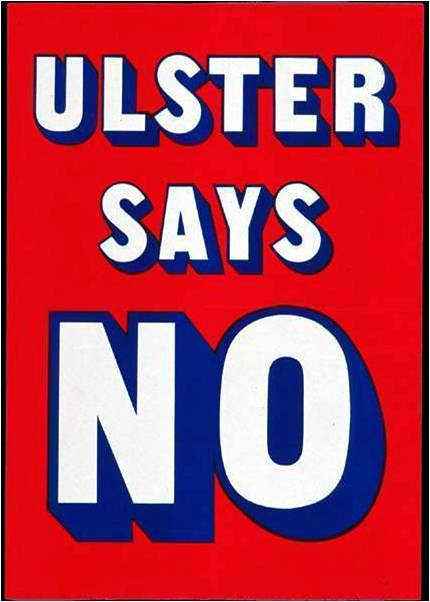
[The slogan in the campaign against the AIA was ‘Ulster Says NO’ and it was one that was to appear throughout the region and to remain for a considerable number of years.]

Monday 23 November 1987

An amendment bill on extradition was published in the Republic of Ireland. The amendment required prima-facie evidence of a case before someone could be extradited from the Republic of Ireland.

Wednesday 23 November 1988

A Catholic civilian, and his granddaughter, were killed in an attack on the RUC basee in Benburb, County Armagh.

Wednesday 23 November 1994

The British Army (BA) withdrew 150 soldiers who had been assigned to guard the Maze Prison.

Saturday 23 November 1996

Sinn Féin (SF) held a special conference in Athboy, County Meath, Repubic of Ireland. The main topic of discussion was the peace process. The media were not allowed to cover the event.

Sunday 23 November 1997

An 18 year old man was injured in a ‘punishment’ shooting in Donegall Street, Belfast.

[The Irish Republican Army (IRA) were thought to be responsible for the attack.] Sinn Féin (SF) held a rally in the Europa Hotel, Belfast. Addressing the rally Gerry Adams, then President of SF called for party unity. There was some criticism of the party’s policy on the peace process from those attending the rally

Monday 23 November 1998

Bertie Ahern, then Taoiseach (Irish Prime Minister), addressed the Fianna Fáil (FF) Ard Fheis and said that he believed a united Ireland was inevitable within 20 years. Ahern also called for an impartial police service in Northern Ireland.

Tuesday 23 November 1999

RUC Awarded the George Cross It was announced that the Royal Ulster Constabulary (RUC) was to be awarded the George Cross, Britain’s highest civilian award for gallantry. The British government rejected suggestions that the timing of the award was designed to placate Unionists and the RUC at a time when the force was facing major change. Ronnie Flanagan, then Chief Constable of the RUC, said it was a momentous day.

Sinn Féin (SF) criticised the award.

Peter Mandelson, then Secretary of State for Northern Ireland, and David Trimble, then leader of the Ulster Unionist Party (UUP), both addressed a meeting of UUP members in Edenderry Orange Hall in Portadown, County Armagh. Both men were heckled during the meeting. There were scuffles between anti-Agreement protestors and police outside the building. And abuse was shouted at Mandelson and Trimble as they entered and left the building. Bertie Ahern, then Taoiseach (Irish Prime Minister), made a statement to members of the Dáil that if any party ‘defaulted’ on its responsibilities under the Good Friday Agreement then the two governments would “step in and assume their responsibilities”.

The Ulster Freedom Fighters (UFF), a cover name (pseudonym) used by the Ulster Defence Association (UDA), issued a statement saying that the leadership had decided to defer its decision on the appointment of an interlocutor to liaise with the Independent International Commission on Decommissioning (IICD) until after the Irish Republican Army (IRA) has met its commitments.

———————–

———————————————————————————

Remembering all innocent victims of the Troubles

Today is the anniversary of the death of the following  people killed as a results of the conflict in Northern Ireland

“To live in hearts we leave behind is not to die

– Thomas Campbell

To the innocent on the list – Your memory will live  forever

– To  the Paramilitaries  –

There are many things worth living for, a few things worth dying for, but nothing worth killing for.

11 People lost their lives on the 23rd November between 1971 – 1988

————————————————————

23 November 1971
Bridget Carr,   (24) nfNI
Status: Civilian (Civ),

Killed by: Irish Republican Army (IRA)
From County Donegal. Died four days after being shot during sniper attack on nearby British Army (BA) patrol, while walking along Lifford Road, Strabane, County Tyrone.

————————————————————

23 November 1974
Thomas Gunn,  (34)

Catholic
Status: Civilian (Civ),

Killed by: non-specific Loyalist group (LOY)
Found shot in abandoned taxi, Hightown Road, near Belfast, County Antrim

————————————————————

23 November 1974
 John McClean,  (24)

Protestant
Status: Civilian (Civ),

Killed by: Irish Republican Army (IRA)
Shot at his workplace, Edenderry Filling Station, Crumlin Road, Belfast.

————————————————————

23 November 1974


Heather Thompson,   (17)

Protestant
Status: Civilian (Civ),

Killed by: Irish Republican Army (IRA)
Shot at her workplace, Edenderry Filling Station, Crumlin Road, Belfast.

————————————————————

23 November 1974


Mary Shepherd,  (41)

Catholic
Status: Civilian (Civ),

Killed by: Ulster Defence Association (UDA)
Shot at her workplace, Arkle Taxi Company, Clifton Street, Belfast.

————————————————————

23 November 1974
William Hutton,   (50)

Protestant
Status: Civilian (Civ),

Killed by: Ulster Defence Association (UDA)
Shot while waiting for a taxi at Arkle Taxi Company, Clifton Street, Belfast.

————————————————————

23 November 1976


Joseph Glover,  (60)

Protestant
Status: Civilian (Civ),

Killed by: non-specific Republican group (REP)
Businessman. Shot at his workplace, Crawford Square, Derry.

————————————————————

23 November 1979


Gerald Melville,   (45)

Catholic
Status: Prison Officer (PO),

Killed by: Irish Republican Army (IRA)
Off duty. Shot at his home, Hightown Road, Glengormley, near Belfast, County Antrim

————————————————————

23 November 1984


William McLaughlin,   (25)

Catholic
Status: Civilian Political Activist (CivPA)

Killed by: Protestant Action Force (PAF)
Sinn Fein (SF) activist. Shot, shortly after leaving Department of Health and Social Services office, Church Road, Newtownabbey, County Antrim.

————————————————————

23 November 1988


Bernard Lavery,  (67)

Catholic
Status: Civilian (Civ),

Killed by: Irish Republican Army (IRA)
Killed together with his granddaughter in van bomb attack on Benburb Royal Ulster Constabulary (RUC) base, County Tyrone. Inadequate warning given.

————————————————————

23 November 1988


Emma Donnelly,  (14)

Catholic
Status: Civilian (Civ),

Killed by: Irish Republican Army (IRA)
Killed together with her grandfather in van bomb attack on Benburb Royal Ulster Constabulary (RUC) base, County Tyrone. Inadequate warning given.

————————————————————

22nd November – Deaths & Events in Northern Ireland Troubles

Key Events & Deaths on this day in Northern Ireland Troubles

22nd November

Monday 22 November 1971

A member of the Irish Republican Army (IRA) was killed in a premature bomb explosion in Lurgan, County Armagh.

Thursday 22 November 1973

Edward Heath, then British Prime Minister, appointed the new Executive. Brian Faulkner was to become the Chief Executive and Gerry Fitt was to be his Deputy.

[News of the Executive was welcomed by politicians in Britain and in the Republic of Ireland, but Loyalists rejected the proposals. The matter of the Council of Ireland was left outstanding and wasn’t resolved until agreement was reached at Sunningdale 6 – 9 December 1973.] [ Political Developments. ]

Saturday 22 November 1975

Three British soldiers were shot dead in a gun attack on a British Army observation post near Crossmaglen, County Armagh.

Thursday 22 November 1979

A split developed within the Social Democratic and Labour Party (SDLP) as to its approach to the Humphrey Atkin’s, then Secretary of State for Northern Ireland, invitation to attend a conference on the future of Northern Ireland.

Gerry Fitt, then leader of the SDLP, wanted to attend the conference even without an Irish dimension being on the agenda. Others, including John Hume, then deputy leader of the SDLP, did not want to attend unless an Irish dimension was to be discussed. As a result of this dispute Fitt resigned as leader of the SDLP.

 [Hume became leader on 28 November 1979. Atkins was later to allow parallel talks which allowed the SDLP to attend and raise the question of an Irish dimension in any potential solution.]

Sunday 22 November 1987

Margaret Thatcher, then British Prime Minister, attended a service of remembrance at Enniskillen. Over 7000 people took part.

Tuesday 22 November 1988

Remission of sentences for prisoners in Northern Ireland was reduced from a half to one third. It had been raised to 50 percent in 1976.

Thursday 22 November 1990

Thatcher Resigns Margaret Thatcher resigned as leader of the Conservative Party and Prime Minister.

Friday 22 November 1991

The Fair Employment Commission (FEC) announced that the display of religious or political symbols at places of work might be considered as being intimidatory.

Monday 22 November 1993

Patrick Mayhew, then Secretary of State for Northern Ireland, gave a speech at the Queen’s University of Belfast in which he stated that the British government would not talk with Sinn Féin (SF) until the Irish Republican Army (IRA) had ended its campaign of violence.

The Combined Loyalist Military Command (CLMC) stated that it was earnestly seeking peace. The CLMC also warned that the Loyalist paramilitary groups were preparing for war in case peace was “bought at any price”.

[An insight into these preparation was obtained on 24 November 1993.]

Sunday 22 November 1998

The Royal Ulster Constabulary (RUC) released figures on ‘punishment’ attacks that showed there had been 109 attacks by Loyalist paramilitaries and 79 carried out by Republican paramilitaries.

Monday 22 November 1999

Peter Mandelson, then Northern Ireland Secretary, in a speech to the House of Commons, said he planned for success and not failure on Northern Ireland. However, if there was a default in implementing either decommissioning or devolution, the two governments would take steps to suspend the operation of the institutions.

He said Northern Ireland stood on the brink of a

“remarkable transformation”.

David Trimble, then leader of the Ulster Unionist Party (UUP), addressed 70 senior members of his party at a private meeting in the Long Hall of Stormont in advance of the meeting of the Ulster Unionist Council (UUC) on 27 November 1999. Gerry Adams, then President of Sinn Féin (SF), issued a statement clarifying his party’s position on decommissioning

———————————————————————————

Remembering all innocent victims of the Troubles

Today is the anniversary of the death of the following  people killed as a results of the conflict in Northern Ireland

“To live in hearts we leave behind is not to die

– Thomas Campbell

To the innocent on the list – Your memory will live  forever

– To  the Paramilitaries  –

There are many things worth living for, a few things worth dying for, but nothing worth killing for.

10  People lost their lives on the 22nd November between 1971 – 1990

————————————————————

22 November 1971
Michael Crossey,  (21)

Catholic
Status: Irish Republican Army (IRA),

Killed by: Irish Republican Army (IRA)
Died in premature bomb explosion at Cellar Lounge Bar, Church Place, Lurgan, County Armagh.

————————————-

22 November 1972
Samuel Porter,  (30)

Protestant
Status: Ulster Defence Regiment (UDR),

Killed by: Irish Republican Army (IRA)
Off duty. Shot outside his home, Ballinahone, near Maghera, County Derry.

————————————-

22 November 1972
Liam Shivers,   (48)

Catholic
Status: Civilian (Civ), K

illed by: Ulster Defence Association (UDA)
Shot outside his home, Brough, near Castledawson, County Derry.

————————————-

22 November 1974


Geraldine Macklin,   (20)

Catholic
Status: Civilian (Civ), K

illed by: Ulster Defence Association (UDA)
Shot at her workplace, People’s Garage, Springfield Road, Belfast.

————————————-

22 November 1974
Michael Hanratty,   (43)

Catholic
Status: Civilian (Civ),

Killed by: non-specific Loyalist group (LOY)
Shot from passing car, at the entrance to the Hole in the Wall Social Club, Ballycarry Street, Oldpark, Belfast.

————————————-

22 November 1975


James Duncan,   (19)

nfNI
Status: British Army (BA),

Killed by: Irish Republican Army (IRA)
Shot during gun attack on British Army (BA) observation post, Drummuckavall, near Crossmaglen, County Armagh.

————————————-

22 November 1975


Peter McDonald,  (19)

nfNI
Status: British Army (BA),

Killed by: Irish Republican Army (IRA)
Shot during gun attack on British Army (BA) observation post, Drummuckavall, near Crossmaglen, County Armagh.

————————————-

22 November 1975
Michael Sampson,   (20)

nfNI
Status: British Army (BA),

Killed by: Irish Republican Army (IRA)
Shot during gun attack on British Army (BA) observation post, Drummuckavall, near Crossmaglen, County Armagh.

————————————-

22 November 1976
John Toland,   (35)

Catholic
Status: Civilian (Civ),

Killed by: Ulster Freedom Fighters (UFF)
Manager of the Happy Landing Bar. Shot while in the premises, Eglinton, County Derry.

————————————-

22 November 1990


Alexander Patterson,  (31)

Catholic
Status: Irish National Liberation Army (INLA),

Killed by: British Army (BA)
Shot by undercover British Army (BA) members, outside the home of a Ulster Defence Regiment (UDR) member, Victoria Bridge, near Strabane, County Tyrone.

21st November – Deaths & Events in Northern Ireland Troubles

Key Events & Deaths on this day in Northern Ireland Troubles

21st November

—————————————————

Wednesday 21 November 1973

Executive Agreed Agreement was reached between various political parties about the establishment of a power-sharing Executive to govern Northern Ireland. William Whitelaw, then Secretary of State for Northern Ireland, appeared on the steps of Stormont (with tears in his eyes) following the final negotiations. The Executive was to consist of 11 members.

[The actual composition was to be 6 Faulknerite Unionists, 4 Social Democratic and Labour Party (SDLP), and 1 Alliance Party of Northern Ireland (APNI). There were also to be 4 non-executive office holders who would not have a vote: 2 SDLP, 1 Unionist, and 1 APNI.] [ Political Developments. ]

Thursday 21 November 1974

See Birmingham Pub Bombing

Birmingham Pub Bombs The Irish Republican Army (IRA) planted bombs in two public houses, the Mulberry Bush and the Tavern in the Town in Birmingham and killed a total of 21 civilians (two of whom died in the weeks following the explosions).

[There was widespread outrage amongst the general public and the British government came under pressure to be seen to be acting against the threat of further bombs. On 29 November 1974 the Prevention of Terrorism Act was passed. Six Irish men, the ‘Birmingham Six‘, were arrested and convicted of causing the explosions and served 16 years in prison before being freed on appeal on 14 March 1991.]

A Protestant civilian was found shot dead in Belfast. It was not clear who was responsible for the killing.

Wednesday 21 December 1977

The Irish Republican Army (IRA) carried out a series of fire-bomb attacks on hotels in Northern Ireland and damaged five hotels.

Wednesday 21 November 1984

[It was reported that Garret FitzGerald, then Taoiseach (Irish Prime Minister), had told a Fine Gael party meeting that the behaviour of Margaret Thatcher, then British Prime Minister, during the press conference on 19 November 1984 had been “gratuitously offensive”. In his autobiography FitzGerald maintained that he was commenting on the fact that he “… recognised that her remarks were seen as gratuitously offensive …” (FitzGerald, 1992; p525).]

Thursday 21 November 1985

In the Republic of Ireland there was a vote in the Dáil on the Anglo-Irish Agreement (AIA). Although Fianna Fáil (FF) voted against the Agreement the motion was passed by 88 votes to 75. Charles Haughey, then leader of FF, said he would not oppose developments that were of benefit to Nationalists living in Northern Ireland.

Friday 21 November 1986

The Social Democratic and Labour Party (SDLP) held its annual conference in Newcastle, County Down. The delegates rejected Unionist calls for a suspension of the Anglo-Irish Agreement (AIA).

Thursday 21 November 1991

The report of the British Attitudes Survey showed that, of those questioned, 60 per cent were in favour of the withdrawal of British troops from Northern Ireland, and 56 per cent were in favour of the reunification of Ireland.

Sunday 21 November 1993

A rally in support of the Hume-Adams Initiative was held on the Falls Road in west Belfast. Approximately 2,000 attended the event.

Tuesday 21 November 1995

A small bomb, described as a “crude device”, exploded outside the courthouse in Omagh, County Tyrone.

Thursday 21 November 1996

The Continuity Irish Republican Army (CIRA) left a bomb, which failed to explode, in Derry.

Saturday 21 November 1998

For the first time in 28 years Linfield football club, considered a ‘Protestant club’, played at the ground of Cliftonville football club, considered a mainly ‘Catholic club’.

——————————————

———————————————————————————

Remembering all innocent victims of the Troubles

Today is the anniversary of the death of the following  people killed as a results of the conflict in Northern Ireland

“To live in hearts we leave behind is not to die

– Thomas Campbell

To the innocent on the list – Your memory will live  forever

– To  the Paramilitaries  –

There are many things worth living for, a few things worth dying for, but nothing worth killing for.

27 People lost their lives on the 21st November between 1972 – 1992

————————————————————

 21 November 1972
Joseph McIlroy,  (30)

Catholic
Status: Civilian (Civ),

Killed by: Ulster Volunteer Force (UVF)
Shot at his home, Sandhill Drive, Bloomfield, Belfast.

————————————————————

21 November 1974


 William Burns,  (39)

Protestant
Status: Civilian (Civ),

Killed by: not known (nk)
Found shot in his car, Apsley Street, Donegall Pass, Belfast.

————————————————————

21 November 1974
Stanley Bodman, (51)

nfNIB
Status: Civilian (Civ),

Killed by: Irish Republican Army (IRA)
Killed when bombs exploded almost simultaneously in two public houses, Mulberry Bush and Tavern in the Town, Birmingham, England.

————————————————————

21 November 1974
Trevor Thrupp,  (33)

nfNIB
Status: Civilian (Civ),

Killed by: Irish Republican Army (IRA)
Killed when bombs exploded almost simultaneously in two public houses, Mulberry Bush and Tavern in the Town, Birmingham, England.

————————————————————

21 November 1974
James Caddick,  (40)

nfNIB
Status: Civilian (Civ),

Killed by: Irish Republican Army (IRA)
Killed when bombs exploded almost simultaneously in two public houses, Mulberry Bush and Tavern in the Town, Birmingham, England.

————————————————————

21 November 1974
John Rowlands,  (46)

nfNIB
Status: Civilian (Civ),

Killed by: Irish Republican Army (IRA)
Killed when bombs exploded almost simultaneously in two public houses, Mulberry Bush and Tavern in the Town, Birmingham, England.

————————————————————

21 November 1974
Pamela Palmer,   (19)

7nfNIB
Status: Civilian (Civ),

Killed by: Irish Republican Army (IRA)
Killed when bombs exploded almost simultaneously in two public houses, Mulberry Bush and Tavern in the Town, Birmingham, England.

————————————————————

21 November 1974
Paul Davies,  (20)

nfNIB
Status: Civilian (Civ),

Killed by: Irish Republican Army (IRA)
Killed when bombs exploded almost simultaneously in two public houses, Mulberry Bush and Tavern in the Town, Birmingham, England.

————————————————————

21 November 1974
Neil Marsh ,  (20)

nfNIB
Status: Civilian (Civ),

Killed by: Irish Republican Army (IRA)
Killed when bombs exploded almost simultaneously in two public houses, Mulberry Bush and Tavern in the Town, Birmingham, England.

————————————————————

21 November 1974
Jane Davis,  (17)

nfNIB
Status: Civilian (Civ),

Killed by: Irish Republican Army (IRA)
Killed when bombs exploded almost simultaneously in two public houses, Mulberry Bush and Tavern in the Town, Birmingham, England.

————————————————————

21 November 1974
Eugene Reilly,  (23)

nfNIB
Status: Civilian (Civ),

Killed by: Irish Republican Army (IRA)
Killed when bombs exploded almost simultaneously in two public houses, Mulberry Bush and Tavern in the Town, Birmingham, England.

————————————————————

21 November 1974
Desmond Reilly,   (20)

nfNIB
Status: Civilian (Civ),

Killed by: Irish Republican Army (IRA)
Killed when bombs exploded almost simultaneously in two public houses, Mulberry Bush and Tavern in the Town, Birmingham, England.

————————————————————

21 November 1974
Lynn Bennett,  (18)

nfNIB
Status: Civilian (Civ),

Killed by: Irish Republican Army (IRA)
Killed when bombs exploded almost simultaneously in two public houses, Mulberry Bush and Tavern in the Town, Birmingham, England.

————————————————————

21 November 1974
Stephen Whalley,   (21)

nfNIB
Status: Civilian (Civ),

Killed by: Irish Republican Army (IRA)
Killed when bombs exploded almost simultaneously in two public houses, Mulberry Bush and Tavern in the Town, Birmingham, England.

————————————————————

21 November 1974
Marilyn Nash,(22)

nfNIB
Status: Civilian (Civ), K

illed by: Irish Republican Army (IRA)
Killed when bombs exploded almost simultaneously in two public houses, Mulberry Bush and Tavern in the Town, Birmingham, England.

————————————————————

21 November 1974
Anne Hayes, (19)

nfNIB
Status: Civilian (Civ),

Killed by: Irish Republican Army (IRA)
Killed when bombs exploded almost simultaneously in two public houses, Mulberry Bush and Tavern in the Town, Birmingham, England.

————————————————————

21 November 1974
Maureen Roberts,   (20)

nfNIB
Status: Civilian (Civ),

Killed by: Irish Republican Army (IRA)
Killed when bombs exploded almost simultaneously in two public houses, Mulberry Bush and Tavern in the Town, Birmingham, England.

————————————————————

21 November 1974
Michael Beasley,   (30)

nfNIB
Status: Civilian (Civ),

Killed by: Irish Republican Army (IRA)
Killed when bombs exploded almost simultaneously in two public houses, Mulberry Bush and Tavern in the Town, Birmingham, England.

————————————————————

21 November 1974


Maxine Hambleton,   (18)

nfNIB
Status: Civilian (Civ),

Killed by: Irish Republican Army (IRA)
Killed when bombs exploded almost simultaneously in two public houses, Mulberry Bush and Tavern in the Town, Birmingham, England.

————————————————————

21 November 1974
John Jones,  (51)

nfNIB
Status: Civilian (Civ),

Killed by: Irish Republican Army (IRA)
Killed when bombs exploded almost simultaneously in two public houses, Mulberry Bush and Tavern in the Town, Birmingham, England.

————————————————————

21 November 1974
Charles Grey,  (44)

nfNIB
Status: Civilian (Civ),

Killed by: Irish Republican Army (IRA)
Killed when bombs exploded almost simultaneously in two public houses, Mulberry Bush and Tavern in the Town, Birmingham, England.

————————————————————

21 November 1974
Thomas Chaytor,  (28)

nfNIB
Status: Civilian (Civ),

Killed by: Irish Republican Army (IRA)
Injured when bombs exploded almost simultaneously in two public houses, Mulberry Bush and Tavern in the Town, Birmingham, England. He died 28 November 1974.

————————————————————

21 November 1974
James Craig,   (34)

nfNIB
Status: Civilian (Civ),

Killed by: Irish Republican Army (IRA)
Injured when bombs exploded almost simultaneously in two public houses, Mulberry Bush and Tavern in the Town, Birmingham, England. He died 10 December 1974.

————————————————————

21 November 1975
Simon Francis,  (29)

nfNI
Status: British Army (BA),

Killed by: Irish Republican Army (IRA)
Killed by booby trap bomb hidden in abandoned rifle close to crashed car, Carrive, near Forkhill, County Armagh.

————————————————————

21 November 1985
Kurt Konig,  (38)

nfNI
Status: Civilian (Civ),

Killed by: Irish Republican Army (IRA)
German businessman. Shot outside his home, Gleneagle’s, Shantallow, Derry. Contractor to British Army (BA) / Royal Ulster Constabulary (RUC) .

————————————————————

21 November 1988


William Monteith,  (59)

Protestant
Status: Royal Ulster Constabulary (RUC),

Killed by: Irish Republican Army (IRA)
Shot while at security barrier, The Diamond, Castlederg, County Tyrone.

————————————————————

21 November 1992
Gerard Holmes,  (35)

Catholic
Status: Civilian (Civ),

Killed by: Irish Republican Army (IRA)
Found shot, in entry off Rinmore Drive, Creggan, Derry. Alleged informer.

————————————————————

20th November – Deaths & Events in Northern Ireland Troubles

Key Events & Deaths on this day in Northern Ireland Troubles

20th November

———————————————

Monday 20th  November 1972

Two British soldiers were killed in a booby trap bomb in Cullyhanna, County Armagh.

Tuesday 20 November 1973

The Ulster Unionist Council, then the policy making branch of the Ulster Unionist Party (UUP), voted by 379 to 369 in favour of power-sharing. [ Political Developments. ]

Thursday 20 November 1975

The Northern Ireland Office (NIO) published the Northern Ireland Constitutional Convention Report.

[The Report was debated in the House of Commons on 12 January 1976. The United Ulster Unionist Council (UUUC) later published a pamphlet entitled ‘A Guide to the Convention Report‘.]

Tuesday 20 November 1979

White Paper Published (Cmnd 7763) Humphrey Atkins, then Secretary of State for Northern Ireland, published a consultative document in the form of a White Paper called The Government of Northern Ireland: A Working Paper for a Conference (Cmnd 7763). The stated aim of the conference talks was to achieve

“the highest level of agreement … which will best meet the immediate needs of Northern Ireland”.

The White Paper however ruled out discussion on a number of possible ‘solutions’ to the conflict, namely, a United Ireland, confederation, or independence for Northern Ireland. The paper also excludes discussion on the constitutional status of the region. The paper states that ‘direct rule’ from Westminster is not a satisfactory basis for the government of Northern Ireland.

[James Molyneaux, then leader of the Ulster Unionist Party (UUP), rejected the invitation to talks. The fact that an ‘Irish dimension’ had been ruled out of the talks caused a split in the response of Social Democratic and Labour Party (SDLP) to the invitation (see 22 November 1979). Atkins was later to allow parallel talks which allowed the SDLP to raise the question of an Irish dimension in any solution.]

Thursday 20 November 1980

Margaret Thatcher, then British Prime Minister, stated in the House of Commons:

“The government will never concede political status to the hunger strikers, or to any others convicted of criminal offences in the province.”

Sunday 20 November 1983

Darkley Killings Three members of the Mountain Lodge Pentecostal Church, Darkley near Keady, County Armagh, were shot dead in an attack that was claimed by the ‘Catholic Reaction Force’ (CRF). Seven other people were injured in the attack. [The CRF was believed to be a covername used by the Irish National Liberation Army (INLA).]

Wednesday 20 November 1985

Tom King, then Secretary of State for Northern Ireland, was physically attacked by Loyalist protesters as he arrived for a function at Belfast City Hall. The protests were against the Anglo-Irish Agreement (AIA). [George Seawright, then a Loyalist councillor, was jailed for nine months in October 1986 for his part in this protest.]

Tuesday 20 November 1990

John Bruton was elected as the new leader of Fine Gael.

Wednesday 20 November 1991

The Anglo-Irish Intergovernmental Conference (AIIC) held a meeting in Dublin. Ray Burke, then Minister for Justice in the Irish government, confirmed that there would be changes to the laws on extradition.

Saturday 20 November 1993

John Hume, then leader of the Social Democratic and Labour Party (SDLP), held another meeting with Gerry Adams, then President of Sinn Féin (SF). The two leaders issued a third joint statement.

Wednesday 20 November 1996

Leaders of the Ulster Democratic Party (UDP) and the Progressive Unionist Party (PUP) held a meeting with John Major, then British Prime Minister, at Downing Street, London. The leaders of the two Loyalist parties warned Major that the impasse over the issue of decommissioning arms in the Stormont talks could put the Loyalist ceasefire in “jeopardy”.

Thursday 20 November 1997

The Continuity Irish Republican Army (CIRA) left a small bomb behind Belfast City Hall. The Progressive Unionist Party (PUP) claimed that the device was aimed at their ground floor office.

David Trimble, then leader of the Ulster Unionist Party (UUP), headed a five person delegation which held a meeting with Bertie Ahern, then Taoiseach (Irish Prime Minister), in London. The meeting was described as positive by both sides.

Saturday 20 November 1999

Peter Mandelson, then Secretary of State for Northern Ireland, gave a speech about political developments to the annual conference of the Northern Ireland Women’s Coalition (NIWC).

———————————————————————————

Remembering all innocent victims of the Troubles

Today is the anniversary of the death of the following  people killed as a results of the conflict in Northern Ireland

“To live in hearts we leave behind is not to die

– Thomas Campbell

To the innocent on the list – Your memory will live  forever

– To  the Paramilitaries  –

There are many things worth living for, a few things worth dying for, but nothing worth killing for.

10 People lost their lives on the 20th November between 1972 – 1983

————————————————————

20 November 1972


William Clarke,  (41)

Protestant
Status: Civilian (Civ),

Killed by: Ulster Defence Association (UDA)
Taxi driver. Died three weeks after being shot by passenger, Forthriver Road, Glencairn, Belfast. Assumed to be a Catholic.

————————————————————

20 November 1972


William Watson,  (28)

nfNI
Status: British Army (BA),

Killed by: Irish Republican Army (IRA)
Killed by booby trap bomb in derelict house, Cullyhanna, County Armagh.

————————————————————

20 November 1972


James Strothers,   (31)

nfNI
Status: British Army (BA), K

illed by: Irish Republican Army (IRA)
Killed by booby trap bomb in derelict house, Cullyhanna, County Armagh.

————————————————————

20 November 1974
Kevin Regan,   (26) Catholic
Status: Civilian (Civ),

Killed by: Ulster Volunteer Force (UVF)
Died five days after being shot during gun attack on Maguire’s Bar, Lower Cross Street, Larne, County Antrim.

————————————————————

20 November 1974


Robert Forde,   (29)

Protestant
Status: Royal Ulster Constabulary (RUC),

Killed by: Irish Republican Army (IRA)
Killed by booby trap bomb hidden under pathway, Rathmore, Craigavon, County Armagh

————————————————————

20 November 1974


Patrick Falls,   (49)

Catholic
Status: Civilian (Civ),

Killed by: Ulster Volunteer Force (UVF)
Shot during gun attack on Falls Bar, Aughamullan, near Coalisland, County Tyrone.

————————————————————

20 November 1982


Michael Fay,  (25)

Catholic
Status: Civilian (Civ),

Killed by: Protestant Action Force (PAF)
Found shot in his car, Mount Regan Avenue, Dundonald, Belfast.

————————————————————
20 November 1983


David Wilson,  (44)

Protestant
Status: Civilian (Civ),

Killed by: Catholic Reaction Force (CRF)
Shot in the entrance hall to Mountain Lodge Pentecostal Church, Darkley, near Keady, County Armagh.

————————————————————

20 November 1983


Harold Brown,   (59)

Protestant
Status: Civilian (Civ),

Killed by: Catholic Reaction Force (CRF)
Shot in the entrance hall to Mountain Lodge Pentecostal Church, Darkley, near Keady, County Armagh.

————————————————————

20 November 1983


Victor Cunningham,  (39)

Protestant
Status: Civilian (Civ), K

illed by: Catholic Reaction Force (CRF)
Shot in the entrance hall to Mountain Lodge Pentecostal Church, Darkley, near Keady, County Armagh.

————————————————————

19th November – Deaths & Events in Northern Ireland Troubles

belfastchildis's avatar

Key Events & Deaths on this day in Northern Ireland Troubles

19th November

Thursday 19 November 1970 

Figures were released by the Commissioner for Complaints showing that there had been 970 complaints in the first ten months of his office, with 74 of them alleging discrimination.

Sunday 19 November 1972

Seán MacStiofáin, then leader of the Irish Republican Army (IRA), was arrested in Dublin.

[He was subsequently sentenced to six months imprisonment in Republic of Ireland.]

Monday 19 November 1984

Anglo-Irish Summit Meeting Margaret Thatcher, then British Prime Minister, held an Anglo-Irish summit meeting with Garret FitzGerald, then Taoiseach (Irish Prime Minister), together with British and Irish ministers and officials, at Chequers in England.

A joint communiqué was issued following the summit meeting. At 5.00pm Thatcher gave a press conference at 10 Downing Street, London. Responding to a question from a member of the press Thatcher ruled out the…

View original post 683 more words