Key Events & Deaths on this day in Northern Ireland Troubles
21st June
—————————
Friday 21 June 1968
The annual conference of the Nationalist Party unanimously approved of the protest action by Austin Currie in Caledon, County Tryone on 20 June 1968.
Tuesday 21 June 1977
The unemployment figures showed that the number of people out of work stood at 60,000, the highest June total for 37 years.
Wednesday 21 June 1978
Three members of the Irish Republican Army (IRA) and a passing Protestant civilian were shot dead by undercover members of the British Army during an attempted bomb attack on a Post Office depot, Ballysillan Road, Belfast.
The Federal Bureau of Investigation (FBI) arrested four men in New York who they claimed were trying to buy surface-to-air missiles on behalf of the Irish Republican Army (IRA).
Sunday 21 June 1992
Sinn Féin (SF) held its annual Wolfe Tone commemoration in County Kildare. Jim Gibney, then a leading member of SF, said that a British withdrawal from Northern Ireland would have to be preceded by a period of peace and negotiations involving Nationalists and Unionists.
[Some commentators took this as a sign that SF and the Irish Republican Army (IRA) were considering ending the ‘armed struggle’.]
Tuesday 21 June 1994
The Irish Times (a Dublin based newspaper) reported an interview with Albert Reynolds, then Taoiseach (Irish Prime Minister).
Reynolds said that cross-border institutions with executive powers would be required in return for any changes to Articles 2 and 3 of the Irish Constitution.
Unionist councillors on Belfast City Council voted to remove Alex Attwood, then Social Democratic and Labour Party (SDLP) councillor, from his committee chair. He had been the only Nationalist chairing a
Friday 21 June 1996
Hundreds of Royal Ulster Constabulary (RUC) officers escorted an Orange march through north Belfast. There were riots following the parade in Catholic areas of Belfast. Gareth Parker (23), a Catholic man, died following a beating he received near the Shaftesbury Inn in north Belfast.
Saturday 21 June 1997
Loyalist paramilitaries carried out a booby-trap bomb attack on a car in Claremont Street in south Belfast.
Three men were injured in the attack.
Séan Connolly, a Catholic priest based at the chapel in Harryville, Ballymena, announced that services would be suspended until 8 September 1997.
The Royal Ulster Constabulary (RUC) had informed Connolly that it could not guarantee the safety of those wishing to attend services at the chapel on 12 July 1997.
The decision to suspend the services over the ‘marching season’ was taken following 41 weeks of picketing by Loyalists outside the chapel.
Monday 21 June 1999
The BBC ‘Panorama’ programme alleged that Ronnie Flanagan, then Chief Constable of the Royal Ulster Constabulary (RUC), told a UN rapporteur that some lawyers in Ireland “were working for a paramilitary agenda”. Flanagan denied the claim.
The programme also alleged there had been collusion between RUC officers and Loyalist paramilitaries.
The results of a survey sponsored by the Parades Commission were published. Of those people questioned a majority of Protestants and Catholics agreed that the Loyal Orders should enter direct talks with residents groups and also with the Parades Commission.
A majority of Protestants questioned disagreed with the rulings reached by the Comission. Mary Freehill, then member of the Irish Labour party, and Damian Wallace, then a member of Fianna Fáil (FF), were elected Lord Mayor of Dublin and Cork respectively.
Fine Gael warned its councillors not to enter any voting pacts with Sinn Féin until there was a resolution of the decommissioning impasse.
Thursday 21 June 2001
There was another Loyalist blockade of the road to the Catholic Holy Cross Girls’ Primary School in Ardoyne, north Belfast. Royal Ulster Constabulary (RUC) officers advised children and parents not to attempt to enter the school.
Eventually about 60 of the school’s 230 pupils entered the school throught the grounds of another school.
Gerry Kelly, then a senior member of Sinn Féin (SF), said:
“It’s like something out of Alabama in the 1960s”.
Three Protestant families left their homes in Ardoyne Avenue, north Belfast, after they said that they were afraid of a Nationalist attack.
During the evening and night there were serious distrubances in the area around the Holy Cross school. Loyalists fired ten shots, and threw six blast bombs and 46 petrol bombs at police lines
——————————————
Remembering all innocent victims of the Troubles
Today is the anniversary of the death of the following people killed as a results of the conflict in Northern Ireland
“To live in hearts we leave behind is not to die
– Thomas Campbell
To the innocent on the list – Your memory will live forever
– To the Paramilitaries –
There are many things worth living for, a few things worth dying for, but nothing worth killing for.
11 People lost their lives on the 21st June between 1972 – 1991
——————————————
21 June 1972 Kerry McCarthy (19)
nfNI Status: British Army (BA),
Killed by: Irish Republican Army (IRA)
Shot by sniper while on sentry duty outside Victoria Royal Ulster Constabulary (RUC) / British Army (BA) base, Derry
——————————————
21 June 1973
Barry Gritten (29)
nfNI Status: British Army (BA),
Killed by: Irish Republican Army (IRA)
Killed by booby trap bomb in unoccupied building, Lecky Road, Bogside, Derry.
——————————————
21 June 1973 David Smith (31)
nfNI Status: British Army (BA),
Killed by: Irish Republican Army (IRA)
Killed by booby trap bomb while searching derelict house, Ballycolman, Strabane, County Tyrone.
——————————————
21 June 1973 David Walker (16)
Protestant Status: Civilian (Civ),
Killed by: Official Irish Republican Army (OIRA)
Found shot in entry off O’Neill Street, Falls, Belfast.
——————————————
21 June 1974 Stanley Lemon (51)
Protestant Status: Civilian (Civ),
Killed by: non-specific Loyalist group (LOY)
Shot as he arrived at his workplace, Shore Road, Skegoneill, Belfast. Mistaken for a Catholic.
Killed by: Irish Republican Army (IRA)
Shot at his shop, The Old Wheel Stores, Upper Dunmurry Lane, Dunmurry, near Belfast, County Antrim.
——————————————
21 June 1978
Denis Brown (28)
Catholic Status: Irish Republican Army (IRA),
Killed by: British Army (BA)
Shot by undercover British Army (BA) members, during attempted IRA bomb attack on Post Office depot, Ballysillan Road, Belfast.
——————————————
21 June 1978
William Mailey (30)
Catholic Status: Irish Republican Army (IRA),
Killed by: British Army (BA)
Shot by undercover British Army (BA) members, during attempted IRA bomb attack on Post Office depot, Ballysillan Road, Belfast.
——————————————
21 June 1978
James Mulvenna (28)
Catholic Status: Irish Republican Army (IRA),
Killed by: British Army (BA)
Shot by undercover British Army (BA) members during attempted IRA bomb attack on post office depot, Ballysillan Road, Belfast.
——————————————
21 June 1978
William Hanna (28)
Protestant Status: Ulster Volunteer Force (UVF),
Killed by: British Army (BA)
Shot by undercover British Army (BA) members, during attempted Irish Republican Army (IRA) bomb attack on Post Office depot, Ballysillan Road, Belfast. He was walking past at the time of the incident. Assumed to be an IRA member.
——————————————
21 June 1991 Mary Perry (26)
Catholic Status: Civilian (Civ),
Killed by: not known (nk)
Abducted somewhere in the Portadown area, County Armagh. Found beaten to death, on information supplied anonymously, buried in field, near Mullaghmore, County Sligo, on 30 June 1992.
——————————————
As I child I learned the stories & legends of the Battle of Boyne & Siege of Derry at my grandfather’s & father’s k… twitter.com/i/web/status/1…— Belfast Child (@bfchild66) June 07, 2020
Key Events & Deaths on this day in Northern Ireland Troubles
20th June
——————————–
Tuesday 20 June 1972
Secret Meeting Between IRA and British Officials
[There was a secret meeting between representatives of the Provisonal Irish Republican Army (PIRA) and officials from William Whitelaw’s office (Whitelaw was then Secretary of State for Northern Ireland). The meeting took place at 3.00pm in a country house in Ballyarnet, close to the Derry / Donegal border. The PIRA representatives were David O’Connell and Gerry (Gerard) Adams. The officials acting on behalf of William Whitelaw were P.J. Woodfield and Frank Steele (who, at the time, was actually an MI6 Intelligence Officer).]
“There is no doubt whatever that these two at least [O’Connell and Adams] genuinely want a cease fire and a permanent end to violence. Whatever pressures in Northern Ireland have brought them to this frame of mind there is also little doubt that now that the prospect of peace is there they have a strong personal incentive to try and get it. … Their appearance and manner were respectable and respectful. … Their behaviour and attitude appeared to bear no relation to the indiscriminate campaigns of bombing and shooting in which they have both been prominent leaders”.
[Public Records 1972 – Released 1 January 2003: Note of the discussions that took place during a secret meeting between officials from William Whitelaw’s office and representatives of the Provisonal Irish Republican Army (PIRA). The meeting laid the groundwork for a PIRA ceasefire and a direct (secret) meeting between the PIRA and the British government on 7 July 1972.]
Thursday 20 June 1974
Assembly By-Election There was a Northern Ireland Assembly by-election in the constituency of North Antrim. Clifford Smyth was elected.
Francis Sullivan (36), a Catholic civilian, was shot dead at his home in the Falls Road area of Belfast by Loyalist paramilitaries.
Wednesday 20 June 1984
Neil Kinnock, then leader of the Labour Party, said that he was in favour of a united Ireland by consent.
Friday 20 June 1986
John Hermon, then Chief Constable of the Royal Ulster Constabulary (RUC), threatened to take libel action against those in the media who accused him of being involved in the decision to remove John Stalker, then Deputy Chief Constable of the Greater Manchester Police, from the ‘shoot to kill’ investigation.
Tuesday 20 June 1995
Patrick Mayhew, then Secretary of State for Northern Ireland, said that Sinn Féin (SF) could not join full political talks unless the decommissioning of Irish Republican Army (IRA) weapons began to happen first.
Martin McGuinness, then Vice-President of SF, said that:
“in reality there is not a snowball’s chance in hell of any weapons being decommissioned this side of a negotiated settlement.”
Thursday 20 June 1996
An Irish Republican Army (IRA) ‘bomb factory’ was found by Gardí near Clonasee, County Laois, Republic of Ireland. In response the Irish Government ended all contacts with Sinn Féin (SF).
Friday 20 June 1997
Patrick Kane, then serving a life sentence for the murders of corporals Derek Wood and David Howes on 19 March 1988, was cleared of the killings by the Court of Appeal in Belfast.
Mickey Timmons and John Kelly, the other members of the ‘Casement Three’, continued to insist that they were also innocent of the killings.
Tony Blair, then British Prime Minister, paid a visit to the United States of America (USA). During the visit he said: “a moment of decision is coming for Sinn Féin (SF) and the IRA [Irish Republican Army] as to whether they want to be any part of a forward process that is going to lead to a lasting settlement for peace”.
Wednesday 20 June 2001
The Catholic Holy Cross Girls’ Primary School in Ardoyne north Belfast was forced to close when Loyalists from the Glenbryn estate blockaded the entrance to the school. Royal Ulster Constabulary (RUC) officers advised children and parents not to attempt to enter the school.
During the evening there were serious distrubances in the area around the Holy Cross school as hundreds of Loyalists and Nationalists were involved in riots with the Royal Ulster Constabulary (RUC).
Shots were also fired at the police during the evening. During the riots the RUC fired a number of the new ‘L21 A1’ plastic baton rounds.
[This was the first time the new rounds had been used.]
——————————————
Remembering all innocent victims of the Troubles
Today is the anniversary of the death of the following people killed as a results of the conflict in Northern Ireland
“To live in hearts we leave behind is not to die
– Thomas Campbell
To the innocent on the list – Your memory will live forever
– To the Paramilitaries –
There are many things worth living for, a few things worth dying for, but nothing worth killing for.
5 People lost their lives on the 20th June between 1975 – 1981
——————————————
20 June 1975 Anthony Molloy (18)
Catholic Status: Civilian (Civ),
Killed by: Protestant Action Force (PAF)
Shot at his home, Ballymena Street, Oldpark, Belfast.
——————————————
20 June 1976 Edmund McNeill (22)
Catholic Status: Civilian (Civ),
Killed by: non-specific Loyalist group (LOY)
Found stabbed to death beside Ballysillan Playing Fields, Alliance Road, Belfast.
——————————————
20 June 1976 Richard Doherty (27)
Protestant Status: Civilian (Civ),
Killed by: non-specific Republican group (REP)
Shot at his home, Alexandra Park Avenue, Skegoneill, Belfast.
——————————————
20 June 1979 Francis Sullivan (36)
Catholic Status: Civilian (Civ),
Killed by: Ulster Volunteer Force (UVF)
Shot at his home, Bombay Street, Falls, Belfast
——————————————
20 June 1981
Neal Quinn (53)
Catholic Status: Royal Ulster Constabulary (RUC),
Killed by: Irish Republican Army (IRA)
Off duty. Shot while in Bridge Bar, Newry, County Down.
——————————————
As I child I learned the stories & legends of the Battle of Boyne & Siege of Derry at my grandfather’s & father’s k… twitter.com/i/web/status/1…— Belfast Child (@bfchild66) June 07, 2020
Key Events & Deaths on this day in Northern Ireland Troubles
18th June
——————————
Wednesday 18 June 1969
A report was published by the International Commission of Jurists (ICJ) on the British government’s policy in Northern Ireland.
The report was critical of both the British government and the Northern Ireland government.
Thursday 18 June 1970
Westminster General Election
A general election was held across the United Kingdom with the Conservative Party replacing the Labour Party to form the government at Westminster.
Edward Heath became Prime Minister.
Reginald Maudling, was appointed as Home Secretary and had responsibility for Northern Ireland.
In Northern Ireland the Unionist Party held ‘only’ eight of the 12 seats.
Ian Paisley, gained North Antrim, Frank McManus, a Nationalist unity candidate, gained Fermanagh-South Tyrone, Gerry Fitt held West Belfast and Bernadette Devlin held Mid-Ulster.
Friday 18 June 1971
Social Democratic and Labour Party (SDLP) and Nationalist Members of Parliament (MPs) refuse to attend the state opening of Stormont.
Sunday 18 June 1972
Arthur McMillan & Colin Leslie
(Two of the murdered soldiers)
Three members of the British Army were killed by an Irish Republican Army (IRA) bomb in a derelict house near Lurgan, County Down.
Wednesday 18 June 1975
At Westminster a Bill was introduced to make amendments to the Northern Ireland Emergency Provision Act (1973).
The main amendment had the effect of giving control of detention to the Secretary of State.
Sunday 18 June 1978
Hugh Murphy, then a Catholic priest was kidnapped in retaliation for the abduction of a Royal Ulster Constabulary (RUC) officer the day before, 17 June 1978.
The kidnappers issued a statement saying that they would return the priest in the same condition as the RUC officer is returned.
A number of Protestant ministers appealed for the priest to be released and he was subsequently returned unharmed.
[On 10 July 1978 the body of Officer Turbitt was discovered. In December 1978 three RUC officers were charged with kidnapping the Catholic priest. The same officers were also charged, along with two additional officers, of killing a Catholic shopkeeper in Ahoghill on 19 April 1977.]
Wednesday 18 July 1979
Ian Paisley, then leader of the Democratic Unionist Party (DUP), tried to interrupt Jack Lynch, then Taoiseach (Irish Prime Minister) and President of the European Council, but was shouted down by other Members of the European Parliament (MEPs).
Wednesday 18 June 1980
Hunger Strike.]
Friday 18 June 1982
Lord Gowrie, then a Northern Ireland Office (NIO) Minister, was quoted as saying:
“Northern Ireland is extremely expensive on the British taxpayer … if the people of Northern Ireland wished to join with the South of Ireland, no British government would resist it for twenty minutes.”
Tuesday 18 June 1991
An additional 500 British Army soldiers arrived in Northern Ireland bringing the total number deployed to approximately 11,000.
Friday 18 June 1993
President Shakes Adams’ Hand
Mary Robinson, then President of the Republic of Ireland, paid an unofficial visit to community groups in Belfast.
The visit went ahead against the wishes of the British government and the Northern Ireland Office (NIO). During the visit Robinson met Gerry Adams, then President of Sinn Féin (SF), and shook his hand.
[This gesture provoked a lot of criticism amongst Unionists.]
Robinson also visited Coalisland, in County Tyrone.
Saturday 18 June 1994
Loughlinisland Killings
The Ulster Volunteer Force (UVF) killed six Catholic men and wounded five others in a gun attack on a bar in Loughlinisland, County Down.
The people in the bar were watching a televised World Cup football match when the gunmen entered.
———————–
———————–
[The attack was widely condemned. Patrick Mayhew, then Secretary of State for Northern Ireland, said that the “moral squalor” of the killers was beyond description. Dick Spring, then Tánaiste (deputy Irish Prime Minister and Minister for Foreign Affairs), said it was a “night of savagery”.]
Shots were fired into the home of a Catholic family in Lisburn, County Antrim.
Sunday 18 June 1995
The Royal Ulster Constabulary (RUC) rerouted an Orange Order parade away from the Nationalist area of the lower Ormeau Road, Belfast.
Tuesday 18 June 1996
Parts of the centre of Dublin were evacuated in a bomb hoax which was believed to have been made by the Ulster Freedom Fighters (UFF).
Friday 18 June 1999
Lee Clegg, then a soldier in the Parachute Regiment, was sentenced to four years for attempting to wound Martin Peake with intent in west Belfast on 30 September 1990.
Clegg was however immediately released because of the time he had already served in prison.
[Clegg was originally convicted of the murder of Karen Reilly during the same incident but was cleared on appeal on 11 March 1999.]
Three people from Northern Ireland were appointed as Working Peers by the Labour government. They were John Laird, a former Ulster Unionist Party (UUP) Stormont MP; Dennis Rogan, then UUP Chairman; and May Bloody, then a Shankill Road community worker.
James McCarry, then a Sinn Féin Councillor, became the first Republican to obtain a firearms licence following the personal intervention of Marjorie (Mo) Mowlam, then Secretary of State for Northern Ireland.
Monday 18 June 2001
New Political Talks
Tony Blair, then British Prime Minister, and Bertie Ahern, then Taoiseach (Irish Prime Minister), launched another attempt to find a resolution of the outstanding issues in the peace process. The two leaders held talks with represetatives of the three main pro-Agreement parties: the Ulster Unionist Party (UUP), the Social Democratic and Labour Party (SDLP), and Sinn Féin (SF).
——————————————
Remembering all innocent victims of the Troubles
Today is the anniversary of the death of the following people killed as a results of the conflict in Northern Ireland
“To live in hearts we leave behind is not to die
– Thomas Campbell
To the innocent on the list – Your memory will live forever
– To the Paramilitaries –
There are many things worth living for, a few things worth dying for, but nothing worth killing for.
13 People lost their lives on the 18th June between 1972 – 1994
——————————————
18 June 1972
Arthur McMillan (37)
nfNI Status: British Army (BA),
Killed by: Irish Republican Army (IRA)
Killed by booby trap bomb in derelict house, Bleary, near Lurgan, County Down.
——————————————
18 June 1972 Ian Mutch (31)
nfNI Status: British Army (BA),
Killed by: Irish Republican Army (IRA)
Killed by booby trap bomb in derelict house, Bleary, near Lurgan, County Down
——————————————
18 June 1972
Colin Leslie (26)
nfNI Status: British Army (BA),
Killed by: Irish Republican Army (IRA)
Killed by booby trap bomb in derelict house, Bleary, near Lurgan, County Down.
——————————————
18 June 1974
John Forsythe (30)
Protestant Status: Royal Ulster Constabulary (RUC),
Killed by: Irish Republican Army (IRA)
Killed by booby trap bomb while on Royal Ulster Constabulary (RUC) foot patrol, in entry off Market Street, Lurgan, County Armagh.
——————————————
18 June 1976 Robert Craven (51)
Catholic Status: Civilian (Civ),
Killed by: non-specific Loyalist group (LOY)
Killed in bomb attack on Conway’s Bar, Greencastle, Belfast.
Killed by: Irish Republican Army (IRA)
Civilian employed by the Royal Ulster Constabulary (RUC). Shot while driving his car, near to his home, Balmoral Park, Newry, County Down.
——————————————
18 June 1985
William Gilliland (39)
Protestant Status: Royal Ulster Constabulary (RUC),
Killed by: Irish Republican Army (IRA)
Killed in land mine attack on Royal Ulster Constabulary (RUC) mobile patrol, Coragh Glebe, near Kinawley, County Fermanagh.
——————————————
18 June 1994
Adrian Rogan (34)
Catholic Status: Civilian (Civ),
Killed by: Ulster Volunteer Force (UVF)
Shot, during gun attack, on The Heights Bar, Loughinisland, County Down.
——————————————
18 June 1994
Malcolm Jenkinson (52)
Catholic Status: Civilian (Civ),
Killed by: Ulster Volunteer Force (UVF)
Shot, during gun attack, on The Heights Bar, Loughinisland, County Down.
——————————————
18 June 1994
Barney Greene (87)
Catholic Status: Civilian (Civ),
Killed by: Ulster Volunteer Force (UVF)
Shot, during gun attack, on The Heights Bar, Loughinisland, County Down.
——————————————
18 June 1994
Daniel McCreanor (59)
Catholic Status: Civilian (Civ),
Killed by: Ulster Volunteer Force (UVF)
Shot, during gun attack, on The Heights Bar, Loughinisland, County Down.
——————————————
18 June 1994
Patrick O’Hare (35)
Catholic Status: Civilian (Civ),
Killed by: Ulster Volunteer Force (UVF)
Shot, during gun attack, on The Heights Bar, Loughinisland, County Down.
——————————————
18 June 1994
Eamon Byrne (39)
Catholic Status: Civilian (Civ),
Killed by: Ulster Volunteer Force (UVF)
Shot, during gun attack, on The Heights Bar, Loughinisland, County Down.
——————
As I child I learned the stories & legends of the Battle of Boyne & Siege of Derry at my grandfather’s & father’s k… twitter.com/i/web/status/1…— Belfast Child (@bfchild66) June 07, 2020
Key Events & Deaths on this day in Northern Ireland Troubles
17th June
———————–
Monday 17 June 1974
The Irish Republican Army (IRA) exploded a bomb at Westminster Hall in London, 11 people were injured in the explosion.
Thursday 17 June 1976
Brendan Meehan & Gerard Stitt
Two Catholic civilians were shot dead, by the UDA or (UVF), as they travelled on a bus on Crumlin Road, Belfast. A Catholic civilian died 11 days after being shot by the IRA in a case of mistaken identity.
Saturday 17 June 1978
Hugh McConnell & William Turbitt
The Irish Republican Army (IRA) carried out a gun attack on an Royal Ulster Constabulary (RUC) patrol car near Crossmaglen, County Armagh.
One officer, Hugh McConnell (32), was killed at the scene and a second officer, William Turbitt (42), was kidnapped.
A Catholic priest was kidnapped the following day in retaliation but was later released.
On 10 July 1978 the body of Officer Turbitt was discovered.
In December 1978 three RUC officers were charged with kidnapping the Catholic priest. The same officers were also charged, along with two additional officers, of killing a Catholic shopkeeper in Ahoghill on 19 April 1977.
Kevin Dyer, Kevin
A Catholic civilian was found beaten to death on a rubbish tip in Belfast. He had been killed by Loyalists.
Tuesday 17 July 1979
Ian Paisley, then leader of the Democratic Unionist Party (DUP), interrupted the opening proceedings of the European parliament to protest that the Union flag was flying the wrong way up on the Parliament Buildings.
Monday 17 June 1991
Political Talks Began
The four main political parties met at Stormont, Belfast, to begin talks on the future of Northern Ireland.
The talks (later known as the Brooke / Mayhew talks) began with opening statements from each of the parties. Prospects of a breakthrough however are slim given the fact that a meeting of the Anglo-Irish Intergovernmental Conference (AIIC) is scheduled for the middle of July.
This event is important given the fact that Unionists have stated that they will withdraw from the talks once the two governments begin their preparations for the AIIC.
Friday 17 June 1994
Three Men Shot by UVF
Gerald Brady (27), a Catholic civilian, was shot dead by the Ulster Volunteer Force (UVF). Brady was a taxi driver and was found shot in his car, Blackthorn Park, Sunnylands, Carrickfergus, County Antrim.
Cecil Dougherty (30), a Protestant civilian, was shot dead by the UVF) during a gun attack on a workers hut, Rushpark, off Shore Road, Newtownabbey, County Antrim.
He was assumed to have been a Catholic.
In the same attack William Corrigan (32), a Protestant civilian, was also shot and mortally wounded.
He died 10 July 1994.
Corrigan was also assumed to have been a Catholic.
A meeting of the Anglo-Irish Intergovernmental Conference took place in Dublin, Republic of Ireland. Patrick Mayhew, then Secretary of State for Northern Ireland, stated that there would be no successful political solution in Northern Ireland unless Articles 2 and 3 of the Irish Constitution were amended.
Dick Spring, then Tánaiste (deputy Irish Prime Minister and Minister for Foreign Affairs), replied by saying that the British government would have to make changes to Section 75 of the Government of Ireland Act.
Saturday 17 June 1995
Gerry Adams, then President of Sinn Féin (SF), said that preliminary talks with British ministers had run their course and were now over.
Tuesday 17 June 1997
There were arson attacks on the homes of two Prison Officers.
[The attacks were blamed on the Ulster Volunteer Force (UVF).] Marjorie (Mo) Mowlam, then Secretary of State for Northern Ireland, held separate meetings with representatives of the Orange Order and representatives of the residents of the Garvaghy Road in an attempt to find a settlement to the dispute over the parade planned for Sunday 6 July 1997.
Thursday 17 June 1999
Martin McGartland, formerly a member of the Irish Republican Army (IRA) who turned informer, was shot seven times and seriously injured at his home in Whitley Bay, England. McGartland blamed the IRA for trying to kill him.
The High Court in London passed a ruling (by 2 to 1) that the 17 former soldiers giving evidence to the Saville Inquiry into Bloody Sunday could remain anonymous.
The ruling was criticised by relatives of the victims. Bertie Ahern, then Taoiseach (Irish Prime Minister), corrected a statement he had made in the Dáil earlier in the day.
In the statement he had said that he believed the Garda Síochána (the Irish police) had given up on some of the sites being searched for the remains of those killed and buried in secret by the Irish Republican Army (IRA).
He said he had discussions with officials from the Department of Justice and had been assured that the Garda had not given up on the searches.
——————————————
Remembering all innocent victims of the Troubles
Today is the anniversary of the death of the following people killed as a results of the conflict in Northern Ireland
“To live in hearts we leave behind is not to die
– Thomas Campbell
To the innocent on the list – Your memory will live forever
– To the Paramilitaries –
There are many things worth living for, a few things worth dying for, but nothing worth killing for.
13 People lost their lives on the 17th June between 1973 – 1994
——————————————
17 June 1973 Joseph Kelly (25)
Catholic Status: Civilian (Civ),
Killed by: Ulster Freedom Fighters (UFF)
Found shot by Corr’s Corner, Larne Road, near Glengormley, County Antrim.
——————————————
17 June 1976 Daniel McCann (50)
Catholic Status: Civilian (Civ),
Killed by: Irish Republican Army (IRA)
Died 11 days after being shot at a relative’s home, Ringford Park, Suffolk, Belfast. Mistaken for Ulster Defence Association (UDA) member.
——————————————
17 June 1976
Brendan Meehan (48)
Catholic Status: Civilian (Civ),
Killed by: Ulster Defence Association (UDA)
Shot while sitting in Citybus travelling along Crumlin Road, Belfast.
——————————————
17 June 1976
Gerard Stitt (21)
Catholic Status: Civilian (Civ),
Killed by: Ulster Defence Association (UDA)
Shot while sitting in Citybus travelling along Crumlin Road, Belfast.
——————————————
17 June 1978
Kevin Dyer (26)
Catholic Status: Civilian (Civ),
Killed by: non-specific Loyalist group (LOY)
Found beaten to death on rubbish tip, Glencairn Road, Belfast.
——————————————
17 June 1978
Hugh McConnell (32)
Protestant Status: Royal Ulster Constabulary (RUC),
Killed by: Irish Republican Army (IRA)
Shot by snipers while travelling in Royal Ulster Constabulary (RUC) civilian type car, Sturgan Brae, by Cam Lough, near Belleek, County Armagh.
——————————————
17 June 1978
William Turbitt (42)
Protestant Status: Royal Ulster Constabulary (RUC),
Killed by: Irish Republican Army (IRA)
Shot by snipers while travelling in Royal Ulster Constabulary (RUC) civilian type car, Sturgan Brae, by Cam Lough, near Belleek, County Armagh.
Apparently still alive, abducted by the IRA from the scene of the ambush. Body found, on information supplied by the IRA, in derelict farmhouse, Drumlougher, near Crossmaglen, County Armagh, on 10 July 1978.
——————————————
17 June 1981
Christopher Kyle (25)
Protestant Status: Royal Ulster Constabulary (RUC),
Killed by: Irish Republican Army (IRA)
Off duty. Shot near to his home, Beragh, County Tyrone.
——————————————
17 June 1991
Brian Lawrence (34)
Protestant Status: Ulster Defence Regiment (UDR),
Killed by: Irish Republican Army (IRA)
Off duty. Shot at his workplace, tyre depot, Duncrue Street, Belfast.
Killed by: Irish National Liberation Army (INLA)
Shot while inside York Hotel, Botanic Avenue, Belfast.
——————————————
17 June 1994
Gerard Brady (27)
Catholic Status: Civilian (Civ),
Killed by: Ulster Volunteer Force (UVF)
Taxi driver. Found shot in his car, Blackthorn Park, Sunnylands, Carrickfergus, County Antrim.
——————————————
17 June 1994
Cecil Dougherty (30)
Protestant Status: Civilian (Civ),
Killed by: Ulster Volunteer Force (UVF)
Shot, during gun attack on workers hut, Rushpark, off Shore Road, Newtownabbey, County Antrim. Assumed to be a Catholic.
——————————————
17 June 1994 William Corrigan (32)
Protestant Status: Civilian (Civ), Killed by: Ulster Volunteer Force (UVF)
Shot, during gun attack on workers hut, Rushpark, off Shore Road, Newtownabbey, County Antrim. Assumed to be a Catholic. He died 10 July 1994.
——————————————
As I child I learned the stories & legends of the Battle of Boyne & Siege of Derry at my grandfather’s & father’s k… twitter.com/i/web/status/1…— Belfast Child (@bfchild66) June 07, 2020
The views and opinions expressed in this blog post are soley intended to educate and provide background information to those interested in the Troubles of Northern Ireland. They in no way reflect my own opinions and I take no responsibility for any inaccuracies or factual errors.
Allegations persist that police (Royal Ulster Constabulary) double agents or informers were linked to the massacre and that police protected those informers by destroying evidence and failing to carry out a proper investigation.
At the request of the victims’ families, the Police Ombudsman investigated the police. The Ombudsman concluded that there were major failings in the police investigation, but no evidence that police colluded with the UVF.
However, the Ombudsman did not investigate the role of informers and the report was branded a whitewash. Ombudsman investigators demanded to be disassociated from the report because their original findings “were dramatically altered without reason”, and they believed key intelligence had been deliberately withheld from them.
This led to the report being quashed, the Ombudsman being replaced and a new inquiry ordered. In June 2016, a new Police Ombudsman report was released indicating that there had been “collusion” between the police and the UVF, but that the police had no advance knowledge of the attack.
However, most of its victims were Irish Catholic civilians, who were often killed at random. Whenever it claimed responsibility for attacks, the UVF usually claimed that those targeted were IRA members or were helping the IRA. Other times, attacks on Catholic civilians were claimed as “retaliation” for IRA actions, since the IRA draws almost all its support from the Catholic population.
Since the mid-1960s, the UVF had carried out many gun and bomb attacks on Catholic-owned pubs and there had been many incidents of collusion between the UVF and members of the state security forces. During the early 1990s, loyalists drastically increased their attacks on Catholics and Irish nationalists and – for the first time since the conflict began – were responsible for more deaths than republicans or the security forces.
Mural for Trevor King & Other UVF Members
On 16 June 1994, the Irish National Liberation Army (INLA) shot dead three UVF members – Trevor King, Colin Craig and David Hamilton – on the Shankill Road in Belfast. The following day, the UVF launched two ‘retaliatory’ attacks. In the first, UVF members shot dead a Catholic civilian taxi driver in Carrickfergus. In the second, they shot dead two Protestant civilians in Newtownabbey, whom they believed were Catholics.
The Loughinisland shootings, a day later, are believed to have been further retaliation.
On the evening of 18 June 1994, about 24 people were gathered in The Heights bar and lounge watching the Republic of IrelandvsItaly in the World Cup.
At 10:10pm, two UVF members wearing boiler suits and balaclavas walked into the bar and opened fire on the crowd with assault rifles, spraying the small room with more than sixty bullets.
Six men were killed outright, and five other people were wounded. Witnesses said the gunmen then ran to a getaway car, “laughing”.
One described:
“bodies … lying piled on top of each other on the floor”.
The dead were Adrian Rogan (34), Malcolm Jenkinson (52), Barney Greene (87), Daniel McCreanor (59), Patrick O’Hare (35) and Eamon Byrne (39), all Catholic civilians. O’Hare was the brother-in-law of Eamon Byrne and Greene was one of the oldest people to be killed during the Troubles.
——————————————
Victims
——————————————
18 June 1994
Adrian Rogan (34)
Catholic Status: Civilian (Civ),
Killed by: Ulster Volunteer Force (UVF)
Shot, during gun attack, on The Heights Bar, Loughinisland, County Down.
——————————————
18 June 1994
Malcolm Jenkinson (52)
Catholic Status: Civilian (Civ),
Killed by: Ulster Volunteer Force (UVF)
Shot, during gun attack, on The Heights Bar, Loughinisland, County Down.
——————————————
18 June 1994
Barney Greene (87)
Catholic Status: Civilian (Civ),
Killed by: Ulster Volunteer Force (UVF)
Shot, during gun attack, on The Heights Bar, Loughinisland, County Down.
——————————————
18 June 1994
Daniel McCreanor (59)
Catholic Status: Civilian (Civ),
Killed by: Ulster Volunteer Force (UVF)
Shot, during gun attack, on The Heights Bar, Loughinisland, County Down.
——————————————
18 June 1994
Patrick O’Hare (35)
Catholic Status: Civilian (Civ),
Killed by: Ulster Volunteer Force (UVF)
Shot, during gun attack, on The Heights Bar, Loughinisland, County Down.
——————————————
18 June 1994
Eamon Byrne (39)
Catholic Status: Civilian (Civ),
Killed by: Ulster Volunteer Force (UVF)
Shot, during gun attack, on The Heights Bar, Loughinisland, County Down.
——————
The UVF claimed responsibility within hours of the attack. It claimed that an Irish republican meeting was being held in the pub and that the shooting was retaliation for the INLA attack.
However, police said there is no evidence that The Heights Bar had any links to republican paramilitary activity. Journalist Peter Taylor suggested in his book Loyalists that it was not entirely certain that the UVF Brigade Staff (Belfast leadership) had sanctioned the attack, and that it was instead carried out by a local UVF unit. In the event of an “enemy” attack, these UVF units were given freedom to retaliate against what they deemed to be appropriate targets.
An unnamed UVF member told Taylor that the UVF believed IRA members would be in the pub that evening. The Brigade Staff later assured Progressive Unionist Party (PUP) leader David Ervine that there would never again be another attack such as Loughinisland.
The attack received international media coverage and was widely condemned. Among those who sent messages of sympathy were Pope John Paul II, Queen Elizabeth II and US President Bill Clinton. Local Protestant families visited their wounded neighbours in hospital, expressing their shock and disgust.
Provisional IRA response
The massacre ultimately led to a temporary return to tit-for-tat violence. The following month, the IRA shot dead three high-ranking members of the Ulster Defence Association (UDA), the other main loyalist paramilitary group alongside the UVF. It is claimed this was retaliation for the Loughinisland massacre.
The IRA stated that the men were directing the UDA’s campaign of violence against Catholics.
Ray Smallwoods
On 11 July the IRA shot dead Ray Smallwoods, a member of the UDA’s Inner Council and spokesman for its political wing, the Ulster Democratic Party. Six days later, UDA gunmen tried to repeat the Loughinisland massacre when they attacked the Hawthorn Inn at nearby Annaclone.
About 40 people were inside watching the football World Cup final. The pub’s thick doors had been locked and so the gunmen instead fired through the windows, wounding seven people.
Bratty commemorated with other South Belfast UDA members on a Sandy Row plaque
On 31 July, the IRA shot dead UDA commander Joe Bratty and his right-hand man Raymond Elder.
Investigation and campaign by victims’ families
The morning after the attack, the getaway car—a red Triumph Acclaim—was found abandoned in a field near Crossgar.
On 4 August, one of the vz. 58 rifles used in the attack was found hidden at a bridge near Saintfield along with a holdall containing boiler suits, balaclavas, gloves, three handguns and ammunition.
In 2006, following claims that “an RUC agent” had supplied the getaway car to the gunmen, the victims’ families lodged an official complaint about the investigation with the Police Ombudsman. The complaint included allegations “that the investigation had not been efficiently or properly carried out; no earnest effort was made to identify those responsible; and there were suspicions of state collusion in the murders”.
It was alleged that police agents or informers within the UVF were linked to the attack, and that the police’s investigation was hindered by its desire to protect those informers. The victims’ families also alleged that the police had failed to keep in contact with them about the investigation, even about significant developments.
It was revealed that the police had destroyed key evidence and documents. The car had been disposed of in April 1995, ten months into the investigation.
In 1998, police documents related to the investigation were destroyed at Gough Barracks RUC station, allegedly because of fears they were contaminated by asbestos. It is believed they included the original notes, made during interviews of suspects in 1994 and 1995.
A hair follicle had been recovered from the car but nobody had yet been charged, while the other items (balaclavas, gloves, etc.) had not been subjected to new tests made possible by advances in forensic science.
It was alleged that the rifle used in the attack had been part of a shipment smuggled into Northern Ireland for loyalists by British agent Brian Nelson.
A key eyewitness claimed she gave police a description of the getaway driver within hours of the massacre, but that police failed to record important information she gave them and never asked her to identify suspects. A serving policeman later gave the woman’s personal details to a relative of the suspected getaway driver. Police then visited her and advised her to increase her security for fear she could be shot.
The Office of the Police Ombudsman, which investigated the police over the massacre
In 2008 it was revealed that, since the shootings, up to 20 people had been arrested for questioning but none had ever been charged.
In January 2010 a reserve Police Service of Northern Ireland officer (formerly an RUC officer) was arrested by detectives from the Police Ombudsman’s Office and questioned over “perverting the course of justice” and “aiding the killers’ escape”.
Later that year, the Public Prosecution Service (PPS) concluded there wasn’t enough evidence to prosecute. In reply, the Ombudsman’s Office said it would consider disciplinary action against the officer.
Police Ombudsman’s report and aftermath
In September 2009 it was revealed that a Police Ombudsman’s report on the killings was to be published on 15 September.
At the same time, some details of the report were made known. Police sources said the report would expose the role of four RUC informers in “ordering or organising” the attack. The report was also said to highlight a series of major failings in the police investigation – including that not enough effort was made to identify those responsible, that police failed to speak to people of interest, that key evidence was destroyed and that there was poor record management.
However, shortly after these revelations, the Ombudsman postponed publication of the report as “new evidence” had emerged.
The Ombudsman’s report was finally published on 24 June 2011. It said that the police investigation had lacked “diligence, focus and leadership”; that there were failings in record management; that significant lines of enquiry were not identified; and that police failed to communicate effectively with the victims’ families.
However, it said that there was “insufficient evidence of collusion” and “no evidence that police could have prevented the attack”.
Margaret Ritchie
The report was harshly criticized for not investigating the role of RUC informers inside the UVF. Social Democratic and Labour Party leader Margaret Ritchie said the findings were flawed and contrary “to a mountain of evidence of collusion”. She added: “It completely lets down the victims’ families and the wider community. Al Hutchinson paints a picture of an incompetent keystone cops type of police force when the reality was that the RUC and Special Branch were rotten to the core”.
Niall Murphy, the solicitor for the victims’ relatives, described the report’s findings as “timid, mild and meek”. He added: “The ombudsman has performed factual gymnastics to ensure there was no evidence of collusion in his conclusion”. The relatives stated that they believe the report proves police colluded with those involved and made “no real attempt to catch the killers”.
After the report’s publication, there were calls for Al Hutchinson to resign, and the victims’ families began a High Court challenge to have the report’s findings quashed.
In September 2011, the Criminal Justice Inspectorate (CJI) criticized Hutchinson and recommended that the Ombudsman’s Office be suspended from investigating historic murders because its independence had been compromised. CJI inspectors found “major inconsistencies” in the Ombudsman’s report. Ombudsman investigators had demanded to be disassociated from the report because their original findings “were dramatically altered without reason”. Ombudsman investigators also believed that key intelligence had been deliberately withheld from them.
In 2012, the Belfast High Court quashed the report’s findings and Hutchinson was replaced by Michael Maguire, who ordered a new inquiry into the massacre.
Maguire, after investigating the killings, stated with regard to the RUC police force colluding with the murderers: “I have no hesitation in unambiguously determining that collusion is a significant feature of the Loughinisland murders.” He said the VZ58 rifle used in the attack was part of a shipment of weapons brought by loyalist paramilitaries into Northern Ireland late 1987 or early 1988.
Responding to Mafuire’s report, Foreign Minister Flanagan said : “The Ombudsman’s findings are deeply disturbing – in particular his determination that ‘collusion is a significant feature of the Loughinisland murders.
Commemoration
On the 18th anniversary of the attack, the Republic of Ireland football team again played Italy – this time in the Euro 2012 at Poznań, Poland. The Irish team wore black armbands during the match, to commemorate those killed while watching the same teams playing 18 years before. The idea was proposed by the Football Association of Ireland (FAI) and backed by UEFA. Some prominent loyalists berated the move. South Belfast UDA brigadier Jackie McDonald said that it was “bringing politics into sport” and would lead to “dire repercussions” for football.
Another leading loyalist, Winston Churchill Rea, also raised concerns about the tribute. However, the victims’ families fully supported the gesture.
On 29 April 2014, ESPN, as part of their 30 for 30 series, broadcast a documentary about the shootings, named “Ceasefire Massacre”.
As I child I learned the stories & legends of the Battle of Boyne & Siege of Derry at my grandfather’s & father’s k… twitter.com/i/web/status/1…— Belfast Child (@bfchild66) June 07, 2020
The views and opinions expressed in this blog post are soley intended to educate and provide background information to those interested in the Troubles of Northern Ireland. They in no way reflect my own opinions and I take no responsibility for any inaccuracies or factual errors.
—————
Trevor James King, also known as “Kingso” (c. 1953 – 9 July 1994), was a BritishUlster loyalist and a senior member of the Ulster Volunteer Force (UVF). He was commander of the UVF’s “B” Company, 1st Belfast Battalion, holding the rank of Lieutenant Colonel. On 16 June 1994, he was one of three UVF men gunned down by the Irish National Liberation Army as he stood on the corner of Spier’s Place and the Shankill Road in West Belfast, close to the UVF headquarters.
His companion Colin Craig was killed on the spot, and David Hamilton, who was seriously wounded, died the next day in hospital. King was also badly injured; he lived for three weeks on a life-support machine before making the decision himself to turn it off.
There are several murals in the Shankill Road area commemorating King. One of these is a mural and plaque dedicated to him, David Hamiliton and William “Frenchie” Marchant, which stands at the Spiers Place and Shankill Road junction.
An oversized mural painted on the gable end of a house in Disraeli Street, Woodvale, features a portrait of King with an inscription from a poem by Siegfried Sassoon.
He was arrested that same night by the Royal Ulster Constabulary (RUC) after he and another young man were caught working with a rifle bolt in the rear yard of a house in Blackmountain Pass. The rifle had jammed and the men had been attempting to free its bolt. Inside a bedroom, police found three Steyr rifles, ammunition and illuminating flares. Several hours earlier the UVF had exploded a car bomb outside Kelly’s Bar on Whiterock Road and then taken up sniping positions from high-rise flats in Springmartin. T
he IRA responded by shooting at British Army troops who arrived on the scene before exchanging gunfire with the UVF snipers. That Saturday night saw the most violent gun battles since the suspension of Stormont and imposition of Direct Rule from London. Five people died in the clashes which continued on 14 May; these deaths included British soldier Alan Buckley, and teenagers John Pedlow (17), Michael Magee (15), and Martha Campbell (13).
When arraigned for trial after his arrest King told the court:
“I refuse to recognise this court, as an instrument of an illegal and undemocratic regime. Also I would like to make it clear [fellow UVF member and arrestee William] Graham is innocent of all charges”.
King spent time in prison for his involvement in the gun battle whilst Graham was acquitted. Evidence supplied by a supergrass helped to ensure that King was sent to Crumlin Road gaol.
Following his release King rose in the organisation’s ranks to become a senior leader as commander of the UVF “B” Company, 1st Belfast Battalion which covered West Belfast, including the Shankill Road. He held the rank of lieutenant colonel, and was the director of UVF military operations.
Although King had been arrested numerous times, he was never prosecuted as witnesses were afraid to testify against him. According to The People newspaper he maintained an “iron grip” on the UVF from 1974. He was however held on remand in the Maze during the early 1980s and whilst in the prison camp he was close to Billy Hutchinson, who was Officer Commanding of the Maze UVF at the time.
In 1984 he was charged in connection with the 1975 killings of Catholic civilians Gerard McClenahan and Anthony Molloy after being named by supergrass John Gibson as the latter’s accomplice. King was acquitted after the case fell apart.
Shooting
Mural and plaque commemorating Trevor King, William Marchant and David Hamilton on the corner of Spiers Place and the Shankill Road
On 16 June 1994, King was standing on the corner of the Shankill Road and Spier’s Place talking to fellow UVF members, David Hamilton (43) and Colin Craig (31). They were about one hundred yards away from the UVF headquarters, which was located in rooms above a shop known as “The Eagle”. A car drove past them and as it did so, Irish National Liberation Army (INLA) gunmen inside the vehicle opened fire on the three men
David Lister and Hugh Jordan claimed that Gino Gallagher, who was himself shot dead in 1996 in an internal feud, was the main INLA gunman in the attack. Colin Craig was killed on the spot. King and David Hamilton lay in the street, seriously wounded as panic and chaos erupted on the Shankill in the wake of the shooting. Presbyterian minister, the Reverend Roy Magee was in “the Eagle” discussing an upcoming Combined Loyalist Military Command (CLMC) meeting and the possibility of a loyalist ceasefire with the UVF Brigade Staff (leadership) when the attack took place.
He and the others raced out of the building after hearing the gunfire. He later described the scene he came upon outside.
“With some others, I ran down to where the men were. One was already dead and the others were in a very, very bad physical state. The road was in pandemonium at that stage. You could see that the leadership of the UVF was quite naturally very, very broken and disturbed about the shooting of their colleague. He [Trevor King] was a senior commander”.
King was rushed to hospital where he was put on a life-support machine. The shooting had left him paralysed from the neck down. He died on 9 July with Reverend Magee at his bedside. According to Magee, King himself made the decision to turn off the machine.
The People alleged that prior to his shooting, he had been moving the UVF towards drug dealing and racketeering.
The UVF leadership was badly shaken by the attack, as it had taken place on the staunchly loyalist Shankill Road and involved a high-ranking member.
The next day, after David Hamilton succumbed to his injuries, the UVF made its first moves to punish Catholics. A Catholic taxi driver was killed in Carrickfergus and two Protestants mistaken for Catholics were shot dead in Newtownabbey.
On 18 June, the UVF struck again. Their target was the Heights Bar in Loughinisland, County Down. As customers sat watching Ireland play Italy in the World Cup football match, UVF gunmen stormed in spraying the bar with gunfire. In all, six Catholics died and another five were wounded in the attack.
A revenge attack on the INLA was also planned and in September UVF gunmen occupied the Lower Falls home of INLA chief of staff Hugh Torney and held his family hostage whilst they awaited Torney’s return home. However the INLA leader, who had a reputation for being especially guarded about his public safety, got wind of the event and did not return home, resulting in the UVF members abandoning their attempt and releasing Torney’s family.
It was subsequently revealed that Colin Craig had been an RUC informer. It was believed that he had provided intelligence to the security forces which enabled an undercover British Army unit to shoot UVF hitman Brian Robinson dead in 1989. A UVF leader had suggested after the triple shooting that Craig had been in line to be killed by the UVF anyway.
Legacy
Close-up of plaque on King’s Disraeli Street mural
King has been commemorated in loyalist songs, annual parades, and murals. A memorial plaque and mural stands at the junction of Spier’s Place and Shankill Road junction close to the spot where King was fatally wounded. It is dedicated to him, David Hamilton and William “Frenchie” Marchant, a leading UVF member gunned down by the IRA at the same location in 1987.
On the gable of a house in Disreali Street in the Woodvale area, King is featured on one of three outsized murals commemorating killed loyalist paramilitaries (a fourth at the start of the street commemorates the Woodvale Defence Association in general). His is the middle mural, flanked by those representing Brian Robinson and Sam Rockett, UVF men killed by the Force Research Unit and Ulster Defence Association respectively. Beside King’s mural there is an inscription taken from Suicide in the Trenches, a poem written by Siegfried Sassoon in 1917. It reads:
“You smug faced crowds with kindling eye
who cheer when soldier lads pass by
sneak home and pray you’ll never know
the hell where youth and laughter go”.
There was a parade and ceremony to mark the mural’s completion in July 1995, the first anniversary of his death. Loyalist bands paraded and laid floral wreaths at the base, and Billy Hutchinson of the Progressive Unionist Party (and King’s former Officer Commanding in Long Kesh) made a speech honouring King’s memory.
In July 2000, on the sixth anniversary of his death, hundreds of people turned out on the Shankill Road to watch a memorial service held in honour of King. Three masked UVF men, two of whom were armed with rifles, took part in the ceremony. One supporter commented, “King was a legend in this area and it is only fitting that his anniversary should be marked by the organisation to which he devoted his life.
Key Events & Deaths on this day in Northern Ireland Troubles
16th June
————————————–
Friday 16 June 1972
John Johnson (59), who had been shot twice on ‘Bloody Sunday’ (30 January 1972), died. His family was convinced that he died prematurely and that his death was a result of the injuries he received and the trauma he underwent on that day.
The Fianna Fáil (FF) party won the general election in the Republic of Ireland. FF had a majority of 20 seats. Jack Lynch became the new Taoiseach (Irish Prime Minister).
Friday 16 June 1978
Kevin Dyer (26), a Catholic civilian, was found beaten to death on a rubbish tip at Glencairn Road, Belfast. He had been killed by Loyalists.
Monday 16 June 1980
Brooks Richards was appointed as security co-ordinator for Northern Ireland.
Wednesday 16 June 1993
John Major, then British Prime Minister, and Albert Reynolds, then Taoiseach (Irish Prime Minister), held a meeting in London and both called for talks between the Northern Ireland political parties to be resumed.
Thursday 16 June 1994
Three UVF Members Shot by INLA
The Irish National Liberation Army (INLA) carried out a gun attack on a group of Loyalists on the Shankill Road, west Belfast. Two members of the Ulster Volunteer Force (UVF) were shot.
One died at the scene, and the second died on 9 July 1994.
A Protestant civilian was also mortally injured and died on 17 June 1984. A fourth man was injured in the attack.
[The UVF carried out a series of ‘revenge’ attacks over the coming days and killed 9 people – 7 Catholic civilians and 2 Protestant civilians mistakenly believed to be Catholics.]
Monday 16 June 1997
Two RUC Officers Killed by IRA
John Graham & John Graham
Roland John Graham (34), a Royal Ulster Constabulary (RUC) officer, and David Andrew Johnston (30), a RUC reserve officer, were shot dead in Lurgan, County Armagh.
The two officers were shot from close range from behind. The Irish Republican Army (IRA) admitted responsibility for the killings. The two men were survived by five children.
[The RUC officers were the first to be killed by the IRA since the ending of its ceasefire on 9 February 1996.]
——————————————
Remembering all innocent victims of the Troubles
Today is the anniversary of the death of the following people killed as a results of the conflict in Northern Ireland
“To live in hearts we leave behind is not to die
– Thomas Campbell
To the innocent on the list – Your memory will live forever
– To the Paramilitaries –
There are many things worth living for, a few things worth dying for, but nothing worth killing for.
9 People lost their lives on the 16th June between 1972 – 1997
——————————————
16 June 1972 Charles Connor (32)
Catholic Status: Civilian (Civ),
Killed by: Ulster Defence Association (UDA)
Found shot Minnowburn, Shaw’s Bridge, Belfast.
——————————————
16 June 1973 Daniel Rouse (17)
Catholic Status: Civilian (Civ),
Killed by: Ulster Freedom Fighters (UFF)
Found shot at the side of Dunmurry Lane, Dunmurry, near Belfast, County Antrim
——————————————
16 June 1978
Robert Struthers (19)
Protestant Status: Royal Ulster Constabulary (RUC), K
illed by: Irish Republican Army (IRA)
Off duty reservist. Shot at his workplace, Foyle Street, Derry.
——————————————
16 June 1986 Terence McKeever (30)
Catholic Status: Civilian (Civ),
Killed by: Irish Republican Army (IRA)
Found shot at Mullaghduff, near Cullyhanna, County Armagh. Contractor to British Army (BA) / Royal Ulster Constabulary (RUC) .
——————————————
16 June 1994
Colin Craig (31)
Protestant Status: Ulster Volunteer Force (UVF),
Killed by: Irish National Liberation Army (INLA)
Shot while standing outside shop, junction of Spiers Place and Shankill Road, Belfast.
——————————————
16 June 1994 David Hamilton (43)
Protestant Status: Ulster Volunteer Force (UVF),
Killed by: Irish National Liberation Army (INLA)
Shot while standing outside shop, junction of Spiers Place and Shankill Road, Belfast. He died 17 June 1994
——————————————
16 June 1994
Mural for Trevor King
Trevor King (41)
Protestant Status: Ulster Volunteer Force (UVF),
Killed by: Irish National Liberation Army (INLA)
Shot while standing outside shop, junction of Spiers Place and Shankill Road, Belfast. He died 9 July 1994.
Protestant Status: Royal Ulster Constabulary (RUC), Killed by: Irish Republican Army (IRA)
Shot, while on Royal Ulster Constabulary (RUC) foot patrol, Church Walk, Lurgan, County Armagh.
——————————————
16 June 1997
David Johnston (30)
Protestant Status: Royal Ulster Constabulary (RUC),
Killed by: Irish Republican Army (IRA)
Shot, while on Royal Ulster Constabulary (RUC) foot patrol, Church Walk, Lurgan, County Armagh.
——————————————
As I child I learned the stories & legends of the Battle of Boyne & Siege of Derry at my grandfather’s & father’s k… twitter.com/i/web/status/1…— Belfast Child (@bfchild66) June 07, 2020
Key Events & Deaths on this day in Northern Ireland Troubles
15th June
—————————-
Sunday 15 June 1969
The Campaign for Social Justice published a second edition of ‘Northern Ireland The Plain Truth’, [PDF; ], which set out the allegations of discrimination against Catholics by Unionists in the region.
Thursday 15 June 1972
Representatives of the Social Democratic and Labour Party (SDLP) met William Whitelaw, then Secretary of State for Northern Ireland, in London and presented the Irish Republican Army (IRA) conditions for a meeting. Whitelaw accepted the proposals.
[The IRA made an announcement about the proposed ceasefire on Thursday 22 June 1972.]
Monday 15 June 1981
Sinn Féin (SF) issued a statement to say that a Republican prisoner would join the hunger strike every week.
[This was seen as a stepping-up of the hunger strike. Paddy Quinn, then an Irish Republican Army (IRA) prisoner joined the strike.]
Tuesday 15 June 1982
The Falkland Islands were recaptured by British forces.
[This brought an end to the Falkands War.]
Friday 15 June 1984
A member of the Irish National Liberation Army (INLA) and a Royal Ulster Constabulary (RUC) officer were killed in an exchange of gunfire after the RUC surrounded a house in Lenadoon Avenue, Belfast.
Monday 15 June 1987
Tom King was reappointed as Secretary for State for Northern Ireland. Nicholas Scott, formerly the Minister for State at the Northern Ireland Office, was replaced by John Stanley.
Sunday 15 June 1988
Lisburn Killings
An Irish Republican Army (IRA) bomb in Lisburn killed six off-duty British Army soldiers.
A member of the Ulster Volunteer Force (UVF) was killed by the IRA in Belfast.
Thursday 15 June 1989
European Elections
Elections to the European Parliament were conducted in Northern Ireland. [The percentage share of the vote was: Democratic Unionist Party (DUP) 29.95%; Social Democratic and Labour Party (SDLP) 25.5%; Ulster Unionist Party (UUP) 21.5%; Sinn Féin (SF) 9.2%; Alliance Party of Northern Ireland (APNI) 5.2%; Ecology Party (EP) 1.2%; Workers Party (WP) 1.1%; Others 1.6%; Turnout 48.3%. (See detailed results.)] Elections took place in the Republic of Ireland to the Dáil. Although Fianna Fáil (FF) gained that largest number of seats the party it did not win sufficient support to form a government.
[FF formed a government with the Progressive Democrat (PD) party on 12 July 1989.]
Friday 15 June 1990
Peter Brooke, then Secretary of State for Northern Ireland, met with representatives of the Social Democratic and Labour Party (SDLP). It was announced that talks would begin after the summer holidays.
Saturday 15 June 1991
(Sir) Ninian Stephen, then an Australian High Court judge and a former Governor-General of Australia, was named as the independent chairman for the strand of the forthcoming talks (later known as the Brooke / Mayhew talks) involving relationships between Northern Ireland and the Republic of Ireland.
Tuesday 15 June 1993
The Standing Advisory Commission on Human Rights (SACHR) argued for changes to the way in which the House of Commons dealt with legislation on Northern Ireland matters.
[Following the introduction of Direct Rule the region was governed under a Temporary Provisions Act, and Northern Ireland legislation was introduce by way of ‘Orders in Council’. The main criticism of this procedure was that the legislation could not be amended in the House of Commons.]
Wednesday 15 June 1994
Albert Reynolds, then Taoiseach (Irish Prime Minister), sent a letter containing ‘clarification’ of the Downing Street Declaration to Gary McMichael, then leader of the Ulster Democratic Party (UDP).
The letter stated: “We do not seek to impose constitutional change by stealth or coercion, whether it be a united Ireland, or joint sovereignty or joint authority. What we seek is a new accommodation between the two traditions on this island …” (Belfast Telegraph, 24 June 1994).
Thursday 15 June 1995
There was a Westminster by-election in the constituency of North Down. The by-election was called following the death on 20 March 1995 of the sitting Member of Parliament James Kilfedder. The election was won by Robert McCartney, of the United Kingdom Unionist Party (UKUP).
[The turnout at 39 per cent was the lowest in the history of Northern Ireland for a parliamentary by-election.]
Saturday 15 June 1996
Manchester Bombing
The Irish Republican Army (IRA) exploded a bomb in Manchester, which destroyed a large part of the city centre and injured 200 people.
The bomb was estimated to have contained one-and-a-half tonnes of home-made explosives. Although a warning of one hour and twenty minutes was received by a local television station injuries were still caused by the sheer scale of the explosion.
In response to the Manchester bomb the Ulster Freedom Fighters (UFF) announced that it was putting its members ‘on alert’.
Niall Donovan (28), a Catholic man, was stabbed to death near Dungannon, County Tyrone.
Tuesday 15 June 1999
In a keynote speech at Stranmillis College in Belfast Tony Blair, then British Prime Minister, said the governments would “have to look for another way forward” if the devolution deadline were missed.
Blair also invited Portadown Orangemen and representatives of the Garvaghy Road Residents’ Coalition (GRRC) to new talks at Stormont in a further attempt to resolve the dispute surrounding the Drumcree parade planned for 4 July 1999.
Bertie Ahern, then Taoiseach (Irish Prime Minister), said the Irish and British governments would “set aside” the Good Friday Agreement and seek alternative means of political progress if a breakthrough was not made by 30 June 1999. Ahern told the Dáil the decommissioning issue had now been “debated to death”.
——————————————
Remembering all innocent victims of the Troubles
Today is the anniversary of the death of the following people killed as a results of the conflict in Northern Ireland
“To live in hearts we leave behind is not to die
– Thomas Campbell
To the innocent on the list – Your memory will live forever
– To the Paramilitaries –
There are many things worth living for, a few things worth dying for, but nothing worth killing for.
15 People lost their lives on the 15th June between 1974 – 1975
——————————————
15 June 1973 Michael Wilson (18)
Protestant Status: Ulster Defence Association (UDA),
Killed by: Ulster Defence Association (UDA) Shot at the home of his relative, Ulster Defence Association leader Tommy Herron, Ravenswood Park, Braniel, Belfast. Internal Ulster Defence Association dispute.
——————————————
15 June 1974
Patrick Cunningham (26)
Catholic Status: Civilian (Civ),
Killed by: British Army (BA) Shot by British Army (BA) foot patrol while in disused graveyard near his home, Benburb, County Tyrone
——————————————
15 June 1982
Hugh Cummings (39)
Protestant Status: Ulster Defence Regiment (UDR), Killed by: Irish Republican Army (IRA) Off duty. Shot near his workplace while walking along Lower Main Street, Strabane, County Tyrone
——————————————
15 June 1984
Michael Todd (22)
Protestant Status: Royal Ulster Constabulary (RUC),
Killed by: Irish National Liberation Army (INLA) Shot during gun battle after Royal Ulster Constabulary (RUC) members surrounded house, Lenadoon Avenue, Belfast.
——————————————
15 June 1984
Paul McCann (20)
Catholic Status: Irish National Liberation Army (INLA),
Killed by: Royal Ulster Constabulary (RUC) Shot during gun battle after Royal Ulster Constabulary (RUC) members surrounded house, Lenadoon Avenue, Belfast
——————————————
15 June 1985
Willis Agnew (53)
Protestant Status: Royal Ulster Constabulary (RUC),
Killed by: Irish Republican Army (IRA) Off duty. Shot while sitting in stationary car outside friend’s home, Gortin Road, Kilrea, County Derry.
Killed by: Irish Republican Army (IRA) Killed by booby trap bomb attached to his car outside his workplace, Tomb Street, off Corporation Street, Belfast.
——————————————
15 June 1988 Robert Seymour (33)
Protestant Status: Ulster Volunteer Force (UVF),
Killed by: Irish Republican Army (IRA) Shot at his shop, Woodstock Road, Belfast.
——————————————
15 June 1988
Derek Green (20)
nfNI Status: British Army (BA),
Killed by: Irish Republican Army (IRA) Off duty. Killed by booby trap bomb attached to British Army (BA) minibus, Market Square, Lisburn, County Antrim.
Killed by: Irish Republican Army (IRA) Off duty. Killed by booby trap bomb attached to British Army (BA) minibus, Market Square, Lisburn, County Antrim.
Killed by: Irish Republican Army (IRA) Off duty. Killed by booby trap bomb attached to British Army (BA) minibus, Market Square, Lisburn, County Antrim.
Killed by: Irish Republican Army (IRA) Off duty. Killed by booby trap bomb attached to British Army (BA) minibus, Market Square, Lisburn, County Antrim.
Killed by: Irish Republican Army (IRA) Off duty. Killed by booby trap bomb attached to British Army (BA) minibus, Market Square, Lisburn, County Antrim.
Killed by: Irish Republican Army (IRA) Off duty. Killed by booby trap bomb attached to British Army (BA) minibus, Market Square, Lisburn, County Antrim.
Killed by: British Army (BA) Shot in error, by other British Army (BA) member, firing at stolen car, while on BA foot patrol, junction of New Lodge Road and Antrim Road, Belfast.
——————————————
As I child I learned the stories & legends of the Battle of Boyne & Siege of Derry at my grandfather’s & father’s k… twitter.com/i/web/status/1…— Belfast Child (@bfchild66) June 07, 2020
Key Events & Deaths on this day in Northern Ireland Troubles
13th June
————————————
Sunday 13 June 1971
In defiance of a government ban, members of the Orange Order attempted to march through the mainly Catholic town of Dungiven, County Londonderry.
There was a riot between the marchers and members of the British Army (BA) and the Royal Ulster Constabulary (RUC).
Tuesday 13 June 1972
The Irish Republican Army (IRA) invited William Whitelaw, then Secretary of State for Northern Ireland, to meet them in ‘Free Derry’.
Whitelaw rejected the offer and reaffirmed in a statement the British government’s policy not to “let part of the United Kingdom … default from the rule of law”.
[The offer gave the Social Democratic and Labour Party (SDLP) the opportunity to try to arrange talks between the IRA and the British government. These moves took place over the following days.]
Tuesday 13 June 1978
Amnesty International Report
In a report Amnesty International claimed that people held at Castlereagh Royal Ulster Constabulary (RUC) detention centre on the outskirts of Belfast had been ill-treated. Kenneth Newman, then Chief Constable of the RUC, rejected the claims.
[Later on Roy Mason, then Secretary of State for Northern Ireland, promised an inquiry into the allegations.]
Saturday 13 June 1981
A booby trap bomb was planted on a car being used by Lord Gardiner during a visit to Belfast. The Irish Republican Army (IRA) attack failed when the bomb fell of the car and failed to explode.
Monday 13 June 1983
At the Northern Ireland Office (NIO) Lord Gowrie, and John Patten are replaced by the Earl of Mansfield and Chris Patten.
Friday 13 June 1986
The Loyalist Workers’ Committee ’86 issued a warning to delegates travelling from the Republic of Ireland to the ICTU conference in Belfast to ‘stay at home’
Monday 13 June 1988
Representatives of the Social Democratic and Labour Party (SDLP) and Sinn Féin (SF) met for further talks in Belfast.
Tuesday 13 June 1989
Brian Mawhinney, then Minister for Education, announced reforms which would allow financial support for integrated education.
Wednesday 13 June 1990
Terence O’Neill, Lord of the Maine and a former Northern Ireland Prime Minister, died in Hampshire, England.
Friday 13 June 1997
Martin Gavin (21), a Catholic civilian and a member of the travelling community, was viciously attacked by five Loyalists and left for dead.
Gavin was approached by the men who called him a “Fenian bastard” and then savagely beat him, fracturing his skull, before cutting his throat, his head and his hand. Gavin required 50 stitches in his neck and head.
[This sectarian attack was similar in its manner to those that had been carried out by the Ulster Volunteer Force (UVF) ‘Shankill Butchers’ gang during the 1970s. The attack came a few days after the killing, on Wednesday 11 June 1997, of Robert (‘Basher’) Bates who had been a leading member of the ‘Shankill Butchers’.]
The Continuity Irish Republican Army (CIRA) alleged that two of its members had been “abducted and interrogated” by the (provisional) IRA
Sunday 13 June 1999
Paul “Bull” Downey (37)
was shot dead in Newry, County Down. [It was alleged in the media that Downey was a major drugs dealer and there was also speculation that he had been killed by Republican paramilitaries. Unionists blamed the Irish Republican Army (IRA) for the killing.]
——————————————
Remembering all innocent victims of the Troubles
Today is the anniversary of the death of the following people killed as a results of the conflict in Northern Ireland
“To live in hearts we leave behind is not to die
– Thomas Campbell
To the innocent on the list – Your memory will live forever
– To the Paramilitaries –
There are many things worth living for, a few things worth dying for, but nothing worth killing for.
3 People lost their lives on the 13th June between 1975 – 1999
——————————————
13 June 1975
Michelle O’Connor (3)
Catholic Status: Civilian (Civ),
Killed by: non-specific Loyalist group (LOY)
Killed by booby trap bomb attached to her father’s car, outside their home, Ava Crescent, Ballynafeigh, Belfast.
——————————————
13 June 1980 Michael Wright (25)
Protestant Status: Ulster Defence Association (UDA),
Killed by: Ulster Defence Association (UDA)
Killed in premature bomb explosion at community centre, Highfield Drive, Highfield, Belfast.
——————————————
13 June 1999 Paul Downey (37)
Catholic Status: Civilian (Civ),
Killed by: non-specific Republican group (REP)
Found shot by the side of Carrowmannan Road, near Belleek, County Armagh.
——————————————
As I child I learned the stories & legends of the Battle of Boyne & Siege of Derry at my grandfather’s & father’s k… twitter.com/i/web/status/1…— Belfast Child (@bfchild66) June 07, 2020
On 12 June 1973 the Provisional IRA detonated two carbombs in Coleraine, County Londonderry, Northern Ireland. The first bomb exploded at 3:00 pm on Railway Road, killing six people and injuring 33; several lost limbs and were left crippled for life. A second bomb exploded five minutes later at Hanover Place. This did not cause any injuries, although it added to the panic and confusion in the area. The IRA had sent a warning for the second bomb but said it had mistakenly given the wrong location for the first.
As the six victims had all been Protestant, the bombings brought about a violent backlash from loyalist paramilitaries, who swiftly retaliated by unleashing a series of sectarian killings of Catholics that culminated in the double killing of Senator Paddy Wilson and Irene Andrews on 26 June.
Victims
——————————
12 June 1973
Francis Campbell (70)
Protestant Status: Civilian (Civ),
Killed by: Irish Republican Army (IRA)
Killed in car bomb explosion, Railway Road, Coleraine, County Derry. Inadequate warning given.
——————————
12 June 1973
Dinah Campbell (72)
Protestant Status: Civilian (Civ),
Killed by: Irish Republican Army (IRA)
Killed in car bomb explosion, Railway Road, Coleraine, County Derry. Inadequate warning given.
——————————
12 June 1973
Elizabeth Craigmile (76)
Protestant Status: Civilian (Civ),
Killed by: Irish Republican Army (IRA)
Killed in car bomb explosion, Railway Road, Coleraine, County Derry. Inadequate warning given.
——————————
12 June 1973
Nan Davis (60)
Protestant Status: Civilian (Civ),
Killed by: Irish Republican Army (IRA)
Killed in car bomb explosion, Railway Road, Coleraine, County Derry. Inadequate warning given.
——————————
12 June 1973
Robert Scott (72)
Protestant Status: Civilian (Civ),
Killed by: Irish Republican Army (IRA)
Killed in car bomb explosion, Railway Road, Coleraine, County Derry. Inadequate warning given.
——————————
12 June 1973
Elizabeth Palmer (60)
Protestant Status: Civilian (Civ),
Killed by: Irish Republican Army (IRA)
Killed in car bomb explosion, Railway Road, Coleraine, County Derry. Inadequate warning given.
In his book Years of Darkness: The Troubles Remembered, academic Gordon Gillespie described the attacks as “a forgotten massacre” of the Troubles
The bombings
On 12 June 1973, two cars stolen from south County Londonderry were packed with explosives and driven by an Active Service Unit (ASU) of the South Derry Provisional IRA to the mainly-Protestant town of Coleraine. The carbombs were parked on Railway Road and Hanover Place. Two warnings made to the Telephone Exchange at 2.30 p.m. named the location for the Hanover Place device and for another bomb on Society Street, which later “proved to be a hoax”.
At about 3.00 p.m. a Ford Cortina containing a 100–150 pound (45–68 kg) bomb exploded outside a wine shop on Railway Road, killing six pensioners (four women and two men) and injuring 33 people, a number of them schoolchildren.
The six pensioners—Elizabeth Craigmile (76), Robert Scott (72), Dinah Campbell (72), Francis Campbell (70), Nan Davis (60), and Elizabeth Palmer (60)—were all Protestant. Elizabeth Craigmile, the Campbells and their daughter Hilary had been on a day outing and were returning home to Belfast when the bomb had gone off; they were beside the carbomb at the moment of detonation. Some of the dead had been blown to bits and Hilary Campbell lost a limb.
Several of the wounded were maimed and left crippled for life.
The bomb left a deep crater in the road and the wine shop was engulfed in flames; it also caused considerable damage to vehicles and other buildings in the vicinity. Railway Road was a scene of carnage and devastation with the mangled wreckage of the Ford Cortina resting in the middle of the street, the bodies of the dead and injured lying in pools of blood amongst the fallen masonry and roof slates, and shards of glass from blown-out windows blanketing the ground. Rescue workers who arrived at the scene spoke of “utter confusion” with many people “wandering around in a state of severe shock”.
Five minutues later, the second bomb went off in the forecourt of Stuart’s Garage in Hanover Place. Although this explosion caused no injuries, it added to the panic and confusion yielded by the first bomb.
David Gilmour, a former councillor who works as a researcher for Unionist politician George Robinson, was caught up in the bombing. Gilmour, aged ten at the time, escaped injury along with his mother. Both had been sitting a car parked directly across from the Ford Cortina containing the bomb. At the precise moment the bomb detonated another car had passed between the two cars, shielding Gilmour and his mother from the full force of the blast, although their car was badly damaged.
He recalled that when the bomb exploded everything had gone black, “deeper and darker than black – the blackness only punctuated by pinpricks of orange”. He later found that these orange pinpricks were most likely metal fragments from the exploded car or embers from the fertiliser that had been used to make the bomb. In the immediate aftermath of the blast, there had been several seconds of “deathly silence” before “all hell broke loose”, with hysterical people rushing from the scene and others going to tend the wounded who were screaming in agony.
The Provisional IRA claimed responsibility for the bombings but said they had mistakenly given the wrong location for the carbomb on Railway Road when they sent their telephoned warning to the security forces.
Gordon Gillespie alleged that no warning was given for the first bomb, adding “this led to speculation that the bombers intention was to draw people towards the bomb in Railway Road and inflict as many casualties as possible”.
Gillespie also suggested that the death toll would have likely been much higher had the bomb gone off 15 minutes later when girls from a nearby high school would have been leaving the school and walking along the street.
The IRA member who planted the bomb, Sean McGlinchey, said that he had been forced to abandon the car on Railway Road. He explained that he arrived in Coleraine to find that the town had a new one-way traffic system, of which his superiors had not informed him. The bomb was primed, on a short fuse and he was “in the wrong place at the wrong time in the one-way system”.
Mayor of Coleraine David Harding and Chief Executive of Coleraine Council Roger Wilson lay a wreath to mark 40 years after a car bomb in Railway Road killed six people and injured 33 in Coleraine
————————————–
Loyalist reaction
As all the victims had been Protestant, there was a violent backlash from loyalist paramilitaries. In May or June 1973, Ulster Defence Association (UDA) leaders decided that the organization should use the covername “Ulster Freedom Fighters” (UFF) when it wished to claim responsibility for its attacks.
This was spurred by fears that the government would outlaw the UDA. The “UFF’s” first attacks were in response to the Coleraine bombings.
It sought retaliation against the Catholic community, which they believed supported the IRA. Four days after the bombing, the new leadership convened in Belfast and ordered its units to avenge the six Protestant pensioners by killing a Catholic. Jim Light was one of the UDA/UFF members who was instructed to execute the killing. He later told British journalist Peter Taylor that he had felt sick upon hearing about the pensioners killed in the Coleraine bombing:
“They’d probably spent all their lives doing their day’s work and were on an outing enjoying themselves. They were coming home and were blown to bits”.
Light and other UDA/UFF members went to Irish nationalistAndersonstown in west Belfast where they could be certain of finding a Catholic victim. They chose 17-year-old Daniel Rouse, who was kidnapped from the street where he had been walking and driven away to a field. Rouse was then shot through the head at point-blank range by Light. He had no IRA or Irish republican connections.
The next day, the body of 25-year-old Catholic man Joseph Kelly was found at Corr’s Corner, near the Belfast-Larne Road. He had been shot. The UFF claimed the killing in a telephone call to a Belfast newspaper office using the words: “We have assassinated an IRA man on the way to Larne. We gave him two in the head and one in the back. He is dead”. They did not directly refer to the Coleraine bombings, but rather claimed it was in retaliation for the killing of Michael Wilson, brother-in-law of UDA leader Tommy Herron. The UDA/UFF held the IRA responsible for Wilson’s killing.
On 18 June the UFF claimed responsibility for throwing a bomb from a car at the “Meeting of the Waters”, a nationalist pub on Manor Street, North Belfast. One man was seriously injured in the attack. The UFF said it attacked the pub because it was a “known haunt of Catholics and republicans”.
On 26 June, the UFF perpetrated a double killing that shocked Northern Ireland with its savagery.
Catholic SenatorPaddy Wilson and his Protestant friend Irene Andrews were repeatedly stabbed to death in a frenzied attack. Their mutilated bodies were found by the security forces at a quarry off the Hightown Road near Cavehill following a telephone call by the UFF using its codename “Captain Black”. UFF founder and leader John White was later convicted of the murders.
Convictions
On 6 July 1973, a 22-year-old woman and 19-year-old man, both charged with the murder of the six pensioners, were assaulted and abused by an angry crowd of 150 people outside Coleraine courthouse. Eggs were hurled at them as they left the building following their second court appearance.
In January 1974, the woman was acquitted of the charges against her. However, her boyfriend received an eight-year prison sentence for his part in the attacks and the leader of the bomb team, 18-year-old Sean McGlinchey, was convicted of planting the Railway Road bomb.
He was sentenced to 18 years imprisonment inside the Maze Prison for the six murders. McGlinchey is the younger brother of former INLA Chief of Staff Dominic McGlinchey. Upon his release from the Maze he became a Sinn Féin councillor and in 2011 was elected mayor of Limavady. He has repeatedly said that he deeply regretted the bombing in Coleraine, stating
“What happened is my responsibility, those were my actions. If I had known innocent people would be killed I would never have done it. I regret the deaths and I have apologised”.[13]
Shortly after becoming mayor he met Jean Jefferson, whose aunt was killed and her father horribly disfigured in the bombing. She said of McGlinchey.
“I was very impressed with somebody, who at 18 had made the wrong choice, the wrong decision, maybe to some extent been used and abused, and who is now spending his life putting back into the community more than what he ever got out of it”.
In his book Years of Darkness: The Troubles Remembered, academic and writer Gordon Gillespie described the Coleraine bombings as “a forgotten massacre” of the Troubles
—————————————————
Published 26/09/2015
Sean McGlinchey bomb victim fury: Man injured in massacre hits out at Sinn Fein councillor’s ‘proud ex-IRA’ boast.
A survivor of the 1973 car bombing of Coleraine in which six people died has slammed a Sinn Fein politician’s declaration of pride in his bloody IRA past.
Sean McGlinchey, a Causeway Coast and Glens councillor and a former mayor of Limavady, this week told a council meeting that he was “a proud ex-IRA man”.
He later defended his remarks, but said he regretted he had made them in Coleraine, which he now admits was “insensitive”.
Mr McGlinchey, then 18, was given six life sentences for the bombing in which six pensioners were murdered. He served 18 years and was released in 1992.
The row flared during a debate on the refugee crisis in Europe.
Mr McGlinchey told councillors: “I’m proud of the men and women who were in the IRA with me – but that doesn’t mean to say I am proud of everything the IRA did.”
Last night David Gilmour, who was 10 when he was injured in the bombing, slammed Mr McGlinchey’s unrepentant attitude.
He told the Belfast Telegraph: “I am not surprised by Mr McGlinchey.
“Despite what he said when he was elected mayor of Limavady about reaching out the hand of friendship to unionists and wanting to co-operate, the mask has slipped.
“I want to say that I do not hate Sean McGlinchey. Hatred brought us to where we were in 1973.
“He and I will disagree on virtually everything – but I do not want it thought that I hate Mr McGlinchey.”
Mr Gilmour, now a researcher for DUP MLA George Robinson, added: “I think it is a disgrace that he, as an elected representative, comes into a town where he cold-bloodedly slaughtered six pensioners and makes comments like he did this week.
“That has caused a great deal of hurt and offence, not just to people like me who were hurt in the bombing, or who lost relatives, but to the ordinary men and women of the town, who are disgusted.
“His remarks drag all those memories back to the forefront of our minds. You think you have moved on, moved past that event.
“You hope that people are maybe working towards a more peaceful future.
“And then a comment like that just goes to show that Mr McGlinchey obviously doesn’t share the outlook for a peaceful Northern Ireland that I do.”
Mr McGlinchey – brother of slain INLA leader Dominic McGlinchey – told this newspaper he feared that the political crisis at Stormont was risking a return to the kind of society that had led him to join the IRA.
“I’ve worked to get people away from paramilitarism. I don’t want anyone else to become what I was in the 1970s. I wish there had never been an IRA,” he said.
“But if we don’t make politics work in the Assembly, we could be going back to the terrible days of the 1970s.
“I don’t want that to happen. But what’s happening now is taking us back to the type of politics that created the Sean McGlinchey of the 1970s.
“This was a unionist state – and we can’t go back to that.”


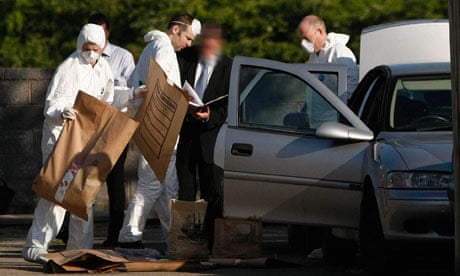




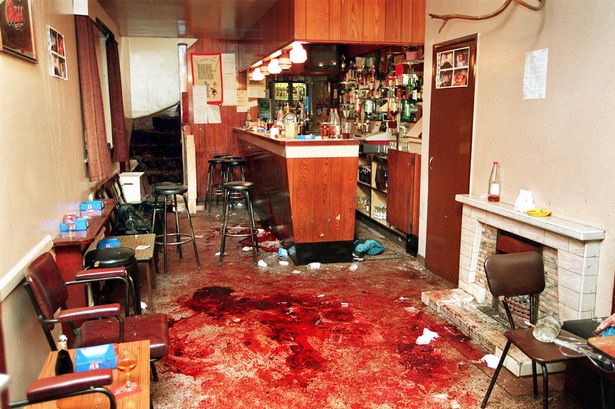

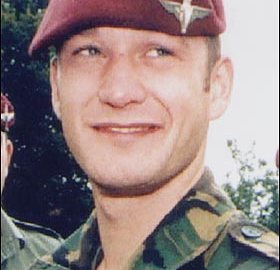


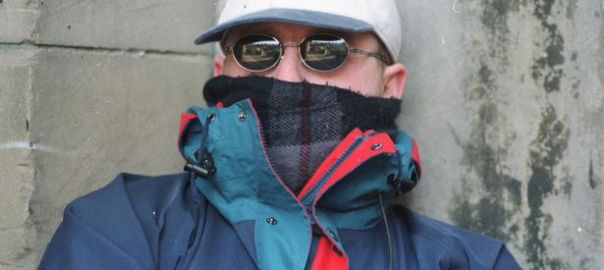
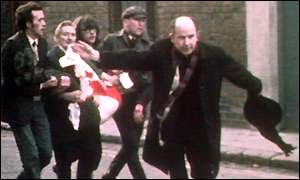
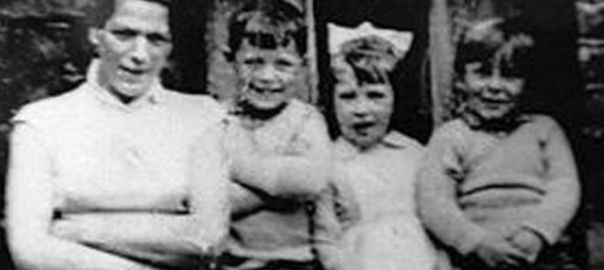


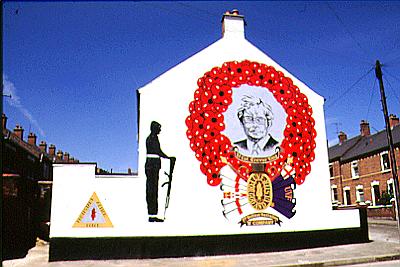


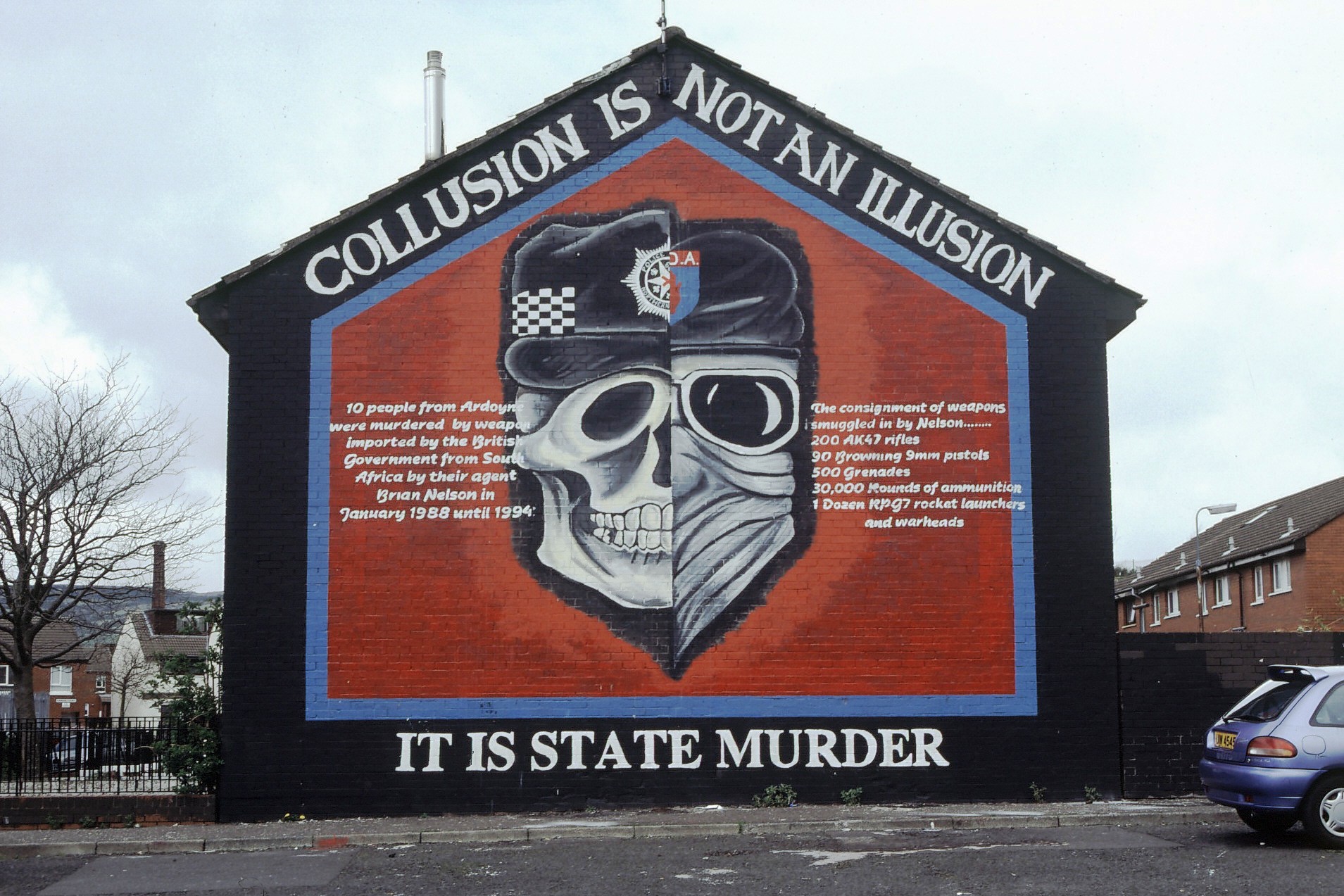

.JPG)



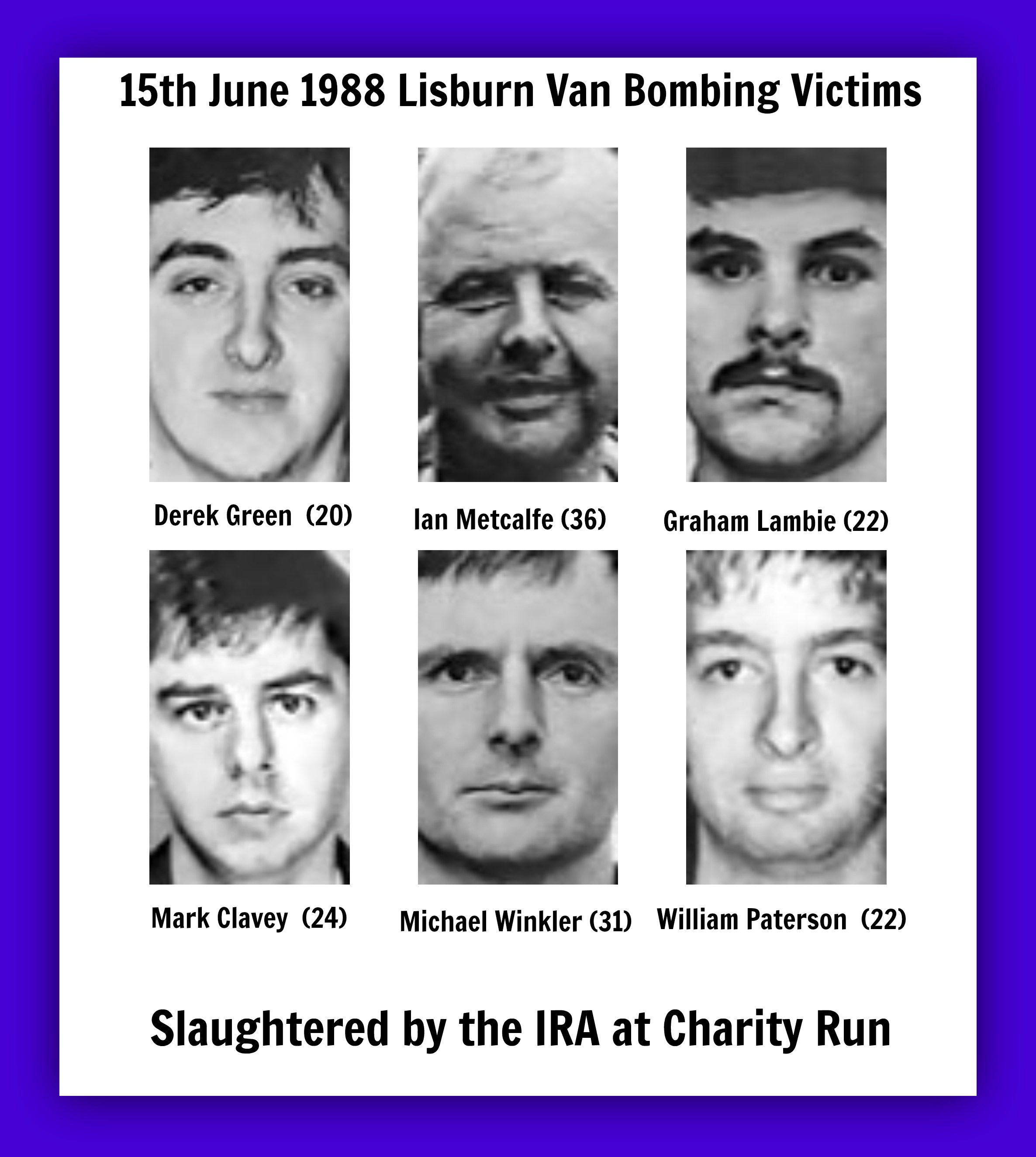






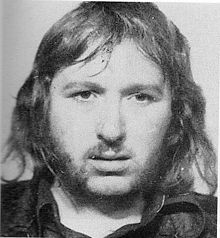


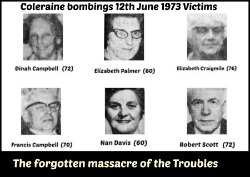
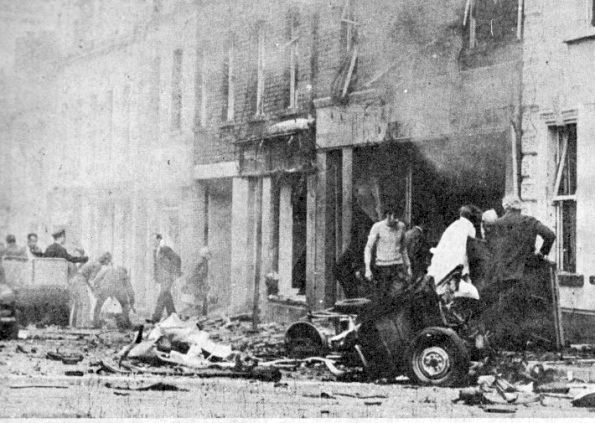


 belfastchildis.com