This is simply the story of a boy trying to grow up, survive, thrive, have fun & discover himself against a backdrop of events that might best be described as ‘explosive’, captivating & shocking the world for thirty long years.
— Belfast Child – John Chambers (@bfchild66) July 23, 2020
Key Events & Deaths on this day in Northern Ireland Troubles
15th October
————————————
Tuesday 15 October 1968
Nationalist Party Withdrew as ‘Official’ Opposition The Nationalist Party of Northern Ireland (NPNI) withdrew from its role as ‘official’ opposition within the Northern Ireland parliament at Stormont.
Friday 15 October 1971
Two Royal Ulster Constabulary (RUC) officers were killed by the Irish Republican Army (IRA) in Belfast.
Tuesday 15 October 1974
A number of huts in the Maze Prison were destroyed by fires which had been started by Republican prisoners. British troops were called into the prison to re-establish control.
[The estimated cost of damage to the Maze Prison, during disturbances on 15 October 1974, was put at £1.5m.]
1976:
UDR men jailed for Showband killings
Two men from the Ulster Defence Regiment (UDR) have each been jailed for 35 years in connection with the murders of members of the Miami Showband.
The UDR soldiers were members of the outlawed paramilitary organisation the Ulster Volunteer Force (UVF).
Imposing the longest life sentences in Northern Ireland history, the judge said “killings like the Miami Showband must be stopped.
The Economic and Social Research Institute, based in Dublin, Republic of Ireland, published the results of an opinion poll that had been carried out between July and September 1978. One finding in the poll was that 21 per cent of people in the Republic expressed some level of support for the Irish Republican Army (IRA).
Noel Lyttle (44) and Ronnie Bunting (32), both members of the Irish Republican Socialist Party (IRSP), were killed by the Ulster Freedom Fighters (UFF) in the Turf Lodge area of Belfast.
[Bunting was the son the Major Ronald Bunting who had been a close associate of Ian Paisley.]
[ 1981 Hunger Strike.]
Wednesday 15 October 1986
The Irish Republican Army (IRA) issued a statement in which it said that it would support Sinn Féin (SF) in the decision to end the policy of ‘abstentionism’. [This policy meant that any member of SF elected to the Dáil would refuse to take the seat. The policy was debated by SF at its Ard Fheis on 2 November 1986.]
Saturday 15 October 1988
Jim Craig, a leading member of the Ulster Defense Association (UDA), was shot dead by members of the Ulster Freedom Fighters (UFF) in a pub in Belfast. Victor Rainey, an innocent member of the public was also shot dead and four people injured in the same incident. Craig was killed as part of an internal UDA feud.
A bill that would have endorsed the MacBride principles was vetoed by the Governor of California, United States of America (USA).
Friday 15 October 1993
The Equal Opportunities Unit of the Northern Ireland Office (NIO) reported that Catholics were fairly represented in most levels of the Northern Ireland Civil Service, the exception being in those posts at a senior level. A number of workers from the Shorts factory attended a protest meeting following the killing of Joseph Reynolds on 12 October 1993. Reynolds, a Catholic civilian, was shot dead by the Ulster Freedom Fighters (UFF), a cover name (pseudonym) used by the Ulster Defence Association (UDA), as he walked to work at Shorts. Five other workers were also injured in the attack.
Tuesday 15 October 1996
Cecil Walker, then Ulster Unionist Party (UUP) Member of Parliament (MP), announced in an interview that he would stand as an independent candidate in any forthcoming general election if he was deselected by his local constituency group. David Trimble, then leader of the Ulster Unionist Party (UUP), denied that he was involved in any effort to have Walker deselected.
Monday 15 October 2001
Loyalist paramilitaries threw three pipe-bombs at a Catholic home in Newington Street, north Belfast, shortly after 10.00pm (22.00BST). Two of the devices exploded and the third was made safe by the British Army. No-one was injured but a number of windows were broken. The attackers were believed to have come from the Loyalist Tiger’s Bay area. Security forces found eight pipe-bombs in Cavehill Country Park, Upper Hightown Road, north Belfast.
A number of component parts for bombs and a handgun were also recovered. Bryce Dickson, then Chief Commissioner of the Northern Ireland Human Rights Commission, visited called for an end to the Loyalist protest at the Holy Cross Girls’ Primary School in Ardoyne, north Belfast. He said that:
“The treatment of these children is inhumane and their right to effective education is being affected.” Protestant parents living in north and west Belfast said that there had been increasing numbers of attacks on buses carrying pupils from the Girls’ and Boys’ Model secondary schools, Belfast Royal Academy, and Castle High School. The parents called for additional security measures to protect their children. Some parents said that they would walk their children to school if the police were unable to protect them.
Ian Paisley, then leader of the Democratic Unionist Party (DUP), said that Irish Republican Army (IRA) decommissioning would only be accepted by Unionists if it was verified, permanent, and followed by the dismantling of the IRA organisational structures. David Trimble, then leader of the Ulster Unionist Party (UUP), held a meeting with Richard Haass, then a United States special envoy, in Washington, USA.
Trimble described the meeting as “constructive”. Fred Cobain, then Member of the Legislative Assembly (MLA) for north Belfast, revealed that he had secret talks with leaders of the Ulster Defence Association (UDA) during the summer of 2001.
———————————————————————————
Remembering all innocent victims of the Troubles
Today is the anniversary of the death of the following people killed as a results of the conflict in Northern Ireland
“To live in hearts we leave behind is not to die.” ― Thomas Campbell
To the innocent on the list – Your memory will live forever
– To the Paramilitaries –
There are many things worth living for, a few things worth dying for, but nothing worth killing for.
13 People lost their lives on the 15th October between 1971– 1993
————————————————————–
15 October 1971
Cecil Cunningham, (46)
Protestant Status: Royal Ulster Constabulary (RUC),
Killed by: Irish Republican Army (IRA) Shot from passing car while sitting in stationary Royal Ulster Constabulary (RUC) car, junction of Woodvale Road and Twaddell Avenue, Belfast.
————————————————————–
15 October 1971
John Haslett, (21)
Protestant Status: Royal Ulster Constabulary (RUC),
Killed by: Irish Republican Army (IRA) Shot from passing car while sitting in stationary Royal Ulster Constabulary (RUC) car, junction of Woodvale Road and Twaddell Avenue, Belfast.
————————————————————–
15 October 1972 James Doherty, (6)
Catholic Status: Civilian (Civ),
Killed by: not known (nk) Died one week after being shot while in the garden at his home, Norglen Crescent, Turf Lodge, Belfast.
————————————————————–
15 October 1979 Herbert Kernaghan, (36)
Protestant Status: Ulster Defence Regiment (UDR),
Killed by: Irish Republican Army (IRA) Off duty. Shot while making deliveries to school, Rosslea, County Fermanagh.
————————————————————–
15 October 1980
Ronnie Bunting, (32)
Protestant Status: Irish National Liberation Army (INLA), Killed by: Ulster Freedom Fighters (UFF) Shot at his home, Downfine Gardens, Turf Lodge, Belfast.
————————————————————–
15 October 1980
Noel Little, (44)
Catholic Status: Irish National Liberation Army (INLA),
Killed by: Ulster Freedom Fighters (UFF) Shot at Ronnie Bunting’s home, Downfine Gardens, Turf Lodge, Belfast.
————————————————————–
15 October 1981 Mary McKay, (68)
Catholic Status: Civilian (Civ),
Killed by: Ulster Volunteer Force (UVF) Shot at her home, Stewart Street, Markets, Belfast.
————————————————————–
15 October 1983 Alan Stock, (22) nfNI Status: British Army (BA),
Killed by: Irish Republican Army (IRA) Killed by remote controlled bomb hidden in wall while on British Army (BA) mobile patrol, Lone Moor Road, Creggan, Derry.
————————————————————–
15 October 1988
James Craig, (47)
Protestant Status: Ulster Defence Association (UDA), Killed by: Ulster Freedom Fighters (UFF) Shot while in The Castle Inn, Beersbridge Road, Belfast. Internal Ulster Defence Association (UDA) dispute.
Killed by: Ulster Freedom Fighters (UFF) Shot while in The Castle Inn, Beersbridge Road, Belfast. He was not the intended target. Internal Ulster Defence Association (UDA) dispute.
————————————————————–
15 October 1990
Samuel Todd, (40)
Protestant Status: Royal Ulster Constabulary (RUC),
Killed by: Irish Republican Army (IRA) Died two days after being shot while sitting in Royal Ulster Constabulary (RUC) civilian type van, at security barrier, High Street, Belfast.
————————————————————–
15 October 1991
John McGuigan, (24)
Catholic Status: Civilian (Civ),
Killed by: Ulster Freedom Fighters (UFF) Shot at his workplace, timber yard, Ravenhill Road, Belfast.
————————————————————–
15 October 1993
Patrick McMahon, (23)
Catholic Status: Civilian (Civ),
Killed by: Ulster Freedom Fighters (UFF) Shot while walking along Newington Avenue, New Lodge, Belfast
The Red Hand of Ulster (Irish: Lámh Dhearg Uladh) is an Irish Gaelic symbol used in heraldry[1] to denote the Irish province of Ulster. It is shown in two forms, as a dexter (right) hand (used as a symbol in Ulster) and a hand baring a blue or red sinister looking cross (used in the coats of arms of baronets). It is an open hand coloured red, with the fingers pointing upwards, the thumb held parallel to the fingers, and the palm facing forward. It is less commonly known as the Red Hand of O’Neill.
Its origins are said to be attributed to the mythical Irish figure Labraid Lámh Dhearg of the Fenian Cycle of Irish mythology (Red Hand Labraid), and appear in other mythical tales passed down from generation to generation in the oral tradition. The symbol is rooted in Irish Gaelic culture and is particularly associated with the Uí Néillclan of Ulster
Dexter hand
The form in common use in Ulster today is an open right hand coloured red, with the fingers pointing upwards, the thumb held parallel to the fingers, and the palm facing forward.
Sinister hand
The form used on a canton or escutcheon within the coat of arms of a baronet of England, Ireland, Great Britain or the United Kingdom, is blazoned as follows: A hand sinister couped at the wrist extended in pale gules.
King James I of England established the hereditary Order of Baronets in England on 22 May 1611, in the words of Collins (1741):
“for the plantation and protection of the whole Kingdom of Ireland, but more especially for the defence and security of the Province of Ulster, and therefore for their distinction those of this order and their descendants may bear (the Red Hand of Ulster) in their coats of arms either in a canton or an escutcheon at their election”
Such baronets may also display the Red Hand of Ulster on its own as a badge, suspended by a ribbon below the shield of arms.[6] Baronets of Nova Scotia, unlike other baronets, do not use the Red Hand of Ulster, but have their own badge showing the Saltire of St Andrew. It must also be noted that the left hand version of the symbol has been used by the Irish National Foresters, the Irish republican Irish Citizen Army and the Federated Workers Union of Ireland.
Mythical origins
It is generally accepted that this Irish Gaelic symbol originated in pagan times and was first associated with the mythical figure Labraid Lámh Dhearg or Labraid Lámderg (Labraid of the Red Hand) of the Fenian Cycle of Irish mythology.
According to one myth, the kingdom of Ulster had at one time no rightful heir. Because of this it was agreed that a boat race should take place and that “whosoever’s hand is the first to touch the shore of Ireland, so shall he be made the king”.
One potential king so desired the kingship that, upon seeing that he was losing the race, he cut off his hand and threw it to the shore—thus winning the kingship. The hand is most likely red to represent the fact that it would have been covered in blood. According to some versions of the story, the king who cut off his hand belonged to the Uí Néill clan, which apparently explains its association with them. Another variation of this story concludes that it was none other than Niall of the Nine Hostages who severed his own hand in order to win his crown from his brother.
A different myth tells of two giants who engaged in battle. One had his hand cut off by the other, and a red imprint of the hand was left on the rocks.
Usage
Coat of Arms of Monaghan
The Red Hand symbol is believed to have been used by the Uí Néill clan during its Nine Years’ War (1594–1603) against the spread of English control. The war cryLámh Dhearg Abú! (Red Hand to victory!) was also associated with the Uí Néill.
Coats of arms used by those whose surnames are of Uí Néill descent – Ó Donnghaile, Ó Cathain, Mac Aodha, Ó Dálaigh, Ó Máeilsheáchlainn and Ó Catharnaigh, to name just a few – all feature the Red Hand in some form, recalling their common descent. On the Ó Néill coat of arms featuring the Red Hand, the motto is Lámh Dhearg Éireann (Red Hand of Ireland).
The arms of the chiefs of the Scottish Clan MacNeil (of Barra) contain the Red Hand; the clan has traditionally claimed descent from Niall of the Nine Hostages. Many other families have used the Red Hand to highlight an Ulster ancestry. The head of the Guinness family, the Earl of Iveagh, has three Red Hands on his arms granted as recently as 1891.
Arms of de Burgh: Or, a cross gules
After Walter de Burgh became Earl of Ulster in 1243 the de Burgh cross was combined with the Red Hand to create a flag that represented the Earldom of Ulster and later became the modern Flag of Ulster. During the plantation of Ulster it was part of the arms of The Irish Society; sales of baronetcies originally helped fund the plantation so baronets of England and of Ireland and later baronets of Great Britain and of the United Kingdom were allowed to augment their arms with a “hand gules”.
The Red Hand is present on a number of Ulster counties crests such as Antrim, Cavan, Londonderry, Monaghan and Tyrone. It was later included in the now abolished Government of Northern Ireland flag. It is also used by many other official and non-official organisations throughout the province of Ulster and Ireland.
The former flag of the Northern Ireland government (1953–1972)
Crest of Ulster GAA
Ulster Rugby
Badge worn by baronets of the United Kingdom
Thank you!
My autobiography: A Belfast Child is now available to pre-order on Amazon , launch date is 30th April.
Image bel… twitter.com/i/web/status/1…— A Belfast Child (@ABelfastChild1) January 19, 2020
Ebola virus disease (EVD; also Ebola hemorrhagic fever, or EHF), or simply Ebola, is a disease of humans and other primates caused by ebolaviruses. Signs and symptoms typically start between two days and three weeks after contracting the virus with a fever, sore throat, muscular pain, and headaches. Then, vomiting, diarrhea and rash usually follow, along with decreased function of the liver and kidneys. At this time some people begin to bleed both internally and externally.[1] The disease has a high risk of death, killing between 25 and 90 percent of those infected, with an average of about 50 percent.[1] This is often due to low blood pressure from fluid loss, and typically follows six to sixteen days after symptoms appear.[2]
The virus spreads by direct contact with body fluids, such as blood, of an infected human or other animals.[1] This may also occur through contact with an item recently contaminated with bodily fluids.[1] Spread of the disease through the air between primates, including humans, has not been documented in either laboratory or natural conditions.[3]Semen or breast milk of a person after recovery from EVD may still carry the virus for several weeks to months.[1][4]Fruit bats are believed to be the normal carrier in nature, able to spread the virus without being affected by it. Other diseases such as malaria, cholera, typhoid fever, meningitis and other viral hemorrhagic fevers may resemble EVD. Blood samples are tested for viral RNA, viral antibodies or for the virus itself to confirm the diagnosis.[1]
—————————————
Ebola Virus Outbreak 2014: Dying at the Hospital Door
—————————————
Control of outbreaks requires coordinated medical services, alongside a certain level of community engagement. The medical services include rapid detection of cases of disease, contact tracing of those who have come into contact with infected individuals, quick access to laboratory services, proper healthcare for those who are infected, and proper disposal of the dead through cremation or burial.[1][5] Samples of body fluids and tissues from people with the disease should be handled with special caution. Prevention includes limiting the spread of disease from infected animals to humans. This may be done by handling potentially infected bush meat only while wearing protective clothing and by thoroughly cooking it before eating it. It also includes wearing proper protective clothing and washing hands when around a person with the disease.[1] No specific treatment or vaccine for the virus is available, although a number of potential treatments are being studied. Supportive efforts, however, improve outcomes. This includes either oral rehydration therapy (drinking slightly sweetened and salty water) or giving intravenous fluids as well as treating symptoms.[1]
The length of time between exposure to the virus and the development of symptoms (incubation period) is between 2 to 21 days,[1][12] and usually between 4 to 10 days.[13] However, recent estimates based on mathematical models predict that around 5% of cases may take greater than 21 days to develop.[14]
Recovery may begin between 7 and 14 days after first symptoms.[16] Death, if it occurs, follows typically 6 to 16 days from first symptoms and is often due to low blood pressure from fluid loss.[2] In general, bleeding often indicates a worse outcome, and blood loss may result in death.[15] People are often in a coma near the end of life.[16]
Those who survive often have ongoing muscular and joint pain, liver inflammation, decreased hearing, and may have continued feelings of tiredness, continued weakness, decreased appetite, and difficulty returning to pre-illness weight.[16][23] Problems with vision may develop.[24]
Additionally they develop antibodies against Ebola that last at least 10 years, but it is unclear if they are immune to repeated infections.[25] If someone recovers from Ebola, they can no longer transmit the disease.[25]
Cause
EVD in humans is caused by four of five viruses of the genus Ebolavirus. The four are Bundibugyo virus (BDBV), Sudan virus (SUDV), Taï Forest virus (TAFV) and one simply called Ebola virus (EBOV, formerly Zaire Ebola virus).[26] EBOV, species Zaire ebolavirus, is the most dangerous of the known EVD-causing viruses, and is responsible for the largest number of outbreaks.[27] The fifth virus, Reston virus (RESTV), is not thought to cause disease in humans, but has caused disease in other primates.[28][29] All five viruses are closely related to marburgviruses.[26]
Ebolaviruses contain single-stranded, non-infectious RNAgenomes.[30]Ebolavirus genomes contain seven genes including 3′-UTR–NP–VP35–VP40–GP–VP30–VP24–L–5′-UTR.[21][31] The genomes of the five different ebolaviruses (BDBV, EBOV, RESTV, SUDV and TAFV) differ in sequence and the number and location of gene overlaps. As with all filoviruses, ebolavirus virions are filamentous particles that may appear in the shape of a shepherd’s crook, of a “U” or of a “6,” and they may be coiled, toroid or branched.[31][32] In general, ebolavirions are 80 nanometers (nm) in width and may be as long as 14,000 nm.[33]
Their life cycle is thought to begin with a virion attaching to specific cell-surface receptors such as C-type lectins, DC-SIGN, or integrins, which is followed by fusion of the viral envelope with cellular membranes.[34] The virions taken up by the cell then travel to acidic endosomes and lysosomes where the viral envelope glycoprotein GP is cleaved.[34] This processing appears to allow the virus to bind to cellular proteins enabling it to fuse with internal cellular membranes and release the viral nucleocapsid.[34] The Ebolavirus structural glycoprotein (known as GP1,2) is responsible for the virus’ ability to bind to and infect targeted cells.[35] The viral RNA polymerase, encoded by the L gene, partially uncoats the nucleocapsid and transcribes the genes into positive-strand mRNAs, which are then translated into structural and nonstructural proteins. The most abundant protein produced is the nucleoprotein, whose concentration in the host cell determines when L switches from gene transcription to genome replication. Replication of the viral genome results in full-length, positive-strand antigenomes that are, in turn, transcribed into genome copies of negative-strand virus progeny.[36] Newly synthesized structural proteins and genomes self-assemble and accumulate near the inside of the cell membrane. Virions bud off from the cell, gaining their envelopes from the cellular membrane from which they bud from. The mature progeny particles then infect other cells to repeat the cycle. The genetics of the Ebola virus are difficult to study because of EBOV’s virulent characteristics.[37]
Transmission
Life cycles of the Ebolavirus
It is believed that between people, Ebola disease spreads only by direct contact with the blood or body fluids of a person who has developed symptoms of the disease.[38][39][40] Body fluids that may contain Ebola viruses include saliva, mucus, vomit, feces, sweat, tears, breast milk, urine and semen.[25] The WHO states that only people who are very sick are able to spread Ebola disease in saliva, and whole virus has not been reported to be transmitted through sweat. Most people spread the virus through blood, feces and vomit.[41] Entry points for the virus include the nose, mouth, eyes, open wounds, cuts and abrasions.[25] Ebola may be spread through large droplets; however, this is believed to occur only when a person is very sick.[42] This contamination can happen if a person is splashed with droplets.[42] Contact with surfaces or objects contaminated by the virus, particularly needles and syringes, may also transmit the infection.[43][44] The virus is able to survive on objects for a few hours in a dried state, and can survive for a few days within body fluids outside of a person.[25][45]
The Ebola virus may be able to persist for more than 3 months in the semen after recovery, which could lead to infections via sexual intercourse.[46][47] Ebola may also occur in the breast milk of women after recovery, and it is not known when it is safe to breastfeed again.[4] The virus was also found in the eye of one patient in 2014, two months after it was cleared from his blood.[48] Otherwise, people who have recovered are not infectious.[43]
The potential for widespread infections in countries with medical systems capable of observing correct medical isolation procedures is considered low.[49] Usually when someone has symptoms of the disease, they are unable to travel without assistance.[50]
Dead bodies remain infectious; thus, people handling human remains in practices such as traditional burial rituals or more modern processes such as embalming are at risk.[49] 69% of the cases of Ebola infections in Guinea during the 2014 outbreak are believed to have been contracted via unprotected (or unsuitably protected) contact with infected corpses during certain Guinean burial rituals.[51][52]
Health-care workers treating people with Ebola are at greatest risk of infection.[43] The risk increases when they do not have appropriate protective clothing such as masks, gowns, gloves and eye protection; do not wear it properly; or handle contaminated clothing incorrectly.[43] This risk is particularly common in parts of Africa where the disease mostly occurs and health systems function poorly.[53] There has been transmission in hospitals in some African countries that reuse hypodermic needles.[54][55] Some health-care centers caring for people with the disease do not have running water.[56] In the United States the spread to two medical workers treating infected patients prompted criticism of inadequate training and procedures.[57]
Human-to-human transmission of EBOV through the air has not been reported to occur during EVD outbreaks,[3] and airborne transmission has only been demonstrated in very strict laboratory conditions, and then only from pigs to primates, but not from primates to primates.[38][44] Spread of EBOV by water, or food other than bushmeat, has not been observed.[43][44] No spread by mosquitos or other insects has been reported.[43] Other possible methods of transmission are being studied.[45]
The apparent lack of airborne transmission among humans is believed to be due to low levels of the virus in the lungs and other parts of the respiratory system of primates, insufficient to cause new infections.[58] A number of studies examining airborne transmission broadly concluded that transmission from pigs to primates could happen without direct contact because, unlike humans and primates, pigs with EVD get very high ebolavirus concentrations in their lungs, and not their bloodstream.[59] Therefore, pigs with EVD can spread the disease through droplets in the air or on the ground when they sneeze or cough.[60] By contrast, humans and other primates accumulate the virus throughout their body and specifically in their blood, but not very much in their lungs.[60] It is believed that this is the reason researchers have observed pig to primate transmission without physical contact, but no evidence has been found of primates being infected without actual contact, even in experiments where infected and uninfected primates shared the same air.[59][60]
Initial case
Bushmeat being prepared for cooking in Ghana. In Africa, wild animals including fruit bats are hunted for food and are referred to as bushmeat.[61][62] In equatorial Africa, human consumption of bushmeat has been linked to animal-to-human transmission of diseases, including Ebola.[63]
Although it is not entirely clear how Ebola initially spreads from animals to humans, the spread is believed to involve direct contact with an infected wild animal or fruit bat.[43] Besides bats, other wild animals sometimes infected with EBOV include several monkey species, chimpanzees, gorillas, baboons and duikers.[64]
Animals may become infected when they eat fruit partially eaten by bats carrying the virus.[65] Fruit production, animal behavior and other factors may trigger outbreaks among animal populations.[65]
Evidence indicates that both domestic dogs and pigs can also be infected with EBOV.[66] Dogs do not appear to develop symptoms when they carry the virus, and pigs appear to be able to transmit the virus to at least some primates.[66] Although some dogs in an area in which a human outbreak occurred had antibodies to EBOV, it is unclear whether they played a role in spreading the disease to people.[66]
Reservoir
The natural reservoir for Ebola has yet to be confirmed; however, bats are considered to be the most likely candidate species.[44] Three types of fruit bats (Hypsignathus monstrosus, Epomops franqueti and Myonycteris torquata) were found to possibly carry the virus without getting sick.[67] As of 2013, whether other animals are involved in its spread is not known.[66] Plants, arthropods and birds have also been considered possible viral reservoirs.[1]
Bats were known to roost in the cotton factory in which the first cases of the 1976 and 1979 outbreaks were observed, and they have also been implicated in Marburg virus infections in 1975 and 1980.[68] Of 24 plant and 19 vertebrate species experimentally inoculated with EBOV, only bats became infected.[69] The bats displayed no clinical signs of disease, which is considered evidence that these bats are a reservoir species of EBOV. In a 2002–2003 survey of 1,030 animals including 679 bats from Gabon and the Republic of the Congo, 13 fruit bats were found to contain EBOV RNA.[70] Antibodies against Zaire and Reston viruses have been found in fruit bats in Bangladesh, suggesting that these bats are also potential hosts of the virus and that the filoviruses are present in Asia.[71]
Between 1976 and 1998, in 30,000 mammals, birds, reptiles, amphibians and arthropods sampled from regions of EBOV outbreaks, no Ebola virus was detected apart from some genetic traces found in six rodents (belonging to the species Mus setulosus and Praomys) and one shrew (Sylvisorex ollula) collected from the Central African Republic.[68][72] However, further research efforts have not confirmed rodents as a reservoir.[73] Traces of EBOV were detected in the carcasses of gorillas and chimpanzees during outbreaks in 2001 and 2003, which later became the source of human infections. However, the high rates of death in these species resulting from EBOV infection make it unlikely that these species represent a natural reservoir for the virus.[68]
EBOV is thought to infect humans through contact with mucous membranes or through skin breaks.[38] Once infected, endothelial cells (cells lining the inside of blood vessels), liver cells, and several types of immune cells such as macrophages, monocytes, and dendritic cells are the main targets of infection.[38] Following infection with the virus, the immune cells carry the virus to nearby lymph nodes where further reproduction of the virus takes place.[38] From there, the virus can enter the bloodstream and lymphatic system and spread throughout the body.[38] Macrophages are the first cells infected with the virus, and this infection results in programmed cell death.[33] Other types of white blood cells, such as lymphocytes, also undergo programmed cell death leading to an abnormally low concentration of lymphocytes in the blood.[38] This contributes to the weakened immune response seen in those infected with EBOV.[38]
Endothelial cells may be infected within 3 days after exposure to the virus.[33] The breakdown of endothelial cells leading to blood vessel injury can be attributed to EBOV glycoproteins. This damage occurs due to the synthesis of Ebola virus glycoprotein (GP), which reduces the availability of specific integrins responsible for cell adhesion to the intercellular structure and causes liver damage, leading to improper clotting. The widespread bleeding that occurs in affected people causes swelling and shock due to loss of blood volume.[75] The dysfunction in bleeding and clotting commonly seen in EVD has been attributed to increased activation of the extrinsic pathway of the coagulation cascade due to excessive tissue factor production by macrophages and monocytes.[13]
After infection, a secreted glycoprotein, small soluble glycoprotein (sGP or GP) is synthesized. EBOV replication overwhelms protein synthesis of infected cells and the host immune defenses. The GP forms a trimeric complex, which tethers the virus to the endothelial cells. The sGP forms a dimeric protein that interferes with the signaling of neutrophils, another type of white blood cell, which enables the virus to evade the immune system by inhibiting early steps of neutrophil activation. The presence of viral particles and the cell damage resulting from viruses budding out of the cell causes the release of chemical signals (such as TNF-α, IL-6 and IL-8), which are molecular signals for fever and inflammation.
The VP24 and VP35 structural proteins of EBOV play a key role in this interference. When a cell is infected with EBOV, receptors located in the cell’s cytosol (such as RIG-I and MDA5) or outside of the cytosol (such as Toll-like receptor 3 (TLR3), TLR7, TLR8 and TLR9), recognize infectious molecules associated with the virus.[35] On TLR activation, proteins including interferon regulatory factor 3 and interferon regulatory factor 7 trigger a signaling cascade that leads to the expression of type 1 interferons.[35] The type 1 interferons are then released and bind to the IFNAR1 and IFNAR2 receptors expressed on the surface of a neighboring cell.[35] Once interferon has bound to its receptors on the neighboring cell, the signaling proteins STAT1 and STAT2 are activated and move to the cell’s nucleus.[35] This triggers the expression of interferon-stimulated genes, which code for proteins with antiviral properties.[35] EBOV’s V24 protein blocks the production of these antiviral proteins by preventing the STAT1 signaling protein in the neighboring cell from entering the nucleus.[35] The VP35 protein directly inhibits the production of interferon-beta.[76] By inhibiting these immune responses, EBOV may quickly spread throughout the body.[33]
Diagnosis
When EVD is suspected in a person, his or her travel and work history, along with an exposure to wildlife, are important factors to consider with respect to further diagnostic efforts.
The specific diagnosis of EVD is confirmed by isolating the virus, detecting its RNA or proteins, or detecting antibodies against the virus in a person’s blood. Isolating the virus by cell culture, detecting the viral RNA by polymerase chain reaction (PCR)[13] and detecting proteins by enzyme-linked immunosorbent assay (ELISA) are methods best used in the early stages of the disease and also for detecting the virus in human remains. Detecting antibodies against the virus is most reliable in the later stages of the disease and in those who recover.[79]IgM antibodies are detectable two days after symptom onset and IgG antibodies can be detected 6 to 18 days after symptom onset.[13] During an outbreak, isolation of the virus via cell culture methods is often not feasible. In field or mobile hospitals, the most common and sensitive diagnostic methods are real-time PCR and ELISA.[80] In 2014, with new mobile testing facilities deployed in parts of Liberia, test results were obtained 3–5 hours after sample submission.[81] In 2015 a rapid antigen test which gives results in 15 minutes was approved for use by WHO. It is able to confirm Ebola in 92% of those affected and rule it out in 85% of those not affected.[82]
People who care for those infected with Ebola should wear protective clothing including masks, gloves, gowns and goggles.[88] The US Centers for Disease Control (CDC) recommend that the protective gear leaves no skin exposed.[89] These measures are also recommended for those who may handle objects contaminated by an infected person’s body fluids.[90] In 2014, the CDC began recommending that medical personnel receive training on the proper suit-up and removal of personal protective equipment (PPE); in addition, a designated person, appropriately trained in biosafety, should be watching each step of these procedures to ensure they are done correctly.[89] In Sierra Leone, the typical training period for the use of such safety equipment lasts approximately 12 days.[91]
The infected person should be in barrier-isolation from other people.[88] All equipment, medical waste, patient waste and surfaces that may have come into contact with body fluids need to be disinfected.[90] During the 2014 outbreak, kits were put together to help families treat Ebola disease in their homes, which include protective clothing as well as chlorine powder and other cleaning supplies.[92] Education of those who provide care in these techniques, and the provision of such barrier-separation supplies has been a priority of Doctors Without Borders.[93]
Ebolaviruses can be eliminated with heat (heating for 30 to 60 minutes at 60 °C or boiling for 5 minutes). To disinfect surfaces, some lipid solvents such as some alcohol-based products, detergents, sodium hypochlorite (bleach) or calcium hypochlorite (bleaching powder), and other suitable disinfectants may be used at appropriate concentrations.[64][94] Education of the general public about the risk factors for Ebola infection and of the protective measures individuals may take to prevent infection is recommended by the World Health Organization.[1] These measures include avoiding direct contact with infected people and regular hand washing using soap and water.[95]
Bushmeat, an important source of protein in the diet of some Africans, should be handled and prepared with appropriate protective clothing and thoroughly cooked before consumption.[1] Some research suggests that an outbreak of Ebola disease in the wild animals used for consumption may result in a corresponding human outbreak. Since 2003, such animal outbreaks have been monitored to predict and prevent Ebola outbreaks in humans.[96]
If a person with Ebola disease dies, direct contact with the body should be avoided.[88] Certain burial rituals, which may have included making various direct contacts with a dead body, require reformulation such that they consistently maintain a proper protective barrier between the dead body and the living.[97][98][99] Social anthropologists may help find alternatives to traditional rules for burials.[100]
Transportation crews are instructed to follow a certain isolation procedure should anyone exhibit symptoms resembling EVD.[101] As of August 2014, the WHO does not consider travel bans to be useful in decreasing spread of the disease.[50] In October 2014, the CDC defined four risk levels used to determine the level of 21-day monitoring for symptoms and restrictions on public activities.[102] In the United States, the CDC recommends that restrictions on public activity, including travel restrictions, are not required for the following defined risk levels:[102]
having been in a country with widespread Ebola disease transmission and having no known exposure (low risk); or having been in that country more than 21 days ago (no risk)
encounter with a person showing symptoms; but not within 3 feet of the person with Ebola without wearing PPE; and no direct contact of body fluids
having had brief skin contact with a person showing symptoms of Ebola disease when the person was believed to be not very contagious (low risk)
in countries without widespread Ebola disease transmission: direct contact with a person showing symptoms of the disease while wearing PPE (low risk)
contact with a person with Ebola disease before the person was showing symptoms (no risk).
The CDC recommends monitoring for the symptoms of Ebola disease for those both at “low risk” and at higher risk.[102]
In laboratories where diagnostic testing is carried out, biosafety level 4-equivalent containment is required.[103] Laboratory researchers must be properly trained in BSL-4 practices and wear proper PPE
Isolation
Isolation refers to separating those who are sick from those who are not. Quarantine refers to separating those who may have been exposed to a disease until they either show signs of the disease or are no longer at risk.[104] Quarantine, also known as enforced isolation, is usually effective in decreasing spread.[105][106] Governments often quarantine areas where the disease is occurring or individuals who may transmit the disease outside of an initial area.[107] In the United States, the law allows quarantine of those infected with ebolaviruses.[108]
Contact tracing
Contact tracing is considered important to contain an outbreak. It involves finding everyone who had close contact with infected individuals and watching for signs of illness for 21 days. If any of these contacts comes down with the disease, they should be isolated, tested and treated. Then the process is repeated by tracing the contacts’ contacts.[109][110]
Management
No specific treatment is currently approved.[111] The Food and Drug Administration (FDA) advises people to be careful of advertisements making unverified or fraudulent claims of benefits supposedly gained from various anti-Ebola products.[112][113]
Standard support
A hospital isolation ward in Gulu, Uganda, during the October 2000 outbreak
Treatment is primarily supportive in nature.[114] Early supportive care with rehydration and symptomatic treatment improves survival.[1] Rehydration may be via the oral or by intravenous route.[114] These measures may include management of pain, nausea, fever and anxiety.[114] The World Health Organization recommends avoiding the use of aspirin or ibuprofen for pain due to the bleeding risk associated with use of these medications.[115]
If hospital care is not possible, the World Health Organization has guidelines for care at home that have been relatively successful. In such situations, recommendations include using towels soaked in bleach solutions when moving infected people or bodies and applying bleach on stains. It is also recommended that the caregivers wash hands with bleach solutions and cover their mouth and nose with a cloth.[116]
EVD has a high risk of death in those infected which varies between 25 percent and 90 percent of those infected.[1][117] As of September 2014[update], the average risk of death among those infected is 50 percent.[1] The highest risk of death was 90 percent in the 2002–2003 Republic of the Congo outbreak.[118]
Death, if it occurs, follows typically six to sixteen days after symptoms appear and is often due to low blood pressure from fluid loss.[2] Early supportive care to prevent dehydration may reduce the risk of death.[119]
Ebola can stay in some body parts like the eyes,[121] breasts, and testicles after infection.[122][123] Sexual transmission after recovery has been suggested.[124][125]
Increase over time in the cases and deaths during the 2013–2015 outbreak
In March 2014, the World Health Organization (WHO) reported a major Ebola outbreak in Guinea, a western African nation.[126] Researchers traced the outbreak to a one-year-old child who died December 2013.[127][128] The disease then rapidly spread to the neighboring countries of Liberia and Sierra Leone. It is the largest Ebola outbreak ever documented, and the first recorded in the region.[126] On 8 August 2014, the WHO declared the epidemic to be an international public health emergency. Urging the world to offer aid to the affected regions, the Director-General said, “Countries affected to date simply do not have the capacity to manage an outbreak of this size and complexity on their own. I urge the international community to provide this support on the most urgent basis possible.”[129] By mid-August 2014, Doctors Without Borders reported the situation in Liberia’s capital Monrovia as “catastrophic” and “deteriorating daily”. They reported that fears of Ebola among staff members and patients had shut down much of the city’s health system, leaving many people without treatment for other conditions.[130] In a 26 September statement, the WHO said, “The Ebola epidemic ravaging parts of West Africa is the most severe acute public health emergency seen in modern times. Never before in recorded history has a biosafety level four pathogen infected so many people so quickly, over such a broad geographical area, for so long.”[131]
Intense contact tracing and strict isolation techniques largely prevented further spread of the disease in the countries that had imported cases, but in the most severely affected countries, Guinea, Liberia, and Sierra Leone, this disease is ongoing. As of 27 September 2015[update], 28,424 suspected cases and 11,311 deaths have been reported;[11][132] however, the WHO has said that these numbers may be underestimated.[133] Because they work closely with the body fluids of infected patients, healthcare workers have been especially vulnerable to catching the disease; in August 2014, the WHO reported that ten percent of the dead have been healthcare workers.[134]
In September 2014, it was estimated that the countries’ capacity for treating Ebola patients was insufficient by the equivalent of 2,122 beds; by December there were a sufficient number of beds to treat and isolate all reported Ebola cases, although the uneven distribution of cases was resulting in serious shortfalls in some areas.[135] On 28 January 2015, the WHO reported that for the first time since the week ending 29 June 2014, there had been fewer than 100 new confirmed cases reported in a week in the three most-affected countries. The response to the epidemic then moved to a second phase, as the focus shifted from slowing transmission to ending the epidemic.[136] On 8 April 2015, the WHO reported a total of only 30 confirmed cases, the lowest weekly total since the third week of May 2014.[137]
As of 15 October 2014, there have been 17 cases of Ebola treated outside Africa, four of whom have died.[138]
In early October, Teresa Romero, a 44-year-old Spanish nurse, contracted Ebola after caring for a priest who had been repatriated from West Africa. This was the first transmission of the virus to occur outside Africa.[139] On 20 October, it was announced that Teresa Romero had tested negative for the Ebola virus, suggesting that she may have recovered from Ebola infection.[140]
On 19 September, Eric Duncan flew from his native Liberia to Texas; 5 days later he began showing symptoms and visited a hospital, but was sent home. His condition worsened and he returned to the hospital on 28 September, where he died on 8 October.[141] Health officials confirmed a diagnosis of Ebola on 30 September—the first case in the United States.[57] On 12 October, the CDC confirmed that a nurse in Texas who had treated Duncan was found to be positive for the Ebola virus, the first known case of the disease to be contracted in the United States.[142] On 15 October, a second Texas health-care worker who had treated Duncan was confirmed to have the virus.[143] Both of these people have since recovered.[144]
On 23 October, a doctor in New York City, who returned to the United States from Guinea after working with Doctors Without Borders, tested positive for Ebola. His case is unrelated to the Texas cases.[145] The person has recovered and was discharged from Bellevue Hospital Center on November 11.[144] On 24 December 2014, a laboratory in Atlanta, Georgia reported that a technician had been exposed to Ebola.[146]
In 2000, Uganda had an outbreak affecting 425 and killing 224; in this case the Sudan virus was found to be the Ebola species responsible for the outbreak.[1]
In 2003 there was an outbreak in the Republic of the Congo that affected 143 and killed 128, a death rate of 90 percent, the highest death rate of a genusEbolavirus outbreak to date.[149]
In 2004 a Russian scientist died from Ebola after sticking herself with an infected needle.[150]
Between April and August 2007, a fever epidemic[151] in a four-village region[152] of the Democratic Republic of the Congo was confirmed in September to have cases of Ebola.[153] Many people who attended the recent funeral of a local village chief died.[152] The 2007 outbreak eventually affected 264 individuals and resulted in the deaths of 187.[1]
On 30 November 2007, the Uganda Ministry of Health confirmed an outbreak of Ebola in the Bundibugyo District in Western Uganda. After confirmation of samples tested by the United States National Reference Laboratories and the Centers for Disease Control, the World Health Organization confirmed the presence of a new species of genusEbolavirus, which was tentatively named Bundibugyo.[154] The WHO reported 149 cases of this new strain and 37 of those led to deaths.[1]
The WHO confirmed two small outbreaks in Uganda in 2012. The first outbreak affected 7 people and resulted in the death of 4 and the second affected 24, resulting in the death of 17. The Sudan variant was responsible for both outbreaks.[1]
On 17 August 2012, the Ministry of Health of the Democratic Republic of the Congo reported an outbreak of the Ebola-Bundibugyo variant[155] in the eastern region.[156][157] Other than its discovery in 2007, this was the only time that this variant has been identified as responsible for an outbreak. The WHO revealed that the virus had sickened 57 people and claimed 29 lives. The probable cause of the outbreak was tainted bush meat hunted by local villagers around the towns of Isiro and Viadana.[1][158]
In 2014, an outbreak of Ebola virus disease occurred in the Democratic Republic of the Congo (DRC). Genome-sequencing has shown that this outbreak was not related to the 2014–15 West Africa Ebola virus outbreak, but was of the same EBOV species, the Zaire species.[159] It began in August 2014 and was declared over in November of that year with a total of 66 cases and 49 deaths.[160] This is the 7th outbreak in the DRC, three of which occurred during the period when the country was known as Zaire.[161]
1976
CDC worker incinerates medical waste from Ebola patients in Zaire in 1976.
Sudan outbreak
The first known outbreak of EVD was identified only after the fact, occurring between June and November 1976 in Nzara, South Sudan,[26][162] (then part of Sudan) and was caused by Sudan virus (SUDV). The Sudan outbreak infected 284 people and killed 151. The first identifiable case in Sudan occurred on 27 June in a storekeeper in a cotton factory in Nzara, who was hospitalized on 30 June and died on 6 July.[21][163] Although the WHO medical staff involved in the Sudan outbreak were aware that they were dealing with a heretofore unknown disease, the actual “positive identification” process and the naming of the virus did not occur until some months later in the Democratic Republic of the Congo.[163]
On 26 August 1976, a second outbreak of EVD began in Yambuku, a small rural village in Mongala District in northern Zaire (now known as the Democratic Republic of the Congo).[164][165] This outbreak was caused by EBOV, formerly designated Zaire ebolavirus, which is a different member of the genusEbolavirus than in the first Sudan outbreak. The first person infected with the disease was village school headmaster Mabalo Lokela, who began displaying symptoms on 26 August 1976.[166] Lokela had returned from a trip to Northern Zaire near the Central African Republic border, having visited the Ebola River between 12 and 22 August. He was originally believed to have malaria and was given quinine. However, his symptoms continued to worsen, and he was admitted to Yambuku Mission Hospital on 5 September. Lokela died on 8 September, 14 days after he began displaying symptoms.[167][168][169]
Soon after Lokela’s death, others who had been in contact with him also died, and people in the village of Yambuku began to panic. This led the country’s Minister of Health along with Zaire President Mobutu Sese Seko to declare the entire region, including Yambuku and the country’s capital, Kinshasa, a quarantine zone. No one was permitted to enter or leave the area, with roads, waterways, and airfields placed under martial law. Schools, businesses and social organizations were closed.[170] Researchers from the CDC, including Peter Piot, co-discoverer of Ebola, later arrived to assess the effects of the outbreak, observing that “the whole region was in panic.”[171][172][173] Piot concluded that the Belgian nuns had inadvertently started the epidemic by giving unnecessary vitamin injections to pregnant women, without sterilizing the syringes and needles. The outbreak lasted 26 days, with the quarantine lasting 2 weeks. Among the reasons that researchers speculated caused the disease to disappear, were the precautions taken by locals, the quarantine of the area, and discontinuing the injections.[170]
During this outbreak, Dr. Ngoy Mushola recorded the first clinical description of EVD in Yambuku, where he wrote the following in his daily log: “The illness is characterized with a high temperature of about 39 °C (102 °F), hematemesis, diarrhea with blood, retrosternal abdominal pain, prostration with “heavy” articulations, and rapid evolution death after a mean of 3 days.”[174]
The virus responsible for the initial outbreak, first thought to be Marburg virus, was later identified as a new type of virus related to marburgviruses. Virus strain samples isolated from both outbreaks were named as the “Ebola virus” after the Ebola River, located near the originally identified viral outbreak site in Zaire.[21] Reports conflict about who initially coined the name: either Karl Johnson of the American CDC team[175] or Belgian researchers.[176] Subsequently a number of other cases were reported, almost all centered on the Yambuku mission hospital or having close contact with another case.[166] 318 cases and 280 deaths (an 88 percent fatality rate) occurred in Zaire.[177] Although it was assumed that the two outbreaks were connected, scientists later realized that they were caused by two distinct ebolaviruses, SUDV and EBOV.[165] The Zaire outbreak was contained with the help of the World Health Organization and transport from the Congolese air force, by quarantining villagers, sterilizing medical equipment, and providing protective clothing.
Ebolavirus is classified as a biosafety level 4 agent, as well as a Category A bioterrorism agent by the Centers for Disease Control and Prevention.[74][178] It has the potential to be weaponized for use in biological warfare,[179][180] and was investigated by Biopreparat for such use, but might be difficult to prepare as a weapon of mass destruction because the virus becomes ineffective quickly in open air.[181] Fake emails pretending to be Ebola information from the WHO or the Mexican Government have in 2014 been misused to spread computer malware.[182] The BBC reported in 2015 that, “North Korean state media has suggested the disease was created by the US military as a biological weapon.”[183]
William Close‘s 1995 Ebola: A Documentary Novel of Its First Explosion and 2002 Ebola: Through the Eyes of the People focused on individuals’ reactions to the 1976 Ebola outbreak in Zaire.[185]
As the Ebola virus epidemic in West Africa developed in 2014, a number of popular self-published and well-reviewed books containing sensational and misleading information about the disease appeared in electronic and printed formats. The authors of some such books admitted that they lacked medical credentials and were not technically qualified to give medical advice. The World Health Organization and the United Nations stated that such misinformation had contributed to the spread of the disease.[187]
Other animals
Wild animals
Ebola has a high mortality among primates.[111] Frequent outbreaks of Ebola may have resulted in the deaths of 5,000 gorillas.[188] Outbreaks of Ebola may have been responsible for an 88 percent decline in tracking indices of observed chimpanzee populations in 420 square kilometer Lossi Sanctuary between 2002 and 2003.[189] Transmission among chimpanzees through meat consumption constitutes a significant risk factor, whereas contact between the animals, such as touching dead bodies and grooming, is not.[190]
Recovered carcasses from gorillas contain multiple Ebola virus strains, which suggest multiple introductions of the virus. Bodies decompose quickly and carcasses are not infectious after 3 to 4 days. Contact between gorilla groups is rare, suggesting transmission among gorilla groups is unlikely, and that outbreaks result from transmission between viral reservoir and animal populations.[189]
Domestic animals
In 2012 it was demonstrated that the virus can travel without contact from pigs to nonhuman primates, although the same study failed to achieve transmission in that manner between primates.[66][191]
Dogs may become infected with EBOV but not develop symptoms. Dogs in some parts of Africa scavenge for food, and they sometimes eat EBOV-infected animals and also the corpses of humans. A 2005 survey of dogs during an EBOV outbreak found that although they remain asymptomatic, about 32 percent of dogs closest to an outbreak showed a seroprevalence for EBOV versus 9 percent of those farther away.[192] The authors concluded that there were “potential implications for preventing and controlling human outbreaks.”
Reston virus
For more about the outbreak in Virginia, US, see Reston virus.
In late 1989, Hazelton Research Products’ Reston Quarantine Unit in Reston, Virginia, suffered an outbreak of fatal illness amongst certain lab monkeys. This lab outbreak was initially diagnosed as simian hemorrhagic fever virus (SHFV), and occurred amongst a shipment of crab-eating macaque monkeys imported from the Philippines. Hazelton’s veterinary pathologist sent tissue samples from dead animals to the United States Army Medical Research Institute of Infectious Diseases (USAMRIID) at Fort Detrick, Maryland, where an ELISA test indicated the antibodies present in the tissue were a response to Ebola virus and not SHFV.[193] An electron microscopist from USAMRIID discovered filoviruses similar in appearance to Ebola in the tissue samples sent from Hazelton Research Products’ Reston Quarantine Unit.[194]
A US Army team headquartered at USAMRIID euthanized the surviving monkeys, and brought all the monkeys to Ft. Detrick for study by the Army’s veterinary pathologists and virologists, and eventual disposal under safe conditions.[193] Blood samples were taken from 178 animal handlers during the incident.[195] Of those, six animal handlers eventually seroconverted, including one who had cut himself with a bloody scalpel.[75][196] Despite its status as a Level‑4 organism and its apparent pathogenicity in monkeys, when the handlers did not become ill, the CDC concluded that the virus had a very low pathogenicity to humans.[196][197]
The Philippines and the United States had no previous cases of Ebola infection, and upon further isolation, researchers concluded it was another strain of Ebola, or a new filovirus of Asian origin, which they named Reston ebolavirus (RESTV) after the location of the incident.[193] Reston virus (RESTV) can be transmitted to pigs.[66] Since the initial outbreak it has since been found in nonhuman primates in Pennsylvania, Texas, and Italy,[198] where the virus had infected pigs.[199] According to the WHO, routine cleaning and disinfection of pig (or monkey) farms with sodium hypochlorite or detergents should be effective in inactivating the Reston ebolavirus. Pigs that have been infected with RESTV tend to show symptoms of the disease.
Researchers looking at slides of cultures of cells that make monoclonal antibodies. These are grown in a lab and the researchers are analyzing the products to select the most promising.
As of July 2015, there is no medication which has been proven to be safe and effective in treating Ebola. By the time the Ebola virus epidemic in West Africa began in 2013, there were at least nine different candidate treatments. Several trials were conducted in late 2014 and early 2015, but some were abandoned due to lack of efficacy or lack of people to study.
Several promising vaccine candidates have been shown to protect nonhuman primates (usually macaques) against lethal infection.[26][162][204] These include replication-deficient adenovirus vectors, replication-competent vesicular stomatitis (VSV) and human parainfluenza (HPIV-3) vectors, and virus-like particle preparations. Conventional trials to study efficacy by exposure of humans to the pathogen after immunization are obviously not feasible in this case. For such situations, the FDA has established the “animal rule” allowing licensure to be approved on the basis of animal model studies that replicate human disease, combined with evidence of safety and a potentially potent immune response (antibodies in the blood) from humans given the vaccine. Phase I clinical trials involve the administration of the vaccine to healthy human subjects to evaluate the immune response, identify any side effects and determine the appropriate dosage.
In September 2014, an Ebola vaccine was used after exposure to Ebola and the person appears to have developed immunity without getting sick.[205]
In July 2015 early results from a trial of the vaccine VSV-EBOV showed effectiveness.[206]
Diagnostic tests
One issue which hinders control of Ebola is that diagnostic tests which are currently available require specialized equipment and highly trained personnel. Since there are few suitable testing centers in West Africa, this leads to delay in diagnosis. In December, a conference in Geneva will aim to work out which diagnostic tools could be to identify Ebola reliably and more quickly. The meeting, convened by the WHO and the non-profit Foundation for Innovative New Diagnostics, seeks to identify tests that can be used by untrained staff, do not require electricity or can run on batteries or solar power and use reagents that can withstand temperatures of 40 °C.[207]
On 29 November, a new 15-minute Ebola test was reported that if successful, “not only gives patients a better chance of survival, but it prevents transmission of the virus to other people.” The new equipment, about the size of a laptop and solar-powered, allows testing to be done in remote areas. The equipment is currently being tested in Guinea.[208]
On December 29, the FDA approved LightMix (R) Ebola Zaire rRT-PCR Test on patients with symptoms of Ebola. The report indicates it could help health care authorities around the world
Key Events & Deaths on this day in Northern Ireland Troubles
14th October
Saturday 14 October 1972
Three people were killed in two incidents in Belfast. Loyalist paramilitaries carried out a raid on the Headquarters of the 10 Ulster Defence Regiment (UDR) at Lislea Drive in Belfast and stole 14 British Army issue self-loading rifles (SLRs) and a quantity of ammunition. The camp guard claimed that they were ‘overpowered’ by the Loyalists. [There was another raid on a UDR base on 23 October 1972.]
Friday 14 October 1977
Tomás Ó Fiaich was appointed as the new Catholic Primate of Ireland.
Saturday 14 October 1978
The Democratic Unionist Party (DUP) organised another march in Derry to protest against the march in the city on the previous Sunday, 8 October 1978. There were clashes between Loyalists and Royal Ulster Constabulary (RUC) officers which resulted in 32 policemen being injured and there was also damage to property in the city.
Monday 14 October 1985
The Irish Information Partnership published some results from its database of deaths from the conflict. The information showed that more than 50 per cent of the 2,400 dead had been killed by Republican paramilitaries. In addition the data also showed that over 25 per cent of those killed by Republicans were Catholic civilians.
Friday 14 October 1988
Duisburg Meetings Members from four Northern Ireland political parties met for talks in Duisburg, West Germany. The parties involved were; Alliance Party of Northern Ireland (APNI), Social Democratic and Labour Party (SDLP), Ulster Unionist Party (UUP) and Democratic Unionist Party (DUP). Little progress was reported from the meetings.
Friday 14 October 1994
John Major, then British Prime Minister, address the Conservative Party conference and told delegates that he would pursue the peace process in his own time.
Saturday 14 October 1995
There were scuffles between Sinn Féin (SF) supporters and Royal Ulster Constabulary (RUC) officers when SF attempted to hold a demonstration in the centre of Lurgan, County Armagh. The last ‘peace train’ travelled between Dublin and Belfast.
Monday 14 October 1996
Marjorie (Mo) Mowlam, then the British Labour Party spokesperson on Northern Ireland, met with Loyalist prisoners in the Maze Prison in an effort to “keep the talks process alive”. The Ulster Unionist Party (UUP) and the Social Democratic and Labour Party (SDLP) agreed on a draft agenda for the Stormont talks.
Thursday 14 October 1999
The funeral of Patrick Campbell, who was an Irish National Liberation Army (INLA) member, took place in Belfast.
Campbell had been injured on 6 October 1999 in Dublin and died on 10 October. Approximately 1,000 people attended the funeral among them Patrick’s father Robert Campbell who had been ‘on the run’ in the Republic of Ireland since 1981.
A joint statement was issued by anti-Agreement Unionists including the Democratic Unionist Party (DUP), the United Kingdom Unionist Party (UKUP), the Northern Ireland Unionist Party, and some members of the Ulster Unionist Party (UUP). The statement set out a common strategy for opposing any political deal leading the establishment of a power-sharing Executive which included Sinn Féin (SF).
Saturday 14 October 2000
A Catholic father-of-six and his two teenage sons all escaped uninjured when a bomb exploded in their car. The explosion happened shortly before 9.00pm at Blackstaff Way, off the Grosvenor Road, in west Belfast. The man said he was with his two sons, aged 17 and 18, for a driving lesson in the Kennedy Road Industrial Estate. He tried to adjust the driver’s seat, with one of his sons sitting in it, when he found a jar containing liquid and a pipe. He said it started to “fizz” and the three of them immediately fled from the vehicle just seconds before the device exploded. The attack was carried out by Loyalist paramilitaries.
Sunday 14 October 2001
Martin McGuinness, the Vice-President of Sinn Féin (SF), said that he was working “flat out” to convince the Irish Republican Army (IRA) to put its weapons beyond use.
[McGuinness made the comments on the British Broadcasting Corporation (BBC) ‘Radio Ulster’ programme. There was continuing media speculation that the IRA was close to making a move on decommissioning.]
Aidan Troy (Fr), then Chairman of the Board of Governors of the Holy Cross Girls’ Primary School, called on Loyalist protesters to immediately end the daily protest at the school. Troy was speaking at Sunday mass and said that a member of the congregation had made the point that the only other country where girls are prevented from having an education was Afghanistan.
It was revealed in the media that David Burnside, then Ulster Unionist Party (UUP) MP, had held a meeting with the ‘inner council’ of the Ulster Defence Association (UDA) sometime during the summer of 2001.
[Burnside later defended his decision to hold private talks with the Loyalist paramilitary group and said he would meet the group again if asked. Burnside said that he would not meet with the Irish Republican Army (IRA). Burside was an opponent of the Good Friday Agreement.]
The Irish government held a state funeral for 10 Irish Republican Army (IRA) men who had been executed by British authorities during Ireland’s War of Independence 80 years ago. The men had originally been buried in Mountjoy Prison but were reburied in Glasnevin cemetery following a mass at the Pro-Cathedral. The most famous of the 10 men was Kevin Barry an 18-year-old medical student who took part in the rebellion and was hanged in 1920. He is remembered today in a still-popular song that bears his name.
———————————————————————————
Remembering all innocent victims of the Troubles
Today is the anniversary of the death of the following people killed as a results of the conflict in Northern Ireland
“To live in hearts we leave behind is not to die.” ― Thomas Campbell
To the innocent on the list – Your memory will live forever
– To the Paramilitaries –
There are many things worth living for, a few things worth dying for, but nothing worth killing for.
6 People lost their lives on the 14th October between 1972 – 1991
————————————————————–
14 October 1972 Terence Maguire, (23)
Catholic Status: Civilian (Civ),
Killed by: non-specific Loyalist group (LOY) Found shot in entry, off Clandeboye Street, Belfast.
————————————————————–
14 October 1972 Leo John Duffy, (45)
Catholic Status: Civilian (Civ),
Killed by: non-specific Loyalist group (LOY) Shot at his workplace, Northern Wine Company, Tate’s Avenue, off Lisburn Road, Belfast.
————————————————————–
14 October 1972 Thomas Marron, (59)
Catholic Status: Civilian (Civ),
Killed by: non-specific Loyalist group (LOY) Shot at his workplace, Northern Wine Company, Tate’s Avenue, off Lisburn Road, Belfast.
————————————————————–
14 October 1975
Andrew Baird, (37)
Protestant Status: Royal Ulster Constabulary (RUC),
Killed by: Irish Republican Army (IRA) Died three weeks after being injured by booby trap bomb attached to security barrier, Church Street, Portadown, County Armagh.
————————————————————–
14 October 1975 Stewart Robinson, (23)
Protestant Status: Ulster Volunteer Force (UVF),
Killed by: Ulster Volunteer Force (UVF) Found shot in entry off Aberdeen Street, Shankill, Belfast. Internal Ulster Volunteer Force (UVF) dispute.
Killed by: Ulster Freedom Fighters (UFF) Taxi driver. Shot when lured to bogus call, Finnis Drive, Taughmonagh, Belfast.
————————————————————–
This is simply the story of a boy trying to grow up, survive, thrive, have fun & discover himself against a backdrop of events that might best be described as ‘explosive’, captivating & shocking the world for thirty long years.
Evening all , Im heading home to Belfast tomorrow for the Easter period and hopefully a trip down south to visit my bro and his family in County Meath , depending on a few factors which are out of my control 😜 Belfast will always be my home and although I look forward to visiting … Continue reading Belfast & Meath trip starts tomorrow→
Hi folks, Just a shortish blog post to wish you all a wonderful evening and a fantastic Xmas day. Some of you guys have followed me and my story for years now and during recent tragic soul destroying lows to a few joy filled epic highs you have been there to support , comfort and … Continue reading Merry Christmas to all my friends out there X→
Last chance to order before Xmas delivery cut-off period nxt Wednesday . A personally signed copy of my No.1 Best Selling book : A Belfast Child , which may be worth a few quid if my story is made into a movie – watch this space ! UK Orders Free postage for UK orders only … Continue reading A singed copy of my book for Xmas ?→
And Im happy to bribe you with a free giveaway 🎁 Read on for more detail… Ive doing a soft launch of my online shop : https://deadongifts.co.uk/ which I set up with my sister Mags and I need to drive some traffic to the store and start creating an online presence. The shop will be … Continue reading I need some help folks 😜→
The news that a 74-year-old British pensioner is to be publicly flogged in Saudi for drinking home made “wine ” has been greatly exaggerated in the press today. But there are many countries were alcohol is prohibition – see below for list
David Cameron to write to Saudi government over alcohol case
Prime Minister David Cameron will write to the Saudi Arabian government about a UK pensioner imprisoned for possessing alcohol, Downing Street has said.
It follows concern from the children of Karl Andree that the 74-year-old will receive 360 lashes for the crime.
But BBC security correspondent Frank Gardner said Saudi and UK officials had assured him “there was never any question” of Mr Andree being flogged.
Meanwhile the UK government has withdrawn from a controversial prisons deal with Saudi Arabia.
A drone was used in the attack, according to a US official quoted by the Associated Press news agency.
A formal statement from the Pentagon stopped short of asserting that Emwazi had definitely been killed, adding that it was assessing the operation.
Prime Minister David Cameron is due to make a statement later on Friday.
“The prime minister has said before that tracking down these brutal murderers was a top priority,” a spokesperson said.
Analysis
by Frank Gardner, BBC security correspondent
As the militant who sadistically murdered Western aid workers and journalists on camera, Mohammed Emwazi became a top target for US and British intelligence agencies, even though he is thought to have played no military role within Islamic State.
After his identity was revealed in February, Emwazi largely stayed out of sight, taking particular care not to leave a digital trail to his whereabouts.
But GCHQ, the UK government’s communications headquarters, has expended enormous efforts to intercept and decipher any encrypted messages that might reveal his location or those of his associates.
Emwazi is believed to have travelled to Syria in 2013 and later joined IS militants.
He first appeared in a video in August last year, when footage was posted online showing the murder of US journalist James Foley.
Earlier this year, details emerged about how Emwazi made a number of journeys abroad before he left for Syria in 2013.
They included a trip to Tanzania in August 2009, when he is believed to have first became known to security services in the UK.
His naming this year led to a row over the cause of his radicalisation, with British advocacy group Cage suggesting that contact with MI5 may have contributed to it.
However, Downing Street said that suggestion was “completely reprehensible”, with Mr Cameron defending the UK’s security services.
Civil war erupted in Syria four years ago, and now President Bashar al-Assad’s government, IS, an array of Syrian rebels and Kurdish fighters all hold territory. Millions have been displaced and more than 250,000 people killed as a result of the fighting.
IS aims to establish a caliphate over the entire Muslim world, a state ruled by a single political and religious leader according to Islamic law, or Sharia. It already hold control of swathes of land in Syria and Iraq.
Kurdish forces have meanwhile entered the northern Iraqi town of Sinjar captured by IS last year, while the Iraqi army says it has begun an offensive to retake the key western city of Ramadi.
At least 700 people from the UK have travelled to support or fight for jihadist organisations in Syria and Iraq, British police say.
Security analyst Charlie Winter said that if Emwazi’s death was confirmed, it could affect those wanting to join Islamic State “out of a sense of adventure”.
He added: “They want to go and find a collective group where they can be part of something bigger. But they also don’t want to die.”
Mohammed Emwazi’s movements before heading to Syria
1. Aug 2009, refused entry to Tanzania: travels to Tanzania with two friends, but is refused entry at Dar es Salaam. Tanzanian police have denied Emwazi’s name is on their database of suspected foreign criminals detained and deported in 2009, as he had claimed. Emwazi and his friends are put on flight to Amsterdam, where they are questioned. They return to Dover and are questioned again.
2. Sept 2009, travels to Kuwait for work: leaves the UK for Kuwait for work.
3. May/June 2010, returns to UK for holiday: he returns to the UK for an eight-day visit.
4. July 2010, refused re-entry to Kuwait: Emwazi returns to the UK once more for a couple of days. He is stopped at Heathrow on his return to Kuwait and told he cannot travel as his visa has expired.
5. 2013, travels to Syria: Emwazi attempts to travel to Kuwait but is stopped and questioned. Three days later, he heads abroad. Police later inform his family he has travelled to Syria.
“Jihadi John”[4]
“John the Beatle”[5]
“Jailer John”[6]
Abu Abdullah al-Britani[7]
Abu Muharib al-Yemeni[8]
Mohammed al-Ayan[9]
Muhammad ibn Muazzam[10]
Emwazi was given the nickname “John” by a group of his hostages. The hostages said that he was part of a terrorist cell they called “The Beatles“, and that he guarded Western hostages while handling communications with their families. The nickname refers to John Lennon of the Beatles, and other members of the cell are known as “George”, “Paul”, and “Ringo”, in reference to the other Beatles. The cell members all had British accents.[19] The nicknames “Jihadi John”, “Jailer John” and “John the Beatle” were created by the press.[4]
Ringo Starr expressed his disgust at the use of his former band’s name in this context, saying: “It’s bullshit. What they are doing out there is against everything the Beatles stood for,” saying that the Beatles had stood for peace and opposed violence.[20]
———————————————–
Jihadi John Apologizes to His Family – but for Beheading Hostages
In a video uploaded to YouTube on 19 August 2014, Foley read a prepared statement criticizing the United States, the recent airstrikes in Iraq, and his brother who serves in the United States Air Force.[21] Emwazi, wearing a mask, also read a prepared statement in which he criticized America and PresidentBarack Obama and made demands to cease the 2014 American-led intervention in Iraq.[21] The masked man then beheaded Foley off-camera, after which he threatened to behead Steven Sotloff if his demands were not met. The FBI and United States National Security Council confirmed that the video, which included footage of Foley’s beheaded corpse, was genuine.[21]
On 2 September 2014, a video was released reportedly showing American journalist Steven Sotloff‘s beheading by Emwazi.[22] The White House confirmed the video’s authenticity.[23]
On 13 September 2014, a video, directed at British Prime MinisterDavid Cameron, was released, showing British hostage aid worker David Haines being beheaded by Emwazi.[24]
On 3 October 2014, a video released by ISIS showing Emwazi beheading British aid worker Alan Henning. Henning, a taxi driver from Salford, Greater Manchester, had volunteered to deliver aid to Syria when he was kidnapped in Ad Dana, an area held by ISIS, on 27 December 2013.[25][26]
On 16 November 2014 a video was posted by ISIS of Emwazi standing over a severed head, which the White House confirmed was that of Peter Kassig.[27] Kassig’s actual beheading was not shown, and unlike earlier hostage beheading videos he did not make a statement.
Syrian soldiers
The video that ended with a shot of Kassig’s severed head showed the beheadings of 21 Syrian soldiers in gruesome detail, by a group led by a masked Emwazi. It was said by the BBC that, unlike previous videos, this one shows the faces of many of the militants, indicates the location as being Dabiq in Aleppo Province, and that this video “revels in gore.” Unlike previous videos that cut away without showing the killing, Emwazi is shown beheading a victim.[28]
Haruna Yukawa, age 42, was captured sometime before August 2014. Kenji Goto, age 47, was captured sometime in October 2014 while trying to rescue Yukawa. In January 2015, they were threatened to be killed unless the Japanese government paid a ransom of $200 million.[29] Haruna was beheaded on 24 January, and Kenji on 31 January 2015.[30]
Hostages
It was claimed in August 2014 that ISIS held more than 20 hostages.[31] Many hostage families chose not to reveal their relatives’ names in order to avoid drawing attention to them and compromising their safety.[citation needed] All or nearly all of the Europeans were ransomed by their countries. However, laws in the US and the UK prohibit payment of ransoms.[32]
The videos were produced and distributed by Al Hayat Media Center, a media outlet of ISIS that is under the authority of the ISIS’s official propaganda arm, the Al-Itisam Establishment for Media Production, that targets specifically Western and non-Arabic speaking audiences.[34]
Unofficial analysis
An unnamed forensics expert commissioned by The Times to look at the James Foley video said “I think it has been staged. My feeling is that the murder may have happened after the camera was stopped.” The Times concluded that “No one is questioning that the photojournalist James Foley was beheaded, but camera trickery and slick post-production techniques appear to have been used.”[35] Two unnamed video specialists in the International Business Times of Australia claimed that portions of the video appeared to be staged and edited.[36] Dr. James Alvarez, a British-American hostage negotiator, also claimed the James Foley video was “expertly staged”, with the use of two separate cameras and a clip-on microphone attached to Foley’s orange jumpsuit.[21] Jeff Smith, Associate Director of the CU Denver National Center for Media Forensics, said “What’s most interesting is that the actual beheading that takes place in the videos, both of them are staged.”[37]
British analyst Eliot Higgins (Brown Moses) published photographic and video forensic evidence suggesting that the James Foley video was taken at a spot in the hills south of the Syrian city of Raqqa.[38][39][40]
‘Jihadi John’ became the subject of a manhunt by the FBI, MI5, and Scotland Yard.[41][42][43] In his videos, “Jihadi John” concealed his identity by covering himself from head to toe in black, except for tan desert boots, with a mask that left only his eyes visible.[41] Despite this, several facts about ‘Jihadi John’ could be ascertained from both videos. He spoke with an apparent London or southern England accent[41] and appeared to have a skin tone consistent with African or South Asian descent.[21] In both videos, he was seen to sport a pistol in a leather shoulder holster under his left shoulder, typical of right-handed people,[44] but his actions in the videos suggest he is left-handed.[45]
Other factors that could have led to his identification were his height, general physique, the pattern of veins on the back of his hands,[21] his voice and clothes.[21][41] A team of analysts might use the topography of the landscape in the video in an attempt to identify the location.[21] On 24 August 2014, the British Ambassador to the United States, Sir Peter Westmacott, said that Britain was very close to identifying ‘Jihadi John’ using sophisticated voice recognition technology,[46] but when pressed, refused to disclose any other details.[47]
On 14 September British Prime Minister David Cameron confirmed that the identity of ‘Jihadi John’ was known but had yet to be revealed.[50]
On 25 September, FBI DirectorJames Comey told reporters that they had identified the suspect, but did not give information regarding the man’s identity or nationality.[51] “I believe that we have identified him. I’m not going to tell you who I believe it is,” Comey stated.[52] Michael Ryan, an author and scholar from the Middle East Institute speculated “Maybe 98 percent of 95 percent sure is not sure enough to put a man’s name out.”[51]
On 26 February 2015, The Washington Post identified the perpetrator as Mohammed Emwazi, a British man then in his mid-20s who was born in Kuwait and grew up in west London.[56][57][58]The Washington Post investigation was undertaken by Souad Mekhennet and Alan Goldman.[56]
Emwazi was born to Iraqi parents who moved to neighboring Kuwait from Iraq. When the Kuwaiti government rejected their application for citizenship, in 1994 they moved to Iraq and then on to Britain.[59] According to his student card from the University of Westminster, Emwazi was born on 17 August 1988.[1]
Scotland Yard and 10 Downing Street declined to comment on the reports.[60] The Counter Terrorism Command of the Metropolitan Police Service released a statement saying: “We are not going to confirm the identity of anyone at this stage or give an update on the progress of this live counter-terrorism investigation.”[61] The security services in the US and UK are believed to have known the identity of ‘Jihadi John’ since September 2014, but have not revealed the name for operational security reasons.[57]
In an interview with The Washington Post, one of Emwazi’s close friends said: “I have no doubt that Mohammed is Jihadi John. He was like a brother to me. … I am sure it is him.” Asim Qureshi, research director at the advocacy group CAGE, who had been in contact with Emwazi before he left for Syria, also identified the man in the videos as Emwazi, stating: “There was an extremely strong resemblance. This is making me feel fairly certain that this is the same person.” U.S. officials declined to comment for the Washington Post report, and Emwazi’s family declined a request for an interview.[56] Qureshi said that Emwazi was “extremely kind, gentle and soft-spoken, the most humble young person I knew”.[57]
The BBC stated that Emwazi is believed to be “an associate of a former UK control order suspect … who travelled to Somalia in 2006 and is allegedly linked to a facilitation and funding network for Somali militant group al-Shabab.”[57] He reportedly prayed on occasion at a mosque in Greenwich.[56] He graduated with a degree in Information Systems with Business Management from the University of Westminster (2009).[12] His final address in the UK before he went abroad was in the Queen’s Park area of north-west London.[16]
The Post reported interviews with Emwazi’s friends indicating that Emwazi was radicalized after a planned safari to Tanzania following his graduation. According to the interviews, Emwazi and two friends, a German convert to Islam named Omar and another man, Abu Talib, never made the safari. Rather, upon landing in Dar es Salaam in May 2009, the three were detained, held overnight by police, and eventually deported. In May 2010, The Independent reported on the episode, identifying Emwazi as Muhammad ibn Muazzam. According to e-mails sent by Emwazi to Qureshi and that were provided to the Post, after leaving Tanzania, Emwazi flew to Amsterdam, where he claimed that an MI5 officer accused him of attempting to go to Somalia, where al-Shabab operates. Emwazi denied attempting to reach Somalia, but a former hostage told the Post that “Jihadi John was obsessed with Somalia” and forced captives to watch videos about al-Shabab.[56] Tanzanian officials have denied that they detained and deported Emwazi at the request of MI5, saying instead that he had been refused entry for being drunk and abusive.[62]
Later, Emwazi and his friends were permitted to return to Britain, where Emwazi met with Qureshi in late 2009. The Post quoted Qureshi as saying that Emwazi was “incensed” at the way he had been treated. Emwazi moved to Kuwait shortly afterward, where (according to emails he wrote to Qureshi), he worked for a computer company. Emwazi returned to London twice, however, and, on the second visit, he made plans to wed a woman in Kuwait.[56]
In June 2010, Emwazi was detained by counter-terrorism officials in Britain, who searched and fingerprinted him, and blocked him from returning to Kuwait. In an email four months later to Qureshi, Emwazi expressed sympathy for Aafia Siddiqui, an al-Qaeda operative who had just been sentenced in U.S. federal court for assault and attempted murder. Qureshi said he last heard from Emwazi when Emwazi sought advice from him in January 2012. Close friends of Emwazi interviewed by the Post said that he was “desperate to leave the country” and one friend stated that Emwazi unsuccessfully tried to travel to Saudi Arabia to teach English in 2012. Sometime after January 2012, Emwazi traveled to Syria, where he apparently contacted his family and at least one of his friends.[56]
In March 2015, following media reports that his mother had recognised Jihadi John’s voice as her son’s,[63] his father denied that this had happened or that Emwazi was Jihadi John.[64]
Reactions
US PresidentBarack Obama condemned the actions of ‘Jihadi John’ and vowed punishment for all the militants responsible behind the videotaped beheadings.[65]Secretary of StateJohn Kerry also called ‘Jihadi John’ a “coward behind a mask” and, echoing Obama, stated that all those responsible would be held accountable by the United States.[65] British officials have also reiterated their commitment to capturing ‘Jihadi John’. Admiral Alan West, a former UK Minister for Security and Counter-terrorism, said that he is a “dead man walking” who will be “hunted down” like Osama bin Laden.[66] David Cameron also stated that he was absolutely certain that Jihadi John would “one way or another, face justice”, he also condemned the actions.[67][68] UK Justice SecretaryChris Grayling, and Secretary General of InterpolRonald Noble also stated that Jihadi John should be brought to justice.[69]
Reacting to the naming of Emwazi by the media, a spokesman for the family of Steven Sotloff told the BBC that they wanted to see him behind bars.[70] Bethany Haines, daughter of David, said “It’s a good step but I think all the families will feel closure and relief once there’s a bullet between his eyes.”[71]
Lord Carlisle, a former independent reviewer of UK anti-terror laws, said, “Had control orders been in place, in my view there is a realistic prospect that Mohammed Emwazi, and at least two of his associates, would have been the subject of control orders with a compulsory relocation.”[72]
In reaction to the revelation, Emwazi’s father, Jassem, has said that he is ashamed of his son. Previously, when he learned from his son that he was going to Syria “for jihad“, Jassem had told him that he hoped he would be killed.[73] But the day after the naming he issued a statement denying that his son was Jihadi John.[64] An unidentified cousin issued a statement which said, “We hate him. We hope he will be killed soon. This will be good news for our family.”[74]
On 8 March 2015, according to The Sunday Times, Emwazi apologised to his family for “problems and trouble the revelation of his identity has caused” them. The message was conveyed via an unspecified third party.[75]
Hostage reveals chilling moment Jihadi John drew sword on face of captive to brand him for beheading
Marc Marginedas, 46, was held by ISIS militants for six months last year
He says he was guarded by three men who spoke with British accents
Group nicknamed The Beatles because they regularly ‘beat’ prisoners
Jihadi John – later identified as Mohammed Emwazi – was the gang leader
He would draw on the prisoners heads with a red pen to mark out who he next planned to brutally execute in a filmed beheading
When his pencil was blunt he would scratch a cross into next victim’s head
Islamic State torturer-in-chief Jihadi John scratched the outline of a sword on the face of one of his victims in order to signify that he was to be beheaded, according to an account by a hostage held by the terrorist group. Spanish journalist Marc Marginedas, 46, who was released a year ago, says he and 18 other hostages were guarded by three terrorists, who all spoke with British accents.
And he reveals that they named them the ‘Beatles’ because they liked ‘beating’ people, not simply because they were British.
The leader of the group, who came to be known as Jihadi John and has since been identified as Kuwaiti-born Londoner Mohammed Emwazi, went on to behead five hostages. The hostages were eventually taken to a prison in Raqqa, northern Syria, where the ‘Beatles’ had a room next to the prisoners, separated only by a broken glass door and a curtain. Mr Marginedas said the three masked ‘Beatles’ liked to burst into their cell shouting and threatening the prisoners, and always ended up ‘beating’ at least one of the hostages.
Telling his story: Spanish journalist Marc Marginedas, 46, who was released by ISIS a year ago, says he and 18 other hostages were guarded by three terrorists, who all spoke with British accents
Prisoner: Marc Marginedas, a seasoned war reporter – was held for six months by Islamic State terrorists
On one occasion he recalls how Jihadi John carried out a savage beating of one of the hostages who had been told to approach the door.
Recalls Mr Marginedas: ‘Once in position, [Jihadi John] took a red pen and began to draw a sword on the [unnamed] hostage’s face, letting him know, in this macabre he would end his days in Syria, beheaded.’
‘The pen tip broke before he finished the sketch, but Jihadi John wanted to finish his work with the rest of sharpened pencil, already cut almost like a knife, tearing the skin of the cheek with a vengeance, and leaving for the following days a visible wound in the face, outlined by the scar.’
Mr Marginedas also claims that the Beatles were only put in charge of the prisoners because Islamic State commanders couldn’t spare hardened fighters from the battlefield.
And he believes this may have been a source of a grievance to them which only served to fuel their cruelty.
Mr Marginedas was captured on the 4th of September 2013 by rebel jihadists, close to the city of Hama, in Western Syria. He had entered the country three days before, through Turkey; accompanied by members of the Free Syrian Army (FSA). According to Mr Marginedas, Jihadi John was a ‘manic-depressive’, similar to that of a serial killer so often depicted in films
Ill-treated: Marc Marginedas said the three masked ‘Beatles’ liked to burst into their cell shouting and threatening the prisoners, and always ended up ‘beating’ at least one of the hostages
Another Spanish journalist, released shortly after Mr Marginedas, has told how the prisoners had to wear orange jumpsuits and had to memorise in Arabic a number written on their back.
Writing in the Sunday Times, Javier Espinosa, described how Emwazi squeezed maximum drama out of the torture and intimidation of the hostages. Espinosa, a journalist for Spanish newspaper El Mundo, said Emwazi liked to carry an antique metre-long sword with a silver handle, of the kind Muslim armies used in the Middle Ages. After enduring a mock execution at the hands of Jihadi John, Mr Espinosa said ‘that encounter confirmed the psychopathic character of my interlocutors.’
Emwazi was among ‘psychotic’ extremists who pillaged the Spaniard’s belongings to put towards a haul of stolen cash apparently so large there were rooms filled with millions of dollars. It was, he continued, one of ‘several episodes of psychological and physical torture, privations and humiliations’ prisoners endured.
Pictured is Javier Espinosa, a Spanish journalist who was held along with his colleague Ricardo Garcia Vilanova (left) by ISIS between December 2013 and March last year. Espinosa, described how Emwazi squeezed maximum drama out of the torture and intimidation of the hostages
Mr Espinosa was snatched with his colleague photographer Ricardo Garcia Vilanova when the pair were working near the Turkish border in 2013.
Alongside American journalists and aid workers including Britons Alan Henning and David Haines, they were locked in ISIS prisons – as Mr Espinosa describes them as ‘elegant mansions’ and the former government headquarters in Raqqa – across the war-ravaged country for months.
Being woken by the screams of other hostages as they were tortured in their cells was commonplace. On one occasion, the Spaniard notes, a young boy was beaten to a pulp after being caught smoking – a forbidden habit under oppressive Sharia law.
The European and American hostages who disappeared had been either freed or moved, Mr Espinosa claims to have been told. Instead they were being picked off one by own, their deaths showcased to the world in barbaric propaganda videos.
Mr Marginedas recounts an incident in February last year when Jihadi John visited the hostages and claimed that he had been wounded in combat:
‘Once, on a February evening, he appeared in the room and began walking in circles to the silent hostages. He seemed limp, and claimed that he had been wounded in combat during the day.
‘He said “I wonder what you would do to me if you were in my position,” hinting that he was aware of the suffering being imposed on innocent and the desire for revenge that may be raising his performance.’
Mr Marginedas says the jihadists’ evil cruelty is further demonstrated by another episode in which the ‘Beatles’ gave the leftovers of their food to half the starving hostages while the remaining hostages were ordered to watch their fellow prisoners eating. This, he says, was designed to sow bad feeling among the prisoners – which it did, with recriminations against those who had played the Beatles’ game by eating the food.
Freed: The moment journalist Javier Espinosa was reunited with his son on the tarmac of a Spanish airport after spending months in captivity, held by ISIS terrorists
Mr Marginedas was one of the first of the 19 hostages from 11 different countries to be released by IS. He recalls how Jihadi John first told him the good news: ‘Marcos, Marcos [is the name on my passport], are you ready to go? ‘ , he asked in a quiet, mellow voice.
“Yeah, I replied, instinctively looked up by the surprise news that was giving me and forgetting that when we spoke to the ‘Beatles’ I had to keep my eyes focused on the ground, fearing that we might end up identifying these three masked by eye.
‘”Do not look at the eyes!”, he shouted, lifting his hand.
Brit Mohammed Emwazi aka “Jihadi John,” A Danish photographer who endured months of torture at the hands of ISIS says “Jihadi John” forced him to stand for days and dance the Tango at a prison in Syria. (REUTERS)
A Danish photographer who endured months of torture at the hands of Islamic State extremists says the terrorist killer known as “Jihadi John” forced him to stand for days and dance the Tango at a prison in Syria.
Daniel Rye Ottosen, 26– the last ISIS hostage to be released alive last June– revealed details about his experience in captivity in an interview Sunday with Denmark radio network DR.
The identity of “Jihadi John”– the British terrorist infamous for beheading at least 4 hostages—became public last spring. Mohammed Emwazi, 26, was born in Kuwait, raised in London, and graduated from Westminster University before going to Syria in 2013 to fight with ISIS.
He has become the face of several gruesome propaganda videos— wearing a mask and all black, and wielding a knife before decapitating high profile hostages captured by ISIS terrorists.
Ottosen– a freelance photographer from Odense, Denmark —says after being captured, Emwazi forced him into a degrading dance that ended in a brutal beating, Britain’s Telegraph reported Monday.
“‘Do you want to dance?'” he remembers Emwazi asking. “Then he took me up, and we were supposed to dance the Tango together, John and I.”
Days of beatings and torture taught Ottosen and his fellow hostages not to engage with their captors. “At that point, I just looked down at the ground the whole time because I did not want to look at them – if you looked them in the eye you would just get beaten even more.”
“So I had my head down and my arms up and he led me around the prison and then suddenly it just changed and he threw me down and kicked and hit me,” Ottosen said.
“Then they ended by threatening to cut my nose off with side-cutting pliers and such things,” Ottosen added.
Ottosen said that after his arrest he was repeatedly tortured for about two weeks in a cell in Aleppo, as the rebels tried to force him to confess to being a CIA spy.
Emwazi first appeared in an ISIS video in 2014, when he beheaded American freelance journalist James Foley. He later appeared in videos showing the beheadings of American journalist Steven Sotloff, British aid worker David Haines, British taxi driver Alan Henning, and American aid worker Peter Kassig.
“They were very good at torturing. They were well aware of the where the limits lay,” Ottosen said. The most brutal torture involved being forced to stand for days on end.
“One of the tricks they used with me was to hang me up from the ceiling with my arms over my head and my hands handcuffed, hanging from a chain. I could stand with both of my feet on the ground but they left me there for an entire day,”Ottosen recalled.
The unending torture was so agonizing that when the extremists threatened to extend it for another three days, Ottosen broke down and tried unsuccessfully to take his own life to escape.
“I decided that I didn’t want to be a part of this world anymore,” he told DR. “So I took that chain around my neck and actually secured it with my little finger so that it couldn’t just loosen and then I hopped and tried to take my own life.”
Later, he was held in a children’s hospital with Foley. The two would do exercises in their cells to build strength and morale. “James was not so strong with his motor skills so I taught him to stand on one leg with closed eyes,” he remembers.
“We did some partner exercises where you lean against each other and then stand up. Some very basic things, but something that is difficult when you have no energy and when one’s muscles have basically disappeared.”
Ottosen was released in June last year after his family paid a 1.5 million pounds or $3.2 million to ISIS. Much of the ransom came from a Facebook fundraising campaign mounted by Ottomen’s sister, Anita Rye Ottosen.
The payment has been controversial, as Emwazi in the following months went on to behead Ottoman’s fellow captives. Both the American and British governments forbade the hostages’ families from giving in to ISIS demands.
Ottosen is still working through the psychological and physical trauma he experienced in the clutches of ISIS. He has only recently begun to work again as a photographer, after more than a year of healing. He has recounted his ordeal in a new book being released in Denmark Tuesday.
The Victoria Cross (VC) is the highest military decoration awarded for valour “in the face of the enemy” to members of the armed forces of various Commonwealth countries, and previous British Empire territories] It is first in the order of wear in the United Kingdom honours system, and takes precedence over all other orders, decorations, and medals, including the Order of the Garter. It may be awarded to a person of any military rank in any service and to civilians under military command. The VC is usually presented to the recipient or to their next of kin by the British monarch at an investiture held at Buckingham Palace.
The VC was introduced on 29 January 1856 by Queen Victoria to honour acts of valour during the Crimean War. Since then, the medal has been awarded 1,358 times to 1,355 individual recipients. Only 15 medals, 11 to members of the British Army, and four to the Australian Army, have been awarded since the Second World War. The traditional explanation of the source of the metal from which the medals are struck is that it derives from Russian cannon captured at the Siege of Sevastopol. Some research suggested a variety of origins for the material actually making up the medals themselves.[4] Research has established that the metal for the medals came from two Chinese cannons[5] that were captured from the Russians in 1855.
Owing to its rarity, the VC is highly prized and the medal has fetched over £400,000 at auction.[6] A number of public and private collections are devoted to the Victoria Cross. The private collection of Lord Ashcroft, amassed since 1986, contains over one-tenth of all VCs awarded. Following a 2008 donation to the Imperial War Museum, the Ashcroft collection went on public display alongside the museum’s Victoria and George Cross collection in November 2010.[7]
Beginning with the Centennial of Confederation in 1967, Canada[8] followed in 1975 by Australia[9] and New Zealand[10] developed their own national honours systems, separate and independent of the British or Imperial honours system. As each country’s system evolved, operational gallantry awards were developed with the premier award of each system, the VC for Australia, the Canadian VC and the VC for New Zealand being created and named in honour of the Victoria Cross. These are unique awards of each honours system, recommended, assessed, gazetted and presented by each country
Origin
In 1854, after 39 years of peace, Britain found itself fighting a major war against Russia. The Crimean War was one of the first wars with modern reporting, and the dispatches of William Howard Russell described many acts of bravery and valour by British servicemen that went unrewarded.[11]
Before the Crimean War, there was no official standardised system for recognition of gallantry within the British armed forces. Officers were eligible for an award of one of the junior grades of the Order of the Bath and brevet promotions while a Mention in Despatches existed as an alternative award for acts of lesser gallantry. This structure was very limited; in practice awards of the Order of the Bath were confined to officers of field rank.[12] Brevet promotions or Mentions in Despatches were largely confined to those who were under the immediate notice of the commanders in the field, generally members of the commander’s own staff.[13]
Other European countries had awards that did not discriminate against class or rank; France awarded the Légion d’honneur (Legion of Honour) and The Netherlands gave the Order of William. There was a growing feeling among the public and in the Royal Court that a new award was needed to recognise incidents of gallantry that were unconnected with a man’s lengthy or meritorious service. Queen Victoria issued a Warrant under the Royal sign-manual on 29 January 1856[11][14] (gazetted 5 February 1856)[14] that officially constituted the VC. The order was backdated to 1854 to recognise acts of valour during the Crimean War.[15]
Queen Victoria had instructed the War Office to strike a new medal that would not recognise birth or class. The medal was meant to be a simple decoration that would be highly prized and eagerly sought after by those in the military services.[16] To maintain its simplicity, Queen Victoria, under the guidance of Prince Albert, vetoed the suggestion that the award be called The Military Order of Victoria and instead suggested the name Victoria Cross. The original warrant stated that the Victoria Cross would only be awarded to soldiers who have served in the presence of the enemy and had performed some signal act of valour or devotion.[17] The first ceremony was held on 26 June 1857 where Queen Victoria invested 62 of the 111 Crimean recipients in a ceremony in Hyde Park, London.[11]
It was originally intended that the VCs would be cast from the cascabels of two cannon that were captured from the Russians at the siege of Sevastopol.[18][19][20] In 1990 Creagh and Ashton conducted a metallurgical examination of the VCs in the custody of the Australian War Memorial.[21][22] Later, the historian John Glanfield,[4] wrote that, through the use of x-ray studies of older Victoria Crosses, it was determined that the metal used for VCs is from antique Chinese guns and not of Russian origin.[4][19][20] Theories abound. One theory is that the cannon were originally Chinese weapons but the Russians captured them and deployed them at Sevastopol. They are indeed Chinese cannon: Creagh [21] noted the existence of Chinese inscriptions on the cannon which are now barely legible due to corrosion. It was also thought that some medals made during the First World War were composed of metal captured from different Chinese guns during the Boxer Rebellion. This is not so, however. The VCs examined by Creagh and Ashton [21][22] both in Australia (58) and at the QE II Army Memorial Museum in New Zealand (14) [21] spanned the entire time during which VCs have been issued and no compositional inconsistencies were found.[21] It was also believed that another source of metal was used between 1942 and 1945 to create five Second World War VCs when the Sevastopol metal “went missing”.[4] Creagh [21] accessed the Army records at MoD Donnington in 1991 and did not find any gaps in the custodial record. The composition found in the WW2 VCs, amongst them those for Edwards (Australia) and Upham (New Zealand), is similar to that for the early WW1 medals. This is likely to be due to the reuse of material from earlier pourings, casting sprues, defective medals, etc.
The barrels of the cannon in question are on display at Firepower – The Royal Artillery Museum at Woolwich. The remaining portion of the only remaining cascabel, weighing 358 oz (10 kg), is stored in a vault maintained by 15 Regiment Royal Logistic Corps at MoD Donnington. It can only be removed under armed guard. It is estimated that approximately 80 to 85 more VCs could be cast from this source. A single company of jewellers, Hancocks of London, has been responsible for the production of every VC awarded since its inception.[23]
The decoration is a bronze cross pattée, 1 39/64″ (41 mm) high, 1 27/64″ (36 mm) wide, bearing the crown of Saint Edward surmounted by a lion, and the inscription FOR VALOUR.[24] This was originally to have been FOR THE BRAVE, until it was changed on the recommendation of Queen Victoria, as it implied that not all men in battle were brave.[19] The decoration, suspension bar and link weigh about 0.87 troy ounces (27 g).[25]
The cross is suspended by a ring from a seriffed “V” to a bar ornamented with laurel leaves, through which the ribbon passes. The reverse of the suspension bar is engraved with the recipient’s name, rank, number and unit.[16] On the reverse of the medal is a circular panel on which the date of the act for which it was awarded is engraved in the centre.[16]
The Original Warrant Clause 1 states that the Victoria Cross “shall consist of a Maltese cross of bronze”.[24] Nonetheless, it has always been a cross pattée; the discrepancy with the Warrant has never been corrected.[26]
The ribbon is crimson, 1 1/2 ” (38 mm) wide. The original (1856) specification for the award stated that the ribbon should be red for army recipients and dark blue for naval recipients.[27] However the dark blue ribbon was abolished soon after the formation of the Royal Air Force on 1 April 1918. On 22 May 1920 King George V signed a warrant that stated all recipients would now receive a red ribbon and the living recipients of the naval version were required to exchange their ribbons for the new colour.[28] Although the army warrants state the colour as being red it is defined by most commentators as being crimson or “wine-red”.[29]
Award process
The obverse of William Johnstone’s VC showing the dark blue ribbon for pre-1918 awards to naval personnel.
The Victoria Cross is awarded for
… most conspicuous bravery, or some daring or pre-eminent act of valour or self-sacrifice, or extreme devotion to duty in the presence of the enemy.[2]
A recommendation for the VC is normally issued by an officer at regimental level, or equivalent, and has to be supported by three witnesses, although this has been waived on occasion.[30] The recommendation is then passed up the military hierarchy until it reaches the Secretary of State for Defence. The recommendation is then laid before the monarch who approves the award with his or her signature. Victoria Cross awards are always promulgated in the London Gazette with the single exception of the award to the American Unknown Soldier in 1921.[31] The Victoria Cross warrant makes no specific provision as to who should actually present the medals to the recipients. Queen Victoria indicated that she would like to present the medals in person and she presented 185 medals out of the 472 gazetted during her reign. Including the first 62 medals presented at a parade in Hyde Park on 26 June 1857 by Queen Victoria, nearly 900 awards have been personally presented to the recipient by the reigning British monarch. Nearly 300 awards have been presented by a member of the royal family or by a civil or military dignitary. About 150 awards were either forwarded to the recipient or next of kin by registered post or no details of the presentations are known.[32]
The original Royal Warrant did not contain a specific clause regarding posthumous awards, although official policy was not to award the VC posthumously. Between the Indian Mutiny in 1857 and the beginning of the Second Boer War the names of six officers and men were published in the London Gazette with a memorandum stating they would have been awarded the Victoria Cross had they survived. A further three notices were published in the London Gazette in September 1900 and April 1901 for gallantry in the Second Boer War. In an exception to policy for the South Africa War 1899–1902, six posthumous Victoria Crosses, three to the officers and men mentioned in the notices in 1900 and 1901 and a further three, the first official posthumous awards, were granted on 8 August 1902.[33][a] Five years later in 1907, the posthumous policy was reversed and medals were sent to the next of kin of the six officers and men.[34] The awards were mentioned in notices in the Gazette dating back to the Indian Mutiny. The Victoria Cross warrant was not amended to explicitly allow posthumous awards until 1920, but one quarter of all awards for World War I were posthumous.[35][36] Although the 1920 Royal Warrant made provision for awards to women serving in the Armed Forces, no women have been awarded a VC.[37]
In the case of a gallant and daring act being performed by a squadron, ship’s company or a detached body of men (such as marines) in which all men are deemed equally brave and deserving of the Victoria Cross then a ballot is drawn. The officers select one officer, the NCOs select one individual and the private soldiers or seamen select two individuals.[38] In all 46 awards have been awarded by ballot with 29 of the awards during the Indian Mutiny. Four further awards were granted to Q Battery, Royal Horse Artillery at Korn Spruit on 31 March 1900 during the Second Boer War. The final ballot awards for the army were the six awards to the Lancashire Fusiliers at W Beach during the landing at Gallipoli on 25 April 1915 although three of the awards were not gazetted until 1917. The final seven ballot awards were the only naval ballot awards with three awards to two Q-Ships in 1917 and four awards for the Zeebrugge Raid in 1918. The provision for awards by ballot is still included in the Victoria Cross warrant but there have been no further such awards since 1918.[30]
Between 1858 and 1881 the Victoria Cross could be awarded for actions taken “under circumstances of extreme danger” not in the face of the enemy.[39] Six such awards were made during this period—five of them for a single incident during an Expedition to the Andaman Islands in 1867.[40] In 1881, the criteria were changed again and the VC was only awarded for acts of valour “in the face of the enemy”.[40] Due to this it has been suggested by many historians including Lord Ashcroft that the changing nature of warfare will result in fewer VCs being awarded.[41] The prevalence of remote fighting techniques has meant that opportunities to carry out acts of bravery in the face of the enemy are diminishing. Since 1940, military personnel who have distinguished themselves for gallantry not in the face of the enemy have been awarded the George Cross, which is immediately after the VC in the Order of Wear.[citation needed]
Colonial awards
The Victoria Cross was extended to colonial troops in 1867. The extension was made following a recommendation for gallantry regarding colonial soldier Major Charles Heaphy for action in the New Zealand land wars in 1864.[42] He was operating under British command and the VC was gazetted in 1867. Later that year, the Government of New Zealand assumed full responsibility for operations but no further recommendations for the Victoria Cross were raised for local troops who distinguished themselves in action.[43] Following gallant actions by three New Zealand soldiers in November 1868 and January 1869 during the New Zealand land wars, an Order in Council on 10 March 1869 created a “Distinctive Decoration” for members of the local forces without seeking permission from the Secretary of State for the Colonies.[44] Although the governor was chided for exceeding his authority, the Order in Council was ratified by the Queen. The title “Distinctive Decoration” was later replaced by the title New Zealand Cross.[43]
The question of whether recommendations could be made for colonial troops not serving with British troops was not asked in New Zealand, but in 1881, the question was asked in South Africa. Surgeon John McCrea, an officer of the South African forces was recommended for gallantry during hostilities which had not been approved by British Government. He was awarded the Victoria Cross and the principle was established that gallant conduct could be rewarded independently of any political consideration of military operations. More recently, four Australian soldiers were awarded the Victoria Cross in Vietnam although Britain was not involved in the conflict.[45]
Indian troops were not originally eligible for the Victoria Cross since they had been eligible for the Indian Order of Merit since 1837 which was the oldest British gallantry award for general issue. When the Victoria Cross was created, Indian troops were still controlled by the Honourable East India Company and did not come under Crown control until 1860. European officers and men serving with the Honourable East India Company were not eligible for the Indian Order of Merit and the Victoria Cross was extended to cover them in October 1857. It was only at the end of the 19th century that calls for Indian troops to be awarded the Victoria Cross intensified. Indian troops became eligible for the award in 1911. The first awards to Indian troops appeared in the London Gazette on 7 December 1914 to Darwan Sing Negi and Khudadad Khan. Negi was presented with the Victoria Cross by King George V during a visit to troops in France. The presentation occurred on 5 December 1914 and he is one of a very few soldiers presented with his award before it appeared in the London Gazette.[46]
Since the Second World War, most but not all Commonwealth countries have created their own honours systems and no longer participate in the British honours system. This began soon after the Partition of India in 1947, when the new countries of India and Pakistan introduced their own systems of awards. The VC was replaced by the Param Vir Chakra (PVC) and Nishan-e-Haider (NH) respectively. Most if not all new honours systems continued to permit recipients of British honours to wear their awards according to the rules of each nation’s order of wear. Sri Lanka, whose defence personnel were eligible to receive the Victoria Cross until 1972, introduced its own equivalent, the Parama Weera Vibhushanaya medal. Three Commonwealth realms—Australia, Canada and New Zealand[47]—have each introduced their own decorations for gallantry and bravery, replacing British decorations such as the Victoria Cross with their own. The only Commonwealth countries that still can recommend the VC are the small nations, none of whose forces have ever been awarded the VC, that still participate in the British honours system.[48]
Australia was the first Commonwealth realm to create its own VC, on 15 January 1991. Although it is a separate award, its appearance is identical to its British counterpart.[49] Canada followed suit when in 1993 Queen Elizabeth signed Letters Patent creating the Canadian VC, which is also similar to the British version, except that the legend has been changed from FOR VALOUR to the LatinPRO VALORE This language was chosen so as to favour neither French nor English, the two official languages of Canada.[50] New Zealand was the third country to adapt the VC into its own honours system. While the New Zealand and Australian VCs are technically separate awards, the decoration is identical to the British design, including being cast from the same Crimean War gunmetal as the British VC.[47][49] The Canadian Victoria Cross also includes metal from the same cannon, along with copper and other metals from all regions of Canada.[51]
Five of the separate VCs have so far been awarded. Willie Apiata received the Victoria Cross for New Zealand on 2 July 2007, for his actions in the War in Afghanistan in 2004. The Victoria Cross for Australia has been awarded four times. Mark Donaldson was awarded the Victoria Cross for Australia on 16 January 2009 for actions during Operation Slipper, the Australian contribution to the War in Afghanistan.[52]Ben Roberts-Smith was awarded the Victoria Cross for Australia on 23 January 2011 for actions in the Shah Wali Kot Offensive, part of the War in Afghanistan.[53]Daniel Keighran was awarded the Victoria Cross for Australia on 1 November 2012 for his actions during the Battle of Derapet in Oruzgan Province, Afghanistan, on 24 August 2010.[54] A posthumous award was made to Corporal Cameron Baird for actions in Afghanistan in 2013. A Canadian version has been cast that was originally to be awarded to the Unknown Soldier at the rededication of the Vimy Memorial on 7 April 2007. This date was chosen as it was the 90th anniversary of the battle of Vimy Ridge but pressure from veterans’ organisations caused the plan to be dropped.[55]
Authority and privileges
As the highest award for valour of the United Kingdom, the Victoria Cross is always the first award to be presented at an investiture, even before knighthoods, as was shown at the investiture of Private Johnson Beharry, who received his medal before General Sir Mike Jackson received his knighthood.[18] Owing to its status, the VC is always the first decoration worn in a row of medals and it is the first set of post-nominal letters used to indicate any decoration or order.[48] Similar acts of extreme valour that do not take place in the face of the enemy are honoured with the George Cross, which has equal precedence but is awarded second because the GC is newer.[56]
There is a widespread though erroneous belief that it is statutory for “all ranks to salute a bearer of the Victoria Cross”. There is no official requirement that appears in the official Warrant of the VC, nor in Queen’s Regulations and Orders, but tradition dictates that this occurs and as such the Chiefs of Staff will salute a Private awarded a VC or GC.[56]
The Victoria Cross was at first worn as the recipient fancied. It was popular to pin it on the left side of the chest over the heart, with other decorations grouped around the VC. The Queen’s Regulations for the Army of 1881 gave clear instructions on how to wear it; the VC had to follow the badge of the Order of the Indian Empire. In 1900 it was ordained in Dress Regulations for the Army that it should be worn after the cross of a Member of the Royal Victorian Order. It was only in 1902 that King Edward VII gave the cross its present position on a bar brooch.[57] The cross is also worn as a miniature decoration on a brooch or a chain with mess jacket, white tie or black tie. As a bearer of the VC is not a Companion in an Order of Chivalry, the VC has no place in a coat of arms.[58]
Annuity
The original warrant stated that NCOs and private soldiers or seamen on the Victoria Cross Register were entitled to a £10 per annum annuity.[59] In 1898, Queen Victoria raised the pension to £50 for those that could not earn a livelihood, be it from old age or infirmity.[60] Today holders of the Victoria Cross or George Cross are entitled to an annuity, the amount of which is determined by the awarding government. Since 2015, the annuity paid by the British Government is £10,000 per year.[61] This is exempted from tax for British taxpayers by Section 638 Income Tax (Earnings and Pensions) Act 2003, along with pensions or annuities from other awards for bravery.[62] In Canada under the Gallantry Awards Order, members of the Canadian Forces or people who joined the British forces before 31 March 1949 while domiciled in Canada or Newfoundland receive Can$3,000 per year.[63] Under Subsection 103.4 of the Veterans’ Entitlements Act 1986, the Australian Government provides a Victoria Cross Allowance.[64] Until November 2005 the amount was A$3,230 per year. Since then this amount has been increased annually in line with the Australian Consumer Price Index.[65][66]
The original Royal Warrant involved an expulsion clause that allowed for a recipient’s name to be erased from the official register in certain wholly discreditable circumstances and his pension cancelled.[67] King George V felt very strongly that the decoration should never be forfeited and in a letter from his Private Secretary, Lord Stamfordham, on 26 July 1920, his views are forcefully expressed:
The King feels so strongly that, no matter the crime committed by anyone on whom the VC has been conferred, the decoration should not be forfeited. Even were a VC to be sentenced to be hanged for murder, he should be allowed to wear his VC on the scaffold.[31]
The power to cancel and restore awards is still included in the Victoria Cross warrant but none has been forfeited since 1908.[31]
The 93rd Highlanders storming Sikandar Bagh. National Army Museum, London (NAM 1987-06-12)
A total of 1,358 Victoria Crosses have been awarded since 1856 to 1,355 men.[68] There are several statistics related to the greatest number of VCs awarded in individual battles or wars. The greatest number of Victoria Crosses won on a single day is 18, for deeds performed on 16 November 1857, during Second Relief of Lucknow (primarily the assault on and capture of Sikandar Bagh), during the Indian Mutiny; the greatest number won in a single action is 28, for the whole of the Second Relief of Lucknow, 14–22 November 1857.[citation needed] The greatest number won by a single unit during a single action is seven, to the 2nd/24th Foot, for the defence of Rorke’s Drift, 22–23 January 1879, during the Zulu War.[69] The greatest number won in a single conflict is 628, being for the First World War.[70] There are only six living holders of the VC—four British, one Australian, one Gurkha—one award for the Second World War and four awards since; in addition one New Zealander holds the Victoria Cross for New Zealand and four Australians hold the Victoria Cross for Australia. Eight of the then-twelve surviving holders of the Victoria Cross attended the 150th Anniversary service of remembrance at Westminster Abbey on 26 June 2006.[71]
In 1921 the Victoria Cross was given to the American Unknown Soldier of the First World War (the British Unknown Warrior was reciprocally awarded the US Medal of Honor).[72] One VC is in existence that is not counted in any official records. In 1856, Queen Victoria laid the first Victoria Cross beneath the foundation stone of Netley Military hospital.[73] When the hospital was demolished in 1966 the VC, known as “The Netley VC”, was retrieved and is now on display in the Army Medical Services Museum, Mytchett, near Aldershot.[73]
Three people have been awarded the VC and Bar, the bar representing a second award of the VC. They are: Noel Chavasse and Arthur Martin-Leake, both doctors in the Royal Army Medical Corps, for rescuing wounded under fire; and New Zealander Charles Upham, an infantryman, for combat actions.[74] Upham remains the only combatant soldier to have received a VC and Bar. An Irishman, Surgeon General William Manley, remains the sole recipient of both the Victoria Cross and the Iron Cross. The VC was awarded for his actions during the Waikato-Hauhau Maori War, New Zealand on 29 April 1864 while the Iron Cross was awarded for tending the wounded during the Franco-Prussian War of 1870–71.[75] New Zealand Flying Officer Lloyd Trigg has the distinction of being the only serviceman ever awarded a VC on evidence solely provided by the enemy, for an action in which there were no surviving Allied witnesses.[76] The recommendation was made by the captain of the German U-boatU-468 sunk by Trigg’s aircraft. Lieutenant CommanderGerard Roope was also awarded a VC on recommendation of the enemy, the captain of the Admiral Hipper, but there were also numerous surviving Allied witnesses to corroborate his actions.[77]
The St Nazaire Raid or Operation Chariot on 28 March 1942, a successful British amphibious attack on the heavily defended Normandie dry dock at St Nazaire in German-occupied France, resulted in the award of five Victoria Crosses.[78]
Since the end of the Second World War the original VC has been awarded 15 times: four in the Korean War, one in the Indonesia-Malaysia confrontation in 1965, four to Australians in the Vietnam War, two during the Falklands War in 1982, one in the Iraq War in 2004, and three in the War in Afghanistan in 2006 and 2012.[72] The three awards given in the 21st century to British personnel have been for actions in the Afghanistan War and the Iraq War. On 18 March 2005, Lance Sergeant (then Private) Johnson Beharry of the 1st Battalion, Princess of Wales’s Royal Regiment became the first recipient of the VC since Sergeant Ian McKay in 1982.[18] One of the most recent awards of the Victoria Cross to a British service person was the posthumous award on 14 December 2006 to CorporalBryan Budd of 3 Para. It was awarded for two separate acts of “inspirational leadership and the greatest valour” which led to his death, during actions against the Taliban in Afghanistan in July and August 2006.[79] Another Victoria Cross has been awarded in March 2013 to British Lance Corporal James Ashworth, who showed a courage “beyond words” during a fierce battle with the Taliban in Helmand’s Nahr-e Saraj district, Afghanistan, and was fatally wounded as a result.[80] On 26 February 2015 a further award was announced, to Joshua Leakey of the Parachute Regiment for actions in Afghanistan in 2013.[81]
Public sales
Since 1879, more than 300 Victoria Crosses have been publicly auctioned or advertised. Others have been privately sold. The value of the VC can be seen by the increasing sums that the medals reach at auction. In 1955 the set of medals awarded to Edmund Barron Hartley was bought at Sotheby’s for the then record price of £300 (approximately £7000 in present-day terms[82]). In October 1966 the Middlesex Regiment paid a new record figure of £900 (approximately £15000 in present-day terms[82]) for a VC awarded after the Battle of the Somme. In January 1969, the record reached £1700 (£25000[82]) for the medal set of William Rennie.[83] In April 2004 the VC awarded in 1944 to Sergeant Norman Jackson, RAF, was sold at auction for £235,250.[84][85] On 24 July 2006, an auction at Bonhams in Sydney of the VC awarded to Captain Alfred Shout fetched a world record hammer price of A$1 million (approximately £410,000 at then exchange rates).[6]
Thefts
Several VCs have been stolen and, being valuable, have been placed on the Interpol watch-list for stolen items.[86] The VC awarded to Milton Gregg, which was donated to the Royal Canadian Regiment Museum in London, Ontario Canada in 1979, was stolen on Canada Day, (1 July 1980), when the museum was overcrowded[87] and has been missing since. A VC awarded in 1917 to Canadian soldier Corporal Filip Konowal[88] was stolen from the same museum in 1973 and was not recovered until 2004.[89]
On 2 December 2007, nine VCs were among 100 medals stolen from locked, reinforced glass cabinets at the QEII Army Memorial Museum in Waiouru, New Zealand with a value of around NZD$20 million. Charles Upham’s VC and Bar was among these.[90] A reward of NZ$300,000 was posted for information leading to the recovery of the decorations and conviction of the thieves, although at the time there was much public debate about the need to offer reward money to retrieve the medals.[91] On 16 February 2008 New Zealand Police announced all the medals had been recovered
——————————————————————————
Victoria Cross and Bar
There have only been three men in history who have Victoria Cross & Bar
Those who have won the Victoria Cross twice—the subsequent award is the Bar attached to the original Victoria Cross. There are only three men who have been awarded the VC twice.
The Battle of Guillemont was to see acts of heroism by Captain Chavasse, the only man to be awarded the Victoria Cross twice during the First World War. In 1916, Chavasse was hit by shell splinters while rescuing men in no-man’s land. It is said he got as close as 25 yards to the German line, where he found three men and continued throughout the night under a constant rain of sniper bullets and bombing. He performed similar heroics in the offensive at Passchendaele to gain a second VC and become the most highly decorated British officer in the war. Although operated upon, he was to die of his wounds two days later in 1917
Childhood
Noel Godfrey Chavasse was the younger of identical twin boys born to the Rev. Francis Chavasse (later Bishop of Liverpool and founder of St Peter’s College, Oxford) and Edith Jane Chavasse (née Maude) on 9 November 1884 at 36 New Inn Hall Street, Oxford.[3]Christopher Maude was born 20 minutes before his brother. In all, there were seven children born to the Chavasse family, in age order: Dorothea, Christopher, Noel, Edith, Mary, Francis and Aidan. The twins were so small and weak at birth that their baptism was delayed until 29 December 1884 and both were very ill with typhoid in their first year of life.
Chavasse was educated at Magdalen College School in Cowley Place, Oxford, where a blue plaque was dedicated to him in 2005, Liverpool College and Trinity College, Oxford.[3][4] The family grew up in Oxford until, on 3 March 1900, Rev. Chavasse was offered the AnglicanBishopric of Liverpool. The move was not without regrets as Liverpool during this time was one of the busiest seaports in the Empire and also had a great deal of religious turmoil in progress. The family moved to the Bishop’s Palace at 19 Abercromby Square, Liverpool. Noel and Christopher went to school at Liverpool College where they excelled at sports from the start. Their academic progress was initially rather slower but as they grew older, both did well until in 1904, both were admitted to Trinity College, Oxford.[3]
University and early professional career
In 1907, Noel graduated with First-class honours[3] but Christopher failed, leading to a nervous breakdown. Both of them stayed at Oxford, Noel to study medicine and Christopher to retake his exams. During their time at Trinity, both men had not neglected their sports, rugby union being a favourite of theirs. In 1908, both twins represented Great Britain in the Olympic Games in the 400 metres. Noel finished third in his heat while Christopher finished second, neither time being fast enough to progress further.[5]
In January 1909, Noel joined the Oxford University Officers’ Training Corps Medical Unit. By the following May, he was promoted to Lance-Sergeant. Noel finished his studies at Oxford in July 1909 and returned to Liverpool to continue his studies under such eminent teachers as Sir Robert Jones who went on to become a leading authority in orthopaedic surgery.
On returning to Liverpool, Chavasse resumed his connection with the Grafton Street Industrial School, an institution for homeless boys in Liverpool. In the autumn, he went to London to sit his examination for Fellowship of the Royal College of Surgeons. He failed, apparently because of ill health. When he sat the examination again in May 1910, he passed it with ease. Christopher, in the meantime, was well into his studies for the ministry under his father’s guiding hand. Noel progressed through his studies having studied pathology and bacteriology. As part of his course, he was obliged to undertake a hospital “placement”. He found a position at the Rotunda Hospital in Dublin. Whilst Chavasse liked Dublin, his first experience of living in a Roman Catholic community disturbed him.
In January 1912 Chavasse passed his final medical examination, and was awarded the university’s premier medical prize, the Derby Exhibition, in March that year. On 22 July 1912, Noel registered as a doctor with the General Medical Council. His first placement was at the Royal Southern Hospital in Liverpool,[3] initially until 31 March 1913 and then for a further six months. He then became house surgeon to Robert Jones, his former tutor.
Military career and decorations
In early 1913, after discussions with some of his fellow doctors, Chavasse applied for and was accepted by the Royal Army Medical Corps (RAMC); he was commissioned as a lieutenant on 2 June.[6] Thanks to one of his mentors, Dr McAlistair, who was then Surgeon-Captain of the 10th Battalion of the King’s (Liverpool Regiment), the Liverpool Scottish, he was attached to the battalion as Surgeon-Lieutenant.[citation needed] The 10th Kings had been a Territorialbattalion since the Haldane Reforms in 1909. Chavasse joined the battalion on 2 June 1913 and was welcomed by Lieutenant-Colonel W. Nicholl, the commanding officer. As an officer in a Territorial unit, Chavasse now had to attend to both his civilian and military duties.
Chavasse was awarded the Military Cross for gallantry at Hooge, Belgium in June 1915, although the award was not gazetted until 14 January 1916.[7] He was promoted captain on 1 April 1915;[8] on 30 November 1915 that year he was Mentioned in Despatches.
Victoria Cross
Medals of Noel and Christopher Chavasse. Noel’s medals are top row. Christopher’s medals are bottom row.
Chavasse was first awarded the VC for his actions on 9 August 1916, at Guillemont, France when he attended to the wounded all day under heavy fire. The full citation was published on 24 October 1916 and read:[9]
Captain Noel Godfrey Chavasse, M.C., M.B., Royal Army Medical Corps.
For most conspicuous bravery and devotion to duty.
During an attack he tended the wounded in the open all day, under heavy fire, frequently in view of the enemy. During the ensuing night he searched for wounded on the ground in front of the enemy’s lines for four hours.
Next day he took one stretcher-bearer to the advanced trenches, and under heavy shell fire carried an urgent case for 500 yards into safety, being wounded in the side by a shell splinter during the journey. The same night he took up a party of twenty volunteers, rescued three wounded men from a shell hole twenty-five yards from the enemy’s trench, buried the bodies of two officers, and collected many identity discs, although fired on by bombs and machine guns.
Altogether he saved the lives of some twenty badly wounded men, besides the ordinary cases which passed through his hands. His courage and self-sacrifice, were beyond praise.
Chavasse’s second award was made during the period 31 July to 2 August 1917, at Wieltje, Belgium; the full citation was published on 14 September 1917 and read:[10]
War Office, September, 1917.
His Majesty the KING has been graciously pleased to approve of the award of a Bar to the Victoria Cross to Capt. Noel Godfrey Chavasse, V.C., M.C., late R.A.M.C., attd. L’pool R.
For most conspicuous bravery and devotion to duty when in action.
Though severely wounded early in the action whilst carrying a wounded soldier to the Dressing Station, Capt. Chavasse refused to leave his post, and for two days not only continued to perform his duties, but in addition went out repeatedly under heavy fire to search for and attend to the wounded who were lying out.
During these searches, although practically without food during this period, worn with fatigue and faint with his wound, he assisted to carry in a number of badly wounded men, over heavy and difficult ground.
By his extraordinary energy and inspiring example, he was instrumental in rescuing many wounded who would have otherwise undoubtedly succumbed under the bad weather conditions.
This devoted and gallant officer subsequently died of his wounds.
Chavasse died of his wounds in Brandhoek and is buried at Brandhoek New Military Cemetery, Vlamertinge.[11] His military headstone carries, uniquely, a representation of two Victoria Crosses.[3]
Chavasse was the only man to be awarded both a Victoria Cross and Bar in the First World War, and one of only three men ever to have achieved this distinction.[3]
Personal life
Noel’s memorial at the Chavasse family grave at Bromsgrove
At the time of his death, Chavasse was engaged to one of his cousins, Frances Gladys Ryland Chavasse (1893–1962), daughter of his uncle Sir Thomas Frederick Chavasse (1854–1913) of Bromsgrove, a surgeon. Noel’s engagement is mentioned on a plaque at the Chavasse family grave at Bromsgrove. Gladys Chavasse was mentioned in despatches 1945 at Monte Cassino, Italy, and killed in 1962 in an accident in France while crossing the road.[12]
Commemoration
Noel Chavasse Memorial on display at the Army Medical Services Museum
Chavasse’s medals, which had been left by his family to St Peter’s College, Oxford, were purchased in 2009 by Lord Ashcroft for around £1.5 million, a world record price.[13] The medals, along with others, are displayed in the Lord Ashcroft Gallery at the Imperial War Museum.[13]
A hospital ward is named after him at the Walton Centre in Liverpool.
——————————————————————————
Arthur Martin-Leake
Arthur Martin-Leake
Lieutenant ColonelArthur Martin-LeakeVC & Bar (4 April 1874 – 22 June 1953) was a British double recipient of the Victoria Cross, the highest award for gallantry in the face of the enemy that can be awarded to British and Commonwealth forces. Martin-Leake was the first of only three men to be awarded the VC twice.
Monument commemorating Martin-Leake, farm Syferfontein, South Africa
Martin-Leake first served in the Second Boer War as a trooper in the Imperial Yeomanry. After his year service was completed he stayed on in South Africa as a civil surgeon. He then joined the South African Constabulary until he was forced to return home due to his wounds.
During the action at Vlakfontein, on the 8th February, 1902, Surgeon-Captain Martin-Leake went up to a wounded man, and attended to him under a heavy fire from about 40 Boers at 100 yards range. He then went to the assistance of a wounded Officer, and, whilst trying to place him in a comfortable position, was shot three times, but would not give in till he rolled over thoroughly exhausted. All the eight men at this point were wounded, and while they were lying on the Veldt, Surgeon-Captain Martin-Leake refused water till every one else had been served.[3]
Martin-Leake qualified as a Fellow of the Royal College of Surgeons in 1903 after studying while convalescing from wounds. He then took up an appointment in India as Chief Medical Officer with the Bengal-Nagpur Railway.[2]
On the outbreak of the First World War Martin-Leake returned to service, as a lieutenant with the 5th Field Ambulance, Royal Army Medical Corps, on the Western Front.[2]
Lieutenant Arthur Martin Leake, Royal Army Medical Corps, who was awarded the Victoria Cross on 13th May, 1902, is granted a Clasp for conspicuous bravery in the present campaign: —
For most conspicuous bravery and devotion to duty throughout the campaign, especially during the period 29th October to 8th November, 1914, near Zonnebeke, in rescuing, whilst exposed to constant fire, a large number of the wounded who were lying close to the enemy’s trenches.[5]
He was promoted captain in March 1915, major in November the same year, and in April 1917 took command of 46th Field Ambulance at the rank of lieutenant colonel.[2]
Postwar
Martin-Leake retired from the army after the war and resumed his company employment in India until he retired to England in 1937. Although there is no record of his being a pilot, he was registered in 1939 as the owner of a De Havilland Moth Minor aircraft, registered G-AFRY [6]
Memorial service at High Cross, Hertfordshire, for Martin-Leake, 2002. Major C.D.V. Bonfield, RAMC, Mrs Sybil Martin-Leake, Mr Hugh Martin-Leake, Major Charles Monk and Trumpeter C/Sergeant Gardner, The Royal Anglian Regiment.
——————————————————————————
Charles Upham
Charles Upham
CaptainCharles Hazlitt Upham, VC & Bar (21 September 1908 – 22 November 1994) was a New Zealand soldier who earned the Victoria Cross (VC) twice during the Second World War: in Crete in May 1941, and at Ruweisat Ridge, Egypt, in July 1942. He was the last of only three people to receive the VC twice, the only one to receive two VCs during the Second World War and the only combat soldier to receive the award twice.[4] As a result, Upham is often described as the most highly decorated Commonwealth soldier of that war, as the VC is the Commonwealth’s highest award for gallantry in the face of the enemy
Upham was born at 32 Gloucester Street in Central Christchurch on 21 September 1908, the son of John Hazlitt Upham, a lawyer, and his wife, Agatha Mary Coates. He boarded at Waihi School, near Winchester, South Canterbury, between 1917 and 1922 and at Christ’s College, Christchurch, from 1923–27. He attended Canterbury Agricultural College (now known as Lincoln University) where he earned a diploma in agriculture in 1930.[1]
He worked first as a sheep farmer, later as manager, and then valuing farms for the New Zealand government. In 1937, he joined the Valuation Department as assistant district valuer in Timaru. The following year he became engaged to Mary (Molly) Eileen McTamney (a distant relative of Noel Chavasse, VC and Bar). In 1939, he returned to Lincoln to complete a diploma in valuation and farm management.
Second World War
In September 1939, Upham enlisted in the 2nd New Zealand Expeditionary Force (2NZEF) at the age of 30, and was posted to the 20th Canterbury-Otago Battalion, part of the New Zealand Division.[1] Despite the fact that he already had five years experience in New Zealand’s Territorial Army, in which he held the rank of sergeant, he signed on as a private.[6] He was soon promoted to temporary lance corporal, but initially declined a place in an Officer Cadet Training Unit (OCTU). In December, he was promoted to sergeant and a week later sailed for Egypt. In July 1940, he was finally persuaded to join an OCTU.
First
The Victoria Cross, twice awarded to Upham
In March 1941, Upham’s battalion left for Greece and then withdrew to Crete, and it was here that he was wounded in the action, from 22 to 30 May 1941, that gained him his first VC. When informed of the award, his first response was: “It’s meant for the men.”[7]
Citation
War Office, 14th October, 1941.
The KING has been graciously pleased to approve of awards of the Victoria Cross to the undermentioned: —
Second Lieutenant Charles Hazlitt Upham (8077), New Zealand Military Forces.
During the operations in Crete this officer performed a series of remarkable exploits, showing outstanding leadership, tactical skill and utter indifference to danger.
He commanded a forward platoon in the attack on Maleme on 22nd May and fought his way forward for over 3,000 yards unsupported by any other arms and against a defence strongly organised in depth. During this operation his platoon destroyed numerous enemy posts but on three occasions sections were temporarily held up.
In the first case, under a heavy fire from a machine gun nest he advanced to close quarters with pistol and grenades, so demoralizing the occupants that his section was able to “mop up” with ease.
Another of his sections was then held up by two machine guns in a house. He went in and placed a grenade through a window, destroying the crew of one machine gun and several others, the other machine gun being silenced by the fire of his sections.
In the third case he crawled to within 15 yards of an M.G. post and killed the gunners with a grenade.
When his Company withdrew from Maleme he helped to carry a wounded man out under fire, and together with another officer rallied more men together to carry other wounded men out.
He was then sent to bring in a company which had become isolated. With a Corporal he went through enemy territory over 600 yards, killing two Germans on the way, found the company, and brought it back to the Battalion’s new position. But for this action it would have been completely cut off.
During the following two days his platoon occupied an exposed position on forward slopes and was continuously under fire. Second Lieutenant Upham was blown over by one mortar shell, and painfully wounded by a piece of shrapnel behind the left shoulder, by another. He disregarded this wound and remained on duty. He also received a bullet in the foot which he later removed in Egypt.
At Galatas on 25th May his platoon was heavily engaged and came under severe mortar and machine-gun fire. While his platoon stopped under cover of a ridge Second-Lieutenant Upham went forward, observed the enemy and brought the platoon forward when the Germans advanced. They killed over 40 with fire and grenades and forced the remainder to fall back.
When his platoon was ordered to retire he sent it back under the platoon Sergeant and he went back to warn other troops that they were being cut off. When he came out himself he was fired on by two Germans. He fell and shammed dead, then crawled into a position and having the use of only one arm rested his rifle in the fork of a tree and as the Germans came forward he killed them both. The second to fall actually hit the muzzle of the rifle as he fell.
On 30th May at Sphakia his platoon was ordered to deal with a party of the enemy which had advanced down a ravine to near Force Headquarters. Though in an exhausted condition he climbed the steep hill to the west of the ravine, placed his men in positions on the slope overlooking the ravine and himself went to the top with a Bren Gun and two riflemen. By clever tactics he induced the enemy party to expose itself and then at a range of 500 yards shot 22 and caused the remainder to disperse in panic.
During the whole of the operations he suffered from dysentery and was able to eat very little, in addition to being wounded and bruised.
He showed superb coolness, great skill and dash and complete disregard of danger. His conduct and leadership inspired his whole platoon to fight magnificently throughout, and in fact was an inspiration to the Battalion.
Upham was evacuated to Egypt, now promoted to captain. He received a Bar to his VC for his actions on 14–15 July 1942, during the First Battle of El Alamein.
Citation
War Office, 26th September, 1945.
The KING has been graciously pleased to approve the award of a Bar to the VICTORIA CROSS to: —
Captain Charles Hazlitt UPHAM, V.C. (8077), New Zealand Military Forces.
Captain C. H. Upham, V.C., was commanding a Company of New Zealand troops in the Western Desert during the operations which culminated in the attack on El Ruweisat Ridge on the night of 14th–15th July, 1942.
In spite of being twice wounded, once when crossing open ground swept by enemy fire to inspect his forward sections guarding our mine-fields and again when he completely destroyed an entire truck load of German soldiers with hand grenades, Captain Upham insisted on remaining with his men to take part in the final assault.
During the opening stages of the attack on the ridge Captain Upham’s Company formed part of the reserve battalion, but, when communications with the forward troops broke down and he was instructed to send up an officer to report on the progress of the attack, he went out himself armed with a Spandau gun and, after several sharp encounters with enemy machine gun posts, succeeded in bringing back the required information.
Just before dawn the reserve battalion was ordered forward, but, when it had almost reached its objective, very heavy fire was encountered from a strongly defended enemy locality, consisting of four machine gun posts and a number of tanks.
Captain Upham, without hesitation, at once led his Company in a determined attack on the two nearest strongpoints on the left flank of the sector. His voice could be heard above the din of battle cheering on his men and, in spite of the fierce resistance of the enemy and the heavy casualties on both sides, the objective was captured.
Captain Upham, during the engagement, himself destroyed a German tank and several guns and vehicles with grenades and although he was shot through the elbow by a machine gun bullet and had his arm broken, he went on again to a forward position and brought back some of his men who had become isolated. He continued to dominate the situation until his men had beaten off a violent enemy counter-attack and consolidated the vital position which they had won under his inspiring leadership.
Exhausted by pain from his wound and weak from loss of blood Captain Upham was then removed to the Regimental Aid Post but immediately his wound had been dressed he returned to his men, remaining with them all day long under heavy enemy artillery and mortar fire, until he was again severely wounded and being now unable to move fell into the hands of the enemy when, his gallant Company having been reduced to only six survivors, his position was finally overrun by superior enemy forces, in spite of the outstanding gallantry and magnificent leadership shown by Captain Upham.
The Victoria Cross was conferred on Captain Upham for conspicuous bravery during the operations in Crete in May, 1941, and the award was announced in the London Gazette dated 14th October, 1941.
King George VI had invested Upham with his first Victoria Cross at Buckingham Palace on 11 May 1945. When the recommendation was made for a second VC, the King remarked to Major-General Howard Kippenberger that a bar to the cross would be “very unusual indeed” and enquired firmly, “Does he deserve it?” Kippenberger replied, “In my respectful opinion, sir, Upham won the VC several times over.”[10]
With this award, Upham became the third man to be awarded a Bar to the VC. The previous recipients were Captain Arthur Martin-Leake and Captain Noel Godfrey Chavasse, both doctors serving in the Royal Army Medical Corps. Martin-Leake received his VC for rescuing wounded under fire in the Second Boer War, and the Bar for similar actions in the First World War. Chavasse was similarly decorated for two such actions in the First World War, subsequently dying of wounds received during his second action. Neither of these men were combatants, so Upham remains the only fighting soldier to have been decorated with the VC and Bar.
POW in Colditz Castle
Having been taken prisoner of war (POW), he was sent to an Italian hospital where an Italian doctor recommended his wounded arm be amputated in view of their extremely scarce supplies and ability to prevent or treat gangrene. Upham strenuously refused, in no small part because the operation would have to be carried out without anaesthetic and he had witnessed other patients dying in agony under surgery.[11] He remained in the hospital to recuperate but attempted to escape numerous times before being branded “dangerous” by the Germans.
One attempt to escape occurred when a group of POWs were being transported in open trucks through Italy. Upham jumped from the truck at a bend and managed to get 400 yards (370 m) away before being recaptured. He had broken an ankle in jumping from the moving truck.
Another attempt occurred when he was being moved between prison camps on a civilian train while guarded by two Germans. Upham was only allowed to visit the toilet when the train was travelling at high speed, to prevent him from jumping through a window. Nevertheless, Upham pried open the toilet window and jumped onto the tracks, knocking himself unconscious.
On a third occasion, he tried to escape a camp by climbing its fences in broad daylight. He became entangled in barbed wire when he fell down between the two fences. When a prison guard pointed a pistol at his head and threatened to shoot, Upham calmly ignored him and lit a cigarette. This scene was photographed by the Germans as “evidence” and later reprinted in his biography (Mark of the Lion, by Kenneth Sandford).
After this incident, Upham was considered extremely dangerous and was placed in solitary confinement. He was only allowed to exercise alone, while accompanied by two armed guards and while covered by a machine gun in a tower. Despite these precautions, Upham bolted from his little courtyard, straight through the German barracks and out through the front gate of the camp. The guard in the machine-gun tower later told other prisoners that he refrained from shooting Upham out of sheer respect, and as he could see German soldiers coming up the road who he expected to capture Upham.
Upham was soon recaptured and sent to the infamous Oflag IV-C (Colditz) on 14 October 1944.
Aftermath
When Colditz Castle was captured by American forces, most of the inmates made their own way home immediately. Upham joined an American unit, was armed and equipped, and wanted to fight the Germans.
Upham was keen to see action again, but was instead sent to Britain where he was reunited with Molly McTamney, who was then serving as a nurse. They were married at New Milton, Hampshire, on 20 June 1945. He returned to New Zealand in early September, and she followed him in December.
After the war Upham returned to New Zealand, and the community raised £10,000 to buy him a farm. However, he declined and the money went into the C. H. Upham Scholarship for children of ex-servicemen to study at Lincoln College or the University of Canterbury.[10]
He obtained a war rehabilitation loan and bought a farm on Conway Flat, Hundalee, North Canterbury. It is said that for the remainder of his life, Upham would allow no German manufactured machinery or car onto his property.[1]
Although somewhat hampered by his injuries, he became a successful farmer and served on the board of governors of Christ’s College for nearly 20 years. He and Molly had three daughters, and lived on their farm until January 1994, when Upham’s poor health forced them to retire to Christchurch.
He died in Canterbury on 22 November 1994, surrounded by his wife and daughters. His funeral in the now-destroyed Christchurch Cathedral was conducted with full military honours. The streets of Christchurch were lined by over 5,000 people.[13] Upham is buried in the graveyard of St Paul’s Church Papanui.[14] His death was also marked by a memorial service on 5 May 1995 in London’s St Martin-in-the-Fields Church, attended by representatives for the Royal Family, senior New Zealand government and political figures, senior members of the British and New Zealand armed forces, Valerian Freyberg, 3rd Baron Freyberg, grandson of VC holder Lord Freyberg, the commander of Allied forces in Crete and 7th Governor-General of New Zealand, representatives of veterans’ organisations and other VC and George Cross holders.[15]
In November 2006, Upham’s VC and Bar were sold by his daughters to the Imperial War Museum for an undisclosed sum.[16] However, as New Zealand legislation prohibits the export of such historic items, the Imperial War Museum agreed to a permanent loan of the medals to the Waiouru Army Museum.[3] On 2 December 2007, Upham’s VC was among nine stolen from locked, reinforced glass cabinets at the Museum.[17] His VC and Bar was on display at the QEII Army Memorial Museum, Waiouru, until its theft in December 2007. On 16 February 2008, the New Zealand Police announced all the medals had been recovered as a result of a NZ$300,000 reward offered by Michael Ashcroft and Tom Sturgess.[18]
A street in suburban Christchurch is named Charles Upham Avenue. There is also a street in Havelock North, Hawkes Bay, named Upham Street, accompanied by fellow VC recipients Elliot, Grant, and Chrichton.[clarification needed]
Key Events & Deaths on this day in Northern Ireland Troubles
13th October
————————————-
Tuesday 13 October 1970
A man died in a premature explosion in Dublin, Republic of Ireland.
Wednesday 13 October 1976
Two members of a Protestant family, William Corrigan (41) and Leslie Corrigan (19), died as a result of a gun attack outside their home near Portadown, County Armagh. The Irish Republican Army (IRA) carried out the attack.
A former British soldier from Scotland was killed by Loyalists in Belfast.
Saturday 13 October 1984
Douglas Hurd, then Secretary of State for Northern Ireland, delivered a speech to the Conservative Party annual conference in Brighton, England. Hurd rejected the three main options that had been proposed in the report of the New Ireland Forum.
Monday 13 October 1986
Following long campaigns by residents associations the Northern Ireland Office (NIO) and the Northern Ireland Housing Executive took the decision to begin a phased demolition of most of the high-rise flats in the Divis area of Belfast and all of the high-rise flats in Rossville Street in Derry.
Saturday 13 October 1990
Two Royal Ulster Constabulary (RUC) officers were shot by the Irish Republican Army (IRA) in the center of Belfast. One of the officers died from his wounds two days later on 15 October 1990.
Wednesday 13 October 1993
In the Dáil Albert Reynolds, then Taoiseach (Irish Prime Minister), declined opposition requests for a debate on Northern Ireland. The reason given was the matter was at a delicate stage. Gerry Adams, then President of Sinn Féin (SF), stated that peace in Northern Ireland would come about as a result of “total demilitarisation” and was not a “prerequisite” for a peace process.
Thursday 13 October 1994
Loyalist Ceasefire Announced The Combined Loyalist Military Command (CLMC), speaking on behalf of all Loyalist paramilitary organisations, announced in a statement a ceasefire as from midnight: “…
the CLMC will universally cease all operational hostilities as from 12 midnight on Thursday the 13th October 1994. The permanence of our cease-fire will be completely dependent upon the continued cessation of all nationalist/republican violence; …
Thus the Loyalist ceasefire was made conditional on no return to violence by the Irish Republican Army (IRA). The press conference was led by Mr Gusty Spence a veteran member of the Ulster Volunteer Force (UVF). The CLMC offered “abject and true remorse” to “innocent” victims of Loyalist violence.
[It was unclear which victims of Loyalist paramilitaries were considered “innocent”.]
John Major, then British Prime Minister, said the announcement was, “another important part of the jigsaw falling into place”. Albert Reynolds, then Taoiseach (Irish Prime Minister), made a statement in the Daíl about the ceasefire: “This decision effectively signifies the end of twenty-five years of violence, and the closure of a tragic chapter in our history”.
Monday 13 October 1997
Tony Blair, then British Prime Minister, paid a visit to Northern Ireland. At Castle Buildings in Stormont, Belfast, Blair held meetings with representatives of all the political parties including a delegation from Sinn Féin (SF) led by Gerry Adams, then President of SF.
[Away from cameras Blair had shook the hand of Adams and other members of SF.]
At the Conswater shopping centre in Belfast a group of 60 Loyalists heckled the Prime Minister who had to rushed out of the centre by security staff. Blair also met with John Hume, then leader of the Social Democratic and Labour Party (SDLP), in Derry and David Trimble, then leader of the Ulster Unionist Party (UUP), in Craigavon.
Wednesday 13 October 1999
Poet and Irish translator Michael Hartnett died in Dublin. A member of Aosdána, Hartnett was best known for his collection of poems, A Farewell To English (1975).
Friday 13 October 2000
Joseph O’Connor (26), believed to have been a member of the “real” Irish Republican Army (rIRA), was shot dead in Ballymurphy, west Belfast.
[Most commentators blamed the (Provisional) IRA for the killing and speculated on the possibility of a Republican paramilitary feud.]
Saturday 13 October 2001
David Trimble, then leader of the Ulster Unionist Party (UUP), said that British government must “specify” the Irish Republican Army (IRA) the next time the organisation kills someone.
[Trimble was in Washington, USA, for talks with Richard Haass, then a United States special envoy. Trimble is expected to return to Northern Ireland on Wednesday 17 October 2001.]
The Progressive Unionist Party (PUP) held its annual conference in Belfast. David Ervine, then leader of the PUP, said that he believed that the IRA would put its weapons beyond use in the near future. [The PUP has links with the Ulster Volunteer Force (UVF).] Republican Sinn Féin (RSF) held its Ard Fheis (annual conference) in Dublin. RSF called on Nationalists not to support the new Police Service of Northern Ireland (PSNI).
——————————————————————————
Remembering all innocent victims of the Troubles
Today is the anniversary of the death of the following people killed as a results of the conflict in Northern Ireland
“To live in hearts we leave behind is not to die.”
― Thomas Campbell
To the innocent on the list – Your memory will live forever
– To the Paramilitaries –
There are many things worth living for, a few things worth dying for, but nothing worth killing for.
10 People lost their lives on the 13th October between 1970 – 2000
Killed by: Saor Eire (SE)
Died in premature bomb explosion on railway embankment at the rear of McKee Irish Army base, off Blackhorse Avenue, Dublin.
————————————————————–
13 October 1972 Robert Nicholl, (22)
Protestant Status: Royal Ulster Constabulary (RUC),
Killed by: British Army (BA)
Off duty. Shot while driving car along Castle Street, Belfast.
————————————————————–
13 October 1974
Ciaran Murphy, (17)
Catholic Status: Civilian (Civ),
Killed by: Ulster Volunteer Force (UVF)
Found shot in disused quarry, off Hightown Road, near Belfast, County Antrim.
————————————————————–
13 October 1976 William Corrigan, (41)
Protestant Status: Civilian (Civ),
Killed by: Irish Republican Army (IRA)
Shot together with his son, outside their home, Meadowview Drive, Annaghmore, near Loughgall, County Armagh.
————————————————————–
13 October 1976 Leslie Corrigan, (19)
Protestant Status: Civilian (Civ),
Killed by: Irish Republican Army (IRA)
Shot together with his father, outside their home, Meadowview Drive, Annaghmore, near Loughgall, County Armagh. He died 25 October 1976.
————————————————————–
13 October 1976 Edward Donnelly, (22) nfNI Status: Civilian (Civ),
Killed by: Ulster Volunteer Force (UVF)
Scottish visitor. Found shot in Hemsworth Street, Shankill, Belfast.
Killed by: Irish Republican Army (IRA)
Shot during exchange of gunfire, shortly after stopping vehicle while on Garda mobile patrol, Ballyconnick, near Cleariestown, County Wexford.
————————————————————–
13 October 1991
Karl Hegney, (33)
Catholic Status: ex-Irish National Liberation Army (xINLA),
Killed by: Ulster Volunteer Force (UVF)
Former Republican prisoner. Shot while walking along Ormeau Road, near Donegall Pass, Belfast.
————————————————————–
13 October 1992
David Heffer, (30) nfNIB Status: Civilian (Civ),
Killed by: Irish Republican Army (IRA)
Died one day after being injured in bomb attack on Sussex public house, Upper St. Martin’s Lane, Covent Garden, London.
————————————————————–
13 October 2000 John O’Connor, (26)
Catholic Status: real Irish Republican Army (rIRA),
Killed by: non-specific Republican group (REP)
Shot while sitting in stationary car, outside his mother’s home, Whitecliff Parade, Ballymurphy, Belfast.
————————————————————–
This is simply the story of a boy trying to grow up, survive, thrive, have fun & discover himself against a backdrop of events that might best be described as ‘explosive’, captivating & shocking the world for thirty long years.
Evening all , Im heading home to Belfast tomorrow for the Easter period and hopefully a trip down south to visit my bro and his family in County Meath , depending on a few factors which are out of my control 😜 Belfast will always be my home and although I look forward to visiting … Continue reading Belfast & Meath trip starts tomorrow→
Hi folks, Just a shortish blog post to wish you all a wonderful evening and a fantastic Xmas day. Some of you guys have followed me and my story for years now and during recent tragic soul destroying lows to a few joy filled epic highs you have been there to support , comfort and … Continue reading Merry Christmas to all my friends out there X→
Last chance to order before Xmas delivery cut-off period nxt Wednesday . A personally signed copy of my No.1 Best Selling book : A Belfast Child , which may be worth a few quid if my story is made into a movie – watch this space ! UK Orders Free postage for UK orders only … Continue reading A singed copy of my book for Xmas ?→
And Im happy to bribe you with a free giveaway 🎁 Read on for more detail… Ive doing a soft launch of my online shop : https://deadongifts.co.uk/ which I set up with my sister Mags and I need to drive some traffic to the store and start creating an online presence. The shop will be … Continue reading I need some help folks 😜→
A new memorial to Edith Cavell was unveiled in Brussels
—————————————————————-
Edith Cavell’s funeral, 1910’s – Film 1514
—————————————————————-
Edith Louisa Cavell (/ˈkævəl/; 4 December 1865 – 12 October 1915) was a British nurse. She is celebrated for saving the lives of soldiers from both sides without discrimination and in helping some 200 Allied soldiers escape from German-occupied Belgium during the First World War, for which she was arrested. She was subsequently court-martialled, found guilty of treason and sentenced to death. Despite international pressure for mercy, she was shot by a German firing squad. Her execution received worldwide condemnation and extensive press coverage.
She is well known for her statement that “patriotism is not enough”. Her strong Anglican beliefs propelled her to help all those who needed it, both German and Allied soldiers. She was quoted as saying, “I can’t stop while there are lives to be saved.”[1] 12 October is appointed for her commemoration in the Church of England, although this is not a “saint’s feast day” in the traditional sense.
Edith Cavell, who was 49 at the time of her execution, was already notable as a pioneer of modern nursing in Belgium.
Early life and career
Cavell in a garden in Brussels with her two dogs before the outbreak of war
Cavell (seated centre) with a group of multinational student nurses whom she trained in Brussels
Edith Cavell was born on 4 December 1865[2] in Swardeston, a village near Norwich, where her father was vicar for 45 years.[3] She was the eldest of the four children of the Reverend Frederick and Louisa Sophia Cavell and was taught always to share with the less fortunate, despite her family’s meagre income.[2] After a period as a governess, including for a family in Brussels 1890–1895, she trained as a nurse at the London Hospital under Matron Eva Luckes and worked in various hospitals in England, including Shoreditch Infirmary. In 1907, Cavell was recruited by Dr Antoine Depage to be matron of a newly established nursing school, L’École Belge d’Infirmières Diplômées, (or The Berkendael Medical Institute) on the Rue de la Culture (now Rue Franz Merjay), Ixelles in Brussels.[1] By 1910, “Miss Cavell ‘felt that the profession of nursing had gained sufficient foothold in Belgium to warrant the publishing of a professional journal’ and, therefore, launched the nursing journal, L’infirmière“.[1] A year later, she was a training nurse for three hospitals, 24 schools, and 13 kindergartens in Belgium.
When the First World War broke out, she was visiting her widowed mother in Norfolk in the East of England. She returned to Brussels, where her clinic and nursing school were taken over by the Red Cross.
First World War and execution
In November 1914, after the German occupation of Brussels, Cavell began sheltering British soldiers and funnelling them out of occupied Belgium to the neutral Netherlands. Wounded British and French soldiers and Belgian and French civilians of military age were hidden from the Germans and provided with false papers by Prince Reginald de Croy at his château of Bellignies near Mons. From there, they were conducted by various guides to the houses of Cavell, Louis Séverin and others in Brussels, and furnished by them with money to reach the Dutch frontier and with guides obtained through Philippe Baucq.[4] This placed Cavell in violation of German military law.[3][5] German authorities became increasingly suspicious of the nurse’s actions, which were backed up by her outspokenness.[3]
She was arrested on 3 August 1915 and charged with harbouring Allied soldiers. She had been betrayed by Gaston Quien, who was later convicted by a French court as a collaborator.[6][7] She was held in Saint-Gilles prison for 10 weeks, the last two in solitary confinement.[3] She made three depositions to the German police (on 8, 18 and 22 August), admitting that she had been instrumental in conveying about 60 British and 15 French soldiers and about 100 French and Belgians of military age to the frontier and had sheltered most of them in her house.[4]
In her court-martial she was prosecuted for aiding British and French soldiers, in addition to young Belgian men, to cross the border and eventually enter Britain. She admitted her guilt when she signed a statement the day before the trial. Cavell declared that the soldiers she had helped escape thanked her in writing when arriving safely in Britain. This admission confirmed that Cavell had helped the soldiers navigate the Dutch frontier, but it also established that she helped them escape to a country at war with Germany.[8]
The penalty according to German military law was death. Paragraph 58 of the German Military Code said; “Will be sentenced to death for treason any person who, with the intention of helping the hostile Power, or of causing harm to the German or allied troops, is guilty of one of the crimes of paragraph 90 of the German Penal Code.”[8] The case referred to in the above-mentioned paragraph 90 consists of “Conducting soldiers to the enemy”, although this was not traditionally punishable by death. [8] Additionally, the penalties according to paragraph 160 of the German Code, in case of war, apply to foreigners as well as Germans.
While the First Geneva Convention ordinarily guaranteed protection of medical personnel, that protection was forfeit if used as cover for any belligerent action. This forfeiture is expressed in article 7 of the 1906 version of the Convention, which was the version in force at the time.[9] The German authorities instead justified prosecution merely on the basis of the German law and the interests of the German state.
The British government could do nothing to help her. Sir Horace Rowland of the Foreign Office said, “I am afraid that it is likely to go hard with Miss Cavell; I am afraid we are powerless.”[10]Lord Robert Cecil, Under-Secretary for Foreign Affairs, said, “Any representation by us”, he advised, “will do her more harm than good.”[10] The United States, however, had not yet joined the war and was in a position to apply diplomatic pressure. Hugh S. Gibson, First Secretary of the U.S. legation at Brussels, made clear to the German government that executing Cavell would further harm Germany’s already damaged reputation. Later, he wrote:
“We reminded [German civil governor Baron von der Lancken] of the burning of Louvain and the sinking of the Lusitania, and told him that this murder would rank with those two affairs and would stir all civilised countries with horror and disgust. Count Harrach broke in at this with the rather irrelevant remark that he would rather see Miss Cavell shot than have harm come to the humblest German soldier, and his only regret was that they had not “three or four old English women to shoot.”[11]
Baron von der Lancken is known to have stated that Cavell should be pardoned because of her complete honesty and because she had helped save so many lives, German as well as Allied. However, General von Sauberzweig, the military governor of Brussels, ordered that “in the interests of the State” the implementation of the death penalty against Baucq and Cavell should be immediate,[4] denying higher authorities an opportunity to consider clemency.[5][12] Cavell was defended by lawyer Sadi Kirschen from Brussels. Of the 27 put on trial, five were condemned to death: Cavell, Baucq (an architect in his thirties), Louise Thuliez, Séverin and Countess Jeanne de Belleville. Of the five sentenced to death, only Cavell and Baucq were executed; the other three were reprieved.[4]
Cavell was not arrested for espionage, as many were led to believe, but for ‘treason’, though not a German national. [3] She may have been recruited by the British Secret Intelligence Service (SIS) and turned away from her espionage duties in order to help Allied soldiers escape, although this is not widely accepted.[13] Rankin cites the published statement of M. R. D. Foot, historian and WW2 British intelligence officer, as to Cavell’s having been part of SIS or MI6.[14]
When in custody, Cavell was questioned in French, but the session was minuted in German. This gave the interrogator the opportunity to misinterpret her answers. Although she may have been misrepresented, she made no attempt to defend herself. Cavell was provided with a defender approved by the German military governor. A previous defender, who was chosen for Cavell by her assistant, Elizabeth Wilkins,[3] was ultimately rejected by the governor.[12]
The night before her execution, she told the Reverend Stirling Gahan, the Anglican chaplain who had been allowed to see her and to give her Holy Communion, “Patriotism is not enough. I must have no hatred or bitterness towards anyone.”[15] These words are inscribed on her statue in St Martin’s Place, near Trafalgar Square in London. Her final words to the German Lutheran prison chaplain, Paul Le Seur, were recorded as, “Ask Father Gahan to tell my loved ones later on that my soul, as I believe, is safe, and that I am glad to die for my country.”[citation needed]
From his sick bed Brand Whitlock, the U.S. minister to Belgium, wrote a personal note on Cavell’s behalf to Moritz von Bissing, the governor general of Belgium. Hugh Gibson; Maitre G. de Leval, the legal adviser to the United States legation; and Rodrigo Saavedra y Vinent, 2nd Marques de Villalobar, the Spanish minister, formed a midnight deputation of appeal for mercy or at least postponement of sentence.[16] Despite these efforts, on 11 October, Baron von der Lancken allowed the execution to proceed.[5] Sixteen men, forming two firing squads, carried out the sentence pronounced on her and on four Belgian men at the Tir national[3] shooting range in Schaerbeek, at 7:00 am on 12 October 1915. There are conflicting reports of the details of Cavell’s execution. However, according to the eyewitness account of the Reverend Le Seur, who attended Cavell in her final hours, eight soldiers fired at Cavell while the other eight executed Baucq.[3] Her execution, certification of death, and burial was witnessed by the German poet Gottfried Benn in his capacity as a ‘Senior Doctor in the Brussels Government since the first days of the (German) occupation’. Benn wrote a detailed account titled ‘Wie Miss Cavell erschossen wurde’ (1928), which has recently been translated by David Paisey ‘How Miss Cavell was shot’ in Gottfried Benn, ‘Selected poems and prose’. (Gottfried Benn, Selected poems and prose, Fyfield Books, Carcanet, 2013.)
There is also a dispute over the sentencing imposed under the German Military Code. Supposedly, the death penalty relevant to the offence committed by Cavell was not officially declared until a few hours after her death.[1]
On instructions from the Spanish minister, Belgian women immediately buried her body next to Saint-Gilles Prison.[5] After the War, her body was taken back to Britain for a memorial service at Westminster Abbey and then transferred to Norwich, to be laid to rest at Life’s Green on the east side of the cathedral. The King had to grant an exception to an Order in Council of 1854 which prevented any burials in the grounds of the cathedral, to allow the reburial.[17]
Role in First World War propaganda
An anti-German post-First World War poster from the British Empire Union, including Edith Cavell’s grave
The Cavell Case (1919), an American film on Edith Cavell.
In the months and years following Cavell’s death, countless newspaper articles, pamphlets, images, and books publicised her story. She became an iconic propaganda figure for military recruitment in Britain, and to help increase favourable sentiment towards the Allies in the United States. She was a popular icon because of her sex, her nursing profession, and her apparently heroic approach to death.[1] Her execution was represented as an act of German barbarism and moral depravity.
News reports shortly following Cavell’s execution were found to be only true in part.[3] Even the American Journal of Nursing repeated the fictional account of Cavell’s execution in which she fainted and fell because of her refusal to wear a blindfold in front of the firing squad.[3] Allegedly, while she lay unconscious, the German commanding officer shot her dead with a revolver.[5] Numerous accounts like these stimulated international outrage and general anti-German sentiments.
Along with the invasion of Belgium, and the sinking of the Lusitania, Cavell’s execution was widely publicised in both Britain and North America by Wellington House, the British War Propaganda Bureau.[18]
Because of the British government’s decision to publicise Cavell’s story as part of its propaganda effort, she became the most prominent British female casualty of First World War.[12] The combination of heroic appeal and a resonant atrocity-story narrative made Cavell’s case one of the most effective in British propaganda of the First World War,[18] as well as a factor in enduring post-war anti-German sentiment.
Before the First World War, Cavell was not well known outside nursing circles.[3] This allowed two different depictions of the truth about her in British propaganda, which were a reply to enemy attempts to justify her shooting, including the suggestion that Cavell, during her interrogation, had given information that incriminated others. In November 1915, the British Foreign Office issued a denial that Cavell had implicated anyone else in her testimony.
One image commonly represented was of Cavell as an innocent victim of a ruthless and dishonourable enemy.[12] This view depicted her as having helped Allied soldiers to escape, but innocent of ‘espionage’, and was most commonly used in various forms of British propaganda, such as postcards and newspaper illustrations during the war.[12] Her story was presented in the British press as a means of fuelling a desire for revenge on the battlefield.[12] These images implied that men must enlist in the armed forces immediately in order to stop forces that could arrange the judicial murder of an innocent British woman.
Another representation of a side of Cavell during the First World War saw her described as a serious, reserved, brave, and patriotic woman who devoted her life to nursing and died to save others. This portrayal has been illustrated in numerous biographical sources, from personal first-hand experiences of the Red Cross nurse. Pastor Le Seur, the German army chaplain, recalled at the time of her execution, “I do not believe that Miss Cavell wanted to be a martyr…but she was ready to die for her country… Miss Cavell was a very brave woman and a faithful Christian“.[3] Another account from Anglican chaplain, the Reverend Gahan, remembers Cavell’s words, “I have no fear or shrinking; I have seen death so often it is not strange, or fearful to me!”[5] In this interpretation, her stoicism was seen as remarkable for a non-combatant woman, and brought her even greater renown than a man in similar circumstances would have received.[12]
German response
Unlike the rest of the world, the Imperial German Government thought that it had acted fairly towards Cavell. In a letter, German undersecretary for Foreign Affairs Dr Alfred Zimmermann (not to be confused with Arthur Zimmermann, German Secretary for Foreign Affairs) made a statement to the press on behalf of the German government:
It was a pity that Miss Cavell had to be executed, but it was necessary. She was judged justly…It is undoubtedly a terrible thing that the woman has been executed; but consider what would happen to a State, particularly in war, if it left crimes aimed at the safety of its armies to go unpunished because committed by women.[19]
From the Germans’ perspective, had they released Cavell, there would have been a surge in the number of women participating in acts against Germany because they knew they would not be severely punished. It was up to the responsible men to follow their legal duty to Germany and ignore the world’s condemnation. Their laws do not make distinctions between sexes, the only exception to this rule being that according to legal customs, women in a “delicate” (probably this means “pregnant”) condition could not be executed.[19]
The German government also believed that all of the convicted people were thoroughly aware of the nature of their acts. The court paid particular attention to this point, releasing several accused persons because there was doubt as to whether the accused knew that their actions were punishable.[19] The condemned, in contrast, knew full well what they were doing and the punishment for committing their crimes because “numerous public proclamations had pointed out the fact that aiding enemies’ armies was punishable with death.”[19] The Allied response to this was the same as to Bethmann-Hollweg‘s announcement of the invasion of Belgium, or the notice given in the papers of intent to sink such ships as the RMS Lusitania; to make a public proclamation of a thing does not make it right.
Cavell’s remains were returned to Britain after the war. As the ship bearing the coffin arrived in Dover, a full peal of Grandsire Triples (5040 Changes, Parker’s Twelve-Part) was rung on the bells of the parish church. The peal was notable: “Rung with the bells deeply muffled with the exception of the Tenor which was open at back stroke, in token of respect to Nurse Cavell, whose body arrived at Dover during the ringing and rested in the town till the following morning. The ringers of 1-2-3-4-5-6 are ex-soldiers, F. Elliot having been eight months Prisoner of War in Germany.” Deep (or full) muffling is normally only used for the deaths of sovereigns.[20] After an overnight pause in the parish church the body was conveyed to London and a state funeral was held at Westminster Abbey. On 19 May 1919, her body was reburied at the east side of Norwich Cathedral; a graveside service is still held each October.[21] The railway van known as the Cavell Van that conveyed her remains from Dover to London is kept as a memorial on the Kent and East Sussex Railway and is usually open to view at Bodiam railway station.
Following Cavell’s death, many memorials were created around the world to remember her. One of the first was unveiled on 12 October 1918 by Queen Alexandra on the grounds of Norwich Cathedral, during the opening of a home for nurses which also bore her name.[22]
To commemorate her centenary in 2015, work is to go ahead to restore Cavell’s grave in the grounds of Norwich Cathedral after being awarded a £50,000 grant.[23]
During October 2015, a railway carriage (Cavell Van) used to transport Cavell’s body back to the United Kingdom will be on display outside the Forum, Norwich.[24]
The centenary has been marked by two new musical compositions:
Eventide: In Memoriam Edith Cavell by Patrick Hawes premiered in Norwich Cathedral in July 2014[25] with a premiere due to take place on the exact centenary of Cavell’s death on 12 October 2015 in London.
Key Events & Deaths on this day in Northern Ireland Troubles
Sunday 12 October 1975
There was a split in the Vanguard Unionist Progressive Party (VUPP) following William Craig’s support for a coalition with the Social Democratic and Labour Party (SDLP). Craig was expelled from the United Ulster Unionist Council (UUUC) for advocating a coalition with the SDLP.
Thursday 12 October 1978
The Irish Republican Army (IRA) planted a bomb on the Belfast to Dublin train and one woman was killed and two others injured when it exploded without adequate warning.
Brighton Bombing The Irish Republican Army (IRA) carried out a bomb attack on the Grand Hotel, Brighton, England, which was being used as the base for the Conservative Party’s annual conference. Four people were killed in the attack and another person died later from injuries received.
[The attack was an attempt to kill Margaret Thatcher, then British Prime Minister, and members of her cabinet and it very nearly succeeded. It was later discovered that the bomb had been planted with a long delay timing device in one of the rooms of the hotel.
The IRA later issued a statement directed at Thatcher:
Today, we were unlucky, but remember, we only have to be lucky once – you will have to be lucky always.
Neil Kinnock, then leader of the Labour Party, said during a television interview that Irish Unity would not be achieved for many decades.
Sunday 12 October 1986
Charles Haughey, then leader of Fianna Fáil (FF), said that since the signing of the Anglo-Irish Agreement (AIA) the position of Nationalists in Northern Ireland had ‘seriously worsened’ and that when FF returned to government his party would seek to renegotiate the Agreement.
Thursday 12 October 1995
Patrick Mayhew, then Secretary of State for Northern Ireland, spoke at the Conservative Party’s annual conference. He said that the British and Irish governments were willing to invite an international commission to look at the question of paramilitary weapons. At the same time preliminary talks could begin.
Saturday 12 October 1996
The Progressive Unionist Party (PUP) held its annual conference. Leaders of the PUP appealed to the loyalist paramilitary groups to maintain their ceasefire. Gerry Adams, then President of Sinn Féin (SF), warned that Northern Ireland was on the edge of an abyss and called for talks that would include SF.
Sunday 12 October 1997
Loyalists demonstrated against a parade held in Rosslea, County Fermanagh, to commemorate the United Irishmen rising in 1798. During the demonstration Loyalists clashed with Royal Ulster Constabulary (RUC) officers. Loyalists held a rally at Belfast City Hall to mark the third anniversary of the Combined Loyalist Military Command (CLMC) ceasefire. Among those taking part was a ‘colour party’ of the Ulster Freedom Fighters (UFF).
[Nationalists later criticised the display on behalf of the UFF.]
Garry McMichael, then spokesperson for the Ulster Democratic Party (UDP), paid tribute to the “resilience and fortitude” of Loyalist prisoners. David Andrews, then Irish Foreign Minister, said on Radio Telefis Éireann (RTE) that a United Ireland “is not achievable in my lifetime”. His comments drew criticism from Sinn Féin (SF). The Sunday Post (a Republic of Ireland newspaper) published a leaked memo that alleged that Mary McAleese, then Fianna Fáil (FF) candidate for President of the Republic of Ireland, had political sympathies towards SF. The memo came from an unnamed civil servant in the Department of Foreign Affairs.
Monday 12 October 1998
It was announced that the Pope would pay a visit to Ireland.
Tuesday 12 October 1999
George Mitchell said he would hold the talks on the Review of the Agreement to London so as to try to avoid some of the close media scrutiny.
Thursday 12 October 2000
There was a pipe-bomb attack on the home of a father-of-two in east Belfast. No-one was injured when the device exploded under the man’s car in Bathgate Drive. Army bomb disposal experts had sealed off the area following a telephone warning to the Royal Ulster Constabulary (RUC) at 8.30pm. It is understood the man and his teenage son were at home at the time of the attack.
Friday 12 October 2001
Loyalist Paramilitary Groups ‘Specified’ John Reid, then Secretary of State for Northern Ireland, gave a press conference at Hillsborough Castle, County Down, and announced that he was “specifying” the Ulster Defence Association (UDA), the Ulster Freedom Fighters (UFF), and the Loyalist Volunteer Force (LVF). This meant that the British government considered the UDA, UFF, and LVF ceasefires to be at an end.
The move was welcomed by Nationalists but some Unionists said that the Irish Republican Army (IRA) should also have been specified. In response to this criticism Reid said that: “the nature and scale of the organisations’ violence … [was] … different from any other organisations.
[Reid had given the Loyalist paramilitaries a warning about their activities on 28 September 2001. The action did not result in additional sanctions against the paramilitary groups. However, those prisoners who were released on licence can be return to jail if there is evidence that they have been engaged in paramilitary activities. The Loyalist groups had first called a ceasefire on 13 October 1994.]
Two men were shot in separate paramilitary ‘punishment’ attacks in Belfast. One man (23) was shot six times in the thighs as he lay in bed. Three masked men had entered the house where he was sleeping in Fortwilliam Park, north Belfast. The man was also beaten after being shot. A young man (17) was shot once in the calf as he lay in bed in a house in Dundonald, east Belfast. Both men were treated in hospital for their wounds. The British Army was called to deal with an “improvised explosive device” in Portadown, County Armagh. A suspicious object had been noticed under a vehicle in the driveway of a house in Hartfield Square shortly before 4.00am (04.00BST).
The trial of Colm Murphy, charged in connection with the Omagh bombing, began in the Special Criminal Court in Dublin. Murphy was accused of conspiring with another person to cause an explosion. Murphy, originally from County Armagh, had an address at Ravensdale, County Louth, Republic of Ireland. He was also charged with membership of an illegal organisation.
——————————————————————————
Remembering all innocent victims of the Troubles
Today is the anniversary of the death of the following people killed as a results of the conflict in Northern Ireland
“To live in hearts we leave behind is not to die.”
― Thomas Campbell
To the innocent on the list – Your memory will live forever
– To the Paramilitaries –
There are many things worth living for, a few things worth dying for, but nothing worth killing for.
13 People lost their lives on the 12th October between 1971 – 1993
————————————————————–
12 October 1971 John Thompson, (21)
Protestant Status: non-specific Loyalist group (LOY),
Killed by: non-specific Loyalist group (LOY)
Died one month after being injured in premature bomb explosion at house, Bann Street, Lower Oldpark, Belfast. Incident occurred on 13 September 1971.
————————————————————–
12 October 1973
Raymond McAdam, (24)
Catholic Status: Civilian (Civ),
Killed by: Irish Republican Army (IRA)
Killed during bomb attack on shop, Annaghmore, near Newtownbutler, County Fermanagh.
————————————————————–
12 October 1974 Michael McKenzie, (19)
Catholic Status: Civilian (Civ),
Killed by: non-specific Loyalist group (LOY)
Shot while walking along Ellis Street, Carrickfergus, County Antrim.
————————————————————–
12 October 1977 Francis Canavan, (47)
Catholic Status: Civilian (Civ),
Killed by: Irish Republican Army (IRA)
Shot while driving school bus, Tirnaskeagh, near Ballygawley, County Tyrone. Off duty Ulster Defence Regiment member intended target.
————————————————————–
12 October 1978 Letitia McCrory, (55) nfNI Status: Civilian (Civ),
Killed by: Irish Republican Army (IRA)
From County Dublin. Killed in bomb attack while travelling on train, near Central Station, Belfast. Inadequate warning given.
————————————————————–
12 October 1979
John Donaldson, (24)
Protestant Status: Civilian (Civ),
Killed by: Irish Republican Army (IRA)
Shot shortly after leaving Andersonstown British Army (BA) / Royal Ulster Constabulary (RUC) base, Belfast.
————————————————————–
12 October 1981
Robert Ewing, (34)
Catholic Status: Civilian (Civ),
Killed by: Ulster Freedom Fighters (UFF)
Shot at his home, Deerpark Road, Oldpark, Belfast.
————————————————————–
12 October 1984
Anthony Berry, (59) nfNIB Status: Civilian Political Activist (CivPA),
Killed by: Irish Republican Army (IRA)
Member of Parliament. Killed in time bomb attack at Conservative Party Conference, Grand Hotel, Brighton, Sussex, England.
————————————————————–
12 October 1984
Eric Taylor, (54) nfNIB Status: Civilian Political Activist (CivPA),
Killed by: Irish Republican Army (IRA)
Member of Conservative Party. Killed in time bomb attack at Conservative Party Conference, Grand Hotel, Brighton, Sussex, England.
————————————————————–
12 October 1984
Roberta Wakeham, (45) nfNIB Status: Civilian (Civ),
Killed by: Irish Republican Army (IRA)
Killed in time bomb attack at Conservative Party Conference, Grand Hotel, Brighton, Sussex, England.
Killed by: Irish Republican Army (IRA)
Injured in time bomb attack at Conservative Party Conference, Grand Hotel, Brighton, Sussex, England. She died 13th November 1984
————————————————————–
12 October 1993
Joseph Reynolds, (40)
Catholic Status: Civilian (Civ),
Killed by: Ulster Volunteer Force (UVF)
Shot while travelling in van to work, Sydenham Road, Harbour Estate, Belfast.
————————————————————–
This is simply the story of a boy trying to grow up, survive, thrive, have fun & discover himself against a backdrop of events that might best be described as ‘explosive’, captivating & shocking the world for thirty long years.
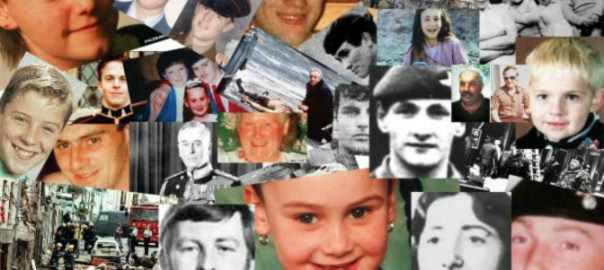
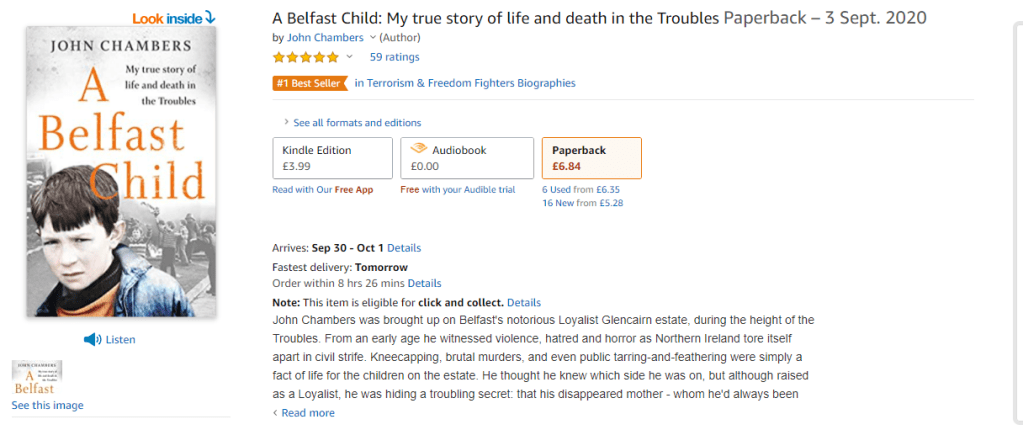


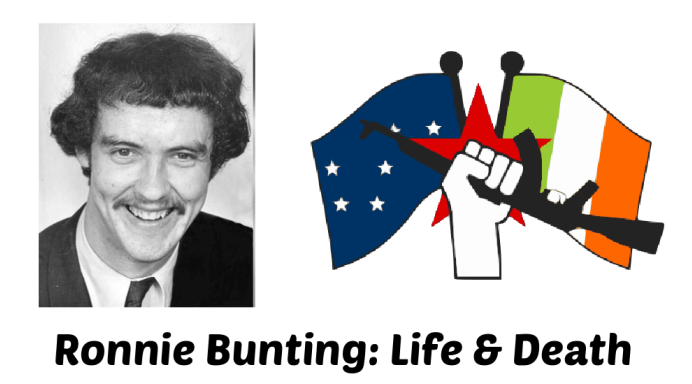


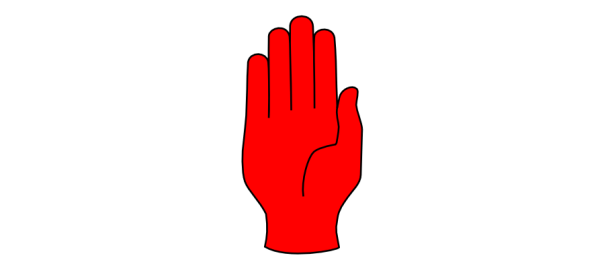



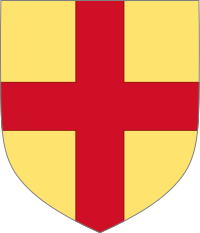




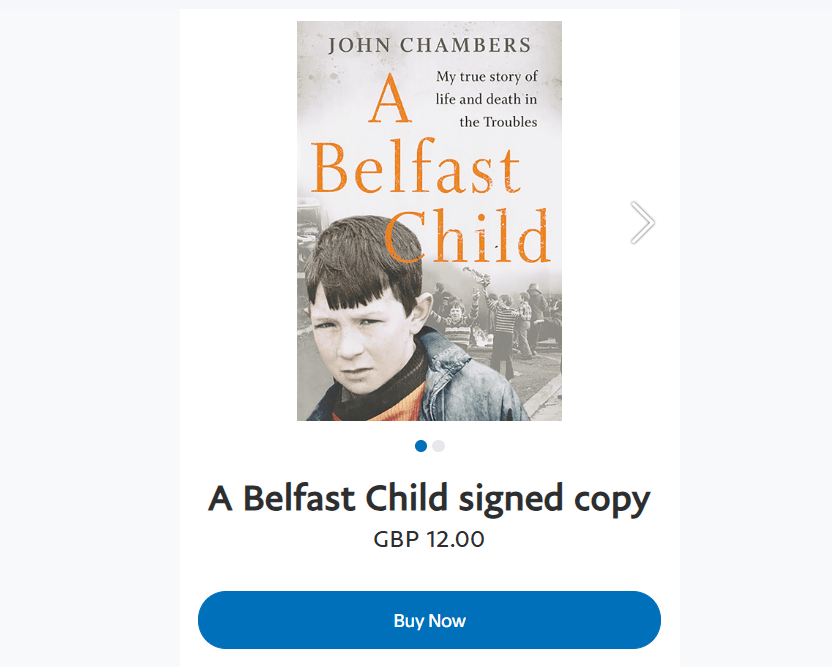


.jpg)


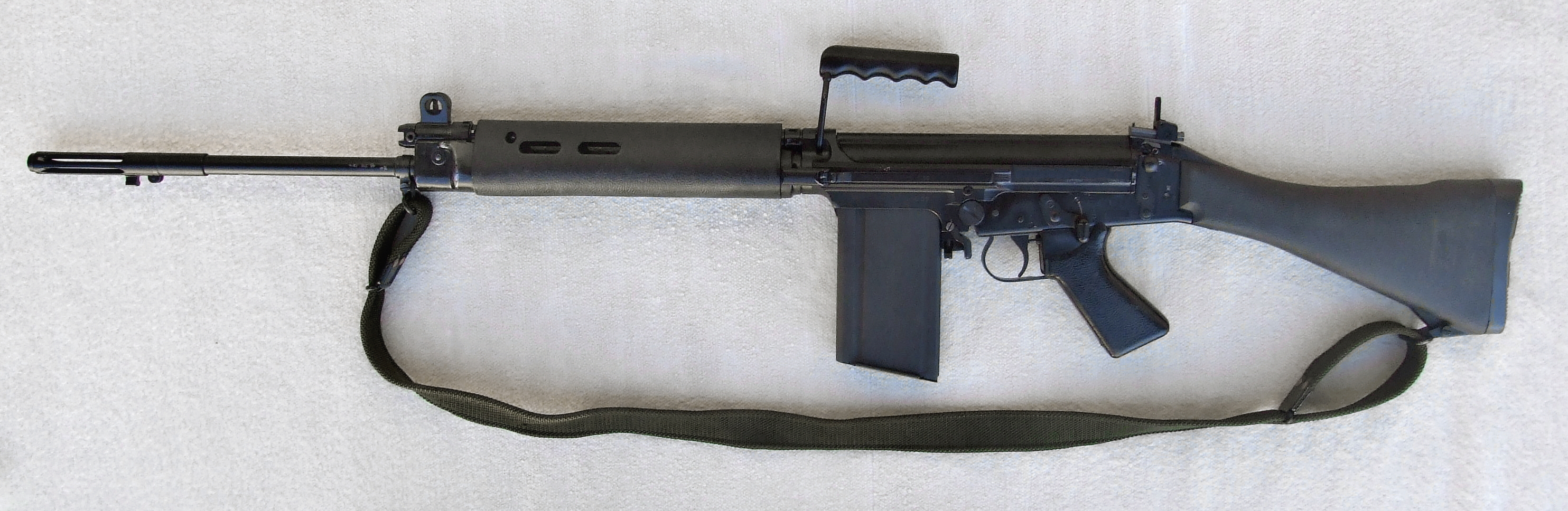

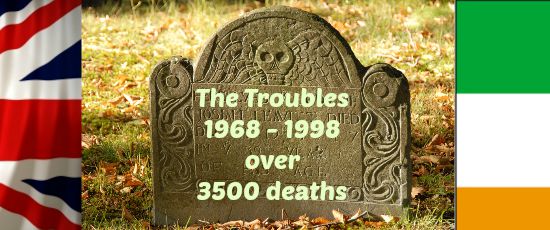






 belfastchildis.com