Key Events & Deaths on this day in Northern Ireland Troubles
12th September
Sunday 12 September 1971
A statement on Internment, violence and the ill-treatment of detainees was released by the William Conway, then Catholic Cardinal of Ireland, and six Bishops. In a statement Cardinal Conway asked, ‘Who wanted to bomb one million Protestants into a United Ireland?’
Thursday 12 September 1974
Demonstrations were held in Belfast by Loyalists and Republicans in support of prisoners who were protesting about parole and food.
Monday 12 September 1977
Roy Mason, then Secretary of State for Northern Ireland, marked the end of his first year in the region by stating that ‘the myth of British withdrawal from Northern Ireland’ was now dead.
Tuesday 12 September 1989
Margaret Thatcher, then British Prime Minister, paid a visit to Northern Ireland and described the Ulster Defence Regiment (UDR) as a group of “very, very, very brave men”. In Dublin Sinn Féin (SF) announced the launch of the Irish National Congress.
Saturday 12 September 1992
A confidential discussion paper was leaked from the political talks (later known as the Brooke / Mayhew talks). It was claimed that the paper had been prepared by Patrick Mayhew, then Secretary of State for Northern Ireland, in an attempt to overcome a perceived lack of channels of communication between Northern Ireland and the Republic of Ireland.
[The paper was heavily criticised by Unionists and was later withdrawn when James Molyneaux, then leader of the Ulster Unionist Party (UUP), threatened to leave the talks. In particular Unionists were angered by certain phrases that had been used such as ‘an agreed Ireland’ as well as ‘powers to be exercised through North/South channels’. There were further leaks on 20 September 1992.]
Sunday 12 September 1993
Patrick Mayhew, then Secretary of State for Northern Ireland, gave a speech to the British Irish Association. Mayhew called for flexibility on the part of the political parties. The Democratic Unionist Party (DUP) published a policy document entitled ‘Breaking the Log-Jam’.
Monday 12 September 1994
The Ulster Volunteer Force (UVF) planted a 1.5kg bomb on the Belfast to Dublin train. Only the detonator exploded and two people were injured. on 20 September 1992.
Tuesday 12 September 1995
Patrick Mayhew, then Secretary of State for Northern Ireland, held his first formal talks with representatives of the Ulster Democratic Party (UDP) and representatives of the Progressive Unionist Party (PUP). David Trimble, then leader of the Ulster Unionist Party (UUP), said he would not attend the Forum for Peace and Reconciliation in Dublin. Trimble held a meeting with Peter Robinson, then deputy leader of the Democratic Unionist Party (DUP), and Robert McCartney, then leader of the United Kingdom Unionist Party (UKUP), to discuss proposals for Unionist unity.
Thursday 12 September 1996
Mary Robinson, then President of the Republic of Ireland, had a number of engagements in Belfast. There were protests at one of the venues, a women’s centre on the Donegal Road, and the centre was later badly damaged in an arson attack. Michael Whelan (35), a Catholic man, was discovered beaten to death in the lower Ormeau area of Belfast. The Royal Ulster Constabulary (RUC) later said the motive for the killing was sectarian.
Friday 12 September 1997
Tony Blair, then British Prime Minister, issued a statement calling on David Trimble, then leader of the Ulster Unionist Party (UUP), to remain in the multi-party talks at Stormont. Mary Robinson formally resigned as President of the Republic of Ireland. She took up a new position as High Commissioner for Human Rights at the United Nations.
Sunday 12 September 1999
Ronnie Flanagan, then Chief Constable of the Royal Ulster Constabulary (RUC), speaking on ‘Sunday With Adam Boulton’ on Sky News, said the threat from dissident Republicans was growing. Groups such as the ‘real IRA’ were regrouping and posed a threat, especially in border areas, he said. There was a sectarian attack by loyalists on the home of Danny O’Connor, then Social Democratic and Labour Party (SDLP) MLA. A group of loyalists had gathered outside his home shouting threats and causing damage to his car. It was the third sectarian attack on his home in three months.
Tuesday 12 September 2000
British army bomb disposal experts defused a pipe-bomb thrown through the window of a house in the upper Shankill on Sunday night. The house on the Ballygomartin Road was unoccupied when the device and a petrol bomb were thrown through the living room window at around 11.00pm.
A pipe-bomb was thrown at the home of a Loyalist politician during an outbreak of violence on the Loyalist Shankill Road area of Belfast. Billy Hutchinson, Progressive Unionist Party (PUP) Assemblyman, was at the scene of the attack when a device was thrown at his home in the Shankill area. Hutchinson’s wife and father-in-law had to be moved from the house and other nearby homes were evacuated.
Wednesday 12 September 2001
There was a bomb attack at 12.30am (0030BST) on an Royal Ulster Constabulary (RUC) patrol in Derry. Three RUC officers were investigating a burning car at a building site when a bomb exploded at the side of the road. The officers were treated for shock.
[The attack was thought to have been carried out by dissident Republican paramilitaries.]
The Loyalist protest at the Holy Cross Girls’ Primary School followed the pattern of Monday and Tuesday. However, before going to the school the children and parents held a a prayer service and a minute’s silence for the victims of the terrorist attacks in the United States of America (USA) on 11 September 2001.
Richard Haass, then a United States special envoy, had a series of meetings with political leaders in Northern Ireland. Bertie Ahern, then Taoiseach (Irish Prime Minister), announced that Friday would be a national day of mourning for the victims of the terrorist attacks in the USA.
Ronnie Flanagan, then Chief Constable of the Royal Ulster Constabulary (RUC), announced that the target of 50:50 recruitment of Catholics and Protestants to the new Police Service of Northern Ireland (PSNI) was being achieved. New policing legislation following recommendations in the Patten Report had laid down 50:50 recruitment rule. During the first phase of the application process 8000 people had applied for jobs of whom 550 were deemed qualified and a minimum of 260, possibly as many as 300, would be offered places on the trainee program.
[The first recruits to the PSNI will begin their training in the period between 14 October and 4 November 2001. They are expected to be on duty by the spring of 2002.]
Remembering all innocent victims of the Troubles
Today is the anniversary of the follow people killed as a results of the conflict in Northern Ireland
To the innocent on the list – Your memory will live forever
– To the Paramilitaries –
“There are many things worth living for, a few things worth dying for, but nothing worth killing for.
4 People lost their lives on the 12th September between 1975 – 1986
————————————————————–
12 September 1975 John Snoddy, (32)
Protestant Status: Civilian (Civ),
Killed by: non-specific Republican group (REP)
Shot at his home, Milltown Avenue, Derriaghy, near Belfast.
————————————————————–
12 September 1979
Gabriel Wiggans, (56)
Catholic Status: Civilian (Civ),
Killed by: Ulster Volunteer Force (UVF)
Shot at his home, Springfield Road, Belfast.
————————————————————–
12 September 1981
Alan Clarke, (20)
Protestant Status: Ulster Defence Regiment (UDR),
Killed by: Irish Republican Army (IRA)
Off duty. Shot while walking along Hall Street, Maghera, County Derry.
————————————————————–
12 September 1986 Kenneth Robinson, (30)
Protestant Status: Civilian (Civ),
Killed by: Irish Republican Army (IRA)
Killed by booby trap bomb, attached to his Ulster Defence Regiment (UDR) member father’s car outside their home, Clonmakane Court, Caw, Derry.
————————————————————–
This is simply the story of a boy trying to grow up, survive, thrive, have fun & discover himself against a backdrop of events that might best be described as ‘explosive’, captivating & shocking the world for thirty long years.
Key Events & Deaths on this day in Northern Ireland Troubles
Thursday 11 September 1975
Harold Wilson, then British Prime Minister, together with Merlyn Rees, then Secretary of State for Northern Ireland, held a meeting with Margaret Thatcher, then leader of the Conservative Party, to brief her about a number of matters including Northern Ireland.
[On 3 May 2006 the Irish News (a Belfast based newspaper) published details of confidential cabinet minutes that had been taken at the meeting. The minutes reveal that the British government was aware of collusion between the security forces, particularly the Ulster Defence Regiment (UDR), and Loyalist paramilitaries.]
Monday 11 September 1989
Further security forces documents, containing details of suspected Irish Republican Army (IRA) members, were reported to have gone missing. Nationalists called for the disbandment of the Ulster Defence Regiment (UDR).
Wednesday 11 September 1996
John Bruton, then Taoiseach (Irish Prime Minister), addressed a joint session of the United States Congress. His address was upbeat and optimistic about the prospects for progress in the all-party talks and also the possibility of a new Irish Republican Army (IRA) ceasefire.
Thursday 11 September 1997
An Phoblacht published an interview with an Irish Republican Army (IRA) spokesperson who said that “the IRA would have problems with sections of the Mitchell Principles”. However, the person said that what Sinn Féin (SF) decided to do “was a matter for them”.
[SF signed up to the Mitchell Principles on 9 September 1997.]
In a referendum in Scotland the electorate voted for a devolved parliament with tax-raising powers.
[The Labour Party policy of conceding devolution was considered by many commentators as an attempt to undermine growing demands for independence for Scotland. Some people believe that independence in Scotland would have implications on the constitutional position of Northern Ireland.]
Friday 11 September 1998
First Paramilitary Prisoners Released Under Agreement The first of the paramilitary prisoners were released from jails in Northern Ireland under the terms of the Good Friday Agreement. Seven prisoners, including three Republican and three Loyalist, were released in a programme that was expected to take two years to complete.
Bertie Ahern, then Taoiseach (Irish Prime Minister), told Chris Patten, then chairman of the Commission reviewing the future of the Royal Ulster Constabulary (RUC), that major reform of the force was necessary if the force was to become acceptable to both communities in Northern Ireland. Ahern made his comments during a meeting with Patten at Government buildings in Dublin.
Monday 11 September 2000
A family escaped uninjured after a pipe-bomb was thrown at their home on the Ballysally estate in Coleraine, County Derry. The attack was carried out by Loyalist paramilitaries.
Tuesday 11 September 2001
Richard Haass, then a United States special envoy, was in Dublin for a meeting with Bertie Ahern, then Taoiseach (Irish Prime Minister), when news of the terrorist attacks in New York and Washington were passed to the two men. Richard Haass decided to continue with his meetings in Dublin and then to travel to Belfast for pre-arranged meetings with political leaders in Northern Ireland.
The Loyalist protest at the Holy Cross Girls’ Primary School followed the pattern of yesterday. Loyalist protesters remained silent as Catholic children and parents made their way into the school along a security cordon. However, protesters used air horns (klaxons), blew whistles, and banged metal bin lids, as the Catholic parents made their way back down the Ardoyne Road.
Aidan Troy (Fr), then Chairman of the Board of Governors of the Holy Cross Girls’ Primary School, together with a local Protestant clergyman, held a meeting with representatives of the Concerned Residents of Upper Ardoyne (CRUA) who were engaged in a protest at the school. The meeting was described as “exploratory”. John Reid, then Secretary of State for Northern Ireland, held a meeting with representatives of the residents of the Glenbryn estate who were engaged in the protest at the Holy Cross school in Ardoyne, north Belfast. The meeting lasted for 2 hours but residents made no comment after the meeting.
Remembering all innocent victims of the Troubles
Today is the anniversary of the follow people killed as a results of the conflict in Northern Ireland
To the innocent on the list – Your memory will live forever
– To the Paramilitaries –
“There are many things worth living for, a few things worth dying for, but nothing worth killing for.
3 People lost their lives on the 11th September between 1976 – 1992
————————————————————–
11 September 1976
Victor Moody, (18)
Protestant Status: Ulster Defence Association (UDA),
Killed by: Ulster Defence Association (UDA)
Found shot in entry off Disraeli Street, Shankill, Belfast. Internal Ulster Defence Association (UDA) dispute.
————————————————————–
11 September 1978
Howard Donaghy, (24)
Protestant Status: Royal Ulster Constabulary (RUC),
Killed by: Irish Republican Army (IRA)
Off duty. Shot at the site of his new home, Loughmacrory, near Carrickmore, County Tyrone
This is simply the story of a boy trying to grow up, survive, thrive, have fun & discover himself against a backdrop of events that might best be described as ‘explosive’, captivating & shocking the world for thirty long years.
Disclaimer – The views and opinions expressed in these documentary are soley intended to educate and provide background information to those interested in the Troubles of Northern Ireland. They … Continue reading The Shankill Bomb→
Key Events & Deaths on this day in Northern Ireland Troubles
10th September
Sunday 10 September 1972
Three British soldiers were killed in a land mine attack near Dungannon, County Tyrone.
Monday 10 September 1973
There were two bomb attacks at train stations in London; the attacks were carried out by the Irish Republican Army (IRA). At 1.00pm a small bomb exploded at King’s Cross Railway Station, London. At 1.05pm the Press Association received a phone call warning of a bomb at Euston Railway Station. At 1.15pm another small bomb (estimated at 2-5 pounds of explosives) exploded outside the Rail Bar at Euston Station, London. There were no deaths but 12 people were injured in the blast.
Friday 10 September 1976
Roy Mason succeeded Merlyn Rees as Secretary of Sate for Northern Ireland. [Mason was to oversee a period involving a much more severe security regime in the region.]
Monday 10/11th September 1984
Douglas Hurd replaced James Prior as Secretary of State for Northern Ireland. Rhodes Boyson became the Minister of State at the Northern Ireland Office (NIO).
Wednesday 10 September 1986
There was a ministerial reshuffle at the Northern Ireland Office (NIO). Nicholas Scott was promoted to Minster of State and Deputy Secretary of State while Peter Viggers replaced Rhodes Boyson at Economic Development.
Friday 10 September 1993
Three Royal Ulster Constabulary (RUC) detectives who had been involved in the original ‘UDR [Ulster Defence Regiment] Four’ case were themselves sent for trial.
Saturday 10 September 1994
Five Irish Republican Army (IRA) prisoners, together with a sixth prisoner, attempted to escape from Whitemoor jail in Cambridgeshire, England. [On 22 September 1994 the prison authorities found plastic explosive and detonators at the prison.]
Sunday 10 September 1995
There were disturbances involving Gaelic Athletic Association (GAA) supporters and Orange Order members at a parade in the village of Dunloy, County Antrim. Four Royal Ulster Constabulary (RUC) officers and several civilians were injured during the clashes.
Tuesday 10 September 1996
The two governments, British and Irish, decided that the Progressive Unionist Party (PUP) and the Ulster Democratic Party (UDP) were not in breach of the ‘Mitchell Principles’ and therefore could remain in the talks at Stormont.
Wednesday 10 September 1997
Mary McAleese, then a Pro-Vice Chancellor at Queen’s University of Belfast, announced that she would enter the contest to become the Fianna Fáil (FF) nomination for President of Ireland.
[McAleese was successful and went on to win the Presidential election.]
Thursday 10 September 1998
Meeting Between Trimble and Adams David Trimble, then First Minister designate and leader of the Ulster Unionist Party (UUP), held his first face-to-face meeting with Gerry Adams, then President of Sinn Féin (SF). The meeting took place in private at Stormont, Belfast. Both men later described the meeting as cordial and businesslike. Adams said: “He is a man I can do business with” but repeated his position that he could not deliver on decommissioning.
[This was the first meeting between SF and a Unionist leader since the formation of Northern Ireland.]
Ronnie Flanagan, then Chief Constable of the Royal Ulster Constabulary (RUC), announced that British army patrols in Belfast would cease from the weekend because of the reduced threat from paramilitaries.
Monday 10 September 2001
There was a pipe-bomb attack on a house in the Woodburn estate, Carrickfergus, County Antrim. The attack took place in the early hours of Monday morning when the device exploded in the living room of the dwelling. There were no injuries but there was some damage to the property.
British Army bomb disposal officers had to defuse a pipe-bomb that had been left in a public house in Portstewart, County Derry. The device had been left in the pub the previous day by Loyalist paramilitaries.
The first part of the protest by Loyalists at the Holy Cross Girls’ Primary School passed off quietly as Catholic children and parents made their way into the school along a security cordon. However, as the parents returned from the school the protest turned noisy and more abusive. Protesters used air horns (klaxons), blew whistles, and banged metal bin lids, as the Catholic parents made their way back down the Ardoyne Road.
Some of the Loyalist protesters shouted “Fenian scum” at the parents. [This was day 6 of the most recent protest.] Richard Haass, then a United States special envoy, held a meeting with John Reid, then Secretary of State for Northern Ireland, in London about the current political situation in Northern Ireland. The two men also discussed the protest at the Holy Cross Girls’ Primary School in north Belfast.
[Haass is expected to travel to Northern Ireland on Tuesday to meet with representatives of the main political parties.]
Gerry Kelly, then a senior member of Sinn Féin (SF), introduced a private members’ motion in the Northern Ireland Assembly proposing that the “Assembly supports the right to education of children attending the Holy Cross Primary School in north Belfast”. Unionist members proposed an ammendment to the motion to make it apply to all schools in the area. The amended motion was passed by the Assembly.
Remembering all innocent victims of the Troubles
Today is the anniversary of the follow people killed as a results of the conflict in Northern Ireland
To the innocent on the list – Your memory will live forever
– To the Paramilitaries –
“There are many things worth living for, a few things worth dying for, but nothing worth killing for.
7 People lost their lives on the 10th September between 1972 – 1991
————————————————————–
10 September 1972
Douglas Richmond, (21) nfNI Status: British Army (BA),
Killed by: Irish Republican Army (IRA)
Killed in land mine attack on British Army (BA) Armoured Personnel Carrier, Sanaghanroe, near Dungannon, County Tyrone.
————————————————————–
10 September 19724
Duncan McPhee, (21) nfNI Status: British Army (BA),
Killed by: Irish Republican Army (IRA)
Killed in land mine attack on British Army (BA) Armoured Personnel Carrier, Sanaghanroe, near Dungannon, County Tyrone.
————————————————————–
10 September 1972
William McIntyre, (23) nfNI Status: British Army (BA),
Killed by: Irish Republican Army (IRA)
Killed in land mine attack on British Army (BA) Armoured Personnel Carrier, Sanaghanroe, near Dungannon, County Tyrone.
————————————————————–
10 September 1975 Michael O’Toole, (41)
Catholic
Status: Civilian (Civ), Killed by: non-specific Loyalist group (LOY)
Died two days after being injured by booby trap bomb attached to his car, outside his home, Coast Road, Larne, County Antrim.
————————————————————–
10 September 1979 Hugh O’Halloran, (28)
Catholic Status: Civilian (Civ),
Killed by: Official Irish Republican Army (OIRA)
Died two days after being badly beaten by group of men near his home, Moyard Park, Ballymurphy, Belfast.
————————————————————–
10 September 1986 David McVeigh, (37)
Catholic Status: Irish Republican Army (IRA),
Killed by: Irish Republican Army (IRA)
Found shot by the side of the road, Flagstaff, near Killeen, County Armagh. Alleged informer.
————————————————————–
10 September 1991
John Hanna, (19)
Protestant Status: Ulster Volunteer Force (UVF),
Killed by: Irish Republican Army (IRA)
Shot at his home, Donegall Road, Village, Belfast.
This is simply the story of a boy trying to grow up, survive, thrive, have fun & discover himself against a backdrop of events that might best be described as ‘explosive’, captivating & shocking the world for thirty long years.
Disclaimer – The views and opinions expressed in these documentary are soley intended to educate and provide background information to those interested in the Troubles of Northern Ireland. They … Continue reading The Shankill Bomb→
Key Events & Deaths on this day in Northern Ireland Troubles
Wednesday 9 September 1971
A British soldier was killed trying to defuse a bomb near Lisburn.
Thursday 11 September 1975
Harold Wilson, then British Prime Minister, together with Merlyn Rees, then Secretary of State for Northern Ireland, held a meeting with Margaret Thatcher, then leader of the Conservative Party, to brief her about a number of matters including Northern Ireland.
[On 3 May 2006 the Irish News (a Belfast based newspaper) published details of confidential cabinet minutes that had been taken at the meeting. The minutes reveal that the British government was aware of collusion between the security forces, particularly the Ulster Defence Regiment (UDR), and Loyalist paramilitaries.]
Thursday 9 September 1976
The leaders of the main churches in Ireland issued a statement supporting the Women’s Peace Movement.
Wednesday 9 September 1992
Ian Paisley, then leader of the Democratic Unionist Party (DUP), together with Peter Robinson, then deputy leader of the DUP, walked out of Strand Two of the political talks (later known as the Brooke / Mayhew talks). The politicians left because Articles 2 and 3 of the Irish Constitution were not the first item on the agenda for the talks. Two members of the DUP remained in the talks as ‘observers’.
Friday 9 September 1994
John Taylor, then Deputy Leader of the Ulster Unionist Party (UUP), said that he believed that the Irish Republican Army (IRA) ceasefire was “for real”.
Monday 9 September 1996
The ‘General Head Quarters’ (GHQ) faction of the Irish National Liberation Army announced that the group was disbanding. This decision followed the killing of Hugh Torney on 3 September 1996.
This marked the ending of a feud within the INLA which started with the killing of Gino Gallagher on 30 January 1996.
This latest feud had claimed six lives.
The Stormont talks resumed after a break during the summer. The Democratic Unionist Party (DUP) and the United Kingdom Unionists brought a complaint against the Progressive Unionist Party (PUP) and the Ulster Democratic Party (UDP) for breach of the ‘Mitchell Principles’ because of their failure to condemn threats made against Billy Wright and Alex Kerr; both Loyalists from Portadown, County Armagh.
The Irish Times (a Dublin based newspaper) published the details of a poll, one of the results of which showed that two-thirds of people in Northern Ireland thought the Stormont talks would fail.
Tuesday 9 September 1997
Sinn Féin Signed Mitchell Principles
Petrol bombs were thrown at the homes of two Catholic families in the Protestant Ballykeel estate in Ballymena, County Antrim.
[One of the families, who had been living on the estate for 33 years, decided to leave their home following the attack.]
Representatives of Sinn Féin (SF) entered Stormont, Belfast, to sign a pledge that the party would agreed to abide by the Mitchell Principles.
[See 11 September 1997 for the reaction of the Irish Republican Army (IRA).]
The Ulster Unionist Party (UUP), the Progressive Unionist Party (PUP), and the Ulster Democratic Party (UDP) all refused to attend the session at Stormont. The PUP and the UDP held meetings with Adam Ingram, then Security Minister, to discuss the situation of Loyalist prisoners
. A number of UDP supporters took part in a protest outside the gates of Stormont. Madeline Albright, then Secretary of State of the United States of America (USA), asked the Attorney General to suspend the extradition to Britain of six men who were former members of the IRA.
Thursday 9 September 1999
Patten Report Published The Report of the Independent Commission on Policing in Northern Ireland was released and was accompanied by a statement from the author Chris Patten. Patten called on Catholics to join the Royal Ulster Constabulary (RUC). It contained recommendations for a radical overhaul of the police service in the region. The proposed changes to the ethos, composition, training and structure of the Royal Ulster Constabulary (RUC) met with a mixed reaction. David Trimble, then leader of the Ulster Unionist Party (UUP), described it as “the most shoddy piece of work I have seen in my entire life”, and there were strong objections from rank-and-file RUC officers.
The UUP also issued an initial statement on the report. Many criticisms related to the proposed change to the name and symbols of the RUC. Ian Paisley, then leader of the Democratic Unionist Party (DUP), issued a statement about the proposals.
The Social Democratic and Labour Party (SDLP) statement and the Sinn Féin (SF) statement indicated that the two parties were prepared to view the document positively. Marjorie (Mo) Mowlam, then Secretary of State of Northern Ireland, issued a statement. The Irish government issued a statement on the report. The Police Federation for Northern Ireland also issued a statement.
There was a sectarian attack on a 13 year old Catholic student attending Hazelwood Integrated College in north Belfast. The young boy was attacked by three loyalists and beaten with baseball bats and shot in the stomach with a pellet gun. The attack happened near the White City estate in Belfast. Police said the motive for the attack was sectarian.
William Billy Giles
There was an inquest in Belfast into the death by hanging of William Giles (41). Giles had been part of an Ulster Volunteer Force (UVF) gang which had abducted and killed Michael Fay (25), a Catholic civilian, on 20 November 1982.
Billy Giles
Giles had been released from prison in 1997 after serving 15 years of a life sentence. It was claimed that Giles had hanged himself out of remorse.
Killed by: non-specific Loyalist group (LOY)
Found shot near Turf Lodge roundabout, Springfield Road, Belfast.
————————————————————–
09 September 1985 James Burnett, (28) nfNI Status: Irish National Liberation Army (INLA),
Killed by: Irish National Liberation Army (INLA)
From County Dublin. Found shot, Killeen, County Armagh. Alleged informer.
————————————————————–
09 September 1987
Patrick Hamill, (29)
Catholic Status: Civilian (Civ),
Killed by: Ulster Freedom Fighters (UFF)
Died several hours after being shot at his home, Forfar Street, off Springfield Road, Belfast.
————————————————————–
09 September 1987
Harry Sloan, (38)
Protestant Status: Civilian (Civ),
Killed by: Irish Republican Army (IRA)
Shot outside his home, Alliance Parade, Belfast. Mistaken for off duty Ulster Defence Regiment (UDR) member.
————————————————————–
09 September 1988
Colin Abernethy,
(30) Protestant Status: Civilian Political Activist (CivPA),
Killed by: Irish Republican Army (IRA)
Ulster Clubs member. Shot while travelling on train to his workplace, Finaghy, Belfast
This is simply the story of a boy trying to grow up, survive, thrive, have fun & discover himself against a backdrop of events that might best be described as ‘explosive’, captivating & shocking the world for thirty long years.
Disclaimer – The views and opinions expressed in these documentary are soley intended to educate and provide background information to those interested in the Troubles of Northern Ireland. They … Continue reading The Shankill Bomb→
Key Events & Deaths on this day in Northern Ireland Troubles
Wednesday 8 September 1971
Harold Wilson, then leader of the Labour Party, announced details of a plan for a united Ireland.
Friday 8 September 1972
[Public Records 1972 – Released 1 January 2003: Memo from the Cabinet Secretary to Edward Heath, then British Prime Minister. This memo covered: the future of Northern Ireland; the Security Package; and changes in the administration of justice (most notably the introduction of special courts).]
Monday 8 September 1975
During a United Ulster Unionist Council (UUUC) meeting William Craig was the only member to vote for a voluntary coalition with the Social Democratic and Labour Party (SDLP).
Sunday 8 September 1985
A married couple Gerard and Catherine Mahon, both Catholic civilians, were found shot dead in Turf Lodge in west Belfast. The couple had been shot by the Irish Republican Army (IRA) who alleged that they were informers working on behalf of the Royal Ulster Constabulary (RUC).
Thursday 8 September 1994
The Combined Loyalist Military Command (CLMC) set out a list of issues that it wished to receive assurances on before it considered calling a ceasefire of Loyalist paramilitary groups. In particular the CLMC wanted convinced that the Irish Republican Army (IRA) ceasefire was permanent and that no secret deal had been done to achieve it. British Army soldiers wore berets instead of steel helmets while on patrol in Belfast.
[It was viewed as a symbolic gesture representing a relaxation of security measures.]
The Belfast Coroner abandoned the Inquest into the deaths of the six men at the centre of the alleged ‘shoot to kill’ incidents in November and December 1982. The reason given for the action was the decision of Hugh Annesley (Sir), then Chief Constable of the Royal Ulster Constabulary (RUC), not to provide the Inquest with a copy of the Stalker report.
[The Belfast High Court had ruled against the Coroner on 11 July 1994 when the court said he could not have access to the contents of the Stalker report.]
Friday 8 September 1995
Trimble Elected Leader of UUP The Ulster Unionist Council (UUC) held a meeting to choose a new leader following the resignation of James Molyneaux on 28 August 1995. David Trimble, then UUP MP, won the contest on the third count beating John Taylor, then UUP MP, who had been considered the favourite to win. Trimble won by 466 to 333 votes.
Sunday 8 September 1996
An Orange parade in Dunloy, County Antrim was rerouted by the Royal Ulster Constabulary (RUC). In protest at this decision the Orangemen held a short stand-off at a police line.
Monday 8 September 1997
Mary Robinson, then President of the Republic of Ireland, paid her final visit before retiring to Northern Ireland. Robinson attended a meeting of the Council for Ethnic Minorities and also addressed a special meeting of community and voluntary sector groups at Balmoral, Belfast.
[Previous visits by the President had been criticised by Unionist politicians particularly when she shook hands with Gerry Adams, then President of Sinn Féin (SF), in 1993.]
John Hume, then leader of the Social Democratic and Labour Party (SDLP), announced that he would not be standing in the forthcoming Presidential election in the Republic of Ireland. Hume said that he felt a duty to stay with the SDLP at the “crucial stage” of the peace process.
Saturday 8 September 2001
A Catholic primary school Newington Avenue in north Belfast was damaged in an arson attack.
Remembering all innocent victims of the Troubles
Today is the anniversary of the follow people killed as a results of the conflict in Northern Ireland
To the innocent on the list – Your memory will live forever
– To the Paramilitaries –
“There are many things worth living for, a few things worth dying for, but nothing worth killing for.
6 People lost their lives on the 8th September between 1969 – 1985
————————————————————–
08 September 1969 John Todd, (29)
Protestant Status: Civilian (Civ),
Killed by: non-specific Republican group (REP)
Shot during street disturbances, Alloa Street, Lower Oldpark, Belfast.
————————————————————–
08 September 1974 Arthur Rafferty, (56)
Catholic Status: Civilian (Civ),
Killed by: Irish Republican Army (IRA)
Died three weeks after being shot in Newington Street, New Lodge, Belfast.
————————————————————–
08 September 1975 Andrew Craig, (20)
Protestant Status: Ulster Defence Association (UDA),
Killed by: Irish Republican Army (IRA)
Found shot at corner of Alfred Street and Russell Street, Markets, Belfast.
————————————————————–
08 September 1977 Hugh Rogers, (50)
Catholic Status: Ulster Defence Regiment (UDR),
Killed by: Irish Republican Army (IRA)
Off duty. Shot outside his home, Orchardville Crescent, Finaghy, Belfast.
————————————————————–
08 September 1985
Gerard Mahon, (28)
Catholic Status: Civilian (Civ),
Killed by: Irish Republican Army (IRA)
Found shot, together with his wife, in entry off Norglen Crescent, Turf Lodge, Belfast. Alleged informer.
————————————————————–
08 September 1985
Catherine Mahon, (26)
Catholic Status: Civilian (Civ),
Killed by: Irish Republican Army (IRA) Found shot, together with her husband, in entry off Norglen Crescent, Turf Lodge, Belfast. Alleged informer.
This is simply the story of a boy trying to grow up, survive, thrive, have fun & discover himself against a backdrop of events that might best be described as ‘explosive’, captivating & shocking the world for thirty long years.
Disclaimer – The views and opinions expressed in these documentary are soley intended to educate and provide background information to those interested in the Troubles of Northern Ireland. They … Continue reading The Shankill Bomb→
Pushing Back the Islamic State: The Battle for Rojava
—————————————————————
The Rojava Revolution is a political upheaval taking place in an autonomous region of Northern Syria, known as Rojava. The revolution has been characterized by the prominent role played by women both on the battlefield and within the newly formed political system, as well as the implementation of democratic confederalism, a form of grassroots democracy based on local assemblies.
—————————————————————
Understanding the Syrian crisis in 5 minutes
—————————————————————
—————————————————————
Islamic State Conquest: Map Time Lapse (August 2015 Update)
Kurds make up between nine and fifteen percent of Syria’s population, or well over 2 million people. The northeast of the country (where many Kurds live) is strategically important, because it contains a large percentage of Syria’s oil supplies.[31]
Since 2004, several riots in Western Kurdistan have prompted increased tension. In 2004, riots broke out against the government in the northeastern city of Qamishli. During a chaotic soccer match between a local Kurdish team and a visiting Arab team from Deir ez-Zor, some Arab fans brandished portraits of Saddam Hussein (who slaughtered tens of thousands of Kurds in Southern Kurdistan during the genocidal Al-Anfal Campaign in the 1980s), provoking strong reactions from the Kurds. Tensions quickly escalated into open protests, with Kurds raising their flag and taking to the streets to demand cultural and political rights. In the ensuing crackdown by the police and clashes between Kurdish and Arab groups, at least 30 people were killed, with some claims indicating a casualty count of about 100 people. Occasional clashes between Kurdish protesters and government forces occurred in the following years.[32][33]
Anti-government sentiment has been present among the Kurdish population for a long time.[34] The Syrian government did not officially acknowledge the existence of Kurds in Syria[34] and a number of Kurds were stripped of their citizenship in 1962 and instead were registered as foreigners because their ancestors were not included in the Ottoman population registers for 1920. The Kurdish language and culture have also been suppressed. The government attempted to resolve these issues in 2011 by granting all Kurds citizenship, but only an estimated 6,000 out of 150,000 stateless Kurds have been given nationality and most discriminatory regulations, including the ban on teaching Kurdish, are still on the books.[35] Due to the Syrian Civil War that began in 2011, the government is no longer in a position to enforce these laws.
Syrian uprising
In 2011 the Arab Spring spread to Syria. Similar to the beginning of the Tunisian Revolution, Syrian citizen Hasan Ali Akleh soaked himself in gasoline and set himself on fire in the northern city of Al-Hasakah. This inspired activists to call for a “Day of Rage”, which ended up being sparsely attended, mostly because of fear of repression from the Syrian government. Days later, however, protests again took place, this time in response to the police beating of a shopkeeper.[citation needed]
Smaller protests continued, but it was on 7 March 2011, when thirteen political prisoners went on hunger strike, that momentum began to grow against the Assad government. Three days later dozens of Syrian Kurds went on hunger strike in solidarity.[36] On 12 March, major protests took place in Al-Qamishli and Al-Hasakah to both protest the Assad regime and commemorate Kurdish Martyrs Day.[37]
Protests grew over the months of March and April 2011. The Assad regime attempted to appease Kurds by promising to grant citizenship to thousands of Kurds, who until that time had been stripped of any legal status.[38] By the summer, protests had only intensified, as did violent crackdowns by the Syrian government.
In August a coalition of opposition groups formed the Syrian National Council in hopes of creating a democratic, pluralistic alternative to the Assad regime. However, internal fighting and disagreement over politics and inclusion plagued the group from its early beginnings. In the fall of 2011 the popular uprising escalated to an armed conflict. The Free Syrian Army (FSA) began to coalesce and armed insurrection spread largely across the central and southern parts of Syria.[citation needed]
2013 VOA report about the Kurdish situation in Syria
The National Movement of Kurdish Parties in Syria, which consisted of Syria’s 12 Kurdish parties, boycotted a Syrian opposition summit in Antalya, Turkey on 31 May 2011, stating that “any such meeting held in Turkey can only be a detriment to the Kurds in Syria, because Turkey is against the aspirations of the Kurds, not just with regards to northern Kurdistan, but in all four parts of Kurdistan, including the Kurdish region of Syria.” Kurdish Leftist Party representative Saleh Kado stated that “we, the Kurds in Syria, do not trust Turkey or its policies, and that is why we have decided to boycott the summit.”[39]
During the August summit in Istanbul, which led to the creation of the Syrian National Council, only two of the parties in the National Movement of Kurdish Parties in Syria, the Kurdish Union Party and the Kurdish Freedom Party, attended the summit. Kurdish leader Shelal Gado stated the reason they did not participate was that “Turkey is against the Kurds … in all parts of the world,” and that “If Turkey doesn’t give rights to its 25 million Kurds, how can it defend the rights of the Syrian people and the Kurds there?” Abdulbaqi Yusuf, representing the Kurdish Freedom Party, however, stated that his party felt no Turkish pressure during the meeting and participated to represent Kurdish demands.[40]
On 7 October 2011, prominent Kurdish rights activist Mashaal Tammo was assassinated when masked gunmen burst into his flat, with the Syrian government blamed for his death. At least 20 other civilians were also killed during crackdowns on demonstrations across the country.[41] On 20 September, the Kurdish politician Mahmoud Wali was assassinated by masked gunmen in the town of Ras al-Ayn.[42]
Ethnic minorities remain neutral
Democratic Union Party (PYD) chairman Salih Muslim Muhammad said that the lack of Kurdish participation was due to a tactical decision, explaining that: “There is a de facto truce between the Kurds and the government. The security forces are overstretched over Syria’s Arab provinces to face demonstrators, and cannot afford the opening of a second front in Rojava. On our side, we need the army to stay away. Our party is busy establishing organizations, committees, able to take over from the Ba’ath administration the moment the regime collapses.”[43]
Senior Kurdistan Workers’ Party (PKK) leader Cemil Bayik stated in November 2011 that if Turkey were to intervene in Rojava, the PKK would fight on the Syrian Kurdish side. The PKK’s Syrian branch was alleged in the same month to be involved in the targeting of Kurds participating in the uprising.[44]Murat Karayılan, the PKK’s military commander, threatened to turn all Kurdish-populated areas in Turkey into a war-zone if Turkish forces were to enter Syria’s Kurdish area.[45]
Anti-government protests had been ongoing in the Kurdish-inhabited areas of Syria since March 2011, as part of the wider Syrian uprising, but clashes started after the opposition Kurdish Democratic Union Party (PYD) and Kurdish National Council (KNC) signed a seven-point agreement on 11 June 2012 in Erbil under the auspice of Iraqi Kurdistan president Massoud Barzani. This agreement, however, failed to be implemented and so a new cooperation agreement between the two sides was signed on 12 July which saw the creation of the Kurdish Supreme Committee as a governing body of all Kurdish-controlled territories in Syria.[46][47][48]
YPG claims territory
The People’s Protection Units (YPG) captured the city of Kobanî on 19 July 2012, followed by the capture of Amuda (Kurdish: Amûdê) and Efrîn (Kurdish: Efrîn) on 20 July,[49] thus entering the Syrian Civil War as belligerent. The KNC and PYD afterwards formed a joint leadership council to run the captured cities. The cities fell without any major clashes, as Syrian security forces withdrew without any major resistance.[49] The Syrian Army pulled out to fight elsewhere.[50]
The YPG forces continued with their advancement and on 21 July captured Al-Malikiyah (Kurdish: Dêrika Hemko), which is located 10 kilometers from the Turkish border.[51] The rebels at the time also intended to capture Qamishli, the largest Syrian city with a Kurdish majority.[52] On the same day, the Syrian government attacked a patrol of Kurdish YPG members and wounded one fighter.[53] The next day it was reported that Kurdish forces were still fighting for Al-Malikiyah (Kurdish: Dêrika Hemko), where one young Kurdish activist was killed after government security forces opened fire on protesters. The YPG also took control over the towns of Ra’s al-‘Ayn (Kurdish: Serê Kaniyê) and Al-Darbasiyah (Kurdish: Dirbêsî), after the security and political units withdrew from these areas, following an ultimatum issued by the Kurds. On the same day, clashes erupted in Qamishli between YPG and government forces in which one Kurdish fighter was killed and two were wounded along with one government official.[54]
The ease with which Kurdish forces captured the towns and the government troops pulled back was speculated to be due to the government reaching an agreement with the Kurds so military forces from the area could be freed up to engage opposition forces in the rest of the country.[55] On 24 July, the PYD announced that Syrian security forces withdrew from the small Kurdish city of 16,000 of Al-Ma’bada (Kurdish: Girkê Legê), located between Al-Malikiyah and the Turkish borders. The YPG forces afterwards took control of all government institutions.[56]
Popular protest continued in Rojava through 2011 and into the spring of 2012 though most Kurds and other Northern Syrians did not join the FSA because of disagreements over Kurdish representation in a future Syria.[57]
On 1 August 2012 Assad forces on the periphery of the country are pulled into the intensifying conflict taking place in Aleppo. During this large withdraw from the north, the People’s Protection Units (PYD), a pro-Kurdish militia that formed after the 2004 al-Qamishli riots[58] took control of at least parts of Qamishlo, Efrin, Amude, Terbaspi and Ayn El Arab with very little conflict or casualties.[59]
On 2 August 2012, the National Coordination Committee for Democratic Change announced that most Kurdish dominated cities in Syria, with the exception of Qamishli and Hasaka, were no longer controlled by government forces and were now being governed by Kurdish political parties.[60] In Qamishli, government military and police forces remained in their barracks and administration officials in the city allowed the Kurdish flag to be raised.[61]
It was reported in August that the Kurds in northern controlled Syria had set up local committees and checkpoints to search cars. The border crossing between northeastern Syria and Iraq was no longer occupied by government forces. Kurds stated that they would defend their towns if government or opposition forces attempted to enter them. In some areas of Qamishli, government checkpoints were still active, however, Kurds denied cooperation with the Syrian government and stated that the troops remained in their checkpoints with hopes of avoiding a military confrontation.[62] In the same month, the Free Syrian Army (FSA) successfully bombed the government’s intelligence center in the city.[63]
After months of de facto rule, the PYD officially announced its regional autonomy on 9 January 2014. Elections had been held and popular assemblies crafted and approved Constitution of Rojava. Since then, residents have been organizing local assemblies, re-opening schools, establishing community centers and pushing back ISIS to gain control of further territory. They see their model of grassroots democracy as a model that can be implemented throughout the country in a post-Assad Syria.
Social revolution
After declaring autonomy, grassroots organizers, politicians and other community members have radically changed the social and political make up of the area. The extreme laws restricting independent political organizing, women’s freedom, religious and cultural expression and the discriminatory policies carried out by the Assad regime have been abolished. In its place, a constitution guaranteeing the cultural, religious and political freedom of all people has been established. The constitution also explicitly states the equal rights and freedom of women and also “mandates public institutions to work towards the elimination of gender discrimination.”[citation needed]
The Rojava cantons are governed through a combination of district and civil councils. District councils consist of 300 members as well as two elected co-presidents- one man and one woman. District councils decide and carry out administrative and economic duties such as garbage collection, land distribution and cooperative enterprises.[64] Civil councils exist to promote the social and political rights within the community.
Women’s rights
Women’s councils have formed to handle domestic abuse and sexual assault cases. Additionally, there is a 40% quota required of all councils in order for a vote to take place. There have also been the establishment of women’s houses, which are safe houses for victims of violence to stay to seek refuge.[65]
Religious freedom
Christian Assyrians, Muslim Kurds and others have worked together both in fighting regime forces and Islamist groups as well as in managing political affairs. The right to religious expression is also safeguarded in the constitution. Because of this as well as the extreme hostility towards religious minorities in Islamist controlled areas has led to a large migration of religious minorities to Rojava.[66]
Cooperative economy
The vast majority of the economy continues to support forces fighting Assad forces, Islamist forces and now on occasion Turkish forces. However, the canton administration has been working to support worker cooperatives.[67]
Ethnic minority rights
Closely related to religious freedom and the protection of religious minorities is the protection of ethnic minorities. Kurds now have the right to study their language freely as do Assyrians. In some areas, there is an ethnic minority quota in addition to the gender quota for councils.[68]
Criticism
Criticism of the current political structure includes the marginalizing of dissident political parties and their repression by the community police, Asayish. The region has also implemented mandatory military service, which some oppose. Additionally, Human Rights Watch has found that the YPG, the People’s Protection Units still has youth under the age of 18 serving in the forces.
Combatants
There are four major forces involved in the Rojava Revolution. The People’s Protection Units are working with the PYD and other political parties to establish self-rule in Rojava. Syrian government forces still maintain rule in some areas of Rojava under the leadership of the Assad regime. A collection of Islamic forces, the largest being ISIS are fighting to rule the region by Sharia law. Finally, there are several militias under the general banner of the Free Syrian Army whose intentions and alliances have differed and shifted over time. At the moment, most FSA fighters are working with the YPG against Islamic forces and the Syrian government.
While conflict between the YPG and Syrian Government has not been as active as fighting against Islamist forces, there have been several conflicts between the two forces. Territory once controlled by the Syrian government in Qamishli and al-Hasakah have both been lost to YPG forces.
The relationship between the People’s Protection Units (YPG) and the Free Syrian Army (FSA) has been one of tentative cooperation. Both are opposed to the Assad regime and ISIS, however clashes have taken place. Recently, the two forces have been working together to battle ISIS under the name of Euphrates Volcano.
On 4 May 2013, YPG forces and Jihadist militants, including Al Nusra, clashed in areas close to the cities of Hasaka and Ras al-Ain.[69] Reports seemed to suggest that FSA forces were arming Arab tribes in the town of Tal Tamer; encouraging them to confront Kurdish groups. Despite hit and run attacks which led to the deaths of several YPG members as well as civilians, YPG forces reportedly held off the armed groups.[70]
Map of the territory changes during the YPG-led Northern Syria offensive (2015)
The situation in the Al-Hasakah Governorate, as of 6 August 2015
YPG forces have clashed heavily with Islamist forces. Most notable have been the Siege of Kobani and more recently the Al-Hasakah Offensive and Tell Abyad Offensive. The YPG has been one of the most reliable and effective fighting forces against Islamic groups such as ISIL and al-Nusra Front.
The majority of tension and conflict in Rojava has been between the YPG and Islamist groups. However, there has also been internal conflict between various Kurdish political parties and militias. This was particularly true at the beginning of the revolution, while those tensions have largely subsided as the autonomous administrations of Rojava have become more established and the urgency for a united front against Islamic forces has developed.
Towns under semi-autonomous rule
In January 2013, the following towns were under YPG control:
ISIS released a video showing the beheading of what they claimed were 21 Coptic Christians in Libya.
The group calling itself “The Tripoli Province of Islamic State” used the video as a warning to Christians and Christian nations at war with ISIS. The Egyptian men had traveled to Libya to find work. ISIS rounded them up in December and January. Some of the men are heard crying out “Oh God” and “Oh Jesus” as their captors push them to the ground.
Last week, ISIS took screen shots from the video and published them in its English-language magazine.
Key Events & Deaths on this day in Northern Ireland Troubles
UVF Logo
Sunday 7 September 1975
The Ulster Volunteer Force (UVF) shot dead one of their members near Templepatrick, County Antrim, alleging that the had been an informer.
Friday 7 September 1979
James Molyneaux succeeded Harry West and became the leader of the Ulster Unionist Party (UUP). [Molyneaux was to remain as leader of the UUP until 28 August 1995.]
Monday 7 September 1981
Two Royal Ulster Constabulary (RUC) officers were killed in a landmine attack carried out by the Irish Republican Army (IRA) on their mobile patrol near Cappagh, County Tyrone. John Pickering, then an Irish Republican Army (IRA) prisoner, joined the hunger strike. [ 1981 Hunger Strike.]
Wednesday 7 September 1983
A referendum was held in the Republic of Ireland on whether or not to include an amendment to the Irish Constitution banning abortion. When the counting was completed 66.9 per cent had voted in favour of the ‘pro-life’ amendment. A number of Unionists in Northern Ireland criticised the outcome as demonstrating the sectarian nature of life in the Republic.
Friday 7 September 1984
A member of the Ulster Defence Regiment (UDR) and a Protestant civilian were killed in an Irish Republican Army (IRA) attack in County Tyrone.
Monday 7 September 1987
John Cushnahan, then leader of the Alliance Party of Northern Ireland (APNI) announced that he was to resign as party leader.
Thursday 7 September 1989
The Irish Republican Army (IRA) shot and killed Heidi Hazell, the German wife of a British Army soldier serving in Dortmund, West Germany.
Wednesday 7 September 1994
Patrick Mayhew, then Secretary of State for Northern Ireland, addressed a group of Orange Order member in Comber, County Down. Mayhew is reported to have told the group that there was no reason why north-south bodies could not have executive powers. Al Gore, then United States Vice-President, had a meeting with Albert Reynolds, then Taoiseach (Irish Prime Minister), at Shannon Airport, Republic of Ireland.
Monday 7 September 1998
“real” IRA Announce Ceasefire The “real” Irish Republican Army (rIRA) announced a “complete cessation” of its campaign of violence.
[The announcement came after weeks of intense pressure on the group in the wake of the Omagh bombing. The only remaining Republican grouping that had not called a ceasefire was the Continuity Irish Republican Army (CIRA).]
Bertie Ahern, then Taoiseach (Irish Prime Minister), called on the CIRA to state its position or face the full rigours of the law. A Royal Ulster Constabulary (RUC) officer was critically injured when a blast bomb was thrown at him as he policed an Orange Order / ‘Loyalist Right to March’ demonstration at Drumcree, County Armagh. Two Catholic-owned businesses were also destroyed in petrol bomb attacks.
Friday 7 September 2001
Loyalists held a silent protest as Catholic children and parents passed along a security cordon to get to the Holy Cross Girls’ Primary School. The decision on a silent protest was as a mark of respect for Thomas McDonald (16) the Protestant boy killed in Belfast on Tuesday (4 September 2001) who was due to be buried later in the day.
Catholic parents held a minute’s silence before beginning their walk to the school. Inside the school grounds prayers involving clergymen from both denominations were said.
[This was the fifth day in the current round of protest at the school which first began on 19 June 2001.]
During the evening two men were found in the Nationalist New Lodge area of Belfast with gunshot wounds following a Republican paramilitary ‘punishment’ attack. One had been shot in both ankles, the other had been shot in both wrists and both ankles. The men, one aged 18 years and the other aged 19 years, had been abducted by a gang of up to 15 men on Thursday evening.
Remembering all innocent victims of the Troubles
Today is the anniversary of the follow people killed as a results of the conflict in Northern Ireland
To the innocent on the list – Your memory will live forever
– To the Paramilitaries –
“There are many things worth living for, a few things worth dying for, but nothing worth killing for.
16 People lost their lives on the 7th September between 1972 – 1993
————————————————————–
07 September 1972
Robert McKinnie, (49)
Protestant Status: Civilian (Civ),
Killed by: British Army (BA)
Shot during street disturbances while driving his car along Matchett Street, Shankill, Belfast.
————————————————————–
07 September 1972
Robert Johnston, (50)
Protestant Status: Civilian (Civ),
Killed by: British Army (BA)
Shot during street disturbances, Berlin Street, Shankill, Belfast.
————————————————————–
07 September 1973 Mathew Lilley, (54)
Protestant Status: Ulster Defence Regiment (UDR),
Killed by: Irish Republican Army (IRA)
Off duty. Shot while collecting milk from farm, near Belcoo, County Fermanagh.
————————————————————–
07 September 1974 Mary Bingham, (58)
Protestant Status: Civilian (Civ),
Killed by: Irish Republican Army (IRA)
Shot during sniper attack on British Army (BA) foot patrol, Dungannon, County Tyrone.
————————————————————–
07 September 1975 Robert McCreight, (21)
Protestant Status: Ulster Volunteer Force (UVF),
Killed by: Ulster Volunteer Force (UVF)
Found shot at farm, Lylehill, near Templepatrick, County Antrim. Alleged informer.
————————————————————–
07 September 1977 John Lawlor, (38) nfNIRI Status: Civilian (Civ),
Killed by: Irish Republican Army (IRA)
Shot while in Timmon’s Bar, Watling Street, Dublin. Alleged informer.
————————————————————–
07 September 1981
Mark Evans, (20)
Protestant Status: Royal Ulster Constabulary (RUC),
Killed by: Irish Republican Army (IRA)
Killed in land mine attack on Royal Ulster Constabulary (RUC) mobile patrol, Sessadonaghy, near Cappagh, County Tyrone.
————————————————————–
07 September 1981
Stuart Montgomery, (19)
Protestant Status: Royal Ulster Constabulary (RUC),
Killed by: Irish Republican Army (IRA)
Killed in land mine attack on Royal Ulster Constabulary (RUC) mobile patrol, Sessadonaghy, near Cappagh, County Tyrone.
————————————————————–
07 September 1984
Robert Bennett, (45)
Protestant Status: Ulster Defence Regiment (UDR),
Killed by: Irish Republican Army (IRA)
Off duty. Shot at his workplace, a timber yard, Ballygawley Road, Dungannon, County Tyrone.
————————————————————–
07 September 1984
Malcolm Cullen, (23)
Protestant Status: Civilian (Civ),
Killed by: Irish Republican Army (IRA)
Shot at his workplace, a timber yard, Ballygawley Road, Dungannon, County Tyrone. With off duty Ulster Defence Regiment member at the time.
————————————————————–
07 September 1988
William Quee, (32)
Protestant Status: Ulster Defence Association (UDA),
Killed by: Irish People’s Liberation Organisation (IPLO)
Shot at his shop, junction of Century Street and Oldpark Road, Belfast.
————————————————————–
07 September 1989
Heidi Hazell, (26) nfNIE Status: Civilian (Civ),
Killed by: Irish Republican Army (IRA)
German woman married to British Army (BA) member. Shot while sitting in stationary car outside British Army (BA) married quarters, Unna Messen, Dortmund, West Germany
————————————————————–
07 September 1990
Emmanuel Shields, (34)
Catholic Status: Civilian (Civ),
Killed by: Ulster Freedom Fighters (UFF)
Shot at his home, Deramore Street, Ballynafeigh, Belfast.
————————————————————–
07 September 1992
Charles Fox, (63)
Catholic Status: Civilian (Civ), Killed by:
Ulster Volunteer Force (UVF)
Shot at his home, Listamlat Road, near Moy, County Armagh.
————————————————————–
07 September 1992
Teresa Fox, (53)
Catholic Status: Civilian (Civ),
Killed by: Ulster Volunteer Force (UVF) Shot at her home, Listamlat Road, near Moy, County Armagh.
————————————————————–
07 September 1993
Sean Hughes, (40)
Catholic Status: Civilian (Civ),
Killed by: Ulster Freedom Fighters (UFF)
Shot at his hairdresser’s shop, Donegall Road, Falls, Belfast
This is simply the story of a boy trying to grow up, survive, thrive, have fun & discover himself against a backdrop of events that might best be described as ‘explosive’, captivating & shocking the world for thirty long years.
Disclaimer – The views and opinions expressed in these documentary are soley intended to educate and provide background information to those interested in the Troubles of Northern Ireland. They … Continue reading The Shankill Bomb→
Key Events & Deaths on this day in Northern Ireland Troubles
Monday 6 September 1971
A 14 year old girl was shot dead by a British soldier in Derry. Edward Heath, then British Prime Minister, met with Jack Lynch, then Taoiseach (Irish Prime Minister), at Chequers in England to discuss the situation in Northern Ireland.
William Craig and Ian Paisley spoke at a rally at Victoria Park in Belfast before a crowd of approximately 20,000 people. They called for the establishment of a ‘third force’ to defend ‘Ulster’ This was taken to mean the establishment of a paramilitary force in addition to the Royal Ulster Constabulary (RUC) and British Army.
Wednesday 6 September 1978
Adams Cleared of IRA Membership Gerry Adams, then Vice-President of Sinn Féin (SF), was cleared of a charge of membership of the Irish Republican Army (IRA) when the Judge hearing the case ruled that there was insufficient evidence to prove that he was a member of the organisation.
Sunday 6 September 1981
Laurence McKeown Hungry Striker
The family of Laurence McKeown, then on day 70 of his hunger strike, intervened and asked for medical treatment to save his life. The Irish National Liberation Army (INLA) issued a statement saying that it would not replace men on hunger strike at the same rate as before.
[At this stage the INLA had only 28 prisoners in the Maze Prison compared to the Irish Republican Army (IRA) which had approximately 380 prisoners.]
Cahal Daly, then Catholic Bishop of Down and Connor, called on Republican prisoners to end the hunger strike.
Thursday 6 September 1984
The government announced that the proposed project to build a pipe-line to bring natural gas from the Republic of Ireland to Northern Ireland would be cancelled. It was also announced that subsidies to the ‘town gas’ industry in Northern Ireland would end with the loss of 1,000 jobs.
Sunday 6 September 1987
Chris Mullin, then English Labour Party Member of Parliament (MP), claimed that he had tracked down and interviewed those who were really responsible for the Birmingham pub bombs.
A loyalist paramilitary gun ‘factory’ was discovered by the Royal Ulster Constabulary (RUC) near Ballynahinch, County Down.
[A former member of the Ulster Defense Regiment (UDR) was jailed for his involvement in the gun ‘factory’ in March 1989.]
Tuesday 6 September 1994
Albert Reynolds, then Taoiseach (Irish Prime Minister), John Hume, then leader of the Social Democratic and Labour Party (SDLP), and Gerry Adams, then President of Sinn Féin (SF), publicly shook hands following a meeting in Dublin. The three leaders issued a joint statement. Andrew Hunter, then MP and Chairman of the Conservative Party’s Committee on Northern Ireland, described the meeting as a “dangerous miscalculation” by Reynolds. John Major, then British Prime Minister, cut short a meeting he was having with Ian Paisley, then leader of the Democratic Unionist Party (DUP), at Downing Street.
[It was reported that Major told Paisley, and the other DUP members, to leave after they refused to accept his word that he had not made a secret deal with the Irish Republican Army (IRA).]
Wednesday 6 September 1995
Johnny Adair, believed to be a leader of one of the six brigades of the Ulster Defence Association (UDA), was sentenced to 16 years imprisonment for directing the activities of the Ulster Freedom Fighters (UFF), a cover name (pseudonym) used by the UDA.
Friday 6 September 1996
The Forum met for business after a break for the summer. The Social Democratic and Labour Party (SDLP) and Sinn Féin (SF) did not attend.
Monday 6 September 1999
Start of Mitchell Review of the Good Friday Agreement George Mitchell, former Chairman of the multi-party talks, was in Castle Buildings to open the Review of the Good Friday Agreement. He made clear that the review would concentrate specifically on breaking the deadlock over decommissioning and the formation of an Executive. The talks adjourned until the following week to give politicians time to study the Patten report on policing. Bertie Ahern, then Taoiseach (Irish Prime Minister), held discussions with Tony Blair, then British Prime Minister, to review the political situation in Northern Ireland.
Thursday 6 September 2001
Loyalists held another protest on the Ardoyne Road in north Belfast as Catholic parents and their children made their way to Holy Cross Girls’ Primary School. The protest was peaceful but very noisy as protesters used air horns (klaxons), blew whistles, and banged metal bin lids, as the children passed along the security cordon.
Four parents in the ‘Right to Education’ group were warned by the Royal Ulster Constabulary (RUC) that death threats had been made against them by the Red Hand Defenders (RHD), a cover name that has been used by members of the Ulster Defence Association (UDA). The RHD said they would be killed if they were seen taking their children to the school.
John Reid, then Secretary of State for Northern Ireland, cut short his holiday and returned to Northern Ireland because of the situation in north Belfast. There was much less violence in the area overnight than on previous nights.
An Orange Order hall was damaged in an arson attack in Warrenpoint, County Down. Sean Neeson, then leader of the Alliance Party of Northern Ireland (APNI), announced that he was stepping down as party leader.
[It is expected that a new leader will be appointed in October.]
Remembering all innocent victims of the Troubles
Today is the anniversary of the follow people killed as a results of the conflict in Northern Ireland
To the innocent on the list – Your memory will life forever
– To the Paramilitaries –
“There are many things worth living for, a few things worth dying for, but nothing worth killing for.
6 People lost their lives on the 6th September between 1971 – 1983
————————————————————–
06 September 1971
Annette Annette (14)
Catholic Status: Civilian (Civ),
Killed by: British Army (BA)
Shot during street disturbances, while standing at the corner of Blucher Street and Westland Street, Derry.
————————————————————–
06 September 1972 Samuel Boyde, (20)
Protestant Status: Civilian (Civ),
Killed by: Irish Republican Army (IRA)
Found shot in entry off La Salle Drive, Falls, Belfast.
————————————————————–
06 September 1972 William Moore, (20)
Protestant Status: Civilian (Civ),
Killed by: not known (nk)
Shot from passing car while walking along Castlereagh Street, Belfast.
————————————————————–
06 September 1972 Bridget Breen, (33)
Catholic Status: Civilian (Civ),
Killed by: non-specific Loyalist group (LOY)
Killed by bomb thrown into the home of James O’Kane, Republican Labour Party Councillor, Cedar Avenue, off Antrim Road, Belfast.
————————————————————–
06 September 1974
William Elliott, (48)
Protestant Status: Royal Ulster Constabulary (RUC),
Killed by: Official Irish Republican Army (OIRA)
Shot during armed robbery at Ulster Bank, The Diamond, Rathcoole, Newtownabbey, County Antrim.
————————————————————–
06 September 1983
John Wasson, (61)
Catholic Status: Royal Ulster Constabulary (RUC),
Killed by: Irish National Liberation Army (INLA)
Off duty. Shot outside his home, Dukes Grove, off Cathedral Road, Armagh.
This is simply the story of a boy trying to grow up, survive, thrive, have fun & discover himself against a backdrop of events that might best be described as ‘explosive’, captivating & shocking the world for thirty long years.
Disclaimer – The views and opinions expressed in these documentary are soley intended to educate and provide background information to those interested in the Troubles of Northern Ireland. They … Continue reading The Shankill Bomb→
The last picture of John Lennon, posing with a fan on the day of his death
—————————————————————————–
The Assassination of John Lennon
On the evening of 8 December 1980, English musician John Lennon, formerly of the Beatles, was shot dead in the archway of the Dakota, his residence in New York City. The perpetrator was Mark David Chapman, an American Beatles fan who had travelled from Hawaii.
Chapman stated that he was angered by Lennon’s lifestyle and public statements, especially his much-publicised remark about the Beatles being “more popular than Jesus” and the lyrics of his later songs “God” and “Imagine“. Chapman also said he was inspired by the fictional character Holden Caulfield from J. D. Salinger‘s novel The Catcher in the Rye.
—————————————————————————–
———————————————————
John Lennon – Making of Imagine (song) – from Gimme Some Truth HD
———————————————————
Chapman planned the killing over the course of several months and waited for Lennon at the Dakota on the morning of 8 December. During the evening, he met Lennon, who signed his copy of the album Double Fantasy. Lennon left with his wife, Yoko Ono, for a recording session at Record Plant Studio. Later that night, Lennon and Ono returned to the Dakota. As Lennon and Ono walked towards the archway entrance of the building, Chapman fired five hollow-point bullets from a .38 specialrevolver, four of which hit Lennon in the back. Chapman remained at the scene reading The Catcher in the Rye until he was arrested. Lennon was rushed to hospital in a police car where he was pronounced dead on arrival.
John Lennon signs an autograph for Mark Chapman
A worldwide outpouring of grief ensued on an unprecedented scale. Crowds gathered at Roosevelt Hospital and in front of the Dakota. People in nearby buildings placed lit candles in their windows,[1] and at least three Beatles fans committed suicide. Lennon was cremated at the Ferncliff Cemetery in Hartsdale, New York, on 12 December; the ashes were given to Ono, who requested 10 minutes of silence around the world instead of holding a funeral. Chapman pleaded guilty to murdering Lennon and was given a sentence of 20-years-to-life imprisonment in an Upstate New York prison. He has been denied parole eleven times after he became eligible in 2000.
Events preceding the murder
8 December 1980
Portrait photographer Annie Leibovitz went to the Lennons’ apartment to do a photo shoot for Rolling Stone magazine.
Leibovitz promised them that a photo of the two of them together would make the front cover of the magazine. Leibovitz had taken several photos of John Lennon alone and one was originally set to be on the cover.
Leibovitz said, “Nobody wanted [Ono] on the cover”. Lennon insisted that both he and his wife be on the cover, and after taking the pictures, Leibovitz left their apartment at 3:30. After the photo shoot, Lennon gave what would be his last interview, to San Francisco DJ Dave Sholin, for a music show to be broadcast on the RKO Radio Network.
John and Yoko RKO Interview December 8, 1980
At around 5 p.m., Lennon and Ono, delayed by a late limousine, left their apartment to mix the song “Walking on Thin Ice” (an Ono song featuring Lennon on lead guitar) at the Record Plant Studio
Murder
The Lennons spent several hours at the Record Plant studio before returning to the Dakota at approximately 10:50 p.m. Lennon had decided against dining out so he could be home in time to say goodnight to his son, before going on to the Stage Deli restaurant with Ono.
The Lennons exited their limousine on 72nd Street instead of driving into the more secure courtyard of the Dakota.
The Dakota doorman Jose Perdomo and a nearby taxi driver saw Chapman standing in the shadows by the archway. The Lennons passed Chapman and walked toward the archway entrance of the building. As Ono passed by, Chapman nodded at her. As Lennon passed by, he glanced briefly at Chapman, appearing to recognise him from earlier.
Seconds later, Chapman withdrew a Charter Arms .38 caliber revolver that he had hidden in his coat pocket, took aim directly at the center of Lennon’s back and fired five hollow-point bullets at him in rapid succession, from a distance of about nine or ten feet (about 3 m).
Based on statements made that night by NYPD Chief of Detectives James Sullivan, numerous radio, television, and newspaper reports claimed at the time that, before firing, Chapman called out, “Mr. Lennon”, and dropped into a combat stance.
Later court hearings and witness interviews did not include either “Mr. Lennon” or the “combat stance” description. Chapman has said that he does not remember calling out to Lennon before he fired, and that Lennon did not turn around. He claimed to have taken a “combat stance” in a 1992 interview with Barbara Walters.
Click image to buy this book
One bullet missed Lennon and struck a window of the Dakota building. The other four hit Lennon in the back and shoulder, puncturing his left lung and left subclavian artery. Lennon, bleeding profusely from external wounds and from his mouth, staggered up five steps to the security/reception area where he said,:
“I’m shot! I’m shot!”
He then fell to the floor, scattering cassettes that he had been carrying. Perdomo ran inside and told concierge worker Jay Hastings that the attacker had dropped his gun on the pavement. Hastings first started to make a tourniquet, but upon ripping open Lennon’s blood-stained shirt and realising the severity of the musician’s multiple injuries, he covered Lennon’s chest with his uniform jacket, removed his blood-covered glasses, and summoned the police.
Chapman then removed his coat and hat in preparation for the arrival of police—to show he was not carrying any concealed weapons—and remained standing on West 72nd Street. Underneath his coat, he wore a promotional T-shirt for the musician Todd Rundgren’s album Hermit of Mink Hollow. Perdomo shouted at Chapman,
“Do you know what you’ve done?”,
to which Chapman calmly replied,
“Yes, I just shot John Lennon.”
Officers Steven Spiro and Peter Cullen were the first policemen to arrive at the scene; they were at 72nd Street and Broadway when they heard a report of shots fired at the Dakota. The officers arrived around two minutes later and found Chapman standing very calmly on West 72nd Street. They reported that Chapman had dropped the revolver to the ground and was holding a paperback book, J. D. Salinger‘s The Catcher in the Rye. Later, he claimed,
“If you were able to view the actual copy of The Catcher in the Rye that was taken from me on the night of Dec. 8, you would find in it the handwritten words, ‘This is my statement.'”
They immediately put Chapman in handcuffs and placed him in the back seat of their squad car. Chapman made no attempt to flee nor resist arrest.
Officer Herb Frauenberger and his partner Tony Palma were the second team, arriving a few minutes later. They found Lennon lying face down on the floor of the reception area, blood pouring from his mouth and his clothing already soaked with it, with Hastings attending to him.
Realizing the extent of Lennon’s injuries, the policemen decided not to wait for an ambulance and immediately carried Lennon into their squad car. He was rushed to Roosevelt Hospital on West 59th Street. Officer James Moran said they placed Lennon in the back seat.
Reportedly, Moran asked, “Are you John Lennon?” to which Lennon nodded and replied, “Yes.” According to another account by officer Bill Gamble, Lennon nodded slightly and tried to speak, but could only manage to make a gurgling sound, and lost consciousness shortly thereafter.
Resuscitation attempt
A few minutes before 11:00 p.m., Moran arrived at Roosevelt Hospital with Lennon in his squad car. Moran was carrying Lennon on his back and onto a gurney, demanding a doctor for a multiple gunshot wound victim. When Lennon was brought in, he was not breathing, and had no pulse. Three doctors, a nurse, and two or three other medical attendants worked on Lennon for 10 to 20 minutes in an attempt to resuscitate him.
As a last resort, the doctors cut open Lennon’s chest and attempted manual heart massage to restore circulation, but they quickly discovered that the damage to the blood vessels above and around Lennon’s heart from the multiple bullet wounds was too great.
Lennon had been shot four times at close range with hollow-point bullets
Three of the four bullets that struck Lennon’s back passed completely through his body and out of his chest, while the fourth lodged itself in his aorta beside his heart. One of the exiting bullets from his chest hit and became lodged in his upper left arm. Nearly all of them would have been fatal by themselves, because each bullet had ruptured vital arteries around the heart. Lennon had been shot four times at close range with hollow-point bullets and his affected organs—particularly his left lung and major blood vessels above his heart—were virtually destroyed upon impact.
Information regarding who operated on and attempted to resuscitate Lennon has varied. Many reports credit Stephan Lynn, the head of the Emergency Department at Roosevelt Hospital, with performing Lennon’s surgery. In 2005, Lynn recalled being the one massaging Lennon’s heart and attempting to resuscitate him for 20 minutes, that two other doctors were present, and that the three of them together declared Lennon’s death.
Conversely in 1990, Richard Marks, an emergency room surgeon at Roosevelt Hospital, stated he operated on Lennon, administered a “massive” blood transfusion, and provided heart massage to no avail.
“When I realized he wasn’t going to make it,” said Marks, “I just sewed him back up. I felt helpless.”
In 2015, surgeon David Halleran disputed the accounts of both Marks and Lynn, stating that the two doctors “didn’t do anything.” Halleran also stated that he did not realise who he was operating on initially, and that Lynn only came to assist him when he heard that it was Lennon. At the time, Halleran was a third-year general surgery resident at Roosevelt Hospital.
Lennon was pronounced dead on arrival at 11:15 p.m., but the time of 11:07 p.m. has also been reported.
Witnesses noted that the Beatles song “All My Loving” came over the hospital’s sound system at the moment Lennon was pronounced dead. His body was then taken to the city morgue at 520 First Avenue for an autopsy. The cause of death was reported on his death certificate as “hypovolemic shock, caused by the loss of more than 80% of blood volume due to multiple through-and-through gunshot wounds to the left shoulder and left chest resulting in damage to the left lung, the left subclavian artery, and both the aorta and aortic arch“.
According to the report, even with prompt medical treatment, no person could have lived for more than a few minutes with multiple bullet wounds affecting all of the major arteries and veins around the heart.
Dr. Lynn informed Ono of her husband’s death. According to Lynn, Ono started sobbing and said, “Oh no, no, no, no … tell me it’s not true!” He said that Ono then lay down and began hitting her head against the floor, but calmed down when a nurse gave Lennon’s wedding ring to her.
His account is disputed by two of the nurses who were there. In a 2015 interview, Ono denied hitting her head on a concrete floor and stated that her chief concern at the time was to remain calm and take care of her son Sean. She was led away from Roosevelt Hospital by a policeman and Geffen Records’ president, David Geffen.
This is simply the story of a boy trying to grow up, survive, thrive, have fun & discover himself against a backdrop of events that might best be described as ‘explosive’, captivating & shocking the world for thirty long years.
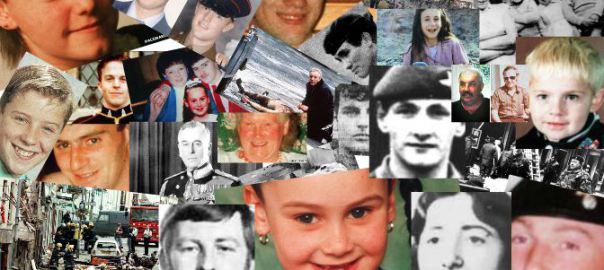



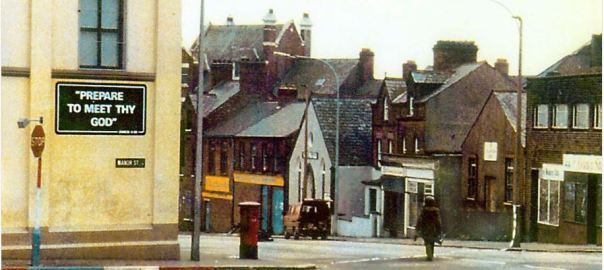


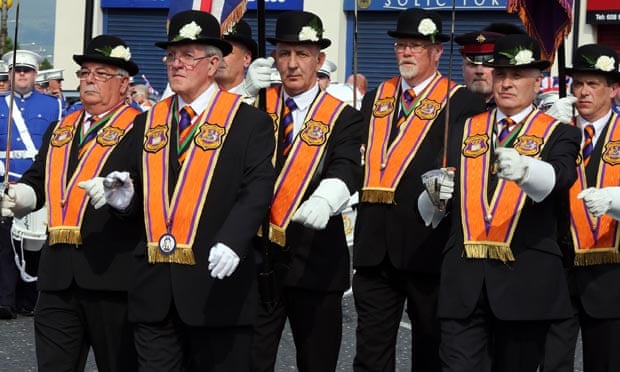


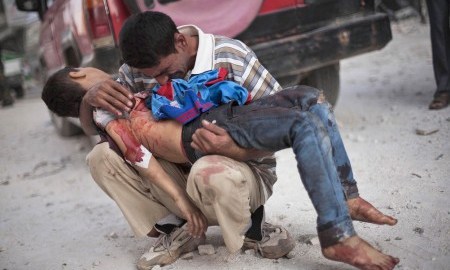

_Kurdish_Syria.jpg)

.png)


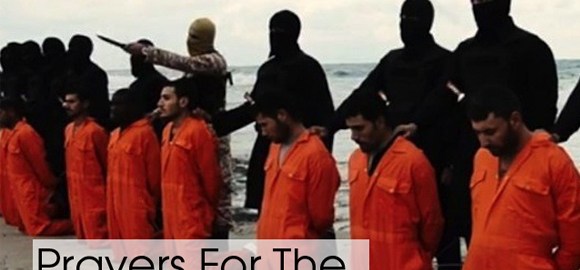



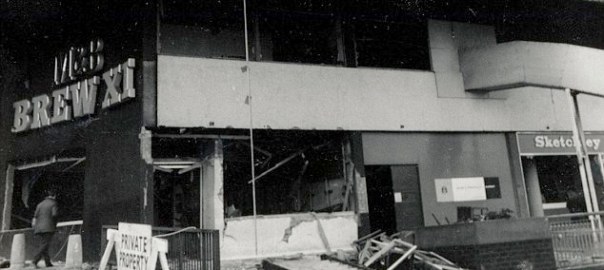




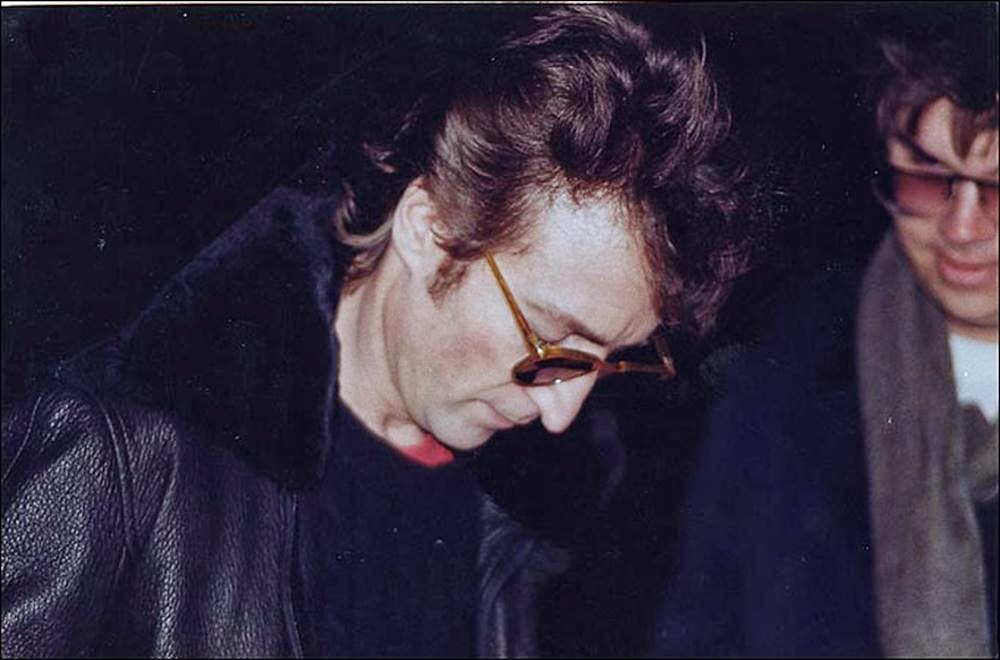
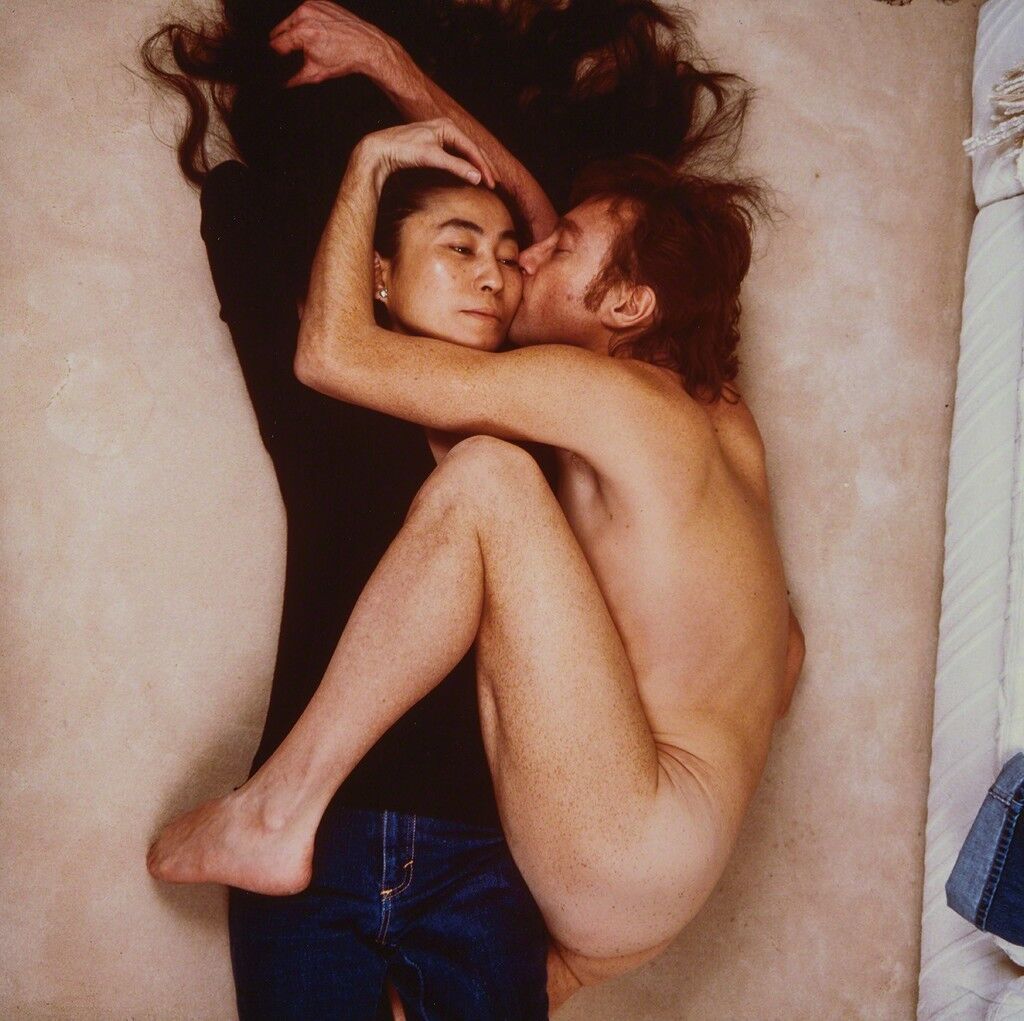


 belfastchildis.com