Great British Battles – Battle of Agincourt – 25th October 1415

 Great British Battles

Battle of Agincourt

600 Anniversary 25th October 2015

Battlefield today

—————————————————–

History Documentary – The Battle of Agincourt, a Hundred Years of War

—————————————————–

The Battle of Agincourt was a major English victory in the Hundred Years’ War.[a] The battle took place on Friday, 25 October 1415 (Saint Crispin’s Day), near modern-day Azincourt, in northern France.[5][b] Henry V‘s victory at Agincourt, against a numerically superior French army, crippled France and started a new period in the war during which Henry V married the French king’s daughter, and their son, later Henry VI of England and Henry II of France, was made heir to the throne of France as well as of England.

Henry V led his troops into battle and participated in hand-to-hand fighting. The French king of the time, Charles VI, did not command the French army himself as he suffered from severe, repeating illnesses and moderate mental incapacitation. Instead, the French were commanded by Constable Charles d’Albret and various prominent French noblemen of the Armagnac party.

This battle is notable for the use of the English longbow in very large numbers, with English and Welsh archers forming most of Henry’s army. The battle is the centrepiece of the play Henry V by William Shakespeare.

—————————————————–

MIDIEVAL WEAPONS AND COMBAT – The Longbow

—————————————————–

Bbattle of Agincourt
Part of the Hundred Years’ War
Schlacht von Azincourt.jpg
The Battle of Agincourt, 15th-century miniature
Date 25 October 1415 (Saint Crispin’s Day)
Location Agincourt, Pas-de-Calais, France
50°27′49″N 2°8′30″E / 50.46361°N 2.14167°E / 50.46361; 2.14167Coordinates: 50°27′49″N 2°8′30″E / 50.46361°N 2.14167°E / 50.46361; 2.14167
Result Decisive English victory
Belligerents
Royal Arms of England (1399-1603).svg England France moderne.svg France
Commanders and leaders
Strength
Modern estimates range from 6,000[1] to 9,000[2]
(see Numbers at Agincourt.) About 56 longbow archers, 16 dismounted knights and men-at-arms in heavy armour.
Modern estimates range from 12,000 (outnumbering the English 4–3).[2] to 36,000 (outnumbering the English 6–1;[3] see Numbers at Agincourt.)
About 10,000 knights and men-at-arms (of which about 1,200 were mounted), unknown thousands of other infantry, crossbowmen and archers.
Casualties and losses
At least 112 dead, unknown wounded[3] 7,000–10,000 (mostly killed) and about 1,500 noble prisoners[

Contemporary accounts

The battle of Agincourt is well documented by at least seven contemporary accounts, three of them by eyewitnesses. The approximate location of the battle has never been in dispute and the place remains relatively unaltered even after 600 years. Immediately after the battle, Henry summoned the heralds of the two armies who had watched the battle together, and with the principal French herald, Montjoie, settled on the name of the battle as Agincourt, after the nearest fortified place.[6] Two of the most frequently cited accounts come from Burgundian sources: one from Jean Le Fevre de Saint-Remy, who was present at the battle, and the other from Enguerrand de Monstrelet. The English eyewitness account comes from the anonymous Gesta Henrici Quinti, believed to have been written by a chaplain in the King’s household, who would have been in the baggage train at the battle.[7] A recent reappraisal of Henry’s strategy of the Agincourt campaign incorporates these three accounts, and argues that war was seen as a legal due process for solving the disagreement over claims to the French throne.[8]

—————————————————–

Agincourt’s Dark Secrets Battlefield Detectives

—————————————————–

Campaign

Main article: Hundred Years War

Henry V invaded France following the failure of negotiations with the French. He claimed the title of King of France through his great-grandfather Edward III, although in practice the English kings were generally prepared to renounce this claim if the French would acknowledge the English claim on Aquitaine and other French lands (the terms of the Treaty of Brétigny).[9] He initially called a Great Council in the spring of 1414 to discuss going to war with France, but the lords insisted that he should negotiate further and moderate his claims. In the following negotiations Henry said that he would give up his claim to the French throne if the French would pay the 1.6 million crowns outstanding from the ransom of John II (who had been captured at the Battle of Poitiers in 1356), and concede English ownership of the lands of Normandy, Touraine, Anjou, Brittany and Flanders, as well as Aquitaine. Henry would marry Treaty of Brétigny the young daughter of Charles VI, and receive a dowry of 2 million crowns. The French responded with what they considered the generous terms of marriage with Princess Catherine, a dowry of 600,000 crowns, and an enlarged Aquitaine. By 1415, negotiations had ground to a halt, with the English claiming that the French had mocked their claims and ridiculed Henry himself.[10] In December 1414, the English parliament was persuaded to grant Henry a “double subsidy”, a tax at twice the traditional rate, to recover his inheritance from the French. On 19 April 1415, Henry again asked the Great Council to sanction war with France, and this time they agreed.[11]

Henry’s army landed in northern France on 13 August 1415, carried by a fleet described by Shakespeare as “a city on the inconstant billows dancing / For so appears this fleet majestical”, often reported to comprise 1,500 ships, but probably far smaller, and besieged the port of Harfleur with an army of about 12,000, and up to 20,000 horses.[12] The siege took longer than expected. The town surrendered on 22 September, and the English army did not leave until 8 October. The campaign season was coming to an end, and the English army had suffered many casualties through disease. Rather than retire directly to England for the winter, with his costly expedition resulting in the capture of only one town, Henry decided to march most of his army (roughly 9,000) through Normandy to the port of Calais, the English stronghold in northern France, to demonstrate by his presence in the territory at the head of an army that his right to rule in the duchy was more than a mere abstract legal and historical claim.[13] He also intended the manoeuvre as a deliberate provocation to battle aimed at the dauphin, who had failed to respond to Henry’s personal challenge to combat at Harfleur.[14]

The French had raised an army during the siege which assembled around Rouen. This was not strictly a feudal army, but an army paid through a system similar to the English. The French hoped to raise 9,000 troops, but the army was not ready in time to relieve Harfleur. After Henry V marched to the north the French moved to blockade them along the River Somme. They were successful for a time, forcing Henry to move south, away from Calais, to find a ford. The English finally crossed the Somme south of Péronne, at Béthencourt and Voyennes [15][16] and resumed marching north. Without the river protection, the French were hesitant to force a battle. They shadowed Henry’s army while calling a semonce des nobles,[17] calling on local nobles to join the army. By 24 October both armies faced each other for battle, but the French declined, hoping for the arrival of more troops. The two armies spent the night of 24 October on open ground. The next day the French initiated negotiations as a delaying tactic, but Henry ordered his army to advance and to start a battle that, given the state of his army, he would have preferred to avoid, or to fight defensively: that was how Crécy and the other famous longbow victories had been won. The English had very little food, had marched 260 miles (420 km) in two and a half weeks, were suffering from sickness such as dysentery, and faced much larger numbers of well equipped French men at arms. The French army blocked Henry’s way to the safety of Calais, however, and delaying battle would only further weaken his tired army and allow more French troops to arrive.[18]

Battle

Preparations

The battle was fought in the narrow strip of open land formed between the woods of Tramecourt and Agincourt (close to the modern village of Azincourt).

The battle of Agincourt

English deployment

Early on the 25th, Henry deployed his army (approximately 1,500 men-at-arms and 7,000 longbowmen; see Numbers at Agincourt) across a 750-yard (690 m) part of the defile. The army was organised into three “battles” or divisions: the vanguard, led by the Duke of York; the main battle led by Henry himself; and the rearguard, led by Lord Camoys. In addition, Sir Thomas Erpingham, one of Henry’s most experienced household knights, had a role in marshalling the archers.[19] It is likely that the English adopted their usual battle line of longbowmen on either flank, with men-at-arms and knights in the centre. They may also have deployed some archers in the centre of the line. The English men-at-arms in plate and mail were placed shoulder to shoulder four deep. The English and Welsh archers on the flanks drove pointed wooden stakes, or palings, into the ground at an angle to force cavalry to veer off. This use of stakes may have been inspired by the Battle of Nicopolis of 1396, where forces of the Ottoman Empire used the tactic against French cavalry.[c]

The English made their confessions before the battle, as was customary.[20] Henry, worried about the enemy launching surprise raids, and wanting his troops to remain focused, ordered all his men to spend the night before the battle in silence, on pain of having an ear cut off. He told his men that he would rather die in the coming battle than be captured and ransomed.[21]

Henry made a speech emphasising the justness of his cause, and reminding his army of previous great defeats the kings of England had inflicted on the French. The Burgundian sources have him concluding the speech by telling his men that the French had boasted that they would cut off two fingers from the right hand of every archer, so that he could never draw a longbow again. Whether this was true is open to question; as previously noted, death was the normal fate of any soldier who could not be ransomed.[22]

French deployment

The French force was not only larger than the English, their noble men-at-arms would have considered themselves superior to the large number of archers in the English army, whom the French (based on their experience in recent memory of using and facing archers) considered relatively insignificant.[23] For example, the chronicler Edmond de Dyntner stated that there were “ten French nobles against one English”, ignoring the archers completely.[23] Several French accounts emphasise that the French leaders were so eager to defeat the English (and win the ransoms of the English men-at-arms) that they insisted on being in the first line; as one of the contemporary accounts put it: “All the lords wanted to be in the vanguard, against the opinion of the constable and the experienced knights.”[24]

The French were arrayed in three lines or “battles”. The first line was led by Constable d’Albret, Marshal Boucicault, and the Dukes of Orléans and Bourbon, with attached cavalry wings under the Count of Vendôme and Sir Clignet de Brebant. The second line was commanded by the Dukes of Bar and Alençon and the Count of Nevers. The third line was under the Counts of Dammartin and Fauconberg.[25] The Burgundian chronicler, Jean de Wavrin, writes that there were 8,000 men-at-arms, 4,000 archers and 1,500 crossbowmen in the vanguard, with two wings of 600 and 800 mounted men-at-arms, and the main battle having “as many knights, esquires and archers as in the vanguard”, with the rearguard containing “all of the rest of the men-at-arms”.[26] The Herald of Berry uses somewhat different figures of 4,800 men-at-arms in the first line, 3,000 men in the second line, with two “wings” containing 600 mounted men-at-arms each, and a total of “10,000 men-at-arms”,[27] but does not mention a third line.

Thousands of troops appear to have been in the rearguard, containing servants and commoners whom the French were either unable or unwilling to deploy. Wavrin gives the total French army size as 50,000: “They had plenty of archers and crossbowmen but nobody wanted to let them fire [sic]. The reason for this was that the site was so narrow that there was only enough room for the men-at-arms.”[28] A different source says that the French did not even deploy 4,000 of the best crossbowmen “on the pretext they had no need of their help”.[29]

Terrain

The field of battle was arguably the most significant factor in deciding the outcome. The recently ploughed land hemmed in by dense woodland favoured the English, both because of its narrowness, and because of the thick mud through which the French knights had to walk.[30][31] An analysis by Battlefield Detectives has looked at the crowd dynamics of the battlefield.[32]

The Battlefield Detectives episode states that when the density reached four men per square metre, soldiers would not even be able to take full steps forward, slowing the speed of the advance by 70%.[32] Accounts of the battle describe the French engaging the English men-at-arms before being rushed from the sides by the longbowmen as the mêlée developed. The English account in the Gesta Henrici says: “For when some of them, killed when battle was first joined, fall at the front, so great was the undisciplined violence and pressure of the mass of men behind them that the living fell on top of the dead, and others falling on top of the living were killed as well.”[33]

Although the French initially pushed the English back, they became so closely packed that they are described as having trouble using their weapons properly. The French monk of St. Denis says: “Their vanguard, composed of about 5,000 men, found itself at first so tightly packed that those who were in the third rank could scarcely use their swords,”[34] and the Burgundian sources have a similar passage.

As the battle was fought on a recently ploughed field, and there had recently been heavy rain leaving it very muddy, it proved very tiring to walk through in full plate armour. The French monk of St. Denis describes the French troops as “marching through the middle of the mud where they sank up to their knees. So they were already overcome with fatigue even before they advanced against the enemy”. The deep, soft mud particularly favoured the English force because, once knocked to the ground, the heavily armoured French knights had a hard time getting back up to fight in the mêlée. Barker states that some knights, encumbered by their armour, actually drowned in their helmets.[35]

Fighting

Opening moves

“Morning of the Battle of Agincourt, 25th October 1415”, painted by Sir John Gilbert in the 19th century.

On the morning of 25 October, the French were still waiting for additional troops to arrive. The Duke of Brabant (about 2,000 men),[36] the Duke of Anjou (about 600 men),[36] and the Duke of Brittany (6,000 men, according to Monstrelet),[37] were all marching to join the army.

For three hours after sunrise there was no fighting. Military textbooks of the time stated: “Everywhere and on all occasions that foot soldiers march against their enemy face to face, those who march lose and those who remain standing still and holding firm win.”[38] On top of this, the French were expecting thousands of men to join them if they waited. They were blocking Henry’s retreat, and were perfectly happy to wait for as long as it took. There had even been a suggestion that the English would run away rather than give battle when they saw that they would be fighting so many French princes.[39]

Henry’s men, on the other hand, were already very weary from hunger, illness and marching. Even though Henry knew as well as the French did that his army would perform better on the defensive, he was eventually forced to take a calculated risk, and move his army further forward to start the battle.[18] This entailed abandoning his chosen position and pulling out, advancing, and then re-installing the long sharpened wooden stakes pointed outwards toward the enemy, which helped protect the longbowmen from cavalry charges.[40] (The use of stakes was an innovation for the English: during the Battle of Crécy, for example, the archers had been instead protected by pits and other obstacles.[41])

The tightness of the terrain also seems to have restricted the planned deployment of the French forces. The French had originally drawn up a battle plan that had archers and crossbowmen in front of their men-at-arms, with a cavalry force at the rear specifically designed to “fall upon the archers, and use their force to break them,”[42] but in the event, the French archers and crossbowmen were deployed behind and to the sides of the men-at-arms (where they seem to have played almost no part, except possibly for an initial volley of arrows at the start of the battle). The cavalry force, which could have devastated the English line if it had attacked while they moved their stakes, charged only after the initial volley of arrows from the English. It is unclear whether the delay occurred because the French were hoping the English would launch a frontal assault (and were surprised when the English instead started shooting from their new defensive position), or whether the French mounted knights instead did not react quickly enough to the English advance. French chroniclers agree that when the mounted charge did come, it did not contain as many men as it should have; Gilles le Bouvier states that some had wandered off to warm themselves and others were walking or feeding their horses[43]

French cavalry attac

The French cavalry, despite being somewhat disorganised and not at full numbers, charged towards the longbowmen, but it was a disaster, with the French knights unable to outflank the longbowmen (because of the encroaching woodland) and unable to charge through the forest of sharpened stakes that protected the archers. John Keegan argues that the longbows’ main influence on the battle at this point was injuries to horses: armoured only on the head, many horses would have become dangerously out of control when struck in the back or flank from the high-elevation long range shots used as the charge started.[44] The mounted charge and subsequent retreat churned up the already muddy terrain between the French and the English. Juliet Barker quotes a contemporary account by a monk of St. Denis who reports how the wounded and panicking horses galloped through the advancing infantry, scattering them and trampling them down in their headlong flight from the battlefield.[45]

Main French assault

King Henry V at the Battle of Agincourt, 1415, by Sir John Gilbert in the 19th century.

The plate armour of the French men-at-arms allowed them to close the 300 yards or so to the English lines while being under what the French monk of Saint Denis described as “a terrifying hail of arrow shot”. A complete coat of plate was considered such good protection that shields were generally not used,[46] although the Burgundian contemporary sources specifically distinguish between Frenchmen who used shields and those who did not, and Rogers has suggested that the front elements of the French force may have used axes and shields.[47] Modern historians are somewhat divided on how effective the longbow fire would have been against plate armour of the time, with some modern texts suggesting that arrows could not penetrate, especially the better quality steel armour, but others suggesting arrows could penetrate, especially the poorer quality wrought iron armour. Rogers suggests that the longbow could penetrate a wrought iron breastplate at short range and penetrate the thinner armour on the limbs even at 220 yards (200 m). He considers a knight in the best quality steel armour would have been more or less invulnerable to an arrow on the breastplate or top of the helmet, but would still have been vulnerable to shots hitting the limbs, particularly at close range.[48] In any case, to protect themselves as much as possible from the arrows the French had to lower their visors and bend their helmeted heads to avoid being shot in the face—the eye and air-holes in their helmets were among the weakest points in the armour. This head lowered position restricted both their breathing and their vision. Then they had to walk a few hundred yards through thick mud, a press of comrades and wearing armour weighing 50–60 pounds (23–27 kg), gathering sticky clay all the way. Increasingly they had to walk around or over fallen comrades.[49]

The surviving French men-at-arms reached the front of the English line and pushed it back, with the longbowmen on the flanks continuing to shoot at point blank range. When the archers ran out of arrows they dropped their bows and using hatchets, swords and the mallets they had used to drive their stakes in, attacked the now disordered, fatigued and wounded French men-at-arms massed in front of them. The French could not cope with the thousands of lightly armoured longbowmen assailants (who were much less hindered by the mud and weight of their armour) combined with the English men-at-arms. The impact of thousands of arrows, combined with the slog in heavy armour through the mud, the heat and lack of oxygen in plate armour with the visor down, and the crush of their numbers meant the French men-at-arms could “scarcely lift their weapons” when they finally engaged the English line.[50] The exhausted French men-at-arms are described as being knocked to the ground by the English and then unable to get back up. As the mêlée developed, the French second line also joined the attack, but they too were swallowed up, with the narrow terrain meaning the extra numbers could not be used effectively. Rogers suggests that the French at the back of their deep formation would have been attempting to push forward and quite literally add their weight to the advance, without realising that they were hindering the ability of those at the front to manoeuvre and fight, actually pushing them into the English formation of lancepoints. After the initial wave, the French would have had to fight over and on the bodies of those who had fallen before them. In such a “press” of thousands of men, Rogers finds it plausible that a significant number could have suffocated in their armour, as is described by several sources, and is also known to have happened in other battles.[51]

The French men-at-arms were taken prisoner or killed in their thousands. The fighting lasted about three hours, but eventually the leaders of the second line were killed or captured, as those of the first line had been. The English Gesta Henrici describes three great heaps of the slain around the three main English standards.[33] According to contemporary English accounts, Henry was directly involved in the hand-to-hand fighting. Upon hearing that his youngest brother Humphrey, Duke of Gloucester had been wounded in the groin, Henry took his household guard and stood over his brother, in the front rank of the fighting, until Humphrey could be dragged to safety. The king received an axe blow to the head which knocked off a piece of the crown that formed part of his helmet.[52]

Attack on the English baggage train

1915 depiction of Henry V at the Battle of Agincourt : The King wears on this surcoat the Royal Arms of England, quartered with the Fleur de Lys of France as a symbol of his claim to the throne of France.

The only French success was an attack on the lightly protected English baggage train, with Ysembart d’Azincourt (leading a small number of men-at-arms and varlets plus about 600 peasants) seizing some of Henry’s personal treasures, including a crown.[53] Whether this was part of a deliberate French plan or an act of local brigandage is unclear from the sources. Certainly, d’Azincourt was a local knight but he may have been chosen to lead the attack because of his local knowledge and the lack of availability of a more senior soldier.[54] In some accounts the attack happened towards the end of the battle, and led the English to think they were being attacked from the rear. Barker, following the Gesta Henrici, believed to have been written by an English chaplain who was actually in the baggage train, concludes that the attack happened at the start of the battle.[54]

Henry orders the killing of the prisoners

Regardless of when the baggage assault happened, at some point after the initial English victory Henry became alarmed that the French were regrouping for another attack. The Gesta Henrici places this after the English had overcome the onslaught of the French men-at-arms and the weary English troops were eyeing the French rearguard (“in incomparable number and still fresh”[33]). Le Fevre and Wavrin similarly say that it was signs of the French rearguard regrouping and “marching forward in battle order” which made the English think they were still in danger.[55]

In any event, Henry ordered the slaughter of what were perhaps several thousand French prisoners, sparing only the most high ranked (presumably those most likely to fetch a large ransom under the chivalric system of warfare). According to most chroniclers, Henry’s fear was that the prisoners (who, in an unusual turn of events, actually outnumbered their captors) would realize their advantage in numbers, rearm themselves with the weapons strewn about the field and overwhelm the exhausted English forces. Although ruthless, Henry’s decision was thus arguably justifiable given the situation of the battle; even the French chroniclers do not criticise him for it.[56] In his study of the battle, John Keegan [57] argued that the main aim was not to actually kill the French knights but rather to terrorise them into submission and quell any possibility they might resume the fight, which would probably have caused the uncommitted French reserve forces to join the fray, as well. Such an event would have posed a mortal risk to the still-outnumbered English and could have easily turned a stunning victory into a mutually-destructive defeat, as the English forces were now largely intermingled with the French and would have suffered grievously from the arrows of their own longbowmen had they needed to resume shooting. Keegan also speculated that due to the relatively low number of archers actually involved in killing the French knights (roughly 200 by his estimate), together with the refusal of the English knights to assist in a duty they saw as distastefully unchivalrous and combined with the sheer difficulty of killing such a large number of prisoners in such a short space of time, the actual number of French knights killed might not have even reached the hundreds before the reserves fled the field and Henry called an end to the slaughter.[58]

Aftermath

The lack of reliable sources makes it impossible to give a precise figure for the French and English casualties (dead, wounded, taken prisoner). However, it is clear that though the English were outnumbered, their losses were far lower than those of the French. The French sources all give 4,000–10,000 French dead, with up to 1,600 English dead. The lowest ratio in these French sources has the French losing six times more men than the English. The English sources vary between about 1,500 and 11,000 for the French dead, with English dead put at no more than 100.[59] Barker identifies from the available records “at least” 112 Englishmen killed in the fighting, including Edward of Norwich, 2nd Duke of York, a grandson of Edward III.[3]

One widely used estimate puts the English casualties at 450, not an insignificant number in an army of about 8,500, but far fewer than the thousands the French lost, nearly all of whom were killed or captured. Using the lowest French estimate of their own dead of 4,000 would imply a ratio of nearly 9 to 1 in favour of the English, or over 10 to 1 if the prisoners are included.[60]

The French suffered heavily. Three dukes, at least eight counts, a viscount, and an archbishop died, along with numerous other nobles. Of the great royal office holders, France lost her Constable, Admiral, Master of the Crossbowmen and prévôt of the marshals.[61] The baillis of nine major northern towns were killed, often along with their sons, relatives and supporters. In the words of Juliet Barker, the battle “cut a great swath through the natural leaders of French society in Artois, Ponthieu, Normandy, Picardy.” [62] Estimates of the number of prisoners vary between 700 and 2,200, amongst them the Duke of Orléans (the famous poet Charles d’Orléans) and Jean Le Maingre (known as Boucicault) Marshal of France.[63]

Although the victory had been militarily decisive, its impact was complex. It did not lead to further English conquests immediately as Henry’s priority was to return to England, which he did on 16 November, to be received in triumph in London on the 23rd.[64] Henry returned a conquering hero, in the eyes of his subjects and European powers outside France, blessed by God. It established the legitimacy of the Lancastrian monarchy and the future campaigns of Henry to pursue his “rights and privileges” in France.[65] Other benefits to the English were longer term. Very quickly after the battle, the fragile truce between the Armagnac and Burgundian factions broke down. The brunt of the battle had fallen on the Armagnacs and it was they who suffered the majority of senior casualties and carried the blame for the defeat. The Burgundians seized on the opportunity and within 10 days of the battle had mustered their armies and marched on Paris.[66] This lack of unity in France allowed Henry eighteen months to prepare militarily and politically for a renewed campaign. When that campaign took place, it was made easier by the damage done to the political and military structures of Normandy by the battle.[67]

Notable casualties

French

Notable casualties (most named by Enguerrand de Monstrelet[68]) include:[69]

Leading officers:[citation needed]

Three dukes:

Seven counts (eight with d’Albret):[citation needed]

and some 90 bannerets and others, including:[citation needed]

English

Notable casualties included:

Prisoners

Among the circa 1,500 prisoners taken by the English, were the following French notables:[citation needed]

Numbers at Agincourt

Anne Curry in her 2005 book Agincourt: A New History, argues (based on research into the surviving administrative records) that the French army was about 12,000 strong, and the English army about 9,000, giving odds of 4–3.[2] By contrast, Juliet Barker in her Agincourt: The King, the Campaign, the Battle (also published in 2005) argues the English and Welsh were outnumbered “at least four to one and possibly as much as six to one”.[75] She suggests figures of about 6,000 for the English and 36,000 for the French, based on the Gesta Henrici‍ ’​s figures of 5,000 archers and 900 men-at-arms for the English, and Jean de Wavrin‘s statement “that the French were six times more numerous than the English”.[76] The 2009 Encyclopædia Britannica uses the figures of about 6,000 for the English and 20,000 to 30,000 for the French. The 1911 Britannica used somewhat different figures of 6,000 archers, 1,000 men-at-arms and “a few thousands of other foot” for the English, with the French outnumbering them by “at least four times”.[77]

With one of the lowest estimates for the size of the French army and also one of the highest estimates for the size of the English army, Curry is currently in a minority in suggesting that the odds were as near equal as 4–3. While not necessarily agreeing with the exact numbers Curry uses, some historians have however given support to her assertion that the French army was much smaller than traditionally thought, and the English somewhat bigger. Bertrand Schnerb, a professor of medieval history at the University of Lille, has said that he thinks the French probably had 12,000–15,000 troops.[78] Ian Mortimer, in his 2009 book 1415: Henry V’s Year of Glory, notes how Curry “minimises French numbers (by limiting her figures to those in the basic army and a few specific additional companies) and maximises English numbers (by assuming the numbers sent home from Harfleur were no greater than sick lists)”, but agrees that previous estimates have exaggerated the odds, and suggests that “the most extreme imbalance which is credible is fifteen thousand French troops against 8,100 English: a ratio of about two-to-one”.[79]

However, Clifford J. Rogers, professor of history at the United States Military Academy at West Point, has recently argued that archival records are too incomplete to substantially change his view that the English were outnumbered about 4–1.[78][80] Juliet Barker also disagrees with Curry’s arguments in the acknowledgements section of her 2005 book on Agincourt, saying: “Surviving administrative records on both sides, but especially the French, are simply too incomplete to support [Curry’s] assertion that nine thousand English were pitted against an army only twelve thousand strong. And if the differential really was as low as three to four then this makes a nonsense of the course of the battle as described by eyewitnesses and contemporaries.”[81]

Those supporting a greater imbalance have generally put more store by contemporary (and especially eyewitness) accounts. The Gesta Henrici gives plausible figures for the English of 5,000 archers and 900 men-at-arms, but Mortimer notes it is “wildly inaccurate” in stating the English were outnumbered 30–1, and there have also been doubts as to how much it was written as propaganda for Henry V. The proportions also seem incorrect, as from surviving records we know that Henry set out with about four times as many archers as men-at-arms, not five and a half times as many. Those who have supported the Gesta figures for the English army have generally thought that although the English army may have left Harfleur with eight or nine thousand men, it is plausible that after weeks of campaigning and disease in hostile territory they would have lost two or three thousand fighting men; however Mortimer states: “Despite the trials of the march, Henry had lost very few men to illness or death; and we have independent testimony that no more than 160 had been captured on the way.” [82]

As Mortimer notes, the Burgundian numbers for the size of the French vanguard of 8,000 men-at-arms in the vanguard with 1,400 (or 2,400) men-at-arms in the wings correspond roughly with the figures of ten thousand men-at-arms recorded by the duke of Berry’s herald. The Burgundians also recorded 4,000 archers and 1,500 crossbowmen in the “vanguard”, which would suggest “fourteen or fifteen thousand fighting men”.[82] (It should be noted that the Burgundians actually give the total size of the French army as an implausible 50,000,[83] and the numbers they use do not correspond closely to the odds they describe. Using very similar numbers, Jean Le Fevre states that the English were outnumbered 3–1, whereas Wavrin states that the English were outnumbered 6–1.[84])

One particular cause of confusion may have been the number of servants on both sides. Mortimer suggests that because there were a much higher proportion of men-at-arms on the French side, the number of non-combatants was much higher. Each man-at-arms could be expected to have a page, who would have ridden one of his spare horses. If the French army had an extra 10,000 mounted men (as opposed to only 1,500 extra for the English), then “the English probably did see an army about three times the size of their own fighting force”.[85]

It is open to debate whether these should all be counted as non-combatants; Rogers (for example) accepts that the French probably had about 10,000 men-at-arms, but explicitly includes one “gros valet” (an armed, armoured and mounted military servant) per French man-at-arms in his calculation of the odds.[86]

Popular representations

The 15th century Agincourt Carol

Soon after the English victory at Agincourt, a number of popular folk songs were created about the battle, the most famous being the Agincourt Carol, produced in the first half of the 15th century.[87] Other ballads followed, including King Henry Fifth’s Conquest of France, raising the popular prominence of particular events mentioned only in passing by the original chroniclers, such as the gift of tennis balls before the campaign.[88]

The most famous cultural depiction of the battle today, however, is through William Shakespeare‘s Henry V, written in 1599. The play focuses on the pressures of kingship, the tensions between how a king should appear – chivalric, honest and just – and how a king must sometimes act – Machiavellian and ruthless.[89] These tensions are illustrated in the play by Shakespeare’s depiction of Henry’s decision to kill some of the French prisoners, whilst attempting to justify it and distance himself from the event – this moment of the battle is portrayed both as a break with the traditions of chivalry, and as key example of the paradox of kingship.[90] Shakespeare’s depiction of the battle also plays on the theme of modernity – Shakespeare contrasts the modern, English king and his army with the medieval, chivalric, older model of the French.[91] Shakespeare’s play presented Henry as leading a truly English force into battle, playing on the importance of the link between the monarch and the common soldiers in the fight.[92] The original play does not, however, feature any scenes of the actual battle itself, leading critic Rose Zimbardo to characterise it as “full of warfare, yet empty of conflict.”[93]

The play introduced the famous St Crispin’s Day Speech; Shakespeare has Henry give a moving narration to his soldiers just before the battle, urging his “band of brothers” to stand together in the forthcoming fight.[94] One of Shakespeare’s most heroic speeches, critic David Margolies describes how it “oozes honour, military glory, love of country and self-sacrifice”, and it forms one of the first instances of English literature linking solidarity and comradeship to success in battle.[94][95] Partially as a result, the battle was used as a metaphor at the beginning of the First World War, when the British Expeditionary Force‘s attempts to stop the German advances were widely likened to it.[96]

Shakespeare’s version of the battle of Agincourt has been turned into (several minor and) two major films – by Laurence Olivier in 1944, and by Kenneth Branagh in 1989. Made just prior to the invasion of Normandy, Olivier’s gives the battle what Sarah Hatchuel has termed an “exhilarating and heroic” tone, with an artificial, cinematic look to the battle scenes.[97] Branagh’s version gives a longer, more Realist portrayal of the battle itself, drawing on both historical sources and images from the Vietnam and Falkland Wars.[98] In his film adaptation, Peter Babakitis uses digital effects to exaggerate realist features during his battle scenes, producing a more avant-garde interpretation of the fighting at Agincourt.[99] [clarification needed]

The battle remains an important symbol in popular culture. For example, a mock trial of Henry V for the crimes associated with the slaughter of the prisoners was held in Washington, D.C. in March 2010, drawing from both the historical record and Shakespeare’s play. Participating as judges were Justices Samuel Alito and Ruth Bader Ginsburg. The trial ranged widely over whether there was just cause for war and not simply the prisoner issue. Although an audience vote was “too close to call”, Henry was unanimously found guilty by the court on the basis of “evolving standards of civil society”.[100][101][102]

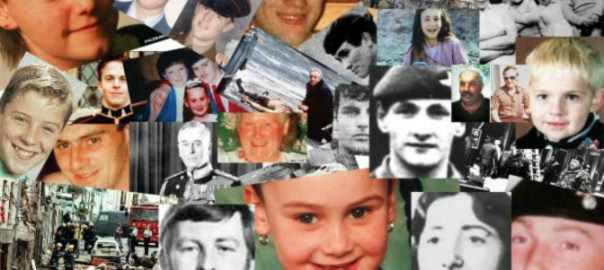
18TH October – Deaths & Events in Northern Ireland Troubles

Key Events & Deaths on this day in Northern Ireland Troubles

18th October

—————————————————-

Tuesday 18 October 1977

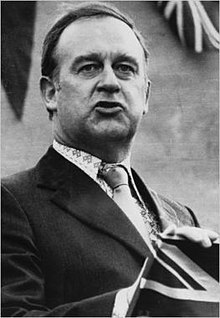
William Craig, then a Member of Parliament (MP) and a member of the Council of Europe, was appointed by the council to report on the updating of the European Convention on Human Rights.

[This appointment was criticised by some of those associated with the civil rights movement in Northern Ireland.]

Thursday 18 October 1979

  Hunger Strike.  Public Record Click to read  proni on cain

Friday 18 October 1996

David Trimble, then leader of the Ulster Unionist Party (UUP), met with Loyalist prisoners in the Maze Prison.

Monday 18 October 1999

Gerry Adams, then President of Sinn Féin (SF), issued a statement on his party’s commitment to the Good Friday Agreement. In the Republic of Ireland the Equality Act outlawing discrimination in the workplace was signed into law at the official opening of the building designed to house the new Equality Authority and the Director of Equality Investigations. Bertie Ahern, then Taoiseach (Irish Prime Minister), stressed the commitment of the State to eliminating discrimination.

John O’Donoghue, then Minister for Justice, Equality and Law Reform, proposed regulations which would allow asylum-seekers to be deported to the European Union country first entered. Included in the proposals were mechanisms to house asylum-seekers outside Dublin plus the introduction of food, clothing and housing support rather than social welfare payments. The funeral of Josef Locke, the singer born in Derry, took place in Clane parish church, County Kildare, Republic of Ireland.

Thursday 18 October 2001 Unionist Ministers Resign

There was a pipe-bomb attack on a public house in Newtownards, County Down, at approximately 12.15am (00.15BST). The explosion caused minor damage to the pub.

[Loyalist paramilitaries were believed to be responsible.]

David Trimble, then leader of the Ulster Unionist Party (UUP), held a meeting at Stormont with Gerry Adams, then President of Sinn Féin (SF).

[The meeting discussed the possibility of the decommissioning of Irish Republican Army (IRA) weapons and what political steps would be likely to follow. It appears that this meeting failed to resolve outstanding issues.]

Trimble also had meetings with representatives of the other main political parties. The three Ulster Unionist Party (UUP) ministers formally resigned from the Northern Ireland Executive at midnight. The two Democratic Unionist Party (DUP) ministers also resigned at the same time. The move was taken because the UUP no longer wished to share power with SF in the absence of decommissioning by the IRA. Dermot Nesbitt, then a UUP Junior Minister, remained in his position within the Office of the First Minster and Deputy First Minister. This prompted Mark Durkan, then leader in-waiting of the SDLP, to say that: “David Trimble has taken his team off the field, but left behind the mascot”.

[John Reid, then Secretary of State for Northern Ireland, has seven days in which to decide what action to take. He could decide to call for a review of the Good Friday Agreement which would involve an indefinite suspension of the power-sharing government. Alternatively, and less likely, he could opt for fresh Assembly elections.]

———————————————————————————

Remembering all innocent victims of the Troubles

Today is the anniversary of the death of the following  people killed as a results of the conflict in Northern Ireland

“To live in hearts we leave behind is not to die.”
Thomas Campbell

To the innocent on the list – Your memory will live  forever

– To  the Paramilitaries  –

There are many things worth living for, a few things worth dying for, but nothing worth killing for.

  5 People lost their lives on the 18th  October  between 1972– 1989

————————————————————–

18 October 1972
Anthony David,   (27) nfNI
Status: British Army (BA),

Killed by: Irish Republican Army (IRA)
Died four weeks after being shot while on British Army (BA) mobile patrol, Falls Road, Belfast.

————————————————————–

18 October 1974


Michael Hughes,   (16)

Catholic
Status: Irish Republican Army (IRA),

Killed by: British Army (BA)
Shot during attempted hijacking of bus, Derrybeg, Newry, County Down.

————————————————————–

18 October 1977
John Anderson,  (61)

Protestant
Status: ex-Royal Ulster Constabulary (xRUC),

Killed by: Irish Republican Army (IRA)
Shot while driving his car, Girvan’s Bridge, near Keady, County Armagh.

————————————————————–

18 October 1986


William Dickson,   (39)

Protestant
Status: Ulster Defence Association (UDA),

Killed by: Ulster Defence Association (UDA)
Shot while in Kimberley Inn, Kimberley Street, Ballynafeigh, Belfast. Internal Ulster Defence Association (UDA) dispute.

————————————————————–

18 October 1989
Robert Metcalfe,   (40)

Protestant
Status: Civilian Political Activist (CivPA),

Killed by: Irish Republican Army (IRA)
Member of Ulster Resistance. Shot at his home, Drumnabreeze Road, Magheralin, near Lurgan, County Down.

————————————————————–

17th October – Deaths & Events in Northern Ireland Troubles

Key Events & Deaths on this day in Northern Ireland Troubles

 17th October

Sunday 17 October 1971

A British soldier was killed by the Irish Republican Army (IRA) in Belfast. Another soldier died two days after he was mortally wounded.

A Catholic man was shot dead by the British Army in Belfast. It was estimated that approximately 16,000 households were withholding rent and rates for council houses as part of the campaign of civil disobedience organised by the Social Democratic and Labour Party (SDLP). The campaign was in protest against Internment and had begun on 15 August 1971.

Tuesday 17 October 1972

The Ulster Defence Association (UDA) opened fire on the British Army in several areas of Belfast.

Saturday 17 October 1981

Stewart Pringle

Stewart Pringle, then Commandant-General of the Royal Marines, was badly injured when the Irish Republican Army (IRA) exploded a bomb under his car.

Tuesday 17 October 1995

Anthony Lake, then United States National Security Adviser, held a meeting with Patrick Mayhew, then Secretary of State for Northern Ireland, and Michael Ancram, then Political Development Minister at the Northern Ireland Office (NIO). Patrica Campbell, then a Catholic member of the Ulster Unionist Party (UUP) who had been a former assistant to James Molyneaux, lodged an employment discrimination case with the Fair Employment Commission (FEC) against the UUP.

Thursday 17 October 1996

David Trimble, then leader of the Ulster Unionist Party (UUP), met with John Major, then British Prime Minister, at Downing Street, London.

Friday 17 October 1997

Parades Commission Announced Marjorie (Mo) Mowlam, then Secretary of State for Northern Ireland, gave a speech at the Jordanstown campus of the University of Ulster during which she outlined the remit of the Parades Commission. Despite early speculation it was announced that the new commission would not cover other expressions of cultural identity such as Gaelic Athletic Association (GAA) sporting activities. Resident groups and the Loyal Orders criticised various aspects of the Parades Commission in particular the membership of the commission and its powers.

David Ervine, then a spokesperson for the Progressive Unionist Party (PUP), and Garry McMichael, then spokesperson for the Ulster Democratic Party (UDP), began a speaking tour of the United States of America (USA).

Sunday 17 October 1999

A number of homes were evacuated in the Cliftondene Crescent area of north Belfast as part of a security alert. A pipe-bomb was later found and made safe. Lord Grey of Naunton died aged 89. He had been the last British Governor of Northern Ireland and had served in the post from 1968 until direct rule was imposed on 30 March 1972.

Wednesday 17 October 2001

Loyalist paramilitaries exploded a bomb close to where parents and children were returning from the Holy Cross Girls’ Primary School on the Ardoyne Road, north Belfast. The bomb had been placed at the rear of a house on Alliance Avenue and it exploded at 3.10pm (15.10BST) causing extensive damage to the house. No one was injured but the householder, and a number of parents and children, were described as being in “shock”.

———————————————————————————

Remembering all innocent victims of the Troubles

Today is the anniversary of the death of the following  people killed as a results of the conflict in Northern Ireland

“To live in hearts we leave behind is not to die.”
Thomas Campbell

To the innocent on the list – Your memory will live  forever

– To  the Paramilitaries  –

There are many things worth living for, a few things worth dying for, but nothing worth killing for.

8 People lost their lives on the 17th  October  between 1971– 1988

————————————————————–

17 October 1971


Graham Cox,   (35) nfNI
Status: British Army (BA),

Killed by: Irish Republican Army (IRA)
Died two days after being shot by sniper while travelling in British Army (BA) Armoured Personnel Carrier, Oldpark Road, Belfast.

————————————————————–

17 October 1971


George Hamilton,  (21) nfNI
Status: British Army (BA),

Killed by: Irish Republican Army (IRA)
Shot by sniper while on British Army (BA) foot patrol, Glenalina Park, Ballymurphy, Belfast.

————————————————————–

17 October 1971


David Thompson,  (38)

Catholic
Status: Civilian (Civ),

Killed by: British Army (BA)
Shot as he stood at the corner of Seaforde Street and Sheriff Street, Short Strand, Belfast.

————————————————————–

17 October 1972
Eleanor Cooke,   (32)

Protestant
Status: Civilian (Civ),

Killed by: British Army (BA)
Shot during street disturbances near to her home, Bracken Street, Shankill, Belfast.

————————————————————–

17 October 1972
John Todd, (23)

Protestant
Status: Ulster Defence Association (UDA),

Killed by: British Army (BA)
Also off duty Ulster Defence Regiment (UDR) member. Shot during street disturbances, Wilton Street, Shankill, Belfast.

————————————————————–

17 October 1975


John Greer,  (30)

Protestant
Status: Civilian (Civ),

Killed by: Ulster Volunteer Force (UVF)
Taxi driver. Shot when he arrived at house to pick up passenger, Cavehill Road, Belfast. Assumed to be a Catholic.

————————————————————–

17 October 1976
Bernard McCarron,  (45)

Catholic
Status: Civilian (Civ),

Killed by: non-specific Loyalist group (LOY)
Found shot and badly beaten, Richmond Street, Shankill, Belfast

————————————————————–

17 October 1988
Norman McKeown,   (39)

Protestant
Status: Civilian (Civ),

Killed by: Irish Republican Army (IRA)
Killed by booby trap bomb attached to his car outside his home, Dunleady Park, Dundonald, Belfast. His employer contractor to Royal Ulster Constabulary (RUC).

————————————————————–

Should ISIS fighters wife Shukee Begum be permitted to return to UK?

A BRITISH mother who travelled to Syria with her five young children to live among ISIS fighters described the experience as

“Not my cup of tea.”

——————————————————

Former Guantanamo detainee Jamal Al Harith joins Islamic State

——————————————————

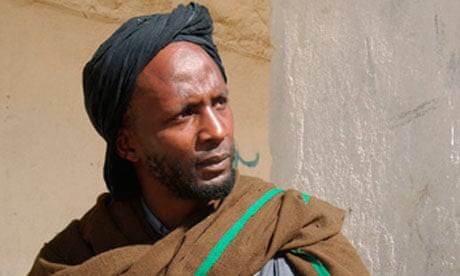
Shukee Begum, 33, said she went to the war-torn country to find her husband Jamal al-Harith, a ­former Guantánamo Bay ­detainee who left Britain 18 months ago to join the group.

Jamal al-Harith – ISIS Fighter

Harith, a Muslim convert born Ronald Fiddler, was released from Guantánamo Bay and repatriated to Britain in 2004 after lobbying by the British government.

see Below for more details Jamal al-Harith

———————————————————————————–

‘Isis…it was just not my cup of tea’: British mum speaks

———————————————————————————–

A law graduate from northern England, Ms Begum insists she only travelled to persuade her husband to return and never ­supported the ISIS militants, who have carved out regions of control in Iraq and Syria.

“I was seeing on the news at this point that ISIS was going from bad to worse … So I decided that I was going to try and speak some sense into him,” she told Channel 4 in an exclusive interview.

Shukee Begum, 33, claimed she and her children, who were all under nine years old, found themselves in crowded and uncomfortable conditions.

Ms Begum, from Oldham, described the conditions in the ISIS stronghold of Raqqa as “worse than I expected”,

She said: “You’ve got hundreds of families living in one hall, sharing perhaps one or two bathrooms between them, one or two kitchens between them.

“My husband is a family man. I’ve always known him. I’ve been married to him for 11 years. I’ve always known him to be a good man with good characteristics.”

At first, Ms Begum lived in an overcrowded safe house in the ISIS-controlled city of Raqqa with “hundreds of families living in one hall”, many “crying” and “sick”, who were sharing one or two bathrooms.

“There was a gangster-kind-of mentality among single women there. Violent talk, talking about war, killing,” Ms Begum said.

“They would sit together and huddle around their laptops and watch ISIS videos together and discuss them and everything. It was just not my cup of tea.”

After she was reunited with her husband, who refused to help her leave, ISIS authorities would not allow her to go, Ms Begum added.

“This is what I want to make clear as well to other women thinking of coming into ISIS territory — that you can’t just expect to come into ISIS territory and then expect that you can just leave again easily,” she said. “There is no personal autonomy there at all.”

 She was smuggled out of the territory before being held captive in the city of Aleppo, and is now living close to the border with Turkey and hopes to move back to Britain.

“I’d love to go back to the UK. The UK is my home. I grew up there. My friends are there. My family are there. That’s where I consider to be home,” she said.

“But I’m just not sure at the moment, with the track record of the current government, if the UK is somewhere I can achieve justice. I hope I’m wrong.”

Hundreds of Britons have travelled to join Islamic State.

A report released last month indicated dozens of fighters have defected from the group, notorious for beheadings and blowing up ­ancient monuments, due to disillusionment over killing ­fellow Sunni Muslims and ­civilians.

—————————————————————-

Jamal Udeen Al-Harith

Jamal Udeen Al-Harith, born Ronald Fiddler[1] (born 20 November 1966) is a British citizen who was held in extrajudicial detention as a suspected enemy combatant in the United States Guantanamo Bay detainment camps, in Cuba for more than two years.[2] Al-Harith’s Guantanamo Internment Serial Number was 490. He was born in Manchester, United Kingdom.

Together with the Tipton Three, he was among five British citizens repatriated in March 2004 and the next day released by British authorities without charge.[1] That year, he was a party to Rasul v. Rumsfeld, which sued the United States government and the military chain of command for its interrogation tactics. The case was finally dismissed in 2009 after being remanded by the United States Supreme Court to the US District Court for the District of Columbia, on grounds of the government officials having had “limited immunity” at the time. In December 2009, the US Supreme Court declined to accept the case for hearing on appeal.

Early life and education

He was born Ronald Fiddler in 1966 in Manchester, England, to parents who had migrated from Jamaica. He has a sister Maxine Fiddler.[3] Fiddler attended local schools. He became a web designer, working in Manchester.[1]

Conversion and travels

About 1994, Fiddler converted to Islam and officially changed his name to Jamal Udeen Al-Harith.[1]

Australia

Several years later, Al-Harith started an Internet relationship with Samantha Cook, who lived in Perth, Australia. He traveled there in early 2000 to meet her in person. She is the daughter of the Australian Senator Peter Cook. After their relationship ended in July 2000,[1] he returned to Manchester and his work.

Travel and detention

After some time back in Manchester, in 2002 Al-Harith traveled to Pakistan for a backpacking trip. While there, he paid a truck driver to take him to Iran. The truck was stopped when he passed near the Afghan border. Taliban guards, seeing his British passport, arrested him as a British spy, which was typical of their treatment of foreigners.[1]

American troops discovered Al-Harith among numerous foreigners held by the Taliban in jail in Kandahar and released him. He was being aided by the Red Cross to make arrangements to return to Britain. They enabled him to call his family in Britain, whom he told he would be soon flying home. The Red Cross had arranged with the British embassy to fly him out from the American airbase to Kabul to meet the British representative.

But, Al-Harith was not allowed to leave Kabul because Americans had become suspicious about the purpose of his travels in the region. Not believing his explanations, they arrested him as a suspected enemy combatant and transported him to Guantanamo Bay detention camp. The military held him there and interrogated him for more than two years without charges. He said he suffered “cruel, inhumane and degrading treatment”.[1]

The Americans notified the Australian government of Al-Harith’s detention because he had recently been in the country. The ASIO carried out an investigation of his activities while in the country and concluded that he was not a security risk.[1]

He was among nine British citizens who were held as detainees at Guantanamo. Eventually he was interviewed by MI5 and the British Foreign Office, as well as American officials.

Repatriation and release

In March 2004, Al-Harith was among five British citizens, including the Tipton Three, who were released and repatriated to the United Kingdom.[1] The next day, all were released by British authorities without charges.[1]

Main article: Tipton Three
Main article: Rasul v. Rumsfeld

After being released, Al-Harith joined the British plaintiffs Shafiq Rasul, Asif Iqbal, and Ruhal Ahmed (the Tipton Three), all former Guantánamo Bay detainees, in Rasul v. Rumsfeld, to sue Secretary of Defense Donald Rumsfeld in 2004. They charged that illegal interrogation tactics, including torture and religious abuse, were permitted to be used against them by Secretary Rumsfeld and the military chain of command. They were aided by representation by the Center for Constitutional Rights and a private law firm.

The case went through several levels of hearings: the US District Court, the Court of Appeals, and the US Supreme Court. Following the US Supreme Court’s decision of Boumediene v. Bush (2008), which ruled that detainees had the right to access federal courts directly, the Supreme Court remanded the case to the US District Court. It dismissed the case in 2009 on the grounds of “limited immunity” for government officials, holding that at the time in question, the courts had not clearly established that torture was prohibited in the treatment of detainees at Guantánamo. (This was established by law in the Detainee Treatment Act of 2005.) In December 2009, the US Supreme Court declined to accept the case for hearing on appeal.

Because of his imprisonment as a “terrorist,” Al-Harith has had difficulty getting work in Britain. His sister has said that he is struggling to get back to his life.[3]

Al-Harith and other former Taliban prisoners

Al-Harith was one of nine former Taliban prisoners whom the Associated Press identified as having been freed from Taliban custody only to be taken up into United States military custody. He was among the Kandahar Five, detainees who had all been jailed previously in the Kandahar prison. When the Northern Alliance liberated the prison in December 2001, they freed 1500 men.[4]

ISIL

In 2014, al-Harith travelled to Syria to enlist in the Islamic State of Iraq and the Levant [1]. His wife, with their five children, joined him for some months in 2015 before fleeing from the Isis-controlled territory.[2]


16th October – Deaths & Events in Northern Ireland Troubles

Key Events & Deaths on this day in Northern Ireland Troubles

16th October

Wednesday 16 October 1968

Public Record

 ‘Telephone Message from Co. Inspector Meharg – 1.20 p.m.’, (6 October 1968),

.[  Civil Rights Campaign; Derry March. ]

The People’s Democracy (PD) organised a march of 1,300 students from the Queen’s University of Belfast to the City Hall in the centre of the city. [ Civil Rights Campaign; People’s Democracy; Derry March. ]

Saturday 16 October 1971

A British soldier was killed by the Irish Republican Army (IRA) in Derry.

Monday 16 October 1972

Two members of the Offical IRA were shot dead by the British Army in County Tyrone.

A 15 year-old Protestant youth member of the Ulster Defence Association (UDA), and a 26 year-old UDA member were killed when run over by British Army vehicles during riots in east Belfast. The UDA said that following the incidents the British Army and British government are “now our enemies”.

Tuesday 16 October 1973

Representatives of the Ulster Unionist Party (UUP), the Alliance Party of Northern Ireland (APNI), and the Social Democratic and Labour Party (SDLP), met again at Stormont Castle, Belfast, for additional talks on the possibility of devolved government for Northern Ireland. The position of the parties on matters related to law and order were beginning to move closer to each other although there remained serious differences of opinion on specific issues.

Wednesday 16 October 1974

Merlyn Rees, then Secretary of Sate for Northern Ireland, announced that nine Republican prisoners from the Maze Prison had been hospitalised following disturbances at the prison the previous day.

Fifteen prison officers and 16 soldiers were also hurt during the disturbances. The unrest spread to Magilligan Prison where a number of huts were destroyed.

[Damage at Magilligan Prison on 16 October 1974 was estimated at £200,000.] In Armagh Women’s Prison the governor and three women prison officers were held captive before being released following mediation by clergymen.

Saturday 16 October 1976

Michael Clerkin (24), then a member of the Garda (Irish police), was killed by a booby-trap bomb near Portlaoise, County Laois, Republic of Ireland. The bomb was planted by the Irish Republican Army (IRA). Three members of the IRA were killed when a bomb they were planting exploded prematurely at Belfast Gas Works, Ormeau Road, Belfast.

Friday 16 October 1981 [ 1981 Hunger Strike.]

Public Record [ proni on cain 1981 Hunger Strike.]

Tuesday 16 October 1984

Margaret Thatcher, then British Prime Minister, said that she was not in favour of any “sudden new initiative” on Northern Ireland.

Thursday 16 October 1986

Terence Mullan (31), a Catholic civilian, and his mother Kathleen Mullan (79), were shot dead at the family house in Ballynahinch, County Down. The Ulster Freedom Fighters (UFF), a covername used by the Ulster Defence Association (UDA), carried out the attack.

An article in the republican newspaper An Phoblacht / Republican News confirmed that sometime in the previous weeks the Provisional Irish Republican Army (PIRA) had held a meeting of the General Army Convention, the organisation’s supreme decision-making body. This was the first gathering of the General Army Convention that had taken place in 16 years.

The meeting was held in secret and debated those aspects of the PIRA’s constitution that dealt with its opposition to the taking of seats in Dáil Éireann – its policy on abstentionsim. Motions were accepted (by the necessary two-thirds majority) allowing members of the PIRA to discuss and debate the taking of parliamentary seats, and the removal of the ban on members of the PIRA from supporting any successful republican candidate who took their seat in Dáil Éireann.

Tuesday 16 October 1990

The Ulster Freedom Fighters (UFF) shot dead a Catholic man, Dermot McGuinness, in north Belfast. Later the Irish Republican Army (IRA) killed a former police reservist, Steven Craig, in the same area.

Wednesday 16 October 1991

The Anglo-Irish Intergovernmental Conference (AIIC) held a meeting in London.

Friday 16 October 1992

Sheena Campbell (29), a law student who had been a Sinn Féin (SF) candidate in the Upper Bann by-election in 1990, was shot dead by the Ulster Volunteer Force (UVF) while in the York Hotel, Botanic Avenue, Belfast.

Saturday 16 October 1993

James Molyneaux, then leader of the Ulster Unionist Party (UUP), addressed the UUP annual conference in Craigavon, County Armagh. He repeated his criticism of the Hume-Adams Initiative. He also stated that there would have to be a lengthy period of “quarantine” following the end of violence before representatives of the Irish Republican Army (IRA) could be included in political talks.

Monday 16 October 1995

John Hume, then leader of the Social Democratic and Labour Party (SDLP), and David Trimble, then leader of the Ulster Unionist Party (UUP), held separate meetings with Anthony Lake, then United States National Security Adviser, in London.

Thursday 16 October 1997

A bomb was delivered by post to the constituency office of David Trimble, then leader of the Ulster Unionist Party (UUP). The device was defused by the British Army.

[A group called the Revolutionary Republican Strike Force (RRSF) later claimed responsibility for the bomb and a number of previous similar devices.]

Peter Robinson, then Democratic Unionist Party (DUP) Member of Parliament (MP), and Robert McCartney, then leader of the United Kingdom Unionist Party (UKUP), addressed a public meeting in Carryduff, east Belfast. A number of Progressive Unionist Party (PUP) members were present and they heckled the speakers.

Saturday 16 October 1999

Bertie Ahern, then Taoiseach (Irish Prime Minister), addressed the annual Fianna Fáil (FF) Wolfe Tone commemoration at Bodenstown in County Kildare, Republic of Ireland. Ahern praised Sinn Féin (SF) and Loyalist parties for their courageous political leadership in recent years and called for their efforts to be recognised.

The Progressive Unionist Party’s (PUP) annual conference in east Belfast heard Hugh Smyth, then leader of the PUP, ask SF to state that the ‘war is over’ and there would be no first strike from Republicans. Mr Smyth said this would match what the loyalist paramilitaries had said.

Billy Hutchinson, who acts as interlocutor for the Ulster Volunteer Force (UVF) and the Red Hand Commando (RHC) with the Independent International Commission on Decommissioning (IICD), made a similar plea to Republicans. The Guardian (a London based newspaper) carried a story claiming that Margaret Thatcher, former British Prime Minister, had authorised secret talks between government officials (and MI5 officers) and the Irish Republican Army (IRA). Thatcher’s approval for the reopening of the ‘back channel’ (the name given to the system of contact which involved a go-between called the ‘mountain climber’) was given in late 1990. [The story of Thatcher’s involvement was at odds with her often publicly stated assertion that she never talked to terrorists.]

Tuesday 16 October 2001

A home-made bomb, estimated at 130 pounds, was discovered by the Royal Ulster Constabulary (RUC) near Sixmilebridge, County Tyrone, at 8.00pm (20.00BST).

The device was made safe by the British Army. A man and woman were arrested in connection with the device.

[Dissident Republican paramilitaries were believed to be responsible for the incident. Four other people, two men and two women, were arrested later in connection with the bomb.]

Two pipe-bombs were thrown at Catholic homes in Hallidays Road, north Belfast, at around 11.00pm (23.00BST). Loyalist paramilitaries were believed to be responsible. A pipe-bomb was thrown at a house in Glencollier Street, north Belfast at around 7.30pm (19.30BST).

There was fighting among rival groups of Catholics and Protestants in the Serpentine area of Belfast at around 8.45pm (20.45BST). One Royal Ulster Constabulary (RUC) officer was injured during the disturbances.

A man (18) was shot in both ankles in a paramilitary ‘punishment’ attack in Belfast. He was abducted and taken by car to Mica Drive where he was shot. John Reid, then Secretary of State for Northern Ireland, announced that the name of the Royal Ulster Constabulary (RUC) would change to the Police Service of Northern Ireland (PSNI) on 4 November 2001

. [The new arrangements for policing were outlined in the Police Act which itself was based on the recommendations of the Patten Report.]

There was continuing media speculation that the Irish Republican Army (IRA) was considering another step on the issue of decommissioning. In an interview on the British Broadcasting Corporation (BBC) David Trimble, then leader of the Ulster Unionist Party (UUP), said that he would be willing to accept the determination of the Independent International Commission on Decommissioning (IICD) with regard to any IRA move on weapons. If the IICD accepted and verified that a start had begun to decommissioning Trimble said he would seek re-election as First Minister.

———————————————————————————

Remembering all innocent victims of the Troubles

Today is the anniversary of the death of the following  people killed as a results of the conflict in Northern Ireland

“To live in hearts we leave behind is not to die.”
Thomas Campbell

To the innocent on the list – Your memory will live  forever

– To  the Paramilitaries  –

There are many things worth living for, a few things worth dying for, but nothing worth killing for.

  18 People lost their lives on the 16th October  between 1971– 1992

————————————————————–

16 October 1971


Joseph Hill,  (24) nfNI
Status: British Army (BA),

Killed by: Irish Republican Army (IRA)
Shot by sniper during street disturbances, Columcille Court, Bogside, Derry.

————————————————————–

16 October 1972


Patrick Mullan,   (34)

Catholic
Status: Official Irish Republican Army (OIRA),

Killed by: British Army (BA)
Shot while travelling in car at British Army (BA) Vehicle Check Point (VCP), outside St Patrick’s Hall, Coagh, County Tyrone

————————————————————–

16 October 1972


Hugh Herron,  (38)

Catholic
Status: Official Irish Republican Army (OIRA),

Killed by: British Army (BA)
Shot while travelling in car at British Army (BA) Vehicle Check Point (VCP), outside St Patrick’s Hall, Coagh, County Tyrone.

————————————————————–

16 October 1972
John Clarke,   (26)

Protestant
Status: Ulster Defence Association (UDA),

Killed by: British Army (BA)
Knocked down by British Army (BA) Armoured Personnel Carrier, which mounted pavement during street disturbances, Hornby Street, off Newtownards Road, Belfast.

————————————————————–

16 October 1972
William Warnock,  (15)

Protestant
Status: Ulster Defence Association (UDA),

Killed by: British Army (BA)
Knocked down by British Army (BA) Armoured Personnel Carrier, while at barricade during street disturbances, Newtownards Road, Belfast.

————————————————————–

16 October 1973


William Campbell,  (27)

Protestant
Status: Royal Ulster Constabulary (RUC),

Killed by: Irish Republican Army (IRA)
Shot while on Royal Ulster Constabulary (RUC) foot patrol, near Capital Cinema, Antrim Road, Belfast.

————————————————————–

16 October 1976
Michael Clerkin,  (24) nfNIRI
Status: Garda Siochana (GS),

Killed by: Irish Republican Army (IRA)
Killed by booby trap bomb in derelict house, Mountmellick, near Portlaoise, County Laois.

————————————————————–

16 October 1976


Paul Marlowe   (31)

Catholic
Status: Irish Republican Army (IRA),

Killed by: Irish Republican Army (IRA)
Died in premature bomb explosion at Belfast Gas Works, Ormeau Road, Belfast.

————————————————————–

16 October 1976


Francis Fitzsimmons,   (28)

Catholic
Status: Irish Republican Army (IRA),

Killed by: Irish Republican Army (IRA)
Died in premature bomb explosion at Belfast Gas Works, Ormeau Road, Belfast

————————————————————–

16 October 1976


Joseph Surgenor,   (23)

Catholic
Status: Irish Republican Army (IRA),

Killed by: Irish Republican Army (IRA)
Died in premature bomb explosion at Belfast Gas Works, Ormeau Road,Belfast.

————————————————————–

16 October 1981
Billy McCullough,  (32)

Protestant
Status: Ulster Defence Association (UDA),

Killed by: Irish National Liberation Army (INLA)
Shot outside his home, Denmark Street, Shankill, Belfast.

————————————————————–

16 October 1982
Karen McKeown,   (20)

Protestant
Status: Civilian (Civ),

Killed by: Irish National Liberation Army (INLA)
Died three weeks after being shot outside church hall, off Albertbridge Road, Belfast

————————————————————–

16 October 1986
Terence Mullan,   (31)

Catholic
Status: Civilian (Civ),

Killed by: Ulster Freedom Fighters (UFF)
Shot at his home, Dromore Road, Ballynahinch, County Down.

————————————————————–

16 October 1986
Kathleen Mullan,   (79)

Catholic
Status: Civilian (Civ),

Killed by: Ulster Freedom Fighters (UFF)
Shot at her home, Dromore Road, Ballynahinch, County Down.

————————————————————–

16 October 1990


 Dermot McGuinness,   (42)

Catholic
Status: Civilian (Civ),

Killed by: Ulster Freedom Fighters (UFF)
Shot while walking along Rosapenna Street, off Oldpark Road, Belfast.

———————————————

—————–

16 October 1990
Steven Craig,   (24)

Protestant
Status: ex-Royal Ulster Constabulary (xRUC),

Killed by: Irish Republican Army (IRA)
Shot while in car park of Chester Park Inn, Antrim Road, Belfast.

————————————————————–

16 October 1991


Brian McCabe,   (33)

Catholic
Status: Civilian (Civ),

Killed by: Ulster Freedom Fighters (UFF)
Died two days after found shot in abandoned car, Tamar Street, Belfast.

————————————————————–

16 October 1992


Sheena Campbell,  (29)

Catholic
Status: Civilian Political Activist (CivPA),

Killed by: Ulster Volunteer Force (UVF)
Sinn Fein (SF) member. Shot while in York Hotel, Botanic Avenue, Belfast.

————————————————————–

15th October – Deaths & Events in Northern Ireland Troubles


Key Events & Deaths on this day in Northern Ireland Troubles

15th October

————————————

Tuesday 15 October 1968

Nationalist Party Withdrew as ‘Official’ Opposition The Nationalist Party of Northern Ireland (NPNI) withdrew from its role as ‘official’ opposition within the Northern Ireland parliament at Stormont.

Friday 15 October 1971

Two Royal Ulster Constabulary (RUC) officers were killed by the Irish Republican Army (IRA) in Belfast.

Tuesday 15 October 1974

A number of huts in the Maze Prison were destroyed by fires which had been started by Republican prisoners. British troops were called into the prison to re-establish control.

[The estimated cost of damage to the Maze Prison, during disturbances on 15 October 1974, was put at £1.5m.]


1976:
UDR men jailed for Showband killings

Two men from the Ulster Defence Regiment (UDR) have each been jailed for 35 years in connection with the murders of members of the Miami Showband.

The UDR soldiers were members of the outlawed paramilitary organisation the Ulster Volunteer Force (UVF).

Imposing the longest life sentences in Northern Ireland history, the judge said “killings like the Miami Showband must be stopped.

See: BBC On This Day

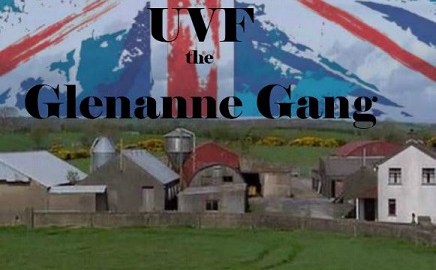
See: The Glenanne Gang

Monday 15 October 1979

The Economic and Social Research Institute, based in Dublin, Republic of Ireland, published the results of an opinion poll that had been carried out between July and September 1978. One finding in the poll was that 21 per cent of people in the Republic expressed some level of support for the Irish Republican Army (IRA).

Wednesday 15 October 1980

ronnie bunting header 2

See: Ronnie Bunting : Life and death 

Noel Lyttle (44) and Ronnie Bunting (32), both members of the Irish Republican Socialist Party (IRSP), were killed by the Ulster Freedom Fighters (UFF) in the Turf Lodge area of Belfast.

[Bunting was the son the Major Ronald Bunting who had been a close associate of Ian Paisley.]

[ 1981 Hunger Strike.]

Wednesday 15 October 1986

The Irish Republican Army (IRA) issued a statement in which it said that it would support Sinn Féin (SF) in the decision to end the policy of ‘abstentionism’. [This policy meant that any member of SF elected to the Dáil would refuse to take the seat. The policy was debated by SF at its Ard Fheis on 2 November 1986.]

Saturday 15 October 1988

Jim Craig, a leading member of the Ulster Defense Association (UDA), was shot dead by members of the Ulster Freedom Fighters (UFF) in a pub in Belfast. Victor Rainey, an innocent member of the public was also shot dead and four people injured in the same incident. Craig was killed as part of an internal UDA feud.

See:  James Craig UDA – Life & Death

Tuesday 15 October 1991

A bill that would have endorsed the MacBride principles was vetoed by the Governor of California, United States of America (USA).

Friday 15 October 1993

The Equal Opportunities Unit of the Northern Ireland Office (NIO) reported that Catholics were fairly represented in most levels of the Northern Ireland Civil Service, the exception being in those posts at a senior level. A number of workers from the Shorts factory attended a protest meeting following the killing of Joseph Reynolds on 12 October 1993. Reynolds, a Catholic civilian, was shot dead by the Ulster Freedom Fighters (UFF), a cover name (pseudonym) used by the Ulster Defence Association (UDA), as he walked to work at Shorts. Five other workers were also injured in the attack.

Tuesday 15 October 1996

Cecil Walker, then Ulster Unionist Party (UUP) Member of Parliament (MP), announced in an interview that he would stand as an independent candidate in any forthcoming general election if he was deselected by his local constituency group. David Trimble, then leader of the Ulster Unionist Party (UUP), denied that he was involved in any effort to have Walker deselected.

Monday 15 October 2001

Loyalist paramilitaries threw three pipe-bombs at a Catholic home in Newington Street, north Belfast, shortly after 10.00pm (22.00BST). Two of the devices exploded and the third was made safe by the British Army. No-one was injured but a number of windows were broken. The attackers were believed to have come from the Loyalist Tiger’s Bay area. Security forces found eight pipe-bombs in Cavehill Country Park, Upper Hightown Road, north Belfast.

A number of component parts for bombs and a handgun were also recovered. Bryce Dickson, then Chief Commissioner of the Northern Ireland Human Rights Commission, visited called for an end to the Loyalist protest at the Holy Cross Girls’ Primary School in Ardoyne, north Belfast. He said that:

“The treatment of these children is inhumane and their right to effective education is being affected.” Protestant parents living in north and west Belfast said that there had been increasing numbers of attacks on buses carrying pupils from the Girls’ and Boys’ Model secondary schools, Belfast Royal Academy, and Castle High School. The parents called for additional security measures to protect their children. Some parents said that they would walk their children to school if the police were unable to protect them.

Ian Paisley, then leader of the Democratic Unionist Party (DUP), said that Irish Republican Army (IRA) decommissioning would only be accepted by Unionists if it was verified, permanent, and followed by the dismantling of the IRA organisational structures. David Trimble, then leader of the Ulster Unionist Party (UUP), held a meeting with Richard Haass, then a United States special envoy, in Washington, USA.

Trimble described the meeting as “constructive”. Fred Cobain, then Member of the Legislative Assembly (MLA) for north Belfast, revealed that he had secret talks with leaders of the Ulster Defence Association (UDA) during the summer of 2001.

———————————————————————————

Remembering all innocent victims of the Troubles

Today is the anniversary of the death of the following  people killed as a results of the conflict in Northern Ireland

“To live in hearts we leave behind is not to die.”
Thomas Campbell

To the innocent on the list – Your memory will live  forever

– To  the Paramilitaries  –

There are many things worth living for, a few things worth dying for, but nothing worth killing for.

  13  People lost their lives on the 15th October  between 1971– 1993

————————————————————–

15 October 1971


Cecil Cunningham,   (46)

Protestant
Status: Royal Ulster Constabulary (RUC),

Killed by: Irish Republican Army (IRA)
Shot from passing car while sitting in stationary Royal Ulster Constabulary (RUC) car, junction of Woodvale Road and Twaddell Avenue, Belfast.

————————————————————–

15 October 1971


John Haslett,  (21)

Protestant
Status: Royal Ulster Constabulary (RUC),

Killed by: Irish Republican Army (IRA)
Shot from passing car while sitting in stationary Royal Ulster Constabulary (RUC) car, junction of Woodvale Road and Twaddell Avenue, Belfast.

————————————————————–

15 October 1972
James Doherty,   (6)

Catholic
Status: Civilian (Civ),

Killed by: not known (nk)
Died one week after being shot while in the garden at his home, Norglen Crescent, Turf Lodge, Belfast.

————————————————————–

15 October 1979
Herbert Kernaghan,   (36)

Protestant
Status: Ulster Defence Regiment (UDR),

Killed by: Irish Republican Army (IRA)
Off duty. Shot while making deliveries to school, Rosslea, County Fermanagh.

————————————————————–

15 October 1980


Ronnie Bunting,  (32)

Protestant
Status: Irish National Liberation Army (INLA), Killed by: Ulster Freedom Fighters (UFF)
Shot at his home, Downfine Gardens, Turf Lodge, Belfast.

————————————————————–

15 October 1980


Noel Little,  (44)

Catholic
Status: Irish National Liberation Army (INLA),

Killed by: Ulster Freedom Fighters (UFF)
Shot at Ronnie Bunting’s home, Downfine Gardens, Turf Lodge, Belfast.

————————————————————–

15 October 1981
Mary McKay,  (68)

Catholic
Status: Civilian (Civ),

Killed by: Ulster Volunteer Force (UVF)
Shot at her home, Stewart Street, Markets, Belfast.

————————————————————–

15 October 1983
Alan Stock,  (22) nfNI
Status: British Army (BA),

Killed by: Irish Republican Army (IRA)
Killed by remote controlled bomb hidden in wall while on British Army (BA) mobile patrol, Lone Moor Road, Creggan, Derry.

————————————————————–

15 October 1988


James Craig,  (47)

Protestant
Status: Ulster Defence Association (UDA), Killed by: Ulster Freedom Fighters (UFF)
Shot while in The Castle Inn, Beersbridge Road, Belfast. Internal Ulster Defence Association (UDA) dispute.

See: James Craig UDA – Life & Death

————————————————————–

15 October 1988
Victor Rainey,   (68)

Protestant
Status: Civilian (Civ),

Killed by: Ulster Freedom Fighters (UFF)
Shot while in The Castle Inn, Beersbridge Road, Belfast. He was not the intended target. Internal Ulster Defence Association (UDA) dispute.

————————————————————–

15 October 1990


Samuel Todd,  (40)

Protestant
Status: Royal Ulster Constabulary (RUC),

Killed by: Irish Republican Army (IRA)
Died two days after being shot while sitting in Royal Ulster Constabulary (RUC) civilian type van, at security barrier, High Street, Belfast.

————————————————————–

15 October 1991


John McGuigan,  (24)

Catholic
Status: Civilian (Civ),

Killed by: Ulster Freedom Fighters (UFF)
Shot at his workplace, timber yard, Ravenhill Road, Belfast.

————————————————————–

15 October 1993


Patrick McMahon,   (23)

Catholic
Status: Civilian (Civ),

Killed by: Ulster Freedom Fighters (UFF)
Shot while walking along Newington Avenue, New Lodge, Belfast

————————————————————–


Red Hand of Ulster – Mythical origins

The Red Hand of Ulster

Featured image

The Red Hand of Ulster (Irish: Lámh Dhearg Uladh) is an Irish Gaelic symbol used in heraldry[1] to denote the Irish province of Ulster. It is shown in two forms, as a dexter (right) hand (used as a symbol in Ulster) and a hand baring a blue or red sinister looking cross (used in the coats of arms of baronets). It is an open hand coloured red, with the fingers pointing upwards, the thumb held parallel to the fingers, and the palm facing forward. It is less commonly known as the Red Hand of O’Neill.

Its origins are said to be attributed to the mythical Irish figure Labraid Lámh Dhearg of the Fenian Cycle of Irish mythology  (Red Hand Labraid), and appear in other mythical tales passed down from generation to generation in the oral tradition. The symbol is rooted in Irish Gaelic culture and is particularly associated with the Uí Néill clan of Ulster

Dexter hand

The form in common use in Ulster today is an open right hand coloured red, with the fingers pointing upwards, the thumb held parallel to the fingers, and the palm facing forward.

Sinister hand

The form used on a canton or escutcheon within the coat of arms of a baronet of England, Ireland, Great Britain or the United Kingdom, is blazoned as follows: A hand sinister couped at the wrist extended in pale gules.

Image result for king james i of england
 

King James I of England established the hereditary Order of Baronets in England on 22 May 1611, in the words of Collins (1741):

“for the plantation and protection of the whole Kingdom of Ireland, but more especially for the defence and security of the Province of Ulster, and therefore for their distinction those of this order and their descendants may bear (the Red Hand of Ulster) in their coats of arms either in a canton or an escutcheon at their election”

Such baronets may also display the Red Hand of Ulster on its own as a badge, suspended by a ribbon below the shield of arms.[6] Baronets of Nova Scotia, unlike other baronets, do not use the Red Hand of Ulster, but have their own badge showing the Saltire of St Andrew. It must also be noted that the left hand version of the symbol has been used by the Irish National Foresters, the Irish republican Irish Citizen Army and the Federated Workers Union of Ireland.

Mythical origins

Hope-coventina01a.jpg

It is generally accepted that this Irish Gaelic symbol originated in pagan times and was first associated with the mythical figure Labraid Lámh Dhearg or Labraid Lámderg (Labraid of the Red Hand) of the Fenian Cycle of Irish mythology.

According to one myth, the kingdom of Ulster had at one time no rightful heir. Because of this it was agreed that a boat race should take place and that “whosoever’s hand is the first to touch the shore of Ireland, so shall he be made the king”.

One potential king so desired the kingship that, upon seeing that he was losing the race, he cut off his hand and threw it to the shore—thus winning the kingship. The hand is most likely red to represent the fact that it would have been covered in blood. According to some versions of the story, the king who cut off his hand belonged to the Uí Néill clan, which apparently explains its association with them. Another variation of this story concludes that it was none other than Niall of the Nine Hostages who severed his own hand in order to win his crown from his brother.

A different myth tells of two giants who engaged in battle. One had his hand cut off by the other, and a red imprint of the hand was left on the rocks.

Usage


Coat of Arms of Monaghan

The Red Hand symbol is believed to have been used by the Uí Néill clan during its Nine Years’ War (1594–1603) against the spread of English control. The war cry Lámh Dhearg Abú! (Red Hand to victory!) was also associated with the Uí Néill.

Coats of arms used by those whose surnames are of Uí Néill descent – Ó Donnghaile, Ó Cathain, Mac Aodha, Ó Dálaigh, Ó Máeilsheáchlainn and Ó Catharnaigh, to name just a few – all feature the Red Hand in some form, recalling their common descent. On the Ó Néill coat of arms featuring the Red Hand, the motto is Lámh Dhearg Éireann (Red Hand of Ireland).

The arms of the chiefs of the Scottish Clan MacNeil (of Barra) contain the Red Hand; the clan has traditionally claimed descent from Niall of the Nine Hostages. Many other families have used the Red Hand to highlight an Ulster ancestry. The head of the Guinness family, the Earl of Iveagh, has three Red Hands on his arms granted as recently as 1891.

Arms of the House of de Burgh.svg

Arms of de Burgh: Or, a cross gules

After Walter de Burgh became Earl of Ulster in 1243 the de Burgh cross was combined with the Red Hand to create a flag that represented the Earldom of Ulster and later became the modern Flag of Ulster. During the plantation of Ulster it was part of the arms of The Irish Society; sales of baronetcies originally helped fund the plantation so baronets of England and of Ireland and later baronets of Great Britain and of the United Kingdom were allowed to augment their arms with a “hand gules”.

The Red Hand is present on a number of Ulster counties crests such as Antrim, Cavan, Londonderry, Monaghan and Tyrone. It was later included in the now abolished Government of Northern Ireland flag. It is also used by many other official and non-official organisations throughout the province of Ulster and Ireland.

The Red Hand can be regarded as one of the very few cross-community symbols used in Northern Ireland. Due to its roots as a Gaelic Irish symbol, nationalist/republican groups have used (and continue to use) it – for example the republican Irish Citizen Army, the republican National Graves Association, Belfast, the Irish Transport and General Workers Union, the Ulster GAA association along with numerous GAA clubs in Ulster as well as Ulster Rugby and the Ulster Hockey Union.

As the most identifiable symbol of Ulster, it is also used by Ulster’s unionists and loyalists, such as its use in the Ulster Covenant (1912) and in the arms of the Government of Northern Ireland (from 1922), the Ulster Volunteers and loyalist paramilitary groups such as the Ulster Volunteer Force and Ulster Defence Association among others.


Examples

Buy Me A Coffee

Ebola – Terrifying Facts About Ebola – Whats it all about ?

Ebola virus disease

Ebola nurse Pauline Cafferkey now ‘critically ill’

Pauline Cafferkey
Ms Cafferkey was initially treated in a Glasgow hospital before being transferred to a specialist unit in London last week

Read full story on BBC News: Ebola nurse Pauline Cafferkey now ‘critically ill’

—————————————

5 Terrifying Facts About Ebola

—————————————

Ebola virus disease (EVD; also Ebola hemorrhagic fever, or EHF), or simply Ebola, is a disease of humans and other primates caused by ebolaviruses. Signs and symptoms typically start between two days and three weeks after contracting the virus with a fever, sore throat, muscular pain, and headaches. Then, vomiting, diarrhea and rash usually follow, along with decreased function of the liver and kidneys. At this time some people begin to bleed both internally and externally.[1] The disease has a high risk of death, killing between 25 and 90 percent of those infected, with an average of about 50 percent.[1] This is often due to low blood pressure from fluid loss, and typically follows six to sixteen days after symptoms appear.[2]

The virus spreads by direct contact with body fluids, such as blood, of an infected human or other animals.[1] This may also occur through contact with an item recently contaminated with bodily fluids.[1] Spread of the disease through the air between primates, including humans, has not been documented in either laboratory or natural conditions.[3] Semen or breast milk of a person after recovery from EVD may still carry the virus for several weeks to months.[1][4] Fruit bats are believed to be the normal carrier in nature, able to spread the virus without being affected by it. Other diseases such as malaria, cholera, typhoid fever, meningitis and other viral hemorrhagic fevers may resemble EVD. Blood samples are tested for viral RNA, viral antibodies or for the virus itself to confirm the diagnosis.[1]

—————————————

Ebola Virus Outbreak 2014: Dying at the Hospital Door

—————————————

Control of outbreaks requires coordinated medical services, alongside a certain level of community engagement. The medical services include rapid detection of cases of disease, contact tracing of those who have come into contact with infected individuals, quick access to laboratory services, proper healthcare for those who are infected, and proper disposal of the dead through cremation or burial.[1][5] Samples of body fluids and tissues from people with the disease should be handled with special caution. Prevention includes limiting the spread of disease from infected animals to humans. This may be done by handling potentially infected bush meat only while wearing protective clothing and by thoroughly cooking it before eating it. It also includes wearing proper protective clothing and washing hands when around a person with the disease.[1] No specific treatment or vaccine for the virus is available, although a number of potential treatments are being studied. Supportive efforts, however, improve outcomes. This includes either oral rehydration therapy (drinking slightly sweetened and salty water) or giving intravenous fluids as well as treating symptoms.[1]

The disease was first identified in 1976 in two simultaneous outbreaks, one in Nzara, and the other in Yambuku, a village near the Ebola River from which the disease takes its name.[6] EVD outbreaks occur intermittently in tropical regions of sub-Saharan Africa.[1] Between 1976 and 2013, the World Health Organization reports a total of 24 outbreaks involving 1,716 cases.[1][7] The largest outbreak is the ongoing epidemic in West Africa, still affecting Guinea and Sierra Leone.[8][9][10] As of 27 September 2015[update], this outbreak has 28,424 reported cases resulting in 11,311 deaths.[11]

—————————————

EBOLA | Inside the Deadly Outbreak

[FULL DOCUMENTARY]

—————————————

Signs and symptoms

Signs and symptoms of Ebola[12]

Onset

The length of time between exposure to the virus and the development of symptoms (incubation period) is between 2 to 21 days,[1][12] and usually between 4 to 10 days.[13] However, recent estimates based on mathematical models predict that around 5% of cases may take greater than 21 days to develop.[14]

Symptoms usually begin with a sudden influenza-like stage characterized by feeling tired, fever, weakness, decreased appetite, muscular pain, joint pain, headache, and sore throat.[1][13][15][16] The fever is usually higher than 38.3 °C (101 °F).[17] This is often followed by vomiting, diarrhea and abdominal pain.[16] Next, shortness of breath and chest pain may occur, along with swelling, headaches and confusion.[16] In about half of the cases, the skin may develop a maculopapular rash, a flat red area covered with small bumps, 5 to 7 days after symptoms begin.[13][17]

Bleeding

In some cases, internal and external bleeding may occur.[1] This typically begins five to seven days after the first symptoms.[18] All infected people show some decreased blood clotting.[17] Bleeding from mucous membranes or from sites of needle punctures has been reported in 40–50 percent of cases.[19] This may cause vomiting blood, coughing up of blood, or blood in stool.[20] Bleeding into the skin may create petechiae, purpura, ecchymoses or hematomas (especially around needle injection sites).[21] Bleeding into the whites of the eyes may also occur. Heavy bleeding is uncommon; if it occurs, it is usually located within the gastrointestinal tract.[17][22]

Recovery and death

Recovery may begin between 7 and 14 days after first symptoms.[16] Death, if it occurs, follows typically 6 to 16 days from first symptoms and is often due to low blood pressure from fluid loss.[2] In general, bleeding often indicates a worse outcome, and blood loss may result in death.[15] People are often in a coma near the end of life.[16]

Those who survive often have ongoing muscular and joint pain, liver inflammation, decreased hearing, and may have continued feelings of tiredness, continued weakness, decreased appetite, and difficulty returning to pre-illness weight.[16][23] Problems with vision may develop.[24]

Additionally they develop antibodies against Ebola that last at least 10 years, but it is unclear if they are immune to repeated infections.[25] If someone recovers from Ebola, they can no longer transmit the disease.[25]

Cause

EVD in humans is caused by four of five viruses of the genus Ebolavirus. The four are Bundibugyo virus (BDBV), Sudan virus (SUDV), Taï Forest virus (TAFV) and one simply called Ebola virus (EBOV, formerly Zaire Ebola virus).[26] EBOV, species Zaire ebolavirus, is the most dangerous of the known EVD-causing viruses, and is responsible for the largest number of outbreaks.[27] The fifth virus, Reston virus (RESTV), is not thought to cause disease in humans, but has caused disease in other primates.[28][29] All five viruses are closely related to marburgviruses.[26]

Virology

Electron micrograph of an Ebola virus virion

Ebolaviruses contain single-stranded, non-infectious RNA genomes.[30] Ebolavirus genomes contain seven genes including 3′-UTRNPVP35VP40GPVP30VP24L5′-UTR.[21][31] The genomes of the five different ebolaviruses (BDBV, EBOV, RESTV, SUDV and TAFV) differ in sequence and the number and location of gene overlaps. As with all filoviruses, ebolavirus virions are filamentous particles that may appear in the shape of a shepherd’s crook, of a “U” or of a “6,” and they may be coiled, toroid or branched.[31][32] In general, ebolavirions are 80 nanometers (nm) in width and may be as long as 14,000 nm.[33]

Their life cycle is thought to begin with a virion attaching to specific cell-surface receptors such as C-type lectins, DC-SIGN, or integrins, which is followed by fusion of the viral envelope with cellular membranes.[34] The virions taken up by the cell then travel to acidic endosomes and lysosomes where the viral envelope glycoprotein GP is cleaved.[34] This processing appears to allow the virus to bind to cellular proteins enabling it to fuse with internal cellular membranes and release the viral nucleocapsid.[34] The Ebolavirus structural glycoprotein (known as GP1,2) is responsible for the virus’ ability to bind to and infect targeted cells.[35] The viral RNA polymerase, encoded by the L gene, partially uncoats the nucleocapsid and transcribes the genes into positive-strand mRNAs, which are then translated into structural and nonstructural proteins. The most abundant protein produced is the nucleoprotein, whose concentration in the host cell determines when L switches from gene transcription to genome replication. Replication of the viral genome results in full-length, positive-strand antigenomes that are, in turn, transcribed into genome copies of negative-strand virus progeny.[36] Newly synthesized structural proteins and genomes self-assemble and accumulate near the inside of the cell membrane. Virions bud off from the cell, gaining their envelopes from the cellular membrane from which they bud from. The mature progeny particles then infect other cells to repeat the cycle. The genetics of the Ebola virus are difficult to study because of EBOV’s virulent characteristics.[37]

Transmission

Life cycles of the Ebolavirus

It is believed that between people, Ebola disease spreads only by direct contact with the blood or body fluids of a person who has developed symptoms of the disease.[38][39][40] Body fluids that may contain Ebola viruses include saliva, mucus, vomit, feces, sweat, tears, breast milk, urine and semen.[25] The WHO states that only people who are very sick are able to spread Ebola disease in saliva, and whole virus has not been reported to be transmitted through sweat. Most people spread the virus through blood, feces and vomit.[41] Entry points for the virus include the nose, mouth, eyes, open wounds, cuts and abrasions.[25] Ebola may be spread through large droplets; however, this is believed to occur only when a person is very sick.[42] This contamination can happen if a person is splashed with droplets.[42] Contact with surfaces or objects contaminated by the virus, particularly needles and syringes, may also transmit the infection.[43][44] The virus is able to survive on objects for a few hours in a dried state, and can survive for a few days within body fluids outside of a person.[25][45]

The Ebola virus may be able to persist for more than 3 months in the semen after recovery, which could lead to infections via sexual intercourse.[46][47] Ebola may also occur in the breast milk of women after recovery, and it is not known when it is safe to breastfeed again.[4] The virus was also found in the eye of one patient in 2014, two months after it was cleared from his blood.[48] Otherwise, people who have recovered are not infectious.[43]

The potential for widespread infections in countries with medical systems capable of observing correct medical isolation procedures is considered low.[49] Usually when someone has symptoms of the disease, they are unable to travel without assistance.[50]

Dead bodies remain infectious; thus, people handling human remains in practices such as traditional burial rituals or more modern processes such as embalming are at risk.[49] 69% of the cases of Ebola infections in Guinea during the 2014 outbreak are believed to have been contracted via unprotected (or unsuitably protected) contact with infected corpses during certain Guinean burial rituals.[51][52]

Health-care workers treating people with Ebola are at greatest risk of infection.[43] The risk increases when they do not have appropriate protective clothing such as masks, gowns, gloves and eye protection; do not wear it properly; or handle contaminated clothing incorrectly.[43] This risk is particularly common in parts of Africa where the disease mostly occurs and health systems function poorly.[53] There has been transmission in hospitals in some African countries that reuse hypodermic needles.[54][55] Some health-care centers caring for people with the disease do not have running water.[56] In the United States the spread to two medical workers treating infected patients prompted criticism of inadequate training and procedures.[57]

Human-to-human transmission of EBOV through the air has not been reported to occur during EVD outbreaks,[3] and airborne transmission has only been demonstrated in very strict laboratory conditions, and then only from pigs to primates, but not from primates to primates.[38][44] Spread of EBOV by water, or food other than bushmeat, has not been observed.[43][44] No spread by mosquitos or other insects has been reported.[43] Other possible methods of transmission are being studied.[45]

The apparent lack of airborne transmission among humans is believed to be due to low levels of the virus in the lungs and other parts of the respiratory system of primates, insufficient to cause new infections.[58] A number of studies examining airborne transmission broadly concluded that transmission from pigs to primates could happen without direct contact because, unlike humans and primates, pigs with EVD get very high ebolavirus concentrations in their lungs, and not their bloodstream.[59] Therefore, pigs with EVD can spread the disease through droplets in the air or on the ground when they sneeze or cough.[60] By contrast, humans and other primates accumulate the virus throughout their body and specifically in their blood, but not very much in their lungs.[60] It is believed that this is the reason researchers have observed pig to primate transmission without physical contact, but no evidence has been found of primates being infected without actual contact, even in experiments where infected and uninfected primates shared the same air.[59][60]

Initial case

Bushmeat being prepared for cooking in Ghana. In Africa, wild animals including fruit bats are hunted for food and are referred to as bushmeat.[61][62] In equatorial Africa, human consumption of bushmeat has been linked to animal-to-human transmission of diseases, including Ebola.[63]

Although it is not entirely clear how Ebola initially spreads from animals to humans, the spread is believed to involve direct contact with an infected wild animal or fruit bat.[43] Besides bats, other wild animals sometimes infected with EBOV include several monkey species, chimpanzees, gorillas, baboons and duikers.[64]

Animals may become infected when they eat fruit partially eaten by bats carrying the virus.[65] Fruit production, animal behavior and other factors may trigger outbreaks among animal populations.[65]

Evidence indicates that both domestic dogs and pigs can also be infected with EBOV.[66] Dogs do not appear to develop symptoms when they carry the virus, and pigs appear to be able to transmit the virus to at least some primates.[66] Although some dogs in an area in which a human outbreak occurred had antibodies to EBOV, it is unclear whether they played a role in spreading the disease to people.[66]

Reservoir

The natural reservoir for Ebola has yet to be confirmed; however, bats are considered to be the most likely candidate species.[44] Three types of fruit bats (Hypsignathus monstrosus, Epomops franqueti and Myonycteris torquata) were found to possibly carry the virus without getting sick.[67] As of 2013, whether other animals are involved in its spread is not known.[66] Plants, arthropods and birds have also been considered possible viral reservoirs.[1]

Bats were known to roost in the cotton factory in which the first cases of the 1976 and 1979 outbreaks were observed, and they have also been implicated in Marburg virus infections in 1975 and 1980.[68] Of 24 plant and 19 vertebrate species experimentally inoculated with EBOV, only bats became infected.[69] The bats displayed no clinical signs of disease, which is considered evidence that these bats are a reservoir species of EBOV. In a 2002–2003 survey of 1,030 animals including 679 bats from Gabon and the Republic of the Congo, 13 fruit bats were found to contain EBOV RNA.[70] Antibodies against Zaire and Reston viruses have been found in fruit bats in Bangladesh, suggesting that these bats are also potential hosts of the virus and that the filoviruses are present in Asia.[71]

Between 1976 and 1998, in 30,000 mammals, birds, reptiles, amphibians and arthropods sampled from regions of EBOV outbreaks, no Ebola virus was detected apart from some genetic traces found in six rodents (belonging to the species Mus setulosus and Praomys) and one shrew (Sylvisorex ollula) collected from the Central African Republic.[68][72] However, further research efforts have not confirmed rodents as a reservoir.[73] Traces of EBOV were detected in the carcasses of gorillas and chimpanzees during outbreaks in 2001 and 2003, which later became the source of human infections. However, the high rates of death in these species resulting from EBOV infection make it unlikely that these species represent a natural reservoir for the virus.[68]

Pathophysiology

Pathogenesis schematic

Similar to other filoviruses, EBOV replicates very efficiently in many cells, producing large amounts of virus in monocytes, macrophages, dendritic cells and other cells including liver cells, fibroblasts, and adrenal gland cells.[74] Viral replication triggers the release of high levels of inflammatory chemical signals and leads to a septic state.[23]

EBOV is thought to infect humans through contact with mucous membranes or through skin breaks.[38] Once infected, endothelial cells (cells lining the inside of blood vessels), liver cells, and several types of immune cells such as macrophages, monocytes, and dendritic cells are the main targets of infection.[38] Following infection with the virus, the immune cells carry the virus to nearby lymph nodes where further reproduction of the virus takes place.[38] From there, the virus can enter the bloodstream and lymphatic system and spread throughout the body.[38] Macrophages are the first cells infected with the virus, and this infection results in programmed cell death.[33] Other types of white blood cells, such as lymphocytes, also undergo programmed cell death leading to an abnormally low concentration of lymphocytes in the blood.[38] This contributes to the weakened immune response seen in those infected with EBOV.[38]

Endothelial cells may be infected within 3 days after exposure to the virus.[33] The breakdown of endothelial cells leading to blood vessel injury can be attributed to EBOV glycoproteins. This damage occurs due to the synthesis of Ebola virus glycoprotein (GP), which reduces the availability of specific integrins responsible for cell adhesion to the intercellular structure and causes liver damage, leading to improper clotting. The widespread bleeding that occurs in affected people causes swelling and shock due to loss of blood volume.[75] The dysfunction in bleeding and clotting commonly seen in EVD has been attributed to increased activation of the extrinsic pathway of the coagulation cascade due to excessive tissue factor production by macrophages and monocytes.[13]

After infection, a secreted glycoprotein, small soluble glycoprotein (sGP or GP) is synthesized. EBOV replication overwhelms protein synthesis of infected cells and the host immune defenses. The GP forms a trimeric complex, which tethers the virus to the endothelial cells. The sGP forms a dimeric protein that interferes with the signaling of neutrophils, another type of white blood cell, which enables the virus to evade the immune system by inhibiting early steps of neutrophil activation. The presence of viral particles and the cell damage resulting from viruses budding out of the cell causes the release of chemical signals (such as TNF-α, IL-6 and IL-8), which are molecular signals for fever and inflammation.

Immune system evasion

Filoviral infection also interferes with proper functioning of the innate immune system.[34][36] EBOV proteins blunt the human immune system’s response to viral infections by interfering with the cells’ ability to produce and respond to interferon proteins such as interferon-alpha, interferon-beta, and interferon gamma.[35][76]

The VP24 and VP35 structural proteins of EBOV play a key role in this interference. When a cell is infected with EBOV, receptors located in the cell’s cytosol (such as RIG-I and MDA5) or outside of the cytosol (such as Toll-like receptor 3 (TLR3), TLR7, TLR8 and TLR9), recognize infectious molecules associated with the virus.[35] On TLR activation, proteins including interferon regulatory factor 3 and interferon regulatory factor 7 trigger a signaling cascade that leads to the expression of type 1 interferons.[35] The type 1 interferons are then released and bind to the IFNAR1 and IFNAR2 receptors expressed on the surface of a neighboring cell.[35] Once interferon has bound to its receptors on the neighboring cell, the signaling proteins STAT1 and STAT2 are activated and move to the cell’s nucleus.[35] This triggers the expression of interferon-stimulated genes, which code for proteins with antiviral properties.[35] EBOV’s V24 protein blocks the production of these antiviral proteins by preventing the STAT1 signaling protein in the neighboring cell from entering the nucleus.[35] The VP35 protein directly inhibits the production of interferon-beta.[76] By inhibiting these immune responses, EBOV may quickly spread throughout the body.[33]

Diagnosis

When EVD is suspected in a person, his or her travel and work history, along with an exposure to wildlife, are important factors to consider with respect to further diagnostic efforts.

Laboratory testing

Possible non-specific laboratory indicators of EVD include a low platelet count; an initially decreased white blood cell count followed by an increased white blood cell count; elevated levels of the liver enzymes alanine aminotransferase (ALT) and aspartate aminotransferase (AST); and abnormalities in blood clotting often consistent with disseminated intravascular coagulation (DIC) such as a prolonged prothrombin time, partial thromboplastin time, and bleeding time.[77] Filovirions, such as EBOV, may be identified by their unique filamentous shapes in cell cultures examined with electron microscopy, but this method cannot distinguish the various filoviruses.[78]

The specific diagnosis of EVD is confirmed by isolating the virus, detecting its RNA or proteins, or detecting antibodies against the virus in a person’s blood. Isolating the virus by cell culture, detecting the viral RNA by polymerase chain reaction (PCR)[13] and detecting proteins by enzyme-linked immunosorbent assay (ELISA) are methods best used in the early stages of the disease and also for detecting the virus in human remains. Detecting antibodies against the virus is most reliable in the later stages of the disease and in those who recover.[79] IgM antibodies are detectable two days after symptom onset and IgG antibodies can be detected 6 to 18 days after symptom onset.[13] During an outbreak, isolation of the virus via cell culture methods is often not feasible. In field or mobile hospitals, the most common and sensitive diagnostic methods are real-time PCR and ELISA.[80] In 2014, with new mobile testing facilities deployed in parts of Liberia, test results were obtained 3–5 hours after sample submission.[81] In 2015 a rapid antigen test which gives results in 15 minutes was approved for use by WHO. It is able to confirm Ebola in 92% of those affected and rule it out in 85% of those not affected.[82]

Differential diagnosis

Early symptoms of EVD may be similar to those of other diseases common in Africa, including malaria and dengue fever.[15] The symptoms are also similar to those of Marburg virus disease and other viral hemorrhagic fevers.[83]

The complete differential diagnosis is extensive and requires consideration of many other infectious diseases such as typhoid fever, shigellosis, rickettsial diseases, cholera, sepsis, borreliosis, EHEC enteritis, leptospirosis, scrub typhus, plague, Q fever, candidiasis, histoplasmosis, trypanosomiasis, visceral leishmaniasis, measles, and viral hepatitis among others.[84]

Non-infectious diseases that may result in symptoms similar to those of EVD include acute promyelocytic leukemia, hemolytic uremic syndrome, snake envenomation, clotting factor deficiencies/platelet disorders, thrombotic thrombocytopenic purpura, hereditary hemorrhagic telangiectasia, Kawasaki disease, and warfarin poisoning.[80][85][86][87]

Prevention

VHF isolation precautions poster

Infection control

British woman wearing protective gear

People who care for those infected with Ebola should wear protective clothing including masks, gloves, gowns and goggles.[88] The US Centers for Disease Control (CDC) recommend that the protective gear leaves no skin exposed.[89] These measures are also recommended for those who may handle objects contaminated by an infected person’s body fluids.[90] In 2014, the CDC began recommending that medical personnel receive training on the proper suit-up and removal of personal protective equipment (PPE); in addition, a designated person, appropriately trained in biosafety, should be watching each step of these procedures to ensure they are done correctly.[89] In Sierra Leone, the typical training period for the use of such safety equipment lasts approximately 12 days.[91]

The infected person should be in barrier-isolation from other people.[88] All equipment, medical waste, patient waste and surfaces that may have come into contact with body fluids need to be disinfected.[90] During the 2014 outbreak, kits were put together to help families treat Ebola disease in their homes, which include protective clothing as well as chlorine powder and other cleaning supplies.[92] Education of those who provide care in these techniques, and the provision of such barrier-separation supplies has been a priority of Doctors Without Borders.[93]

Ebolaviruses can be eliminated with heat (heating for 30 to 60 minutes at 60 °C or boiling for 5 minutes). To disinfect surfaces, some lipid solvents such as some alcohol-based products, detergents, sodium hypochlorite (bleach) or calcium hypochlorite (bleaching powder), and other suitable disinfectants may be used at appropriate concentrations.[64][94] Education of the general public about the risk factors for Ebola infection and of the protective measures individuals may take to prevent infection is recommended by the World Health Organization.[1] These measures include avoiding direct contact with infected people and regular hand washing using soap and water.[95]

Bushmeat, an important source of protein in the diet of some Africans, should be handled and prepared with appropriate protective clothing and thoroughly cooked before consumption.[1] Some research suggests that an outbreak of Ebola disease in the wild animals used for consumption may result in a corresponding human outbreak. Since 2003, such animal outbreaks have been monitored to predict and prevent Ebola outbreaks in humans.[96]

If a person with Ebola disease dies, direct contact with the body should be avoided.[88] Certain burial rituals, which may have included making various direct contacts with a dead body, require reformulation such that they consistently maintain a proper protective barrier between the dead body and the living.[97][98][99] Social anthropologists may help find alternatives to traditional rules for burials.[100]

Transportation crews are instructed to follow a certain isolation procedure should anyone exhibit symptoms resembling EVD.[101] As of August 2014, the WHO does not consider travel bans to be useful in decreasing spread of the disease.[50] In October 2014, the CDC defined four risk levels used to determine the level of 21-day monitoring for symptoms and restrictions on public activities.[102] In the United States, the CDC recommends that restrictions on public activity, including travel restrictions, are not required for the following defined risk levels:[102]

  • having been in a country with widespread Ebola disease transmission and having no known exposure (low risk); or having been in that country more than 21 days ago (no risk)
  • encounter with a person showing symptoms; but not within 3 feet of the person with Ebola without wearing PPE; and no direct contact of body fluids
  • having had brief skin contact with a person showing symptoms of Ebola disease when the person was believed to be not very contagious (low risk)
  • in countries without widespread Ebola disease transmission: direct contact with a person showing symptoms of the disease while wearing PPE (low risk)
  • contact with a person with Ebola disease before the person was showing symptoms (no risk).

The CDC recommends monitoring for the symptoms of Ebola disease for those both at “low risk” and at higher risk.[102]

In laboratories where diagnostic testing is carried out, biosafety level 4-equivalent containment is required.[103] Laboratory researchers must be properly trained in BSL-4 practices and wear proper PPE

Isolation

Isolation refers to separating those who are sick from those who are not. Quarantine refers to separating those who may have been exposed to a disease until they either show signs of the disease or are no longer at risk.[104] Quarantine, also known as enforced isolation, is usually effective in decreasing spread.[105][106] Governments often quarantine areas where the disease is occurring or individuals who may transmit the disease outside of an initial area.[107] In the United States, the law allows quarantine of those infected with ebolaviruses.[108]

Contact tracing

Contact tracing is considered important to contain an outbreak. It involves finding everyone who had close contact with infected individuals and watching for signs of illness for 21 days. If any of these contacts comes down with the disease, they should be isolated, tested and treated. Then the process is repeated by tracing the contacts’ contacts.[109][110]

Management

No specific treatment is currently approved.[111] The Food and Drug Administration (FDA) advises people to be careful of advertisements making unverified or fraudulent claims of benefits supposedly gained from various anti-Ebola products.[112][113]

Standard support

A hospital isolation ward in Gulu, Uganda, during the October 2000 outbreak

Treatment is primarily supportive in nature.[114] Early supportive care with rehydration and symptomatic treatment improves survival.[1] Rehydration may be via the oral or by intravenous route.[114] These measures may include management of pain, nausea, fever and anxiety.[114] The World Health Organization recommends avoiding the use of aspirin or ibuprofen for pain due to the bleeding risk associated with use of these medications.[115]

Blood products such as packed red blood cells, platelets or fresh frozen plasma may also be used.[114] Other regulators of coagulation have also been tried including heparin in an effort to prevent disseminated intravascular coagulation and clotting factors to decrease bleeding.[114] Antimalarial medications and antibiotics are often used before the diagnosis is confirmed,[114] though there is no evidence to suggest such treatment helps. A number of experimental treatments are being studied.

If hospital care is not possible, the World Health Organization has guidelines for care at home that have been relatively successful. In such situations, recommendations include using towels soaked in bleach solutions when moving infected people or bodies and applying bleach on stains. It is also recommended that the caregivers wash hands with bleach solutions and cover their mouth and nose with a cloth.[116]

Intensive care

Intensive care is often used in the developed world.[21] This may include maintaining blood volume and electrolytes (salts) balance as well as treating any bacterial infections that may develop.[21] Dialysis may be needed for kidney failure, and extracorporeal membrane oxygenation may be used for lung dysfunction.[21]

Prognosis

EVD has a high risk of death in those infected which varies between 25 percent and 90 percent of those infected.[1][117] As of September 2014[update], the average risk of death among those infected is 50 percent.[1] The highest risk of death was 90 percent in the 2002–2003 Republic of the Congo outbreak.[118]

Death, if it occurs, follows typically six to sixteen days after symptoms appear and is often due to low blood pressure from fluid loss.[2] Early supportive care to prevent dehydration may reduce the risk of death.[119]

If an infected person survives, recovery may be quick and complete. Prolonged cases are often complicated by the occurrence of long-term problems, such as inflammation of the testicles, joint pains, muscular pain, skin peeling, or hair loss.[13] Eye symptoms, such as light sensitivity, excess tearing, and vision loss have been described.[120]

Ebola can stay in some body parts like the eyes,[121] breasts, and testicles after infection.[122][123] Sexual transmission after recovery has been suggested.[124][125]

Epidemiology

Cases of Ebola fever in Africa from 1979 to 2008

For more about specific outbreaks, see List of Ebola outbreaks.

The disease typically occurs in outbreaks in tropical regions of Sub-Saharan Africa.[1] From 1976 (when it was first identified) through 2013, the World Health Organization reported 1,716 confirmed cases.[1][7] The largest outbreak to date is the ongoing 2014 West Africa Ebola virus outbreak, which has caused a large number of deaths in Guinea, Sierra Leone, and Liberia.[9][10]

2014 to 2015 West African outbreak

Increase over time in the cases and deaths during the 2013–2015 outbreak

In March 2014, the World Health Organization (WHO) reported a major Ebola outbreak in Guinea, a western African nation.[126] Researchers traced the outbreak to a one-year-old child who died December 2013.[127][128] The disease then rapidly spread to the neighboring countries of Liberia and Sierra Leone. It is the largest Ebola outbreak ever documented, and the first recorded in the region.[126] On 8 August 2014, the WHO declared the epidemic to be an international public health emergency. Urging the world to offer aid to the affected regions, the Director-General said, “Countries affected to date simply do not have the capacity to manage an outbreak of this size and complexity on their own. I urge the international community to provide this support on the most urgent basis possible.”[129] By mid-August 2014, Doctors Without Borders reported the situation in Liberia’s capital Monrovia as “catastrophic” and “deteriorating daily”. They reported that fears of Ebola among staff members and patients had shut down much of the city’s health system, leaving many people without treatment for other conditions.[130] In a 26 September statement, the WHO said, “The Ebola epidemic ravaging parts of West Africa is the most severe acute public health emergency seen in modern times. Never before in recorded history has a biosafety level four pathogen infected so many people so quickly, over such a broad geographical area, for so long.”[131]

Intense contact tracing and strict isolation techniques largely prevented further spread of the disease in the countries that had imported cases, but in the most severely affected countries, Guinea, Liberia, and Sierra Leone, this disease is ongoing. As of 27 September 2015[update], 28,424 suspected cases and 11,311 deaths have been reported;[11][132] however, the WHO has said that these numbers may be underestimated.[133] Because they work closely with the body fluids of infected patients, healthcare workers have been especially vulnerable to catching the disease; in August 2014, the WHO reported that ten percent of the dead have been healthcare workers.[134]

In September 2014, it was estimated that the countries’ capacity for treating Ebola patients was insufficient by the equivalent of 2,122 beds; by December there were a sufficient number of beds to treat and isolate all reported Ebola cases, although the uneven distribution of cases was resulting in serious shortfalls in some areas.[135] On 28 January 2015, the WHO reported that for the first time since the week ending 29 June 2014, there had been fewer than 100 new confirmed cases reported in a week in the three most-affected countries. The response to the epidemic then moved to a second phase, as the focus shifted from slowing transmission to ending the epidemic.[136] On 8 April 2015, the WHO reported a total of only 30 confirmed cases, the lowest weekly total since the third week of May 2014.[137]

2014 Ebola spread outside West Africa

As of 15 October 2014, there have been 17 cases of Ebola treated outside Africa, four of whom have died.[138]

In early October, Teresa Romero, a 44-year-old Spanish nurse, contracted Ebola after caring for a priest who had been repatriated from West Africa. This was the first transmission of the virus to occur outside Africa.[139] On 20 October, it was announced that Teresa Romero had tested negative for the Ebola virus, suggesting that she may have recovered from Ebola infection.[140]

On 19 September, Eric Duncan flew from his native Liberia to Texas; 5 days later he began showing symptoms and visited a hospital, but was sent home. His condition worsened and he returned to the hospital on 28 September, where he died on 8 October.[141] Health officials confirmed a diagnosis of Ebola on 30 September—the first case in the United States.[57] On 12 October, the CDC confirmed that a nurse in Texas who had treated Duncan was found to be positive for the Ebola virus, the first known case of the disease to be contracted in the United States.[142] On 15 October, a second Texas health-care worker who had treated Duncan was confirmed to have the virus.[143] Both of these people have since recovered.[144]

On 23 October, a doctor in New York City, who returned to the United States from Guinea after working with Doctors Without Borders, tested positive for Ebola. His case is unrelated to the Texas cases.[145] The person has recovered and was discharged from Bellevue Hospital Center on November 11.[144] On 24 December 2014, a laboratory in Atlanta, Georgia reported that a technician had been exposed to Ebola.[146]

On 29 December 2014, Pauline Cafferkey, a British nurse who had just returned to Glasgow from Sierra Leone was diagnosed with Ebola at Glasgow’s Gartnavel General Hospital.[147] After initial treatment in Glasgow, she was transferred by air to RAF Northolt, then to the specialist high-level isolation unit at the Royal Free Hospital in London for longer-term treatment.[148]

1995 to 2014

The second major outbreak occurred in Zaire (now the Democratic Republic of the Congo) in 1995, affecting 315 and killing 254.[1]

In 2000, Uganda had an outbreak affecting 425 and killing 224; in this case the Sudan virus was found to be the Ebola species responsible for the outbreak.[1]

In 2003 there was an outbreak in the Republic of the Congo that affected 143 and killed 128, a death rate of 90 percent, the highest death rate of a genus Ebolavirus outbreak to date.[149]

In 2004 a Russian scientist died from Ebola after sticking herself with an infected needle.[150]

Between April and August 2007, a fever epidemic[151] in a four-village region[152] of the Democratic Republic of the Congo was confirmed in September to have cases of Ebola.[153] Many people who attended the recent funeral of a local village chief died.[152] The 2007 outbreak eventually affected 264 individuals and resulted in the deaths of 187.[1]

On 30 November 2007, the Uganda Ministry of Health confirmed an outbreak of Ebola in the Bundibugyo District in Western Uganda. After confirmation of samples tested by the United States National Reference Laboratories and the Centers for Disease Control, the World Health Organization confirmed the presence of a new species of genus Ebolavirus, which was tentatively named Bundibugyo.[154] The WHO reported 149 cases of this new strain and 37 of those led to deaths.[1]

The WHO confirmed two small outbreaks in Uganda in 2012. The first outbreak affected 7 people and resulted in the death of 4 and the second affected 24, resulting in the death of 17. The Sudan variant was responsible for both outbreaks.[1]

On 17 August 2012, the Ministry of Health of the Democratic Republic of the Congo reported an outbreak of the Ebola-Bundibugyo variant[155] in the eastern region.[156][157] Other than its discovery in 2007, this was the only time that this variant has been identified as responsible for an outbreak. The WHO revealed that the virus had sickened 57 people and claimed 29 lives. The probable cause of the outbreak was tainted bush meat hunted by local villagers around the towns of Isiro and Viadana.[1][158]

In 2014, an outbreak of Ebola virus disease occurred in the Democratic Republic of the Congo (DRC). Genome-sequencing has shown that this outbreak was not related to the 2014–15 West Africa Ebola virus outbreak, but was of the same EBOV species, the Zaire species.[159] It began in August 2014 and was declared over in November of that year with a total of 66 cases and 49 deaths.[160] This is the 7th outbreak in the DRC, three of which occurred during the period when the country was known as Zaire.[161]

1976

CDC worker incinerates medical waste from Ebola patients in Zaire in 1976.

Sudan outbreak

The first known outbreak of EVD was identified only after the fact, occurring between June and November 1976 in Nzara, South Sudan,[26][162] (then part of Sudan) and was caused by Sudan virus (SUDV). The Sudan outbreak infected 284 people and killed 151. The first identifiable case in Sudan occurred on 27 June in a storekeeper in a cotton factory in Nzara, who was hospitalized on 30 June and died on 6 July.[21][163] Although the WHO medical staff involved in the Sudan outbreak were aware that they were dealing with a heretofore unknown disease, the actual “positive identification” process and the naming of the virus did not occur until some months later in the Democratic Republic of the Congo.[163]

Zaire outbreak

On 26 August 1976, a second outbreak of EVD began in Yambuku, a small rural village in Mongala District in northern Zaire (now known as the Democratic Republic of the Congo).[164][165] This outbreak was caused by EBOV, formerly designated Zaire ebolavirus, which is a different member of the genus Ebolavirus than in the first Sudan outbreak. The first person infected with the disease was village school headmaster Mabalo Lokela, who began displaying symptoms on 26 August 1976.[166] Lokela had returned from a trip to Northern Zaire near the Central African Republic border, having visited the Ebola River between 12 and 22 August. He was originally believed to have malaria and was given quinine. However, his symptoms continued to worsen, and he was admitted to Yambuku Mission Hospital on 5 September. Lokela died on 8 September, 14 days after he began displaying symptoms.[167][168][169]

Soon after Lokela’s death, others who had been in contact with him also died, and people in the village of Yambuku began to panic. This led the country’s Minister of Health along with Zaire President Mobutu Sese Seko to declare the entire region, including Yambuku and the country’s capital, Kinshasa, a quarantine zone. No one was permitted to enter or leave the area, with roads, waterways, and airfields placed under martial law. Schools, businesses and social organizations were closed.[170] Researchers from the CDC, including Peter Piot, co-discoverer of Ebola, later arrived to assess the effects of the outbreak, observing that “the whole region was in panic.”[171][172][173] Piot concluded that the Belgian nuns had inadvertently started the epidemic by giving unnecessary vitamin injections to pregnant women, without sterilizing the syringes and needles. The outbreak lasted 26 days, with the quarantine lasting 2 weeks. Among the reasons that researchers speculated caused the disease to disappear, were the precautions taken by locals, the quarantine of the area, and discontinuing the injections.[170]

During this outbreak, Dr. Ngoy Mushola recorded the first clinical description of EVD in Yambuku, where he wrote the following in his daily log: “The illness is characterized with a high temperature of about 39 °C (102 °F), hematemesis, diarrhea with blood, retrosternal abdominal pain, prostration with “heavy” articulations, and rapid evolution death after a mean of 3 days.”[174]

The virus responsible for the initial outbreak, first thought to be Marburg virus, was later identified as a new type of virus related to marburgviruses. Virus strain samples isolated from both outbreaks were named as the “Ebola virus” after the Ebola River, located near the originally identified viral outbreak site in Zaire.[21] Reports conflict about who initially coined the name: either Karl Johnson of the American CDC team[175] or Belgian researchers.[176] Subsequently a number of other cases were reported, almost all centered on the Yambuku mission hospital or having close contact with another case.[166] 318 cases and 280 deaths (an 88 percent fatality rate) occurred in Zaire.[177] Although it was assumed that the two outbreaks were connected, scientists later realized that they were caused by two distinct ebolaviruses, SUDV and EBOV.[165] The Zaire outbreak was contained with the help of the World Health Organization and transport from the Congolese air force, by quarantining villagers, sterilizing medical equipment, and providing protective clothing.

Society and culture

Weaponization

Ebolavirus is classified as a biosafety level 4 agent, as well as a Category A bioterrorism agent by the Centers for Disease Control and Prevention.[74][178] It has the potential to be weaponized for use in biological warfare,[179][180] and was investigated by Biopreparat for such use, but might be difficult to prepare as a weapon of mass destruction because the virus becomes ineffective quickly in open air.[181] Fake emails pretending to be Ebola information from the WHO or the Mexican Government have in 2014 been misused to spread computer malware.[182] The BBC reported in 2015 that, “North Korean state media has suggested the disease was created by the US military as a biological weapon.”[183]

Literature

Richard Preston‘s 1995 best-selling book, The Hot Zone, dramatized the Ebola outbreak in Reston, Virginia.[184]

William Close‘s 1995 Ebola: A Documentary Novel of Its First Explosion and 2002 Ebola: Through the Eyes of the People focused on individuals’ reactions to the 1976 Ebola outbreak in Zaire.[185]

Tom Clancy‘s 1996 novel, Executive Orders, involves a Middle Eastern terrorist attack on the United States using an airborne form of a deadly Ebola virus strain named “Ebola Mayinga” (see Mayinga N’Seka).[186]

As the Ebola virus epidemic in West Africa developed in 2014, a number of popular self-published and well-reviewed books containing sensational and misleading information about the disease appeared in electronic and printed formats. The authors of some such books admitted that they lacked medical credentials and were not technically qualified to give medical advice. The World Health Organization and the United Nations stated that such misinformation had contributed to the spread of the disease.[187]

Other animals

Wild animals

Ebola has a high mortality among primates.[111] Frequent outbreaks of Ebola may have resulted in the deaths of 5,000 gorillas.[188] Outbreaks of Ebola may have been responsible for an 88 percent decline in tracking indices of observed chimpanzee populations in 420 square kilometer Lossi Sanctuary between 2002 and 2003.[189] Transmission among chimpanzees through meat consumption constitutes a significant risk factor, whereas contact between the animals, such as touching dead bodies and grooming, is not.[190]

Recovered carcasses from gorillas contain multiple Ebola virus strains, which suggest multiple introductions of the virus. Bodies decompose quickly and carcasses are not infectious after 3 to 4 days. Contact between gorilla groups is rare, suggesting transmission among gorilla groups is unlikely, and that outbreaks result from transmission between viral reservoir and animal populations.[189]

Domestic animals

In 2012 it was demonstrated that the virus can travel without contact from pigs to nonhuman primates, although the same study failed to achieve transmission in that manner between primates.[66][191]

Dogs may become infected with EBOV but not develop symptoms. Dogs in some parts of Africa scavenge for food, and they sometimes eat EBOV-infected animals and also the corpses of humans. A 2005 survey of dogs during an EBOV outbreak found that although they remain asymptomatic, about 32 percent of dogs closest to an outbreak showed a seroprevalence for EBOV versus 9 percent of those farther away.[192] The authors concluded that there were “potential implications for preventing and controlling human outbreaks.”

Reston virus

For more about the outbreak in Virginia, US, see Reston virus.

In late 1989, Hazelton Research Products’ Reston Quarantine Unit in Reston, Virginia, suffered an outbreak of fatal illness amongst certain lab monkeys. This lab outbreak was initially diagnosed as simian hemorrhagic fever virus (SHFV), and occurred amongst a shipment of crab-eating macaque monkeys imported from the Philippines. Hazelton’s veterinary pathologist sent tissue samples from dead animals to the United States Army Medical Research Institute of Infectious Diseases (USAMRIID) at Fort Detrick, Maryland, where an ELISA test indicated the antibodies present in the tissue were a response to Ebola virus and not SHFV.[193] An electron microscopist from USAMRIID discovered filoviruses similar in appearance to Ebola in the tissue samples sent from Hazelton Research Products’ Reston Quarantine Unit.[194]

A US Army team headquartered at USAMRIID euthanized the surviving monkeys, and brought all the monkeys to Ft. Detrick for study by the Army’s veterinary pathologists and virologists, and eventual disposal under safe conditions.[193] Blood samples were taken from 178 animal handlers during the incident.[195] Of those, six animal handlers eventually seroconverted, including one who had cut himself with a bloody scalpel.[75][196] Despite its status as a Level‑4 organism and its apparent pathogenicity in monkeys, when the handlers did not become ill, the CDC concluded that the virus had a very low pathogenicity to humans.[196][197]

The Philippines and the United States had no previous cases of Ebola infection, and upon further isolation, researchers concluded it was another strain of Ebola, or a new filovirus of Asian origin, which they named Reston ebolavirus (RESTV) after the location of the incident.[193] Reston virus (RESTV) can be transmitted to pigs.[66] Since the initial outbreak it has since been found in nonhuman primates in Pennsylvania, Texas, and Italy,[198] where the virus had infected pigs.[199] According to the WHO, routine cleaning and disinfection of pig (or monkey) farms with sodium hypochlorite or detergents should be effective in inactivating the Reston ebolavirus. Pigs that have been infected with RESTV tend to show symptoms of the disease.

Research

Treatments

Researchers looking at slides of cultures of cells that make monoclonal antibodies. These are grown in a lab and the researchers are analyzing the products to select the most promising.

As of July 2015, there is no medication which has been proven to be safe and effective in treating Ebola. By the time the Ebola virus epidemic in West Africa began in 2013, there were at least nine different candidate treatments. Several trials were conducted in late 2014 and early 2015, but some were abandoned due to lack of efficacy or lack of people to study.

Vaccines

Main article: Ebola vaccine

Many Ebola vaccine candidates had been developed in the decade prior to 2014,[200] but as of November 2014, none had yet been approved by the United States Food and Drug Administration (FDA) for clinical use in humans.[201][202][203]

Several promising vaccine candidates have been shown to protect nonhuman primates (usually macaques) against lethal infection.[26][162][204] These include replication-deficient adenovirus vectors, replication-competent vesicular stomatitis (VSV) and human parainfluenza (HPIV-3) vectors, and virus-like particle preparations. Conventional trials to study efficacy by exposure of humans to the pathogen after immunization are obviously not feasible in this case. For such situations, the FDA has established the “animal rule” allowing licensure to be approved on the basis of animal model studies that replicate human disease, combined with evidence of safety and a potentially potent immune response (antibodies in the blood) from humans given the vaccine. Phase I clinical trials involve the administration of the vaccine to healthy human subjects to evaluate the immune response, identify any side effects and determine the appropriate dosage.

In September 2014, an Ebola vaccine was used after exposure to Ebola and the person appears to have developed immunity without getting sick.[205]

In July 2015 early results from a trial of the vaccine VSV-EBOV showed effectiveness.[206]

Diagnostic tests

One issue which hinders control of Ebola is that diagnostic tests which are currently available require specialized equipment and highly trained personnel. Since there are few suitable testing centers in West Africa, this leads to delay in diagnosis. In December, a conference in Geneva will aim to work out which diagnostic tools could be to identify Ebola reliably and more quickly. The meeting, convened by the WHO and the non-profit Foundation for Innovative New Diagnostics, seeks to identify tests that can be used by untrained staff, do not require electricity or can run on batteries or solar power and use reagents that can withstand temperatures of 40 °C.[207]

On 29 November, a new 15-minute Ebola test was reported that if successful, “not only gives patients a better chance of survival, but it prevents transmission of the virus to other people.” The new equipment, about the size of a laptop and solar-powered, allows testing to be done in remote areas. The equipment is currently being tested in Guinea.[208]

On December 29, the FDA approved LightMix (R) Ebola Zaire rRT-PCR Test on patients with symptoms of Ebola. The report indicates it could help health care authorities around the world

14th October – Deaths & Events in Northern Ireland Troubles


Key Events & Deaths on this day in Northern Ireland Troubles

14th October

Saturday 14 October 1972

Three people were killed in two incidents in Belfast. Loyalist paramilitaries carried out a raid on the Headquarters of the 10 Ulster Defence Regiment (UDR) at Lislea Drive in Belfast and stole 14 British Army issue self-loading rifles (SLRs) and a quantity of ammunition. The camp guard claimed that they were ‘overpowered’ by the Loyalists. [There was another raid on a UDR base on 23 October 1972.]

Friday 14 October 1977

Tomás Ó Fiaich was appointed as the new Catholic Primate of Ireland.

Saturday 14 October 1978

The Democratic Unionist Party (DUP) organised another march in Derry to protest against the march in the city on the previous Sunday, 8 October 1978. There were clashes between Loyalists and Royal Ulster Constabulary (RUC) officers which resulted in 32 policemen being injured and there was also damage to property in the city.

Monday 14 October 1985

the troubles new logo

The Irish Information Partnership published some results from its database of deaths from the conflict. The information showed that more than 50 per cent of the 2,400 dead had been killed by Republican paramilitaries. In addition the data also showed that over 25 per cent of those killed by Republicans were Catholic civilians.


Friday 14 October 1988

Duisburg Meetings Members from four Northern Ireland political parties met for talks in Duisburg, West Germany. The parties involved were; Alliance Party of Northern Ireland (APNI), Social Democratic and Labour Party (SDLP), Ulster Unionist Party (UUP) and Democratic Unionist Party (DUP). Little progress was reported from the meetings.

Friday 14 October 1994

John Major, then British Prime Minister, address the Conservative Party conference and told delegates that he would pursue the peace process in his own time.

Saturday 14 October 1995

There were scuffles between Sinn Féin (SF) supporters and Royal Ulster Constabulary (RUC) officers when SF attempted to hold a demonstration in the centre of Lurgan, County Armagh. The last ‘peace train’ travelled between Dublin and Belfast.

Monday 14 October 1996

Marjorie (Mo) Mowlam, then the British Labour Party spokesperson on Northern Ireland, met with Loyalist prisoners in the Maze Prison in an effort to “keep the talks process alive”. The Ulster Unionist Party (UUP) and the Social Democratic and Labour Party (SDLP) agreed on a draft agenda for the Stormont talks.

Thursday 14 October 1999

The funeral of Patrick Campbell, who was an Irish National Liberation Army (INLA) member, took place in Belfast.

Campbell had been injured on 6 October 1999 in Dublin and died on 10 October. Approximately 1,000 people attended the funeral among them Patrick’s father Robert Campbell who had been ‘on the run’ in the Republic of Ireland since 1981.

A joint statement was issued by anti-Agreement Unionists including the Democratic Unionist Party (DUP), the United Kingdom Unionist Party (UKUP), the Northern Ireland Unionist Party, and some members of the Ulster Unionist Party (UUP). The statement set out a common strategy for opposing any political deal leading the establishment of a power-sharing Executive which included Sinn Féin (SF).

Saturday 14 October 2000

A Catholic father-of-six and his two teenage sons all escaped uninjured when a bomb exploded in their car. The explosion happened shortly before 9.00pm at Blackstaff Way, off the Grosvenor Road, in west Belfast. The man said he was with his two sons, aged 17 and 18, for a driving lesson in the Kennedy Road Industrial Estate. He tried to adjust the driver’s seat, with one of his sons sitting in it, when he found a jar containing liquid and a pipe. He said it started to “fizz” and the three of them immediately fled from the vehicle just seconds before the device exploded. The attack was carried out by Loyalist paramilitaries.

Sunday 14 October 2001

Martin McGuinness, the Vice-President of Sinn Féin (SF), said that he was working “flat out” to convince the Irish Republican Army (IRA) to put its weapons beyond use.

[McGuinness made the comments on the British Broadcasting Corporation (BBC) ‘Radio Ulster’ programme. There was continuing media speculation that the IRA was close to making a move on decommissioning.]

Aidan Troy (Fr), then Chairman of the Board of Governors of the Holy Cross Girls’ Primary School, called on Loyalist protesters to immediately end the daily protest at the school. Troy was speaking at Sunday mass and said that a member of the congregation had made the point that the only other country where girls are prevented from having an education was Afghanistan.

It was revealed in the media that David Burnside, then Ulster Unionist Party (UUP) MP, had held a meeting with the ‘inner council’ of the Ulster Defence Association (UDA) sometime during the summer of 2001.

[Burnside later defended his decision to hold private talks with the Loyalist paramilitary group and said he would meet the group again if asked. Burnside said that he would not meet with the Irish Republican Army (IRA). Burside was an opponent of the Good Friday Agreement.]

The Irish government held a state funeral for 10 Irish Republican Army (IRA) men who had been executed by British authorities during Ireland’s War of Independence 80 years ago. The men had originally been buried in Mountjoy Prison but were reburied in Glasnevin cemetery following a mass at the Pro-Cathedral. The most famous of the 10 men was Kevin Barry an 18-year-old medical student who took part in the rebellion and was hanged in 1920. He is remembered today in a still-popular song that bears his name.


———————————————————————————

Remembering all innocent victims of the Troubles

Today is the anniversary of the death of the following  people killed as a results of the conflict in Northern Ireland

“To live in hearts we leave behind is not to die.”
Thomas Campbell

To the innocent on the list – Your memory will live  forever

– To  the Paramilitaries  –

There are many things worth living for, a few things worth dying for, but nothing worth killing for.

  6 People lost their lives on the 14th October  between 1972 – 1991

————————————————————–

14 October 1972
Terence Maguire,  (23)

Catholic
Status: Civilian (Civ),

Killed by: non-specific Loyalist group (LOY)
Found shot in entry, off Clandeboye Street, Belfast.

————————————————————–

14 October 1972
Leo John Duffy, (45)

Catholic
Status: Civilian (Civ),

Killed by: non-specific Loyalist group (LOY)
Shot at his workplace, Northern Wine Company, Tate’s Avenue, off Lisburn Road, Belfast.

————————————————————–

14 October 1972
Thomas Marron,  (59)

Catholic
Status: Civilian (Civ),

Killed by: non-specific Loyalist group (LOY)
Shot at his workplace, Northern Wine Company, Tate’s Avenue, off Lisburn Road, Belfast.

————————————————————–

14 October 1975


Andrew Baird,  (37)

Protestant
Status: Royal Ulster Constabulary (RUC),

Killed by: Irish Republican Army (IRA)
Died three weeks after being injured by booby trap bomb attached to security barrier, Church Street, Portadown, County Armagh.

————————————————————–

14 October 1975
Stewart Robinson,  (23)

Protestant
Status: Ulster Volunteer Force (UVF),

Killed by: Ulster Volunteer Force (UVF)
Found shot in entry off Aberdeen Street, Shankill, Belfast. Internal Ulster Volunteer Force (UVF) dispute.


See: Shankill Butchers 

————————————————————–

14 October 1991


Henry Conlon,   (54)

Catholic
Status: Civilian (Civ),

Killed by: Ulster Freedom Fighters (UFF)
Taxi driver. Shot when lured to bogus call, Finnis Drive, Taughmonagh, Belfast.

————————————————————–


74-year-old British pensioner to be publicly flogged in Saudi …?

The news that a 74-year-old British pensioner is to be publicly flogged in Saudi for drinking home made “wine ” has been greatly exaggerated in the press today. But there are many countries were alcohol is prohibition – see below for list

David Cameron to write to Saudi government over alcohol case

Prime Minister David Cameron will write to the Saudi Arabian government about a UK pensioner imprisoned for possessing alcohol, Downing Street has said.

It follows concern from the children of Karl Andree that the 74-year-old will receive 360 lashes for the crime.

But BBC security correspondent Frank Gardner said Saudi and UK officials had assured him “there was never any question” of Mr Andree being flogged.

Meanwhile the UK government has withdrawn from a controversial prisons deal with Saudi Arabia.