Mother of Jac Holmes, 24, who left IT job in Bournemouth to volunteer with Kurdish fighters in Syria, says he died on Monday.
A British former IT worker who went to Syria to fight against Islamic State has been killed in Raqqa a week after the group’s de facto capital was liberated, his mother has said.
Jac Holmes, 24, from Bournemouth, was one of the longest-serving volunteers with Syria’s Kurdish People’s Protection Units (YPG), having travelled to northern Syria three times since August 2015. He featured regularly in the international media.
It is understood he died on Monday morning in an explosion as the sniper unit he commanded cleared mines to make way for freed civilians to leave the war-ravaged city.
His mother, Angie Blannin, told the Guardian:
“I’m completely heartbroken. I can’t believe he’s gone. I was on the phone to Jac only on Sunday and we talked about how he planned to come home for Christmas now Raqqa is liberated. He wanted to stay to see the end of the caliphate. It was a moment of history and he wanted to be part of it. It feels so ironic he had to die when it was finished.”
Describing the fight against Isis as her son’s “calling”, she added: “He was lost for a while before he went to Syria and didn’t know what he wanted to do with his life. He didn’t feel like he had any purpose. But then he went to Syria and found one. He said:
‘Mum, I love what I’m doing and I’m good at it.’
“It wasn’t my place to stop him. He had to find his own path in life. And death. My job as a mother wasn’t to keep him at home, but to support him and help him in whatever he chose to do. Even though I didn’t want him to go, and we talked about that a lot, you have to let your children grow and be their own person. Anyway, he was very like me: headstrong. He didn’t like being told what to do.”
Holmes’ death comes four days after the US-backed Syrian Democratic Forces – of which the YPG is the majority component – declared the “total liberation” of Raqqa, which for more than three years was the de facto capital of Isis.
On Sunday Holmes joined hundreds of anti-Isis fighters at Raqqa central sports stadium to celebrate the victory, later posting on Facebook:
“Walking into the stadium in Raqqa for the first time since the battle ended. We spent weeks seeing this place from hundreds of metres away – it was strange walking the streets and finally going inside.”
Kimberley Taylor, who is believed to be the only British woman fighting Isis in Syria, said she had spent the past eight months on the Raqqa front with Holmes. Describing him as “everyone’s best friend”, she told the Guardian:
“I don’t know what to say, I’m in pieces. I haven’t been able to stop crying since I heard. I want people to know that he wasn’t just a brave warrior but had one of the kindest hearts of anyone I’ve known.”
She said she spent all of last Friday with him after they bumped into each other at the celebration. “I hadn’t seen him in a few weeks and saw him in the crowd. I ran over to him and gave him a hug and we spent the rest of the day together, laughing and talking about everything we’d been through.
Ladles and Jellyspoons,
I come before you, to stand behind you,
To tell you something I know nothing about.
Next Thursday, which is Good Friday,
There will be a mothers’ meeting for fathers only.
Admission is free, pay at the door,
Pull up a seat and sit on the floor.
We will be discussing the four corners of the round table.
Ladles and Jellyspoons,
I come before you to stand behind you
to tell you something I know nothing about.
Early in the morning in the middle of the night
two dead boys got up to fight.
Back to back they faced each other,
drew their swords and shot each other.
A deaf policeman heard the noise
and came and shot the two dead boys.
If you don’t believe this lie that’s true,
ask the blind man; he saw it too
Bet some of you remember that from begone days .
Anyways….. Go Daddy have very rudely increased the cost of running and hosting my two main sites which are:
Anyways the cost is way more than I expected (over 200 quids) and quite frankly I may have to take one or both of the sites down temporarily and I sure don’t want that to happen.
Make a small or large
Donation
click PayPal button to donate
So if you would like to make a small or large donation towards the upkeep/running of the site/s and continue to enjoy my daily blogs about subjects dear to my heart , then this is your big chance.
Nothing is too small or too large and I promise to put you on my Xmas list and pray for you every other night.
Make a small or large
Donation
click PayPal button to donate
Take care – Be Happy and Come back soon!
Or you can send donations too : belfastchildis@googlemail.com
Now among other great Warriors in the Majestic halls of Valhalla
Iraqi marksman – nicknamed the ‘sheikh of snipers’ – has died in battle after killing at least 320 ISIS thugs
Abu Tahsin al-Salhi, 63, was killed during a firefight with the terror group.
A MARKSMAN who killed at least 320 ISIS fighters has died in battle.
Silver-bearded Abu Tahsin al-Salhi, 63 — dubbed the Sheikh of Snipers and Hawk-Eye — boasted of slaying a minimum of four a day.
He was famed for his fingerless gloves and chequered scarf as he hunted jihadis on his off-road motorbike.
A video this year showed the Iraqi militiaman tracking a jihadi in his rifle scope and killing him. He said: “Today I gunned down two.
“That’s ridiculous. The minimum for me is four. Now I’m at 320.”
Al-Salhi honed his skills in five wars, going back to the 1973 Arab- Israeli conflict. He died as pro-government forces fought ISIS for control of Hawija in northern Iraq.
The veteran lost his life in battle trying to regain control of Iraq’s Hawija town from ISIS thugs.
Abu Tahsin al-Salhi (1953 – 29 September 2017) was an Iraqi veteran sniper. A volunteer in Iraqi Popular Mobilization Forces, he claimed to have killed 320 ISIL members during the Iraqi Civil War, receiving the nicknames “the sheikh of snipers” and the “hawk eye”.
According to al-Salhi, in the Yom Kippur War he was part of an Iraqi brigade fighting with Syria against Israel on Golan Heights. In the Iran–Iraq War, the invasion of Kuwait and the 2003 invasion of Iraq al-Salhi fought on Iraqi side. Around May 2015 al-Salhi joined the Popular Mobilization Forces.
According to al-Salhi, he began fighting ISIL in Jurf Al Nasr (formerly Jurf Al Sakhar) and learned sniper skills from the Russian military. He became stationed in the Makhoul Mountains, northern Iraq, armed with a Steyr rifle
According to the Popular Mobilization Forces spokesman, al-Salhi was killed as he advanced on Hawija in Iraq.
For the last two years, the minute hand of the Doomsday Clock stayed set at three minutes before the hour, the closest it had been to midnight since the early 1980s.
In its two most recent annual announcements on the Clock, the Science and Security Board warned:
“The probability of global catastrophe is very high, and the actions needed to reduce the risks of disaster must be taken very soon.”
In 2017, we find the danger to be even greater, the need for action more urgent. It is two and a half minutes to midnight, the Clock is ticking, global danger looms. Wise public officials should act immediately, guiding humanity away from the brink. If they do not, wise citizens must step forward and lead the way.
See the full statement from the Science and Security Board on the 2017 time of the Doomsday Clock.
Doomsday Clock
The Doomsday Clock is a symbol which represents the likelihood of a man-made global catastrophe. Maintained since 1947 by the members of the Bulletin of the Atomic Scientists‘ Science and Security Board, the Clock represents an analogy for the threat of global nuclear war. Since 2007, it has also reflected climate change and new developments in the life sciences and technology that could inflict irrevocable harm to humanity.
The Clock represents the hypothetical global catastrophe as “midnight” and The Bulletin‘s opinion on how close the world is to a global catastrophe as a number of “minutes” to midnight. Its original setting in 1947 was seven minutes to midnight. It has been set backward and forward 22 times since then, the smallest-ever number of minutes to midnight being two (in 1953) and the largest seventeen (in 1991).
As of January 2017, the Clock is set at two and a half minutes to midnight, due to a
This setting is the Clock’s second-closest approach to midnight since its introduction.
Timeline of the Doomsday Clock
Year
Minutes to midnight
Change (minutes)
Reason
1947
7
—
The initial setting of the Doomsday Clock.
1949
3
−4
The Soviet Union tests its first atomic bomb, the RDS-1, officially starting the nuclear arms race.
1953
2
−1
The United States tests its first thermonuclear device in November 1952 as part of Operation Ivy, before the Soviet Union follows suit in August. This is the Clock’s closest approach to midnight since its inception.
1960
7
+5
In response to a perception of increased scientific cooperation and public understanding of the dangers of nuclear weapons (as well as political actions taken to avoid “massive retaliation“), the United States and Soviet Union cooperate and avoid direct confrontation in regional conflicts such as the 1956 Suez Crisis. Scientists from various countries help establish the International Geophysical Year, a series of coordinated, worldwide scientific observations between nations allied with both the United States and the Soviet Union, and the Pugwash Conferences on Science and World Affairs, which allow Soviet and American scientists to interact.
1963
12
+5
The United States and the Soviet Union sign the Partial Test Ban Treaty, limiting atmospheric nuclear testing.
Unforeseeable end to deadlock in American–Soviet talks as the Soviet–Afghan War begins. As a result of the war, the U.S. Senate refuses to ratify the SALT II agreement.
1981
4
−3
The Clock is adjusted in early 1981.[15] The Soviet war in Afghanistan toughens the U.S.‘ nuclear posture. U.S. PresidentJimmy Carterwithdraws the United States from the 1980 Summer Olympic Games in Moscow. The Carter administration considers ways in which the United States could win a nuclear war. Ronald Reaganbecomes President of the United States, scraps further arms reduction talks with the Soviet Union, and argues that the only way to end the Cold War is to win it. Tensions between the United States and the Soviet Union contribute to the danger of the nuclear annihilation.
1984
3
−1
Further escalation of the tensions between the United States and the Soviet Union, with the ongoing Soviet–Afghan War intensifying the Cold War. U.S. Pershing IImedium-range ballistic missile and cruise missiles are deployed in Western Europe.[15] Ronald Reagan pushes to win the Cold War by intensifying the arms race between the superpowers. The Soviet Union and its allies (except Romania) boycott the 1984 Olympic Games in Los Angeles, as a response to the U.S-led boycott in 1980.
1988
6
+3
In December 1987, the Clock is moved back three minutes as the United States and the Soviet Union sign the Intermediate-Range Nuclear Forces Treaty, to eliminate intermediate-range nuclear missiles, and their relations improve.[16]
Global military spending continues at Cold War levels amid concerns about post-Soviet nuclear proliferation of weapons and brainpower.
1998
9
−5
Both India (Pokhran-II) and Pakistan (Chagai-I) test nuclear weapons in a tit-for-tat show of aggression; the United States and Russia run into difficulties in further reducing stockpiles.
2002
7
−2
Little progress on global nuclear disarmament. United States rejects a series of arms control treaties and announces its intentions to withdraw from the Anti-Ballistic Missile Treaty, amid concerns about the possibility of a nuclear terrorist attack due to the amount of weapon-grade nuclear materials that are unsecured and unaccounted for worldwide.
2007
5
−2
North Korea tests a nuclear weapon in October 2006,[17] Iran’s nuclear ambitions, a renewed American emphasis on the military utility of nuclear weapons, the failure to adequately secure nuclear materials, and the continued presence of some 26,000 nuclear weapons in the United States and Russia.[18] After assessing the dangers posed to civilization, climate changewas added to the prospect of nuclear annihilation as the greatest threats to humankind.[19]
2010
6
+1
Worldwide cooperation to reduce nuclear arsenals and limit effect of climate change.[4]New START agreement is ratified by both the United States and Russia, and more negotiations for further reductions in the American and Russian nuclear arsenal are already planned. The 2009 United Nations Climate Change Conference in Copenhagen results in the developing and industrialized countries agreeing to take responsibility for carbon emissions and to limit global temperature rise to 2 degrees Celsius.
Concerns amid continued lack of global political action to address global climate change, the modernization of nuclear weapons in the United States and Russia, and the problem of nuclear waste.[21]
2017
21⁄2
−1⁄2
Rise of nationalism, United States President Donald Trump‘s comments over nuclear weapons, the threat of a renewed arms race between the U.S. and Russia, and the expressed disbelief in the scientific consensus over climate change by the Trump Administration.[5][22][23][24][25] This is the first use of a fraction in the time, and the Clock’s closest approach to midnight since 1953.
In popular culture
History
Cover of the 1947 Bulletin of the Atomic Scientists issue, featuring the Doomsday Clock at “seven minutes to midnight”.
The Doomsday Clock’s origin can be traced to the international group of researchers called the Chicago Atomic Scientists, who had participated in the Manhattan Project.[6] After the atomic bombings of Hiroshima and Nagasaki, they began publishing a mimeographed newsletter and then the magazine, Bulletin of the Atomic Scientists, which, since its inception, has depicted the Clock on every cover.
The Bulletin’s clock is not a gauge to register the ups and downs of the international power struggle; it is intended to reflect basic changes in the level of continuous danger in which mankind lives in the nuclear age…
In January 2007, designer Michael Bierut, who was on The Bulletin‘s Governing Board, redesigned the Clock to give it a more modern feel. In 2009, The Bulletin ceased its print edition and became one of the first print publications in the U.S. to become entirely digital; the Clock is now found as part of the logo on The Bulletin‘s website. Information about the Doomsday Clock Symposium, a timeline of the Clock’s settings, and multimedia shows about the Clock’s history and culture can also be found on The Bulletin‘s website.
The 5th Doomsday Clock Symposium was held on November 14, 2013, in Washington, D.C.; it was a daylong event that was open to the public and featured panelists discussing various issues on the topic “Communicating Catastrophe”. There was also an evening event at the Hirshhorn Museum and Sculpture Garden in conjunction with the Hirshhorn’s current exhibit,
“Damage Control: Art and Destruction Since 1950”.
The panel discussions, held at the American Association for the Advancement of Science, were streamed live from The Bulletin‘s website and can still be viewed there. Reflecting international events dangerous to humankind, the Clock has been adjusted 22 times since its inception in 1947, when it was set to “seven minutes to midnight”.
Changes
“Midnight” has a deeper meaning to it besides the constant threat of war, There are various things taken into consideration when the scientists from The Bulletin of the Atomic Scientists decide what Midnight and Global catastrophe really mean a particular year, They might include “Politics, Energy, Weapons, Diplomacy, and Climate science.”
Members of the board judge Midnight by discussing how close they think humanity is to the end of civilization. In 1947, during the Cold War, the Clock was started at seven minutes to midnight. The Clock’s setting is decided without a specified starting time. The Clock is not set and reset in real time as events occur; rather than respond to each and every crisis as it happens, the Science and Security Board meets twice annually to discuss global events in a deliberative manner.
The closest nuclear war threat, the Cuban Missile Crisis in 1962, reached crisis, climax, and resolution before the Clock could be set to reflect that possible doomsday.
The Time and Today
The lowest point for the Doomsday Clock was 1953, when the clock was set to 2 minutes until midnight after the U.S. and the Soviet Union began testing hydrogen bombs. In the years after, the clock’s time has fluctuated from 17 minutes in 1991 to 3 minutes in 2016.
In January 2017, the clock was set at 2½ minutes to midnight, meaning that the clock’s status today is the second-closest to midnight since the clock’s start in 1947. When discussing the changes, Krauss, one of the scientists from the Bulletin, warned that our political leaders must make decisions based on facts, and those facts
“must be taken into account if the future of humanity is to be preserved.”
In an announcement from the Bulletin about the status of the clock, they went as far to call for action from “wise” public officials and “wise” citizens to make an attempt to steer human life away from catastrophe while we still can.
Doomsday Clock graph, 1947–2017. The lower points on the graph represent a higher probability of technologically or environmentally-induced catastrophe, and the higher points represent a lower probability.
Ulster’s Solemn League and Covenant, commonly known as the Ulster Covenant, was signed by just under half a million Irishmen and women, mainly from Ulster, on and before 28 September 1912, in protest against the Third Home Rule Bill introduced by the British Government in the same year. Sir Edward Carson was the first person to sign the Covenant at Belfast City Hall with a silver pen, followed by Lord Londonderry (the former viceroy of Ireland), representatives of the Protestantchurches, and then by Sir James Craig.
The signatories, 471,414 in all, were all against the establishment of a Home Rule parliament in Dublin. The Ulster Covenant is immortalised in Rudyard Kipling‘s poem “Ulster 1912“.
“Their webs shall not become garments, neither shall they cover themselves with their works: their works are works of inquity and the act of violence is in their hands.”
Isaiah lix. 6.
The dark eleventh hour Draws on and sees us sold To every evil power We fought against of old – Rebellion, rapine, hate, Oppression, wrong and greed Are loosed to rule our fate By England’s art and deed.
The faith in which we stand, The laws we made and guard, Our honour, lives, and land Are given for reward To murder done by night To treason taught by day, To folly, sloth, and spite, And we are thrust away.
The blood our fathers spilt, Our love, our toils, our pains Are counted us for guilt And only bind our chains – Before an Empire’s eyes The traitor claims his price. What need of further lies? We are the sacrifice.
We know the war prepared On every peaceful home We know the hells prepared For such as serve not Rome The terror, threats, and bread In market, hearth, and field – We know, when all is said, We perish if we yield.
Believe we dare not boast, Believe we dare not fear: We stand to pay the cost In all that men hold dear. What answer from the North? One Law, One Land, One Throne! If England drives us forth We shall not fall alone.
On 23 September 1912, the Ulster Unionist Council voted in favour of resolution pledging itself to the Covenant.
The Covenant had two basic parts: the Covenant itself, which was signed by men, and the Declaration, which was signed by women. In total, the Covenant was signed by 237,368 men; the Declaration, by 234,046 women. Both the Covenant and Declaration are held by the Public Record Office of Northern Ireland (PRONI). An online searchable database is available on the PRONI website.
In January 1913, the Ulster Volunteers aimed to recruit 100,000 men aged from 17 to 65 who had signed the Covenant as a unionist militia.
A British Covenant, similar to the Ulster Covenant in opposition to the Home Rule Bill, received two million signatures in 1914.
The Covenant (for men)
BEING CONVINCED in our consciences that Home Rule would be disastrous to the material well-being of Ulster as well as of the whole of Ireland, subversive of our civil and religious freedom, destructive of our citizenship, and perilous to the unity of the Empire, we, whose names are underwritten, men of Ulster, loyal subjects of His Gracious Majesty King George V., humbly relying on the God whom our fathers in days of stress and trial confidently trusted, do hereby pledge ourselves in solemn Covenant, throughout this our time of threatened calamity, to stand by one another in defending, for ourselves and our children, our cherished position of equal citizenship in the United Kingdom, and in using all means which may be found necessary to defeat the present conspiracy to set up a Home Rule Parliament in Ireland.
And in the event of such a Parliament being forced upon us, we further solemnly and mutually pledge ourselves to refuse to recognise its authority. In sure confidence that God will defend the right, we hereto subscribe our names. And further, we individually declare that we have not already signed this Covenant.
The Declaration (for women)
We, whose names are underwritten, women of Ulster, and loyal subjects of our gracious King, being firmly persuaded that Home Rule would be disastrous to our Country, desire to associate ourselves with the men of Ulster in their uncompromising opposition to the Home Rule Bill now before Parliament, whereby it is proposed to drive Ulster out of her cherished place in the Constitution of the United Kingdom, and to place her under the domination and control of a Parliament in Ireland. Praying that from this calamity God will save Ireland, we here to subscribe our names.
My Great Granny Elizabeth Chambers signature on The Ulster Covenant. She She was born in 1885 & lived on the Shankill , Brookmount Street at the time.
( Lenny Murphy lived there may years later )
She lived to 101 , god bless her tender soul.
This slideshow requires JavaScript.
Demographics
The majority of the signatories of the Covenant were from Ulster, although the signing was also attended by several thousand southern unionists, many of whom had travelled to Belfast by rail from Amiens Street station in Dublin.
Acknowledging this, Carson paid tribute to:
“my own fellow citizens from Dublin, from Wicklow, from Clare [and], yes, from Cork, rebel Cork, who are now holding the hand of Ulster”,
to cheers from the crowd.
Robert James Stewart, a Presbyterian from Drum, County Monaghan, and the grandfather of Heather Humphreys, the Minister for the Arts, Heritage and the Gaeltacht in the Republic of Ireland, was one of 12,000 signatories from Monaghan. One quarter of the population of the county was Protestant before Irish independence.
By county signed in
Dublin: 768
Waterford: 56
Meath: 13
Limerick: 1
Mayo: 1
Louth: 43
Leitrim: 33
Kilkenny: 3
Kildare: 2
Wicklow: 31
Not recorded: 84
Signed-in-blood myth
The signature of Frederick Hugh Crawford was claimed by him to have been written in blood. However, based on the results of a forensic test that he carried out in September 2012 at PRONI, Dr. Alastair Ruffell of The Queen’s University of Belfast has asserted that he is 90% positive that the signature is not blood. Crawford’s signature was injected with a small amount of luminol; this substance reacts with iron in blood’s haemoglobin to produce a blue-white glow.
The test is very sensitive and can detect tiny traces even in old samples. Crawford’s signature is still a rich red colour today which would be unlikely if it had been blood. Nevertheless, some unionists are not convinced by the evidence.
The Ulster Covenant was used as a template for the “Natal Covenant”, signed in 1955 by 33,000 British-descended Natalians against the nationalistSouth African government’s intention of declaring the Union a republic. It was signed in Durban‘s City Hall – itself loosely based on Belfast’s, so that the Ulster scene was almost exactly reproduced.
Durban City Hall
Belfast City Hall
Being convinced in our consciences that a republic would be disastrous to the material well-being of Natal as well as of the whole of South Africa, subversive of our freedom and destructive of our citizenship, we, whose names are underwritten, men and women of Natal, loyal subjects of Her Gracious Majesty Queen Elizabeth the Second, do hereby pledge ourselves in solemn covenant, throughout this our time of threatened calamity, to stand by one another in defending the Crown, and in using all means which may be found possible and necessary to defeat the present intention to set up a republic in South Africa. And in the event of a republic being forced upon us, we further solemnly and mutually pledge ourselves to refuse to recognise its authority. In sure confidence that God will defend the right, we hereto subscribe our names.
GOD SAVE THE QUEEN.
Click here to search the Covenant
This is simply the story of a boy trying to grow up, survive, thrive, have fun & discover himself against a backdrop of events that might best be described as ‘explosive’, captivating & shocking the world for thirty long years.
Brainwashed ‘cubs of the caliphate’ shoot prisoners in the back of the head in sickening new ISIS execution video
Shocking video shows young boys carrying out brutal executions in Afghanistan
So-called ‘cubs of the caliphate’ rant at the camera before murdering two ‘spies’
A separate scene shows four adult jihadists shooting three more prisoners
Brainwashed children brandishing handguns shoot prisoners in the back of the head in a brutal new ISIS execution video.
The two boys, both dressed in black, force their captives to kneel in front of them in front of the doorway of a building in Afghanistan.
Footage shows them aggressively pulling back the heads of the two terrified ‘spies’ before the younger of the two jihadists starts ranting at the camera. They then point their handguns at their prisoners and carry out the killings.
The children are so-called ‘cubs of the caliphate’ – the name given to youngsters who have been brainwashed with ISIS ideologies and trained to fight and kill for the terror group.
ISIS has released several videos, including one earlier this year, showing young children carrying out brutal executions of adults, training with weapons, and pledging allegiance to ISIS.
Last month it emerged that the head of ISIS in Afghanistan was killed in a raid carried out by Afghan and US special forces, the country’s president said.
Abdul Hasib died during an attack by 50 US special forces and 40 Afghan commandos overnight on April 27, President Ashraf Ghani said.
How the Islamic State Attracts,
Coerces and Indoctrinates Children to its Cause
Since its declaration of a Caliphate in 2014, the Islamic State (IS) has released a number of publications depicting children participating in rallies, undergoing training, undertaking combat operations and even executing prisoners. Armed groups exploiting children in war zones is nothing new and across Iraq and Syria, many factions have been accused of employing children as spies and messengers to actual soldiers.
However, the scale and sophistication employed by the IS in attracting, coercing, training and indoctrinating children into its cause is particularly noteworthy. Referred to as the “Cubs of the Caliphate” (ashbal alkhalifa), these children are not just a present-day threat on the battlefield, but a potential threat for the future, as the question of what happens to them once the Islamic State is defeated remains.
For armed groups and insurgencies, using children in their operations have
a number of pragmatic benefits: Children often appear less suspicious to security
forces, are easier to indoctrinate and often difficult to fight against for a number
of practical and political reasons.
The IS is certainly aware of these benefits when it includes children in its operations. However, the IS’ motivations for recruiting children extend beyond simple pragmatism. By training children in not only warfare but also ideology, the IS seems to be working towards consolidating its state-building project and making sure that even if its organisation comes to an end, its ideology will persist.
Moreover, although the IS has attracted a number of foreign fighters into its fold, it has consistently failed to attract the loyalty of major jihadist organisations or worldwide grassroots support. The fact that the IS seems to not just train children as soldiers but raise them as a new generation of citizens loyal to its cause supports the notion that it has “given up” on gaining the support of the adult population in the areas it inhabits.
.
The purpose of this report is therefore to analyse how the IS recruits children into its cause, whether through forceful means like kidnap and coercion or through means based on enticement to encourage children to join voluntarily. It then looks into the training camps and schools operated by the IS to see how the children are gradually de-sensitised to violence trained in combat and ideology.
How the Islamic State Recruits Children
The IS uses a wide variety of tools to recruit children into its cause, both voluntarily and involuntarily. More often than not, these tools are part of the IS’ wider state-building apparatus and are deployed alongside other projects aimed at the general population in areas it has under its influence. This report has identified four primary sources of underage recruitment for the IS:
• Public Events, Projects and Services
• Enticement and Gifts
• Kidnapping and Forced Recruitment
• Children of Islamic State Supporters
• Public Events, Projects and Services
As a result of the Syrian Civil War and the US occupation of Iraq and the subsequent insurgency, many areas across Syria and Iraq have suffered from endemic insecurity, scarcity and unavailability of public services. Under these circumstances, one of the Islamic State’s greatest sources of legitimacy in the areas it controls has been the restoration of security and services in the areas it controls.
The IS is well aware of the propaganda value of such efforts and in the areas it has limited control over or has not consolidated yet, it tends to engage in a “charm offensive” designed towards familiarising the locals with the positive side of the IS. Referred to as Da’wa (“the call”), these events cost the IS little but can build up tremendous grassroots support. Da’wa sessions involve distribution of food and drink, informing the locals about “matters of their religion”, and informing the locals of its policies in a manner that will avoid backlash.
Although aimed at the population as a whole, these events have a specific youth focus due to the IS’ aforementioned long-term planning and its seeming distrust towards
adults. Observers report that in Aleppo, the Da’wa sessions aimed at youth involved competitions and contests with prizes for winners, Qur’an reading sessions, video viewing parties to regale them with “epic battles” and members of the organisation handing pamphlets to children.
.
The education sector has been one of the hardest-hit sectors in Syria since the beginning of the civil war, with many schools either damaged by fighting or being used to house refugees. Syria’s pre-war literacy rate of %90 has plummeted and it is estimated that 2.8 million Syrian children are out of school10. The education vacuum has proven ideal recruitment tool for many of the armed groups in Syria, including the IS. The IS has provided shelter and education for many out-ofschool children in the region, grooming them for recruitment in the process.
In areas it has tighter control, the IS has also re-opened schools, instituting a
curriculum that emphasizes religious education and pro-IS ideology12. Although
most Islamic State school activity falls under training and indoctrination (and
will therefore be analysed in the relevant chapter), in a region where there are
few-to-none alternatives for education left, they are also a major source of initial
exposure and recruitment for the organisation.
Enticement and Gifts
The on-going conflicts across Syria and Iraq have not only led to a collapse of security and public services, but also a drastic reduction of incomes and opportunities, forcing many Iraqis and Syrians below poverty line. Just as the case in social services and security, the IS has used its ability to provide jobs and income to bolster its legitimacy, offering incomes, bribes and gifts to those it wants to recruit. Children and youth are no exception. As mentioned above, Da’wa sessions often feature gifts and competitions with rewards for winners attached to them.
However, beyond rewards for winners, members of the IS have been known to offer small gifts (such as toys and sweets) to all children who participate in meet-and-greet events. Children have also been given simple but inclusive tasks (such as waving a flag for a photo) that bolster the sense of belonging among potential recruits.
The IS has employed similar tactics towards older children and teenagers, although appealing to other forms of enticement. Observers in Iraq have noted that especially across Anbar, the organisation have regaled potential recruits with promises of power, status, prestige and revenge against the Shia. Recruiters of the Islamic State had access to luxury goods (such as high-end cars) that would be beyond the reach of an ordinary citizen, tying together notions of prosperity and the Islamic State. Beyond gifts and token rewards, the Islamic State has found cash to be just as viable a recruiting tool.
At the height of its power, the organisation was earning significant funds through the oil trade, taxation, smuggling and looting. This has allowed it to offer its fighters much higher salaries than those of other armed groups or even members of the Syrian or Iraqi militaries. In a region wracked with poverty and lack of prospects, the notion of a steady income alone has driven potential recruits, young and old, to sign up with the organisation.
Reports from the Human Rights Watch indicate that recruits signing up with the
Islamic State are given a Kalashnikov, ammunition, uniform and tied to $100.
John Anthony Downey from County Donegal was arrested at Gatwick Airport on 19 May 2013 and appeared at Westminster Magistrates’ Court on 22 May 2013 charged with the murder of four Household Cavalry members who were killed in the July 1982 Hyde Park bombing. Downey denied all charges.
John Downey’s case was sent to the Old Bailey for a bail hearing on 24 May 2013 and a preliminary hearing on 5 June 2013. Proceedings against Downey were dropped, and he was freed on 25 February 2014.
Call for immediate release
John Downey’s arrest provoked a strong reaction from Sinn Féin who called for his immediate release. Sinn Féin Assembly member Gerry Kelly said Sinn Féin member Downey was a “long-time supporter of the Peace Process” and should be released. Gerry Kelly added:
“The decision to arrest and charge him in relation to IRA activities in the early 1980s is vindictive, unnecessary and unhelpful. It will cause anger within the republican community. Clearly, if John Downey had been arrested and convicted previously he would have been released under the terms of the Good Friday Agreement. As part of the Weston Park negotiation, the British Government committed to resolving the position of OTRs [‘On the Runs’].
John Downey received a letter from the Northern Ireland Office in 2007 stating that he was not wanted by the PSNI or any British police force. Despite travelling to England on many occasions, now – six years on – he finds himself before the courts on these historic charges. This development represents bad faith and a departure from what was previously agreed by both governments. John Downey needs to be released and allowed to return home to his family.”
Conditional bail
John Downey was granted conditional bail on 2 August 2013 to attend trial at the Old Bailey on 14 January 2014, where he will be represented by Gareth Peircewho famously represented those wrongly accused of the Guildford Four bombing. If he has the temerity to appear as an ‘expert’ witness at Downey’s trial, Alan Feraday OBE should expect to face a withering cross-examination by Gareth Peirce.
A man accused of killing four soldiers in the 1982 IRA Hyde Park bombing will not be prosecuted because he was given a guarantee he would not face trial. It follows a judge’s ruling that an official assurance given in error meant John Downey’s prosecution is “an abuse of process”.
Downey also moved ownership of two plots of land to his wife, who took out a £227,000 loan against them.
It is understood she is now trying to sell the property that they jointly owned — while a house is built on one of the plots. Mark Tipper, whose Trooper brother Simon was among four soldiers killed in the London terror blast, hailed the news.
He said: “If he’s innocent why’s he moving his assets? Justice is getting closer.”
Downey, 65, has until the start of next month to respond to a High Court claim submitted by victims’ families. Court papers have been hand-delivered to his properties. But a judge’s order means an ad placed last week in an Irish newspaper also counted as notification of the case to the suspect.
It is understood Downey is still in Donegal, Ireland. The Hyde Park Justice campaign has raised over £84,000 from Sun readers. You can donate via credit or debit card at www.crowdjustice.org/case/hyde-park-justice.
My name is Mark Tipper. My brother, Trooper Simon Tipper, was murdered by the IRA. He was just 19. I am raising money to bring the chief suspect to court after a government mistake let him walk free.
Yesterday we met our funding target of £85,000. Thank you to all those who have supported us these past few months. We couldn’t have come this far without you. Your kindness and generosity have meant the world to us.
We can bring the Chief Suspect in one of Britain’s worst terrorist atrocities to justice but time is running out, and our own government is thwarting our efforts. That is why we are asking the British public to support us instead. We need to hit our fundraising goal before August 1st – otherwise we will lose our chance and the Chief Suspect will evade justice yet again.
We urgently need your help. With it, we can succeed. Together, we can ensure justice is done. We cannot allow terrorists to get away with murder.
Clockwise from top left: Lance Corporal Jeffrey Young, Lieutenant Anthony Daly, Trooper Simon Tipper and Squadron Quartermaster Corporal Roy Bright
Background
In 1982, my brother, Trooper Simon Tipper, was murdered in cold blood by IRA terrorists along with three other British soldiers during the Changing of the Guard Procession. Dozens of other soldiers and civilians were also injured and maimed. Seven horses were slaughtered. Later that day, seven bandsmen from the Royal Green Jackets were murdered in Regent’s Park, believed to be by the same IRA team. This was one of the worst terrorist attacks ever committed on British soil.
The Chief Suspect spent thirty years on the run. In 2013, he was finally arrested and brought to trial, but, despite reports that police files link him to five other terrorist attacks, a “catastrophic mistake” by Tony Blair’s government let him go.
With your support, we can help correct this mistake.
Fugitive dad killed family, burned down house and goes on run.
The victims
Mary Fisher Age: 38
Brittney Fisher Age: 12
Bobby Fisher Age: 10
When investigators combed through the charred remains of the Fisher family’s burned down home in Scottsdale, Arizona, they uncovered evidence of a shocking triple murder.
It was April 10, 2001.Someone had cut the throats of Mary Fisher and her two children, Brittney, age 12 and Bobby, 10.
Mary Fisher also had been shot in the back of her head. The remains of all three victims were found in their beds. A natural gas line in the house had been severed. Someone poured a flammable liquid throughout the home to make the fire spread faster, lit a candle and then left.
Ten hours later, the home exploded and burned to the ground. What was left of Mary Fisher and the children’s bodies was barely recognizable. Mary Fisher’s husband, the children’s father — Robert Fisher, was nowhere to be found.
“All signs pointed to Robert Fisher as the suspect,” Scottsdale police Detective Hugh Lockerby told CNN’s “The Hunt with John Walsh.” Friends and neighbors said the couple had been having problems.
“They did not have a happy marriage,”
said Wade Rencsok, a former neighbor.
Police believe Mary Fisher was going to leave Robert and divorce him. But Robert Fisher, who’d suffered through his own parents’ divorce as a teen, “wasn’t going to let that happen,” Lockerby said. Robert Fisher made his living as a respiratory tech at a medical clinic. Before that, he’d worked as a firefighter and served in the Navy, where he’d tried out — and failed — to join the Navy SEAL program.
People who knew him said Fisher could be aggressive and controlling. He’d been a hunter and outdoorsman since he was a young adult.
Friends told stories about Fisher’s odd behavior — like when he killed an elk and then smeared its blood over his body.
Or the time during a fishing trip when he was seen swimming across a lake holding a Bowie knife in his teeth.
Investigators suspected Fisher had set his house on fire to destroy evidence of the killings and perhaps to fake his own death.
But a house fire wasn’t going to cover up the bullet that was lodged in Mary Fisher’s head. “Fires don’t burn bullets,” said retired Scottsdale police detective TJ Jiran.
A neighbor said they heard the couple arguing the night before the fire. Based on that, police guess the murders took place between 9:30 p.m. and 10:15 p.m.
At 10:43 p.m., Robert Fisher appeared on an ATM camera, along with Mary Fisher’s Toyota 4Runner.
Then 10 days after the house fire, the 4Runner was discovered parked empty in a remote pine forest northeast of Scottsdale. Police suspected Robert Fisher was hiding out in the area’s mountains, canyons and caves.
SWAT teams along with search and rescue units were called in to scour the area. “We did not find any evidence of Robert Fisher there,” Lockerby said. “We believe that he had some sort of alternate means to leave the area.”
Jiran said he spoke to a witness “that possibly saw” Fisher walking north on a road near where the 4Runner was discovered. “Is he living up there in the woods right now? Is he really that survivalist? Who knows what these guys do when they run?” Jiran said.
Fifteen years later, the mystery remains unsolved.
Is Robert Fisher dead?
Or has he been successfully dodging police and the FBI? Fisher was relatively young at the time of the house fire — 39 years old. Now he would be 54 — much older, with more physical limitations.
“I can’t picture Robert being alive and not contacting us for [so many] years,” said Robert Fisher’s sister Jean Rountree.
“So I have to believe there’s another answer out there.”
British government officials ‘knew about loyalist Glenanne Gang’
A member of the notorious loyalist killer group, the Glennan Gang, has told how he believes its leader personally killed more than 100 people and dismissed suggestions that a public inquiry would exposed the truth. In a rare interview from his home in South Africa, John Weir insists that a truth commission is the only way that victims will get closure. Connla Young reports.
Former RUC officer and Glenanne Gang member John Weir. Picture by New Red TV
A FORMER RUC officer and member of the notorious Glenanne gang has claimed the British government was aware of the group’s activities at the very highest level.
John Weir, who held the rank of sergeant, was speaking just weeks after a High Court judge ruled that the PSNI unlawfully frustrated any chance of an effective investigation into suspected state collusion with the sectarian killer gang.
Made up of members of the RUC, UDR and UVF, it operated across the Mid-Ulster area in the mid 1970s.
Based out of a farm owned by former RUC officer, James Mitchell in Glenanne in south Armagh, the gang is believed to have carried out around 120 murders, the majority of which were innocent Catholics.
Now one of its most prominent members, former sergeant John Weir, has said that the establishment of a truth commission and amnesty may be the only way some of the darkest secrets of the Troubles will ever be revealed.
Originally from Co Monaghan, he was a member of the RUC’s Special Patrol Group in Armagh when he became involved in the activities of the Glenanne Gang.
The former policeman gave evidence to the 2003 Barron Report – which examined the 1974 Dublin and Monaghan bombings that claimed the lives of 33 people and an unborn child.
He and another former colleague William ‘Billy’ McCaughey were convicted of taking part in the murder of father-of-seven William Strathearn (39) at his home in Ahoghill, Co Antrim, in April 1977.
The former Derry GAA player and shopkeeper had opened his front door at 2am after the gunmen said they needed aspirin for a sick child.
Convicted in 1980 he was released from prison in 1993 and later went to live in Nigeria.
Now living in South Africa, the former policeman last said that senior officials in Downing Street would have been aware of the group’s activities.
“Of course they would,” he said in an interview with the Irish News.
“How would they not be?
“Right, for example, the army commanders……do you mean to say that those men were not actually feeding information.
“Even they were feeding information direct to government.
“Obviously some of it was going through their senior officers but not all.
“Some of those men, they themselves were connected to parliament.
“And I know that and I also know that they know that even the very bottom of army intelligence, which I don’t think in a way were that capable a lot of them, but they knew all about Glenanne.”
After last month’s court ruling relatives of people killed by the gang demanded an independent inquiry be set up.
The views and opinions expressed in this post/documentaries are soley intended to educate and provide background information to those interested in the Troubles of Northern Ireland. They in no way reflect my own opinions and I take no responsibility for any inaccuracies or factual errors.
Most of its attacks took place in the “murder triangle” area counties Armagh and Tyrone. It also launched some attacks elsewhere in Northern Ireland and in the Republic of Ireland.
Twenty-five British soldiers and police officers were named as purported members of the gang. Details about the group have come from many sources, including the affidavit of former member and RUC officer John Weir; statements by other former members; police, army and court documents; and ballistics evidence linking the same weapons to various attacks. Since 2003, the group’s activities have also been investigated by the 2006 Cassel Report, and three reports commissioned by Irish Supreme Court Justice Henry Barron, known as the Barron Reports.
A book focusing on the group’s activities, Lethal Allies: British Collusion in Ireland, was published in 2013. It drew on all the aforementioned sources, as well as Historical Enquiries Team investigations.
Lethal Allies claims that permutations of the group killed about 120 people – almost all of whom were “upwardly mobile” Catholic civilians with no links to Irish republican paramilitaries. The Cassel Report investigated 76 killings attributed to the group and found evidence that British soldiers and RUC officers were involved in 74 of those. John Weir claimed his superiors knew he was working with loyalist militants but allowed it to continue.
The Cassel Report also said that some senior officers knew of the crimes but did nothing to prevent, investigate or punish. It has been alleged that some key members were double agentsworking for British military intelligence and RUC Special Branch.
Many of the victims were killed at their homes or in indiscriminate attacks on Catholic-owned pubs with guns and/or bombs. Some were shot after being stopped at fake British Army checkpoints, and a number of the attacks were co-ordinated.
When it wished to “claim” its attacks, the group usually used the name “Protestant Action Force“. The name “Glenanne gang” has been used since 2003 and is derived from the farm at Glenanne (near Markethill, County Armagh) that was used as the gang’s main ‘base of operations’.[12][13] It also made use of a farm near Dungannon.
Glenanne Gang
Fields near the farm where the gang was based (Ballylane townland, near Glenanne, County Armagh)
By the mid-1970s the violent ethno-political conflict known as the Troubles had radically transformed the daily lives of people in Northern Ireland; after five years of turbulent civil unrest, the bombings and shootings showed no signs of abating. The armed campaign waged by the Provisional IRA had escalated, with bombings in England and increased attacks on the security forces in Northern Ireland.
The British Army and the Royal Ulster Constabulary (RUC) bore the brunt of IRA violence and many Protestants felt their people to be under attack. Rogue members of the RUC Special Patrol Group (SPG) believed that the situation was rapidly deteriorating and that the IRA were actually ‘winning the war’. As early as the end of 1973, it was suggested that drastic measures had to be taken to defeat the organisation. The SPG was a specialised police unit tasked with providing back-up to the regular RUC and to police sensitive areas.
On 10 February 1975, the Provisional IRA and British government entered into a truce and restarted negotiations. The IRA agreed to halt attacks on the British security forces, and the security forces mostly ended its raids and searches.
However, there were dissenters on both sides. Some Provisionals wanted no part of the truce, while British commanders resented being told to stop their operations against the IRA just when—they claimed—they had the Provisionals on the run.
There was a rise in sectarian killings during the truce, which ‘officially’ lasted until February 1976. Ulster loyalist paramilitaries, fearing they were about to be forsaken by the British government and forced into a united Ireland,
increased their attacks on Roman Catholics and nationalists. Loyalist fears were partially grounded in fact as Secret Intelligence Service officer Michael Oatley had engaged in negotiations with a member of the IRA Army Council during which “structures of disengagement” from Ireland were discussed. This had meant a possible withdrawal of British troops from Northern Ireland.
Loyalists killed 120 Catholics in 1975, the vast majority civilians.They hoped to force the IRA to retaliate in kind and thus hasten an end to the truce.
It was during this exceptionally violent period that a group of loyalist extremists formed a loose alliance that was belatedly in 2003 given the name “Glenanne gang”.The gang, which contained over 40 known members, included soldiers of the British Army’s Ulster Defence Regiment (UDR), rogue elements of the RUC, the Mid-Ulster Brigade of the illegal paramilitary Ulster Volunteer Force (UVF) and some Ulster Defence Association (UDA) members.
This group began to carry out shooting and bombing attacks directed against Catholics and nationalists to retaliate for the IRA’s intensified military campaign. Most of these attacks took place in the area of County Armagh and Mid-Ulster referred to as the “murder triangle” by journalist Joe Tiernan. It also launched attacks elsewhere in Northern Ireland and in the Republic of Ireland.
The name “Glenanne gang” is derived from the farm at Glenanne (near Markethill, County Armagh) that was used as the gang’s arm dump and bomb-making site.
In his 2013 memoirs, Joseph Pearce, a British former white supremacist and senior member of the National Front who later converted to Catholicism and is a writer and academician at Aquinas College (Nashville, Tennessee, USA), revealed what he knew about collusion between the NF, the British Army, and loyalist death squads. According to Pearce,
“In spite of my own unwillingness to become too directly involved in the terrorist operations in Northern Ireland, I was very aware, as were the leaders of the UVF and UDA, that National Front members serving with the Army in Northern Ireland were smuggling intelligence information on suspected IRA members to the Loyalist paramilitaries. This information included photographs of suspected IRA members, the type of car they drove and its registration number, and other useful facts. I have little doubt that this information was used by the UVF and UDA to target and assassinate their enemies.”
Alleged members
The following people, among others, have been implicated by Justice Barron and Professor Douglass Cassel in their respective reports as having been members of the Glenanne gang:
Key figures[
John Oliver Weir (born 1950, County Monaghan, Republic of Ireland) — an officer in the RUC Special Patrol Group (an “anti-terrorist” unit) and UVF volunteer. Weir was the son of a gamekeeper and was brought up on an estate near Castleblaney. He attended a Protestant boarding school in Dublin.
After joining the RUC in 1970, he worked at Strandtown RUC station in Belfast. In 1972, he was transferred to Armagh where he was recruited by the SPG on 1 August 1973. Following the IRA killing of two members of the security forces in 1974 and 1975, he was sent for his own safety to the SPG unit in Castlereagh, Belfast. On an unspecified date between January 1975 and September 1976, he joined the Glenanne gang. Weir then spent six weeks at the Lisanelly Army base in Omagh; in 1976 he was promoted to the rank of sergeant and transferred to Newry RUC barracks.
He claimed to have been directly involved in the bomb attack at Tully’s Bar in Belleek, the attempted bombing of Renaghan’s Bar, Clontibret, County Monaghan, and to have visited the Glenanne farm regularly during the autumn of 1976. In November 1977, he was sent to Newtownhamilton RUC barracks. In 1980, he left the RUC upon his conviction for the 1977 killing of William Strathearn, a Catholic chemist. He was released from prison in 1992. During and after his imprisonment he made a number of allegations incriminating his former associates in the Glenanne gang. His 1999 affidavit was published in the 2003 Barron Report on the Dublin and Monaghan bombings.
Weir also implicated Chief Inspector Harry Breen in having direct knowledge of the gang’s activities in his Affidavit of 3 January 1999.
Among other claims, he stated “In summary, Down Orange Welfare was using RUC officers in Newry RUC station – McBride, Breen, myself – and another RUC officer, Sergeant Monty Alexander from Forkhill RUC station – to supply weapons to the UVF in Portadown. I later learned that these weapons were being manufactured by Samuel McCoubrey in Spa, Co. Down.”
William “Billy” McCaughey (died 2006) — Armagh RUC SPG officer who had acted as a close protection guard for Ulster Unionist Party politician John Taylor and a UVF volunteer. He was a former member of the Ulster Special Constabulary. McCaughey was implicated by his colleague Weir in many Glenanne gang attacks such as the O’Dowd shootings, the assault on the Rock Bar, and he admitted to having kidnapped a Roman Catholic priest.
McCaughey was convicted along with Weir for the killing of William Strathearn and sentenced to 16 years imprisonment. McCaughey received a seven-year sentence for wounding Michael McGrath during the attack on the Rock Bar, was sentenced on explosives and possession charges and was also sentenced to three years’ imprisonment for the kidnapping of Fr Hugh Murphy.
Billy Hanna (c. 1929 – 27 July 1975, Lurgan, County Armagh) — founder of the UVF Mid-Ulster Brigade and its commander until July 1975; he had also served as a sergeant in the C Company, 11th Battalion UDR before being dismissed for providing intelligence to the UVF. He was the gang’s staff instructor. Colin Wallace maintained Hanna had organised the Dublin bombings in May 1974.
Journalist Joe Tiernan alleged that Hanna was an Intelligence Corps agent. He was the person who had approached James Mitchell for permission to use the property as an arms dump and bomb-making site. Hanna was shot dead outside his home in Lurgan in July 1975.
He assumed leadership of the brigade upon the shooting death of Hanna, for which he was said by Tiernan to have been responsible. Weir implicated Robin Jackson in a number of the gang’s killings and has named him as having been a “key figure” in the gang.
Following the 1993 Yorkshire Television programme The Hidden Hand which implicated Jackson in the Dublin bombings but did not mention him by name, he was questioned. He denied involvement in the three car bombings which left 26 people dead.[33] and Miami Showband killings.
He was only convicted once (in 1981), for possession of a .22 pistol, a .38 revolver, a magazine, 13 rounds of ammunition, and hoods; however, he was released after having served two years of a seven-year sentence. Jackson’s fingerprints were found on a home-made silencer attached to a Luger pistol (serial number U 4) retrieved at Ted Sinclair’s farm in 1976.
Jackson’s name appeared on the Garda Síochána suspects list for the Dublin and Monaghan bombings.[34] Jackson was named in court as one of the killers of William Strathern by Weir and McCaughey. The court was told by an RUC officer that Jackson and Kerr were not before the court as part of “operational strategy”.
Jackson died of lung cancer in 1998.
Robert McConnell — a UVF volunteer and 2nd Battalion UDR corporal. The Barron Report lists him as one of the suspects in the Dublin bombings. He allegedly had links to both RUC Special Branch and the Intelligence Corps, and it was claimed he was controlled before and after the bombings by Robert Nairac.
McConnell was named by both Lily Shields and Laurence McClure as being involved in the Donnelly’s Bar killings. Weir states he took part in the John Francis Green shooting along with Robin Jackson and Harris Boyle. He was named by Weir as the leading gunman in the Reavey family shootings.
McConnell was killed by the IRA on 5 April 1976.
Laurence McClure — a UVF volunteer and RUC SPG officer, having joined the Armagh SPG in May 1975. He was a close neighbour of James Mitchell and owned a repair garage adjacent to the farm. McClure was named by Weir as having taken part in several sectarian attacks including those at Donnelly’s Bar and the Rock Bar, the latter for which he was convicted and received a two-year sentence, suspended for three years. Weir alleges that McClure had helped assemble the bombs used in Dublin.
McClure admitted being a getaway driver for those involved in the Donnelly’s Bar bombing and to have waited in the car with Lily Shields; the two acting as a “courting couple”.
McClure was charged with withholding information in relation to the attack on Donnelly’s Bar. The barrister for the UDR and the police … said he had obtained a nolle prosequi sentence, a Latin legal phrase meaning “to be unwilling to pursue” (amounting to “do not prosecute”) against the charge. The only person who can authorise a nolle prosequi is the Attorney General.
James Mitchell (c. 1920 – May 2008) — an RUC Reserve officer and the owner of the Glenanne farm. He joined the RUC Reserve in September 1974 and was stationed at Markethill. He left the force on 1 July 1977 for “personal reasons”.
Weir named him as a UVF member who regularly participated in paramilitary activities.Weir claimed that Mitchell admitted being involved in the Dublin and Monaghan bombings, and went on to claim that he had seen Mitchell mixing home-made ammonium-nitrate-and-fuel-oil explosive in the farmyard on one occasion.
He was convicted for possession of weapons found on his land after an RUC raid in December 1978. In an RUC interview on 9 August 2000, he staunchly denied Weir’s allegations and referred to him as
“a damned liar and convicted murderer”.
Mitchell died, aged 88, in May 2008 at Daisy Hill Hospital, Newry. Willie Frazer attended his funeral and told media
“I’m not saying he was lily–white but he was a decent man”.
Robert John “R.J”. Kerr (c. 1943 – 7 November 1997) — UDA commander. He was charged with having weapons and ammunition in suspicious circumstances in 1972; later found guilty of armed robbery on 10 March 1973. Kerr was sentenced in 1974 in relation to the intimidation and assaulting of two men in 1973 and received 18 months in jail. Kerr was named as one of the killers of William Strathearn by Weir and McCaughey. The court was told by an RUC officer that Jackson and Kerr were not before the court as part of “police strategy”.
He died in a mysterious explosion, his body having been found in the vicinity of a burnt-out boat that was being towed on a trailer on the main Newry to Warrenpoint Road.
Harris Boyle (1953, Portadown – 31 July 1975, Buskhill, County Down) — UDR soldier and UVF volunteer. Boyle was unmarried and worked as a telephone wireman. He was charged with having weapons and ammunition in suspicious circumstances in 1972. Boyle was killed when a bomb he had placed on the Miami Showband bus exploded prematurely.
He was implicated in the Dublin and Monaghan bombings, and the killing of IRA volunteer John Francis Green in County Monaghan. According to submissions received by Mr Justice Barron, the Monaghan bomb was assembled at his home on Festival Road in Portadown’s Killycomain estate.
Wesley Somerville (born County Tyrone – died 31 July 1975, Buskhill, County Down) — UDR soldier and a UVF lieutenant. He was a textile worker by trade. He was killed when a bomb he had placed on the Miami Showband bus exploded prematurely.
Wesley Somerville was also charged along with two others for kidnapping two bread deliverymen. The kidnapping charge was connected to a bomb attack at Mourne Crescent, Dungannon.
Weir named Somerville as having been involved in the 1974 bombing in Monaghan.
Gary Armstrong — RUC sergeant, given a two-year suspended sentence in relation to the kidnapping of a Catholic priest, Father Hugh Murphy, in retaliation for the murder of a policeman. Armstrong was named by Judge Barron as one of the group of RUC members who carried out the gun and bomb attack on the Rock Bar.
Joseph Stewart Young — UVF volunteer from Portadown. His name appears on the Garda suspects list for the Dublin and Monaghan bombings. John Weir claims that Young had been part of the unit that carried out the Monaghan bombing. When questioned, Young denied the allegation. He was also suspected of involvement in the attack on Donnelly’s bar.
Other members
Captain John Irwin — UDR intelligence officer. Weir declares in his affidavit that Irwin provided the explosives for the Dublin and Monaghan bombings and delivered them to Mitchell’s farm, where they were then assembled.
Lance corporal Thomas Raymond Crozier (born 1951, Lurgan, County Armagh) — C Company, 11th Battalion UDR, and UVF volunteer, he worked as a painting contractor. He was convicted in October 1976 in relation to the Miami Showband killings. He was also arrested in 1975 along with Samuel Fulton Neil and Robin Jackson in possession of four shotguns.
Sergeant James Roderick McDowell (from Lurgan, County Armagh) — also C Company, 11th Battalion UDR, and UVF volunteer, he was an optical worker; convicted in October 1976 in relation to Miami Showband killings.
John James Somerville (died January 2015) — former UDR soldier from Moygashel, County Tyrone; brother of Wesley (see above); worked as a lorry-helper; convicted on 9 November 1981 in relation to the Miami Showband killings. Somerville was also charged along with two others with kidnapping two bread deliverymen. The kidnapping charge was also connected to a bomb attack at Mourne Crescent in Dungannon. He was also convicted of an armed robbery on a CIÉ bus in Aughnacloy and causing approximately £12,000 worth of damage to the bus. He was named by Weir as having been involved in the Monaghan bombing.
Sarah Elizabeth “Lily” Shields — Mitchell’s housekeeper. She was named by Weir as having provided the getaway car for those who attacked McArdle’s Bar and Donnelly’s Bar. Charges were later brought against her for withholding information regarding the latter attack. However, the trial judge and DPP brought a nolle prosequi against the charge in April 1981.
Norman Greenlee — UDR soldier and UVF volunteer. The Star pistol (serial number 344164) used in a number of Glenanne gang attacks was found at Greenlee’s farm in Richhill, County Armagh in 1979. A large number of other weapons and ammunition was also found. He subsequently received a seven-year sentence for possessing the weapons and a concurrent four-year sentence for UVF membership.
George Moore was found guilty of the attempted killing of Patrick Turley, assault, and possession of a gun and ammunition.
Gordon Liggett — Ulster Defence Association (UDA) commander. He was found guilty of causing grievous and actual bodily harm to Patrick Turley; as well as armed robbery and possession of a gun and ammunition.
William Ashton Wright — UDR soldier. He was charged with having weapons and ammunition in suspicious circumstances in 1972. He was later found guilty of armed robbery, which had taken place on 10 March 1973. Wright was sentenced in 1974 in relation to the intimidation and assaulting of two men in 1973 and received a six-month suspended sentence.
George Hyde — charged in connection with the attempted murder of Patrick Turley; he was later found beaten to death in prison.
Edward “Ted” Sinclair (from Dungannon) was convicted of possession of a Luger pistol (serial number U 4), a .38 ACP pistol, homemade machine guns, gelignite and ammunition in 1976. He was released in 1979. Sinclair was arrested again in 1980 and charged with possession of a .45 revolver and ammunition. However, charges were withdrawn by the DPP. Sinclair was also charged with the 1976 killings of Peter and Jane McKearney (a married couple mistakenly believed to be the parents of an IRA volunteer with the same surname, Margaret McKearney, although there was no relation).
In 1982 (the following year), these charges were also dropped by the DPP.
Garnet James Busby was convicted of the killings of Peter and Jane McKearney in October 1975 (see above). He was also convicted of the killings of Andrew Small, James McCaughey, Joseph Kelly and Patrick Barnard at the Hillcrest Bar in Dungannon. He planted the bomb at O’Neill’s Bar in Dungannon. During his trial an RUC inspector told the court that the same UVF gang was responsible for the attack on the Miami Showband.
William Parr was convicted of Denis Mullen’s killing.
Billy Corrigan was named as taking part in Denis Mullen’s killing during the trial of William Parr. Corrigan was killed by the IRA in 1976.
Henry Garfield Liggett was convicted of the killing of Patrick McNeice.
Dorothy Mullan was convicted of driving the car to the site of Patrick McNeice’s killing.
Garfield Gerard Beattie was convicted of the killings of Denis Mullan, Jim McLoughlin and Patrick McNeice at the Eagle Bar in Charlemont; also convicted of the attempted killings of other patrons in the Eagle Bar.
David Henry Kane was convicted of the killing of Jim McLoughlin and the attempted killings of the other patrons in the Eagle Bar.
Joey Lutton — UDR soldier convicted of the attacks on the Eagle Bar and Clancy’s Bar in Charlemont.
Samuel Fulton Neill (died 25 January 1976) — brother-in-law of Robin Jackson, arrested in 1975 alongside Jackson and Thomas Crozier in possession of four shotguns. He was fatally shot five times in the head after leaving a Portadown pub, allegedly by Jackson, for having passed on information to the police about the people involved in the Miami Showband attack.
Trevor Barnard was charged along with two others with the kidnapping of two bread deliverymen. The kidnapping charge was also linked to a bomb attack at Mourne Crescent in Dungannon.
Laurence Tate — UDR soldier. He was convicted along with two others of the bombing of an empty bungalow near Dungannon. He was also convicted of the bombing of Killen’s Bar in Dungannon. He was arrested as part of the Miami Showband investigation.
Harold Henry McKay was convicted along with two others of the bombing of an empty bungalow near Dungannon. Also convicted of the bombing of Killen’s Bar in Dungannon. He was arrested as part of the Miami Showband investigation.
John Nimmons was convicted along with two others of the bombing of an empty bungalow near Dungannon. Also convicted of the bombing of Killen’s Bar in Dungannon. He was arrested as part of the Miami Showband investigation.
William Thomas Leonard — UDR soldier convicted of the killings of James and Gertrude Devlin, a married couple. He was also convicted of the bombing of Killen’s Bar in Dungannon, and of the armed robbery of the CIÉ bus in Aughnacloy which caused approximately £12,000 worth of damage to the bus.
Sammy McCoo was named by McClure and Shields as being involved in the attack on Donnelly’s bar. McCoo’s name later appeared on the Garda suspects list for the Dublin and Monaghan bombings.
Ian Mitchell — RUC officer, received a two-year sentence, suspended for three years in relation to the attack on the Rock Bar. Ian Mitchell was one of the investigating officers into the killings of Betty McDonald and Gerald McGleenan at the Step Inn, Keady, County Armagh.
David Wilson — RUC officer, received a one-year sentence, suspended for two years in relation to the attack on the Rock Bar.
Alexander McCaughey — father of Billy McCaughey, given a one-year suspended sentence in relation to the kidnapping of Fr. Murphy.
On The Hidden Hand programme made by Yorkshire Television in 1993, it was claimed that Robin Jackson was controlled by Nairac and 14th Intelligence.
In May 1977, Nairac was kidnapped by the IRA in Dromintee and taken across the border into the Republic where he was interrogated for more than an hour and pistol-whipped in Ravensdale Woods, County Louth. Nairac was then shot dead by Liam Townson.
Pte Ian Leonard Price, 2nd battalion, The Queens Reg Merlyn Rees, Secretary of State for Northern Ireland, lifted the proscription against the UVF on 4 April 1974, but it was made illegal once again on 3 October 1975; therefore, during the period between April 1974 and October 1975, membership of the UVF was not a crime. The largest loyalist paramilitary group in Northern Ireland, the Ulster Defence Association (UDA) was also not proscribed at the time.
Attacks attributed to the Glenanne gang
In 2004, the Pat Finucane Centre asked Professor Douglas Cassel (formerly of Northwestern University School of Law in Chicago) to convene an international inquiry to investigate collusion by members of the British security forces in sectarian killings in Northern Ireland committed during the mid-1970s. The gang’s involvement in the killings was to be investigated in particular.
The panel interviewed victims and their relatives, as well as four members of the security forces. The four members of the security forces were: RUC SPG officers John Weir and Billy McCaughey; psychological warfare operative Colin Wallace and MI6 operative Captain Fred Holroyd. They all implicated the Glenanne gang in the attacks. In seven out of eight cases, ballistic tests corroborated Weir’s claims linking the killings to weapons carried by the security forces. The interviews revealed many similarities in the way the attacks were carried out, while various documents (including the Barron Report) established a chain of ballistic history linking weapons and killings to the gang. Justice Barron commented in reference to the gang:
“This joining of RUC and UDR members with members of Loyalist paramilitary organisations is emphasised by the use of the same or connected guns by intermingled groups of these organisations.”
The Glenanne gang has been linked to the following attacks and/or incidents:
1972 and 1973
4 October 1972: killing of Catholic civilian Patrick Connolly. He was killed and his mother and brother were injured when a grenade was thrown through the window of their house in Portadown, County Armagh. The family were Catholics living in a mixed area of the town. The grenade was of a type manufactured in the United Kingdom “for use by the British Armed Forces”. According to reliable loyalist sources, UVF members were responsible.
20 February 1973: an armed robbery on a CIÉ bus in Aughnacloy, which caused approximately £12,000 worth of damage to the bus.
10 March 1973: attempted murder of Patrick Turley in Portadown.
10 March 1973: armed robbery, for which Glenanne gang members were later jailed.
24 May 1973: bombing of Killen’s Bar in Dungannon, County Tyrone. UDR soldiers Laurence Tate and William Thomas Leonard were convicted, along with two others.
5 August 1973: killing of Catholic civilians Francis and Bernadette Mullen. They were shot dead by two gunmen at their farmhouse in Broughadoey, near Moy, County Tyrone. Their two-year-old son was also wounded by gunfire. The “Ulster Freedom Fighters” claimed responsibility but it is believed UVF members were responsible.
28 October 1973: killing of Catholic civilian Francis McCaughey. He was wounded by a booby-trap bomb at a farm in Carnteel, near Aughnacloy, County Tyrone. He died on 8 November. The “Ulster Freedom Fighters” claimed responsibility but it is believed UVF members were responsible.His brother-in-law, Owen Boyle, was later shot dead by the Glenanne gang.
29 October 1973: killing of Catholic civilian Patrick Campbell. He was shot dead by a gunman who arrived at the door of his house in Banbridge, County Down. The “Ulster Freedom Fighters” claimed responsibility but it later emerged that UVF members had been responsible. Although Robin Jackson was arrested and Campbell’s widow picked him out as the killer at an identity parade, murder charges against him were soon dropped.
1974
17 January 1974: gun attack on Boyle’s Bar in Cappagh, County Tyrone. Two gunmen entered the pub and opened fire indiscriminately on the customers. Catholic civilian Daniel Hughes was killed and three others wounded.
19 February 1974: bomb attack on Traynor’s Bar at Aghinlig, between Blackwatertown and Charlemont, County Armagh. Catholic civilian Patrick Molloy and Protestant civilian John Wylie were killed. Two other civilians were wounded. In 1981 a serving UDR soldier, a former UDR soldier and a former UVF member were convicted of the murders.
7 May 1974: killing of Catholic civilians James and Gertrude Devlin, who were shot dead near their home at Congo Road, near Dungannon, County Tyrone. They were driving home with their 17-year-old daughter. As they neared their house, a man in a military uniform stopped the car and opened fire on them. James and Gertrude were killed outright and their daughter, Patricia, in the back seat, was wounded. UDR soldier William Thomas Leonard was convicted for the killings. His membership in the UDR was withheld from the courts by the police.
3 September 1974: shooting of T.J. Chambers in Mountnorris, County Armagh.
3 September 1974: shooting incident. The 9 mm Luger pistol used in the incident was the same often used in other Glenanne gang attacks, including the murders of the Reavey brothers.
27 October 1974: killing of Catholic civilian Anthony Duffy. His body was found at the back of a farmhouse at Mullantine, near Portadown, County Armagh. He had been beaten, strangled and then shot by UVF members after taking a lift from Lurgan to Portadown, together with a friend who managed to escape.
20 November 1974: gun attack on Falls Bar at Aughamullen, near Clonoe, County Tyrone. Catholic civilian Patrick Falls was killed and another wounded. UDR soldier James Somerville was convicted for the attack.
29 November 1974: attacks in Newry and Crossmaglen, County Armagh. A bomb exploded in a hallway of Hughes’ Bar in Newry, injuring many people. Catholic civilian John Mallon died of his injuries on 15 December. At the inquest an RUC witness said the pub was used by all sections of the community and had no links with any organization. Another bomb exploded in the hallway of McArdle’s Bar, Crossmaglen, injuring six. Catholic civilian Thomas McNamee died from his injuries almost a year later, on 14 November 1975.
According to reliable loyalist sources, UVF members were responsible for both attacks.
1975
January–April
10 January 1975: killing of IRA volunteer John Francis Green, who was found shot dead at a farmhouse in Tullynageer near Castleblayney, County Monaghan. In his statement, Weir claims that the gunmen were Robin Jackson, Robert McConnell, and Harris Boyle.
10 February 1975: gun attack on Hayden’s Bar in Gortavale, near Rock, County Tyrone. A gunman entered the pub and opened fire indiscriminately on the customers. Catholic civilians Arthur Mulholland and Eugene Doyle were killed while four others were wounded.
1 April 1975: killing of Catholic civilian Dorothy Trainor. She and her husband were shot by at least two gunmen as they walked through a park near Garvaghy Road, Portadown. Two of her sons were later killed by loyalists.The “Protestant Action Force” claimed responsibility.
3 April 1975: killing of Catholic civilian Martin McVeigh. He was shot dead near his home at Ballyoran Park, off the Garvaghy Road in Portadown, as he cycled home from work. Robin Jackson was later arrested in possession of the murder weapon, but the RUC did not question or charge him with the murder. The “Protestant Action Force” claimed responsibility.
11 April 1975: killing of Catholic civilian Owen Boyle. Gunmen shot him through the window of his house in Glencull, near Aughnacloy, County Tyrone. He died on 22 April 1975. The “Protestant Action Force” claimed responsibility.
21 April 1975: killing of Catholic civilians Marion Bowen (who was eight months pregnant), and her brothers, Seamus and Michael McKenna, by a booby-trap bomb left in Bowen’s house at Killyliss, near Granville, County Tyrone. Seamus and Michael were renovating the house, which had been unoccupied for almost a year. The “Protestant Action Force” claimed responsibility.
27 April 1975: gun attack on a social club in Bleary, County Down. Gunmen burst into the Catholic-frequented darts club and opened fire indiscriminately. Catholic civilians Joseph Toman, John Feeney and Brendan O’Hara were killed while others were wounded.
The “Protestant Action Force” claimed responsibility.
May–August
24 May 1975: bomb attack on the home of the Grew family in Moy, County Tyrone. Much of the house was destroyed and six children were injured. In 1981 a serving UDR soldier, a former UDR soldier and a former UVF member were convicted of partaking in the attack.
1 August 1975: gun attack on a minibus near Gilford, County Down. The minibus had been travelling from Banbridge to Bleary with nine people on board; all were Catholics and most had been returning from a regular bingo session. Like the Miami Showband attack, gunmen in British Army uniforms stopped the minibus at a fake military checkpoint.
They then opened fire, wounding seven people.Catholic civilian Joseph Toland was killed outright and another Catholic civilian, James Marks, died of his wounds in January 1976. According to reliable loyalist sources,UVF members were responsible.
2 August 1975: shooting at Fane Valley Park, Altnamachin, County Armagh.
22 August 1975: gun and bomb attack on McGleenan’s Bar in Armagh. A masked gunman burst into the crowded pub and opened fire while another planted a bomb. It exploded as they ran to a getaway car, causing the building to collapse. Catholic civilians John McGleenan, Patrick Hughes and Thomas Morris were killed while many others were injured. According to reliable loyalist sources, UVF members were responsible.
24 August 1975: killing of Catholic civilians Colm McCartney and Sean Farmer, who were found shot dead at Altnamachin, near Newtownhamilton, County Armagh. They were driving home from a Gaelic football match in Dublin when they were apparently stopped at a fake military checkpoint by men in British Army uniform.
They were found shot dead a short distance away. Earlier that night, three RUC officers in an unmarked car had been stopped at the same checkpoint but had been allowed through. However, the officers suspected that the checkpoint had been fake. After receiving radio confirmation that there were no authorized checkpoints in the area that night, they reported the incident and requested help from the British Army to investigate it, but no action was taken. The HET said the original police investigation “barely existed”, describing the police’s failure to interview eyewitnesses as “inexplicable”.
Weir claims that an RUC officer confessed to partaking in the attack, alongside a UDR soldier and UVF members. The “Protestant Action Force” claimed responsibility.
September–December
1 September 1975: killing of SDLP member Denis Mullen, who was shot dead by two gunmen who called at the door of his home in Collegeland, County Armagh.
4 September 1975: gun and bomb attack on McCann’s Bar in Ballyhegan, County Armagh. Catholic civilian Margaret Hale died of her wounds on 22 September.
23 October 1975: killing of Catholic civilians Peter and Jane McKearney. They were shot dead by gunmen who arrived at the door of their house in Listamlat, near Moy, County Tyrone. The gunmen may have mistaken the couple for the parents of an IRA member with the same surname — Margaret McKearney — but they were not related. Margaret McKearney was wanted by Scotland Yard and the UVF had threatened to “eliminate” her.
A contemporary newspaper article reported that “Army issue ammunition” was used. Among the first on the scene were neighbours Charles and Teresa Fox, who were both later killed by the UVF in 1992.
19 December 1975: attacks in Dundalk and Silverbridge. At 6:20pm, a car bomb exploded outside Kay’s Tavern in Dundalk, Co Louth on the southern side of the border. Catholic civilians Hugh Watters and Jack Rooney were killed and more than twenty others were injured. Three hours later, gunmen attacked Donnelly’s Bar and filling station in Silverbridge, less than ten miles away on the northern side of the border. They fired at people outside the building, then fired on the customers and threw a bomb inside.
Two Catholic civilians (Patrick and Michael Donnelly) and an English civilian (Trevor Brecknell, married to a local woman) were killed. The “Red Hand Commando” claimed both attacks and it is believed they were co-ordinated. It is believed the Siverbridge attack was carried out by the Glenanne gang while the Dundalk bombing was carried out by other members of the Mid Ulster UVF, probably with some help from Belfast UVF members. RUC officer Laurence McClure admitted involvement in the Silverbridge attack. UDR Corporal Robert McConnell was also involved, according to John Weir and Lily Shields. Credible evidence from the RUC officer who led the investigation indicates that police believed they knew who the killers were and that the killers included RUC and UDR officers.The RUC refused the Garda Síochána access to a key witness in the Dundalk bombing.
Vallely’s pub in Ardress
26 December 1975: bomb attack on Vallelly’s Bar, Ardress, County Armagh. Catholic civilian Seamus Mallon was killed.
1976
4 January 1976: Reavey and O’Dowd killings. At about 6pm, gunmen broke into the Reavey family home in Whitecross, County Armagh. They shot brothers John, Brian and Anthony Reavey. John and Brian were killed outright while Anthony died of a brain hemorrhage less than a month later. Twenty minutes after the shooting, gunmen broke into the O’Dowd family home in Ballydougan, about twenty miles away. They shot dead Joseph O’Dowd and his nephews Barry and Declan O’Dowd. All three were members of the SDLP. Barney O’Dowd was wounded by gunfire. RUC officer Billy McConnell admitted taking part in the Reavey killings and accused RUC Reserve officer James Mitchell of being involved too. According to Weir, UDR Corporal Robert McConnell was the lead gunman in the Reavey killings and Robin Jackson was the lead gunman in the O’Dowd killings. The “Protestant Action Force” claimed responsibility for the two co-ordinated attacks.
7 March 1976: car bomb attack on the Three Star Inn, Castleblayney, County Monaghan. Civilian Patrick Mone was killed. The bomb was placed in a car next to that of Mr Mone’s and was not intended for him. According to Weir, the attack was carried out by RUC officer Laurence McClure and UDR soldier Robert McConnell, using explosives provided by UDR Captain John Irwin and stored beforehand at James Mitchell’s farmhouse. A memorial to Patrick Mone is near the site of the bombing in Castleblayney.
8 March 1976: bomb and gun attack on Tully’s Bar in Belleeks, County Armagh. RUC officer John Weir admitted helping to plan the attack and accused RUC Reserve officer James Mitchell of being the mastermind.
17 March 1976: car bomb attack on Hillcrest Bar in Dungannon on Saint Patrick’s Day. Four Catholic civilians – Joseph Kelly, Andrew Small and 13-year-olds Patrick Bernard and James McCaughey – were killed. Twelve others were injured.
15 May 1976: attacks in Charlemont, County Armagh. Gunmen detonated a bomb in the hallway of Clancy’s Bar, killing three Catholic civilians (Felix Clancy, Sean O’Hagan and Robert McCullough) and injuring many others. They then shot into the nearby Eagle Bar, killing a Catholic civilian, Frederick McLaughlin, and wounding several others. Locals claimed that the UDR had been patrolling the village for a number of nights beforehand, but were absent the night of the attacks. UDR soldier Joey Lutton was later convicted of partaking in both attacks.His s tatus as a member of the security forces was withheld from the courts by the police.
5 June 1976: attack on the Rock Bar near Keady, County Armagh. Gunmen arrived at the pub and shot Catholic civilian Michael McGrath in the street outside. They then fired at customers through the windows and threw a nail bomb inside, but it only partially exploded. The HET said the RUC investigation is “cursory, ineffective and even fails to interview the only witness, who survived being shot down”.
RUC officers William McCaughey, Laurence McClure and Ian Mitchell confessed and were convicted for the attack, while RUC officer David Wilson was convicted for withholding knowledge that the attack was to take place. However, only McCaughey served time in prison. According to the book Lethal Allies, the officers were wearing their police uniforms underneath boiler suits.
25 July 1976: killing of Catholic civilian Patrick McNeice, shot dead at his home in Ardress, County Armagh.
16 August 1976: car bomb attack on the Step Inn, Keady, County Armagh. Catholic civilians Elizabeth McDonald and Gerard McGleenon were killed and others were injured. Ten days before the bombing, the RUC asked the Army to put Mitchell’s farmhouse under surveillance because they had intelligence that a bomb was being stored there. According to Weir, the bomb was to be detonated at Renaghan’s Bar across the border in Clontibret, County Monaghan. On 15 August, Weir scouted the route to the pub but was stopped by Gardaí, who told him they were mounting extra security due to a warning from the RUC. Weir told the rest of the gang and they decided to attack Keady instead. The Army surveillance operation was ended and the bomb attack went ahead. Weir, Mitchell and the others involved were not arrested by the RUC and were allowed to remain in the force.
1977 onward
25 February 1977: killing of Catholic RUC officer Joseph Campbell, who was shot dead outside the RUC base in Cushendall, County Antrim. Weir claims that the killers were alleged RUC Special Branch agent Robin Jackson, RUC officer William McCaughey, and R.J. Kerr.
19 April 1977: killing of Catholic civilian William Strathearn, a chemist, who was shot dead at his shop in Ahoghill, County Antrim. RUC SPG officers John Weir and Billy McCaughey were convicted for the killing.
18 June 1978: kidnapping of Father Hugh Murphy. This was in retaliation for the IRA’s kidnapping and killing of an RUC officer the day before. Murphy was eventually released unharmed after appeals from a number of Protestant ministers, including Ian Paisley. Sergeant Gary Armstrong and Constable Billy McCaughey, both of the RUC (along with the latter’s father, Alexander McCaughey), were convicted for the kidnapping.
29 February 1980: killing of Catholic civilian Brendan McLaughlin, who was killed in a drive-by-shooting on Clonard Street, Belfast. He was killed with the same Sterling submachine gun used in the Miami Showband, O’Dowd family and Devlin family killings.
Glenanne gang weapons linked to attacks
The Glenanne farm and the Dublin and Monaghan bombings
James Mitchell, RUC reserve officer and owner of the Glenanne farm
It is claimed in the Barron Report that Billy Hanna had asked James Mitchell for permission to use his farm as a UVF arms dump and bomb-making site.Information that loyalist paramilitaries were regularly meeting at the farm appeared on British Intelligence Corps documents from late 1972.
According to submissions received by Mr Justice Barron, the Glenanne farm was used to build and store the bombs that exploded in Dublin and Monaghan. The report claims they were placed onto Robin Jackson’s poultry lorry, driven across the border to a carpark, then activated by Hanna and transferred to three allocated cars. These cars exploded almost simultaneously in Dublin’s city centre at about 5.30pm during evening rush hour, killing 26 civilians. Ninety minutes later a fourth car bomb exploded in Monaghan, killing another seven civilians.
Mitchell and his female housekeeper, Lily Shields both denied knowledge that the farm was used for illicit paramilitary activity. They also denied partaking in any UVF attacks. In his affidavit, John Weir affirms that the farmhouse was used as a base for UVF operations that included the Dublin and Monaghan bombings.
Weir also stated that on one occasion an RUC constable gave him two weapons to store at the Glenanne farm:
“He then offered me the two sub-machine guns because he knew about my connection to Loyalist paramilitaries. I accepted them and took them to Mitchell’s farmhouse”.
In his affidavit, Weir recounted when in March 1976 he had gone to the farm where between eight and ten men dressed in camouflage had been parading in the farmyard. Inside he had discussed with Mitchell and others the details of a planned bombing and shooting attack against a nationalist pub, Tully’s in Belleeks. Mitchell had shown him the floor plans of the pub’s interior which he had drawn up highlighting the lack of escape routes for the pub’s patrons. The plan was temporarily called off when it was discovered that the British Army’s Parachute Regiment was on patrol that evening in the area.
Weir returned to Belfast the next day and the attack went ahead that evening, 8 March. There were no casualties, however, as Mitchell’s floor plans had been inaccurate, and the customers had fled into the pub’s living quarters for safety once the shooting had commenced outside, and the bomb only caused structural damage to the building.
Mr. Justice Barron concluded in his report:
“It is likely that the farm of James Mitchell at Glenanne played a significant part in the preparation for the attacks [Dublin and Monaghan bombings]. It is also likely that members of the UDR and RUC either participated in, or were aware of those preparations.”
On 31 July 1975, four days after Hanna’s shooting and Jackson’s assumption of leadership of the Mid-Ulster brigade, the Miami Showband’s minibus was flagged-down outside Newry by armed UVF men wearing British Army uniforms at a bogus military checkpoint. Two UVF men (Harris Boyle and Wesley Somerville) loaded a time delay bomb on the minibus but it exploded prematurely and killed them.
The remaining UVF gunmen then opened fire on the bandmembers, killing three (Brian McCoy, Anthony Geraghty and Fran O’Toole) and wounding two (Stephen Travers and Des McAlea). Two of the three men convicted of the killings and sentenced to life imprisonment were serving members of the UDR, and the third was a former member. The Luger pistol used in the attack was found to have been the same one used to kill Provisional IRA member John Francis Green in January 1975 and was also used in the O’Dowd killings of January 1976.
The following May, the security forces found Jackson’s fingerprints on a home-made silencer attached to a Luger. Although charged, Jackson avoided conviction. A Sterling 9mm submachine gun was also used in the Miami Showband killings. The 2003 Barron Report suggests that the guns were taken from the stockpile of weapons at the Glenanne farm. The Luger pistol used in the Green, Miami Showband, and O’Dowd attacks was later destroyed by the RUC on 28 August 1978.
Liaison officer Captain Robert Nairac has been linked to the Miami Showband killings and the killing of John Francis Green. Miami Showband survivors Stephen Travers and Des McAlea both testified in court that a man with a “crisp, clipped English accent, and wearing a different uniform and beret” had been at the scene of the explosion and subsequent shootings.
Martin Dillon in The Dirty War, however, adamantly states that Nairac was not involved in either attack. The Cassel Report concluded that there was
“credible evidence that the principal perpetrator [of the Miami Showband attack] was a man who was not prosecuted – alleged RUC Special Branch agent Robin Jackson”.
Although Jackson had been questioned by the RUC following the Showband attack, he was released without having been charged.
Reavey and O’Dowd killings and the Kingsmill massacre
The co-ordinated sectarian shootings of the Reavey and O’Dowd families, allegedly perpetrated by the Glenanne gang and organised by Robin Jackson, was followed by the South Armagh Republican Action Force retaliation with a sectarian attack the following day. It stopped a minibus at Kingsmill and shot dead the ten Protestant passengers, after being taken out of their minibus which was transporting them home from their workplace in Glenanne.
In 2001, an unidentified former Glenanne gang member (a former RUC officer who had been sentenced to life imprisonment for his part in the gang’s killings) revealed that the gang had planned to kill at least thirty Catholic schoolchildren as revenge for Kingsmill.
It drew up plans to attack St Lawrence O’Toole Primary School in the South Armagh village of Belleeks. The plan was aborted at the last minute on orders of the UVF leadership, who ruled that it would be “morally unacceptable”, would undermine support for the UVF, and could lead to civil war.
The gang member who suggested the attack was a UDR soldier; he was later shot dead by the IRA. The UVF leadership allegedly suspected that he was working for the British Intelligence Corps, and that military intelligence were seeking to provoke a civil war. In 2004, former gang member McCaughey spoke of the planned retaliation and said that the UVF leadership also feared the potential IRA response.
Convictions
The Cassel Report states that convictions were obtained in only nine of the 25 cases it investigated and that several of those convictions are suspect as erroneous and incomplete. A month before Nairac’s killing, a Catholic chemist, William Strathearn, was gunned down at his home in Ahoghill, County Antrim. SPG officers Weir and McCaughey were charged and convicted for the killing. Weir named Jackson as having been the gunman but Jackson was never interrogated for “reasons of operational strategy”.
The Special Patrol Group was disbanded in 1980 by the RUC after the convictions of Weir and McCaughey for the Strathearn killing.
In December 1978 the authorities raided the Glenanne farm and found weapons and ammunition. This made it necessary for the gang to seek an alternative base of operations and arms dump. James Mitchell was charged and convicted of storing weapons on his land. Northern Ireland’s Lord Chief Justice Robert Lowry presided over his trial on 30 June 1980.
The farm had been under RUC observation for several months before the raid.
On 16 October 1979, Robin Jackson was arrested when he was found with a number of weapons and hoods. In January 1981 he was sentenced to seven years imprisonment for possession of guns and ammunition, but was then released in May 1983.
John Weir stated that the Glenanne gang usually did not use the name “UVF” whenever it claimed its attacks; instead it typically employed the cover names of Red Hand Commando, Red Hand Brigade or Protestant Action Force.
Later developments
A judicial review into the actions of the gang was announced by the High Court in Belfast in February 2015. This review found, in July 2017 that the decision by PSNI Chief Constable Matt Baggott had effectively prevented an “overarching thematic report” into the activities of the Glenanne gang had breached the victims’ families’ rights as defined in Article 2 of the European Convention on Human Rights.
The Court had been told that there was evidence of collusion by elements of the British state in at least three of the cases and Mr. Justice Treacy said that there was a “credible expectation of collusion” in the remaining cases. Therefore, he concluded, the decision of the Chief Constable to end the broader review into the activities of the Glenanne gang and the alleged collusion of elements of the British state in those murders had resulted in a “real risk that this will fuel in the minds of the families the fear that the state has resiled from its public commitments because it is not genuinely committed to addressing the unresolved concerns that the families have of state involvement.”
Mr Justice Treacy gave the parties until the start of September 2017 to try to reach an agreement on the appropriate form of relief.
My autobiography: A Belfast Child is now available to pre-order on Amazon , launch date is 30th April.
Image bel… twitter.com/i/web/status/1…— A Belfast Child (@ABelfastChild1) January 19, 2020
The six ex- forces personnel with a combines 74 years of service were arrested in October 2013 after they were accused of entering Indian waters without permission.
They were on board the American-owned anti-piracy vessel the MV Seaman Guard Ohio, tasked with protecting merchant seamen in some of the most dangerous waters in the world.The coastguard accused them of straying into Indian waters without permission as they headed for emergency fuel and supplies.
Once they boarded the ship, officials discovered 35 firearms and ammunition. The men’s pleas that the weapons were lawfully held for anti-piracy purposes fell on deaf ears — even though their paperwork, issued by the UK Government, was all in order and provided proof that the anti-piracy team were given permits to carry the guns by the Department for Business, Innovation & Skills.
The Indian High Court, at first, accepted the paperwork was in order and dismissed the case but the men were unable to leave India while a lengthy appeal against the charges being dropped was considered. This led to the men standing trial at the magistrate court, who then decided that the men had failed to prove that they were on anti-piracy duties.
In January 2016 they were found guilty by the court and sentenced to five years imprisonment.
This is a complete miscarriage of justice!
This slideshow requires JavaScript.
The families are completely devastated and are now doing everything they can to support their dads, brothers, sons and husbands by sending them support packages with items such as foods, toiletries, books, games etc. and are asking you, if you can spare the time and money, to also send the lads something (even just a handwritten letter) to let them know that they have not been forgotten.
The families are also trying extremely hard to get this terrible situation into the media as it certainly hasn’t had the coverage it deserves. So please help us by sharing details via social media and signing the petition.
Thank you all for your support so far for these men who have now been held in India for over 3 and a half years. Let’s hope we can get the lads home soon and overturn this miscarriage of justice!
Join the Campaign to Free these veterans & clear their names!

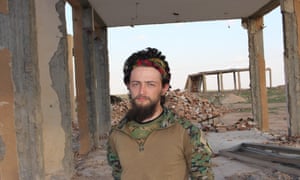

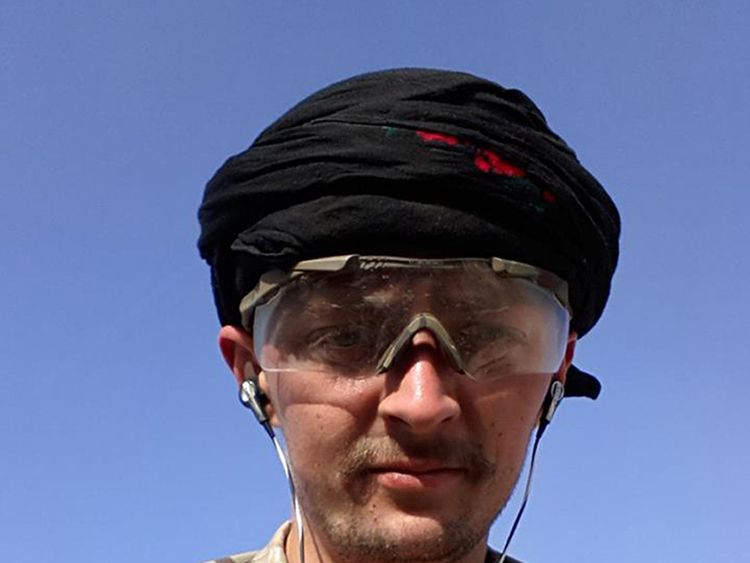
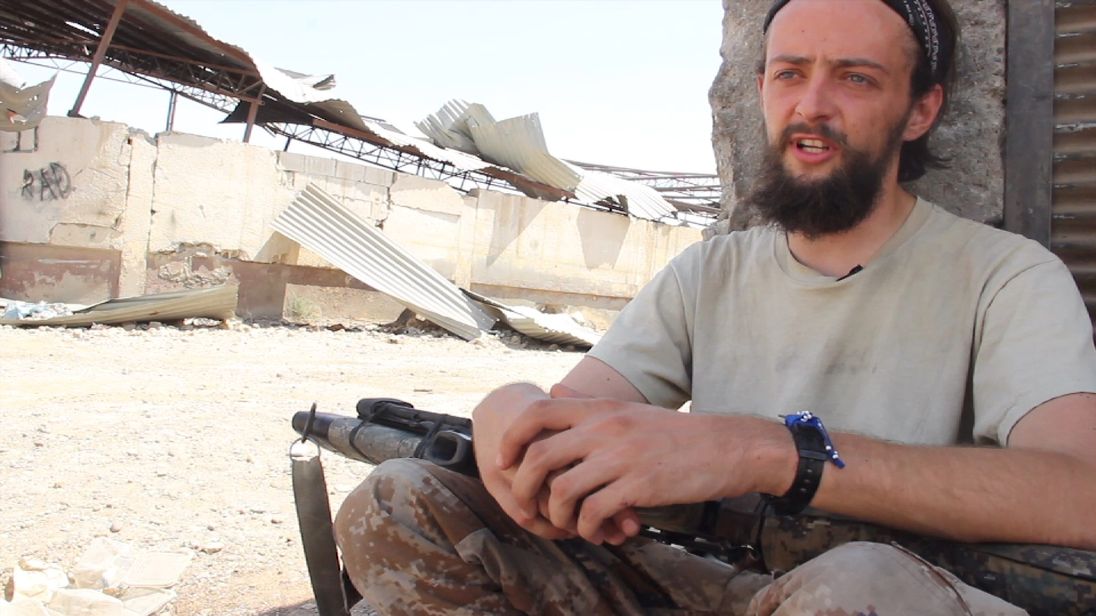

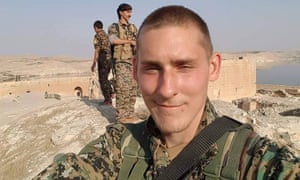





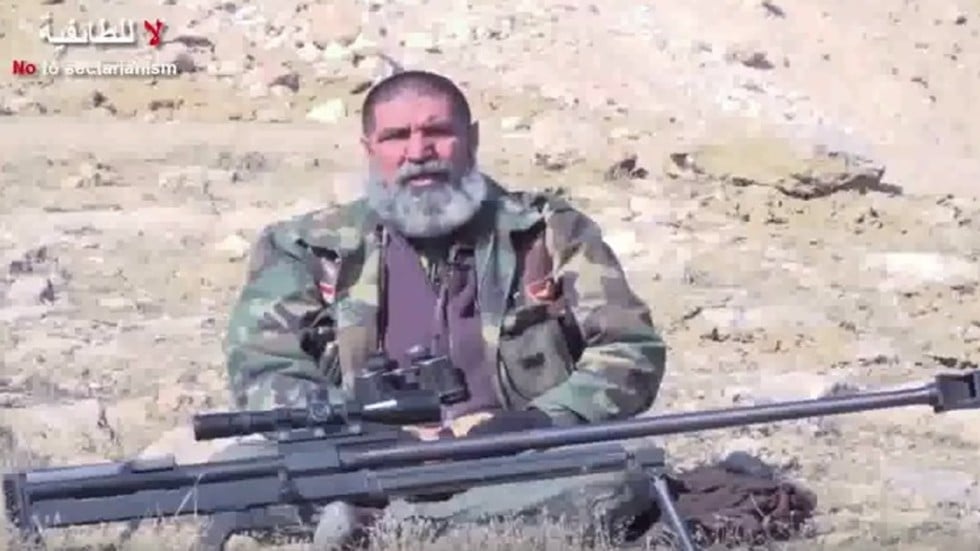




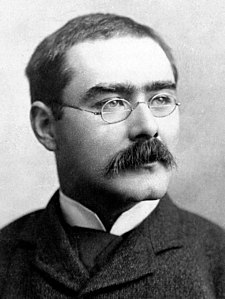


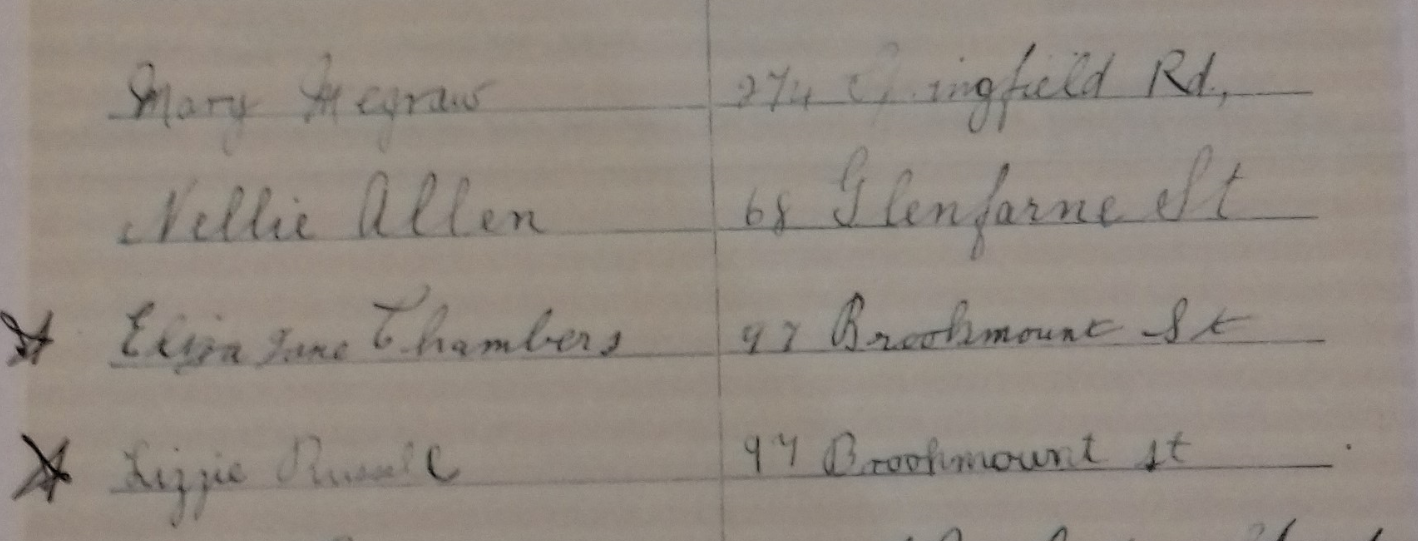
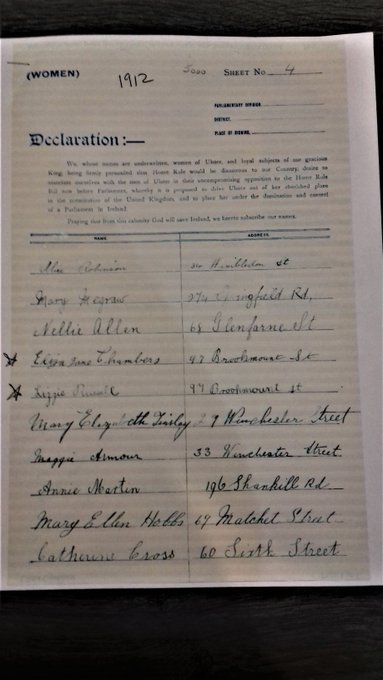






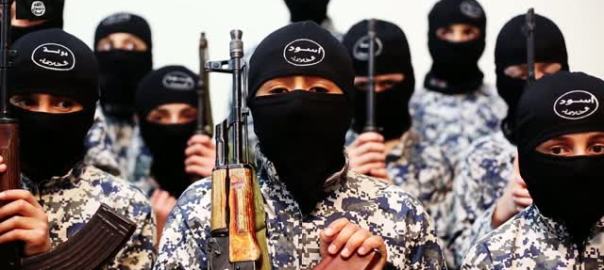


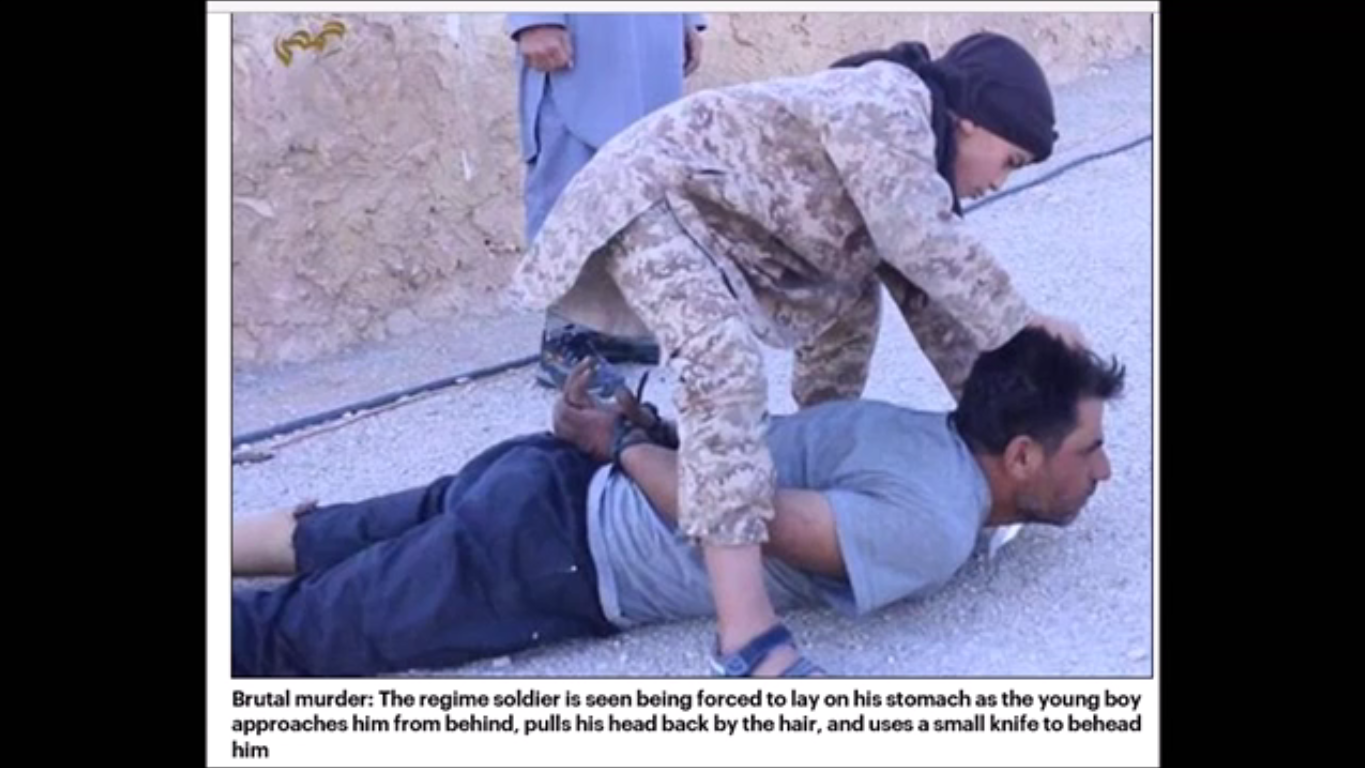


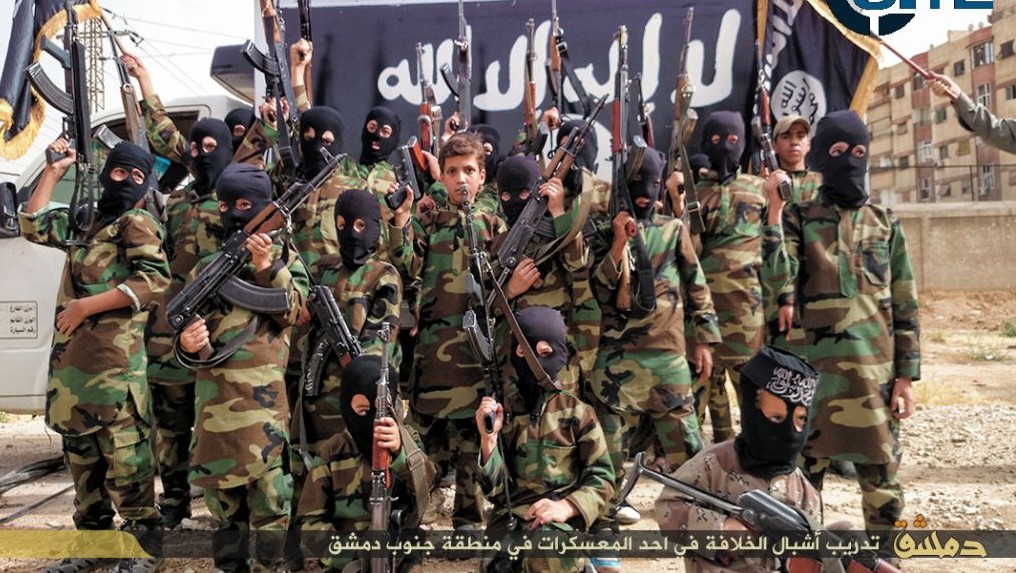

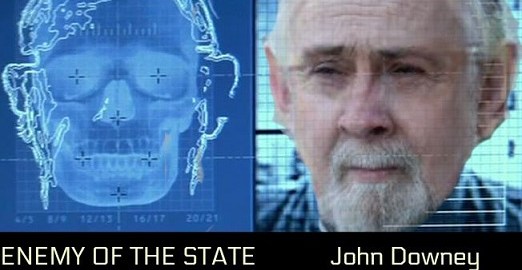
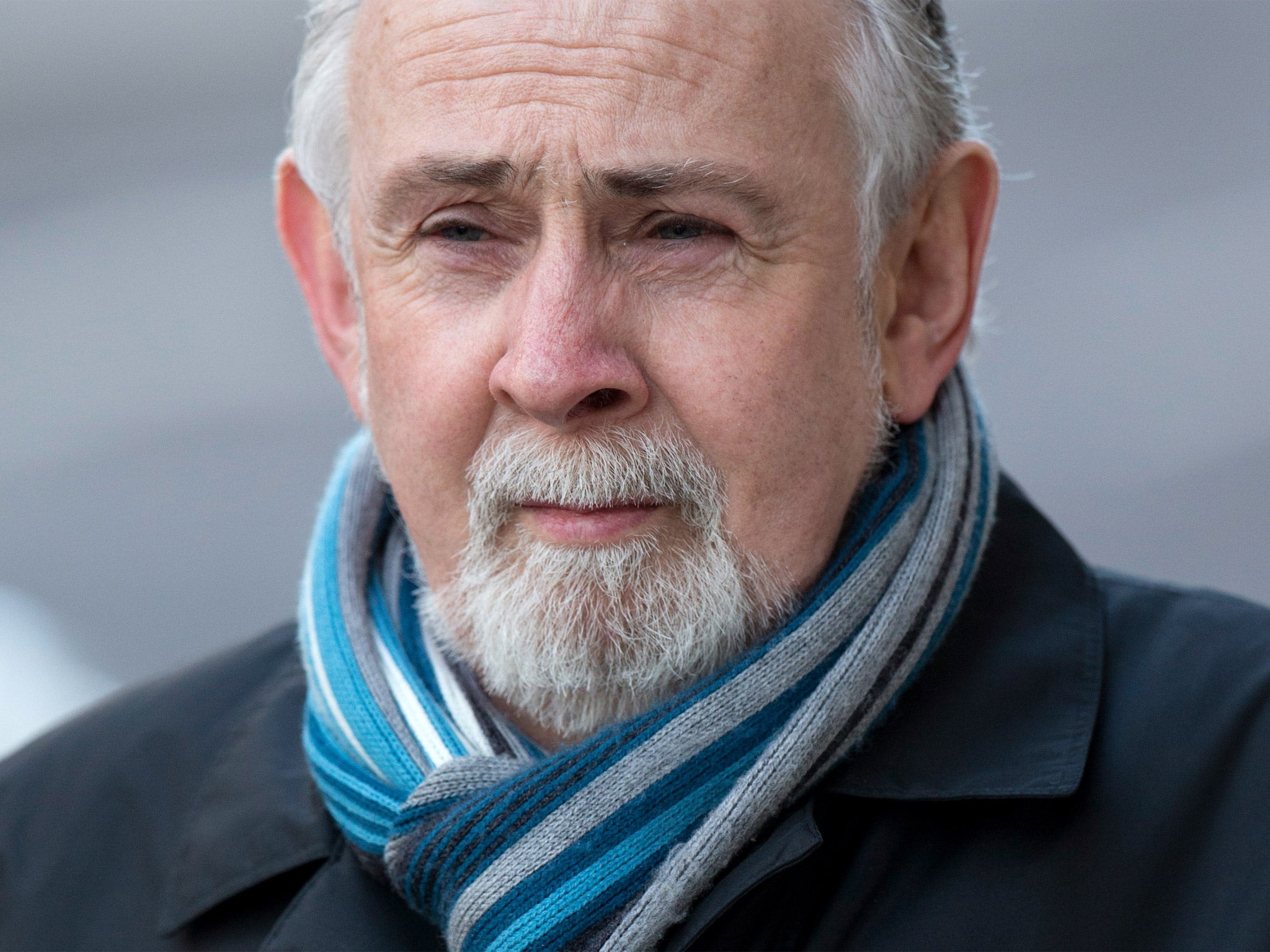
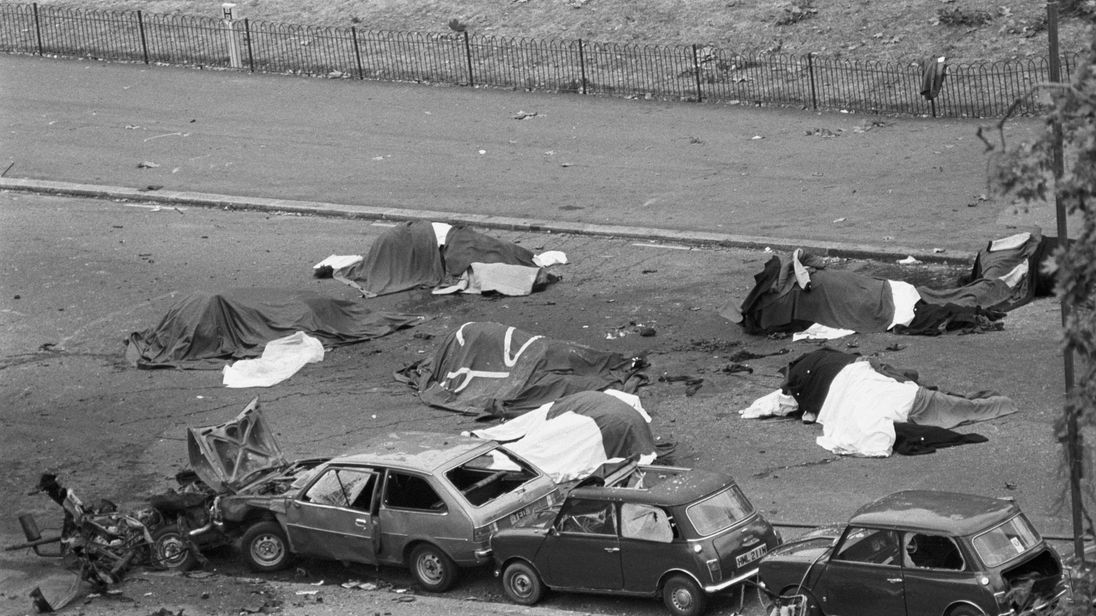


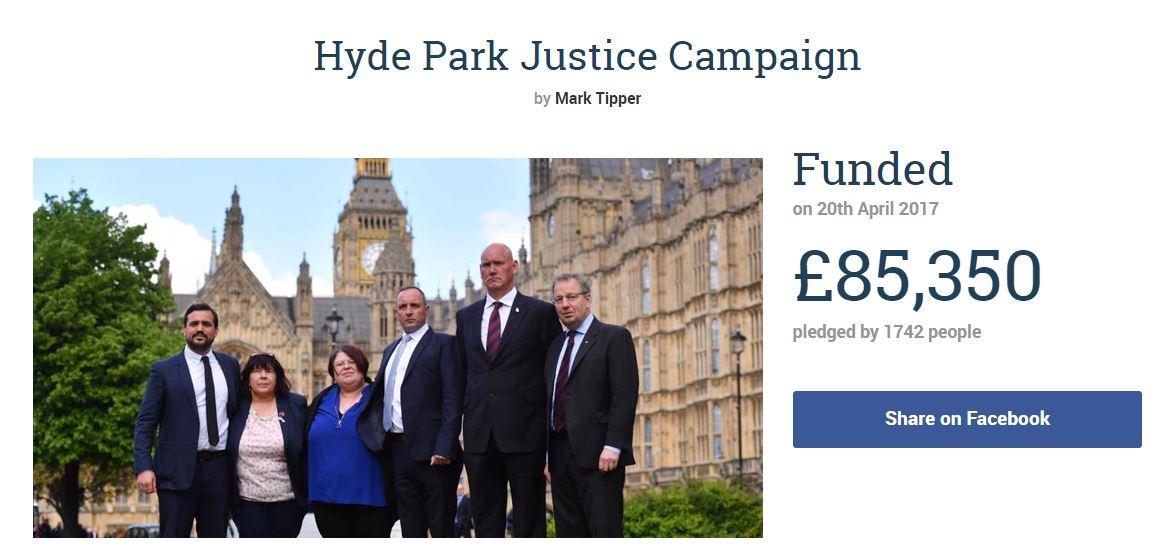

.png)


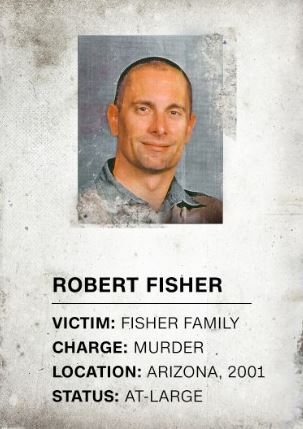
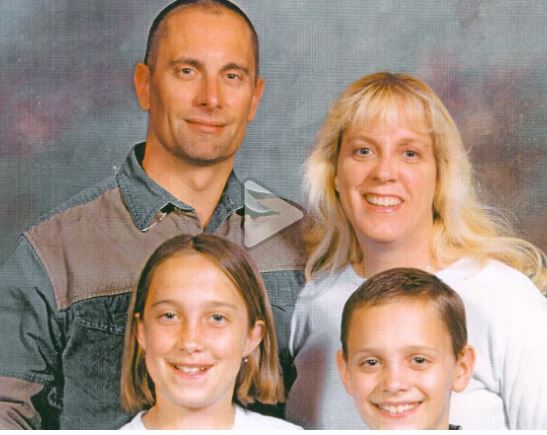
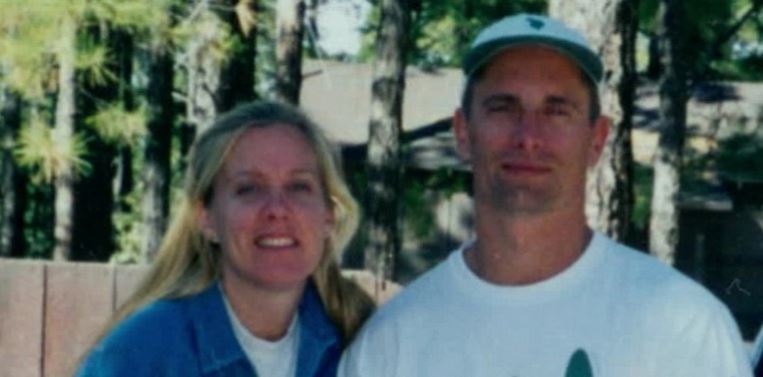
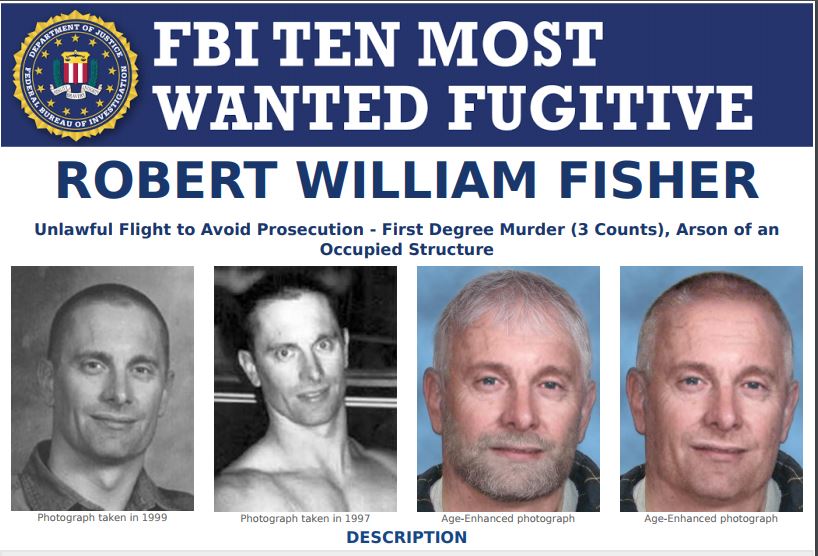
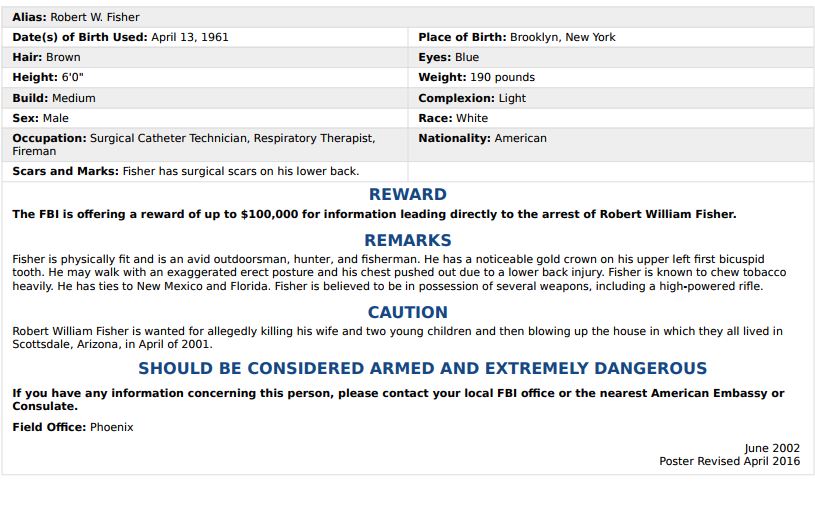

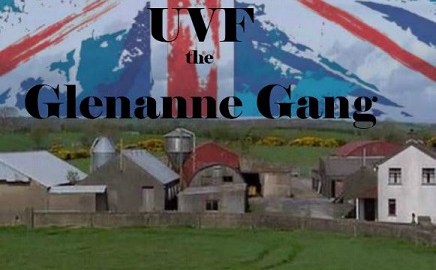
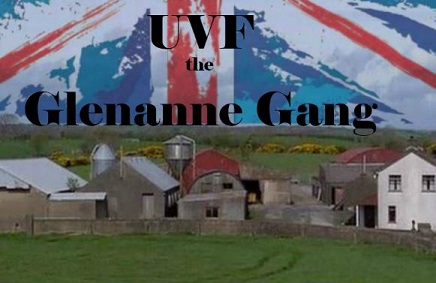


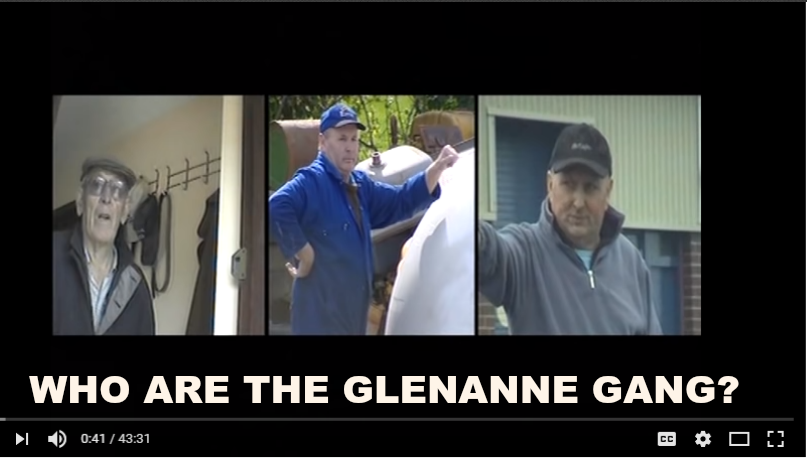


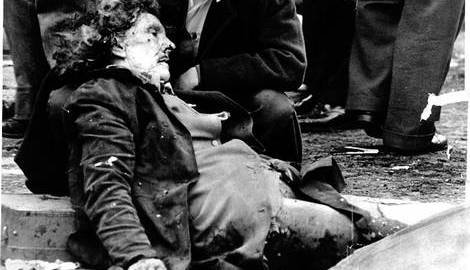
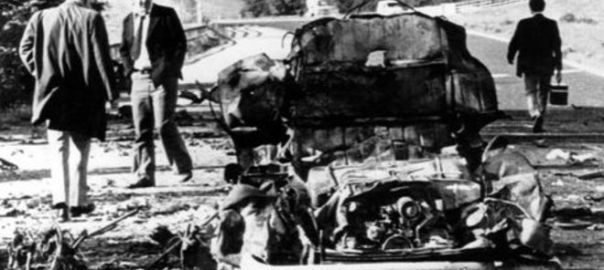


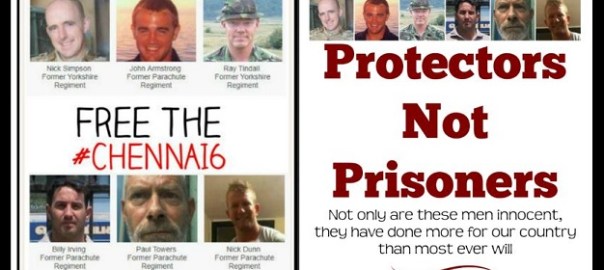


 belfastchildis.com