A few of you have reached out recently, wondering why I’ve been so quiet on social media and the blog, so I thought I should pop into your timelines and give you a quick update.
The truth is, I’m dealing with a few medical issues at the moment. Nothing serious so far, thankfully, but enough to leave me feeling pretty rough and in constant pain. To be honest, when you’re battling nagging aches and pains all day, being sociable isn’t exactly top of the agenda. That’s mainly why I’ve been off the radar for the past week or so.
On top of that, Twitter has become a particularly unpleasant place recently and, for once, I simply can’t be bothered getting dragged into the endless political and current affairs squabbles that seem to dominate every conversation.
The good news is that I’m still off the fags. That’s 13 days smoke-free so far. Because of the medical issues and the medication I’m currently on, I don’t think I’m getting a completely clear picture of the benefits yet. Don’t get me wrong, I’ve stopped coughing up a lung every morning, and both my breathing and sense of taste have noticeably improved. However, I’m on some fairly strong medication and antibiotics right now, and I suspect they’re masking some of the other positive effects I’d normally be noticing.
Hopefully I’ll be feeling better next week and be back to my usual self. Until then, please know how much I appreciate your friendship, support and concern. It really does mean a lot.
I’ll be back causing trouble again soon enough.
Laters x
😏
Hit the button below and surprise me 👍
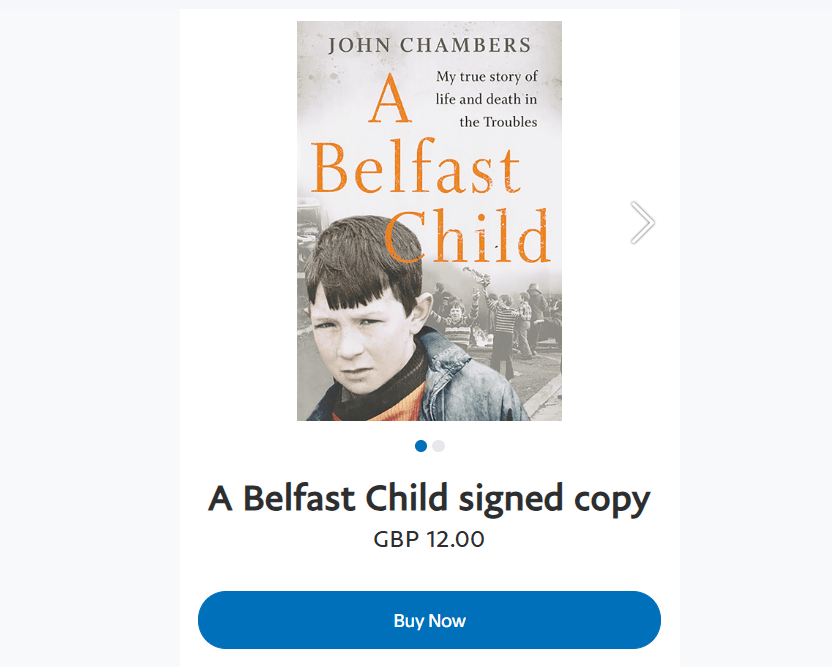
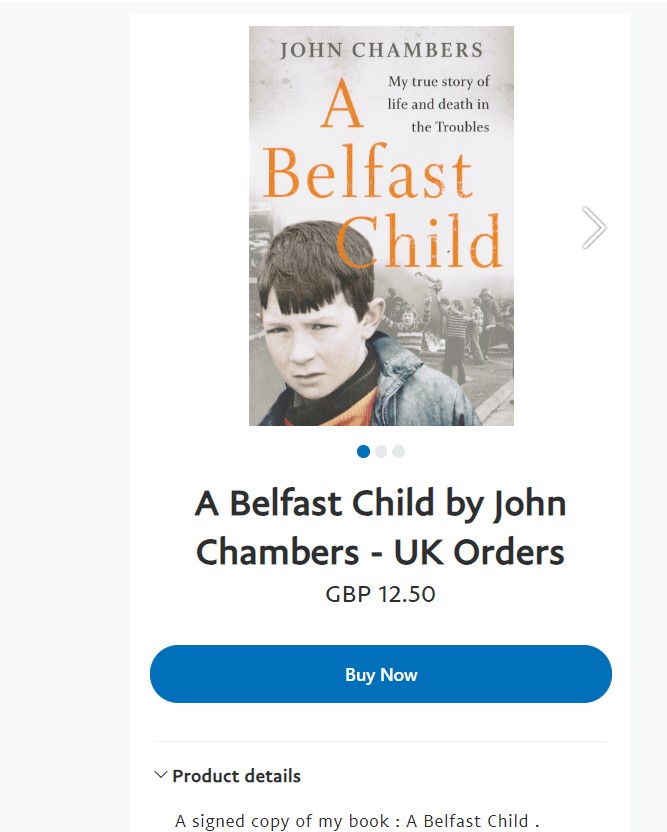
This is simply the story of a boy trying to grow up, survive, thrive, have fun & discover himself against a backdrop of events that might best be described as ‘explosive’, captivating & shocking the world for thirty long years.
Please check back soon—I’m still working on this post, and I’ll publish it once it’s finished.
In the meantime, please subscribe to my blog to receive email notifications whenever I publish new content. Thank you.
😏
Hit the button below and surprise me 👍
This is simply the story of a boy trying to grow up, survive, thrive, have fun & discover himself against a backdrop of events that might best be described as ‘explosive’, captivating & shocking the world for thirty long years.
Please check back soon—I’m still working on this post, and I’ll publish it once it’s finished.
In the meantime, please subscribe to my blog to receive email notifications whenever I publish new content. Thank you.
😏
Hit the button below and surprise me 👍
This is simply the story of a boy trying to grow up, survive, thrive, have fun & discover himself against a backdrop of events that might best be described as ‘explosive’, captivating & shocking the world for thirty long years.
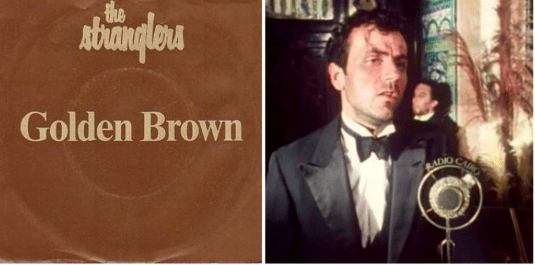
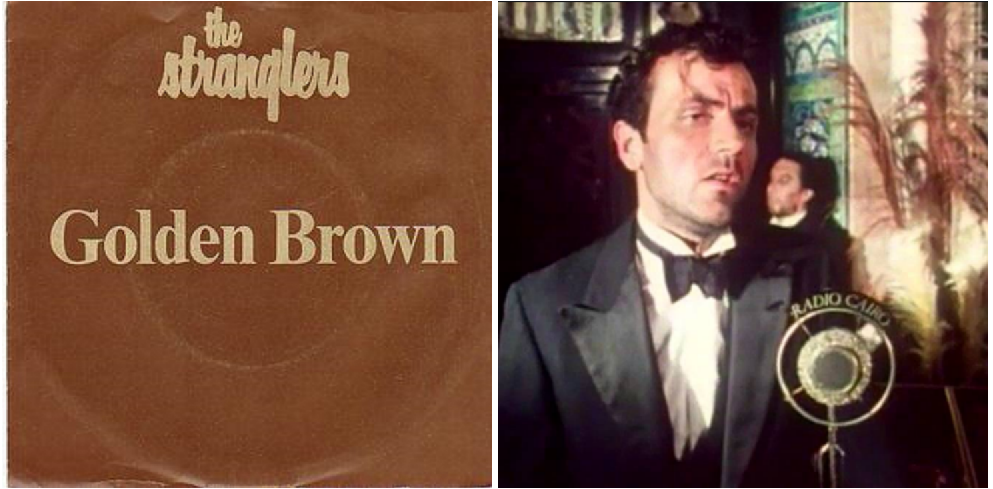
Golden Brown – The Stranglers: Iconic Songs & the story behind them
Golden Brown – The Stranglers
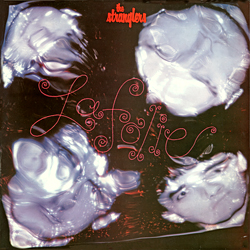
“Golden Brown” is a song by the English rock bandthe Stranglers. It was released as a 7″ single in December 1981 in the United States and in January 1982 in the United Kingdom, onLiberty. It was the second single released from the band’s sixth albumLa folie.
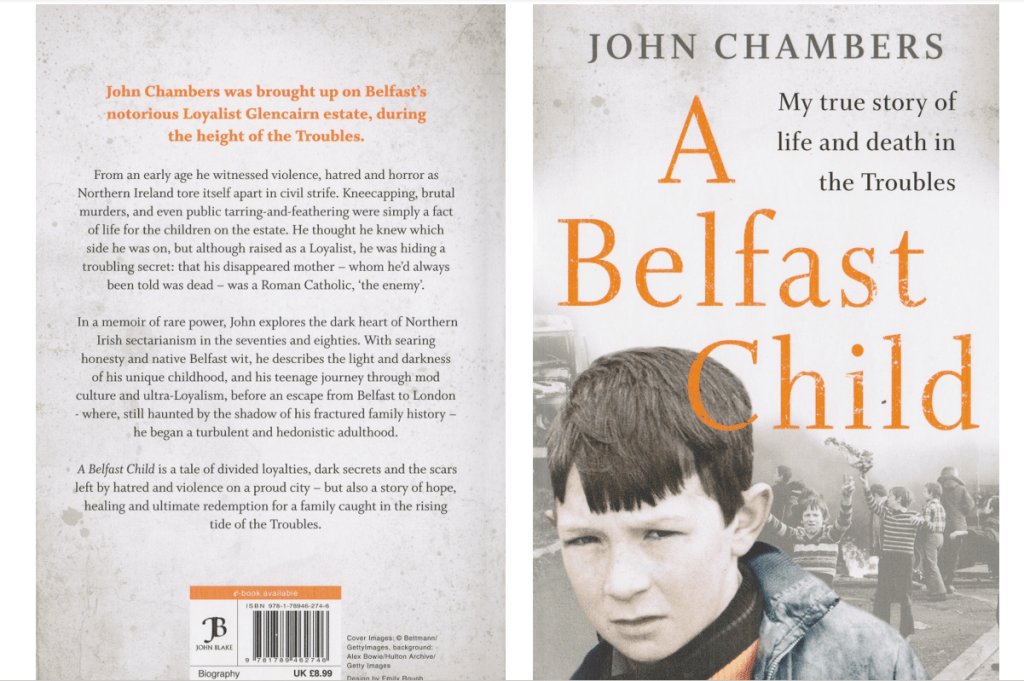
Here’s my latest interview , as you can tell Im rather nervous and as a result I get a little muddled in some areas and stumble over some of the questions and answers as if I have no idea what Im speaking about.
This is simply the story of a boy trying to grow up, survive, thrive, have fun & discover himself against a backdrop of events that might best be described as ‘explosive’, captivating & shocking the world for thirty long years.
This is simply the story of a boy trying to grow up, survive, thrive, have fun & discover himself against a backdrop of events that might best be described as ‘explosive’, captivating & shocking the world for thirty long years.
Robert Hamill was an Irish Catholic civilian who was beaten to death by a loyalist mob in Portadown, County Armagh, Northern Ireland. Hamill and his friends were attacked on 27 April 1997 on the town’s main street. It has been claimed that the local Royal Ulster Constabulary (RUC), parked a short distance away, did nothing to stop the attack.
The views and opinions expressed in this post/documentaries are solely intended to educate and provide background information to those interested in the Troubles of Northern Ireland. They in no way reflect my own opinions and I take no responsibility for any inaccuracies or factual errors.
Death
Loyalism RUC Robert Hamill
Hamill and his friends were attacked by a group of loyalists while walking home from St. Patrick’s dance hall at about 1.30 a.m on 27 April 1997.
After walking along Market Street from the dance hall, they came to the intersection of Market and Thomas Streets in Portadown, where they were attacked. Hamill and his friend, Gregory Girvan, were kicked by the crowd while their attackers shouted abuse at them and Robert Hamill was knocked unconscious almost immediately.
Girvan’s wife and sister, Joanne and Siobhán Garvin, respectively, called for help from four RUC officers sitting in a Land Rover about twenty feet away from the attack, but they did not intervene to stop the attack. The assault lasted about ten minutes, leaving both men unconscious. Just before the ambulance arrived, one of the RUC men got out of the Land Rover and told Garvin to put Robert into the recovery position.
Robert Hamill never regained consciousness and died of his injuries eleven days later on 8 May 1997, aged 25. The cause of his death was recorded as
“Diffuse Brain Injury associated with Fracture of Skull due to Blows to the Head”.
Six people were arrested after Robert Hamill’s death, but only one was eventually tried for his murder.
Investigation
Trial of Paul Hobson
Paul R. Hobson was charged with murder, but found not guilty, though he was found guilty of unlawful fighting and causing an affray and sentenced to four years’ imprisonment. The case under which Hobson was prosecuted is questionable as the main witness,
Constable Atkinson of the then RUC, was at one stage a suspect in conspiracy to cause murder in the same case. His solicitor also did not use crucial evidence in the case to cross-examine witnesses. Mr. Justice McCollum said during his verdict that the killing was a sectarian act, with a very large number of loyalists attacking a small number of nationalists, but that he could not decide whether the RUC men had left their Land Rover or not during the attack.
Allegations of police collusion
The RUC have been criticised for initially claiming in press releases that there was a riot between two large groups; then afterwards claiming it was a large group attacking a group of four. Rosemary Nelson was solicitor for the Hamill family until she was assassinated by a loyalist car bomb in Lurgan
There have been allegations of collusion between the RUC and suspects. A public inquiry is currently being held on the recommendation of Cory Collusion Inquiry
New charges
In December 2010 it was announced that three people, including a former RUC officer, were to be charged in relation to Robert Hamill’s death.
In September 2014 District Judge Peter King, sitting at Craigavon court, ruled that a key witness was entirely unreliable and utterly unconvincing. The case against the three, ex-policeman Robert Cecil Atkinson, his wife Eleanor Atkinson, and Kenneth Hanvey, was not sufficient to try.
Man acquitted of Robert Hamill’s Murder in Portadown, March 1999
This is simply the story of a boy trying to grow up, survive, thrive, have fun & discover himself against a backdrop of events that might best be described as ‘explosive’, captivating & shocking the world for thirty long years.