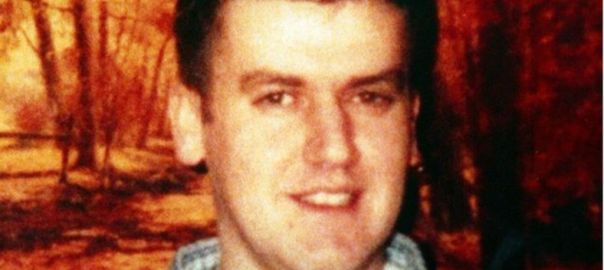
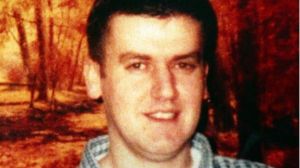
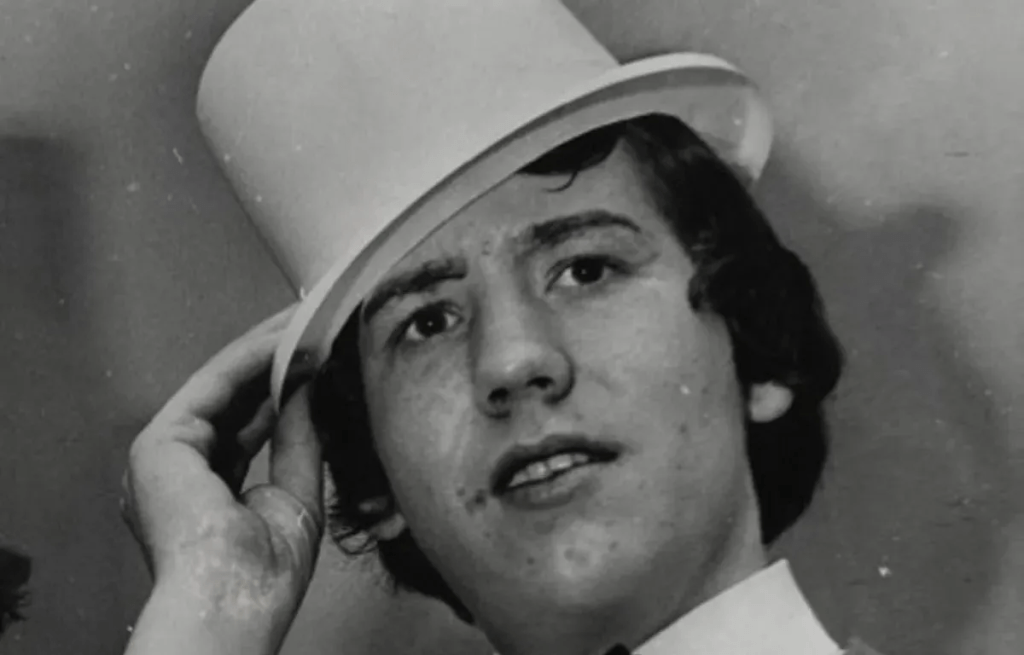
Robert Hamill was an Irish Catholic civilian who was beaten to death by a loyalist mob in Portadown, County Armagh, Northern Ireland. Hamill and his friends were attacked on 27 April 1997 on the town’s main street. It has been claimed that the local Royal Ulster Constabulary (RUC), parked a short distance away, did nothing to stop the attack.
The views and opinions expressed in this post/documentaries are solely intended to educate and provide background information to those interested in the Troubles of Northern Ireland. They in no way reflect my own opinions and I take no responsibility for any inaccuracies or factual errors.
Death
Loyalism RUC Robert Hamill
Hamill and his friends were attacked by a group of loyalists while walking home from St. Patrick’s dance hall at about 1.30 a.m on 27 April 1997.
After walking along Market Street from the dance hall, they came to the intersection of Market and Thomas Streets in Portadown, where they were attacked. Hamill and his friend, Gregory Girvan, were kicked by the crowd while their attackers shouted abuse at them and Robert Hamill was knocked unconscious almost immediately.
Girvan’s wife and sister, Joanne and Siobhán Garvin, respectively, called for help from four RUC officers sitting in a Land Rover about twenty feet away from the attack, but they did not intervene to stop the attack. The assault lasted about ten minutes, leaving both men unconscious. Just before the ambulance arrived, one of the RUC men got out of the Land Rover and told Garvin to put Robert into the recovery position.
Robert Hamill never regained consciousness and died of his injuries eleven days later on 8 May 1997, aged 25. The cause of his death was recorded as
“Diffuse Brain Injury associated with Fracture of Skull due to Blows to the Head”.
Six people were arrested after Robert Hamill’s death, but only one was eventually tried for his murder.
Investigation
Trial of Paul Hobson
Paul R. Hobson was charged with murder, but found not guilty, though he was found guilty of unlawful fighting and causing an affray and sentenced to four years’ imprisonment. The case under which Hobson was prosecuted is questionable as the main witness,
Constable Atkinson of the then RUC, was at one stage a suspect in conspiracy to cause murder in the same case. His solicitor also did not use crucial evidence in the case to cross-examine witnesses. Mr. Justice McCollum said during his verdict that the killing was a sectarian act, with a very large number of loyalists attacking a small number of nationalists, but that he could not decide whether the RUC men had left their Land Rover or not during the attack.
Allegations of police collusion
The RUC have been criticised for initially claiming in press releases that there was a riot between two large groups; then afterwards claiming it was a large group attacking a group of four. Rosemary Nelson was solicitor for the Hamill family until she was assassinated by a loyalist car bomb in Lurgan
There have been allegations of collusion between the RUC and suspects. A public inquiry is currently being held on the recommendation of Cory Collusion Inquiry
New charges
In December 2010 it was announced that three people, including a former RUC officer, were to be charged in relation to Robert Hamill’s death.
In September 2014 District Judge Peter King, sitting at Craigavon court, ruled that a key witness was entirely unreliable and utterly unconvincing. The case against the three, ex-policeman Robert Cecil Atkinson, his wife Eleanor Atkinson, and Kenneth Hanvey, was not sufficient to try.
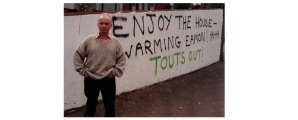
Man acquitted of Robert Hamill’s Murder in Portadown, March 1999
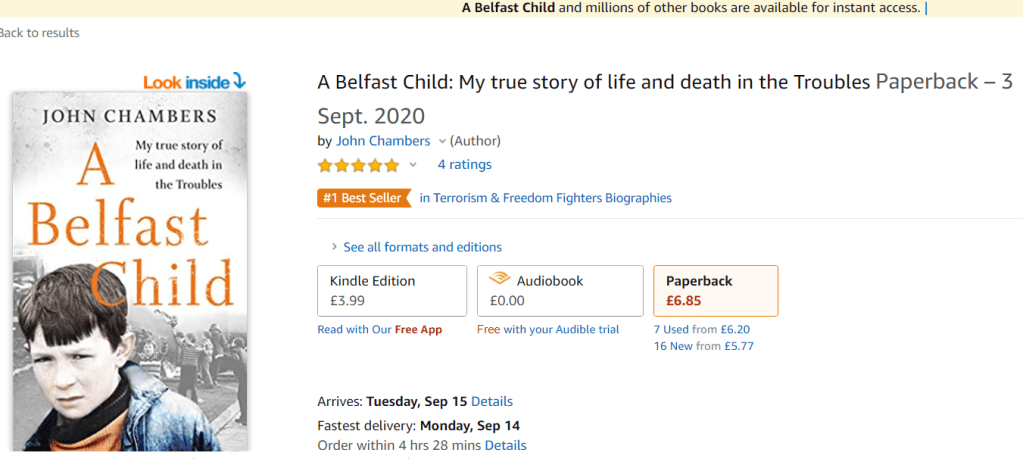
This is simply the story of a boy trying to grow up, survive, thrive, have fun & discover himself against a backdrop of events that might best be described as ‘explosive’, captivating & shocking the world for thirty long years.
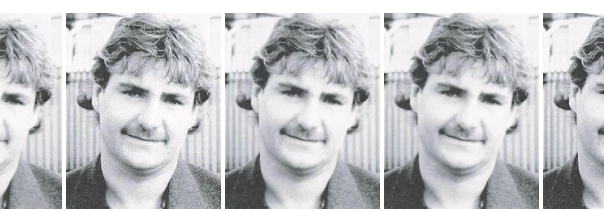
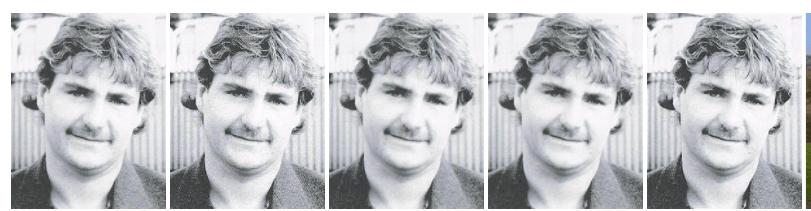
John Dowey Bingham (c. 1953 – 14 September 1986) was a prominent Northern Irish loyalist who led “D Company” (Ballysillan), 1st Battalion, Ulster Volunteer Force (UVF). He was shot dead by the Provisional IRA after they had broken into his home.
Bingham was one of a number of prominent UVF members to be assassinated during the 1980s, the others being Lenny Murphy, William Marchant, Robert Seymour and Jackie Irvine
– Disclaimer –
The views and opinions expressed in these pages/documentaries are solely intended to educate and provide background information to those interested in the Troubles of Northern Ireland. They in no way reflect my own opinions and I take no responsibility for any inaccuracies or factual errors.
Ulster Volunteer Force
John Bingham was born in Northern Ireland around 1953 and was brought up in a Protestant family. Described as a shopkeeper, he was married with two children. He lived in Ballysillan Crescent, in the unionist estate of Ballysillan in North Belfast, and also owned a holiday caravan home in Millisle, County Down.
He was a member of the “Old Boyne Island Heroes” Lodge of the Orange Order. On an unknown date, he joined the Ulster loyalist paramilitary organisation, the UVF, and eventually became the commander of its “D Company”, 1st Battalion, Ballysillan, with the rank of lieutenant-colonel.
He was the mastermind behind a productive gun-running operation from Canada, which over the years had involved the smuggling of illegal weapons into Northern Ireland to supply UVF arsenals; however, three months after Bingham’s death, the entire operation collapsed following a raid on a house in Toronto by the Royal Canadian Mounted Police in December 1986.
Bingham was one of the loyalist paramilitaries named in the evidence given by supergrass Joe Bennett, who accused him of being a UVF commander. He testified that he had seen Bingham armed with an M60 machine gun and claimed that Bingham had been sent to Toronto to raise funds for the UVF.
These meetings opened contact with Canadian businessman John Taylor, who became involved in smuggling guns from North America to the UVF. As a result of Bennett’s testimony, Bingham was sentenced to 20 years imprisonment after being convicted of committing serious crimes.
He publicly denounced the supergrass system before live television cameras outside Belfast’s Crumlin Road Courthouse when he was released in December 1984 after his conviction had been overturned, having spent two and a half years in prison.
Martin Dillon
On one occasion, Bingham allegedly placed a loaded pistol inside journalist Martin Dillon‘s mouth because of the latter’s offensive words he had used against him. In an attempt to make amends for his threat, Bingham invited Dillon to visit him at his home in North Belfast.
Dillon accepted the invitation and after several whiskeys and brandishing a pistol, Bingham offered to show him his racing pigeons as he was an avid pigeon fancier. He then told Dillon that he shouldn’t believe what people said about him claiming that he couldn’t harm a pigeon. As they said farewell at the front door, Bingham reportedly murmured in a cold voice to Dillon:
“You ever write about me again and I’ll blow yer fuckin’ brains out, because you’re not a pigeon”.
Killing
IRA Belfast Brigade, shoot & kill UVF Inner Council memember John Bingham 14 September 1986
In July 1986, a 25-year-old Catholic civilian, Colm McCallan, was shot close to his Ligoniel home; two days later, he died of his wounds. The IRA sought to avenge McCallan’s death by killing Bingham, the man they held responsible for the shooting.[
Bingham was also believed to have been behind the deaths of several other Catholic civilians.
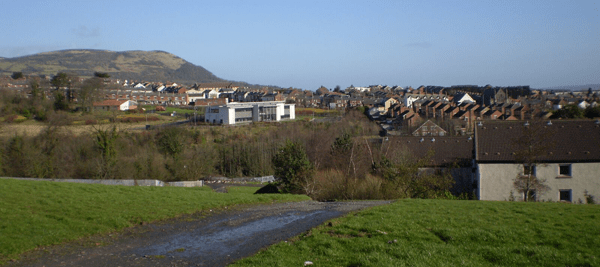
Ballysillan, north Belfast, where John Bingham lived and commanded the Ballysillan UVF
At 1:30 am on 14 September 1986, Bingham had just returned to Ballysillan Crescent from his caravan home in Millisle. Three gunmen from the IRA’s Ardoyne 3rd Battalion Belfast Brigade, armed with two automatic rifles and a .38 Special, smashed down his front door with a sledgehammer and shot Bingham twice in the legs. Despite his injuries, Bingham ran up the stairs in an attempt to escape his attackers and had just reached a secret door at the top when the gunmen shot him three more times, killing him.
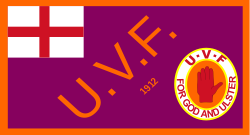
He was 33 years old. He was given a UVF paramilitary funeral, which was attended by politicians from the two main unionist parties, the Ulster Unionist Party and the Democratic Unionist Party (DUP). Members of his “Old Boyne Island Heroes” Orange Order (OO) Lodge formed the guard of honour around his coffin, which was covered with the UVF flag and his gloves and beret. Prominent DUP activist George Seawright helped carry the coffin whilst wearing his OO sash, and called for revenge.
In retaliation, the UVF killed Larry Marley, a leading IRA member from Ardoyne who was also a close friend of Sinn Féin president Gerry Adams. The IRA in their turn gunned down William “Frenchie” Marchant the following spring on the Shankill Road. The deaths of three leading UVF members caused suspicion amongst the UVF leadership that someone within their ranks was setting up high-ranking UVF men by passing on pertinent information to the IRA; therefore, they decided to conduct an enquiry.
Although it was revealed that the three men, Shankill ButcherLenny Murphy, Bingham, and Marchant had all quarrelled with powerful UDA fund-raiser and racketeer James Pratt Craig prior to their deaths, the UVF did not believe the evidence was sufficient to warrant an attack against Craig, who ran a large protection racket in Belfast.
James Craig
Craig was later shot to death in an East Belfast pub by the UDA (using their “Ulster Freedom Fighters” covername) for “treason”, claiming he had been involved in the assassination of South Belfast UDA brigadier John McMichael, who was blown up by a booby-trap car bomb planted by the IRA outside his Lisburn home in December 1987.
In Ballysillan Road, there is a memorial plaque dedicated to the memory of Bingham. His name is also on the banner of the “Old Boyne Island Heroes” Lodge.
This is simply the story of a boy trying to grow up, survive, thrive, have fun & discover himself against a backdro… twitter.com/i/web/status/1…— Belfast Child (@bfchild66) July 23, 2020
Signed copy of my book & update on book launch /Promo
Hi folks
See below for details on how to order a signed copy:
Here’s a quick update on the book launch, promo and a link to order a signed copy.
Only thirteen days to go until my life story is in the public domain and having worked on it and waited almost twenty five years to see it in print I must admit I’m extremely nervous and apprehensive about its forthcoming release.
Having grown up during and lived through some of the worst years of the Troubles I know my story is far from unique and many have suffered far more both physically and emotionally due to the nightmare that stalked our lives for thirty long blood soaked years.
However due to the secret of my dual heritage, compounded by growing up in and around some of the most…
Just a very short post to let you all know that the book has been out for a week now and is selling beyond my wildest dreams or expectations.
I’ve been rank in the top three – five in three different categories ( this fluctuates daily) since launch day and the repsond so far has been awesome.
Needless to say Im delighted with this and excited about the coming weeks and the various promotional events/interviews lined up.
To order following this link : You can pre-order via https://tinyurl.com/wzpp5ra or see my pinned Tweet below.
This is simply the story of a boy trying to grow up, survive, thrive, have fun & discover himself against a backdrop of events that might best be described as ‘explosive’, captivating & shocking the world for thirty long years.
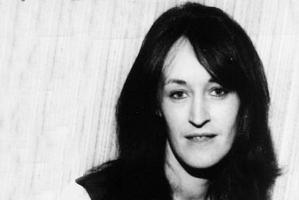
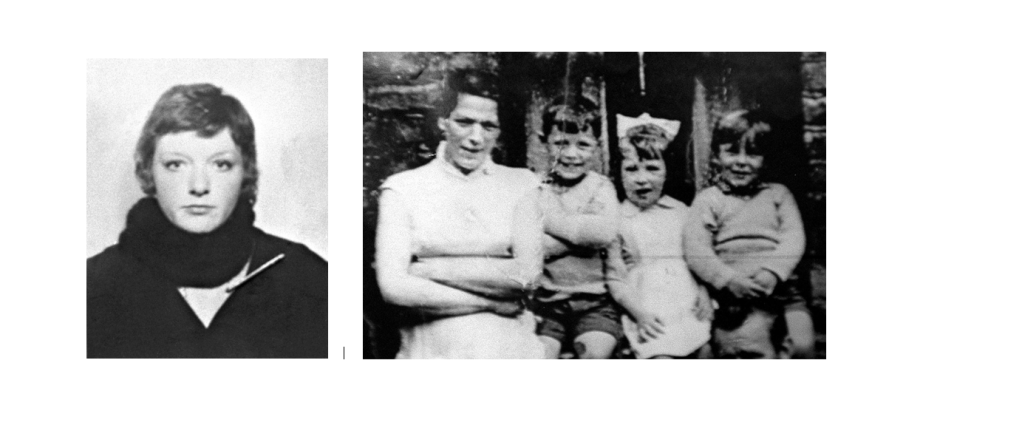
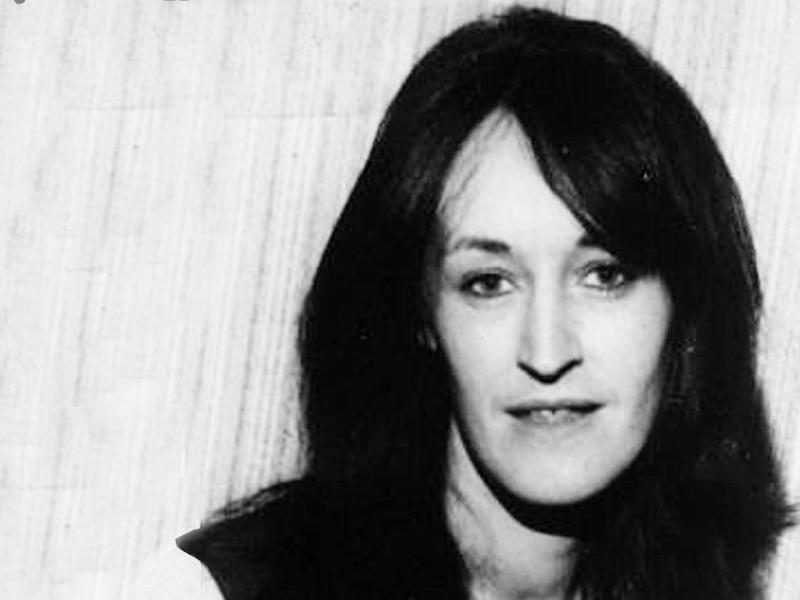
Dolours and her sister, Marian, also an IRA member, were the daughters of Albert Price, a prominent Irish republican and former IRA member from Belfast. Their aunt, Bridie Dolan, was blinded and lost both hands in an accident handling IRA explosives.
Albert Price
Copyright : Victor Patterson
Paramilitary activity
Price became involved in Irish republicanism in the late 1960s and joined the Provisional IRA in the early 1970s. She participated in the car bombing of the Old Bailey in London on 8 March 1973, which injured over 200 people and is believed to have contributed to the death of one person who suffered a fatal heart attack.
Gerry Kelly
The two sisters were arrested, along with Gerry Kelly, Hugh Feeney and six others, on the day of the bombing, as they were boarding a flight to Ireland. They were tried and convicted at the Great Hall in Winchester Castle on 14 November 1973. Although originally sentenced to life imprisonment, which was to run concurrently for each criminal charge, their sentence was eventually reduced to 20 years. Price served seven years for her part in the bombing.
She immediately went on a hunger strike demanding to be moved to a prison in Northern Ireland. The hunger strike lasted for 208 days because the hunger strikers were force-fed by prison authorities to keep them alive.
.
– Disclaimer –
The views and opinions expressed in these pages/documentaries are soley intended to educate and provide background information to those interested in the Troubles of Northern Ireland. They in no way reflect my own opinions and I take no responsibility for any inaccuracies or factual errors.
On the back of the hunger-striking campaign, her father contested West Belfast at the UK General Election of February 1974, receiving 5,662 votes (11.9%). The Price sisters, Hugh Feeney, and Gerry Kelly were moved to Northern Ireland prisons in 1975 as a result of an IRA truce. In 1980 Price received the Royal Prerogative of Mercy and was freed on humanitarian grounds in 1981, purportedly suffering from anorexia nervosa due to the invasive trauma of daily force feedings.
The Price sisters remained active politically. In the late 1990s, Price and her sister claimed that they had been threatened by their former colleagues in the IRA and Sinn Féin for publicly opposing the Good Friday Agreement i.e. the cessation of the IRA’s military campaign. Price was a contributor to The Blanket, an online journal, edited by former Provisional IRA member Anthony McIntyre, until it ceased publication in 2008.
Personal life
With Stephen Rea
After her release in 1980, she married Irish actor Stephen Rea, with whom she had two sons, Danny and Oscar.
They divorced in 2003.
Later life
In 2001, Price was arrested in Dublin and charged with possession of stolen prescription pads and forged prescriptions. She pleaded guilty and was fined £200 and ordered to attend Alcoholics Anonymous meetings.
In February 2010, it was reported by The Irish News that Price had offered help to the Independent Commission for the Location of Victims’ Remains in locating graves of three men, Joe Lynskey, Seamus Wright and Kevin McKee, who were allegedly killed by the IRA and whose bodies have not been found.
She was the subject of the 2018 feature-length documentary I, Dolours in which she gave an extensive filmed interview.
Allegations against Gerry Adams
In 2010 Price claimed Gerry Adams had been her officer commanding when she was active in the IRA. Adams, who has always denied being a member of the IRA, denied her allegation. Price admitted taking part in the murder of Jean McConville, as part of an IRA action in 1972.
She claimed the murder of McConville, a mother of 10, was ordered by Adams when he was an IRA leader in West Belfast. Adams subsequently publicly further denied Price’s allegations, stating that the reason for them was that she was opposed to the Provisional Irish Republican Army’s abandonment of paramilitary warfare in favour of politics in 1994, in the facilitation of which Adams had been a key figure.
Boston College tapes
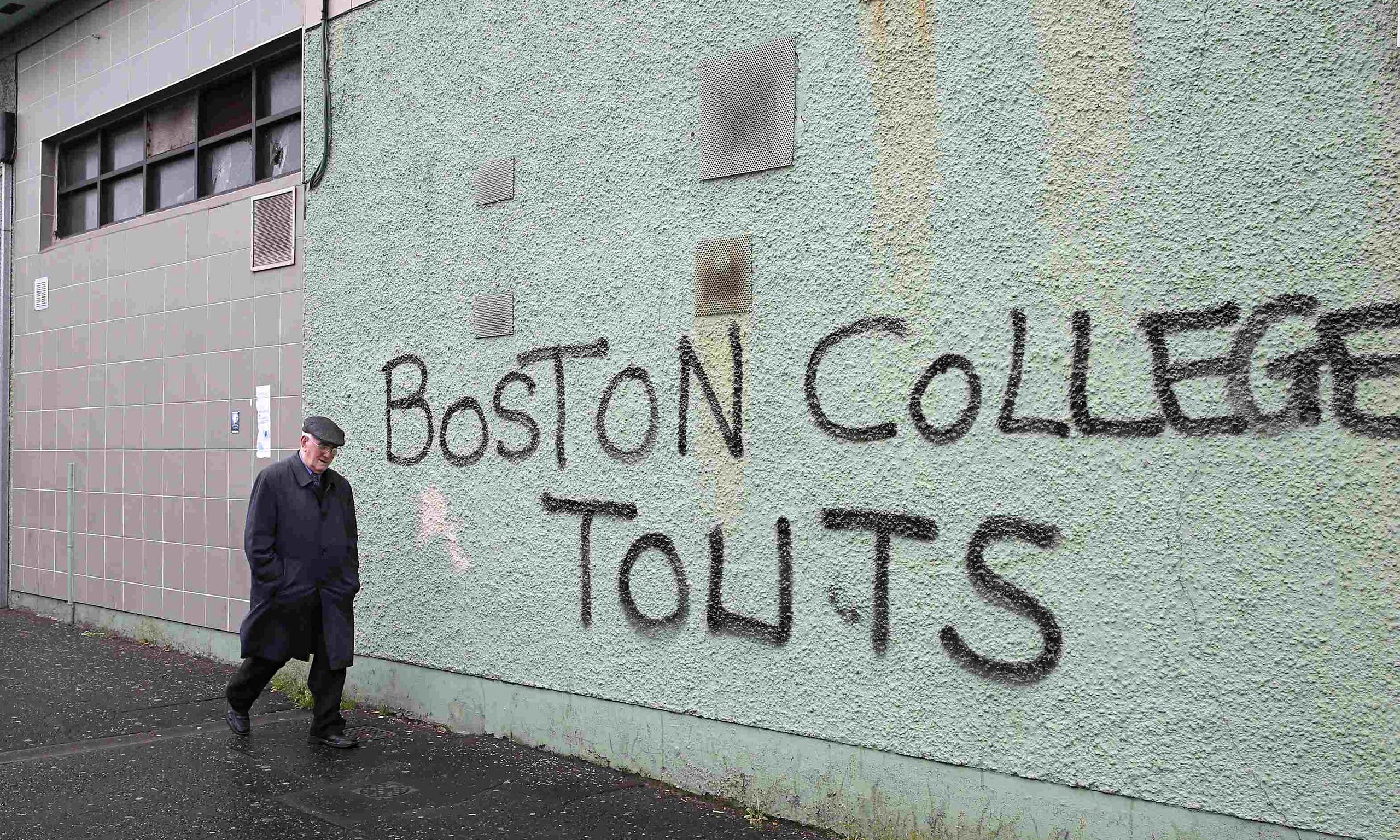
Graffiti criticising Boston College in Belfast
Voices from the Grave
Oral historians at Boston College interviewed both Dolours Price and her fellow IRA paramilitary Brendan Hughes between 2001 and 2006, the two giving detailed interviews for the historical record of the activities in the IRA, which were recorded on condition that the content of the interviews was not to be released during their lifetimes. Prior to Price’s death, in May 2011, the Police Service of Northern Ireland (PSNI) subpoenaed the material, possibly as part of an investigation into the disappearance of a number of people in Northern Ireland during the 1970s.
In June 2011, the college filed a motion to quash the subpoena. A spokesman for the college stated that “our position is that the premature release of the tapes could threaten the safety of the participants, the enterprise of oral history, and the ongoing peace and reconciliation process in Northern Ireland.”
In July 2011, US federal prosecutors asked a judge to require the college to release the tapes to comply with treaty obligations with the United Kingdom.
On 17 October 2012, the United States Supreme Court temporarily blocked the College from handing over the interview tapes. In January 2013 Price died, and in April 2013, the Supreme Court turned away an appeal that sought to keep the interviews from being supplied to the PSNI. The order left in place a lower court ruling that ordered Boston College to give the Justice Department portions of recorded interviews with Dolours Price. Federal officials wanted to forward the recordings to police investigating the murder of Jean McConville.
On 24 January 2013 Price was found dead at her Malahide, County Dublin home, from a toxic effect of mixing prescribed sedative and anti-depressant medication. The inquest returned a verdict of death by misadventure.
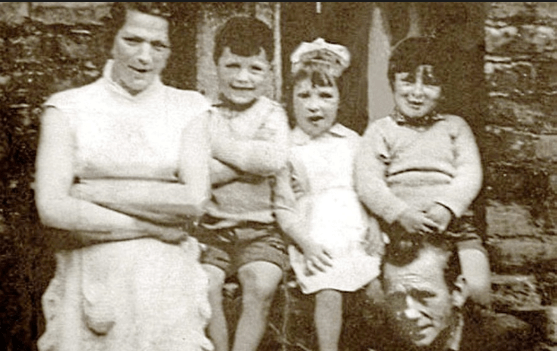
One night in December 1972, Jean McConville, a mother of ten, was abducted from her home in Belfast and never seen alive again. Her disappearance would haunt her orphaned children, the perpetrators of this terrible crime and a whole society in Northern Ireland for decades.
In this powerful, scrupulously reported book, Patrick Radden Keefe offers not just a forensic account of a brutal crime but a vivid portrait of the world in which it happened. The tragedy of an entire country is captured in the spellbinding narrative of a handful of characters, presented in lyrical and unforgettable detail.
A poem by Seamus Heaney inspires the title: ‘Whatever You Say, Say Nothing’. By defying the culture of silence, Keefe illuminates how a close-knit society fractured; how people chose sides in a conflict and turned to violence; and how, when the shooting stopped, some ex-combatants came to look back in horror at the atrocities they had committed, while others continue to advocate violence even today.
Say Nothing deftly weaves the stories of Jean McConville and her family with those of Dolours Price, the first woman to join the IRA as a front-line soldier, who bombed the Old Bailey when barely out of her teens; Gerry Adams, who helped bring an end to the fighting, but denied his own IRA past; Brendan Hughes, a fearsome IRA commander who turned on Adams after the peace process and broke the IRA’s code of silence; and other indelible figures. By capturing the intrigue, the drama and the profound human cost of the Troubles, the book presents a searing chronicle of the lengths that people are willing to go to in pursuit of a political ideal, and the ways in which societies mend – or don’t – in the aftermath of a long and bloody conflict.
Im currently reading this & will do a review when complete
I, DOLOURS Trailer (2018) Militant IRA Activist Portrait
As I child I learned the stories & legends of the Battle of Boyne & Siege of Derry at my grandfather’s & father’s knees, becoming immersed in the Loyalist culture that would shape & dominate my whole existence.
The life and death of Eamon Collins Eamon Collins (1954 – 27 January 1999) was a Provisional Irish Republican Army member in the late 1970s and early 1980s. He turned his back on the organisation in the late 1980s, and later co-authored a book called Killing Rage detailing his experiences within it. In January 1999 he was waylaid on a…
The brutal & unforgivable murder of Ann Ogilby, also known as the Romper Room murder Forgotten victims of the Troubles The murder of Ann Ogilby, also known as the “Romper Room murder”, took place in Sandy Row, south Belfast, Northern Ireland on 24 July 1974. It was a punishment killing, carried out by members of the Sandy Row women’s Ulster Defence…
Joe McCann – Life & Death Joe McCann (2 November 1947 – 15 April 1972) was an Irish republican volunteer. A member of the Irish Republican Army and later the Official Irish Republican Army, he was active in politics from the early 1960s and participated in the early years of the Troubles in Northern Ireland. He was shot dead, after being confronted by RUC Special…
… Máire Drumm Life & death 22 October 1919 – 28 October 1976 Máire Drumm (22 October 1919 – 28 October 1976) was the vice-president of Sinn Féin and a commander in Cumann na mBan. She was killed by Ulster loyalists while recovering from an eye operation in Belfast’s Mater Hospital. Born in Newry, County Down, to a staunchly Irish republican family. Drumm’s mother had…
Death of Robert Hamill Robert Hamill was an Irish Catholic civilian who was beaten to death by a loyalist mob in Portadown, County Armagh, Northern Ireland. Hamill and his friends were attacked on 27 April 1997 on the town’s main street. It has been claimed that the local Royal Ulster Constabulary (RUC), parked a short…
John Bingham Life & Death John Dowey Bingham (c. 1953 – 14 September 1986) was a prominent Northern Irish loyalist who led “D Company” (Ballysillan), 1st Battalion, Ulster Volunteer Force (UVF). He was shot dead by the Provisional IRA after they had broken into his home. Bingham was one of a number of prominent UVF members to be assassinated during the 1980s,…
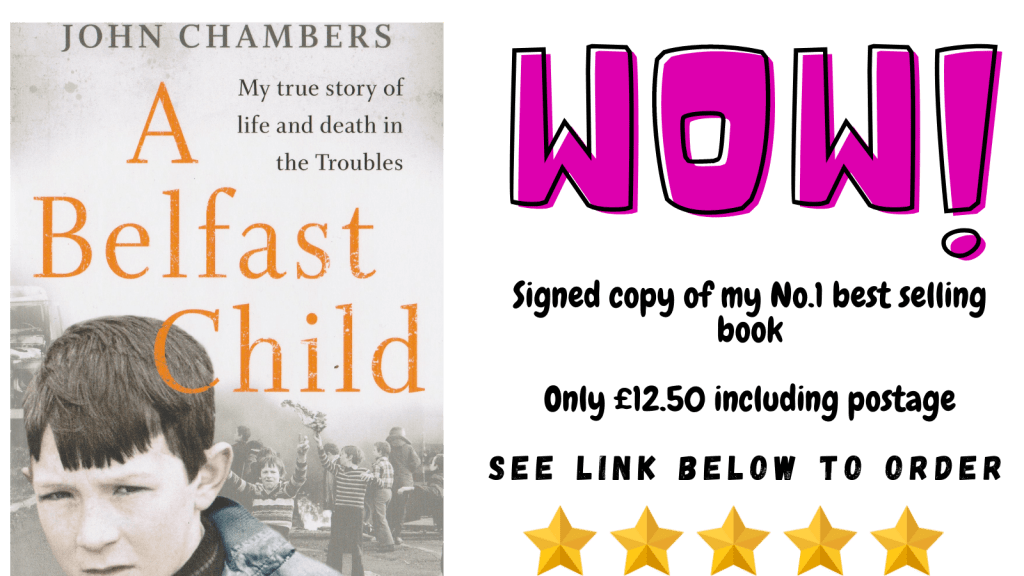
Who wants… A signed copy of my No.1 best selling book ? Makes a great Xmas gift for book lovers & those interested in the Troubles & the crazy, mad days my generation lived through.
The
post you are about to read was submitted by a former soldier whom served in
Northern Ireland during the Troubles. Here he gives an intriguing insight into
a covert operation , tracking IRA players and units as they moved large
quantities of homemade explosive (HME) throughout Belfast and Northern Ireland.
I
shudder to think what misery and damage this could have inflicted on the
innocent that always seem to pay the highest price as the paramilitaries waged
indiscriminate war , that at times seemed never ending and brought us all to
the edge of an abyss that hunted and
threatened our daily lives.
By its very nature the work of undercover operatives is shrouded in secrecy and during the Troubles the UK security forces and intelligence agencies were experts in the “dark arts” and covert operations designed to take down , monitor and infiltrate the IRA & other N.I paramilitary groups was common practice. Not surprisingly some of these operations became public knowledge, but the vast majority remained cloaked in the fog of war and I suppose we’ll never know the full truth of what happened during “The Dirty War” and the madness of the Northern Ireland Troubles.
Thank god those days are behind us.
For
reasons of security, all names have been changed.
——————————————————————————————————————
— Disclaimer –
The views and opinions expressed in these posts/documentaries are
solely intended to educate and provide background information to those
interested in the Troubles of Northern Ireland. They in no way reflect my own
opinions and I take no responsibility for any inaccuracies or factual errors.
——————————————————————————————————————
Soldier Stories
Under cover in Northern Ireland
Soldier K
For nearly three years I’d been doing covert surveillance for a
unit in Belfast, a lot of the tasks were generally routine and monotonous
designed to keep track of the known players from both sides in their daily
activities, but every now and then the tasking from Castlereagh turned up the
odd higher importance task.
The Op’s room received a phone call over the
secure line to prepare for Ops and deploy from the two ‘Dave’s’.
One was Dave from ‘H’, a grizzled long term veteran who had
spent ages down the road and a long time in the province, the other, Dave from five, a much more clean cut
methodical man. These two men were our
handlers, they decided what we would do and when we
would do it, as a unit we had built up a good reputation with them for being
reliable & capable.
The pagers we constantly carried when on standby
beeped into life, here we go again, grab your kit and get over the compound
within fifteen minutes. Majority of the time when we got a fastball it was for
when good old ‘Paula’ would be bringing in another Mk15
mortar from over the border. Once a month, regular as clockwork she’d
pop down and bring one up unaware that we had been watching her for the last two years. The regular
street plodding troops would be kept out of the area by an ‘out of bounds’ notice completely unaware of her courier activities. She’d be given a free route from collection to
drop off, she was small fry, just a small cog in the process, we knew her part
well, it was where it was going up the chain that was of higher priority.
So, fastball across to
the briefing room to see what we’ve been given
this time. The briefing room was in our own self-contained compound within a
secure camp, no one could just walk in, the Ops room walls were covered with
maps of the city marking current Ops, out of bounds areas and other places of
interest. Secrecy was paramount.
DJ ,
the unit 2ic and WO2 was taking the briefing as normal. DJ
was a veteran from Hereford, a serious man with a fiery temper and he knew his
stuff, he didn’t suffer fools
gladly. He wouldn’t even allow
us to have a unit logo as he said our job didn’t
officially exist. The less people knew about what we did the better.
The briefing started
with all present and we discovered that a large amount of homemade explosive
(HME) was coming into the city and we needed eyes on it.
It was being tracked
along its route and is due to arrive at the dairy farm complex where it would
be stored by one of the known players at a building known as the coal
bunker.
We
weren’t talking
about an insignificant amount, this was the annual resupply to Belfast, we
later discovered it was approx. five tonnes.
That quantity could cause chaos in the city, taking it off the IRA was
now the main priority for all the agencies involved.
All other surveillance
jobs were put on hold. The whole unit was deploying on this one, all leave
suspended, thirty blokes on one Op.
My tasking was given by the boss, a four-man covert surveillance
OP up the mountain above Whiterock. It was a place I was familiar with; it gave
great ‘eyes on’ for large parts of the city. It afforded enough cover to see and not be
seen. When we linked in with the other locations we regularly used, Whiterock,
Divis, MPH & Broadway to name but a few we could surveil almost everywhere.
This, in conjunction with the other agencies we had the capability to cover
everywhere if needed. We could watch from near, and from afar.
Our mountain kit was
always packed for deploying 24/7, two teams of four on constant standby with
the capability of deploying either rural or in the city. On rare occasions we even deployed to other
parts of the province such as South Armagh to assist on jobs for fellow units,
certain jobs require certain skills and we happened to be one of those units.
Short straw meant I was
up the mountain, a cold wet windy place but with the right equipment a home
from home. Luckily it was a place I knew like the back of my hand after 3 years
working in Belfast, where to deploy for the best visibility to the tgt without
being seen. Another few days ahead of ‘hard
routine’ watching the
bad guys, eating cold food and remaining hidden. All part of the fun in the world of
surveillance. Unbeknown to me then, a few days would turn into two weeks.
The routes were cleared
for safety and clear passage with Lisburn as always, gone were the days of
driving where you wanted when you wanted. Getting from A to B blending in with
the normal traffic was important, the head shed didn’t
want another incident similar to the two signallers. We had our own fleet of civilian vehicles,
cars and vans, all at our disposal. All were unmarked, had regular number plate
changes and maintained perfectly.
I was deploying with Scouse, JD & Gaz, three good blokes who you could trust with
your life, I’d known them
all a long time and they were reliable as hell and good in the field. Good operatives, we’d all done many ops in
our time together.
We collected rations
from Jimmy in
the stores and fresh batteries for the various radios we operated when deployed
from the sigs store. As we worked with multiple agencies, we had to be able to
speak to all of them, deploying with three different radio sets was common
practice.
Deployment would be at
night under the cover of darkness, eyes on by first light. Drop off in the
early hours, get established in the Op and up and running before the milkman
starts his round.
All precautions were
taken, two of the blokes in civvies would be driving and dropping us off in one
of the unmarked vans, the fact that we were able to grow our hair long added to
the air of non-military that we required when driving through the city. For night drop off the vehicles
were even fitted with a brake cut off switch, touch the brake, no lights, no
one could see you stopping. They were armed with Heckler & Koch HK53’s and
9mm pistols, a great bit of kit especially when in the vehicles, the SA80 was
too long to secrete under your legs.
23: 00hrs, ready to
roll. Weapons collected, kit loaded into
the back of the van and off we went.
Depending on the job depended on the weapons we took, apart from the
normal issue SA80’s we also had
access to other weapon systems. Pistols,
HK53’s, L96’s, M203’s
and Remington Wingmaster shotguns, always nice to have a choice.
We weave our way across
the city from the Sydenham bypass, through the city centre eventually onto the
Cliftonville Road, Oldpark Road, left onto the Ballysillan and then onto the
Ligoniel Road heading towards the drop off point in the dead of night. The
vehicle commander gave a running commentary on the journey so we’re always aware of where we are in case the
shit hits the fan, no point having to leap out of a vehicle wondering where the
fuck you are in an emergency. Sat in the back of the van was always a cautious
experience, remaining silent, listening to the noise outside, everyone
completely unaware of you being there. Just a pair of scruffy workmen commuting
in a tatty van.
Occasionally you’d be stopped in a RUC checkpoint, the
driver would give a quick covert flash of an ID card and you’d be ushered safely through. On the odd
instance when it was quiet they’d ask to have
a little nosey in the back of the van to satisfy their curiosity. A little wry
smile from the blokes inside and a quick nod from the plod in appreciation
often sufficed at the sight of four blokes in full cam cream tooled up ready to
deploy.
“Standby
guys, two minutes out, all quiet on the roads, drop off inbound” came the shout
from mark in the front of the tatty inconspicuous
HiAce van. Brake cut off switch flicked,
50m, 20m, 10m…. stop. Here we go, senses alert, always vulnerable at the drop
off. Driver gets out to pretend to take
a leak, side door of the van slides open, out into the bushes swiftly, door
slid shut, driver back in and off they go. Deployed without a hitch all in less
than a minute.
Moving from the drop
off we made our way silently to the OP position, navigation was easy as we had
the Divis KP as a reference point and the night-time glow of the city to guide
us. We knew where we were roughly going to site the OP as we had vis studies
from the mountain, we already knew where we would have to be for the best eyes
on the target. By dawn we would be in
place.
And so the routine
started, two hours on, two hours off, observing, reporting and logging. One
doing the surveillance of the coal bunker and the other providing the
protection whilst the other two rested or did admin. We had five tonnes of HME
under observation from day one. Now it was time to watch what the IRA
intended to do with it, who was going to collect it and distribute it. We knew they wouldn’t
want that quantity in one location for too long, it would be too risky. Let’s see how the IRA Quartermasters intended
to move it.
The first breakdown of
the supply came after a few days, a large part of the HME was moved by vehicle
to a vehicle breakers yard on the Old Suffolk Road. The problem with this was
we couldn’t get eyes on
to observe it from our location and as it was in a staunch Catholic area, other
ways to keep track of it would have to be used. Luckily one of the units that
were involved in the multi agency operation went in and secreted covert
cameras, so far so good. We couldn’t afford to lose track of any of the HME.
The choice of the coal bunker was a clever place to store it, it had regular
comings and goings, no one would question large coal bags being placed in
vehicles.
By now we’d been in the covert OP for a week and were
well established, weather conditions were pretty dire, cold and wet and the
lack of movement took its toll on circulation although morale was still good. Gaz had been struggling with his feet and frost
nip was setting in due to lack of movement and reduced circulation, as we were due for a battery and food resupply
it was a sensible decision to replace him with another operative. It was
decided that ‘H’ would be a straight swap, H was good, didn’t say a lot but was easy to get on with and
a professional soldier. Myself and Gaz would RV with the resupply van, H and
myself would return to the OP.
The bonus was it would
allow us to get rid of any ‘waste’ that we had accumulated over the week. It’s amazing what you amass with four blokes
sat in a bush eating cold food.
The next breakdown of
the HME came within a few days, part of the consignment was taken to a house
near the Musgrave Park Hospital, this was a smaller amount and what we believed
to be part of the finer distribution network the IRA organized. By now we were
being stretched as a Unit, I’d been in
place for ten days plus on hard routine. We got to the stage where the command
decision was taken that we needed additional support from fellow Units trained
as we were. We were bolstered by the blokes from South Armagh doing the job
similar to us, it was nice that they were able to return the favour. They were
pleased they were able to operate in the city for once, a nice break from being
stuck at the Mill in Bessbrook. With our unit, the other military units
involved and the RUC contingents we must have been around a hundred blokes
involved as of the 24th March 1993.
We had military units
on standby at various location along with specialist units from the RUC, it
wasn’t a case of
if, it was just a case of when we struck.
Day fourteen of the Op
started like all the others, explosives being spread all over the city,
watching, logging all the activity going on at the coal bunker and keeping in
regular comms with call sign Zero back in Belfast. Unbeknown to us it would take a different
turn.
In the early evening we
triggered a red Astra pulling into the Dairy Farm complex and stopped near the
coal bunker. “Standyby standby, red Astra with 2 up outside the tgt
building”. Two masked gunmen got out of
the car and one ran towards and entered the coal bunker whilst the other
provided cover, shots were fired but due to the distance we were observing from
we were unable to take any offensive action. “ Zero, Delta, two gunmen, standby” We did
observe one gunman having problems with his pistol, which resulted in him
returning to the vehicle for another weapon.
In a very short space of time, no more than a couple of minutes the
gunmen were back in the Astra and heading out of the Dairy Farm complex, the
vehicle was later found burnt out. Some
of the locals even threw stones at the gunmen.
All the time this was
going on we were live time reporting to all agencies involved in the operation.
As the coal bunker had been subject to terrorist activity the higher
authorities gave the order for all three location to be simultaneously searched
resulting in the seizure of all of the explosives, a massive dent in the
Provisionals activities within the Belfast Brigade.
Within the hour we were given the order to extract from the OP. We headed up to Divis KP where we awaited extraction back to camp for the debrief, then a shower & a beer.
For British unionists (those who want Northern Ireland to remain part of the United Kingdom), this was seen as foreign interference in the internal affairs of the UK. For Irish nationalists, those provisions were seen as a start at fixing the democratic problem of lack of political representation of the large minority of Irish nationalists in Northern Ireland.
Irish republican party Sinn Féin also objected (albeit for different reasons).Fo r similar reasons, in the Irish Parliament, the main opposition party Fianna Fáil also voted against.
A large rally protested the move at Belfast City Hall. The numbers attending were estimated to be at least 100,000 while unionist sources estimated over 200,000. Paisley and all the other unionist MPs resigned from the British House of Commons in protest, and all except Jim Nicholson were subsequently re-elected in the resultant by-elections.
Ian Paisley ULSTER SAYS NO
My Thought ?
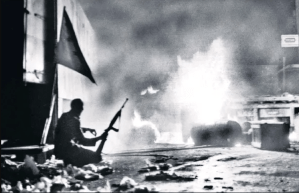
The Anglo-Irish Agreement along with many other high profile events during the Troubles , including Bloody Friday and the Shankill Bomb was a pivotal moment in Loyalist/Protestant history and at the time many including myself saw this as a complete sell out and another step on the road to a United Ireland. Living in Glencairn ( 19 at the time ) we went buck mad with rage and as so often happened during the Troubles this led to riots and chaos throughout Belfast and Northern Ireland . I remember vividly some of the riots that took place and I took part in around this time. Don’t judge me to harshly , I was a product of the time and place I lived through.
Once I was walking a girl home from the Woodvale to the Shankill and I walked straight into/through a riot taking place by Ardoyne. No bothers me thinks waving at people I knew in the crowds and then someone threw a petrol bomb and before I knew what was happening it landed on my right arm and within seconds flames were crawling up my arm. As I fought frantically to put it out I heard one of my friends call out from the mob :
“ Quick , get more Petrol, Chambers is going out! “
Needless to say I was not impressed , the Belfast humour back then could be very black indeed and even in the maelstrom of a riot we could find something to laugh about. My sister Mags was living in Ottawa Street (Woodvale) at the time and when the police/army use to charge us we would all run down the local streets, full of Terrace houses and all the neighbours , including my sister would open their front doors so we could escape the long arm of the law and hide in the back yard until the coast was clear . Crazy days, but back then the community acted and thought as one and we all looked out for each other no matter what.
I remember going to the rally by the City Hall and me and my mates climbed up above H Samuels jewellers and had a birds eye view of Big Ian and the other speakers on the platform.
NEVER !
NEVER !
NEVER !
Then someone broke into the sports shop and next thing we know thousands of golf and tennis balls are flying everywhere and this memory is imprinted on my soul forever!
I cover this and many other major events of the Troubles in
my forthcoming autobiography.
The Anglo-Irish Agreement was a 1985 treaty between the United Kingdom and Ireland which aimed to help bring an end to the Troubles in Northern Ireland. The treaty gave the Irish government an advisory role in Northern Ireland’s government while confirming that there would be no change in the constitutional position of Northern Ireland unless a majority of its people agreed to join the Republic. It also set out conditions for the establishment of a devolved consensus government in the region.
During her first term as Prime Minister, Thatcher had unsuccessful talks with both Jack Lynch and Charles Haughey on solving the conflict in Northern Ireland. In December 1980 Thatcher and Haughey met in Dublin, with the subsequent communiqué calling for joint studies of “possible new institutional links” between Britain, Northern Ireland, and the Republic of Ireland.[2] Although this resulted in the founding of the Anglo-Irish Intergovernmental Council in 1981, Anglo-Irish relations had by this time deteriorated due to the Irish hunger strike and so this body was neglected.
Haughey resumed power shortly afterwards and took Argentina’s side during the Falklands War, leading to the meeting scheduled for July 1982 to be cancelled. However, the British Northern Irish Secretary, Jim Prior, proposed “rolling devolution”: a step by step approach whereby local government was devolved to an assembly elected by proportional representation. This was boycotted by the nationalist community and the plan was dead by June 1983.
The IRA‘s campaign on the mainland was ongoing, with the bombing of Chelsea Barracks in October 1981, the Hyde Park and Regent’s Park bombings in July 1982 and the Harrods bombings in December 1983. Thatcher herself was the target in the Brighton hotel bombing of October 1984. British military intelligence informed Thatcher that she could not take the IRA head on and the likelihood of never-ending violence persuaded her to seek a political solution to the Troubles..
The Anglo-Irish Agreement’s origins lay in the behind-the-scenes negotiations between the British and Irish foreign offices, co-ordinated by the Cabinet Secretary, Robert Armstrong, and the secretary to the Irish government, Dermot Nally.
The New Ireland Forum had been founded (with the backing of then-Taoiseach Garret FitzGerald) in May 1983 by John Hume in an attempt to undercut support for the IRA by bringing together constitutional nationalist parties from both sides of the border. In June 1983 Thatcher and Fitzgerald met again and revived the Anglo-Irish Council, which met sixteen times between November 1983 and March 1985.
The report of the New Ireland Forum was published in May and suggested three possible solutions: a federal united Ireland, a confederal united Ireland or joint sovereignty. Fitzgerald hoped that Thatcher might be persuaded of the third option but at the press conference after their meeting Thatcher publicly proclaimed that all three options were “out”.
Thatcher’s intransigence persuaded the American President, Ronald Reagan, to intervene.
The most powerful pressure for the Agreement came from the United States, where the Irish-American lobby was second only to the Israel lobby in influence.[6] Led by the Speaker of the House of Representatives, Tip O’Neill, and Senators Edward Kennedy and Daniel Moynihan, the Irish lobby regularly denounced what they considered British colonialism and human rights violations in Northern Ireland. Reagan, who was also Irish-American and visited Ireland in June 1984, increasingly encouraged Thatcher to make progress on Anglo-Irish talks.
45 Senators and Congressmen (including O’Neill, Kennedy and Moynihan) wrote to Reagan criticising Thatcher’s rejection of the Forum’s report. They also pushed him to pressure Thatcher into reconsidering her stance at the upcoming meeting at Camp David in December 1984. Reagan duly discussed Northern Ireland with Thatcher at their meeting, telling her that “making progress is important” and that “there is great Congressional interest in the matter”, adding that O’Neill wanted her to be “reasonable and forthcoming”.
Afterwards, Reagan assured O’Neill that he had emphasised the need for progress.
Sean Donlon, the Secretary General of the Department of Foreign Affairs, later claimed that “the intervention by Reagan was vital, and it was made possible by Tip”. Michael Lillis, the Deputy Secretary General of the Department of Foreign Affairs from 1983-1985, similarly claimed that “O’Neill was very active and effective in mobilizing the President. And there is no doubt whatsoever that Reagan’s regular references to this in his interaction with Thatcher helped us in a major way”.
By January 1985, Thatcher was persuaded that progress must be made on the issue. Her primary aim was security but realised that in order for help in this area she would need to concede in other areas, such as grievances over policing and the courts. She also hoped that this would help reconcile the Catholic population to the United Kingdom. She invited John Hume to Chequers on 16 January to discuss Northern Ireland. She now accepted that an “Irish dimension” was necessary in return for the Irish government’s acceptance that Northern Ireland would remain a member of the United Kingdom so long as it had majority support.[16] In April a four-member Cabinet committee had been informed of the negotiations; in October the entire Cabinet was informed. Thatcher and Fitzgerald met again in May at a European summit in which they discussed what became the Anglo-Irish Agreement.
Vietnam: An Epic History of a Divisive War 1945-1975
Click to buy
THE SUNDAY TIMES BESTSELLER
‘His masterpiece’ Antony Beevor, Spectator
‘A masterful performance’ Sunday Times
‘By far the best book on the Vietnam War’ Gerald Degroot, The Times, Book of the Year
My Thoughts ?
I’ve just finished reading this ( all 722 pages) and it sure is an Epic read and forensic analysis of the war , the history of the region and the American’s ill fated journey through the nightmare theatre of the tragedy that was the Vietnam War. Full of interesting and revealing background and personal stories from those on all side , including Johnson and Nixons involvement.
War by Proxy ?
Seemed that way to me, the Americans and their partners were so paranoid about the commie’s getting a foot in the door they were blind to the spiders web they had walked into. Not for the faint hearted, but if you like to get under the skin and know all the details this book is a great way to start!
Vietnam became the Western world’s most divisive modern conflict, precipitating a battlefield humiliation for France in 1954, then a vastly greater one for the United States in 1975. Max Hastings has spent the past three years interviewing scores of participants on both sides, as well as researching a multitude of American and Vietnamese documents and memoirs, to create an epic narrative of an epic struggle. He portrays the set pieces of Dienbienphu, the Tet offensive, the air blitz of North Vietnam, and less familiar battles such as the bloodbath at Daido, where a US Marine battalion was almost wiped out, together with extraordinary recollections of Ho Chi Minh’s warriors. Here are the vivid realities of strife amid jungle and paddies that killed 2 million people.
Many writers treat the war as a US tragedy, yet Hastings sees it as overwhelmingly that of the Vietnamese people, of whom forty died for every American. US blunders and atrocities were matched by those committed by their enemies. While all the world has seen the image of a screaming, naked girl seared by napalm, it forgets countless eviscerations, beheadings and murders carried out by the communists. The people of both former Vietnams paid a bitter price for the Northerners’ victory in privation and oppression. Here is testimony from Vietcong guerrillas, Southern paratroopers, Saigon bargirls and Hanoi students alongside that of infantrymen from South Dakota, Marines from North Carolina, Huey pilots from Arkansas.
No past volume has blended a political and military narrative of the entire conflict with heart-stopping personal experiences, in the fashion that Max Hastings’ readers know so well. The author suggests that neither side deserved to win this struggle with so many lessons for the 21st century about the misuse of military might to confront intractable political and cultural challenges. He marshals testimony from warlords and peasants, statesmen and soldiers, to create an extraordinary record.