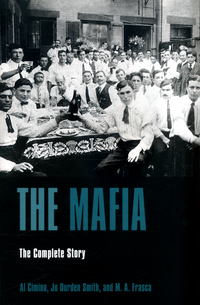
Italy’s most notorious export is the Mafia. As Sicilian immigrants arrived on Ellis Island, they brought their bad seeds with them, gangsters who would stop at nothing in pursuit of money. Soon they were rewriting the history of America in blood.
The deeds of ruthless hoods and criminal masterminds such as Al Capone, Tot� Riina, and John Gotti have since become legend. The Mafia gives you the inside track on the personalities, the brutal exploits, and the fascinating culture of the world’s most powerful criminal organization
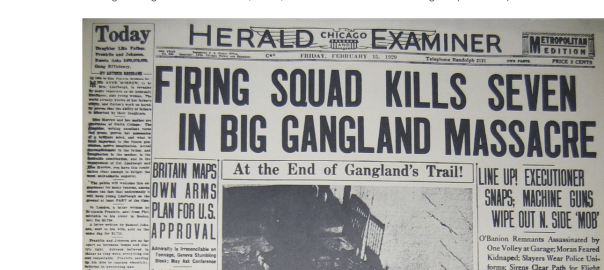
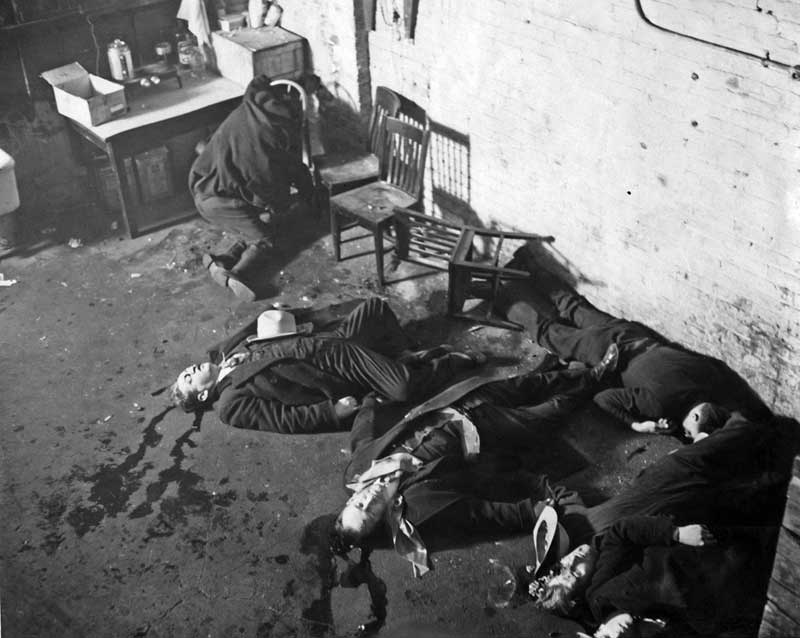
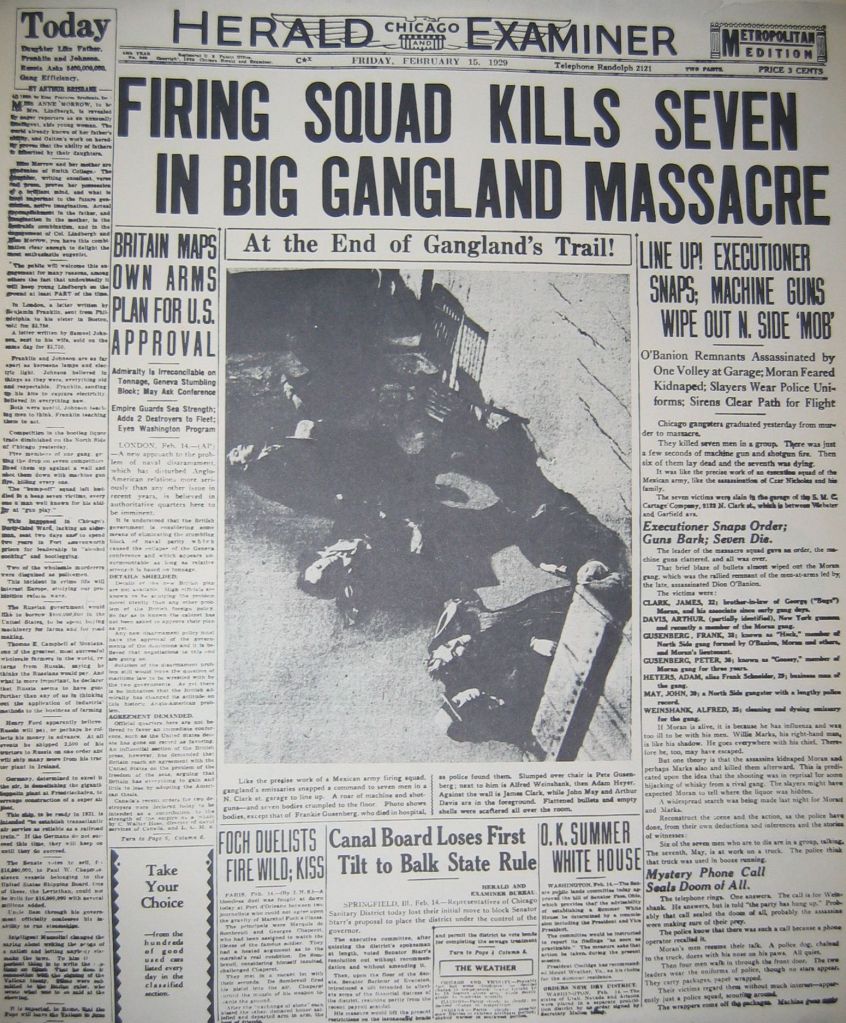
The Saint Valentine’s Day Massacre was the 1929 Valentine’s Day murder of seven members and associates of Chicago’s North Side Gang. The men were gathered at a Lincoln Park garage on the morning of Valentine’s Day. They were lined up against a wall and shot by four unknown assailants who were dressed like police officers. The incident resulted from the struggle to control organized crime in the city during Prohibition between the Irish North Siders, headed by George “Bugs” Moran, and their Italian South Side rivals led by Al Capone.
The perpetrators have never been conclusively identified, but former members of the Egan’s Rats gang working for Capone are suspected of a significant role, as are members of the Chicago Police Department who allegedly wanted revenge for the killing of a police officer’s son.
The Massacre
Saint Valentine’s Day Massacre – Al Capone, George ‘Bugs’ Moran and the Irish North Side Gang
At 10:30 a.m. on Thursday, February 14, 1929, seven men were murdered at the garage at 2122 North Clark Street, in the Lincoln Park neighborhood of Chicago’s North Side. They were shot by four men using weapons that included two Thompson submachine guns. Two of the shooters were dressed as uniformed policemen, while the others wore suits, ties, overcoats, and hats. Witnesses saw the fake police leading the other men at gunpoint out of the garage after the shooting.
The victims included five members of George “Bugs” Moran‘s North Side Gang. Moran’s second in command and brother-in-law Albert Kachellek (alias James Clark) was killed along with Adam Heyer, the gang’s bookkeeper and business manager, Albert Weinshank, who managed several cleaning and dyeing operations for Moran, and gang enforcers Frank Gusenberg and Peter Gusenberg.
Two collaborators were also shot: Reinhardt H. Schwimmer, a former optician turned gambler and gang associate, and John May, an occasional mechanic for the Moran gang. Real Chicago police officers arrived at the scene to find that victim Frank Gusenberg was still alive. He was taken to the hospital, where doctors stabilized him for a short time and police tried to question him. He had sustained 14 bullet wounds; the police asked him who did it, and he replied, “No one shot me.” He died three hours later.
Al Capone was widely assumed to have been responsible for ordering the 1929 Saint Valentine’s Day Massacre in an attempt to eliminate Bugs Moran, head of the North Side Gang. Moran was the last survivor of the North Side gunmen; his succession had come about because his similarly aggressive predecessors Vincent Drucci and Hymie Weiss had been killed in the violence that followed the murder of original leader Dean O’Banion.
Al Capone was widely assumed to have been responsible for ordering the 1929 Saint Valentine’s Day Massacre in an attempt to eliminate Bugs Moran, head of the North Side Gang. Moran was the last survivor of the North Side gunmen; his succession had come about because his similarly aggressive predecessors Vincent Drucci and Hymie Weiss had been killed in the violence that followed the murder of original leader Dean O’Banion.
Several factors contributed to the timing of the plan to kill Moran. Earlier in the year, North Sider Frank Gusenberg and his brother Peter unsuccessfully attempted to murder Jack McGurn. The North Side Gang was complicit in the murders of Pasqualino “Patsy” Lolordo and Antonio “The Scourge” Lombardo. Both had been presidents of the Unione Siciliana, the local Mafia, and close associates of Capone. Moran and Capone had been vying for control of the lucrative Chicago bootlegging trade. Moran had also been muscling in on a Capone-run dog track in the Chicago suburbs, and he had taken over several saloons that were run by Capone, insisting that they were in his territory.
The plan was to lure Moran to the SMC Cartage warehouse on North Clark Street on February 14, 1929 to kill him and perhaps two or three of his lieutenants. It is usually assumed that the North Siders were lured to the garage with the promise of a stolen, cut-rate shipment of whiskey, supplied by Detroit’s Purple Gang which was associated with Capone. The Gusenberg brothers were supposed to drive two empty trucks to Detroit that day to pick up two loads of stolen Canadian whiskey. All of the victims were dressed in their best clothes, with the exception of John May, as was customary for the North Siders and other gangsters at the time.
Most of the Moran gang arrived at the warehouse by approximately 10:30 a.m. on Valentine’s Day, but Moran was not there, having left his Parkway Hotel apartment late. He and fellow gang member Ted Newberry approached the rear of the warehouse from a side street when they saw a police car approaching the building. They immediately turned and retraced their steps, going to a nearby coffee shop. They encountered gang member Henry Gusenberg on the street and warned him, so also he turned back. North Side Gang member Willie Marks also spotted the police car on his way to the garage, and he ducked into a doorway and jotted down the license number before leaving the neighborhood.
Capone’s lookouts likely mistook one of Moran’s men for Moran himself, probably Albert Weinshank, who was the same height and build. The physical similarity between the two men was enhanced by their dress that morning; both happened to be wearing the same color overcoats and hats. Witnesses outside the garage saw a Cadillac sedan pull to a stop in front of the garage. Four men emerged and walked inside, two of them dressed in police uniform. The two fake police officers carried shotguns and entered the rear portion of the garage, where they found members of Moran’s gang and collaborators Reinhart Schwimmer and John May, who was fixing one of the trucks.
The Guns of the St. Valentine’s Day Massacre
The fake policemen then ordered the men to line up against the wall. They then signaled to the pair in civilian clothes who had accompanied them. Two of the killers opened fire with Thompson sub-machine guns, one with a 20-round box magazine and the other a 50-round drum. They were thorough, spraying their victims left and right, even continuing to fire after all seven had hit the floor. Two shotgun blasts afterward all but obliterated the faces of John May and James Clark, according to the coroner’s report.
To give the appearance that everything was under control, the men in street clothes came out with their hands up, prodded by the two uniformed policemen. Inside the garage, the only survivors in the warehouse were May’s dog “Highball” and Frank Gusenberg—despite 14 bullet wounds. He was still conscious, but he died three hours later, refusing to utter a word about the identities of the killers. The Valentine’s Day Massacre set off a public outcry which posed a problem for all mob bosses.
Victims
Peter Gusenberg, a front-line enforcer for the Moran organizations
Frank Gusenberg, the brother of Peter Gusenberg and also an enforcer
Albert Kachellek (alias “James Clark”), Moran’s second in command
Adam Heyer, the bookkeeper and business manager of the Moran gang
Reinhardt Schwimmer, an optician who had abandoned his practice to gamble on horse racing and associate with the gang
Albert Weinshank, who managed several cleaning and dyeing operations for Moran; his resemblance to Moran is allegedly what set the massacre in motion before Moran arrived, including the clothes that he was wearing
John May, an occasional car mechanic for the Moran gang[8]
Investigation
Within days, Capone received a summons to testify before a Chicago grand jury on charges of federal Prohibition violations, but he claimed to be too unwell to attend.
The Purple Gang
It was common knowledge that Moran was hijacking Capone’s Detroit-based liquor shipments, and police focused their attention on Detroit’s predominantly Jewish Purple Gang. Landladies Mrs. Doody and Mrs. Orvidson had taken in three men as roomers ten days before the massacre, and their rooming houses were directly across the street from the Clark Street garage. They picked out mug shots of Purple members George Lewis, Eddie Fletcher, Phil Keywell, and his younger brother Harry, but they later wavered in their identification. The police questioned and cleared Fletcher, Lewis, and Harry Keywell. Nevertheless, the Keywell brothers (and by extension the Purple Gang) remained ensnared in the massacre case for all time. Many also believed what the killers wanted them to believe: that the police did it.
On February 22, police were called to the scene of a garage fire on Wood Street where they found a 1927 Cadillac Sedan disassembled and partially burned, and they determined that the killers had used the car. They traced the engine number to a Michigan Avenue dealer who had sold the car to a James Morton of Los Angeles.
Claude Maddox
The garage had been rented by a man calling himself Frank Rogers, who gave his address as 1859 West North Avenue. This was the address of the Circus Café operated by Claude Maddox, a former St. Louis gangster with ties to the Capone gang, the Purple Gang, and a St. Louis gang called Egan’s Rats. Police could not turn up any information about persons named James Morton or Frank Rogers, but they had a definite lead on one of the killers. Just minutes before the killings, a truck driver named Elmer Lewis had turned a corner a block away from 2122 North Clark and sideswiped a police car.
He told police that he stopped immediately but was waved away by the uniformed driver, who was missing a front tooth. Board of Education president H. Wallace Caldwell had witnessed the accident, and he gave the same description of the driver. Police were confident that they were describing Fred Burke, a former member of Egan’s Rats. Burke and a close companion named James Ray were known to wear police uniforms whenever on a robbery spree. Burke was also a fugitive, under indictment for robbery and murder in Ohio. Police also suggested that Joseph Lolordo could have been one of the killers because of his brother Pasqualino’s recent murder by the North Side Gang.
Police then announced that they suspected Capone gunmen John Scalise and Albert Anselmi, as well as Jack McGurn and Frank Rio, a Capone bodyguard. Police eventually charged McGurn and Scalise with the massacre. Capone murdered John Scalise, Anselmi, and Joseph “Hop Toad” Giunta in May 1929 after he learned about their plan to kill him. The police dropped the murder charges against Jack McGurn because of a lack of evidence, and he was just charged with a violation of the Mann Act; he took his girlfriend Louise Rolfe across state lines to marry.
The case stagnated until December 14, 1929, when the Berrien County, Michigan Sheriff’s Department raided the St. Joseph, Michigan bungalow of “Frederick Dane”, the registered owner of a vehicle driven by Fred “Killer” Burke. Burke had been drinking that night, then rear-ended another vehicle and drove off. Patrolman Charles Skelly pursued, finally forcing him off the road. Skelly hopped onto the running board of Burke’s car, but he was shot three times and died of his wounds that night. The car was found wrecked and abandoned just outside St. Joseph and traced to Fred Dane. By this time, police photos confirmed that Dane was in fact Fred Burke, wanted by the Chicago police for his participation in the St. Valentine’s Day Massacre.
Thompson submachine guns,
Police raided Burke’s bungalow and found a large trunk containing a bullet-proof vest, almost $320,000 in bonds recently stolen from a Wisconsin bank, two Thompson submachine guns, pistols, two shotguns, and thousands of rounds of ammunition. St. Joseph authorities immediately notified the Chicago police, who requested both machine guns. They used the new science of forensic ballistics to identify both weapons as those used in the massacre. They also discovered that one of them had also been used to murder New York mobster Frankie Yale a year and a half earlier. Unfortunately, no further concrete evidence surfaced in the massacre case. Burke was captured over a year later on a Missouri farm. The case against him was strongest in connection to the murder of Officer Skelly, so he was tried in Michigan and subsequently sentenced to life imprisonment. He died in prison in 1940.
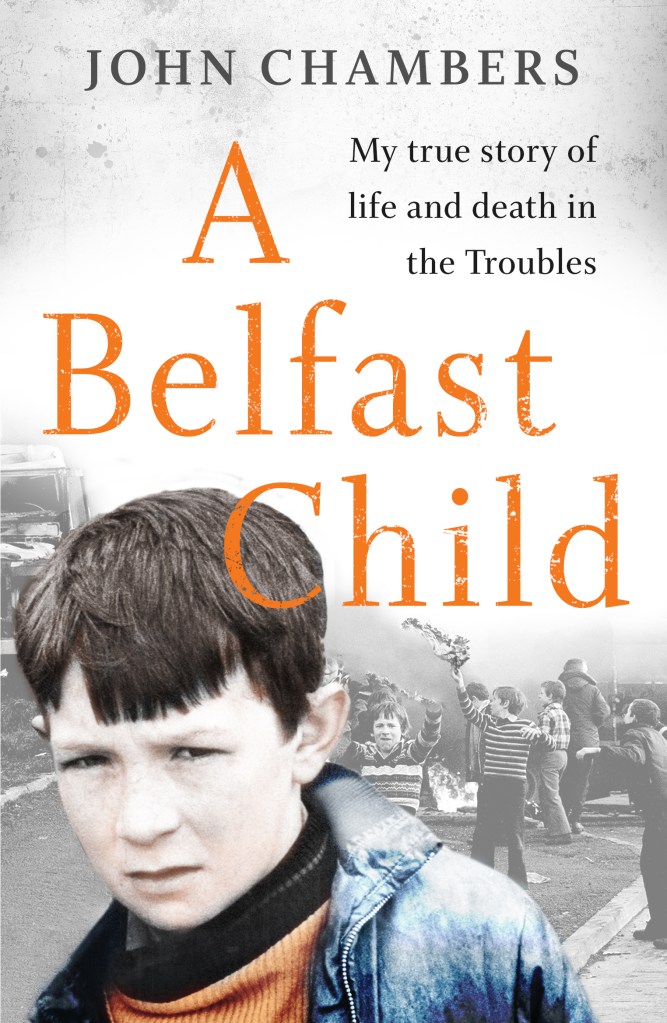
Well folks only 77 days to go until my life story is in the public domain and to say Im nervous would be a gross understatement. But when all is said and done folk have always found my story interesting and this has encouraged me to put in all down on paper and has ultimately lead to: A Belfast Child being published within the very near future.
The one thing that was paramount when telling my story was to be as honest and as frank as possible and this has resulted in the book having many epic highs and at times soul destroying lows and although that may be what folk like to read and find interesting it was mentally and emotionally draining at time revisiting my past and having to relive events and times that still hunt and torment me to this day.
But I never wanted the book to be just another book about the Troubles and i think I have achieved this with the tone and theme of the book and I hope folk will read it and have a better understanding of what it was like to grow up during the worst years of the Troubles in the badlands of Loyalist West Belfast. My story is a reflections of all the kids whom had to live and grow up surrounded by the madness that hunted all the people of Northern Ireland for thirty long brutal years and it is their story also.
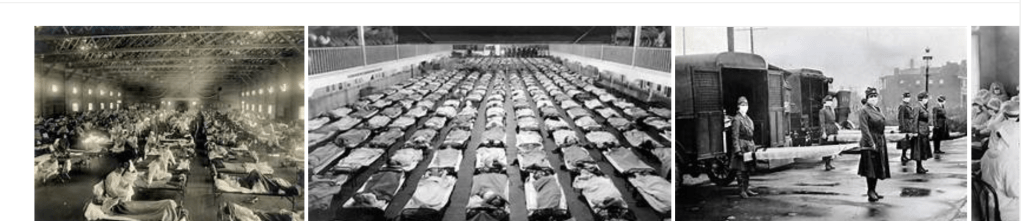
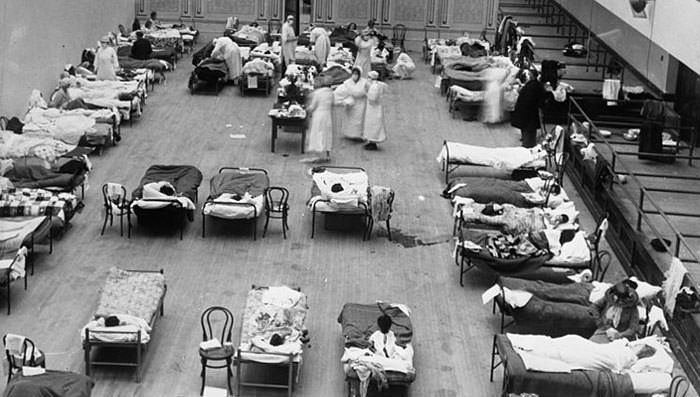
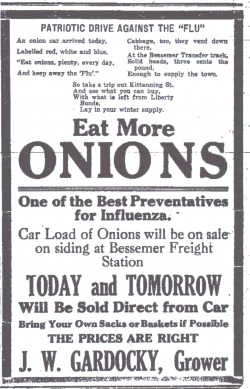
The 1918 influenza pandemic (January 1918 – December 1920; colloquially known as Spanish flu)
The 1918 influenza pandemic (January 1918 – December 1920; colloquially known as Spanish flu) was an unusually deadly influenza pandemic, the first of the two pandemics involving H1N1 influenza virus, with the second being the swine flu in 2009. It infected 500 million people around the world, or about 27% of the then world population of about 1.8 billion, including people on remote Pacific islands and in the Arctic. The death toll is estimated to have been 50 million, and possibly as high as 100 million (about 3 to 6 percent of Earth’s population at the time), making it one of the deadliest epidemics in human history. Historical and epidemiological data are inadequate to identify with certainty the pandemic’s geographic origin.
Infectious diseases already limited life expectancy in the early 20th century, but life expectancy in the United States dropped by about 12 years in the first year of the pandemic. Most influenza outbreaks disproportionately kill the very young and the very old, with a higher survival rate for those in-between. However, the Spanish flu pandemic resulted in a higher than expected mortality rate for young adults.
To maintain morale, wartime censors minimized early reports of illness and mortality in Germany, the United Kingdom, France, and the United States. Papers were free to report the epidemic’s effects in neutral Spain (such as the grave illness of King Alfonso XIII). These stories created a false impression of Spain as especially hard hit,[13] thereby giving rise to the pandemic’s nickname, “Spanish flu”.
Scientists offer several possible explanations for the high mortality rate of the 1918 influenza pandemic. Some analyses have shown the virus to be particularly deadly because it triggers a cytokine storm, which ravages the stronger immune system of young adults. In contrast, a 2007 analysis of medical journals from the period of the pandemic found that the viral infection was no more aggressive than previous influenza strains. Instead, malnourishment, overcrowded medical camps and hospitals, and poor hygiene promoted bacterial superinfection. This superinfection killed most of the victims, typically after a somewhat prolonged death bed
1918 Spanish Flu historical documentary
History
Hypotheses about the source
The major troop staging and hospital camp in Étaples, France, was identified by researchers as being at the center of the Spanish flu. The research was published in 1999 by a British team, led by virologistJohn Oxford.[20] In late 1917, military pathologists reported the onset of a new disease with high mortality that they later recognized as the flu. The overcrowded camp and hospital was an ideal site for the spreading of a respiratory virus.
The hospital treated thousands of victims of chemical attacks, and other casualties of war. 100,000 soldiers were in transit through the camp every day. It also was home to a live piggery, and poultry was regularly brought in for food supplies from surrounding villages. Oxford and his team postulated that a significant precursor virus, harbored in birds, mutated and then migrated to pigs kept near the front.
There have been claims that the epidemic originated in the United States. Historian Alfred W. Crosby claimed that the flu originated in Kansas, and popular author John Barry described Haskell County, Kansas, as the point of origin. It has also been claimed that, by late 1917, there had already been a first wave of the epidemic in at least 14 US military camps.
One of the few regions of the world that were seemingly less affected by the 1918 flu pandemic was China, where there may have been a comparatively mild flu season in 1918 (although this is disputed, see #Less-affected areas). There were relatively few deaths from the flu in China compared to other regions of the world. This has led to speculation that the 1918 flu pandemic originated from the country of China itself.
The relatively mild flu season and lower rates of flu mortality in China in 1918 may be explained due to the fact that the Chinese population had already possessed acquired immunity to the flu virus. Thus in 1918, China was spared from the worst ravages of the pandemic, due to the apparent greater resistance to the virus among the Chinese population compared to other regions of the world
Earlier hypotheses put forward varying points of origin for the epidemic. Some hypothesized that the flu originated in East Asia, a common area for transmission of disease from animals to humans because of dense living conditions. In 1993, Claude Hannoun, the leading expert on the 1918 flu for the Pasteur Institute, asserted the former virus was likely to have come from China. It then mutated in the United States near Boston and from there spread to Brest, France, Europe’s battlefields, Europe, and the world with Allied soldiers and sailors as the main disseminators.
He considered several other hypotheses of origin, such as Spain, Kansas and Brest, as being possible, but not likely.
Political scientist Andrew Price-Smith published data from the Austrian archives suggesting the influenza had earlier origins, beginning in Austria in early 1917.
In 2014, historian Mark Humphries argued that the mobilization of 96,000 Chinese laborers to work behind the British and French lines might have been the source of the pandemic. Humphries, of the Memorial University of Newfoundland in St. John’s, based his conclusions on newly unearthed records. He found archival evidence that a respiratory illness that struck northern China in November 1917 was identified a year later by Chinese health officials as identical to the Spanish flu.
A report published in 2016 in the Journal of the Chinese Medical Association found no evidence that the 1918 virus was imported to Europe via Chinese and Southeast Asian soldiers and workers. It found evidence that the virus had been circulating in the European armies for months and possibly years before the 1918 pandemic.
Spread
When an infected person sneezes or coughs, more than half a million virus particles can spread to those nearby. The close quarters and massive troop movements of World War I hastened the pandemic, and probably both increased transmission and augmented mutation. The war may also have increased the lethality of the virus. Some speculate the soldiers’ immune systems were weakened by malnourishment, as well as the stresses of combat and chemical attacks, increasing their susceptibility.
A large factor in the worldwide occurrence of this flu was increased travel. Modern transportation systems made it easier for soldiers, sailors, and civilian travelers to spread the disease.
In the United States, the disease was first observed in Haskell County, Kansas, in January 1918, prompting local doctor Loring Miner to warn the U.S. Public Health Service‘s academic journal. On 4 March 1918, company cook Albert Gitchell, from Haskell County, reported sick at Fort Riley, an American military facility that at the time was training American troops during World War I, making him the first recorded victim of the flu. Within days, 522 men at the camp had reported sick.
By 11 March 1918, the virus had reached Queens, New York. Failure to take preventive measures in March/April was later criticised.
In August 1918, a more virulentstrain appeared simultaneously in Brest, France; in Freetown, Sierra Leone; and in the U.S. in Boston, Massachusetts. The Spanish flu also spread through Ireland, carried there by returning Irish soldiers. The Allies of World War I came to call it the Spanish flu, primarily because the pandemic received greater press attention after it moved from France to Spain in November 1918. Spain was not involved in the war and had not imposed wartime censorship.
Mortality
“In terms of single events causing major loss of life, it surpassed the First World War (17 million dead), the Second World War (60 million dead), and possibly both put together. It was the greatest tidal wave of death since the Black Death, perhaps in the whole of human history.” Laura Spinney, Pale Rider: The Spanish Flu of 1918 and How It Changed the World
A coronavirus is one of a number of viruses that cause diseases in mammals and birds. In humans, the viruses cause respiratory infections, including the common cold, which are typically mild, though rarer forms such as SARS, MERS and 2019-nCoV can be lethal. Symptoms vary in other species: in chickens, they cause an upper respiratory disease, while in cows and pigs coronaviruses cause diarrhea. There are no vaccines or antiviral drugs to prevent or treat human coronavirus infections.
The name “coronavirus” is derived from the Latin corona, meaning crown or halo, which refers to the characteristic appearance of the virus particles (virions): they have a fringe reminiscent of a crown or of a solar corona.
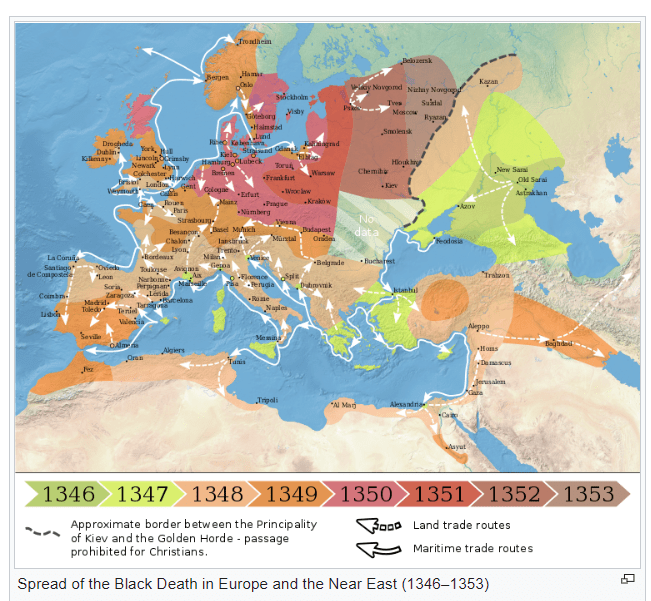
The Black Death, also known as the Pestilence (Pest for short), the Great Plague or the Plague, or less commonly the Black Plague, was one of the most devastating pandemics in human history, resulting in the deaths of an estimated 75 to 200 million people in Eurasia, peaking in Europe from 1347 to 1351.[1][2][3] The bacteriumYersinia pestis, which results in several forms of plague (septicemic, pneumonic and, the most common, bubonic) is believed to have been the cause.[4] The Black Death was the first major European outbreak of plague and the second plague pandemic.[5] The plague created a number of religious, social and economic upheavals, with profound effects on the course of European history.
The Black Death is estimated to have killed 30% to 60% of Europe’s population. In total, the plague may have reduced the world population from an estimated 475 million to 350–375 million in the 14th century. It took 200 years for the world population to recover to its previous level. The plague recurred as outbreaks in Europe until the 19th century.
The plague disease, caused by Yersinia pestis, is enzootic (commonly present) in populations of fleas carried by ground rodents, including marmots, in various areas, including Central Asia, Kurdistan, Western Asia, North India, and Uganda. Due to climate change in Asia, rodents began to flee the dried-out grasslands to more populated areas, spreading the disease. Nestorian graves dating to 1338–1339 near Issyk-Kul in Kyrgyzstan have inscriptions referring to plague and are thought by many epidemiologists to mark the outbreak of the epidemic, from which it could easily have spread to China and India. In October 2010, medical geneticists suggested that all three of the great waves of the plague originated in China.
The 13th-century Mongol conquest of China caused a decline in farming and trading. Economic recovery had been observed at the beginning of the fourteenth century. In the 1330s, many natural disasters and plagues led to widespread famine, starting in 1331, with a deadly plague arriving soon after. Epidemics that may have included the plague killed an estimated 25 million Chinese and other Asians during the fifteen years before it reached Constantinople in 1347.
The disease may have travelled along the Silk Road with Mongol armies and traders or it could have arrived via ship. By the end of 1346, reports of plague had reached the seaports of Europe: “India was depopulated, Tartary, Mesopotamia, Syria, Armenia were covered with dead bodies”.
Plague was reportedly first introduced to Europe via Genoese traders from the port city of Kaffa in the Crimea in 1347. During a protracted siege of the city by the Mongol army under Jani Beg, whose army was suffering from the disease, the army catapulted infected corpses over the city walls of Kaffa to infect the inhabitants. The Genoese traders fled, taking the plague by ship into Sicily and the south of Europe, whence it spread north.[20] Whether or not this hypothesis is accurate, it is clear that several existing conditions such as war, famine, and weather contributed to the severity of the Black Death. Among many other culprits of plague contagiousness malnutrition even if distantly also had an effect as a contributor to such an immense loss in European population since it lead to weakened immune systems.
Here’s a story about my son Jude, now 12 who contacted E Coli from local river.
Jude and the wife
A Leyland youngster who enjoyed a paddle in the water at a beauty spot ended up being struck down with the E.coli bug.
Jude Chambers, four, of Great Park Drive, went to Cuerden Valley Park with his parents Steve and Simone three weeks ago.
Mum Simone, 39, who also has a daughter Autumn, said: “Jude had been paddling in the stream on both the Friday and the Saturday and on the Monday, he began complaining of stomach cramps and vomiting.
“A couple of days later, he began suffering from diarrhoea which kept getting worse and became uncontrollable.”
When Jude’s condition worsened, his parents took a sample to the doctor for testing and the following day, they received a telephone call telling them Jude had E.Coli and to take him to Royal Preston Hospital.
Simone, who is a ballet and contempary dancer and teacher, said: “When you first hear the word E-coli, you start thinking really horrible things and we were really upset and worried about Jude.
“Royal Preston Hospital carried out tests to check Jude’s kidneys and liver were affected. Luckily, they weren’t and we were allowed to take him home.
“He carried on suffering from the diarrhoea for a week and he is now a lot better, although he gets very tired and still gets stomach pains.
“However, we have sent three samples for testing and he is still testing positive for E.coli three weeks on.
“Health protection experts came to our home and after hearing that Jude had been paddling in the water, they suspect he got the E.Coli from the water.”
Jude is a pupil at Lever House Primary School in Leyland, but has not been to school since becoming ill.
Fulton was alleged by journalist Susan McKay to have carried out a dozen sectarian killings in the 1990s. He also allegedly organized the murder of a Catholic lawyer, Rosemary Nelson, in 1999 while he was out of prison on compassionate leave. In 2002, he was found hanged in his cell at Maghaberry Prison, an apparent suicide. He was awaiting trial having been charged with conspiracy to murder a man from a rival loyalist paramilitary organisation. At the time of his death, Fulton was married with two children
– Disclaimer –
The views and opinions expressed in these blog post/documentary are soley intended to educate and provide background information to those interested in the Troubles of Northern Ireland. They in no way reflect my own opinions and I take no responsibility for any inaccuracies or factual errors
Early years
Mark Fulton was born in Portadown, County Armagh in 1961, one of the children of Jim Fulton, a former British soldier who worked as a window cleaner. His mother, Sylvia (née Prentice), came from a family of wealthy car dealers. Fulton grew up in the working-class Protestant Killycomain area. A childhood friend described Fulton as “a lovely, sweet wee boy”.
Jackson, one of the alleged leaders of the gang which carried out the 1974 Dublin car bombings, became the commander of the UVF’s Mid-Ulster Brigade in July 1975. Four days later, Boyle was blown up after placing a bomb on the Miami Showband’s minibus after the band was stopped at a bogus checkpoint by UVF gunmen, and three band members shot dead.
Ulster Volunteer Force
Fulton left school early and promptly joined the Mid-Ulster UVF, being sworn in at the age of 15.[3] According to Sean McPhilemy, Fulton’s early activity included being part of the UVF gang that opened fire on a Craigavon mobile sweetshop on 28 March 1991, killing two teenaged girls and one man, all Catholics. The attack was allegedly planned by Robin Jackson.
In the early 1990s, Billy Wright, also from Portadown, took over command of the UVF Mid-Ulster Brigade from Jackson. The Mid-Ulster Brigade, founded in 1972 by its first commander, Billy Hanna, operated mainly in the Lurgan and Portadown areas. Fulton soon became Wright’s closest associate and right-hand man and had an “extreme fixation and obsession over Wright; he even had an image of Wright tattooed over his heart.
Fulton was alleged to have perpetrated twelve sectarian killings in the 1990s, and reportedly was implicated in many other attacks. His victims were often questioned about their religion prior to their killings, and sometimes they were killed in front of their families.
He was very violent and had a quick temper. Wright was the only person who was able to control him. A Royal Ulster Constabulary (RUC) detective who knew both of them said that whenever they were stopped by the police in the 1990s, Wright was “coolness personified”, while Fulton would rage, shout and make threats.
Although he was brought up in the Church of Ireland religion, Fulton was a follower of the Reverend Ian Paisley, founder and moderator of the Free Presbyterian Church of Ulster. In appearance Fulton was heavily tattooed and was known for his habit of always wearing a waistcoat.
The Mid-Ulster Brigade called themselves the “Brat Pack”, which journalist Martin O’Hagan of the Sunday World altered to “Rat Pack”. After the nickname of “King Rat” was given to Wright by local Ulster Defence Association (UDA) commander Robert John Kerr as a form of pub bantering, O’Hagan took to describing Wright by that term.
This soubriquet was thereafter used by the media, much to Wright’s fury. This led him to issue threats against O’Hagan and all journalists who worked for the newspaper. The unit initially welcomed the Combined Loyalist Military Command ceasefire in October 1994; however, things were to change drastically over the next few years.
Loyalist Volunteer Force
Following the order given in August 1996 by the UVF’s Brigade Staff (Belfast leadership) for Wright and the Portadown unit of the Mid-Ulster Brigade to stand down, Fulton remained loyal to Wright and defied the order. This came after the Mid-Ulster UVF’s killing of a Catholic taxi driver, Michael McGoldrick, while the UVF were on ceasefire. Fulton was close to Alex Kerr, the sometime South Befast brigadier of the Ulster Defence Association who had become an ally of Wright during the Drumcree conflict and had been expelled by the UDA at the same time Wright was removed from the UVF.
After Wright defied a UVF order to leave Northern Ireland, he formed the breakaway Loyalist Volunteer Force (LVF), taking the members of the officially-disbanded Portadown unit with him, including Fulton. Fulton acted as an adviser to Kerr during the emergence of the LVF as a separate group and told both Kerr and Wright that the LVF should seek a closer relationship with the UDA in order to more fully oppose the UVF.
Fulton, as Wright’s deputy, assumed effective control of the LVF when Wright was sent to the Maze Prison in March 1997, and his relationship with Kerr, who had relocated to the LVF’s Portadown stronghold, soon ended. Fulton, who continued to advocate a closer alliance with the UDA, reasoned that the group would be more prepared to co-operate with the LVF if their dissident former brigadier was not involved and so before long Fulton and his cousin Gary, also a leading LVF member, began to threaten Kerr, resulting in the Kerr family fleeing to England.
Not long after this, on 13 May, Fulton was said by McPhilemy to have been responsible for the abduction and murder of 61 year-old civil servant and GAA official Séan Brown, who was kidnapped in Bellaghy before being murdered in Randalstown.
When Wright was shot dead by the INLA in December 1997, in a prison van while being taken to the Maze’s visitor block, Fulton assumed control of the LVF. In the immediate aftermath he attempted to minimise local violence as youths sympathetic to Wright amassed on Portadown’s loyalist estates preparing to riot in protest at the killing of their leader and local hero.[12] Unlike Wright, Fulton had always been on good personal terms with UDA chief Johnny Adair as the two had socialized together on and off since the early 1990s.
The alliance was sealed soon afterwards when Mark and Gary Fulton arrived at the Maze prison,ostensibly to visit a friend, but instead sat at Adair’s table in the visiting room. Fulton was deeply affected by Wright’s death, and reportedly spent many nights alone by his grave.
The LVF published a magazine, Leading the Way. The special 1998 edition, commemorating Billy Wright, was edited by and written almost exclusively by Fulton. In an article, “Have Faith”, he advised loyalists to refuse the notion of extending the hand of friendship to “those who are genetically violent, inherent in the Catholic Church, a church as sly as a fox and vicious as a tiger”, citing historic examples of persecution of Protestants by Catholics. In May 1998, the LVF called a ceasefire. It was accepted by the Northern Ireland Office six months later.
Fulton was arrested in 1998 after shooting at an off-duty soldier in Portadown. He was heavily intoxicated at the time and sentenced to four years imprisonment. While he was out on compassionate leave in early 1999, he allegedly organised the killing of Catholic human rights lawyer Rosemary Nelson. During the Drumcree standoff, Nelson had represented the Catholic Portadown residents who opposed the Orange Order‘s march through the predominantly nationalist Garvaghy area. She was blown up by a car bomb on 15 March 1999 outside her home in Lurgan. The bomb was allegedly made by a man from the Belfast UDA but planted by Fulton’s associates acting on his orders.
Colin Port, the Deputy Chief Constable of Norfolk Constabulary who headed the investigation into her death, said “without question” Fulton was the person who had masterminded her killing. Although he was back in prison at the time, he was excited when he heard the news of her death on the radio. He was linked to the killing by police informers but not forensics. It was also revealed that prior to his own death, Wright had threatened to kill Nelson in the belief she had defended IRA volunteers.
On 10 June 2002, Fulton, who was being held on remand in HMP Maghaberry since December 2001, was found dead in his prison cell with a leather belt around his neck. Fulton was found on his bed rather than hanging from the ceiling, leading to speculation that he has death had been accidentally caused by autoerotic asphyxiation.
Friends claimed he had expressed suicidal thoughts due to both his failure to recover from his close friend Wright’s death, as well as fears he had that he was suffering from stomach cancer. Some reports suggested his unstable mental state had seen him stood down as leader several weeks before his death, with the LVF’s power base transferred to Belfast. He was also afraid that rival loyalist inmates wished to kill him inside the prison.
At the time of his death, Fulton had been awaiting trial, having been charged with conspiracy to murder Rodney Jennett, a member of a rival loyalist paramilitary organisation, in connection with an ongoing feud. He left behind his wife, Louise and two children, Lee and Alana. His funeral was attended by 500 mourners, including a number of senior loyalist paramilitaries, including Johnny Adair and John White, who acted as pallbearers alongside Fulton’s brother Jim and son, Lee.
After a service at St Columba’s Parish Church, he was interred in Kernan Cemetery in Portadown. Among the tributes placed in the Belfast Telegraph was one which described Fulton as “Never selfish/Always kind”.
This is simply the story of a boy trying to grow up, survive, thrive, have fun & discover himself against a backdrop of events that might best be described as ‘explosive’, captivating & shocking the world for thirty long years.
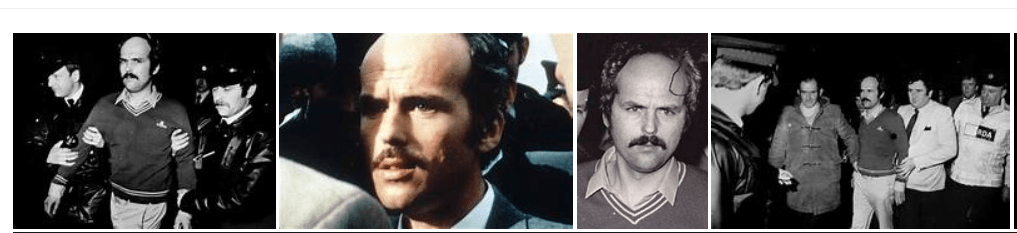
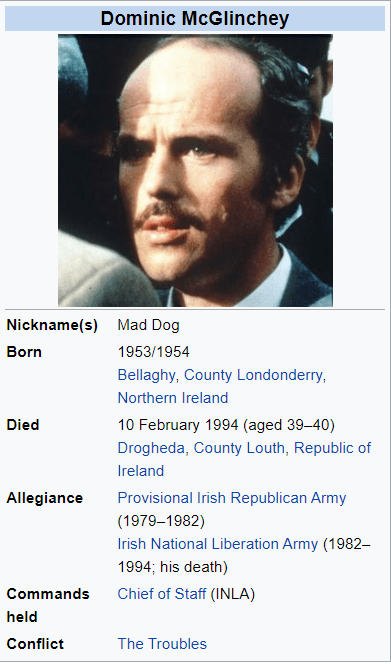
Dominic “Mad Dog” McGlinchey (1953/1954 – 10 February 1994) was an Irishrepublican militant, who moved from the Provisional IRA to become head of the Irish National Liberation Army (INLA) paramilitary group. He was the first Republican extradited from Ireland. He was shot dead by unidentified
– Disclaimer –
The views and opinions expressed in these blog post/documentary are soley intended to educate and provide background information to those interested in the Troubles of Northern Ireland. They in no way reflect my own opinions and I take no responsibility for any inaccuracies or factual errors
Background
McGlinchey was one of 11 siblings born into a large Bellaghy, County Londonderry family, with a “strong republican background”.
Paramilitary activities: IRA
In August 1971, at the age of 17, he was interned without charge for ten months at Ballykelly (Shackleton Barracks) and Long Kesh. After his release, he was imprisoned again in 1973 on arms charges.
McGlinchey was arrested by the Gardaí in 1977, and charged with hijacking a police vehicle in County Monaghan, threatening a police officer with a gun, and resisting arrest. In 1982, while serving time in Portlaoise Prison, he clashed with the IRA leadership and despite his effectiveness in an active service unit he was expelled from the IRA.
INLA
The Irish National Liberation Army (INLA) welcomed McGlinchey because of his previous experience. He joined as Operations Officer for South Derry in 1982, and became Chief of Staff within six months. Under McGlinchey the organisation, which previously had a reputation for disorganization and incompetence, became extremely active in cross-border assassinations and bombings.
In a Sunday Tribune interview, McGlinchey admitted involvement in the Droppin Well bombing in Ballykelly, County Londonderry, in which eleven off-duty soldiers and six civilians were murdered. He also said he had provided the weapons for the Darkley massacre, an attack on a remote evangelical Protestant chapel, but had not approved that attack.
In the same interview, which was conducted by Vincent Browne, McGlinchey claimed personal responsibility for at least 30 killings. By this time McGlinchey had already earned the moniker “Mad Dog” because of his ruthlessness.
Internal feud
Tim Pat Coogan, a historian of the Irish republican movement, asserted that McGlinchey’s authority within the INLA was absolute and that he re-enforced it by ordering the deaths of “anyone he didn’t like”. Other authors claimed that decisions were actually taken collectively by a council of leading members, although those disgruntled with the outcomes tended to attribute everything solely to McGlinchey.
When a powerful northern unit based around an extended family did not turn over £50,000 raised in a fake postal order scheme (which was essential to the INLA’s finances) the scheme’s originator insisted that unless the offending unit was punished he would not supply any more funds. It was decided, reportedly against McGlinchey’s objections, that members of the northern faction were to be killed.
Two were summoned to a meeting; Mary McGlinchey acted as an emissary thus lulling the pair into thinking that there would be no danger of violence. However, they were led to waiting gunmen and shot dead. The incident was the beginning of a feud between the northern family and McGlinchey, whereby a long running series of tit for tat revenge killings between the factions eventually led to the demise of the original participants on both sides.
Imprisonment and release
In March 1984 McGlinchey was wounded in a shoot-out with the Gardaí in Ralahine, Newmarket on Fergus, County Clare and arrested. McGlinchey was wanted in the north for the shooting of an elderly woman, this was deemed by a judge in the south to be a “cowardly” act that disqualified him from the protection afforded for political offences and he became the first Republican to be extradited to Northern Ireland. He was convicted and sentenced to life imprisonment after being convicted of murder.
This conviction was overturned in October 1985 by the Belfast Court of Appeals on grounds of insufficient evidence, and McGlinchey was returned to the Republic of Ireland, where he was sentenced to ten years’ imprisonment on firearms charges.
Mary McGlinchey was killed in her Dundalk home by INLA gunmen who broke in while she was bathing her children on 31 January 1987. McGlinchey was unable to attend his wife’s funeral as he was still imprisoned in the Republic.
On 10 February 1994, McGlinchey was making a call from a phone box in Drogheda when two men got out of a vehicle and shot him 14 times. No one has been charged with his killing and it is not known who carried out the assassination or why.
curs and dogs. May everyone of them rot in hell. They have taken away Dominic McGlinchy’s character and they will stand judgement for it. He was the finest Republican of them all. He never dishonoured the cause he believed in. His war was with the armed soldiers and the police of this state.
Personal life
He married Mary O’Neill on 5 July 1975. The couple had three children: Declan, Dominic, and Máire (who died as an infant from meningitis). Mary later became a member of the INLA. Dominic Jr. also became a republican activist.
In October 2006, Declan McGlinchey was remanded in custody at Derry Magistrates’ Court on explosives charges. The charges were connected to the discovery of a bomb in Bellaghy in July. He was cleared of these charges. He was again arrested on 14 March 2009 in connection with the murder of Police Service of Northern Ireland constable Stephen Carroll but no charges were brought. Declan McGlinchey died suddenly of a heart attack on 1 November 2015, aged 39.
In popular culture
Dominic McGlinchey is the subject of the songs “Paddy Public Enemy Number One” by Shane MacGowan of The Pogues, and “Hands up Trousers Down” by The Irish Brigade. The former charts McGlinchey’s life from his teens through to his eventual killing in a phonebox while the latter references his theft and use of Garda uniforms. When asked about McGlinchey, Shane MacGowan remarked, “He was a great man.”
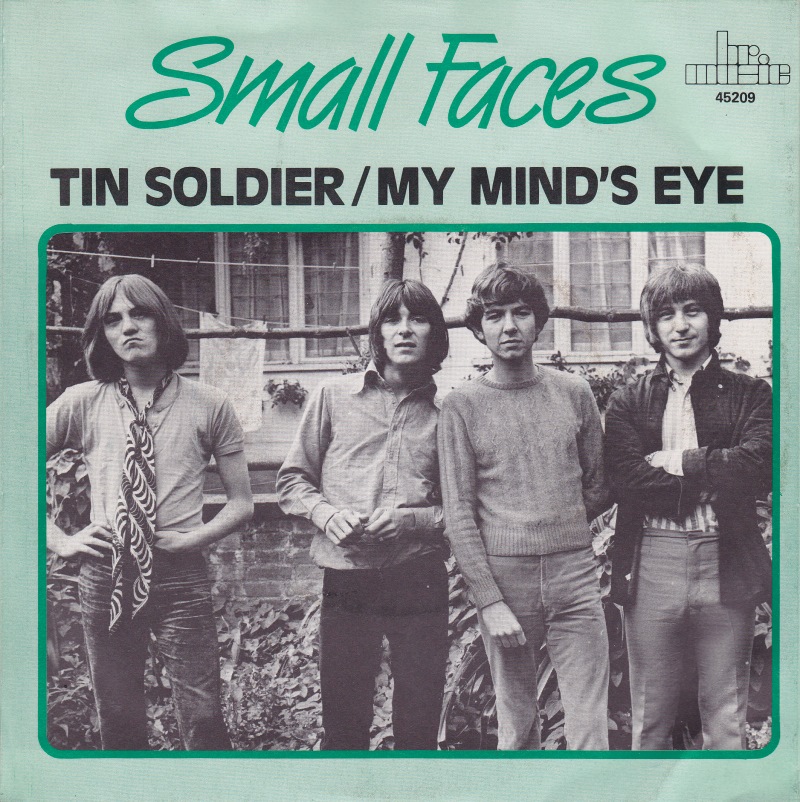
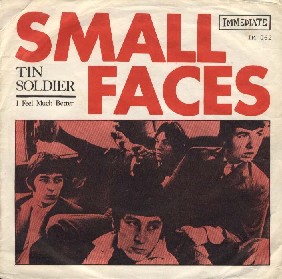
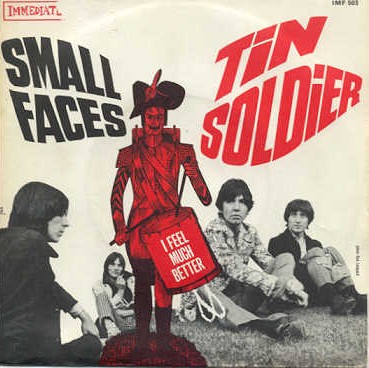
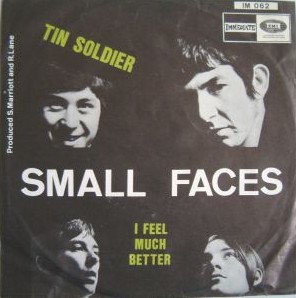
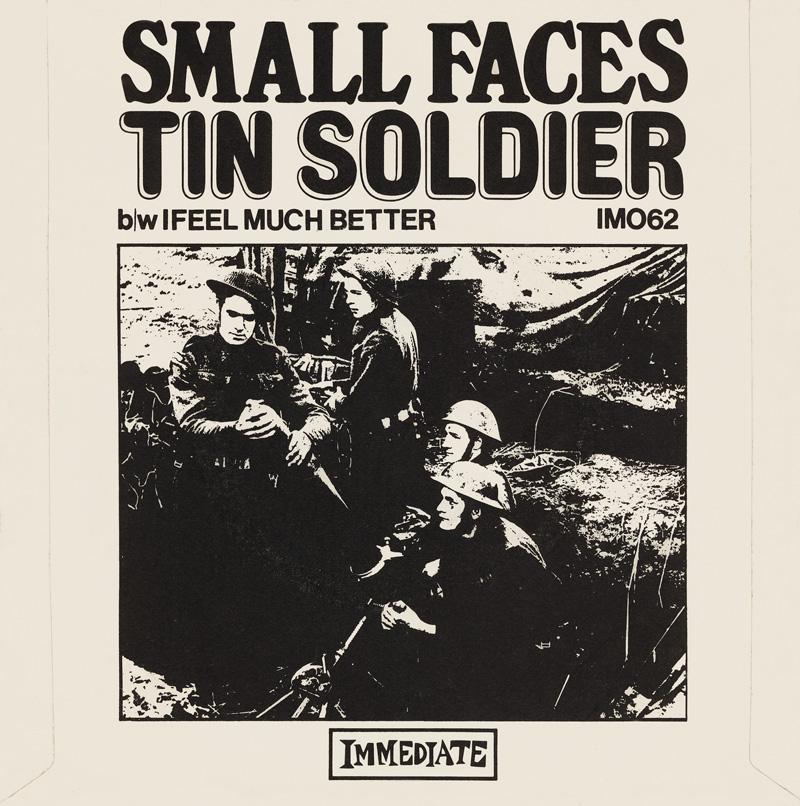
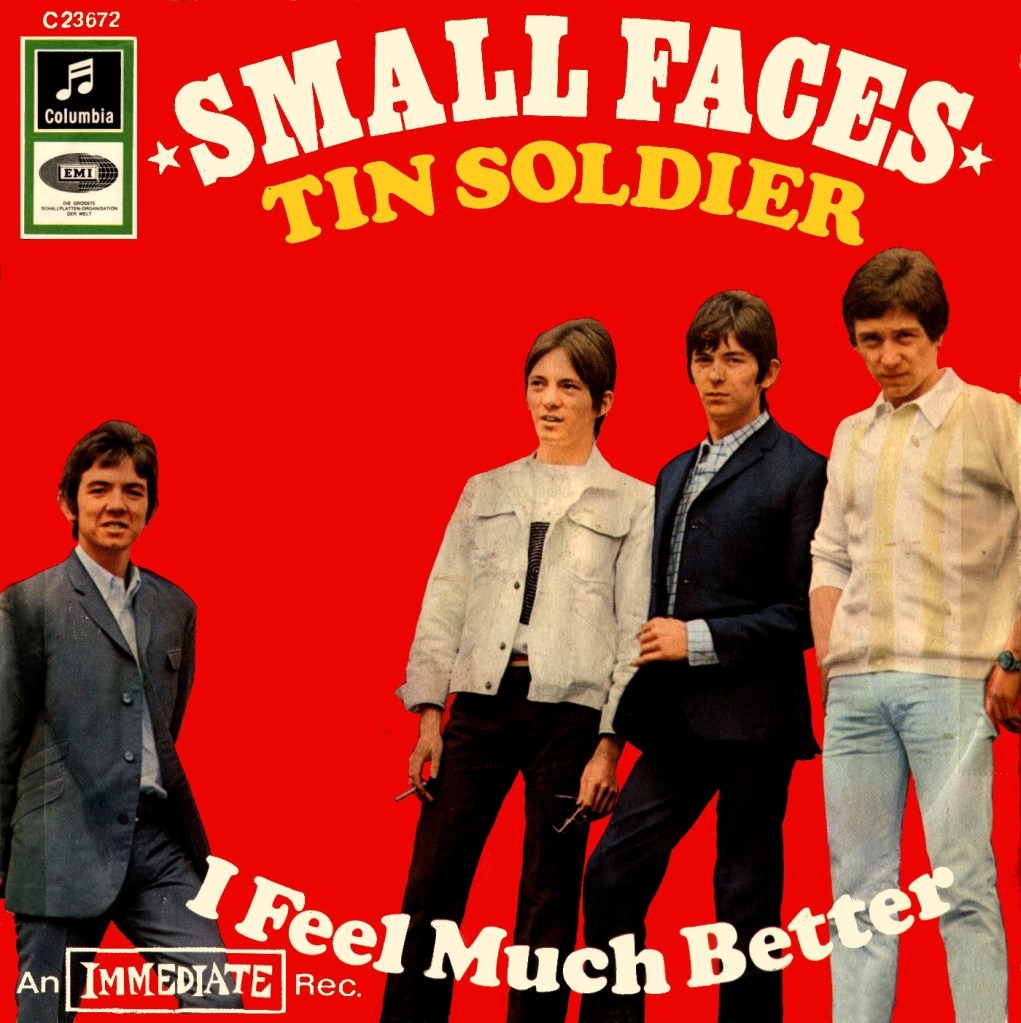
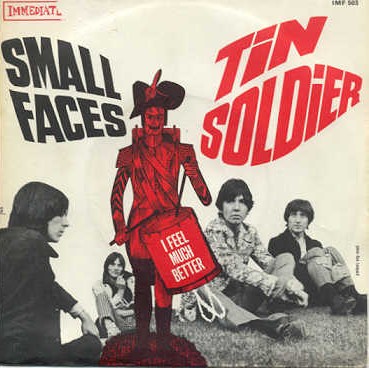
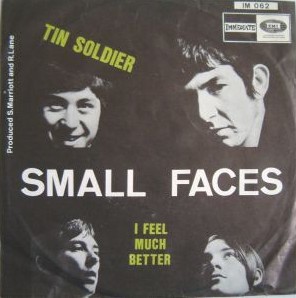
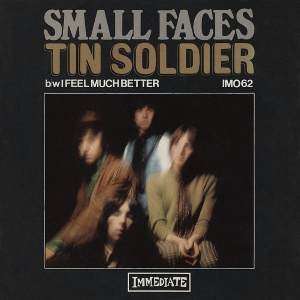
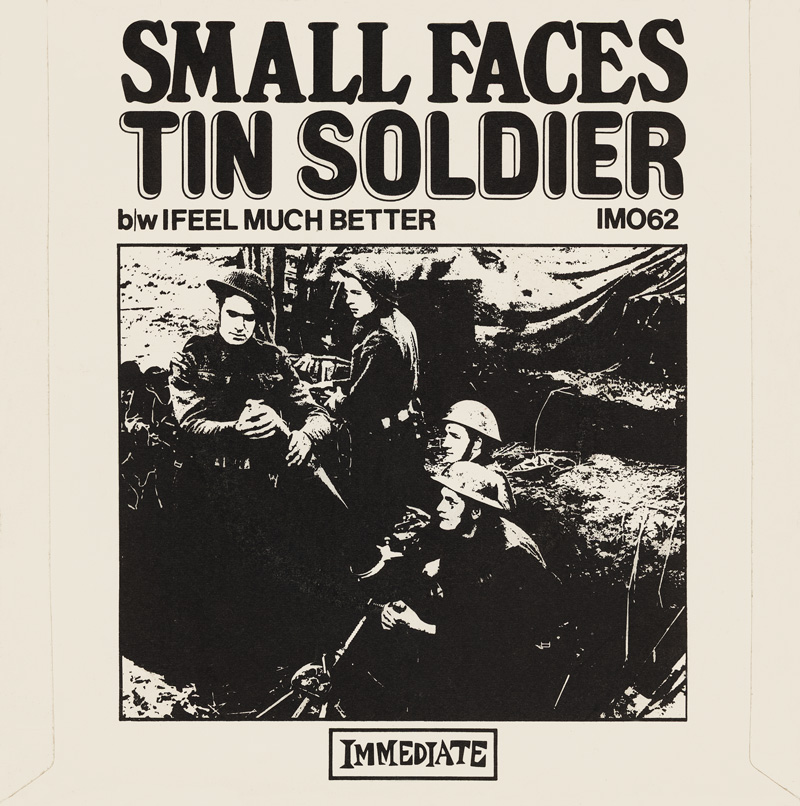
Tin Soldier – Small Faces : Iconic Songs & the story behind them
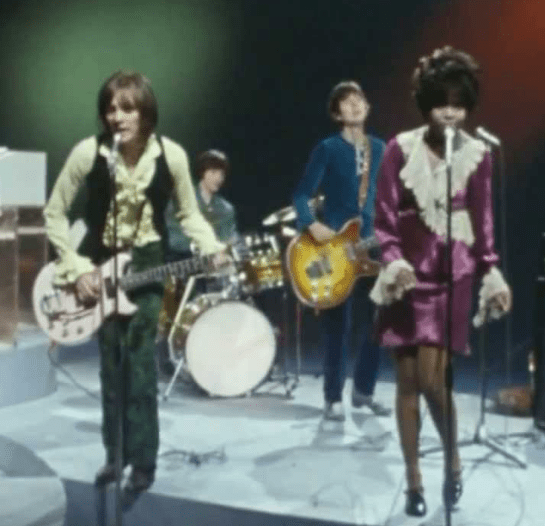
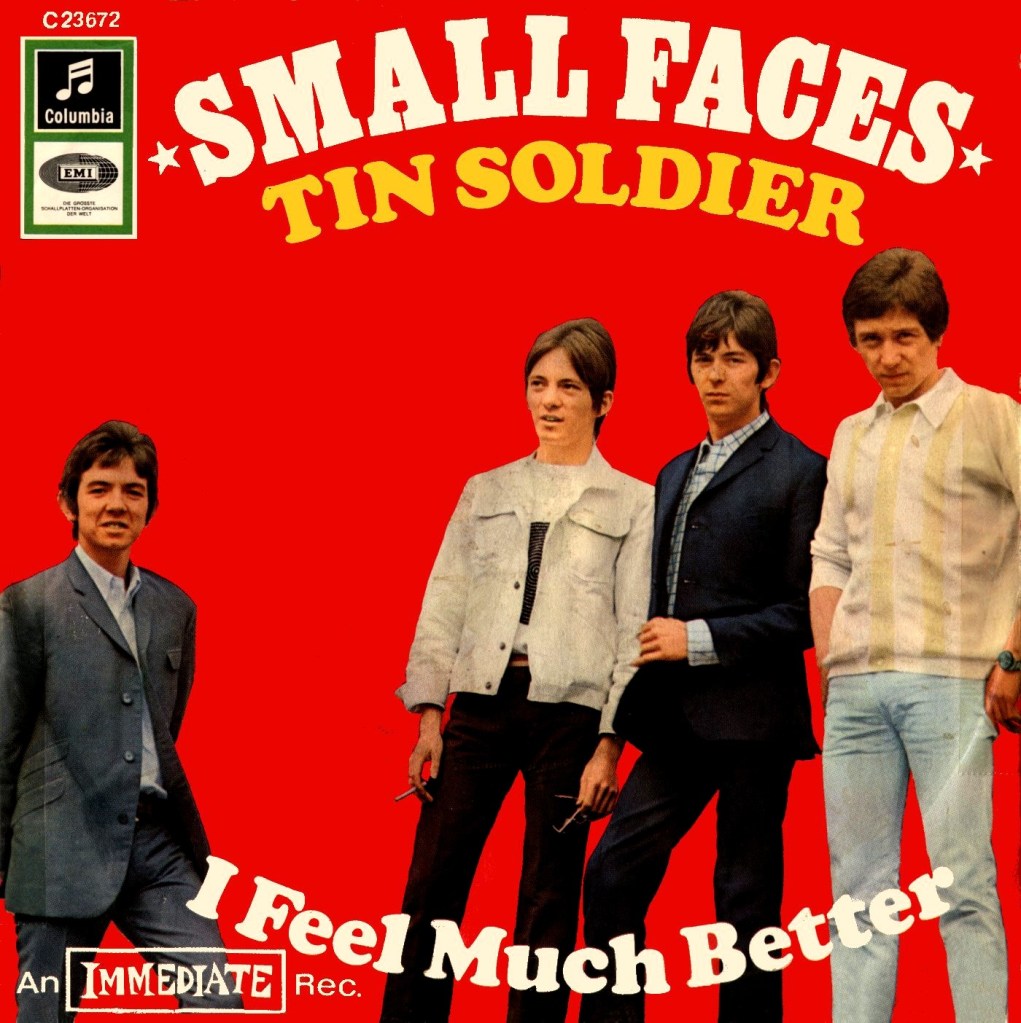
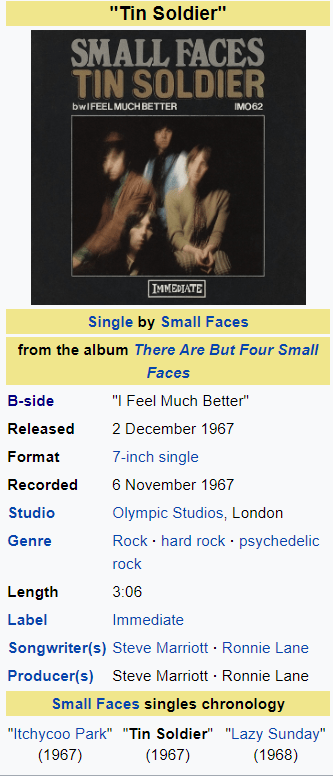
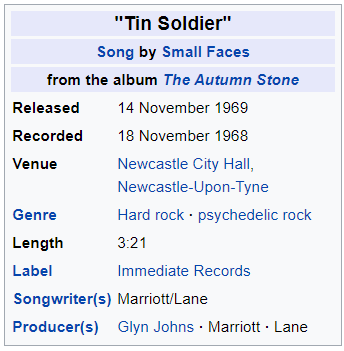
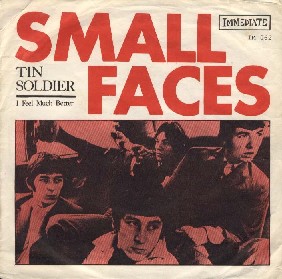
“Tin Soldier” is a song released by the English rock band Small Faces on 2 December 1967, written by Steve Marriott (credited to Marriott/Lane). The song peaked at number nine in the UK singles chart and number 38 in Canada. It has since been covered by many other notable rock artists
Tin Soldier – Small Faces
My Thoughts ?
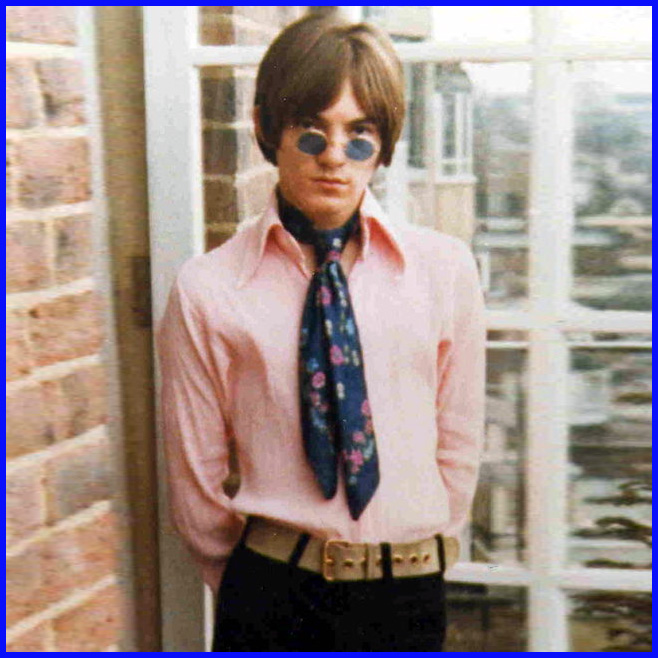
Me in my Mod days
Song profile
Tin Soldier was originally written by Steve Marriott for singer P.P. Arnold, but Marriott liked it so much he kept it himself. It was a song that he wrote to his first wife, Jenny Rylance. P.P. Arnold can be heard singing backing vocals on the song and also performed as guest singer at television recordings of the song.
The song signalled a return to the band’s R&B roots whilst continuing their forays into psychedelic rock and other musical experiments. When Tin Soldier was released the BBC informed the band that the last line of the song had to be removed from all TV and radio broadcasts, mistakenly believing that Marriott sang “sleep with you”, when in fact the lyric is “sit with you”. Marriott explained that the song was about getting into someone’s mind—not their body.
Tin Soldier reached number nine in the UK Singles Chart and remains one of Small Faces’ best known songs.
Talking about the song, and the influence of his wife Jenny, Marriott stated:
The meaning of the song is about getting into somebody’s mind—not their body. It refers to a girl I used to talk to all the time and she really gave me a buzz. The single was to give her a buzz in return and maybe other people as well. I dig it. There’s no great message really and no physical scenes.
The song seems to have been influenced by Hans Christian Andersen‘s fairy tale The Steadfast Tin Soldier, the story of an imperfect tin soldier’s desire for a paper ballerina. The opening lyric is:
“I am a little tin soldier that wants to jump into your fire”.
Upon reaching No. 73 in the USA with this single, their label Immediate Records abandoned its attempts to penetrate the American market. “Tin Soldier” would ultimately be the last song performed live by the Small Faces during their original incarnation; It was performed on 8 March 1969 at the Theatre of Jersey in Jersey.
” So now I’ve lost my way I need help to show me things to say Give me your love before mine fades away “
Lyrics
“Tin Soldier”
I am a little tin soldier That wants to jump into your fire You are a look in your eye A dream passing by in the sky
I don’t understand All I need is treat me like a man ‘Cause I ain’t no child Take me like I am
I got to know that I belong to you Do anything that you want to do Sing any song that you want me to sing to you
I don’t need no aggravation I just got to make you I just got to make you my occupation
I got to know that I belong to you Do anything that you want to do Sing any song that you want me to sing to you
All I need is your whispered hello Smiles melting the snow nothing heard Your eyes are deeper than time Say a love that won’t rhyme without words
So now I’ve lost my way I need help to show me things to say Give me your love before mine fades away
I got to know that I belong to you Do anything that you want to do Sing any song that you want me to sing to you
Oh no no I just want some reaction Someone to give me satisfaction All I want to do is stick with you ‘Cause I love you
Mojo readers’ poll
In 1997, some 30 years after the song’s original release, Mojo voted “Tin Soldier” the tenth best single of all time, in a readers’ poll. The poll placed it ahead of anything by The Who or The Rolling Stones. The song has also been much mentioned over the years by Paul Weller and featured in Noel Gallagher‘s personal all-time top ten song list.
Personnel
Steve Marriott – lead and backing vocals, acoustic and electric guitars
I need to chill , the daily grind of everyday life gets a little boring sometimes , esp after 53 years of many crazy highs and at times epic lows .But I’ve got to be grateful for what I have. I know my life although far from perfect is much better than many others . Thank god for small mercies.
Hospital appointment tomorrow morning for over active thyroid , I ain’t complaining about it but my god I didn’t even know it was a thing until they found I had it after some blood tests. I knew there was something not quite right , but took ages to diagnose. Caused me loads of problems , mostly with my eyes which is kind of scary ,chronic tiredness , weight …..
Wifey going to Goa on Friday to teach yoga and go to a yoga retreat. I was invited along but not my kind of thing,. To be sure I like the philosophy of it all , just not bendy enough to do most of the moves. Might take up tai chi , that’s more my style. hee he.
She’s away for nine days so I’ll be in charge of the kids, two cats , one with only three legs and two very nervous goldfish. Hope I don’t drink myself to death. I wonder if she’ll make me a curry before she goes.. Hmmmm…
Wondering if I can be arsed joining the local astronomy club , or should I wait until spring/summer ? Star gazing is something I really enjoy, I have a telescope and all the equipment , but when no one else in the family is interested in sitting in the garden in the middle of winter in the dark and cold it can become quite a lonely venture. .Tried to get son interested, but he’s a teenager now, thinks he’s a gangster and hates me at least five times a day at the mo.
Wondering if that big asteroid gonna destroy the Earth and when we’ll ever hear the end of the harry and Meghan debate. Snzzzz……….
Worried and anxious about my forthcoming book , its a massive thing for me and I’m about to go down the rabbit hole and have no idea what I’ll find down there.
Considering if it would be a good idea to have a gin.
And finally Im testing out some new features on my blog and wanted to see how they all worked and looked , hence this boring post!
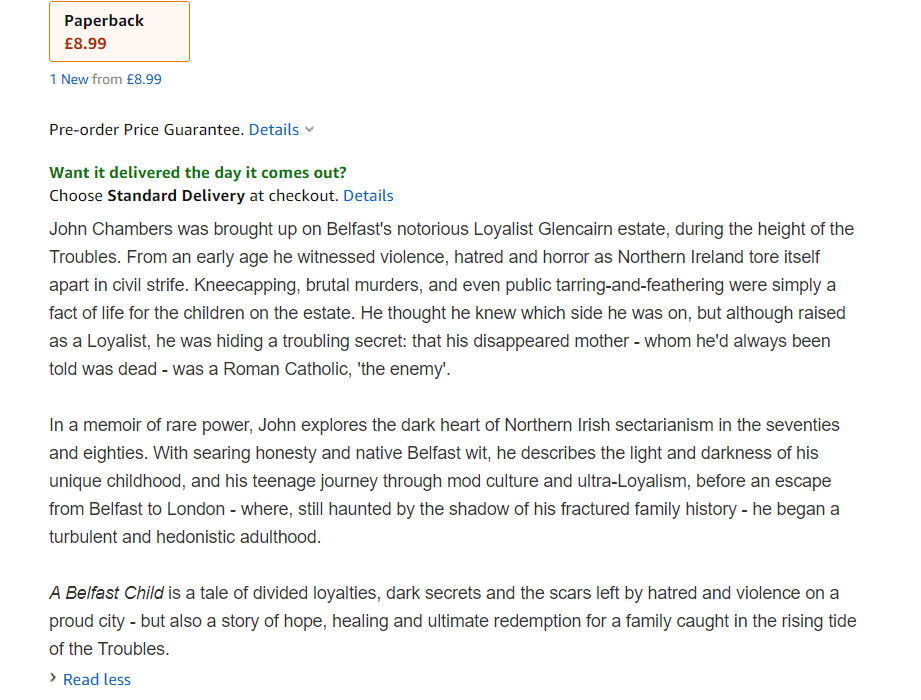
My autobiography: A Belfast Child is now available to pre-order on Amazon , launch date is 30th April.










































 belfastchildis.com
