Belfast Child Chapter Four The Glorious 12th Extracts from Belfast Child. See above for additional chapters See The Siege Of Derry what’s it all about Like the vast majority of Protestants …
CHAPTER TWO GLENCAIRN Extracts from my Autobiography , Belfast Child On a sunny day in 1970 my osteomyelitis was finally given the all clear and I was on my way home from the hospital, for a coup…
Key Events & Deaths on this day in Northern Ireland Troubles
8th June
————————
Tuesday 8 June 1971
General Harry Tuzo, with escorts, circa 1972
Harry Tuzo, then General Officer Commanding the British Army (BA), said that a permanent military solution to the conflict could not be achieved.
Saturday 8 June 1974
The Price sisters ended their hunger strike in Brixton Prison, England. The hunger strike had lasted six months because of a policy of force-feeding by the prison authorities.
Wednesday 8 June 1977
Roy Mason, then Secretary of State, announced that the strength of the Royal Ulster Constabulary (RUC) would be increased by 1,200 and that of the Ulster Defence Regiment (UDR) increased to 2,500 full-time members.
He also announced that there would be more undercover activity by troops, and that the spearhead battalion would be withdrawn.
Monday 8 June 1981
Tom McElwee,
Tom McElwee, then an Irish Republican Army (IRA) prisoner, joined the hunger strike.
Banbridge District Council introduced a form of ‘power-sharing’.
Monday 8 June 1992
A British Broadcasting Corporation (BBC) programme made a number of claims about Brian Nelson, who had operated as a British Army (BA) agent and a Ulster Defence Association (UDA) intelligence officer.
The programme claimed that Nelson had been involved in 10 murders, attempted murders, or conspiracies to murder, and that his BA controllers had know of the events. The programme further claimed that in some instances BA intelligence had failed to pass on information about planned attacks to the Royal Ulster Constabulary (RUC).
Patrick Mayhew, then Secretary of State for Northern Ireland, held a meeting with James Molyneaux, then leader of the Ulster Unionist Party (UUP), in London. This was the start of a fresh set of bilateral talks.
Wednesday 8 June 1994
A small incendiary device was found in a snooker hall in Trim, County Meath, Republic of Ireland, following a statement by the Ulster Freedom Fighters (UFF), a cover name (pseudonym) used by the Ulster Defence Association (UDA), that firebombs had been planted in the Republic.
Sunday 8 June 1997
During the continuing protest by Loyalist pickets at the Catholic church at Harryville, Ballymena, there was an attempt to burn down the chapel.
A parade of bands had been organised and there were violent confrontations between the Loyalists and the Royal Ulster Constabulary (RUC) with 27 officers being injured.
A number of plastic bullets were fired at the demonstrators. Sean McNally (24) had to have his leg amputated following a ‘punishment’ shooting involving a shotgun.
Monday 8 June 1998
The fact that the newly established Police Commission in Northern Ireland did not contain any of the people nominated by the Irish government, on behalf of Nationalists in Northern Ireland, was thought to have caused considerable difficulties between the two governments.
A leaked memo indicated that Marjorie (Mo) Mowlam, then Secretary of State for Northern Ireland, had personally contacted the Irish government, the White House, the Social Democratic and Labour Party (SDLP), Sinn Féin (SF), and other interested parties to explain her decision and to seek agreement for it.
[The Royal Ulster Constabulary (RUC) was eventually called in to try to discover the source of the leak in the Northern Ireland Office (NIO). This was one of a number of leaks in the recent pass. Seamus Mallon, then deputy leader of the Social Democratic and Labour Party (SDLP), questioned the loyalty of the civil servants working for Mowlam.]
Tuesday 8 June 1999
Fourteen pipe-bombs were found by Royal Ulster Constabulary (RUC) officers in the Loyalist Mourneview estate in Lurgan, County Armagh.
[A man was later charged in relation to the find.]
Tony Blair, then British Prime Minister, and Bertie Ahern, then Taoiseach (Irish Prime Minister), announced a series of intensive talks in a final attempt to break the deadlock in the Northern Ireland talks before the 30 June 1999 deadline
. Les Rodgers, then Chairman of the Police Federation, spoke at the organisation’s annual conference. He claimed that some lawyers, academics and human rights groups were part of “an evil conspiracy to vilify this police force”. He also claimed that this attempt was “being coordinated by Sinn Féin”.
Thursday 8 June 2000
A Catholic mother and her 20 year old daughter escaped injury in a pipe-bomb attack on their home in Annalong, County Down. The two women were at home when the explosion rocked their terrace house shortly after 11.00pm. The attack was carried out by Loyalist paramilitaries.
——————————————
Remembering all innocent victims of the Troubles
Today is the anniversary of the death of the following people killed as a results of the conflict in Northern Ireland
“To live in hearts we leave behind is not to die
– Thomas Campbell
To the innocent on the list – Your memory will live forever
– To the Paramilitaries –
There are many things worth living for, a few things worth dying for, but nothing worth killing for.
5 People lost their lives on the 8th June between 1972 – 1977
——————————————
08 June 1972
Jean Smith (24)
Catholic Status: Civilian (Civ),
Killed by: not known (nk)
Shot by sniper, while travelling in car at bus terminus, Glen Road, Andersonstown, Belfast.
——————————————
08 June 1972 Norman Campbell (19)
Catholic Status: Civilian (Civ),
Killed by: not known (nk)
Shot at his workplace, building site, Upper Townsend Street, Shankill, Belfast.
——————————————
08 June 1972
Samuel Donegan (61)
nfNI Status: Garda Siochana (GS),
Killed by: Irish Republican Army (IRA)
Killed by booby trap bomb left by side of road, Legakelly, near Newtownbutler, County Fermanagh. Garda Donegan had strayed a few yards over the border into Northern Ireland.
——————————————
08 June 1972 Edward Megahey (44)
Protestant Status: Ulster Defence Regiment (UDR),
Killed by: Irish Republican Army (IRA)
Died three days after being shot by sniper while on Ulster Defence Regiment mobile patrol, Buncrana Road, Derry.
——————————————
08 June 1977 Gerald Tucker (35)
Protestant Status: Ulster Defence Regiment (UDR),
Killed by: Irish Republican Army (IRA)
Off duty. Shot shortly after leaving his workplace, Royal Victoria Hospital, Falls Road, Belfast.
John Cantlie has now been in captivity for almost four years and everyday day, minute and second of this time his life and daily routine has been controlled and at the mercy of the mad men of Islamic State – Imagine for a moment what that must be like ?
Please DON’T forget about John and his suffering and the pain and anguish his family and loved ones go through every day.
Poppy Douglass has set up a petition to Raise awareness and ensure the safe release of British ISIS hostage John Cantlie – I’ve signed it & if you would like to add your voice and have John’s plight considered for debate in the UK Parliament you can sign below .
Petition
John Cantlie is a British photo-journalist held captive by ISIS for over three years. He has been used in the “Lend Me your Ears” proganda videos directed and filmed by ISIS.
Key Events & Deaths on this day in Northern Ireland Troubles
7th June
——————————————
Thursday 7 June 1973
Sunningdale; Ulster Workers’ Council Strike
Monday 7 June 1976
The United Ulster Unionist Council (UUUC) took a vote opposing any talks between the Ulster Unionist Party (UUP) and the Social Democratic and Labour Party (SDLP).
Thursday 7 June 1979
European Parliament Elections
This was the first election to the European parliament. Northern Ireland was treated as a single constituency with three seats being contested by 13 candidates.
The election was by Proportional Representation using the Single Transferable Vote (STV) system while the rest of the United Kingdom (UK) continued to use the ‘first past the post’ system .
Ian Paisley, then leader of the Democratic Unionist Party (DUP), topped the poll with 29.8 per cent of the first preference votes and was elected on the first count.
John Hume, then deputy leader of the Social Democratic and Labour Party (SDLP), got 24.6 per cent of the vote and narrowly missed the quota but was elected on the third count.
John Taylor, Ulster Unionist Party (UUP), got 11.9 per cent of the first preference vote and was elected on the sixth count.
Tuesday 7 June 1988
The Northern Ireland Police Federation (NIPF), an organisation representing the views of many Royal Ulster Constabulary (RUC) officers, called for the introduction of internment in both Northern Ireland and the Republic of Ireland.
Wednesday 7 June 1989
It was announced that Shorts Aircraft Company, then Northern Ireland’s largest industrial employer, was to be sold to Bombardier, a Canadian company
Friday 7 June 1996
Garda Killed by IRA
Jerry McCabe, then a Detective in Garda Síochána
Jerry McCabe, then a Detective in Garda Síochána (the Irish police service), was shot dead during a post office robbery in Adare, County Limerick, Republic of Ireland. Suspicion for the killing fell on members of the Irish Republican Army (IRA) who later admitted responsibility.
Sunday 7 June 1998
William Daley, then Commerce Secretary of the United States of America (USA), led a trade delegation of representatives of American companies to Northern Ireland.
Monday 7 June 1999
Loyalist paramilitaries left a pipe-bomb at a Catholic primary school in Ballymena, County Antrim.
The bomb was made safe by British Army technical officers.
John Lockington (Dr), then a member of the Orange Order and the Royal Black Institution, took up office as the Moderator of the Presbyterian Church in Ireland.
Figures published by the brokerage firm Dresdner Kleinwort Benson, showed that the Republic of Ireland was the second most expensive place in Europe after Finland to buy a house.
A typical urban home costs more than 18 times average annual disposable income in the Republic, compared with just 8.3 times in the USA.
Monday 7 June 1999
A pipe-bomb was found at St. Mary’s primary school in Ballymena, County Antrim. Nearly 120 children up to the age of 12 were evacuated from school grounds.
The attack was carried out by Loyalist paramilitaries.
Thursday 7 June 2001
Westminster General Election
There was a Westminster General Election across Britain and Northern Ireland. There were also local government District Councils elections on the same day.
[Following the count of the votes both Sinn Féin (SF) and the Democratic Unionist Party (DUP) made significant gains. Sinn Féin replace the Social Democratic and Labour Party (SDLP) as the largest Nationalist party. Seven of Northern Ireland’s 18 seats changed hands as a result of the election.]
——————————————
Remembering all innocent victims of the Troubles
Today is the anniversary of the death of the following people killed as a results of the conflict in Northern Ireland
“To live in hearts we leave behind is not to die
– Thomas Campbell
To the innocent on the list – Your memory will live forever
– To the Paramilitaries –
There are many things worth living for, a few things worth dying for, but nothing worth killing for.
4 People lost their lives on the 7th June between 1976 – 1996
——————————————
07 June 1976
Paul McNally (26)
Catholic Status: Civilian (Civ),
Killed by: non-specific Loyalist group (LOY)
Died two days after being shot from passing car while standing outside Ardoyne shops, Crumlin Road, Belfast
——————————————
07 June 1980 Richard Latimer (39)
Protestant Status: Ulster Defence Regiment (UDR),
Killed by: Irish Republican Army (IRA)
Off duty. Shot at his shop, Main Street, Newtownbutler, County Fermanagh.
——————————————
07 June 1992 Glenn Goodman (37)
nfNIB Status: British Police (BP),
Killed by: Irish Republican Army (IRA)
Shot shortly after stopping car while on mobile patrol, Strutton with Hazelwood, near Tadcaster, Yorkshire, England.
——————————————
07 June 1996 Gerard McCabe (52)
nfNIRI Status: Garda Siochana (GS),
Killed by: Irish Republican Army (IRA)
Undercover Garda Siochana (GS) member. Shot during armed robbery, while escorting post office van, Adare, County Limerick.
Stephen Peter “Steve” Marriott (30 January 1947 – 20 April 1991) was an English musician, songwriter and frontman of two notable rock and roll bands, spanning over two decades. Marriott is remembered for his powerful singing voice which belied his small stature, and for his aggressive approach as a guitarist in mod rock bands Small Faces (1965–1969) and Humble Pie (1969–1975 and 1980–1981).
————————————-
Steve Marriott’s Life in Pictures
————————————-
Marriott was inducted posthumously into the Rock and Roll Hall of Fame in 2012 as a member of Small Faces.
In Britain, Marriott became a popular, often-photographed mod style icon through his role as lead singer and guitarist with the Small Faces in the mid to late 1960s.
Marriott was influenced from an early age by his heroes including Buddy Holly, Booker T & the MG’s, Ray Charles, Otis Redding, Muddy Waters and Bobby Bland. In later life Marriott became disillusioned with the music industry and turned his back on the big record companies, remaining in relative obscurity. He returned to his music roots playing the pubs and clubs around London and Essex.
——————————
The Life & Times Of Steve Marriott
——————————
Marriott died on 20 April 1991 when a fire, thought to have been caused by a cigarette, swept through his 16th century home in Arkesden, Essex.
He posthumously received an Ivor Novello Award in 1996 for his Outstanding Contribution to British Music and was listed in Mojo as one of the top 100 greatest singers of all time.
Black Sabbath frontman, Ozzy Osbourne, named Marriott the fourth greatest singer and Clem Burke of Blondie named him the sixteenth greatest singer.
Paul Stanley of Kiss has said:
“He had a great voice” and went on to say, “Steve Marriott was unbelievable”.
Keith Richards listed Marriott as one of his five favourite artists of all time. Steve Perry of Journey has said that:
“One of my favourite vocalists was Steve Marriott”
Early Life
Steve Marriott few months old
Steve Marriott was born on 30 January 1947 at East Ham Hospital, Forest Gate, (now London, E7), England to parents Kay and Bill Marriott who lived at Strone Road, Manor Park. Born three weeks premature and weighing just 4 lb. 4 oz., he developed jaundice and was kept in hospital four weeks before being well enough to go home.
Marriott came from a working-class background and attended Monega Junior School. His father Bill worked as a printer and later owned a jellied eels stall called ‘Bill’s Eels’ outside the Ruskin Arms. For a short time he also sold pie and mash.
Kay worked at the Tate & Lyle factory in Silvertown. Bill was an accomplished pub pianist and the life and soul of many an ‘East End’ night. Bill bought Marriott a ukulele and harmonica which Marriott taught himself to play.
Marriott showed an early interest in singing and performing, busking at local bus-stops for extra pocket money and winning talent contests during the family’s annual holiday to Jaywick Holiday camp near Clacton-on-Sea.
In 1959 at the age of twelve, Marriott formed his first band with school friends Nigel Chapin and Robin Andrews. They were called ‘The Wheels’, later the ‘Coronation Kids’, and finally ‘Mississippi Five’. They later added Simon Simkins and Vic Dixon to their line-up.
From a young age, Marriott was a huge fan of American singer Buddy Holly and would mimic his hero by wearing large-rimmed spectacles with the lenses removed. He wrote his first song, called “Shelia My Dear,” after his aunt Shelia to whom he was close. Those who heard the song said it was played at a jaunty pace in the style of Buddy Holly and his bandmates also nicknamed him ‘Buddy’. They would play the local coffee bars in East Ham and perform Saturday morning gigs at the Essoldo Cinema in Manor Park.
Marriott was a cheeky, hyperactive child, according to his mother Kay, and well known by his neighbours in Strone Road for playing pranks and practical jokes.
While he was a pupil at local Sandringham Secondary Modern School, Marriott was said to be responsible for deliberately starting a fire in a classroom though he always denied this.
In 1960, Bill Marriott spotted an advertisement in a London newspaper for a new Artful Dodger replacement to appear in Lionel Bart’s popular musical Oliver!, based on the novel Oliver Twist by Charles Dickens, at the New Theatre (now called the Noël Coward Theatre) in London’s West End, and without telling his son, applied for him to audition.
At the age of thirteen, Marriott auditioned for the role. He sang two songs, “Who’s Sorry Now” by Connie Francis, and “Oh, Boy!” by Buddy Holly.
Bart was impressed with Marriott’s vocal abilities and hired him. Marriott stayed with the show for a total of twelve months, playing various boys’ roles during his time there, for which he was paid £8 a week. Marriott was also chosen to provide lead vocals for the Artful Dodger songs “Consider Yourself”, “Be Back Soon,” and “I’d Do Anything,” which appear on the official album to the stage show, released by World Record Club and recorded at the famous Abbey Road Studios. In 1961 the Marriott family moved from Strone Road to a brand new council flat in Daines Close, Manor Park.
Following Marriott’s successful acting debut in Oliver!, his family encouraged him to pursue an acting career. In 1961 he auditioned and was accepted as a student at the Italia Conti Academy of Theatre Arts in London. Because his family were unable to afford the private school fees, it was mutually agreed the fees would be deducted from acting work the school found him. After Marriott’s enrolment at the Italia Conti Academy, he quickly gained acting roles, working consistently in film, television and radio, often typecast as the energetic Cockney kid. Soon he lost interest in acting and turned his attention back to his first love, which was music.
His parents were devastated and his decision to give up acting caused a family rift. As a result, he left the family home for a short period to stay with friends.
In 1963, Marriott wrote “Imaginary Love” and touted it around the big record labels in London. On the strength of “Imaginary Love”, Marriott secured a Decca Records deal as a solo artist with Dick Reagan (also an agent for Cliff Richard). Marriott’s first single was a song written by Kenny Lynch, “Give Her My Regards”, with Marriott’s self-penned song as the B-side. The single was released in July 1963 and promptly vanished.
In the same year Marriott formed the Moments, originally called the Frantiks. The Frantiks recorded a cover version of Cliff Richard’s song “Move It” with ex-Shadows drummer Tony Meehan, who was brought in to help with production. Despite the single being hawked around the major record companies, no one was interested and the song was consequently never released. They then changed the band’s name to the Moments or ‘Marriott and his Moments’. They played support for artists such as the Nashville Teens, the Animals, Georgie Fame and John Mayall, playing venues such as the 100 Club in Soho, London, and the Crawdaddy Club in Richmond. The Moments gained a loyal following, and for a short time had their own fanzine Beat ’64, dedicated to ‘Steve Marriott’s Moments’, started by Stuart Tuck.
They are noted as performing a total of 80 gigs in 1964. The group was asked to record a single for the American market, a cover version of the Kinks’ UK hit song “You Really Got Me”, released on the World Artists record label (1964).
—————————-
The Kinks You really got me
—————————-
When their version of “You Really Got Me” failed to get attention, Marriott was dropped from the band, with members claiming he was too young to be a lead singer. According to London R&B band The Downliners Sect frontman Don Craine, Marriott applied to join the band as a replacement harmonica player. Craine did not invite him to audition as he knew Marriott wanted to be lead vocalist.
Between leaving the Moments and joining The Small Faces, Steve Marriott joined The Checkpoints. Chris Clements:
“He actually approached us (The Checkpoints) and said he needed to fulfill some gigs that were pending. This was in 1965, he was with us for a couple of months. We rehearsed at The Kentish Drovers in the Old Kent Road in South London. He got us to learn James Brown numbers, which at the time we weren’t very up in. One particular memory sticks in my mind. When we rehearsed with him, he almost spoke the words of the song, rather than sang the words. He was listening to us, making sure we got the backing right, so he didn’t put himself out vocally.
But when we did the first gig with him, out came this fantastic soul voice, we all looked at each other, and our mouths fell open! When doing the gigs, we would pick him up outside the Brewery in Romford road Essex. He always had a small case with his harmonicas in. His harmonica playing was excellent.
Our transport at that time was a converted ambulance, and Steve would always sit up front with the owner driver, (a man in his early 50s) rather than sit in the back talking to us. He seemed to me to be a bit of a loner. Even when I had a conversation with him, he always seemed to be looking past me, as though in a hurry to be somewhere else. He was quite a heavy smoker as I recall. We did various venues in Essex, around the Basildon area. He had no guitar, he would use our lead guitarist’s red Fender Strat. Steve would put many guitar breaks in the James Brown songs. So we would all huddle around our drummer Gary Hyde who would watch Steve.
When Gary stopped, we stopped, when Gary started, we started, so by using those tactics the gigs went well. We had photos taken at the various venues at that time, I wish someone would dig them out from wherever, I would love to see them.”
On 28 July 1964, Marriott first saw his future Small Faces partners, Ronnie Lane and 16-year-old drummer Kenney Jones. They were all performing at the Albion in Rainham, with their bands. Lane and Marriott met again by chance in the J60 Music Bar, a music shop in High Street North, Manor Park, where Marriott was working after his recent departure from the Moments. Lane came in looking to purchase a bass guitar, and afterwards was invited to Marriott’s home to listen to his extensive collection of rare American R&B import records.
With their shared love of R&B the trio were soon firm friends. Marriott was invited by Lane and Jones to perform with “the Outlaws” (previously called “the Pioneers”) at the band’s regular gig the Earl of Derby in Bermondsey.
However the trio each ended up completely drunk and Marriott enthusiastically destroyed the piano he was playing, much to the amusement of Lane and Jones. The landlord sacked them and the band was finished. According to David Bowie on a 1999 episode of VH1 Storytellers, in 1964 he and his good friend Marriott planned to form an R&B duo called ‘David and Goliath’.
Instead, Marriott, Lane and Jones decided to form their own band, with Steve bringing along his acquaintance, Jimmy Winston (Winston was later replaced by Ian McLagan). Marriott’s friend Annabel, an ex-student from the Italia Conti, came up with the band’s distinctive name after commenting that they all had “small faces”; the name stuck in part because they were all (apart from Winston) small (none being over 5 ft 6 in tall), and the term “face” in English mod culture was the name given to a well-known and respected mod.
Small Faces were signed to Don Arden within six weeks of forming and quickly became a successful mod band highly regarded by the youth cult’s followers when their debut single “Whatcha Gonna Do About It” hit the UK singles chart.
———————-
What’cha gonna do about it – Small Faces
———————-
Later, they were said to be one of many influences on the formation and musical style of British hard rock group Led Zeppelin . Marriott is reputed to have been Jimmy Page’s benchmark when selecting a lead singer, and there are unmistakable stylistic and timbral similarities between the voices of Marriott and Robert Plant, Led Zeppelin’s lead singer.
In fact, Plant was a fan of Small Faces and a regular at their early gigs where he also ran small errands for them. Zeppelin’s classic song “Whole Lotta Love” is a direct take of Marriott’s version of the classic song “You Need Lovin'”, originally written by Willie Dixon and recorded by American blues singer Muddy Waters.
————————
The Small Faces – You Need Loving
————————
Small Faces would regularly perform “You Need Lovin'” in their live set, and the song also appears on their debut album Small Faces, released by Decca in May 1966.
“It was fantastic, I loved it, Muddy Waters recorded it but I couldn’t sing like Muddy Waters so it wasn’t that much of a nick. I was a high range and Muddy was a low range so I had to figure out how to sing it. So I did and that was our opening number for all the years we were together. Every time we were on stage that was our opening number, unless we had a short set. That’s where Jimmy Page and Robert Plant heard it. Robert Plant used to follow us around. He was like a fan.”
– Marriott
However Marriott bore no animosity to Plant. He is quoted as shouting “Go on my son!” and wishing him luck when he first heard Plant’s version on the radio. Arden paid the band a wage of £20 a week each, along with accounts in clothes shops in Carnaby Street.
On Boxing Day, 1965, Arden arranged for them to move into a rented house, 22 Westmoreland Terrace, Pimlico. In his autobiography, McLagan describes the house as “party central”, a place where the likes of Marianne Faithfull, Brian Epstein, Pete Townshend and other celebrities would hang out. Marriott was just 18 years old.
———————————-
Small Faces – All or Nothing 1966
———————————-
Marriott wrote or co-wrote most of Small Faces’ hit singles. In an interview in 1984, Marriott was asked what his best Small Faces songs were:
“I think ‘All or Nothing’, that I wrote, takes a lot of beating. To me, if there’s a song that typifies that era, then that might be it. Words regardless, cos it’s only a silly love song, but the actual feel and arrangement of the thing, and maybe ‘Tin Soldier'”.
—————————-
Small Faces – Tin Soldier
—————————-
In 1967, Marriott wrote the evocative rock-ballad “Tin Soldier” to woo model Jenny Rylance. They first met in 1966 and Marriott was immediately smitten, but Rylance was dating up-and-coming singer Rod Stewart and so the two became friends. She later broke up with Stewart and had a brief romantic liaison with Marriott, but much to his disappointment ended it to go back to Stewart. Rylance and Stewart later split for good after a rocky four-year relationship; when Marriott found out he pursued her relentlessly, leading him to write “Tin Soldier”. The song was a hit for the band in 1967 and for Marriott a personal triumph.
He and Rylance were married at Kensington Register Office, London, on 29 May 1968.
—————————-
Small Faces – Itchycoo Park
—————————-
Relationships and family
With Jenny Rylance
Marriott had liaisons with many women and had four known children with four of them, including one of his three wives. His first wife was model Jenny Rylance (1968-1973).
Pam Stephens
He met American air hostess, Pam Stephens in 1975 and their son Toby was born in 1976. They married after Toby was born.
Toni Poulton
His third wife was Toni Poulton. They were married until Marriott’s death in 1991. He also had three daughters. The first, Lesley, was conceived to fellow teen Sally Foulger before Marriott became famous. She was originally known as Sarah Lisa Foulger (born 9 June 1966). She was adopted out, but later found out who her father was and has been accepted by her siblings. The second was Tonya, with Canadian Terri Elias in 1984. His third daughter Mollie Mae was born in 1985 when Marriott was with his childhood friend Manon Piercey.
Later Marriott moved into Beehive Cottage in Moreton, Essex, a property he had bought jointly with Ronnie Lane and wife Susan and where he established his “Clear Sounds” music studio.
In 1967, after a dispute over unpaid royalties, relations between the Small Faces and Don Arden broke down and Arden sold them on to Andrew Loog Oldham, who owned the Immediate Records label. The band were much happier at Immediate, spending more time in the recording studio and far less time playing live; however, they lost the dynamic live sound that had made them famous.
—————————-
Small Faces – Ogdens´ Nut Gone Flake – Full record
—————————-
After the success of the group’s number one hit concept album Ogdens’ Nut Gone Flake Marriott was keen for the group to evolve and wanted to bring in ex-Herd frontman Peter Frampton, but McLagan, Jones and Lane refused.
Marriott started to feel the band had reached the end creatively and began to spend more time with Frampton and Greg Ridley. After rumours in the press about the band splitting up, which were always officially denied, Marriott quit the group, storming off stage during a disastrous live performance on New Year’s Eve, 1968.
In a 1984 interview with NME reporter Paolo Hewitt on the subject of leaving the band, Marriott said:
“You grow apart for Christsakes. You’re talking about people living together from the ages of seventeen to twenty-two and that’s a growing up part of your life and we got to hate each other, no doubt about it. We didn’t speak to each other for fucking years. Maybe ten years.”
– Marriott
Frampton claims that after Marriott’s departure from the Small Faces, the remaining members, Lane, McLagan and Jones, turned up at his home and offered him Marriott’s role in the band. (Ian McLagan vehemently denied this story).
“The following day after the Alexandra Palace gig (where Steve walked off), I was back home and I got a call from Ronnie Lane who said, ‘Me, Kenney and Mac would like to come round and see you.’ I thought, Hello, what’s all this about? Anyway, they all came round to my horrible little flat in Earls Court and asked me to join the Small Faces. All I could say was it’s a bit late now. Why couldn’t you have asked me while we were in Paris? We’d all be in the same band together and Steve wouldn’t have left.”
– Peter Frampton.
Humble Pie
Marriott with Humble Pie during a 1972 performance
Shortly after leaving Small Faces, Marriott joined the newly formed rock band Humble Pie with Peter Frampton, drummer Jerry Shirley and bassist Greg Ridley. In the early years, Humble Pie allowed Marriott the artistic freedom he craved but was denied in Small Faces due, in part, to commercial pressures and individual differences.
———————————–
Humble Pie – As Safe As Yesterday – Full Album 1969
———————————–
After extensive secret rehearsals at his Clear Sounds home recording studio, the band released on Immediate their debut album As Safe As Yesterday Is, closely followed by the Marriott-penned debut single “Natural Born Bugie” (often mis-spelt “Boogie”), which peaked at No. 4 in the UK Singles Chart in the summer of 1969.
———————————–
Humble Pie – Natural born boogie 1969
———————————–
Humble Pie almost disbanded after their first American tour when they returned to Britain and discovered that Immediate had gone into liquidation. They transferred to A&M Records and focused all their attention on the lucrative US market. Their new manager, Dee Anthony, had the band scrap its ‘unplugged’ set and crank the volume up.
Humble Pie toured constantly over the next three years, completing nineteen tours in the US alone. The band’s next album releases, Humble Pie and Rock On, benefitted from their touring.
———————————–
Humble Pie Performance Rockin’ The Fillmore FULL ALBUM
———————————–
Their live album Performance Rockin’ the Fillmore (1971) became the band’s most successful release to date. During these recordings, Marriott’s strong vocal performances became the focal point of the band. Dee Anthony pushed Marriott to take more of the on-stage spotlight, something he had, up to then, been sharing with Frampton and Ridley. Marriott’s new prominence is said to have resulted in Frampton’s decision to leave the band. (Frampton was replaced by Clem Clempson.)
Some close to Marriott, such as his wife and even Marriott himself, would say that his personality changed for the worse when he toured America. Eventually, possibly as a result of excessive alcohol and drug use, Marriott started showing signs of mild schizophrenia. He had regularly taken amphetamines (speed) and smoked cannabis in his days in the Moments and Small Faces, and in the latter half of the 1960s he also tried LSD. But by the time Humble Pie began to tour America regularly in the early 1970s, Marriott allegedly developed a destructive cocaine and alcohol addiction, which is thought to have been the cause of his marriage break-ups and to have contributed to his premature death in a house fire.
“He (Steve) became another person to cope with the pressures, he would say things like, “Please tell me that you’ll leave me if I go on tour again because if you say that I’ll have justification not to go, if I go and have to be that other person again I’ll just go mad.”
” This would be said in a moment of truth but the next day had changed his mind and he’d be up and off…. He was married to his music and I didn’t mind that especially in the early years when he would play me new songs on an acoustic guitar but what didn’t make me happy was when he was in the home studio, out of his brain, trying to come up with the next album because he was being pressurised into it. He would just disappear into the studio for three or four days at a time. He never slept and there would be all sorts of strange people in there with him. It was a crazy business and even the nicest people get mixed up. All sorts of chemicals were presented to him and he became addicted to them in the end. It was drugs that destroyed our relationship. Before the home studio was built Beehive Cottage was our sanctuary, afterwards it just became his workplace.”
– Jenny Rylance
Rylance finally left Marriott in 1973. She said:
“The drugs and the drink I would tolerate no more. It broke my heart to leave Steve but it had to be done, I was ultimately the stronger”.
Due to the break-up of his marriage and growing drug use, some band members said that Marriott at times became domineering, aggressive and intolerable to work with. Humble Pie disbanded in 1975, citing musical differences as the reason for the split. Financial mismanagement and widespread substance abuse within the band also played a part. In an interview in 2000 with John Hellier,
Jerry Shirley said:
“We were all doing too many drugs, we’d lost sight of our business arrangements and no-one within the band had any control over money matters. But the main reason was that we were making bad records, it all came to a head in early 1975. The rot had set in so deep it was inevitable.”
Marriott always believed Dee Anthony had syphoned off band earnings to promote his new project, Frampton, and his album Frampton Comes Alive. After Marriott’s death, second wife Pam Stephens claimed in an interview that while they were making the Marriott solo album they were warned off accusing Anthony of any financial misdealings and received threatening phone calls. Anthony was alleged to have links with the Genovese crime family (among others). She also claimed that after Marriott confronted Anthony about the missing money, she and Marriott were summoned to a meeting at the Ravenite Social Club on Mulberry Street in New York’s Little Italy district.
Among those present were John Gotti, Frank Locascio and Paul Castellano, all members of the Gambino crime family. Marriott was informed that he would not be getting any money and was warned to drop the matter. Marriott took the threats seriously.
Solo and various bands
Marriott released his first solo album, Marriott, in 1976 and moved back to Britain. Stephens gave birth to their first child Toby on 20 February 1976 and they were married on 23 March 1977, at Chelsea Register Office in London.
The money from Humble Pie’s farewell tour soon ran out, and Marriott was reduced to stealing vegetables from a field next to his home. He went on to form the Steve Marriott Allstars with ex-Pie bassist Greg Ridley, drummer Ian Wallace and ex-Heavy Metal Kids’ guitarist Mickey Finn, and found a new manager, Laurie O’Leary.
—————————
STEVE MARRIOTT’S ALL STARS
—————————
In the 1980s O’Leary asked Marriott to meet a friend of his, the infamous Ronnie Kray, who was incarcerated in Broadmoor Hospital for the murder of George Cornell.
Marriott gave him a signed photo.
After the departure of Mick Taylor in 1975 from the Rolling Stones, Marriott was considered as his replacement; however, Mick Jagger allegedly blocked the move after Marriott upstaged him during the audition. According to Ronnie Wood in his autobiography Ronnie, Marriott was Richards’ first choice to replace Mick Taylor.
“Steve told me, ‘I was good and stood at the back for a while but then Keith would hit this lick and I just couldn’t keep my mouth shut.’ Keith wanted him in but there was no way that once Steve opened his mouth Mick would have him in the band. He knew Steve would never stay in the background. They were the one band in the world that Steve would have loved to have been in. He just wanted to work with Keith.”
– Pam Marriott
In 1976 a court ruled that Arden still owed the Small Faces £12,000 in unpaid royalties. He agreed to pay in monthly instalments, but disappeared after making just one payment.
Due to the success of re-released singles “Itchycoo Park” and “Lazy Sunday” in 1975 and 1976, McLagan, Jones and Marriott were persuaded to re-form Small Faces.
Rick Wills took the place of Lane, who pulled out after just two rehearsals. Unknown to the others, Lane was suffering from multiple sclerosis. The band recorded two albums, Playmates and ’78 in the Shade, but the albums were both critical and commercial failures and they disbanded. Marriott did not make any money out of the venture. His earnings were used to extricate him from old binding management contracts. Due to financial problems, Marriott was forced to sell Beehive Cottage, which had been his home since 1968, and move to a small terraced house in Golders Green, London.
Late in 1978, the Inland Revenue informed Marriott that he still owed £100,000 in back tax from his Humble Pie days; he thought manager Dee Anthony had made all the necessary payments.
O’Leary, Marriott’s manager, advised him to leave Britain or go to prison.
He sold the house in Golders Green and moved to California. Marriott, Pam and son Toby were staying with friends in Santa Cruz and Marriott formed a new band called The Firm, with Jim Leverton and (most notably) former Mountain guitarist Leslie West. But after Leverton had to leave the US due to visa problems, and disputes over potential royalties, the band broke up.
Marriott was by now completely broke and forced to collect empty glass bottles to redeem them for small change. According to Leslie West, Steve needed the money and accepted a lucrative offer to reform Humble Pie.
In 1980, Marriott contacted Jerry Shirley, who was living in New York City, to discuss a Humble Pie reunion. Shirley agreed and they recorded “Fool for a Pretty Face”, which Marriott had written earlier.
——————————
Fool For A Pretty Face – Humble Pie
——————————
The new line-up included Anthony “Sooty” Jones, who was well respected among American east coast musicians, also vocalist and guitarist Bobby Tench, former member of the Jeff Beck Group. The song proved good enough for them to secure a recording contract with Atco.
In the UK their material was released by Jet Records, owned by ex-Small Faces manager Don Arden. They recorded the heavy rock album On to Victory (1980), followed by Go for the Throat (1981), and both proved reasonably successful. They also toured America as part of the Rock ‘N’ Roll Marathon bill. In the latter half of 1981, Marriott was beset with personal problems. His marriage was almost over and after he broke his wrist in an accident and was hospitalised with a suspected burst ulcer, whilst opening for Judas Priest and the new Humble Pie line-up disintegrated.
During a visit to Britain in 1981, Marriott became eager to see Ronnie Lane. By this time Lane had begun to use a wheelchair. After an emotional meeting, Marriott suggested they gig together. They got together with Jim Leverton, Mick Weaver, Dave Hynes, Zoot Money and Mel Collins to record an album called Majik Mijits. The album features songs by Lane and Marriott, though none were co-written.
Due to Lane’s illness, they were unable to tour and promote the album.
“Steve and Ronnie went to America to see Clive Davis of Arista Records. They played him the tape. Clive Davis was tapping his foot and tapping his very expensive pen on his very expensive desk. He said “Yeah, that’s great man”. Steve said “So you like the tape, Clive”. Steve then stopped the tape, ejected it and said “WELL YOU CAN’T FUCKING HAVE IT!”
“The story that Steve told me was that it would have meant touring and Ronnie just wasn’t up to it. It would have meant pretty much carrying him everywhere, no tour, no album. That’s why the Mijits never came out at that point in time. It’s been gathering dust for ages”
– Jim Leverton
The album was released nineteen years later. After the Majik Mijits, Marriott went back to New York playing on the club circuit again. For the next year and a half, Marriott was on the road with Jim Leverton, Goldy McJohn and Fallon Williams. They played mostly Small Faces and Humble Pie material, touring non-stop for the next eighteen months. After the departure of McJohn, the trio changed the band’s name to the Three Trojans.
Despite attempts at reconciliation, Marriott’s marriage finally came to an end when his wife found out that Marriott was expecting a child with Terry Elias, a Canadian girl he had met while they were separated.
Accepting that his marriage was over, Marriott moved back to the UK. With no home and no money, he stayed in the spare bedroom of his sister Kay’s house. Marriott formed Packet of Three again playing the pub circuit. He insisted on being paid for each gig in cash as the Inland Revenue were still pursuing him for back taxes. In August 1984, Aura Records released Steve Marriott Live at Dingwalls 6.7.84.
Marriott contacted longtime friend Manon Piercey, and they quickly developed a close relationship and rented a house together. Piercey gave birth to daughter Mollie Mae on 3 May 1985.
With Piercey’s help, Marriott reduced his excessive drink and drug habits. His sister Kay said:
“Steve would say, I’m not drinking any more, and he’d stop, six weeks, two months, he was very strong willed; if he wanted to, he could”.
In 1985 Marriott was still touring with Packet of Three playing Canada, America and Europe.
During Live Aid in 1985, London-based Phoenix Modernist Society joined mod revival bands such as the Lambrettas and Purple Hearts, with 1960s stars such as Chris Farlowe and PP Arnold. Together they cut a version of “All or Nothing” for Band Aid Trust. Kenny Lynch persuaded Marriott to get involved, and the single was released under the collective name the Spectrum.
In 1985, Marriott ended his relationship with Piercey when he met Poulton at a Packet of Three gig.
Due to his financial situation, Marriott jokingly later renamed the group Steve Marriott and the Official Receivers. In the mid-1980s Marriott and Poulton moved to a rented cottage in the small village of Arkesden.
The 16th century cottage was also used for location shots for the home of the title character in the BBC’s long-running television series Lovejoy, starring Ian McShane. Marriott became well-known locally, often popping into the pub opposite his home to buy bottles of brandy and borrowing glasses. He once turned up wearing trainers and a dressing gown and became something of an eccentric figure, playing pranks, particularly on the owner of the pub.
Due to past experiences, in later years Marriott became wary of success and fame as well as involvement with big record companies, and turned down lucrative concert and recording deals with names such as EMI. Because of this attitude, the band grew resentful, believing that he was holding them back, and Packet of Three was disbanded. For the next year Marriott took time off.
By now he was 39 years old. He had health problems, was overweight, and had a scruffy appearance. There was little left of the striking 1960s mod icon. Film-maker Paolo Sedazzari recalled,
“I remember going to see him in the 1980s, and he was brilliant. Great voice, great guitarist but what I couldn’t get over were the dungarees and the mullet haircut. That was really disappointing.”
According to his wife, Marriott still smoked cannabis and took cocaine, but nothing compared to what he had once consumed. In his later years Marriott liked reading; his favourite authors included Stephen King, Philip K. Dick and anything on Noël Coward, whom Marriott had always admired.
In May 1988, Marriott started rehearsing with a band from Leicestershire, the DTs, though by the time they starting touring they were called Steve Marriott and the DTs.
Despite being out of the public gaze, Marriott was still asked to participate in various projects. Andrew Lloyd Webber asked Marriott to record two songs for his musical Evita, though after becoming drunk at the meeting Marriott ungraciously declined.
Film composer Stephen Parsons asked Marriott to sing the title track “Shakin’ All Over” for the low budget horror film Gnaw: Food of the Gods II (1989) Marriott agreed, seeing it as easy money.
While recording the song, Trax Records asked Marriott to record a solo album. Thirty Seconds to Midnite was recorded at Alexandra Palace. Marriott used the money to buy a narrowboat.
On 14 July 1989, Marriott and Toni Poultney were married at Epping Register Office. Afterwards, they threw a party at their cottage.
During this period Jim Leverton got in touch and Marriott formed a new group called Steve Marriott’s Next Band, with Leverton and ex-members of both the DTs and the Official Receivers.When several members left due to financial disagreements, the band name Packet of Three resurfaced.
By 1990 Marriott was playing an average 200 gigs a year, when Frampton flew into Britain and asked Marriott to reform Humble Pie to produce a one-off album and a reunion tour.
The payment would be enough to allow Marriott to take things easier. He agreed, and they flew out to Frampton’s recording studio in Los Angeles on 27 January 1991.
They began writing songs, but the project was never completed, as Marriott had a change of heart and returned home. Two recorded songs from this final effort, “The Bigger They Come” and “I Won’t Let You Down”, with Marriott on vocals (and guitar), appeared on Frampton’s album Shine On: A Collection. A third song, “Out of the Blue”, featuring both Marriott and Frampton, was featured on the first solo recording Frampton made after Marriott’s death. A fourth song, “An Itch You Can’t Scratch”, has been found on many illegal compilations and even on one of two “authorised” British releases. The recording date, and whether Frampton played on it, have never been verified.
——————————————
STEVE MARRIOTT INTERVIEW: LIVE FROM LONDON, 1985
——————————————
Death
On Friday 19 April 1991, Marriott and Poulton flew home from the USA, where Marriott had recorded songs for a future album with Frampton. During the flight, according to Poulton, Marriott was drinking heavily, was in a foul mood, and the two argued constantly. After arriving in the UK, a mutual friend met them and they all went to one of Marriott’s favourite restaurants, The Straw Hat in Sawbridgeworth for dinner, where he consumed more alcohol. After dinner, they returned to their friend’s house and decided to stay overnight, since it was late, but upstairs in bed, Marriott and Poulton continued to argue. Poulton finally fell asleep and later woke to discover that Marriott had taken a taxi home alone.
At about 6:30 am on 20 April, a passing motorist saw the roof of Marriott’s cottage ablaze and called the fire brigade. It was reported that four fire engines were needed to put out the fire. In newspaper interviews, Assistant Divisional Fire Officer Keith Dunatis, who found Marriott, said:
“It was a tough fight getting upstairs. We searched the bedroom areas and it was very hot, we knew immediately that no-one could have survived the fire. We began to feel around the walls and discovered him lying on the floor between the bed and the wall. I would say he had been in bed and tried to escape. As soon as I saw the body clearly I knew who it was. I used to be a fan, it’s difficult to put my feelings into words. The scene was horrific in that corner of the room. I saw him lying there and thought what a pity it all was. I deal with many fires but this one was like walking down memory lane. We managed to salvage all his guitars and musical equipment. I feel a bit upset, all the firemen do. It was like seeing part of our lives gone forever.”
– (Fire Officer)
It is believed that the most likely cause of the fire was that soon after arriving home, jet-lagged and tired, in the early hours, Marriott had lit a cigarette while in bed and almost immediately fallen into a deep sleep.
Since Marriott was found lying on the floor between the bed and wall, investigators concluded he may have tried unsuccessfully to escape after being awakened by the blaze. Disoriented and confused after inhaling large amounts of thick smoke, Marriott had turned left instead of right towards the bedroom door and safety. He had been unable to rectify his mistake before being overcome with smoke. At the inquest, a verdict of accidental death by smoke inhalation was recorded. Marriott’s blood was found to contain quantities of Valium (taken earlier for flight nerves), alcohol and cocaine.
“He (Marriott) was certainly the most talented person I ever worked with. He was like a brother to me and I was devastated when he died. He always lived on the edge and I was always waiting for a ‘phone call to say that he had died but I never dreamed it would be under those circumstances. He’s never got the credit he deserves. He should be in the Rock & Roll Hall of Fame because he was the greatest white soul singer that England ever produced. I’m certain that if you caught the likes of Rod Stewart and Paul Rodgers in a private moment and asked them who was the main man, they would say, Steve Marriott.”
– Jerry Shirley
The Small Faces song “All or Nothing” was played as the requiem at Marriott’s funeral held on 30 April 1991, at the Harlow crematorium. Amongst the mourners, noted attendees included ex-Small Faces drummer Kenney Jones, as well as Peter Frampton, Joe Brown, PP Arnold, Terence Stamp, Jerry Shirley and Greg Ridley. Among those who sent wreaths were David Gilmour (of Pink Floyd) and Rod Stewart and his then-wife Rachel Hunter. Nothing was heard from ex-Small Faces members Ian McLagan or Ronnie Lane.
To mark the 10th anniversary of Marriott’s death a tribute concert was held at the London Astoria on 20 April 2001. All the songs performed at this concert were from the Small Faces or Humble Pie catalogue. Pre-1980 Humble Pie alumni Peter Frampton, Clem Clempson, Greg Ridley and Jerry Shirley gave a one-off performance.
Other guest appearances included two original members of the Small Faces, Kenney Jones and Ian McLagan, Paul Weller, Noel Gallagher and Bobby Tench from Marriott’s 1980’s Humble Pie line-up and John’s Children. Other musicians such as Alan White, Gem Archer, Midge Ure, Zak Starkey, Rabbit Bundrick, Steve Ellis and Tony Rivers appeared in band line-ups during the two and half-hour concert, released on DVD as the Stevie Marriott Astoria Memorial concert.
The proceeds of the concert were donated to The Small Faces Charitable Trust set up by Kenney Jones in memory of Steve Marriott and Ronnie Lane.
In September 2007 Marriott, along with tshe other members of the Small Faces and manager Don Arden, were honoured with a plaque unveiled in Carnaby Street, on the site of Don Arden’s offices, the spiritual home of the band in the 1960s.
Key Events & Deaths on this day in Northern Ireland Troubles
6th June
————————————–
Monday 6 June 1983
The State Department in the United States of America (USA) refused an application for a visitors visa by Bernadette McAliskey (formerly Bernadette Devlin).
Wednesday 6 June 1990
A former member of the Royal Ulster Constabulary (RUC) and his wife were killed in an Irish Republican Army (IRA) bobby trap bomb in Belfast.
Sunday 6 June 1993
The Ministry of Defence announced that, as from October 1993, women soldiers would be armed with SA80 rifles.
Tuesday 6 June 1995
Michael Ancram, then Political Development Minister at the Northern Ireland Office (NIO), and Gerry Adams, then President of Sinn Féin (SF), shook hands in public at an international conference on peace and reconciliation in Belfast.
Friday 6 June 1997
General Election in Republic of Ireland
There was a general election in the Republic of Ireland.
[When the count was finished the ruling coalition government of Fine Gael, Labour, and Democratic Left, obtained 77 seats but was defeated by a coalition of Fianna Fáil, Progressive Democrats, and a number of independents, who obtained 81 seats.
Sinn Féin (SF) won its first seat in the Daíl since its decision in 1986 to end its policy of abstentionism. The incoming government was led by Bertie Ahern who became the new Taoiseach (Irish Prime Minister). On 26 June 1997 Ahern finished appointment of his cabinet.]
The Ulster Unionist Party (UUP) proposed ignoring the question of decommissioning so long as SF were excluded from the talks. David Trimble, then leader of the UUP, said that SF could only enter talks when the Irish Republican Army (IRA) had called a ceasefire and handed over some of its weapons.
The Democratic Unionist Party (DUP) derided the Northern Ireland Women’s Coalition (NIWC) as being comprised of “feckless women” with “limited intellect”.
——————————————
Remembering all innocent victims of the Troubles
Today is the anniversary of the death of the following people killed as a results of the conflict in Northern Ireland
“To live in hearts we leave behind is not to die
– Thomas Campbell
To the innocent on the list – Your memory will live forever
– To the Paramilitaries –
There are many things worth living for, a few things worth dying for, but nothing worth killing for.
6 People lost their lives on the 6th June between 1972 – 1991
——————————————
06 June 1972 Gorge Lee (22)
nfNI Status: British Army (BA),
Killed by: Irish Republican Army (IRA)
Shot by sniper while on British Army (BA) foot patrol, Ballymurphy Parade, Ballymurphy, Belfast.
——————————————
06 June 1972 Charles Coleman (29)
nfNI Status: British Army (BA),
Killed by: Irish Republican Army (IRA)
Shot by sniper while on British Army (BA) mobile patrol, Tullymore Gardens, Andersonstown, Belfast.
——————————————
06 June 1979 Alexander Gore (23)
Protestant Status: Ulster Defence Regiment (UDR),
Killed by: Irish Republican Army (IRA)
Shot during gun attack on Malone British Army (BA) base, Malone Road, Belfast.
Killed by: Irish Republican Army (IRA)
Killed, together with his wife, by booby trap bomb attached to their car, which exploded shortly after leaving their home, while driving along Ballygomartin Road, Belfast.
——————————————
06 June 1990 Ellen Sefton (65)
Protestant Status: Civilian (Civ),
Killed by: Irish Republican Army (IRA)
Killed, together with her former Royal Ulster Constabulary (RUC) member husband, by booby trap bomb attached to their car, which exploded shortly after leaving their home, while driving along Ballygomartin Road, Belfast
——————————————
06 June 1991 Ruairi Finnis (21)
Catholic Status: Irish Republican Army (IRA),
Killed by: Irish Republican Army (IRA)
Found shot behind row of shops, Central Drive, Creggan, Derry. Alleged informer.
Key Events & Deaths on this day in Northern Ireland Troubles
5th June
————————————–
Tuesday 5 June 1973
At the Northern Ireland Office (NIO) Lord Windlesham was replaced by Lord Belstead as the government spokesman on Northern Ireland.
David Howell became Minister of State at Stormont.
Thursday 5 June 1975
Brendan McNamee (22), then a member of the Irish National Liberation Army (INLA), was shot dead by members of the Official Irish Republican Army (OIRA) in the continuing feud between the OIRA and the INLA.
Saturday 5 June 1976
The Ulster Volunteer Force (UVF) carried out a gun attack on the Chlorane Bar, Gresham Street, Belfast, and killed three Protestant civilians and two Catholic civilians.
In a separate bomb attack on the International Bar, Portaferry, County Down, the UVF killed a Catholic civilian.
Republican paramilitaries carried out a bomb attack on the Times Bar, York Road, Belfast, killing two Protestant civilians.
Colm Mulgrew
A member of Sinn Féin (SF) was shot dead by the Ulster Freedom Fighters (UFF), a covername for the Ulster Defence Association (UDA), at Camberwell Terrace, Belfast.
Monday 5 June 1978
Roy Mason, then Secretary of State for Northern Ireland, asked Amnesty International to delay publication of a report it had written into alleged ill-treatment of detainees at Castlereagh detention centre.
[The report was published on 13 June 1978.]
Tuesday 5 June 1984
George Seawright, then a Belfast councillor and Loyalist, told a meeting of the Belfast Education and Library Board that Catholics and their priests should be incinerated.
[The Democratic Unionist Party (DUP) later withdrew the ‘Whip’ from Seawright because of the comments.]
See George Seawright
Tuesday 5 June 1984
Three Royal Ulster Constabulary (RUC) officers were acquitted of the murder of Eugene Toman (21) in 1982. Toman was a member of the Irish Republican Army (IRA) at the time but was unarmed when shot at an RUC vehicle check point.
Two other IRA members were shot dead in the same incident.
The judge, Lord Justice Gibson, said that the RUC officers should be commended “for their courage and determination in bringing the three deceased men to justice, in this case to the final court of justice.” [Many Nationalists found the judge’s remarks offensive.]
Thursday 5 June 1986
Stalker Removed From Inquiry
John Stalker, then Deputy Chief Constable of the Greater Manchester Police, was removed from the investigation into the alleged ‘shoot-to-kill’ policy of the security forces in Northern Ireland.
Colin Sampson, then Chief Constable of West Yorkshire, took over the investigation.
[Stalker was suspended from duty on 30 June 1986. Allegations were made about Stalker’s association with ‘known criminals’ but he was cleared of these allegations and reinstated on 22 August 1986.]
Tuesday 5 July 1988
Patrick Ryan, a Catholic priest from the Republic of Ireland, was arrested in Brussels. He was accused of providing support for the Irish Republican Army (IRA) .
Wednesday 5 June 1991
The main political parties in Northern Ireland agreed to the start of the main political talks (later known as the Brooke / Mayhew talks) on 17 June 1991.
The three members of the International Body on Arms Decommissioning, George Mitchell, John de Chastelain, and Harri Holkeri, were to chair various strands of the proposed talks. The Irish Republican Army (IRA) issued a statement that a new ceasefire was “remote in the extreme”.
Elizabeth O’Neill (59) was killed when Loyalist paramilitaries carried out a pipe-bomb attack on her home in the Corcrain estate in Portadown, County Armagh.
Mrs O’Neill was a Protestant who was married to a Catholic. The bomb was thrown through the window of the O’Neill home and it is believed that Mrs O’Neill was killed as she tried to carry it out of the house.
David Trimble, then leader of the Ulster Unionist Party (UUP), cancelled a planned trip to Israel because of the killing and described it as an attempt to derail efforts to resolve the Drumcree parade crisis.
[‘Mixed-marriage’ (or ‘cross-community’ / ‘mixed religion’) couples had been targeted by paramilitaries since the beginning of the conflict. On 8 June 1999 the Loyalist Volunteer Force (LVF) denied responsibility for the pipe-bomb attack.]
A blast bomb exploded in another Catholic home in Westland Road, Portadown. A woman was inside with her 10-month-old baby and sister, aged 17. No one is injured.
A pipe-bomb was made safe after it was discovered at a house in the Catholic Short Strand area of east Belfast. Several families were evacuated from their homes in Twinbrook, west Belfast while the Army dealt with two pipe-bombs.
According to residents in the Acacia Avenue flats the devices had been lying for several hours in an area where children play before being discovered just before lunchtime.
Pipe-bombs were thrown at Catholic homes in Castlewellan, County Down and in East Belfast.
All the attacks were carried out by Loyalist paramilitaries.
Proximity talks between the Orange Order and representatives of the Garvaghy Road Residents’ Coalition (GRRC) stalled as the Orange Order representatives accused Frank Blair, then of the Advisory, Conciliation and Arbitration Service (ACAS), of “complete bias”.
Monday 5 June 2000
The Northern Ireland Assembly met for the first time since it was suspended on 12 February 2000.
——————————————
Remembering all innocent victims of the Troubles
Today is the anniversary of the death of the following people killed as a results of the conflict in Northern Ireland
“To live in hearts we leave behind is not to die
– Thomas Campbell
To the innocent on the list – Your memory will live forever
– To the Paramilitaries –
There are many things worth living for, a few things worth dying for, but nothing worth killing for.
15 People lost their lives on the 5th June between 1973 – 1999
——————————————
05 June 1973
David Purvis (22)
Protestant Status: Royal Ulster Constabulary (RUC),
Killed by: Irish Republican Army (IRA)
Shot from passing car while on Royal Ulster Constabulary (RUC) foot patrol, Belmore Street, Enniskillen, County Fermanagh.
——————————————
05 June 1973 Terence Herdman (17)
Catholic Status: Civilian (Civ),
Killed by: Irish Republican Army (IRA)
Found shot by the side of Old Monaghan Road, near Clogher, County Tyrone. Alleged informer.
——————————————
05 June 1974 Frederick Dicks (21)
nfNI Status: British Army (BA),
Killed by: Irish Republican Army (IRA)
Shot by sniper while on British Army (BA) foot patrol, Irish Street, Dungannon, County Tyrone.
——————————————
05 June 1975
Brendan McNamee (22)
Catholic Status: Irish National Liberation Army (INLA),
Killed by: Official Irish Republican Army (OIRA)
Shot outside mobile chip van, Stewartstown Road, Suffolk, Belfast. Official Irish Republican Army (OIRA) / Irish National Liberation Army (INLA) feud.
——————————————
05 June 1976
Colm Mulgrew (26)
Catholic Status: Civilian Political Activist (CivPA),
Killed by: Ulster Defence Association (UDA)
Sinn Fein (SF) member. Shot at his home, Camberwell Terrace, off Antrim Road, Belfast.
——————————————
05 June 1976 Edward McMurray (41)
Protestant Status: Civilian (Civ),
Killed by: non-specific Republican group (REP)
Killed in bomb attack on Times Bar, York Road, Belfast.
——————————————
05 June 1976 Robert Groves (45)
Protestant Status: Civilian (Civ),
Killed by: non-specific Republican group (REP)
Killed in bomb attack on Times Bar, York Road, Belfast.
——————————————
05 June 1976
James Coyle (50)
Catholic Status: Civilian (Civ),
Killed by: Ulster Volunteer Force (UVF)
Shot during gun attack on Chlorane Bar, Gresham Street, Belfast.
——————————————
05 June 1976
Edward Farrell (45)
Catholic Status: Civilian (Civ),
Killed by: Ulster Volunteer Force (UVF)
Shot during gun attack on Chlorane Bar, Gresham Street, Belfast.
——————————————
05 June 1976 Daniel McNeill (47)
Protestant Status: Civilian (Civ),
Killed by: Ulster Volunteer Force (UVF)
Shot during gun attack on Chlorane Bar, Gresham Street, Belfast.
——————————————
05 June 1976 Samuel Corr (53)
Protestant Status: Civilian (Civ),
Killed by: Ulster Volunteer Force (UVF)
Shot during gun attack on Chlorane Bar, Gresham Street, Belfast.
——————————————
05 June 1976 John Martin (59)
Catholic Status: Civilian (Civ),
Killed by: Ulster Volunteer Force (UVF)
Shot during gun attack on Chlorane Bar, Gresham Street, Belfast. He died 23 June 1976
——————————————
05 June 1976 Christopher Byers (24)
Catholic Status: Civilian (Civ),
Killed by: Ulster Volunteer Force (UVF)
Killed in bomb attack on International Bar, Portaferry, County Down.
——————————————
05 June 1981
Ronald Graham (39)
Protestant Status: Ulster Defence Regiment (UDR),
Killed by: Irish Republican Army (IRA)
Off duty. Shot while delivering coal, Lisnaskea, County Fermanagh.
——————————————
05 June 1999
Elizabeth O’Neill (59)
Protestant Status: Civilian (Civ),
Killed by: Loyalist Volunteer Force (LVF)
Killed during bomb attack on her home, Corcrain Drive, Portadown, County Armagh. Married to a Catholic
Key Events & Deaths on this day in Northern Ireland Troubles
4th June
——————————–
Tuesday 4 June 1968
Lord Stonham, then Minister of State at the Home Office with responsibility for Northern Ireland, began a three day visit to the region.
Friday 4 June 1976
Ian Paisley, then leader of the Democratic Unionist Party (DUP), disclosed information about a series of secret talks between the Ulster Unionist Party (UUP) and the Social Democratic and Labour Party (SDLP). The two parties had held five meetings since March 1976.
Wednesday 4 June 1980
John Turnley, then chairman of the Irish Independence Party (IIP), was shot dead by Loyalists while on his way to a political meeting in Carnlough, County Antrim.
[The IIP was a Nationalist party that had been established on 7 October 1977
Friday 4 June 1982
James Flynn (37), believed to be a member of the Official Irish Republican Army (OIRA), was shot dead by the Irish National Liberation Army (INLA) in North Strand Road, Dublin.
[The INLA later claimed that Flynn was responsible for the killing of Seamus Costello, who had been leader of the Irish Republican Socialist Party (IRSP), on 5 October 1977 in Dublin.]
Monday 4 June 1984
Ronald Reagan, then President of the United States of America (USA), addressed a joint session of the Dáil and Senate in Dublin.
He stated that US policy was not to interfere in matters relating to Northern Ireland but he criticised violence in the region and supported the New Ireland Forum.
Tuesday 4 June 1985
In Fermanagh District Council a Sinn Féin (SF) member is elected as chairman with a member of the Social Democratic and Labour Party (SDLP) being elected as vice-chairman. In Magherafelt a SF member was elected as vice-chairman
Wednesday 4 June 1986
Ian Gow, a former Conservative minister, was part of a group of people who launched a new organisation called ‘Friends of the Union’.
Monday 4 July 1988
John Hermon, then Chief Constable of the Royal Ulster Constabulary (RUC), announced that disciplinary proceedings were to be undertaken against 20 RUC officers as a result of the investigation into the ‘shoot to kill’ incidents in 1982.
Thursday 4 June 1992
The Court of Appeal in London upheld the appeal of Judith Ward against her conviction for involvement in a bomb attack on 4 February 1974. The court quashed her conviction and accused the original forensic scientists of having concealed evidence.
Tuesday 4 June 1996
The Northern Ireland Office (NIO) invited nine political parties to attend talks at Stormont. Sinn Féin (SF) were not invited to the talks. Mary Robinson, then President of the Republic of Ireland, began the first official state visit to Britain by an Irish Head of State.
Wednesday 4 June 1997
The Gardaí shot and wounded an armed robber, John Morris (26), in Inchicore, Dublin.
Two other robbers were arrested at the scene.
[Morris died on 5 June 1997 from his wounds. The Irish National Liberation Army (INLA) later said that Morris was one of its members. It was also later learned that no shots had been fired at the Gardaí during the robbery.]
The Armagh Grand Orange Lodge wrote a letter to the residents of the Nationalist Garvaghy Road setting out the Lodge’s reasons for wishing to parade through the area in July 1997. The Residents’ Coalition demanded a public meeting with the Orange Order on the issue.
Thursday 4 June 1998
The text of a Northern Ireland Office (NIO) memo on the run-up to the announcement of the Independent Commission on Policing was leaked to the press.
Friday 4 June 1999
Portadown Orangemen began proximity talks with representatives of the Garvaghy Road Residents’ Coalition (GRRC) to try to resolve the dispute surrounding the Drumcree parade planned for 4 July 1999. Frank Blair, then of the Advisory, Conciliation and Arbitration Service (ACAS), acted as mediator.
——————————————
Remembering all innocent victims of the Troubles
Today is the anniversary of the death of the following people killed as a results of the conflict in Northern Ireland
“To live in hearts we leave behind is not to die
– Thomas Campbell
To the innocent on the list – Your memory will live forever
– To the Paramilitaries –
There are many things worth living for, a few things worth dying for, but nothing worth killing for.
12 People lost their lives on the 4th June between 1972 – 1997
——————————————
04 June 1972 Gerard Murray (26)
Catholic Status: Civilian (Civ),
Killed by: non-specific Loyalist group (LOY)
Shot outside his shop, Annesley Street, off Antrim Road, Belfast.
——————————————
04 June 1975 Francis Jordan (21)
Catholic Status: Irish Republican Army (IRA),
Killed by: British Army (BA)
Shot while planting bomb outside Pit Bar, Mill Vale, near Bessbrook, County Armagh
——————————————
04 June 1976 Alexander Patterson (42)
Protestant Status: Civilian (Civ),
Killed by: Irish Republican Army (IRA)
Shot while travelling in Shankill black taxi, along Upper Crumlin Road, Belfast.
——————————————
04 June 1976 William Spring (51)
Protestant Status: Civilian (Civ),
Killed by: Ulster Defence Association (UDA)
Found shot in Waterproof Street, Lower Oldpark, Belfast. Assumed to be a Catholic
——————————————
04 June 1980
John Turnly (44)
Protestant Status: Civilian Political Activist (CivPA),
Killed by: Ulster Defence Association (UDA)
Irish Independence Party (IIP) member. Shot while travelling to political meeting, Carnlough, County Antrim.
——————————————
04 June 1982
James Flynn (37)
Catholic Status: Official Irish Republican Army (OIRA),
Killed by: Irish National Liberation Army (INLA)
Shot from passing motorcycle as he left Cusack’s Bar, North Strand Road, Dublin. Official Irish Republican Army (OIRA) / Irish National Liberation Army (INLA) feud.
——————————————
04 June 1983 Andrew Stinson (35)
Protestant Status: Ulster Defence Regiment (UDR),
Killed by: Irish National Liberation Army (INLA)
Off duty. Killed by booby trap bomb attached to mechanical digger in field, Eglish, near Dungannon, County Tyrone.
——————————————
04 June 1984
David Chambers (34)
Protestant Status: Ulster Defence Regiment (UDR),
Killed by: Irish Republican Army (IRA)
Off duty. Shot by sniper while travelling on motorcycle to his workplace, Dollingstown, near Lurgan, County Down.
——————————————
04 June 1987
Joseph Leach (21)
nfNI Status: British Army (BA),
Killed by: Irish Republican Army (IRA)
Shot by sniper while on British Army (BA) mobile patrol, Shaw’s Road, Andersonstown, Belfast
——————————————
04 June 1988
Michael Darcy (28)
Protestant Status: Ulster Defence Regiment (UDR),
Killed by: Irish Republican Army (IRA)
Off duty. Shot outside his home, Killeter Road, Castlederg, County Tyrone.
——————————————
04 June 1990
Patrick Boyle (60)
Catholic Status: Civilian (Civ),
Killed by: Ulster Volunteer Force (UVF)
Shot at his home, Eglish Park, Annaghmore, near Loughgall, County Armagh.
——————————————
04 June 1997 John Morris (26)
nfNIRI Status: Irish National Liberation Army (INLA),
Killed by: Garda Siochana (GS)
From County Dublin. Shot, during armed robbery, at commercial premises, Goldenbridge Industrial Estate, Inchicore, Dublin.
——————————————
My autobiography:
A Belfast Child is now available to pre-order on Amazon , launch date now is 3rd September… twitter.com/i/web/status/1…— Belfast Child (@bfchild66) March 25, 2020
Key Events & Deaths on this day in Northern Ireland Troubles
3rd June
——————————-
Monday 3 June 1974
Michael Gaughan, a member of the Irish Republican Army (IRA) who had been on hunger strike in Parkhurst Prison, England, died after refusing food for 64 days.
A Catholic civilian was found shot dead in Belfast; Loyalists were responsible for the killing.
Tuesday 3 June 1975
David Thompson Alfred Doyle John Presha
Two Protestant civilians and an off-duty member of the Ulster Defence Regiment (UDR) were found shot dead in a car in Killeen, County Armagh. Republican paramilitaries were responsible for the killings.
Monday 3 June 1991
Undercover British Army soldiers, believed to be members of the Special Air Service (SAS), shot dead three Irish Republican Army (IRA) men as they travelled in a car near Coagh, County Tyrone.
Approximately 200 shots were fired by the SAS soldiers at the car. Two rifles were later recovered from the car
The multi-party talks resumed at Stormont following a break to allow the local government elections to be contested on 20 May 1997.
The Loyalist Volunteer Force (LVF) and the Continuity Irish Republican Army (CIRA) were both proscribed (declared illegal organisations).
15 LVF prisoners began a hunger strike at the Maze Prison in protest at what they alleged was maltreatment by the prison authorities.
Marjorie (Mo) Mowlam, then Secretary of State for Northern Ireland, was heckled when she addressed the Northern Ireland Police Federation annual conference in Newcastle, County Down. Les Rodgers, then Chairman of the Police Federation, criticised the Labour governments plans for reform of the Royal Ulster Constabulary (RUC).
Rodgers also criticised some Unionist politicians for “mindless incitement” which he believed had led to violence against RUC officers including the attack on Gregory Taylor on 1 June 1997.
Roisín McAliskey, then being held awaiting a decision about extradition, was granted bail so as to allow her to be moved to a secure unit of Mandsley psychiatric hospital. McAliskey was reported as suffering from depression
Wednesday 3 June 1998
The Irish Times (a Republic of Ireland newspaper) carried a report on the death, due to cancer, of Robin Jackson on Saturday 30 May 1998. The report claimed that Jackson was the infamous Loyalist killer of the 1970s and 1980s known as ‘The Jackal’.
The report stated that he had been commander of the Mid-Ulster Ulster Volunteer Force (UVF) from 1972 to the 1990s and had been responsible for the deaths of dozens of Catholic civilians.
Jackson was also implicated in the Dublin and Monaghan Bombings in May 1974 which resulted in the deaths of 33 civilians.
The British government issued a press release naming the members of the Independent Commission on Policing in Northern Ireland.
[There were reports that both the Irish government and the Social Democratic and Labour Party (SDLP) were upset that none of their preferred nominations for the Commission had been accepted by the British government.]
Saturday 3 June 2000
Ronnie Flanagan, then Chief Constable of the Royal Ulster Constabulary (RUC), announced that 500 British Army soliders were to be withdrawn from Northern Ireland.
The latest reduction in troops was believed to bring the number down to 13,500, the lowest level since 1970.
[Troop levels were increased again at the beginning of July 2000 in response to Loyalist violence at Drumcree.]
——————————————
Remembering all innocent victims of the Troubles
Today is the anniversary of the death of the following people killed as a results of the conflict in Northern Ireland
“To live in hearts we leave behind is not to die
– Thomas Campbell
To the innocent on the list – Your memory will live forever
– To the Paramilitaries –
There are many things worth living for, a few things worth dying for, but nothing worth killing for.
15 People lost their lives on the 3rd June between 1973 – 1991
——————————————
03 June 1973
Sarah McComb (41)
Protestant Status: Civilian (Civ),
Killed by: Ulster Volunteer Force (UVF)
Shot while in friend’s house, Druse Street, Lower Oldpark, Belfast.
——————————————
03 June 1973
Alfred Acheson (48) Protestant Status: Civilian (Civ), Killed by: Ulster Volunteer Force (UVF)
Shot while in friend’s house, Druse Street, Lower Oldpark, Belfast.
——————————————
03 June 1974
Michael Gaughan (24)
nfNIB Status: Irish Republican Army (IRA),
Killed by: not known (nk)
Originally from County Mayo. Died on 65th day of hunger strike, in Parkhurst Prison, Isle of Wight, England
——————————————
03 June 1974 John McLaughlin (19)
Catholic Status: Civilian (Civ),
Killed by: non-specific Loyalist group (LOY)
Found shot in quarry, Hightown Road, near Belfast, County Antrim.
——————————————
03 June 1975
David Thompson (34)
Protestant Status: Civilian (Civ),
Killed by: Irish Republican Army (IRA)
Found shot in his car, Killeen, County Armagh.
——————————————
03 June 1975
Alfred Doyle (24)
Protestant Status: Ulster Defence Regiment (UDR),
Killed by: Irish Republican Army (IRA)
Off Duty. Found shot in David Thompson’s car, Killeen, County Armagh.
——————————————
03 June 1975
John Presha (30)
Protestant Status: Civilian (Civ),
Killed by: Irish Republican Army (IRA)
Found shot in David Thompson’s car, Killeen, County Armagh.
——————————————
03 June 1978 Daniel McErlean (25)
Catholic Status: Civilian (Civ),
Killed by: Irish Republican Army (IRA)
Found shot, Edenappa, near Jonesborough, County Armagh. Allegedly involved in crime.
——————————————
03 June 1979
Stanley Hanna (47)
Protestant Status: Royal Ulster Constabulary (RUC),
Killed by: Irish Republican Army (IRA)
Killed by land mine while on Royal Ulster Constabulary (RUC) mobile patrol, Cullaville, near Crossmaglen, County Armagh.
——————————————
03 June 1979
Kevin Thompson (22)
Protestant Status: Royal Ulster Constabulary (RUC),
Killed by: Irish Republican Army (IRA)
Killed by land mine while on Royal Ulster Constabulary (RUC) mobile patrol, Cullaville, near Crossmaglen, County Armagh.
——————————————
03 June 1981 Joseph Lynn (60)
Catholic Status: Civilian (Civ),
Killed by: Irish Republican Army (IRA)
Shot during sniper attack on British Army (BA) foot patrol, Central Drive, Creggan, Derry.
Killed by: Irish Republican Army (IRA)
Taxi driver. Found shot in his car, Faccary Road, Loughmacrory, near Omagh, County Tyrone.
——————————————
03 June 1991
Peter Ryan (35)
Catholic Status: Irish Republican Army (IRA),
Killed by: British Army (BA)
Shot during ambush by undercover British Army (BA) members, while driving through Coagh, County Tyrone.
——————————————
03 June 1991
Lawrence McNally (39)
Catholic Status: Irish Republican Army (IRA),
Killed by: British Army (BA)
Shot during ambush by undercover British Army (BA) members, while driving through Coagh, County Tyrone.
——————————————
03 June 1991
Anthony Doris (22)
Catholic Status: Irish Republican Army (IRA),
Killed by: British Army (BA)
Shot during ambush by undercover British Army (BA) members, while driving through Coagh, County Tyrone.
——————————————
My autobiography:
A Belfast Child is now available to pre-order on Amazon , launch date now is 3rd September… twitter.com/i/web/status/1…— Belfast Child (@bfchild66) March 25, 2020

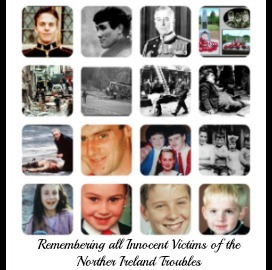


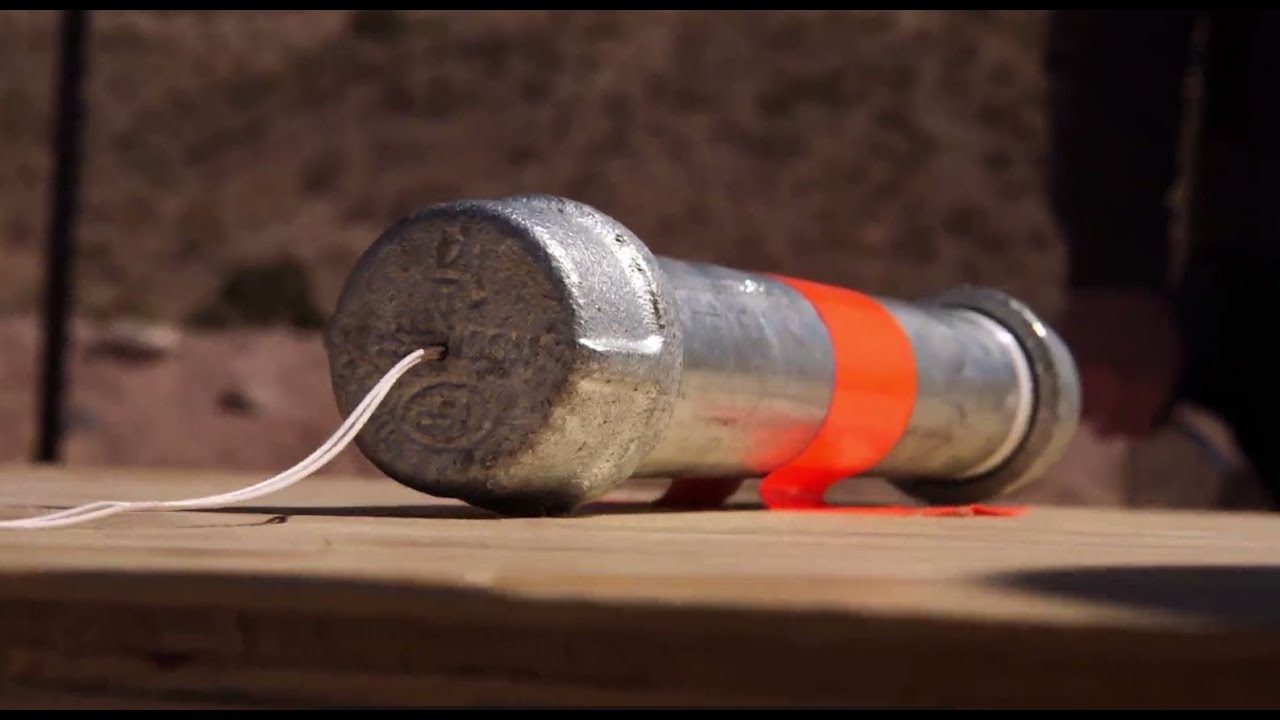




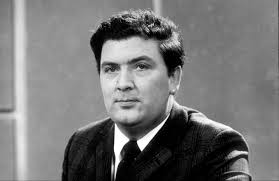


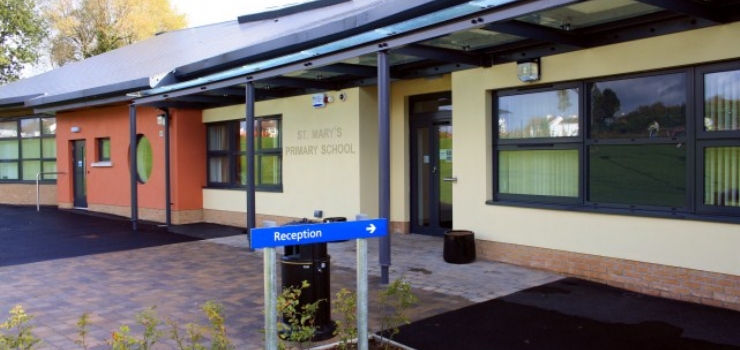



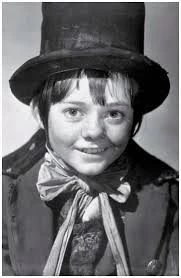


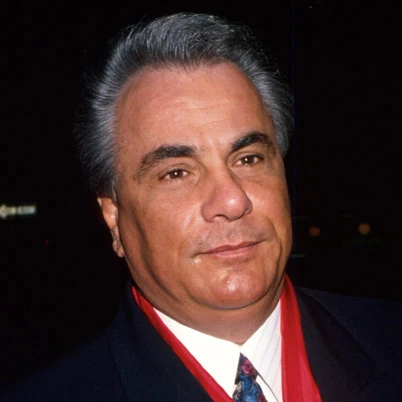
:format(jpeg):mode_rgb():quality(40)/discogs-images/R-4479108-1366037733-6556.jpeg.jpg)

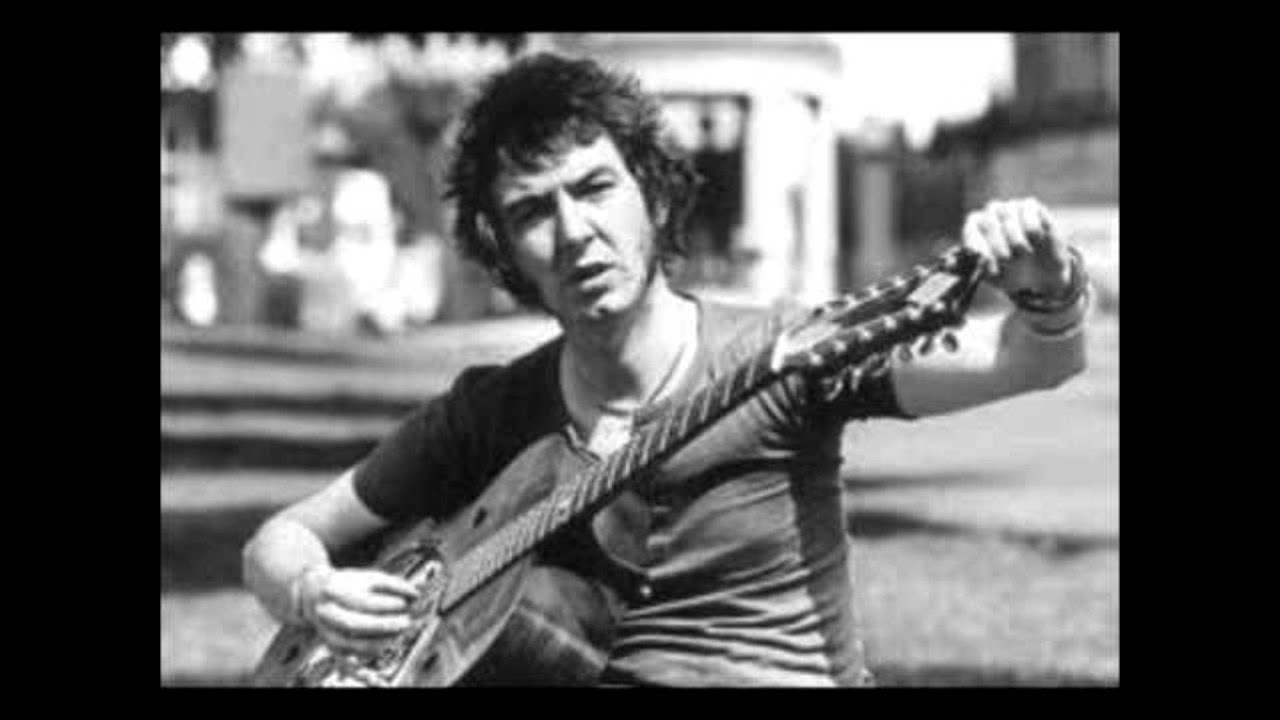

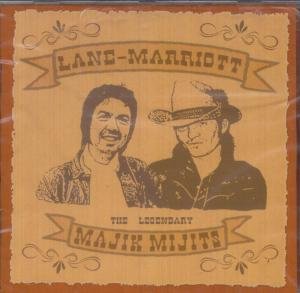






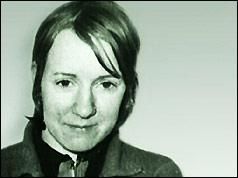


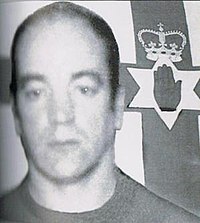
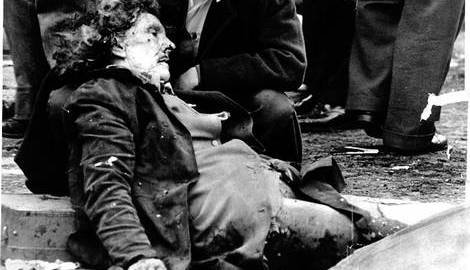


 belfastchildis.com