Ive doing a soft launch of my online shop : https://deadongifts.co.uk/ which I set up with my sister Mags and I need to drive some traffic to the store and start creating an online presence.
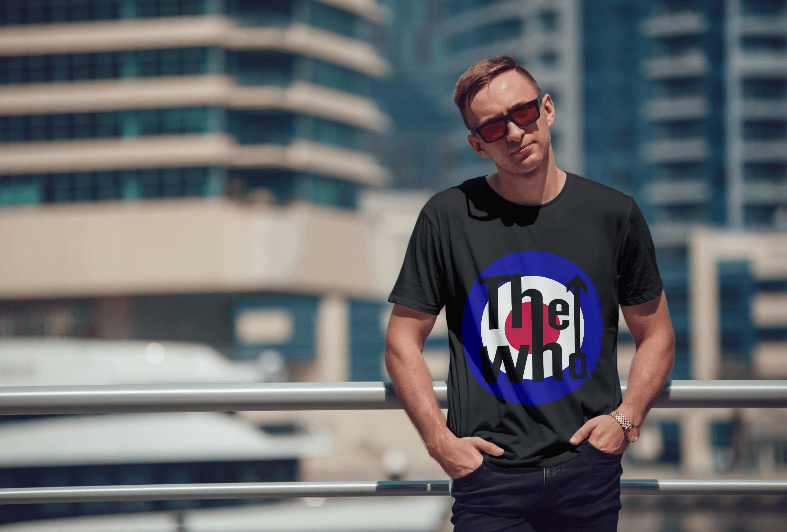
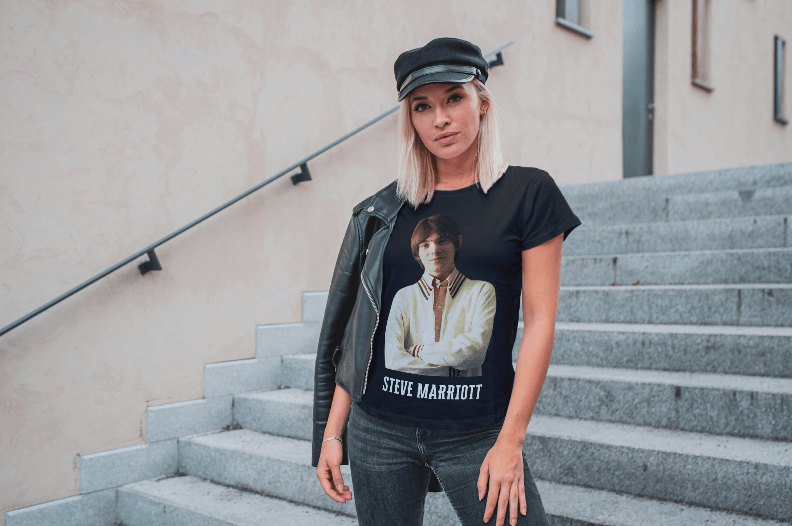
The shop will be mainly selling and promoting Northern Ireland themed gifts and souvenirs but as lifelong Jam fan and mod I cant help but add some designs and products based on my love of all things mod , the music, style and the culture I love it all .
We are currently still loading products and tweaking the website and this will be an ongoing process over the coming days and weeks. But feel free to have a nosey and buy anything that takes your fancy.
Now to the point of this exercise…
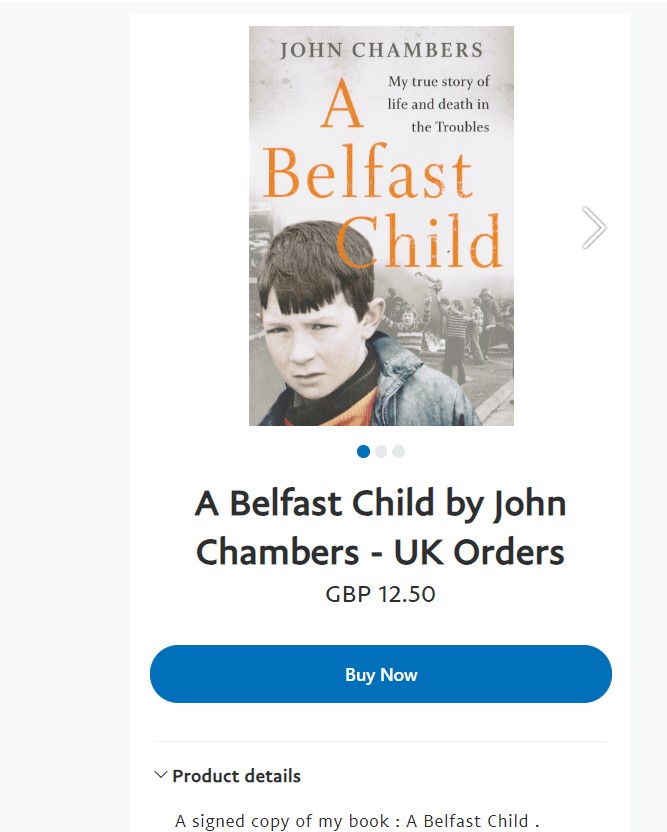
Ill be giving away 2 x £15 gift tokens to spend in the shop and/or two signed copy of my No.1 Best selling book: A Belfast Child in a a random draw of everyone who visits the shop and signed up for & subscribes to our emails alaerts . Dont panic we wont be sending you loads of promo sh*t just the occasional newsletter and updates on the shop and my crazy life .
Just visit the shop and sign up here : Dead On Gifts
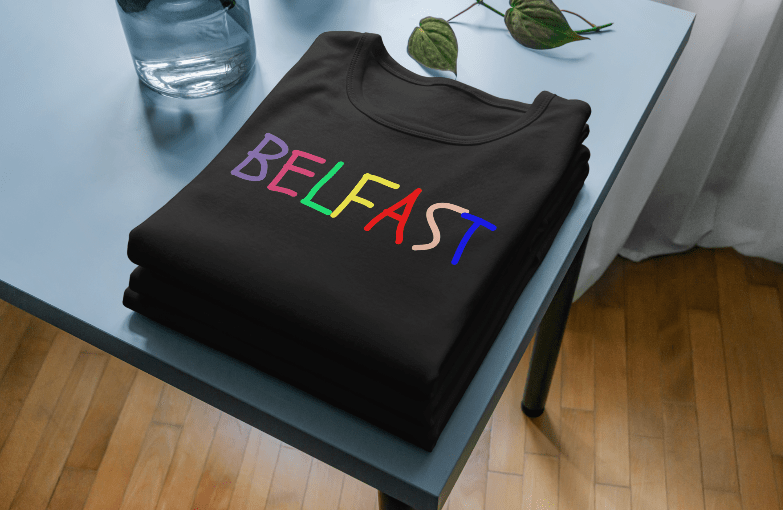
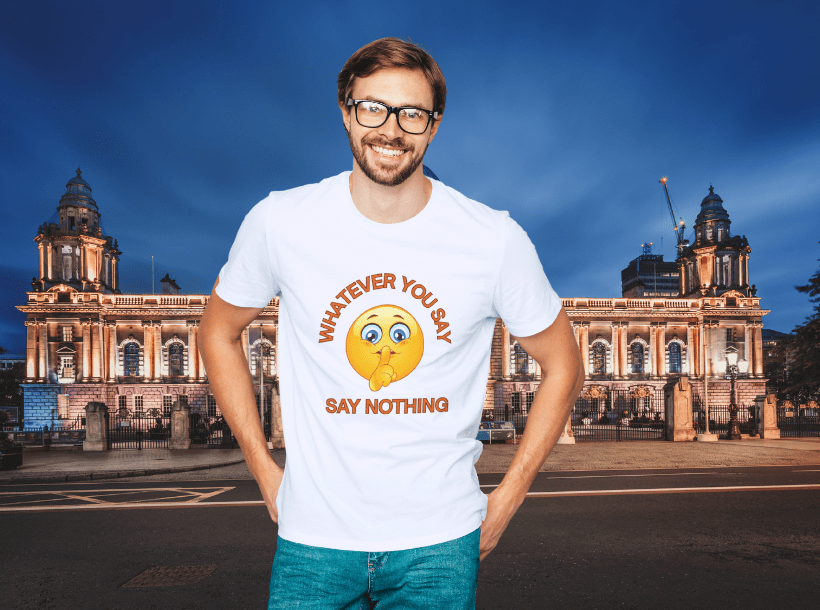
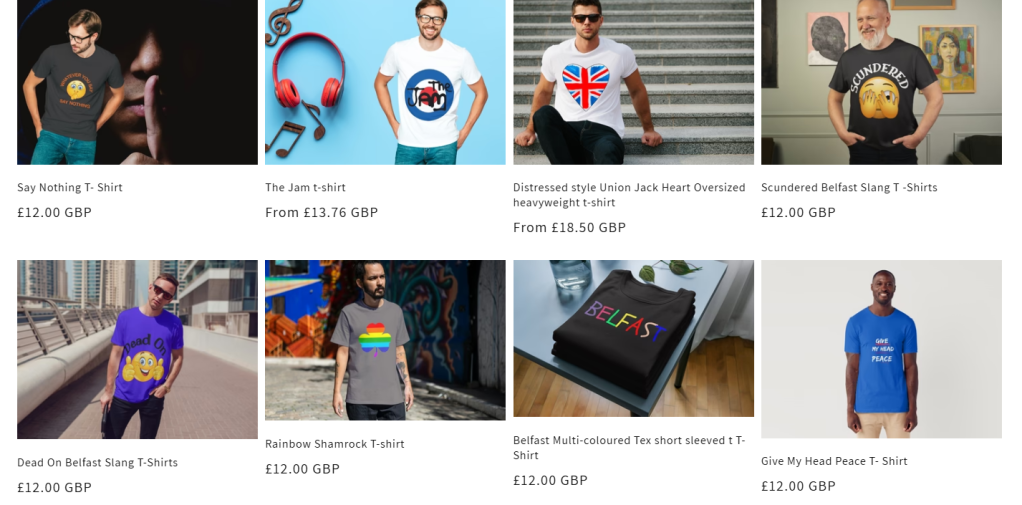
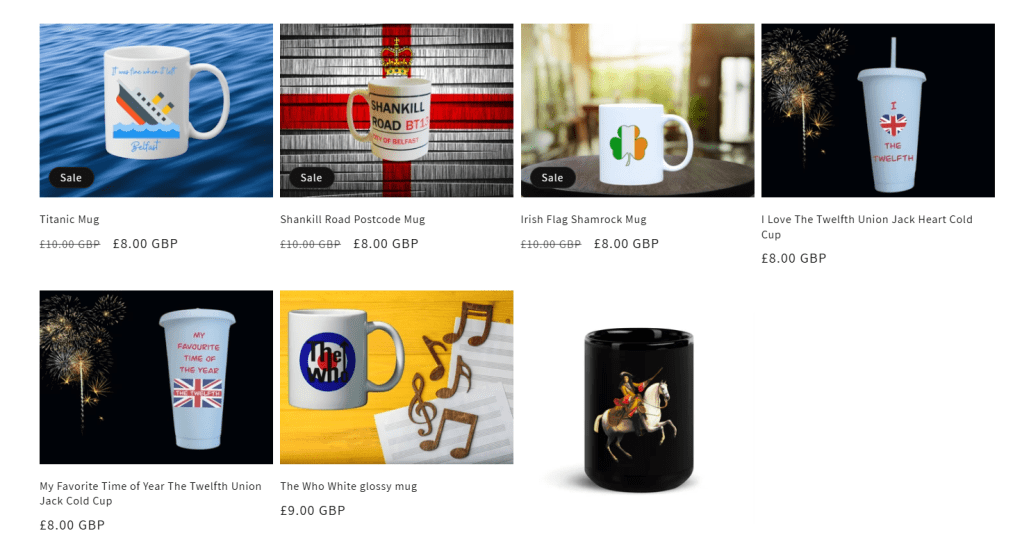
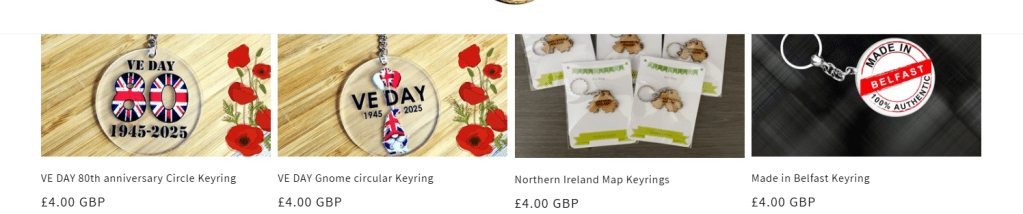
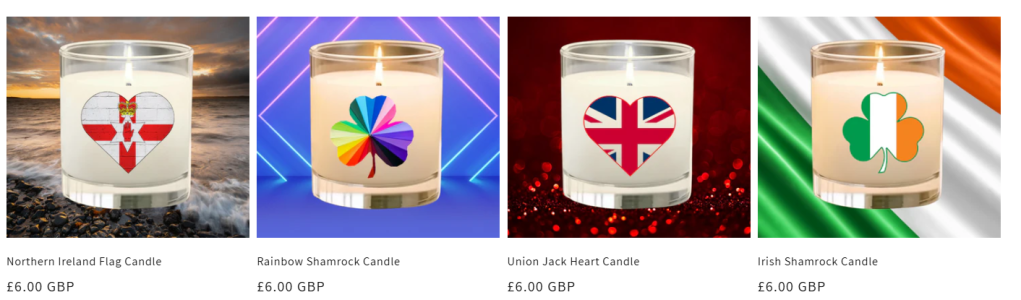
Check out some of our current stock below .
Clock the image to visit page.
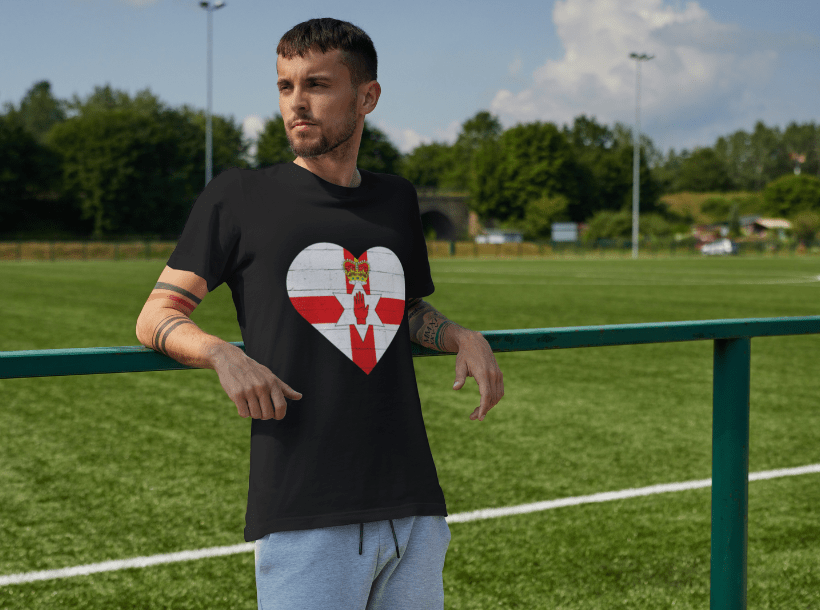
MaleT -Shirts
FemaleT -Shirts
Belfast Slang Socks
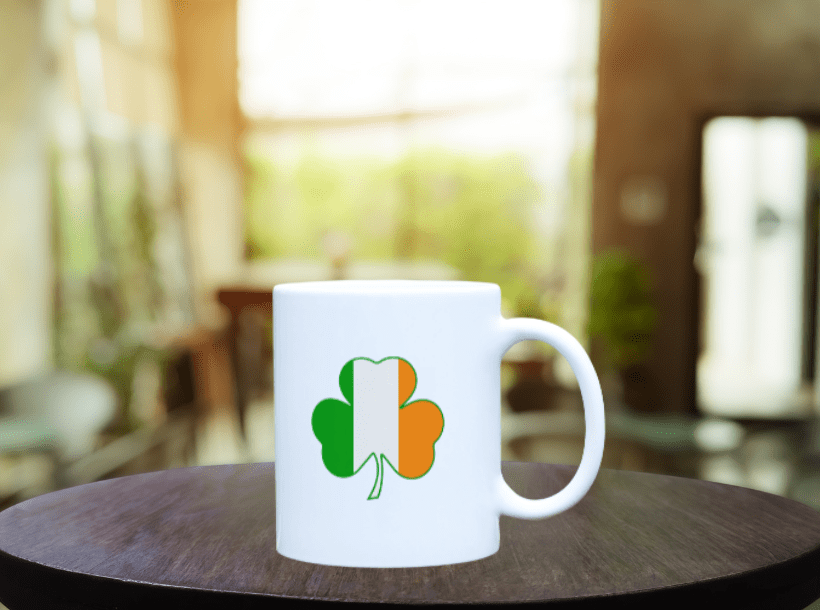
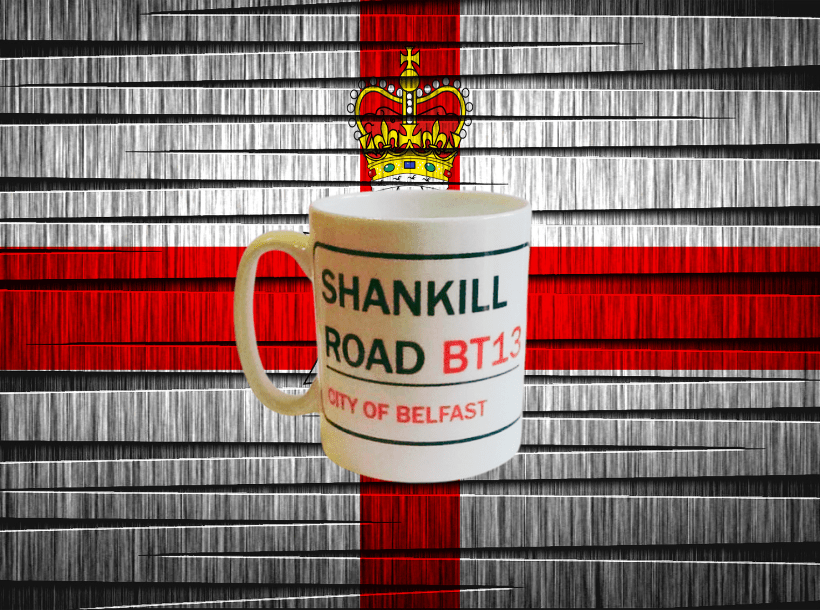
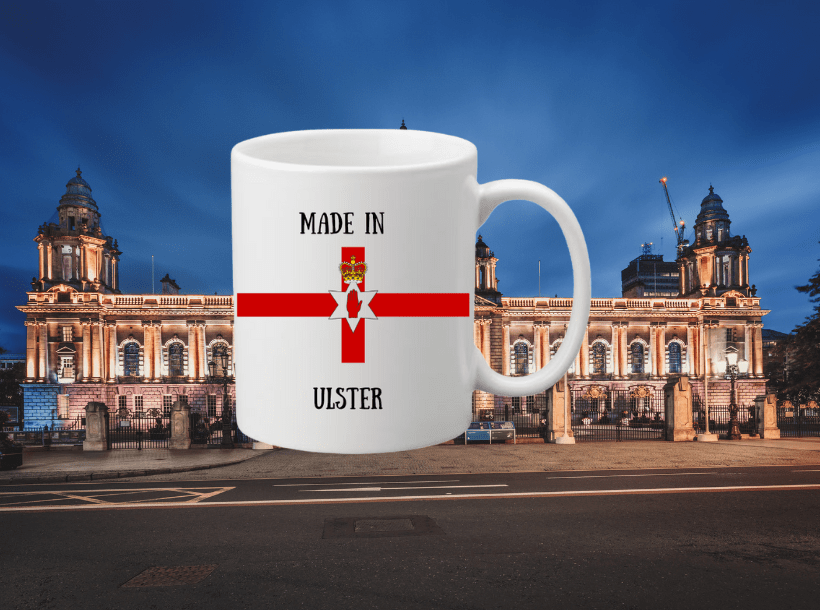
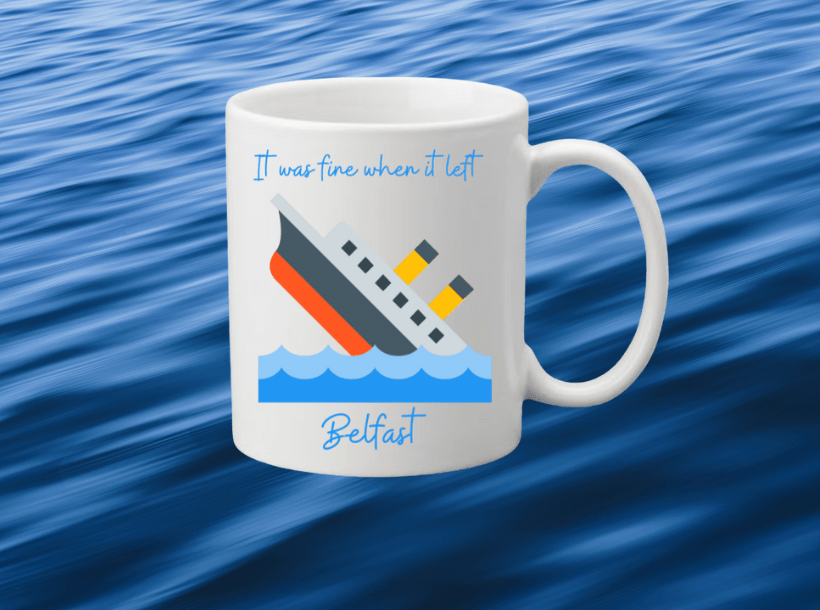
Mugs & Cold Cups
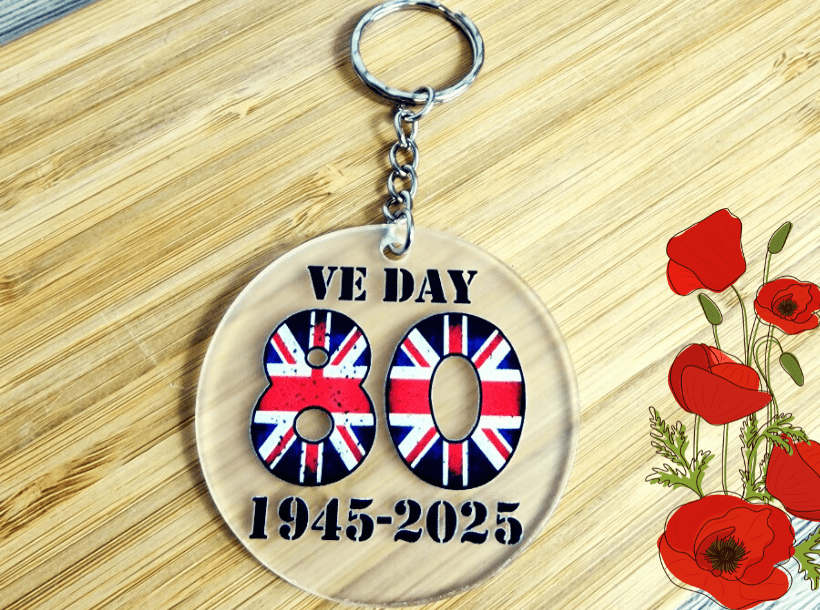
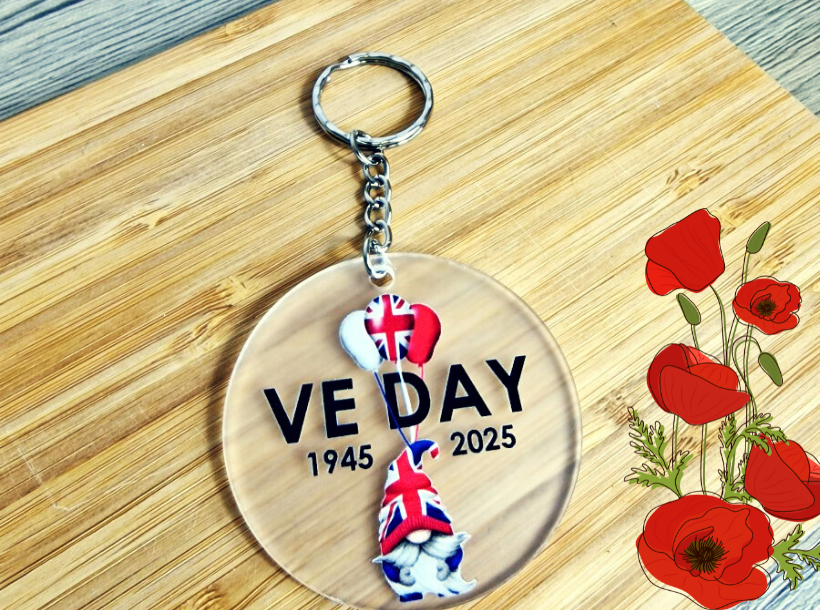
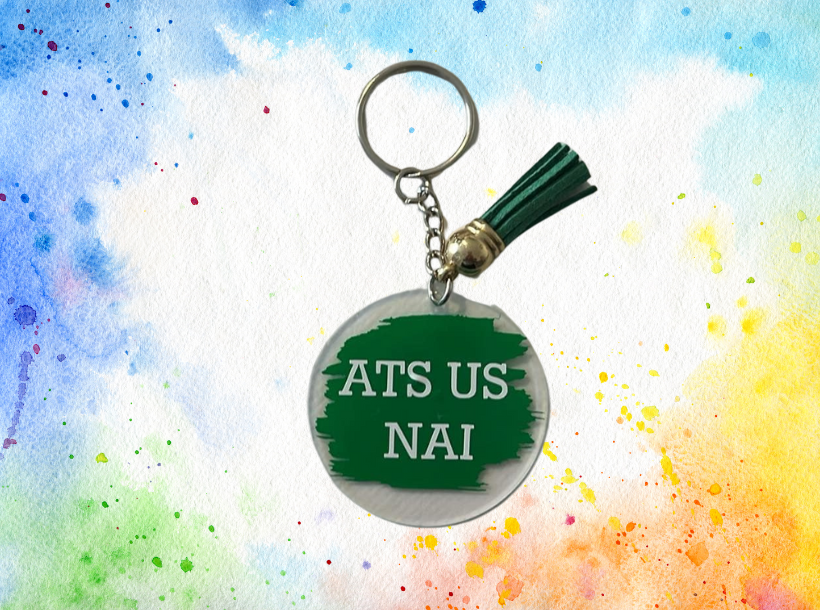
Keyrings
Hats
Candles
That’s all for now folks , don’t forget to visit the store and sign up for our email alerts to be in with a chance of winning in our raffle , Ill announce the winners next weekend .
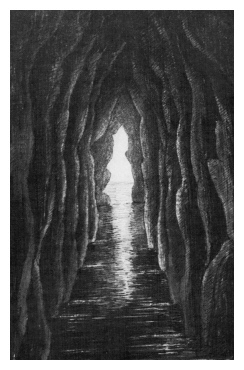
Bruce’s cave, one of Rathlin Island’s caves, etching by Mrs. Catherine Gage (1851)
The Rathlin Island massacre took place on Rathlin Island, off the coast of Ireland on 26 July 1575, when more than 600 Scots and Irish were killed.
Sanctuary attacked
Rathlin Island was used as a sanctuary because of its natural defences and rocky shores; when the wind blew from the west, in earlier times it was almost impossible to land.
It was also respected as a hiding place, as it was the one-time abode of St. Columba.Installing themselves in Rathlin Castle, the MacDonnells of Antrim had made Rathlin their base for expanding their control over the north-eastern coast of Ireland in direct conflict with the local Irish and English resulting in several campaigns to expel them from Ireland.
Their military leader, Sorley Boy MacDonnell (Scottish Gaelic: Somhairle Buidhe Mac Domhnaill) and other Scots had thought it prudent to send their wives, children, elderly, and sick to Rathlin Island for safety.
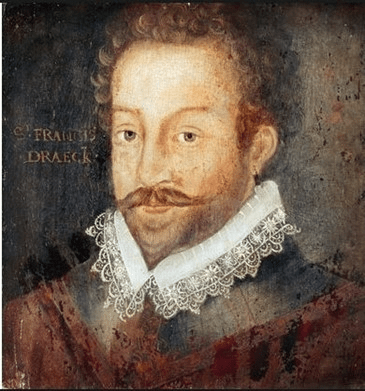
Sir Francis Drake. Lauded to this day as one of the greatest heroes of Elizabethan England, he was one of the senior English officers at Rathin Island who ordered the slaughter of 600 unarmed civilians, much to Elizabeth’s approval.(National Portrait Gallery)
Acting on the instructions of Henry Sidney and the Earl of Essex, Francis Drake and John Norreys took the castle by storm. Drake used two cannons to batter the castle and when the walls gave in, Norreys ordered a direct attack on 25 July, and the Garrison surrendered. Norreys set the terms of surrender, whereupon the constable, his family, and one of the hostages were given safe passage and all other defending soldiers were killed, and on 26 July 1575, Norreys’ forces hunted the old, sick, very young and women who were hiding in the caves.
Despite the surrender, they killed all the 200 defenders and more than 400 civilian men, women and children. Drake was also charged with the task of preventing any Scottish reinforcement vessels reaching the Island.
The entire family of Sorley Boy MacDonnell perished in the massacre Essex, who ordered the killings, boasted in a letter to Francis Walsingham, the Queen’s secretary and spymaster, that Sorley Boy MacDonnell watched the massacre from the mainland helplessly and was:
“like to run mad from sorrow”.
The Haunted Irish Island – Rathlin Island
Aftermath
Norreys stayed on the island and tried to rebuild the walls of the castle so that the English might use the structure as a fortress. As Drake was not paid to defend the island, he departed with his ships. Norreys realised that it was not possible to defend the island without intercepting Scottish galleys and he returned to Carrickfergus in September 1575.
My thoughts ?
Regardless of your political opinion and how you view modern day Ireland and the bloody never-ending consequences of partition and the creation of Northern Ireland, I’m sure we can all agree that our beautiful wee green island has suffered more than its fair share of heartache, misery and political and religious abuse over the centuries.
Whilst many are familiar with recent history and the thirty years of sectarian and political violence we all endured – the seeds of these conflicts had been brewing and stewing for hundreds of years and finally boiled over into “civil ” war in the late 1960s.
From the time when the Vikings first arrived and began raiding in AD 795 to the modern-day Troubles Ireland has never known a lasting peace and our past is littered with the ghosts and memories of countless wars and battles that have left scars and wounds which still fester to this day and are part of our collective ancestral heritage.
In his quest for a United Ireland Brian Boru was arguably the most successful of many leaders who tried previously to bond the warring tribes against the Vikings marauders and those tribes aligned with them. The Battle of Clontarf is one of the greatest battles in Irish history, were an estimate 7,000 – 10,000 men and tribal leaders were killed in the brutal clash that day. Centuries of rule and misrule under various English, Scottish and European parliaments followed until we arrive in the 1960’s and the beginning of the modern Troubles.
I’ve covered the modern Troubles extensively on my blog and if you are interested it has a searchable database of every major event and killing during those dark days. But as a lover of history I thought I would share stories of some of the less well known conflicts and battles that have caught my attention throughout the years and ultimately led to the Ireland, north and south we know and love today.
John Chambers
Don’t forget to subscribe to my blog and follow me on Twitter @bfchild66
Secrets Of Great British Castles – Carrickfergus Castle
Hi folks, Just a shortish blog post to wish you all a wonderful evening and a fantastic Xmas day. Some of you guys have followed me and my story for years now and during recent tragic soul destroying lows to a few joy filled epic highs you have been there to support , comfort and … Continue reading Merry Christmas to all my friends out there X→
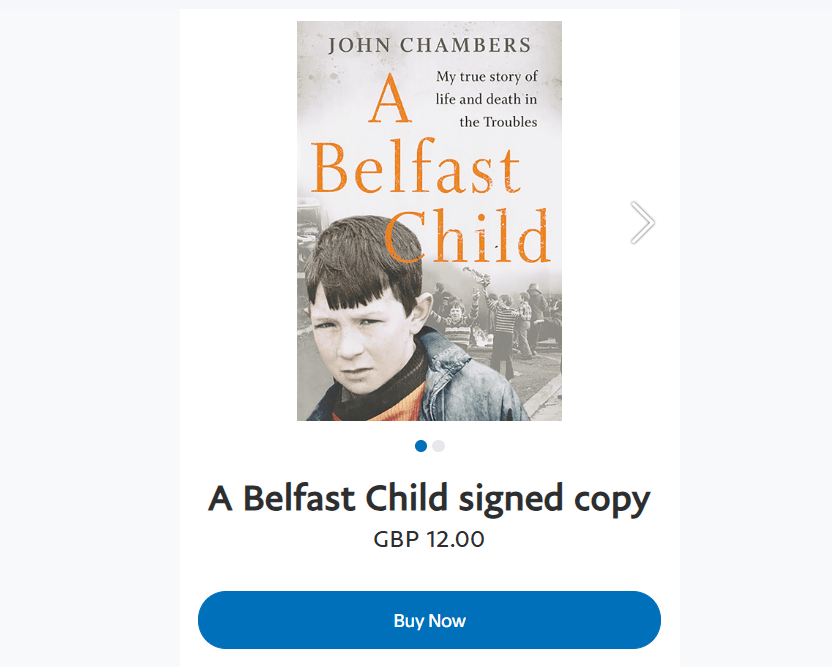
Last chance to order before Xmas delivery cut-off period nxt Wednesday . A personally signed copy of my No.1 Best Selling book : A Belfast Child , which may be worth a few quid if my story is made into a movie – watch this space ! UK Orders Free postage for UK orders only … Continue reading A singed copy of my book for Xmas ?→
And Im happy to bribe you with a free giveaway 🎁 Read on for more detail… Ive doing a soft launch of my online shop : https://deadongifts.co.uk/ which I set up with my sister Mags and I need to drive some traffic to the store and start creating an online presence. The shop will be … Continue reading I need some help folks 😜→
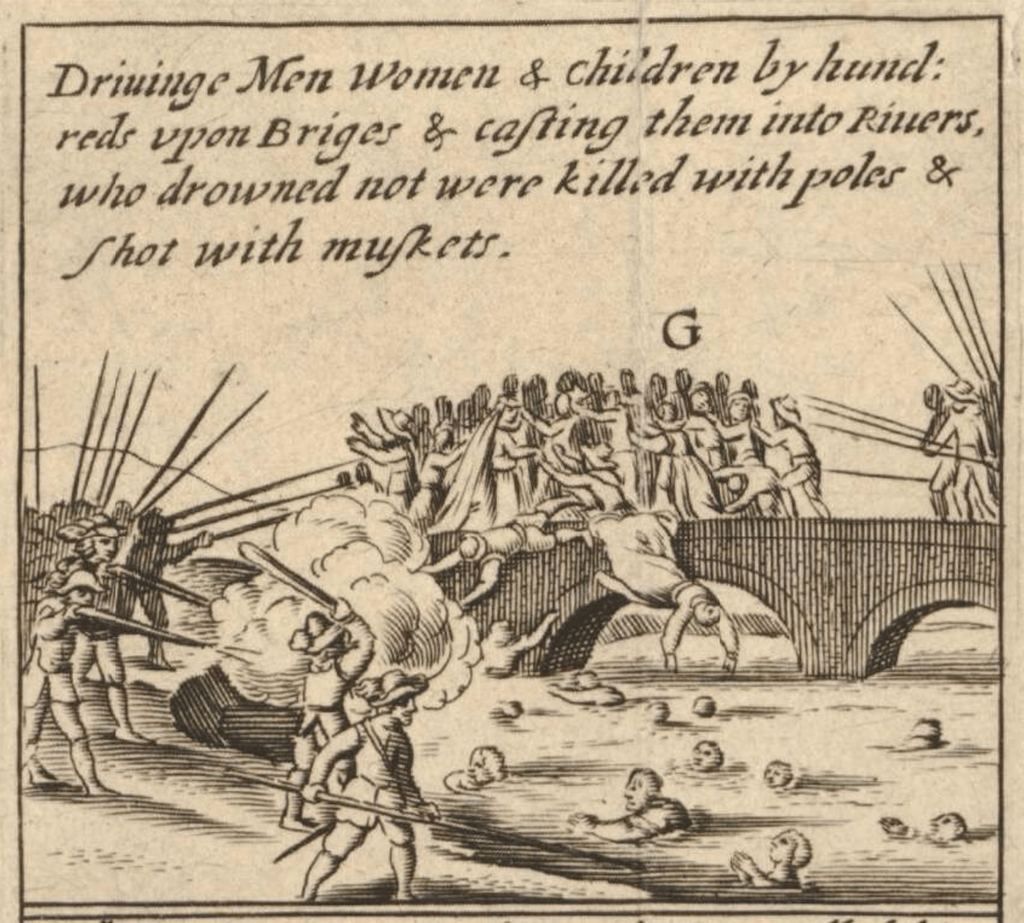
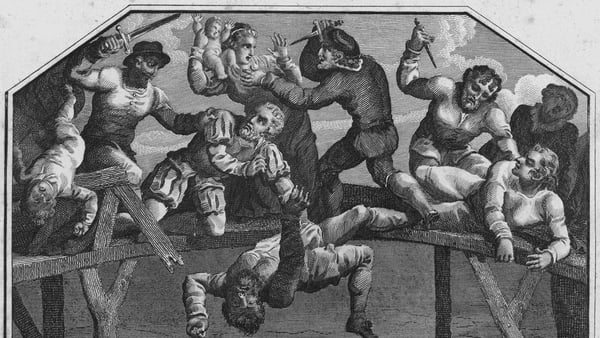
The Portadown massacre took place in November 1641 at Portadown, County Armagh, during the Irish Rebellion of 1641. Irish Catholic rebels, likely under the command of Toole McCann, killed about 100 Protestant settlers by forcing them off the bridge into the River Bann and shooting those who tried to swim to safety.
The settlers were being marched east from a prison camp at Loughgall. This was the biggest massacre of Protestants during the rebellion, and one of the bloodiest during the Irish Confederate Wars. The Portadown massacre, and others like it, terrified Protestants in Ireland and Great Britain, and were used to justify the Cromwellian conquest of Ireland and later to lobby against Catholic rights.
Engraving of the Portadown Massacre (1641) by Wenceslaus Hollar, first published in James Cranford’s Teares of Ireland (London, 1642)
Background
The Irish rebellion had broken out in Ulster on 23 October 1641. It began as an attempted coup d’état by Catholic gentry and military officers, who tried to seize control of the English administration in Ireland. They wanted to force King Charles I to negotiate an end to anti-Catholic discrimination, and greater Irish self-governance, and to partially or fully reverse the plantations of Ireland. Many of those involved in the rebellion had lost their ancestral lands over the past thirty years in the plantation of Ulster.
Most of the land at Portadown had belonged to the McCanns (Mac Cana), a Gaelic clan. As part of the plantation, this land was confiscated by the English Crown and colonized by English and Scottish Protestant settlers.
Rebels, including the McCanns, captured Portadown on the first day of the rebellion along with nearby settlements such as Tandragee and Charlemont.
Some of the rebels began attacking and robbing Protestant settlers, although rebel leaders tried to stop this. Irish historian Nicholas Canny suggests that the violence escalated after a failed rebel assault on Lisnagarvey in November 1641, after which the settlers killed several hundred captured rebels. Canny writes,
“the bloody mindedness of the settlers in taking revenge when they gained the upper hand in battle seems to have made such a deep impression on the insurgents that, as one deponent put it, ‘the slaughter of the English’ could be dated from this encounter”.
Massacre
Portadown Massacre
Twenty-eight people made statements about the incident, but only one of them witnessed it. The others related what they had heard about it, including possibly from some of the rebels themselves.
William Clarke, the only survivor, stated that he had been held in a prison camp at Loughgall, where many of the prisoners were mistreated and some subjected to half-hangings. The rebels in the Loughgall area were commanded by Manus O’Cane. Clarke states that he and about 100 other prisoners were marched six miles to the bridge over the River Bann at Portadown. The wooden bridge had been broken in the middle. Threatened with swords and pikes, Clarke states the prisoners were stripped, and then forced off the bridge and into the cold river below. Those who tried to swim to safety were shot with muskets. Clarke claimed he was able to escape by bribing the rebels.
The massacre seems to have happened in mid-November. It is likely that the prisoners were being brought to the coast to be deported to Britain, and rebel leader Felim O’Neill had already sent other such convoys safely to Carrickfergus and Newry.
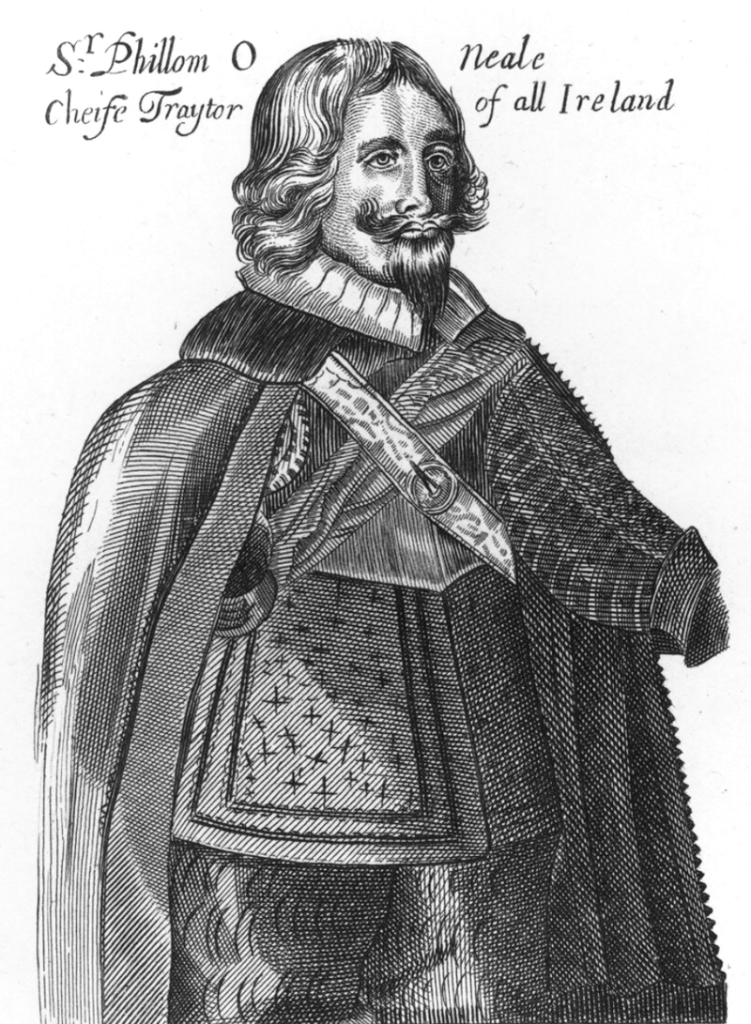
Sir Felim O’Neill of Kinard.
Toole McCann was the rebel captain in charge of the Portadown area at the time, and several people made statements that he was responsible for the massacre. Hilary Simms writes:
“The convoy entered his area of control and it would seem likely that even if he did not order it, he and his men could not have avoided being involved in it”.
Native Irish tenants had already been massacred at Castlereagh, but Pádraig Lenihan writes there is no direct evidence the Portadown massacre was retaliation for this.
Aftermath
As word of the massacre spread, “elements of what happened were exaggerated, tweaked and fabricated”. People who heard about the massacre gave a range of death tolls, from 68 to 196. As Clarke was a witness of the massacre his figure of 100 is taken as being the most credible. Nevertheless, the Portadown massacre was one of the bloodiest in Ireland during the Irish Confederate Wars. About 4,000 Protestant settlers were killed in Ulster in the early months of the rebellion.
Irish Confederate Wars
In County Armagh, recent research has shown that about 1,250 Protestants were killed, about a quarter of the settler population there. In County Tyrone, modern research has identified three blackspots for the killing of settlers, with the worst being near Kinard, “where most of the British families planted … were ultimately murdered”.
There were also massacres of local Catholics, such as at Islandmagee in County Antrim, and on Rathlin Island by Scottish Covenanter soldiers. Though a supporter of British rule in Ireland, 19th-century historian William Lecky wrote:
“it is far from clear on which side the balance of cruelty rests”.
The massacre terrified Protestant settlers and was used to support the view that the rebellion was a Catholic conspiracy to massacre all Protestants in Ireland, though in truth such massacres were mostly confined to Ulster.
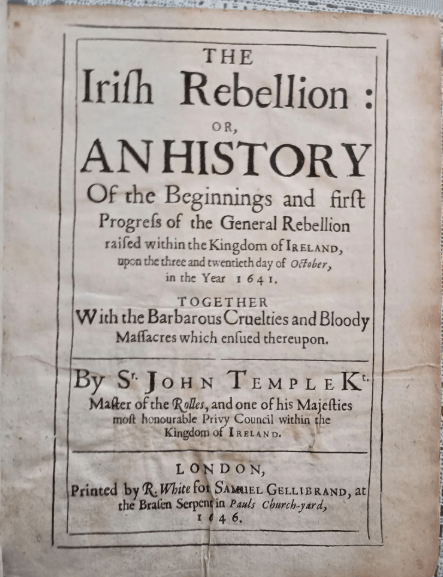
John Temple’s The Irish Rebellion (1646)
In 1642, a commission of inquiry was held into the killings of settlers. Protestant bishop Henry Jones led the inquiry and read out some of the evidence to the English parliament in March 1642, although most of his speech was based on hearsay. The massacre featured prominently in English Parliamentarianatrocity propaganda in the 1640s, most famously in John Temple’s The Irish Rebellion (1646). Temple used the massacres at Portadown and elsewhere to lobby for the military re-conquest of Ireland and the segregation of Irish Catholics from Protestant settlers in Ireland.
Accounts of the massacre strengthened the resolve of many Parliamentarians to re-conquer Ireland, which they did in 1649–52. Massacres were committed by Oliver Cromwell’s army during this conquest, and it resulted in the confiscation of most Catholic-owned land and mass deportations. Temple’s work was published at least ten times between 1646 and 1812. The graphic massacres depicted therein were used to lobby against granting more rights to Catholics.
After the massacre, stories spread of ghosts appearing in the river at Portadown, screeching and crying out for revenge. These stories were said to have struck fear into the locals. One woman stated that Irish Confederate commander Owen Roe O’Neill went to the site of the massacre when he returned to Ireland in 1642. She stated that a female ghost appeared, crying for revenge. O’Neill sent for a priest to speak to the ghost, but it would only speak to a Protestant cleric from an English regiment
Toole McCann was later captured by English forces. He was questioned and made a statement in May 1653, saying he had not authorised nor seen the massacre, but had only heard of it. He was executed shortly after.
My thoughts ?
Regardless of your political opinion and how you view modern day Ireland and the bloody never-ending consequences of partition and the creation of Northern Ireland, I’m sure we can all agree that our beautiful wee green island has suffered more than its fair share of heartache, misery and political and religious abuse over the centuries.
Whilst many are familiar with recent history and the thirty years of sectarian and political violence we all endured – the seeds of these conflicts had been brewing and stewing for hundreds of years and finally boiled over into “civil ” war in the late 1960s.
From the time when the Vikings first arrived and began raiding in AD 795 to the modern-day Troubles Ireland has never known a lasting peace and our past is littered with the ghosts and memories of countless wars and battles that have left scars and wounds which still fester to this day and are part of our collective ancestral heritage.
In his quest for a United Ireland Brian Boru was arguably the most successful of many leaders who tried previously to bond the warring tribes against the Vikings marauders and those tribes aligned with them. The Battle of Clontarf is one of the greatest battles in Irish history, were an estimate 7,000 – 10,000 men and tribal leaders were killed in the brutal clash that day. Centuries of rule and misrule under various English, Scottish and European parliaments followed until we arrive in the 1960’s and the beginning of the modern Troubles.
I’ve covered the modern Troubles extensively on my blog and if you are interested it has a searchable database of every major event and killing during those dark days. But as a lover of history I thought I would share stories of some of the less well known conflicts and battles that have caught my attention throughout the years and ultimately led to the Ireland, north and south we know and love today.
John Chambers
Don’t forget to subscribe to my blog and follow me on Twitter @bfchild66
Battle of Clontarf, 1014 – End of the Viking Age in Ireland
Hi folks, Just a shortish blog post to wish you all a wonderful evening and a fantastic Xmas day. Some of you guys have followed me and my story for years now and during recent tragic soul destroying lows to a few joy filled epic highs you have been there to support , comfort and … Continue reading Merry Christmas to all my friends out there X→
Last chance to order before Xmas delivery cut-off period nxt Wednesday . A personally signed copy of my No.1 Best Selling book : A Belfast Child , which may be worth a few quid if my story is made into a movie – watch this space ! UK Orders Free postage for UK orders only … Continue reading A singed copy of my book for Xmas ?→
And Im happy to bribe you with a free giveaway 🎁 Read on for more detail… Ive doing a soft launch of my online shop : https://deadongifts.co.uk/ which I set up with my sister Mags and I need to drive some traffic to the store and start creating an online presence. The shop will be … Continue reading I need some help folks 😜→
I’m in the process of trying to complete a script based on my number one bestselling book A Belfast Child and to be completely honest I’m seriously struggling and becoming disillusioned with the whole process. Recently I feel like just admitting defeat, throwing the towel in and consigning the idea to the long grass.
But I’m not going to give up – just yet!
Since the book was published (and well before) I’ve been working on a script l based on my story (Philomena meets Trainspotting/Quadrophenia kind of theme) and I completed the first draft a few years ago. I sent this to Northern Ireland screen and some agents and the feedback I received was positive, but they suggested I needed to do some rewrites and changes to make it sellable before submitting it again. At the time I was going through some personal issues including my mum’s soul-destroying long illness and the publication of my book also took precedence, so I put the script on hold for a few years to focus on more pressing issues such as the daily grind of life and surviving all those little obstacles fate loves to throw in my path.
Earlier this year I thought I would give the script another go and have been working on it on and off since. It may surprise some of you to learn that putting together a script is an entirely different beast to writing a book and to be completely honest I’ve been really struggling with tweaking and amending it and its doing my head in !
I’ve reached out to a few folk in the industry and for one reason or another they cant commit to helping me complete this project. I’ve had meetings with established scriptwriters and producers and although they love the idea and praised the story none of them seem to have the time or resources I need to see this through to completion.
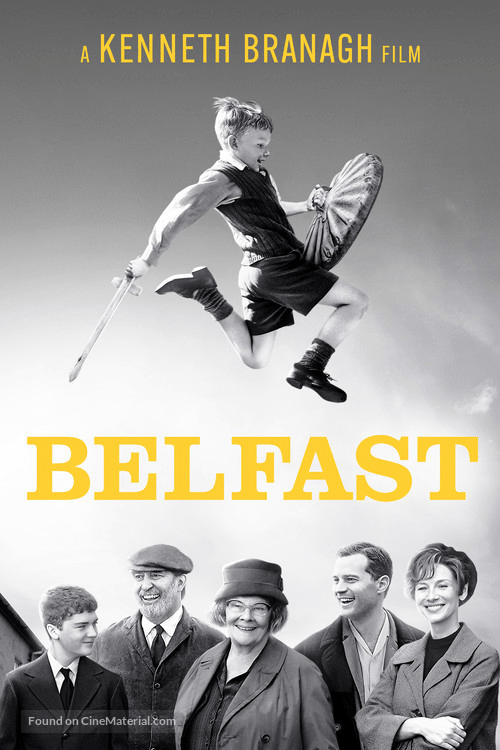
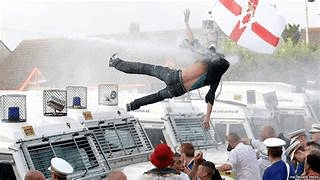
Also the success of Belfast the movie has put some of from taking up my story as they feel the market for Trouble’s themed stories has been saturated over the years and another Belfast story would be hard to place in the market. Obviously, I disagree with this and although I thought Belfast was a great movie it sugar coated the brutal reality of what life was really like back then whereas I feel my story/script incorporates the raw horror and unceasing violence that dominated our daily lives in the ghettos of Belfast and beyond and the legacy of the Troubles that still hunt us to this day. There was also much teenage madness and laughter which offered us some brief moments of escape from the violence all around us.
I’m waffling now so let me get to the point !
I have come to the conclusion in order to move my idea forward I need to bring in some professional help and with that in mind Im in the process of finding and engaging the services of a well-established script consultant and further down the line a script editor. These guys are in high demand and don’t come cheap but if I’m to have the best chance of seeing my script through to completion with professional input and guidance I’m looking at a fee of between £5000 – £10000 and possibly more down the line.
Despite popular belief being a bestselling author has not made me a millionaire (yet) or indeed anywhere near it and like many I face the same financial struggles that are the curse of the cost of living crisis we are all experiencing. But I have a long-held dream to see my story on the big screen and I am focused on pursuing this until I have achieved that aim. It took me almost twenty years to finally see my book in print and through all the ups and downs and soul-destroying rejections I persevered until one day a publisher took me onboard and the rest is history as they say. It was a long and hard process and there were many false starts along the way, but I eventually got there. I never give up on that dream until it became a reality, and I am going to apply the same determination and dedication in my quest to complete my screen play and see it on the big ( or small) screen one day. Hopefully within the next few years as Im getting old and my time is running out…
So that’s my mission statement and Ill be keeping you all updated via my blog and Twitter ( I just can’t get use to calling it X ) as and when I have something to share . It’s going to be a pain raising the fee for the services I need but one way or another I know Ill get there eventually.
If you’d like to be part of my story and are feeling wildly generous and excited about seeing me succeed and my project developed you can contribute towards the costs by clicking the donation button below.
If and when the movie comes out Ill give you all a mention 😜
Click donation button below to be a part of this awesome journey .

















 belfastchildis.com