The Ulster Tower is Northern Ireland’s national war memorial. It was one of the first Memorials to be erected on the Western Front and commemorates the men of the 36th (Ulster) Division and all those from Ulster who served in the First World War.
The memorial was officially opened on 19 November 1921 and is a very close copy of Helen’s Tower which stands in the grounds of the Clandeboye Estate, near Bangor, County Down, Northern Ireland. Many of the men of the Ulster Division trained in the estate before moving to England and then France early in 1916.
The Tower (plus a small cafe nearby) is staffed by members of the Somme Association, which is based in Belfast.
1916 Battle
The Division attacked the Schwaben Redoubt, which is near the Ulster Tower, on 1 July 1916. The Schwaben Redoubt was a little to the north-east of where the tower stands, and was a triangle of trenches with a frontage of 300 yards, a fearsome strongpoint with commanding views. It is also located close to the Thiepval Memorial to the Missing of the Somme.
The front lines were at the edge of Thiepval Wood which lies to the south-west of the road between the Thiepval Memorial and the Ulster Tower. Troops of the 109th Brigade crossed about 400 yards of no man’s land, and kept on going. They entered the Schwaben Redoubt, and advanced on towards Stuff Redoubt, gaining in all around a mile, though not without losses. To their left, the 108th Brigade were successful in advancing near Thiepval, but less so nearer the River Ancre.
The 107th Brigade supported them, but although men of the 36th Division held out for the day the Germans mounted counterattacks, and as their stocks of bombs and ammunition dwindled, many fell back with small parties remaining in the German front lines. The casualties suffered by the 36th Division on 1 July totalled over 5,000.
Memorial
At the entrance to the tower is a plaque commemorating the names of the nine men of the Division who won the Victoria Cross during the Somme. There is also a memorial here commemorating the part played by members of the Orange Order during the battle. The inscription on this memorial reads:
“This Memorial is Dedicated to the Men and Women of the Orange Institution Worldwide, who at the call of King and country, left all that was dear to them, endured hardness, faced danger, and finally passed out of the sight of man by the path of duty and self sacrifice, giving up their own lives that others might live in Freedom. Let those who come after see to it that their names be not forgotten.”
Commemorations
The Inscription on the Memorial Reads : “This Memorial is Dedicated to the Men and Women of the Orange Institution Worldwide, who at the call of King and country, left all that was dear to them, endured hardness, faced danger, and finally passed out of the sight of man by the path of duty and self sacrifice, giving up their own lives that others might live in Freedom. Let those who come after see to it that their names be not forgotten.”
There are 5 known Orangemen who were awarded the Victoria Cross .
Private George Richardson (VC) from Cavan who was awarded the Victoria Cross for bravery during the Indian Mutiny and was recommended on 3 other occasions for the same award. He served in the 34th Regiment of Foot, later the Border Regiment. Private Richardson later emigrated to Canada.
Robert Hill Hanna, born in Kilkeel, Co. Down, emigrated to Canada, member of Ontario LOL 2226, he was awarded the Victoria Cross for gallantry at Lens, France, 21 September 1917, during the WW1, when serving with the Canadian Army.
Rev John Weir Foote, was a Captain, later Colonel, in the Canadian Chaplain Service, attached to the Royal Hamilton Light Infantry. A member of Fraserville LOL Ontario. He was with the Canadians during the Dieppe Raid, and stayed on to minister to wounded, subsequently captured by the Germans. Weir was awarded the VC in February 1946 for services above and beyond the call of duty during World War II.
Riflemen Robert Quigg from Bushmills was awarded the medal for his courage on the Somme on 1 July 1916.
Englishman Abraham Acton, from Whitehaven, Cumberland, was awarded the Victoria Cross for conspicuous bravery at Rouge Bances, 21 December in 1914. Acton was killed in action at Ypres in 1915 at the age of 22, and he has no known grave.
Orangemen Robert Dixon I2442 Toronto serving with the Princess Patricia’s Canadian Light Infantry and Lieutenant J McCormick from Canada were recommended for the Victoria Cross
By the mid 80s I was completely emerged in the Mod culture and I started slowly to migrate away from the loyalist run discos and clubs of my childhood and teens years. As I grew older and more confident ( wiser) I started to explore further afield and go to clubs and gigs in and around Belfast city centre and for the first time in my life I was meeting and mixing with Catholics on a social level and I gradually came to realize they weren’t that different from me after all.
I”m the one with shades on
My evolving Mod identity was opening up a whole new world to me and I grabbed it by both hands and jumped on for the ride of my life.
As a young, self confident adult my Mod days were the best years of my life and if I had to live my life again I wouldn’t change a thing from that time. Well, maybe one or two things regarding beautiful women I was too stoned or to blind to see what they were offering me.
The Norns love to toy with destinies of mortal men.
Me when I thought I was immortal & would never grow old
Prior to this my only interaction with my catholic counterparts was our nightly riots with the catholic kids from Ardoyne & the Springfield Road and like those around me I hated them all with a passion. I was living in the epicenter of loyalist Northern Ireland and I had been brought up to hate and mistrust Catholics from an early age. Like my peers around me I blamed them for the war that was ripping Northern Ireland apart and I could never forgive them for their treacherous support of IRA terrorists and other republican groups
My childish subconscious mind seemed to filter out the worst horrors the loyalist paramilitaries were visiting on the catholic population, but when a republican terrorist was killed I celebrated and praised those responsible. We were fanatical in our hatred of the IRA and all things republican and the call for a united Ireland drove us buck mad with rage.
I was living in the Loyalist goldfish bowl and my horizons were dominated by the so called Peace Wall.
Welcome to my world.
My loyalist identity and culture was hardwired into my DNA and at first I struggled with the conflict of mixing with catholic Mods/folk from the other side, whom I had always considered my enemies.
But my priorities were also evolving and my lifelong prejudices against all catholic’s was fading away . I embraced the Belfast Mod movement with passion and enthusiasm and became a well known Face among the Mods and Mod clubs of Belfast and beyond.
I’m the one wearing shades
Up until this stage in my life I had been blanketed within the Loyalist culture and felt safe in the knowledge that the tight knit community I belonged too , was a part of , would work as one to protect me and other children and shield us from the worst evils of mankind.
Which was kinda hard considering I was living in one of the most violent, deadly places on planet earth at the time?
The paramilitaries ruled our daily lives and this was all perfectly normal for us. From an early age I was subconsciously aware that I lived in a messed up land and many of my family, friends and neighbours were involved with one of the various loyalist paramilitary or community groups.
I grew up with people who would become loyalist killers, others were killed by republicans and the never ending feuds between loyalist paramilitaries added to the ever growing butcher’s bill. Some also killed themselves to escape the madness going on around us and many ended up serving life sentences for terrorist activities.
Every death was someone’s personal tragedy and at times the slaughter seemed never ending.
I remember as a child attending family/local funerals and when I looked around I was surrounded by loyalist legends and Godfathers , paramilitaries leaders and killers .Then I got really angry and annoyed because the police had loads of spotters out , recording the funeral and taking pictures of all those present and generally disrespecting us as we buried our dead. When someone died in our world the whole community suffered as one and our ties were much stronger for our shared suffering at the hands of republican terrorists.
But I loved this messed up land and as a proud wee prod I hated the IRA and all they stood for. In my childish loyalist mind I looked up to the loyalist warlords and those that served them. After all they were taking the war to the IRA and fighting for God and Ulster and our continued freedom, weren’t they?
That made me feel safer, somehow. Twisted or what?
At times it felt like the loyalist people were under siege and I remember as a child during the strikes of the 70’s I was terrified as I stood at the top of Glencairn , looking out over all of Belfast and watching thick black smoke belch into the air and the whole sky seemed to be on fire. Loyalist paranoia was so acute at times that we were actually anticipating civil war to break out at any moment and I wondered and worried if I and those I loved would survive the battles to come.
I was also a committed Christian for most of my childhood and teens and a pacifist by heart and I never felt comfortable with the never ending murder of innocent people, regardless of political or religious background. In fact I hated it and I couldn’t understand why God in all his wisdom would let such things happen and the first cracks began to appeared in my Christian faith. Living in loyalist Belfast my God was of course a loyalist God and my people were fighting the wicked IRA and despised the antichrist in Rome, Pope John Paul II , the head of the hated Catholic Church.
.
But I digress; I’m suppose to be telling the story of Noddy Clarke.
My old scrapbook from my Mod days.
I’d met Noddy and his girlfriend Maria in the Mod clubs and pubs of Belfast, mostly the Delta & Abercone and I quickly became friends with them and enjoyed having a chat & chill with them when our paths crossed. Noddy (Gerard Clarke) was a beautiful, gentle wise soul and he was one of those rare people who seemed to have time for everyone and seemed genuinely interested in what you had to say. He was a top bloke and I had a lot of time for him and Maria. Maria was also a beautiful person and friendly to all.
The fact that they were catholic never entered my mind and this was testament to how far I had moved on from the entrenched prejudices of my childhood. Although I no longer hated catholic’s my hatred of the IRA and republican terrorists never waned and still beats in my heart today. I can’t forget or forgive the past, but I want peace in Northern Ireland and if that means dancing with the devil, so be it.
The Belfast Mod scene was at its height at the time and as I moved in the same circles of the Faces and wannabies I got drunk (and high) on the joy of it all. I was young, seemingly acceptable to the female species and my life was one long never ending party and I Really never wanted it to end.
Me during my Mod days
There were always some big events happening in the Mod calendar and I travelled all over Northern Ireland and London with a group of about thirty hardcore Mods, attending all dayers and concerts. Noddy & Maria were often at these events and our love of the Mod culture transcended hundreds of year’s sectarian conflict and suspicion and give me a hint of a better future.
Mods in Carnaby Street
Once a group of about thirty of us travelled to London for a Mod all dayer , taking place in the Ilford Palais. The concert wasn’t until the Sunday and as it was only Friday we decided to visit the most iconic Mod address in the World, Carnaby Street. As a Mod it felt like the pilgrimage to Mecca muslims make and for me walking on the hollowed paved streets of Carnaby Street It felt almost like a holy experience and I was hypnotised by sheer joy of just being there and drinking in the Mod culture it had given birth too.
But my joy was to be short lived.
I’ve absolutely no idea who he is , but he fits into the story nicely.
As we walked the legendary streets and drank in the super cool atmosphere i was mesmerized and entranced by the beauty of it all and then suddenly we heard a massive roar and what sounded like a football stampede and then three terrified young Mods ran past us as if the devil was on their tails.
Time stood still as we waited to see what had scared them so much and made them take such desperate flight.
Then from a side road about fifty phycho looking skinheads appeared from nowhere, many of them wearing Chelsea and Rangers football scarf’s, covered in loyalist and swastika tattoos and they were obviously baying for blood, Mod blood to be exact.
The moment they spotted us they stopped dead and some even grinned at the Mod bounty fate had delivered them. We were in some deep shit and I searched my mind frantically for a way out.
There was only a few of us together at this stage and my heart leaped into my throat as I anticipated the beating I was about to receive. But growing up in the badlands of loyalist West Belfast I was use to brutal violence and then two things came to my mind at once.
Firstly I was use to gang battles between Mods and Skinheads and had fought in many in the backstreets of The Shankill & Ballysillian/Silverstream (a story for another day) and survived largely intact. But here we were vastly outnumbered, on foreign soil so to speak and these guys wanted to rip us apart, limb by limb and savour every moment of our agony and shame. Then I considered the Rangers scarfs and an idea started to take shape in my terrified brain.
Rangers was the team of choice for much of the protestant population of Northern Ireland and along with Chelsea and Linfield they were inextricably woven into the core of our loyalist culture. I hoped these baying skinheads or some of them at least would hold the same pride and love for Queen and country as me and I thought this might just save us.
I glanced over at the leaders in the front row and as they hurled insults and threats my heart sunk when I saw some of them had pulled out weapons and knifes and were preparing to attach us and I braced myself ready for a battle we could never win.
My survival instinct kicked in and once again my destiny was in the hands of the gods , gods I no longer trusted. I took a deep breath and played my hand.
“Stay back “
I told the others beside and behind me, aware that some of them were catholic’s and possibly in more danger than me, if that was at all possible in my current situation. I stepped forward and looking for the top boy I calmingly suggested they all slow down and tell me what the problem was?
You could have heard a pin drop as he looked me up and down as though I’d just insulted his life scarred mother and I could tell he were moments away from lunging at me and all hell kicking off.
Then I heard a familiar accent calling out from the skinhead crowd and hope returned.
“Are youse from Belfast? ”
And everyone paused to hear my reaction.
“Feckin right I said, from the glorious Shankill Road! “
Hoping and praying I’d made the right call.
“Really, he asks, who do you know? “
I wheeled off a few names of Skinheads and badboys I knew and had grown up with on the Shankill and Glencairn and this satisfied them and we were safe for now at least. It turned out the guy “Biff” had grown up in Glencairn and now lived and worked in London and was involved with other loyalists living in the capital. They were a right nasty crew and I pity anyone who had the misfortune to come across them, especially if you weren’t a WASP . Also if they had known some of the Mod present were catholic’s, nothing would have stopped them kicking the shit outta of me and the others and I silently thanked the gods for delivering us from evil.
With the situation defused I told the others to look around a bit and I’d catch up with them later . I didn’t want these badboys chatting with them and finding out some of them were catholic and undoing all my capital work. Biff insisted I joined him and a few others from home for a pint or two in the Shakespeare’s pub and it must have looked a bit weird a 60’s dressed Mod, wearing eye liner and a Beatles suite drinking and laughing with a load of phyco, Nazi skinheads.
But I had spent my life growing up among loyalist killers and paramilitaries and nothing really phased me anymore. I didn’t particularly like Biff and his crew, but chatting with him over a few pints I realized there was much more to him than the stereotypical skinhead. His English girlfriend had just given birth to their first child and he was “trying to get on the straight and narrow “ whatever that meant!
After a few hours of drinking and snorting speed with Biff and the others I left them in the pub and return to the sanity of my Mod mates
I was to come across Biff and his crew later that weekend, when they and dozens of other Skin heads/Punks ambushed and attacked Mods coming into/out of the all dayer in the Ilford Palais. Luckily I was safely inside , stoned out of my mind and living the Mod dream and I didn’t concern myself with the antics of those fools , although I did have a chat with Biff whilst grabbing some fresh air and a fag outside.
In one of those cruel twists of fate many years later I was to meet Biff again, but this time he was down on his luck and tragically living rough under a shop front in Tottenham Court Road, London. I was working in the city at the time and suited and booted I stopped to give a homeless guy a fag before realising it was Biff. He was in a right mess and obviously on hard drugs and my heart broke for him as I tried to remind him of our previous encounters and he looked at me with in utter confusion on his face. Maybe it was my suite and the passage of years that had confused him or the drugs had addled his mind but I left him with a heavy heart that day.
Thereafter whenever I was in central London I always looked out for him and did on a few occasions find him and shared a fag or two with him. And slip him a few quid. When I moved jobs out to Kingston I lost contact with him and never saw him again, but I often think of him and hope he found his feet again and somehow turned his life around. How fickle fate can be.
Back in Belfast and the 80’s and my Mod odyssey continued and I was involved with all aspects of the Mod movement and all the joys that brought with it. I’d come into some money on my eighteenth birthday and was now the proud owner of a Vespa and took part in scooter runs all over Belfast and Northern Ireland.
I was gradually getting heavily into the 60’s Mod scene and my dress reflected this as I emulated the dress codes of The Small Faces and other Mod bands of that era. I was also doing a lot of drugs at the time and had many mind blowing experiences on a variety of drugs and to be honest sometimes I’m surprised I survived this period of my life. Drugs were an escape from the madness of life in war torn Belfast and I was going through the whole Psychedelic phase of my Mod life and was living the dream, so to speak.
Around Oct 86 a group of about fifty Belfast Mods , including myself , Noddy and Maria signed up for a Mod all dayer in Dublin’s CIA hall .As the day approached we were all anticipating a great day out and couldn’t wait to meet and mix with the Dublin Mods who had organised the event. We had clubbed together for an Ulster Bus to take us to the event, drop of and pick us up when it was over. Being nice kind people we had a whip round for the bus driver and collected enough for him to have some lunch , but sadly he would spent it on booze and was half tore by the time we returned, but we didn’t know of this until afterwards.
The all dayer was a great success and I remember vividly chatted to Noddy and Maria by the huge staircase in the lobby. Little did I know in a few hours times Noddy would be dead and Maria seriously ill in hospital, fighting for her life.
When the event was over we all made our way to the bus pick up point and began the long , slow , boring journey home. It was a miserable dark , cold night and rain pelted down the windows of the bus as we left Dublin and headed for the motorway and back to sunny Belfast. After a while we’d all settled down and I remember chatting to those around me, including Noddy and Maria about the day gone and upcoming events we were looking forward to in the near future. As we came into Drogheda I noticed the rain was bucketing it down and visibility was very poor and somewhere in the back of my mind a little voice whispered the bus was going too fast and the driver was driving a bit erratically and it started to worry and concern me.
A girl called me up to the middle of the bus and I went and sat in the seat behind her, by the window and chilled with her for a while. I’d had a few drinks and some pills and I was half way between sleep and a drug infused haze when suddenly I became aware that the bus was out of control and to my horror I watched out the window as it drifted in and out of lanes , narrowly missing fast moving traffic coming from both ways , before skidding to the right and crashing with a huge bang into the side of a bridge or brick wall, that brought it to a violent , shuddering stop.
I was thrown forward and banged my head on the seat in front of me and was almost knocked out by the force of it. . Time stood still as I waited for the pain to kick In and in the background I could hear the sound of breaking glass , car horns and alarms going off , cars skidding and crashing and as the lights blinked out screaming filled the air all around me and for a moment I thought I must be dreaming , on a bad trip or having a messed up nightmare.
But this was no nightmare and the horror had just begun.
As I recovered from the stunned shock of what had just happened my eyes drifted around the bus and all I could see was bodies, blood, broken glass and wreckage strewn all over the place. It looked as though a bomb had gone off and many of those inside were injured and I could see and smell destruction all around me. I glanced to the back of the bus and to my utter disbelief the whole back section of the bus had been ripped off and the seats which Noddy , Maria and others had sat on had completely disappeared . Looking out of the gaping hole my heart almost stopped as I saw bodies and debris littering the road and I could clearly see Noddy and laying lifeless on the rain soaked road , illuminated by vehicles caught up in the accident and others who had stopped to help and or gawk in amazement at what they were witnessing .
As my traumatised mind tried to process all this I picked myself of the floor and checking for injuries I was relieved to see I was mostly in one piece , although my head was bleeding and I think I may have been slipping into shock. Looking around my eyes could hard believe what my pounding brain was telling me and as I turned and looked out the window to my left , I froze in terror as I watched in slow motion as a car lost control , crossed lanes and crash violently at speed into the bus right below where I was sitting. I’d automatically braced myself for the impact and my whole body rocked as the shockwaves of the crash reverberated through the bus and my aching body.
From this point on everything becomes hazy , as if I was watching events happen to someone else and I felt oddly detached from my own body and mind. I should have been panicking and fighting to get off the bus and the danger below me , the car could have blown up or engulfed me in fire at any moment. But I just sat there for what seemed like ages and although I could see everything around me and hear ambulances/fire brigades approaching, I seemed frozen to the spot and just couldn’t move. I was in deep shock.
Eventually someone guided me of the bus and I walked as if in a trance to where Noddy lay on the damp wet ground, lifeless and standing in the pouring rain I looked down on him and bowing my head I said a silent prayer for Noddy, Maria and the other injured and I cursed a God who would let such a thing happen. I’d almost given up on a God who seemed to ignore the suffering of mortal men.
After a while ambulance crews came to check on me and the other walking wounded and patched us up were necessary. Eventually we were lead to a hotel or conference room, I can’t remember which and given hot drinks and interviewed by the Gardia . I honestly can’t remember anything about what happened next. I don’t know if we stayed in the hotel over night or how we got back to Belfast , but next thing i know I’m laying on the sofa at home and being fused about by my sisters and other family members. The Ulster News had carried the story about the crash and fatalities/injured and in those days there were no mobile phones and my family had spent hours not knowing if I was alive or dead. I should have called them from the hotel the night before but I was away with the fairies and it had not even entered my battered brain to call and let them know I was alive and well.
The Belfast and Northern Ireland Mod community was reeling from the accident and the death of one of their own and many gathered outside the City Hall in sombre groups, chatting and remembering Noddy and those injured in the crash. Maria was still in hospital fighting for her life and many others were scarred emotionally and physically and would never fully recover from the trauma of what they had gone through.
I was still numb to it all and hibernating at home and licking my wounds and I couldn’t face a world that seemed so unfair. In fact I refused point blank to talk about the accident and months later when many of those involved in the crash began the process of suing Ulster Bus and claiming compensation I wanted nothing to do with it and probably missed the opportunity for substantial payout.
I was probably suffering from PTSD , but being Belfast i just got on with life and the wounds festered for years to come.
Eventually the day arrived for Noddy’s funeral and Mods travelled from all over Northern Ireland and Dublin to attend his send off. Dozens of loyalist Mods including me travelled into the heartland of republican Belfast, The Falls road on our scooters and we formed an honour guard as we buried one of our own. I recall standing outside Noddy’s house and being in nationalist Belfast I felt vulnerable and nervous as I clocked those around me whom seem to stare right through us, trying to discern if we were catholic or protestant.
But today was not about religion and as I paid my respect to Noddy’s friends and family I felt nothing but love and gratitude from them and I came away wondering why we couldn’t always live in peace and harmony and move on from centuries of the suspicion and mistrust that ruled and ruined our daily lives.
I often think of Noddy and wonder what he would be doing now if he was still alive and feel sadness at the grief the Gods put us mortal men through. .
R.I.P Friend.
Whilst living and socialising within the Mod subculture of Belfast /Northern Ireland, I was taught a valuable life lesson , for the first time in my life a person’s religion background had become completely irrelevant to me and I felt kinda liberated by it all . I foolishly wished the rest of Northern Ireland felt the same love and freedom as me, but I’ve always been a dreamer and some dreams take longer than others.
Back then I had many close catholic friends among the Belfast Mod scene and I dated a few catholic girls, who at face value seemed to be no different than the protestant girls I had dated thus far.
Hmmm, they lied to me again! But they are stories for another day.
Being a proud product of protestant Belfast and growing up in the hallowed streets of the loyalist Mecca , The glorious Shankill Road and Glencairn , I have always been prejudged and pigeon holed by people who don’t know me or understand my culture . I have worked all over London and throughout the UK and you would be amazed at the assumptions people make when I first meet them.
Once I got chatting to a Muslim guy I worked with ( and I’m going back about 25 years) and after telling me how much he admired the IRA and the republican movement ‘s “ freedom fighters” he then asked me if, by any chance I was a member of the IRA?
Hmmm….. that was one work relationship than ended immediately I can tell you.
Another time I was in a bar in the West End and went to order a drink at the bar. I noticed an older guy sat on a stool and it was obvious he only had one leg. When he heard my Belfast accent he turned and growled at me
“ is that a Belfast accent I hear? ”
“Yes “ says I as I absently order drinks.
He looks me right in the eye and say “ My other leg’s in Belfast”
Hmmm.
Anyways turns out he was in the Army and was blown up by a SF/IRA bomb back in the day. Once I told him where I was from, I was a bit surprised when he grabs me , told me he loved the loyalist people of N.I and almost hugged me to death . He insisted I sit down with him and have a few beers, which I was more than happy to do. I’ll always make time for army veterans, especially those who served in Northern Ireland. He was happy for some company and to share a few stories from the “bad old days” and the encounter soothed my soul.
Back in Belfast and in the 90’s some of my loyalist friends had been arrested and charged with multiple terrorist related offences , including murder. The news shocked and saddened me, more so because some of them had been Mods and shared my love of the Mod culture and music and mixed happily with catholic’s we met along the way. Although I had absolutely nothing to do with this , I was living in London at the time , many of the Belfast’s catholic Mods started to give me a wide berth and when I was home and went out clubbing I could sense their nervousness around me and I couldn’t really blame them , but it made me sad none the less.
Me and David Holmes
I was guilty via association and that is a curse and legacy that has followed me through my entire life and I know I will probably never shake off. Just because I’m proud of my loyalist culture and traditions it doesn’t mean I’m a hater or bigot or would wish harm on anyone. It simply means I am happy with the status quo and wish to maintain and celebrate the union with the rest of the UK. That shouldn’t make people prejudge me, but it does and the piss’s me right off. Many peace loving loyalist/protestants will understand where I’m coming from, especially those living abroad.
We didn’t start the “war” and the world has largely ignored the suffering and tribulations of the loyalist people because they are blinded by the actions of few .And yet SF/IRA seem to be have been forgiven all and lauded by many. The mind boggles.
The Shameful & Unforgivable Murder of a Widow & Mother of Ten
Jean McConville (née Murray; 7 May 1934 – December 1972) was a woman from Belfast, Northern Ireland, who was kidnapped and shot dead by the Provisional IRA and secretly buried in County Louth in the Republic of Ireland in 1972 after being accused by the IRA of passing information to British forces.
In 1999, the IRA acknowledged that it had killed McConville and eight others of the “Disappeared”.
It claimed she had been passing information about republicans to the British Army in exchange for money and that a transmitter had been found in her apartment.
A report by the Police Ombudsman found no evidence for this or other rumours. Before the Troubles, the IRA had a policy of killing informers within its own ranks; however, from the start of the conflict the term informer was also used for civilians who were suspected of providing information on paramilitary organisations to the security forces. Other Irish republican and loyalist paramilitaries also carried out such killings.
As she was a widowed mother of ten, the McConville killing was particularly controversial. Her body was not found until 2003, and the crime has not been solved. The Police Ombudsman found that the Royal Ulster Constabulary (RUC) did not begin to investigate the disappearance properly until 1995.
Biography
Jean Murray was born on 7 May 1934 to a Protestant family in East Belfast but converted after marrying Arthur McConville, a Catholic former British Army soldier, with whom she had ten children. After being intimidated out of a Protestant district by loyalists in 1969, the McConville family moved to West Belfast’s Divis Flats in the Lower Falls Road. Arthur died from cancer in January 1972.
At the time of her death, Jean McConville lived at 1A St Jude’s Walk, which was part of the Divis Flats complex. This was an IRA stronghold, from which attacks were regularly launched against the British Army and RUC. Since the death of her husband, she had been raising their ten children, who were aged between six and twenty.
Their son Robbie was a member of the ‘Official’ IRA and was interned in Long Kesh at the time of her death; he would defect to the Irish National Liberation Army (INLA) in 1974.
Killing
In the months leading up to her death, tension and suspicion grew between McConville and her neighbours. One night shortly before her disappearance, she was allegedly attacked after leaving a bingo hall and warned to stop giving information to the British Army.
According to police records, on 29 November 1972 a British Army unit found a distressed woman wandering in the street. She told them her name was McConville and that she had been attacked and warned to stop informing.
One of McConville’s children claimed she was kidnapped the night after this incident, but others gave the date of the kidnapping as 7 December.
On the night of her disappearance, four young women took McConville from her home at gunpoint, and she was driven to an unknown location. Dolours Price admitted that she was one of those involved in driving her across the border.
McConville was killed by a gunshot to the back of the head, there was no evidence of any other injuries to her body.
Her body was secretly buried across the border on Shellinghill Beach (also known as Templetown Beach) on the Cooley Peninsula in the north of County Louth, about 50 miles from her home. The place of her death is uncertain.
Although no group admitted responsibility for her disappearance, there were rumours that the IRA had killed her for being an informer. Another rumour is that she was killed because neighbours claimed they saw her helping a badly wounded British soldier outside her home; however, there is no record of such an incident.
McConville’s children say they recall her helping a wounded British soldier some time before their father died in January 1972.
In a 2014 interview published in the Sunday Life, former veteran Irish republican Evelyn Gilroy claimed the person who had tended to the soldier was her [Gilroy’s] sister.
The IRA did not admit involvement until after the signing of the Good Friday Agreement. It claimed she was killed because she was passing information about republicans to the British Army. Former IRA member Brendan Hughes claimed the IRA had searched her flat some time before her death and found a radio transmitter, which they confiscated.
He and other former republicans interrogated her and claimed she admitted the British Army was paying her for information about republicans. Hughes claims that, because of her circumstances, they let her go with a warning. However, he claims when the IRA found she had resumed working for the British Army, it decided to “execute” her.
Reluctant to kill a clearly desperate woman – not least because of the adverse publicity it would engender – the Brigade HQ Staff allowed McConville to live, albeit with a warning of fatal consequences should she be caught spying again. By December their patience was ended and after a short discussion over “banishment” versus “execution” her death was ordered through a majority vote. Among those supporting the latter option was the brigade OC or officer commanding,
Gerry Adams. However the manner of her killing was hotly debated. There were continuing fears that the acknowledged detention and killing by (P)IRA of a widowed mother of ten children (including a young political prisoner) would have a disastrous effect on support for the movement; that it would be exploited by Britain’s well-oiled propaganda-machine, as well as Republican rivals in (O)IRA; and that the slaying could reduce moral among local Volunteers. In the end those favouring a “public execution” were out-voted by those supporting a secret death sentence and “disappearance”, a solution which would have the added benefit of sowing confusion amongst their adversaries in the British intelligence groupings.
This was a practice that was already beginning to take root – albeit intermittently and with a great deal of controversy – in the conflict-cockpit of Belfast. In this decision it seems that Gerry Adams was again in the majority camp.
Usually the bodies of informers were left in public as a warning, but the IRA secretly buried McConville, apparently because she was a widowed mother-of-ten. The IRA had first done this two months earlier, when it killed and buried two IRA members who were found to be working undercover for the British Military Reaction Force (MRF).
Aftermath
After her disappearance, McConville’s seven youngest children, including six-year-old twins, survived on their own in the flat, cared for by their 15-year-old sister Helen. After three weeks, the hungry family was visited by a stranger, who gave them Jean’s purse, with 52 pence and her three rings in it.
On 16 January 1973, the story of the abduction appeared on the front page of the Belfast Telegraph, under the headline:
“Snatched mother missing a month”
The following day, the children were interviewed on the BBC television programme Scene Around Six. The children reported to the social services, and were immediately brought into local council care.
The family was forcibly split up by social services.Among the consequences of the killing, Jean’s orphaned son Billy was sent to De La Salle Boys’ Home, Rubane House, Kircubbin, County Down, notorious for child abuse; he testified in 2014 to the Northern Ireland Historical Institutional Abuse Inquiry, describing repeated sexual and physical abuse, and starvation, saying :
“Christians looking after young boys – maybe they were Christians, but to me they were devils disguised in that uniform.”
Within two days of her kidnapping, one of her sons reported the incident to the Royal Ulster Constabulary (RUC) and the British Army. However, the Police Ombudsman did not find any trace of an investigation into the kidnapping during the 1970s or 1980s.
An officer told the Ombudsman that CID investigations in that area of Belfast at that time were “restricted to the most serious cases”. On 2 January 1973, the RUC received two pieces of information stating:
“it is rumoured that Jean McConville had been abducted by the [IRA] because she is an informer”
In March 1973, information was received from the British Army, saying the kidnapping was an elaborate hoax and that McConville had left of her own free will. As a result, the RUC refused to accept that McConville was missing, preferring to believe an anonymous tip that she had absconded with a British soldier.
The first investigation into her kidnapping appears to have taken place in 1995, when a team of RUC detectives was established to review the cases of all those who were thought to have been kidnapped during the conflict.
In 1999, the IRA gave information on the whereabouts of her body. This prompted a prolonged search, co-ordinated by the Garda Síochána, the Irish police service, but no body was found. On the night of 26 August 2003, a storm washed away part of the embankment supporting the west side of Shellinghill Beach car park, near the site of previous searches. This exposed the body.
On 27 August, it was found by passersby while they were walking on Shellinghill Beach (also known as Templetown Beach) in County Louthat the eastern tip of the Cooley Peninsula. McConville was subsequently reburied beside her husband Arthur in Holy Trinity Graveyard in Lisburn.
Investigation
Police Ombudsman’s report
In April 2004 the inquest into McConville’s death returned a verdict of unlawful killing.
In 2006 the Police Ombudsman for Northern Ireland, Nuala O’Loan, published a report about the police’s investigation of the murder. It concluded that the RUC did not investigate the murder until 1995, when it carried out a minor investigation. It found no evidence that she had been an informer, but recommended the British Government go against its long-standing policy regarding informers and reveal whether she was one.
Journalist Ed Moloney called for the British Government to release war diaries relating to the Divis Flats area at the time. War diaries are usually released under the thirty-year rule, but those relating to Divis at the time of McConville’s death are embargoed for almost ninety years.
The police have since apologised for its failure to investigate her abduction. In January 2005, Sinn Féin party chairman Mitchel McLaughlin claimed that the killing of McConville was not a crime, saying that she had been executed as a spy in a war situation.
This prompted Irish journalist Fintan O’Toole to write a rebuttal, arguing that the abduction and extrajudicial killing of McConville was clearly a:
“war crime by all accepted national and international standards”
The IRA has since issued a general apology, saying it :
“regrets the suffering of all the families whose loved ones were killed and buried by the IRA”.
PSNI investigation and Boston College tapes
In August 2006, the Chief Constable of the Police Service of Northern Ireland (PSNI), Sir Hugh Orde, stated that he was not hopeful anyone would be brought to justice over the murder, saying:
“[in] any case of that age, it is highly unlikely that a successful prosecution could be mounted.”
Boston College had launched an oral history project on the Troubles in 2001. It recorded interviews with republicans and loyalists about their involvement in the conflict, on the understanding that the tapes would not be released until after their deaths.
Two of the republican interviewees, Brendan Hughes and Dolours Price, both now deceased, admitted they were involved in McConville’s kidnapping. Both became diehard opponents of the Good Friday Agreement and Sinn Féin’s support of it. They saw Sinn Féin president Gerry Adams as a traitor for negotiating the Agreement and persuading the IRA to end its campaign.
In 2010, after Hughes’s death, some of his statements were published in the book Voices from the Grave. He claimed McConville had admitted being an informer, and that Adams ordered her disappearance.
In a 2010 newspaper article, Price also claimed McConville was an informer and that Adams ordered her disappearance, which has been strenuously denied by Ed Moloney. Price, who died in 2013, said she gave the interviews as revenge against Adams. Former republican prisoner Evelyn Gilroy, who lived near McConville, claimed Adams was an IRA commander and the only person who could have ordered the killing.
Adams has denied any role in the death of McConville. He said:
“the killing of Jean McConville and the secret burial of her body was wrong and a grievous injustice to her and her family”
In 2011, the PSNI began a legal bid to gain access to the tapes. Acting on a request from the PSNI, the United States Justice Department tried to force Boston College to hand them over. Boston College had promised those interviewed that the tapes would not be released until after their deaths, and other interviewees said they feared retribution if the tapes were released. Following a lengthy court battle, the PSNI was given transcripts of interviews by Hughes and Price.
2014 arrests
In March and April 2014, the PSNI arrested a number of people over the kidnapping and killing of Jean McConville. Ivor Bell, former IRA Chief of Staff, was arrested in March 2014. Shortly afterwards, he was charged with aiding and abetting in her murder.
In April, the PSNI arrested three people who were teenagers at the time of the kidnapping: a 56-year-old man and two women, aged 57 and 60. All were released without charge.
Following Bell’s arrest in March, there was media speculation that police would want to question Gerry Adams due to the claims made by Hughes and Price. Adams maintained he was not involved, but had his solicitor contact the PSNI to find whether they wanted to question him.
On 30 April, after being contacted by the PSNI, Adams voluntarily arranged to be interviewed at Antrim PSNI Station. He was arrested and questioned for four days before being released without charge. A file was sent to the Public Prosecution Service (PPS) to decide whether further action should be taken, but there was “insufficient evidence” to charge him.
The arrest took place during an election campaign. Sinn Féin claimed that the timing of the arrest was politically motivated; an attempt to harm the party’s chances in the upcoming elections. Alex Maskey said it was evidence of a “political agenda […] a negative agenda” by elements of the PSNI.
Jean McConville’s family had campaigned for the arrest of Adams over the murder. Her son Michael said:
“Me and the rest of my brothers and sisters are just glad to see the PSNI doing their job. We didn’t think it would ever take place [Mr Adams’ arrest], but we are quite glad that it is taking place.”
In a later interview on the Today programme on BBC Radio 4, he stated that he knew the names of those who had abducted and killed his mother, but that:
“I wouldn’t tell the police [PSNI]. If I told the police now a thing, me or one of my family members or one of my children would get shot by those [IRA] people. It’s terrible that we know those people and we can’t bring them to justice”
Who wants… A signed copy of my No.1 best selling book ? Makes a great Xmas gift for book lovers & those interested in the Troubles & the crazy, mad days my generation lived through.
UK orders only – if you live outside the UK email me belfastchildis@googlemail.com and Ill send you a link for ordering outside the UK.
This is simply the story of a boy trying to grow up, survive, thrive, have fun & discover himself against a backdrop of events that might best be described as ‘explosive’, captivating & shocking the world for thirty long years.
Viktor Anatolyevich Bout (Russian: Виктор Анатольевич Бут; born 13 January 1967) is a Russian arms dealer.
He was arrested in Thailand in 2008 before being extradited in 2010 to the United States to stand trial on terrorism charges after having been accused of intending to smuggle arms to the Revolutionary Armed Forces of Colombia (FARC) for use against U.S. forces.
On 2 November 2011, he was convicted by a jury in a Manhattan federal court of conspiracy to kill U.S. citizens and officials, delivery of anti-aircraft missiles, and providing aid to a terrorist organization
A former Soviet military translator, Bout had reportedly made a significant amount of money through his multiple air transport companies which shipped cargo mostly in Africa and the Middle East during the 1990s and early 2000s.
Bout was equally willing to work with Charles Taylor in Liberia, the United Nations in Sudan, and the United States in Iraq, and he may have facilitated huge arms shipments during the 1990s into various civil wars in Africa with his private air cargo fleets.
Bout was not driven by ideology; it was all just (extremely lucrative) business. Indeed, when it suited him, and them, he also carried supplies for the British and American governments. He even put his planes at the disposal of UN peacekeepers
Bout says he has done little more than provide logistics, but former British Foreign Office minister Peter Hain called Bout a “sanctions buster” and described him as “the principal conduit for planes and supply routes that take arms from east Europe, principally Bulgaria, Moldova and Ukraine, to Liberia and Angola”
In cooperation with American authorities,Royal Thai Police arrested Bout in Bangkok, Thailand, on March 6, 2008. The United States ambassador requested his extradition under the Extradition Act between the Kingdom of Thailand and the United States, which was eventually mandated by the Thai High Court in August 2010.
Before his extradition to the United States in November 2010, Bout expressed confidence that this U.S. trial would eventually lead to his acquittal, but this did not occur. From January 2011 to June 2012, Bout was incarcerated in the Metropolitan Correctional Center, New York City.
Following his conviction, he was sentenced on 5 April 2012 to 25 years imprisonment by a U.S. judge. In June 2012, he was transferred to the United States Penitentiary, Marion, Illinois.
———————————————————————–
Viktor Bout – “The Merchant of Death”
———————————————————————–
———————————————————————–
Viktor Bout – interview from prison
———————————————————————–
Personal History
UN documents and Bout himself both state his birthplace as Dushanbe, USSR, (now the capital of Tajikistan) possibly on 13 January 1967, but a few other birthplaces have been suggested: A 2001 South African intelligence file listed him as Ukrainian in origin.
Soviet military service
There is some confusion regarding Bout’s military career although it is clear he served in the Soviet Armed Forces. Having graduated from the Military Institute of Foreign Languages, he is said to be fluent in six languages. These include Persian and Esperanto, which he had mastered by age 12, and in the early 1980s he was member of the Esperanto club in Dushanbe.
Bout’s personal website states that he served in the Soviet Army as a translator, holding the rank of lieutenant. He is thought to have been discharged in 1991 with the rank of lieutenant colonel.
But other sources state he rose to the rank of major in the GRU(an arm of the Soviet military that combines intelligence services and special forces), that he was an officer in the Soviet Air Forces, that he graduated from a Soviet military intelligence training program, or that he was a KGB operative.
Bout was involved with a Soviet military operation in Angola in the late 1980s.He has said he was in Angola for only a few weeks. Bout’s web site states that he began an air freight business in Africa around the time of the collapse of the USSR.
1990s
Bout’s nickname, “Sanctions Buster”, is due to his being implicated of facilitating the violation of UN arms embargoes in Angola, Liberia, Sierra Leone, and the Democratic Republic of Congo during the 1990s. Bout’s air freight companies provided service to the French government, the UN, and the U.S. Bout has reportedly shipped flowers, frozen chicken, UN peacekeepers, French soldiers, and African heads of state.
Alleged Russian government and intelligence ties
It is thought that Bout was of help to Russia’s intelligence agencies, and he is alleged to have connections to ranking Russian officials, including Igor Sechin. The language institute Bout attended has been linked to the GRU.
Bout allegedly worked alongside GRU-affiliated, and former Russian deputy prime minister, Igor Sechin, in Africa in the 1980s although both men deny this allegation. According to a 2002 United Nations report, Bout’s father-in-law Zuiguin :
“at one point held a high position in the KGB, perhaps even as high as a deputy chairman”.
Orders and warrants regarding Bout
Bout’s strategy of constantly moving location, owning numerous companies, and frequently re-registering aircraft made it hard for authorities to make a case against him. He has never been charged for the alleged African arms deals to which he owes his notoriety.
Interpol
Belgian authorities requested that Interpol issue a notice for Bout on charges of money laundering, and in 2002 an Interpol red notice on Bout was issued. Bout’s website states that because he failed to appear in court a Belgian warrant (not the Interpol notice) for his arrest was issued but later cancelled.
The site has a document in Dutch to support the claim that the Belgian case against him was dismissed due to his lack of a fixed residence and because the case could not be prosecuted in a timely fashion.
On the date of his arrest in Bangkok, an Interpol red notice was requested by the United States against Bout. The alleged crime was conspiracy to provide material support or resources to a designated foreign terrorist organization.
Executive Order 13348
Bout’s U.S. assets were among those frozen in July 2004 under Executive Order 13348. The Order describes him as a “businessman, dealer and transporter of weapons and minerals” and cites his close association with Charles Taylor.
CAR trial
Charged in 2000 with forging documents in the Central African Republic, Bout was convicted in absentia, but the charges were later dropped.
Thai arrest and extradition
The DEA wanted him just as badly as MI6 and the CIA. The reason it succeeded where others had failed was that it had the foresight to engage the help of a maverick Englishman, a former SAS soldier who had also run an air-freight company in Africa
Bout was arrested in Thailand on an Interpol red notice, and on 16 November 2010 he was extradited amid protests by the Russian Government.
After months of delay, the Criminal Court in Bangkok began an extradition hearing for Bout on 22 September 2008. In February 2009, members of the United States Congress signed a letter to Attorney General Holder and Secretary of State Clinton expressing their wish that the Bout extradition:
“remain a top priority”.
On 11 August 2009, the Criminal Court ruled in his favor, denying the United States’ request for extradition and citing the political, not criminal, nature of the case. The United States appealed that ruling. On 20 August 2010, a higher court in Thailand ruled that Bout could, in fact, be extradited to the United States.
Extradition
Viktor Bout in the custody of DEA agents on 16 November 2010 after being extradited to the United States
On 16 November 2010 Bout was extradited to the United States; the Russian government called the extradition illegal.
Russia’s protests and other actions
Russia called the Thai court decision in 2010 politically motivated. Its Foreign Ministry took steps to prevent Bout being extradited to the U.S.; Russia’s Foreign Minister Sergei Lavrov suggested that Bout was innocent.
On 18 November 2010, shortly after Bout’s extradition to the United States, Russian PresidentMedvedev‘s aide Sergei Eduardovich Prikhodko said that Russia had :
“nothing to hide” in Bout’s criminal case stating, “it is in our interest that the investigation … be brought to completion, and [Bout] should answer all the questions the American justice system has.”
On 18 January 2013, Russian government officials announced that “judges, investigators, justice ministry officials and special services agents who were involved in Russian citizens Viktor Bout’s and Konstantin Yaroshenko’s legal prosecution and sentencing to long terms of imprisonment” would be added to a list of U.S. officials who will be denied Russian entry visas in response for the U.S. “Magnitsky Act“, under which certain Russian officials are ineligible to enter the U.S.
Prosecution and conviction in the United States
The day after his Bangkok arrest, the U.S. Department of Justice charged Bout with conspiracy to provide material support or resources to a designated foreign terrorist organization, conspiring to kill Americans, conspiring to kill American officers or employees, and conspiring to acquire and use an anti-aircraft missile.
Additional charges against him were filed in February 2010. These included illegal purchase of aircraft, wire fraud, and money laundering.
Bout was convicted by a jury at a court in Manhattan on 2 November 2011.On 5 April 2012, he was sentenced to 25 years in prison (the minimum sentence) for conspiring to sell weapons to a U.S.-designated foreign terrorist group.
District Judge Shira Scheindlin ruled that the minimum sentence was appropriate because:
“there was no evidence that Bout would have committed the crimes for which he was convicted had it not been for the sting operation”.
Russia’s Ministry of Foreign Affairs issued a statement denouncing Bout’s sentence as “a political order”. During the trial, Bout’s lawyers also implied that he was a political prisoner.
Bout’s wife Alla said shortly afterwards that the judge conducted the trial in a proper way. Viktor Bout pointed out that if the same standards were applied to everyone, all American gun shop owners—”who are sending arms and ending up killing Americans”—would be in prison.
In June 2013, a co-conspirator of Bout’s, Richard Ammar Chichakli, was extradited to New York on charges that he conspired to buy aircraft in violation of economic sanctions.
In September 2013, the 2nd U.S. Circuit Court of Appeals in New York upheld Bout’s conviction after rejecting Bout’s contention that he had been the victim of a vindictive prosecution and that there was no legitimate law enforcement reason to prosecute him.
As of 2014, former US Attorney General John Ashcroft is representing Bout in over turning his conviction via a new trial.
In the media
The 2005 film Lord of War is purportedly based on allegations about Bout’s personal history and black-market activities.
The Hunt for the Richest, Deadliest Criminal in History
My Thoughts?
A great book that reads like a Hollywood script and a range of characters straight out of a Ian Flemming novel. Enough twists and turns to keep me interested and guessing and compelling insights into the murky waters of international arms dealing.
I did form the opinion that Bout was entrapped and although I had no sympathy for him it did leave a bitter taste in my mouth.
Well worth a read though!
The Night Manager meets Narcos‘ Saul David
‘To catch this criminal took incredible courage and skill. This is James Bond meets Jason Bourne’ Bear Grylls
The new bestseller from the author of Zero Six Bravo
By 2007 Viktor Bout had become the world’s foremost arms dealer. Known as the ‘Merchant of Death’ he was both “Public Enemy No. 1” to the global intelligence agencies and a ruthless criminal worth around six billion dollars.
For years Bout had eluded capture, meanwhile building up a labyrinthine network of airlines selling weapons to order to dictators, rebels, despots and terror groups worldwide. He was hunted by the CIA, NSA, MI6, as well sought by the United Nations for being their top global sanctions buster. Holed up in Moscow – from where he ran a suite of offices selling anything from AK47s to state-of-the-art helicopter gunships and anti-aircraft missiles – he was shielded by a Russian state that was a partner in his dark dealings. In short, Bout appeared utterly invulnerable and beyond any hope of capture.
Step forward former SAS man Mike Snow. After serving in the Regiment, Snow had worked as a bush pilot in Africa, where he’d got to know Bout well. Via its own secretive, shadow network, Snow was approached by the US DEA, the Drugs Enforcement Agency. The DEA agents had one question for him: was Snow able to get to Viktor Bout?
This is the incredible tale of OPERATION RELENTLESS, the top-secret mission that Snow and a handful of DEA operatives launched to entrap Viktor Bout – a story that ranges from the steamy jungles of Colombia to the ice-bound streets of Moscow, and from horrific bloodshed and tyranny in the Congo, to a snatch operation like no other. It may read like an implausible thriller, but every word of Operation Man Hunt is true.
Buy the book
From the Inside Flap
They claimed they were the A-Team – the guys who could get one of the world’s most wanted men, notorious Russian arms-dealer Viktor Bout. More commonly known as ‘The Merchant of Death’, Bout was “Public Enemy No. 1” to the global intelligence agencies who hunted him, worth an alleged six billion dollars.
For decades Bout had run a labyrinthine network of airlines selling weapons to fabulously wealthy dictators, bloodthirsty rebels and fearsome terror outfits. Reputedly the United Nations top global sanctions buster, he was holed up in Moscow, shielded by a Russian state complicit in his dark dealings. But like modern-day bounty hunters the A-Team claimed they could nail Bout, and where an alphabet soup of agencies – MI6, CIA, NSA and others – had failed.
To capture Bout the US DEA – the Drugs Enforcement Agency – put together a cast more extraordinary than any fiction: The Bear, a stir-crazy bush-pilot and former SAS man; Carlos, former intelligence agent and undercover known as ‘The King of Sting’; ‘El Commandante’, a former narco-trafficker and arms-dealer extraordinaire; plus Dutch and Polski, ex-US military and crack DEA operators.
If they couldn’t get Bout, no one could.
Written with Lewis’s signature dramatic verve, and based upon exclusive interviews, DEA wire taps and court transcripts, this is the explosive story of the ultra-secret mission known as OPERATION RELENTLESS. It ranges from the steamy jungles of Colombia to the ice-bound streets of Moscow, and from horrific bloodshed and tyranny in Africa’s heart of darkness to a snatch mission like no other. It may read like an implausible thriller, but every word is true.
Reviews
” To catch this criminal took incredible courage and skill.
On 9 April 1990 the Provisional IRA (PIRA) detonated a massive IEDroadside bomb under an Ulster Defence Regiment (UDR) mobile patrol which killed four members of the UDR. It was the worst attack against the UDR since seven years previously when, in July 1983, four soldiers of the same regiment were killed in a similar attack near Ballygawley.
It was also one of the worst attacks against the security forces in County Down since the Warrenpoint Ambush of August 1979 when 18 British soldiers were killed and six injured.
The Attack
Pte John Birch (28), LCpl John Bradley (25), LCpl Michael Adams (23) and Pte Steven Smart (23), all members of the Ulster Defence Regiment were killed in an attack on their patrol on the morning of 9 April 1990.
The Innocent Victims
———————————————–
09 April 1990
John Bradley (25)
Protestant Status: Ulster Defence Regiment (UDR),
Killed by: Irish Republican Army (IRA)
Killed in land mine attack on Ulster Defence Regiment mobile patrol, Ballydugan Road, Downpatrick, County Down
———————————————–
09 April 1990
John Birch (28)
Protestant Status: Ulster Defence Regiment (UDR),
Killed by: Irish Republican Army (IRA)
Killed in land mine attack on Ulster Defence Regiment mobile patrol, Ballydugan Road, Downpatrick, County Down.
———————————————–
09 April 1990
Steven Smart (23)
Protestant Status: Ulster Defence Regiment (UDR),
Killed by: Irish Republican Army (IRA)
Killed in land mine attack on Ulster Defence Regiment mobile patrol, Ballydugan Road, Downpatrick, County Down.
———————————————–
09 April 1990 Michael Adams (23)
Protestant Status: Ulster Defence Regiment (UDR),
Killed by: Irish Republican Army (IRA)
Killed in land mine attack on Ulster Defence Regiment mobile patrol, Ballydugan Road, Downpatrick, County Down.
———————————————–
The men were killed in a Provisional IRA land mine attack on their mobile patrol on the Ballydugan Road, Downpatrick. They were travelling as part of a two Land Rover patrol from Ballykinlar to Downpatrick when the PIRA used a command wire to detonate a 1000lb landmine bomb hidden in a culvert beneath the road which exploded under the men’s Land Rover killing them instantly. Four UDR soldiers in the lead Land rover were treated for injuries along with two civilians passing by.
The force of the explosion was so powerful that it launched the Land Rover over a hedge and 30 yards into a field and left a crater 50 feet long, 40 feet wide and 15 feet deep
Motion made, and Question proposed, That this House do now adjourn.—(Andrew Griffiths.)
It is always a privilege to speak in this House on any issue, but on this occasion I speak about something I have wanted to raise for some time: the case of the four Ulster Defence Regiment men who were murdered at Ballydugan, outside Downpatrick.
Four men jump into a vehicle and head to the next part of their job. They have worked together for some time, and the craic is great as they journey through the beautiful countryside on an idyllic morning. Just as any of us might do on any given day, they leave behind wives, children and loved ones to do their job and earn their pay. There the similarity ends, however, as the atrocity unfolds.
This is an important issue, and I am sure that Members in the House will heed its significance. I declare an interest as a former member of the Ulster Defence Regiment. I served in it for three years, as did some of my colleagues on this side of the House. Other hon. and gallant Members in this House have served in other regiments, and I am pleased that they have made an effort to come to the Chamber as well.
On the morning of 9 April 1990, Private John Birch, Lance Corporal John Bradley, Private Michael Adams and Private Steven Smart, all members of the Ulster Defence Regiment, were murdered by the Provisional IRA in an attack on their mobile patrol on Ballydugan Road, Downpatrick. The four young soldiers, all in their 20s, were travelling as part of a two Land Rover patrol en route from Ballykinlar to Downpatrick when a 1,000 lb bomb placed in a culvert beneath the road—I repeat, a 1,000 lb bomb; imagine the magnitude of that—was detonated by command wire. The explosion was so powerful that it lifted the soldiers’ Land Rover 30 ft into the air and hurled it 30 yards into a field, killing them instantly and leaving a crater 50 ft long, 40 ft wide and 15 ft deep.
Those are the facts of what happened on that fateful morning. These are the faces of those whose lives were destroyed and whose family’s lives were torn apart, never to be the same. The men in the service of Queen and country, much like the officer on duty in this place last month, were simply doing their job and nothing else; there were no links to anything other than their desire to wear a uniform and their bravery in serving the community in Northern Ireland, which we salute.
I remember three of these men very well. Lance Corporal John Bradley, 25, of Cregagh, Belfast, was married with a two-year-old son and a three-month-old daughter. He had recently been promoted, having served four years with the Ulster Defence Regiment. He had served with the Royal Highland Fusiliers, and came from Port Glasgow in Renfrewshire. Private John Birch, 28, was married with a four-year-old son. He had joined the regiment in February the previous year, and came from Ballywalter, where I was raised. The fact of the matter is that I can remember when John Birch was born. His wife was expecting again. Private Steven Smart, 23, was from Newtownards, the main town of my Strangford constituency. He had served for 18 months in the regiment. His mother is dead, but his father is still living.
A century and a half ago on the July 7th , 1865 — one of the last grim scenes in the tragedy of the Civil War was played out — and caught on camera — at what is now Fort McNair, in Southwest Washington.
The Lincoln Conspirators
Mary E. Surratt — the first woman to be executed by the federal government — Lewis Powell, George Atzerodt and David Herold had been convicted by a military tribunal of conspiring with John Wilkes Booth in the murder of Lincoln.
Booth had been killed 10 weeks earlier while trying to escape, after shooting Lincoln in Ford’s Theatre on April 14.
All the condemned were local Southern sympathizers implicated in the plans, first to kidnap Lincoln and later to kill him, Vice President Andrew Johnson and Secretary of State William Seward.
Secretary of State William Seward.
Seward survived a brutal knife attack by Powell the night Lincoln was shot. Johnson escaped harm when Atzerodt lost his nerve and failed to execute his part of the operation.
Herold had helped Booth escape and was “the getaway guy,” as one expert put it.
And by most accounts, Surratt knew of the plot and abetted the plotters from her boarding house on H Street NW.
The four were lined up — their arms handcuffed, their feet shackled — as an officer read the execution order and the photographer, Alexander Gardner, aimed two cameras from about 100 feet away.
Mary E. Surratt
“to be hanged by the neck until he [or she] be dead”
Mary Surratt — Surratt owned a boarding house in Washington where the conspirators met. Sentenced to death, she was hanged, becoming the first woman executed by the United States federal government.
————————————————–
Mary Elizabeth Jenkins Surratt (1820 or May 1823 – July 7, 1865) was an American boarding house owner who was convicted of taking part in the conspiracy to assassinate U.S. President Abraham Lincoln. Sentenced to death, she was hanged and became the first woman executed by the US federal government. She maintained her innocence until her death, and the case against her was and is controversial. Surratt was the mother of John H. Surratt, Jr., who was later tried but was not convicted of involvement in the assassination.
Born in the 1820s, Surratt converted to Catholicism at a young age and remained a practicing Catholic for the rest of her life. She wed John Harrison Surratt in 1840 and had three children by him. An entrepreneur, John became the owner of a tavern, an inn, and a hotel. The Surratts were sympathetic to the Confederate States of America and often hosted fellow Confederate sympathizers at their tavern
David Herold — An impressionable and dull-witted pharmacy clerk, Herold accompanied Booth to the home of Dr. Samuel Mudd, who set Booth’s injured leg. The two men then continued their escape through Maryland and into Virginia, and Herold remained with Booth until the authorities cornered them in a barn. Herold surrendered but Booth was shot and died a few hours later.
————————————————–
David Edgar Herold (June 16, 1842 – July 7, 1865) was an accomplice of John Wilkes Booth in the assassination of Abraham Lincolnon April 14, 1865. After the shooting, Herold accompanied Booth to the home of Dr. Samuel Mudd, who set Booth’s injured leg. The two men then continued their escape through Maryland and into Virginia, and Herold remained with Booth until the authorities cornered them in a barn. Herold surrendered, but Booth was shot and died a few hours later. Herold was sentenced to death and hanged with three other conspirators at the Washington Arsenal, now known as Fort Lesley J. McNair
White cloth was used to bind their arms to their sides, and their ankles and thighs together.
Lewis Powell
Lewis Powell — Powell was a former Confederate prisoner of war. Tall and strong, he was recruited to provide the muscle for the kidnapping plot. When that plan failed, Booth assigned Powell to kill Secretary of State William Seward. He entered the Seward home and severely injured Seward, Seward’s son, and a bodyguard.
————————————————–
Lewis Thornton Powell (April 22, 1844 – July 7, 1865), also known as Lewis Payne and Lewis Paine, was an American citizen who attempted to assassinate United States Secretary of StateWilliam H. Seward on April 14, 1865. He was a conspirator with John Wilkes Booth, who assassinated President Abraham Lincoln the same night.
Powell was a Confederate soldier wounded at Gettysburg. He later served in Mosby’s Rangers before working with the Confederate Secret Service in Maryland. He met Booth and was recruited into an unsuccessful plot to kidnap Lincoln. On April 14, 1865, Booth resolved to assassinate Lincoln, Seward, and Vice President Andrew Johnson.
Powell was given the task of killing Seward. He was assisted by David Herold, who guided Powell to Seward’s home and kept horses ready for the escape. Powell severely injured Seward, and Herold fled before Powell could exit the Seward home. Powell lost his way in the city, and three days later arrived at a boarding house run by Mary Surratt, mother of co-conspirator John Surratt. By chance, the police were searching the house at that moment, and arrested Powell. Powell and three others, including Mary Surratt, were sentenced to death by a military tribunal and were executed at the Washington Arsenal.
Close-up: The death warrant for the four is being read aloud by General John F. Hartranft.
George Azterodt
George Azterodt — German-born Azterodt was a carriage painter and boatman who had secretly ferried Confederate spies across Southern Maryland waterways during the war. Recruited by Booth into the conspiracy, he was assigned to kill Vice President Andrew Johnson, but lost his nerve and stayed in a hotel bar, drinking, instead.
————————————————–
George Andrew Atzerodt (June 12, 1835 – July 7, 1865) was a conspirator, with John Wilkes Booth, in the assassination of U.S. President Abraham Lincoln. Assigned to assassinate U.S. Vice President Andrew Johnson, he lost his nerve and did not make an attempt. He was executed along with three other conspirators by hanging.
Close-up: A white bag was placed over the head of each prisoner after the noose was put in place.
The conspirators stood on the drop for about 10 seconds, and then Captain Rath clapped his hands. Four soldiers knocked out the supports holding the drops in place, and the condemned fell.
Close-up: The bodies continued to hang and swing for another 25 minutes before they were cut down.
After last rites and shortly after 1:30 PM, the trap door was opened and all four fell. It was reported that Atzerodt yelled at this very last moment: “May we meet in another world”. Within minutes, they were all dead. The bodies continued to hang and swing for another 25 minutes before they were cut down.
Winnie Madikizela-Mandela Anti-apartheid campaigner dies at 81
Mrs Madikizela-Mandela (pictured in 1988) became a symbol for the anti-apartheid movement in her own right
South African anti-apartheid campaigner Winnie Madikizela-Mandela has died aged 81, her personal assistant says.
Winnie Madikizela-Mandela was the former wife of South Africa’s first black president, Nelson Mandela.
The couple – famously pictured hand-in-hand as Mr Mandela walked free from prison after 27 years – were a symbol of the anti-apartheid struggle for nearly three decades.
However, in later years her reputation became tainted legally and politically.
Family spokesman Victor Dlamini said Mrs Mandela “succumbed peacefully in the early hours of Monday afternoon surrounded by her family and loved ones” following a long illness, which had seen her go in and out of hospital since the start of the year.
Retired archbishop and Nobel laureate Desmond Tutu praised her as a “defining symbol of the struggle against apartheid”.
“Her courageous defiance was deeply inspirational to me, and to generations of activists,” he added.
Necklacing is the practice of summary execution and torture carried out by forcing a rubber tire, filled with petrol, around a victim’s chest and arms, and setting it on fire. The victim may take up to 20 minutes to die, suffering severe burns in the process.
In South Africa
The practice appears to have begun in the Eastern Cape area of South Africa in the mid-1980s. One incident sometimes cited as the first recorded instance of necklacing took place in Uitenhage on 23 March 1985 when a group of people killed Benjamin Kinikini, a local councillor who was accused of having links to a vigilante group.
Kinikini and members of his family were dragged out of their house, stabbed to death, and their bodies set on fire.
Two of those judged to be the perpetrators, Wellington Mielies, 26, and Moses Jantjies, 23, were hanged on 1 September 1987.
But in this case the victims were killed by stabbing, and not by burning tires.
Something similar seems to have happened in the killing of Matthew Goniwe and his fellow anti-apartheid activists by the police in July 1985.
Necklacing was used by the black community to punish its members who were perceived as collaborators with the apartheid government.
These included black policemen, town councilors and others, as well as their relatives and associates. The practice was often carried out in the name of the African National Congress, although the ANC executive body condemned it.
“With our boxes of matches and our necklaces we shall liberate this country”
which was widely seen as an explicit endorsement of necklacing, which at the time caused the ANC to distance itself from her,although she later took on a number of official positions within the party. The number of deaths per month in South Africa related to political unrest as a whole from 1992 through 1995 ranged from 54 to 605 and averaged 244.
These figures are inclusive of massacres as well as deaths not attributed to necklacing.
The first victim of necklacing, according to the South African Truth and Reconciliation Commission, was a young woman, Maki Skosana, on 20 July 1985.
Moloko said her sister was burned to death with a tire around her neck while attending the funeral of one of the youths. Her body had been scorched by fire and some broken pieces of glass had been inserted into her vagina, Moloko told the committee. Moloko added that a big rock had been thrown on her face after she had been killed.
Photojournalist Kevin Carter was the first to photograph a public execution by necklacing in South Africa in the mid-1980s. He later spoke of the images:
I was appalled at what they were doing. I was appalled at what I was doing. But then people started talking about those pictures… then I felt that maybe my actions hadn’t been at all bad. Being a witness to something this horrible wasn’t necessarily such a bad thing to do.
He went on to say:
After having seen so many necklacings on the news, it occurs to me that either many others were being performed (off camera as it were) and this was just the tip of the iceberg, or that the presence of the camera completed the last requirement, and acted as a catalyst in this terrible reaction.
The strong message that was being sent, was only meaningful if it were carried by the media. It was not more about the warning (others) than about causing one person pain. The question that haunts me is ‘would those people have been necklaced, if there was no media coverage?’
‘Necklacing’ represented the worst of the excesses committed in the name of the uprising. This was a particularly gruesome form of mob justice, reserved for those thought to be government collaborators, informers and black policemen. The executioners would force a car tire over the head and around the arms of the suspect, drench it in petrol, and set it alight. Immobilized, the victim burned to death.
Archbishop Desmond Tutu once famously saved a near victim of necklacing when he rushed into a large gathered crowd and threw his arms around a man accused of being a police informant, who was about to be killed. Tutu’s actions, which were caught on film, caused the crowd to release the man.
Some commentators have noted that the practice of necklacing served to escalate the levels of violence during the township wars of the 1980s and early 1990s as security force members became brutalized and afraid that they might fall victim to the practice.
In other countries
This practice of lynching is found in Haiti. It was prominently used against supporters of Jean-Claude Duvalier‘s dictatorship at the beginning of the democratic transition, from 1986 to 1990.
In the early 1990s, university students in Abidjan, Cote d’Ivoire were plagued by burglars stealing from their dormitories. The students took matters into their own hands by capturing the alleged thieves, and then executed them by placing tires around their necks and setting the tires on fire. Ivorian police, powerless to stop these necklacings, could do nothing but stand by and watch
In 2006, at least one person died in Nigeria by necklacing in the deadly Muslim protests over satirical cartoon drawings of Muhammad.
The practice is widely used by drug dealers in Brazil (Rio de Janeiro, Southeast Region), where it’s called micro-ondas (allusion to the microwave oven). Journalist Tim Lopes was a notable victim.
Necklacing was also widely used in the armed insurrection led by the Janatha Vimukthi Peramuna in Sri Lanka. A graphic description of one such necklacing appears in the book The Island of Blood by journalist Anita Pratap.
Eugen Weidmann (February 5, 1908 – June 17, 1939) was a German criminal and serial murderer who was executed by guillotine in France in June 1939, the last public execution in that country. (Executions by guillotine continued in private until Hamida Djandoubi‘s execution on September 10, 1977).
Early life
Weidmann was born in Frankfurt am Main in Germany to the family of an export businessman, and went to school there. He was sent to live with his grandparents at the outbreak of World War I; during this time he started stealing. Later in his twenties he served five years in Saarbrücken jail for robbery.
During his time in jail Weidmann met two men who would later become his partners in crime: Roger Million and Jean Blanc. After their release from jail, they decided to work together to kidnap rich tourists visiting France and steal their money. They rented a villa in Saint-Cloud, near Paris, for this purpose.
Kidnapping
Their first kidnap attempt ended in failure because their victim struggled too hard, forcing them to let him go. In July 1937, they made a second attempt, Weidmann having made the acquaintance of Jean De Koven, a 22-year-old New York City dancer visiting her aunt Ida Sackheim in Paris.
Impressed by the tall, handsome German, De Koven wrote to a friend:
“I have just met a charming German of keen intelligence who calls himself Siegfried. Perhaps I am going to another Wagnerian role – who knows? I am going to visit him tomorrow at his villa in a beautiful place near a famous mansion that Napoleon gave Josephine.”
During their meeting they smoked and “Siegfried” gave her a glass of milk. She took photos of him with her new camera (later found beside her body, the developed snapshots showing her killer).
Weidmann then strangled and buried her in the villa’s garden. She had 300 francs in cash and $430 in traveller’s cheques, which the group sent Million’s mistress, Colette Tricot, to cash. Sackheim received a letter demanding $500 for the return of her niece. De Koven’s brother Henry later came to France offering a 10,000 franc reward from his father Abraham for information about the young woman.
On September 1 of the same year, Weidmann hired a chauffeur named Joseph Couffy to drive him to the French Riviera where, in a forest outside Tours he shot him in the nape of the neck and stole his car and 2500 francs.
The next murder came on September 3, after Weidmann and Million lured Janine Keller, a private nurse, into a cave in the forest of Fontainebleau with a job offer.
There he killed her, again with a bullet to the nape of the neck, before robbing her of 1400 francs and her diamond ring. On October 16, Million and Weidmann arranged a meeting with a young theatrical producer named Roger LeBlond, promising to invest money in one of his shows. Instead, Weidmann shot him in the back of his head and took his wallet containing 5000 francs.
On November 22, Weidmann murdered and robbed Fritz Frommer, a young German he had met in jail. Frommer, a Jew, had been held there for his anti-Nazi views. Once again the victim was shot in the nape of the neck. His body was buried in the basement of the Saint-Cloud house where De Koven was interred. Five days later Weidmann committed his final murder. Raymond Lesobre, a real estate agent, was shot in the killer’s preferred fashion while showing him around a house in Saint-Cloud. Five thousand francs were taken from him.
Arrest
Officers from the Sûreté, led by a young inspector named Primborgne, eventually tracked Weidmann to the villa from a business card left at Lesobre’s office. Arriving at his home, Weidmann found two officers waiting for him. Inviting them in, he then turned and fired three times at them with a pistol. Although they were unarmed, the wounded Sûreté men managed to wrestle Weidmann down, knocking him unconscious with a hammer that happened to be nearby.
Weidmann was a highly co-operative prisoner, confessing to all his murders, including that of de Koven, the only one for which he expressed regret. He is reported to have said tearfully:
“She was gentle and unsuspecting … When I reached for her throat, she went down like a doll.”
The murder trial of Weidmann, Million, Blanc and Tricot in Versailles in March 1939 was the biggest since that of Henri Désiré Landru, the modern-day “Bluebeard“, 18 years earlier. One of Weidmann’s lawyers, Vincent de Moro-Giafferi, had indeed defended Landru. Also present was the French novelist Colette, who was engaged by Paris-Soir to write an essay on Weidmann.
Weidmann and Million received the death sentence while Blanc received a jail sentence of twenty months and Tricot was acquitted. Million’s sentence was later commuted to life imprisonment.
Execution
On June 17, 1939, Weidmann was beheaded outside the prison Saint-Pierre in Versailles. The “hysterical behaviour” by spectators was so scandalous that French presidentAlbert Lebrun immediately banned all future public executions.
Unknown to authorities, film of the execution was shot from a private apartment adjacent to the prison. British actor Christopher Lee – who was 17 at the time – witnessed the event. He would later go on to play headsman Charles-Henri Sanson in a French TV drama about the French Revolution, in which his character made prolific use of the device.
Comments On Cain by F. Tennyson Jesse (New York: Collier Books; London: Collier-Macmillan, Ltd., 1948, 1964), 158p., p. 99–158, “Eugen Weidmann: A Study in Brouhaha”. There is a drawing of Weidmann as the frontispiece of the book.
——————————————————
The Guillotine
A guillotine is an apparatus designed for efficiently carrying out executions by beheading. The device consists of a tall, upright frame in which a weighted and angled blade is raised to the top and suspended.
The condemned person is secured with stocks at the bottom of the frame, positioning the neck directly below the blade. The blade is then released, to quickly fall and forcefully decapitate the victim with a single, clean pass so that the head falls into a basket below.
Retouched photo of the execution of Languille in 1905. Foreground figures were painted in over a real photo.
From its first use, there has been debate as to whether the guillotine always provided a swift death as Guillotin had hoped. With previous methods of execution intended to be painful, there was little concern about the level of suffering that they inflicted. Because the guillotine was invented specifically to be humane, the issue of pain and suffering was seriously considered.
Living Heads
Henri Languille
The question of consciousness following decapitation remained a topic of discussion during the guillotine’s use.
The following report was written by Dr. Beaurieux, who experimented with the head of a condemned prisoner by the name of Henri Languille, on 28 June 1905:
Here, then, is what I was able to note immediately after the decapitation: the eyelids and lips of the guillotined man worked in irregularly rhythmic contractions for about five or six seconds. This phenomenon has been remarked by all those finding themselves in the same conditions as myself for observing what happens after the severing of the neck …
I waited for several seconds. The spasmodic movements ceased. […] It was then that I called in a strong, sharp voice: “Languille!” I saw the eyelids slowly lift up, without any spasmodic contractions – I insist advisedly on this peculiarity – but with an even movement, quite distinct and normal, such as happens in everyday life, with people awakened or torn from their thoughts.
Next Languille’s eyes very definitely fixed themselves on mine and the pupils focused themselves. I was not, then, dealing with the sort of vague dull look without any expression, that can be observed any day in dying people to whom one speaks: I was dealing with undeniably living eyes which were looking at me. After several seconds, the eyelids closed again […].
It was at that point that I called out again and, once more, without any spasm, slowly, the eyelids lifted and undeniably living eyes fixed themselves on mine with perhaps even more penetration than the first time. Then there was a further closing of the eyelids, but now less complete. I attempted the effect of a third call; there was no further movement – and the eyes took on the glazed look which they have in the dead
The views and opinions expressed in these pages/documentaries are soley intended to educate and provide background information to those interested in the Troubles of Northern Ireland. They in no way reflect my own opinions and I take no responsibility for any inaccuracies or factual errors.
Early life
Knight spent his formative years living at his grandmother’s farmhouse in the rural area of Aghadowey after the split of his parent’s marriage. In adulthood he developed an addiction to poker gambling machines which resulted in his exposure of stealing money from his grandmother to fund his habit.
As a result of this he was asked to leave the home and subsequently moved to the mostly Protestant town of Portstewart. Living with a loyalist, he started drinking alcohol and involving himself with criminality.
Paramilitary Activity
His initial starting point within loyalism was selling a magazine for a loyalist prisoners association. He progressed to the ranks of the UDA and carried out acts like robberies and punishment beatings. Knight was part of a four-man UDA group sent to conduct an attack in revenge for the Shankill Road bombing.
Trick or Treat
Their target was the Rising Sun bar in Greysteel, where Knight, Stephen Irwin, Jeffrey Deeney and Brian McNeill shot eight dead (six Catholics and two Protestants). After the leading gunman, Irwin shouted “Trick or treat”, he and Deeney raked the bar with gunfire, while Knight, armed with a shotgun, stood at the door. 19 other people were injured. McNeill was the driver of one of the cars used after the shootings.
UFF Flag
The attack was claimed by the “Ulster Freedom Fighters”, a covername used by the UDA.
Knight was given eight life sentences for his part in the killings and a further four more for the killing of an IRA member and three Catholic civilians in Castlerock, County Londonderry. He served seven years in the Maze Prison before paramilitary prisoners were granted a general release under the Good Friday Agreement in 2000.
Dallat, who said he was in touch with police about Knight before the attacks in Greysteel and Castlerock, claimed they might have been prevented since it was known Knight was an extremist.
In 2000 Knight attracted the attention of staff at a bank where he was withdrawing large amounts of money from an account into which £50,000 a year was being paid. The bank’s concern was that Knight was involved in money laundering, but, when police were contacted, an assurance was given that everything was in order.
The money was said to be from a Scottish engineering firm, but the account was quickly closed down.
Police ombudsman Nuala O’Loan investigated Dallat’s claim that police had prior information about Greysteel, stating that there was no evidence this was the case. She also stated that Knight’s conviction and sentence led her to believe that he was not being protected by police, but added that it was beyond her remit to investigate whether or not he was a paid informer.
Alleged membership of Apprentice Boys
In 2008 Sinn Féin councillor Billy Leonard claimed that Knight was a member of the Kilrea branch of the Apprentice Boys. It was claimed that Knight took part in a parade in Kilrea and laid a wreath at the cenotaph in the village.
The Kilrea branch of the Apprentice Boys denied this as did Knight himself. A spokesman stated that Knight wasn’t a member and that they will demand an apology and explanation from Sinn Féin.
Knight also stated that John Dallat and Billy Leonard are taking part in a ‘hate campaign’ against him and challenged the nationalist politicians ‘to get off his back’
2009 conviction
In October 2009 Knight was found guilty of assaulting two sisters in a bar in Coleraine. As a result, his early release licence was suspended and he was returned to jail.
He was later sentenced to four months jail for the assault. The judge said:
“The injuries sustained were consistent with a vicious attack on the two women and of particular concern in this case is that you kicked Ms Nicholl while she was on the ground, prone and unable to defend herself…. People who do that can expect no mercy or sympathy from these courts.
You acted as a bully when you approached these sisters. You lost control and lashed out”.
After Knight was returned to prison in 2009 it was revealed that Trevor Collins, a member of Jim Allister‘s Traditional Unionist Voice political party from Garvagh, was collecting signatures campaigning for his release from prison. The TUV said it would not be taking action against Collins for instigating the petition.
Recording reveals loyalist’s life of drugs, crimes and sectarian murder
Notorious ‘trick or treat’ killer Torrens Knight has spoken frankly about his life of crime, drug abuse and sectarian murder.
The once defiant, gloating loyalist gunman says his life “spiralled out of control” when he joined the UFF and he knew the Greysteel massacre was wrong.
But the born-again Christian, 46, has also admitted that he relished being in the UDA/UFF, saying: “I was on a road to destruction but I liked it because it fuelled my anger.
“I looked upon the UDA as my family. It was sad in a way but that’s how I looked at the UDA.”
Co Londonderry man Knight – the most infamous of the Greysteel killers – has spoken candidly of his life as a terrorist in a 33 minute audio testimony made for a Christian group and broadcast online on the same site that published the testimony of Ballymena ‘glued lips’ killer Adrian Hayes.
Choking with emotion on occasions, Knight tells how he descended from being a poker machine addict who took cash from granny’s purse, to becoming a UDA robber and enforcer before joining a UFF murder squad.
Aged 24 he led the UFF gang that shouted “trick or treat” before raking the Rising Sun bar with machine gun fire in Halloween 1993.
A 19-year-old woman and an 81-year-old man were among the eight people mercilessly killed in the sectarian slaughter at the village pub on Saturday, October 30.
Following his arrest TV pictures of an unrepentant Knight screaming abuse and defiance outside Limavady courthouse were beamed around the world.
Bible-basher Knight now says that his snarling, hardman stance was all a front.
He planned to go on the run but says he knew in his heart the atrocity in the pub was wrong and allowed police to arrest him.
Speaking at a Gospel meeting, Knight began by telling fellow Christians of his early days, living with his God-fearing granny on a farm in Aghadowey when his parents’ marriage broke up.
Knight’s life began to go wrong when he became addicted to poker machines at a local pub. He took cash from a purse where his granny kept money for church missions and his gran and furious dad told him to pack his bags.
He moved to Portstewart with a pal from a hardline loyalist background who had been told to leave his family home when he started going out with a Catholic girl.
“I went to Portstewart to live. I started drinking and going out. I lost the influence and fear of my father.
“One thing led to another. I had anger issues. I would say I had a chip on my shoulder and I got involved in criminality.
“A few years later I got involved in an organisation. I started off just going round the doors selling magazines for the LPA (Loyalist Prisoners Association) and lifting money. I enjoyed it.
“Then I progressed. I moved up into the UDA, going round the doors wasn’t enough. I started doing robberies and beatings, things like that. But that still wasn’t enough. I wanted to go further.
“I progressed to the UFF, which was really the murder teams of the loyalist paramilitaries. My life just spiralled out of control.
“I joined the organisation to fight against the IRA who I saw as the enemy and it just progressed and progressed. It was a scary time.
“I got involved in shooting and ended up killing not only IRA men but also killing innocent people. That was a thing I never ever thought I would do. I never planned it.
Aftermath: RUC officers outside the Rising Sun bar where Torrens Knight murdered eight innocent people on Halloween night 1993.
“But that’s just sin. Once you go down the road of sin, it sucks you in, it can just take over.
“It was just like I was going down a road of destruction. And I liked it because it fuelled my anger,” said the man who was also jailed for the killings of four men in Castlerock in 1993.
He said he looked on the UDA as his family.
“I was part of something. I felt special. I had boys who would watch my back and I would do the same for them.”
Knight talks about “eyeing up” a Provo for assassination for a few days prior to the Greysteel murders but he now thanks God that the man did not turn up.
“Then the Shankill bomb happened and orders came down the line something big was going down, that we were to cancel what we were doing. And I was asked to take charge of the team that were going to carry this out.
“The place that was picked was the Rising Sun bar in Greysteel. I didn’t question it.”
He said he would have done anything he was asked to do by UDA leaders at that point.
“At that time we were so, in a way brainwashed, that’s being truthful. We believed what we were doing was right.”
After the pub massacre Knight considered going on the run but instead effectively gave himself up.
“I had a gut feeling when the ‘job’ was carried out that something wasn’t right.
“I was actually ready to go on the run and go into hiding but there was something in here [he thumps on his heart a number of times] that didn’t sit right with me.
“I says ‘I’ll man up’ because I knew they [police] were looking for me. A pile of my mates had been lifted. I saw the police in Macosquin and I just stood and they took me and another chap away.”
Knight said he had been interrogated by CID at Castlereagh Holding Centre previously and regarded it just as a game which he enjoyed. He never thought the cops would ‘get under his skin’ but this time was different.
He added: “I tried to put on this hard exterior, I tried to justify it but deep down I knew it wasn’t right, these innocent people, it wasn’t right.
“And I think that’s what helped break me too because I knew it wasn’t right.”
He talks about spending time in the Maze jail on remand after “wrecking the Crum (Crumlin Road Gaol)” and finding drugs in easy supply.
“It was a scary place. It was a mad place. It was full of mad men. I thank God he brought me through it all.”
Knight says he “dabbled” in drugs prior to going into the Maze but cannabis became a way of life in jail.
“Whenever we went into prison unfortunately drugs were readily available and that’s the way we put in our days in, smoking weed and getting stoned.”
The multiple killer, who was given 12 life sentences, said: “I suppose it [the drugs] were a way of us dealing with what we were going through because it was traumatic, our lives were just turned upside down. It was a form of escapism.”
In his testimony Knight, who is understood to work for a joinery firm on the North Coast, tells how he found God while serving time in prison.
He says his partner Carolyn also came to the Lord after seeing how he had changed. At times he chokes with emotion as he talks about his life and the role of God in his life. The killer admits that on occasions he has backslid, saying “he took the hand off the plough”.
After being given early release under the Good Friday Agreement terms he was later returned to jail for assaulting two women and disorderly behaviour in a Coleraine bar. But he says he now thanks God he was jailed for a second time.
Choking up, he says: “I had drifted away from God and that’s why I got into the mess that I did. I was one of those men who the Bible talks about, a man who had taken his hand off the plough.
“Since then I cry a lot. God touched me in a special way. God has had to break me a few times but he hasn’t broke me to destroy, he has broke me to build me up again, to teach me.”
The audio of Torrens Knight’s full testimony was recently uploaded to the website of Set Free Prisons Bangor.
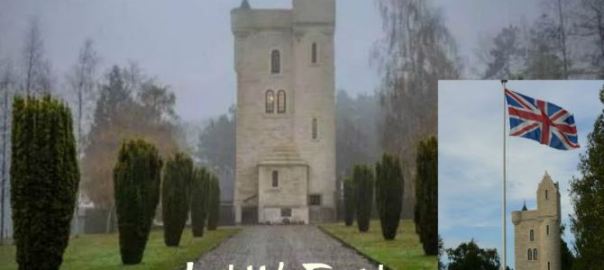
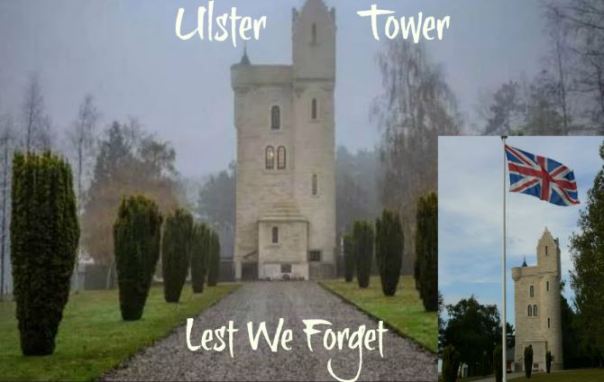

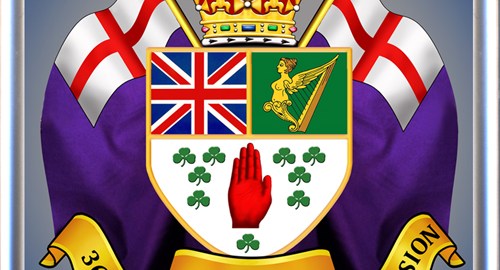

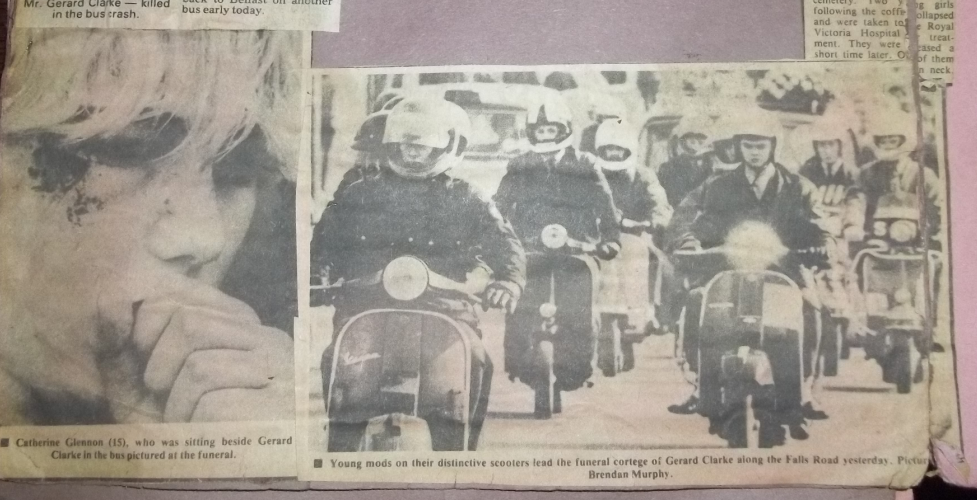

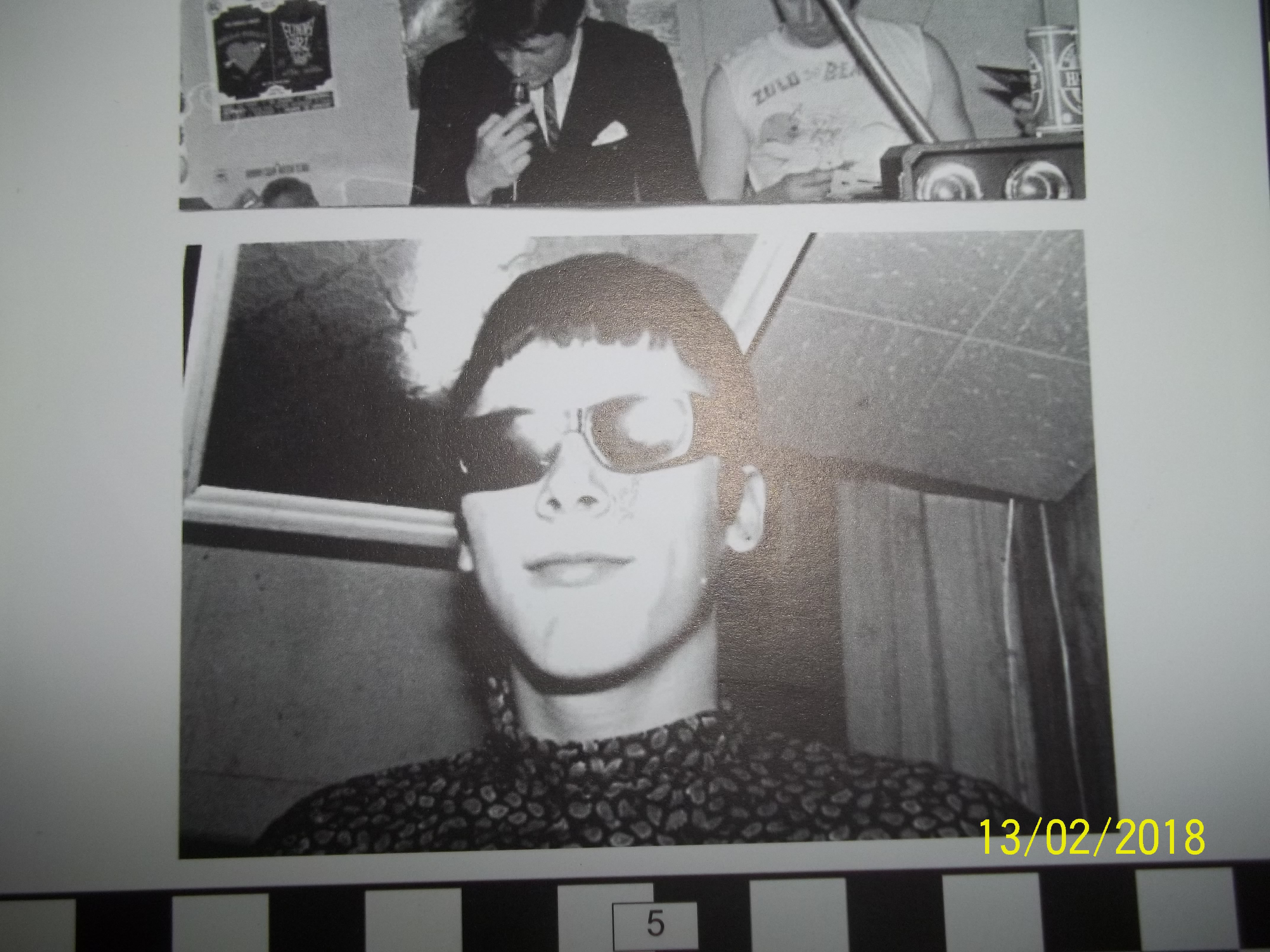
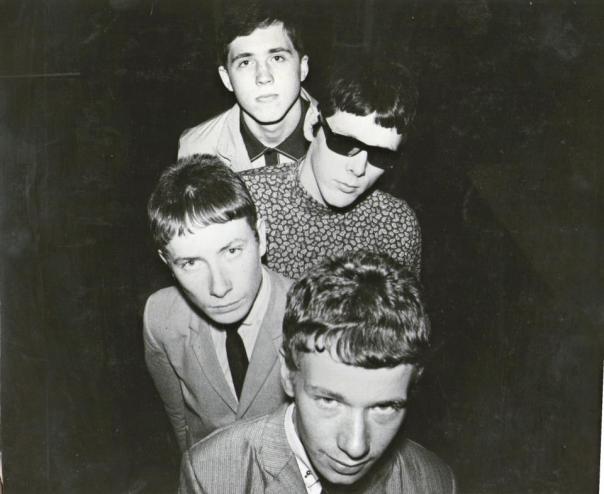

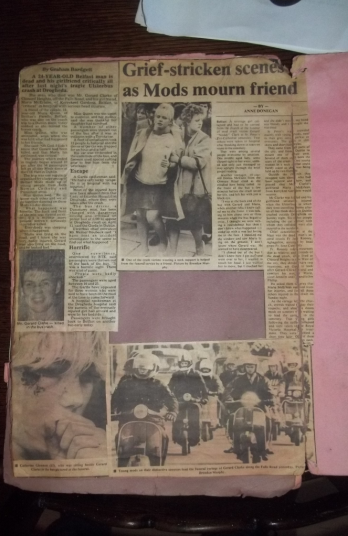


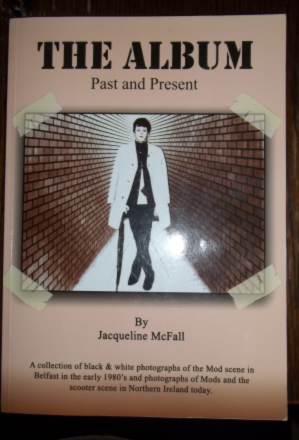

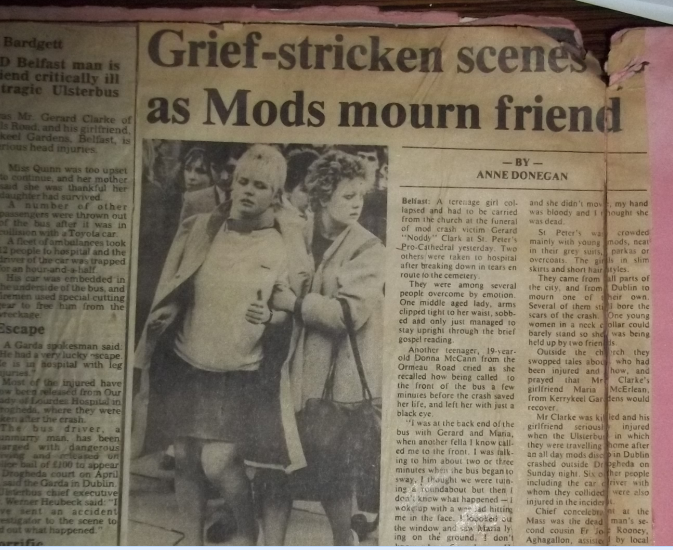
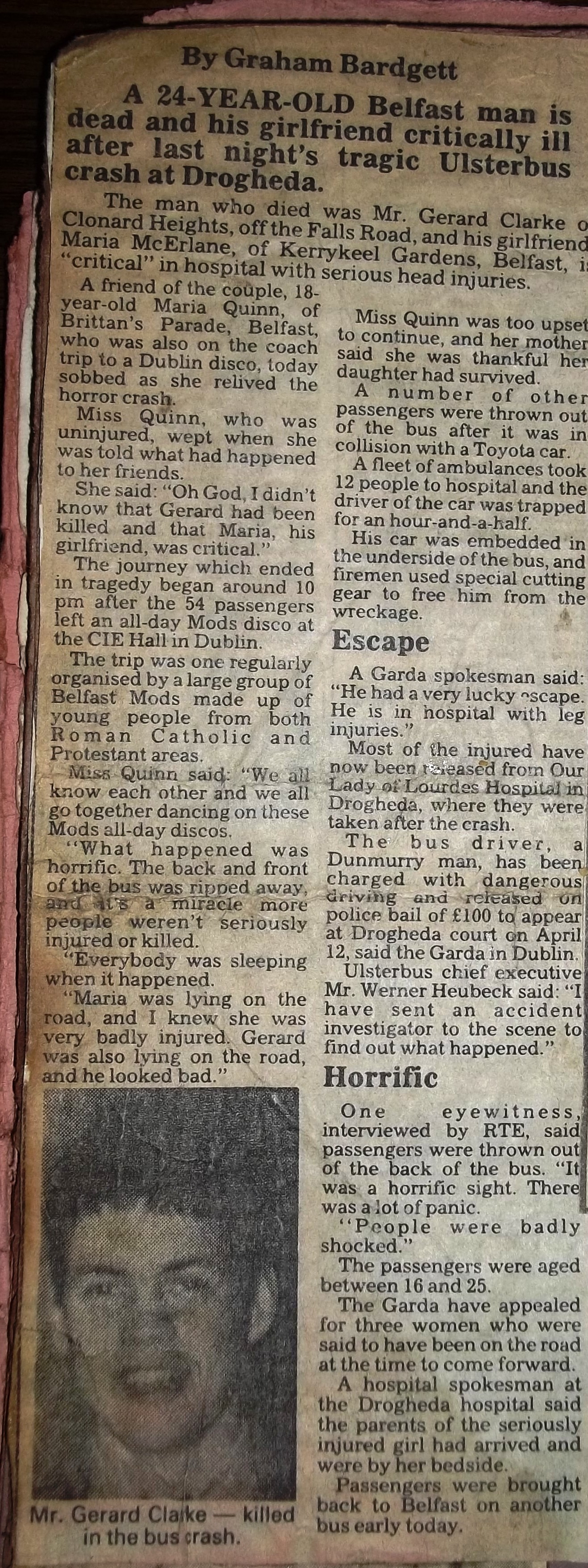
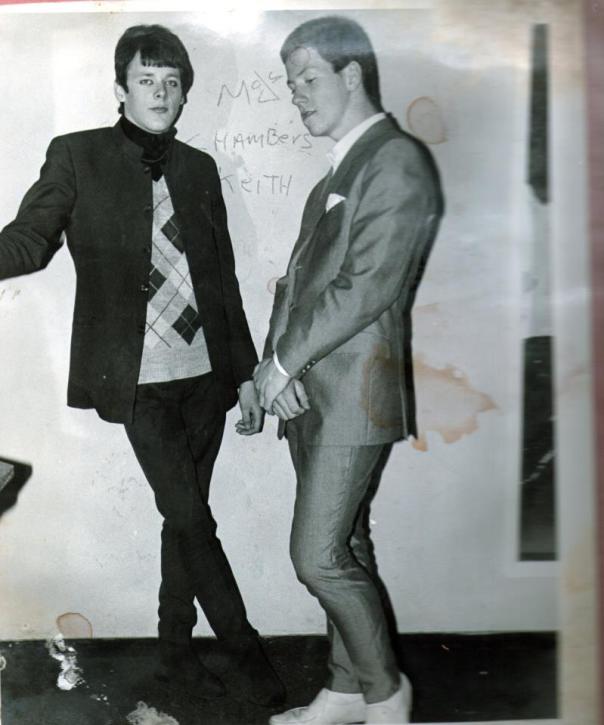


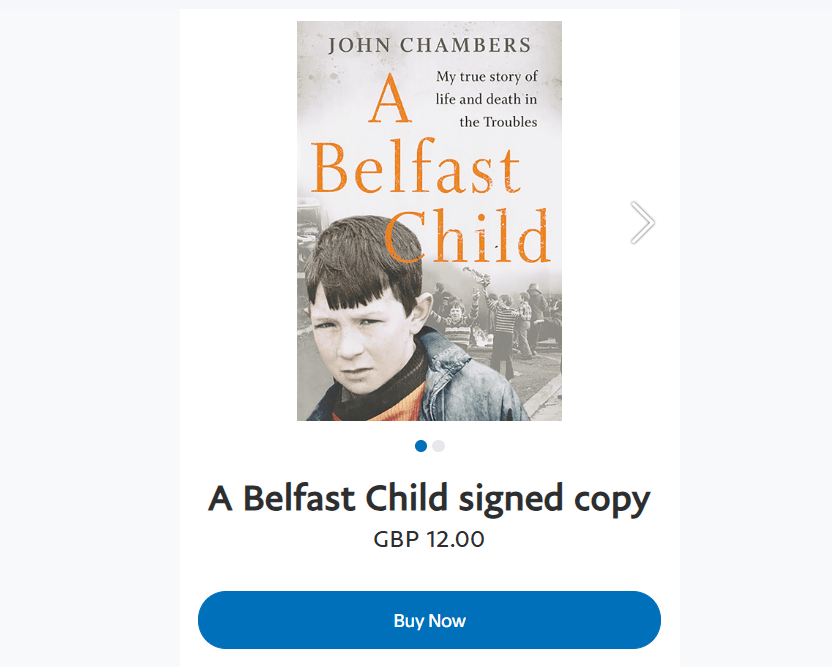


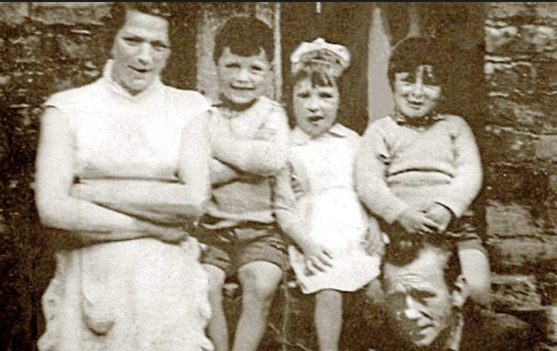

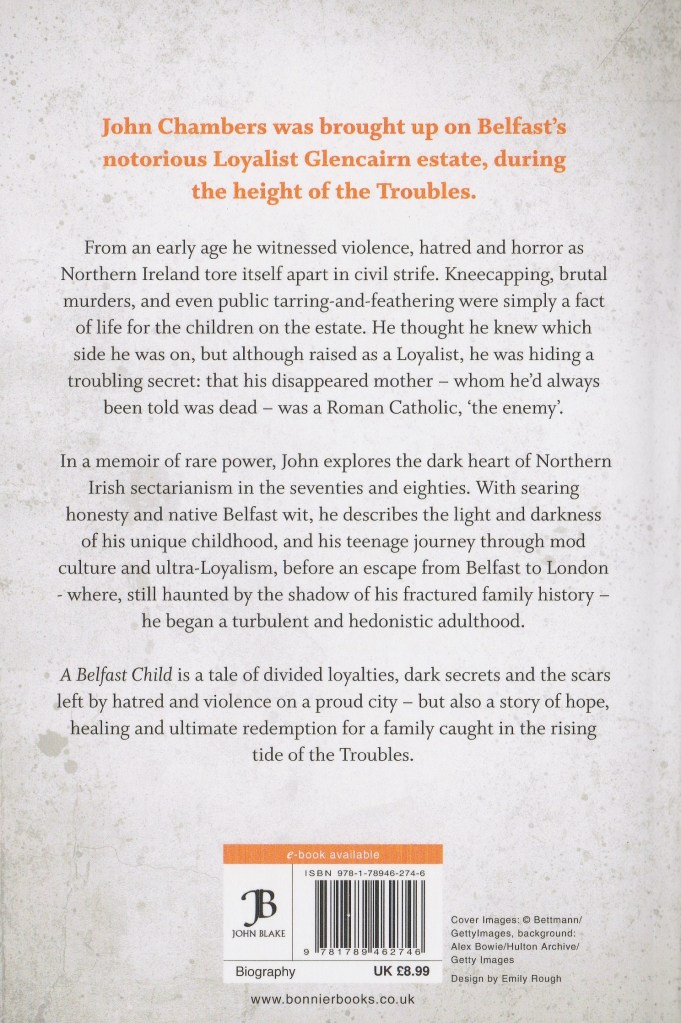




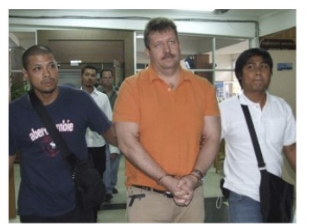

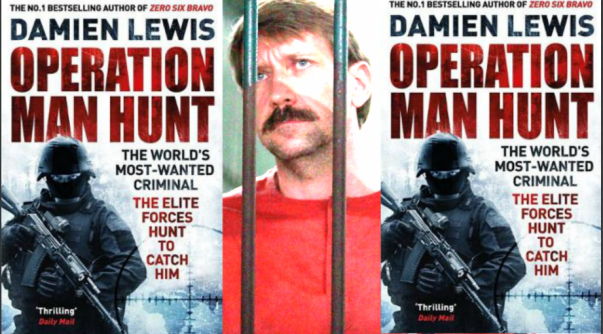

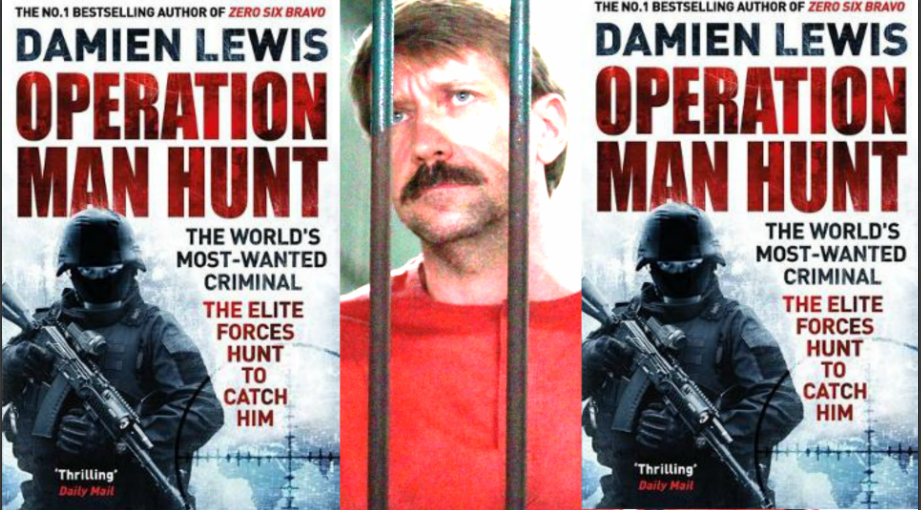




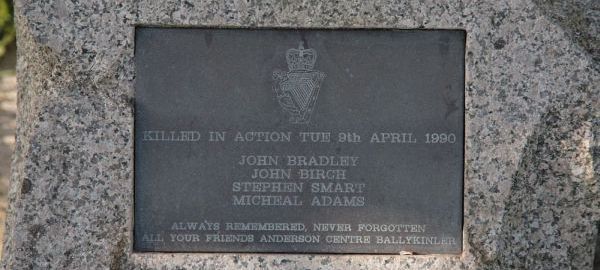
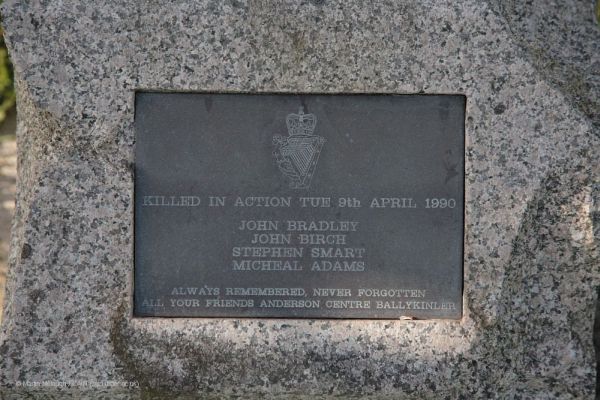


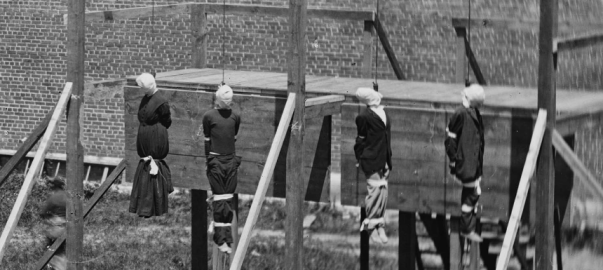
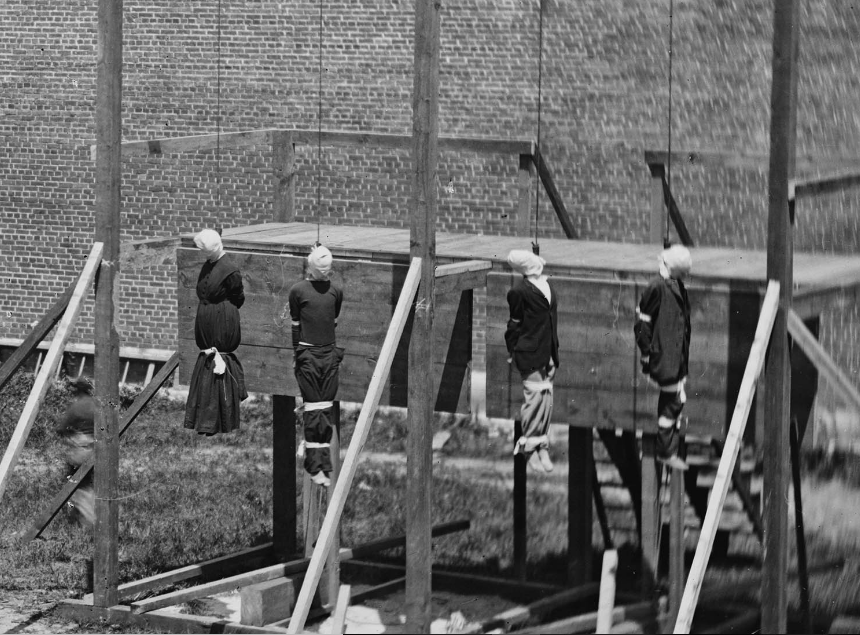
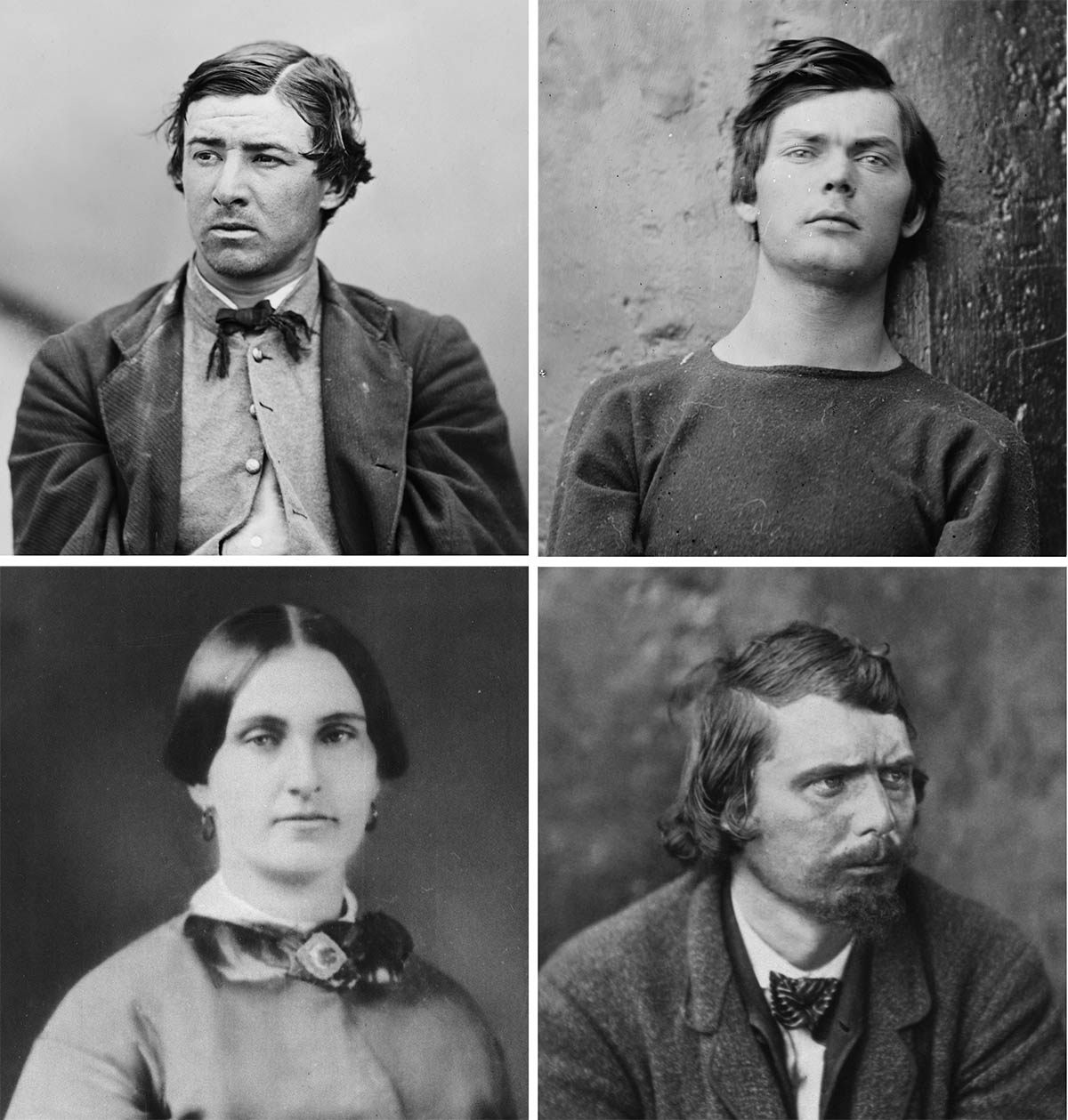


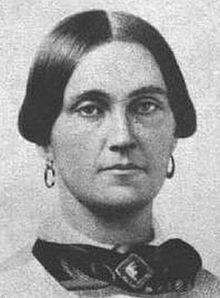
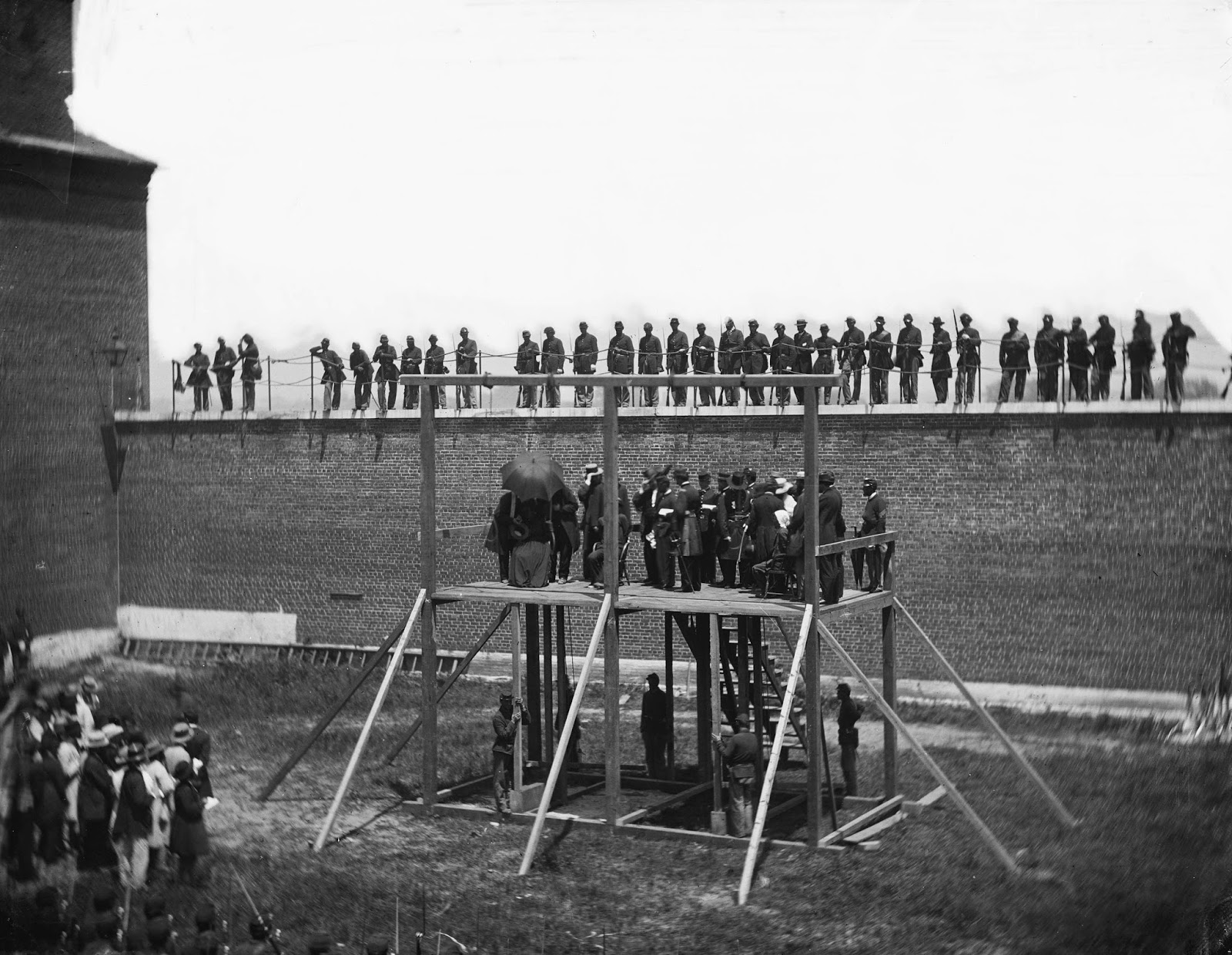

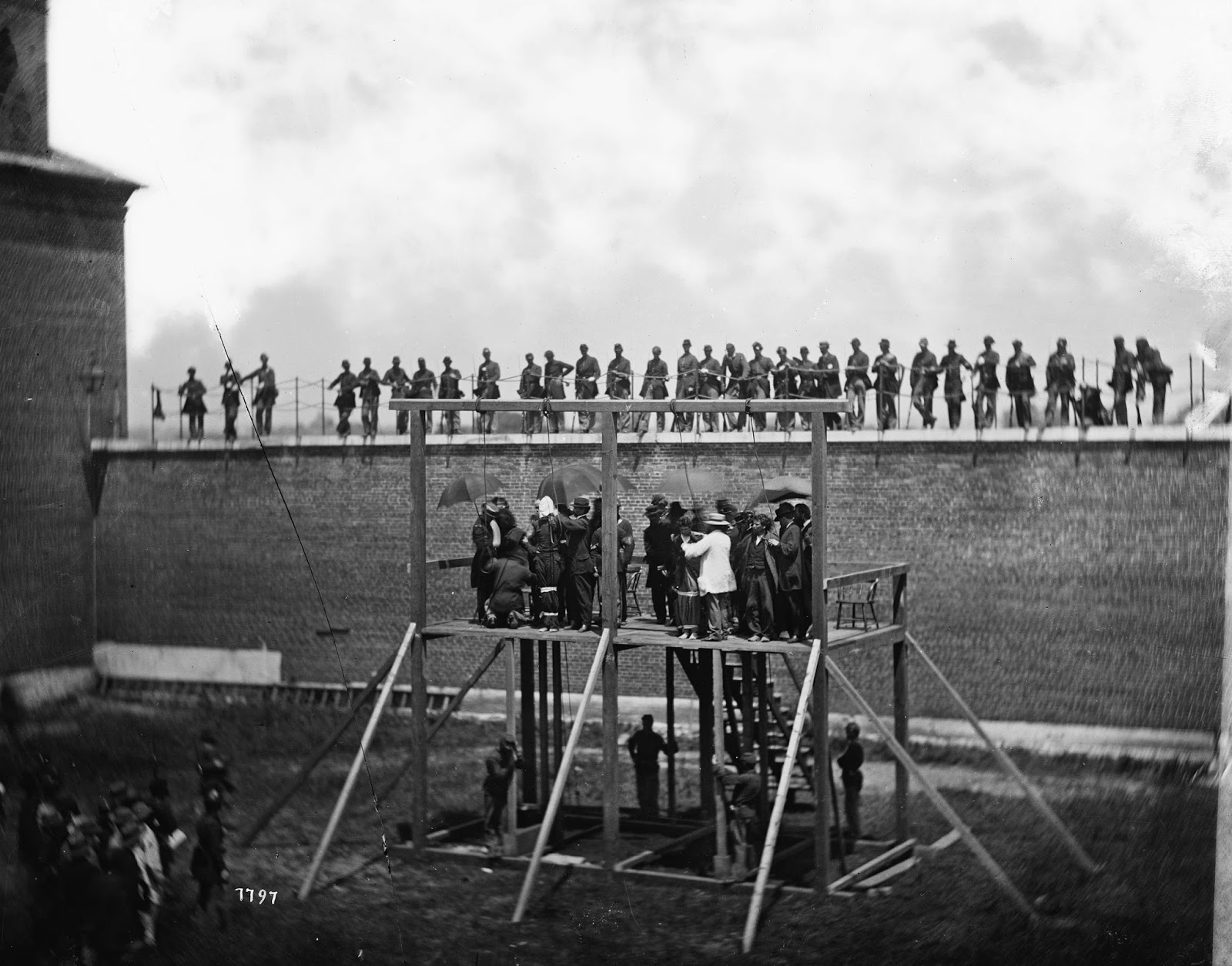
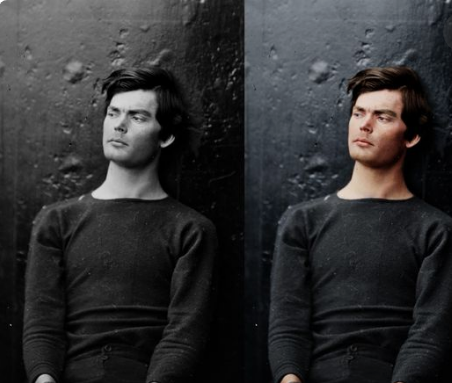
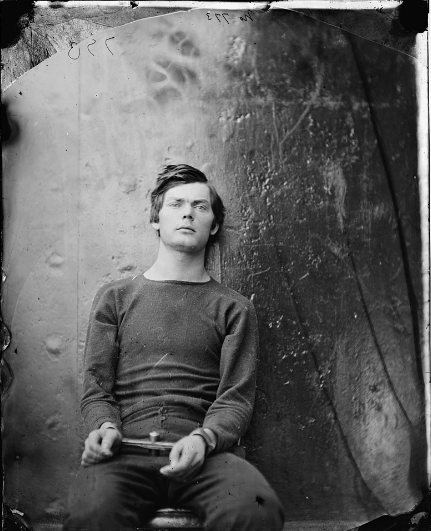
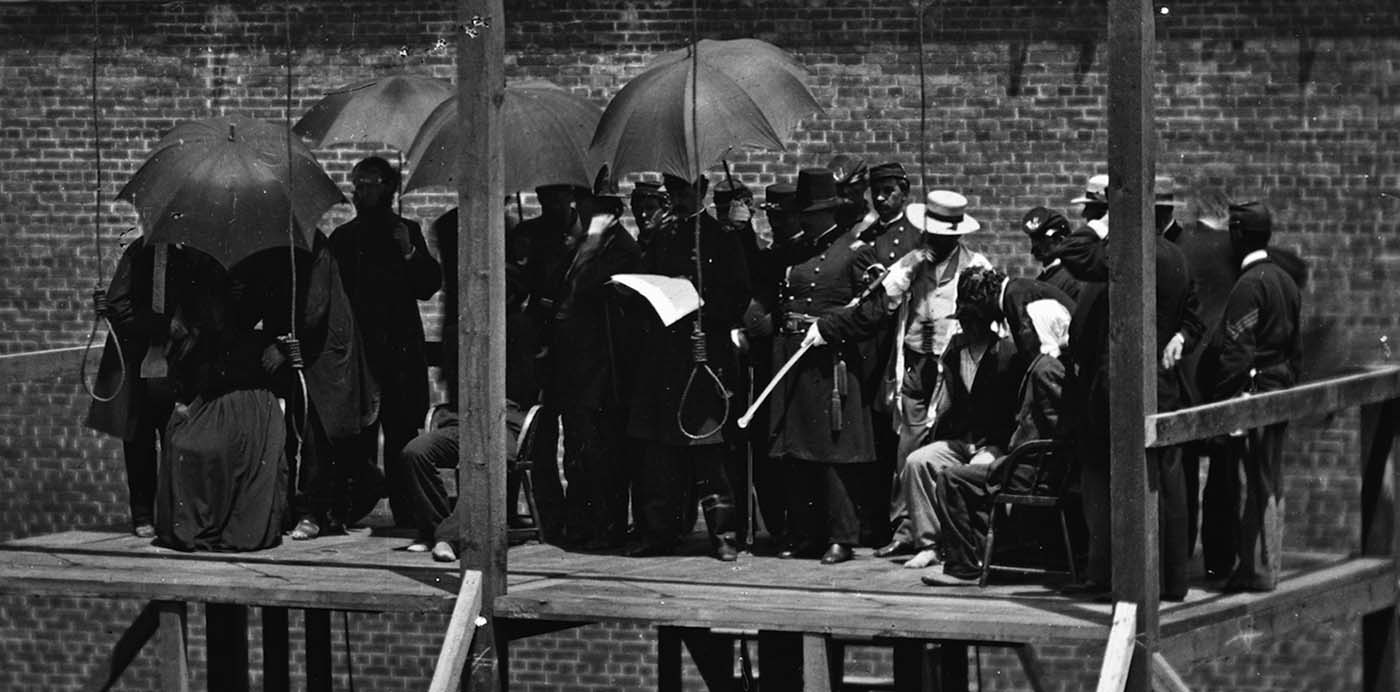


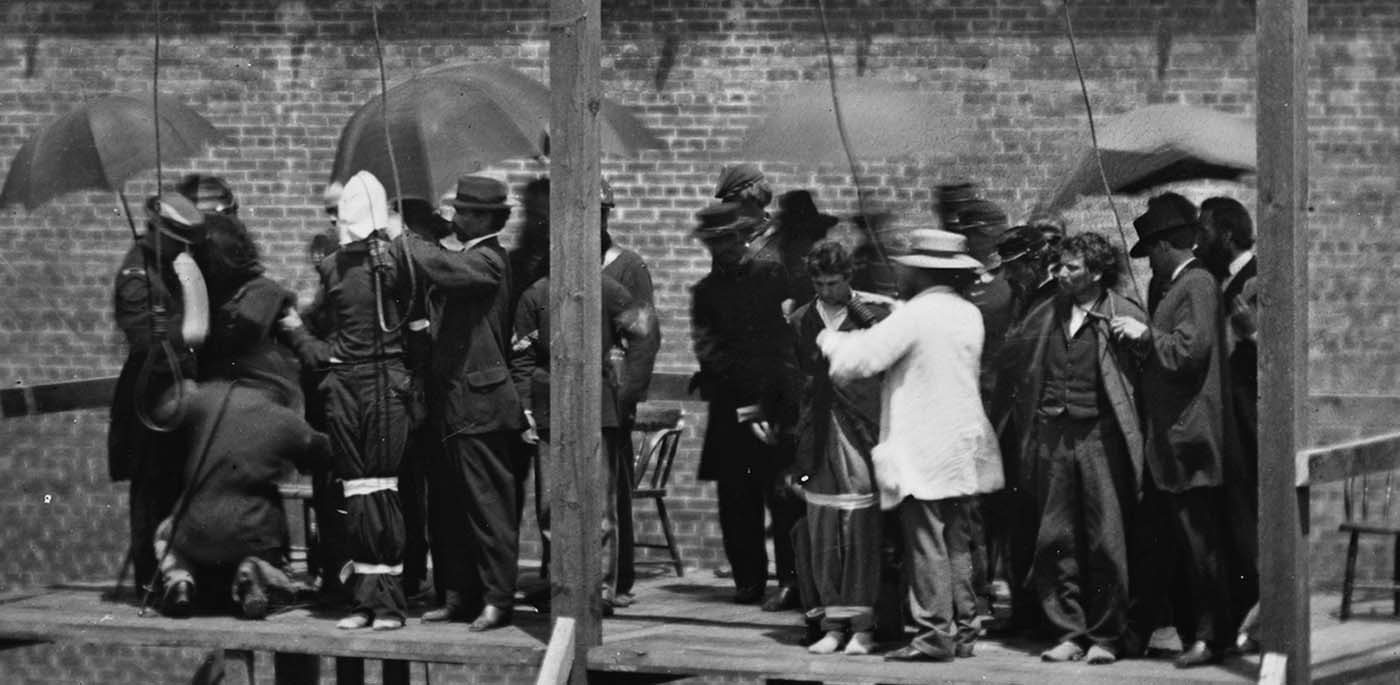
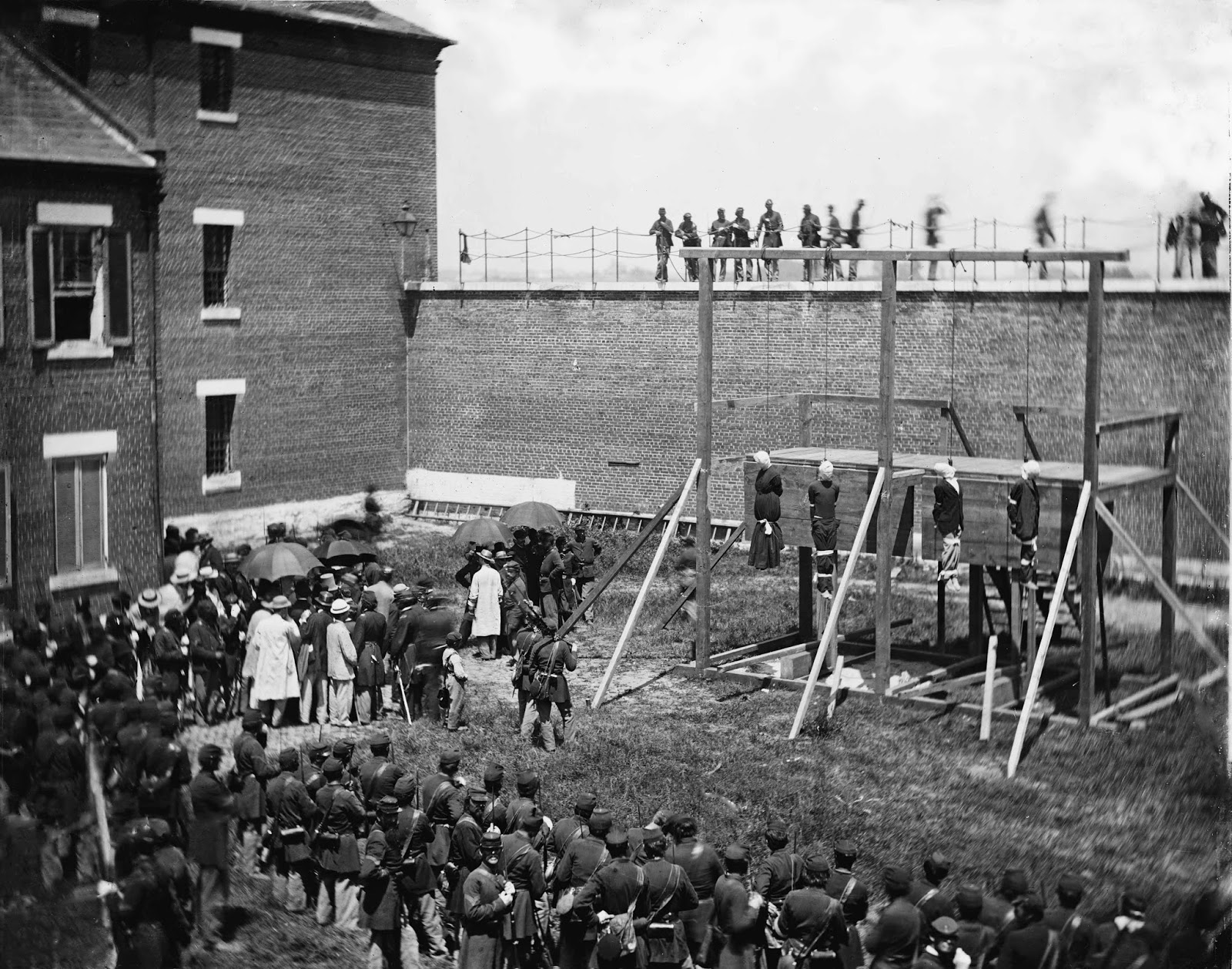
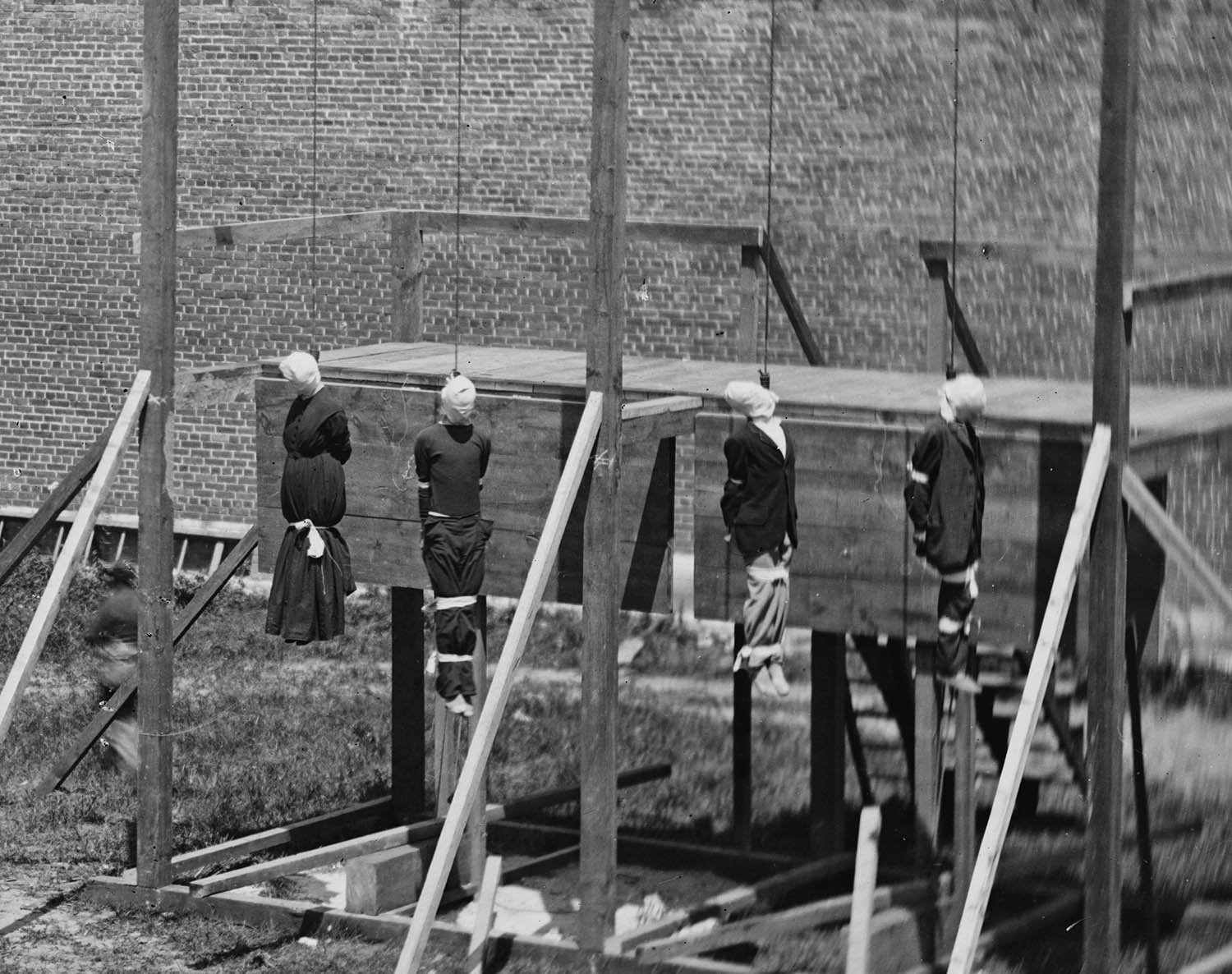


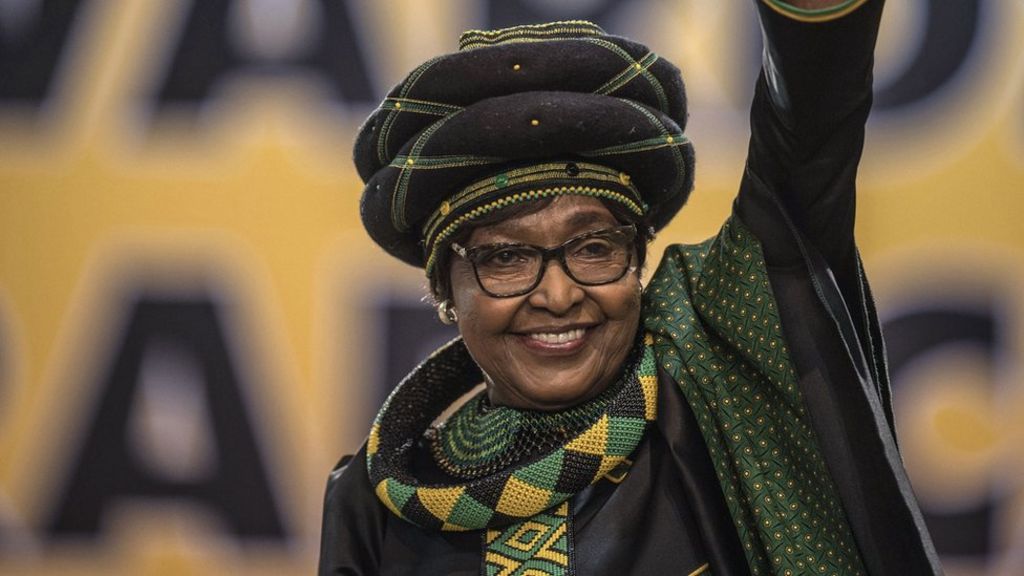
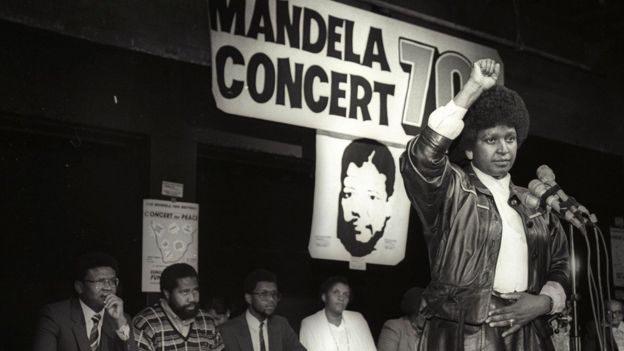

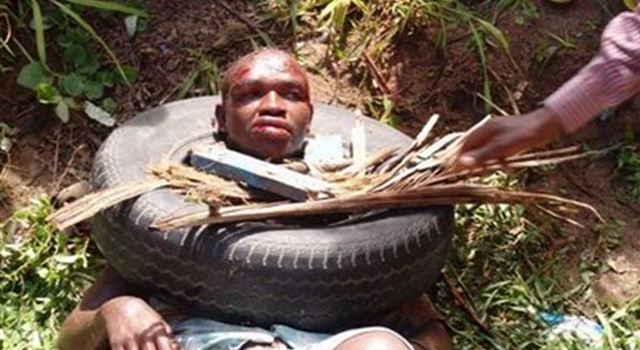


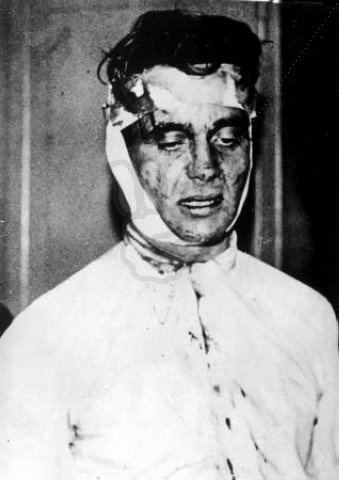

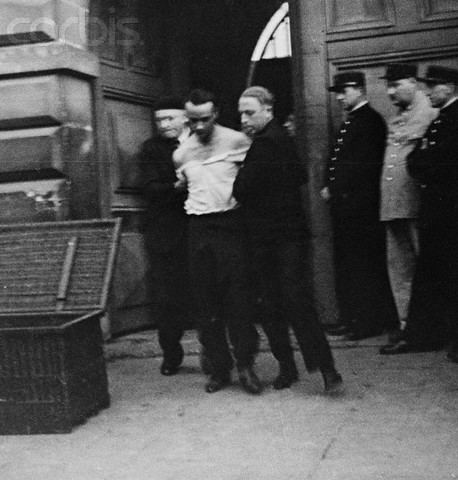




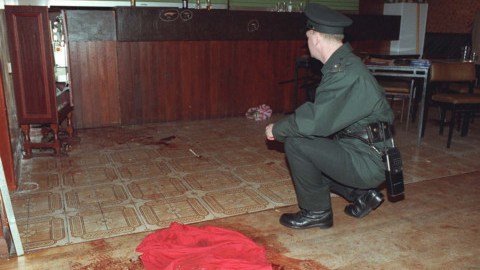


 belfastchildis.com