Key Events & Deaths on this day in Northern Ireland Troubles
10th June
——————————–
Wednesday 10 June 1981
Crumlin Road Prison Escape
Eight Irish Republican Army (IRA) prisoners on remand escaped form the Crumlin Road Prison in Belfast. The prisoners used three handguns, which had been smuggled into the prison, to hold prison officers hostage before taking their uniforms and shooting their way out of the prison.
Friday 10 June 1983
Following the election of Gerry Adams, then Vice-President of Sinn Féin (SF), as Member of Parliament (MP) for West Belfast, William Whitelaw, then British Home Secretary, lifted the ban on him entering Britain.
Friday 10 June 1988
A branch of the Conservative Party was established in Bangor, County Down. The ‘Model Conservative Association’ was part of an attempt to introduce British political parties into Northern Ireland.
Thursday 10 June 1993
It was confirmed that Jean Kennedy Smith, sister of the late President John F. Kennedy, would be the next American Ambassador to the Republic of Ireland.
Friday 10 June 1994
Two thousand workers from the Harland and Wolff shipyard stopped work for a period in protest at the killing at the shipyard on 9 June 1994.
Monday 10 June 1996
Stormont Talks Began
All-party negotiations (hereafter referred to as the ‘Stormont talks’) began in Stormont, Belfast. The talks began with opposition from the unionist parties to the extent of the role to be played by the chair George Mitchell. John Major, then British Prime Minister, and John Bruton, then Taoiseach (Irish Prime Minister), gave a joint press conference and indicated their support for George Mitchell. Sinn Féin (SF) were refused entry to the talks and the two governments issued a joint statement on the decision to exclude SF.
Tuesday 10 June 1997
The Irish Republican Army (IRA) admitted that it was responsible for a gun attack on a British Army patrol in Derry. There were no injuries during the attack.
The Ministry of Defence admitted that a batch of 90,000 plastic bullets that had been delivered to the security forces in Northern Ireland were faulty.
The bullets had a faster muzzle velocity that was publicly stipulated. From the original batch, 8,300 had been fired over the previous year.
The Garvaghy Residents Coalition in Portadown, County Armagh, sent a letter to Orangemen in Portadown asking for a “mutual apology for any hurt, offence or injustice”.
Wednesday 10 June 1998
David Trimble, then leader of the Ulster Unionist Party (UUP), and nine other Unionist and Conservative Members of Parliament (MPs) voted against the Northern Ireland (Sentences) Bill during the second reading of the Bill in the House of Commons.
The proposed act was to allow for the early release of paramilitary prisoners as part of the Good Friday Agreement. In the Republic of Ireland the Industrial Development Authority (IDA) announced record breaking progress for the fourth consecutive year.
Reports showed that the IDA had helped to create 15,000 new jobs.
Thursday 10 June 1999
European Parliament Election
Elections to the European Parliament were held across the United Kingdom (UK). Northern Ireland was treated as a single constituency which returned three Members of the European Parliament (MEPs).
Turnout for the election was 57 per cent.
[When counting was completed on Monday 14 June the three standing candidates were returned. Ian Paisley, then leader of the Democratic Unionist Party (DUP), topped the poll for the fifth time, John Hume, then leader of the Social Democratic and Labour Party (SDLP), was a close second. Jim Nicholson, then Ulster Unionist Party MEP, retained his seat despite a sharp drop in party support, and a strong challenge from Mitchel McLaughlin of Sinn Féin. (See: detailed results.)
The Irish Times (a Dublin based newspaper) reported that the deputy leader of the Ulster Unionist Party (UUP), John Taylor, had threatened to resign twice in the past two weeks in a dispute over his refusal to endorse the party’s candidate, Jim Nicholson, in the European Parliament election.]
Radio Telefis Éireann’s (RTE) ‘Prime Time’ programme claimed that both Royal Ulster Constabulary (RUC) officers and Ulster Defence Regiment (UDR) soldiers were involved in a gun and bomb attack on 19 December 1975 at the Silverbridge Inn, County Armagh, in which three people were killed. At the time the attack was claimed by the Red Hand Commando (RHC
——————————————
Remembering all innocent victims of the Troubles
Today is the anniversary of the death of the following people killed as a results of the conflict in Northern Ireland
“To live in hearts we leave behind is not to die
– Thomas Campbell
To the innocent on the list – Your memory will live forever
– To the Paramilitaries –
There are many things worth living for, a few things worth dying for, but nothing worth killing for.
7 People lost their lives on the 10th June between 1972 – 1983
——————————————
10 June 1972
Martian Brown (17)
Catholic Status: Civilian (Civ),
Killed by: non-specific Loyalist group (LOY)
Shot from passing car while standing with friends, Roden Street, off Grosvenor Road, Belfast.
——————————————
10 June 1973
Daniel O’Neill (35)
Catholic Status: Civilian (Civ),
Killed by: non-specific Loyalist group (LOY)
Found shot on playing field, Deerpark Gardens, Oldpark, Belfast.
——————————————
10 June 1973
Samuel Rush (45)
Protestant Status: Civilian (Civ),
Killed by: non-specific Loyalist group (LOY)
Bus driver. Shot by sniper firing at British Army (BA) Vehicle Check Point (VCP), Albertbridge Road, Belfast.
——————————————
10 June 1975
Roy Suitters (39)
Protestant Status: Ulster Volunteer Force (UVF),
Killed by: Irish Republican Army (IRA)
Shot at his greengrocer’s shop, Crumlin Road, near Ligoniel Road, Belfast
——————————————
10 June 1975 Larry White (25)
nfNIRI Status: Saor Eire (SE),
Killed by: Official Irish Republican Army (OIRA)
From County Cork. Shot near his home, Orrey Road, Gurranabrahar, County Cork
——————————————
10 June 1978
Denis Heaney (21)
Catholic Status: Irish Republican Army (IRA),
Killed by: British Army (BA)
Shot by undercover British Army (BA) member, while attempting to hijack a car, Harvey Street, Bogside, Derry
——————————————
10 June 1983 Geoffrey Curtis (20)
nfNI Status: British Army (BA),
Killed by: Irish Republican Army (IRA)
Killed by remote controlled bomb, hidden in lamp post, detonated when British Army (BA) foot patrol passed, Glenalina Road, Ballymurphy, Belfast.
——————————————
As I child I learned the stories & legends of the Battle of Boyne & Siege of Derry at my grandfather’s & father’s k… twitter.com/i/web/status/1…— Belfast Child (@bfchild66) June 07, 2020
The 1955 Le Mans disaster occurred during the 24 Hours of Le Mans motor race in Le Mans, France in June 1955, when a crash caused large fragments of debris to fly into the crowd. Eighty-three spectators and driver Pierre Levegh died and 120 more were injured in the most catastrophic accident in motorsport history.
—————————–
Le Mans 1955 accident: Raw footages of the crash in HD
There was much debate over the apportioning of blame. To reach his pit-stop, Mike Hawthorn had had to cut in front of Lance Macklin, causing Macklin to swerve into the path of Levegh in his much faster Mercedes. The collision propelled Levegh’s car upwards and into a concrete stairwell, where he was killed, and the wreck exploded in flames. The inquiry held none of the drivers responsible, and blamed the layout of the 30-year old track, which had not been designed for cars of this speed.
Pierre Levegh, aged 49, had been hired by Mercedes-Benz as a factory driver that year. Part of his appeal to Mercedes was his determination shown in the 1952 race when he had driven for 23 straight hours, even though the team had a driver who could have replaced him.
He failed to win only because of a missed gear change, due to exhaustion, with just 45 minutes remaining, resulting in a failed connecting rod in his Talbot-Lago.
Mercedes-Benz had debuted its new 300 SLR sportscar in the 1955 World Sportscar Championship season, with some notable success, including a win at the Mille Miglia. The 300 SLR featured a body made of an ultralightweight magnesium alloy called Elektron with a specific gravity of 1.8 (in comparison, aluminium has a S.G. of 2.7 and steel 7.8). This new material reduced the weight of the car and thus improved its performance.
The car lacked the more effective state-of-the-art disc brakes featured on the rival Jaguar D-Type, employing instead the traditional drum brake system. The high power of the car forced Mercedes’ engineers to incorporate a large air brake behind the driver that could be raised to increase drag and slow the car for most conditions.
Safety measures commonly in place today were relatively unknown in 1955. Aside from two layout changes to make the circuit shorter, the Le Mans circuit itself had remained largely unaltered since the inception of the race in 1923, when top speeds of cars were typically in the region of 100 km/h (60 mph). By 1955 top speeds were in excess of 300 kilometres per hour (190 mph).
The cars had no seatbelts, the drivers reasoning that it was preferable to be thrown clear in a collision rather than be crushed or trapped in a burning car.
The 1955 24 Hours of Le Mans began on 11 June 1955, with Pierre Levegh behind the wheel of the #20 Mercedes-Benz 300 SLR run by Daimler-Benz. American John Fitch was Levegh’s assigned partner in the car, and he would take over driving duties later. Competition between Mercedes, Jaguar, Porsche, Ferrari, Aston Martin and Maserati was close, with all the marques fighting for the top positions early on. The race was extremely fast, with lap records being repeatedly broken.
Accident
——————————–
The Deadliest Crash: The Le Mans 1955 Disaster BBC
——————————–
Immediate cause
Towards the end of Lap 35, Levegh was following Mike Hawthorn‘s leading Jaguar D-type. Approaching the pit straight, Hawthorn passed Lance Macklin’s slower Austin Healey 100S. Seeing the Jaguar crew signaling him for his first pit stop, Hawthorn moved across Macklin’s path and slowed suddenly to enter the pits.
Attempting to avoid Hawthorn, Macklin’s car briefly remained on the right side of the track behind Hawthorn, kicking up dust with its right wheels, then swerved across the center of the track. Macklin was apparently out of control as he started to swerve, but regained direction after crossing the centerline. But by then Macklin was in the path of Levegh, still at speed (about 240 km/h (150 mph)) in front of Fangio. Levegh did not have time to react. Levegh’s car made contact with the left rear of Macklin’s car as he closed rapidly upon the slowed car.
Collision
When Levegh’s 300 SLR hit Macklin’s Austin-Healey from behind, his car became airborne, soaring towards the left side of the track. It skipped the earthen embankment separating the spectator area from the track, bounced through spectator enclosures, then hit a concrete stairwell structure head-on. That impact disintegrated the front end of the car, which then somersaulted high, pitching debris into the spectator area, and landed atop the earthen embankment.
The debris included the bonnet, motor, and front axle, which separated from the frame and flew through the crowd.
The bonnet decapitated tightly jammed spectators like a guillotine. With the front of the spaceframe chassis—and thus crucial engine mounts—destroyed, the car’s heavy engine block also broke free and hurtled into the crowd. Spectators who had climbed onto ladders and scaffolding to get a better view of the track found themselves in the direct path of the lethal debris.
Levegh was thrown free of the tumbling car, but his skull was fatally crushed on landing.
When the rear section of the car landed on the embankment, the fuel tank exploded. The ensuing fuel fire raised the temperature of the remaining Elektron bodywork past its ignition temperature, which was lower than other metal alloys due to its high magnesium content. The alloy burst into white-hot flames, sending searing embers onto the track and into the crowd. Rescue workers, totally unfamiliar with magnesium fires, poured water on the inferno, greatly intensifying the fire.
As a result, the car burned for several hours. Official accounts put the death total at 84 (83 spectators plus Levegh), either by flying debris or from the fire, with a further 120 injured. Other observers estimated the toll to be much higher.
Whatever the total, it was the most catastrophic accident in motorsport history.
Fangio, driving behind Levegh, narrowly escaped the heavily damaged Austin-Healey, which was now skidding to the right of the track, across his path. Macklin then hit the pit wall, striking three people and killing one, and bounced back to the left, crossing the track again and striking the barrier. Macklin survived the incident without serious injury.
Aftermath
Conclusion of the race
Le Mans Memorial Plaque
The race was continued, officially in order to prevent departing spectators from crowding the roads and slowing down ambulances. An emergency meeting of the Daimler-Benz board of directors was convened by midnight at the request of Levegh’s co-driver, John Fitch.
Mindful of sensitivities involving German cars in a French race just 10 years after the end of World War II, the board decided to pull out from the race as a sign of respect to the victims. Eight hours after the accident, while leading the race (and two laps ahead of the Jaguar team), the Mercedes team withdrew the cars of Juan Manuel Fangio/Stirling Moss and Karl Kling/André Simon. Mercedes invited Jaguar to also retire, but they declined.
Mike Hawthorn and the Jaguar team, led by motorsport manager Lofty England, kept racing. Hawthorn won the race with teammate Ivor Bueb.
This slideshow requires JavaScript.
After the race
Funeral services were held the next day at the cathedral in the town of Le Mans.
The French press carried photographs of Hawthorn and Bueb celebrating their win with the customary champagne and treated them with scorn.
The rest of the 1955 World Sportscar Championship season was completed, with two more races at the British RAC Tourist Trophy and the Italian Targa Florio, although they were not run until September and October, several months after the accident. Mercedes-Benz won both of these events, and were able to secure the constructors championship for the season.
After winning the Targa Florio, the last major race of the 1955 season, Mercedes-Benz announced that they would no longer participate in factory sponsored motor-sport in order to concentrate on development of production cars. The self-imposed ban on circuit racing lasted until the 1980s. Several drivers, including Fangio and Jaguar’s Norman Dewis, never raced at Le Mans again.
Opinions differed widely amongst the other drivers as to who was directly to blame for the accident, and such differences remain even today. Macklin claimed that Hawthorn’s move to the pits was sudden, causing an emergency that led him to swerve into Levegh’s path. Years later Fitch claimed, based on “what I saw and what I heard” that Hawthorn caused the accident. Dewis ventured the opinions that Macklin’s move around Hawthorn was careless and that Levegh was not competent to meet the demands of driving at the speeds the 300SLR was capable of.
Macklin, on reading Hawthorn’s autobiography Challenge Me The Race in 1958, was embittered to find that Hawthorn disclaimed all responsibility for the accident without identifying who had actually caused it. With Levegh dead, Macklin presumed that Hawthorn’s implication was that he (Macklin) had been responsible, and he began a libel action. The action was unresolved when Hawthorn was killed in a crash on the Guildford bypass in 1959.
The official inquiry into the accident ruled that Hawthorn was not responsible for the crash, and that it was merely a racing incident. The death of the spectators was blamed on inadequate safety standards for track design. The Grandstand and pit areas were demolished and rebuilt soon after.
The death toll led to a ban on motorsports in France, Spain, Switzerland, Germany and other nations, until the tracks could be brought to a higher safety standard. In the United States, the American Automobile Association (AAA) dissolved their Contest Board that had been the primary sanctioning body for autosport in the US (including the Indianapolis 500) since 1904. Switzerland’s ban did not allow for the running of timed motorsports such as hillclimbs. This forced Swiss racing promoters to organize circuit events in foreign countries including France, Italy and Germany.
In 2003 the Swiss parliament started a lengthy discussion about whether this ban should be lifted. The discussion focused on traffic policy and environmental questions rather than on safety. On 10 June 2009, the Ständerat (one chamber of the parliament) defeated the proposal to lift the ban for the second time and thus definitively, which meant that the ban would stay.
Legacy
John Fitch became a major safety advocate and began active development of safer road cars and racing circuits. He invented traffic safety devices currently in use on highways.
Macklin’s Austin-Healey 100 was sold to several private buyers before appearing on the auction block. In 1969, it was purchased for £155. In December 2011, the car was sold at auction for £843,000. The car retained the original engine SPL 261-BN and was valued at £800,000 prior to the auction.
Pierre Eugène Alfred Bouillin (22 December 1905 – 11 June 1955) was a French sportsman and racing driver. He took the racing name Pierre Levegh (pronounced le-VECK) in memory of his uncle, a pioneering driver who died in 1904. Levegh is mainly remembered for a disaster that killed him and 83 spectators during the 1955 24 Hours of Le Mans automobile race.
Career
Levegh, who was born in Paris, France, was also a world-class ice hockey and tennis player. In motorsport he competed in Formula One for the Talbot-Lago team in 1950 and 1951, starting six races, retiring in three, and scoring no points.
At Le Mans he raced for Talbot in four races, finishing fourth in 1951. In 1952, driving single-handedly, his car suffered an engine failure in the last hour of the race with a four lap lead. The failure was due to a bolt in the central crankshaft bearing having come loose many hours earlier in the race, although many fans placed the blame on driver fatigue. Levegh had refused to let his co-driver take over because he felt only he could nurse the car home.
In 1953 he came in eighth, and in 1954 he was involved in an accident in the seventh hour of racing.
Death
In 1955 he was tempted away from Talbot and joined the American John Fitch in racing a Mercedes-Benz 300 SLR. During the 24 Hours of Le Mans, in the third hour of racing, while on the Tribunes Straight, the car of Mike Hawthorn cut into the pits, slowing in front of the Austin-Healey of Lance Macklin. Macklin was forced to make an evasive move away from Hawthorn, pulling across the track into the path of Levegh’s faster Mercedes, which was driving just in front of Mercedes teammate Juan Manuel Fangio.
Running up the side of Macklin’s car, Levegh’s car launched into the air, striking high on a retaining wall, disintegrating and scattering components into the crowd.
Levegh was killed when he was thrown from the car and his skull crushed by the impact. The flammable magnesium body of the Mercedes quickly ignited in the accident; the combination of the fire and flying car parts killed 83 spectators with over 100 injured. The race was continued in order to prevent the spectators from leaving, which would have blocked all access roads and the ambulances.
Though Levegh was unable to save himself, he may have saved the life of five-time Formula One world champion Fangio, who maintained that a hand-signal from Levegh to slow down, a moment before he struck Macklin’s car, was the deliberate warning that had saved Fangio’s life.
While Mercedes withdrew from the race as a sign of respect to the victims (and later from motor racing in general for the next 30 years), Mike Hawthorn and Ivor Bueb continued in their Jaguar to win the race. The accident was a major contributor to changing attitudes about the acceptance of danger in motor racing and an increase in the desire to make courses safer for spectators and drivers alike.
The small British firm of Bristol Cars, whose entrants achieved a 1–2–3 finish in the 2-litre class at Le Mans that year, decided to abandon racing altogether as a result of the tragedy, scrapping all but one of their racing cars. Fitch became a safety advocate and began research into automotive safety, some of which have advanced into motorsport.
Key Events & Deaths on this day in Northern Ireland Troubles
9th June
————————————–
Monday 9 June 1980
Charles Haughey, then Taoiseach (Irish Prime Minister), argued on the British Broadcasting Corporation (BBC) programme Panorama that it was in the best interest of both Britain and Ireland for Britain to withdraw from Northern Ireland.
He indicated that some form of federation could be possible in the event of a British withdrawal.
Thursday 9 June 1983
General Election in UK
In the United Kingdom (UK) General Election the Conservative Party was returned to power with an increased majority. In Northern Ireland the election was contested across the new 17 constituencies.
[When the counting was completed the major news story was the election of Gerry Adams, then Vice-President of Sinn Féin (SF), in the West Belfast constituency where he beat the sitting Member of Parliament (MP) Gerry Fitt and Joe Hendron of the Social Democratic and Labour Party (SDLP).
The Ulster Unionist Party (UUP) won 11 seats (with 34% of the vote), the Democratic Unionist Party (DUP) 3 seats (20.6%), Ulster Popular Unionist Party (UPUP) 1 seat, Social Democratic and Labour Party (SDLP) 1 seat (17.9%), and SF 1 seat (13.4%).
Unionist candidates therefore took 15 of the 17 seats. Many commentators again speculated on the possibility of SF replacing the SDLP as the main voice of Nationalism in Northern Ireland.
Sunday 9 June 1991
The Irish Republican Army (IRA) exploded a large bomb, estimate at 600 pounds, in a Protestant housing estate in Donacloney, County Down.
Wednesday 9 June 1993
The report of the Opsahl Commission, entitled A Citizens’ Inquiry, was published. The Commission had been established as part of Initiative ’92 with the intention of seeking a wide range of views on the future of Northern Ireland
Thursday 9 June 1994
The body of Maurice O’Kane (50) Catholic civilian, was found shot at his workplace, Harland and Wolff shipyard, Harbour Estate, Belfast.
The Ulster Volunteer Force (UVF) claimed responsibility for the killing.
European Elections were held in Northern Ireland
[When the votes were counted a few days later Ian Paisley, then leader of the Democratic Unionist Party (DUP), narrowly topped the poll ahead of John Hume, then leader of the Social Democratic and Labour Party (SDLP). Jim Nicholson, member of the Ulster Unionist Party (UUP), took the third seat.]
Seán Hick, Paul Hughes, and Donna Maguire, were acquitted in a court in Germany of the murder of a British Army (BA) officer in Dortmund in 1990. Hick and Hughes were released but Maguire was held on other charges.
[On 28 June 1995 Magure was sentenced to 9 years imprisonment for the bombing of a BA barracks in Osnabruck, Germany, in 1989. She was later released because of the number of years held on remand.]
Friday 9 June 1995
John Bruton, then Taoiseach (Irish Prime Minister), warned that the freeing of Lee Clegg prior to the release of paramilitary prisoners might damage the peace process. Bruton was in Paris when he made the comments.
[Clegg, a private in the Parachute Regiment, had been given a life sentence for the murder of Karen Reilly (16) on 30 September 1990. He had two appeals turned down. However, Clegg was released from prison on 3 July 1995 having served two years of his sentence.]
Fra Shannon, then a member of the Irish National Liberation Army (INLA) ‘GHQ’ faction, was shot dead in west Belfast in a continuing INLA feud.
Monday 9 June 1997
The Independent Commission for Police Complaints published its annual report.
The report showed that the Commission had investigated 2,540 complaints against the police during 1996 of which 12 per cent resulted in disciplinary charges or informal action.
Tuesday 9 June 1998
Sinn Féin (SF) held a press conference to display surveillance equipment, believed to belong to the British Army, found by a farmer from south Armagh on his land.
The equipment was being used to monitor a house and a road junction in the area. Marjorie (Mo) Mowlam, then Secretary of State for Northern Ireland, announced the names of two new members of the Parades Commission; William Martin and Barbara Erwin.
The Ulster Unionist Party (UUP) launched its Assembly election manifesto. David Trimble, then leader of the Ulster Unionist Party (UUP), said that the UUP would not sit down with “unrepentant terrorists”.
Wednesday 9 June 1999
Fourteen pipe-bombs, and some ammunition, were uncovered by the Royal Ulster Constabulary (RUC) in the Loyalist Mourneview housing estate in Lurgan, County Armagh.
The weapons were discovered at the rear of a house on the estate after information was received by the RUC from members of the public.
The weapons belonged to Loyalist paramilitaries.
The Bloody Sunday Inquiry admitted that during the autumn of 1998, 73 sets of documents presented to the original Widgery Inquiry had been released to interested parties’ solicitors which included statements by five ex-Paratroopers who were involved in the events but did not open fire.
The statements contained the soldiers’ names, ranks, and army serial numbers.
At the annual General Assembly of the Presbyterian Church, ministers argued over the issue of the Orange Order and the Drumcree parade dispute.
See Bloody Sunday
——————————————
Remembering all innocent victims of the Troubles
Today is the anniversary of the death of the following people killed as a results of the conflict in Northern Ireland
“To live in hearts we leave behind is not to die
– Thomas Campbell
To the innocent on the list – Your memory will live forever
– To the Paramilitaries –
There are many things worth living for, a few things worth dying for, but nothing worth killing for.
7 People lost their lives on the 9th June between 1972 – 1996
——————————————
09 June 1972 Roy Stanton (27)
Protestant Status: Ulster Defence Regiment (UDR),
Killed by: Irish Republican Army (IRA)
Off duty. Shot as he left his workplace, Autolite factory, Finaghy Road North, Belfast
——————————————
09 June 1974 Michelle Osborne (13)
Catholic Status: Civilian (Civ),
Killed by: Ulster Freedom Fighters (UFF)
Killed in premature car bomb explosion in car park of Ballymacaward Kennel Club, Hannahstown, Belfast.
——————————————
09 June 1979
Joseph McKee (33)
Catholic Status: Official Irish Republican Army (OIRA),
Killed by: Ulster Defence Association (UDA)
Shot while in shop, Castle Street, Belfast.
——————————————
09 June 1979
Peadar McElvanna (24)
Catholic Status: Irish Republican Army (IRA),
Killed by: British Army (BA)
Shot during gun battle between Irish Republican Army (IRA) and British Army (BA), Keady, County Armagh.
——————————————
09 June 1984
James Campbell (33)
Catholic Status: Civilian (Civ),
Killed by: Irish Republican Army (IRA)
Shot while in Pound Loney Social Club, Conway Street, Lower Falls, Belfast. Alleged criminal.
——————————————
09 June 1994
Maurice O’Kane (50)
Catholic Status: Civilian (Civ),
Killed by: Ulster Volunteer Force (UVF)
Found shot at his workplace, Harland and Wolff shipyard, Harbour Estate, Belfast.
——————————————
09 June 1996
Francis Shannon (21)
Catholic Status: Irish National Liberation Army (INLA),
Killed by: Irish National Liberation Army (INLA)
Shot, outside friends home, Norfolk Way, Turf Lodge, Belfast. Internal Irish National Liberation Army dispute
——————————————
As I child I learned the stories & legends of the Battle of Boyne & Siege of Derry at my grandfather’s & father’s k… twitter.com/i/web/status/1…— Belfast Child (@bfchild66) June 07, 2020
The Killing Fields (Khmer: វាលពិឃាត, Khmer pronunciation: [ʋiəl pikʰiət]) are a number of sites in Cambodia where collectively more than a million people were killed and buried by the Khmer Rouge regime, during its rule of the country from 1975 to 1979, immediately after the end of the Cambodian Civil War (1970–1975). The mass killings are widely regarded as part of a broad state-sponsored genocide (the Cambodian genocide).
Analysis of 20,000 mass grave sites by the DC-Cam Mapping Program and Yale University indicate at least 1,386,734 victims of execution.
Estimates of the total number of deaths resulting from Khmer Rouge policies, including disease and starvation, range from 1.7 to 2.5 million out of a 1975 population of roughly 8 million. In 1979, Vietnam invaded Democratic Kampuchea and toppled the Khmer Rouge regime.
Cambodian journalist Dith Pran coined the term “killing fields” after his escape from the regime
Genocide
The Communist Khmer Rouge regime arrested and eventually executed almost everyone suspected of connections with the former government or with foreign governments, as well as professionals and intellectuals. Ethnic Vietnamese, ethnic Thai, ethnic Chinese, ethnic Cham, Cambodian Christians, and the Buddhist monkhood were the demographic targets of persecution. As a result, Pol Pot has been described as “a genocidal tyrant.”
Ben Kiernan estimates that about 1.7 million people were killed.
Researcher Craig Etcheson of the Documentation Center of Cambodia suggests that the death toll was between 2 and 2.5 million, with a “most likely” figure of 2.2 million. After 5 years of researching some 20,000 grave sites, he concludes that:
“these mass graves contain the remains of 1,386,734 victims of execution.”
A UN investigation reported 2–3 million dead, while UNICEF estimated 3 million had been killed. Demographic analysis by Patrick Heuveline suggests that between 1.17 and 3.42 million Cambodians were killed, while Marek Sliwinski suggests that 1.8 million is a conservative figure.
2,000,000
Dead
This slideshow requires JavaScript.
Even the Khmer Rouge acknowledged that 2 million had been killed—though they attributed those deaths to a subsequent Vietnamese invasion. By late 1979, UN and Red Cross officials were warning that another 2.25 million Cambodians faced death by starvation due to “the near destruction of Cambodian society under the regime of ousted Prime Minister Pol Pot,” who were saved by international aid after the Vietnamese invasion.
Cambodia’s ethnic minorities constituted 15 percent of the population in pre-Khmer Rouge era. Of the 400,000 Vietnamese who lived in Cambodia before 1975, some 150–300,000 were expelled by the previous Lon Nol regime. When Pol Pot‘s Khmer Rouge came to power, there remained about 100–250,000 Vietnamese in the country. Almost all of them were repatriated by December 1975.
The Chinese community (about 425,000 people in 1975) was reduced to 200,000 during the next four years. In the Khmer Rouge’s Standing Committee, four members were of Chinese ancestry, two Vietnamese, and two Khmers. Some observers argue that this mixed composition makes it difficult to argue that there was an intent to kill off minorities.
R.J. Rummel, an analyst of political killings, argues that there was a clear genocidal intent:
One estimate is that out of 40,000 to 60,000 monks, only between 800 and 1,000 survived to carry on their religion. We do know that of 2,680 monks in eight monasteries, a mere seventy were alive as of 1979. As for the Buddhist temples that populated the landscape of Cambodia, the Khmer Rouge destroyed 95 percent of them, and turned the remaining few into warehouses or allocated them for some other degrading use.
Amazingly, in the very short span of a year or so, the small gang of Khmer Rouge wiped out the center of Cambodian culture, its spiritual incarnation, its institutions….As part of a planned genocide campaign, the Khmer Rouge sought out and killed other minorities, such as the Moslem Cham. In the district of Kompong Xiem, for example, they demolished five Cham hamlets and reportedly massacred 20,000 that lived there; in the district of Koong Neas only four Cham apparently survived out of some 20,000.
Process
Rooms of the Tuol Sleng Genocide Museum contain thousands of photos taken by the Khmer Rouge of their victims.
The judicial process of the Khmer Rouge regime, for minor or political crimes, began with a warning from the Angkar, the government of Cambodia under the regime. People receiving more than two warnings were sent for “re-education,” which meant near-certain death.
People were often encouraged to confess to Angkar their “pre-revolutionary lifestyles and crimes” (which usually included some kind of free-market activity; having had contact with a foreign source, such as a U.S. missionary, international relief or government agency; or contact with any foreigner or with the outside world at all), being told that Angkar would forgive them and “wipe the slate clean.” This meant being taken away to a place such as Tuol Sleng or Choeung Ek for torture and/or execution.
The executed were buried in mass graves. In order to save ammunition, the executions were often carried out using poison, spades or sharpened bamboo sticks. In some cases the children and infants of adult victims were killed by having their heads bashed against the trunks of Chankiri trees, and then were thrown into the pits alongside their parents. The rationale was
“to stop them growing up and taking revenge for their parents’ deaths.”
Some victims were required to dig their own graves; their weakness often meant that they were unable to dig very deep. The soldiers who carried out the executions were mostly young men or women from peasant families.
Prosecution for crimes against humanity
In 1997 the Cambodian government asked for the UN’s assistance in setting up a genocide Tribunal. It took nine years to agree to the shape and structure of the court – a hybrid of Cambodian and international laws – before the judges were sworn in in 2006.
The investigating judges were presented with the names of five possible suspects by the prosecution on July 18, 2007. On September 19, 2007 Nuon Chea, second in command of the Khmer Rouge and its most senior surviving member, was charged with war crimes and crimes against humanity. He faced Cambodian and foreign judges at the special genocide tribunal and was convicted on 7 August 2014 and received a life sentence.
On July 26, 2010 Kang Kek Iew (aka Comrade Duch), director of the S-21 prison camp, was convicted of crimes against humanity and sentenced to 35 years’ imprisonment. His sentence was reduced to 19 years, as he had already spent 11 years in prison.
On February 2, 2012, his sentence was extended to life imprisonment by the Extraordinary Chambers in the Courts of Cambodia.
Today
———————————
The Killing Fields Peter Jennings Report
———————————
The best known monument of the Killing Fields is at the village of Choeung Ek.
Today, it is the site of a Buddhist memorial to the victims, and Tuol Sleng has a museum commemorating the genocide. The memorial park at Choeung Ek has been built around the mass graves of many thousands of victims, most of whom were executed after they had been transported from the S-21 Prison in Phnom Penh.
The utmost respect is given to the victims of the massacres through signs and tribute sections throughout the park. Many dozens of mass graves are visible above ground, many which have not been excavated yet. Commonly, bones and clothing surface after heavy rainfalls due to the large number of bodies still buried in shallow mass graves. It is not uncommon to run across the bones or teeth of the victims scattered on the surface as one tours the memorial park. If these are found, visitors are asked to notify a memorial park officer or guide.
A survivor of the genocide, Dara Duong, founded The Killing Fields Museum in Seattle, Washington, US.
—————————-
Killing fields movie Best movie clip
—————————-
John Dawson Dewhirst
1952 – c. August 1978
John Dawson Dewhirst (1952 – c. August 1978) was a Britishteacher and amateur yachtsman who was one of nine western adventurers, and two Britons, known to fall victim to the Khmer Rouge during the genocidal rule of Pol Pot.
Early life
Dewhirst was born in the Jesmond district of Newcastle Upon Tyne in 1952. His father was a headmaster, and his mother ran an antiques shop. In 1963, at age 11, the Dewhirst family moved to Cumbria. While growing up in Cumbria, Dewhirst became a sports enthusiast, and took a liking to outdoor activities. He spent most of his boyhood roaming the Cumbrian countryside.
At Appleby Grammar School, Dewhirst developed a love for poetry and aspired to be a novelist. After finishing his A Levels, he won an English scholarship to study at Loughborough University.
While studying at Loughborough University, he trained as a teacher. After receiving his degree in teaching, his desire for adventure and to become a writer drove him to travel to Tokyo, Japan to teach English in 1977.
Disappearance
Some time in July 1978, while visiting a friend in the eastern Malaysian town of Kuala Terengganu—on the slow road from Japan back to England—26-year-old Dewhirst met Canadian Stuart Glass and New Zealander Kerry Hamill, co-owners of a little Malaysian bedar (traditional, double-ended wooden boat) named Foxy Lady. The three spent several weeks or a month together in Kuala, and then headed north to Bangkok.
For reasons that are unclear, Foxy Lady ended up in Cambodian waters and was seized, off Koh Tang, by a patrol vessel attached to Division 164 of the Revolutionary Army of Kampuchea. Foxy Lady may have been on its way to Bangkok to pick up a load of Thai sticks. Glass had engaged in hashish smuggling before. Dewhirst’s history in this area is unknown. His Kuala Terengganu friend—now in her seventies—recalls Dewhirst speaking of planned adventures.
Glass was shot and killed, or drowned, during the seizure. Dewhirst and Hamill may have been held for several days on a nearby island, and were then trucked off to Democratic Kampuchea’s preeminent death house—S-21.
S-21 records
In early 1979, Vietnam invaded Democratic Kampuchea and overthrew the Pol Pot regime. They liberated Democratic Kampuchea’s S-21 prison in the capital Phnom Penh where over 14,000 Cambodians had been killed, many of them for supposedly spying against Cambodia.
Alleged photographs and forced confessions of nine missing Western yachtsmen (four Americans, two Australians, plus those of John Dewhirst and Kerry Hamill) were found in the prison files. The confessions of Dewhirst and Hamill revealed that they had been seized by a Khmer Rouge patrol vessel near the island of Koh Tang on the evening of 13 August 1978.
Stuart Glass, the Canadian befriended by Dewhirst and Hamill, had been shot and killed during Foxy Lady‘s capture. Hamill and Dewhirst were both brought ashore and then taken by truck to Phnom Penh. Like the other Western yachtsmen, they were almost certainly tortured. The extent of their mistreatment is not clear. Dewhirst wrote several long confessions that mixed true events in his life with wholly false accounts of his career as a CIA agent planning to subvert the Khmer Rouge regime.
He claimed that his father (also an agent) had been paid a large bribe for inducting his son into the CIA and that his college course in Loughborough was interspersed with training as a spy. Dewhirst and Hamill signed a series of confessions between September 3 and October 13, 1978.
John Dawson Dewhirst’s first page of a forced confession when being tortured by the Cambodian Pol Pot Regime in the S-21 prison in Phnom Penh.
The former administrator of the prison, Comrade Duch, said that he remembered Dewhirst as “very polite”.
News of his death
The circumstances of the deaths of Dewhirst and Hamill remain unclear. Their deaths were first reported in late 1979 and early 1980 by ABC News journalist Jim Laurie and freelance photographer Edward Rasen. Rasen provided more details, including photographs and portions of confessions in stories for the UK publication NOW! and the Australian Bulletin.
During the 2009 trial of S-21 chief Kang Kek Iew (aka Duch), a former S-21 guard named Cheam Sour claimed that one of the eight Western yachtsmen held at S-21 was burned to death. Sensational reports that this individual was John Dewhirst are unsubstantiated.
Like other S-21 inmates, Dewhirst may well have been killed with a blow to the head. Comrade Duch said that he received orders from his superiors that the bodies of the murdered westerners had to be burned to remove all traces of their remains, adding,
“I believe that nobody would dare to violate my orders.”
Aftermath
On 10 November 2005, in an interview, John Dewhirst’s sister, Hilary Dewhirst-Holland told interviewers that she wants her brother’s case to be detailed in the prosecution indictment against Duch.
During Comrade Duch’s trial beginning in 2007, Hillary did not attend the trial to testify against Duch. Instead, she handed a note to Rob Hamill, younger brother of Kerry Hamill, to share with the court.
On 27 August 2009, Rob Hamill appeared before the Extraordinary Chambers in the Courts of Cambodia (Khmer Rouge Tribunal) as a civil party in Case 001, against Comrade Duch.
In April 2011, Hamill applied to the ECCC once more for civil party status in ECCC Case 003, believed to involve former Khmer Rouge chief Meas Mut. As “Secretary” of Democratic Kampuchea’s Division 164—comprising the nation’s navy—Mut would have been responsible for the gunning down of Stuart Glass and the seizure of Foxy Lady‘s two other crew, Kerry Hamill and John Dewhirst—not to mention the arrest of the other six Western yachtsmen.
———————————–
Duch trial: 25 Jul 2010
The sister of Briton who died in Khmer Rouge killing fields says his murderer should never be freed
As the trial of a notorious Cambodian prison guard Duch draws to a close, the sister of the only Briton to die in the Killing Fields says Duch should never be freed.
When a slightly built, bespectacled former revolutionary is sentenced on Monday for ordering the deaths of more than 14,000 people, Cambodians will at last see justice being done for one of the 20th century’s greatest crimes.
Thousands of miles away on the moors of rural Cumbria, so will a solicitor whose brother fell victim to Pol Pot’s murderous regime in 1978 when an adventure went horribly wrong.
John Dewhirst, a 26-year-old teacher from Cumbria, was enjoying one last trip before returning home, sailing through the Gulf of Thailand in a motorised junk called Foxy Lady. All went well until he and his friends came too close to the coast of Cambodia, then a closed land whose rulers had instituted a chilling reign of terror.
They were seized by Khmer Rouge coastguards and taken from their boat to a torture centre in the capital Phnom Penh.
There Mr Dewhirst was brutally interrogated and forced to make the ludicrous confession that he was a CIA spy, before being slaughtered in what became known as the killing fields – the only Briton among the hundreds of thousands to die there.
Key Events & Deaths on this day in Northern Ireland Troubles
8th June
————————
Tuesday 8 June 1971
General Harry Tuzo, with escorts, circa 1972
Harry Tuzo, then General Officer Commanding the British Army (BA), said that a permanent military solution to the conflict could not be achieved.
Saturday 8 June 1974
The Price sisters ended their hunger strike in Brixton Prison, England. The hunger strike had lasted six months because of a policy of force-feeding by the prison authorities.
Wednesday 8 June 1977
Roy Mason, then Secretary of State, announced that the strength of the Royal Ulster Constabulary (RUC) would be increased by 1,200 and that of the Ulster Defence Regiment (UDR) increased to 2,500 full-time members.
He also announced that there would be more undercover activity by troops, and that the spearhead battalion would be withdrawn.
Monday 8 June 1981
Tom McElwee,
Tom McElwee, then an Irish Republican Army (IRA) prisoner, joined the hunger strike.
Banbridge District Council introduced a form of ‘power-sharing’.
Monday 8 June 1992
A British Broadcasting Corporation (BBC) programme made a number of claims about Brian Nelson, who had operated as a British Army (BA) agent and a Ulster Defence Association (UDA) intelligence officer.
The programme claimed that Nelson had been involved in 10 murders, attempted murders, or conspiracies to murder, and that his BA controllers had know of the events. The programme further claimed that in some instances BA intelligence had failed to pass on information about planned attacks to the Royal Ulster Constabulary (RUC).
Patrick Mayhew, then Secretary of State for Northern Ireland, held a meeting with James Molyneaux, then leader of the Ulster Unionist Party (UUP), in London. This was the start of a fresh set of bilateral talks.
Wednesday 8 June 1994
A small incendiary device was found in a snooker hall in Trim, County Meath, Republic of Ireland, following a statement by the Ulster Freedom Fighters (UFF), a cover name (pseudonym) used by the Ulster Defence Association (UDA), that firebombs had been planted in the Republic.
Sunday 8 June 1997
During the continuing protest by Loyalist pickets at the Catholic church at Harryville, Ballymena, there was an attempt to burn down the chapel.
A parade of bands had been organised and there were violent confrontations between the Loyalists and the Royal Ulster Constabulary (RUC) with 27 officers being injured.
A number of plastic bullets were fired at the demonstrators. Sean McNally (24) had to have his leg amputated following a ‘punishment’ shooting involving a shotgun.
Monday 8 June 1998
The fact that the newly established Police Commission in Northern Ireland did not contain any of the people nominated by the Irish government, on behalf of Nationalists in Northern Ireland, was thought to have caused considerable difficulties between the two governments.
A leaked memo indicated that Marjorie (Mo) Mowlam, then Secretary of State for Northern Ireland, had personally contacted the Irish government, the White House, the Social Democratic and Labour Party (SDLP), Sinn Féin (SF), and other interested parties to explain her decision and to seek agreement for it.
[The Royal Ulster Constabulary (RUC) was eventually called in to try to discover the source of the leak in the Northern Ireland Office (NIO). This was one of a number of leaks in the recent pass. Seamus Mallon, then deputy leader of the Social Democratic and Labour Party (SDLP), questioned the loyalty of the civil servants working for Mowlam.]
Tuesday 8 June 1999
Fourteen pipe-bombs were found by Royal Ulster Constabulary (RUC) officers in the Loyalist Mourneview estate in Lurgan, County Armagh.
[A man was later charged in relation to the find.]
Tony Blair, then British Prime Minister, and Bertie Ahern, then Taoiseach (Irish Prime Minister), announced a series of intensive talks in a final attempt to break the deadlock in the Northern Ireland talks before the 30 June 1999 deadline
. Les Rodgers, then Chairman of the Police Federation, spoke at the organisation’s annual conference. He claimed that some lawyers, academics and human rights groups were part of “an evil conspiracy to vilify this police force”. He also claimed that this attempt was “being coordinated by Sinn Féin”.
Thursday 8 June 2000
A Catholic mother and her 20 year old daughter escaped injury in a pipe-bomb attack on their home in Annalong, County Down. The two women were at home when the explosion rocked their terrace house shortly after 11.00pm. The attack was carried out by Loyalist paramilitaries.
——————————————
Remembering all innocent victims of the Troubles
Today is the anniversary of the death of the following people killed as a results of the conflict in Northern Ireland
“To live in hearts we leave behind is not to die
– Thomas Campbell
To the innocent on the list – Your memory will live forever
– To the Paramilitaries –
There are many things worth living for, a few things worth dying for, but nothing worth killing for.
5 People lost their lives on the 8th June between 1972 – 1977
——————————————
08 June 1972
Jean Smith (24)
Catholic Status: Civilian (Civ),
Killed by: not known (nk)
Shot by sniper, while travelling in car at bus terminus, Glen Road, Andersonstown, Belfast.
——————————————
08 June 1972 Norman Campbell (19)
Catholic Status: Civilian (Civ),
Killed by: not known (nk)
Shot at his workplace, building site, Upper Townsend Street, Shankill, Belfast.
——————————————
08 June 1972
Samuel Donegan (61)
nfNI Status: Garda Siochana (GS),
Killed by: Irish Republican Army (IRA)
Killed by booby trap bomb left by side of road, Legakelly, near Newtownbutler, County Fermanagh. Garda Donegan had strayed a few yards over the border into Northern Ireland.
——————————————
08 June 1972 Edward Megahey (44)
Protestant Status: Ulster Defence Regiment (UDR),
Killed by: Irish Republican Army (IRA)
Died three days after being shot by sniper while on Ulster Defence Regiment mobile patrol, Buncrana Road, Derry.
——————————————
08 June 1977 Gerald Tucker (35)
Protestant Status: Ulster Defence Regiment (UDR),
Killed by: Irish Republican Army (IRA)
Off duty. Shot shortly after leaving his workplace, Royal Victoria Hospital, Falls Road, Belfast.
John Cantlie has now been in captivity for almost four years and everyday day, minute and second of this time his life and daily routine has been controlled and at the mercy of the mad men of Islamic State – Imagine for a moment what that must be like ?
Please DON’T forget about John and his suffering and the pain and anguish his family and loved ones go through every day.
Poppy Douglass has set up a petition to Raise awareness and ensure the safe release of British ISIS hostage John Cantlie – I’ve signed it & if you would like to add your voice and have John’s plight considered for debate in the UK Parliament you can sign below .
Petition
John Cantlie is a British photo-journalist held captive by ISIS for over three years. He has been used in the “Lend Me your Ears” proganda videos directed and filmed by ISIS.
Key Events & Deaths on this day in Northern Ireland Troubles
7th June
——————————————
Thursday 7 June 1973
Sunningdale; Ulster Workers’ Council Strike
Monday 7 June 1976
The United Ulster Unionist Council (UUUC) took a vote opposing any talks between the Ulster Unionist Party (UUP) and the Social Democratic and Labour Party (SDLP).
Thursday 7 June 1979
European Parliament Elections
This was the first election to the European parliament. Northern Ireland was treated as a single constituency with three seats being contested by 13 candidates.
The election was by Proportional Representation using the Single Transferable Vote (STV) system while the rest of the United Kingdom (UK) continued to use the ‘first past the post’ system .
Ian Paisley, then leader of the Democratic Unionist Party (DUP), topped the poll with 29.8 per cent of the first preference votes and was elected on the first count.
John Hume, then deputy leader of the Social Democratic and Labour Party (SDLP), got 24.6 per cent of the vote and narrowly missed the quota but was elected on the third count.
John Taylor, Ulster Unionist Party (UUP), got 11.9 per cent of the first preference vote and was elected on the sixth count.
Tuesday 7 June 1988
The Northern Ireland Police Federation (NIPF), an organisation representing the views of many Royal Ulster Constabulary (RUC) officers, called for the introduction of internment in both Northern Ireland and the Republic of Ireland.
Wednesday 7 June 1989
It was announced that Shorts Aircraft Company, then Northern Ireland’s largest industrial employer, was to be sold to Bombardier, a Canadian company
Friday 7 June 1996
Garda Killed by IRA
Jerry McCabe, then a Detective in Garda Síochána
Jerry McCabe, then a Detective in Garda Síochána (the Irish police service), was shot dead during a post office robbery in Adare, County Limerick, Republic of Ireland. Suspicion for the killing fell on members of the Irish Republican Army (IRA) who later admitted responsibility.
Sunday 7 June 1998
William Daley, then Commerce Secretary of the United States of America (USA), led a trade delegation of representatives of American companies to Northern Ireland.
Monday 7 June 1999
Loyalist paramilitaries left a pipe-bomb at a Catholic primary school in Ballymena, County Antrim.
The bomb was made safe by British Army technical officers.
John Lockington (Dr), then a member of the Orange Order and the Royal Black Institution, took up office as the Moderator of the Presbyterian Church in Ireland.
Figures published by the brokerage firm Dresdner Kleinwort Benson, showed that the Republic of Ireland was the second most expensive place in Europe after Finland to buy a house.
A typical urban home costs more than 18 times average annual disposable income in the Republic, compared with just 8.3 times in the USA.
Monday 7 June 1999
A pipe-bomb was found at St. Mary’s primary school in Ballymena, County Antrim. Nearly 120 children up to the age of 12 were evacuated from school grounds.
The attack was carried out by Loyalist paramilitaries.
Thursday 7 June 2001
Westminster General Election
There was a Westminster General Election across Britain and Northern Ireland. There were also local government District Councils elections on the same day.
[Following the count of the votes both Sinn Féin (SF) and the Democratic Unionist Party (DUP) made significant gains. Sinn Féin replace the Social Democratic and Labour Party (SDLP) as the largest Nationalist party. Seven of Northern Ireland’s 18 seats changed hands as a result of the election.]
——————————————
Remembering all innocent victims of the Troubles
Today is the anniversary of the death of the following people killed as a results of the conflict in Northern Ireland
“To live in hearts we leave behind is not to die
– Thomas Campbell
To the innocent on the list – Your memory will live forever
– To the Paramilitaries –
There are many things worth living for, a few things worth dying for, but nothing worth killing for.
4 People lost their lives on the 7th June between 1976 – 1996
——————————————
07 June 1976
Paul McNally (26)
Catholic Status: Civilian (Civ),
Killed by: non-specific Loyalist group (LOY)
Died two days after being shot from passing car while standing outside Ardoyne shops, Crumlin Road, Belfast
——————————————
07 June 1980 Richard Latimer (39)
Protestant Status: Ulster Defence Regiment (UDR),
Killed by: Irish Republican Army (IRA)
Off duty. Shot at his shop, Main Street, Newtownbutler, County Fermanagh.
——————————————
07 June 1992 Glenn Goodman (37)
nfNIB Status: British Police (BP),
Killed by: Irish Republican Army (IRA)
Shot shortly after stopping car while on mobile patrol, Strutton with Hazelwood, near Tadcaster, Yorkshire, England.
——————————————
07 June 1996 Gerard McCabe (52)
nfNIRI Status: Garda Siochana (GS),
Killed by: Irish Republican Army (IRA)
Undercover Garda Siochana (GS) member. Shot during armed robbery, while escorting post office van, Adare, County Limerick.
Stephen Peter “Steve” Marriott (30 January 1947 – 20 April 1991) was an English musician, songwriter and frontman of two notable rock and roll bands, spanning over two decades. Marriott is remembered for his powerful singing voice which belied his small stature, and for his aggressive approach as a guitarist in mod rock bands Small Faces (1965–1969) and Humble Pie (1969–1975 and 1980–1981).
————————————-
Steve Marriott’s Life in Pictures
————————————-
Marriott was inducted posthumously into the Rock and Roll Hall of Fame in 2012 as a member of Small Faces.
In Britain, Marriott became a popular, often-photographed mod style icon through his role as lead singer and guitarist with the Small Faces in the mid to late 1960s.
Marriott was influenced from an early age by his heroes including Buddy Holly, Booker T & the MG’s, Ray Charles, Otis Redding, Muddy Waters and Bobby Bland. In later life Marriott became disillusioned with the music industry and turned his back on the big record companies, remaining in relative obscurity. He returned to his music roots playing the pubs and clubs around London and Essex.
——————————
The Life & Times Of Steve Marriott
——————————
Marriott died on 20 April 1991 when a fire, thought to have been caused by a cigarette, swept through his 16th century home in Arkesden, Essex.
He posthumously received an Ivor Novello Award in 1996 for his Outstanding Contribution to British Music and was listed in Mojo as one of the top 100 greatest singers of all time.
Black Sabbath frontman, Ozzy Osbourne, named Marriott the fourth greatest singer and Clem Burke of Blondie named him the sixteenth greatest singer.
Paul Stanley of Kiss has said:
“He had a great voice” and went on to say, “Steve Marriott was unbelievable”.
Keith Richards listed Marriott as one of his five favourite artists of all time. Steve Perry of Journey has said that:
“One of my favourite vocalists was Steve Marriott”
Early Life
Steve Marriott few months old
Steve Marriott was born on 30 January 1947 at East Ham Hospital, Forest Gate, (now London, E7), England to parents Kay and Bill Marriott who lived at Strone Road, Manor Park. Born three weeks premature and weighing just 4 lb. 4 oz., he developed jaundice and was kept in hospital four weeks before being well enough to go home.
Marriott came from a working-class background and attended Monega Junior School. His father Bill worked as a printer and later owned a jellied eels stall called ‘Bill’s Eels’ outside the Ruskin Arms. For a short time he also sold pie and mash.
Kay worked at the Tate & Lyle factory in Silvertown. Bill was an accomplished pub pianist and the life and soul of many an ‘East End’ night. Bill bought Marriott a ukulele and harmonica which Marriott taught himself to play.
Marriott showed an early interest in singing and performing, busking at local bus-stops for extra pocket money and winning talent contests during the family’s annual holiday to Jaywick Holiday camp near Clacton-on-Sea.
In 1959 at the age of twelve, Marriott formed his first band with school friends Nigel Chapin and Robin Andrews. They were called ‘The Wheels’, later the ‘Coronation Kids’, and finally ‘Mississippi Five’. They later added Simon Simkins and Vic Dixon to their line-up.
From a young age, Marriott was a huge fan of American singer Buddy Holly and would mimic his hero by wearing large-rimmed spectacles with the lenses removed. He wrote his first song, called “Shelia My Dear,” after his aunt Shelia to whom he was close. Those who heard the song said it was played at a jaunty pace in the style of Buddy Holly and his bandmates also nicknamed him ‘Buddy’. They would play the local coffee bars in East Ham and perform Saturday morning gigs at the Essoldo Cinema in Manor Park.
Marriott was a cheeky, hyperactive child, according to his mother Kay, and well known by his neighbours in Strone Road for playing pranks and practical jokes.
While he was a pupil at local Sandringham Secondary Modern School, Marriott was said to be responsible for deliberately starting a fire in a classroom though he always denied this.
In 1960, Bill Marriott spotted an advertisement in a London newspaper for a new Artful Dodger replacement to appear in Lionel Bart’s popular musical Oliver!, based on the novel Oliver Twist by Charles Dickens, at the New Theatre (now called the Noël Coward Theatre) in London’s West End, and without telling his son, applied for him to audition.
At the age of thirteen, Marriott auditioned for the role. He sang two songs, “Who’s Sorry Now” by Connie Francis, and “Oh, Boy!” by Buddy Holly.
Bart was impressed with Marriott’s vocal abilities and hired him. Marriott stayed with the show for a total of twelve months, playing various boys’ roles during his time there, for which he was paid £8 a week. Marriott was also chosen to provide lead vocals for the Artful Dodger songs “Consider Yourself”, “Be Back Soon,” and “I’d Do Anything,” which appear on the official album to the stage show, released by World Record Club and recorded at the famous Abbey Road Studios. In 1961 the Marriott family moved from Strone Road to a brand new council flat in Daines Close, Manor Park.
Following Marriott’s successful acting debut in Oliver!, his family encouraged him to pursue an acting career. In 1961 he auditioned and was accepted as a student at the Italia Conti Academy of Theatre Arts in London. Because his family were unable to afford the private school fees, it was mutually agreed the fees would be deducted from acting work the school found him. After Marriott’s enrolment at the Italia Conti Academy, he quickly gained acting roles, working consistently in film, television and radio, often typecast as the energetic Cockney kid. Soon he lost interest in acting and turned his attention back to his first love, which was music.
His parents were devastated and his decision to give up acting caused a family rift. As a result, he left the family home for a short period to stay with friends.
In 1963, Marriott wrote “Imaginary Love” and touted it around the big record labels in London. On the strength of “Imaginary Love”, Marriott secured a Decca Records deal as a solo artist with Dick Reagan (also an agent for Cliff Richard). Marriott’s first single was a song written by Kenny Lynch, “Give Her My Regards”, with Marriott’s self-penned song as the B-side. The single was released in July 1963 and promptly vanished.
In the same year Marriott formed the Moments, originally called the Frantiks. The Frantiks recorded a cover version of Cliff Richard’s song “Move It” with ex-Shadows drummer Tony Meehan, who was brought in to help with production. Despite the single being hawked around the major record companies, no one was interested and the song was consequently never released. They then changed the band’s name to the Moments or ‘Marriott and his Moments’. They played support for artists such as the Nashville Teens, the Animals, Georgie Fame and John Mayall, playing venues such as the 100 Club in Soho, London, and the Crawdaddy Club in Richmond. The Moments gained a loyal following, and for a short time had their own fanzine Beat ’64, dedicated to ‘Steve Marriott’s Moments’, started by Stuart Tuck.
They are noted as performing a total of 80 gigs in 1964. The group was asked to record a single for the American market, a cover version of the Kinks’ UK hit song “You Really Got Me”, released on the World Artists record label (1964).
—————————-
The Kinks You really got me
—————————-
When their version of “You Really Got Me” failed to get attention, Marriott was dropped from the band, with members claiming he was too young to be a lead singer. According to London R&B band The Downliners Sect frontman Don Craine, Marriott applied to join the band as a replacement harmonica player. Craine did not invite him to audition as he knew Marriott wanted to be lead vocalist.
Between leaving the Moments and joining The Small Faces, Steve Marriott joined The Checkpoints. Chris Clements:
“He actually approached us (The Checkpoints) and said he needed to fulfill some gigs that were pending. This was in 1965, he was with us for a couple of months. We rehearsed at The Kentish Drovers in the Old Kent Road in South London. He got us to learn James Brown numbers, which at the time we weren’t very up in. One particular memory sticks in my mind. When we rehearsed with him, he almost spoke the words of the song, rather than sang the words. He was listening to us, making sure we got the backing right, so he didn’t put himself out vocally.
But when we did the first gig with him, out came this fantastic soul voice, we all looked at each other, and our mouths fell open! When doing the gigs, we would pick him up outside the Brewery in Romford road Essex. He always had a small case with his harmonicas in. His harmonica playing was excellent.
Our transport at that time was a converted ambulance, and Steve would always sit up front with the owner driver, (a man in his early 50s) rather than sit in the back talking to us. He seemed to me to be a bit of a loner. Even when I had a conversation with him, he always seemed to be looking past me, as though in a hurry to be somewhere else. He was quite a heavy smoker as I recall. We did various venues in Essex, around the Basildon area. He had no guitar, he would use our lead guitarist’s red Fender Strat. Steve would put many guitar breaks in the James Brown songs. So we would all huddle around our drummer Gary Hyde who would watch Steve.
When Gary stopped, we stopped, when Gary started, we started, so by using those tactics the gigs went well. We had photos taken at the various venues at that time, I wish someone would dig them out from wherever, I would love to see them.”
On 28 July 1964, Marriott first saw his future Small Faces partners, Ronnie Lane and 16-year-old drummer Kenney Jones. They were all performing at the Albion in Rainham, with their bands. Lane and Marriott met again by chance in the J60 Music Bar, a music shop in High Street North, Manor Park, where Marriott was working after his recent departure from the Moments. Lane came in looking to purchase a bass guitar, and afterwards was invited to Marriott’s home to listen to his extensive collection of rare American R&B import records.
With their shared love of R&B the trio were soon firm friends. Marriott was invited by Lane and Jones to perform with “the Outlaws” (previously called “the Pioneers”) at the band’s regular gig the Earl of Derby in Bermondsey.
However the trio each ended up completely drunk and Marriott enthusiastically destroyed the piano he was playing, much to the amusement of Lane and Jones. The landlord sacked them and the band was finished. According to David Bowie on a 1999 episode of VH1 Storytellers, in 1964 he and his good friend Marriott planned to form an R&B duo called ‘David and Goliath’.
Instead, Marriott, Lane and Jones decided to form their own band, with Steve bringing along his acquaintance, Jimmy Winston (Winston was later replaced by Ian McLagan). Marriott’s friend Annabel, an ex-student from the Italia Conti, came up with the band’s distinctive name after commenting that they all had “small faces”; the name stuck in part because they were all (apart from Winston) small (none being over 5 ft 6 in tall), and the term “face” in English mod culture was the name given to a well-known and respected mod.
Small Faces were signed to Don Arden within six weeks of forming and quickly became a successful mod band highly regarded by the youth cult’s followers when their debut single “Whatcha Gonna Do About It” hit the UK singles chart.
———————-
What’cha gonna do about it – Small Faces
———————-
Later, they were said to be one of many influences on the formation and musical style of British hard rock group Led Zeppelin . Marriott is reputed to have been Jimmy Page’s benchmark when selecting a lead singer, and there are unmistakable stylistic and timbral similarities between the voices of Marriott and Robert Plant, Led Zeppelin’s lead singer.
In fact, Plant was a fan of Small Faces and a regular at their early gigs where he also ran small errands for them. Zeppelin’s classic song “Whole Lotta Love” is a direct take of Marriott’s version of the classic song “You Need Lovin'”, originally written by Willie Dixon and recorded by American blues singer Muddy Waters.
————————
The Small Faces – You Need Loving
————————
Small Faces would regularly perform “You Need Lovin'” in their live set, and the song also appears on their debut album Small Faces, released by Decca in May 1966.
“It was fantastic, I loved it, Muddy Waters recorded it but I couldn’t sing like Muddy Waters so it wasn’t that much of a nick. I was a high range and Muddy was a low range so I had to figure out how to sing it. So I did and that was our opening number for all the years we were together. Every time we were on stage that was our opening number, unless we had a short set. That’s where Jimmy Page and Robert Plant heard it. Robert Plant used to follow us around. He was like a fan.”
– Marriott
However Marriott bore no animosity to Plant. He is quoted as shouting “Go on my son!” and wishing him luck when he first heard Plant’s version on the radio. Arden paid the band a wage of £20 a week each, along with accounts in clothes shops in Carnaby Street.
On Boxing Day, 1965, Arden arranged for them to move into a rented house, 22 Westmoreland Terrace, Pimlico. In his autobiography, McLagan describes the house as “party central”, a place where the likes of Marianne Faithfull, Brian Epstein, Pete Townshend and other celebrities would hang out. Marriott was just 18 years old.
———————————-
Small Faces – All or Nothing 1966
———————————-
Marriott wrote or co-wrote most of Small Faces’ hit singles. In an interview in 1984, Marriott was asked what his best Small Faces songs were:
“I think ‘All or Nothing’, that I wrote, takes a lot of beating. To me, if there’s a song that typifies that era, then that might be it. Words regardless, cos it’s only a silly love song, but the actual feel and arrangement of the thing, and maybe ‘Tin Soldier'”.
—————————-
Small Faces – Tin Soldier
—————————-
In 1967, Marriott wrote the evocative rock-ballad “Tin Soldier” to woo model Jenny Rylance. They first met in 1966 and Marriott was immediately smitten, but Rylance was dating up-and-coming singer Rod Stewart and so the two became friends. She later broke up with Stewart and had a brief romantic liaison with Marriott, but much to his disappointment ended it to go back to Stewart. Rylance and Stewart later split for good after a rocky four-year relationship; when Marriott found out he pursued her relentlessly, leading him to write “Tin Soldier”. The song was a hit for the band in 1967 and for Marriott a personal triumph.
He and Rylance were married at Kensington Register Office, London, on 29 May 1968.
—————————-
Small Faces – Itchycoo Park
—————————-
Relationships and family
With Jenny Rylance
Marriott had liaisons with many women and had four known children with four of them, including one of his three wives. His first wife was model Jenny Rylance (1968-1973).
Pam Stephens
He met American air hostess, Pam Stephens in 1975 and their son Toby was born in 1976. They married after Toby was born.
Toni Poulton
His third wife was Toni Poulton. They were married until Marriott’s death in 1991. He also had three daughters. The first, Lesley, was conceived to fellow teen Sally Foulger before Marriott became famous. She was originally known as Sarah Lisa Foulger (born 9 June 1966). She was adopted out, but later found out who her father was and has been accepted by her siblings. The second was Tonya, with Canadian Terri Elias in 1984. His third daughter Mollie Mae was born in 1985 when Marriott was with his childhood friend Manon Piercey.
Later Marriott moved into Beehive Cottage in Moreton, Essex, a property he had bought jointly with Ronnie Lane and wife Susan and where he established his “Clear Sounds” music studio.
In 1967, after a dispute over unpaid royalties, relations between the Small Faces and Don Arden broke down and Arden sold them on to Andrew Loog Oldham, who owned the Immediate Records label. The band were much happier at Immediate, spending more time in the recording studio and far less time playing live; however, they lost the dynamic live sound that had made them famous.
—————————-
Small Faces – Ogdens´ Nut Gone Flake – Full record
—————————-
After the success of the group’s number one hit concept album Ogdens’ Nut Gone Flake Marriott was keen for the group to evolve and wanted to bring in ex-Herd frontman Peter Frampton, but McLagan, Jones and Lane refused.
Marriott started to feel the band had reached the end creatively and began to spend more time with Frampton and Greg Ridley. After rumours in the press about the band splitting up, which were always officially denied, Marriott quit the group, storming off stage during a disastrous live performance on New Year’s Eve, 1968.
In a 1984 interview with NME reporter Paolo Hewitt on the subject of leaving the band, Marriott said:
“You grow apart for Christsakes. You’re talking about people living together from the ages of seventeen to twenty-two and that’s a growing up part of your life and we got to hate each other, no doubt about it. We didn’t speak to each other for fucking years. Maybe ten years.”
– Marriott
Frampton claims that after Marriott’s departure from the Small Faces, the remaining members, Lane, McLagan and Jones, turned up at his home and offered him Marriott’s role in the band. (Ian McLagan vehemently denied this story).
“The following day after the Alexandra Palace gig (where Steve walked off), I was back home and I got a call from Ronnie Lane who said, ‘Me, Kenney and Mac would like to come round and see you.’ I thought, Hello, what’s all this about? Anyway, they all came round to my horrible little flat in Earls Court and asked me to join the Small Faces. All I could say was it’s a bit late now. Why couldn’t you have asked me while we were in Paris? We’d all be in the same band together and Steve wouldn’t have left.”
– Peter Frampton.
Humble Pie
Marriott with Humble Pie during a 1972 performance
Shortly after leaving Small Faces, Marriott joined the newly formed rock band Humble Pie with Peter Frampton, drummer Jerry Shirley and bassist Greg Ridley. In the early years, Humble Pie allowed Marriott the artistic freedom he craved but was denied in Small Faces due, in part, to commercial pressures and individual differences.
———————————–
Humble Pie – As Safe As Yesterday – Full Album 1969
———————————–
After extensive secret rehearsals at his Clear Sounds home recording studio, the band released on Immediate their debut album As Safe As Yesterday Is, closely followed by the Marriott-penned debut single “Natural Born Bugie” (often mis-spelt “Boogie”), which peaked at No. 4 in the UK Singles Chart in the summer of 1969.
———————————–
Humble Pie – Natural born boogie 1969
———————————–
Humble Pie almost disbanded after their first American tour when they returned to Britain and discovered that Immediate had gone into liquidation. They transferred to A&M Records and focused all their attention on the lucrative US market. Their new manager, Dee Anthony, had the band scrap its ‘unplugged’ set and crank the volume up.
Humble Pie toured constantly over the next three years, completing nineteen tours in the US alone. The band’s next album releases, Humble Pie and Rock On, benefitted from their touring.
———————————–
Humble Pie Performance Rockin’ The Fillmore FULL ALBUM
———————————–
Their live album Performance Rockin’ the Fillmore (1971) became the band’s most successful release to date. During these recordings, Marriott’s strong vocal performances became the focal point of the band. Dee Anthony pushed Marriott to take more of the on-stage spotlight, something he had, up to then, been sharing with Frampton and Ridley. Marriott’s new prominence is said to have resulted in Frampton’s decision to leave the band. (Frampton was replaced by Clem Clempson.)
Some close to Marriott, such as his wife and even Marriott himself, would say that his personality changed for the worse when he toured America. Eventually, possibly as a result of excessive alcohol and drug use, Marriott started showing signs of mild schizophrenia. He had regularly taken amphetamines (speed) and smoked cannabis in his days in the Moments and Small Faces, and in the latter half of the 1960s he also tried LSD. But by the time Humble Pie began to tour America regularly in the early 1970s, Marriott allegedly developed a destructive cocaine and alcohol addiction, which is thought to have been the cause of his marriage break-ups and to have contributed to his premature death in a house fire.
“He (Steve) became another person to cope with the pressures, he would say things like, “Please tell me that you’ll leave me if I go on tour again because if you say that I’ll have justification not to go, if I go and have to be that other person again I’ll just go mad.”
” This would be said in a moment of truth but the next day had changed his mind and he’d be up and off…. He was married to his music and I didn’t mind that especially in the early years when he would play me new songs on an acoustic guitar but what didn’t make me happy was when he was in the home studio, out of his brain, trying to come up with the next album because he was being pressurised into it. He would just disappear into the studio for three or four days at a time. He never slept and there would be all sorts of strange people in there with him. It was a crazy business and even the nicest people get mixed up. All sorts of chemicals were presented to him and he became addicted to them in the end. It was drugs that destroyed our relationship. Before the home studio was built Beehive Cottage was our sanctuary, afterwards it just became his workplace.”
– Jenny Rylance
Rylance finally left Marriott in 1973. She said:
“The drugs and the drink I would tolerate no more. It broke my heart to leave Steve but it had to be done, I was ultimately the stronger”.
Due to the break-up of his marriage and growing drug use, some band members said that Marriott at times became domineering, aggressive and intolerable to work with. Humble Pie disbanded in 1975, citing musical differences as the reason for the split. Financial mismanagement and widespread substance abuse within the band also played a part. In an interview in 2000 with John Hellier,
Jerry Shirley said:
“We were all doing too many drugs, we’d lost sight of our business arrangements and no-one within the band had any control over money matters. But the main reason was that we were making bad records, it all came to a head in early 1975. The rot had set in so deep it was inevitable.”
Marriott always believed Dee Anthony had syphoned off band earnings to promote his new project, Frampton, and his album Frampton Comes Alive. After Marriott’s death, second wife Pam Stephens claimed in an interview that while they were making the Marriott solo album they were warned off accusing Anthony of any financial misdealings and received threatening phone calls. Anthony was alleged to have links with the Genovese crime family (among others). She also claimed that after Marriott confronted Anthony about the missing money, she and Marriott were summoned to a meeting at the Ravenite Social Club on Mulberry Street in New York’s Little Italy district.
Among those present were John Gotti, Frank Locascio and Paul Castellano, all members of the Gambino crime family. Marriott was informed that he would not be getting any money and was warned to drop the matter. Marriott took the threats seriously.
Solo and various bands
Marriott released his first solo album, Marriott, in 1976 and moved back to Britain. Stephens gave birth to their first child Toby on 20 February 1976 and they were married on 23 March 1977, at Chelsea Register Office in London.
The money from Humble Pie’s farewell tour soon ran out, and Marriott was reduced to stealing vegetables from a field next to his home. He went on to form the Steve Marriott Allstars with ex-Pie bassist Greg Ridley, drummer Ian Wallace and ex-Heavy Metal Kids’ guitarist Mickey Finn, and found a new manager, Laurie O’Leary.
—————————
STEVE MARRIOTT’S ALL STARS
—————————
In the 1980s O’Leary asked Marriott to meet a friend of his, the infamous Ronnie Kray, who was incarcerated in Broadmoor Hospital for the murder of George Cornell.
Marriott gave him a signed photo.
After the departure of Mick Taylor in 1975 from the Rolling Stones, Marriott was considered as his replacement; however, Mick Jagger allegedly blocked the move after Marriott upstaged him during the audition. According to Ronnie Wood in his autobiography Ronnie, Marriott was Richards’ first choice to replace Mick Taylor.
“Steve told me, ‘I was good and stood at the back for a while but then Keith would hit this lick and I just couldn’t keep my mouth shut.’ Keith wanted him in but there was no way that once Steve opened his mouth Mick would have him in the band. He knew Steve would never stay in the background. They were the one band in the world that Steve would have loved to have been in. He just wanted to work with Keith.”
– Pam Marriott
In 1976 a court ruled that Arden still owed the Small Faces £12,000 in unpaid royalties. He agreed to pay in monthly instalments, but disappeared after making just one payment.
Due to the success of re-released singles “Itchycoo Park” and “Lazy Sunday” in 1975 and 1976, McLagan, Jones and Marriott were persuaded to re-form Small Faces.
Rick Wills took the place of Lane, who pulled out after just two rehearsals. Unknown to the others, Lane was suffering from multiple sclerosis. The band recorded two albums, Playmates and ’78 in the Shade, but the albums were both critical and commercial failures and they disbanded. Marriott did not make any money out of the venture. His earnings were used to extricate him from old binding management contracts. Due to financial problems, Marriott was forced to sell Beehive Cottage, which had been his home since 1968, and move to a small terraced house in Golders Green, London.
Late in 1978, the Inland Revenue informed Marriott that he still owed £100,000 in back tax from his Humble Pie days; he thought manager Dee Anthony had made all the necessary payments.
O’Leary, Marriott’s manager, advised him to leave Britain or go to prison.
He sold the house in Golders Green and moved to California. Marriott, Pam and son Toby were staying with friends in Santa Cruz and Marriott formed a new band called The Firm, with Jim Leverton and (most notably) former Mountain guitarist Leslie West. But after Leverton had to leave the US due to visa problems, and disputes over potential royalties, the band broke up.
Marriott was by now completely broke and forced to collect empty glass bottles to redeem them for small change. According to Leslie West, Steve needed the money and accepted a lucrative offer to reform Humble Pie.
In 1980, Marriott contacted Jerry Shirley, who was living in New York City, to discuss a Humble Pie reunion. Shirley agreed and they recorded “Fool for a Pretty Face”, which Marriott had written earlier.
——————————
Fool For A Pretty Face – Humble Pie
——————————
The new line-up included Anthony “Sooty” Jones, who was well respected among American east coast musicians, also vocalist and guitarist Bobby Tench, former member of the Jeff Beck Group. The song proved good enough for them to secure a recording contract with Atco.
In the UK their material was released by Jet Records, owned by ex-Small Faces manager Don Arden. They recorded the heavy rock album On to Victory (1980), followed by Go for the Throat (1981), and both proved reasonably successful. They also toured America as part of the Rock ‘N’ Roll Marathon bill. In the latter half of 1981, Marriott was beset with personal problems. His marriage was almost over and after he broke his wrist in an accident and was hospitalised with a suspected burst ulcer, whilst opening for Judas Priest and the new Humble Pie line-up disintegrated.
During a visit to Britain in 1981, Marriott became eager to see Ronnie Lane. By this time Lane had begun to use a wheelchair. After an emotional meeting, Marriott suggested they gig together. They got together with Jim Leverton, Mick Weaver, Dave Hynes, Zoot Money and Mel Collins to record an album called Majik Mijits. The album features songs by Lane and Marriott, though none were co-written.
Due to Lane’s illness, they were unable to tour and promote the album.
“Steve and Ronnie went to America to see Clive Davis of Arista Records. They played him the tape. Clive Davis was tapping his foot and tapping his very expensive pen on his very expensive desk. He said “Yeah, that’s great man”. Steve said “So you like the tape, Clive”. Steve then stopped the tape, ejected it and said “WELL YOU CAN’T FUCKING HAVE IT!”
“The story that Steve told me was that it would have meant touring and Ronnie just wasn’t up to it. It would have meant pretty much carrying him everywhere, no tour, no album. That’s why the Mijits never came out at that point in time. It’s been gathering dust for ages”
– Jim Leverton
The album was released nineteen years later. After the Majik Mijits, Marriott went back to New York playing on the club circuit again. For the next year and a half, Marriott was on the road with Jim Leverton, Goldy McJohn and Fallon Williams. They played mostly Small Faces and Humble Pie material, touring non-stop for the next eighteen months. After the departure of McJohn, the trio changed the band’s name to the Three Trojans.
Despite attempts at reconciliation, Marriott’s marriage finally came to an end when his wife found out that Marriott was expecting a child with Terry Elias, a Canadian girl he had met while they were separated.
Accepting that his marriage was over, Marriott moved back to the UK. With no home and no money, he stayed in the spare bedroom of his sister Kay’s house. Marriott formed Packet of Three again playing the pub circuit. He insisted on being paid for each gig in cash as the Inland Revenue were still pursuing him for back taxes. In August 1984, Aura Records released Steve Marriott Live at Dingwalls 6.7.84.
Marriott contacted longtime friend Manon Piercey, and they quickly developed a close relationship and rented a house together. Piercey gave birth to daughter Mollie Mae on 3 May 1985.
With Piercey’s help, Marriott reduced his excessive drink and drug habits. His sister Kay said:
“Steve would say, I’m not drinking any more, and he’d stop, six weeks, two months, he was very strong willed; if he wanted to, he could”.
In 1985 Marriott was still touring with Packet of Three playing Canada, America and Europe.
During Live Aid in 1985, London-based Phoenix Modernist Society joined mod revival bands such as the Lambrettas and Purple Hearts, with 1960s stars such as Chris Farlowe and PP Arnold. Together they cut a version of “All or Nothing” for Band Aid Trust. Kenny Lynch persuaded Marriott to get involved, and the single was released under the collective name the Spectrum.
In 1985, Marriott ended his relationship with Piercey when he met Poulton at a Packet of Three gig.
Due to his financial situation, Marriott jokingly later renamed the group Steve Marriott and the Official Receivers. In the mid-1980s Marriott and Poulton moved to a rented cottage in the small village of Arkesden.
The 16th century cottage was also used for location shots for the home of the title character in the BBC’s long-running television series Lovejoy, starring Ian McShane. Marriott became well-known locally, often popping into the pub opposite his home to buy bottles of brandy and borrowing glasses. He once turned up wearing trainers and a dressing gown and became something of an eccentric figure, playing pranks, particularly on the owner of the pub.
Due to past experiences, in later years Marriott became wary of success and fame as well as involvement with big record companies, and turned down lucrative concert and recording deals with names such as EMI. Because of this attitude, the band grew resentful, believing that he was holding them back, and Packet of Three was disbanded. For the next year Marriott took time off.
By now he was 39 years old. He had health problems, was overweight, and had a scruffy appearance. There was little left of the striking 1960s mod icon. Film-maker Paolo Sedazzari recalled,
“I remember going to see him in the 1980s, and he was brilliant. Great voice, great guitarist but what I couldn’t get over were the dungarees and the mullet haircut. That was really disappointing.”
According to his wife, Marriott still smoked cannabis and took cocaine, but nothing compared to what he had once consumed. In his later years Marriott liked reading; his favourite authors included Stephen King, Philip K. Dick and anything on Noël Coward, whom Marriott had always admired.
In May 1988, Marriott started rehearsing with a band from Leicestershire, the DTs, though by the time they starting touring they were called Steve Marriott and the DTs.
Despite being out of the public gaze, Marriott was still asked to participate in various projects. Andrew Lloyd Webber asked Marriott to record two songs for his musical Evita, though after becoming drunk at the meeting Marriott ungraciously declined.
Film composer Stephen Parsons asked Marriott to sing the title track “Shakin’ All Over” for the low budget horror film Gnaw: Food of the Gods II (1989) Marriott agreed, seeing it as easy money.
While recording the song, Trax Records asked Marriott to record a solo album. Thirty Seconds to Midnite was recorded at Alexandra Palace. Marriott used the money to buy a narrowboat.
On 14 July 1989, Marriott and Toni Poultney were married at Epping Register Office. Afterwards, they threw a party at their cottage.
During this period Jim Leverton got in touch and Marriott formed a new group called Steve Marriott’s Next Band, with Leverton and ex-members of both the DTs and the Official Receivers.When several members left due to financial disagreements, the band name Packet of Three resurfaced.
By 1990 Marriott was playing an average 200 gigs a year, when Frampton flew into Britain and asked Marriott to reform Humble Pie to produce a one-off album and a reunion tour.
The payment would be enough to allow Marriott to take things easier. He agreed, and they flew out to Frampton’s recording studio in Los Angeles on 27 January 1991.
They began writing songs, but the project was never completed, as Marriott had a change of heart and returned home. Two recorded songs from this final effort, “The Bigger They Come” and “I Won’t Let You Down”, with Marriott on vocals (and guitar), appeared on Frampton’s album Shine On: A Collection. A third song, “Out of the Blue”, featuring both Marriott and Frampton, was featured on the first solo recording Frampton made after Marriott’s death. A fourth song, “An Itch You Can’t Scratch”, has been found on many illegal compilations and even on one of two “authorised” British releases. The recording date, and whether Frampton played on it, have never been verified.
——————————————
STEVE MARRIOTT INTERVIEW: LIVE FROM LONDON, 1985
——————————————
Death
On Friday 19 April 1991, Marriott and Poulton flew home from the USA, where Marriott had recorded songs for a future album with Frampton. During the flight, according to Poulton, Marriott was drinking heavily, was in a foul mood, and the two argued constantly. After arriving in the UK, a mutual friend met them and they all went to one of Marriott’s favourite restaurants, The Straw Hat in Sawbridgeworth for dinner, where he consumed more alcohol. After dinner, they returned to their friend’s house and decided to stay overnight, since it was late, but upstairs in bed, Marriott and Poulton continued to argue. Poulton finally fell asleep and later woke to discover that Marriott had taken a taxi home alone.
At about 6:30 am on 20 April, a passing motorist saw the roof of Marriott’s cottage ablaze and called the fire brigade. It was reported that four fire engines were needed to put out the fire. In newspaper interviews, Assistant Divisional Fire Officer Keith Dunatis, who found Marriott, said:
“It was a tough fight getting upstairs. We searched the bedroom areas and it was very hot, we knew immediately that no-one could have survived the fire. We began to feel around the walls and discovered him lying on the floor between the bed and the wall. I would say he had been in bed and tried to escape. As soon as I saw the body clearly I knew who it was. I used to be a fan, it’s difficult to put my feelings into words. The scene was horrific in that corner of the room. I saw him lying there and thought what a pity it all was. I deal with many fires but this one was like walking down memory lane. We managed to salvage all his guitars and musical equipment. I feel a bit upset, all the firemen do. It was like seeing part of our lives gone forever.”
– (Fire Officer)
It is believed that the most likely cause of the fire was that soon after arriving home, jet-lagged and tired, in the early hours, Marriott had lit a cigarette while in bed and almost immediately fallen into a deep sleep.
Since Marriott was found lying on the floor between the bed and wall, investigators concluded he may have tried unsuccessfully to escape after being awakened by the blaze. Disoriented and confused after inhaling large amounts of thick smoke, Marriott had turned left instead of right towards the bedroom door and safety. He had been unable to rectify his mistake before being overcome with smoke. At the inquest, a verdict of accidental death by smoke inhalation was recorded. Marriott’s blood was found to contain quantities of Valium (taken earlier for flight nerves), alcohol and cocaine.
“He (Marriott) was certainly the most talented person I ever worked with. He was like a brother to me and I was devastated when he died. He always lived on the edge and I was always waiting for a ‘phone call to say that he had died but I never dreamed it would be under those circumstances. He’s never got the credit he deserves. He should be in the Rock & Roll Hall of Fame because he was the greatest white soul singer that England ever produced. I’m certain that if you caught the likes of Rod Stewart and Paul Rodgers in a private moment and asked them who was the main man, they would say, Steve Marriott.”
– Jerry Shirley
The Small Faces song “All or Nothing” was played as the requiem at Marriott’s funeral held on 30 April 1991, at the Harlow crematorium. Amongst the mourners, noted attendees included ex-Small Faces drummer Kenney Jones, as well as Peter Frampton, Joe Brown, PP Arnold, Terence Stamp, Jerry Shirley and Greg Ridley. Among those who sent wreaths were David Gilmour (of Pink Floyd) and Rod Stewart and his then-wife Rachel Hunter. Nothing was heard from ex-Small Faces members Ian McLagan or Ronnie Lane.
To mark the 10th anniversary of Marriott’s death a tribute concert was held at the London Astoria on 20 April 2001. All the songs performed at this concert were from the Small Faces or Humble Pie catalogue. Pre-1980 Humble Pie alumni Peter Frampton, Clem Clempson, Greg Ridley and Jerry Shirley gave a one-off performance.
Other guest appearances included two original members of the Small Faces, Kenney Jones and Ian McLagan, Paul Weller, Noel Gallagher and Bobby Tench from Marriott’s 1980’s Humble Pie line-up and John’s Children. Other musicians such as Alan White, Gem Archer, Midge Ure, Zak Starkey, Rabbit Bundrick, Steve Ellis and Tony Rivers appeared in band line-ups during the two and half-hour concert, released on DVD as the Stevie Marriott Astoria Memorial concert.
The proceeds of the concert were donated to The Small Faces Charitable Trust set up by Kenney Jones in memory of Steve Marriott and Ronnie Lane.
In September 2007 Marriott, along with tshe other members of the Small Faces and manager Don Arden, were honoured with a plaque unveiled in Carnaby Street, on the site of Don Arden’s offices, the spiritual home of the band in the 1960s.
Key Events & Deaths on this day in Northern Ireland Troubles
6th June
————————————–
Monday 6 June 1983
The State Department in the United States of America (USA) refused an application for a visitors visa by Bernadette McAliskey (formerly Bernadette Devlin).
Wednesday 6 June 1990
A former member of the Royal Ulster Constabulary (RUC) and his wife were killed in an Irish Republican Army (IRA) bobby trap bomb in Belfast.
Sunday 6 June 1993
The Ministry of Defence announced that, as from October 1993, women soldiers would be armed with SA80 rifles.
Tuesday 6 June 1995
Michael Ancram, then Political Development Minister at the Northern Ireland Office (NIO), and Gerry Adams, then President of Sinn Féin (SF), shook hands in public at an international conference on peace and reconciliation in Belfast.
Friday 6 June 1997
General Election in Republic of Ireland
There was a general election in the Republic of Ireland.
[When the count was finished the ruling coalition government of Fine Gael, Labour, and Democratic Left, obtained 77 seats but was defeated by a coalition of Fianna Fáil, Progressive Democrats, and a number of independents, who obtained 81 seats.
Sinn Féin (SF) won its first seat in the Daíl since its decision in 1986 to end its policy of abstentionism. The incoming government was led by Bertie Ahern who became the new Taoiseach (Irish Prime Minister). On 26 June 1997 Ahern finished appointment of his cabinet.]
The Ulster Unionist Party (UUP) proposed ignoring the question of decommissioning so long as SF were excluded from the talks. David Trimble, then leader of the UUP, said that SF could only enter talks when the Irish Republican Army (IRA) had called a ceasefire and handed over some of its weapons.
The Democratic Unionist Party (DUP) derided the Northern Ireland Women’s Coalition (NIWC) as being comprised of “feckless women” with “limited intellect”.
——————————————
Remembering all innocent victims of the Troubles
Today is the anniversary of the death of the following people killed as a results of the conflict in Northern Ireland
“To live in hearts we leave behind is not to die
– Thomas Campbell
To the innocent on the list – Your memory will live forever
– To the Paramilitaries –
There are many things worth living for, a few things worth dying for, but nothing worth killing for.
6 People lost their lives on the 6th June between 1972 – 1991
——————————————
06 June 1972 Gorge Lee (22)
nfNI Status: British Army (BA),
Killed by: Irish Republican Army (IRA)
Shot by sniper while on British Army (BA) foot patrol, Ballymurphy Parade, Ballymurphy, Belfast.
——————————————
06 June 1972 Charles Coleman (29)
nfNI Status: British Army (BA),
Killed by: Irish Republican Army (IRA)
Shot by sniper while on British Army (BA) mobile patrol, Tullymore Gardens, Andersonstown, Belfast.
——————————————
06 June 1979 Alexander Gore (23)
Protestant Status: Ulster Defence Regiment (UDR),
Killed by: Irish Republican Army (IRA)
Shot during gun attack on Malone British Army (BA) base, Malone Road, Belfast.
Killed by: Irish Republican Army (IRA)
Killed, together with his wife, by booby trap bomb attached to their car, which exploded shortly after leaving their home, while driving along Ballygomartin Road, Belfast.
——————————————
06 June 1990 Ellen Sefton (65)
Protestant Status: Civilian (Civ),
Killed by: Irish Republican Army (IRA)
Killed, together with her former Royal Ulster Constabulary (RUC) member husband, by booby trap bomb attached to their car, which exploded shortly after leaving their home, while driving along Ballygomartin Road, Belfast
——————————————
06 June 1991 Ruairi Finnis (21)
Catholic Status: Irish Republican Army (IRA),
Killed by: Irish Republican Army (IRA)
Found shot behind row of shops, Central Drive, Creggan, Derry. Alleged informer.
Key Events & Deaths on this day in Northern Ireland Troubles
5th June
————————————–
Tuesday 5 June 1973
At the Northern Ireland Office (NIO) Lord Windlesham was replaced by Lord Belstead as the government spokesman on Northern Ireland.
David Howell became Minister of State at Stormont.
Thursday 5 June 1975
Brendan McNamee (22), then a member of the Irish National Liberation Army (INLA), was shot dead by members of the Official Irish Republican Army (OIRA) in the continuing feud between the OIRA and the INLA.
Saturday 5 June 1976
The Ulster Volunteer Force (UVF) carried out a gun attack on the Chlorane Bar, Gresham Street, Belfast, and killed three Protestant civilians and two Catholic civilians.
In a separate bomb attack on the International Bar, Portaferry, County Down, the UVF killed a Catholic civilian.
Republican paramilitaries carried out a bomb attack on the Times Bar, York Road, Belfast, killing two Protestant civilians.
Colm Mulgrew
A member of Sinn Féin (SF) was shot dead by the Ulster Freedom Fighters (UFF), a covername for the Ulster Defence Association (UDA), at Camberwell Terrace, Belfast.
Monday 5 June 1978
Roy Mason, then Secretary of State for Northern Ireland, asked Amnesty International to delay publication of a report it had written into alleged ill-treatment of detainees at Castlereagh detention centre.
[The report was published on 13 June 1978.]
Tuesday 5 June 1984
George Seawright, then a Belfast councillor and Loyalist, told a meeting of the Belfast Education and Library Board that Catholics and their priests should be incinerated.
[The Democratic Unionist Party (DUP) later withdrew the ‘Whip’ from Seawright because of the comments.]
See George Seawright
Tuesday 5 June 1984
Three Royal Ulster Constabulary (RUC) officers were acquitted of the murder of Eugene Toman (21) in 1982. Toman was a member of the Irish Republican Army (IRA) at the time but was unarmed when shot at an RUC vehicle check point.
Two other IRA members were shot dead in the same incident.
The judge, Lord Justice Gibson, said that the RUC officers should be commended “for their courage and determination in bringing the three deceased men to justice, in this case to the final court of justice.” [Many Nationalists found the judge’s remarks offensive.]
Thursday 5 June 1986
Stalker Removed From Inquiry
John Stalker, then Deputy Chief Constable of the Greater Manchester Police, was removed from the investigation into the alleged ‘shoot-to-kill’ policy of the security forces in Northern Ireland.
Colin Sampson, then Chief Constable of West Yorkshire, took over the investigation.
[Stalker was suspended from duty on 30 June 1986. Allegations were made about Stalker’s association with ‘known criminals’ but he was cleared of these allegations and reinstated on 22 August 1986.]
Tuesday 5 July 1988
Patrick Ryan, a Catholic priest from the Republic of Ireland, was arrested in Brussels. He was accused of providing support for the Irish Republican Army (IRA) .
Wednesday 5 June 1991
The main political parties in Northern Ireland agreed to the start of the main political talks (later known as the Brooke / Mayhew talks) on 17 June 1991.
The three members of the International Body on Arms Decommissioning, George Mitchell, John de Chastelain, and Harri Holkeri, were to chair various strands of the proposed talks. The Irish Republican Army (IRA) issued a statement that a new ceasefire was “remote in the extreme”.
Elizabeth O’Neill (59) was killed when Loyalist paramilitaries carried out a pipe-bomb attack on her home in the Corcrain estate in Portadown, County Armagh.
Mrs O’Neill was a Protestant who was married to a Catholic. The bomb was thrown through the window of the O’Neill home and it is believed that Mrs O’Neill was killed as she tried to carry it out of the house.
David Trimble, then leader of the Ulster Unionist Party (UUP), cancelled a planned trip to Israel because of the killing and described it as an attempt to derail efforts to resolve the Drumcree parade crisis.
[‘Mixed-marriage’ (or ‘cross-community’ / ‘mixed religion’) couples had been targeted by paramilitaries since the beginning of the conflict. On 8 June 1999 the Loyalist Volunteer Force (LVF) denied responsibility for the pipe-bomb attack.]
A blast bomb exploded in another Catholic home in Westland Road, Portadown. A woman was inside with her 10-month-old baby and sister, aged 17. No one is injured.
A pipe-bomb was made safe after it was discovered at a house in the Catholic Short Strand area of east Belfast. Several families were evacuated from their homes in Twinbrook, west Belfast while the Army dealt with two pipe-bombs.
According to residents in the Acacia Avenue flats the devices had been lying for several hours in an area where children play before being discovered just before lunchtime.
Pipe-bombs were thrown at Catholic homes in Castlewellan, County Down and in East Belfast.
All the attacks were carried out by Loyalist paramilitaries.
Proximity talks between the Orange Order and representatives of the Garvaghy Road Residents’ Coalition (GRRC) stalled as the Orange Order representatives accused Frank Blair, then of the Advisory, Conciliation and Arbitration Service (ACAS), of “complete bias”.
Monday 5 June 2000
The Northern Ireland Assembly met for the first time since it was suspended on 12 February 2000.
——————————————
Remembering all innocent victims of the Troubles
Today is the anniversary of the death of the following people killed as a results of the conflict in Northern Ireland
“To live in hearts we leave behind is not to die
– Thomas Campbell
To the innocent on the list – Your memory will live forever
– To the Paramilitaries –
There are many things worth living for, a few things worth dying for, but nothing worth killing for.
15 People lost their lives on the 5th June between 1973 – 1999
——————————————
05 June 1973
David Purvis (22)
Protestant Status: Royal Ulster Constabulary (RUC),
Killed by: Irish Republican Army (IRA)
Shot from passing car while on Royal Ulster Constabulary (RUC) foot patrol, Belmore Street, Enniskillen, County Fermanagh.
——————————————
05 June 1973 Terence Herdman (17)
Catholic Status: Civilian (Civ),
Killed by: Irish Republican Army (IRA)
Found shot by the side of Old Monaghan Road, near Clogher, County Tyrone. Alleged informer.
——————————————
05 June 1974 Frederick Dicks (21)
nfNI Status: British Army (BA),
Killed by: Irish Republican Army (IRA)
Shot by sniper while on British Army (BA) foot patrol, Irish Street, Dungannon, County Tyrone.
——————————————
05 June 1975
Brendan McNamee (22)
Catholic Status: Irish National Liberation Army (INLA),
Killed by: Official Irish Republican Army (OIRA)
Shot outside mobile chip van, Stewartstown Road, Suffolk, Belfast. Official Irish Republican Army (OIRA) / Irish National Liberation Army (INLA) feud.
——————————————
05 June 1976
Colm Mulgrew (26)
Catholic Status: Civilian Political Activist (CivPA),
Killed by: Ulster Defence Association (UDA)
Sinn Fein (SF) member. Shot at his home, Camberwell Terrace, off Antrim Road, Belfast.
——————————————
05 June 1976 Edward McMurray (41)
Protestant Status: Civilian (Civ),
Killed by: non-specific Republican group (REP)
Killed in bomb attack on Times Bar, York Road, Belfast.
——————————————
05 June 1976 Robert Groves (45)
Protestant Status: Civilian (Civ),
Killed by: non-specific Republican group (REP)
Killed in bomb attack on Times Bar, York Road, Belfast.
——————————————
05 June 1976
James Coyle (50)
Catholic Status: Civilian (Civ),
Killed by: Ulster Volunteer Force (UVF)
Shot during gun attack on Chlorane Bar, Gresham Street, Belfast.
——————————————
05 June 1976
Edward Farrell (45)
Catholic Status: Civilian (Civ),
Killed by: Ulster Volunteer Force (UVF)
Shot during gun attack on Chlorane Bar, Gresham Street, Belfast.
——————————————
05 June 1976 Daniel McNeill (47)
Protestant Status: Civilian (Civ),
Killed by: Ulster Volunteer Force (UVF)
Shot during gun attack on Chlorane Bar, Gresham Street, Belfast.
——————————————
05 June 1976 Samuel Corr (53)
Protestant Status: Civilian (Civ),
Killed by: Ulster Volunteer Force (UVF)
Shot during gun attack on Chlorane Bar, Gresham Street, Belfast.
——————————————
05 June 1976 John Martin (59)
Catholic Status: Civilian (Civ),
Killed by: Ulster Volunteer Force (UVF)
Shot during gun attack on Chlorane Bar, Gresham Street, Belfast. He died 23 June 1976
——————————————
05 June 1976 Christopher Byers (24)
Catholic Status: Civilian (Civ),
Killed by: Ulster Volunteer Force (UVF)
Killed in bomb attack on International Bar, Portaferry, County Down.
——————————————
05 June 1981
Ronald Graham (39)
Protestant Status: Ulster Defence Regiment (UDR),
Killed by: Irish Republican Army (IRA)
Off duty. Shot while delivering coal, Lisnaskea, County Fermanagh.
——————————————
05 June 1999
Elizabeth O’Neill (59)
Protestant Status: Civilian (Civ),
Killed by: Loyalist Volunteer Force (LVF)
Killed during bomb attack on her home, Corcrain Drive, Portadown, County Armagh. Married to a Catholic




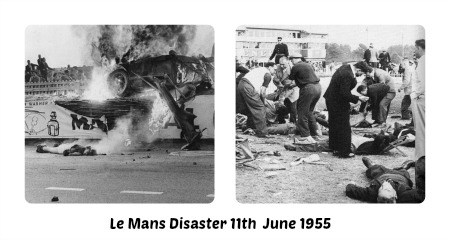


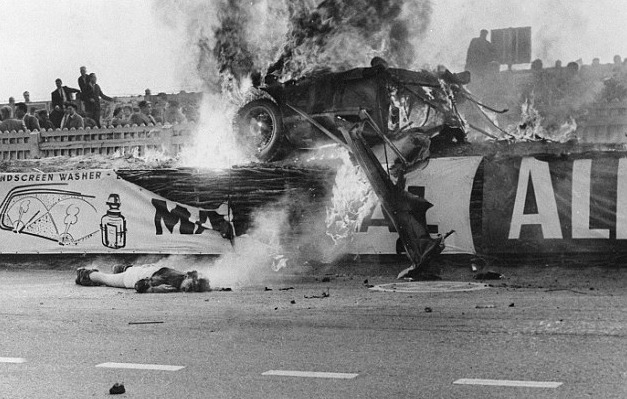




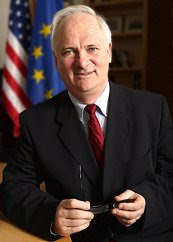
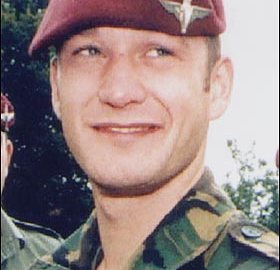


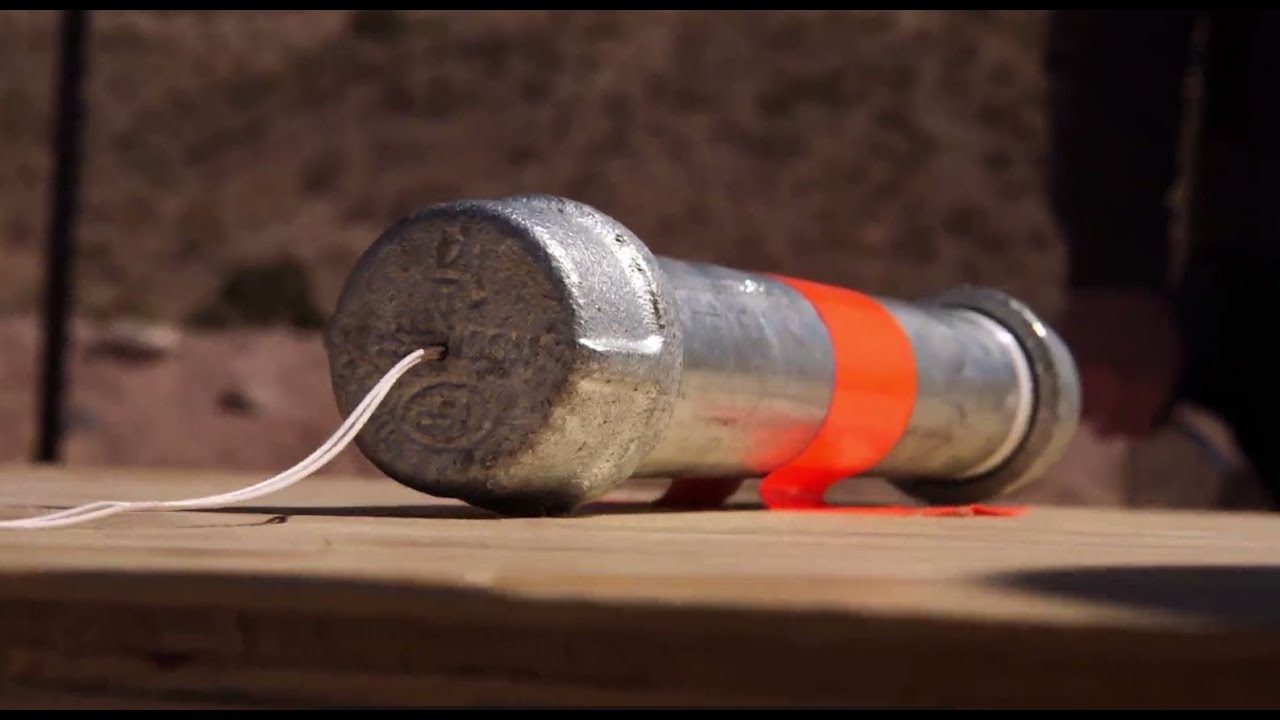
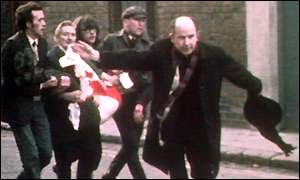


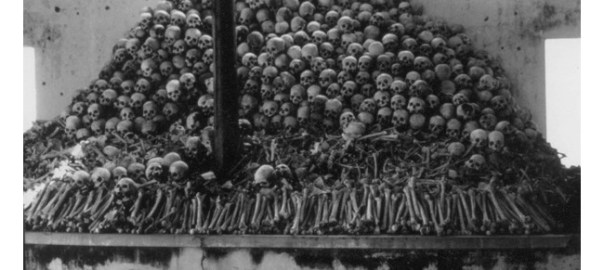
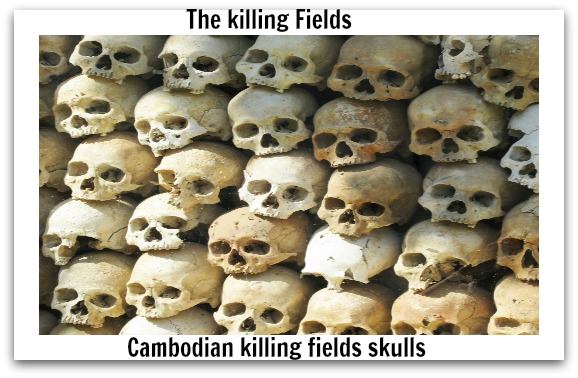



.JPG)
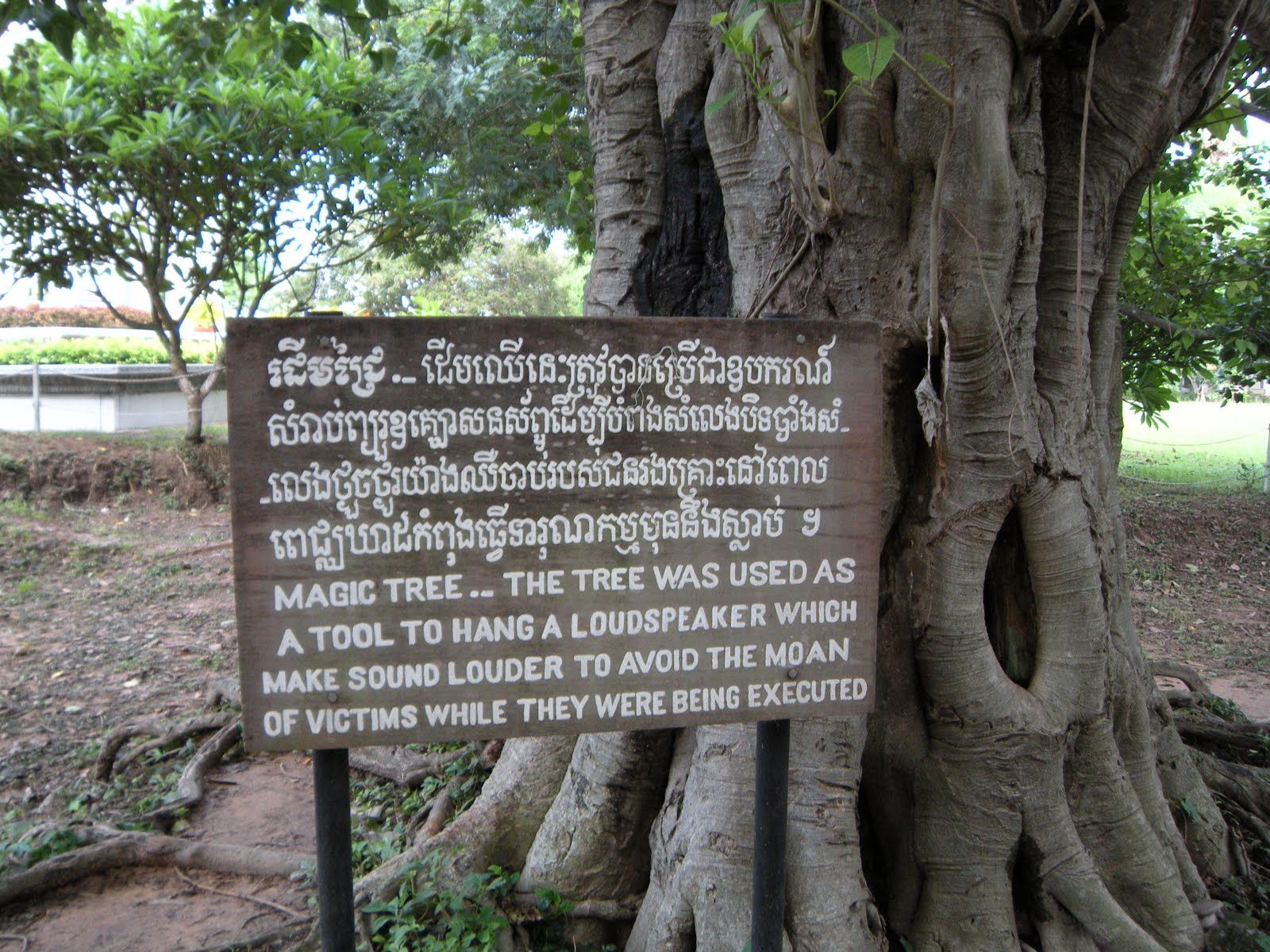


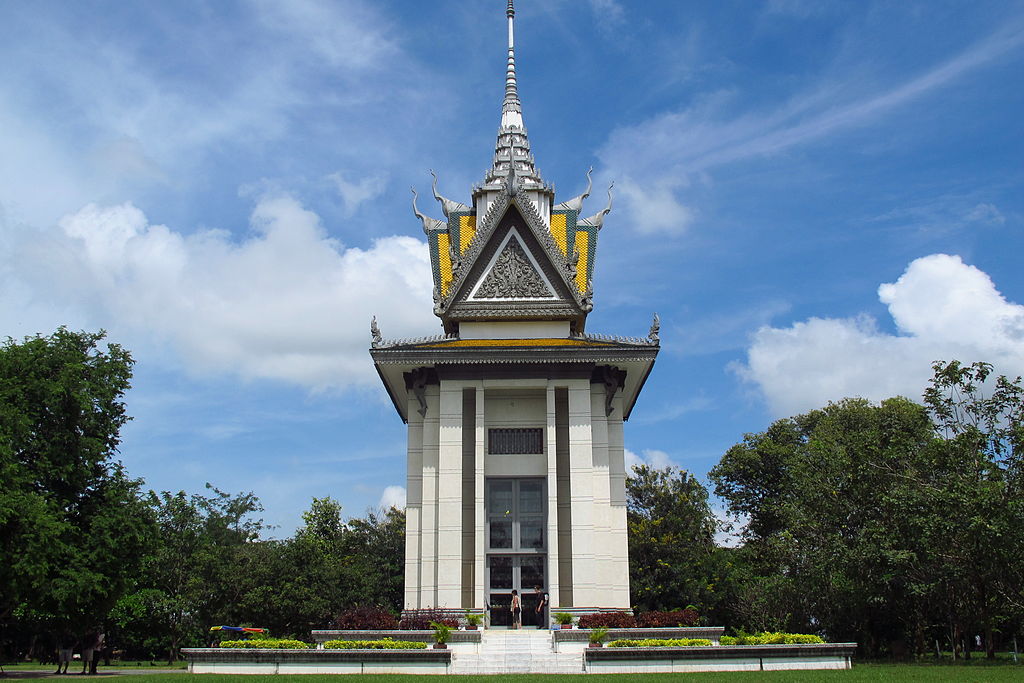
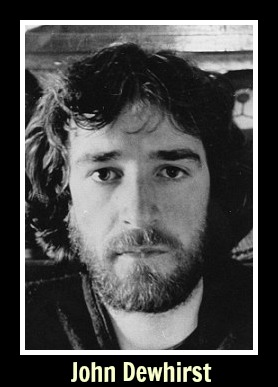
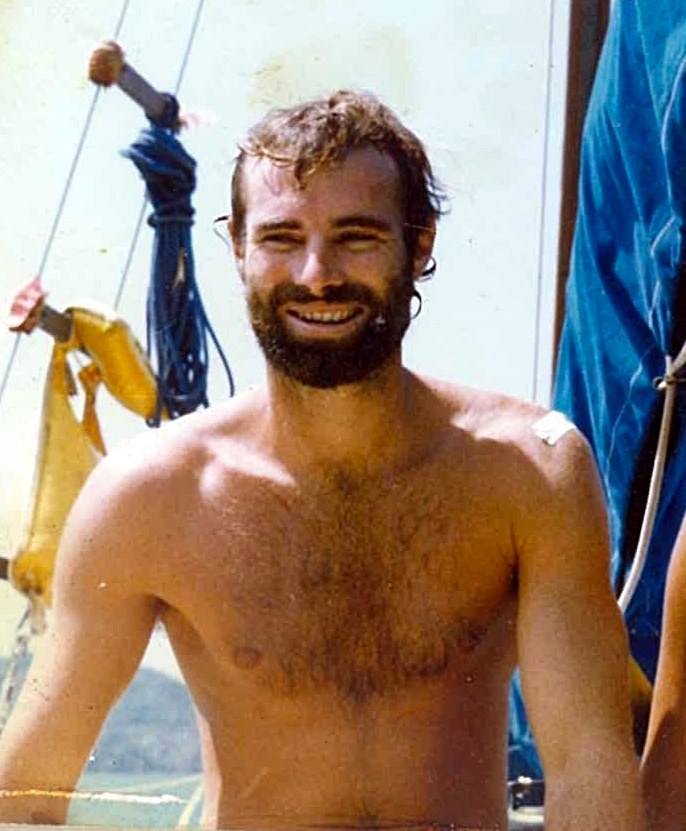
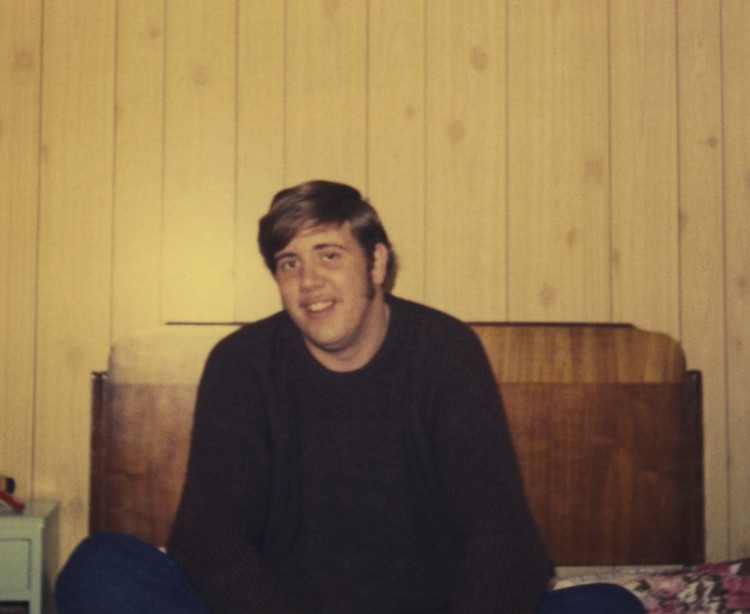
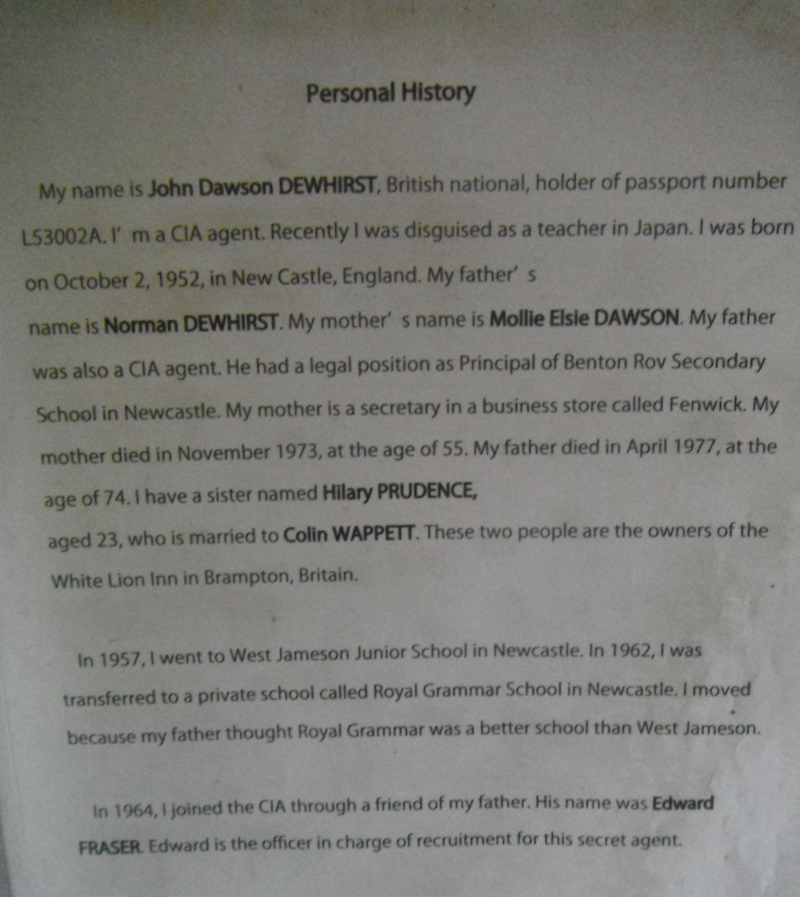

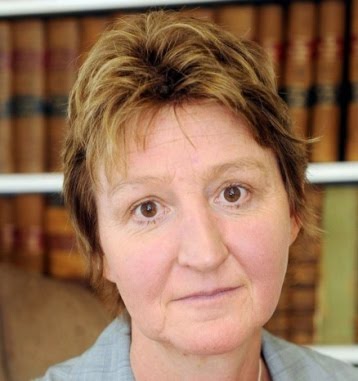




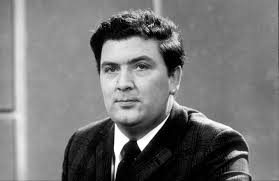


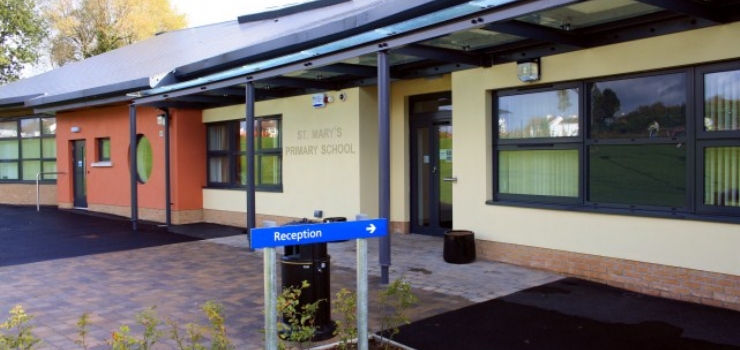



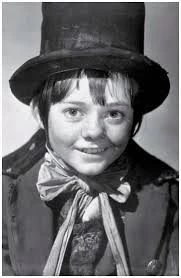


:format(jpeg):mode_rgb():quality(40)/discogs-images/R-4479108-1366037733-6556.jpeg.jpg)

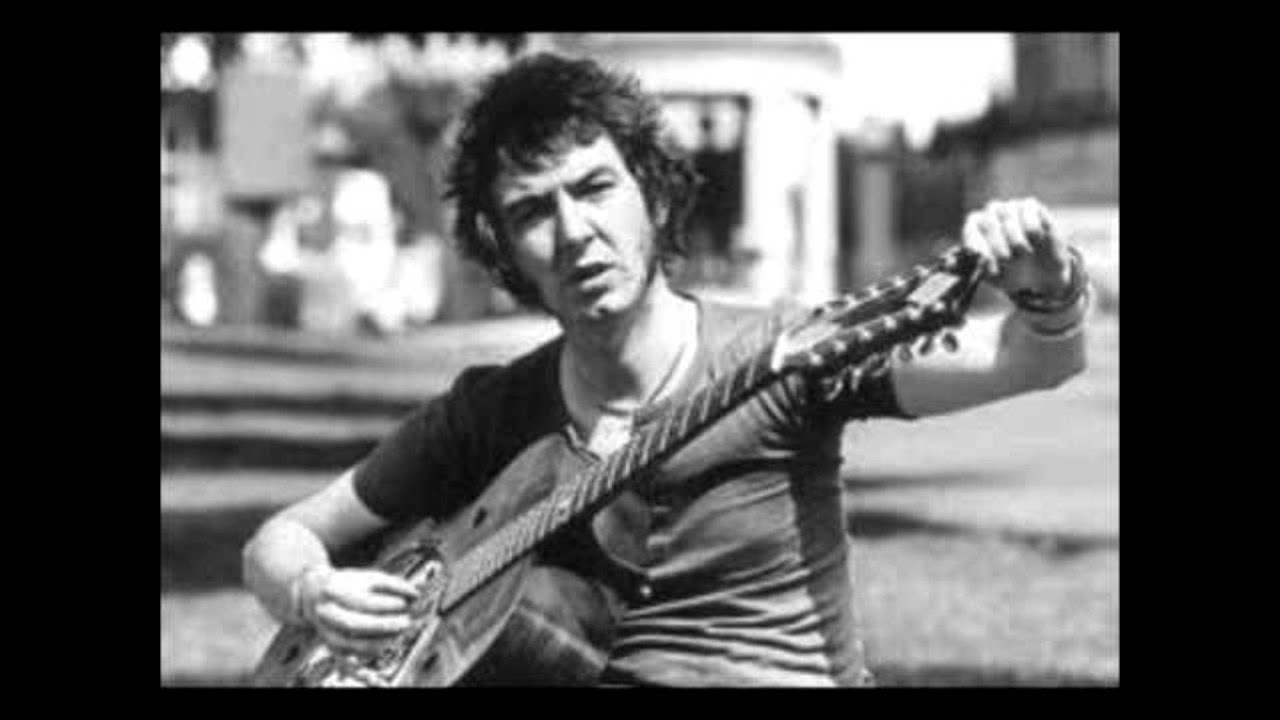

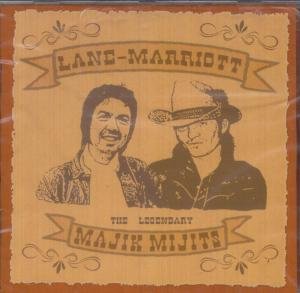






 belfastchildis.com