Dolours and her sister, Marian, also an IRA member, were the daughters of Albert Price, a prominent Irish republican and former IRA member from Belfast. Their aunt, Bridie Dolan, was blinded and lost both hands in an accident handling IRA explosives.
Albert Price
Copyright : Victor Patterson
Paramilitary activity
Price became involved in Irish republicanism in the late 1960s and joined the Provisional IRA in the early 1970s. She participated in the car bombing of the Old Bailey in London on 8 March 1973, which injured over 200 people and is believed to have contributed to the death of one person who suffered a fatal heart attack.
Gerry Kelly
The two sisters were arrested, along with Gerry Kelly, Hugh Feeney and six others, on the day of the bombing, as they were boarding a flight to Ireland. They were tried and convicted at the Great Hall in Winchester Castle on 14 November 1973. Although originally sentenced to life imprisonment, which was to run concurrently for each criminal charge, their sentence was eventually reduced to 20 years. Price served seven years for her part in the bombing.
She immediately went on a hunger strike demanding to be moved to a prison in Northern Ireland. The hunger strike lasted for 208 days because the hunger strikers were force-fed by prison authorities to keep them alive.
.
– Disclaimer –
The views and opinions expressed in these pages/documentaries are soley intended to educate and provide background information to those interested in the Troubles of Northern Ireland. They in no way reflect my own opinions and I take no responsibility for any inaccuracies or factual errors.
On the back of the hunger-striking campaign, her father contested West Belfast at the UK General Election of February 1974, receiving 5,662 votes (11.9%). The Price sisters, Hugh Feeney, and Gerry Kelly were moved to Northern Ireland prisons in 1975 as a result of an IRA truce. In 1980 Price received the Royal Prerogative of Mercy and was freed on humanitarian grounds in 1981, purportedly suffering from anorexia nervosa due to the invasive trauma of daily force feedings.
The Price sisters remained active politically. In the late 1990s, Price and her sister claimed that they had been threatened by their former colleagues in the IRA and Sinn Féin for publicly opposing the Good Friday Agreement i.e. the cessation of the IRA’s military campaign. Price was a contributor to The Blanket, an online journal, edited by former Provisional IRA member Anthony McIntyre, until it ceased publication in 2008.
Personal life
With Stephen Rea
After her release in 1980, she married Irish actor Stephen Rea, with whom she had two sons, Danny and Oscar.
They divorced in 2003.
Later life
In 2001, Price was arrested in Dublin and charged with possession of stolen prescription pads and forged prescriptions. She pleaded guilty and was fined £200 and ordered to attend Alcoholics Anonymous meetings.
In February 2010, it was reported by The Irish News that Price had offered help to the Independent Commission for the Location of Victims’ Remains in locating graves of three men, Joe Lynskey, Seamus Wright and Kevin McKee, who were allegedly killed by the IRA and whose bodies have not been found.
She was the subject of the 2018 feature-length documentary I, Dolours in which she gave an extensive filmed interview.
Allegations against Gerry Adams
In 2010 Price claimed Gerry Adams had been her officer commanding when she was active in the IRA. Adams, who has always denied being a member of the IRA, denied her allegation. Price admitted taking part in the murder of Jean McConville, as part of an IRA action in 1972.
She claimed the murder of McConville, a mother of 10, was ordered by Adams when he was an IRA leader in West Belfast. Adams subsequently publicly further denied Price’s allegations, stating that the reason for them was that she was opposed to the Provisional Irish Republican Army’s abandonment of paramilitary warfare in favour of politics in 1994, in the facilitation of which Adams had been a key figure.
Boston College tapes
Graffiti criticising Boston College in Belfast
Voices from the Grave
Oral historians at Boston College interviewed both Dolours Price and her fellow IRA paramilitary Brendan Hughes between 2001 and 2006, the two giving detailed interviews for the historical record of the activities in the IRA, which were recorded on condition that the content of the interviews was not to be released during their lifetimes. Prior to Price’s death, in May 2011, the Police Service of Northern Ireland (PSNI) subpoenaed the material, possibly as part of an investigation into the disappearance of a number of people in Northern Ireland during the 1970s.
In June 2011, the college filed a motion to quash the subpoena. A spokesman for the college stated that “our position is that the premature release of the tapes could threaten the safety of the participants, the enterprise of oral history, and the ongoing peace and reconciliation process in Northern Ireland.”
In July 2011, US federal prosecutors asked a judge to require the college to release the tapes to comply with treaty obligations with the United Kingdom.
On 17 October 2012, the United States Supreme Court temporarily blocked the College from handing over the interview tapes. In January 2013 Price died, and in April 2013, the Supreme Court turned away an appeal that sought to keep the interviews from being supplied to the PSNI. The order left in place a lower court ruling that ordered Boston College to give the Justice Department portions of recorded interviews with Dolours Price. Federal officials wanted to forward the recordings to police investigating the murder of Jean McConville.
On 24 January 2013 Price was found dead at her Malahide, County Dublin home, from a toxic effect of mixing prescribed sedative and anti-depressant medication. The inquest returned a verdict of death by misadventure.
One night in December 1972, Jean McConville, a mother of ten, was abducted from her home in Belfast and never seen alive again. Her disappearance would haunt her orphaned children, the perpetrators of this terrible crime and a whole society in Northern Ireland for decades.
In this powerful, scrupulously reported book, Patrick Radden Keefe offers not just a forensic account of a brutal crime but a vivid portrait of the world in which it happened. The tragedy of an entire country is captured in the spellbinding narrative of a handful of characters, presented in lyrical and unforgettable detail.
A poem by Seamus Heaney inspires the title: ‘Whatever You Say, Say Nothing’. By defying the culture of silence, Keefe illuminates how a close-knit society fractured; how people chose sides in a conflict and turned to violence; and how, when the shooting stopped, some ex-combatants came to look back in horror at the atrocities they had committed, while others continue to advocate violence even today.
Say Nothing deftly weaves the stories of Jean McConville and her family with those of Dolours Price, the first woman to join the IRA as a front-line soldier, who bombed the Old Bailey when barely out of her teens; Gerry Adams, who helped bring an end to the fighting, but denied his own IRA past; Brendan Hughes, a fearsome IRA commander who turned on Adams after the peace process and broke the IRA’s code of silence; and other indelible figures. By capturing the intrigue, the drama and the profound human cost of the Troubles, the book presents a searing chronicle of the lengths that people are willing to go to in pursuit of a political ideal, and the ways in which societies mend – or don’t – in the aftermath of a long and bloody conflict.
Im currently reading this & will do a review when complete
I, DOLOURS Trailer (2018) Militant IRA Activist Portrait
As I child I learned the stories & legends of the Battle of Boyne & Siege of Derry at my grandfather’s & father’s knees, becoming immersed in the Loyalist culture that would shape & dominate my whole existence.
The life and death of Eamon Collins Eamon Collins (1954 – 27 January 1999) was a Provisional Irish Republican Army member in the late 1970s and early 1980s. He turned his back on the organisation in the late 1980s, and later co-authored a book called Killing Rage detailing his experiences within it. In January 1999 he was waylaid on a…
The brutal & unforgivable murder of Ann Ogilby, also known as the Romper Room murder Forgotten victims of the Troubles The murder of Ann Ogilby, also known as the “Romper Room murder”, took place in Sandy Row, south Belfast, Northern Ireland on 24 July 1974. It was a punishment killing, carried out by members of the Sandy Row women’s Ulster Defence…
Joe McCann – Life & Death Joe McCann (2 November 1947 – 15 April 1972) was an Irish republican volunteer. A member of the Irish Republican Army and later the Official Irish Republican Army, he was active in politics from the early 1960s and participated in the early years of the Troubles in Northern Ireland. He was shot dead, after being confronted by RUC Special…
… Máire Drumm Life & death 22 October 1919 – 28 October 1976 Máire Drumm (22 October 1919 – 28 October 1976) was the vice-president of Sinn Féin and a commander in Cumann na mBan. She was killed by Ulster loyalists while recovering from an eye operation in Belfast’s Mater Hospital. Born in Newry, County Down, to a staunchly Irish republican family. Drumm’s mother had…
Death of Robert Hamill Robert Hamill was an Irish Catholic civilian who was beaten to death by a loyalist mob in Portadown, County Armagh, Northern Ireland. Hamill and his friends were attacked on 27 April 1997 on the town’s main street. It has been claimed that the local Royal Ulster Constabulary (RUC), parked a short…
John Bingham Life & Death John Dowey Bingham (c. 1953 – 14 September 1986) was a prominent Northern Irish loyalist who led “D Company” (Ballysillan), 1st Battalion, Ulster Volunteer Force (UVF). He was shot dead by the Provisional IRA after they had broken into his home. Bingham was one of a number of prominent UVF members to be assassinated during the 1980s,…
Who wants… A signed copy of my No.1 best selling book ? Makes a great Xmas gift for book lovers & those interested in the Troubles & the crazy, mad days my generation lived through.
The Shameful & Unforgivable Murder of a Widow & Mother of Ten
Jean McConville (née Murray; 7 May 1934 – December 1972) was a woman from Belfast, Northern Ireland, who was kidnapped and shot dead by the Provisional IRA and secretly buried in County Louth in the Republic of Ireland in 1972 after being accused by the IRA of passing information to British forces.
In 1999, the IRA acknowledged that it had killed McConville and eight others of the “Disappeared”.
It claimed she had been passing information about republicans to the British Army in exchange for money and that a transmitter had been found in her apartment.
A report by the Police Ombudsman found no evidence for this or other rumours. Before the Troubles, the IRA had a policy of killing informers within its own ranks; however, from the start of the conflict the term informer was also used for civilians who were suspected of providing information on paramilitary organisations to the security forces. Other Irish republican and loyalist paramilitaries also carried out such killings.
As she was a widowed mother of ten, the McConville killing was particularly controversial. Her body was not found until 2003, and the crime has not been solved. The Police Ombudsman found that the Royal Ulster Constabulary (RUC) did not begin to investigate the disappearance properly until 1995.
Biography
Jean Murray was born on 7 May 1934 to a Protestant family in East Belfast but converted after marrying Arthur McConville, a Catholic former British Army soldier, with whom she had ten children. After being intimidated out of a Protestant district by loyalists in 1969, the McConville family moved to West Belfast’s Divis Flats in the Lower Falls Road. Arthur died from cancer in January 1972.
At the time of her death, Jean McConville lived at 1A St Jude’s Walk, which was part of the Divis Flats complex. This was an IRA stronghold, from which attacks were regularly launched against the British Army and RUC. Since the death of her husband, she had been raising their ten children, who were aged between six and twenty.
Their son Robbie was a member of the ‘Official’ IRA and was interned in Long Kesh at the time of her death; he would defect to the Irish National Liberation Army (INLA) in 1974.
Killing
In the months leading up to her death, tension and suspicion grew between McConville and her neighbours. One night shortly before her disappearance, she was allegedly attacked after leaving a bingo hall and warned to stop giving information to the British Army.
According to police records, on 29 November 1972 a British Army unit found a distressed woman wandering in the street. She told them her name was McConville and that she had been attacked and warned to stop informing.
One of McConville’s children claimed she was kidnapped the night after this incident, but others gave the date of the kidnapping as 7 December.
On the night of her disappearance, four young women took McConville from her home at gunpoint, and she was driven to an unknown location. Dolours Price admitted that she was one of those involved in driving her across the border.
McConville was killed by a gunshot to the back of the head, there was no evidence of any other injuries to her body.
Her body was secretly buried across the border on Shellinghill Beach (also known as Templetown Beach) on the Cooley Peninsula in the north of County Louth, about 50 miles from her home. The place of her death is uncertain.
Although no group admitted responsibility for her disappearance, there were rumours that the IRA had killed her for being an informer. Another rumour is that she was killed because neighbours claimed they saw her helping a badly wounded British soldier outside her home; however, there is no record of such an incident.
McConville’s children say they recall her helping a wounded British soldier some time before their father died in January 1972.
In a 2014 interview published in the Sunday Life, former veteran Irish republican Evelyn Gilroy claimed the person who had tended to the soldier was her [Gilroy’s] sister.
The IRA did not admit involvement until after the signing of the Good Friday Agreement. It claimed she was killed because she was passing information about republicans to the British Army. Former IRA member Brendan Hughes claimed the IRA had searched her flat some time before her death and found a radio transmitter, which they confiscated.
He and other former republicans interrogated her and claimed she admitted the British Army was paying her for information about republicans. Hughes claims that, because of her circumstances, they let her go with a warning. However, he claims when the IRA found she had resumed working for the British Army, it decided to “execute” her.
Reluctant to kill a clearly desperate woman – not least because of the adverse publicity it would engender – the Brigade HQ Staff allowed McConville to live, albeit with a warning of fatal consequences should she be caught spying again. By December their patience was ended and after a short discussion over “banishment” versus “execution” her death was ordered through a majority vote. Among those supporting the latter option was the brigade OC or officer commanding,
Gerry Adams. However the manner of her killing was hotly debated. There were continuing fears that the acknowledged detention and killing by (P)IRA of a widowed mother of ten children (including a young political prisoner) would have a disastrous effect on support for the movement; that it would be exploited by Britain’s well-oiled propaganda-machine, as well as Republican rivals in (O)IRA; and that the slaying could reduce moral among local Volunteers. In the end those favouring a “public execution” were out-voted by those supporting a secret death sentence and “disappearance”, a solution which would have the added benefit of sowing confusion amongst their adversaries in the British intelligence groupings.
This was a practice that was already beginning to take root – albeit intermittently and with a great deal of controversy – in the conflict-cockpit of Belfast. In this decision it seems that Gerry Adams was again in the majority camp.
Usually the bodies of informers were left in public as a warning, but the IRA secretly buried McConville, apparently because she was a widowed mother-of-ten. The IRA had first done this two months earlier, when it killed and buried two IRA members who were found to be working undercover for the British Military Reaction Force (MRF).
Aftermath
After her disappearance, McConville’s seven youngest children, including six-year-old twins, survived on their own in the flat, cared for by their 15-year-old sister Helen. After three weeks, the hungry family was visited by a stranger, who gave them Jean’s purse, with 52 pence and her three rings in it.
On 16 January 1973, the story of the abduction appeared on the front page of the Belfast Telegraph, under the headline:
“Snatched mother missing a month”
The following day, the children were interviewed on the BBC television programme Scene Around Six. The children reported to the social services, and were immediately brought into local council care.
The family was forcibly split up by social services.Among the consequences of the killing, Jean’s orphaned son Billy was sent to De La Salle Boys’ Home, Rubane House, Kircubbin, County Down, notorious for child abuse; he testified in 2014 to the Northern Ireland Historical Institutional Abuse Inquiry, describing repeated sexual and physical abuse, and starvation, saying :
“Christians looking after young boys – maybe they were Christians, but to me they were devils disguised in that uniform.”
Within two days of her kidnapping, one of her sons reported the incident to the Royal Ulster Constabulary (RUC) and the British Army. However, the Police Ombudsman did not find any trace of an investigation into the kidnapping during the 1970s or 1980s.
An officer told the Ombudsman that CID investigations in that area of Belfast at that time were “restricted to the most serious cases”. On 2 January 1973, the RUC received two pieces of information stating:
“it is rumoured that Jean McConville had been abducted by the [IRA] because she is an informer”
In March 1973, information was received from the British Army, saying the kidnapping was an elaborate hoax and that McConville had left of her own free will. As a result, the RUC refused to accept that McConville was missing, preferring to believe an anonymous tip that she had absconded with a British soldier.
The first investigation into her kidnapping appears to have taken place in 1995, when a team of RUC detectives was established to review the cases of all those who were thought to have been kidnapped during the conflict.
In 1999, the IRA gave information on the whereabouts of her body. This prompted a prolonged search, co-ordinated by the Garda Síochána, the Irish police service, but no body was found. On the night of 26 August 2003, a storm washed away part of the embankment supporting the west side of Shellinghill Beach car park, near the site of previous searches. This exposed the body.
On 27 August, it was found by passersby while they were walking on Shellinghill Beach (also known as Templetown Beach) in County Louthat the eastern tip of the Cooley Peninsula. McConville was subsequently reburied beside her husband Arthur in Holy Trinity Graveyard in Lisburn.
Investigation
Police Ombudsman’s report
In April 2004 the inquest into McConville’s death returned a verdict of unlawful killing.
In 2006 the Police Ombudsman for Northern Ireland, Nuala O’Loan, published a report about the police’s investigation of the murder. It concluded that the RUC did not investigate the murder until 1995, when it carried out a minor investigation. It found no evidence that she had been an informer, but recommended the British Government go against its long-standing policy regarding informers and reveal whether she was one.
Journalist Ed Moloney called for the British Government to release war diaries relating to the Divis Flats area at the time. War diaries are usually released under the thirty-year rule, but those relating to Divis at the time of McConville’s death are embargoed for almost ninety years.
The police have since apologised for its failure to investigate her abduction. In January 2005, Sinn Féin party chairman Mitchel McLaughlin claimed that the killing of McConville was not a crime, saying that she had been executed as a spy in a war situation.
This prompted Irish journalist Fintan O’Toole to write a rebuttal, arguing that the abduction and extrajudicial killing of McConville was clearly a:
“war crime by all accepted national and international standards”
The IRA has since issued a general apology, saying it :
“regrets the suffering of all the families whose loved ones were killed and buried by the IRA”.
PSNI investigation and Boston College tapes
In August 2006, the Chief Constable of the Police Service of Northern Ireland (PSNI), Sir Hugh Orde, stated that he was not hopeful anyone would be brought to justice over the murder, saying:
“[in] any case of that age, it is highly unlikely that a successful prosecution could be mounted.”
Boston College had launched an oral history project on the Troubles in 2001. It recorded interviews with republicans and loyalists about their involvement in the conflict, on the understanding that the tapes would not be released until after their deaths.
Two of the republican interviewees, Brendan Hughes and Dolours Price, both now deceased, admitted they were involved in McConville’s kidnapping. Both became diehard opponents of the Good Friday Agreement and Sinn Féin’s support of it. They saw Sinn Féin president Gerry Adams as a traitor for negotiating the Agreement and persuading the IRA to end its campaign.
In 2010, after Hughes’s death, some of his statements were published in the book Voices from the Grave. He claimed McConville had admitted being an informer, and that Adams ordered her disappearance.
In a 2010 newspaper article, Price also claimed McConville was an informer and that Adams ordered her disappearance, which has been strenuously denied by Ed Moloney. Price, who died in 2013, said she gave the interviews as revenge against Adams. Former republican prisoner Evelyn Gilroy, who lived near McConville, claimed Adams was an IRA commander and the only person who could have ordered the killing.
Adams has denied any role in the death of McConville. He said:
“the killing of Jean McConville and the secret burial of her body was wrong and a grievous injustice to her and her family”
In 2011, the PSNI began a legal bid to gain access to the tapes. Acting on a request from the PSNI, the United States Justice Department tried to force Boston College to hand them over. Boston College had promised those interviewed that the tapes would not be released until after their deaths, and other interviewees said they feared retribution if the tapes were released. Following a lengthy court battle, the PSNI was given transcripts of interviews by Hughes and Price.
2014 arrests
In March and April 2014, the PSNI arrested a number of people over the kidnapping and killing of Jean McConville. Ivor Bell, former IRA Chief of Staff, was arrested in March 2014. Shortly afterwards, he was charged with aiding and abetting in her murder.
In April, the PSNI arrested three people who were teenagers at the time of the kidnapping: a 56-year-old man and two women, aged 57 and 60. All were released without charge.
Following Bell’s arrest in March, there was media speculation that police would want to question Gerry Adams due to the claims made by Hughes and Price. Adams maintained he was not involved, but had his solicitor contact the PSNI to find whether they wanted to question him.
On 30 April, after being contacted by the PSNI, Adams voluntarily arranged to be interviewed at Antrim PSNI Station. He was arrested and questioned for four days before being released without charge. A file was sent to the Public Prosecution Service (PPS) to decide whether further action should be taken, but there was “insufficient evidence” to charge him.
The arrest took place during an election campaign. Sinn Féin claimed that the timing of the arrest was politically motivated; an attempt to harm the party’s chances in the upcoming elections. Alex Maskey said it was evidence of a “political agenda […] a negative agenda” by elements of the PSNI.
Jean McConville’s family had campaigned for the arrest of Adams over the murder. Her son Michael said:
“Me and the rest of my brothers and sisters are just glad to see the PSNI doing their job. We didn’t think it would ever take place [Mr Adams’ arrest], but we are quite glad that it is taking place.”
In a later interview on the Today programme on BBC Radio 4, he stated that he knew the names of those who had abducted and killed his mother, but that:
“I wouldn’t tell the police [PSNI]. If I told the police now a thing, me or one of my family members or one of my children would get shot by those [IRA] people. It’s terrible that we know those people and we can’t bring them to justice”
Who wants… A signed copy of my No.1 best selling book ? Makes a great Xmas gift for book lovers & those interested in the Troubles & the crazy, mad days my generation lived through.
UK orders only – if you live outside the UK email me belfastchildis@googlemail.com and Ill send you a link for ordering outside the UK.
This is simply the story of a boy trying to grow up, survive, thrive, have fun & discover himself against a backdrop of events that might best be described as ‘explosive’, captivating & shocking the world for thirty long years.
The unit is thought to have had jurisdiction over both Northern and Southern Commands of the IRA, (encompassing the whole of Ireland), and to have been directly attached to IRA General Headquarters (GHQ).
Duties of the ISU
The group was believed to have had a number of briefs:
Security and character vetting of new recruits to the IRA,
Collecting and collating material on failed and compromised IRA operations,
Collecting and collating material on suspect or compromised individuals (informers),
Interrogation and debriefing of suspects and compromised individuals,
Carrying out killings and lesser punishments of those judged guilty by IRA courts martial.
The ISU was believed to have unlimited access to the members, apparatus and resources of the IRA in carrying out its duties. Its remit could not be countermanded except by order of the Army Council.
Depositions obtained as part of its operation would ideally be noted on paper, and if possible recorded for the purposes of propaganda.
Examples of ISU activity
Debriefing of IRA volunteers following their detention by security forces operating in Northern Ireland. These interviews would take place to discover if a volunteer had flipped and decided to betray information or secrets of the organisation. They would also take place in the event of an operation, weapons cache, or unit being exposed to danger or uncovered.
Involvement in the Court Martial process as detailed in the IRA manual, The Green Book.
The membership of the IRA and wider republican community are expected to comply with requests for information made by the ISU, this information then being used to build or demolish accusations made against an IRA volunteer.
In the early 1980s Fenton agreed to help the IRA and moved explosives from an arms dump to a safe house. He was then approached by officers from the Royal Ulster Constabulary‘s Special Branch who said he could be prosecuted for the offence.
The officers said if Fenton agreed to work for them as an informer he would not be prosecuted, and he would be paid in addition. After agreeing to a further meeting with the officers, Fenton tried to extricate himself from the situation by attempting to start a new life in Australia with his wife and four children.
His immigration application was rejected by the Australian High Commission Consulate in Edinburgh, and Fenton started working as an informer for Special Branch in 1982. He started a new job as a salesman for an estate agent, and shortly after started his own estate agency named Ideal Homes based on the Falls Road.
In his role as an estate agent Fenton had access to empty homes that were for sale, which he allowed the IRA to use as safe houses, arms dumps and meeting places for IRA leaders and active service units. Special Branch bugged the houses using covert listening devices, enabling them to gather intelligence. Over twenty IRA members were arrested in possession of firearms, and several IRA bombing units were arrested as they travelled to targets.
A Special Branch officer said of Fenton:
Joe devastated the IRA in west Belfast in the mid-1980s. I was told he loved his work and got a great deal of pleasure after operations were compromised. He was a very willing agent and tried on at least two occasions to entrap senior republicans. But it was probably only a matter of time before he was caught out and by late 1988 he was under suspicion.
Fenton had previously been under suspicion in 1985 following a series of compromised IRA operations. The IRA’s Internal Security Unit (ISU) began an investigation, but Fenton diverted suspicion away from himself by providing the names of two other informers, Gerard and Catherine Mahon who were husband and wife.
The Mahons were interrogated by the ISU and confessed to informing, and were found shot dead in an alleyway in the Turf Lodge area on 8 September 1985. Fenton again came under suspicion in 1988 after four IRA members were arrested at a house in the Andersonstown area of Belfast which was being used as a mortar factory.
Only a few people had knowledge of the location of the factory, and the ISU began a new investigation. As a result of the new investigation the ISU concluded there was a link between compromised IRA operations and homes provided by Fenton. Fenton’s professional life was also investigated, and his sudden ability to start an estate agency business in the early 1980s could not be explained.
Fenton’s handlers in Special Branch stopped paying Fenton when the IRA stopped using properties provided by him, and by the end of 1988 Ideal Homes was facing closure.
By then Fenton was working as a taxi driver to supplement his income, and in early 1989 Ideal Homes ceased trading when the offices were closed by Fenton’s landlord due to unpaid rent.
England
Former Force Research Unit operative Martin Ingram states that Fenton was taken out of Northern Ireland and transported to England by his handlers in Special Branch. Ingram states Fenton wanted to return to Northern Ireland, and asked for help from Andrew Hunter, an MP for the Conservative Party.
Fenton returned to Northern Ireland, with Hunter stating:
“Special Branch told me that if he came home he would be killed very quickly. They warned me he was a marked man and that it was dangerous to be associated with him and I passed this on to him, but he still went back”.
According to Ingram, while back in Belfast Fenton continued to pass information to Special Branch, and in early February 1989 a planned IRA mortar attack was prevented and six IRA members were arrested.
Author and journalist Martin Dillon states Fenton fled to England from Northern Ireland of his own accord, based on an interview with a senior IRA member with access to details of Fenton’s court-martial. Dillon states that Fenton was ordered to return to Northern Ireland by his handlers in Special Branch, and say he had gone to England to see a boxing match. According to the IRA, Special Branch knew Fenton faced execution if he returned and that he was deliberately sacrificed to preoccupy the IRA and divert suspicion from another informer operating within the IRA’s Belfast Brigade.
Death
The IRA abducted Fenton on 24 February 1989, and took him to a house in the Lenadoon area of Belfast. He was interrogated by the ISU and confessed to working as an informer for Special Branch, and was court-martialled.
Fenton was found dead in an alley in Lenadoon on 26 February 1989; he had been shot four times. The following day the IRA issued a statement that Fenton had been killed because he was a “British agent”. In accordance with standard procedure the RUC denied Fenton had any connection with the police, while Fenton’s father Patrick blamed the RUC for his son’s death.
The IRA had shown Fenton’s written confession to his father, and Patrick Fenton stated:
Having seen and read evidence which was presented to me I accept his death and wish to say that the position in which he was placed, due to pressures brought to bear upon him by the Special Branch, led directly to the death of my son.
At Fenton’s funeral the local priest, Father Tom Toner, criticised the role of Special Branch in Fenton’s death stating:
The IRA is not the only secret, death-dealing agent in our midst. Secret agents of the state have a veneer of respectability on its dark deeds which disguises its work of corruption. They work secretly in dark places unseen, seeking little victims like Joe whom they can crush and manipulate for their own purposes. Their actions too corrupt the cause they purport to serve.
Toner was also critical of the IRA’s actions stating:
To you the IRA and all who support you or defend you, we have to say that we feel dirty today. Foul and dirty deeds by Irishmen are making Ireland a foul and dirty place, for it is things done by Irishmen that make us unclean. What the British could never do, what the Unionists could never do, you have done. You have made us bow our heads in shame and that is a dirty feeling.
The IRA is like a cancer in the body of Ireland, spreading death, killing and corruption. It is the unrelenting enemy of life and the community is afraid because it cannot see or identify it. We want the cancer of the IRA removed from our midst but not by means that will leave the moral fibre of society damaged and the system unclean. Fighting evil by corrupt means kills pawns like Joe and leaves every one of us vulnerable and afraid. And it allows Joe’s killers to draw a sickening veneer of respectability over cold-blooded murder and to wash their hands like Pontius Pilate.
Fenton was buried at St Agnes’ Church in Andersonstown, Belfast.
John Joe McGee
John Joe McGee (died 2002, Dundalk, County Louth, Ireland) was an IRA volunteer who was formerly in the British Special Boat Service.
Background
McGee had been a member of the Special Boat Service prior to joining the Irish Republican Army in the 1970s. He was a member of the Provisional IRA‘s ‘nutting squad’ (also known as ‘the unknowns’), the Internal Security Unit. He became its leader for around a decade between the mid-1980s to the mid-1990s. Between forty to fifty of those investigated by the unit were also executed as suspected informers or alleged British agents. Its sentences could only be countermanded by a member of the IRA Army Council. Members of the unit included Eamon Collins, Freddie Scappaticci, and “Kevin Fulton“. During a court appearance, Fulton stated:
“In 1979 I was approached by the Intelligence Corps, a branch of the British Army, whilst serving with my regiment the Royal Irish Rangers in Northern Ireland. I was asked to infiltrate a terrorist group, namely the PIRA during this time as part of my undercover work for the Force Research Unit. I was active in the commission of terrorist acts and crimes … During this time my handlers were fully conversant with my activities and had guided me in my work which included the security section of the PIRA. The commanding officer of this section was John Joe Magee, a former member of the Special Boat Squadron. The purpose of this unit was solely to hunt out agents and informers of the British state. The suspected agents would be … tortured and murdered after obtaining any information.”
Eamon Collins (later killed by the IRA) quoted a conversation he had with McGee and Scappaticci in his book, Killing Rage:
I asked whether they always told people that they were going to be shot. Scap said it depended on the circumstances. He turned to John Joe (his boss, John Joe Magee) and started joking about one informer who had confessed after being offered an amnesty. Scap told the man he would take him home, reassuring him he had nothing to worry about. Scap had told him to keep the blindfold on for security reasons as they walked from the car. “It was funny,” he (Scap) said, “watching the bastard stumbling and falling, asking me as he felt his way along railings and walls, “Is this my house now?” and I’d say, “No, not yet, walk on some more …” ” ‘And then you shot the f—er in the back of the head,” said John Joe, and both of them burst out laughing.”
Eamon Collins
Eamon Collins (1954 – 27 January 1999) was a Provisional Irish Republican Armyparamilitary in the late 1970s and early 1980s. He turned his back on the organisation in the late 1980s, and later co-authored a book called Killing Rage detailing his experiences within it. In January 1999 he was waylaid on a public road and murdered near his home in Newry in Ulster.
Early life
Collins, the son of a cattle dealer, grew up in a middle class Irish family in Camlough, a small, staunchly Irish republican town in South Armagh. Despite the sentiment of the area, the Collins family had no association and little interest in Irish Nationalist politics. Collins’ mother was devout Catholic, and he was brought up under her influence with a sense of awe for the martyrs of that religion in Irish history, in its conflicts with Protestantism.
After completing his schooling, Collins worked for a time in the Ministry of Defence in a clerical capacity in London before studying Law at Queen’s University, where he became influenced by Marxist political ideology.
In Easter 1974, as he walked home to his parents’ home in South Armagh during a break from his studies in Belfast, on arrival he found both his parents being man-handled by British troops during a house-to-house raid searching for illegal weapons, and on remonstrating with them Collins was himself seriously assaulted, and both he and his father were arrested and detained.
Collins later attributed his crossing of the psychological threshold of actively supporting anti-British Irish paramilitarist terrorism to this incident. Another influence upon his radicalization at this time was a Law tutor at university who had persuaded him that the newly formed Provisional Irish Republican Army was, as well as a means opposing the British military presence in Ulster, a vehicle for Marxist revolutionary politics, in line with the radical ideological expression of a younger generation in the late 1960’s – early 1970’s that were now replacing an old guard of a movement that had engaged in little more than petty acts of Fenian paramilitary activity in the 1950’s-1960’s.
Collins subsequently dropped out of university, and after working in a pub for a period, he joined Her Majesty’s Customs & Excise Service, serving in Newry, and would go on to use this internal position within the administrative machinery of the British Government to support IRA operations against Crown Forces personnel.
Around this time he married Bernadette, with whom he subsequently had four children.
IRA career
Collins joined the Provisional IRA during the blanket protest by Long Kesh inmates in the late 1970s, which sought Special Category Status for republican prisoners, and he became involved in street demonstrations at this time. He joined the “South Down Brigade” of the IRA, based around Newry. This was not one of the organisation’s most active formations, but it sometimes worked alongside the “South Armagh Brigade“, which was one of its most aggressive units.
Psychologically unsuited to physical violence, Collins was appointed instead by the IRA as its South Down Brigade’s intelligence officer. This role involved gathering information on members of the Crown security forces personnel and installations for targeting in gun and bomb attacks. His planning was directly responsible for at least five murders, including that of the Ulster Defence Regiment Maj. Ivan Toombs in January 1981, with whom Collins worked in the Customs Station at Warrenpoint, and possibly three times that number.
Many of the bombing targets of his unit were of limited significance, such as the destruction of Newry public library, and a public house where a Royal Ulster Constabulary choir drank after practice.
Collins became noted within IRA circles for his hard-line views on the continuance of armed campaign, and later joined its Internal Security Unit. At the instigation of the South Armagh Brigade’s leadership he became a member of Sinn Féin in Newry. The South Armagh IRA wanted a hard-line militarist in the local party, as they were opposed to the increasing emphasis of the republican leadership on political over military activity.
Collins was not selected as a Sinn Féin candidate for local government elections, in part, due to his open expressions of suspicion of the IRA and Sinn Féin leadership, whom he accused of covertly moving towards a position of an abandonment of the IRA’s military campaign. Around this time Collins had a confrontation with Gerry Adams at the funeral of an IRA man killed in a failed bombing over how to deal with the funeral’s policing, where Collins accused Adams a being a “Stick” (a derogatory slang term among IRA supporters for activists among it who were considered lacking sincerity in their commitment to its cause).
Despite his militarist convictions at this time Collins found the psychological strain caused by his involvement in the terrorist war increasingly difficult to deal with. His belief in the martial discipline of IRA’s campaign had been seriously undermined by the event of the assassination of Norman Hanna, a 28 year old Newry man on the 11 March 1982 in front of his wife and young daughter, who had been targeted because of his former service with the Ulster Defence Regiment, which he had resigned from in 1976. Collins had opposed the targeting of Hanna on the basis that it wasn’t of a governmental entity, but had been over-ruled by his superiors, and he had gone along with the operation; his conscience burdened him afterwards about it though.
His uneasy state was further augmented by being arrested under anti-terrorism laws on two occasions, the second involving his detention at Gough Barracks in Armagh for a week, where he was subject to extensive sessions of interrogation in 1985 after an IRA mortar attack in Newry, which had claimed the lives of multiple police officers. Collins had not been involved in this operation, but after five days of incessant psychological pressure being exerted by R.U.C. specialist police officers, during which he had not said a word, he mentally broke, and yielded detailed information to the police about the organization.
As a result of his arrest he was dismissed from his career with H.M. Customs & Excise Service.
Collins subsequently stated that the strain of the interrogation merely exacerbated increasing doubts that he had already possessed about the moral justification of the IRA’s terrorist paramilitary campaign and his actions within it. These doubts had been made worse by the strategic view that he had come to that the organization’s senior leadership had in the early 1980’s quietly decided that the war had failed, and was now slowly manoeuvering the movement away from a military campaign to allow its political wing Sinn Féin to pursue its purposes by another means in what would become the Northern Ireland peace process.
This negated in Collins’ mind the justification for its then on-going military actions.
Statements against the IRA
After his confession of involvement in IRA activity, Collins became an IRA – in contemporary media language – “Supergrass“, upon whose evidence the authorities were able prosecute a large number of IRA members. Subsequently he was incarcerated in specialized protective custody with other paramilitaries who had after arrest given evidence against their organizations in the Crumlin Road Prison in Belfast from 1985 to 1987.
However, after an appeal from his wife who remained an IRA supporter, and on receiving a message from the IRA delivered by his brother on a visit to the prison, Collins legally retracted his evidence, in return for which he was given a guarantee of safety by the IRA, provided he consented to being debriefed by it. He agreed, and was in consequence transferred by the authorities to the Irish paramilitary wing of the prison.
Trial for murder
As a result of losing his previous legal status as a Crown protected witness, Collins was charged with several counts of murder and attempted murder. However, on being tried in 1987 he was acquitted as the statement in which he had admitted to involvement in these acts was ruled legally inadmissible by the court, as it was judged that it had been obtained under duress and was not supported by enough conclusive corroboratory evidence to allow a legally sound conviction.
On release from prison he spent several weeks being counter-interrogated by the IRA’s Internal Security Unit to discover what had been revealed to the authorities, after which he was exiled by the organization from Ulster, being warned that if he was found north of Drogheda after a certain date he would be executed by it. The technical acquittal in the Crown court based upon judicial legal principles made an impact upon Collins’ view of the British state, markedly contrasting with what he had witnessed in the IRA’s Internal Security Unit, and reinforced his disillusionment with Irish paramilitarism.
Post-IRA life
After his exile Collins moved to Dublin and squatted for a while in a deserted flat in the impoverished Ballymun area of the city. At the time the area was experiencing an epidemic of heroin addiction and he volunteered to help a local priest Peter McVerry, who ran programmes for local youths to try to keep them away from drugs. After several years in Dublin, he subsequently moved to Edinburgh, Scotland for a period, where he ran a youth centre. He would later write that because of his Ulster background he felt closer culturally to Scottish people than people from the Irish Republic.
In 1995 he returned to live in Newry, a district known for the militancy of its communal support of the IRA, with numerous IRA members in its midst. The IRA order exiling him from Ulster had not been lifted, but with a formal ceasefire from the organization in operation ordered by its senior command, and in the sweeping changes that were underway with renunciations of violence by all the paramilitary organizations in the province that had followed on from it, he judged it safer to move back in with his wife and children who had never left the town.
Broadcasting and published works
Having returned to live in Newry, rather than maintaining a low profile Collins decided to take a prominent role in the ongoing transition of Ulster’s post-war society, using his personal history as a platform in the media to analyze the adverse effects of terrorism. In 1995 he appeared in an ITV television documentary entitled ‘Confession’ giving an account of his disillusioning experiences and a bleak insight into Irish paramilitarism.
In 1997 he co-authored Killing Rage, with journalist Mick McGovern, a biographical account of his life and IRA career. He also contributed to the book Bandit Country by Toby Harnden about the South Armagh IRA. At the same time in the media he called for the re-introduction of Internment after the Omagh bombing for those continuing to engage in such acts; published newspaper articles openly denouncing and ridiculing the fringe Real IRA’s attempts to re-ignite paramilitary warfare in Ulster, alongside publicly analyzing his own past role in such activity, and the damage that it had caused on a personal and social level to the two communities of Ulster.
Witness evidence against Thomas Murphy
In May 1998 Collins gave evidence against leading republican Thomas “Slab” Murphy, in a libel case Murphy had brought against the Sunday Times, over a 1985 article naming him as the IRA’s Northern Commander.
Murphy denied IRA membership, but Collins took the witness stand against him, and testified that from personal experience he knew that Murphy had been a key military leader in the organization. Murphy subsequently lost the libel case and sustained substantial financial losses in consequence.
After giving his testimony Collins had said in the court-room to Murphy “No hard feelings Slab”. However, soon after the trial Collins’ home was attacked and daubed with graffiti calling him a “tout”, a slang word for an informer. Since his return to Newry in 1995 his home there had been intermittently attacked with acts of petty vandalism, but after the Murphy trial these intensified in regularity and severity, and another house belonging to his family in Camlough, in which no one was resident, was destroyed by arson. Threats were made against his children, and they faced persecution in school from elements among their peers. Graffiti threatening him with murder was also daubed on the walls of the streets in the vicinity of the family home in Newry.
Death
Collins was beaten and stabbed to death in his 45th year by an unidentified assailant(s) early in the morning of 27 January 1999, whilst walking his dogs near the Barcroft Park Estate in Newry along a quiet stretch of country lane at Doran’s Hill, just within sight of Sliabh gCuircin (Camlough Mountain). His body also bore marks of having been struck by a car moving at speed. The subsequent police investigation and Coroner’s Inquest commented upon the extremity of weaponed violence to Collins’ head and face used during the attack.
Rumoured reasons behind the murder were that he had returned to Ulster in breach of the IRA’s banning order, and further he had detailed IRA activities and publicly criticized in the media a multiplicity of Irish terrorist paramilitary splinter groups that had appeared after the IRA’s 1994 ceasefire, and that he had testified in court against Murphy.
Gerry Adams stated the murder was “regrettable”, but added that Collins had “many enemies in many places”.
After a traditional Irish wake, with a closed coffin necessitated due to the damage to his face, and a funeral service at St. Catherine’s Church in Newry, Collins’ body was buried at the town’s Monkshill Cemetery, not far from the grave of Albert White, a Catholic former Royal Ulster Constabulary Inspector, whose assassination he helped to organize in 1982.
Subsequent criminal investigations
In January 2014 the Police Service of Northern Ireland released a statement that a re-examination of the evidence from the scene of the 1999 murder had revealed new DNA material of a potential perpetrator’s presence, and made a public appeal for information, detailing the involvement of a specific car model (a white coloured Hyundai Pony), and a compasspommel that had broken off of a hunting knife during the attack and had been left behind at the scene.
In February 2014 detectives from the Serious Crime Branch arrested a 59 year old man at an address in Newry in relation to the murder, he was subsequently released without charge. In September 2014 the police arrested three men, aged 56, 55 and 42 in County Armagh in relation to inquiries into the murder, all of whom were subsequently released without charges after questioning
Murders of Catherine and Gerard Mahon
Catherine and Gerard Mahon were a husband and wife who lived with their children in Twinbrook, Belfast. Gerard, aged twenty-eight, was a mechanic; Catherine, was twenty-seven. They were killed by the Provisional Irish Republican Army (IRA) on 8 September 1985, the IRA alleging they were informers. However at least two of those responsible for their deaths were later uncovered as British agents within the IRA’s Internal Security Unit, leaving the actual status of the Mahons as informers open to doubt.
Background
The Mahons were neighbours of estate agent Joseph Fenton, a supplier of ‘safe houses’ for the IRA, but also a British agent. When a number of IRA missions were compromised, Fenton is believed to have directed a member of the Internal Security Unit, Freddie Scappaticci, and three other men, to the Mahons.
Abducted in August, interrogated and beaten for prolonged periods, the Mahons eventually confessed that their flat was bugged by the Royal Ulster Constabulary, who are alleged to have paid the couple for information, weapons finds, or arrests. The IRA took the couple to Norglen Crescent in Turf Lodge and shot them.
It is thought Catherine Mahon was shot in the back while trying to escape.
Those who found their bodies said at the time:
We heard two bursts of gunfire and then a car was driven away at high speed. We went out and discovered the girl. We thought she was dead. We tried first aid but the side of her head was blown away. A young lad came up to us saying there was a man lying in the entry a bit further up and still alive. We got to him and he was badly wounded. He was struggling to breath and choking on his own blood. He had been hit in the side of the head and the face. Whatever is behind it all, it’s ridiculous. Those responsible are animals. Nothing justifies murder. They had both been tied by their wrists – but they must have broken free by struggling when they realised what was going to happen.
This slaughter has few equals in barbarity and it proves the Provo idea of justice is warped. It makes us all sick.
Victims were ‘sacrificed’ by agent known as Stakeknife
SOME of the killings to be investigated as part of the new probe into the activities of the agent known as Stakeknife and those in the intelligence services who directed him:
* Husband and wife Gerard (28) and Catherine (27) Mahon, who were shot dead after being taken away from their Twinbrook home in west Belfast in September 1985 and interrogated by the IRA who claimed they were informers. The Mahons were neighbours of estate agent Joe Fenton, who was also later killed by the IRA. When a number of IRA missions were compromised, Fenton is believed to have directed a member of the IRA’s internal security unit to the Mahons
* Frank Hegarty. The body of the 45-year-old was discovered in Co Tyrone close to the border in May 1986. He had been shot dead and his eyes were taped shut. From the Shantallow area of Derry, the IRA alleged he was an informer who had revealed the location of an arms dump in Sligo to authorities
* Joseph Fenton. The 35-year-old, who worked as an estate agent, was shot in the head by the IRA in February 1989 after he was accused of working as an informer. It was alleged the father-of-four from west Belfast man was providing ‘safe houses’ for IRA planning meetings that were then bugged by the security forces
* Joseph Mulhern. The 22-year-old’s body was discovered close to the Tyrone border 10 days after he disappeared from west Belfast in 1993. The IRA alleged he was working for RUC Special Branch
* Caroline Moreland. The 34-year-old mother-of-three was abducted from her home in the Beechmount area of west Belfast in July 1994. Her body was discovered dumped on the Fermanagh border 10 days after she disappeared. Her family had been warned by the IRA not to report her missing
* Margaret Perry (26) disappeared from her hone of Portadown in July 1991, with her body found in shallow grave at Mullaghmore, Co Donegal in June 1992. The IRA claimed she was killed by three men acting on behalf of British intelligence because she had discovered her former boyfriend Gregory Burns (34) was informing to the security forces. He, along with Johnny Dingham (32) and Adrian Starrs (29), were abducted, tortured and shot dead by the IRA
* Charlie McIlmurray (32), from Slemish Way in Andersonstown, was shot by the IRA in April 1987 following allegations that he had been working as an informer. His body was discovered in a van at Killeen in Co Armagh on the border
* Peter Valente (33), a father of four, was killed as an alleged informer in November 1980. Unusually, his body was dumped in the loyalist Highfield estate and a statement was released by Sinn Féin blaming the UDA. However, it is now thought that along with a number of other victims he was targeted by Stakeknife to protect his own cover as an agent after the IRA became suspicious
* Vincent Robinson (29) from Andersonstown in west Belfast was found dead in a rubbish chute in the Divis flats complex in June 1981. The IRA claimed he was an informer and had been outed by Peter Valente, something that his family denied. Again it is believed he was ‘sacrificed’ in order to protect Stakeknife
* Maurice Gilvarry (24) from Ardoyne in north Belfast was shot dead in January 1981 and his body dumped in south Armagh. Again it was alleged he was implicated by Peter Valente but it is now thought he was killed to protect the identity of Stakeknife
* Patrick Trainor (28). Married with three children, his body was found at waste ground near the Glen Road in west Belfast after he had been abducted by the IRA who alleged he was an informer, based on information they claimed came from Peter Valente. This was denied by his family and an RUC detective at a subsequent inquest.
Hi folks, Just a shortish blog post to wish you all a wonderful evening and a fantastic Xmas day. Some of you guys have followed me and my story for years now and during recent tragic soul destroying lows to a few joy filled epic highs you have been there to support , comfort and … Continue reading Merry Christmas to all my friends out there X→
Last chance to order before Xmas delivery cut-off period nxt Wednesday . A personally signed copy of my No.1 Best Selling book : A Belfast Child , which may be worth a few quid if my story is made into a movie – watch this space ! UK Orders Free postage for UK orders only … Continue reading A singed copy of my book for Xmas ?→
And Im happy to bribe you with a free giveaway 🎁 Read on for more detail… Ive doing a soft launch of my online shop : https://deadongifts.co.uk/ which I set up with my sister Mags and I need to drive some traffic to the store and start creating an online presence. The shop will be … Continue reading I need some help folks 😜→
Finally some good News in what has no doubt been a long and never ending nightmare for the families of the “Missing” those secretly killed and buried in unmarked graves , mainly due to Republican & Loyalist paranoia.
To lose a family member in an act of terrorism is an open wound that never heals and never ends – but to be killed due to paranoia and accused of being a tout or spy or worse – a pawn in political and paramilitary espionage , is a stain that engulfs your entire family and mentally abuses and mocks you daily. The grief of separation is suppressed and the stigma of guilt hangs over you like a dark cloud and the local community whisper and point behind your back.
Such was the life of the families of the Disappeared in the sectarian Badlands of West Belfast & throughout Northern Ireland during the Troubles. Now at least an end for one families misery – who will be given the spiritual healing of closure , a Christian burial and the beginning of a life that can only get better , although grief never leaves us completely .
Sometimes it seems to me The Gods love to ignore the suffering of mortal man and yet we follow them blindly in the hope of a protection that seldom comes.
There are STILL four more ( including Lisa Dorrian ) that remain missing. They are Columba McVeigh, Joe Lynskey and Army Capt Robert Nairac.
Columba McVeigh Joe Lynskey
Capt Robert Nairac
Lets hope that soon they can all be returned to their families and laid to rest in eternal peace.
——————————————————————–
Human remains found in France in search for ‘disappeared’ Seamus Ruddy
Human remains have been found at the site in northern France where a search has been taking place for the body of Seamus Ruddy, one of the Disappeared.
News that human remains had been uncovered came early on Saturday morning.
Investigators from the Independent Commission for the Location of Victims Remains have been digging at the site in a forest near Rouen since Monday.
Mr Ruddy was working as a teacher in Paris in 1985.
He was murdered by republican paramilitaries, the Irish National Liberation Army (INLA), and secretly buried.
The Disappeared are those who were abducted, murdered and secretly buried by republicans during Northern Ireland’s Troubles.
1yr anniversary of disappearance of 43 Mexican students. I’ve written to the Ambassador with investigation concerns
Whilst for once I agree with him in that something should be done about these poor Mexican students , what about The Disappeared from Northern Ireland ? – which is a bit closer to home and should be receiving his attention above these unfortunate students.
I’m sure it wouldn’t tax him too much to pick up the phone and ask his best buddies Adam & McGuiness to have a word with their “mates” about the whereabouts of the remains of these innocent victims of Republican paranoia.
But wait , I had almost forgotten that Adam’s & McGuiness are now states men and working for the good of the peace process. In fact they are in such denial that I’m sure they honestly believe that they have nothing to feel guilty about and have no regrets about their dodgy past.
Well in my book these two vile humans being represent the worst of the Troubles and the fact that they are now living comfortable lives and have a say in the running of Northern Ireland disgust me and I’m sure many others in mainland Britain. and Northern Ireland would agree. They are both drenched in the blood of the innocent and no matter what they say or do will never change my attitude towards these two IRA thugs.
But I digress – apologies for that – but my revulsion of these two is all consuming and sometimes I get carried away and go off track. The point I was trying to make is that Corbyn needs to look closer to home and use his influence with SinnFein/IRA to bring some closure to the issue of The Disappeared of Northern Ireland and perhaps in doing so he can give the families a little comfort and a chance to give their loved one’s a Christian Burial.
It is the very least they deserve!
Please see below for an article on The Disappeared –
Corbyn’s Letter
The Disappeared
The Disappeared are those who were abducted, murdered and secretly buried by republicans during Northern Ireland’s Troubles.
Gerry Adams denies he was involved in Jean McConville’s disappearance
Gerry Adams sparks outrage as he says abduction and murder of Jean McConville is ‘what happens in wars’
————————————————————————————–
The Disappeared
————————————————————————————–
Despite extensive and painstaking searches, the bodies have never been found of four out of 16 people listed by the commission set up to locate victims’ remains.
Searches have been carried out by the Independent Commission for the Location of Victims’ Remains, established in 1999 by treaty between the British and Irish governments to obtain information in strictest confidence that may lead to where the bodies are buried.
The Disappeared is a term which refers to people believed to have been abducted, murdered and secretly buried during the Troubles in Northern Ireland. The Independent Commission for the Location of Victims’ Remains is in charge of locating the remaining bodies, and was led by forensic archaeologist John McIlwaine
16 people, all Catholics, including one British Army officer, all males, except for Mrs. Jean McConville, are believed to have been kidnapped and killed by republicans during the Troubles. The Provisional IRA admitted to being involved in the forced disappearance of nine of the sixteen – Eamon Molloy, Seamus Wright, Kevin McKee, Jean McConville, Columba McVeigh, Brendan Megraw, John McClory, Brian McKinney, and Danny McIlhone. British Army officer, Robert Nairac, who disappeared from South Armagh, was a Mauritius-born Roman Catholic.
The organisation said they could only accurately locate the body of one of their victims, but gave rough ideas for the remaining eight. As of November 2013 only seven bodies have been found.
Another Catholic victim, Gareth O’Connor, is believed to have been killed by the IRA after the Good Friday Agreement. Lisa Dorrian, a young Catholic woman, is believed to have been killed by Loyalists, taking the total number of ‘Disappeared’ up to eighteen.
Who are they?
———————————————————————————————-
Found
Brendan Megraw
The IRA claimed that the 24-year-old from Belfast confessed to being a British provocateur and Military Reaction Force undercover agent in 1978
Disappeared from his home in Twinbrook, Belfast on 8th April 1978.
Found: His body was recovered on 1st October 2014
Brendan, by his family…
When Brendan disappeared on Saturday 8th April 1978, he was 23 years old. He was 5ft 8in tall and had very dark brown hair, which he wore long as that was the style at the time. He also had sideburns, a thin brown moustache and blue eyes.
Brendan was very much his own man. He didn’t like being told what to do. He was very particular about his appear-ance; always had a shine on his shoes. He had attended St Finians and La Salle schools and he had served on the altar at Clonard. He worked at a number of different jobs—hotel work, in a carpet factory and a sign making com-pany, which he enjoyed but for a variety of reasons were not long-term.
Brendan was happily married for almost a year and he was living for the day of the birth of his daughter and being a dad. Within his own band of friends Brendan would have been talkative with a mischievous sense of humour. At lar-ger gatherings or more formal social occasions, Brendan would have been quieter. He was a friendly person who en-joyed life and just wanted to have a good time.
As his mum always said, “he was motorbike mad”. He enjoyed taking them apart, fixing them, cleaning them and racing them. He went for day trips on the bike with his friends or to the races at Kirkstown/Dundrod. Brendan was al-ways engrossed in cars and kept his MG Midget spotlessly clean. His two pet hates were football and politics.
His friends described him as a good friend who could be relied upon and he was good company.
Human remains found in County Meath in October were those of IRA murder victim Brendan Megraw, it has been confirmed
———————————————————————————————————-
Found
Eamon Molloy
Abducted from his home in the Ardoyne area of north Belfast in July 1975, after being accused by the IRA of being an informer. It was claimed he was quartermaster in one of the IRA’s three Belfast brigades and that his activities forced the IRA into calling a ceasefire that year
Eamon disappeared 1st July 1975.
Found: His body located on the 28th May 1999 at Old Faughart Cemetery, four miles outside Dundalk
Eamon, by his family…
“Eamon was of average size. He was 21 years old when he disappeared. He had dark brown hair and brown eyes. Eamon was very thoughtful to others less fortunate than himself. He was a shy young man and was easily embarrassed when he was younger but he grew out of that as he got older”.
“He loved playing snooker and he was learning to play the mandolin at the time of his disappearance”.
“He had so many friends. Some of them still call to see me and they talk about things that happened when they were young and the things that happened in school. They still talk about how they miss him and the fun they all used to have together”.
Eamon Molloy’s remains were found in a coffin left above ground in a cemetery 25 years after his death
———————————————————————————————————-
Found
Brian McKinney
Twenty-two when he was abducted with his friend John McClory in 1978, he had first gone missing a few days beforehand, but returned 48 hours later, beaten and distraught. He had allegedly admitted to stealing IRA weapons for use in robberies.
Brian disappeared 25th May 1978.
Found: His body was located on 29th June 1999 at Colgagh, Iniskeen, Co. Monaghan along with John McClory’s body. John McClory had been kidnapped an hour earlier
Brian, by his family…
“Brian was small and his nickname was “Bru” because of Brian Bru was a giant and he was so small. He had dark brown hair, which he loved, and he kept it well groomed. He was 22 years old when he was taken away from us”.
“Brian was never a well boy. He was in and out of hospital and had bad asthma and eczema. When he was 14 years old he was diagnosed as having the mind of a six year old. It was genetic thing. We were all very protective of Brian. He was very popular in the area with the neighbours and he was always singing and he played a mouth organ and the guitar. In fact, sometimes you had to tell him to be quiet. He was very musical. Brian was funny without even meaning to be, he hadn’t an ounce of sense”.
“He went out to work on Thursday 25th May 1978 and he never came home. I still can’t get him out of my mind especially what he must have felt like in his last moments. I know he would have cried”.
“His friends would tell you how good natured he was. He would have given away his last penny. He would have been very easily led but he wouldn’t have harmed a fly. He is still so much missed by us all”.
His body was located on 29th June 1999 at Colgagh, Iniskeen, Co. Monaghan
——————————————————————————————————————————–
Found
John McClory
The 17-year-old was a friend of Brian McKinney and went missing at the same time. His body was also recovered at the same site. He had allegedly admitted to stealing IRA weapons for use in robberies
John disappeared on the 25th of May 1978.
Found: His body was located on 29th June 1999 at Colgagh, Iniskeen, Co. Monaghan
John, by his family…
“John was very tall with long black hair. He was very tall for his age. He was almost 19 years old when he disappeared. He was a friendly boy and always tried to help the elderly neighbours who lived beside us. He would help them carry their shopping to the house. He was very outgoing, funny and very talkative”.
“John took great pride in his appearance especially his long hair. His hair was his pride and joy!”
“He loved sports but was an armchair fan, rather than actively playing any sports. He was just like any other 18 year old, living life to the full and enjoying himself”.
“His friends and his family miss him very much. I know his friends would have viewed him differently than me. I only had seen him as my brother, although when I talk to some of his friends we have a laugh about what he used to get up to”.
His body was located on 29th June 1999 at Colgagh, Iniskeen, Co. Monaghan
———————————————————————————————————-
Found
Jean McConville
The IRA Accused her of being an informer. She was widow and mother of 10 children.
Jean disappeared on the 7th December 1972.
Found: Her body was recovered on 27th August, 2003 at Shillington Beach, Co. Louth.
Jean, by her family…
“Mum was 37 years old and she had dark brown hair and lovely blue eyes. She was small in height and she was a very quiet woman who was gentle and caring”.
“I remember Mum and Dad always together and can remember Mum always wearing an apron like the one in the picture and she always folded her arms like the way she is in the picture Mum and Dad were close and we were a close family. She always came round at night and gave us a good night kiss. After my Daddy died she was just trying to raise her own children by herself and that couldn’t have been easy but she did her best”.
“Mum was always busy and she was rarely out of the house. She was at home all the time in the house clearing and making sure we were all clean and that there was food on the table for us. She had a good sense of humour too and always had time for her family. The one hobby she enjoyed was bingo and other than that she was always with her children”.
“It has been terrible since she was taken. From day one we were put in a home and we had to learn how to survive on our own. You had to learn to survive if you wanted to get on with your life because the home wasn’t easy. It was very strict but being split up from your brothers and sisters was the hardest thing of all”.
Jean McConville. her body was found at Shillington Beach, Co. Louth.
———————————————————————————————————-
Found
Danny McIlhone
The IRA said Mr McIlhone was not suspected of being an informer but was being questioned about stealing weapons – it was claimed he was killed in a struggle with the person who was guarding him.
Danny disappeared on 1st July 1981.
Found:His body was discovered in 2008 in bogland near the Blessington Lakes in Co. Wicklow.
Disappeared IRA victim Danny McIlhone was shot a number of times before being buried in a secret grave on a remote mountainside, an inquest has heard.
The IRA had admitted taking Mr McIlhone to a “premises” in Ballynultagh for questioning about “certain matters” and that a Provo had shot him a number of times when a struggle broke out between them.
His body was discovered in 2008 in bogland near the Blessington Lakes in Co. Wicklow
—————————————————————————————————————-
Found
Charles Armstrong
The 57-year-old father-of-five from Crossmaglen in south Armagh, went missing on his way to Mass in 1981. His car was later found near a cinema in Dundalk. The IRA denied any involvement in his disappearance at the time
Charlie disappeared on 15th August 1981.
Found: His body was found in County Monaghan in July 2010
Charlie, by his family…
“Charlie was medium in height and roughly 5 ft 4”. He was 54 years old when he disappeared and he had receding brown hair. Charlie was a very pleasant, outgoing man. He was a very talkative person who loved a bit of craic with other people and he could be very funny. His hobbies were mainly around animals. He loved horse racing and backing horses, he also loved dogs and caged birds. He was a football fan and enjoyed gardening, decorating and fishing”.
“Charlie’s friends would describe him as being very obliging, always willing to help neighbours. Nothing was too much for him to do for other people”.
“Charlie was a very good husband and father. He was a very caring person”.
On the day he disappeared, his wife walked with their daughters to Mass, where they had planned to meet him after he drove a friend to it. He did not appear and it was only when they got home that they discovered that he had not met their friend. Initially, it was thought that he had had an accident, so his family and friends searched the area, but there was no sign of him. The next day, a friend phoned the family to tell them that his car had been found outside the Adelphi cinema in Dundalk.
His name did not appear on a list of nine people whose disappearances the Provisional IRA admitted responsibility for in 1999. Gerry Adams, president of Sinn Féin, denied that the IRA was responsible, but journalist Suzanne Breen said that she had been contacted by a member of the IRA who said that it was.
A team looking for Mr Armstrong found human remains in County Monaghan in July 2010. Two months later, the remains were confirmed as being those of Mr Armstrong.
——————————————————————————————————
Found
Peter Wilson
Peter Wilson (21 yrs), was last seen in Falls Park in August 1973. Peter did not return to his home at St James’s Road, Belfast
Peter disappeared August 1973.
Found : November 2010
Reports suggest he may have been abducted and murdered by the IRA. His name was added to the list of the Disappeared in 2009 after new information became available.
For four days before he disappeared he lived with an Army unit at their headquarters near his Falls Road home. At the time the Army was accused of using a vulnerable person to gather information on the IRA, but the Army said they wanted him to experience military life.
His remains were found at Waterfoot beach in County Antrim in November 2010
——————————————————————————————————–
Found
Gerard Evans
Gerry Evans went missing aged 24 in County Monaghan in 1979
Gerard Anthony disappeared on his way home to Crossmaglen March 1979. . He was last seen on the roadside out of Castleblaney trying to hitch a lift back home.
Found: His body was found in October 2010.
Gerard, by his family…
“Gerry was 24 years old and 5ft 10”. He had dark brown hair. Gerry was the eldest of five boys and he was a very loving, kind son who was matured for his age. He loved his home and family. He had a lovely personality, quiet and but funny at times. He enjoyed being with his younger brothers, especially Sean who has Down Syndrome. Sean still misses Gerry very much. Gerry’s hobbies were darts and snooker, any kind of sport and a night out with his mates”.
“I think Gerry’s friends would describe him as a good friend and fun to be with. They still miss him and he had no enemies that we know about. Gerry would never have hurt anyone”.
“I couldn’t have asked for a better son”.
Last seen hitch-hiking in County Monaghan in March 1979, no-one has ever admitted responsibility for the 24-year-old’s death. In March 2008, his aunt was given a map claiming to identify the location of his body. Mr Evans’ remains were found at a site in County Louth in October 2010.
His remains were found at a site in County Louth in October 2010.
———————————————————————————————-
Found
Eugene Simons
The 26-year-old went missing from his home near Castlewellan, County Down, on 1 January 1981.
His body was discovered by chance in May 1984 in a bog near Dundalk, County Louth.
Eugene, by his family…
“Eugene was fairly tall, about 5ft 11”. He was 26 years old and he had brown hair. He was abducted on New Years Day in 1981”.
“Eugene was a plumber by trade and he was never out of work. He was a very good tradesman. He loved angling, darts and a social night out”.
“He got on well with all he came in to contact with but sadly it was some of his so called friends that set him up for abduction”.
——————————————————————————————————–
Found
Kevin McKee
An IRA member, the Belfast man was alleged to have been a British army agent and member of its Military Reaction Force, an undercover unit
Kevin disappeared on 2nd October 1972.
Found: His body was recovered on June 2015
The 17-year-old was killed in 1972 along with Seamus Wright, 25, by the Provisional IRA in Belfast. The pair were accused of working for a secret undercover British army unit at the time.
Kevin, by his family…
“Kevin was 17 years old and he was very tall. He had dark curly hair. He had beautiful white curly hair as a baby, but as he grew older he didn’t like his curls. Kevin was a very caring young boy. He was the first-born and was always very protective of his younger siblings. He was very much family orientated and fiercely loyal. He was shy but very helpful to elders; he was quiet and spent most of his time at home with his family. He was very close to his mother and would do odd jobs to help support the family. He was very athletic and loved football and sports. He could possibly have been very successful at school. He loved playing football and he loved drawing. He was a very good artist. He would sketch and draw in his spare time. Kevin was outgoing but he was shy too”.
“He has lots of mates both in school and outside of school. He was a typical mischievous youth. His friends described him as a tall likeable gentleman. He had a good sense of humour and he was loved by all who knew him. His disappearance was a tragedy. He had been engaged to a very pretty young girl just before he disappeared”.
His body was discovered in Coghalstown, Co Meath, in June 2015.
—————————————————————————————————-
Found
Seamus Wright
Wright is believed to have been abducted, interrogated, shot dead and buried in secret by the IRA in 1972
The Belfast man was an IRA member, but in 1972 he was interrogated and murdered by his former colleagues who accused him of being a British army agent and a member of its Military Reaction Force. His body was discovered in Coghalstown, Co Meath, in June 2015.
He vanished in 1972 alongside Kevin McKee after the IRA suspected the pair of working as undercover agents for a secret army unity known as the Military Reconnaissance Force, which was carrying out a covert war against the IRA in Belfast during the Troubles’ bloodiest year.
They are believed to have been abducted from their homes in west Belfast, driven across the border, interrogated, shot dead and buried in secret
Friends and family carry the remains of one Séamus Wright.
Found
Gareth O’Connor
O’Connor was a member of the Real IRA who disappeared after driving through Newtownhamilton in 2003
Gareth disappeared 11th May 2003.
Found: His body was found June 12th 2005 at Victoria Lock, just outside of Newry.
Gareth, by his family…
“Gareth was very tall and well built with short dark brown hair. He was 24 years old when he disappeared”.
“Gareth was a very good-natured person and he was friendly and easy to get on with. He would have been the first person to help you when needed. Gareth was a very outgoing person and was also a practical joker. He was always playing some sort of jokes on people”.
“Gareth’s hobbies were around fixing up old cars and bodybuilding. He would have trained 7 nights a week at a local gym”.
“I think Gareth’s friends would have described him as a very loyal friend and fun to be with. His friends miss him badly. His close friends find it hard to talk about what has happened”.
Gareth O’Connor was not included in the remit and legislation of 1999 for The Independant Commission for The Location of Victims Remains (ICLVR)
O’Connor was a member of the Real IRA who disappeared after driving through Newtownhamilton in 2003. On 11 June 2005, his badly decomposed body was discovered in his car in Newry Canal, County Down. His father, Mark, believes that the Provisional IRA were responsible for the murder, as they had threatened father and son. Mark O’Connor said: “I gave those names [of the killers] to Gerry Kelly (Sinn Féin assembly member). But nothing has been done. Gerry Adams ignores us and ignores all the families of the Disappeared.”
Armagh – Gareth O’Connor funeral
————————————————————————————————
Still Missing
Seamus Ruddy
The 32-year-old from Newry, County Down, was working as a teacher in Paris when he went missing in 1985. It is believed he was killed by members of the INLA.
Seamus disappeared in Paris on 9th May 1985.
Still Missing: His body has never been recovered.
It is believed he was killed by members of the INLA. Fresh searches were carried out in 2008 after his family were told his remains were in a forest in Normandy, but they found nothing.
Seamus, by his family…
“Seamus was of average build, about 5ft 6” with dark brown hair. He had a beard, although in springtime he sometimes shaved it off to leave just a moustache. Under his glasses he had the most beautiful blue eyes. He was 33 years old when he disappeared. He was the youngest boy of a family of 9. He had 5 sisters and 3 brothers. He lived in Newry and educated at Newry CBS”.
“You couldn’t say Seamus was one type of person. He was a different person to everyone who knew him; I only discovered that after his disappearance”.
“Seamus was a kind hearted, thoughtful and humorous person. He was wise, caring, a walking encyclopaedia, meticulous and a hard worker at whatever he chose to do. He was always concerned about the welfare and well being of his 34 nephews and nieces. On Christmas morning he visited as many of Santa’s houses as he could to play with the children’s toys!”
“He was a very good listener and he was able to enjoy the craic wherever he went. He enjoyed a good laugh and always looked for the positive side of the situation. His laugh was an infectious one, so when he laughed you laughed too”.
“Seamus really enjoyed all types of music especially The Chieftains, Christy Moore and Planxty. The Flead Cheoils were a part of his life. Otis Reading and Aretha Franklin were also appreciated by him. Rory Gallagher and Thin Lizzy were rated highly too”.
“He was an avid reader especially politics and world affairs and he could discuss the current affairs of any country in the world”.
“Seamus was always there for his friends, no matter who needed help he would come to their aid. He even played hurley once for Newry Shamrocks because they were a man short and he was co-opted on to the team”.
“He definitely was not athletic but still played to help the team out. Seamus always fulfilled his promises. It was not in his vocabulary to let anyone down. I think friends would describe him as dependable, kind and trustworthy”.
The 29-year-old was abducted when he visited a pub at Dromintee, south Armagh. He had been in the pub singing rebel songs. He was seized during a struggle in the pub’s car park and taken across the border to a field at Ravensdale, County Louth, and later shot dead.
In February 2010 Joe Lynskey was added to the official list of The Disappeared. He went missing from his West Belfast home in 1972.
Joe went missing in !972
Still Missing: He’s body has never been found
A former Cistercian monk from the Beechmount area of west Belfast, he later joined the IRA. Mr Lynskey went missing in 1972, and republicans have claimed Mr Lynskey was “executed and buried” by the IRA.
Columba disappeared on 1st November 1975, his body has never been recovered.
Columba disappeared on 1st November 1975,
Still Missing: his body has never been recovered.
The 19-year-old from Donaghmore, County Tyrone was abducted and murdered by the IRA in 1975 after allegedly confessing to being a British army agent with instructions to infiltrate the IRA.
Extensive searches for his body were carried out in 2003 at a bog in Emyvale, County Monaghan, but nothing was found. His mother, Vera, was a tireless campaigner for the return of his remains – she died in 2007. Mother of Disappeared victim dies
A specialist forensic team spent five months in 2013 digging in a bog in County Monaghan for Mr McVeigh’s remains, but found nothing.
Columba, by his family…
“Columba was the third of four precious children born to Paddy and Vera McVeigh.He grew up in the rural setting of Castlecaulfield in Co Tyrone where life was sometimes hard making the security of a loving family very special. Columba grew up to be a fine big tall and handsome fella with curly golden hair”.
“He enjoyed being outdoors, riding his bike, playing football, often returning home covered in muck from head to toe. He had a great sense of humour and enjoyed playing a trick on family and friends. He worked hard and went to Dublin to take up a job. It was from there that Columba disappeared 29 years ago at the age of 17”.
————————————————————————————————
Still Missing
Lisa Dorrian
Lisa went missing in the early hours of February 28, 2005 after attending a party at a caravan site in the sea side town of Ballyhalbert.
Lisa went missing on 28th February 2005
Still Missing: Her body has never been found
It is widely believed she was abducted and murdered by member of the Loyalist Volunteer Force.
Lisa Dorrian was not included in the remit and legislation of 1999 for The Independent Commission for The Location of Victims Remains (ICLVR)
“It is 4 years since we last saw our beautiful daughter Lisa. They have been two long and hard years, which have taken their toll on all our family. We were never given the chance to say goodbye to Lisa. “Lisa’s youngest sister Ciara, who was only eight years old when Lisa disappeared, has panic attacks at night, screaming and crying for her Lisa. We, as parents, should be able to alleviate her fears, but we can’t because we don’t have the answers.
“We are appealing to anyone who knows anything to please tell the police, no matter how trivial it may seem. It may help us as a family to grieve and try to accept that Lisa is never coming back. They say time is a great healer, but for us it just gets worse.”
This is simply the story of a boy trying to grow up, survive, thrive, have fun & discover himself against a backdrop of events that might best be described as ‘explosive’, captivating & shocking the world for thirty long years.

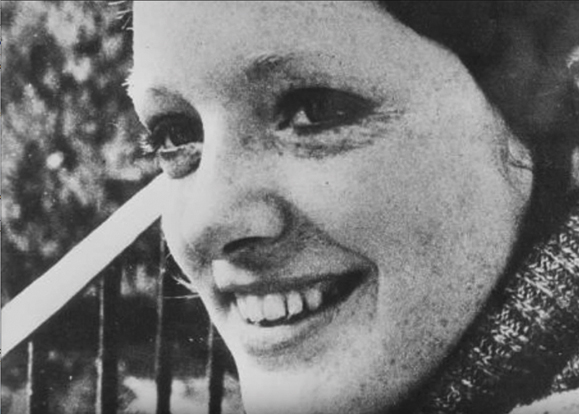
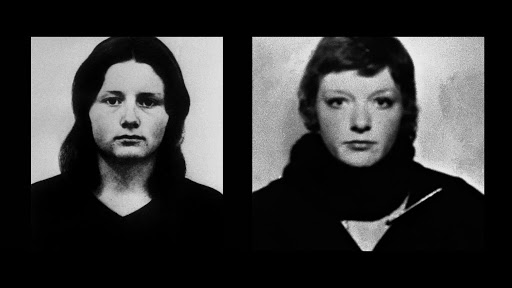
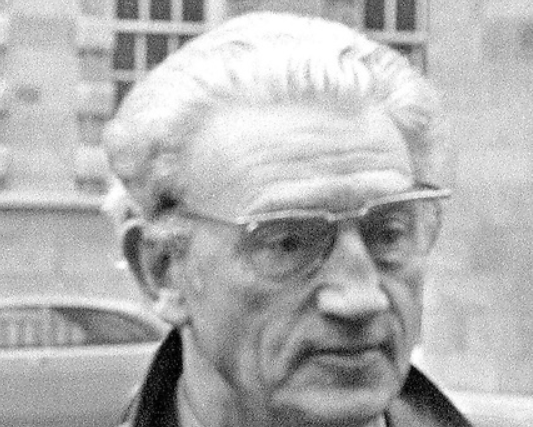

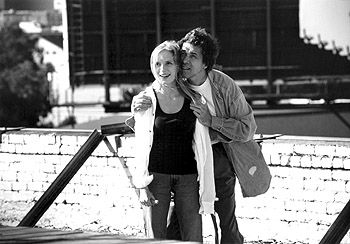

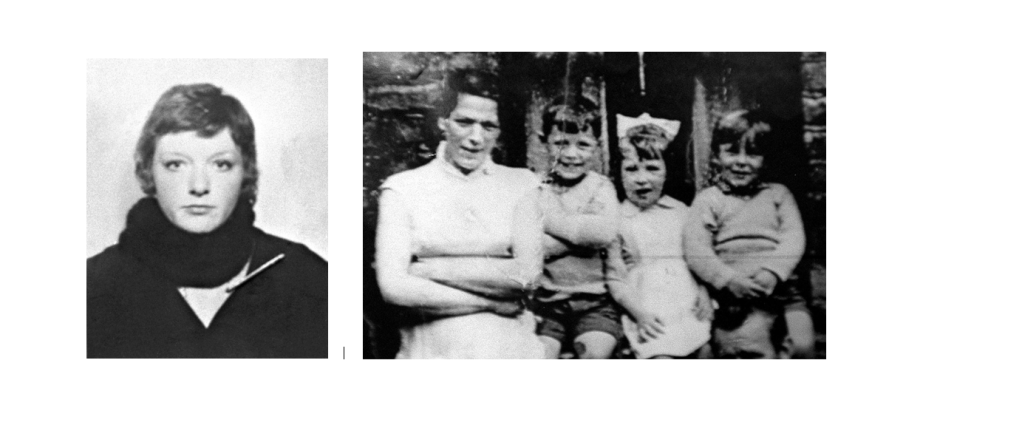
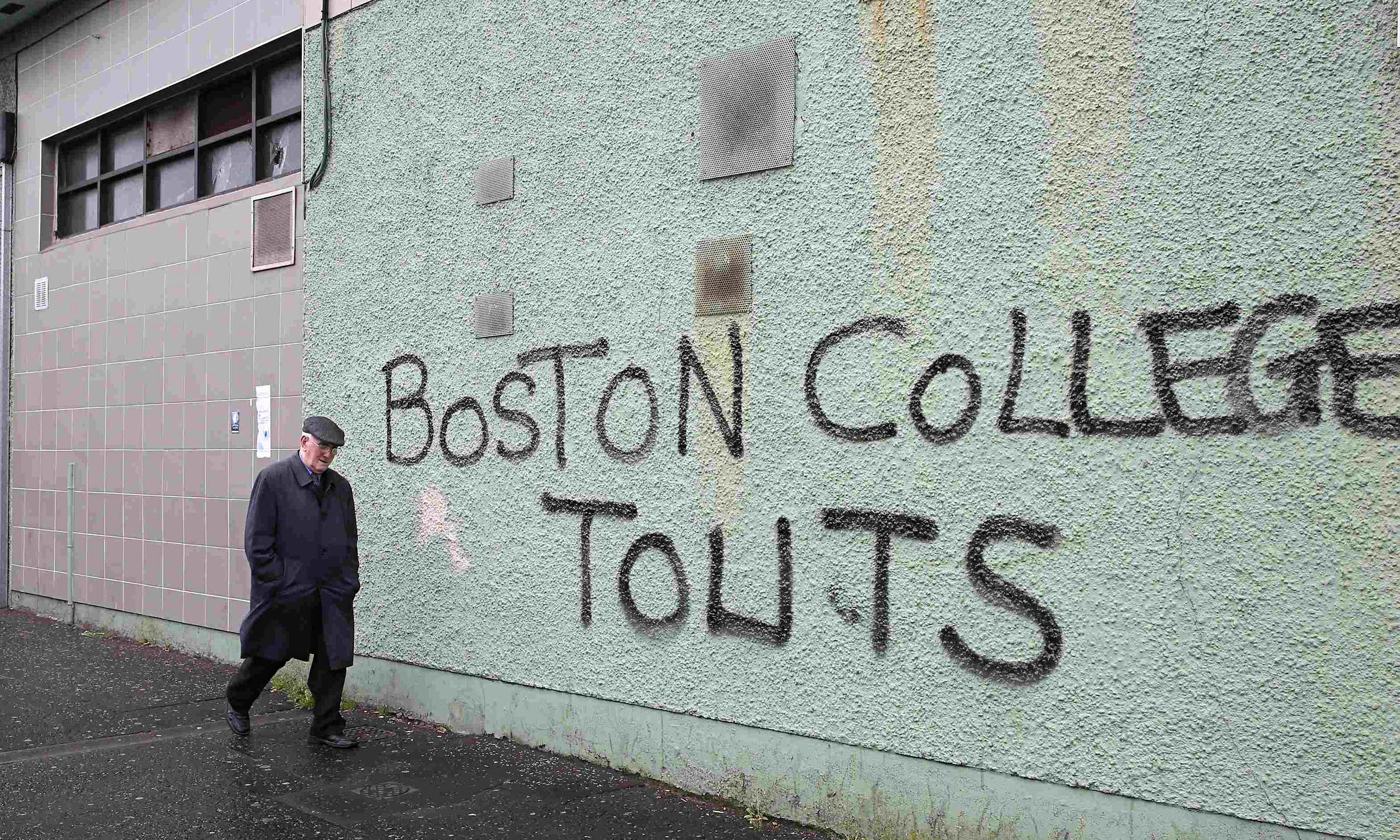

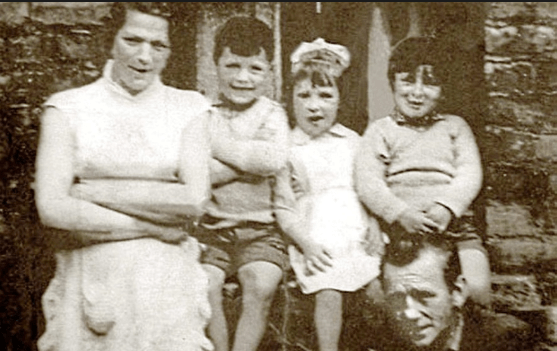
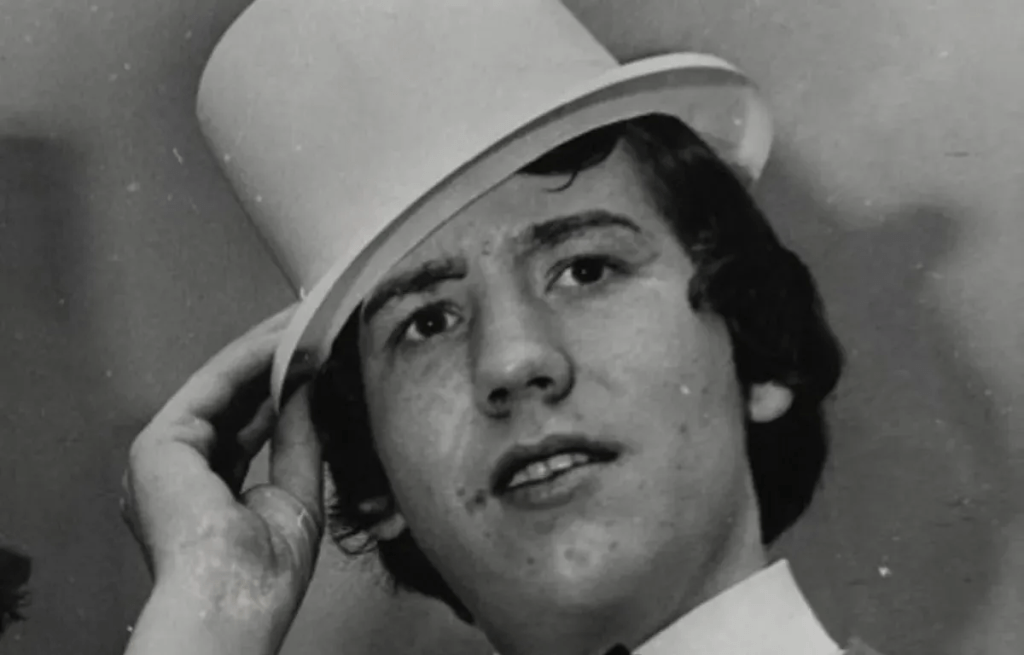
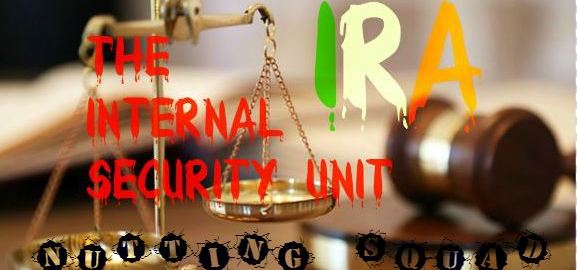



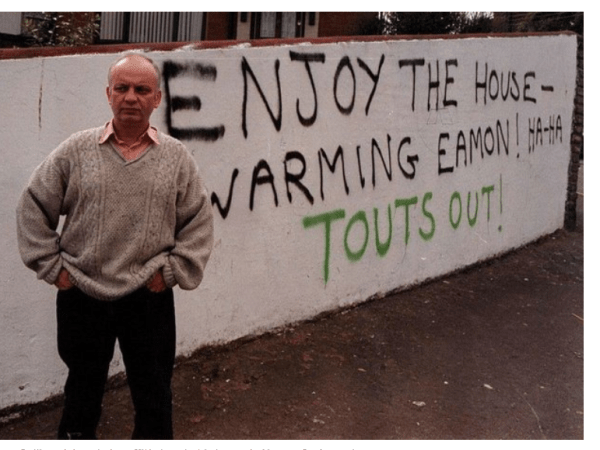

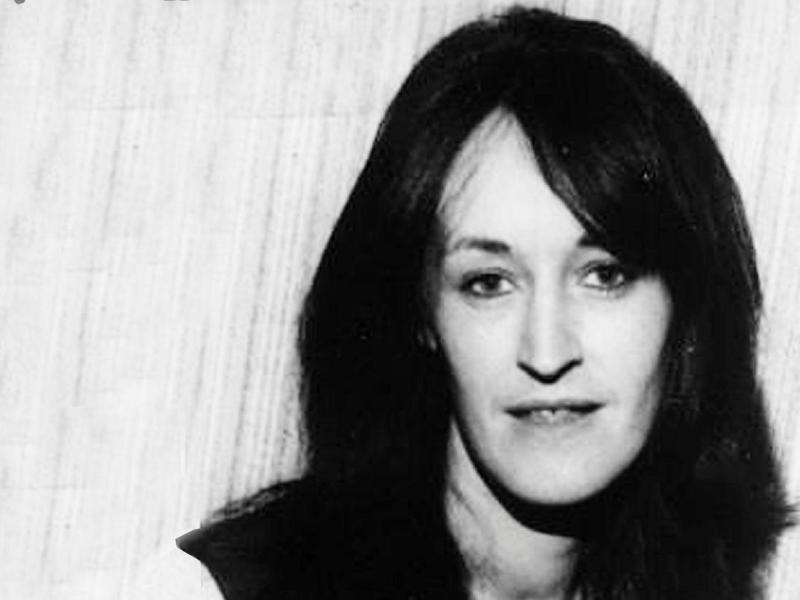
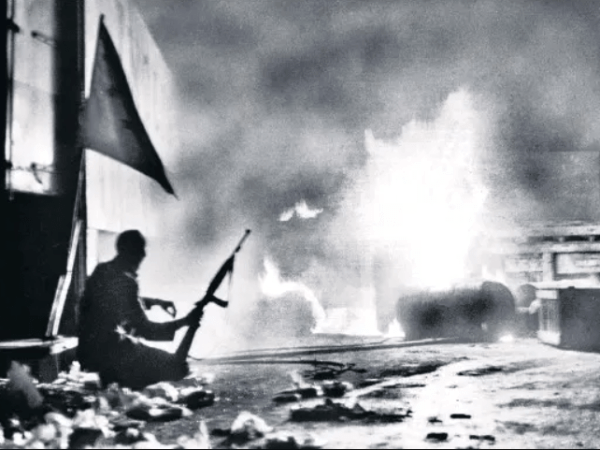
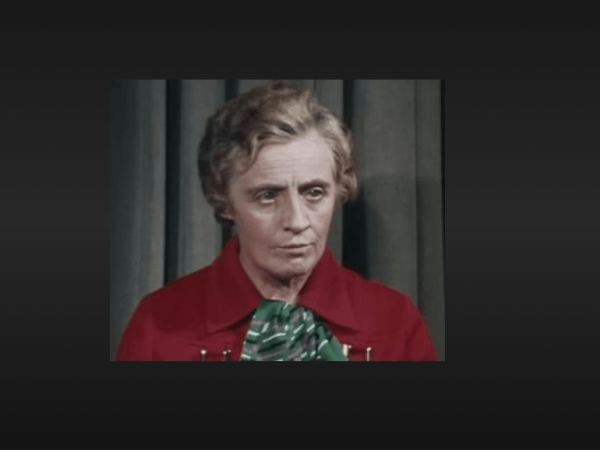
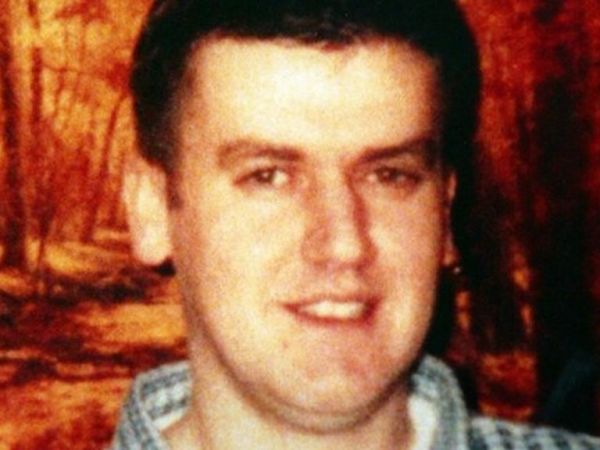
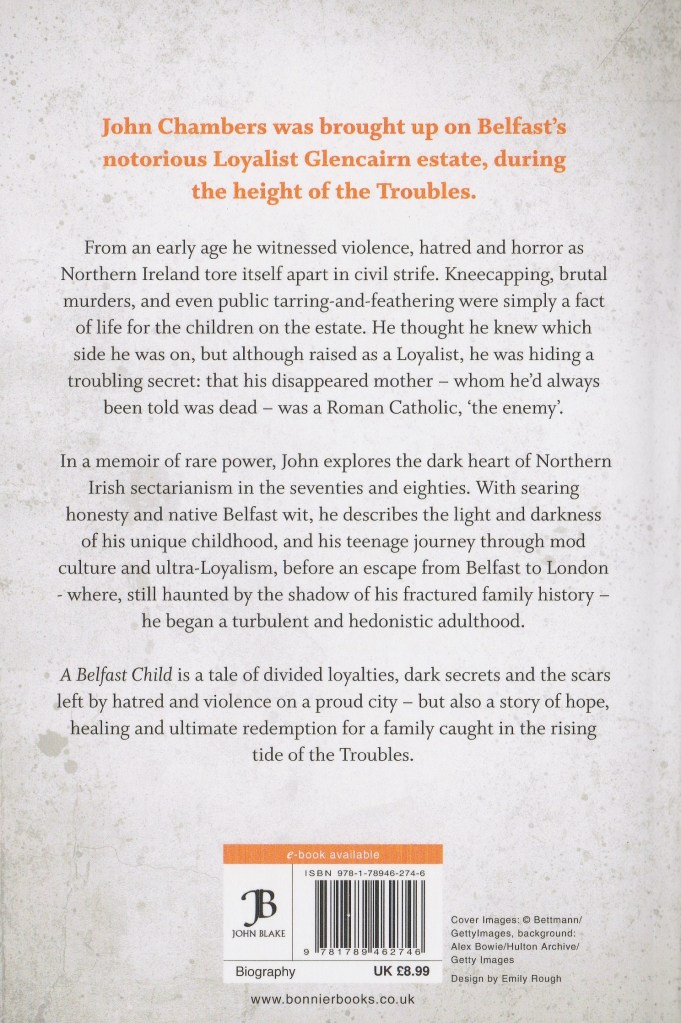



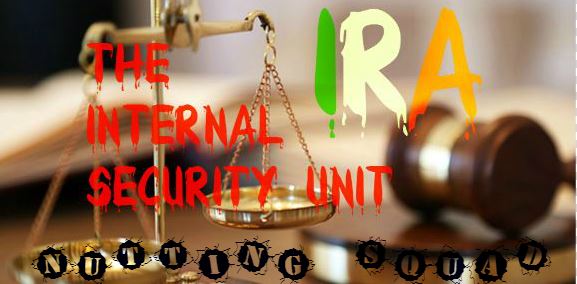
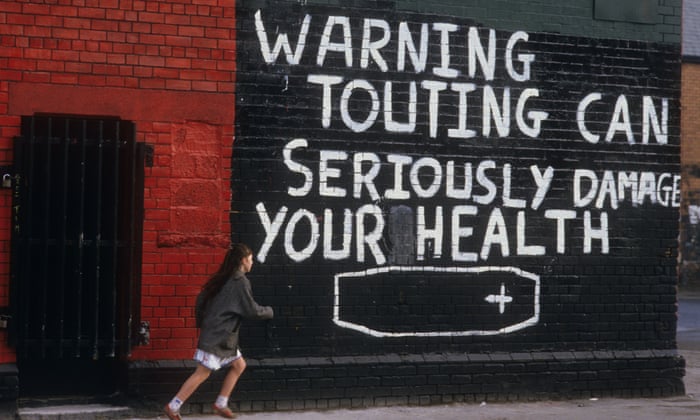


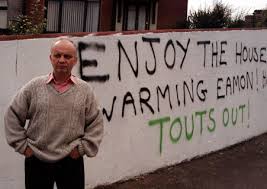






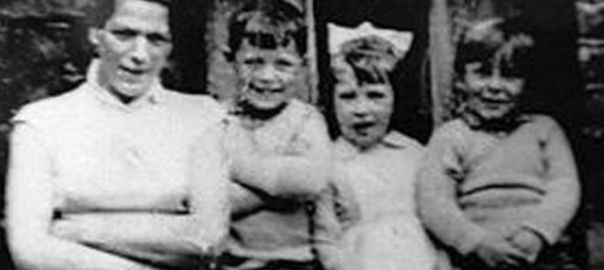


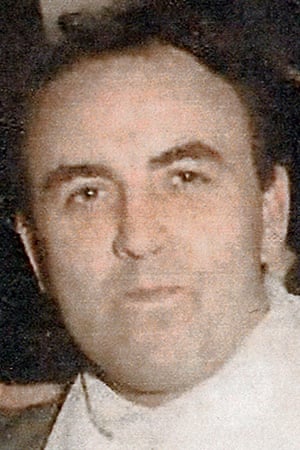
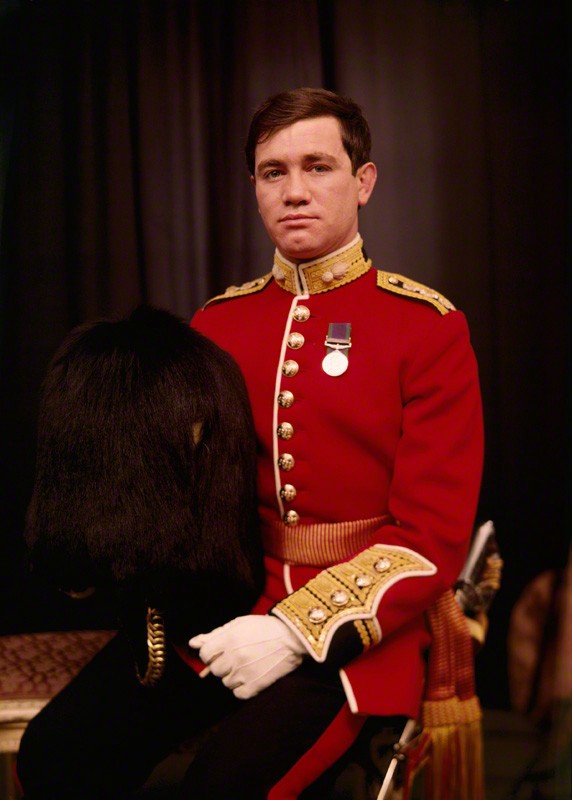
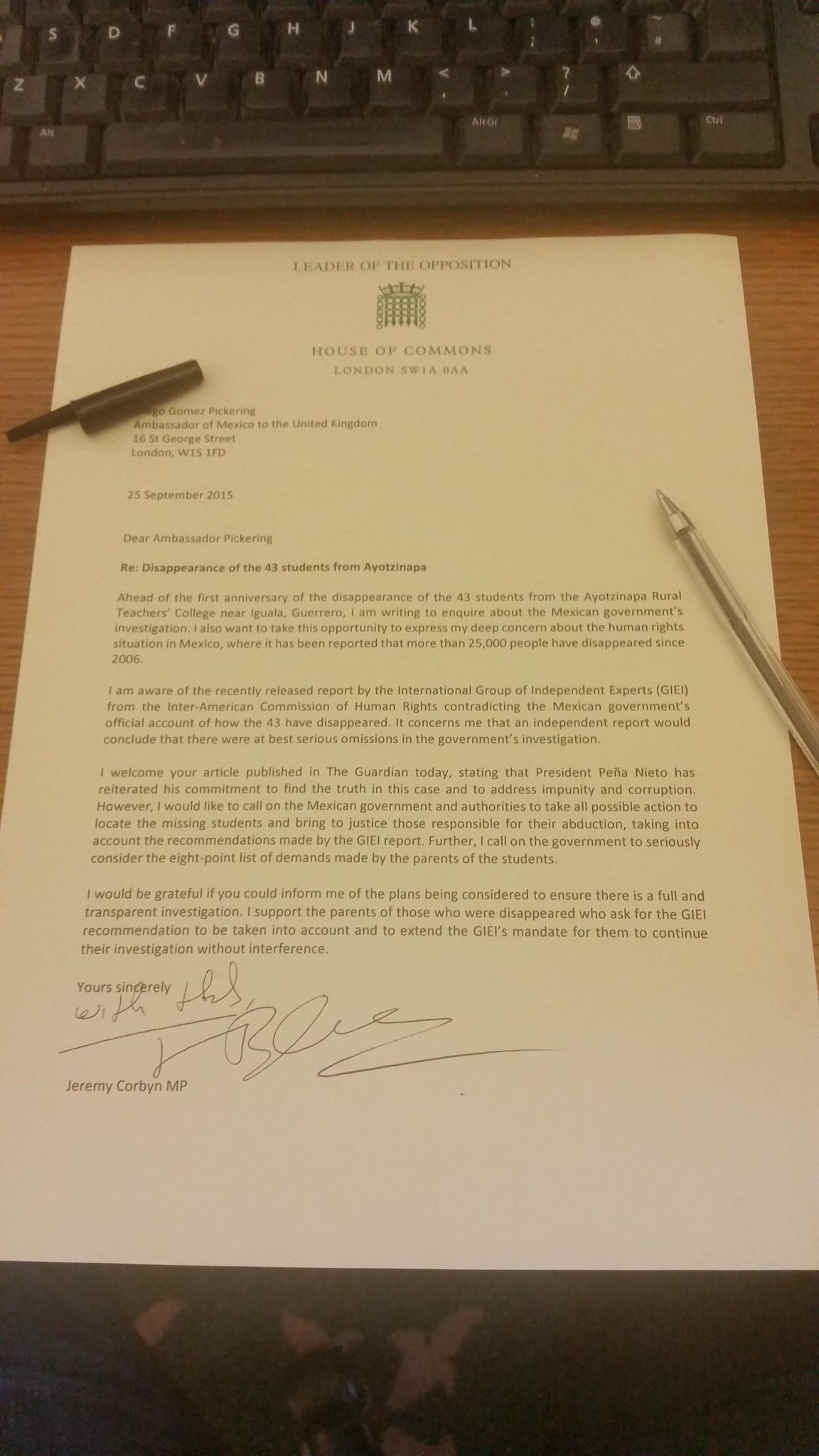




 belfastchildis.com