Key Events & Deaths on this day in Northern Ireland Troubles
27th September
Wednesday 27 September 1972
Five people died in separate incidents across Northern Ireland.
Monday 27 September 1976
Roy Mason, then Secretary of State for Northern Ireland, gave his first press conference since his appointment. In a statement he stressed the importance of trying to improve the Northern Ireland economy and in trying to reduce unemployment.
Sunday 27 September 1981
Garret FitzGerald, then Taoiseach (Irish Prime Minister), gave an interview on Radio Telefis Éireann (RTE) and set out his vision for a new Republic of Ireland in what became know as his ‘constitutional crusade’.
[The main theme of his ideas was to make the Republic of Ireland a society where the majority ethos would be expressed in a way so as to not alienate Protestants living in Northern Ireland.]
Thursday 27 September 1984
There were serious disturbances at the Maze Prison involving Republican and Loyalist paramilitary prisoners. Eight Prison Officers and five prisoners were injured in the clashes.
Wednesday 27 September 1989
John Taylor, Ulster Unionist Party (UUP) Member of Parliament, issued proposals for a devolved assembly in Northern Ireland.
Friday 27 September 1991
The Irish Times carried a report of an interview with Peter Brooke, then Secretary of State for Northern Ireland. Brooke was reported as stating that Articles 2 and 3 of the Republic of Ireland’s constitution were “not helpful” in finding an agreement in Northern Ireland. He also warned that people should not seek to stretch the Anglo-Irish Agreement (AIA).
Monday 27 September 1993
The Irish Republican Army (IRA) exploded a large bomb, estimated at 300 pounds, in the centre of Belfast and caused extensive damage. The IRA exploded a second bomb, estimated at 500 pounds, in south Belfast. John Hume, then leader of the Social Democratic and Labour Party (SDLP), and Gerry Adams, then President of Sinn Féin (SF), suspended their talks while a report from them (the Hume-Adams Initiative) was being considered by the British and Irish Governments.
A report in the Irish Times (a Republic of Ireland newspaper) claimed that the Hume-Adams Initiative asked the British government to state that it no long-term interest in Northern Ireland and that it would use its influence to persuade Unionists that their best interest lay in a united Ireland.
Tuesday 27 September 1994
The European Parliament passed a motion which called for all paramilitary groups in Northern Ireland to begin ceasefires. John Hume, then leader of the Social Democratic and Labour Party (SDLP), was nominated for the Nobel Peace Prize by the Socialist Group of the European Parliament.
In Strasbourg the European Court of Human Rights ruled that the shooting on 6 March 1988 of three unarmed Irish Republican Army (IRA) members in Gibraltar by undercover members of the Special Air Service (SAS) breached the Human Rights Convention in relation to the right to life. The court found that the SAS killings were “unnecessary” and that the three IRA members could have been arrested. No damages were awarded but the British government was ordered to pay the legal costs of the families. [On 24 December 1995 the British government paid £38,700 to cover the legal costs.]
Saturday 27 September 1997
Following an increase in sectarian tensions in the Oldpark area of north Belfast, the homes of two Protestant families were attacked.
[There were attacks on Catholic homes on 28 September 1997.]
Loyalists took part in a picket of the Catholic church at Harryville, Ballymena.
Monday 27 September 1999
Interlocutory hearings of the Bloody Sunday Inquiry took place in the Guildhall in Derry. The hearings were chaired by Lord Saville and discussed the issue of anonymity for up to 500 security force witnesses to the shootings on 30 January 1972.
[The first of the main hearings began on 27 March 2000.]
Sinn Féin (SF) demonstrators disrupted the public launch of the annual report of the Police Authority of Northern Ireland (PANI). Figures in the report indicated that recorded crime for 1998/99 had increased by 28 per cent while detection rates had dropped by 5 per cent. Michael Cunningham, then an Social Democratic and Labour Party (SDLP) councillor, pleaded guilty to 13 charges of indecent assault on two girls aged six and seven years.
[On 12 November 1999 Cunningham was sentenced to two years imprisonment.]
Thursday 27 September 2001
There was a second night of shooting and rioting following Loyalist protests in north Belfast. Loyalist paramilitaries fired approximately 30 shots at security forces on Cambrai Street, off the Crumlin Road. One woman was injured when she was shot in the leg. 13 Royal Ulster Constabulary (RUC) officers were injured as a result of the rioting. Ronnie Flanagan, then Chief Constable of the RUC, stated in an interview on the British Broadcasting Corporation (BBC) ‘Newsline’ programme that the Ulster Defence Association (UDA) was involved in the most recent shooting and rioting in north Belfast.
British Airways announced that it was cutting back on a number of its European and United States routes. The service between Belfast and London is one of the ones to close on 27 October 2001. Up to 160 employees are expected to lose their job.
Remembering all innocent victims of the Troubles
Today is the anniversary of the follow people killed as a results of the conflict in Northern Ireland
To the innocent on the list – Your memory will live forever
– To the Paramilitaries –
“There are many things worth living for, a few things worth dying for, but nothing worth killing for.
9 People lost their lives on the 27th September between 1972 – 1992
————————————————————–
27 September 1972 Daniel McErlane, (46)
Catholic Status: Civilian (Civ),
Killed by: non-specific Loyalist group (LOY)
Died one day after being injured during car bomb attack on social club, Upper Library Street, Belfast.
————————————————————–
27 September 1972
Daniel Rooney, (19)
Catholic Status: Civilian (Civ),
Killed by: British Army (BA)
Shot by undercover British Army (BA) member, from passing car while walking along St James Crescent, Falls, Belfast.
————————————————————–
27 September 1972
George Lockhart, (24) nfNI Status: British Army (BA),
Killed by: Irish Republican Army (IRA)
Died four days after being shot by sniper while on British Army (BA) foot patrol, Lecky Road, Bogside, Derry.
————————————————————–
27 September 1972 Alexander Greer, (54)
Protestant Status: Civilian (Civ),
Killed by: Irish Republican Army (IRA)
Shot while standing with friend at the corner of Ligoniel Road and Mill Avenue, Ligoniel, Belfast.
————————————————————–
27 September 1972 James Boyle, (17)
Catholic Status: Civilian (Civ),
Killed by: non-specific Loyalist group (LOY)
Found shot by Flush River, Elswick Street, off Springfield Road, Belfast.
————————————————————–
27 September 1978 Mary McCaffrey, (65)
Catholic Status: Civilian (Civ),
Killed by: Irish Republican Army (IRA)
Died four weeks after being injured in remote controlled bomb attack near to her home, Forfar Street, off Springfield Road, Belfast.
————————————————————–
27 September 1981
Anthony Braniff, (27)
Catholic Status: Irish Republican Army (IRA),
Killed by: Irish Republican Army (IRA)
Found shot in entry off Odessa Street, Falls, Belfast. Alleged informer.
————————————————————–
27 September 1982 Leon Bush, (22) nfNI Status: British Army (BA),
Killed by: Irish National Liberation Army (INLA)
Killed by booby trap bomb attached to security barrier, West Circular Road, Highfield, Belfast.
————————————————————–
27 September 1992
Gerard O’Hara, (18)
Catholic Status: Civilian (Civ), Killed by:
Ulster Freedom Fighters (UFF)
Shot at his home, North Queen Street, New Lodge, Belfast.
————————————————————–
This is simply the story of a boy trying to grow up, survive, thrive, have fun & discover himself against a backdrop of events that might best be described as ‘explosive’, captivating & shocking the world for thirty long years.
is a comprehensive history of the Northern Ireland Troubles.
Now completely revised and updated this is widely regarded as one of the most ‘comprehensive books on the Troubles
————————————————————————–
Key Events & Deaths on this day in Northern Ireland Troubles
26th September
Saturday 26 September 1970
There was serious trouble in Belfast when groups of Protestant youths attacked the Catholic Unity Flats. Rioting continued in the Protestant Shankill Road area for four nights.
Sunday 26 September 1971
David Bleakley resigned as Minister of Community Relations in protest over the introduction of Internment and the lack of any new political initiatives by the Northern Ireland government.
Monday 27 September 1971
There was a series of tripartite talks, over two days, involving the prime ministers of Northern Ireland, Britain, and the Taoiseach (Irish Prime Minister) of the Republic of Ireland, which took place at Chequers, England.
Saturday 26 September 1981
Liam McCloskey
Liam McCloskey, then on day 55 of his hunger strike, ended his fast. McCloskey’s family had said that they would call for medical intervention to save his life if he became unconscious.
Monday 26 September 1983
Patrick Gilmour, the father of ‘supergrass’ informer Raymond Gilmour, was released by the Irish Republican Army (IRA) having been held for 10 months.
A group of representatives from the New Ireland Forum paid a visit to Derry during which there were attacked by Democratic Unionist Party (DUP) demonstrators. James Prior, then Secretary of State for Northern Ireland, established an inquiry into the Maze escape (on 25 September 1983) under the direction of James Hennessy.
The Director of Public Prosecutions ordered four Royal Ulster Constabulary (RUC) officers to stand trial for murder in the ‘shoot-to-kill’ investigation.
Wednesday 26 September 1990
Peter Brooke, then Secretary of State for Northern Ireland, stated that he might produce his own proposals for the future of Northern Ireland.
Saturday 26 September 1992
In a radio interview John Hume, then leader of the Social Democratic and Labour Party (SDLP), declared that Northern Ireland was “not a natural entity and therefore you cannot have a normal democracy”. In addition he went on to describe the SDLP’s proposal, already outlined at the political talks, for the governance of Northern Ireland.
Tuesday 26 September 1995
John Major, then British Prime Minister, held a meeting with John Hume, then leader of the Social Democratic and Labour Party (SDLP), in London. Major also had a separate meeting with Ian Paisley, then leader of the Democratic Unionist Party (DUP).
Friday 26 September 1997
Following a request by the Progressive Unionist Party (PUP) Marjorie (Mo) Mowlam, then Secretary of State for Northern Ireland, approved the transfer of Jason Campbell from a Scottish prison to the Maze Prison in Northern Ireland.
The decision drew criticism from Unionists and Nationalists.
[Campbell was serving a sentence for the murder of a Celtic football supporter in Glasgow in October 1995. The killing was purely sectarian in nature and the man had been attacked because he was wearing the colours of the Celtic team. Later it was revealed that Campbell had no close family connections in Northern Ireland. The PUP later withdrew its request for Campbell’s transfer.]
Mowlam held a meeting with Ian Paisley, then leader of the Democratic Unionist Party (DUP), but failed in her effort to persuade Paisley to join the multi-party talks. A memorial to the 33 people who were killed in the Dublin and Monaghan bombs in the Republic of Ireland on 17 May 1974 was unveiled in Talbot Street in Dublin. Five Irish Republican Army (IRA) prisoners who were serving sentences in Portlaoise Prison in the Republic of Ireland were granted early release.
Sunday 26 September 1999
Ken Maginnis, then Ulster Unionist Party (UUP) MP, said the meeting of UUP Assembly members in Glasgow at the weekend was not an attempt to discuss a change of policy on Irish Republican Army (IRA) decommissioning. He insisted that tactics in the Assembly, not overall party strategy, had been discussed. The ‘Long March’ walked from Sandy Row in south Belfast to Stormont. Approximately 600 people took part in the march to protest against “terrorists in government”.
Wednesday 26 September 2001
The Royal Ulster Constabulary (RUC) discovered a pipe-bomb in north Belfast. The device was found at the Everton Complex, Ardoyne Road, at about 3.00am (03.00BST) and was made safe by the British Army.
Tension remained high in north Belfast during the evening and a Loyalist protest, which blocked the Crumlin Road, turned into a serious riot as the RUC came under gun fire, and pipe-bomb, blast bomb, and petrol bomb attack. The RUC said they had moved to prevent Loyalists from attacking Catholic homes.
Thirty-three RUC officers were reported to have been injured in the riot. The RUC said that approximately 50 shots were fired at police lines, six blast bombs were thrown, along with 125 petrol bombs. The RUC returned fire with four bullet rounds and also fired nine ‘L21 A1’ plastic baton rounds.
The Loyalist protesters at the Holy Cross Girls’ Primary School threw fireworks at Children and parents returning from the school during the afternoon. It was reported that the Red Hand Defenders (RHD), a cover name used by members of the Ulster Defence Association (UDA), had renewed its threat against parents taking their children to school.
The Police Federation criticised an internal RUC draft report suggesting how the new Police Service of Northern Ireland (PSNI) could maintain a neutral working environment. The Federation said that a “clean walls policy” could airbrush out any reference to the RUC. Shorts, the aerospace manufacturers based in Belfast, announced it would have to lay off 900 people in the period up to the end of January 2002 because of the anticipated fall in demand for aircraft caused by the attacks in the United States of America. It was also announced that another 1,100 people may may have to be made redundant after January.
Remembering all innocent victims of the Troubles
Today is the anniversary of the follow people killed as a results of the conflict in Northern Ireland
To the innocent on the list – Your memory will live forever
– To the Paramilitaries –
“There are many things worth living for, a few things worth dying for, but nothing worth killing for.
3 People lost their lives on the 26th September between 1972 – 1982
————————————————————–
26 September 1972 Paul McCartan, (52)
Catholic Status: Civilian (Civ),
Killed by: Ulster Defence Association (UDA)
Found shot near his home, Park Avenue, Strandtown, Belfast.
————————————————————–
26 September 1981
George Stewart, (34)
Protestant Status: Royal Ulster Constabulary (RUC),
Killed by: Irish Republican Army (IRA)
Off duty. Shot while in the Ann Boal Inn, Killough, County Down.
————————————————————–
26 September 1982
William Nixon, (68)
Protestant Status: Civilian (Civ),
Killed by: Irish National Liberation Army (INLA)
Shot outside his home, Harland Walk, off Newtownards Road, Belfast
————————————————————–
This is simply the story of a boy trying to grow up, survive, thrive, have fun & discover himself against a backdrop of events that might best be described as ‘explosive’, captivating & shocking the world for thirty long years.
Key Events & Deaths on this day in Northern Ireland Troubles
25th September
Monday 25 – Thursday 28 September 1972
A conference was held at Darlington, England on the issue of devolution with power-sharing. The Darlington meeting consisted of the Ulster Unionist Party (UUP), the Northern Ireland Labour Party (NILP), the Alliance Party of Northern Ireland (APNI), and William Whitelaw, then Secretary of State for Northern Ireland. The Social Democratic and Labour Party (SDLP) refused to attend because of the continuing operation of Internment. Some hard-line Unionists also refused to attend.
[There was no agreement on the shape of any future Northern Ireland government.] Jack Lynch, then Taoiseach (Irish Prime Minister), met Edward Heath, then British Prime Minister.
Saturday 25 September 1976
Two members of a Protestant family, James Kyle (61) and Rosaleen Kyle (19), died as a result of a gun attack on their home in Ormonde Park, Finaghy, Belfast. The attack was carried out by the Irish National Liberation Army (INLA). A Catholic civilian was shot dead by Loyalists in Belfast.
Sunday 25 September 1983
———————————————————————————
Click here to buy this book
Billy Wright’s death was the start of William McKee’s descent into life changing circumstances, that would ultimately lead to the loss of his home, health, career, family and on a number of occasions almost his life, both through murder attempts and finally thoughts of suicide. William tells his story with rare honesty and skill. This is an eye-opening account of what life is really like inside Northern Ireland’s prisons. This is a no-holds-barred account of life as a prison governor.
———————————————————————————
Mass Escape From Maze 38 members of the Irish Republican Army (IRA) escaped from the maximum security Maze prison near Lisburn. During the escape a Prison Officer was stabbed; he later died from a heart problem. The escape represented the largest breakout in British prison history and a major political embarrassment for the British government.
[Within a few days 19 of the original escapees were recaptured however others remained at large for years or were never returned to prison in Northern Ireland. An inquiry into the escape was established on 26 September 1983. The report of the inquiry was published on 26 January 1984.]
Thursday 25 September 1986
James Molyneaux, then leader of the Ulster Unionist Party (UUP), revealed a leaked Department of the Environment document on proposed changes to government policy on the Irish language and the use of Irish street names.
Friday 25 September 1992
John Major, then British Prime Minister, held a meeting with Albert Reynolds, then Taoiseach (Irish Prime Minister), in London. The two leaders set the 16 November 1992 as the date for the next meeting of the Anglo-Irish Intergovernmental Conference (AIIC).
[As Unionists refused to take part in political talks while the AIIC was operating this date put a limit on the process.]
Saturday 25 September 1993
John Hume, then leader of the Social Democratic and Labour Party (SDLP), and Gerry Adams, then President of Sinn Féin (SF), issued a second joint statement. The statement outlined the Hume-Adams Initiative which “aimed at the creation of a peace process”. The document was believed to have been forwarded to the Irish government.
[The full text of the Hume-Adams Initiative has never been published.]
UDA Logo
The Ulster Defence Association (UDA) issued a statement.
Friday 25 September 1998
David Trimble, then leader of the Ulster Unionist Party (UUP), and Seamus Mallon, then deputy leader of the Social Democratic and Labour Party (SDLP), became involved in a disagreement over the timing of the establishment of a shadow Executive. Mallon stated that the issue of decommissioning had “almost become a soap opera”.
Tuesday 25 September 2001
A man (19) was shot in a paramilitary ‘punishment’ attack in Laburnum Street in Twinbrook, Belfast. The man was taken from his home at 8.15am (08.15BST) by a number of masked men and was shot in both ankles.
During the evening the British Army were called to defuse two pipe-bombs that had been thrown at Catholic homes in Rosapenna Street close to the Ardoyne area of north Belfast. The devices had been thrown over the ‘peace-line’. Component parts for pipe-bombs were discovered during a security force search in Ballysillan Avenue, north Belfast.
There was speculation in the media about the names of the nine ‘independent’ members of the new Policing Board. The official list is expected to be published by John Reid, then Secretary of State for Northern Ireland, in a few days. Iain Duncan Smith, then Conservative Party leader, said that any new war against terrorism must include Northern Ireland. This was his first major speech in London since being elected party leader on 13 September 2001.
Remembering all innocent victims of the Troubles
Today is the anniversary of the follow people killed as a results of the conflict in Northern Ireland
To the innocent on the list – Your memory will live forever
– To the Paramilitaries –
“There are many things worth living for, a few things worth dying for, but nothing worth killing for.
8 People lost their lives on the 25th September between 1972 – 1988
————————————————————–
25 September 1972 John Barry, (22) nfNI Status: British Army (BA),
Killed by: Irish Republican Army (IRA)
Died two days after being shot while on British Army (BA) mobile patrol, junction of Cyprus Street and McDonnell Street, Lower Falls, Belfast.
————————————————————–
25 September 1973 Seamus Larkin, (34)
Catholic Status: ex-Official Irish Republican Army (xOIRA),
Killed by: Official Irish Republican Army (OIRA)
Found shot in laneway, Flagstaff, near Killeen, County Armagh. Internal OIRA dispute.
————————————————————–
25 September 1974 Kieran McIlroy, (20)
Catholic Status: Civilian (Civ),
Killed by: Ulster Volunteer Force (UVF)
Shot shortly after leaving work, Limestone Road, Belfast.
————————————————————–
25 September 1976 Rosaleen Kyle, (19)
Protestant Status: Civilian (Civ),
Killed by: Irish National Liberation Army (INLA)
Shot at her home, Ormonde Park, Finaghy, Belfast.
————————————————————–
25 September 1976
James Kyle, (61)
Protestant Status: Civilian (Civ),
Killed by: Irish National Liberation Army (INLA)
Shot at his home, Ormonde Park, Finaghy, Belfast. He died 28 October 1976
————————————————————–
25 September 1976 Michael Boothman, (32)
Catholic Status: Civilian (Civ),
Killed by: non-specific Loyalist group (LOY)
Shot while standing outside Wolfe Tone Social Club, Shore Road, Greencastle, Belfast
————————————————————–
25 September 1977 Robert Bloomer, (29)
Protestant Status: Ulster Defence Regiment (UDR),
Killed by: Irish Republican Army (IRA)
Off duty. Died seven days after being shot outside his home, Brantry, near Eglish, County Tyrone.
————————————————————–
25 September 1988
Stephen McKinney, (22)
Protestant Status: Ulster Defence Regiment (UDR),
Killed by: Irish Republican Army (IRA)
Off duty. Shot outside his home, Cabragh, off Loughgall Road, near Armagh.
————————————————————–
This is simply the story of a boy trying to grow up, survive, thrive, have fun & discover himself against a backdrop of events that might best be described as ‘explosive’, captivating & shocking the world for thirty long years.
Key Events & Deaths on this day in Northern Ireland Troubles
24th September
Tuesday 24 September 1968
Civil Rights Campaign; Derry March
Monday 24 September 1973
Garret FitzGerald, then Irish Foreign Minister, said that the British and Irish governments had agreed on the formation of an Executive for Northern Ireland, and on the reform of the Royal Ulster Constabulary (RUC), the reform of the civil service, and on the creation of a Council of Ireland.
Friday 24 September 1976
Two Protestant civilians were shot dead by Republican paramilitaries during an attack on Crangle’s Bar, Cavehill Road, Belfast. A Catholic civilian was shot dead by Loyalists in Belfast.
Sunday 24 September 1978
Ian Paisley, then leader of the Democratic Unionist Party (DUP), held a religious service in Dublin, at the Mansion House, for the first time.
Wednesday 24 September 1980
Tomás Ó Fiaich, then Catholic Primate of Ireland, said that he was hopeful of progress on the issue of the blanket protest at the Maze Prison.
Thursday 24 September 1981
Bernard Fox, then on day 32 of his hunger strike, ended his fast. Fox’s condition had deteriorated quickly and Sinn Féin (SF) was reported as having said that he was ‘dying too quickly’.
Monday 24 September 1984
Oliver Napier resigned as leader of the Alliance Party of Northern Ireland (APNI). His successor was John Cushnahan.
Wednesday 24 September 1986
James Molyneaux, then leader of the Ulster Unionist Party (UUP), and Ian Paisley, then leader of the Democratic Unionist Party (DUP), called off the ‘rates’ strike that had been announced on 23 April 1986. The two leaders advised people on strike to now pay the amounts owed in full.
Saturday 24 September 1994
Gerry Adams, then President of Sinn Féin (SF), flew to the United States of America (USA) for a second visit. [Adams received an enthusiastic reception in America.] Michael Mates, a former Northern Ireland Office (NIO) Minister, also flew to the USA in an attempt to counter some of the publicity surrounding Adam’s visit.
Wednesday 24 September 1997
Procedures Agreed at Multi-party Talks A bomb was sent by post to the constituency office of Robert McCartney, then leader of the United Kingdom Unionist Party (UKUP). The bomb was defused by the British Army.
[This was the second bomb that had been sent to McCartney in two months.]
At the multi-party talks there was agreement over the procedures that would govern the conduct of the negotiations. This agreement on procedures took 16 months to achieve.
[In effect the issue of the decommissioning of paramilitary weapons was side-stepped with the parties agreeing to move to “substantive issues” on 29 September 1997. This was the first time in 70 years that Unionist parties had sat at the same talks table as Republicans.]
The Independent Commission on Decommissioning was formally launched. The Commission members were: John de Chastelain, who was a co-chair of the multi-party talks and a General in the Canadian Army, Tauno Nieminen, then a Brigadier in the Finnish Army, and Donal Johnson, then a United States of America (USA) diplomat.
Thursday 24 September 1998
There was disagreement between David Trimble, then First Minister designate, and Seamus Mallon, Deputy First Minister designate, over the establishment of the North-South Ministerial Council. Trimble said that the inaugural meeting of the new body should take place within weeks. However, Mallon said that he would not agree to such a move until the “shadow” Executive was set up first.
Friday 24 September 1999
The 29 Members of the Legislative Assembly (MLA) belonging to the Ulster Unionist Party (UUP) travelled to Glasgow, Scotland, to discuss the Mitchell Review of the Good Friday Agreement and political strategy. The exact location of the meeting was not revealed to the media. The arrangements for the meeting were criticised by anti-Agreement unionists. There were claims in the Irish News (a Belfast based newspaper) that Direct Action Against Drugs (DAAD), believed to be a cover name used by the Irish Republican Army (IRA), had ordered nine people to leave Bessbrook in south Armagh.
Monday 24 September 2001
Loyalists held a protest on the Crumlin Road, north Belfast. More than 100 protesters blocked the main road in what they said was a protest against attacks by Republicans. There was further serious rioting in north Belfast during Monday night and the early hours of Tuesday. The British Army was called to make safe an explosive device found in Newington Avenue, north Belfast, just before 11.00pm (23.00BST).
There were three incidents when shots were fired [from an automatic weapon (?)] and a number of pipe-bombs and blast bombs were also thrown. Eight shots were fired from the Nationalist end of Hallidays Road, north Belfast, at a Royal Ulster Constabulary (RUC) patrol. Later in the evening approximately 15 shots were fired at a Protestant house at the end of the same street. No one was injured in during these attacks.
[Unionist politicians called on the British government to review the status of the Irish Republican Army (IRA) ceasefire. Sinn Féin (SF) accused Loyalist paramilitaries of stoking up the recent violence.]
RUC officers also investigated two loud explosions at Clanchattan Street. Sinn Féin claimed that blast bombs had been thrown across the interface at Catholic owned homes. A pipe-bomb also exploded near a house at Hallidays Road.
There were no reported injuries. Alan McQuillan, then Assistant Chief Constable of the Royal Ulster Constabulary (RUC), said the rioting was the worst that Belfast had experienced for 20 years. A man (19) was shot in a paramilitary ‘punishment’ attack in Newtownabbey, County Antrim. The man was forced into a van at about 8.00pm (2000BST) and was taken to the Fairview area where he was shot. A man (27) was shot in a paramilitary ‘punishment’ attack in Bangor, County Down. The man was taken from the Kilcooley estate at about 9.30pm (21.30BST) and driven to the Old Bangor Road where he was shot.
Mark Durkan (Social Democratic and Labour Party; SDLP), then Minister of Finance and Personnel, announced a period of consultation on the draft Programme for Government (2002-2003) {external_link} [draft document – PDF file; 395KB]. David Trimble, then leader of the Ulster Unionist Party (UUP), and Ian Paisley, then leader of the Democratic Unionist Party (DUP), held a meeting in Stormont to discuss their separate attempts to obtain enough votes bring froward a motion to exclude Sinn Féin (SF) from the Northern Ireland Assembly. The UUP and the DUP had been unable to agree who should introduce the motion to the Assembly. The UUP motion is short of three signatures while the DUP is short by one.
Remembering all innocent victims of the Troubles
Today is the anniversary of the follow people killed as a results of the conflict in Northern Ireland
To the innocent on the list – Your memory will live forever
– To the Paramilitaries –
“There are many things worth living for, a few things worth dying for, but nothing worth killing for.
5 People lost their lives on the 24th September between 1976 – 1992
————————————————————–
24 September 1976 Pauline Doherty, (17)
Catholic Status: Civilian (Civ),
Killed by: non-specific Loyalist group (LOY)
Shot while in her home, Oldpark Avenue, Belfast
————————————————————–
24 September 1976 Frederick McLaughlin, (27)
Protestant Status: Civilian (Civ),
Killed by: non-specific Republican group (REP)
Shot during gun attack on the Cavehill Inn, Cavehill Road, Belfast.
————————————————————–
24 September 1976 George Rankin, (50)
Protestant Status: Ulster Defence Association (UDA),
Killed by: non-specific Republican group (REP)
Shot during gun attack on the Cavehill Inn, Cavehill Road, Belfast.
————————————————————–
24 September 1987
Ian McKeown, (37)
Protestant Status: Civilian (Civ),
Killed by: Irish Republican Army (IRA)
Shot while driving his car along Kilmorey Street, Newry, County Down.
————————————————————–
24 September 1992 Leonard Fox, (40)
Catholic Status: ex-Irish Republican Army (xIRA),
Killed by: Ulster Freedom Fighters (UFF)
Former republican prisoner. Shot while renovating house, Kilmuir Avenue, Dundonald, Belfast.
————————————————————–
This is simply the story of a boy trying to grow up, survive, thrive, have fun & discover himself against a backdrop of events that might best be described as ‘explosive’, captivating & shocking the world for thirty long years.
Key Events & Deaths on this day in Northern Ireland Troubles
23rd September
Wednesday 23 September 1970
Arthur Young
Arthur Young, then Chief Constable of the Royal Ulster Constabulary (RUC), announced his resignation as from 23 November 1970.
Sunday 23 September 1973
A British soldier was killed when trying to defuse a bomb which had been planted by the Irish Republican Army (IRA) in Birmingham.
Thursday 23 September 1982
John Hermon
John Hermon, then Chief Constable of the Royal Ulster Constabulary (RUC), said that the Irish Republican Army (IRA) and the Irish National Liberation Army (INLA) were both “reeling” from the evidence given by informers (called ‘supergrass’ by the media) and the subsequent arrests.
Friday 23 September 1983
The Fair Employment Agency (FEA) said that it would monitor recruitment policy at Short Brothers aircraft factory in Belfast following allegations of an anti-Catholic bias in the organisation.#
Tuesday 23 September 1986
Ulster Unionist Party (UUP) and Democratic Unionist Party (DUP) councillors held separate meetings and decided to continue the protests in council chambers against the Anglo-Irish Agreement (AIA). However they decided against mass resignations.
Sunday 23 September 1990
The Irish Republican Army (IRA) shot and killed an off-duty Ulster Defence Regiment (UDR) soldier at Oxford Island, Lough Neagh, County Armagh.
[This shooting was the first in a series of fresh killings. On 6 October 1990 a Catholic man was shot dead by the Protestant Action Force (PAF) at the same location.]
Loyalists shot and killed two Protestant civilians in Lisburn, County Down.
Wednesday 23 September 1992
IRA Bomb at Forensic Science Laboratory The Irish Republican Army (IRA) exploded a huge bomb, estimated at 2,000 pounds, at the Northern Ireland forensic science laboratories in south Belfast. Twenty people were injured, the laboratories destroyed, and approximately 700 houses were damaged in the blast.
[The cost of repairs was estimated at £6 million.]
Thursday 23 September 1993
The Social Democratic and Labour Party (SDLP) held a meeting with Michael Ancram, then Political Development Minister at the Northern Ireland Office (NIO), to discuss the possibility of future political talks. The Campaign for Labour Representation in Northern Ireland (CLRNI), which was established in 1977 to try to persuade the British Labour Party to stand for elections in Northern Ireland, was dissolved without achieving its central aim.
Friday 23 September 1994
The Ulster Volunteer Force (UVF) tried to kill a Republican in the lower Falls area of west Belfast.
John Major, then British Prime Minister, said in an interview on BBC radio that “exploratory talks” between British officials and Sinn Féin (SF) could start by Christmas. He added that this would depend whether or not Republicans intended to give up violence for good.
The United States of America (USA) granted another visa to Gerry Adams, then President of SF, to allow him to make a second trip to America on 24 September 1994.
Saturday 23 September 1995
John Bruton, then Taoiseach (Irish Prime Minister), met with John Major, then British Prime Minister, at a European Union meeting in Majorca.
Monday 23 September 1996
Diarmuid O’Neill (21) (later confirmed as a member of the Irish Republican Army; IRA) was shot dead in raids by security service personnel. In the security operation several people were arrested and bomb-making material recovered.
Ten tonnes of home-made explosives, two pounds of Semtex, rifles and other bomb equipment were recovered.
[Initial reports of the arrest operation suggested that there had been a ‘shoot-out’ but it was later revealed that Mr O’Neill was unarmed at the time of the shooting.]
Tuesday 23 September 1997
The Ulster Unionist Party (UUP) sat in the same room as Sinn Féin (SF) during a plenary session of the multi-party talks at Stormont, Belfast. The UUP proposed a motion to have SF removed following an indication by the Irish Republican Army (IRA) on 11 September 1997 that it had some difficulties with aspects of the Mitchell Principles, however the motion was defeated. William Thompson, then a UUP Member of Parliament (MP), threatened to resign because of David Trimble’s, then leader of the Ulster Unionist Party (UUP), decision to enter the talks at Stormont.
The British Broadcasting Corporation (BBC) screened a programme called Provos: Born Again which alleged that Gerry Adams, then President of Sinn Féin (SF), had been a senior member of the IRA.
Wednesday 23 September 1998
There was disagreement between Gerry Adams, then President of Sinn Féin (SF), and David Trimble, then First Minister designate, over the issue of decommissioning. Adams said that Irish Republican Army (IRA) decommissioning was not within SF’s gift and accused Trimble of trying to impose conditions on SF’s entry into the Executive and trying to renegotiate the Agreement.
Thursday 23 September 1999
Sinn Féin published its submission to the Mitchell Review of the Good Friday Agreement.
Sunday 23 September 2001
At around 2.00am (02.00BST) there were clashes at a sectarian interface at Cliftonpark Avenue, north Belfast. Loyalist paramilitaries fired a number of shots at a Nationalist crowd and a woman (19) was reported to have been shot in the leg.
A pipe-bomb was discovered in Newington Street, north Belfast. The device was defused by the British Army. A pipe-bomb exploded at a community centre in the Brookfield Mill, near the Ardoyne, north Belfast.
A second pipe-bomb was also thrown but failed to explode. A number of Catholic workmen in the area were uninjured. The attack was carried out by Loyalist paramilitaries. There were further sectarian clashes in the Tiger’s Bay / North Queen Street area of Belfast during the afternoon. The rival crowds were dispersed by security forces.
[The Red Hand Defenders (RHD), a cover name previously used by the Ulster Defence Association (UDA), later admitted responsibility for several attacks in north Belfast.]
It was reported that members of the 32 County Sovereignty Committee met in Dundalk, Republic of Ireland, to discuss the political situation in Ireland following the attacks in America on 11 September 2001. [Some commentators believe that the Committee has political links with the “real” Irish Republican Army (rIRA) but this has been denied by both organisations. There was media speculation that the rIRA may be considering a ceasefire following the attacks in America.]
Remembering all innocent victims of the Troubles
Today is the anniversary of the follow people killed as a results of the conflict in Northern Ireland
To the innocent on the list – Your memory will live forever
– To the Paramilitaries –
“There are many things worth living for, a few things worth dying for, but nothing worth killing for.
9 People lost their lives on the 23rd September between 1971 – 1996
————————————————————–
23 September 1971
Rose Curry, (18)
Catholic Status: Official Irish Republican Army (OIRA),
Killed by: Official Irish Republican Army (OIRA)
Killed in premature bomb explosion at house, Merrion Street, Lower Falls, Belfast.
————————————————————–
23 September 1971
Gerard O’Hare, (17) Catholic Status: Official Irish Republican Army (OIRA),
Killed by: Official Irish Republican Army (OIRA)
Killed in premature bomb explosion at house, Merrion Street, Lower Falls, Belfast.
————————————————————–
23 September 1973 Ronald Wilkinson, (30) nfNIB Status: British Army (BA),
Killed by: Irish Republican Army (IRA)
Died six days after attempting to defuse bomb outside office block, Highfield Road, Edgbaston, Birmingham, England
————————————————————–
23 September 1980
Ernest Johnston, (36)
Protestant Status: Royal Ulster Constabulary (RUC),
Killed by: Irish Republican Army (IRA)
Off duty reservist. Shot while driving into the laneway of his home, Lisrace, near Rosslea, County Fermanagh.
————————————————————–
23 September 1988
Gerard Slane, (27)
Catholic Status: Civilian (Civ),
Killed by: Ulster Freedom Fighters (UFF)
Shot at his home, Waterville Street, Falls, Belfast.
————————————————————–
23 September 1990
Colin McCullough, (22)
Protestant Status: Ulster Defence Regiment (UDR),
Killed by: Irish Republican Army (IRA)
Off duty. Shot while sitting in stationary car with his girlfriend, Oxford Island, Lough Neagh, County Armagh.
————————————————————–
23 September 1990 William Allister, (46)
Protestant Status: Civilian (Civ),
Killed by: Ulster Freedom Fighters (UFF)
Shot while in County Down Arms, Hillhall Road, Lisburn, County Antrim.
————————————————————–
23 September 1990 George Friars, (28)
Protestant Status: Ulster Defence Association (UDA),
Killed by: Ulster Freedom Fighters (UFF)
Shot while in County Down Arms, Hillhall Road, Lisburn, County Antrim. Alleged informer. He died 7 October 1990.
————————————————————–
23 September 1996
Diarmuid O’Neill, (27) nfNIB Status: Irish Republican Army (IRA),
Killed by: British Police (BP)
Born in England, of Irish background. Shot, during raid on his home, Glenthorne Road, Hammersmith, London
————————————————————–
This is simply the story of a boy trying to grow up, survive, thrive, have fun & discover himself against a backdrop of events that might best be described as ‘explosive’, captivating & shocking the world for thirty long years.
Key Events & Deaths on this day in Northern Ireland Troubles
22nd September
Monday 22 September 1975
There was a series of bomb attacks on towns across Northern Ireland. [The Irish Republican Army (IRA) claimed responsibility for some of the attacks thus putting further strain on the truce. Many commentators considered that the truce was effectively over by this time.]
Friday 22 September 1978
Roy Mason, then Secretary of State for Northern Ireland, and Airey Neave, then Conservative Party spokesperson on Northern Ireland, issued statements rebuffing call in Britain for a British withdrawal from Northern Ireland.
Monday 24 September 1984
Oliver Napier resigned as leader of the Alliance Party of Northern Ireland (APNI). His successor was John Cushnahan
The Irish Republican Army (IRA) exploded a bomb in Deal Barracks (‘The Depot’), Kent, England, which killed ten musicans who were part of the staff band of the Royal Marines .
[Another Royal Marines musican died on 18 October 1989 from wounds received in the bombing.] The explosion occured at 8.22am in the concert hall on Canada Road which formed part of the Royal Marines’ School of Music.
Sunday 22 September 1991
About 50 Republican prisoners rioted in Crumlin Road Jail, Belfast, and tried to barricade off part of the prison. [The Northern Ireland Office (NIO) said that the disturbances by Republican and Loyalist prisoners was part of a deliberate campaign to force the prison authorities to introduce segregation.]
Wednesday 22 September 1993
David Trimble, then a Ulster Unionist Party (UUP) MP, criticised the Hume-Adams Initiative as: “misconceived and bound to fail”.
Thursday 22 September 1994
A man (18) had a leg broken during a paramilitary ‘punishment’ attack in Derry.
[It was thought that the Irish Republican Army (IRA) was responsible for beating the man.]
John Major, then British Prime Minister, who was on a visit to Pretoria, said that there would be no amnesty for paramilitary prisoners. Patrick Mayhew, then Secretary of State for Northern Ireland, announced the opening of a further six cross-border roads. Semtex explosives together with detonators were found following a search at Whitemoor Prison, Cambridgeshire, England. Al Gore, then United States Vice-President, had a meeting with a delegation of Ulster Unionist Party (UUP) members in Washington.
Friday 22 September 1995
Loyalists clashed with Royal Ulster Constabulary (RUC) officers following a decision to reroute an Orange Order parade in Downpatrick, County Down. David Trimble, then leader of the Ulster Unionist Party (UUP), proposed the establishment of a new Northern Ireland assembly. The proposal was made to coincide with the 90th anniversary of the Ulster Unionist Council (UUC).
Tuesday 22 September 1998
David Trimble, then leader of the Ulster Unionist Party (UUP), travelled to Dublin for a meeting with Bertie Ahern, then Taoiseach (Irish Prime Minister). The main item on the agenda was the issue of the decommissioning of paramilitary weapons. There was growing tension in recent days over this issue. Trimble supported a call by Ahern for the Irish Republican Army (IRA) to set out a timetable for decommissioning. Later Trimble said that he wanted to know when the IRA would decommission and stated: “we want to see it begin in a credible way”.
Wednesday 22 September 1999
David Wright had a meeting with Adam Ingram, then Security Minister at the Northern Ireland Office (NIO). Wright discussed concerns over the circumstances of the shooting dead of his son Billy Wright in the Maze prison on 27 December 1997.
Friday 22 September 2000
Dissident Republican paramilitaries fired an ‘anti-tank rocket’ at the headquarters of MI6, the British intelligence agency, in London. The attack caused damage to the building but no injuries. The “real” Irish Republican Army (rIRA) was thought to have been responsible.
Saturday 22 September 2001
Assembly Restored John Reid, then Secretary of State for Northern Ireland, restored devolved powers to the Northern Ireland Assembly at midnight. There were sectarian clashes in the Tiger’s Bay / North Queen Street area of Belfast. During the disturbances two blast bombs were thrown. There were no injuries.
There was a meeting of the party officers of the Ulster Unionist Party (UUP). Following the meeting David Trimble, then leader of the UUP, said that his party would table a motion in the Northern Ireland Assembly to exclude Sinn Féin (SF) ministers from the Executive. Trimble also announced that if the motion failed the UUP would withdraw its ministers from the Executive.
[This move would effectively bring down the power-sharing government. The UUP secured enough signatures to table the motion on 2 October 2001.]
Remembering all innocent victims of the Troubles
Today is the anniversary of the follow people killed as a results of the conflict in Northern Ireland
To the innocent on the list – Your memory will live forever
– To the Paramilitaries –
“There are many things worth living for, a few things worth dying for, but nothing worth killing for.
17 People lost their lives on the 22nd September between 1972 – 1989
————————————————————–
22 September 1972 William Matthews, (47)
Catholic Status: Civilian (Civ),
Killed by: non-specific Loyalist group (LOY)
Found stabbed to death, beside Ballygomartin River, off Glencairn Road, Glencairn, Belfast.
————————————————————–
22 September 1972
Stewart Gardiner, (23) nfNI Status: British Army (BA),
Killed by: Irish Republican Army (IRA)
Shot by sniper while on British Army (BA) foot patrol, Drummuckavall, near Crossmaglen, County Armagh.
————————————————————–
22 September 1973 Jame Brown, (26)
Catholic Status: Civilian (Civ),
Killed by: Irish Republican Army (IRA)
Found shot, Foyle Road, Derry. Alleged informer.
————————————————————–
22 September 1974
William McCully, (58)
Protestant Status: ex-Prison Officer (xPO),
Killed by: Irish Republican Army (IRA)
Shot at his home, Hillmount Gardens, Finaghy, Belfast.
————————————————————–
22 September 1975
Margaret Hale, (33)
Catholic Status: Civilian (Civ),
Killed by: non-specific Loyalist group (LOY)
Died two weeks after being injured during gun and bomb attack on McCann’s Bar, Ballyhagan, near Loughgall, County Armagh. She was wounded on 4 September 1975
————————————————————–
22 September 1985 Martin Patten, (18) nfNI Status: British Army (BA),
Killed by: Irish Republican Army (IRA)
Off duty. Shot while returning to Ebrington British Army (BA) base, walking along Limavady Road, Waterside, Derry.
————————————————————–
22 September 1989
Trevor Davis, (39) nfNIB Status: British Army (BA),
Killed by: Irish Republican Army (IRA)
Killed in time bomb attack on Royal Marines base, Deal, Kent, England.
————————————————————–
22 September 1989 Richard Jones, (27) nfNIB Status: British Army (BA),
Killed by: Irish Republican Army (IRA)
Killed in time bomb attack on Royal Marines base, Deal, Kent, England.
————————————————————–
22 September 1989 David McMillan, (26) nfNIB Status: British Army (BA),
Killed by: Irish Republican Army (IRA)
Killed in time bomb attack on Royal Marines base, Deal, Kent, England.
————————————————————–
22 September 1989 Mark Petch, (24) nfNIB Status: British Army (BA),
Killed by: Irish Republican Army (IRA)
Killed in time bomb attack on Royal Marines base, Deal, Kent, England
————————————————————–
22 September 1989 Michael Ball, (24) nfNIB Status: British Army (BA),
Killed by: Irish Republican Army (IRA)
Killed in time bomb attack on Royal Marines base, Deal, Kent, England.
————————————————————–
22 September 1989 Dean Pavey, (31) nfNIB Status: British Army (BA),
Killed by: Irish Republican Army (IRA)
Killed in time bomb attack on Royal Marines base, Deal, Kent, England.
————————————————————–
22 September 1989 Timothy Reeves, (24) nfNIB Status: British Army (BA),
Killed by: Irish Republican Army (IRA)
Killed in time bomb attack on Royal Marines base, Deal, Kent, England.
————————————————————–
22 September 1989 Richard Fice, (22) nfNIB Status: British Army (BA),
Killed by: Irish Republican Army (IRA)
Killed in time bomb attack on Royal Marines base, Deal, Kent, England.
————————————————————–
22 September 1989 Robert Simmonds, (34) nfNIB Status: British Army (BA),
Killed by: Irish Republican Army (IRA)
Killed in time bomb attack on Royal Marines base, Deal, Kent, England.
————————————————————–
22 September 1989 John Cleatheroe, (25) nfNIB Status: British Army (BA),
Killed by: Irish Republican Army (IRA)
Killed in time bomb attack on Royal Marines base, Deal, Kent, England.
————————————————————–
22 September 1989 Christopher Nolan, (21) nfNIB Status: British Army (BA),
Killed by: Irish Republican Army (IRA)
Injured in time bomb attack on Royal Marines base, Deal, Kent, England. He died 18 October 1989.
————————————————————–
This is simply the story of a boy trying to grow up, survive, thrive, have fun & discover himself against a backdrop of events that might best be described as ‘explosive’, captivating & shocking the world for thirty long years.
Key Events & Deaths on this day in Northern Ireland Troubles
21st September
Thursday 21 September 1972
A member of the UDR and his wife were killed in an IRA attack near Derrylin, County Fermanagh.
Thursday 21 September 1978
The Irish Republican Army (IRA) carried out a bomb attack on Eglinton airfield, County Derry. The terminal building, two aircraft hangers, and four planes were destroyed in the attack.
Monday 21 September 1981
Michael James Devine
James Devine, then an Irish Republican Army (IRA) prisoner, joined the hunger strike. The Social Democratic and Labour Party (SDLP) was openly critical of the hunger strike.
Saturday 21 September 1991
Loyalist prisoners started a fire in the dining-hall of Crumlin Road Jail, Belfast. Peter Brooke, then Secretary of State for Northern Ireland, left Northern Ireland to begin a five-day visit to the United States of America (USA).
Monday 21 – Wednesday 23 September 1992
James Molyneaux, then leader of the Ulster Unionist Party (UUP), led a delegation from the UUP to talks in Dublin Castle, Dublin, with the Irish Government. The talks were based on Strand Two and the topics discussed included constitutional matters, security co-operation, channels of communication between the two states, and identity and allegiance. The Democratic Unionist Party (DUP) did not attend the talks in Dublin.
[These were the first formal discussions by Unionists in Dublin since 1922.]
Tuesday 21 September 1993
The Ulster Freedom Fighters (UFF), a cover name (pseudonym) used by the Ulster Defence Association (UDA), placed bombs at the homes of four Social Democratic and Labour Party (SDLP) councillors. No one was injured in the attacks. Senior members of the SDLP expressed support for the ‘Hume-Adams’ talks.
Thursday 21 September 1995
It was revealed that the total amount of compensation paid by the Northern Ireland Office (NIO) for ‘Troubles’ related incidents (to the end of March 1995) was £1.12 billion.
Sunday 21 September 1997
[Frank Steele, formerly a member of MI6, claimed that various British governments had been in contact with the Irish Republican Army (IRA) since the first contact was established on 7 July 1972.]
Monday 21 September 1998
Members of the Garda Síochána (the Irish police) and the Royal Ulster Constabulary (RUC) detained 12 men as part of their investigation into the Omagh bombing. Six were arrested in south Armagh, six in north Louth, Republic of Ireland. Jeffrey Donaldson, then a Ulster Unionist Party (UUP) Member of Parliament (MP) and a critic of the Agreement, said that David Trimble, then First Minister designate, had mentioned in several private meetings the possibility of his resignation over the issue of decommissioning. Trimble said that he had never made such a threat.
Tuesday 21 September 1999
The Ulster Unionist Party (UUP) met a Sinn Féin (SF) delegation at Stormont. The meeting was part of the Mitchell Review of the Good Friday Agreement.
Thursday 21 September 2000
South Antrim By-election
A 71 year old Protestant woman in Newtownabbey, County Antrim, escaped injury after she handled a pipe-bomb that had been put through her letterbox. A similar device was put through the letterbox of a house in north Belfast.
The Democratic Unionist Party (DUP) won the Westminster by-election in South Antrim taking the seat from the Ulster Unionist Party (UUP). The area had previously been the second safest UUP seat. Willie McCrea (Rev.), who was a strong opponent of the Good Friday Agreement, won the seat by 822 votes to beat David Burnside the UUP candidate who was also an opponent of the Agreement.
[Commentators speculated that UUP supporters who were in favour of the Agreement had stayed at home and decided not to vote in the election.]
Friday 21 September 2001
Assembly Suspended For 1 Day John Reid, then Secretary of State for Northern Ireland, announced that he was suspending the Northern Ireland Assembly at midnight.
[The suspension lasted just 24 hours. The effect of the suspension was to allow another period of six weeks (until 3 November 2001) in which the political parties would have an opportunity to come to agreement and elect a First Minister and Deputy First Minister.]
The Irish Times (a Republic of Ireland newspaper) published the results of an opinion poll conducted on a sample of 1,000 people in Northern Ireland. Of those questioned 85 per cent said they thought the Irish Republican Army (IRA) should “now begin the process of putting its weapons beyond use”. While 64 per cent of the sample indicated that they had voted in favour of the Good Friday Agreement in 1998 only 52 per cent said they would vote in favour of it now.
[The survey was conducted conducted last Saturday and Monday on behalf of the Irish Times and Prime Time by MRBI Ltd.]
Gerry Adams, then President of Sinn Féin (SF), said that Nationalist recruits to the new Police Service of Northern Ireland (PSNI) would be “accorded the same treatment as the RUC” [Royal Ulster Constabulary].
[Unionists claimed that the comments implied a threat to Catholic recuits; this was denied by SF.]
It was reported that the number of Royal Ulster Constabulary (RUC) officers claiming compensation for trauma had risen to over 3,000.
Remembering all innocent victims of the Troubles
Today is the anniversary of the follow people killed as a results of the conflict in Northern Ireland
To the innocent on the list – Your memory will live forever
– To the Paramilitaries –
“There are many things worth living for, a few things worth dying for, but nothing worth killing for.
3 People lost their lives on the 21st September between 1971 – 1972
————————————————————–
21 September 1971 James Finlay, (31)
Protestant Status: non-specific Loyalist group (LOY),
Killed by: non-specific Loyalist group (LOY)
Died eight days after being injured in premature bomb explosion at house, Bann Street, Lower Oldpark, Belfast. Explosion occurred on 13 September 1971.
————————————————————–
21 September 1972
Thomas Bullock, (53)
Protestant Status: Ulster Defence Regiment (UDR),
Killed by: Irish Republican Army (IRA)
Off duty. Shot together with his wife at their home, Aghalane, near Derrylin, County Fermanagh
————————————————————–
21 September 1972 Emily Bullock, (50)
Protestant Status: Civilian (Civ),
Killed by: Irish Republican Army (IRA)
Shot together with her husband, an Ulster Defence Regiment member, at their home, Aghalane, near Derrylin, County Fermanagh.
————————————————————–
This is simply the story of a boy trying to grow up, survive, thrive, have fun & discover himself against a backdrop of events that might best be described as ‘explosive’, captivating & shocking the world for thirty long years.
Finally some good News in what has no doubt been a long and never ending nightmare for the families of the “Missing” those secretly killed and buried in unmarked graves , mainly due to Republican & Loyalist paranoia.
To lose a family member in an act of terrorism is an open wound that never heals and never ends – but to be killed due to paranoia and accused of being a tout or spy or worse – a pawn in political and paramilitary espionage , is a stain that engulfs your entire family and mentally abuses and mocks you daily. The grief of separation is suppressed and the stigma of guilt hangs over you like a dark cloud and the local community whisper and point behind your back.
Such was the life of the families of the Disappeared in the sectarian Badlands of West Belfast & throughout Northern Ireland during the Troubles. Now at least an end for one families misery – who will be given the spiritual healing of closure , a Christian burial and the beginning of a life that can only get better , although grief never leaves us completely .
Sometimes it seems to me The Gods love to ignore the suffering of mortal man and yet we follow them blindly in the hope of a protection that seldom comes.
There are STILL four more ( including Lisa Dorrian ) that remain missing. They are Columba McVeigh, Joe Lynskey and Army Capt Robert Nairac.
Columba McVeigh Joe Lynskey
Capt Robert Nairac
Lets hope that soon they can all be returned to their families and laid to rest in eternal peace.
——————————————————————–
Human remains found in France in search for ‘disappeared’ Seamus Ruddy
Human remains have been found at the site in northern France where a search has been taking place for the body of Seamus Ruddy, one of the Disappeared.
News that human remains had been uncovered came early on Saturday morning.
Investigators from the Independent Commission for the Location of Victims Remains have been digging at the site in a forest near Rouen since Monday.
Mr Ruddy was working as a teacher in Paris in 1985.
He was murdered by republican paramilitaries, the Irish National Liberation Army (INLA), and secretly buried.
The Disappeared are those who were abducted, murdered and secretly buried by republicans during Northern Ireland’s Troubles.
1yr anniversary of disappearance of 43 Mexican students. I’ve written to the Ambassador with investigation concerns
Whilst for once I agree with him in that something should be done about these poor Mexican students , what about The Disappeared from Northern Ireland ? – which is a bit closer to home and should be receiving his attention above these unfortunate students.
I’m sure it wouldn’t tax him too much to pick up the phone and ask his best buddies Adam & McGuiness to have a word with their “mates” about the whereabouts of the remains of these innocent victims of Republican paranoia.
But wait , I had almost forgotten that Adam’s & McGuiness are now states men and working for the good of the peace process. In fact they are in such denial that I’m sure they honestly believe that they have nothing to feel guilty about and have no regrets about their dodgy past.
Well in my book these two vile humans being represent the worst of the Troubles and the fact that they are now living comfortable lives and have a say in the running of Northern Ireland disgust me and I’m sure many others in mainland Britain. and Northern Ireland would agree. They are both drenched in the blood of the innocent and no matter what they say or do will never change my attitude towards these two IRA thugs.
But I digress – apologies for that – but my revulsion of these two is all consuming and sometimes I get carried away and go off track. The point I was trying to make is that Corbyn needs to look closer to home and use his influence with SinnFein/IRA to bring some closure to the issue of The Disappeared of Northern Ireland and perhaps in doing so he can give the families a little comfort and a chance to give their loved one’s a Christian Burial.
It is the very least they deserve!
Please see below for an article on The Disappeared –
Corbyn’s Letter
The Disappeared
The Disappeared are those who were abducted, murdered and secretly buried by republicans during Northern Ireland’s Troubles.
Gerry Adams denies he was involved in Jean McConville’s disappearance
Gerry Adams sparks outrage as he says abduction and murder of Jean McConville is ‘what happens in wars’
————————————————————————————–
The Disappeared
————————————————————————————–
Despite extensive and painstaking searches, the bodies have never been found of four out of 16 people listed by the commission set up to locate victims’ remains.
Searches have been carried out by the Independent Commission for the Location of Victims’ Remains, established in 1999 by treaty between the British and Irish governments to obtain information in strictest confidence that may lead to where the bodies are buried.
The Disappeared is a term which refers to people believed to have been abducted, murdered and secretly buried during the Troubles in Northern Ireland. The Independent Commission for the Location of Victims’ Remains is in charge of locating the remaining bodies, and was led by forensic archaeologist John McIlwaine
16 people, all Catholics, including one British Army officer, all males, except for Mrs. Jean McConville, are believed to have been kidnapped and killed by republicans during the Troubles. The Provisional IRA admitted to being involved in the forced disappearance of nine of the sixteen – Eamon Molloy, Seamus Wright, Kevin McKee, Jean McConville, Columba McVeigh, Brendan Megraw, John McClory, Brian McKinney, and Danny McIlhone. British Army officer, Robert Nairac, who disappeared from South Armagh, was a Mauritius-born Roman Catholic.
The organisation said they could only accurately locate the body of one of their victims, but gave rough ideas for the remaining eight. As of November 2013 only seven bodies have been found.
Another Catholic victim, Gareth O’Connor, is believed to have been killed by the IRA after the Good Friday Agreement. Lisa Dorrian, a young Catholic woman, is believed to have been killed by Loyalists, taking the total number of ‘Disappeared’ up to eighteen.
Who are they?
———————————————————————————————-
Found
Brendan Megraw
The IRA claimed that the 24-year-old from Belfast confessed to being a British provocateur and Military Reaction Force undercover agent in 1978
Disappeared from his home in Twinbrook, Belfast on 8th April 1978.
Found: His body was recovered on 1st October 2014
Brendan, by his family…
When Brendan disappeared on Saturday 8th April 1978, he was 23 years old. He was 5ft 8in tall and had very dark brown hair, which he wore long as that was the style at the time. He also had sideburns, a thin brown moustache and blue eyes.
Brendan was very much his own man. He didn’t like being told what to do. He was very particular about his appear-ance; always had a shine on his shoes. He had attended St Finians and La Salle schools and he had served on the altar at Clonard. He worked at a number of different jobs—hotel work, in a carpet factory and a sign making com-pany, which he enjoyed but for a variety of reasons were not long-term.
Brendan was happily married for almost a year and he was living for the day of the birth of his daughter and being a dad. Within his own band of friends Brendan would have been talkative with a mischievous sense of humour. At lar-ger gatherings or more formal social occasions, Brendan would have been quieter. He was a friendly person who en-joyed life and just wanted to have a good time.
As his mum always said, “he was motorbike mad”. He enjoyed taking them apart, fixing them, cleaning them and racing them. He went for day trips on the bike with his friends or to the races at Kirkstown/Dundrod. Brendan was al-ways engrossed in cars and kept his MG Midget spotlessly clean. His two pet hates were football and politics.
His friends described him as a good friend who could be relied upon and he was good company.
Human remains found in County Meath in October were those of IRA murder victim Brendan Megraw, it has been confirmed
———————————————————————————————————-
Found
Eamon Molloy
Abducted from his home in the Ardoyne area of north Belfast in July 1975, after being accused by the IRA of being an informer. It was claimed he was quartermaster in one of the IRA’s three Belfast brigades and that his activities forced the IRA into calling a ceasefire that year
Eamon disappeared 1st July 1975.
Found: His body located on the 28th May 1999 at Old Faughart Cemetery, four miles outside Dundalk
Eamon, by his family…
“Eamon was of average size. He was 21 years old when he disappeared. He had dark brown hair and brown eyes. Eamon was very thoughtful to others less fortunate than himself. He was a shy young man and was easily embarrassed when he was younger but he grew out of that as he got older”.
“He loved playing snooker and he was learning to play the mandolin at the time of his disappearance”.
“He had so many friends. Some of them still call to see me and they talk about things that happened when they were young and the things that happened in school. They still talk about how they miss him and the fun they all used to have together”.
Eamon Molloy’s remains were found in a coffin left above ground in a cemetery 25 years after his death
———————————————————————————————————-
Found
Brian McKinney
Twenty-two when he was abducted with his friend John McClory in 1978, he had first gone missing a few days beforehand, but returned 48 hours later, beaten and distraught. He had allegedly admitted to stealing IRA weapons for use in robberies.
Brian disappeared 25th May 1978.
Found: His body was located on 29th June 1999 at Colgagh, Iniskeen, Co. Monaghan along with John McClory’s body. John McClory had been kidnapped an hour earlier
Brian, by his family…
“Brian was small and his nickname was “Bru” because of Brian Bru was a giant and he was so small. He had dark brown hair, which he loved, and he kept it well groomed. He was 22 years old when he was taken away from us”.
“Brian was never a well boy. He was in and out of hospital and had bad asthma and eczema. When he was 14 years old he was diagnosed as having the mind of a six year old. It was genetic thing. We were all very protective of Brian. He was very popular in the area with the neighbours and he was always singing and he played a mouth organ and the guitar. In fact, sometimes you had to tell him to be quiet. He was very musical. Brian was funny without even meaning to be, he hadn’t an ounce of sense”.
“He went out to work on Thursday 25th May 1978 and he never came home. I still can’t get him out of my mind especially what he must have felt like in his last moments. I know he would have cried”.
“His friends would tell you how good natured he was. He would have given away his last penny. He would have been very easily led but he wouldn’t have harmed a fly. He is still so much missed by us all”.
His body was located on 29th June 1999 at Colgagh, Iniskeen, Co. Monaghan
——————————————————————————————————————————–
Found
John McClory
The 17-year-old was a friend of Brian McKinney and went missing at the same time. His body was also recovered at the same site. He had allegedly admitted to stealing IRA weapons for use in robberies
John disappeared on the 25th of May 1978.
Found: His body was located on 29th June 1999 at Colgagh, Iniskeen, Co. Monaghan
John, by his family…
“John was very tall with long black hair. He was very tall for his age. He was almost 19 years old when he disappeared. He was a friendly boy and always tried to help the elderly neighbours who lived beside us. He would help them carry their shopping to the house. He was very outgoing, funny and very talkative”.
“John took great pride in his appearance especially his long hair. His hair was his pride and joy!”
“He loved sports but was an armchair fan, rather than actively playing any sports. He was just like any other 18 year old, living life to the full and enjoying himself”.
“His friends and his family miss him very much. I know his friends would have viewed him differently than me. I only had seen him as my brother, although when I talk to some of his friends we have a laugh about what he used to get up to”.
His body was located on 29th June 1999 at Colgagh, Iniskeen, Co. Monaghan
———————————————————————————————————-
Found
Jean McConville
The IRA Accused her of being an informer. She was widow and mother of 10 children.
Jean disappeared on the 7th December 1972.
Found: Her body was recovered on 27th August, 2003 at Shillington Beach, Co. Louth.
Jean, by her family…
“Mum was 37 years old and she had dark brown hair and lovely blue eyes. She was small in height and she was a very quiet woman who was gentle and caring”.
“I remember Mum and Dad always together and can remember Mum always wearing an apron like the one in the picture and she always folded her arms like the way she is in the picture Mum and Dad were close and we were a close family. She always came round at night and gave us a good night kiss. After my Daddy died she was just trying to raise her own children by herself and that couldn’t have been easy but she did her best”.
“Mum was always busy and she was rarely out of the house. She was at home all the time in the house clearing and making sure we were all clean and that there was food on the table for us. She had a good sense of humour too and always had time for her family. The one hobby she enjoyed was bingo and other than that she was always with her children”.
“It has been terrible since she was taken. From day one we were put in a home and we had to learn how to survive on our own. You had to learn to survive if you wanted to get on with your life because the home wasn’t easy. It was very strict but being split up from your brothers and sisters was the hardest thing of all”.
Jean McConville. her body was found at Shillington Beach, Co. Louth.
———————————————————————————————————-
Found
Danny McIlhone
The IRA said Mr McIlhone was not suspected of being an informer but was being questioned about stealing weapons – it was claimed he was killed in a struggle with the person who was guarding him.
Danny disappeared on 1st July 1981.
Found:His body was discovered in 2008 in bogland near the Blessington Lakes in Co. Wicklow.
Disappeared IRA victim Danny McIlhone was shot a number of times before being buried in a secret grave on a remote mountainside, an inquest has heard.
The IRA had admitted taking Mr McIlhone to a “premises” in Ballynultagh for questioning about “certain matters” and that a Provo had shot him a number of times when a struggle broke out between them.
His body was discovered in 2008 in bogland near the Blessington Lakes in Co. Wicklow
—————————————————————————————————————-
Found
Charles Armstrong
The 57-year-old father-of-five from Crossmaglen in south Armagh, went missing on his way to Mass in 1981. His car was later found near a cinema in Dundalk. The IRA denied any involvement in his disappearance at the time
Charlie disappeared on 15th August 1981.
Found: His body was found in County Monaghan in July 2010
Charlie, by his family…
“Charlie was medium in height and roughly 5 ft 4”. He was 54 years old when he disappeared and he had receding brown hair. Charlie was a very pleasant, outgoing man. He was a very talkative person who loved a bit of craic with other people and he could be very funny. His hobbies were mainly around animals. He loved horse racing and backing horses, he also loved dogs and caged birds. He was a football fan and enjoyed gardening, decorating and fishing”.
“Charlie’s friends would describe him as being very obliging, always willing to help neighbours. Nothing was too much for him to do for other people”.
“Charlie was a very good husband and father. He was a very caring person”.
On the day he disappeared, his wife walked with their daughters to Mass, where they had planned to meet him after he drove a friend to it. He did not appear and it was only when they got home that they discovered that he had not met their friend. Initially, it was thought that he had had an accident, so his family and friends searched the area, but there was no sign of him. The next day, a friend phoned the family to tell them that his car had been found outside the Adelphi cinema in Dundalk.
His name did not appear on a list of nine people whose disappearances the Provisional IRA admitted responsibility for in 1999. Gerry Adams, president of Sinn Féin, denied that the IRA was responsible, but journalist Suzanne Breen said that she had been contacted by a member of the IRA who said that it was.
A team looking for Mr Armstrong found human remains in County Monaghan in July 2010. Two months later, the remains were confirmed as being those of Mr Armstrong.
——————————————————————————————————
Found
Peter Wilson
Peter Wilson (21 yrs), was last seen in Falls Park in August 1973. Peter did not return to his home at St James’s Road, Belfast
Peter disappeared August 1973.
Found : November 2010
Reports suggest he may have been abducted and murdered by the IRA. His name was added to the list of the Disappeared in 2009 after new information became available.
For four days before he disappeared he lived with an Army unit at their headquarters near his Falls Road home. At the time the Army was accused of using a vulnerable person to gather information on the IRA, but the Army said they wanted him to experience military life.
His remains were found at Waterfoot beach in County Antrim in November 2010
——————————————————————————————————–
Found
Gerard Evans
Gerry Evans went missing aged 24 in County Monaghan in 1979
Gerard Anthony disappeared on his way home to Crossmaglen March 1979. . He was last seen on the roadside out of Castleblaney trying to hitch a lift back home.
Found: His body was found in October 2010.
Gerard, by his family…
“Gerry was 24 years old and 5ft 10”. He had dark brown hair. Gerry was the eldest of five boys and he was a very loving, kind son who was matured for his age. He loved his home and family. He had a lovely personality, quiet and but funny at times. He enjoyed being with his younger brothers, especially Sean who has Down Syndrome. Sean still misses Gerry very much. Gerry’s hobbies were darts and snooker, any kind of sport and a night out with his mates”.
“I think Gerry’s friends would describe him as a good friend and fun to be with. They still miss him and he had no enemies that we know about. Gerry would never have hurt anyone”.
“I couldn’t have asked for a better son”.
Last seen hitch-hiking in County Monaghan in March 1979, no-one has ever admitted responsibility for the 24-year-old’s death. In March 2008, his aunt was given a map claiming to identify the location of his body. Mr Evans’ remains were found at a site in County Louth in October 2010.
His remains were found at a site in County Louth in October 2010.
———————————————————————————————-
Found
Eugene Simons
The 26-year-old went missing from his home near Castlewellan, County Down, on 1 January 1981.
His body was discovered by chance in May 1984 in a bog near Dundalk, County Louth.
Eugene, by his family…
“Eugene was fairly tall, about 5ft 11”. He was 26 years old and he had brown hair. He was abducted on New Years Day in 1981”.
“Eugene was a plumber by trade and he was never out of work. He was a very good tradesman. He loved angling, darts and a social night out”.
“He got on well with all he came in to contact with but sadly it was some of his so called friends that set him up for abduction”.
——————————————————————————————————–
Found
Kevin McKee
An IRA member, the Belfast man was alleged to have been a British army agent and member of its Military Reaction Force, an undercover unit
Kevin disappeared on 2nd October 1972.
Found: His body was recovered on June 2015
The 17-year-old was killed in 1972 along with Seamus Wright, 25, by the Provisional IRA in Belfast. The pair were accused of working for a secret undercover British army unit at the time.
Kevin, by his family…
“Kevin was 17 years old and he was very tall. He had dark curly hair. He had beautiful white curly hair as a baby, but as he grew older he didn’t like his curls. Kevin was a very caring young boy. He was the first-born and was always very protective of his younger siblings. He was very much family orientated and fiercely loyal. He was shy but very helpful to elders; he was quiet and spent most of his time at home with his family. He was very close to his mother and would do odd jobs to help support the family. He was very athletic and loved football and sports. He could possibly have been very successful at school. He loved playing football and he loved drawing. He was a very good artist. He would sketch and draw in his spare time. Kevin was outgoing but he was shy too”.
“He has lots of mates both in school and outside of school. He was a typical mischievous youth. His friends described him as a tall likeable gentleman. He had a good sense of humour and he was loved by all who knew him. His disappearance was a tragedy. He had been engaged to a very pretty young girl just before he disappeared”.
His body was discovered in Coghalstown, Co Meath, in June 2015.
—————————————————————————————————-
Found
Seamus Wright
Wright is believed to have been abducted, interrogated, shot dead and buried in secret by the IRA in 1972
The Belfast man was an IRA member, but in 1972 he was interrogated and murdered by his former colleagues who accused him of being a British army agent and a member of its Military Reaction Force. His body was discovered in Coghalstown, Co Meath, in June 2015.
He vanished in 1972 alongside Kevin McKee after the IRA suspected the pair of working as undercover agents for a secret army unity known as the Military Reconnaissance Force, which was carrying out a covert war against the IRA in Belfast during the Troubles’ bloodiest year.
They are believed to have been abducted from their homes in west Belfast, driven across the border, interrogated, shot dead and buried in secret
Friends and family carry the remains of one Séamus Wright.
Found
Gareth O’Connor
O’Connor was a member of the Real IRA who disappeared after driving through Newtownhamilton in 2003
Gareth disappeared 11th May 2003.
Found: His body was found June 12th 2005 at Victoria Lock, just outside of Newry.
Gareth, by his family…
“Gareth was very tall and well built with short dark brown hair. He was 24 years old when he disappeared”.
“Gareth was a very good-natured person and he was friendly and easy to get on with. He would have been the first person to help you when needed. Gareth was a very outgoing person and was also a practical joker. He was always playing some sort of jokes on people”.
“Gareth’s hobbies were around fixing up old cars and bodybuilding. He would have trained 7 nights a week at a local gym”.
“I think Gareth’s friends would have described him as a very loyal friend and fun to be with. His friends miss him badly. His close friends find it hard to talk about what has happened”.
Gareth O’Connor was not included in the remit and legislation of 1999 for The Independant Commission for The Location of Victims Remains (ICLVR)
O’Connor was a member of the Real IRA who disappeared after driving through Newtownhamilton in 2003. On 11 June 2005, his badly decomposed body was discovered in his car in Newry Canal, County Down. His father, Mark, believes that the Provisional IRA were responsible for the murder, as they had threatened father and son. Mark O’Connor said: “I gave those names [of the killers] to Gerry Kelly (Sinn Féin assembly member). But nothing has been done. Gerry Adams ignores us and ignores all the families of the Disappeared.”
Armagh – Gareth O’Connor funeral
————————————————————————————————
Still Missing
Seamus Ruddy
The 32-year-old from Newry, County Down, was working as a teacher in Paris when he went missing in 1985. It is believed he was killed by members of the INLA.
Seamus disappeared in Paris on 9th May 1985.
Still Missing: His body has never been recovered.
It is believed he was killed by members of the INLA. Fresh searches were carried out in 2008 after his family were told his remains were in a forest in Normandy, but they found nothing.
Seamus, by his family…
“Seamus was of average build, about 5ft 6” with dark brown hair. He had a beard, although in springtime he sometimes shaved it off to leave just a moustache. Under his glasses he had the most beautiful blue eyes. He was 33 years old when he disappeared. He was the youngest boy of a family of 9. He had 5 sisters and 3 brothers. He lived in Newry and educated at Newry CBS”.
“You couldn’t say Seamus was one type of person. He was a different person to everyone who knew him; I only discovered that after his disappearance”.
“Seamus was a kind hearted, thoughtful and humorous person. He was wise, caring, a walking encyclopaedia, meticulous and a hard worker at whatever he chose to do. He was always concerned about the welfare and well being of his 34 nephews and nieces. On Christmas morning he visited as many of Santa’s houses as he could to play with the children’s toys!”
“He was a very good listener and he was able to enjoy the craic wherever he went. He enjoyed a good laugh and always looked for the positive side of the situation. His laugh was an infectious one, so when he laughed you laughed too”.
“Seamus really enjoyed all types of music especially The Chieftains, Christy Moore and Planxty. The Flead Cheoils were a part of his life. Otis Reading and Aretha Franklin were also appreciated by him. Rory Gallagher and Thin Lizzy were rated highly too”.
“He was an avid reader especially politics and world affairs and he could discuss the current affairs of any country in the world”.
“Seamus was always there for his friends, no matter who needed help he would come to their aid. He even played hurley once for Newry Shamrocks because they were a man short and he was co-opted on to the team”.
“He definitely was not athletic but still played to help the team out. Seamus always fulfilled his promises. It was not in his vocabulary to let anyone down. I think friends would describe him as dependable, kind and trustworthy”.
The 29-year-old was abducted when he visited a pub at Dromintee, south Armagh. He had been in the pub singing rebel songs. He was seized during a struggle in the pub’s car park and taken across the border to a field at Ravensdale, County Louth, and later shot dead.
In February 2010 Joe Lynskey was added to the official list of The Disappeared. He went missing from his West Belfast home in 1972.
Joe went missing in !972
Still Missing: He’s body has never been found
A former Cistercian monk from the Beechmount area of west Belfast, he later joined the IRA. Mr Lynskey went missing in 1972, and republicans have claimed Mr Lynskey was “executed and buried” by the IRA.
Columba disappeared on 1st November 1975, his body has never been recovered.
Columba disappeared on 1st November 1975,
Still Missing: his body has never been recovered.
The 19-year-old from Donaghmore, County Tyrone was abducted and murdered by the IRA in 1975 after allegedly confessing to being a British army agent with instructions to infiltrate the IRA.
Extensive searches for his body were carried out in 2003 at a bog in Emyvale, County Monaghan, but nothing was found. His mother, Vera, was a tireless campaigner for the return of his remains – she died in 2007. Mother of Disappeared victim dies
A specialist forensic team spent five months in 2013 digging in a bog in County Monaghan for Mr McVeigh’s remains, but found nothing.
Columba, by his family…
“Columba was the third of four precious children born to Paddy and Vera McVeigh.He grew up in the rural setting of Castlecaulfield in Co Tyrone where life was sometimes hard making the security of a loving family very special. Columba grew up to be a fine big tall and handsome fella with curly golden hair”.
“He enjoyed being outdoors, riding his bike, playing football, often returning home covered in muck from head to toe. He had a great sense of humour and enjoyed playing a trick on family and friends. He worked hard and went to Dublin to take up a job. It was from there that Columba disappeared 29 years ago at the age of 17”.
————————————————————————————————
Still Missing
Lisa Dorrian
Lisa went missing in the early hours of February 28, 2005 after attending a party at a caravan site in the sea side town of Ballyhalbert.
Lisa went missing on 28th February 2005
Still Missing: Her body has never been found
It is widely believed she was abducted and murdered by member of the Loyalist Volunteer Force.
Lisa Dorrian was not included in the remit and legislation of 1999 for The Independent Commission for The Location of Victims Remains (ICLVR)
“It is 4 years since we last saw our beautiful daughter Lisa. They have been two long and hard years, which have taken their toll on all our family. We were never given the chance to say goodbye to Lisa. “Lisa’s youngest sister Ciara, who was only eight years old when Lisa disappeared, has panic attacks at night, screaming and crying for her Lisa. We, as parents, should be able to alleviate her fears, but we can’t because we don’t have the answers.
“We are appealing to anyone who knows anything to please tell the police, no matter how trivial it may seem. It may help us as a family to grieve and try to accept that Lisa is never coming back. They say time is a great healer, but for us it just gets worse.”
This is simply the story of a boy trying to grow up, survive, thrive, have fun & discover himself against a backdrop of events that might best be described as ‘explosive’, captivating & shocking the world for thirty long years.
Key Events & Deaths on this day in Northern Ireland Troubles
20th September
Wednesday 20 September 1972
The Social Democratic and Labour Party (SDLP) issued a document entitled Towards a New Ireland. The document proposed that the British and Irish governments should have joint sovereignty over Northern Ireland.
Thursday 20 September 1984
The Democratic Unionist Party (DUP) put forward proposals for devolution of power to Northern Ireland. The scheme would have involved a majority cabinet government with a Bill of Rights and minority representation on department committees.
Sunday 20 September 1992
There were further leaks of discussion papers from the political talks (later known as the Brooke / Mayhew talks). Sunday Life (a Northern Ireland newspaper) gave details of an Irish government paper that indicated there would be no change on Articles 2 and 3 of the Irish Constitution unless there was some movement on the Unionist side.
[Unionists wanted to see changes to the Irish Constitution take place first.]
There were additional revelations in other newspapers which provided details of the structure of any new assembly.
Tuesday 20 September 1994
The European Commission announced that it would increase its contribution to the International Fund for Ireland (IFI) by one-third to £47 million, over the following three years.
Wednesday 20 September 1995
A delegation from the Progressive Unionist Party (PUP) travelled to Dublin for a meeting with John Bruton, then Taoiseach (Irish Prime Minister).
Saturday 20 September 1997
Harryville Picket Resumed Approximately 170 Loyalists recommenced their picket of the Catholic church in Harryville, Ballymena, County Antrim.
[The picket had ended during the summer when the Catholic priest at Harryville decided, following police advice, not to celebrate mass during the height of the Orange Order marching season. Picketing had first begun 41 weeks earlier in October 1996 (?).]
Monday 20 September 1999
Michelle Williamson was granted leave to challenge in the High Court in Belfast the ruling by Marjorie (Mo) Mowlam, then Secretary of State of Northern Ireland, that the Irish Republican Army (IRA) ceasefire was intact. Williamson lost both parents in the IRA Shankill Road bombing of 23 October 1993. Williamson was supported in her legal action by Ulster Unionist Party (UUP) members including David Trimble, then leader of the UUP, and Jeffrey Donaldson MP.
Thursday 20 September 2001
The Loyalist protest at the Holy Cross Girls’ Primary School continued but protesters reverted to the earlier tactic of making a lot of noise as school children passed. Six men appeared before Belfast Magistrates Court on public order offences related to the school protest on 3 September 2001. A 17-year-old is due to appear before a juvenile court later.
The six men were remanded on bail but instructed not to take part in the protest. As a result of the arrests the group representing the Loyalist residents, Concerned Residents of Upper Ardoyne (CRUA), announced that it had “suspended all business until further notice”.
Two men were shot an injured in paramilitary ‘punishment’ attacks. One man was shot in the leg in Hatfield Street, south Belfast. Another man (21) was shot in an attack at Bennet’s Lane, Lisanally, County Armagh. A statment by the Irish Republican Army (IRA) on the issue of decommissioning of paramilitary weapons was published by An Phoblacht / Republican News.
Bertie Ahern, then Taoiseach (Irish Prime Minister), said that the statement was a step in the right direction but did not go far enough. The Social Democratic and Labour Party (SDLP) announced the names of three members it had nominated to the proposed new 19 member Policing Board which would oversee the new Police Service of Northern Ireland (PSNI).
The three were Eddie McGrady, then Member of Parliament (MP) for South Down, Alex Attwood, then party chairman, and Joe Byrne, then Assembly member for West Tyrone. David Trimble, then leader of the Ulster Unionist Party (UUP), and Ian Paisley, then leader of the Democratic Unionist Party (DUP), held a meeting at Stormont with John Reid, then Secretary of State for Northern Ireland, about the issue of policing. The meeting took place a few hours before the midnight deadline for parties to nominate members to the new Policing Board. Following the meeting the UUP said that it would nominate members. The DUP also said that it would nominate members.
An survey commissioned by the BBC Northern Ireland ‘Hearts and Minds’ programme found that, of those questioned, 41 per cent favoured fresh elections to the Northern Ireland Assembly if agreement could not be reached before the deadline of 22 September 2001. 31 per cent were in favour of a one-day suspension of the Assembly and 28 per cent preferred an indefinite suspension
Remembering all innocent victims of the Troubles
Today is the anniversary of the follow people killed as a results of the conflict in Northern Ireland
To the innocent on the list – Your memory will live forever
– To the Paramilitaries –
“There are many things worth living for, a few things worth dying for, but nothing worth killing for.
6 People lost their lives on the 20th September between 1972 – 1987
————————————————————–
20 September 1972
Francis Bell, (18) nfNI
Status: British Army (BA),
Killed by: Irish Republican Army (IRA)
Died three days after being shot while on British Army (BA) foot patrol, Springhill Avenue, Ballymurphy, Belfast.
————————————————————–
20 September 1972
Joseph McComiskey, (18)
Catholic Status: Irish Republican Army Youth Section (IRAF),
Killed by: British Army (BA)
Shot during gun battle, Flax Street, Ardoyne, Belfast.
————————————————————–
20 September 1976 Seamus Muldoon, (29)
Catholic Status: Civilian (Civ),
Killed by: non-specific Loyalist group (LOY)
Died ten days after being shot near to his home while on his way to work, Donard Drive, Tonagh, Lisburn, County Antrim.
————————————————————–
20 September 1982 Martin Jessop, (19)
nfNI Status: British Army (BA),
Killed by: Irish Republican Army (IRA)
Killed in rocket attack on observation post at Springfield Road Royal Ulster Constabulary (RUC) / British Army (BA) base, Belfast.
Killed by: Irish Republican Army (IRA)
Killed by booby trap bomb attached to his car outside his home, Woodside Hill, Portadown, County Armagh.
————————————————————–
20 September 1987
James Meighan, (22)
Catholic Status: Civilian (Civ),
Killed by: Ulster Freedom Fighters (UFF)
Shot while sitting in his stationary car outside his girlfriend’s home, Prestwick Park, Ballysillan, Belfast.
————————————————————–
This is simply the story of a boy trying to grow up, survive, thrive, have fun & discover himself against a backdrop of events that might best be described as ‘explosive’, captivating & shocking the world for thirty long years.
Key Events & Deaths on this day in Northern Ireland Troubles
19th September
Friday 19 September 1975
[Public Records 1975 – Released 1 January 2006: Note which discusses the Constitutional Convention and in particular proposals by William Craig, then a member of the United Ulster Unionist Council (UUUC), for a voluntary coalition with the Social Democratic and Labour Party (SDLP).]
Tuesday 19 September 1989
The Board of the International Fund for Ireland announced that £4 million would be spent on urban development grants in 30 ‘disadvantaged’ towns.
Tuesday 19 September 1995
David Trimble, then leader of the Ulster Unionist Party (UUP), held his first meeting as party leader with John Major, then British Prime Minister. Trimble also had a meeting with Tony Blair, then leader of the Labour Party. A delegation from the Ulster Democratic Party (UDP) travelled to Dublin for a meeting with John Bruton, then Taoiseach (Irish Prime Minister), and Dick Spring, then Tánaiste (deputy Irish Prime Minister and Minister for Foreign Affairs).
Saturday 19 September 1998
Gerry Kelly, a senior member of Sinn Féin (SF), warned of a looming crisis in the peace process if Unionists insisted that prior disarmament was the “bottom line” before SF would be allowed to enter an Executive. Kelly said Unionists were “generating unrealisable expectations” that decommissioning was about to happen.
Wednesday 19 September 2001
There were disturbances in the Strand Road area of Derry as a crowd of up to 200 people clashed with Royal Ulster Constabulary (RUC) officers at 2.00am (02.00BST). Two RUC officers were injured and ambulance personnel were also attacked. Four people were arrested for public order offences.
The Loyalist protest at the Holy Cross Girls’ Primary School continued. The Royal Ulster Constabulary (RUC) arrested eight men for public order offences related to the school protest.
Tony Blair, then British Prime Minister, and Bertie Ahern, then Taoiseach (Irish Prime Minister), met to discuss the difficulties in the peace process and the deadline (22 September 2001) for the election, or re-election, of a First Minister and Deputy First Minister to the Northern Ireland Assembly. Mark Durkan (41), then Minister of Finance and Personnel, announced his intention of standing for the leadership of the Social Democratic and Labour Party (SDLP) at the party’s annual conference in November 2001.
Remembering all innocent victims of the Troubles
Today is the anniversary of the follow people killed as a results of the conflict in Northern Ireland
To the innocent on the list – Your memory will live forever
– To the Paramilitaries –
“There are many things worth living for, a few things worth dying for, but nothing worth killing for.
5 People lost their lives on the 19th September between 1976 – 1991
————————————————————–
19 September 1976 Joseph Paton, (64)
Protestant Status: Civilian (Civ),
Killed by: Irish Republican Army (IRA)
Died four days after being injured in bomb attack on Belfast Telegraph building, Little Donegall Street, Belfast. Inadequate warning given.
———————————————————–
19 September 1979
Edward Jones, (60)
Protestant Status: Prison Officer (PO),
Killed by: Irish Republican Army (IRA)
Shot while driving his car away from Crumlin Road Prison, Belfast.
———————————————————–
19 September 1981
Eugene Mulholland, (25)
Catholic Status: Civilian (Civ),
Killed by: Ulster Volunteer Force (UVF)
Shot from passing car while walking along Ormeau Road, Belfast.
———————————————————–
19 September 1983
Lilly McCollum, (61)
Protestant Status: Civilian (Civ),
Killed by: Irish Republican Army (IRA)
Died two months after being injured by a booby trap bomb, hidden in outbuilding at her Ulster Defence Regiment (UDR) member brother’s farm, Tullylagen, near Cookstown, County Tyrone. She was injured on 9 July 1983.
———————————————————–
19 September 1991
Haldane, John (54)
Protestant Status: Civilian (Civ),
Killed by: Irish Republican Army (IRA)
Shot at his workplace, McCue, Dick & Co, Duncrue Street, Belfast. Contractor to British Army (BA) / Royal Ulster Constabulary (RUC).
This is simply the story of a boy trying to grow up, survive, thrive, have fun & discover himself against a backdrop of events that might best be described as ‘explosive’, captivating & shocking the world for thirty long years.


 Making Sense of the Troubles
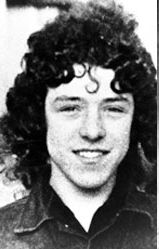


 Billy Wright’s death was the start of William McKee’s descent into life changing circumstances, that would ultimately lead to the loss of his home, health, career, family and on a number of occasions almost his life, both through murder attempts and finally thoughts of suicide. William tells his story with rare honesty and skill. This is an eye-opening account of what life is really like inside Northern Ireland’s prisons. This is a no-holds-barred account of life as a prison governor.





.JPG)


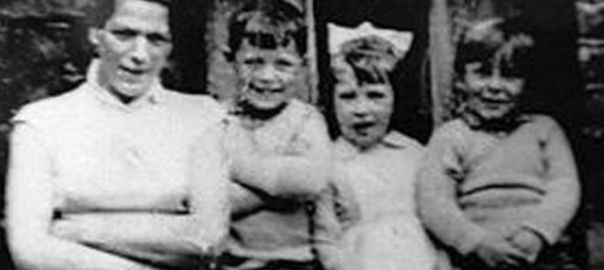


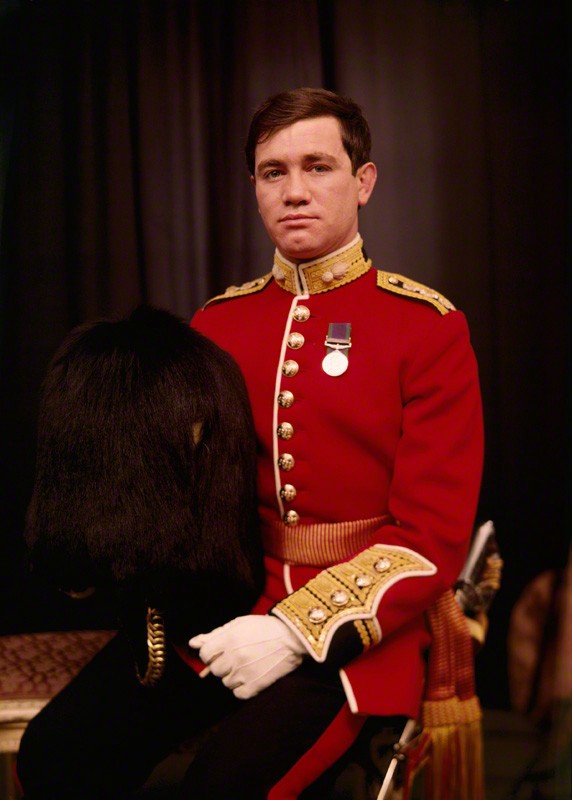
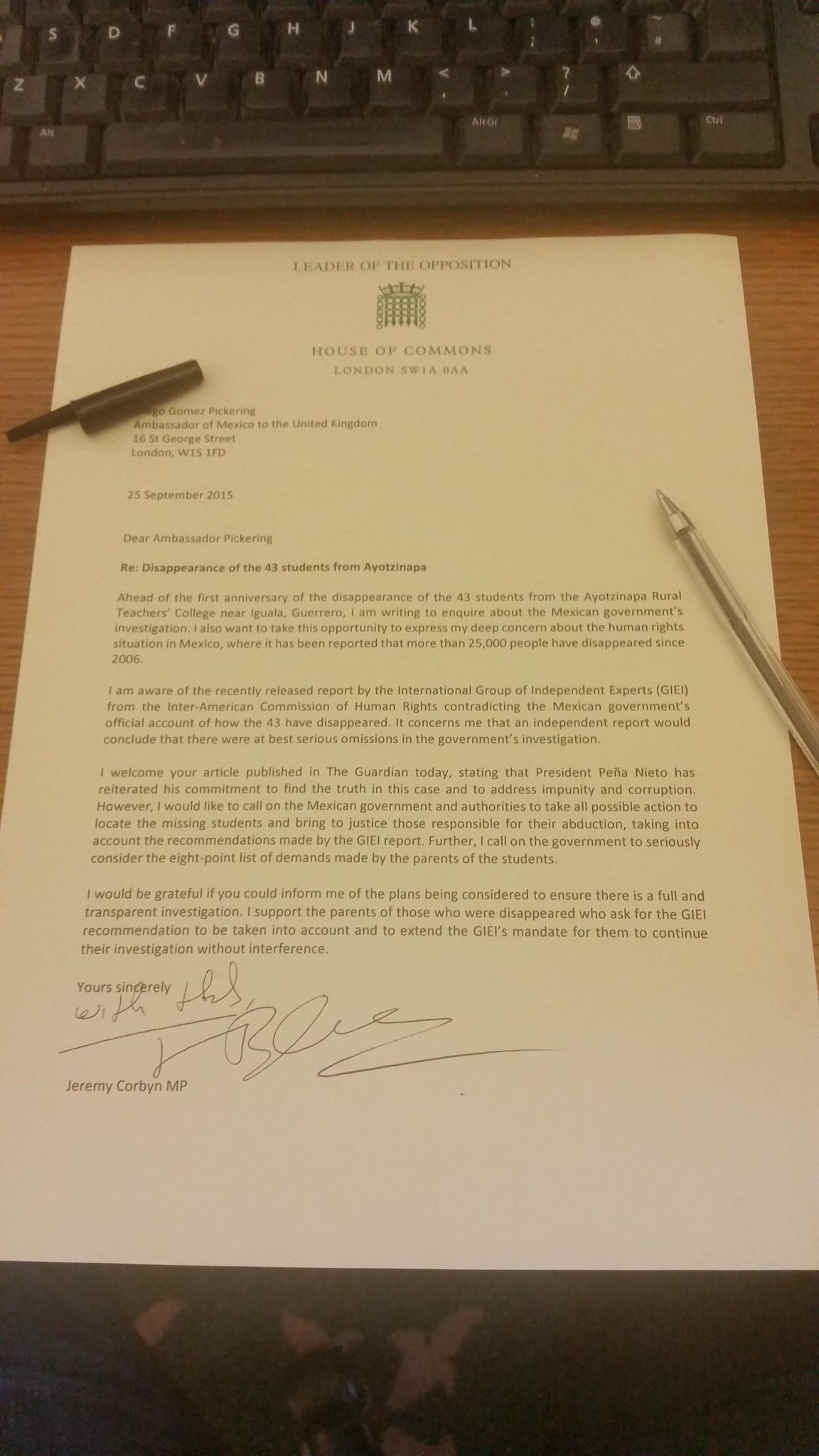




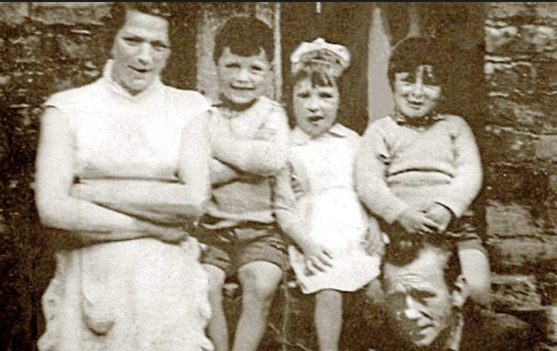


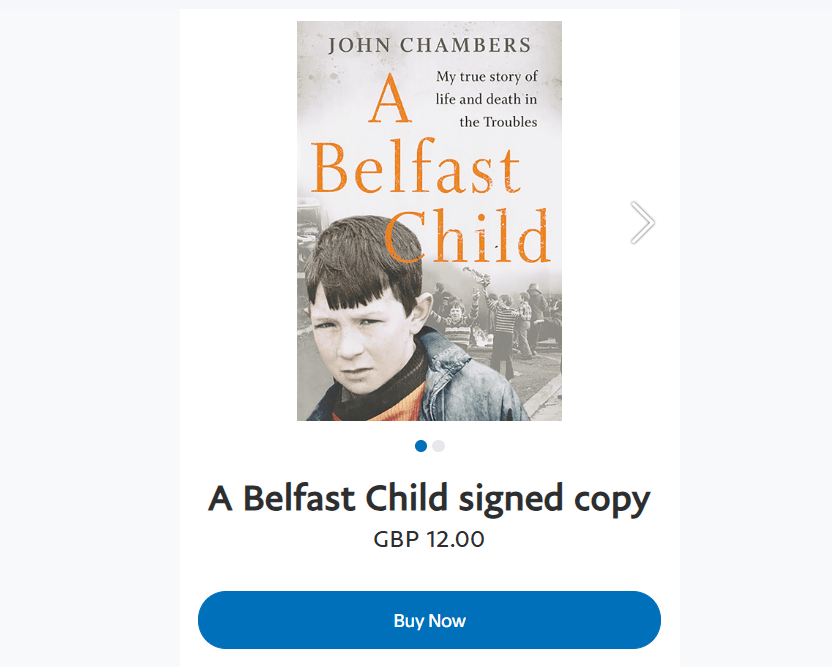


 belfastchildis.com