Key Events & Deaths on this day in Northern Ireland Troubles
15th December
——————————–
Saturday 15 December 1979
The Social Democratic and Labour Party (SDLP), under the new leadership of John Hume, took the decision to attend the Atkins conference.
Monday 15 December 1980
23 Republican prisoners join those already on hunger strike.
[Of the original seven hunger strikers, Sean McKenna’s medical condition was the most serious. McKenna was moved to Musgrave Park Hospital in Belfast.]
Thursday 15 December 1988
Following a White Paper introduced on 25 May 1988 the British government brought forward a new Fair Employment Bill for Northern Ireland. The Fair Employment Agency (FEA) was replaced by the Fair Employment Commission (FEC). Compulsory monitoring of the religious composition of workforces of all companies with 25 or more employees was introduced.
Sunday 15 December 1991
The Irish Republican Army (IRA) exploded an incendiary device at the National Gallery in London.
Tuesday 15 December 1992
There were reports in the press that alleged that a telephone belonging to John Hume, then leader of the Social Democratic and Labour Party (SDLP), had been bugged.
Wednesday 15 December 1993
Downing Street Declaration
John Major, then British Prime Minister, and Albert Reynolds, then Taoiseach (Irish Prime Minister), issued a joint Declaration from 10 Downing Street, London (the document became known as the Downing Street Declaration).
The main aim of the two leaders was stated as: “to foster agreement and reconciliation, leading to a new political framework founded on consent and encompassing arrangements within Northern Ireland, for the whole island, and between these islands”.
Later in the House of Commons Major tried to address Unionist concerns about the Declaration by drawing attention to the matters that were not in the document:
“What is not in the Declaration is any suggestion that the British government should join the ranks of the persuaders of the value or legitimacy of a united Ireland”.
Speaking in the Dáil (the Irish parliament) Dick Spring, then Tánaiste (deputy Irish Prime Minister and Minister for Foreign Affairs), said that paramilitary groups would have to hand over their weapons following the end of violence.
Thursday 15 December 1994
A new coalition Government was formed in the Republic of Ireland. The coalition was comprised of Fine Gael (FG), the Labour Party (LP), and Democratic Left (DL). John Bruton, leader of FG, was elected Taoiseach (Irish Prime Minister). Dick Spring retained his position of Tánaiste (deputy Irish Prime Minister) and Minister for Foreign Affairs.
[Bruton had been a strong critic of the Irish Republican Army (IRA).]
A first meeting took place at Stormont between delegations from the Progressive Unionist Party (PUP) and Ulster Democratic Party (UDP), and Northern Ireland Office (NIO) officials on behalf of the British Government.
Monday 15 December 1997
David Adams, an Irish Republican Army (IRA) prisoner who is a cousin of Gerry Adams, then President of Sinn Féin (SF), began a case in the High Court in Belfast against the Royal Ulster Constabulary (RUC). David Adams claimed that he had been seriously assaulted by RUC officers while he was being arrested in 1994.
[Later the court decided in his favour and Adams was awarded £30,000.]
The family of Robert Hamill launched an appeal for funds to allow them to bring a private prosecution against his killers and member of the RUC.
[Hamill, a Catholic civilian, was severely beaten in a sectarian attack by a gang of up to 30 loyalists in the centre of Portadown, County Armagh, on 27 April 1997 and died of his injuries on 8 May 1997. It was alleged that RUC officers in a vehicle nearby did not intervene to save his life.]
Wednesday 15 December 1999
Marion Price, a former Irish Republican Army (IRA) prisoner who had been convicted of causing explosions in London on 8 March 1973, was refused a visa to enter the USA. Price had been due to speak at a fundraising event in New York that had been organised by the Irish Freedom
End of Loyalist Feud The Ulster Defence Association (UDA) and the Ulster Volunteer Force (UVF) issued a statement to announce an
“open-ended and all-encompassing cessation of hostilities”.
This marked the end of the Loyalist feud which had erupted in violence in August and had claimed the lives of seven men. The feud had also driven hundreds of families from their homes. The statement added:
“We fully recognise the pain and suffering that has been inflicted on our community and we resolve that under no circumstances will such events be repeated.”
Sinn Féin (SF) began a High Court case to challenge David Trimble’s refusal to nominate their attendance at North-South Ministerial Council meetings.
[At the time Trimble was First Minister of the Executive and was attempting to put pressure on SF on the issue of the decommissioning of Irish Republican Army (IRA) weapons.]
—————————
——————————————————————————
Remembering all innocent victims of the Troubles
Today is the anniversary of the death of the following people killed as a results of the conflict in Northern Ireland
“To live in hearts we leave behind is not to die
– Thomas Campbell
To the innocent on the list – Your memory will live forever
– To the Paramilitaries –
There are many things worth living for, a few things worth dying for, but nothing worth killing for.
10 people lost their lives on the 15th December between 1972 -1991
————————————————————
15 December 1972
James Reynolds, (16)
Catholic Status: Civilian (Civ),
Killed by: non-specific Loyalist group (LOY) Shot from passing motorcycle while standing on street corner, Dandy Street, Greencastle, Belfast.
————————————————————
15 December 1972
George Chambers, (44)
Protestant Status: Royal Ulster Constabulary (RUC),
Killed by: Official Irish Republican Army (OIRA) Shot shortly after leaving house, Kilwilkie Gardens, Kilwilkie, Lurgan, County Armagh.
————————————————————
15 December 1972 Frederick Greeves, (40)
Protestant Status: Ulster Defence Regiment (UDR),
Killed by: Official Irish Republican Army (OIRA) Off duty. Shot as he left his workplace, creamery, Moy Road, Armagh.
Killed by: Irish Republican Army (IRA) Found shot, Derrynoose, near Keady, County Armagh.
————————————————————
15 December 1973 James McGinn, (20)
Catholic Status: Irish Republican Army (IRA),
Killed by: Irish Republican Army (IRA) Died in premature explosion while carrying bomb across bridge, near Clady, County Donegal.
————————————————————
15 December 1974 John Mallon, (21)
Catholic Status: Civilian (Civ),
Killed by: Ulster Volunteer Force (UVF) Died two weeks after being injured in bomb attack on Hughes Bar, Church Street, Newry, County Down. He was wounded on 29 November 1974.
————————————————————
15 December 1975 Ronald Trainor, (17)
Catholic Status: Civilian Political Activist (CivPA),
Killed by: non-specific Loyalist group (LOY) Irish Republican Socialist Party (IRSP) member. Died a short time after being injured during a bomb attack on his home, Ballyoran Park, Portadown, County Armagh.
————————————————————
15 December 1976
Norman Campbell, (19)
Protestant Status: Royal Ulster Constabulary (RUC),
Killed by: Irish Republican Army (IRA) Shot while closing security barrier, High Street, Portadown, County Armagh.
————————————————————
15 December 1976 Patrick McGeown, (25)
Catholic Status: Civilian (Civ),
Killed by: British Army (BA) Barman. Shot while inside Mocking Bird Bar, Keady, County Armagh.
————————————————————
15 December 1991
Colm Mahon, (39)
Catholic Status: Civilian (Civ),
Killed by: Irish People’s Liberation Organisation (IPLO) Shot at his workplace, Frames Snooker Hall, Little Donegall Street, Belfast.
Key Events & Deaths on this day in Northern Ireland Troubles
14th December
————————–
Tuesday 14 December 1971
A boy aged 16 was shot dead by British soldiers in Coalisland, County Tyrone.
Saturday 14 December 1974
The Irish Republican Army (IRA) carried out a gun attack on a joint British Army and Royal Ulster Constabulary (RUC) foot patrol near Forkhill, County Armagh. An RUC officer died at the scene and a soldier died on 30 December 1974 from injuries received.
The IRA carried out a gun attack on the Churchill Hotel in Portman Square, London. Three people were slightly injured by flying glass.
Wednesday 14 December 1977
Paul Harman (27), a member of the British Army, was shot dead by the Irish Republican Army (IRA) while driving an unmarked car through the Turf Lodge area of Belfast.
Tuesday 14 December 1982
The Ulster Unionist Party (UUP) announced that party members would not take their seats on the Northern Ireland Assembly scrutiny committees until the powers of the Speaker were clarified. [This boycott continued until February 1983.]
Saturday 14 December 1991
The Irish Republican Army (IRA) exploded a number of incendiary devices in a shopping centre in London.
Tuesday 14 December 1993
Patrick Mayhew, then Secretary of State for Northern Ireland, revealed that he had offered to resign over the errors in the documents dealing with the British government’s contacts with the Republican movement. [The documents were released on 29 November 1993.]
Wednesday 14 December 1994
John Major, then British Prime Minister, announced a £73 million investment package for Northern Ireland. Major also said that “huge progress” would have to be made towards the destruction of Irish Republican Army (IRA) weapons before Sinn Féin (SF) could enter formal talks.
Thursday 14 December 1995
It was announced that the Crumlin Road Prison would close in the spring of 1996. The closure would result in the transfer of 250 prisoners to Maghaberry Prison.
Monday 14 December 1998
UKUP Split Four of the five members of the United Kingdom Unionist Party (UKUP) left the party and accused the leader, Robert (Bob) McCartney, of branding his colleagues as politically immature.
[The four members went on to form the Northern Ireland Unionist Party (NIUP). The NIUP members claimed that McCartney intended to take the UKUP out of the Assembly if Sinn Féin (SF) were allowed to join an Executive. The loss of four Assembly members meant that the UKUP lost some of its privileges at the Northern Ireland Assembly such as the right to sit on the front benches.]
Gerry Kelly, a SF Assembly member, accused Unionists of trying to push the Irish Republican Army (IRA) back to war.
Tuesday 14 December 1999
Dermot Nesbitt (UUP) and Denis Haughey (SDLP) were appointed as junior ministers to the Office of the First and Deputy First Minister.
At the Special Criminal Court in Dublin seven men were charged with possession of guns and explosives. The charges related to the arrest of men in County Meath on 20 October 1999 at a “real” Irish Republican Army (rIRA) training camp.
——————————–
——————————————————————————
Remembering all innocent victims of the Troubles
Today is the anniversary of the death of the following people killed as a results of the conflict in Northern Ireland
“To live in hearts we leave behind is not to die
– Thomas Campbell
To the innocent on the list – Your memory will live forever
– To the Paramilitaries –
There are many things worth living for, a few things worth dying for, but nothing worth killing for.
6 people lost their lives on the 14th December between 1971 -1978
————————————————————
14 December 1971
Martin McShane, (16)
Catholic Status: Civilian (Civ),
Killed by: British Army (BA) Shot outside youth centre, Macrory Park, Coalisland, County Tyrone.
————————————————————
14 December 1972
Kathleen Dolan, (19)
Catholic Status: Civilian (Civ),
Killed by: Ulster Volunteer Force (UVF) Killed by car bomb outside Dolan’s Bar, Killeter, near Castlederg, County Tyrone
————————————————————
14 December 1974
David McNeice, (19)
Protestant Status: Royal Ulster Constabulary (RUC),
Killed by: Irish Republican Army (IRA) Shot by snipers while on joint British Army (BA) / Royal Ulster Constabulary (RUC) foot patrol, Killeavy, near Forkhill, County Armagh.
————————————————————
14 December 1974 Michael Gibson, (20)
nfNI Status: British Army (BA),
Killed by: Irish Republican Army (IRA) Shot by snipers while on joint British Army (BA) / Royal Ulster Constabulary (RUC) foot patrol, Killeavy, near Forkhill, County Armagh. He died 30 December 1974.
————————————————————
14 December 1977 Paul Harman, (27)
nfNI Status: British Army (BA),
Killed by: Irish Republican Army (IRA) Undercover British Army (BA) member. Shot while driving British Army (BA) civilian-type car along Monagh Road, Turf Lodge, Belfast.
————————————————————
14 December 1978
John McTier, (33)
Protestant Status: Prison Officer (PO),
Killed by: Irish Republican Army (IRA) Died three days after being shot while driving his car out of Crumlin Road Prison, Belfast
Key Events & Deaths on this day in Northern Ireland Troubles
13th December
————————————–
Tuesday 13 December 1988
John Murray, then Attorney-General of the Republic of Ireland, refused an extradition request from Britain for Partick Ryan, a Catholic priest.
Wednesday 13 December 1989
The Irish Republican Army (IRA) launched an attack on a border post at Derryard, County Fermanagh, killing two British Army soldiers.
Sunday 13 December 1992
A Sinn Fein member was shot dead by Loyalists in Ballymoney, County Antrim.
A Catholic civilian died five days after being the subject of a ‘punishment’ shooting in Derry. An unidentified Loyalist paramilitary group launched a rocket attack at an area of Crumlin Road Prison that was believed to be occupied by Republic prisoners. There were no injuries in the attack.
[The attack was believed to be in retaliation for the killing of two Loyalist inmates on 24 November 1991 when the Irish Republican Army (IRA) planted a bomb inside the prison.]
Tuesday 13 December 1994
A two-day investment conference began in Belfast. The 300 delegates were addressed by John Major, then British Prime Minister, and Ron Brown, then United States Commerce Secretary. The event was picketed by Republicans in protest at the exclusion of Sinn Féin (SF) representatives.
Friday 13 December 1996
Tony Blair, then leader of the British Labour Party, paid a visit to Northern Ireland where he met representatives of the main political parties, with the exception of Sinn Féin (SF).
An application for bail on behalf of Róisin McAliskey, whose extradition was being sought by the German government, was rejected despite being pregnant and in poor health. A report on alleged boycotts of Protestant businesses in some rural parts of Northern Ireland was presented to the Forum. The report claimed that the boycotts were being organised by SF.
Saturday 13 December 1997
There was serious rioting in Derry by Catholic youths following an Apprentice Boys of Derry march through the city centre. All attempts to find an agreement between the Bogside Residents Association and the Apprentice Boys prior to the march had failed. The security forces said that 1,000 petrol bombs were thrown and they replied with 169 plastic bullets.
[It was later estimated that £5 million pounds worth of damage was done to the centre of the city. Business leaders were angry at both the damage and also the loss of trade on what should be one of the busiest Saturdays in the run-up to Christmas.]
Sunday 13 December 1998
It was reported that there had been a General Army Convention of the Irish Republican Army (IRA) which had taken the decision that there would be no decommissioning of firearms or explosives.
Monday 13 December 1999
The inaugural meeting of the North-South Ministerial Council was held in Armagh. The Northern Ireland Executive led by David Trimble (UUP), then First Minister, and Seamus Mallon (SDLP), then deputy First Minster, met with the full cabinet of the Irish government led by Bertie Ahern, then Taoiseach (Irish Prime Minister). The two Democratic Unionist Party (DUP) members of the Executive refused to attend the meeting.
Wednesday 13 December 2000
Clinton Visit to Belfast Bill Clinton, the President of the United States of America (USA), travelled to Northern Ireland as he continued his visit to the island. The President was accompanied by the First Lady Hillary Clinton. He gave a keynote address at the Odyssey Arena in Belfast.
He urged all the parties to reach a compromise:
“We have to keep going. I do not think reversal is an option.”
Hillary Clinton addressed a gathering of community activists and politicans at the Grand Opera House, Belfast.
Thursday 13 December 2001
A Catholic family of five escaped injury after a pipe-bomb exploded outside their home at 5.00am (0500GMT) in Articlave, County Derry.
[Loyalist paramilitaries were believed to have been responsible for the attack. The police later arrested a man (19) who appeared in court on Friday 14 December 2001 on explosives and intimidation charges.]
David Trimble (UUP), then First Minister, and Mark Durkan (SDLP), then Deputy First Minister, travelled to Downing Street, London, for talks with Tony Blair, then British Prime Minister. The meeting dealt with matters related to the devolved institutions and administration in Northern Ireland. Gerry Adams, then President of Sinn Féin (SF), and Martin McGuinness, then Vice-president of SF, also held a meeting with Blair. The SF representatives raised the issue of alleged security force collusion with Loyalist paramilitaries.
In particular the recent killing of William Stobie on 12 December 2001 and the killing of Pat Finucane, a Belfast solicitor killed on 12 February 1989.
————————————-
——————————————————————————
Remembering all innocent victims of the Troubles
Today is the anniversary of the death of the following people killed as a results of the conflict in Northern Ireland
“To live in hearts we leave behind is not to die
– Thomas Campbell
To the innocent on the list – Your memory will live forever
– To the Paramilitaries –
There are many things worth living for, a few things worth dying for, but nothing worth killing for.
8 people lost their lives on the 13th December between 1972 -1993
————————————————————
13 December 1972
James Nixon, (49)
Protestant Status: Royal Ulster Constabulary (RUC),
Killed by: Irish Republican Army (IRA) Off duty. Shot outside Chester Park Hotel, Antrim Road, Belfast.
————————————————————
13 December 1976 Roy Young, (23)
Protestant Status: Civilian (Civ),
Killed by: Irish Republican Army (IRA) Shot, trying to stop bomb attack at his workplace, Hall’s Brush Factory, Wilson Street, off Millfield, Belfast.
————————————————————
13 December 1988
John Corry, (31)
Protestant Status: Civilian (Civ),
Killed by: Irish Republican Army (IRA) Shot at his garage, Fountain Street, Portadown, County Armagh. Contractor to British Army (BA) / Royal Ulster Constabulary (RUC).
————————————————————
13 December 1989 Michael Patterson, (21)
nfNI Status: British Army (BA),
Killed by: Irish Republican Army (IRA) Killed in gun, grenade and bomb attack on permanent British Army (BA) Vehicle Check Point (VCP), Derryard, near Rosslea, County Fermanagh.
————————————————————
13 December 1989 James Houston, (23)
nfNI Status: British Army (BA),
Killed by: Irish Republican Army (IRA) Killed in gun, grenade and bomb attack on permanent British Army (BA) Vehicle Check Point (VCP), Derryard, near Rosslea, County Fermanagh.
————————————————————
13 December 1992 John Collett, (36)
Catholic Status: Civilian (Civ),
Killed by: Irish Republican Army (IRA) Died five days after being shot in the legs, at his home, Drumleck Gardens, Shantallow, Derry. Alleged criminal.
————————————————————
13 December 1992
Malachy Carey, (36)
Catholic Status: ex-Irish Republican Army (xIRA),
Killed by: Ulster Freedom Fighters (UFF) Sinn Fein (SF) member. Died several hours after being shot while walking along Victoria Street, Ballymoney, County Antrim.
————————————————————
13 December 1993 Noel Cardwell, (26)
Protestant Status: Civilian (Civ),
Killed by: Ulster Freedom Fighters (UFF) Found shot in unoccupied flat, Boundary Walk, Shankill, Belfast. Alleged informer
Key Events & Deaths on this day in Northern Ireland Troubles
12th December
Thursday 12 December 1968
Terence O’Neill , then Northern Ireland Prime Minister, received overwhelming support from Unionist Members of Parliament (MPs) at Stormont.
Sunday 12 December 1971
John (Jack) Barnhill, then a Ulster Unionist Party (UUP) member of the Northern Ireland Senate, was shot dead by the Official Irish Republican Army (OIRA) at his home in Strabane. He was the first politician to be killed in the conflict.
Sunday 12 December 1976
The Ulster Loyalist Central Co-ordinating Committee (ULCCC) claimed that some loyalist politicians had been involved in the past in the arrangements to purchase arms and explosives, and in choosing potential bomb targets.
Monday 12 December 1977
Colin McNutt (18), a member of the Irish National Liberation Army (INLA), was shot dead by undercover British Army soldiers at the junction of William Street and Little James Street, Derry. [It was claimed that the soldiers were members of the Special Air Service (SAS).]
Tuesday 12 December 1978
Four people were injured by parcel bombs in Belfast and Lisburn. Three of those injured were the wives of prison officers and the fourth was a postman
Wednesday 12 December 1979
In a number of cities across Britain 24 people were arrested on suspicion of being members of the Irish Republican Army (IRA). This was an attempt to disrupt an anticipated bombing campaign.
Friday 12 December 1980
Six members of the Ulster Defence Association (UDA) in the Maze prison start a hunger strike in support of their demand for segregation from Republican prisoners.
[This Loyalist hunger strike was called off on 17 December 1980.]
Sunday 12 December 1982
‘Shoot to Kill’ Allegation Rodney Carroll (22) and Seamus Grew (31), both members of the Irish National Liberation Army (INLA), were shot dead by an undercover unit of the Royal Ulster Constabulary (RUC) at a Vehicle Check Point (VCP) in Mullacreavie, County Armagh.
[This became the third incident where allegations were made that the security forces were operating a ‘shoot to kill’ policy.]
Monday 12 December 1983
The Political Committee of the European Parliament held the first of a series of meetings to consider its draft report on Northern Ireland. The Rapporteur was Mr N.J. Haagerup and the report called for power-sharing and the preparation of a plan by the (then) European Economic Community (EEC) to aid the economic development of Northern Ireland.
[The Committee had been asked to prepare the report on 23 February 1983. The report was passed by the European Parliament on 29 March 1984.]
Wednesday 12 December 1990
An attempt by the Workers’ Party (WP) to begin a process of amending Articles 2 and 3 of the Irish Constitution is defeated in the Dáil.
Thursday 12 December 1991
The Irish Republican Army (IRA) exploded a bomb, estimated at 2,000 pounds, outside a police station in Craigavon, County Armagh. Nearby buildings were also damaged in the attack.
Sunday 12 December 1993
Two Royal Ulster Constabulary (RUC) officers were shot dead by the Irish Republican Army (IRA). The two officers were travelling in an unmarked car in Main Street, Fivemiletown, County Tyrone.
Monday 12 December 1994
Albert Reynolds, then acting Taoiseach (Irish Prime Minister), said that it was not a “sensible precondition” to require the Irish Republican Army (IRA) to had over weapons before the commencement of multilateral talks.
Saturday 12 December 1998
There were disturbances during an Apprentice Boys march in Derry. David Trimble, then First Minister designate, said the decommissioning of paramilitary weapons would have to be carried out in front of television cameras so that ordinary people could believe it had taken place.
The Labour Party and Democratic Left voted at separate delegate conferences in Dublin to merge the two parties. The former endorsed it overwhelmingly by a show of hands, and the latter in a secret ballot by 171 votes to 21.
Tuesday 12 December 2000
Clinton Visit to Ireland Bill Clinton, the President of the United States of America (USA), arrived in Ireland for his third visit as President. Bill Clinton was accompanied by the First Lady Hillary Clinton. The first part of the visit included Dublin and Dundalk [Bill and Hillary Clinton then travelled to Northern Ireland.] While in Dublin Hillary Clinton held a reception for 40 women involved in Irish political life at the American ambassador’s residence.
Wednesday 12 December 2001
Loyalists Kill William Stobie and Ombudsman’s Report on Omagh William Stobie (51) was shot dead by Loyalist paramilitaries as he left his home, at approximately 6.15am (0615GMT), in Forthriver Road, in the Glencairn area of Belfast. Stobie was a self-confessed former Ulster Defence Association (UDA) quartermaster and a Loyalist police agent. The Ulster Freedom Fighters (UFF), a cover name (pseudonym) used by the UDA, claimed responsibility, however some nationalists alleged that there had been security force collusion in the killing.
[Stobie had been accused of aiding and abetting in the murder of Pat Finucane, a Belfast solicitor killed on 12 February 1989, but the case against him collapsed on 26 November 2001.]
Derek Lenehan (27), originally from Dublin and a member of the Irish National Liberation Army (INLA), died several hours after being found shot in the legs, by the side of New Road, near Forkhill, County Armagh. It was believed that he had been shot by the INLA as a result of an internal INLA dispute.
Nuala O’Loan, then Police Ombudsman for Northern Ireland (PONI), met the relatives of the victims of the Omagh bombing (15 August 1998) and presented them with the findings and recommendations of her report into the bombing and the handling of the subsequent police investigation. The report found that there had been two non-specific warnings given to police prior to the bombing.
One telephone warning about a planned attack in Omagh on 15 August 1998 was received on 4 August 1998, but Special Branch officers took the decision not to pass on the information to the local police commander in Omagh. A second warning given three days before the bombing by “Kevin Fulton” (a pseudonym), then a police agent, did not mention the town of Omagh. The report states that had the information been passed on and security checkpoints been put in place, the bombers may have been deterred.
The report also accused Ronnie Flanagan, then Chief Constable of the Police Service of Northern Ireland (PSNI), of flawed judgement and of damaging the chances of arresting those suspected of being responsible for the Omagh bomb. The report also recommended that, “an independent senior investigative officer from outside Northern Ireland be appointed to conduct the investigation and that that investigation be properly resourced and it be given access to all material.
” [O’Loan had decided to publish the findings of the report when Flanagan failed to respond to the draft report by the deadline.]
Immediately after the release of the findings Ronnie Flanagan gave a press conference in Belfast at which he threatened to begin legal action on a “personal and organisational basis” to have the report withdrawn. He claimed the report was full of “wide and sweeping conclusions” and was unfair. He also said that if the conclusions were true he would publicly commit suicide.
[Flanaghan later withdrew the remarks about suicide. O’Loan later responded and said that the findings of the report were based on facts and were carefully established.]
The Northern Ireland Policing Board (NIPB) agreed a new emblem for the Police Service of Northern Ireland (PSNI). The British government had published seven draft emblems on 19 November 2001 but they were all rejected by Unionist members of the Board.
[The NIPB recommendation required final approval before being adopted.]
The Equality Commission held a conference in Belfast to examine ways of improving the law on equality in Northern Ireland. The Commission wanted to discuss ways of bringing together all the current equality laws.
———————————-
———————————————————————————
Remembering all innocent victims of the Troubles
Today is the anniversary of the death of the following people killed as a results of the conflict in Northern Ireland
“To live in hearts we leave behind is not to die
– Thomas Campbell
To the innocent on the list – Your memory will live forever
– To the Paramilitaries –
There are many things worth living for, a few things worth dying for, but nothing worth killing for.
11 people lost their lives on the 12th December between 1971 -2001
————————————————————
12 December 1971 John Barnhill, (65)
Protestant Status: Civilian Political Activist (CivPA),
Killed by: Official Irish Republican Army (OIRA) Ulster Unionist Stormont Senator. Shot during bomb attack on his home, Brickfield House, near Strabane, County Tyrone.
————————————————————
12 December 1977
Colm McNutt, (18)
Catholic Status: Irish National Liberation Army (INLA),
Killed by: British Army (BA) Shot by undercover British Army (BA) member at car park, junction of William Street and Little James Street, Derry.
————————————————————
12 December 1982
Seamus Grew, (31)
Catholic Status: Irish National Liberation Army (INLA),
Killed by: Royal Ulster Constabulary (RUC) Shot by undercover Royal Ulster Constabulary (RUC) members at Vehicle Check Point (VCP), Mullacreevie Park, Armagh.
————————————————————
12 December 1982
Rodney Carroll, (22)
Catholic Status: Irish National Liberation Army (INLA),
Killed by: Royal Ulster Constabulary (RUC) Shot by undercover Royal Ulster Constabulary (RUC) members at Vehicle Check Point (VCP), Mullacreevie Park, Armagh.
————————————————————
12 December 1983
Anthony Dawson, (18)
Catholic Status: Civilian (Civ),
Killed by: Royal Ulster Constabulary (RUC) Shot by off duty Royal Ulster Constabulary (RUC) member from passing car while standing in Mountpottinger Road, Short Strand, Belfast.
————————————————————
12 December 1983
John Molloy, (20)
Protestant Status: Civilian (Civ),
Killed by: non-specific Loyalist group (LOY) Shot at his home, Tyndale Gardens, Ballysillan, Belfast.
————————————————————
12 December 1986 Desmond Caldwell, (44)
Protestant Status: Civilian (Civ),
Killed by: Irish Republican Army (IRA) Killed by booby trap bomb attached to cab of lorry, at his workplace, Killen, near Castlederg, County Tyrone. Mistaken for off duty Royal Ulster Constabulary (RUC) reservist.
————————————————————
12 December 1993
Andrew Beacom, (46)
Protestant Status: Royal Ulster Constabulary (RUC),
Killed by: Irish Republican Army (IRA) Shot while travelling in Royal Ulster Constabulary (RUC) civilian-type car, Main Street, Fivemiletown, County Tyrone.
————————————————————
12 December 1993
Ernest Smith, (49)
Protestant Status: Royal Ulster Constabulary (RUC),
Killed by: Irish Republican Army (IRA) Shot while travelling in Royal Ulster Constabulary (RUC) civilian-type car, Main Street, Fivemiletown, County Tyrone.
————————————————————
12 December 2001
William Stobie, (51)
Protestant Status: ex-Ulster Defence Association (xUDA),
Killed by: Red Hand Defenders (RHD) Shot outside his home, Forthriver Road, Glencairn, Belfast. Alleged informer.
————————————————————
12 December 2001 Derek Lenehan, (27)
nfNI Status: Civilian (Civ),
Killed by: Irish National Liberation Army (INLA) From Dublin. Died several hours after being found shot in the legs, by the side of New Road, near Forkhill, County Armagh.
Key Events & Deaths on this day in Northern Ireland Troubles
11th December
Wednesday 11 December 1968
Terence O’Neill, then Northern Ireland Prime Minister, sacked William Craig, then Home Affairs Minister, because of differing opinions on the legality of Westminster intervention on devolved matters.
Saturday 11 December 1971
The Irish Republican Army (IRA) killed four Protestant civilians in a bomb attack on a furniture shop on the Shankill Road in Belfast. Two of those who were killed in the explosion were children.
The dead were: Hugh Bruce (70), Harold King (29), Tracey Munn (2) and Colin Nicholl (1).
Wednesday 11 December 1974
A debate on the reintroduction of capital punishment for acts of terrorism was held in the House of Commons, London. The specific motion came in the form of an amendment which was proposed by a Conservative MP. Following a five-hour debate the amendment was defeated by a free vote of 369 to 217.
While the debate was taking place the Irish Republican Army (IRA) carried out a bomb attack on the Long Bar of the Naval and Military Club in Piccadilly, London. At 6.30pm IRA members threw a small bomb through the window of the bar; no one was injured.
As two IRA members were leaving the scene they were followed by a taxi cab and they fired two shots at the driver; the driver was not injured. Almost at the same time a second group of IRA members carried out a gun attack on the Cavalry Club; again there were no injuries.
Wednesday 11 December 1985
The first meeting of the new Inter-Governmental Conference established under the Anglo-Irish Agreement (AIA) was held.
Protestant workers from a number of firms in Belfast staged walk-outs and marched to Maryfield where the Anglo-Irish Secretariat was based. There were violent clashes between the demonstrators and the Royal Ulster Constabulary (RUC) with 38 officers being injured.
Saturday 11 December 1993
The Irish Times (a Republic of Ireland newspaper) reported the results of a poll on Anglo-Irish relations. Of those questioned 59 per cent were in favour of talks between John Major, then British Prime Minister, and Albert Reynolds, then Taoiseach (Irish Prime Minister). The figure for Catholic respondents was 88 per cent in favour while the figure for Protestants was 37 per cent.
Sunday 11 December 1994
Gary McMichael, then leader of the Ulster Democratic Party (UDP), said it was unrealistic to expect paramilitaries to hand in weapons at this stage.
Monday 11 December 1995
Patrick Mayhew, then Secretary of State for Northern Ireland, announced that £100 million would be redirected from the security budget to other areas of government expenditure over the following three years if the ceasefires held. [£180 million had already been cut from the security budget.]
Wednesday 11 December 1996
Robert Saulters was elected as Grand Master of the Orange Order following the resignation of Martin Smyth. He repeated earlier comments he had made about Tony Blair, then leader of the British Labour Party, being “disloyal” for marrying a “romanist” (Roman Catholic).
Chuck Feeney, an Irish-American businessman, confirmed that he had donated $240,000 to the establishment of Sinn Féin’s (SF) office in Washington.
Thursday 11 December 1997
Sinn Féin Delegation at Downing Street Gerry Adams, then President of Sinn Féin (SF), led a SF delegation into 10 Downing Street, London to meet Tony Blair, then British Prime Minister, and other members of the British government. These were the first talks between a British Prime Minister and leaders of SF at Downing Street for 76 years. The meeting lasted one hour and afterwards Adams said that it was a “good moment in history”.
The Ulster Unionist Party (UUP) criticised the meeting and rejected calls for a direct meeting between David Trimble, then leader of the Ulster Unionist Party (UUP), and Adams. Francie MacKey, then a SF councillor based in Omagh, County Tyrone, called on SF to renounce the Mitchell Principles. MacKey also announced that the would join the 32 County Sovereignty Committee.
Tuesday 11 December 2001
The Saville Inquiry into Bloody Sunday began an appeal in the Court of Appeal in London against a decision that military witnesses should not have to travel to Derry to give their evidence. Soldiers who were on duty in Derry on 30 January 1972 had claimed in the High Court that their lives would be in danger if they were forced to attend the Inquiry in the Guildhall in Derry. The High Court had ruled in their favour and against Lord Saville.
[The appeal lasted two days. The court’s decision was announced on 19 December 2001 when the Court upheld the decision of the High Court that the soldiers would not have to travel to Derry to give evidence.]
John Reid, then Secretary of State for Northern Ireland, announced that he would challenge in the High Court the new rates of pay awarded to Queen’s Councils (QCs) and barristers at the Saville Inquiry into Bloody Sunday. The new daily rate for a senior barrister was set to rise by £250 to £1,750. The barristers can also claim up to £250 per hour, to a maximum of £750 per day, for preparation work and £125 an hour travelling to and from the Guildhall. Junior barristers’ daily fees will rise from £750 to £875, and preparation rates from £100 to £125 an hour. They also receive £62.50 for travelling time.
[The cost of the Inquiry to date has been estimated at £60 million.]
Figures released by the Northern Ireland Statistics and Research Agency (NISRA) showed that the unemployment rate for Catholics (8.8 % in 2000) remained higher than that for Protestants (5.2 %). The gap in the figures had narrowed from 1993 when there was an unemployment rate among Catholics of 18.1 per cent as opposed to 9.4 per cent for Protestants. The report showed that the religious composition of Northern Ireland’s economically active population was 43 per cent Catholic and 57 per cent Protestant, which closely mirrored those in employment at 42 per cent Catholic and 58 per cent Protestant.
However, among the unemployed, the religious composition was 56 per cent Catholic and 44 cent Protestant. There was a higher proportion of Catholics than Protestants who had qualifications above ‘A-Level’. The Audit Office published a report into the financial practices and accounting by government departments in Northern Ireland. The report criticised several departments for poor management of public funds and it showed that in some cases millions of pounds was unaccounted for or had been paid our incorrectly. The biggest loss occurred in the social 8security budget with £50 million being lost through fraud or error. Then Northern Ireland Assembly debated and voted on the budget for the financial year 2003-2004. Of the 108 members of the Assembly, 76 were present and cast votes and of these 49 voted in favour of the budget.
At the Special Criminal Court in Dublin, Republic of Ireland, twin brothers were sentenced to jail for having a “real” Irish Republican Army (rIRA) bomb-making ‘factory’. Alan Patterson was jailed for nine years and his brother Kenneth Patterson received a sentence of seven years. Four men were arrested in the Republic of Ireland after police and customs officers seized a consignment of up to 80 million smuggled cigarettes. The haul, valued at IR£13 million, is thought to be the biggest haul of contraband tobacco in the Irish Republic.
[It was not clear at the time if there were any paramilitary connections with the smuggling.]
———————————
.
———————————————————————————
Remembering all innocent victims of the Troubles
Today is the anniversary of the death of the following people killed as a results of the conflict in Northern Ireland
“To live in hearts we leave behind is not to die
– Thomas Campbell
To the innocent on the list – Your memory will live forever
– To the Paramilitaries –
There are many things worth living for, a few things worth dying for, but nothing worth killing for.
7 people lost their lives on the 11th December between 1971 -1976
————————————————————
11 December 1971 Harold King, (29)
Catholic Status: Civilian (Civ),
Killed by: Irish Republican Army (IRA) Killed in bomb attack on Balmoral Furnishing Company, Shankill Road, Belfast.
————————————————————
11 December 1971 Huge Bruce, (70)
Protestant Status: Civilian (Civ),
Killed by: Irish Republican Army (IRA) Killed in bomb attack on Balmoral Furnishing Company, Shankill Road, Belfast
————————————————————
11 December 1971
Tracey Munn, (2)
Protestant Status: Civilian (Civ),
Killed by: Irish Republican Army (IRA) Killed in bomb attack on Balmoral Furnishing Company, Shankill Road, Belfast
————————————————————
11 December 1971
Colin Nicholl, (0)
Protestant Status: Civilia (Civ),
Killed by: Irish Republican Army (IRA) Killed in bomb attack on Balmoral Furnishing Company, Shankill Road, Belfast
————————————————————
11 December 1972 James Ward, (53)
Catholic Status: Civilian (Civ),
Killed by: British Army (BA) Shot as he walked past North Queen Street Royal Ulster Constabulary (RUC) / British Army (BA) base, Belfast.
————————————————————
11 December 1973
Maurice Rolston, (37)
Protestant Status: Royal Ulster Constabulary (RUC),
Killed by: Irish Republican Army (IRA) Off duty. Killed by booby trap bomb attached to his car outside his home, Newcastle, County Down.
————————————————————
11 December 1976 Howard Edwards, (24)
nfNI Status: British Army (BA),
Killed by: Irish Republican Army (IRA) Shot by sniper while on British Army (BA) foot patrol, Elmwood Road, Bogside, Derry
Key Events & Deaths on this day in Northern Ireland Troubles
10th December
——————————————-
Friday 10 December 1971
Kenneth Smyth (28), a Ulster Defence Regiment (UDR) member, and Daniel McCormick (29), a former UDR member, were killed by the Irish Republican Army (IRA) near Strabane, County Tyrone.
A man was shot dead by British soldiers in Belfast.
Monday 10 December 1973
Loyalists announced the establishment of the Ulster Army Council (UAC) to resist the proposed Council of Ireland. The UAC was an umbrella group for the main Loyalist paramilitary groups and included the Ulster Defence Association (UDA) and the Ulster Volunteer Force (UVF).
Tuesday 10 December 1974
Feakle Talks
Canon William Arlow
[Senior representatives of the Irish Republican Army (IRA) held secret talks with a group of eight Protestant clergymen from Northern Ireland at Smyth’s Village Hotel in Feakle, County Clare, Republic of Ireland. The IRA was represented by Ruairi O’Bradaigh, Daithi O’Conaill, Maire Drumm and three others. Among the group of clergymen were: Dr Arthur Butler, Dr Jack Weir, Revd Ralph Baxter and Revd William Arlow. The clergymen presented the IRA with a policy document that had been cleared with the British government (Coogan, 1995; p.217). The meeting ended abruptly went the IRA representatives got a tip-off that the officers in the Irish Special Branch were on their way to arrest them. The talks at Feakle set in train a process that was to lead to a meeting between the clergymen and the Secretary of State on 18 December 1974 and to an IRA ceasefire that began on 22 December 1974.]
Wednesday 10 December 1986
Gerry Adams, then President of Sinn Féin (SF), was reported, at the launch of his book Politics of Irish Freedom, as saying that he had never been a member of the Irish Republican Army (IRA).
Thursday 10 December 1992
The Ulster Freedom Fighters (UFF), a cover name (pseudonym) used by the Ulster Defence Association (UDA), carried out a series of seven incendiary bomb attacks on shops in Dublin and in other Irish towns near to the border.
The Irish National Liberation Army (INLA) carried out a gun attack and wounded a man who worked for Belfast City Council. The Irish Republican Army (IRA) planted three incendiary bombs in an industrial estate in Belfast and damaged three buildings.
The IRA also carried out two bomb attacks at a shopping centre in Wood Green in London. Eleven people including a number of police officers were injured in the attack
Friday 10 December 1993
John Major, then British Prime Minister, held a meeting with Albert Reynolds, then Taoiseach (Irish Prime Minister), at a European Community summit in Brussels.
John Smith, then leader of the Labour Party, paid a visit to Derry during which he said that Sinn Féin (SF) could enter all-party talks after the Irish Republican Army (IRA) had ended its campaign of violence.
Tuesday 10 December 1996
Patrick Mayhew, then Secretary of State for Northern Ireland, announced that the extra security costs associated with the disturbances surrounding Drumcree and the ending of the Irish Republican Army (IRA) ceasefire would have to be met from the existing budget. Hence there were to be cuts of £120 million from the provision for public services with training for the unemployed and housing facing the greatest cutbacks.
Wednesday 10 December 1997
Liam Averill, then an Irish Republican Army (IRA) life-sentence prisoner, escaped from the Maze Prison. Averill managed to escape from the highest security prison in the United Kingdom (UK) by dressing up as a woman during a Christmas party for prisoners’ families and getting onto the coach taking the families out of the prison.
The Independent (a London newspaper) published a leaked internal Royal Ulster Constabulary (RUC) document which claimed to show that one in three of the Catholic officers of the RUC had suffered discrimination or harassment from Protestant officers.
[At this time Catholics made up 8 per cent of the total number of officers in the RUC.] Ian Paisley, then leader of the Democratic Unionist Party (DUP), rejected criticism that he or his party were “equivocal” about, or sympathetic towards, the Loyalist Volunteer Force (LVF).
Paisley had been criticised by an article in the Irish News, and by the Alliance Party of Northern Ireland (APNI), the Ulster Democratic Party (UDP), and the Progressive Unionist Party (PUP).
The Orange Order was forced to move the location of a meeting to re-elect Robert Salters as Grand Master of the Orange Order because of protest action. The protest was carried out by the Spirit of Drumcree (SOD) whose leader, Joel Patton, criticised the leadership of the Order and also the “undemocratic” means to elect the senior posts.
Thursday 10 December 1998
Nobel Peace Prize John Hume, then leader of the Social Democratic and Labour Party (SDLP), and David Trimble, then leader of the Ulster Unionist Party (UUP), received their Nobel Peace Prizes at an awards ceremony in the City Hall, Oslo. [Hume speech; Trimble speech]
Friday 10 December 1999
Five men representing the Ulster Freedom Fighters (UFF), a cover name (pseudonym) used by the Ulster Defence Association (UDA), held a meeting with the Independent International Commission on Decommissioning (IICD). The five men were: Johnny Adair, William Dodds, John Gregg, Jackie McDonald, and John White.
The announcement that the Castlereagh Holding Centre in east Belfast would be closed by the end of December 1999 was welcomed by Sinn Féin (SF). The recommendation had been contained in the Patten Report. Bríd Rodgers (SDLP), then Minister of Agriculture, had eggs thrown at her by loyalist protestors as she was on an official visit to a training centre in Portavogie, County Down.
Six human rights organisations called for an independent Inquiry into the killing of Rosemanry Nelson, a Lurgan solicitor killed on 15 March 1999
Monday 10 December 2001
A man (30) was beaten in a paramilitary ‘punishment’ attack (?) at his home in Glencolier Street, north Belfast. A number of masked men beat him with wooden bats. The man was treated in hospital for bruising to his arms and legs.
———————-
———————————————————————————
Remembering all innocent victims of the Troubles
Today is the anniversary of the death of the following people killed as a results of the conflict in Northern Ireland
“To live in hearts we leave behind is not to die
– Thomas Campbell
To the innocent on the list – Your memory will live forever
– To the Paramilitaries –
There are many things worth living for, a few things worth dying for, but nothing worth killing for.
6 people lost their lives on the 10th December between 1971 -1980
————————————————————
10 December 1971
Kenneth Smyth, (28)
Protestant Status: Ulster Defence Regiment (UDR),
Killed by: Irish Republican Army (IRA) Off duty. Shot while travelling to work in car, Clady, near Strabane, County Tyrone.
Killed by: Irish Republican Army (IRA) Shot while travelling to work in car, Clady, near Strabane, County Tyrone.
————————————————————
10 December 1971
Joseph Parker, (25)
Catholic Status: Civilian (Civ),
Killed by: British Army (BA) Shot during altercation with British Army (BA) patrol, Toby Hall, Butler Street, Ardoyne, Belfast.
————————————————————
10 December 1972 Stewart Middlemass, (33)
nfNI Status: British Army (BA),
Killed by: Irish Republican Army (IRA) Killed by booby trap bomb attached to rocket launcher in Fort Monagh British Army (BA) base, Turf Lodge, Belfast.
————————————————————
10 December 1973
James Hesketh, (21)
nfNI Status: British Army (BA),
Killed by: Irish Republican Army (IRA) Shot by sniper while on British Army (BA) foot patrol, Leeson Street, Lower Falls, Belfast.
————————————————————
10 December 1980 Colin Quinn, (19)
Protestant Status: Ulster Defence Regiment (UDR),
Killed by: Irish National Liberation Army (INLA) Off duty. Shot shortly after leaving his workplace, Fox Row, off Durham Street, Belfast.
————————————————————
This is simply the story of a boy trying to grow up, survive, thrive, have fun & discover himself against a backdrop of events that might best be described as ‘explosive’, captivating & shocking the world for thirty long years.
Key Events & Deaths on this day in Northern Ireland Troubles
9th December
————————————————-
Monday 9 December 1968
Terence O’Neill, then Northern Ireland Prime Minister, made a television appeal for moderate opinion in what became known as the ‘Ulster stands at the Crossroads’ speech. The speech gained a lot of public support. The Derry Citizen’s Action Committee (DCAC) called a halt to all marches and protests for a period of one month.
Sunday 9 December 1973
A communiqué was issued which announced that agreement had been reached at the talks at Sunningdale; this communiqué was to become known as the Sunningdale Agreement.
Tuesday 9 December 1975
A poll published in the Daily Telegraph (British Newspaper) showed that 64 per cent of people in Britain wanted the British Army to be withdrawn from Northern Ireland.
Thursday 9 December 1976
The Irish Republican Army (IRA) planted a series of fire-bombs in shops in Derry which caused an estimated £1 million in damages.
Tuesday 9 December 1986
Ian Paisley, then leader of the Democratic Unionist Party (DUP), was expelled from the European Parliament for constantly interrupting a speech by Margaret Thatcher, then British Prime Minister.
Monday 9 December 1991
Peter Brooke, then Secretary of State for Northern Ireland, announced that there would be freeze on spending on capital projects in Northern Ireland. The reason given was the increased cost of bomb damage.
[The decision was widely criticised.]
Brian Mawhinney assumed responsibility for law and order at the Northern Ireland Office (NIO).
Friday 9 December 1994
A first meeting took place between a Sinn Féin (SF) delegation, led by Martin McGuinness, then Vice-President of SF, and Northern Ireland Office (NIO) officials on behalf of the British Government.
[The British officials raised the issue of the handing in of weapons while SF pressed for ‘parity of esteem’ for the party. This was the first meeting between SF and British officials for over 20 years.]
Wednesday 9 December 1998
Garda Síochána (the Irish police) warned that dissident members of the “real” Irish Republican Army (rIRA) and the Irish National Liberation Army (INLA) were joining the Continuity Irish Republican Army (CIRA).
Sunday 9 December 2001
A series of protests were organised by Sinn Féin Youth (SFY) at British Army observation posts in south Armagh to protest at the lack of progress on demilitarisation of the area. The protests turned violent and 21 police officers, 3 soldiers, and a number of protesters were injured as petrol bombs, fireworks, and stones were thrown, and the security forces fired a number of plastic bullets.
The protest began at Creevekeeran watchtower, and then the protesters moved to Drummuckavall watchtower, before finishing with another protest at the joint police and army barracks at Crossmaglen.
There was serious rioting in the Whitewell Road area of north Belfast at approximately 11.00pm (2300GMT). An eight year old girl suffered cuts to her face when the car she was travelling in was attacked by rioters. Petrol bombs were also thrown on to the M2 motorway from the Longlands Estate. Earlier, a petrol bomb was thrown at a house in Serpentine Gardens and another house in Merston Gardens had its windows broken.
————————————
———————————————————————————
Remembering all innocent victims of the Troubles
Today is the anniversary of the death of the following people killed as a results of the conflict in Northern Ireland
“To live in hearts we leave behind is not to die
– Thomas Campbell
To the innocent on the list – Your memory will live forever
– To the Paramilitaries –
There are many things worth living for, a few things worth dying for, but nothing worth killing for.
1 person lost their lives on the 9th December in 1986
————————————————————
09 December 1986
Paul Bradley, (30)
Catholic Status: Civilian (Civ),
Killed by: non-specific Loyalist group (LOY) Died three days after being badly beaten in Tavern Bar, Bridge Street, Lisburn, County Antrim .
Who wants… A signed copy of my No.1 best selling book ? Makes a great Xmas gift for book lovers & those interested in the Troubles & the crazy, mad days my generation lived through.
UK orders only – if you live outside the UK email me belfastchildis@googlemail.com and Ill send you a link for ordering outside the UK.
This is simply the story of a boy trying to grow up, survive, thrive, have fun & discover himself against a backdrop of events that might best be described as ‘explosive’, captivating & shocking the world for thirty long years.
Key Events & Deaths on this day in Northern Ireland Troubles
8th December
Tuesday 8 December 1970
Cardinal William Conway, then head of the Catholic Church in Ireland, published a pamphlet on the topic of segregation in education in Northern Ireland.
Wednesday 8 December 1971
Sean Russell (30), an off duty member of the Ulster Defence Regiment (UDR), was shot dead by members of the Irish Republican Army (IRA) in his home in Ballymurphy, Belfast.
[Russell was the first Catholic member of the UDR to be killed in the conflict.]
A British soldier died found days after being shot in Belfast.
Sunday 8 December 1974
The Irish Republican Socialist Party (IRSP) was formed following a split within the Official Sinn Féin (OSF). Among its leading members were Séamus Costello, leader of the IRSP, and Bernadette McAliskey, a former Member of Parliament (MP).
[The Irish National Liberation Army (INLA) was formed in 1975 and many people viewed it as the military wing of the IRSP.]
Monday 8 December 1980
British PM in Dublin Summit Meeting A senior British government team comprised of Margaret Thatcher, then British Prime Minister, Lord Carrington, then Foreign Secretary, Geoffrey Howe, then Chancellor of the Exchequer, and Humphrey Atkins, then Secretary of State for Northern Ireland, went to Dublin for talks with Charles Haughey, then Taoiseach (Irish Prime Minister), and senior members of the Irish government.
It was agreed at the meeting to conduct joint studies on a wide range of subjects.
[This represented the first visit to Dublin by a British Prime Minster since partition in 1921. The phrase ‘totality of relationships’ was first used at this meeting. However it was later revealed that the constitutional position of Northern Ireland had not been discussed at the meeting.
Wednesday 8 December 1982
William Whitelaw, then British Home Secretary, imposed a banning order on Gerry Adams, then Vice-President of Sinn Féin (SF), and Danny Morrison, then a leading member of SF. The order was imposed under the Prevention of Terrorism Act (PTA) and meant that Adams and Morrison could not enter Britain. The two men had received an invitation from the Greater London Council (GLC) to go to London for a series of meetings.
Thursday 8 December 1983
The Fair Employment Agency (FEA) found that Catholics were under-represented in the higher levels of the Northern Ireland Civil Service.
Sunday 8 December 1991
The Irish Republican Army (IRA) exploded a number of incendiary devices in shops in Blackpool and Manchester, England.
[Other firebombs exploded in the same cities on the following day.]
Friday 8 December 1995
Paul Devine (35), a Catholic civilian, was shot dead by the Irish Republican Army (IRA) in Claremont Street, off Lisburn Road, Belfast.
[It was alleged that Devine was a drug dealer and this was the reason why he was shot. On 11 December 1995 Joe Hendron, then SDLP MP, said that the killing of Devine constituted a breach of the IRA ceasefire.]
A soccer team based in west Belfast withdrew from an Irish Cup match against a Royal Ulster Constabulary (RUC) team. The withdrawal came after a ‘strong recommendation’ from Sinn Féin (SF) representatives.
Monday 8 December 1997
Bertie Ahern, then Taoiseach (Irish Prime Minister), made a visit to Northern Ireland. In west Belfast Ahern was greeted by Gerry Adams, then President of Sinn Féin (SF). Ahern also visited Belfast City Hall where he was greeted by the Social Democratic and Labour Party (SDLP) mayor, Alban Maginness. This was the first visit by a Taoiseach to Belfast City Hall.
The Taoiseach also made his first visit to the multi-party talks at Stormont and seemed to have healed a recent rift with the Ulster Unionist Party (UUP).
[The problem arose following comments made by David Andrews, then Irish Foreign Affairs Minister, about the powers of any future cross-border bodies.]
In Dublin a group of Republicans launched a new organisation called the 32 County Sovereignty Committee. One of the most prominent members was Bernadette Sands McKevitt, a sister of Bobby Sands who died on hunger strike on 5 May 1981. The new Committee opposed the stance of Gerry Adams on the peace process.
[Later a number of commentators were to associate the Committee with dissident Irish Republican Army (IRA) members who formed the ‘real’ IRA.
Tuesday 8 December 1998
A leaked Northern Ireland Office (NIO) report shows that the number of families being forced to leave their homes because of intimidation is at its highest level since 1973. Efforts to find agreement on the setting up of departments and the North-South Ministerial Council continued in Dublin and London, as Bertie Ahern, then Taoiseach (Irish Prime Minister), warned that slippage beyond Monday 14 December 1998 would be “an awful mistake”.
In Washington President Clinton urged Northern Irish politicians to move the peace process forward, reminding them they should “obey not only the letter of the Good Friday Agreement but its spirit as well”.
Wednesday 8 December 1999
Gerry Adams, then President of Sinn Féin (SF), called a press conference to reveal that a car he used during the review of the Good Friday Agreement had been bugged.
He said: “I feel shafted by the discovery of this”.
Tony Blair, then British Prime Minister, declined to comment on the matter. The Northern Ireland Assembly Committees met for the first time at Stormont, Belfast.
Samuel McBratney (42), a “computer expert” from Ballycraigy Ring, Larne, County Antrim, appeared before the high court in Belfast. McBratney was alleged to have helped Loyalist paramilitaries make pipe-bombs by downloading bomb-making information from the Internet. In addition to possessing incriminating computer records he also faced charges of possessing pipe-bomb components and of having four devices with intent to endanger life. A crown lawyer said police carried out a planned search of McBratney’s home last May and seized computer records, books and literature about making bombs, parts of pipe-bombs and 97 cartridges, the propellant used in the making of pipe-bombs.
The Ulster Freedom Fighters (UFF), a cover name (pseudonym) used by the Ulster Defence Association (UDA), announced that it had selected five members to meet with the Independent International Commission on Decommissioning (IICD). The announcement was made at a press conference which was addressed by six masked men in a hall close the Shankill Road, Belfast.
[The meeting took place on 10 December 1999.] David Trimble (UUP), then First Minister, was awarded the Legion of Honour by the French government at a ceremony in Paris. Robert Salters, then Grand Master of the Orange Order, was re-elected to the post.
Saturday 8 December 2001
The Civic Forum held its 8th plenary meeting in Cookstown, County Tyrone. The meeting called for additional funding to be made available to tackled sectarian tensions across Northern Ireland.
The American government announced that it would resume training officers from the Police Service of Northern Ireland (PSNI) following the suspension of the arrangements in 1999. The training had been suspended over concerns about the human rights record of officers in the Royal Ulster Constabulary (RUC). Any PSNI officers involved will have to be vetted to ensure they have not abused human rights in the past. The training will also include a component on human rights.
Brendan O’Leary (Prof.), then a Professor at the London School of Economics, said that partition was no longer “an internationally approved instrument” in attempting to resolve territorial disputes. O’Leary was speaking at a conference convened by the Keough Institute for Irish Studies in the University of Notre Dame, Indiana. He said that Northern Ireland had been persistently unstable and the United Kingdom had suffered the highest level of internal political violence of any established European democracy.
——————————-
———————————————————————————
Remembering all innocent victims of the Troubles
Today is the anniversary of the death of the following people killed as a results of the conflict in Northern Ireland
“To live in hearts we leave behind is not to die
– Thomas Campbell
To the innocent on the list – Your memory will live forever
– To the Paramilitaries –
There are many things worth living for, a few things worth dying for, but nothing worth killing for.
7 People lost their lives on the 8th December between 1971 – 1995
————————————————————
08 December 1971
Sean Russell, (30)
Catholic Status: Ulster Defence Regiment (UDR),
Killed by: Irish Republican Army (IRA) Off duty. Shot at his home, New Barnsley Crescent, Ballymurphy, Belfast.
————————————————————
08 December 1971 Jeremy Snow, (35) nfNI Status: British Army (BA),
Killed by: Irish Republican Army (IRA) Died four days after being shot by sniper while on British Army (BA) foot patrol, New Lodge, Belfast.
————————————————————
08 December 1972 John Joesbury, (18)
nfNI Status: British Army (BA),
Killed by: Irish Republican Army (IRA) Died two days after being shot while on British Army (BA) mobile patrol, Whiterock Road, Ballymurphy, Belfast.
————————————————————
08 December 1972
Joseph Kelly, (47)
Catholic Status: Civilian (Civ),
Killed by: non-specific Loyalist group (LOY) Shot while travelling on bus, Castlereagh Street, Belfast.
————————————————————
08 December 1973 James Gibson, (42)
Catholic Status: Civilian (Civ),
Killed by: non-specific Loyalist group (LOY) Shot at his shop, Stranmillis Road, Stranmillis, Belfast.
————————————————————
08 December 1976
Geraldine McKeown, (14)
Catholic Status: Civilian (Civ),
Killed by: non-specific Loyalist group (LOY) Died three days after being shot at her home, Mountainview Gardens, off Crumlin Road, Belfast
————————————————————
08 December 1995 Paul Devine, (35)
Catholic Status: Civilian (Civ),
Killed by: Irish Republican Army (IRA) Shot, while walking along Claremont Street, off Lisburn Road, Belfast.
————————————————————
This is simply the story of a boy trying to grow up, survive, thrive, have fun & discover himself against a backdrop of events that might best be described as ‘explosive’, captivating & shocking the world for thirty long years.
Key Events & Deaths on this day in Northern Ireland Troubles
7th December
Tuesday 7 December 1971
An off duty member of the Ulster Defence Regiment (UDR) was shot dead by members of the Irish Republican Army (IRA) in County Tyrone.
Friday 7 December 1979
Charles Haughey replaced Jack Lynch as Taoiseach (Irish Prime Minister). The Fiannia Fáil parliamentary party voted by 44 votes to 38 in favour of Haughey.
Tuesday 7 December 1982
The Irish Supreme Court made a ruling which opened up the possibility of extradition between the Republic and the United Kingdom (UK). The court rejected the claim that paramilitary offences were politically motivated.
Wednesday 7 December 1983
Edgar Graham, then a Ulster Unionist Party (UUP) Assembly member, was shot dead by the Irish Republican Army (IRA) at the Queen’s University of Belfast. Graham was also a lecturer in the Faculty of Law at the university
Saturday 7 December 1985
Two Royal Ulster Constabulary (RUC) officers were shot dead during an attack by the Irish Republican Army (IRA) on the RUC base at Ballygawley, County Tyrone.
Wednesday 7 December 1994
The European Commission agreed the funding of a £230 million aid programme for Northern Ireland and also border counties in the Republic of Ireland. The funding was to be spread over the following three years.
Thursday 7 December 1995
The Irish Republican Army (IRA) issued a statement which said that the British government
“has sought only to frustrate movement into inclusive negotiations … there is no question of the IRA meeting the ludicrous demand for a surrender of IRA weapons”.
Sunday 7 December 1997
At Dunloy, County Antrim, a ‘suspect device’ was found near the Orange Order Hall on the outskirts of the village. The device was made safe. Members of the Apprentice Boys of Derry (ABD) held a religious service at the Orange Hall but did not attempt to march through the village. Mary McAleese, then President of the Republic of Ireland, broke new ecumenical ground when she took communion at a Church of Ireland service in Christ Church, Dublin.
[The decision caused a debate in the Catholic church with a number of senior figures criticising the President over the coming days and weeks.]
Monday 7 December 1998
There were reports that members of the “real” Irish Republican Army (rIRA), which was on ceasefire, were offering assistance to the Continuity Irish Republican Army (CIRA) the only Republican paramilitary group not on ceasefire.
Tuesday 7 December 1999
There was a series of walk-outs by pupils at state (Protestant) schools in protest at the appointment of Martin McGuinness as Minister of Education. Protests were held in Carrickergus, Cookstown, Glengormley, Newtownabbey, and the Shankill Road in Belfast.
McGuinness claimed that the Democratic Unionist Party (DUP) was orchestrating the protests. The DUP denied the claim. Gary McMichael, then leader of the Ulster Democratic Party (UDP), denied that there was a split within the Ulster Defence Association (UDA) over whether or not appoint an interlocutor to the Independent International Commission on Decommissioning (IICD).
Thursday 7 December 2000
There were two pipe-bomb attacks on the homes of Catholic families in Coleraine, County Derry. As a result of these attacks, and earlier ones, the Royal Ulster Constabulary (RUC) requested the deployment of British Army (BA) patrols in the town. A 30 year old man was alone in the kitchen of his home on Lilic Avenue when a pipe-bomb exploded in the back garden after bouncing off the kitchen window. The attacks were carried out by Loyalist paramilitaries.
Friday 7 December 2001
John Hume, former leader of the Social Democratic and Labour Party (SDLP), was awarded the Mahatma Ghandi Peace Prize by the India government.
—————————————-
———————————————————————————
Remembering all innocent victims of the Troubles
Today is the anniversary of the death of the following people killed as a results of the conflict in Northern Ireland
“To live in hearts we leave behind is not to die
– Thomas Campbell
To the innocent on the list – Your memory will live forever
– To the Paramilitaries –
There are many things worth living for, a few things worth dying for, but nothing worth killing for.
9 People lost their lives on the 7th December between 1971 – 1993
————————————————————
07 December 1971 Denis Wilson, (31)
Protestant Status: Ulster Defence Regiment (UDR),
Killed by: Irish Republican Army (IRA) Off duty. Shot at his home, Curlagh, near Caledon, County Tyrone.
————————————————————
07 December 1972
Ernest Elliott, (28)
Protestant Status: Ulster Defence Association (UDA), Killed by: Ulster Defence Association (UDA) Found shot in back of abandoned car, off Donegall Avenue, Village, Belfast. Internal Ulster Defence Association dispute.
Killed by: Irish Republican Army (IRA) Abducted from her home, St. Judes Walk, Divis, Belfast. Her remains eventually recovered, on general instructions from the IRA, buried at Shelling Hill beach, near Carlingford, Co. Louth, on 27 August 2003.
Killed by: Irish Republican Army (IRA) Died five days after being injured in premature bomb explosion in house, Crawford Square, Derry.
————————————————————
07 December 1974
John McDaid, (16)
Catholic Status: Irish Republican Army (IRA),
Killed by: Irish Republican Army (IRA) Died in premature bomb explosion in derelict house, Bridge Street, Derry.
————————————————————
07 December 1983
Edgar Graham, (29)
Protestant Status: Civilian Political Activist (CivPA),
Killed by: Irish Republican Army (IRA) Ulster Unionist Party Assembly member. Shot outside his workplace, Queen’s University, University Square, Belfast
————————————————————
07 December 1985
William Clements, (52)
Protestant Status: Royal Ulster Constabulary (RUC),
Killed by: Irish Republican Army (IRA) Shot during gun attack on Ballygawley Royal Ulster Constabulary (RUC) base, County Tyrone
————————————————————
07 December 1985
George Gilliland, (34)
Protestant Status: Royal Ulster Constabulary (RUC),
Killed by: Irish Republican Army (IRA) Shot during gun attack on Ballygawley Royal Ulster Constabulary (RUC) base, County Tyrone.
————————————————————
07 December 1993 Robert McClay, (38)
Catholic Status: Civilian (Civ),
Killed by: Ulster Freedom Fighters (UFF) Shot at his home, Hillview Avenue, Ballyhackamore, Belfast.
This is simply the story of a boy trying to grow up, survive, thrive, have fun & discover himself against a backdrop of events that might best be described as ‘explosive’, captivating & shocking the world for thirty long years.
Key Events & Deaths on this day in Northern Ireland Troubles
6th December
Monday 6 December 1971
A woman died trying to salvage property from the Salvation Army Citadel in Belfast when a wall fell on her. Earlier there had been a bomb which started a large fire in an ajoining building.
Brian Faulkner, then Northern Ireland Prime Minister, met with Reginald Maudling, then British Home Secretary, in London.
Thursday 6 December 1973
William Craig, then leader of Vanguard, Ian Paisley, then leader of the Democratic Unionist Party (DUP), and Harry West, then leader of the grouping called the Ulster Unionist Assembly Party, held a joint rally in the Ulster Hall and formed the United Ulster Unionist Council (UUUC) to try to oppose power-sharing and to bring down the power-sharing Executive.
The rally was attended by approximately 600 delegates from the Ulster Unionist Party (UUP) constituency associations.
Thursday 6 – Sunday 9 December 1973
Sunningdale Agreement The Civil Service Staff College at Sunningdale in England played host to a conference to try to resolve the remaining difficulties surrounding the setting up of the power-sharing Executive for Northern Ireland.
Sunningdale was the first occasion since 1925 that the Prime Minister of the United Kingdom (UK), the Taoiseach (Irish Prime Minister), and the Northern Ireland government – in the form of the Northern Ireland Executive (designate) – had attended the same talks on the future of Northern Ireland.
Edward Heath, then British Prime Minister, and Liam Cosgrave, then Taoiseach, and senior ministers attended in addition to representatives of the Ulster Unionist Party (UUP), the Social Democratic and Labour Party (SDLP), and the Alliance Party of Northern Ireland (APNI). The participants discussed a number of matters but the main item of concern centred on the unresolved issue of the ‘Irish Dimension’ of any future government of Northern Ireland. Proposals surrounding this ‘Irish Dimension’ were finally to be agreed in the form of a proposed Council of Ireland. The elements of the proposed Council were that it would consist of a Council of Ministers and a Consultative Assembly.
The Council of Ministers was to be comprised of seven members from the Northern Ireland Executive and seven members of the Irish government. This Council would have executive and harmonising functions and a consultative role. The Consultative Assembly was to be made up of 30 members from the Northern Ireland Assembly and the same number from the Dáil. This Assembly was to have advisory and review functions.
Balcombe Street Siege British police chased a group of four Irish Republican Army (IRA) men through the West End of London. There was a car chase and an exchange of gunfire before the IRA members took over a council flat in Balcombe Street and held the married couple living in the flat hostage.
[This marked the beginning of a six-day siege during which time the IRA members demanded a plane to take them to the Republic of Ireland. The siege ended when the hostages were released unharmed and the IRA members surrendered to police.]
Two members of the IRA were killed when the land mine they were preparing exploded prematurely near Killeen, County Armagh.
Monday 6 December 1982
Droppin Well bombing
‘Droppin Well’ Bomb The Irish National Liberation Army (INLA) exploded a bomb at the Droppin’ Well Bar and Disco in Ballykelly, County Derry, and killed 17 people (one of whom died ten days after the incident).
The dead included 11 British soldiers and 6 civilians. Approximately 30 people were also injured in the blast some of them seriously. The soldiers, mainly members of the Cheshire Regiment, regularly socialised in the pub which was close to the British Army base in Ballykelly.
[Tomás Ó Fiaich, then Catholic Primate of Ireland, called the killings “gruesome slaughter”.
Margaret Thatcher, then British Prime Minister, said:
“This is one of the most horrifying crimes in Ulster’s tragic history. The slaughter of innocent people is the product of evil and depraved minds, and the act of callous and brutal men.”
Although the bomb was small, believed to be 5lbs or 10lbs of commercial (Frangex) explosives, it had been placed next to a support pillar in the bar and when it exploded the blast brought down the roof. Many of those killed and injured were crushed by fallen masonry. In June 1986 four people recieved life sentences for the attack and a fifth person received a ten year sentence.]
Two members of the Irish Republican Army (IRA) were shot dead by undercover British soldiers in the grounds of Gransha Hospital, Derry.
Friday 6 December 1985
The Alliance Party of Northern Ireland (APNI) took the decision to withdraw from the Northern Ireland Assembly.
Friday 6 December 1996
Another Catholic family was forced to leave the mainly Protestant Ballykeel Estate in Ballymena. This followed earlier expulsions on 4 December 1996. Two Catholic schools were also damaged in sectarian attacks in north Antrim.
Ken Maginness, Security Spokesman of the Ulster Unionist Party (UUP), claimed that the Democratic Unionist Party (DUP) was responsible for the sectarian tensions in the Ballymena area. Martin Smyth announced that he was retiring as Grand Master of the Orange Order.
Saturday 6 December 1997
The United Kingdom Unionist Party (UKUP) held its first annual conference in Bangor, County Down. The Irish Republican Socialist Party (IRSP) held its annual conference in Dublin. The party rejected by 109 votes to 11 a motion from the Ard Chomhairle (executive) which called on the Irish National Liberation Army (INLA) to engage in a ceasefire until the end of the multi-party talks at Stormont.
Monday 6 December 1999
In one of its first decisions the Northern Ireland Assembly voted to increase the salaries of Members of the Legislative Assembly (MLAs) by £9,000 to £38,036.
Wednesday 6 December 2000
Gary Moore (30), a Catholic civilian, was shot dead while renovating houses in Devenish Drive, Monkstown, Newtownabbey, County Antrim.
[Loyalist paramilitaries were responsible for the killing but it is not known which group carried out the shooting.]
Several families were evacuated from their homes in the Ballymoney area when a pipe-bomb was discovered on the windowsill of a house. The occupant of the house was not at home at the time of the incident.
Thursday 6 December 2001
A draft report by the Police Ombudsman for Northern Ireland (PONI) into the handling of prior warnings about the Omagh Bombing was leaked to the BBC in Northern Ireland.
[The final report was published on Wednesday 12 December 2001. The contents of the leaked report caused serious friction between Ronnie Flanagan, then Chief Constable of the Police Service of Northern Ireland (PSNI), and Nuala O’Loan, then PONI. John Reid, then Secretary of State for Northern Ireland, criticised the leaking of the report and said media speculation was damaging. Ken Maginnis, formerly Ulster Unionist Party spokesman on security, said the Ombudsman had walked through “police interests and community interests like a suicide bomber”. Later Jimmy Spratt, then Chairman of the Police Federation, criticised Nuala O’Loan and called on her to resign. However, David Cook, formerly Chairman of the Northern Ireland Police Authority, said Mr Spratt should be the one to go.]
Gerry Adams, then President of Sinn Féin (SF), held a media briefing in Belfast at which he called on the British government to establish an International Public Judicial Inquiry into the killing of Pat Finucane, a Belfast solicitor killed on 12 February 1989.
The call followed the collapse of the case against William Stobie on 26 November 2001 and also the continuing alleged links between the British security forces and Loyalist paramilitaries. Colin Powell, then Secretary of State in the USA, designated as ‘terrorist’ three groups based in Northern Ireland by listing them in the Terrorist Exclusion List.
The groups were: the Continuity Irish Republican Army (CIRA), the Orange Volunteers (OV), and the Red Hand Defenders (RHD). This designation has the effect of excluding members or supporters from the USA and will also prevent them from collecting funds in the country.
[However, in the middle of 2001 there was speculation that the RHD (and the OV) was being used as a covername (a pseudonym, or ‘flag of convenience’) by members of the LVF and the UDA / UFF under which these organisations could carry out attacks without taking the blame. If this is true then the RHD (and OV) is a non-existent organisation.]
————————–
———————————————————————————
Remembering all innocent victims of the Troubles
Today is the anniversary of the death of the following people killed as a results of the conflict in Northern Ireland
“To live in hearts we leave behind is not to die
– Thomas Campbell
To the innocent on the list – Your memory will live forever
– To the Paramilitaries –
There are many things worth living for, a few things worth dying for, but nothing worth killing for.
25 People lost their lives on the 6th December between 1971 – 2000
————————————————————
06 December 1971 Mary Thompson, (61)
Protestant Status: Civilian (Civ),
Killed by: Irish Republican Army (IRA) Killed by wall collapsing onto her, shortly after bomb attack on building next door, Salvation Army Citadel, Dublin Road, Belfast.
————————————————————
06 December 1972 Samuel White, (32)
Protestant Status: Civilian (Civ),
Killed by: non-specific Republican group (REP) Found shot, Lisbon Street, Short Strand, Belfast.
————————————————————
06 December 1974 James Davidson, (64)
Protestant Status: Civilian (Civ),
Killed by: non-specific Loyalist group (LOY) Died two days after being shot during robbery at his shop, Upper Glenfarne Street, Shankill, Belfast.
————————————————————
06 December 1975
James Lochrie, (19)
Catholic Status: Irish Republican Army (IRA),
Killed by: Irish Republican Army (IRA) Killed when land mine exploded prematurely, Kelly’s Road, Killeen, County Armagh
————————————————————
06 December 1975
Sean Campbell, (20)
Catholic Status: Irish Republican Army (IRA), K
illed by: Irish Republican Army (IRA) Killed when land mine exploded prematurely, Kelly’s Road, Killeen, County Armagh.
—————————————–
06 December 1982
Stephen Smith, (24)
nfNI Status: British Army (BA),
Killed by: Irish National Liberation Army (INLA) Off duty. Killed by time bomb left in disco at Droppin Well Bar, Ballykelly, County Derry.
Killed by: Irish National Liberation Army (INLA) Killed by time bomb left in disco at Droppin Well Bar, Ballykelly, County Derry.
—————————————–
06 December 1984
William Fleming, (19)
Catholic Status: Irish Republican Army (IRA),
Killed by: British Army (BA) Shot by undercover British Army (BA) members while travelling on motorcycle in the grounds of Gransha Hospital, off Clooney Road, Derry.
—————————————–
06 December 1984
Daniel Doherty, (23)
Catholic Status: Irish Republican Army (IRA),
Killed by: British Army (BA) Shot by undercover British Army (BA) members, while travelling on motorcycle in the grounds of Gransha Hospital, off Clooney Road, Derry.
—————————————–
06 December 2000
Gary Moore, (30)
Catholic Status: Civilian (Civ),
Killed by: non-specific Loyalist group (LOY) Shot while renovating houses, Devenish Drive, Monkstown, Newtownabbey, County Antrim.
Evening all , Im heading home to Belfast tomorrow for the Easter period and hopefully a trip down south to visit my bro and his family in County Meath , depending on a few factors which are out of my control 😜 Belfast will always be my home and although I look forward to visiting … Continue reading Belfast & Meath trip starts tomorrow→
Hi folks, Just a shortish blog post to wish you all a wonderful evening and a fantastic Xmas day. Some of you guys have followed me and my story for years now and during recent tragic soul destroying lows to a few joy filled epic highs you have been there to support , comfort and … Continue reading Merry Christmas to all my friends out there X→
Last chance to order before Xmas delivery cut-off period nxt Wednesday . A personally signed copy of my No.1 Best Selling book : A Belfast Child , which may be worth a few quid if my story is made into a movie – watch this space ! UK Orders Free postage for UK orders only … Continue reading A singed copy of my book for Xmas ?→
And Im happy to bribe you with a free giveaway 🎁 Read on for more detail… Ive doing a soft launch of my online shop : https://deadongifts.co.uk/ which I set up with my sister Mags and I need to drive some traffic to the store and start creating an online presence. The shop will be … Continue reading I need some help folks 😜→
This is simply the story of a boy trying to grow up, survive, thrive, have fun & discover himself against a backdrop of events that might best be described as ‘explosive’, captivating & shocking the world for thirty long years.


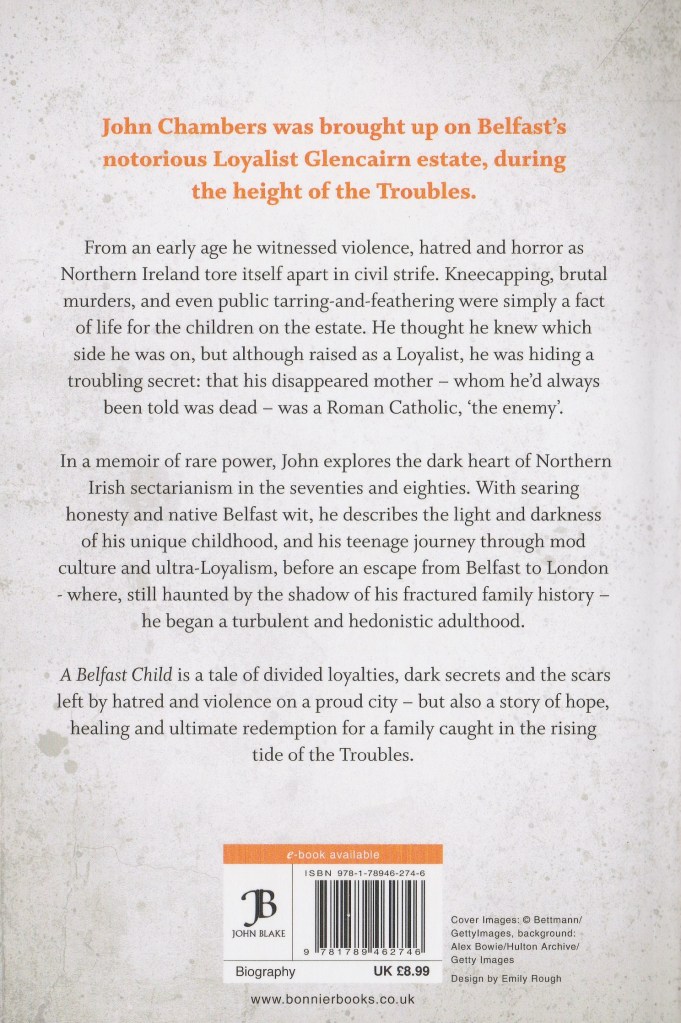
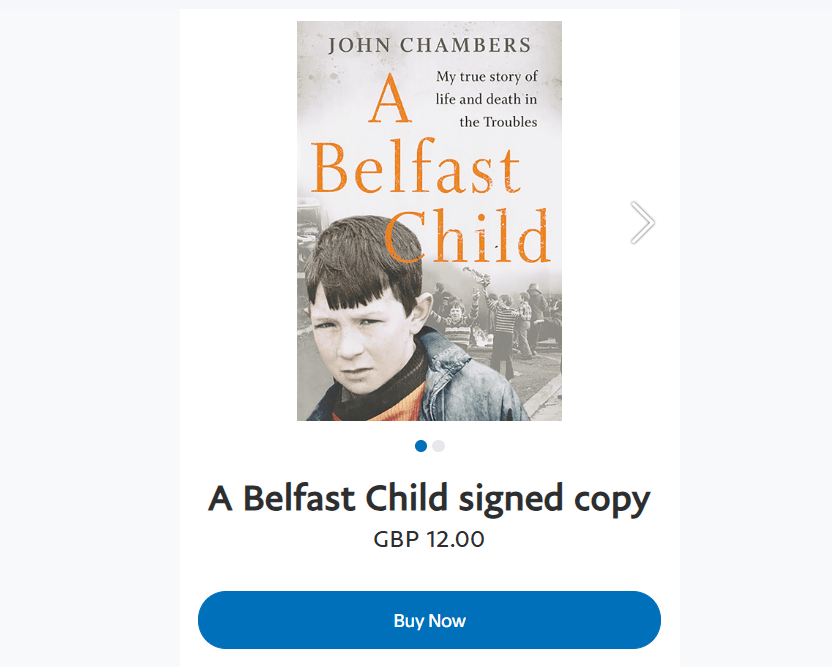



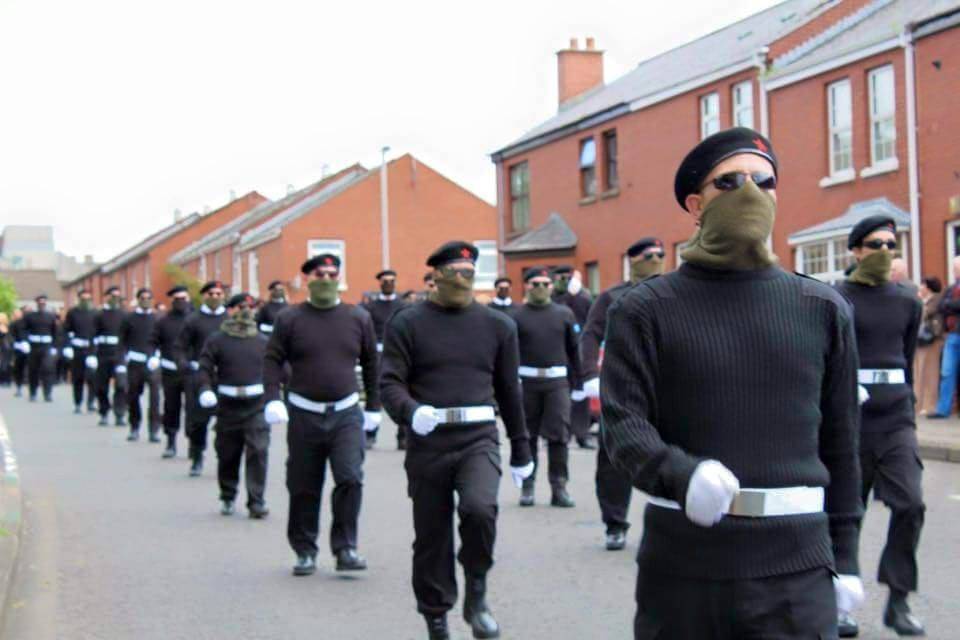


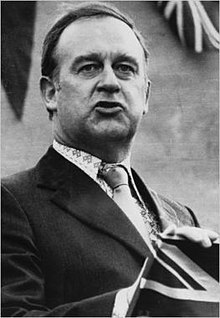
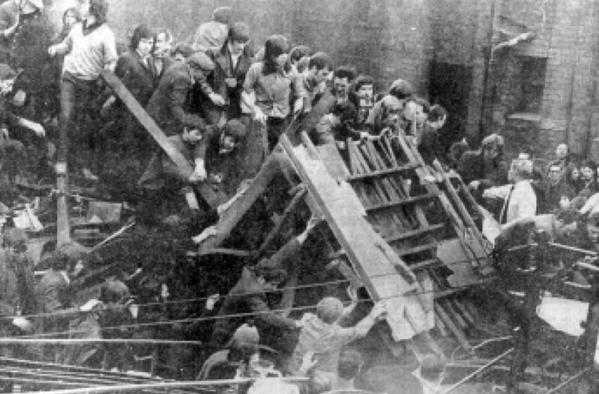
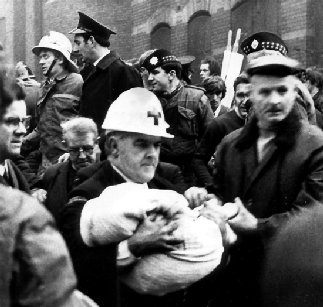
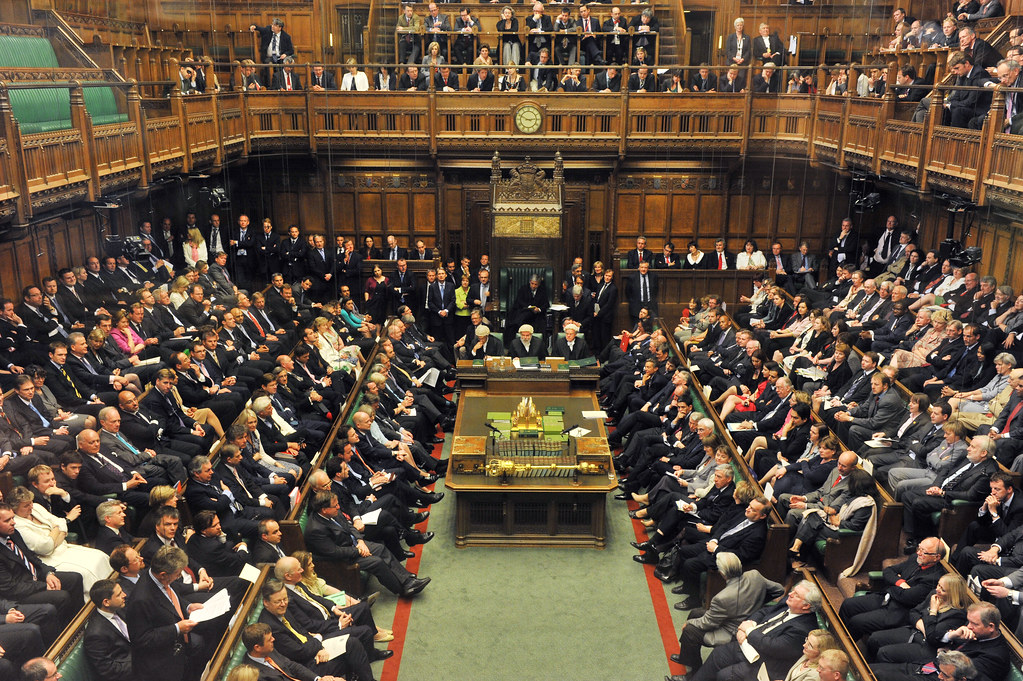


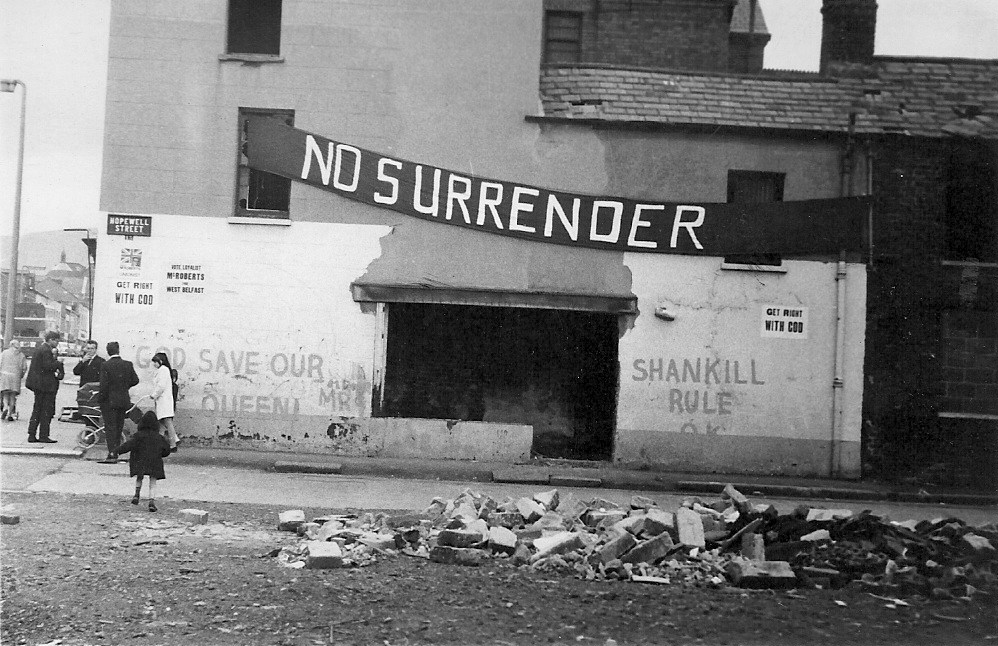





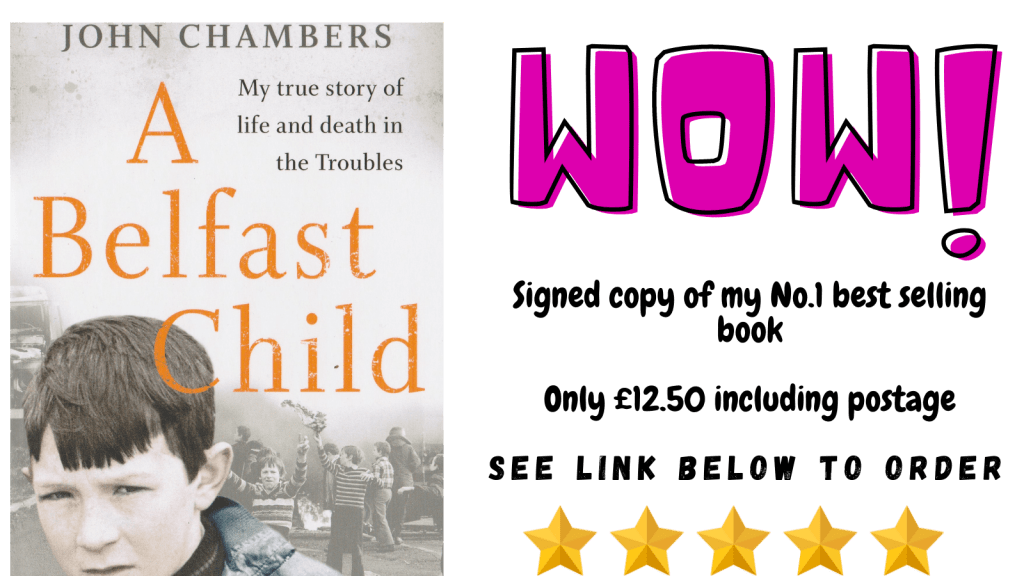




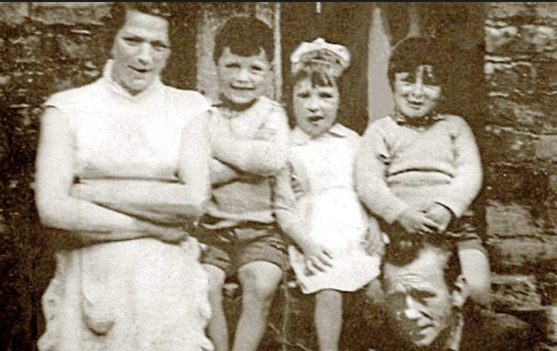


.JPG)

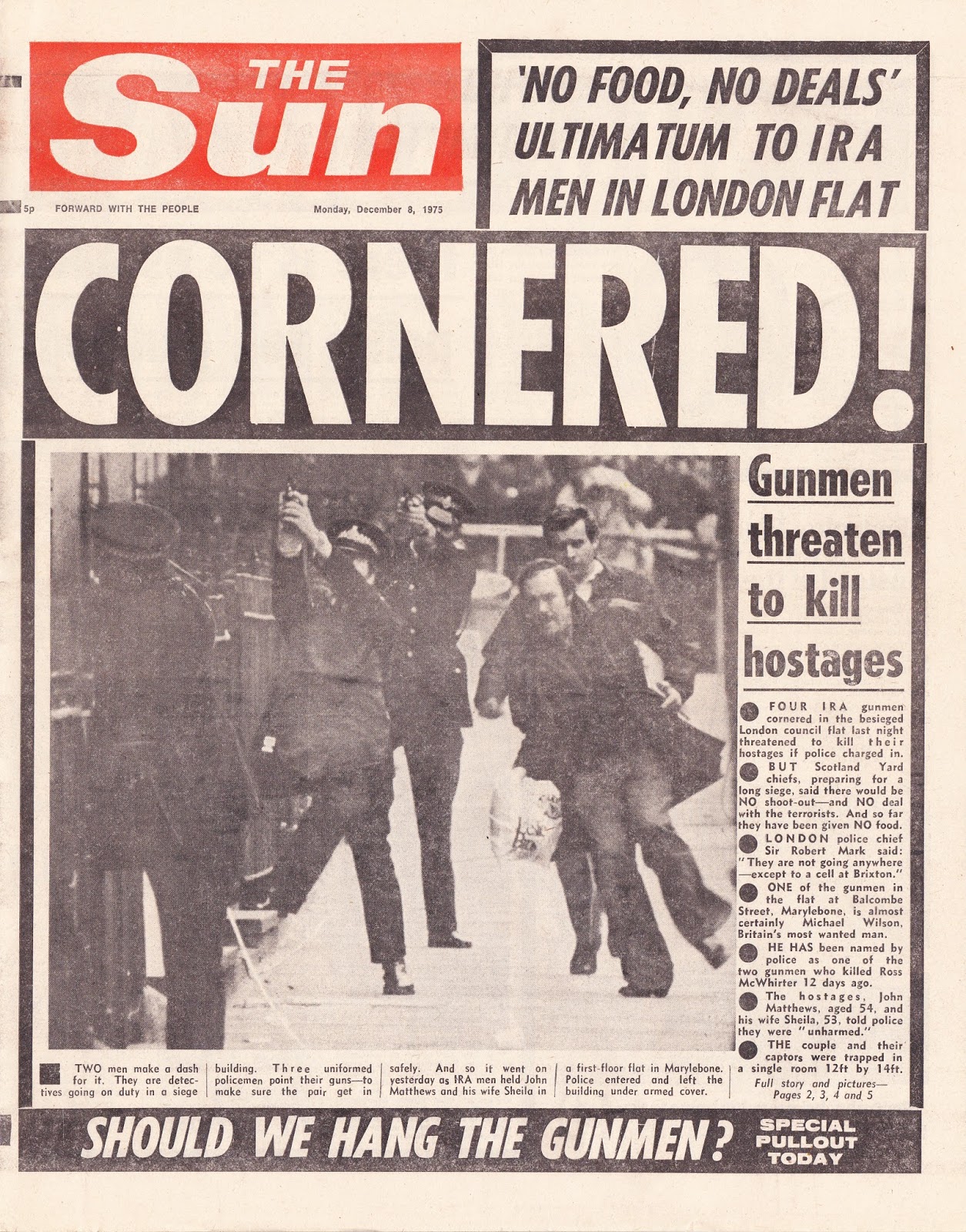
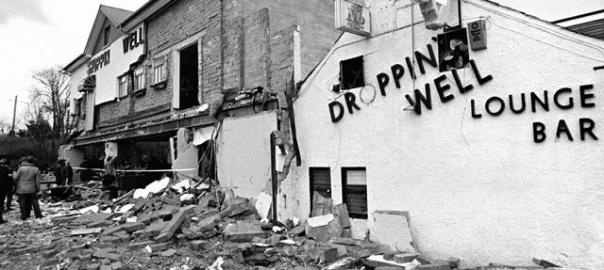



 belfastchildis.com