Below is a comprehensive list of 60 films about the “Troubles” and Republican/Loyalist paramilitaries . The list includes background information on the movies and where possible I have incl…
Source: 60 Films about the “Troubles “
Below is a comprehensive list of 60 films about the “Troubles” and Republican/Loyalist paramilitaries . The list includes background information on the movies and where possible I have incl…
Source: 60 Films about the “Troubles “

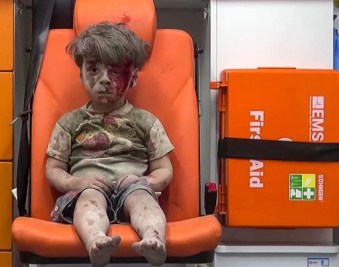
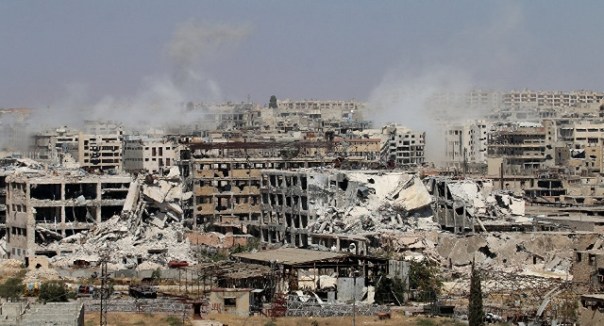
The Battle of Aleppo (Arabic: معركة حلب) is an ongoing military confrontation in Aleppo, the largest city in Syria, between the Syrian opposition (including Free Syrian Army, Islamic Front and other Sunni militants) in partial cooperation with the Army of Conquest against the forces of the Syrian Government (supported by Hezbollah and Shiite militants ) and against the Kurdish People’s Defence Units. The battle began on 19 July 2012 as a part of the Syrian Civil War.

The battle’s scale and importance led combatants to name it the “mother of battles” or “Syria’s Stalingrad“. The battle has been marked by the Syrian army’s indiscriminate use of barrel bombs dropped from helicopters, killing thousands of people.
Hundreds of thousands have been forced to evacuate.
The battle has caused catastrophic destruction to the Old City of Aleppo, a UNESCO World Heritage site.
In 2011, Aleppo was Syria‘s largest city with a population of 2.5 million people. A UNESCO World Heritage Site, it has been described by Time as Syria’s commercial capital. Author Diana Darke has written that
“The city has long been multi-cultural, a complex mix of Kurds, Iranians, Turkmen, Armenians and Circassians overlaid on an Arab base in which multi-denominational churches and mosques still share the space.”

Nationwide protests against the government led by President Bashar al-Assad had occurred since 15 March 2011, as part of the Arab Spring. In Aleppo itself large protests started more than a year later in May 2012. During this period, government-organized rallies in support of itself also occurred.
Aleppo had remained undisturbed by the 16 month long conflict till 22 July, when rebel fighters from the neighbouring villages converged and penetrated into it.
At the beginning of the Battle of Aleppo, rebels reportedly had between 6,000 and 7,000 fighters in 18 battalions.
The largest rebel group was the al-Tawhid Brigade and the most prominent was the Free Syrian Army, largely composed of army defectors. Most of the rebels came from the Aleppo countryside and from towns including Al-Bab, Marea, Azaz, Tel Rifaat and Manbij. A resident of Aleppo reportedly accused the rebels of using civilian homes for shelter. On 19 November 2012, the rebel fighters—particularly the al-Tawhid Brigade and the al-Nusra Front—initially rejected the newly formed Syrian National Coalition. However, the next day the rebels withdrew their rejection.
By December, rebel fighters were commonly looting for supplies; they switched their loyalties to groups that had more to share. This new approach led to the killing of at least one rebel commander following a dispute; fighters retreating with their loot caused the loss of a frontline position and the failure of an attack on a Kurdish neighborhood. The looting cost the rebel fighters much popular support.
Islamic extremists and foreign fighters, many of whom were experienced and came from the ongoing insurgency in neighboring Iraq, joined the battle. Jihadists reportedly came from across the Muslim world. Jacques Bérès, a French surgeon who treated wounded fighters, reported a significant number of foreign fighters, most of whom had Islamist goals and were not directly interested in Bashar al-Assad. They included Libyans, Chechens, and Frenchmen. Bérès contrasted the situation in Aleppo with that in Idlib and Homs, where foreign forces were not common.
Some FSA brigades cooperated with Mujahideen fighters.
The government retained support in Aleppo. A rebel commander said, “around 70% of Aleppo city is with the regime”. During the course of the battle, Assad lost support from Aleppo’s wealthy class. CBS News reported that 48 elite businessmen who were the primary financiers for the government switched sides.
For the first time, the Syrian Army engaged in urban warfare. They divided their forces into groups of 40 soldiers each. These were armed mostly with automatic rifles and anti-tank rockets and artillery, tanks and helicopters were only used for support. In August 2012, the army deployed its elite units. and eventually, after the rebels executed Shabiha and Zeino al-Berri, tribal leader of the al-Berri tribe, the tribe joined the fight against the rebels. The Christians supported the Army and formed militias aligned with the government following the capture of their quarters by the Syrian Army. The Christian Armenians also supported the Syrian Army. Aleppo’s Armenians say Turkey supported the FSA to attack Armenians and Arab Christians. The Armenians had a militia with around 150 fighters.
At the beginning of the battle, Aleppo’s Kurds formed armed groups, most notably the Kurdish Salahaddin Brigade, which worked with the opposition. The Kurdish Democratic Union Party (PYD) had poor relations with both sides. The PYD’s Popular Protection Committees stayed out of Arab areas and insisted the FSA stay out of the Kurdish area. They did not initially fight the Syrian Army unless attacked but later joined the opposition against pro-Assad forces. The Kurdish areas in Aleppo were mainly under PYD control. Four hundred Turkmen joined the battle under Sultan Abdulhamid Han.
Gunfire between rebels and security forces broke out in and around Salaheddine, a district in the city’s southwest, on the night of 19 July 2012. After one week of war, The Guardian wrote, “The US says it fears that the Assad regime is ‘lining up’ to commit a massacre in Aleppo, but it has repeated its reluctance to intervene in the conflict”.

Bombed out vehicles Aleppo
In late July and early August 2012, the FSA continued its offensive in Aleppo, with both sides suffering a high level of casualties. Rebel commanders said their main aim was to capture the city center. The rebels seized a strategic checkpoint in Anadan, a town north of Aleppo, gaining a direct route between the city and the Turkish border—an important rebel supply base. They also captured Al-Bab, an army base northeast of the city. Later, rebels attacked the air base at Minakh, 30 km (19 mi) northwest of Aleppo, with arms and tanks captured at the Anadan checkpoint. Opposition forces continued to gain territory in the city, controlling most of eastern and southwestern Aleppo, including Salaheddine and parts of Hamdaniyeh.
They continued to target security centers and police stations as clashes erupted near the Air Force intelligence headquarters in Aleppo’s northwestern district Zahraa. Rebels over-ran several police stations and posts in the central and southern districts of Bab al-Nerab, Al-Miersa and Salhain, seizing a significant quantity of arms and ammunition.

In December 2012, the al-Nusra Front unilaterally declared a no-fly zone and threatened to shoot down commercial aircraft, alleging that the government was using them to transport loyalist troops and military supplies. After multiple attacks on Aleppo International Airport, all flights were suspended on 1 January 2013. The following month, the rebels seized Umayyad Mosque; and during the battle, the mosque’s museum caught fire and its ceiling collapsed.
On 9 June, the Syrian Army announced the start of “Operation Northern Storm”, an attempt to recapture territory in and around the city. Between 7 and 14 June, army troops, government militiamen and Hezbollah fighters launched the operation. Over a one-week period, government forces advanced in the city and the countryside, pushing back the rebels. However, according to an opposition activist, on 14 June the situation started reversing after rebels halted an armored reinforcement column from Aleppo that was heading for two Shiite villages northwest of the city.
On 8 November, the Syrian Army started an offensive against the rebel-held Base 80, launching “the heaviest barrage in more than a year”.
Al Jazeera wrote that a government victory would cut the rebels’ route between the city and al-Bab. Two days later, Reuters reported that the rebels had regrouped to fight the Syrian army. Fifteen rebels were killed and the army recaptured the base. The following month, the army besieged the city in Operation Canopus Star. The army helicopters attacked with barrel bombs, killing more than a thousand people, according to the Free Syrian Army’s Abu Firas Al-Halabi.
Government forces, having lifted the siege of Aleppo in October 2013, continued their offensive in 2014. This culminated in the capture of the Sheikh Najjar industrial district north of Aleppo and the lifting of the siege of Aleppo Central Prison on 22 May 2014, which contained a garrison of government soldiers that had resisted rebel forces since 2012.
A ceasefire proposal was presented by a UN envoy in November; under the proposal the Syrian Arab Army would allow the rebels to leave Aleppo without violence and would help with their transportation. In return the militants would surrender their arms. President Assad reportedly agreed to consider taking this ceasefire plan, though no official confirmation was made.
The FSA rejected the plan; its military commander Zaher al-Saket said they had “learned not to trust the [Bashar al-] Assad regime because they are cunning and only want to buy time”.
In early January, the rebels recaptured the Majbal (sawmills) area of al-Brej and captured the southern entrance of the stone quarries known as al-Misat, forcing government troops to retreat to the north. Rebels also seized the Manasher al-Brej area. They tried to advance and take control of al-Brej Hill, with which they could seize the military supply road running between Aleppo Central Prison and the Handarat and al-Mallah areas.
At the end of January, the rebels took control over some positions in al-Brej Hill
In mid-February, the Syrian Arab Army and its allies launched a major offensive in the northern Aleppo countryside, with the aim of cutting the last rebel supply routes into the city, and relieving the rebel siege of the Shi’a-majority towns Zahra’a and Nubl to the northwest of Aleppo. They quickly captured several villages, but bad weather conditions and an inability to call up reinforcements stalled the government offensive.
A few days later, the rebels launched a counter-offensive, retaking two of four positions they had lost to Syrian government forces.
On 9 March, opposition forces launched an assault on Handarat, north of Aleppo, after reportedly noticing confusion in the ranks of Syrian government troops after the February fighting. Opposition sources said the rebels had captured 40–50% of the village, or possibly even 75%, while the Army remained in control of the northern portion of Handarat. In contrast, a Syrian Army source stated they still controlled 80% of Handarat.
On 18 March, after almost 10 days of fighting, the Syrian Army had fully expelled the rebels from Handarat, and re-established control of the village.
In preparation for a new offensive, the rebels heavily shelled government-held parts of Aleppo, leaving 43 civilians dead and 190 wounded on 15 June. On 17 June, rebel forces captured the western neighborhood of Rashideen from Syrian government forces. Throughout 19 and 20 June, a new round of rebel shelling killed 19 more civilians.
In early July, two rebel coalitions launched an offensive against the government-held western half of the city. During five days of fighting, the rebels seized the Scientific Research Center on Aleppo’s western outskirts, which was being used as a military barracks. Two rebel attacks on the Jamiyat al-Zahra area were repelled. Government forces launched an unsuccessful counter-attack against the Scientific Research Center.
In mid-October, ISIL captured four rebel-held villages northeast of Aleppo, while the Army seized the Syria-Turkey Free Trade Zone, the al-Ahdath juvenile prison and cement plant.
Meanwhile, the SAA and Hezbollah launched an offensive south of Aleppo, capturing 408 square kilometres (158 square miles) of territory in one month. By late December, they were in control of 3/4 of the southern Aleppo countryside.
By 2016, it was estimated that the population of rebel-held Eastern Aleppo had been reduced to 300,000. while 1.5 million were living in government-held Western Aleppo.
In early February 2016, Syrian government forces and its allies broke a three-year rebel siege of two Shi’ite towns of Nubl and Zahraa, cutting off a main insurgent route to nearby Turkey. On 4 February, the towns of Mayer and Kafr Naya were recaptured by government forces On 5 February, the government captured the village of Ratyan, to the northwest of Aleppo.
On 25 June, the Syrian army and allied forces began their long-awaited North-west Aleppo offensive. The ultimate goal of the offensive was to cut the Castello highway, which is the last supply route for rebels inside the city, thus fully encircling remaining opposition forces.
By late July, the military had managed to sever the last rebel supply line coming from the north and completely surround Aleppo. However, within days, the rebels launched a large-scale counter-attack south of Aleppo in an attempt to both open a new supply line into rebel-held parts of the city and cut-off the government-held side. The whole campaign, including both the Army’s offensive and subsequent rebel counter-offensive, was seen by both sides as possibly deciding the fate of the entire war.
After a week of heavy fighting, rebels both inside and outside Aleppo advanced into the Ramouseh neighborhood, linked up and captured it. They also seized the Al-Assad Military Academy. With these advances, the rebels managed to cut the government’s supply line into the government-held part of west Aleppo and announced the Army’s siege of rebel-held east Aleppo had been broken. However, the new rebel supply line was still under Army artillery fire and being hit by air-strikes, making both sides essentially under siege. Since the rebel offensive started, at least 130 civilians had been killed, most by rebel shelling of government-held districts. 500 fighters on both sides also died, mostly rebels
Rebel forces expanded into the countryside south of Aleppo to control sections of the M4 and M5 highways, effectively blocking ground reinforcements for the Syrian Army. Before the end of 2012, the Syrian Army in Aleppo was receiving sporadic supplies and ammunition replenishment by air or via backroads.
The fall of Base 46, a large complex that reinforced and supplied government troops, was seen by experts as “a tactical turning point that may lead to a strategic shift” in the battle for Aleppo. In a November 2012 intelligence report, American publisher Strategic Forecasting, Inc. described the strategic position of government forces in Aleppo as “dire”, and said the Free Syrian Army had them “essentially surrounded”.
On 26 November 2012, rebels captured Tishrin Dam, further isolating government forces in Aleppo and leaving only one route into Aleppo. By late January 2013 Deputy Prime Minister Qadri Jamil said all supply routes to Aleppo had been cut off by opposition forces, comparing the situation to the Siege of Leningrad.

By late February 2013, Aleppo International Airport was almost surrounded by rebel forces. Later, the Syrian Army regained control of the strategic town Tel Sheigeb, allowing them to approach the airport. In November 2013, the Syrian Army retook the town of al-Safira. This opened a road for the government to support the besieged Kuweires Military Airbase and Aleppo Power Plant.
In February 2014, it was reported that the army planned to encircle Aleppo and impose blockades and truces. It would also try to recapture Sheikh Najjar Industrial City to rebuild the economy and provide jobs. By October 2014, the army had seized Sheikh Najjar, reinforced Aleppo Central Prison and captured Handaraat, almost besieging rebel-held Aleppo. Tensions peaked in early April 2014, when a Syrian Republican Guard officer allegedly killed a Hezbollah commander during an argument over the opposition advance in al-Rashadin, and other pro-government militant groups sent as reinforcements, such as the National Defence Force, proved to be unreliable in combat.
Effectively cutting off access was more difficult in Aleppo because rebels controlled more terrain there than in other cities. Rebels also have a strong presence in the countryside and around the border crossings with Turkey. In April 2014 government commanders inside the city were saying that contrary to implementing such a strategy, “the best [they] can do in Aleppo is just secure … positions”.
The attempted encirclement involved the SAA’s attacks on Bustan Al-Pasha, Khalidiyyeh, the farms of Mazra’a Halabi, Al-Amariyya and Bustan Al-Qaseer . The rebels’ strategic victory at the Siege of Wadi Deif resulted in threats to several main government supply lines. This cast doubt on government forces’ ambitions to control the road from Hama to Aleppo and the Damascus-Aleppo international road, and has been seen as a personal defeat for Syrian Arab Army Col. Suheil Al Hassan.
Staffan de Mistura, the United Nations and Arab League Envoy to Syria, proposed a pause in fighting, but opinions about implementation were divided. The European Union warned that “cases of forced surrender imposed by the Assad regime through starvation sieges were labelled fallaciously as local cease-fires in the past. The Southern Front of the Free Syrian Army, which was gaining ground in Deraa province south of Damascus, warned that a freeze in fighting in Aleppo could hamper their advance, as pro-Assad forces could be redirected from Aleppo.
The Syrian government’s defeat at the Second Battle of Idlib in late March 2015, which helped expand the influence of the al-Nusra Front, forced the Islamic State (IS) to expand its attacks in central Syria after it failed to block the Raqqa highway that branches out to the Syrian army’s main supply route to Aleppo along the Khanasir-Athriya road. IS’s aim would potentially be to establish the necessary conditions to attack Idlib and al-Nusra. The March–April IS offensive in central Syria led some volunteers defending the Homs-Aleppo highway to consider deserting to defend their hometowns.
According to Jane’s Information Group, a possible offensive on Homs by both al-Nusra Front and IS working independently might force the government to move critical forces away from Aleppo to defend key supply routes.
After additional opposition gains during the 2015 Jisr al-Shughur offensive, Jane’s said it was no longer possible for the SAA to properly reinforce Aleppo, leaving their forces vulnerable to any opposition or IS offensive on the city. If opposition forces decided to capitalize on their gains and launch an assault towards Latakia, the prospect of soldiers deserting was raised because if they were not redeployed back to defend it, they could defend their own homes against any potential rebel advance.
Syrian government minister Faisal Mekdad stated in June 2015,
“All our strategic planning now is to keep the way open to Aleppo to allow our forces to defend it”.

In 2014, the United Nations adopted Resolution 2139 which ordered the end of using barrel bombs in the battle. The Syrian Observatory of Human Rights stated that the Syrian army dropped 7,000 barrel bombs in the first five months of 2015 claiming the lives of 3,000 people. Amnesty International claims that barrel bombs killed 3,000 people in 2014 Channel4 claims that videos have emerged online showing the Syrian army using barrel bombs.
The Syrian government has been alleged of using the barrel bombs several times. Some of them are:
However, the government has denied using barrel bombs. In an interview to BBC, President Bashar al-Assad denied using “indiscriminate weapons” like barrel bombs in the rebel held territories.
Assad said:
“I know about the army. They use bullets, missiles and bombs. I haven’t heard of the army using barrels, or maybe cooking pots.”
Time magazine wrote,
..the ongoing devastation inflicted on the country’s stunning archaeological sites—bullet holes lodged in walls of its ancient Roman cities, the debris of Byzantine churches, early mosques and crusader fortresses—rob Syria of its best chance for a post-conflict economic boom based on tourism, which, until the conflict started 18 months ago, contributed 12% to the national income.
The Al-Madina Souq, a major souq (market) in Aleppo, was affected by a fire in September 2012. The Irish Times reported that around 700 to 1000 shops were destroyed by the fire, which had been caused by firing and shelling. The following month, there were reports of the Great Mosque of Aleppo being damaged by rocket-propelled grenades. Fighting with mortars and machine guns caused damage to the main gate and the prayer hall
The attack continued in the mosque till it was repelled by the army.
The Citadel of Aleppo was damaged during Syrian army shelling.
On 2 October, Irena Bokova the Director-General of UNESCO, expressed her “grave concern about possible damage to precious sites” and requested the combatants to “ensure the protection of the outstanding cultural legacy that Syria hosts on its soil”.
She cited the Hague Convention for protecting the heritage sites.
A 2014 report by UNITAR found, using satellite images, that 22 out of the 210 examined key structures had been completely destroyed. 48 others had sustained severe damage, 33 moderate damage and 32 possible damage. The destroyed sites included the Carlton Citadel Hotel, destroyed to its foundations in a bombing in 2014, the madrasas of al-Sharafiyya and Khusruwiyah. The damage to the Great Mosque, whose minaret had been destroyed, was confirmed. According to official estimates, 1500 out of the 1600 shops in the souqs had been damaged or destroyed.
The Syrian president, Bashar al-Assad, said on the occasion of the 67th Anniversary of the Syrian Arab Army in August 2012,
“the army is engaged in a crucial and heroic battle … on which the destiny of the nation and its people rests …”


Billy Giles (3 September 1957, Belfast – 25 September 1998, Belfast) was an Ulster Volunteer Force volunteer who later became active in politics following his release from the Maze Prison in 1997 after serving 14 years of a life sentence for murder.
Disclaimer
The views and opinions expressed in these pages/documentaries are soley intended to educate and provide background information to those interested in the Troubles of Northern Ireland. They in no way reflect my own opinions and I take no responsibility for any inaccuracies or factual errors.
Billy Giles was born William Alexander Ellis Giles in Belfast, Northern Ireland on 3 September 1957, and grew up in Island Street, in loyalist east Belfast. His father Sam, worked as a plater in the nearby Harland and Wolff shipyard, and his mother, Lily was a housewife. Giles was the eldest of six children. The Giles family was very religious, the Protestant church having been the centre of their lives. Giles often attended the rallies of Ian Paisley, and was strongly influenced by his sermons.
His father, a former soldier in the British Army, was a member of the Orange Order, The Royal Black Preceptory, and The Apprentice Boys of Derry. His brothers also served in the army.
At the age of 14, he witnessed first-hand the events of Bloody Friday on 21 July 1972 when the Provisional IRA exploded 26 bombs across Belfast, killing nine people, and injuring 103. As the years passed, he found himself attending many funerals of friends he had lost and people he had known. In 1975, he joined the Ulster Volunteer Force (UVF) and was trained in the use of weapons and explosives by former military personnel; he had just turned 18 years old.
At the outbreak of the republican hunger strike in 1981, Giles had gradually become disassociated from the UVF. Following the deaths of the ten republican prisoners, however, Giles believed that, in the wake of the hunger strike, “there was going to be an uprising and they [Protestants] were all going to be slaughtered” by the IRA.
Giles mentally prepared himself to go to war against the IRA and therefore returned as an active member of the UVF.
On 19 November 1982 in Newtownards, Billy Giles abducted a Roman Catholic married man, Michael Fay, and shot him in the back of the head, killing him instantly. He then stuffed the body in the car’s boot. Fay had been Giles’ friend and workmate. The killing was in retaliation for the fatal shooting of Karen McKeown, a young Protestant Sunday school teacher by the Irish National Liberation Army two months previously. Giles was arrested by the Royal Ulster Constabulary (RUC) and brought to the Castlereagh interrogation centre, where he confessed to the killing. He was found guilty of the murder and sentenced to life in the Maze Prison
Giles was housed in the prison’s H-Blocks. He spent his time studying and took several GCSEs; he eventually obtained an Open University degree in Social Sciences. He also wrote a play about his childhood in Island Street called Boy Girl. It was later performed before a Belfast audience; his parents were present at the performance. Few people present at the performance were aware that it was the work of a UVF prisoner.
It took Giles seven years before he adjusted to life inside The Maze. He gave many interviews to British journalist, Peter Taylor, to whom he confessed his deep remorse at the killing of Michael Fay, saying that he had “never felt like a whole person again” since the fatal shooting.
On two separate occasions, Giles claimed he had saved the lives of prison officers inside the Maze: the first time when he stopped an inmate from cutting an officer’s throat and the second time during a prison riot in March 1995 when he persuaded his inmates to stop the wrecking and to allow free passage to the block staff.
He was released on 4 July 1997 after serving 14 years of his life sentence. He immediately commenced work with the Progressive Unionist Party also known as PUP, and concentrated on helping released Loyalist prisoners to resettle into the community. At the signing of the Good Friday Agreement on 10 April 1998 at Stormont, Giles was part of PUP’s negotiating team. He told Peter Taylor that he felt optimistic about the future of Northern Ireland and his own.
Despite his degree, he was unable to obtain a proper job that paid a decent salary. On the night of 24–25 September after composing a four-page letter of explanation and naming himself a “victim of the Troubles“, Billy Giles hanged himself in his living room.
He was 41 years old. Peter Taylor visited Giles’ family in east Belfast on the eve of the funeral. He described Giles as lying in the coffin wearing his best suit, and his UVF badge with the inscribed words “For God and Ulster” was pinned to his lapel.
One of his last lines in his letter read,
“Please let the next generation live normal lives”.
This line was quoted during a speech given by Colm Cavanagh, Vice-President of The Alliance Party of Northern Ireland on 3 March 2006 to The Department of Education. His friend and former UVF colleague Billy Mitchell, who was strongly critical of trauma counselling and a psychological approach to former paramilitaries, suggested that Giles’ suicide had been prompted by a “trauma workshop” Giles had attended in South Africa. This was in contrast to Taylor, who believed that Giles took his own life because of the remorse he felt about his involvement in UVF violence.
Giles is commemorated, along with other prominent Loyalist paramilitaries, in the controversial UVF song Battalion of the Dead.

The life and death of Eamon Collins Eamon Collins (1954 – 27 January 1999) was a Provisional Irish Republican Army member in the late 1970s and early 1980s. He turned his back on the organisation in the late 1980s, and later co-authored a book called Killing Rage detailing his experiences within it. In January 1999 he was waylaid on a…

The brutal & unforgivable murder of Ann Ogilby, also known as the Romper Room murder Forgotten victims of the Troubles The murder of Ann Ogilby, also known as the “Romper Room murder”, took place in Sandy Row, south Belfast, Northern Ireland on 24 July 1974. It was a punishment killing, carried out by members of the Sandy Row women’s Ulster Defence…
Joe McCann – Life & Death Joe McCann (2 November 1947 – 15 April 1972) was an Irish republican volunteer. A member of the Irish Republican Army and later the Official Irish Republican Army, he was active in politics from the early 1960s and participated in the early years of the Troubles in Northern Ireland. He was shot dead, after being confronted by RUC Special…
… Máire Drumm Life & death 22 October 1919 – 28 October 1976 Máire Drumm (22 October 1919 – 28 October 1976) was the vice-president of Sinn Féin and a commander in Cumann na mBan. She was killed by Ulster loyalists while recovering from an eye operation in Belfast’s Mater Hospital. Born in Newry, County Down, to a staunchly Irish republican family. Drumm’s mother had…
Death of Robert Hamill Robert Hamill was an Irish Catholic civilian who was beaten to death by a loyalist mob in Portadown, County Armagh, Northern Ireland. Hamill and his friends were attacked on 27 April 1997 on the town’s main street. It has been claimed that the local Royal Ulster Constabulary (RUC), parked a short…
John Bingham Life & Death John Dowey Bingham (c. 1953 – 14 September 1986) was a prominent Northern Irish loyalist who led “D Company” (Ballysillan), 1st Battalion, Ulster Volunteer Force (UVF). He was shot dead by the Provisional IRA after they had broken into his home. Bingham was one of a number of prominent UVF members to be assassinated during the 1980s,…
Patrick Rooney Age 9 First Child killed in the Troubles Patrick Rooney 14th August 1969 Patrick was the first child to be killed during the Troubles he died shortly after being struck by a tracer bullet by the RUC as he lay in his bed in his family home in Divis Tower. The shot was…
Dawn of the Troubles – August 1969 Northern Ireland History During 12–16 August 1969, there was an outbreak of political and sectarian violence in Northern Ireland, which is often seen as the beginning of the thirty-year conflict known as the Troubles. There had been sporadic violence throughout the year arising out of the civil rights…
Ian Reginald Edward Gow Ian Reginald Edward Gow TD 11 February 1937 – 30 July 1990) was a British Conservative politician and solicitor. While serving as Member of Parliament (MP) for Eastbourne, he was assassinated by the Provisional Irish Republican Army (IRA), who exploded a bomb under his car outside his home in East Sussex. Early life Ian Gow was born at 3 Upper Harley Street, London, the…
Miriam Daly Life & Death Miriam Daly (1928 – 26 June 1980) was an Irish republican activist and university lecturer who was assassinated by the loyalist Ulster Defence Association (UDA). Background and personal life She was born in the Curragh Irish Army camp, County Kildare, Ireland. She grew up in Hatch Street, Dublin, attending Loreto College on St Stephen’s Green and then University College, Dublin, graduating in history. The…
Ronnie Bunting (1947/1948 – 15 October 1980) was a Protestant Irish republican and socialist activist in Ireland. He became a member of the Official IRA in the early 1970s and was a founder-member of the Irish National Liberation Army (INLA) in 1974. He became leader of the INLA in 1978 and was assassinated in 1980 at age 32. Background Bunting came from an Ulster Protestant family in East Belfast.…
Dolours Price IRA Icon ? Dolours Price (16 December 1950 – 23 January 2013) was a Provisional Irish Republican Army (IRA) volunteer along with her younger sister Marian. Early life Dolours and her sister, Marian, also an IRA member, were the daughters of Albert Price, a prominent Irish republican and former IRA member from Belfast. Their aunt, Bridie Dolan, was blinded and lost both hands in…
Kevin Fulton aka Peter Keeley – Double Agent ? Kevin Fulton is a British agent from Newry, Northern Ireland, who allegedly spied on the Provisional Irish Republican Army (IRA) for MI5. He is believed to be in London, where he is suing the Crown, claiming his British military handlers cut off their connections and financial aid to him. In 2004 he reportedly sued the Andersonstown News, an Irish…

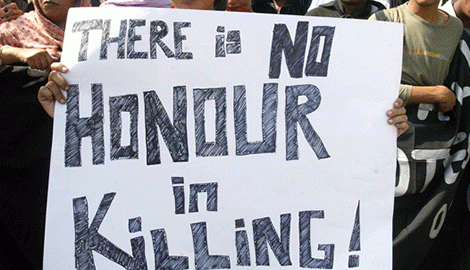
Samia Shahid Bail denied in ‘honour killing’ case
A judge in Pakistan has dismissed an application for bail from the father of Samia Shahid, who was allegedly killed in a so-called “honour killing”.
Her former husband, Chaudhry Muhammad Shakeel, is accused of murder and is reported to have confessed to strangling her with her scarf.
Chaudhry Muhammad Shahid, her father, is being held as an accessory to her murder.
A lawyer for Samia’s father said he intended to lodge an immediate appeal.
——————————————–
Whatever makes a family commit the merciless crime of Filicide (the deliberate act of a parent murdering their own child.) in the name of family honour is almost beyond my comprehension and even more baffling to me is the fact that this crime is wide spread and is not confined to the backwaters of the Middle East or Pakistan , but is “practiced ” in the UK and other European countries and there have been many high profile cases in the UK over the past decade.
UK police forces recorded more than 11,000 cases of “honour” crime between 2010 and 2014.
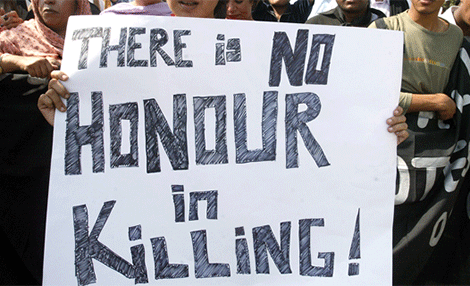
An honor killing or shame killing is the homicide of a member of a family by other members, due to the perpetrators’ belief that the victim has brought shame or dishonor upon the family, or has violated the principles of a community or a religion, usually for reasons such as refusing to enter an arranged marriage, being in a relationship that is disapproved by their family, having sex outside marriage, becoming the victim of rape, dressing in ways which are deemed inappropriate, engaging in non-heterosexual relations or renouncing a faith.
Human Rights Watch defines “honor killings” as follows:
Honor killings are acts of vengeance, usually death, committed by male family members against female family members, who are held to have brought dishonor upon the family. A woman can be targeted by (individuals within) her family for a variety of reasons, including: refusing to enter into an arranged marriage, being the victim of a sexual assault, seeking a divorce—even from an abusive husband—or (allegedly) committing adultery. The mere perception that a woman has behaved in a way that “dishonors” her family is sufficient to trigger an attack on her life.
Although rarely, men can also be the victims of honor killings by members of the family of a woman with whom they are perceived to have an inappropriate relationship.
The loose term “honor killing” applies to killing of both men and women in cultures that practice it.
Some women who bridge social divides, publicly engage other communities, or adopt some of the customs or the religion of an outside group may be attacked. In countries that receive immigrants, some otherwise low-status immigrant men and boys have asserted their dominant patriarchal status by inflicting honor killings on female family members who have participated in public life, for example, in feminist and integration politics.
Worldwide, 91 percent of perpetrators were Muslims
The distinctive nature of honor killings is the collective nature of the crime – many members of an extended family plan the act together, sometimes through a formal “family council”. Another significant feature is the connection of honor killings to the control of women’s behavior, in particular in regard to sexuality/male interaction/marriage, by the family as a collective. Another key aspect is the importance of the reputation of the family in the community, and the stigma associated with losing social status, particularly in tight-knit communities.
Another characteristic of honor killings is that the perpetrators often don’t face negative stigma within their communities, because their behavior is seen as justified.
The incidence of honor killings is very difficult to determine and estimates vary widely. In most countries data on honor killings is not collected systematically, and many of these killings are reported by the families as suicides or accidents and registered as such.
Although honor killings are often associated with the Asian continent, especially the Middle East and South Asia, they occur all over the world. In 2000, the United Nations estimated that 5,000 women were victims of honor killings each year.
According to BBC:
“Women’s advocacy groups, however, suspect that more than 20,000 women are killed worldwide each year.”
Murder is not the only form of honor crime, other crimes such s acid attacks, abduction, mutilations, beatings occur; in 2010 the UK police recorded at least 2,823 such crimes.
Methods of killing include stoning, stabbing, beating, burning, beheading, hanging, throat slashing, lethal acid attacks, shooting and strangulation.
The murders are sometimes performed in public to warn the other women within the community of possible consequences of engaging in what is seen as illicit behavior.
Often, minor girls and boys are selected by the family to act as the killers, so that the killer may benefit of the most favorable legal outcome. Boys and sometimes women in the family are often asked to closely control and monitor the behavior of their sisters or other females in the family (there are also few cases of men or boys being killed in the name of ‘honor’, to ensure that the females do not do anything to tarnish the ‘honor’ and ‘reputation’ of the family. The boys are often asked to carry out the murder, and if they refuse, they may face serious repercussions from the family and community for failing to perform their “duty”
The cultural features which lead to honor killings are complex. Honor killings involve violence and fear as a tool of maintaining control. Honor killings are argued to have their origin among nomadic peoples and herdsmen: such populations carry all their valuables with them and risk having them stolen, and do not have proper recourse to law. As a result, inspiring fear, using aggression, and cultivating a reputation for violent revenge in order to protect property is preferred to other behaviors. In societies where there is a weak rule of law, people must build fierce reputations.
In many cultures where honor is of central value, men are sources, or active generators/agents of that honor, while the only effect that women can have on honor is to destroy it.
Once the family’s or clan’s honor is considered to have been destroyed by a woman, there is a need for immediate revenge to restore it, in order for the family to avoid losing face in the community. As Amnesty International statement notes:
The regime of honour is unforgiving: women on whom suspicion has fallen are not given an opportunity to defend themselves, and family members have no socially acceptable alternative but to remove the stain on their honour by attacking the woman.
The relation between social views on female sexuality and honor killings is complex. The way through which women in honor-based societies are considered to bring dishonor to men is often through their sexual behavior. Indeed, violence related to female sexual expression has been documented since Ancient Rome, when the pater familias had the right to kill an unmarried sexually active daughter or an adulterous wife. In medieval Europe, early Jewish law mandated stoning for an adulterous wife and her partner.
Carolyn Fluehr-Lobban, an anthropology professor at Rhode Island College, writes that an act, or even alleged act, of any female sexual misconduct, upsets the moral order of the culture, and bloodshed is the only way to remove any shame brought by the actions and restore social equilibrium. However, the relation between honor and female sexuality is a complicated one, and some authors argue that it is not women’s sexuality per se that is the ‘problem’, but rather women’s self-determination in regard to it, as well as fertility. Sharif Kanaana, professor of anthropology at Birzeit University, says that honor killing is:
A complicated issue that cuts deep into the history of Islamic society. .. What the men of the family, clan, or tribe seek control of in a patrilineal society is reproductive power. Women for the tribe were considered a factory for making men. The honour killing is not a means to control sexual power or behavior. What’s behind it is the issue of fertility, or reproductive power.
In some cultures, honor killings are considered less serious than other murders simply because they arise from long-standing cultural traditions and are thus deemed appropriate or justifiable. Additionally, according to a poll done by the BBC’s Asian network, 1 in 10 of the 500 young Asians surveyed said they would condone any murder of someone who threatened their family’s honor.
Nighat Taufeeq of the women’s resource center Shirkatgah in Lahore, Pakistan says:
“It is an unholy alliance that works against women: the killers take pride in what they have done, the tribal leaders condone the act and protect the killers and the police connive the cover-up.”
The lawyer and human rights activist Hina Jilani says,
“The right to life of women in Pakistan is conditional on their obeying social norms and traditions.”
A July 2008 Turkish study by a team from Dicle University on honor killings in the Southeastern Anatolia Region, the predominantly Kurdish area of Turkey, has so far shown that little if any social stigma is attached to honor killing. It also comments that the practice is not related to a feudal societal structure,
“there are also perpetrators who are well-educated university graduates. Of all those surveyed, 60 percent are either high school or university graduates or at the very least, literate.”
In contemporary times, the changing cultural and economic status of women has also been used to explain the occurrences of honor killings. Women in largely patriarchal cultures who have gained economic independence from their families go against their male-dominated culture. Some researchers argue that the shift towards greater responsibility for women and less for their fathers may cause their male family members to act in oppressive and sometimes violent manners in order to regain authority.
This change of culture can also be seen to have an effect in Western cultures such as Britain where honor killings often arise from women seeking greater independence and adopting seemingly Western values. For women who trace their ancestry back to the Middle East or South Asia, wearing clothes that are considered Western, having a boyfriend, or refusing to accept an arranged marriage are all offenses that can and have led to an honor killing.
Fareena Alam, editor of a Muslim magazine, writes that honor killings which arise in Western cultures such as Britain are a tactic for immigrant families to cope with the alienating consequences of urbanization. Alam argues that immigrants remain close to the home culture and their relatives because it provides a safety net. She writes that,
“In villages “back home”, a man’s sphere of control was broader, with a large support system. In our cities full of strangers, there is virtually no control over who one’s family members sit, talk or work with.”
Alam argues that it is thus the attempt to regain control and the feelings of alienation that ultimately leads to an honor killing.
Refusal of an arranged marriage is often a cause of an honor killing. The family which has prearranged the marriage risks disgrace if the marriage does not proceed.
A woman attempting to obtain a divorce or separation without the consent of the husband/extended family can also be a trigger for honor killings. In cultures where marriages are arranged and goods are often exchanged between families, a woman’s desire to seek a divorce is often viewed as an insult to the men who negotiated the deal.[38] By making their marital problems known outside the family, the women are seen as exposing the family to public dishonor.
In certain cultures, an allegation against a woman can be enough to tarnish her family’s reputation, and to trigger an honor killing: the family’s fear of being ostracized by the community is enormous.
In many cultures, victims of rape face severe violence, including honor killings, from their families and relatives. In many parts of the world, women who have been raped are considered to have brought ‘dishonor’ or ‘disgrace’ to their families. This is especially the case if the victim becomes pregnant.
Central to the code of honor, in many societies, is a woman’s virginity, which must be preserved until marriage. Suzanne Ruggi writes,
“A woman’s virginity is the property of the men around her, first her father, later a gift for her husband; a virtual dowry as she graduates to marriage.”
There is evidence that homosexuality can also be perceived as grounds for honor killing by relatives. It is not only same-sex sexual acts that trigger violence – behaviors that are regarded as inappropriate gender expression (e.g. a male acting or dressing in a “feminine way”) can also raise suspicion and lead to honor violence.
In one case, a gay Jordanian man was shot and wounded by his brother. In another case, in 2008, a homosexual Turkish-Kurdish student, Ahmet Yildiz, was shot outside a cafe and later died in the hospital. Sociologists have called this Turkey‘s first publicized gay honor killing.
In 2012, a 17-year-old gay youth was murdered by his father in Turkey in the southeastern province of Diyarbakır.
United Nations High Commissioner for Refugees state that:
“claims made by LGBT persons often reveal exposure to physical and sexual violence, extended periods of detention, medical abuse, threat of execution and honour killing.”
There are multiple causes for which honor killings occur, and numerous factors interact with each other.
Honor killings are often a result of strongly patriarchal views on women, and the position of women in society. In these traditional male-dominated societies women are dependent first on their father and then on their husband, whom they are expected to obey. Women are viewed as property and not as individuals with their own agency. As such, they must submit to male authority figures in the family – failure to do so can result in extreme violence as punishment. Violence is seen as a way of ensuring compliance and preventing rebellion.
According to Shahid Khan, a professor at the Aga Khan University in Pakistan:
“Women are considered the property of the males in their family irrespective of their class, ethnic, or religious group. The owner of the property has the right to decide its fate. The concept of ownership has turned women into a commodity which can be exchanged, bought and sold”.
In such cultures, women are not allowed to take control over their bodies and sexuality: these are the property of the males of the family, the father (and other male relatives) who must ensure virginity until marriage; and then the husband to whom his wife’s sexuality is subordinated – a woman must not undermine the ownership rights of her guardian by engaging in premarital sex or adultery.
The concept of family honor is extremely important in many communities. The family is viewed as the main source of honor and the community highly values the relationship between honor and the family. Acts by family members which may be considered inappropriate are seen as bringing shame to the family in the eyes of the community. Such acts often include female behaviors that are related to sex outside marriage or way of dressing, but may also include male homosexuality (like the emo killings in Iraq).
The family loses face in the community, and may be shunned by relatives. The only way the shame can be erased is through a killing. The cultures in which honor killings take place are usually considered “high-context“, where the family is more important than the individual, and individualistic autonomy is seen as a threat to the collective family and its honor.
A forced suicide may be a substitute for an honor killing. In this case, the family members do not directly kill the victim themselves, but force him or her to commit suicide, in order to avoid punishment. Such suicides are reported to be common in southeastern Turkey, Iraq and Iran.
It was reported that in 2001, 565 women lost their lives in honor-related crimes in Ilam, Iran, of which 375 were reportedly staged as self-immolation.
In 2008, self-immolation, “occurred in all the areas of Kurdish settlement (in Iran), where it was more common than in other parts of Iran”. It is claimed that in Iraqi Kurdistan, many deaths are reported as “female suicides” in order to conceal honor-related crimes.
In the case of an unmarried girl associating herself with a man, losing virginity, or being raped, the family may attempt to restore its ‘honor’ with a ‘shotgun wedding’. The groom will usually be the man who has ‘dishonored’ the girl, but if this is not possible the family may try to arrange a marriage with another man, often a man who is part of the extended family of the one who has committed the acts with the girl. This being an alternative to an honor killing, the girl has no choice but to accept the marriage. The family of the man is expected to cooperate and provide a groom for the girl.
Widney Brown, the advocacy director of Human Rights Watch, said that the practice “goes across cultures and across religions”.
Phyllis Chesler stated in a study that worldwide, 91 percent of perpetrators were Muslims.
Resolution 1327 (2003) of the Council of Europe states that:
“The Assembly notes that whilst so-called ‘honour crimes’ emanate from cultural and not religious roots and are perpetrated worldwide (mainly in patriarchal societies or communities), the majority of reported cases in Europe have been amongst Muslim or migrant Muslim communities (although Islam itself does not support the death penalty for honour-related misconduct).”
Killing one’s wife or sister for tarnishing her honor or that of her family has not received approval from any Islamic scholar of any note, in either medieval or modern era.
Many Muslim commentators, and organizations condemn honor killings as an un-Islamic cultural practice. Tahira Shaid Khan, a professor of women’s issues at Aga Khan University, says that there is:
Nothing in the Qur’an that permits or sanctions honor killings
Khan instead blames it on attitudes (across different classes, ethnic, and religious groups) that view women as property with no rights of their own as the motivation for honor killings. Salafi scholar Muhammad Al-Munajjid asserts that the punishment of any crime is reserved for the Islamic ruler only. Ali Gomaa, Egypt‘s ex-Grand Mufti, has also spoken out forcefully against honor killings.
Matthew A. Goldstein, J.D. (Arizona), has noted that honor killings were encouraged in ancient Rome, where male family members who did not take actions against the female adulterers in their family were “actively persecuted”.
The origin of honor killings and the control of women is evidenced throughout history in the culture and tradition of many regions. The Roman law of pater familias gave complete control to the men of the family over both their children and wives. Under these laws, the lives of children and wives were at the discretion of the men in their family. Ancient Roman Law also justified honor killings by stating that women found guilty of adultery could be killed by their husbands. Among the Ching dynasty in China, fathers and husbands had the right to kill females deemed to have dishonored them.
Among the Amerindian Aztecs and Incas, adultery was punishable by death.During John Calvin’s control over Geneva, women found guilty of adultery were punished by being drowned in the Rhone river.
Honor killings have a long tradition in Mediterranean Europe. According to the Honour Related Violence – European Resource Book and Good Practice (page 234):
“Honour in the Mediterranean world is a code of conduct, a way of life and an ideal of the social order, which defines the lives, the customs and the values of many of the peoples in the Mediterranean moral”
According to the UN in 2002:
The report of the Special Rapporteur… concerning cultural practices in the family that are violent towards women (E/CN.4/2002/83), indicated that honour killings had been reported in Egypt, Jordan, Lebanon (the Lebanese Parliament abolished the Honor killing in August 2011), Morocco, Pakistan, the Syrian Arab Republic, Turkey, Yemen, and other Mediterranean and Persian Gulf countries, and that they had also taken place in western countries such as France, Germany and the United Kingdom, within migrant communities.
In addition, the United Nations Commission on Human Rights gathered reports from several countries and considering only the countries that submitted reports it was shown that honor killings have occurred in Bangladesh, Great Britain, Brazil, Ecuador, Egypt, India, Israel, Italy, Jordan, Pakistan, Morocco, Sweden, Turkey, and Uganda.
According to Widney Brown, advocacy director for Human Rights Watch, the practice of honor killing “goes across cultures and across religion.”
The issue of honor killings has risen to prominence in Europe in recent years, prompting the need to address the occurrence of honor killings. The 2009 European Parliamentary Assembly noted this in their Resolution 1681 which noted the dire need to address honor crimes. The resolution stated that:
“On so-called ‘honor crimes,’ the Parliamentary Assembly notes that the problem, far from diminishing, has worsened, including in Europe. It mainly affects women, who are its most frequent victims, both in Europe and the rest of the world, especially in patriarchal and fundamentalist communities and societies. For this reason, it asked the Council of Europe member states to ‘draw up and put into effect national action plans to combat violence against women, including violence committed in the name of so-called ‘honor,’ if they have not already done so.”
The Honour Based Violence Awareness Network (HBVA) writes:

In 2011, Belgium held its first honor killing trial, in which four Pakistani family members were found guilty of killing their daughter and sibling, Sadia Sheikh.
As a legacy of the very influential Napoleonic Code, before 1997, Belgian law provided for mitigating circumstances in the case of a killing or assault against a spouse caught in the act of adultery. (Adultery itself was decriminalized in Belgium in 1987.)

Ghazala Khan was shot and killed in Denmark in September 2005, by her brother, after she had married against the will of the family. She was of Pakistani origin. Her murder was ordered by her father to save the family ‘honor’, and several relatives were involved.

France has a large immigrant community from North Africa (especially from Algeria, Morocco and Tunisia) and honor violence occurs in this community. A 2009 report by the Council of Europe cited the United Kingdom, Germany, Belgium, France, and Norway as countries where honor crimes and honor killings occur.
France traditionally provided for leniency in regard to honor crimes, particularly against women who had committed adultery. The Napoleonic Code of 1804, established under Napoleon Bonaparte, is one of the origins of the legal leniency in regard to adultery-related killings in a variety of legal systems in several countries around the world. Under this code, a man who killed his wife whom he caught in the act of adultery could not be charged with premeditated murder – although he could be charged with other lesser offenses. This defense was available only for a husband, not for a wife. The Napoleonic Code has been very influential, and many countries, inspired by it, provided for lesser penalties or even acquittal for such crimes. This can be seen in the criminal codes of many former French colonies.

In 2005 Der Spiegel reported: “In the past four months, six Muslim women living in Berlin have been killed by family members”. The article went on to cover the case of Hatun Sürücü, a Turkish-Kurdish woman who was killed by her brother for not staying with the husband she was forced to marry, and of “living like a German“. Precise statistics on how many women die every year in such honor killings are hard to come by, as many crimes are never reported, said Myria Boehmecke of the Tuebingen-based women’s group Terre des Femmes. The group tries to protect Muslim girls and women from oppressive families.
The Turkish women’s organization Papatya has documented 40 instances of honor killings in Germany since 1996. Hatun Sürücü’s brother was convicted of murder and jailed for nine years and three months by a German court in 2006. In March 2009, a Kurdish immigrant from Turkey, Gülsüm S., was killed for a relationship not in keeping with her religious family’s plan for an arranged marriage.
In a well-known case, a Kurdish man killed his pregnant girlfriend in Berlin in January 2015 and burned her alive. In 2016 a Kurdish woman was shot dead at her wedding in Hannover for refusing to marry her cousin in a forced marriage.

Similar to other Southern/Mediterranean European areas, “honor” was traditionally important in Italy. Indeed, until 1981, the Criminal Code provided for mitigating circumstances for such killings; until 1981 the law read: Art. 587:
He who causes the death of a spouse, daughter, or sister upon discovering her in illegitimate carnal relations and in the heat of passion caused by the offence to his honour or that of his family will be sentenced to three to seven years. The same sentence shall apply to whom, in the above circumstances, causes the death of the person involved in illegitimate carnal relations with his spouse, daughter, or sister.
Traditionally, honor crimes used to be more prevalent in Southern Italy.
In 1546, Isabella di Morra, a young poet from Valsinni, Matera, was stabbed to death by her brothers for a suspected affair with a married nobleman, whom they also murdered.
In 2006, 20-year-old Hina Saleem, a Pakistani woman who lived in Brescia, Italy, was murdered by her father who claimed he was “saving the family’s honour”. She had refused an arranged marriage, and was living with her Italian boyfriend.
In 2009, in Pordenone, Italy, Sanaa Dafani, an 18-year-old girl of Moroccan origin, was murdered by her father because she had a relationship with an Italian man.
In 2011, in Cerignola, Italy, a man stabbed his brother 19 times because his homosexuality was a “dishonour to the family”.

Anooshe Sediq Ghulam was a 22-year-old Afghan refugee in Norway, who was killed by her husband in an honor killing. She had reported her husband to the police for domestic violence and was seeking a divorce.

In Sweden the 26-year-old Iraqi Kurdish woman Fadime Şahindal was killed by her father in 2002. Pela Atroshi was a Kurdish girl who was shot by her uncle who was radical Muslim in a brutal honor killing in Sweden.

In 2010, a 16-year-old Pakistani girl was killed near Zurich, Switzerland, by her father who was dissatisfied with her lifestyle and her Christian boyfriend.

Every year in the United Kingdom (UK), officials estimate that at least a dozen women are victims of honor killings, almost exclusively within Asian and Middle Eastern families.
Often, cases cannot be resolved due to the unwillingness of family, relatives and communities to testify. A 2006 BBC poll for the Asian network in the UK found that one in ten of the 500 young Asians polled said that they could condone the killing of someone who dishonored their family.
In the UK, in December 2005, Nazir Afzal, Director, west London, of Britain’s Crown Prosecution Service, stated that the United Kingdom has seen:
“at least a dozen honour killings” between 2004 and 2005.
In 2010, Britain saw a 47% rise of honor-related crimes. Data from police agencies in the UK report 2283 cases in 2010, and an estimated 500 more from jurisdictions that did not provide reports. These “honor-related crimes” also include house arrests and other parental punishments. Most of the attacks were conducted in cities that had high immigrant populations.
Banaz Mahmod, a 20-year-old Iraqi Kurd woman from Mitcham, south London, was killed in 2006, in a murder orchestrated by her father, uncle and cousins.
Her life and murder were presented in a documentary called Banaz a Love Story, directed and produced by Deeyah Khan.
Another well-known case was Heshu Yones, stabbed to death by her Kurdish father in London in 2002 when her family heard a love song dedicated to her and suspected she had a boyfriend. Other examples include the killing of Tulay Goren, a Kurdish Shia Muslim girl who immigrated with her family from Turkey, and Samaira Nazir (Pakistani Muslim).
A highly publicized case was that of Shafilea Iftikhar Ahmed, a 17-year-old British Pakistani girl from Great Sankey, Warrington, Cheshire, who was murdered in 2003 by her parents However, a lesser-known case is that of Gurmeet Singh Ubhi, a Sikh man who, in February 2011, was found guilty of the murder of his 24-year-old daughter, Amrit Kaur Ubhi in 2010.
Ubhi was found to have murdered his daughter because he disapproved of her being ‘too westernised’. Likewise he also disapproved of the fact that she was dating a non-Sikh man.
In 2012, the UK had the first white victim of an honor killing: 17 year old Laura Wilson was killed by her Asian boyfriend, Ashtiaq Ashgar, because she revealed details of their relationship to his family, challenging traditional cultural values of the Asian family. Laura Wilson’s mother told Daily Mail, “I honestly think it was an honour killing for putting shame on the family. They needed to shut Laura up and they did”. Wilson was repeatedly knifed to death as she walked along a canal in Rotherham city.
In 2013, Mohammed Inayat was jailed for killing his wife and injuring three daughters by setting his house on fire in Birmingham. Inayat wanted to stop his daughter from flying to Dubai to marry her boyfriend, because he believed the marriage would dishonor his family.
In 2014, the husband of Syrian-born 25-year-old Rania Alayed, as well as three brothers of the husband, were jailed for killing her. According to the prosecution, the motive for the murder was that she had become “too westernised” and was “establishing an independent life”.
Honor killings also affect gay people. In 2008 a man had to flee from Turkey after his Kurdish boyfriend was killed by his own father.

Honor killings in Egypt occur due to reasons such as a woman meeting an unrelated man, even if this is only an allegation; or adultery (real or suspected). The exact number of honor killings is not known, but a report in 1995 estimated about 52 honor killings that year. In 2013, a woman and her two daughters were murdered by 10 male relatives, who strangled and beat them, and then threw their bodies in the Nile. Honor killings are illegal in Egypt and five of the ten men were arrested.

In Iran, honor killings occur primarily among tribal minority groups, such as Kurdish, Arab, Lori, Baluchi, and Turkish-speaking tribes, while honor-related crimes are not a tradition among Persians who are generally less socially conservative. Discriminatory family laws, articles in the Criminal Code that show leniency towards honor killings, and a strongly male dominated society have been cited as causes of honor killings in Iran. Honor killings are particularly prevalent in the provinces of Kordistan and Ilam. Discriminatory family laws, articles in the Criminal Code that show leniency towards honor killings, and a strongly male dominated society have been cited as causes of honor killings in Iran.
It was reported that in 2001, 565 women lost their lives in honor-related crimes in Ilam, Iran, of which 375 were reportedly staged as self-immolation.
In 2008, self-immolation:
“occurred in all the areas of Kurdish settlement (in Iran), where it was more common than in other parts of Iran”.

In 2008, the United Nations Assistance Mission for Iraq (UNAMI) has stated that honor killings are a serious concern in Iraq, particularly in Iraqi Kurdistan.[145] The Free Women’s Organization of Kurdistan (FWOK) released a statement on International Women’s Day 2015 noting that “6,082 women were killed or forced to commit suicide during the past year in Iraqi Kurdistan, which is almost equal to the number of the Peshmerga martyred fighting Islamic State (IS),” and that a large number of women were victims of honor killings or enforced suicide – mostly self-immolation or hanging.
About 500 honor killings per year are reported in hospitals in Iraqi Kurdistan, although real numbers are likely much higher. It is speculated that alone in Erbil there is one honor killing per day.
The UNAMI reported that at least 534 honor killings occurred between January and April 2006 in the Kurdish Governorates.
It is claimed that many deaths are reported as “female suicides” in order to conceal honor-related crimes. Aso Kamal of the Doaa Network Against Violence claimed that they have estimated that there were more than 12,000 honor killings in Iraqi Kurdistan from 1991 to 2007. He also said that the government figures are much lower, and show a decline in recent years, and Kurdish law has mandated since 2008 that an honor killing be treated like any other murder.
Honor killings and other forms of violence against women have increased since the creation of Iraqi Kurdistan, and “both the KDP and PUK claimed that women’s oppression, including ‘honor killings’, are part of Kurdish ‘tribal and Islamic culture’”.
The honor killing and self-immolation condoned or tolerated by the Kurdish administration in Iraqi Kurdistan has been labeled as “gendercide” by Mojab (2003).
As many as 133 women were killed in the Iraqi city of Basra alone in 2006. 79 were killed for violation of “Islamic teachings” and 47 for honor, according to IRIN, the news branch of the U.N.’s Office for the Coordination of Humanitarian Affairs. Amnesty International says that armed groups, not the government, also kill politically active women and those who did not follow a strict dress code, as well as women who are perceived as human rights defenders.
17-year-old Du’a Khalil Aswad, an Iraqi girl of the Yazidi faith, was stoned to death in front of a mob of about 2000 men in 2007, possibly because she was allegedly planning to convert to Islam.

There are still “honor” killings in Jordan. A 2008 report of the National Council of Family Affairs in Jordan, an NGO affiliated with the Queen of Jordan, indicated that the National Forensic Medicine Center recorded 120 murdered women in 2006, with 18 cases classified officially as crimes of honor.
In 2013, the BBC cited estimates by the National Council of Family Affairs in Jordan, an NGO, that as many as 50 Jordanian women and girls had been killed in the preceding 13 years. But the BBC indicated:
“the real figure” was probably “far higher,” because “most honour killings go unreported.”
Men receive reduced sentences for killing their wives or female family members if they are deemed to have brought dishonor to their family. Families often get sons under the age of 16—legally minors—to commit honor killings; the juvenile law allows convicted minors to serve time in a juvenile detention center and be released with a clean criminal record at the age of 16.
Rana Husseini, a leading journalist on the topic of honor killings, states that “under the existing law, people found guilty of committing honor killings often receive sentences as light as six months in prison”. According to UNICEF, there are an average of 23 honor killings per year in Jordan.
There has been public support in Jordan to amend Articles 340 and 98. In 1999 King Abdullah created a council to review the sex inequalities in the country. The Council returned with a recommendation to repeal Article 340. “[T]he cabinet approved the recommendation, the measure was presented to parliament twice in November 1999 and January 2000 and in both cases, though approved by the upper house, it failed to pass the elected lower house”.
In 2001, after parliament was suspended, a number of temporary laws were created which were subject to parliamentary ratification. One of the amendments was that “husbands would no longer be exonerated for killing unfaithful wives, but instead the circumstances would be considered as evidence for mitigating punishments”. In the interest of sex equality, women were given the same reduction in punishment if found guilty of the crime. But parliament returned to session in 2003 and the new amendments were rejected by the lower house after two successful readings in the upper house.
A 2013 survey of “856 ninth graders – average age of 15 – from a range of secondary schools across Amman – including private and state, mixed-sex and single gender” showed that attitudes favoring honor killings are present in the “next generation” Jordanians: “In total, 33.4% of all respondents either “agreed” or “strongly agreed” with situations depicting honour killings. Boys were more than twice as likely to support honour killings: 46.1% of boys and 22.1% of girls agreed with at least two honour killing situations in the questionnaire.” The parents’ education was found to be a significant correlation: “61% of teenagers from the lowest level of educational background showed supportive attitudes towards honour killing, as opposed to only 21.1% where at least one family member has a university degree.

Kuwait is relatively liberal (by Middle East standards), and honor killings are rare, but not unheard of – in 2006 a young woman died in an honor killing committed by her brothers. In 2008, a girl was given police protection after reporting that her family intended to kill her for having an affair with a man.

There are no exact official numbers about honor killings of women in Lebanon; many honor killings are arranged to look like accidents, but the figure is believed to be 40 to 50 per year. A 2007 report by Amnesty International said that the Lebanese media in 2001 reported 2 or 3 honor killings per month in Lebanon, although the number is believed to be higher by other independent sources.
On 4 August 2011, however, the Lebanese Parliament agreed by a majority to abolish Article 562, which for the past years had worked as an excuse to commute the sentence given for honor killing .

The Palestinian Authority, using a clause in the Jordanian penal code still in effect in the West Bank, exempts men from punishment for killing a female relative if she has brought dishonor to the family . Mahmoud Abbas, President of the Palestinian Authority, issued a decree in May 2014 under which the exemption of men was abolished in cases of honor killings.
According to UNICEF estimates in 1999, two-thirds of all murders in the Palestinian territories were likely honor killings. The Palestinian Independent Commission for Human Rights has reported 29 women were killed 2007–2010, whereas 13 women were killed in 2011 and 12 in the first seven months of 2012. According to a PA Ministry of Women’s Affairs report the rate of:
‘Honor Killings’ went up by 100% in 2013, “reporting the number of ‘honor killing’ victims for 2013 at 27”.

In 2008 a woman was killed in Saudi Arabia by her father for “chatting” with a man on Facebook. The killing became public only when a Saudi cleric referred to the case, to criticize Facebook for the strife it caused.

Some estimates suggest that more than 200 honor killings occur every year in Syria. The Syrian Civil War has been reported as leading to an increase in honor killings in the country, mainly due to the common occurrence of war rape, which led to the stigmatization of victims by their relatives and communities, and in turn to honor killings.

A report compiled by the Council of Europe estimated that over 200 women were killed in honor killings in Turkey in 2007. A June 2008 report by the Turkish Prime Ministry’s Human Rights Directorate said that in Istanbul alone there was one honor killing every week, and reported over 1,000 during the previous five years. It added that metropolitan cities were the location of many of these, due to growing immigration to these cities from the East.
The mass migration during the past decades of rural population from Southeastern Turkey to big cities in Western Turkey has resulted in “modern” cities such as Istanbul, Ankara, Izmir, and Bursa having the highest numbers of reported honor killings.
A report by UNFPA identified the following situations as being common triggers for honor killings: a married woman having an extra-marital relationship; a married woman running away with a man; a married woman getting separated or divorced; a divorced woman having a relationship with another man; a young unmarried girl having a relationship; a young unmarried girl running away with a man; a woman (married or unmarried) being kidnapped and/or raped.
In Turkey, young boys are often ordered by other family members to commit the honor killing, so that they can get a shorter jail sentence (because they are minors). Forced suicides – where the victim who is deemed to have ‘dishonored’ the family is ordered to commit suicide in an attempt by the perpetrator to avoid legal consequences – also take place in Turkey, especially in Batman in southeastern Turkey, which has been nicknamed “Suicide City”.
In 2009 a Turkish news agency reported that a 2-day-old boy who was born out of wedlock had been killed for honor in Istanbul. The maternal grandmother of the infant, along with six other persons, including a doctor who had reportedly accepted a bribe to not report the birth, were arrested. The grandmother is suspected of fatally suffocating the infant. The child’s mother, 25, was also arrested; she stated that her family had made the decision to kill the child.
In 2010 a 16-year-old girl was buried alive by relatives for befriending boys in Southeast Turkey; her corpse was found 40 days after she went missing. Ahmet Yildiz, 26, a Turkish-Kurdish physics student who represented his country at an international gay conference in the United States in 2008, was shot dead leaving a cafe in Istanbul. Ahmet Yildiz was who was from deeply religious family was believed to be the victim of the country’s first gay honor killing.
Honor killings continue have some support in the conservative parts of Turkey. In 2005, A small survey in Diyarbakir in southeastern Turkey found that, when asked the appropriate punishment for a woman who has committed adultery, 37% of respondents said she should be killed, while 21% said her nose or ears should be cut off.
A July 2008 Turkish study by a team from Dicle University on honor killings in the Southeastern Anatolia Region, the predominantly Kurdish area of Turkey, has so far shown that little if any social stigma is attached to honor killing. It also comments that the practice is not related to a feudal societal structure:
“there are also perpetrators who are well-educated university graduates. Of all those surveyed, 60 percent are either high school or university graduates or at the very least, literate.”
There are well documented cases, where Turkish courts have sentenced whole families to life imprisonment for an honor killing. The most recent was on 13 January 2009, where a Turkish Court sentenced five members of the same Kurdish family to life imprisonment for the honor killing of Naile Erdas, a 16-year-old girl who got pregnant as a result of rape.

Honor killings are common in Yemen. In some parts of the country, traditional tribal customs forbid contact between men and women before marriage. Yemeni society is strongly male dominated, Yemen being ranked last of 135 countries in the 2012 Global Gender Gap Report. It was estimated that about 400 women and girls died in honor killings in 1997 in Yemen . In 2013, a 15-year-old girl was killed by her father, who burned her to death, because she talked to her fiance before the wedding.

Honor killings in Maghreb are not as common as in the Asian countries of the Middle East and South Asia, but they do occur . In Libya, they are targeted particularly against rape victims.

In 2012, Afghanistan recorded 240 cases of honor killings, but the total number is believed to be much higher. Of the reported honor killings, 21% were committed by the victims’ husbands, 7% by their brothers, 4% by their fathers, and the rest by other relatives

Honor killings have been reported in northern regions of India, mainly in the Indian states of Punjab, Rajasthan, Haryana and Uttar Pradesh, as a result of people marrying without their family’s acceptance, and sometimes for marrying outside their caste or religion. In contrast, honor killings are prevalent to a lesser extent but are not completely non-existent in South India and the western Indian states of Maharashtra and Gujarat.
In some other parts of India, notably West Bengal, honor killings completely ceased about a century ago, largely due to the activism and influence of reformists such as Vivekananda, Ramakrishna, Vidyasagar and Raja Ram Mohan Roy.
Haryana is notorious for incidents of honor killings, mainly in the upper caste of society, among Rajputs and Jats. Honor killings have been described as:
“chillingly common in villages of Haryana dominated by the lawless ‘khap panchayats’ (caste councils of village elders)”.
In a landmark judgement in March 2010, Karnal district court ordered the execution of five perpetrators of an honor killing in Kaithal, and imprisoning for life the khap (local caste-based council) chief who ordered the killings of Manoj Banwala (23) and Babli (19), a man and woman of the same clan who eloped and married in June 2007. Despite having been given police protection on court orders, they were kidnapped; their mutilated bodies were found a week later in an irrigation canal.
In 2013, a young couple who were planning to marry were murdered in Garnauthi village, Haryana, due to having a love affair. The woman, Nidhi, was beaten to death and the man, Dharmender, was dismembered alive. People in the village and neighbouring villages approved of the killings.
The Indian state of Punjab also has a large number of honor killings. According to data compiled by the Punjab Police, 34 honor killings were reported in the state between 2008 and 2010: 10 in 2008, 20 in 2009, and four in 2010.
Bhagalpur in the eastern Indian state of Bihar has also been notorious for honor killings. Recent cases include a 16-year-old girl, Imrana, from Bhojpur who was set on fire inside her house in a case of what the police called ‘moral vigilantism’. The victim had screamed for help for about 20 minutes before neighbours arrived, only to find her smouldering body. She was admitted to a local hospital, where she later died from her injuries. In May 2008, Jayvirsingh Bhadodiya shot his daughter Vandana Bhadodiya and struck her on the head with an axe.
Honor killings occur even in Delhi.
Honor killings take place in Rajasthan, too. In June 2012, a man chopped off his 20-year-old daughter’s head with a sword in Rajasthan after learning that she was dating men. According to police officer:
“Omkar Singh told the police that his daughter Manju had relations with several men. He had asked her to mend her ways several times in the past. However, she did not pay heed. Out of pure rage, he chopped off her head with the sword”.
In 1990 the National Commission for Women set up a statutory body in order to address the issues of honor killings among some ethnic groups in North India. This body reviewed constitutional, legal and other provisions as well as challenges women face. The NCW’s activism has contributed significantly towards the reduction of honor killings in rural areas of North India.
According to Pakistani activists Hina Jilani and Eman M Ahmed, Indian women are considerably better protected against honor killings by Indian law and government than Pakistani women, and they have suggested that governments of countries affected by honor killings use Indian law as a model in order to prevent honor killings in their respective societies.
In June 2010, scrutinising the increasing number of honor killings, the Supreme Court of India demanded responses about honor killing prevention from the federal government and the state governments of Punjab, Haryana, Bihar, Uttar Pradesh, Rajasthan, Jharkhand, Himachal Pradesh and Madhya Pradesh.
Alarmed by the rise of honor killings, the Government planned to bring a bill in the Monsoon Session of Parliament July 201 to provide for deterrent punishment for ‘honor’ killings. According to the survey done by AIDWA, over 30% of the total honor killings in the country takes place in Western Uttar Pradesh.

In Pakistan honor killings are known locally as karo-kari. An Amnesty International report noted “the failure of the authorities to prevent these killings by investigating and punishing the perpetrators.” Official data puts the number of women killed in honor killings in 2015 at nearly 1,100. Recent cases include that of three teenage girls who were buried alive after refusing arranged marriages.
Another case was that of Taslim Khatoon Solangi, 17, of Hajna Shah village in Khairpur district, which was widely reported after her father, 57-year-old Gul Sher Solangi, publicized the case. He alleged his eight-months-pregnant daughter was tortured and killed on 7 March on the orders of her father-in-law, who accused her of carrying a child conceived out of wedlock.
Statistically, honor killings have a high level of support in Pakistan’s rural society, despite widespread condemnation from human rights groups
In 2002 alone over 382 people, about 245 women and 137 men, became victims of honor killings in the Sindh province of Pakistan
Over the course of six years, more than 4,000 women have died as victims of honor killings in Pakistan from 1999 to 2004.
In 2005 the average annual number of honor killings for the whole nation was stated to be more than 1,000 per year.
A 2009 study by Muazzam Nasrullah et al. reported a total of 1,957 honor crime victims reported in Pakistan’s newspapers from 2004 to 2007. Of those killed, 18% were below the age of 18 years, and 88% were married. Husbands, brothers and close relatives were direct perpetrators of 79% of the honor crimes reported by mainstream media. The method used for honor crime included firearms (most common), stabbing, axe and strangulation.
According to women’s rights advocates, the concepts of women as property, and of honor, are so deeply entrenched in the social, political and economic fabric of Pakistan that the government mostly ignores the regular occurrences of women being killed and maimed by their families.” Frequently, women killed in honor killings are recorded as having committed suicide or died in accidents.
Savitri Goonesekere states that Islamic leaders in Pakistan use religious justifications for sanctioning honor killings.
On 27 May 2014, a pregnant woman was stoned to death by her own family in front of a Pakistani high court for marrying the man she loved.
“I killed my daughter as she had insulted all of our family by marrying a man without our consent, and I have no regret over it,”
Mujahid, the police investigator, quoted the father as saying. Prime Minister Nawaz Sharif described the stoning as “totally unacceptable,” and ordered the chief minister of Punjab province to provide an immediate report. He demanded to know why police did nothing, despite the killing taking place outside one of the country’s top courts, in the presence of police.
Honor killings are tried by the 1990 Qisas and Diyat Ordinance of Pakistan, which permits the individual and his or her family to retain control over a crime, including the right to determine whether to report the crime, prosecute the offender, or demand diyat (or compensation). Since most honor killings are committed by a close relative, if and when the case reaches a court of law, the victim’s family may ‘pardon’ the murderer, or be pressured to accept diyat (financial compensation). The murderer then goes free.
Once such a pardon has been secured, the state has no further writ on the matter although often the killers are relatives of the victim. Scholars suggest that the Islamic law doctrine of Qisas and Diyya encourages honor killings, particularly against females, as well as allows the murderer to go unpunished.

Throughout the 20th century, husbands have used in court cases the “legitimate defense of their honor” (legitima defesa da honra) as justification for adultery-related killings. Although this defense was not explicitly stipulated in the 20th century Criminal Code, it has been successfully pleaded by lawyers throughout the 20th century, in particular in the interior of the country, though less so in the coastal big cities. In 1991 Brazil’s Supreme Court explicitly rejected the “honor defense” as having no basis in Brazilian law.

A 2007 study by Dr. Amin Muhammad and Dr. Sujay Patel of Memorial University, Canada, investigated how the practice of honor killings has been brought to Canada. The report explained that “When people come and settle in Canada they can bring their traditions and forcefully follow them. In some cultures, people feel some boundaries are never to be crossed, and if someone would violate those practices or go against it, then killing is justified to them.” The report noted that “In different cultures, they can get away without being punished—the courts actually sanction them under religious contexts”.
The report also said that the people who commit these crimes are usually mentally ill, and that the mental health aspect is often ignored by Western observers because of a lack of understanding of the insufficiently developed state of mental healthcare in developing countries in which honor killings are prevalent.
Canada has been host to a number of high-profile killings, including the murder of Jaswinder Kaur Sidhu, the murder of Amandeep Atwal, the double murder of Khatera Sadiqi and her fiancé and the Shafia family murders.
Honor killings have become such a pressing issue in Canada that the Canadian citizenship study guide mentions it specifically, saying, “Canada’s openness and generosity do not extend to barbaric cultural practices that tolerate spousal abuse, ‘honour killings’, female genital mutilation, forced marriage or other gender-based violence.”

Phyllis Chesler argues that the U.S., as well as in Canada, do not have proper measures in place to fight against honor killings, and do not recognize these murders as a specific form of violence, distinct from other domestic murders, due to fear of being labeled “culturally insensitive“. According to her, this often prevents government officials in the United States and the media from identifying and accurately reporting these incidents as “honor killings” when they occur. Failing to accurately describe the problem makes it more difficult to develop public policies to address it, she argues.
She also writes that, although there are not many cases of honor killings within the United States, the overwhelming majority of honor killings are perpetrated by Muslims against Muslims (90% of honor killings known to have taken place in Europe and the United States from 1998 to 2008). In these documented cases the victims were murdered because they were believed to have acted in a way against the religion of the family. In every case, perpetrators view their victims as violating rules of religious conduct and act without remorse.
Several honor killings have occurred in the U.S. during recent years. In 1989, in St. Louis, Missouri, 16-year-old Palestina “Tina” Isa was murdered by her Palestinian father with the aid of his wife. Her parents were dissatisfied with her “westernized” lifestyle.[249] In 2008, in Georgia, 25-year-old Sandeela Kanwal was killed by her Pakistani father for refusing an arranged marriage.
Amina and Sarah Said, two teenage sisters from Texas were killed, allegedly by their Egyptian father, Yaser Abdel Said, who is still at large. Yaser is currently on the FBI Ten Most Wanted Fugitives, and has been on the list since December 10, 2014. Aasiya Zubair was, together with her husband Muzzammil Hassan, the founder and owner of Bridges TV, the first American Muslim English-language television network. She was killed by her husband in 2009. Phyllis Chesler argued this was an honor killing.
In 2009, in Arizona, Noor Almaleki, aged 20, was killed by her father, an Iraqi immigrant, because she had refused an arranged marriage and was living with her boyfriend.
The extent of honor-based violence in the U.S. is not known, as no official data is collected. There is controversy about the reasons why such violence occurs, and about the extent to which culture, religion, and views on women cause these incidents.
Crimes of passion within Latin America have also been compared to honor killings. Similar to honor killings, crimes of passion often feature the murder of a woman by a husband, family member, or boyfriend and the crime is often condoned or sanctioned. In Peru, for example, 70 percent of the murders of women in one year were committed by a husband, boyfriend or lover, and most often jealousy or suspicions of infidelity are cited as the reasons for the murders.
The law of Uruguay continues to tolerate crimes of passion due to adultery. However:
“while crimes of passion may be seen as somewhat premeditated to a certain extent, honour killings are usually deliberate, well planned and premeditated acts when a person kills a female relative ostensibly to uphold his honour.”
The view that violence can be justified in the name of honor and shame exists traditionally in Latin American societies, and machismo is often described as a code of honor. While some ideas originate in the Spanish colonial culture, others predate it: in the early history of Peru, the laws of the Incas allowed husbands to starve their wives to death if they committed adultery, while Aztec laws during early Mexico stipulated stoning or strangulation as punishment for female adultery.
Until a few decades ago, the marriage of a girl or woman to the man who had raped her was considered a “solution” to the incident in order to restore the ‘honor’. Indeed, although laws that exonerate the perpetrator of rape if he marries his victim after the rape are often associated with the Middle East, such laws were very common around the world until the second half of the 20th century, and as late as 1997, 14 Latin American countries had such laws, although most of these Latin American countries have now abolished them.
Such laws were ended in Mexico in 1991, El Salvador in 1996, Colombia in 1997, Peru in 1999, Chile in 1999, Brazil in 2005, Uruguay in 2005, Guatemala in 2006, Costa Rica in 2007, Panama in 2008, Nicaragua in 2008, Argentina in 2012, and Ecuador in 2014.
Jim Spigelman (who served as Chief Justice of the Supreme Court of New South Wales from 19 May 1998 until 31 May 2011) said that Australia’s increasing diversity was creating conflicts about how to deal with the customs and traditions of immigrant populations. He said:”There are important racial, ethnic and religious minorities in Australia who come from nations with sexist traditions which, in some respects, are even more pervasive than those of the West.” He said that honor crimes, forced marriages and other violent acts against women were becoming a problem in Australia.
In 2010, in New South Wales, Indonesian born Hazairin Iskandar and his son killed the lover of Iskandar’s wife. Iskandar stabbed the victim with a knife while his son bashed him with a hammer. The court was told that the reason for the murder was the perpetrators’ belief that extramarital affairs were against their religion; and that the murder was carried out to protect the honor of the family and was a “pre-planned, premeditated and executed killing”.
The judge said that:
“No society or culture that regards itself as civilized can tolerate to any extent, or make any allowance for, the killing of another person for such an amorphous concept as honour”.
Pela Atroshi was a Kurdish 19-year-old girl who was killed by her uncle in Iraqi Kurdistan in 1999. The decision to kill her was taken by a council of her male relatives, led by Pela’s grandfather, Abdulmajid Atroshi, who lived in Australia. One of his sons, Shivan Atroshi, who helped with the murder, also lived in Australia. Pela Atroshi was living in Sweden, but was taken by family members to Iraqi Kurdistan to be killed, as ordered by a family council of male relatives living in Sweden and Australia, because they claimed she had tarnished the family honor. Pela Atroshi’s murder was officially deemed an honor killing by authorities.
Honor killings are condemned as a serious human rights violation and are addressed by several international instruments. The Council of Europe Convention on preventing and combating violence against women and domestic violence addresses this issue. Article 42 reads:
Article 42 – Unacceptable justifications for crimes, including crimes committed in the name of so-called “honour”
1. Parties shall take the necessary legislative or other measures to ensure that, in criminal proceedings initiated following the commission of any of the acts of violence covered by the scope of this Convention, culture, custom, religion, tradition or so-called “honour” shall not be regarded as justification for such acts. This covers, in particular, claims that the victim has transgressed cultural, religious, social or traditional norms or customs of appropriate behaviour.
2. Parties shall take the necessary legislative or other measures to ensure that incitement by any person of a child to commit any of the acts referred to in paragraph 1 shall not diminish the criminal liability of that person for the acts committed.
The World Health Organization (WHO) addressed the issue of honor killings and stated: “Murders of women to ‘save the family honour’ are among the most tragic consequences and explicit illustrations of embedded, culturally accepted discrimination against women and girls.” According to the UNODC:
“Honour crimes, including killing, are one of history’s oldest forms of gender-based violence. It assumes that a woman’s behaviour casts a reflection on the family and the community. … In some communities, a father, brother or cousin will publicly take pride in a murder committed in order to preserve the ‘honour’ of a family. In some such cases, local justice officials may side with the family and take no formal action to prevent similar deaths.”
This is an incomplete list of notable victims of Honor killing.
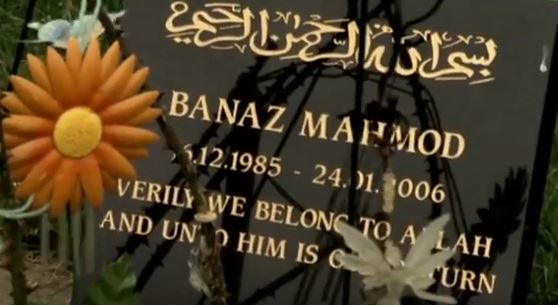
Honor killings are, along with dowry killings (mostly in South Asia), gang-related killings of women as revenge (killings of female members of rival gang members’ families – primarily, but not only, in Latin America) and witchcraft accusation killings (Africa, Oceania) some of the most recognized forms of gender based killings.
Human rights advocates have compared “honor killing” to “crimes of passion” in Latin America (which are sometimes treated extremely leniently) and also to the killing of women for lack of dowry in India.
Some commentators have stressed that the focus on honor killings should not lead to ignoring other forms of gender-based killings of women, in particular those from Latin America (‘crimes of passion’ and gang related killings); the murder rate of women in this region being extremely high, with El Salvador being reported as the country with the highest murder rate of women in the world. In 2002, Widney Brown, advocacy director for Human Rights Watch, stated that “crimes of passion have a similar dynamic in that the women are killed by male family members and the crimes are perceived as excusable or understandable
Honor suicide is a process whereby a person commits suicide to escape the shame of an immoral action, such as having had extra-marital sexual relations or defeat in battle. It is distinguished from regular suicide in that the subject is actively deciding to either privately or publicly kill themselves for the sake of restoring or protecting honor. Some honor suicides are a matter of personal choice and are devoid of any cultural context. For example, honor suicides have been committed by military figures when faced with defeat, such as Władysław Raginis and Hans Langsdorff.
Japan has a long history of suicide in its culture. Seppuku is a type of ritual suicide that was practiced by samurai to avoid capture. During World War 2, both Banzai charges and Kamikaze attacks were suicidal types of attacks used against the enemy. Suicides in Japan are also often used to atone for wrongdoing.[


– Disclaimer –
The views and opinions expressed in these documentary are soley intended to educate and provide background information to those interested in the Troubles of Northern Ireland. They in no way reflect my own opinions and I take no responsibility for any inaccuracies or factual errors.

Michael Stone (born 2 April 1955) is an Ulster loyalist who was a volunteer in the Ulster Defence Association (UDA). Stone was born in England but raised in the Braniel estate in East Belfast, Northern Ireland. Convicted of murdering three people and injuring more than sixty in an attack on mourners at Milltown Cemetery in 1988, he was sentenced to life imprisonment. While in jail, he became one of the leaders of the Ulster Defence Association/Ulster Freedom Fighters (UDA/UFF) prisoners.[1]
In 2000, Stone was released from prison on licence under the Belfast Agreement and subsequently worked as an…
View original post 4,210 more words


———————————————
The views and opinions expressed in this documentary and page are soley intended to educate and provide background information to those interested in the Troubles of Northern Ireland.
They in no way reflect my own opinions and I take no responsibility for any inaccuracies or factual errors
———————————————
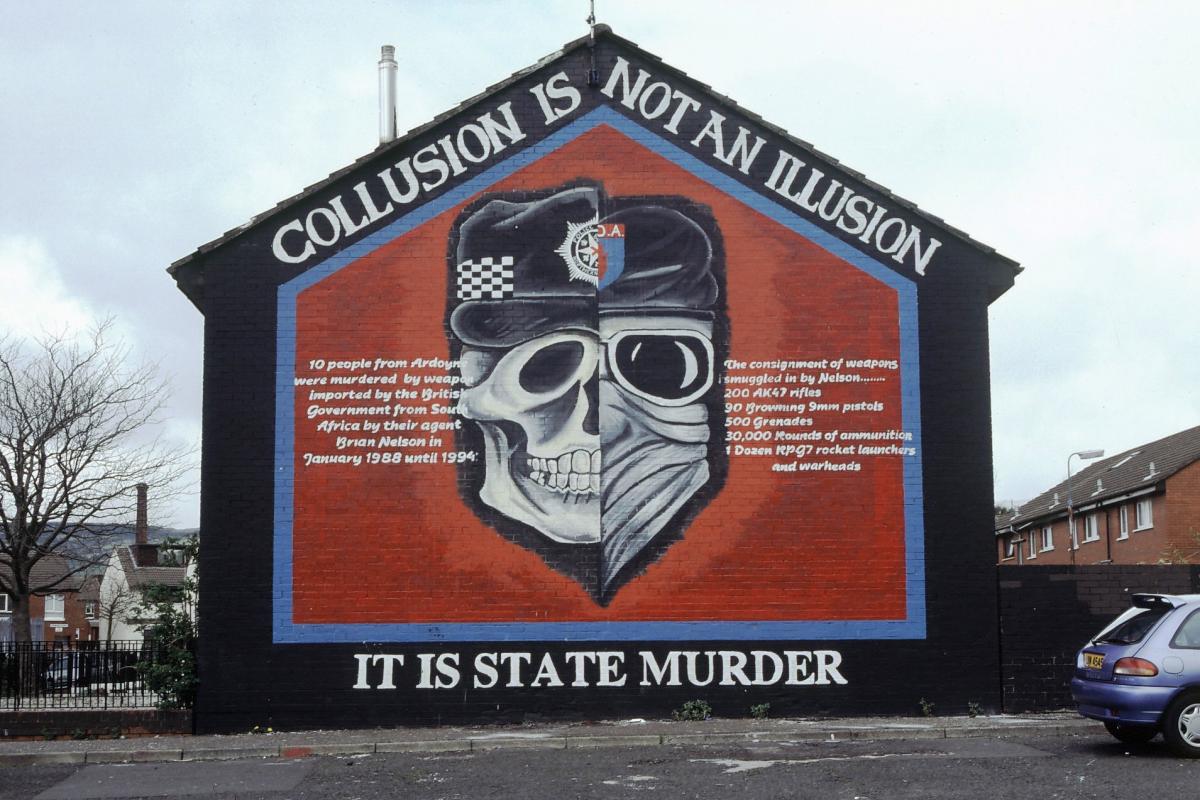
The Military Reaction Force, Military Reconnaissance Force or Mobile Reconnaissance Force (MRF)[1] was a covert intelligence-gathering and counter-insurgency unit of the British Army active in Northern Ireland, during the Troubles/Operation Banner. The unit was formed during the summer of 1971[1] and operated until late 1972 or early 1973. MRF teams operated in plain-clothes and civilian vehicles, equipped with pistols and sub-machine guns. They were nominally tasked with tracking down and arresting, or killing, suspected members of the Irish Republican Army (IRA). The MRF also ran double agents within…
View original post 3,593 more words

Uday Saddam Hussein al-Tikriti (Arabic: عُدي صدّام حُسين) (18 June 1964 – 22 July 2003) was the eldest son of Saddam Hussein by his first wife, Sajida Talfah, and the brother of Qusay Hussein.
Uday was seen, for several years, as the likely successor to his father, but lost the place as heir apparent to Qusay due to injuries sustained in an assassination attempt, increasingly erratic behavior, and his troubled relationship with the family.
His reputed actions include multiple allegations of rape, murder and torture (including of Iraqi Olympic athletes and the national football team).
He was several times imprisoned, exiled and received a token death sentence by his father’s regime.
Following the United States-led invasion of Iraq in 2003, he was killed alongside his…
View original post 2,628 more words

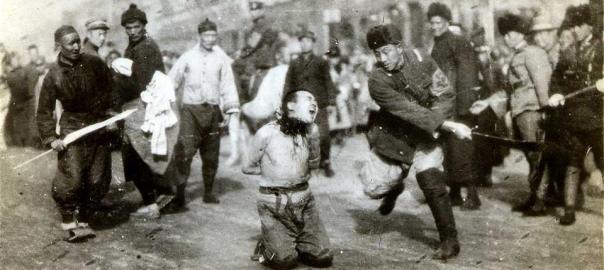

Rape of Nanking

The Nanking Massacre
The Nanking Massacre or Nanjing Massacre, also known as the Rape of Nanking or Rape of Nanjing, was an episode during the Second Sino-Japanese War of mass murder and mass rape by Japanese troops against the residents of Nanjing (then spelled Nanking), then capital of the Republic of China.
The massacre occurred over six weeks starting December 13, 1937, the day that the Japanese captured Nanjing. During this period, soldiers of the Imperial Japanese Army murdered an estimated 40,000 to over 300,000 Chinese civilians and disarmed combatants, and perpetrated widespread rape and looting.

Several key perpetrators were tried and found guilty at the International Military Tribunal for the Far East and the Nanjing War Crimes Tribunal, and were executed. A key perpetrator, Prince Asaka of the Imperial Family, escaped prosecution by having…
View original post 10,220 more words


Well finally got round t putting this up on my blog – my first ( and hopefully last ) appearance on TV.
The show in question was UTV Life , which is hosted by the wonderful Pamela Ballantine and although I was only on for eight minutes , it felt like a life.
.
Here are some pictures I took uring my brief visit to my home town of Belffast .

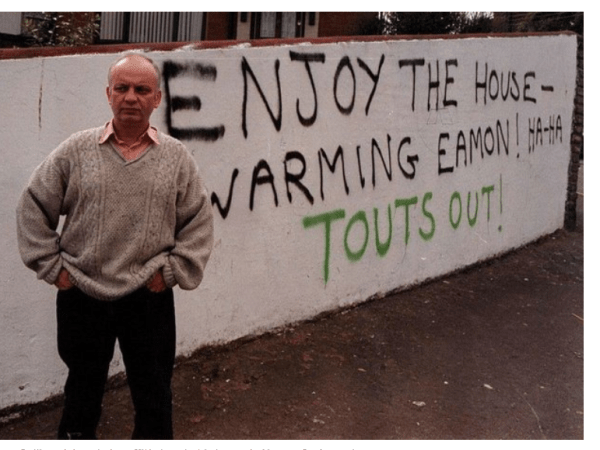

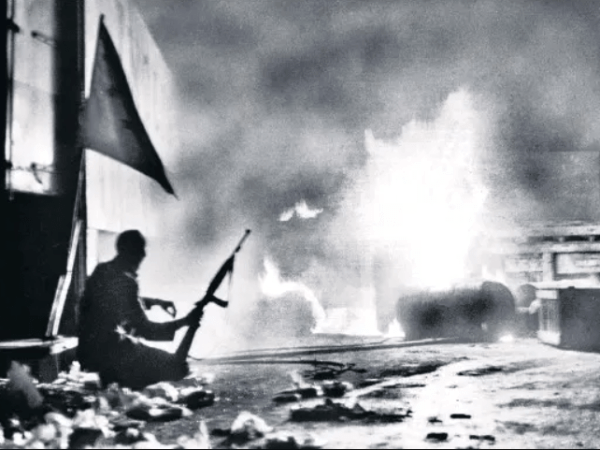
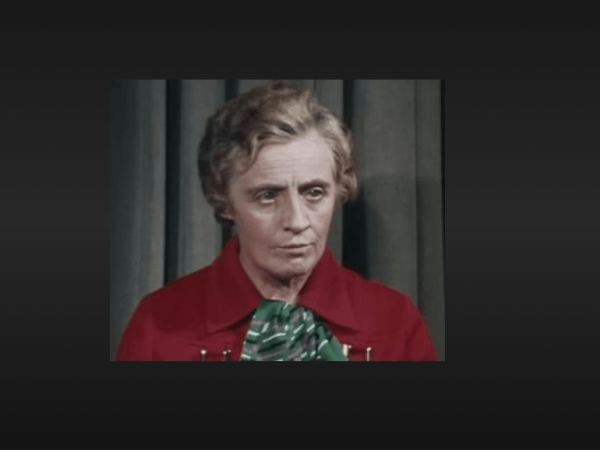
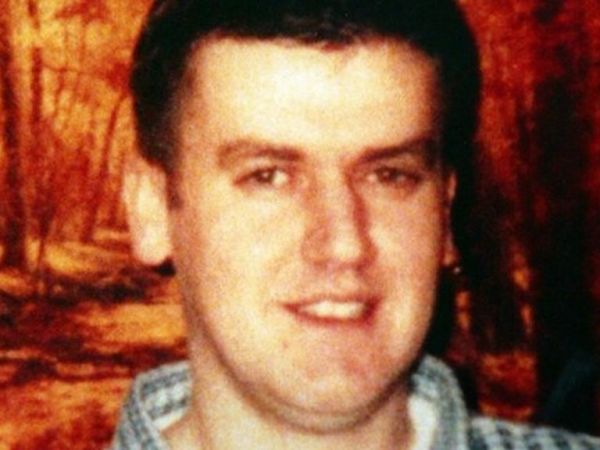

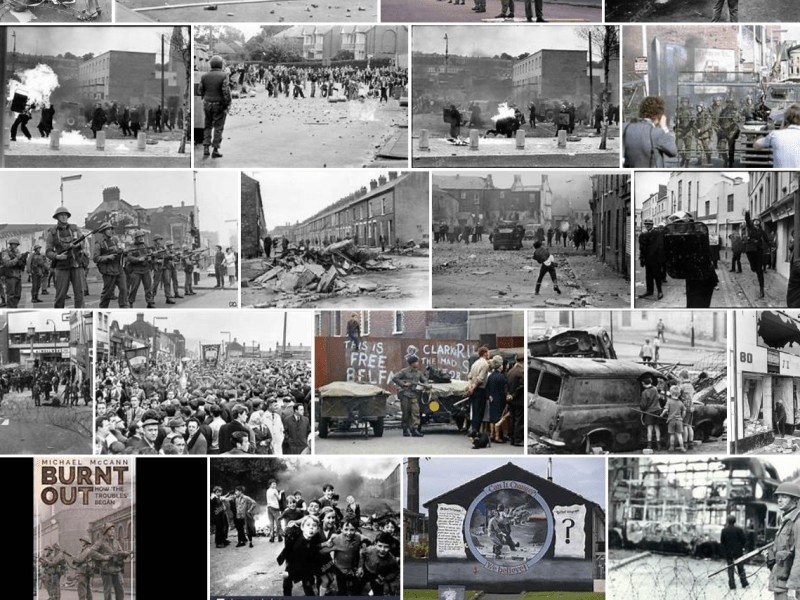



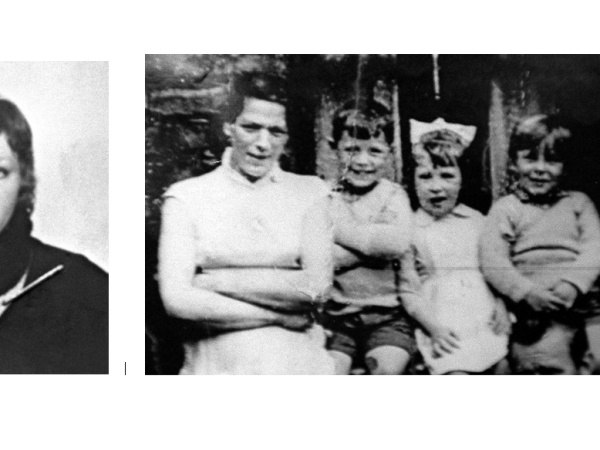
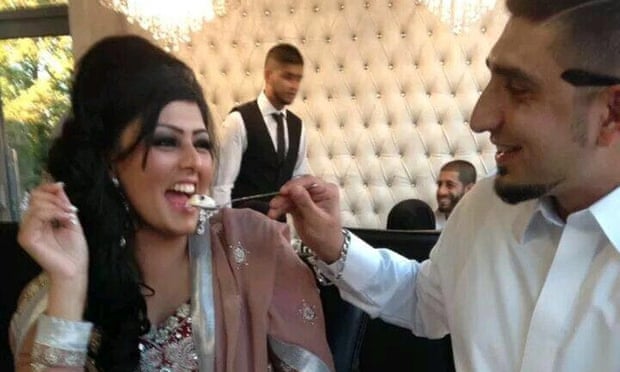


 belfastchildis.com