Evening all , Im heading home to Belfast tomorrow for the Easter period and hopefully a trip down south to visit my bro and his family in County Meath , depending on a few factors which are out of my control 😜
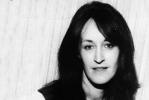
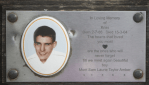
Belfast will always be my home and although I look forward to visiting and spending time with those I love and cherish to be honest since Jean’s death it has lost some of its magic and nowadays every trip home is tinged with sadness and regret at what I have lost. Every street on the Shankill and surrounding areas holds memories of better times and the ghosts of my past still walk these street and I cant help but feel sadness with them so near.
But enough of this sadness, I intend to have a blast and makes new memories.
Stay tuned because its gonna get messy and if you see me on the road or out and about don’t be afraid to say hello and buy me a pint or six 😜
Just a shortish blog post to wish you all a wonderful evening and a fantastic Xmas day.
Some of you guys have followed me and my story for years now and during recent tragic soul destroying lows to a few joy filled epic highs you have been there to support , comfort and celebrate with me whatever a pernicious fate throws in my path and I am truly grateful.
This year I’ve invited all the family to my place for Xmas dinner and tbh it’s been a logistical (expensive) nightmare trying to accommodate and please everyone. Mother-in-law is a pure traditionalist and in what I suspected was a threatening tone kept informing me she is really looking forward to her turkey dinner with all the trimmings.
Simone, the kids and myself aren’t particularly fond of turkey and have been debating among ourselves whether we should just buy a giant chicken and hope mother-in-law wouldn’t notice. Obviously, there’s a tout among us and my monies on Simone or Autumn telling mother-in-law of the conspiracy to fool her with a giant chicken.
So, turkey is back on the menu !
We discussed what everyone else preferred for mains and of course that wasn’t plain sailing either. Autumn wanted gammon, I wanted lamb , Simone wasn’t fussed and Jude demanded chicken because he hates turkey and it would ruin his day if he didn’t have a turkey substitute on his Xmas plate. I helpfully suggested we held a democratic vote to decide which meats to go for and to my shock and surprise they all decided I wasn’t part of their democratic voting circle and I was out of the equation. Brutal. By this stage I’d had enough, and I threw the towel in and ended up buying everything, including a small chicken.
For starters we’re having tiger prawns , pate & rustic rolls and salmon with pomegranate glaze , something we al agreed to to keep everyone happy – phew.
Anyways Jude and autumn are helping with Xmas dinner and despite all the stress I’m looking forward to spending some quality time with them all and after dinner we’ll play some games and watch a little telly.
Perfect!
Ill finish by wishing you and all those you love and cherish a safe and wonderful time this Xmas and may Santa bring you all you hope for.
God bless you all as we celebrate the birth of Jesus Christ
Last chance to order before Xmas delivery cut-off period nxt Wednesday .
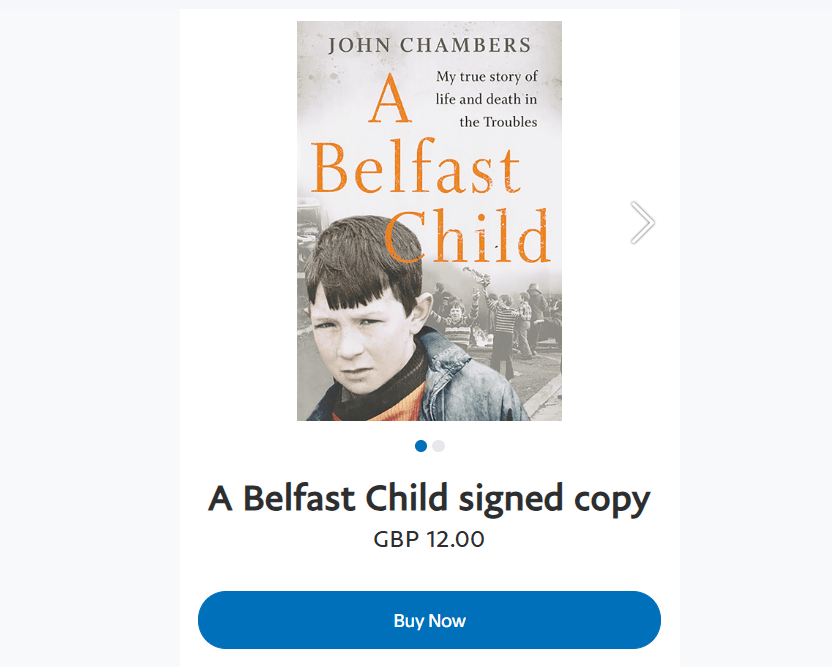
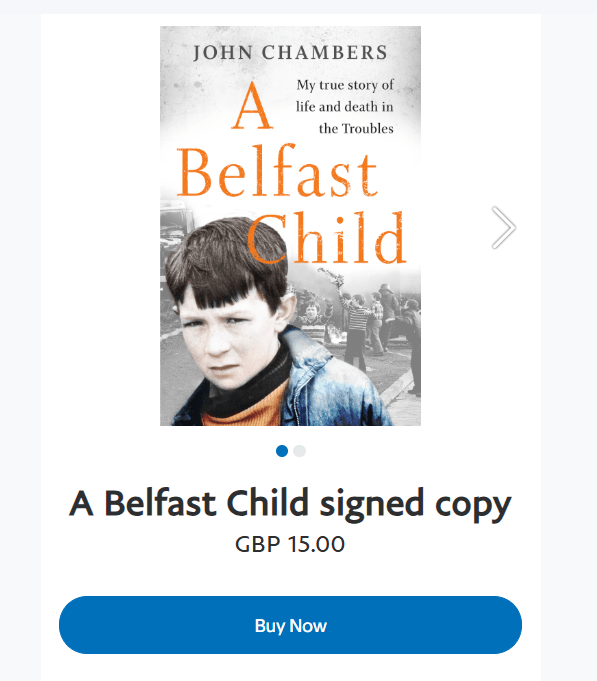
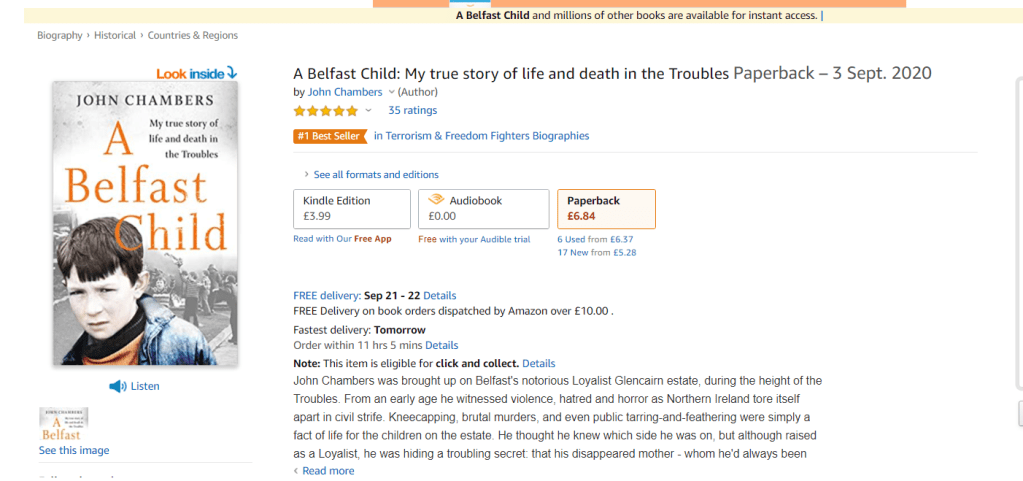
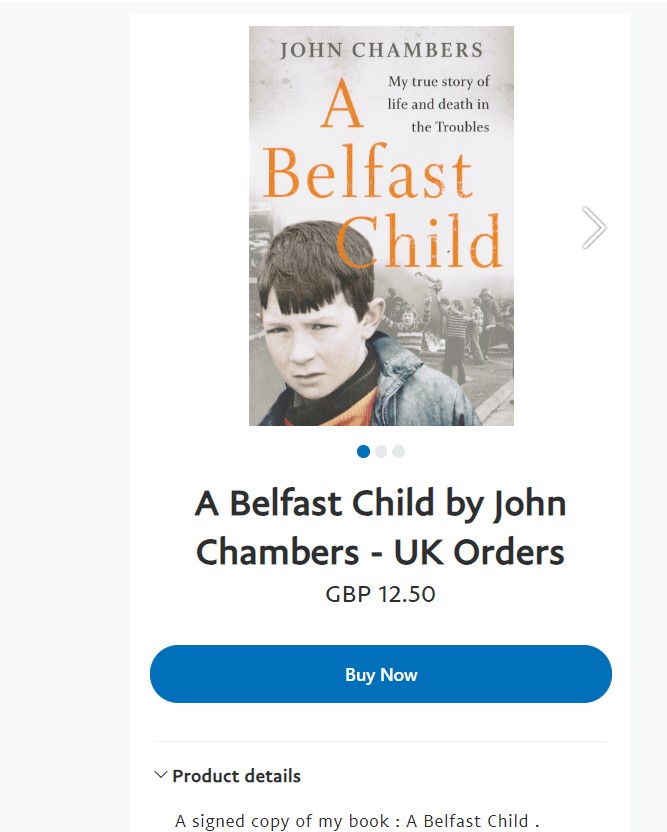
A personally signed copy of my No.1 Best Selling book : A Belfast Child , which may be worth a few quid if my story is made into a movie – watch this space !
UK Orders
Free postage for UK orders only !
For Europe & USA orders drop me a message below and Ill send you an payment link !
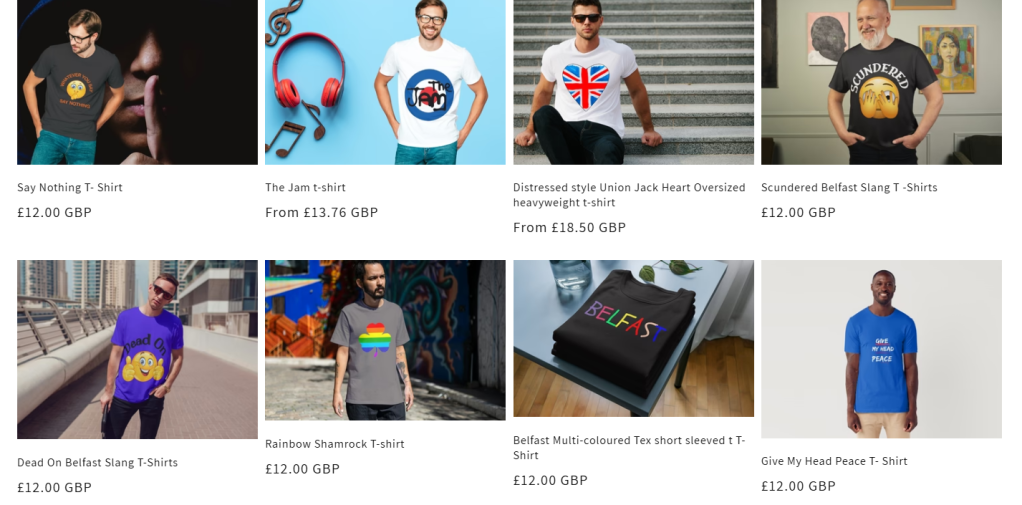
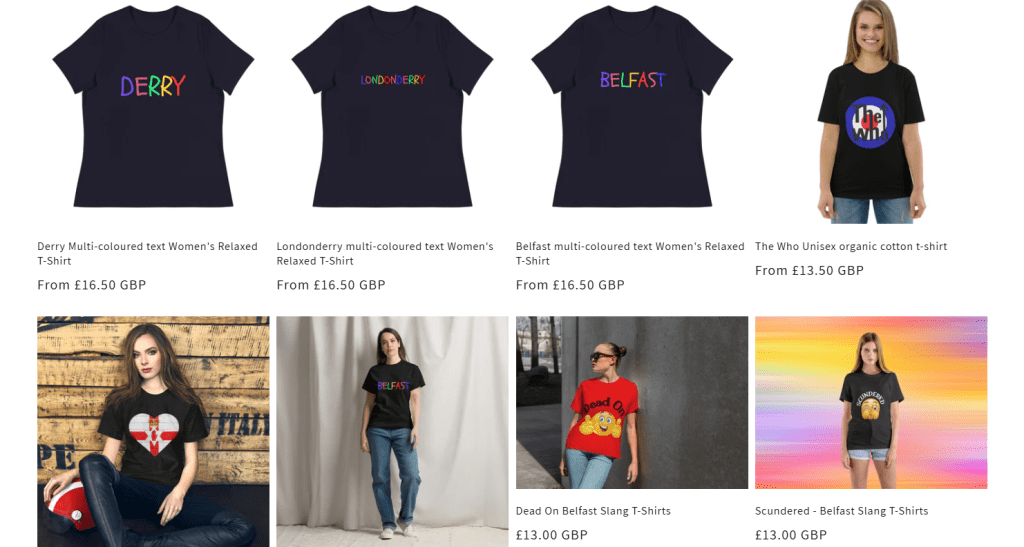
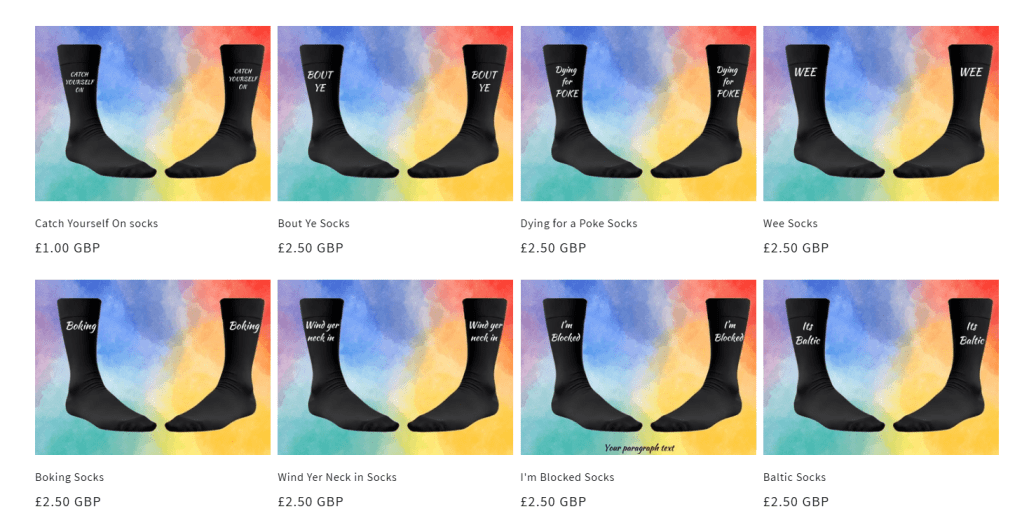
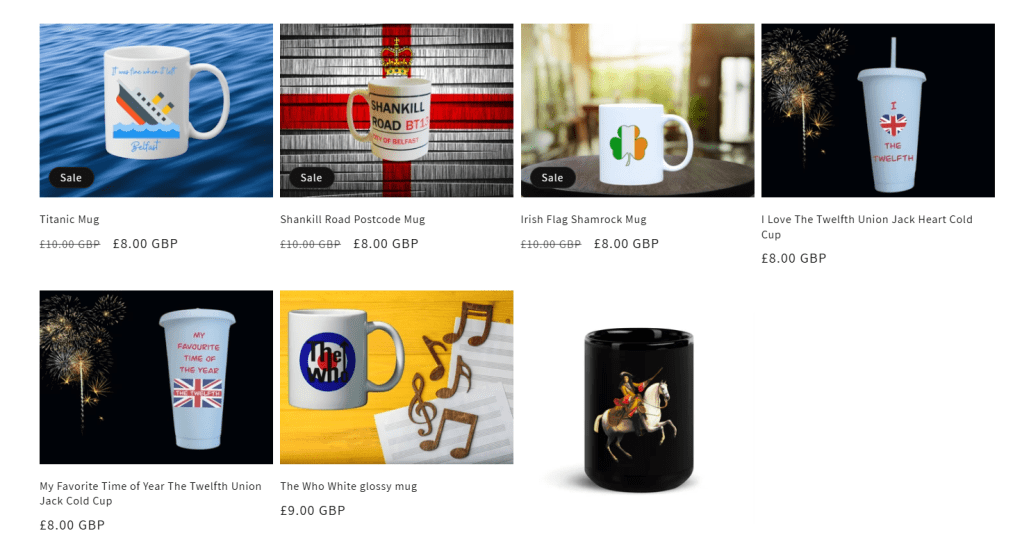
Ive doing a soft launch of my online shop : https://deadongifts.co.uk/ which I set up with my sister Mags and I need to drive some traffic to the store and start creating an online presence.
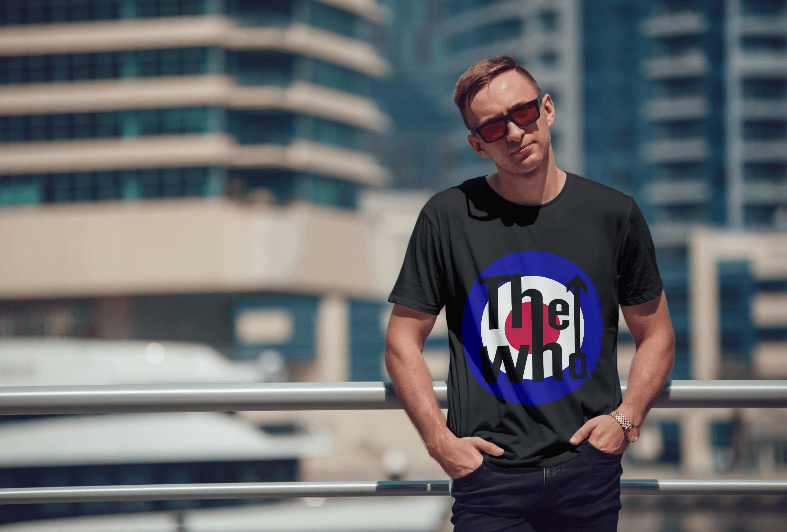
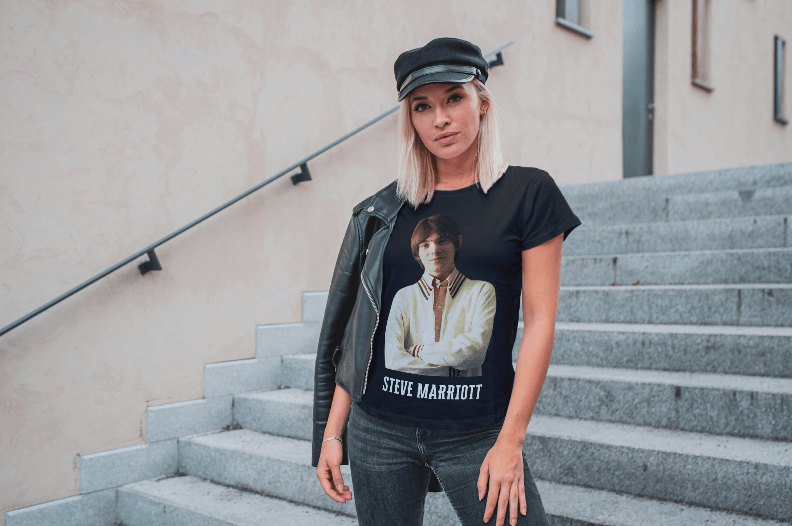
The shop will be mainly selling and promoting Northern Ireland themed gifts and souvenirs but as lifelong Jam fan and mod I cant help but add some designs and products based on my love of all things mod , the music, style and the culture I love it all .
We are currently still loading products and tweaking the website and this will be an ongoing process over the coming days and weeks. But feel free to have a nosey and buy anything that takes your fancy.
Now to the point of this exercise…
Ill be giving away 2 x £15 gift tokens to spend in the shop and/or two signed copy of my No.1 Best selling book: A Belfast Child in a a random draw of everyone who visits the shop and signed up for & subscribes to our emails alaerts . Dont panic we wont be sending you loads of promo sh*t just the occasional newsletter and updates on the shop and my crazy life .
Just visit the shop and sign up here : Dead On Gifts
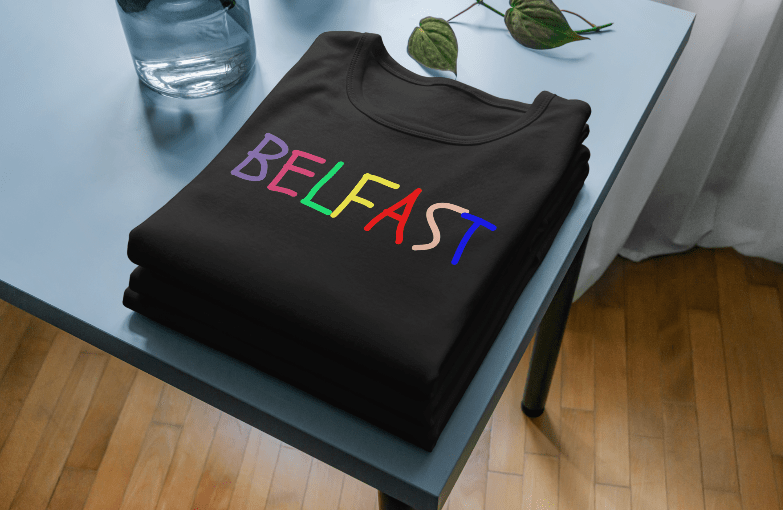
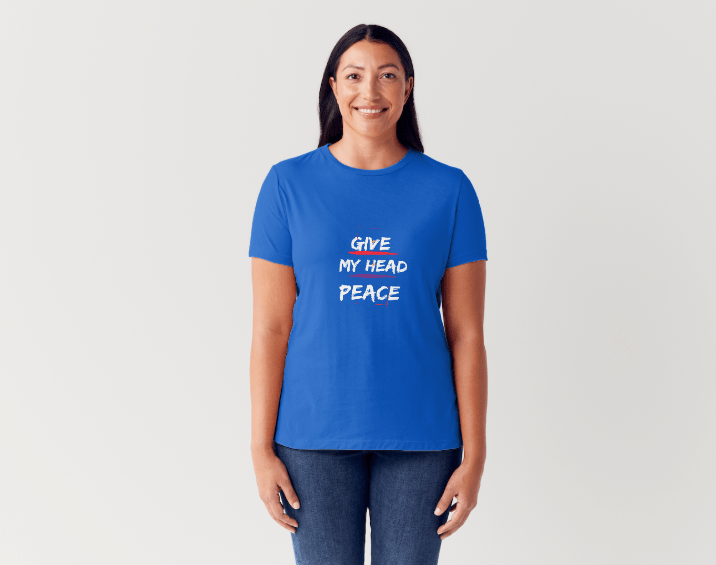
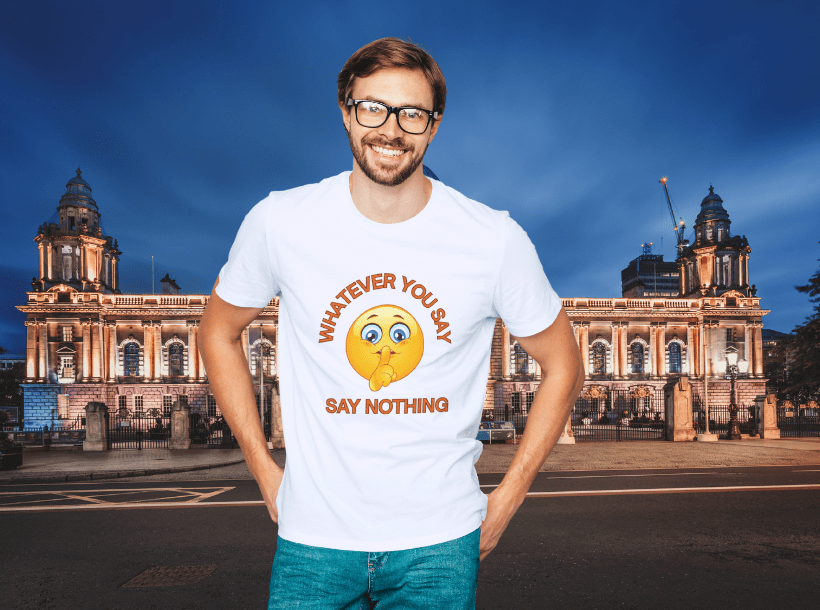
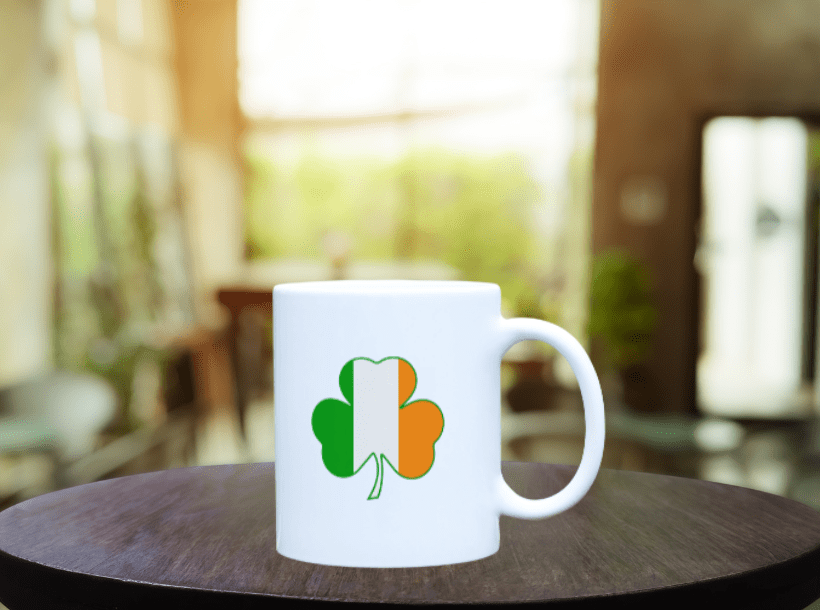
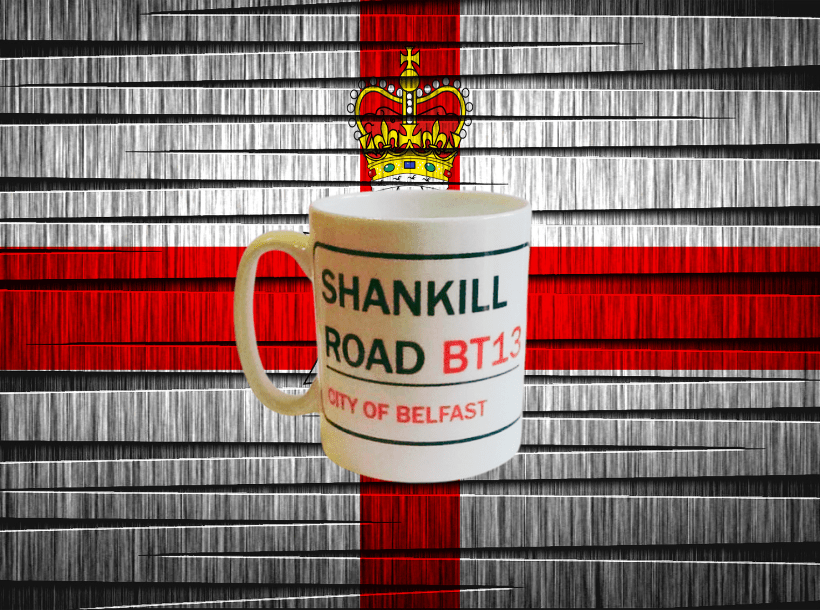
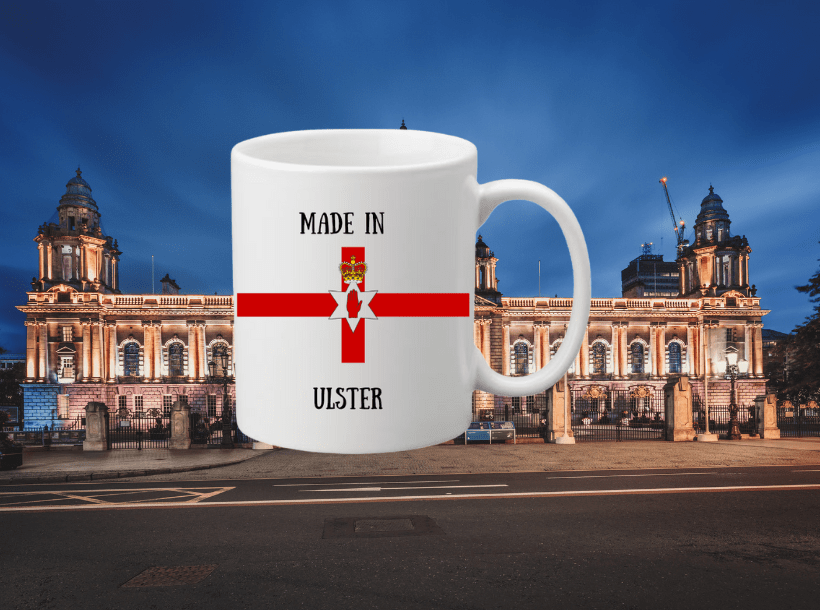
Check out some of our current stock below .
Clock the image to visit page.
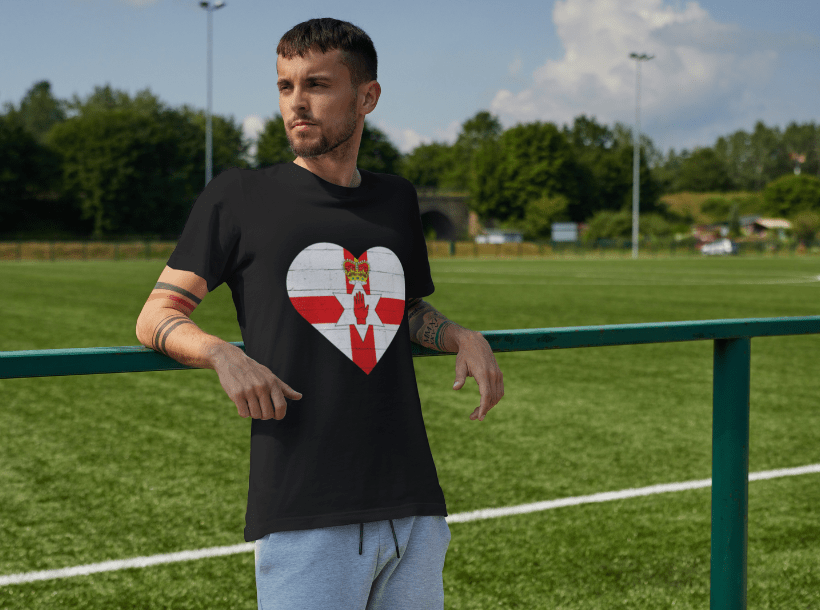
MaleT -Shirts
FemaleT -Shirts
Belfast Slang Socks
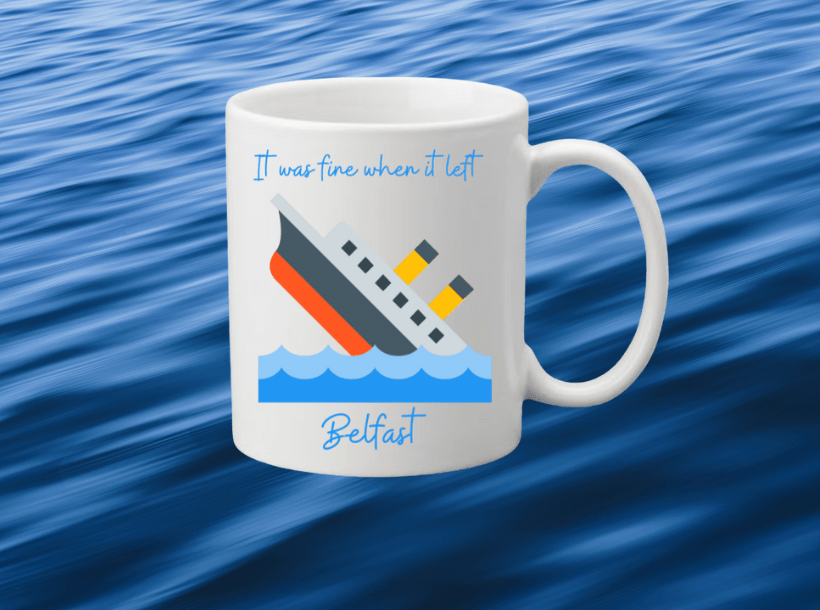
Mugs & Cold Cups
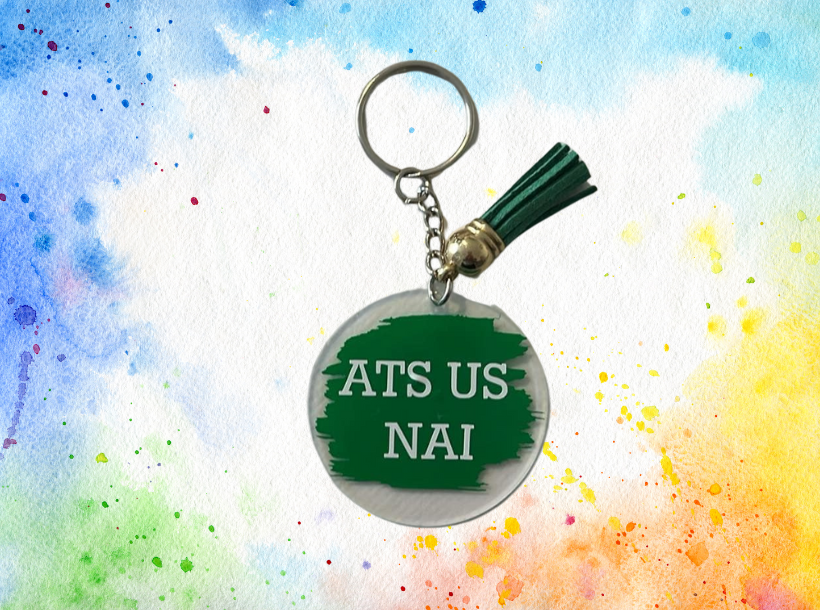
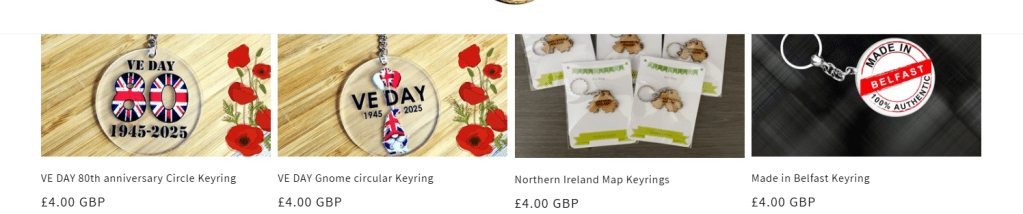
Keyrings
Hats
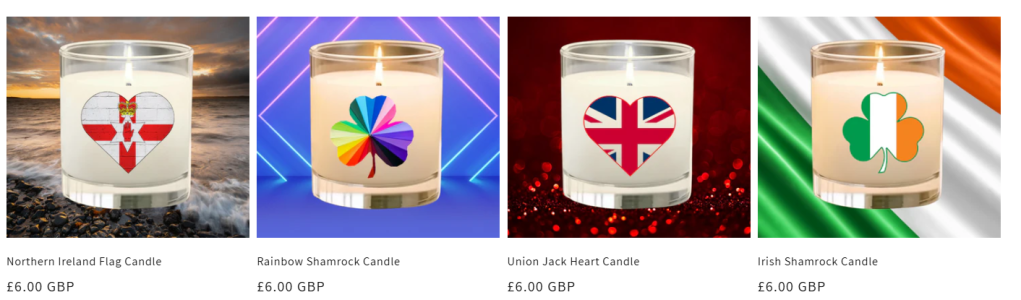
Candles
That’s all for now folks , don’t forget to visit the store and sign up for our email alerts to be in with a chance of winning in our raffle , Ill announce the winners next weekend .
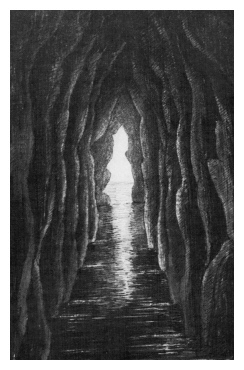
Bruce’s cave, one of Rathlin Island’s caves, etching by Mrs. Catherine Gage (1851)
The Rathlin Island massacre took place on Rathlin Island, off the coast of Ireland on 26 July 1575, when more than 600 Scots and Irish were killed.
Sanctuary attacked
Rathlin Island was used as a sanctuary because of its natural defences and rocky shores; when the wind blew from the west, in earlier times it was almost impossible to land.
It was also respected as a hiding place, as it was the one-time abode of St. Columba.Installing themselves in Rathlin Castle, the MacDonnells of Antrim had made Rathlin their base for expanding their control over the north-eastern coast of Ireland in direct conflict with the local Irish and English resulting in several campaigns to expel them from Ireland.
Their military leader, Sorley Boy MacDonnell (Scottish Gaelic: Somhairle Buidhe Mac Domhnaill) and other Scots had thought it prudent to send their wives, children, elderly, and sick to Rathlin Island for safety.
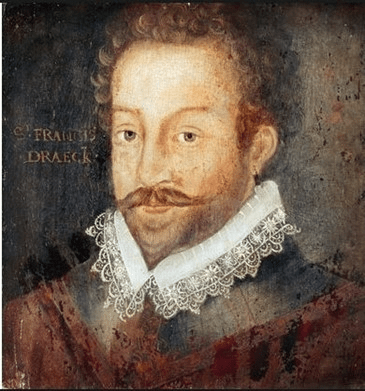
Sir Francis Drake. Lauded to this day as one of the greatest heroes of Elizabethan England, he was one of the senior English officers at Rathin Island who ordered the slaughter of 600 unarmed civilians, much to Elizabeth’s approval.(National Portrait Gallery)
Acting on the instructions of Henry Sidney and the Earl of Essex, Francis Drake and John Norreys took the castle by storm. Drake used two cannons to batter the castle and when the walls gave in, Norreys ordered a direct attack on 25 July, and the Garrison surrendered. Norreys set the terms of surrender, whereupon the constable, his family, and one of the hostages were given safe passage and all other defending soldiers were killed, and on 26 July 1575, Norreys’ forces hunted the old, sick, very young and women who were hiding in the caves.
Despite the surrender, they killed all the 200 defenders and more than 400 civilian men, women and children. Drake was also charged with the task of preventing any Scottish reinforcement vessels reaching the Island.
The entire family of Sorley Boy MacDonnell perished in the massacre Essex, who ordered the killings, boasted in a letter to Francis Walsingham, the Queen’s secretary and spymaster, that Sorley Boy MacDonnell watched the massacre from the mainland helplessly and was:
“like to run mad from sorrow”.
The Haunted Irish Island – Rathlin Island
Aftermath
Norreys stayed on the island and tried to rebuild the walls of the castle so that the English might use the structure as a fortress. As Drake was not paid to defend the island, he departed with his ships. Norreys realised that it was not possible to defend the island without intercepting Scottish galleys and he returned to Carrickfergus in September 1575.
My thoughts ?
Regardless of your political opinion and how you view modern day Ireland and the bloody never-ending consequences of partition and the creation of Northern Ireland, I’m sure we can all agree that our beautiful wee green island has suffered more than its fair share of heartache, misery and political and religious abuse over the centuries.
Whilst many are familiar with recent history and the thirty years of sectarian and political violence we all endured – the seeds of these conflicts had been brewing and stewing for hundreds of years and finally boiled over into “civil ” war in the late 1960s.
From the time when the Vikings first arrived and began raiding in AD 795 to the modern-day Troubles Ireland has never known a lasting peace and our past is littered with the ghosts and memories of countless wars and battles that have left scars and wounds which still fester to this day and are part of our collective ancestral heritage.
In his quest for a United Ireland Brian Boru was arguably the most successful of many leaders who tried previously to bond the warring tribes against the Vikings marauders and those tribes aligned with them. The Battle of Clontarf is one of the greatest battles in Irish history, were an estimate 7,000 – 10,000 men and tribal leaders were killed in the brutal clash that day. Centuries of rule and misrule under various English, Scottish and European parliaments followed until we arrive in the 1960’s and the beginning of the modern Troubles.
I’ve covered the modern Troubles extensively on my blog and if you are interested it has a searchable database of every major event and killing during those dark days. But as a lover of history I thought I would share stories of some of the less well known conflicts and battles that have caught my attention throughout the years and ultimately led to the Ireland, north and south we know and love today.
John Chambers
Don’t forget to subscribe to my blog and follow me on Twitter @bfchild66
Secrets Of Great British Castles – Carrickfergus Castle
Evening all , Im heading home to Belfast tomorrow for the Easter period and hopefully a trip down south to visit my bro and his family in County Meath , depending on a few factors which are out of my control 😜 Belfast will always be my home and although I look forward to visiting … Continue reading Belfast & Meath trip starts tomorrow→
Hi folks, Just a shortish blog post to wish you all a wonderful evening and a fantastic Xmas day. Some of you guys have followed me and my story for years now and during recent tragic soul destroying lows to a few joy filled epic highs you have been there to support , comfort and … Continue reading Merry Christmas to all my friends out there X→
Last chance to order before Xmas delivery cut-off period nxt Wednesday . A personally signed copy of my No.1 Best Selling book : A Belfast Child , which may be worth a few quid if my story is made into a movie – watch this space ! UK Orders Free postage for UK orders only … Continue reading A singed copy of my book for Xmas ?→
And Im happy to bribe you with a free giveaway 🎁 Read on for more detail… Ive doing a soft launch of my online shop : https://deadongifts.co.uk/ which I set up with my sister Mags and I need to drive some traffic to the store and start creating an online presence. The shop will be … Continue reading I need some help folks 😜→
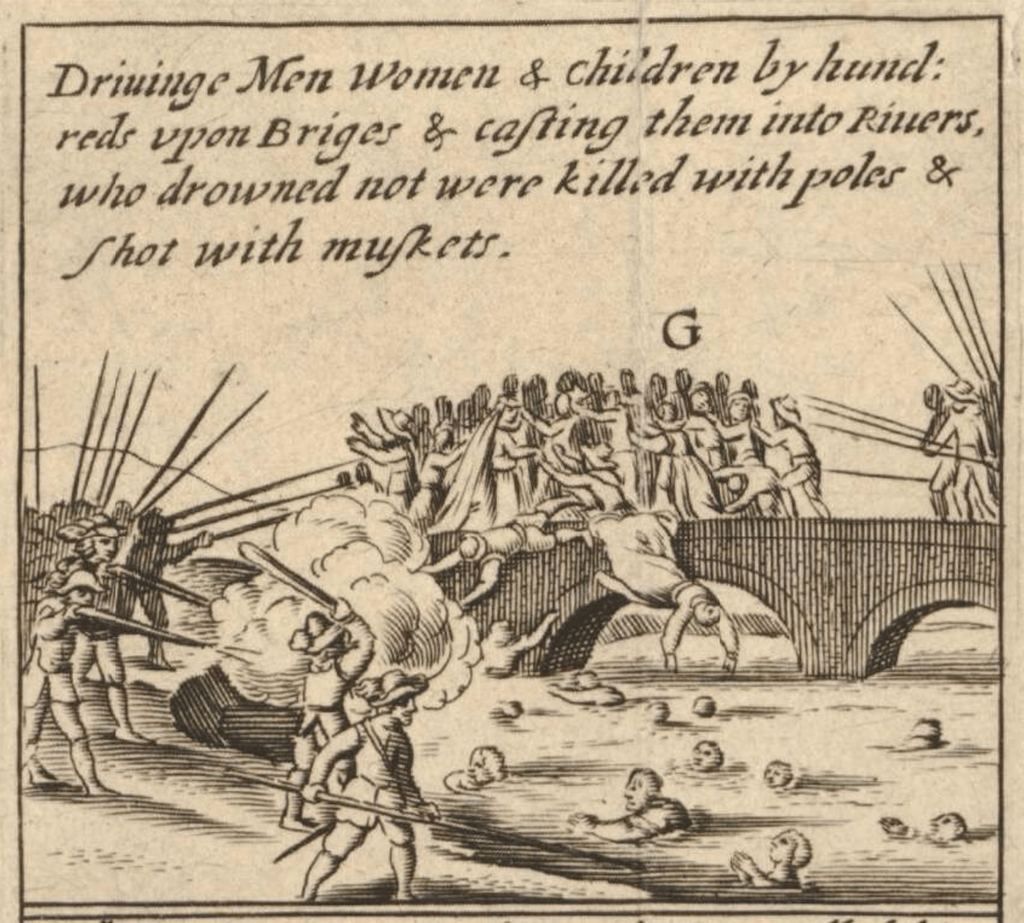
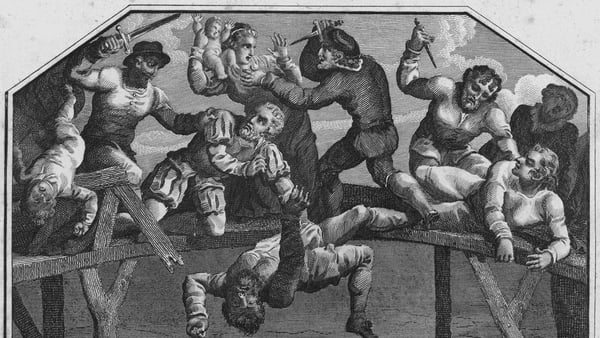
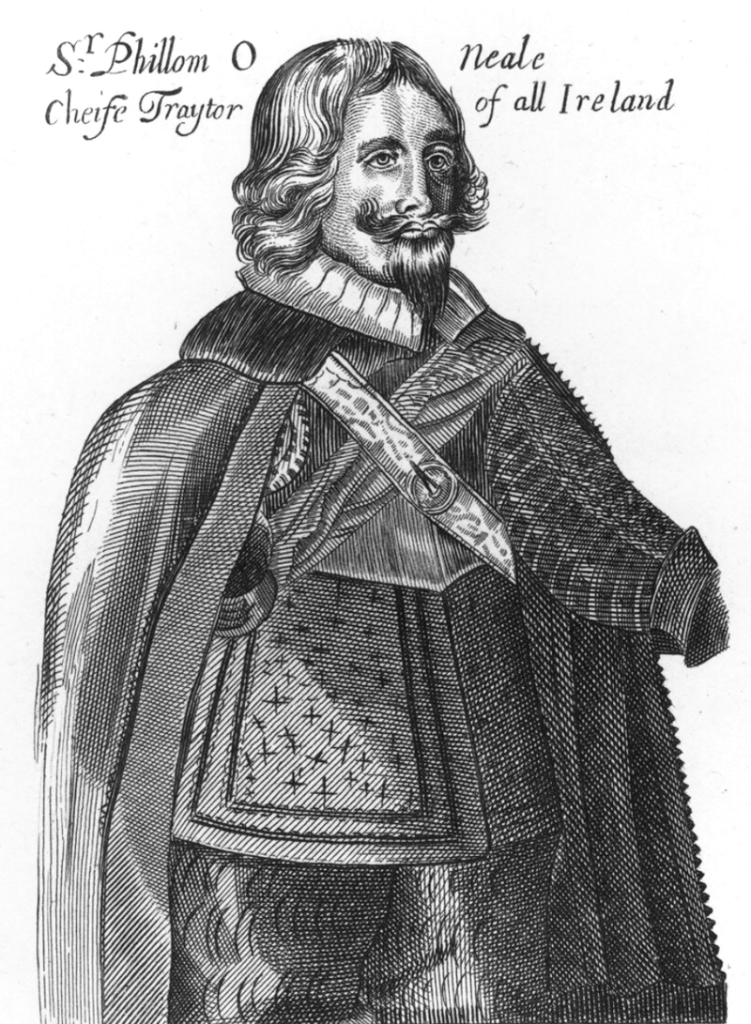
The Portadown massacre took place in November 1641 at Portadown, County Armagh, during the Irish Rebellion of 1641. Irish Catholic rebels, likely under the command of Toole McCann, killed about 100 Protestant settlers by forcing them off the bridge into the River Bann and shooting those who tried to swim to safety.
The settlers were being marched east from a prison camp at Loughgall. This was the biggest massacre of Protestants during the rebellion, and one of the bloodiest during the Irish Confederate Wars. The Portadown massacre, and others like it, terrified Protestants in Ireland and Great Britain, and were used to justify the Cromwellian conquest of Ireland and later to lobby against Catholic rights.
Engraving of the Portadown Massacre (1641) by Wenceslaus Hollar, first published in James Cranford’s Teares of Ireland (London, 1642)
Background
The Irish rebellion had broken out in Ulster on 23 October 1641. It began as an attempted coup d’état by Catholic gentry and military officers, who tried to seize control of the English administration in Ireland. They wanted to force King Charles I to negotiate an end to anti-Catholic discrimination, and greater Irish self-governance, and to partially or fully reverse the plantations of Ireland. Many of those involved in the rebellion had lost their ancestral lands over the past thirty years in the plantation of Ulster.
Most of the land at Portadown had belonged to the McCanns (Mac Cana), a Gaelic clan. As part of the plantation, this land was confiscated by the English Crown and colonized by English and Scottish Protestant settlers.
Rebels, including the McCanns, captured Portadown on the first day of the rebellion along with nearby settlements such as Tandragee and Charlemont.
Some of the rebels began attacking and robbing Protestant settlers, although rebel leaders tried to stop this. Irish historian Nicholas Canny suggests that the violence escalated after a failed rebel assault on Lisnagarvey in November 1641, after which the settlers killed several hundred captured rebels. Canny writes,
“the bloody mindedness of the settlers in taking revenge when they gained the upper hand in battle seems to have made such a deep impression on the insurgents that, as one deponent put it, ‘the slaughter of the English’ could be dated from this encounter”.
Massacre
Portadown Massacre
Twenty-eight people made statements about the incident, but only one of them witnessed it. The others related what they had heard about it, including possibly from some of the rebels themselves.
William Clarke, the only survivor, stated that he had been held in a prison camp at Loughgall, where many of the prisoners were mistreated and some subjected to half-hangings. The rebels in the Loughgall area were commanded by Manus O’Cane. Clarke states that he and about 100 other prisoners were marched six miles to the bridge over the River Bann at Portadown. The wooden bridge had been broken in the middle. Threatened with swords and pikes, Clarke states the prisoners were stripped, and then forced off the bridge and into the cold river below. Those who tried to swim to safety were shot with muskets. Clarke claimed he was able to escape by bribing the rebels.
The massacre seems to have happened in mid-November. It is likely that the prisoners were being brought to the coast to be deported to Britain, and rebel leader Felim O’Neill had already sent other such convoys safely to Carrickfergus and Newry.
Sir Felim O’Neill of Kinard.
Toole McCann was the rebel captain in charge of the Portadown area at the time, and several people made statements that he was responsible for the massacre. Hilary Simms writes:
“The convoy entered his area of control and it would seem likely that even if he did not order it, he and his men could not have avoided being involved in it”.
Native Irish tenants had already been massacred at Castlereagh, but Pádraig Lenihan writes there is no direct evidence the Portadown massacre was retaliation for this.
Aftermath
As word of the massacre spread, “elements of what happened were exaggerated, tweaked and fabricated”. People who heard about the massacre gave a range of death tolls, from 68 to 196. As Clarke was a witness of the massacre his figure of 100 is taken as being the most credible. Nevertheless, the Portadown massacre was one of the bloodiest in Ireland during the Irish Confederate Wars. About 4,000 Protestant settlers were killed in Ulster in the early months of the rebellion.
Irish Confederate Wars
In County Armagh, recent research has shown that about 1,250 Protestants were killed, about a quarter of the settler population there. In County Tyrone, modern research has identified three blackspots for the killing of settlers, with the worst being near Kinard, “where most of the British families planted … were ultimately murdered”.
There were also massacres of local Catholics, such as at Islandmagee in County Antrim, and on Rathlin Island by Scottish Covenanter soldiers. Though a supporter of British rule in Ireland, 19th-century historian William Lecky wrote:
“it is far from clear on which side the balance of cruelty rests”.
The massacre terrified Protestant settlers and was used to support the view that the rebellion was a Catholic conspiracy to massacre all Protestants in Ireland, though in truth such massacres were mostly confined to Ulster.
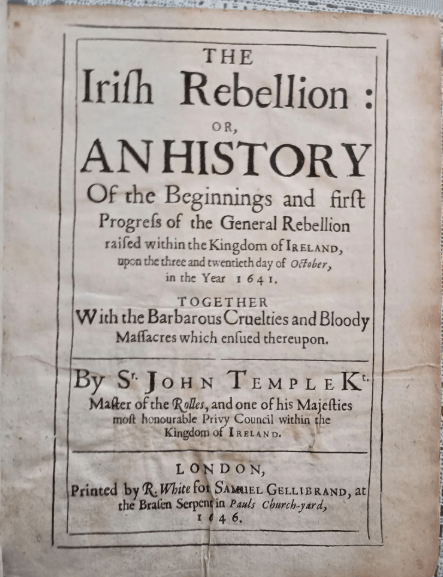
John Temple’s The Irish Rebellion (1646)
In 1642, a commission of inquiry was held into the killings of settlers. Protestant bishop Henry Jones led the inquiry and read out some of the evidence to the English parliament in March 1642, although most of his speech was based on hearsay. The massacre featured prominently in English Parliamentarianatrocity propaganda in the 1640s, most famously in John Temple’s The Irish Rebellion (1646). Temple used the massacres at Portadown and elsewhere to lobby for the military re-conquest of Ireland and the segregation of Irish Catholics from Protestant settlers in Ireland.
Accounts of the massacre strengthened the resolve of many Parliamentarians to re-conquer Ireland, which they did in 1649–52. Massacres were committed by Oliver Cromwell’s army during this conquest, and it resulted in the confiscation of most Catholic-owned land and mass deportations. Temple’s work was published at least ten times between 1646 and 1812. The graphic massacres depicted therein were used to lobby against granting more rights to Catholics.
After the massacre, stories spread of ghosts appearing in the river at Portadown, screeching and crying out for revenge. These stories were said to have struck fear into the locals. One woman stated that Irish Confederate commander Owen Roe O’Neill went to the site of the massacre when he returned to Ireland in 1642. She stated that a female ghost appeared, crying for revenge. O’Neill sent for a priest to speak to the ghost, but it would only speak to a Protestant cleric from an English regiment
Toole McCann was later captured by English forces. He was questioned and made a statement in May 1653, saying he had not authorised nor seen the massacre, but had only heard of it. He was executed shortly after.
My thoughts ?
Regardless of your political opinion and how you view modern day Ireland and the bloody never-ending consequences of partition and the creation of Northern Ireland, I’m sure we can all agree that our beautiful wee green island has suffered more than its fair share of heartache, misery and political and religious abuse over the centuries.
Whilst many are familiar with recent history and the thirty years of sectarian and political violence we all endured – the seeds of these conflicts had been brewing and stewing for hundreds of years and finally boiled over into “civil ” war in the late 1960s.
From the time when the Vikings first arrived and began raiding in AD 795 to the modern-day Troubles Ireland has never known a lasting peace and our past is littered with the ghosts and memories of countless wars and battles that have left scars and wounds which still fester to this day and are part of our collective ancestral heritage.
In his quest for a United Ireland Brian Boru was arguably the most successful of many leaders who tried previously to bond the warring tribes against the Vikings marauders and those tribes aligned with them. The Battle of Clontarf is one of the greatest battles in Irish history, were an estimate 7,000 – 10,000 men and tribal leaders were killed in the brutal clash that day. Centuries of rule and misrule under various English, Scottish and European parliaments followed until we arrive in the 1960’s and the beginning of the modern Troubles.
I’ve covered the modern Troubles extensively on my blog and if you are interested it has a searchable database of every major event and killing during those dark days. But as a lover of history I thought I would share stories of some of the less well known conflicts and battles that have caught my attention throughout the years and ultimately led to the Ireland, north and south we know and love today.
John Chambers
Don’t forget to subscribe to my blog and follow me on Twitter @bfchild66
Battle of Clontarf, 1014 – End of the Viking Age in Ireland
Evening all , Im heading home to Belfast tomorrow for the Easter period and hopefully a trip down south to visit my bro and his family in County Meath , depending on a few factors which are out of my control 😜 Belfast will always be my home and although I look forward to visiting … Continue reading Belfast & Meath trip starts tomorrow→
Hi folks, Just a shortish blog post to wish you all a wonderful evening and a fantastic Xmas day. Some of you guys have followed me and my story for years now and during recent tragic soul destroying lows to a few joy filled epic highs you have been there to support , comfort and … Continue reading Merry Christmas to all my friends out there X→
Last chance to order before Xmas delivery cut-off period nxt Wednesday . A personally signed copy of my No.1 Best Selling book : A Belfast Child , which may be worth a few quid if my story is made into a movie – watch this space ! UK Orders Free postage for UK orders only … Continue reading A singed copy of my book for Xmas ?→
And Im happy to bribe you with a free giveaway 🎁 Read on for more detail… Ive doing a soft launch of my online shop : https://deadongifts.co.uk/ which I set up with my sister Mags and I need to drive some traffic to the store and start creating an online presence. The shop will be … Continue reading I need some help folks 😜→
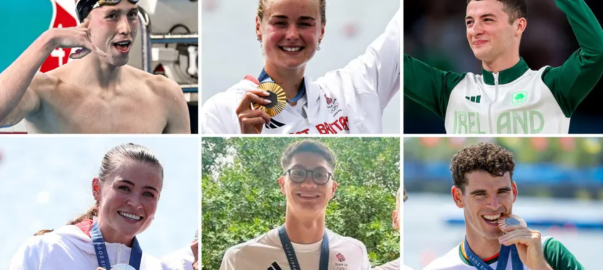
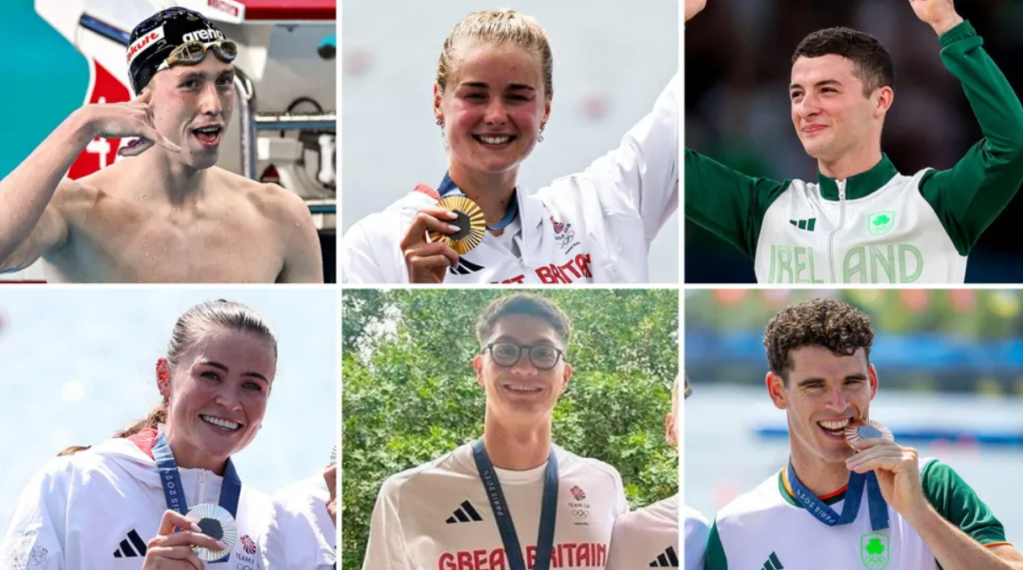
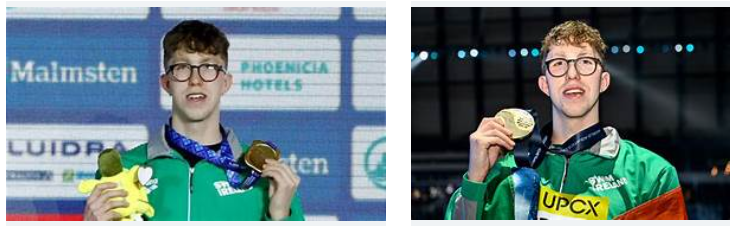
Daniel Wiffen (born 14 July 2001) is an Irish swimmer who competes at the Olympic Games, world championships and European championships for Ireland and at the Commonwealth Games for Northern Ireland. He is the Olympic and world champion at 800 metres.
] He won the 800 and 1500 metres freestyle at the 2024 World Aquatics Championships in Doha, the first time a male Irish swimmer had become world champion. He won the 400, 800 and 1500 metre freestyle at the 2023 European Swimming Championships (25m) in Otopeni, and the inaugural European Under-23 title in 2023 in Dublin.
Wiffen holds the 800 metres freestyle short-course world record with a time of 7:20.46.
Personal life
Wiffen was born in Leeds, England, and moved to Magheralin at the age of two. He has three siblings, twin brother Nathan, sister Elizabeth and another brother, Ben.. The family home is close to the border of County Down but is in County Armagh.
Daniel’s twin brother Nathan is also a swimmer who finished fourth in the 1500m at the 2024 European Championship and narrowly missed out on the qualifying time for that event for the 2024 Olympics.
Dan in Game of Thrones
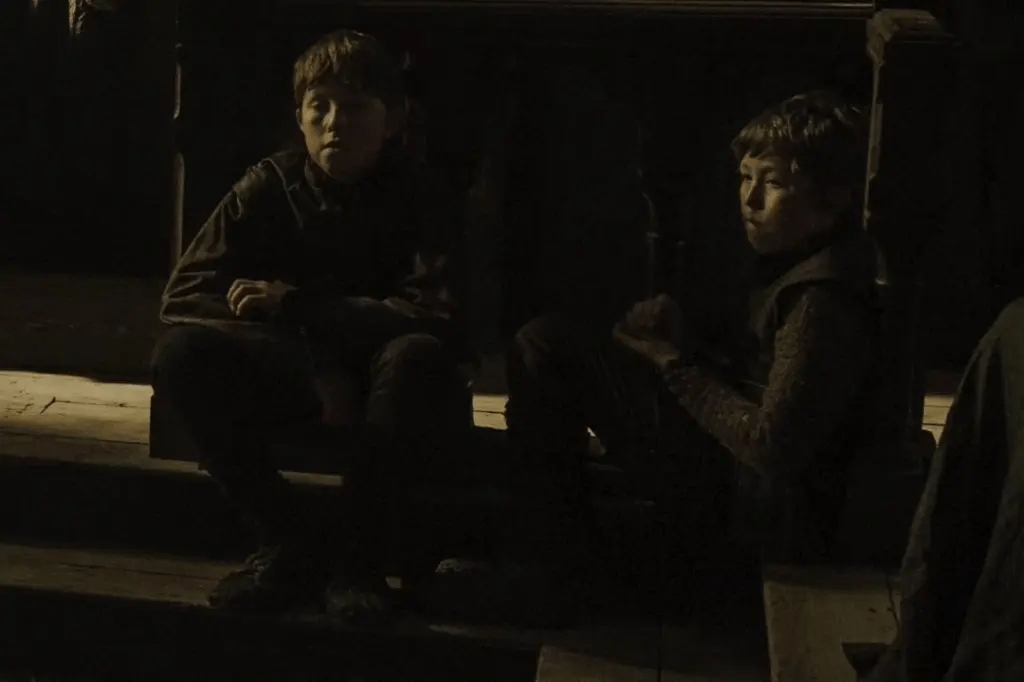
Daniel and his twin brother have a YouTube Channel. They both had minor roles in The Frankenstein Chronicles (season 1, episode 2) and Games of Thrones (season 3, episode 9); in the latter, their sister Elizabeth also appeared as Neyela Frey.
What’s my name? Daniel Wiffen, Olympic champion! | RTÉ Olympics Podcast
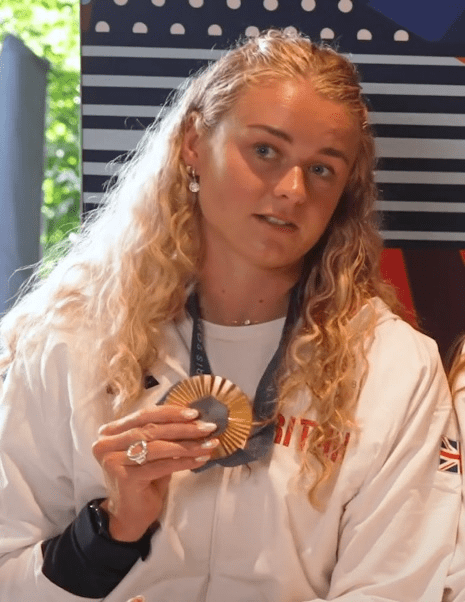
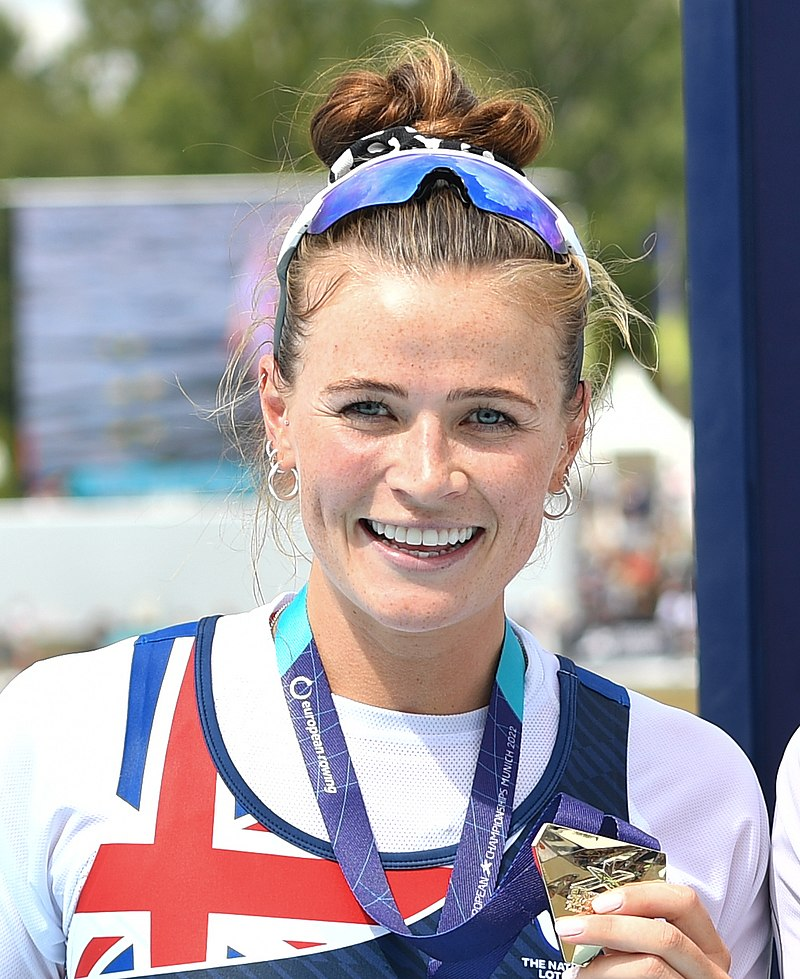
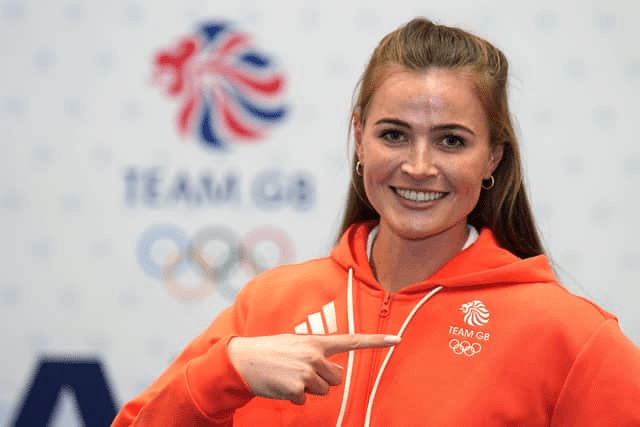
Hannah Scott (born 18 June 1999) is a rower from Coleraine, Northern Ireland. She has won Olympic and world championship gold medals representing Great Britain
Team GB rower from Coleraine wins gold in Women’s Quadruple Sculls
Originally from Coleraine, Hannah’s Olympic journey began in the River Bann.
She started rowing at 13 at the Bann Rowing Club in Coleraine, one of the oldest and most successful rowing clubs in Ireland.
The historic club boat house has stood since 1864 in those years it has been the beginning of the road for many Olympic medals over the years.
Brothers Peter and Richard Chambers, who won silver together in the lightweight four at London 2012, and bronze-medal winning sculler Alan Campbell all started off at the Bann Rowing Club.
Having the opportunity to attend this club and be mentored by its accomplished coaches set Hannah up for success, and it was not long before she started to excel in the sport.
She went on to win five national titles and eight silver medals over several years of competition at the Irish Rowing Championships.
One of the biggest milestones in her rowing career was attending Princeton University in America, where she was able to take part in the university’s rowing programme.
While at the Ivy League university she went on to become a two-time Ivy League Champion in the Varsity Eight and she led the Princeton Women’s Crew as captain.
She also snagged two silver medals at the U23 World Championships.
The road to Paris
Her final years at university were disrupted by the Covid-19 pandemic, which opened up an opportunity for Hannah to return to the UK and earn a spot on the British Rowing Team at the delayed Tokyo 2020 Olympics.
The 25-year-old made her Olympic debut at Tokyo 2020 while still studying for her sociology degree at Princeton. Paris will be her second Olympics and she will be heading in as a reigning world and European champion in the women’s quadruple sculls.
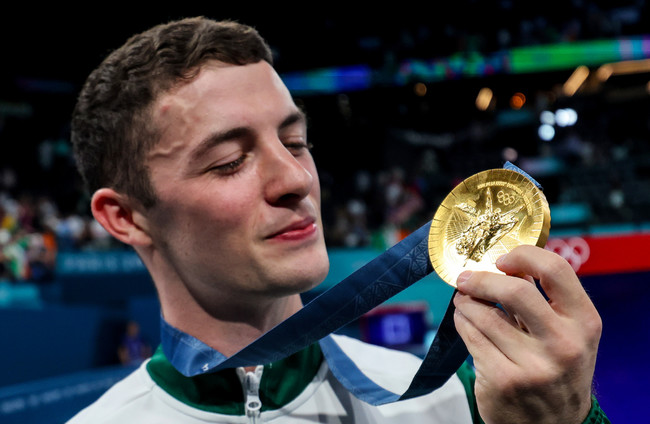
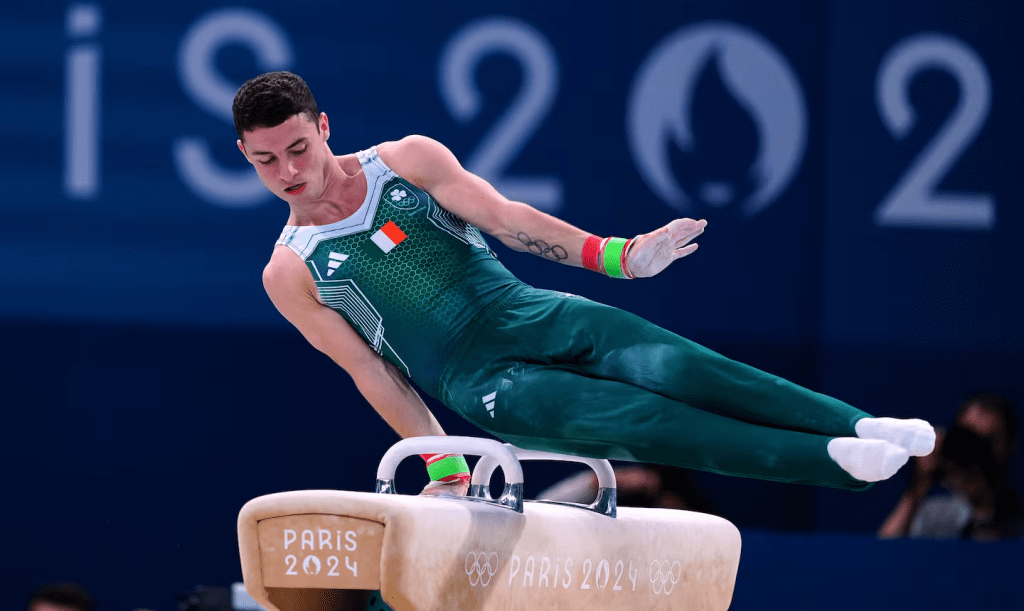
Rhys Joshua McClenaghanBEMOLY (born 21 July 1999) is an artistic gymnast from Northern Ireland who competes internationally both for Ireland and Northern Ireland. He is recognised as one of the best pommel horse workers of his generation. He is the 2024 Olympic champion, the first gymnast ever to win an Olympic medal for Ireland. McClenaghan is also a double world champion on the pommel horse, having won gold in 2022 and 2023, the first Irish artistic gymnast ever to win world championship gold. In 2019, he became the first Irish gymnast to qualify to a world championships final and to also win a medal, taking bronze on pommel horse.
He is a three-time European champion and a Commonwealth Games champion on the same apparatus. McClenaghan is the first Irish gymnast to compete in a European final and also the first to win a European medal.
He also competed for Northern Ireland at the 2018 Commonwealth Games,[8] winning the gold medal on the pommel horse. He followed this by winning the 2018 European Championships, pipping the reigning Olympic and two-time world champion, Max Whitlock on both occasions. In 2023, McClenaghan won a second European title and retained the world title. His third European crown came in Rimini in 2024.
He is the first gymnast to become Olympic, World, European and Commonwealth champion on one apparatus.
McClenaghan was born in Newtownards, County Down, to Tracy and Danny McClenaghan. Aged six, and already displaying a precocious aptitude for gymnastics, he started training at Rathgael Gymnastics Club in Bangor. McClenaghan later attended Regent House School in Newtownards. He has been coached by close friend Luke Carson for many years.
The family of Co Down gymnast Rhys McClenaghan have told of how they “knew this day would come” after he won gold at the Paris Olympics.
The Newtownards athlete completed on Saturday what is considered a gymnastics’ Grand Slam – World, European, Commonwealth and Olympic golds.
Speaking after her son stood on the winner’s podium to collect his gold medal, his mother Tracy said it was “the only one that was missing from his medal collection”.
The 25-year-old gymnast clinched gold for Team Ireland with his outstanding routine in the pommel horse final at the Bercy Arena. It came three years after he fell from the apparatus, when he was favoured to win gold at the Tokyo Olympics.
He said he had slept with the medal on his bedside table.
“It’s so heavy and so sharp I was scared I was going to wake up with injuries,” he said on Sunday.
“I started gymnastics at six years old, that gap between there, that is all my parents, that is them driving me to and from the gym, paying my gymnastics fees, everything they supported and wanted me to pursue that dream that I had.
“This medal is just as much theirs as it is mine.”
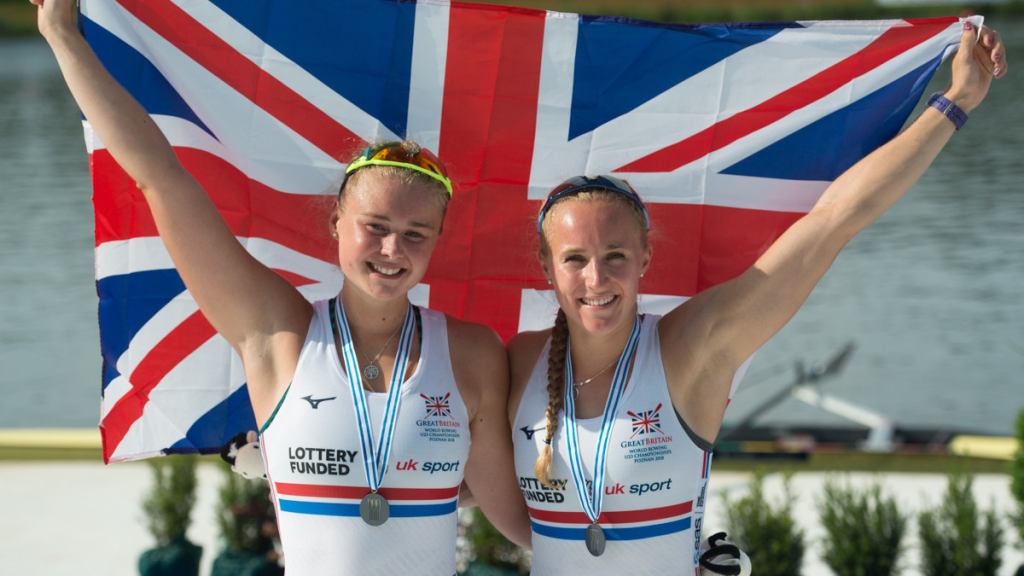
Rebecca Shorten (born 25 November 1993) is a Northern Irishrower from Belfast. She is a world and European gold medallist and Olympic silver medallist for Great Britain.
‘I always knew Rebecca had right chemistry to be top rower at Olympics. Science teacher who coached Team GB silver medal star recalls conversation that set Belfast woman on course for glory
It was a conversation that changed Rebecca Shorten’s life and set her on the path to sporting stardom that culminated in a silver medal at the Paris Olympics.
The Belfast rower was part of the Team GB four that finished second in the final.
The team, also comprising Helen Glover, Esme Booth and Sam Redgrave, lost out on the line to the Netherlands by just an 18th of a second.
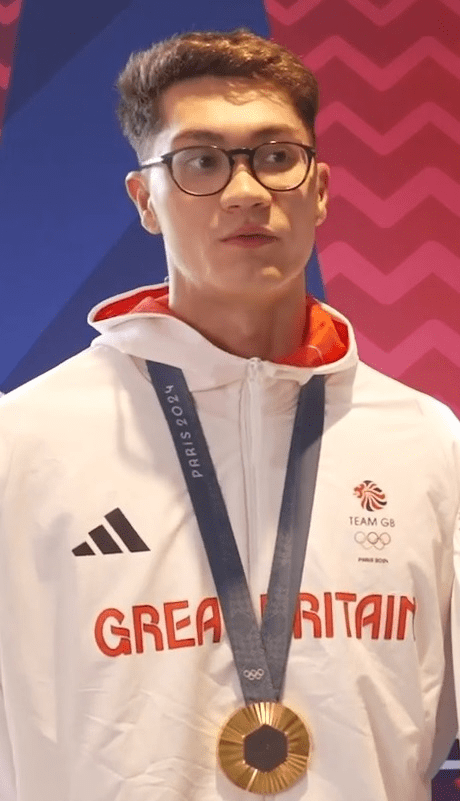
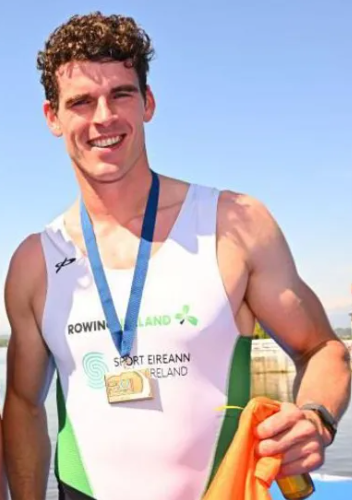
While their gold dream was dashed, there was a silver lining, boosting Northern Ireland’s medal tally on a day when Banbridge rower Philip Doyle and his partner Daire Lynch claimed double sculls bronze for Team Ireland.
Shorten’s story is remarkable, with her former mentor pinpointing a conversation 16 years ago that set her on a new course.
Enda Marron, her teacher and rowing coach when she was at Methodist College in Belfast, said her journey to the podium in Paris began after a science lesson in 2008.
“I was her chemistry teacher and she wasn’t the best chemist,” he told the Belfast Telegraph.
“She had handed in some chemistry work that wasn’t the best.
“It was okay, it just wasn’t the best, and she was a bit embarrassed by it and a bit shy about it.”
Mr Marron said he knew Rebecca wasn’t going to excel in a science career, but saw her potential as a rower.
He said: “I remember saying to her: ‘Who cares about chemistry? Let’s get you into a boat and down to the river’.
“After that she just went from strength to strength and the rest is history.”
At the time Shorten was only 14.
Sixteen years later, and she is the proud owner of an Olympic silver.
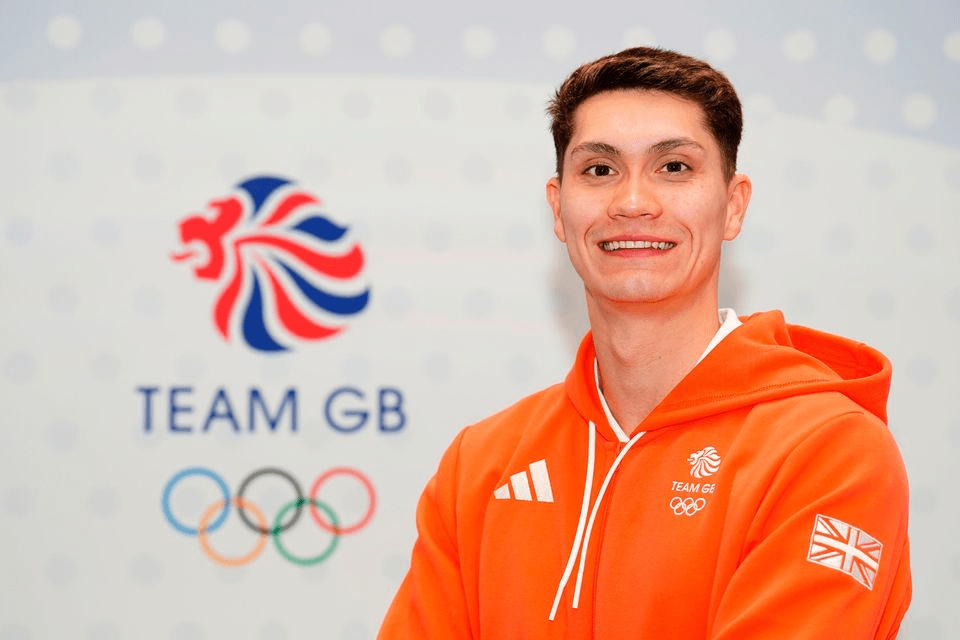
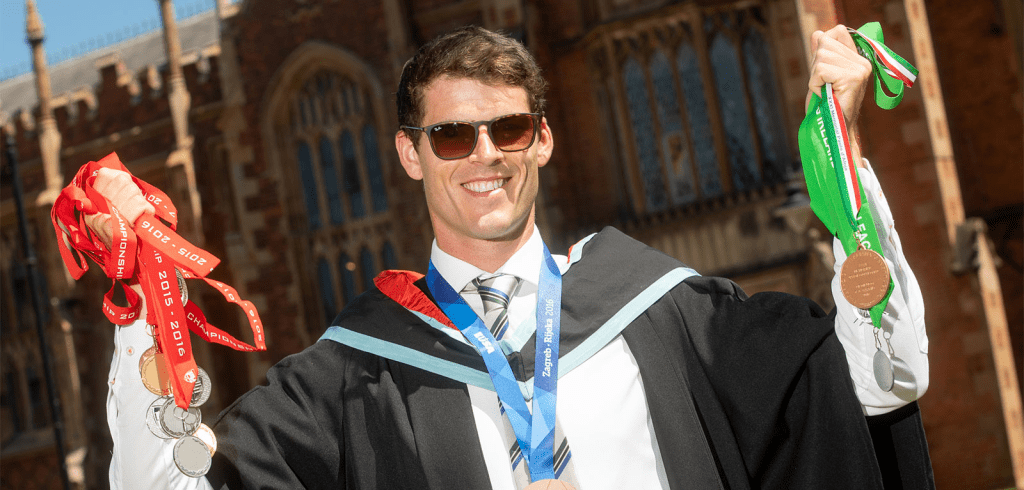
Doyle went to St. Mary’s Primary School in Banbridge from 1996 to 2004. He then attended Banbridge Academy 2004-2011 where he played hockey winning the Bannister Bowl 2006, Richardson Cup 2007 & 2008, the McCullough Cup 2010 and Burney Cup 2010 & 2011. He played in a side which won the All Ireland Schools Cup 2011 and made the semi-finals of the European Schools Cup in 2011.
Doyle played for Ulster U16 at centre back when they were runners-up in an inter-provincial tournament. He represented Ireland U16 in the European championships coming 6th in Holland. Philip also played for Banbridge club up to first XI standard playing centre forward for the 2010/11 season.
Personal life
Doyle went on to study Medicine at Queen’s University in 2012. Philip did an intercalated degree in Medical Sciences in 2015/16 also graduating with a first class honours BSc. Philip got his senior debut for Ireland rowing in Lucerne, Switzerland in the men’s singles coming 15th. He and his partner Ronan Byrne went on to come 9th in Plovdiv, Bulgaria in the men’s double September 2018 delaying stating his Job as a doctor in Belfast city Hospital after Graduating from Queen’s University in July 2018.
Philip worked as a foundation 1 doctor in Belfast City Hospital December 2018 – April 2019 before returning to Rowing full time and competing at the European Championships in Lucerne, Switzerland with partner Ronan Byrne coming 9th
Speaking to the Belfast Telegraph last month Philip said: “So I train 18 times a week, anything from four to seven hours a day depending on the session structure and what competitions are coming up – and depending on my work.
“My training is always a mix of sessions in the boat, on the rowing machine or in the gym. The Elite Athlete Programme at Queen’s has certainly been a great support to me.
“At the beginning of the year I sit down with my coach and set out my goals and we then figure out how they can be achieved.
“My coach Mick Desmond worked tirelessly with me and with Queen’s Sport to facilitate my achievements and helped me work towards my senior international debut, in Lucerne last month, where I came 15th out of 27.”
In March, Philip was recognised for his heroic bravery following an incident on the Lagan last year. Alongside QUBBC teammates Chris Beck and Tiernan Oliver, Philip helped save the life of Terry Bell who had fallen into the river while they were taking part in a Lagan Scullers Club river race, on the morning of Saturday 25 November.
Philip was awarded the Students’ Union President’s Award for Student Achievement which recognises a student or group of students who have demonstrated excellence in leadership or have made a positive impact on society.
Dont forget to subscribe and follow me on Twitter 😉
This is simply the story of a boy trying to grow up, survive, thrive, have fun & discover himself against a backdrop of events that might best be described as ‘explosive’, captivating & shocking the world for thirty long years.
Throughout my time living and working in London and recent years in and around the North West of England it was always my long term intention that when I reached a ripe old age and my kids had settled into happy secure independent adult lives I would relocate to Belfast and spend the remainder of my time in the company of friends and loved ones and the Shankill community that has always been my spiritual home and where my heart and soul were forged within the heartlands and hallowed streets of loyalist Belfast .
You can take the boy out of the Shankill but you can’t take the Shankill out of the boy , Oh so true .
But as usual my path through life has seldom been straight forward and the Norms in their infinite wisdom and cruel nature weaved me a crooked path fluctuating between epic highs and soul destroying lows.
To be honest these past five years have been the most trying and stressful I’ve faced in decades of relative happiness and personal satisfaction and to say they have taken a toll on my mental and emotional wellbeing would be something of an understatement.
Looking back it all started to fall apart when I lost my much missed and loved mum to cancer, a heartbreaking period that I am still trying to come to terms with. If you are familiar with my history, you’ll know I spent many years not knowing if mum was alive or dead and the turmoil this caused throughout my early and teenage years is laid bare in my best-selling book A Belfast Child .
Come on – I had to get a plug in somewhere 😜
This is simply the story of a boy trying to grow up, survive, thrive, have fun & discover himself against a backdrop of events that might best be described as ‘explosive’, captivating & shocking the world for thirty long years.
— Belfast Child – John Chambers (@bfchild66) July 23, 2020
In fact back in the early 2000’s I was seriously considering leaving London altogether (I’d had enough of the rat race and a coke habit that was threatening to get out of hand ) and the possibility of moving back to Belfast and sorting myself out was one of two tempting options opened to me and my growing family. Mum was the second and she made it crystal clear she would love for me to live closer to her and help me get back on my feet . So I delayed my return home and we relocated to a little town on the outskirts of Preston, where we have lived since.
It was great to be so close to mum and we were able to spend quality time together getting to know each other and mending the damage of our tragic family history. The gravitational weight of my traumatic childhood has been a constant presence throughout my life and parts of my soul will always be held hostage to the past.
Nevertheless, this was one of the happiest and most productive periods of my life and at times it seemed I had an almost perfect life and wanted for nothing.
But as the years ticked by the pull of Belfast was becoming stronger and I missed and longed to be in the company of those I love and cherished above all others. Mostly I missed my three siblings and best mate “ Billy “ , we are supernaturally close and I grew to resent the years I had spent away from them.
And a little voice inside my head constantly reminded me that we were only given a brief spell on this mortal coil and time was running out.
Time keeps on slipping into the future
My biggest fear , a fear shared by all of us was that one of us might die prematurely and the landscape and future of our close family unit would be reshaped and destroyed forevermore.
After mums’ death the only thing keeping me in England was the fact my two children had been born and raised here and all their memories and historical roots were firmly planted in English soil . So once again I kicked the idea of the move home into the long grass and settled into the humdrum existence of daily life.
There were some high points during this period and after years of toying with the idea of seeing my story in print I finally managed to get a book deal and realised one of my long-held dreams. Subconsciously I think I was a little uncomfortable with publishing the book whilst mum was alive , although I had completed most of it back in the late 90s and she had read and approved of the early drafts.
As you may suspect this was not a straightforward process and there were many soul destroying bumps and rejections along the way but I persevered and much to my delight the book has went onto be a bestseller. Despite the popular misconception being a bestselling author has not made me rich , far from it and like many I struggle sometimes financially to make ends meet. Having said that I know the book will be my legacy and fingers crossed I’m working on a film script that I hope to sell in the coming years.
Stay tuned.
I will be covering the whole journey from concept to publication of the book in a future post and Princess Diana features in this story.
Life went on and my fragile soul struggled to deal with mums passing but always in the background I had my two sister’s supporting and comforting me from Belfast. Both desperately wanting me to return, and Jean was forever begging me to come home and to be honest I wanted nothing more. I began to feel trapped in England due to the dilemma of my children and the deep roots they had planted here, and I could see no way forward.
But the fates love to toy with the destinies of mortal men and the unpredictability of life weaved by the wicked Norns was about to shake my world to its very foundations and nothing would ever be the same. In the space of twenty four short months I lost three members of my close family, my uncle William, much loved brother in law Richard and the hardest loss of all my beloved big sister Jean. My grief and sorrow were biblical and the pain of losing Jean took me to dark places that hunt me still.
To make things even more difficult during this brutal period my “perfect” marriage of twenty-eight years was falling apart and suddenly I had to adjust to being a single parent and living alone in a life I had grown to detest.
To be completely honest these events are still too raw and painful for me to write about in-depth and I will leave them here for now. but I find the process of putting my thoughts on paper cathartic and will be covering these in a later post.
Oh , I almost forgot to mention in the midst of all this turmoil I was diagnosed with a potential life threatening brain aneurysm and I will cover this also in an upcoming post.
All these events have led me to a crossroad in my life and once again I am seriously considering moving back to Belfast permanently . Although I love England and its been good to me I have nothing left here but my children (and three legged cat) and they both understand and support my desire move back home. Autumn has now flown the nest and is settled with her new fella and yes I approve of him. Jude is a typical grumpy teenager and splits his time happily between his mum and me and as long as we feed him and give him money, he is happy with his lot and for me to move back to Belfast.
But it’s not that black and white for me.
He’s only seventeen and in my eyes still a child, although he thinks he’s a big man! I want to be there for him as he grows and matures and evolves as a young adult and be there to share and support him through the trials and tribulations life throws at him. I want to be there when he has he’s first pint in a pub , ( a regret I never had with my own dad) be there to pick him up when he falls down and be a constant presence in his life. Down the line when my children marry ( or not ) and have their own kids I want to be part of their lives and not a distant grandfather living over the Irish sea they see a few times a year. Also, since Jeans death Belfast has lost some of its magic for me as spending time with her was always a highlight of my trips home and in some ways I would feel guilty moving back when she’s not there.
So what am I going to do ?
Stay tuned and when I make up my mind Ill let you know x
That’s all for now folks, I’m pushing myself to write again as I’ve not put pen to paper in almost two years and I’m a little rusty and out of practice. . So be gentle with me please.
Before you go
Upcoming posts :
The reasons I left Belfast.
Book writing process and publication
My movie script, where I’m at
Once upon a time in Northern Ireland, why thoughts and the process of taking part


































 belfastchildis.com