Monthly Archives: May 2016

Charlie Chaplin’s Missing Body Found

Charlie Chaplin’s stolen body found

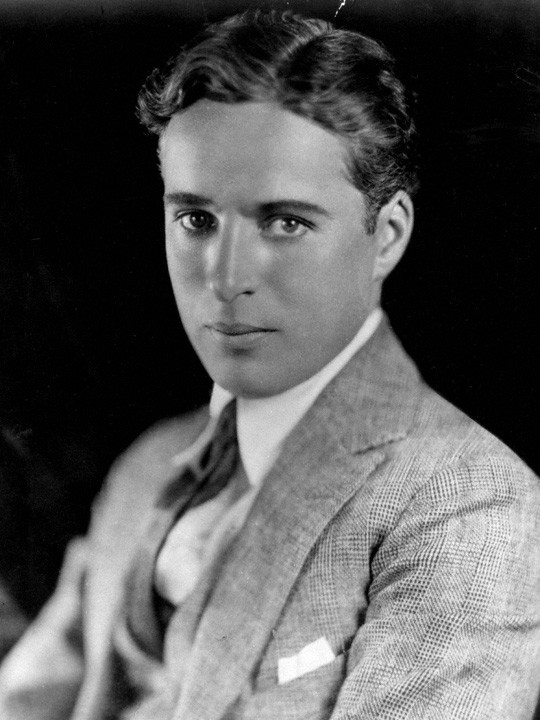
Charlie Chaplin portrait.jpg
A Young Chaplin


On this day in 1978 Charlie Chaplin’s stolen body found

The coffin containing the body of Charlie Chaplin – missing since his grave was robbed eleven weeks previously was found

The legendary silent movie star’s body had been stolen by a pair hapless , stupid  grave robbers

grave robbers at work

The kidnapping of Charlie Chaplin’s coffin

Missing coffin

Having suffered from strokes during the 1960s and ’70s, a frail and wheelchair-bound Chaplin spent his final years living with his fourth wife, Oona, by Lake Geneva in Switzerland.

Then, on Christmas Day 1977, he died in his sleep at his home in Corsier-sur-Vevey, aged 88. Chaplin was laid to rest a few days later in the local cemetery, but sadly his eternal rest lasted only a couple of months.

On 2 March 1978, police phoned the Chaplin mansion to inform 51-year-old Oona that there had been a burglary in the middle of the night and that her husband’s coffin was missing.

It was dug up from a field about a mile away from the Chaplin home in Corsier near Lausanne, Switzerland.

Swiss police eventually arrested two men – a 24 year old Pole and a 38 year old Bulgarian and they have confessed to the heinous crime.

Superintendent Gabriel Cettou, the head of the Geneva police, said the two men would be charged with attempted extortion and disturbing the peace of the dead.

They were traced after police kept a watch on 200 phone kiosks and tapped the Chaplins’ phone after the family received ransom demands of £400,000 for return of the body after it went missing in March

Roman Wardas, a 24-year-old Pole, and Gantscho Ganev, a 38-year-old Bulgarian, were convicted in December 1978 of stealing the coffin and trying to extort £400,000 from the Chaplin family.

Wardas was sentenced to four-and-a-half-years’ hard labour for masterminding the bizarre plot to hold Charlie Chaplin’s body to ransom. He said he was inspired by an article about a similar case in an Italian newspaper and believed it was the answer to his financial difficulties.


His Bulgarian accomplice, described as a “muscle man” with a limited sense of responsibility, was given a suspended 18-month sentence.

—————–

The Kid,Charlie Chaplin fight scene

—————–

No doubt the great man himself would have found this highly amusing and the story could have come straight out of one of his iconic silent movies.

.Sir Charles’ 51-year-old widow, Lady Oona Chaplin, refused to pay up saying:

“Charlie would have thought it ridiculous.”

In further calls the kidnappers made threats to harm her two youngest children.

Hollywood Rumours

The family kept silent about the ransom demands and various rumours circulated about the missing coffin. One Hollywood report suggested it had been dug up because Sir Charles was a Jew buried in a gentile cemetery.

Lady Chaplin, daughter of playwright Eugene O’Neill inherited about £12m after the death of her husband.

The couple and their eight children had been living in Lausanne since 1952.

A spokesman for the Chaplins said:

“The family is very happy and relieved that this ordeal is over.”

And the final word goes to the great man himself.

Charlie Chaplin

” A day without laughter is a day wasted “


—————————–

Police (1916) – Charlie Chaplin (HD)

—————————–

See here for more details on Charlie Chaplin


Dublin and Monaghan Bombings – 17th May 1974

Dublin and Monaghan Bombings 17 May 1974 The views and opinions expressed in this page and  documentaries are soley intended to educate and provide background information to those interested in the…

Source: Dublin and Monaghan Bombings – 17 May 1974

17th May – Deaths & Events in Northern Ireland Troubles


Key Events & Deaths on this day in Northern Ireland Troubles

17th May

——————————————-

Wednesday 17 May 1972

The Irish Republican Army (IRA) opened fire on workers leaving the Mackies engineering works in West Belfast.

[Although the factory was sited in a Catholic area it had an almost entirely Protestant workforce.]

Thursday 17 May 1973

The Irish Republican Army (IRA) carried out a booby-trap bomb attack on five members of the British Army who were off duty at the time. The attack occurred in Omagh, County Tyrone.

See Palace Barracks for more details

[Four soldiers were killed on the day and the fifth soldier died on 3 June 1973.]

Loyalists killed two Catholic civilians in Belfast.

The Royal Ulster Constabulary (RUC) shot dead a man in County Fermanagh.

Friday 17 May 1974

Dublin and Monaghan Bombings  33 People Killed

Day 3 of the UWC strike
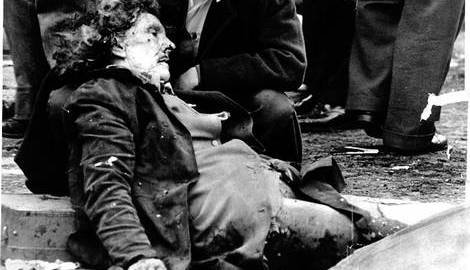
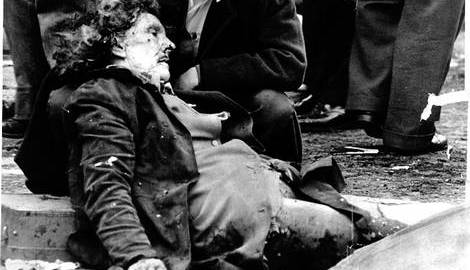
Dublin and Monaghan bombings victim

33 civilians and an unborn child were killed in the Republic of Ireland as a result of a series of explosions when four car bombs were planted by Loyalist paramilitaries in Dublin and Monaghan.

Approximately 258 people were also injured in the explosions. The death toll from the bombings was the largest in any single day of the conflict. No one was ever arrested or convicted of causing the explosions.

[On 15 July 1993 the Ulster Volunteer Force (UVF) claimed sole responsibility for carrying out the bomb attacks.]

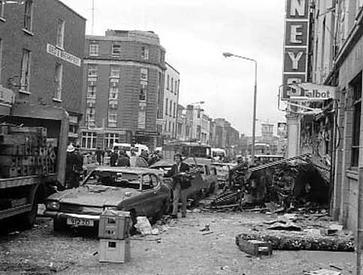
In Dublin three car bombs exploded, almost simultaneously at approximately 5.30pm, in Parnell Street, Talbot Street, and South Leinster Street. 23 men, women and children died in these explosions and 3 others died as a result of injuries over the following few days. Another car bomb exploded at approximately 7.00pm in North Road, Monaghan, killing 5 people initially with another 2 dying in the following weeks.

The first of the three Dublin bombs went off at approximately 5.28pm in Parnell Street. Eleven people died as a result of this explosion.

The second of the Dublin bombs went off at approximately 5.30pm in Parnell Street. Fourteen people died in this explosion. The third bomb went off at approximately 5.32pm in South Leinster Street. Two people were killed in this explosion.

News of car bombs in Dublin and Monaghan raised tensions in Northern Ireland. Sammy Smyth, then press officer of both the Ulster Defence Association (UDA) and the Ulster Workers’ Council (UWC) Strike Committee, said,

“I am very happy about the bombings in Dublin. There is a war with the Free State and now we are laughing at them.”

See Dublin and Monaghan Bombings

In Northern Ireland reductions in the supply of electricity continued to have serious consequences for industry, commerce, and the domestic sector. In addition to problems in maintaining petrol distribution, a lack of electricity also meant that pumps did not operate for substantial periods of each day. Postal delivery services came to a halt following intimidation of Royal Mail employees.

There were continuing problems in farming and in the distribution of food supplies. Special arrangements were made by the Northern Ireland Executive to ensure that payments of welfare benefits would be delivered to claimants.
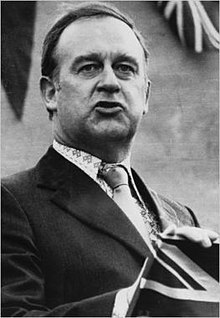
William Craig, then leader of (Ulster) Vanguard, criticised Merlyn Rees, then Secretary of Sate for Northern Ireland, for not negotiating with the Ulster Workers’ Council (UWC).

[Public Records 1974 – Released 1 January 2005: Letter from F.E.R. Butler, then in the Ministry of Defence, discussing the ‘Provision of Electric Power to Belfast’.]

Monday 17 May 1976

James Gallagher (20) was shot dead, as he travelled, as a passenger on a bus, past Fort George British Army base, Strand Road, Derry.

The soldier who shot him was on sentry duty in the base and as he handed over his rifle is reported to have said, “I’m cracking, I’m cracking”. Two other passengers on the bus, a man and a woman, were injured in the incident.

[Later Gallagher was listed on a Republican roll of honour as an Irish Republican Army (IRA) member.]

Two Protestant civilians were shot dead by Republican paramilitaries at a factory in Dungannon Street, Moy, County Tyrone.

Friday 17 May 1984
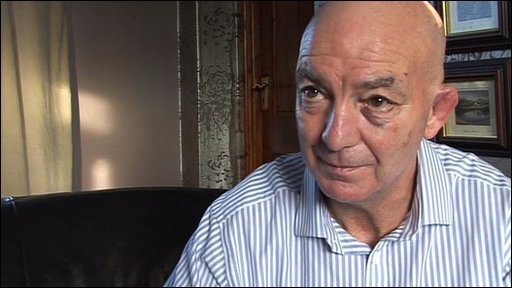
Jim Campbell, then Northern Editor of the Sunday World, was shot and seriously injured by the Ulster Volunteer Force (UVF) at his home in north Belfast.

See Martin Ohagan

Wednesday 17 May 1989

Local Government Elections

Local government elections were held across Northern Ireland.

[The percentage share of the vote was: Ulster Unionist Party (UUP) 31.4%; Democratic Unionist Party (DUP) 17.8%; Social Democratic and Labour Party (SDLP) 21.2%; Sinn Féin (SF) 11.3%; Alliance Party of Northern Ireland (APNI) 6.8%; Workers Party (WP) 2.1%; Others 9.4%; Turnout 56.0%. (See detailed results.)]

Thursday 17 May 1990

Summary of Stevens Report Published

A summary of the report of the Stevens Inquiry was published. The main finding of the report was that there had been evidence of collusion between members of the security forces and Loyalist paramilitaries.

However it was the view of the inquiry that any collusion was “restricted to a small number of members of the security forces and is neither widespread nor institutionalised”.

There was a Westminster by-election in the constituency of Upper Bann. David Trimble, of the Ulster Unionist Party (UUP), won the by-election with a majority of almost 14,000 votes. The Conservative Party candidate, Colette Jones, lost her deposit.

Sunday 17 May 1992

British soldiers of the King’s Own Scottish Borderers becamed involved in a fist-fight with local people in Coalisland, County Tyrone. Soon after members of the Parachute Regiment arrived and fired on a crowd of people standing outside a public house in the town, and shot and wounded three civilians and injured a further four others.

[This incident followed an earlier one on 12 May 1992. It was later reported that the commander of the army’s Third Brigade was transferred. Patrols by the Parachute Regiment were also ended before the official end of the regiment’s tour of duty.]

Monday 17 May 1993

The Combined Loyalist Military Command (CLMC) stated that it would look at the results of the local government elections on 19 May 1993 to see if there was any evidence of “pan-Nationalist candidates” co-operating with each other.

Tuesday 17 May 1994

Two Catholics Killed by UVF


Eamon Fox (42) and Gary Convie (24), both Catholic civilians, were shot dead by the Ulster Volunteer Force (UVF) at a building site on North Queen Street, in the Tiger Bay area of Belfast.

A review of the working of the Northern Ireland (Emergency Provisions) Act recommended that police interviews should be taped.

Wednesday 17 May 1995

Unemployment in Northern Ireland in April 1995 was recorded as 88,700 (11.8 per cent) the lowest it had been since December 1981

Saturday 17 May 1997

Gerry Adams, then President of Sinn Féin (SF), held a meeting with officials representing the Irish government at an undisclosed venue in Dublin. John Bruton, the Taoiseach (Irish Prime Minister), said afterwards that the meeting was to establish if the Irish Republican Army (IRA) was prepared to call a new ceasefire.

Sunday 17 May 1999

Tony Blair, then British Prime Minister, said there was no “plan B” if the Agreement was rejected in the referendum. Blair and Bill Clinton, then President of the United States of America (USA), issued a joint statement urging people to recognise the opportunities offered by the Agreement and to vote ‘Yes’.

Monday 17 May 1999

The Ulster Unionist Party (UUP) issued a blunt warning that it would not change its position on decommissioning before, during or after next month’s European election. David Trimble, then First Minister designate, challenged Tony Blair, then British Prime Minister, to state whether, in the British government’s view, devolution could proceed without the start of “actual decommissioning”.

In the Republic of Ireland 42 candidates were nominated for the European election on 11 June 1999. Fianna Fáil (FF) put forward eight candidates, Fine Gael seven, Labour five, Sinn Féin four, Natural Law Party four, and the Green Party three. For the first time there was no PD candidate.

Thursday 17 May 2001

Sean MacStiofain (73), former Chief of Staff of the (Provisional) Irish Republican Army (IRA), died in a hospital in the Republic of Ireland after a long illness. He became Chief of Staff of the Provisionals after they split from the Official IRA in 1970.

[MacStiofain had been born John Stephenson in London.]

Death

In 1993, Mac Stíofáin suffered a stroke. On 18 May 2001, he died in Our Lady’s Hospital, Navan, County Meath, after a long illness at the age of 73. He is buried in St Mary’s Cemetery, Navan.

Despite his controversial career in the IRA, many of his former comrades (and rivals) paid tribute to him after his death. Ruairí Ó Brádaigh, who attended the funeral, issued a glowing tribute, referring to Mac Stíofáin as an “outstanding IRA leader during a crucial period in Irish history” and as the “man for the job” as first Provisional IRA Chief of Staff. Gerry Adams and Martin McGuinness also attended. In her oration, Ita Ní Chionnaigh of Conradh na Gaeilge, whose flag draped the coffin, lambasted Mac Stíofáin’s “character assassination” by the “gutter press” and praised him as a man who had been “interested in the rights of men and women and people anywhere in the world who were oppressed, including Irish speakers in Ireland, who are also oppressed.

See here for more details on Sean MacStiofain


  ——————————————

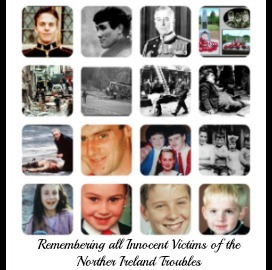
Remembering all innocent victims of the Troubles

Today is the anniversary of the death of the following people killed as a results of the conflict in Northern Ireland

“To live in hearts we leave behind is not to die

– Thomas Campbell

To the innocent on the list – Your memory will live forever

– To the Paramilitaries –

There are many things worth living for, a few things worth dying for, but nothing worth killing for.

50  People lost their lives on the 17th between 1972 – 1990

 ——————————————

17 May 1972


Bernard Moane   (46)

Catholic
Status: Civilian (Civ),

Killed by: Ulster Defence Association (UDA)
Found shot by Knockagh War Memorial, near Greenisland, County Antrim.

 ——————————————

17 May 1972
Ronald Hurst  (25)

nfNI
Status: British Army (BA),

Killed by: Irish Republican Army (IRA)
Shot while working on perimeter fencing outside Crossmaglen Royal Ulster Constabulary (RUC) / British Army (BA) base, County Armagh.

 ——————————————

17 May 1973
Michael Leonard  (22)

nfNI
Status: Civilian (Civ),

Killed by: Royal Ulster Constabulary (RUC)
From County Donegal. Shot while driving his car, being pursued by Royal Ulster Constabulary (RUC) vehicle, Letter, near Pettigoe, County Fermanagh.

 ——————————————

17 May 1973


Eileen Mackin  (14)

Catholic
Status: Civilian (Civ),

Killed by: non-specific Loyalist group (LOY)
Shot by sniper while walking along Springhill Avenue, Ballymurphy, Belfast.

 ——————————————

17 May 1973


Thomas Ward   (34)

Catholic
Status: Civilian (Civ),

Killed by: Ulster Volunteer Force (UVF)
Shot during bomb and gun attack on Jubilee Arms, Lavinia Street, off Ormeau Road, Belfast.

 ——————————————

17 May 1973
Arthur Place   (29)

nfNI
Status: British Army (BA),

Killed by: Irish Republican Army (IRA)
Off duty. Killed by booby trap bomb while getting into car, outside Knock-na-Moe Castle Hotel, Omagh, County Tyrone.

 ——————————————

17 May 1973
 Derek Reed  (28)

nfNI
Status: British Army (BA),

Killed by: Irish Republican Army (IRA)
Off duty. Killed by booby trap bomb while getting into car, outside Knock-na-Moe Castle Hotel, Omagh, County Tyrone.

 ——————————————

17 May 1973
Sheridan Young  (26)

nfNI
Status: British Army (BA),

Killed by: Irish Republican Army (IRA)
Off duty. Killed by booby trap bomb while getting into car, outside Knock-na-Moe Castle Hotel, Omagh, County Tyrone. .

 ——————————————

17 May 1973
Barry Cox   (28)

nfNI
Status: British Army (BA),

Killed by: Irish Republican Army (IRA)
Off duty. Killed by booby trap bomb while getting into car, outside Knock-na-Moe Castle Hotel, Omagh, County Tyrone.

 ——————————————

17 May 1973
Frederick Drake  (25)

nfNI
Status: British Army (BA),

Killed by: Irish Republican Army (IRA)
Off duty. Injured by booby trap bomb while getting into car, outside Knock-na-Moe Castle Hotel, Omagh, County Tyrone. He died 3 June 1973

 ——————————————

Dublin and Monaghan Bombings

17 May 1974

Dublin and Monaghan bombings victim

33 People  lost their lives

See Dublin and Monaghan Bombings

————————————————-

17 May 1974

Marie Butler,  (21)

nfNIRI

Status: Civilian (Civ),

Killed by: Ulster Volunteer Force (UVF)
Killed when car bomb exploded Parnell Street, Dublin.

See Dublin and Monaghan Bombings

————————————————-

17 May 1974
John Dargle,   (80)

nfNIRI
Status: Civilian (Civ),

Killed by: Ulster Volunteer Force (UVF)
Killed when car bomb exploded Parnell Street, Dublin.

See Dublin and Monaghan Bombings

————————————————-

17 May 1974

Patrick Fay,  (47)

nfNIRI
Status: Civilian (Civ),

Killed by: Ulster Volunteer Force (UVF)
Killed when car bomb exploded Parnell Street, Dublin.

See Dublin and Monaghan Bombings

————————————————-

17 May 1974
Elizabeth Fitzgerald,   (59)

nfNIRI
Status: Civilian (Civ),

Killed by: Ulster Volunteer Force (UVF)
Injured when car bomb exploded Parnell Street, Dublin. She died 19 May 1974

See Dublin and Monaghan Bombings

————————————————-

17 May 1974

Antonio Magliocco,  (37)

nfNIRI
Status: Civilian (Civ),

Killed by: Ulster Volunteer Force (UVF)
Italian national. Killed when car bomb exploded Parnell Street,

See Dublin and Monaghan Bombings

————————————————-

17 May 1974

John O’Brien,   (24)

nfNIRI
Status: Civilian (Civ),

Killed by: Ulster Volunteer Force (UVF)
Killed when car bomb exploded Parnell Street, Dublin.

See Dublin and Monaghan Bombings

————————————————-

17 May 1974

Anna O’Brien  (22)

nfNIRI
Status: Civilian (Civ),

Killed by: Ulster Volunteer Force (UVF)
Killed when car bomb exploded Parnell Street, Dublin.

See Dublin and Monaghan Bombings

————————————————-

17 May 1974

Jacqueline O’Brien,   (1)

nfNIRI
Status: Civilian (Civ),

Killed by: Ulster Volunteer Force (UVF)
Killed when car bomb exploded Parnell Street, Dublin

See Dublin and Monaghan Bombings

————————————————-

17 May 1974
Anne Marie O’Brien,  (0)

nfNIRI
Status: Civilian (Civ),

Killed by: Ulster Volunteer Force (UVF)
Killed when car bomb exploded Parnell Street, Dublin.

See Dublin and Monaghan Bombings

————————————————-

17 May 1974


Edward O’Neill,  (39)

nfNIRI
Status: Civilian (Civ),

Killed by: Ulster Volunteer Force (UVF)
Killed when car bomb exploded Parnell Street, Dublin.

See Dublin and Monaghan Bombings

————————————————-

17 May 1974


Breda Turner,   (21)

nfNIRI
Status: Civilian (Civ),

Killed by: Ulster Volunteer Force (UVF)
Killed when car bomb exploded Parnell Street

See Dublin and Monaghan Bombings

————————————————-

17 May 1974

Anne Byrne,  (35)

nfNIRI
Status: Civilian (Civ),

Killed by: Ulster Volunteer Force (UVF)
Killed when car bomb exploded Talbot Street, Dublin.

See Dublin and Monaghan Bombings

————————————————-

17 May 1974

Simone Chetrit,   (30)

nfNIRI
Status: Civilian (Civ),

Killed by: Ulster Volunteer Force (UVF)
French national. Killed when car bomb exploded Talbot Street, Dublin.

See Dublin and Monaghan Bombings

————————————————-

17 May 1974


Colette Doherty,  (21)

nfNIRI
Status: Civilian (Civ),

Killed by: Ulster Volunteer Force (UVF)
Killed when car bomb exploded Talbot Street, Dublin

See Dublin and Monaghan Bombings

————————————————-

17 May 1974


Breda Grace,  (35)

nfNIRI
Status: Civilian (Civ)

, Killed by: Ulster Volunteer Force (UVF)
Killed when car bomb exploded Talbot Street, Dublin.

Dublin and Monagh Bombings

————————————————-

17 May 1974


Anna Marren,   (20)

nfNIRI
Status: Civilian (Civ),

Killed by: Ulster Volunteer Force (UVF)
Killed when car bomb exploded Talbot Street, Dublin.

See Dublin and Monaghan Bombings

————————————————-

17 May 1974

May McKenna,   (55)

nfNIRI
Status: Civilian (Civ),

Killed by: Ulster Volunteer Force (UVF)
Killed when car bomb exploded Talbot Street, Dublin.

See Dublin and Monaghan Bombings

————————————————-

17 May 1974

Dorothy  Morris,  (57)

nfNIRI
Status: Civilian (Civ),

Killed by: Ulster Volunteer Force (UVF)
Killed when car bomb exploded Talbot Street, Dublin.

See Dublin and Monaghan Bombings

————————————————-

17 May 1974


Marie Phelan,   (20)

nfNIRI
Status: Civilian (Civ),

Killed by: Ulster Volunteer Force (UVF)
Killed when car bomb exploded Talbot Street, Dublin.

See Dublin and Monaghan Bombings

————————————————-

17 May 1974

Siobhan Roice,   (19)

nfNIRI
Status: Civilian (Civ),

Killed by: Ulster Volunteer Force (UVF)
Killed when car bomb exploded Talbot Street, Dublin.

See Dublin and Monaghan Bombings

————————————————-

17 May 1974


Maureen Shields,  (46)

nfNIRI
Status: Civilian (Civ),

Killed by: Ulster Volunteer Force (UVF)
Killed when car bomb exploded Talbot Street, Dublin.

See Dublin and Monaghan Bombings

————————————————-

17 May 1974

John Walshe,   (27)

nfNIRI
Status: Civilian (Civ),

Killed by: Ulster Volunteer Force (UVF)
Killed when car bomb exploded Talbot Street, Dublin.

See Dublin and Monaghan Bombings

————————————————-

17 May 1974

Josephine Bradley,  (21)

nfNIRI
Status: Civilian (Civ),

Killed by: Ulster Volunteer Force (UVF)
Injured when car bomb exploded Talbot Street, Dublin. She died 20 May 1974

See Dublin and Monaghan Bombings

————————————————-

17 May 1974

Concepta  Dempsey,  (65)

nfNIRI
Status: Civilian (Civ),

Killed by: Ulster Volunteer Force (UVF)
Injured when car bomb exploded Talbot Street, Dublin. She died 11 June 1974.

See Dublin and Monaghan Bombings

————————————————-

17 May 1974


Anna Massey,  (21)

nfNIRI
Status: Civilian (Civ),

Killed by: Ulster Volunteer Force (UVF)
Killed when car bomb exploded South Leinster Street, Dublin

See Dublin and Monaghan Bombings

————————————————-

17 May 1974


Christine O’Loughlin,   (51)

nfNIRI
Status: Civilian (Civ),

Killed by: Ulster Volunteer Force (UVF)
Killed when car bomb exploded South Leinster Street, Dublin.

See Dublin and Monaghan Bombings

————————————————-

17 May 1974


Patrick Askin,   (44)

nfNIRI
Status: Civilian (Civ),

Killed by: Ulster Volunteer Force (UVF)
Killed when car bomb exploded Church Square, Monaghan, County Monaghan

See Dublin and Monaghan Bombings

————————————————-

17 May 1974
Thomas Campbell,  (52)

nfNIRI
Status: Civilian (Civ),

Killed by: Ulster Volunteer Force (UVF)
Killed when car bomb exploded Church Square, Monaghan, County Monaghan

See Dublin and Monaghan Bombings

————————————————-

17 May 1974

John Travers,   (28)

nfNIRI
Status: Civilian (Civ),

Killed by: Ulster Volunteer Force (UVF)
Killed when car bomb exploded Church Square, Monaghan, County Monaghan

See Dublin and Monaghan Bombings

————————————————-

17 May 1974

Peggy White,   (45)

nfNIRI
Status: Civilian (Civ),

Killed by: Ulster Volunteer Force (UVF)
Killed when car bomb exploded Church Square, Monaghan, County Monaghan.

See Dublin and Monaghan Bombings

————————————————-

17 May 1974

George Williamson,   (72)

nfNIRI
Status: Civilian (Civ),

Killed by: Ulster Volunteer Force (UVF)
Killed when car bomb exploded Church Square, Monaghan, County Monaghan

See Dublin and Monaghan Bombings

————————————————-

17 May 1974

Archie Harper,  (73)

nfNIRI
Status: Civilian (Civ),

Killed by: Ulster Volunteer Force (UVF)
Injured when car bomb exploded Church Square, Monaghan, County Monaghan. He died 21 May 1974.

See Dublin and Monaghan Bombings

————————————————-

17 May 1974

Thomas Croarkin,   (36)

nfNIRI
Status: Civilian (Civ),

Killed by: Ulster Volunteer Force (UVF)
Injured when car bomb exploded Church Square, Monaghan, County Monaghan. He died 24 July 1974.

See Dublin and Monaghan Bombings

————————————————-

17 May 1976
Robert Dobson  (35)

Protestant
Status: Civilian (Civ),

Killed by: non-specific Republican group (REP)
Shot, together with his brother, at their business premises, Dungannon Street, Moy, County Tyrone.

 ——————————————

17 May 1976
Thomas Dobson  (38)

Protestant
Status: Civilian (Civ),

Killed by: non-specific Republican group (REP)
Shot, together with his brother, at their business premises, Dungannon Street, Moy, County Tyrone.

 ——————————————

17 May 1976


James Gallagher  (20)

Catholic
Status: Irish Republican Army (IRA),

Killed by: British Army (BA)
Shot while travelling on bus which was passing Fort George British Army (BA) base, Strand Road, Derry.

 ——————————————

17 May 1986


David Wilson  (39)

Protestant
Status: Civilian (Civ),

Killed by: Irish Republican Army (IRA)
Shot while driving his firm’s van, Donaghmore, County Tyrone.

 ——————————————

17 May 1991


Douglas Carruthers   (41)

Protestant
Status: Royal Ulster Constabulary (RUC),

Killed by: Irish Republican Army (IRA)
Off duty. Killed by booby trap bomb attached to his car while driving near to his home, Mullybritt, Lisbellaw, County Fermanagh.

 ——————————————

17 May 1994


Eamon Fox  (42)

Catholic
Status: Civilian (Civ),

Killed by: Ulster Volunteer Force (UVF)
Shot, while sitting in stationary car, at his workplace, building site, North Queen Street, Tigers Bay, Belfast.

 ——————————————

17 May 1994


 Gary Convie  (24)

Catholic
Status: Civilian (Civ),

Killed by: Ulster Volunteer Force (UVF)
Shot, while sitting in stationary car, at his workplace, building site, North Queen Street, Tigers Bay, Belfast

 ——————————————
Dublin and Monaghan Bombings

Tomorrow is the anniversary of this brutal attack by the UVF.
They killed 33 civilians and a full-term unborn child, and injured almost 300.

belfastchildis's avatar

Dublin and Monaghan Bombings

17 May 1974

The views and opinions expressed in this page and  documentaries are soley intended to educate and provide background information to those interested in the Troubles of Northern Ireland. They in no way reflect my own opinions and I take no responsibility for any inaccuracies or factual errors

The Dublin and Monaghan

The Dublin and Monaghan bombings of 17 May 1974 were a series of co-ordinated no-warning car bombings in Dublin and Monaghan, Republic of Ireland. Three exploded in Dublin during rush hour and a fourth exploded in Monaghan almost ninety minutes later. They killed 33 civilians and a full-term unborn child, and injured almost 300. The bombings were the deadliest attack of the conflict known as the Troubles, and the deadliest terrorist attack in the Republic’s history.[2] Most of the victims were young women, although the ages of the…

View original post 6,567 more words

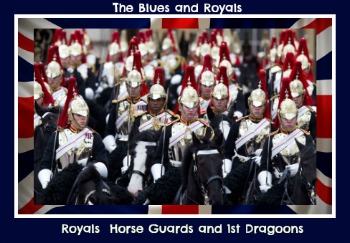
The Blues and Royals (Royal Horse Guards and 1st Dragoons)

The Blues and Royals (Royal Horse Guards and 1st Dragoons) (RHG/D) is a cavalry regiment of the British Army, part of the Household Cavalry. The Colonel-in-Chief is Queen Elizabeth II and the Colonel of the Regiment is Anne, Princess Royal. It is the second-most senior regiment in the British Army.

——————

Blues and Royals

——————

The Blues and Royals
(Royal Horse Guards and 1st Dragoons)
Blues and Royals cap badge.jpg

Badge of the Blues and Royals

Active 23 March 1969–present
Allegiance  United Kingdom
Branch  British Army
Type Horse Guards
Role Armoured reconnaissance/Ceremonial
Size One regiment of three squadrons
Part of Household Cavalry
Garrison/HQ RHQ – London
Regiment – Windsor/London
Nickname(s) The Tin Bellies
Motto(s) Honi soit qui mal y pense
(Evil be to him who evil thinks)
March Quick – Quick March of the Blues and Royals
Slow – Slow March of the Blues and Royals
Trot Past – Keel Row
Commanders
Colonel-in-Chief Queen Elizabeth II
Colonel of
the Regiment
HRH The Princess Royal KG KT GCVO GCStJ QSO
Insignia
Tactical Recognition Flash GuardsTRF.svg
Arm Badge Waterloo Eagle
from Royal Dragoons (1st Dragoons)
Abbreviation RHG/D

———————–

The Band of the Blues & Royals – Marching and Public concert in Solothurn, Switzerland

———————–

History

The Blues and Royals is one of two regiments of the Household Division that can trace its lineage back to the New Model Army, the other being the Coldstream Guards.

Troopers of the Blues and Royals at the Trooping the Colour parade, London, 2007

Formation

The regiment was formed in 1969 from the merger of the Royal Horse Guards, which was known as “the Blues” or “the Oxford Blues”, and the Royal Dragoons, which was known as “the Royals”.

Since then, the new regiment has served in Northern Ireland, Germany, and Cyprus. During the Falklands War of 1982, the regiment provided the two armoured reconnaissance troops. The regiment also had a squadron on operational duty with the United Nations in Bosnia in 1994–95. Most recently, the regiment saw action in the Iraq War and the War in Afghanistan.

Both Prince William, Duke of Cambridge, and Prince Harry joined the regiment as cornets in 2006.

Blues and Royals Trooper

Changing of the guard at Horse Guards

Operational Union

As a result of the Options for Change Review in 1991, the Blues and Royals formed a union for operational purposes with the Life Guards as the Household Cavalry Regiment. However, they each maintain their regimental identity, with distinct uniforms and traditions, and their own colonel. The Blues and Royals currently has two reconnaissance squadrons in Windsor, which are part of the Household Cavalry Regiment, and a mounted squadron in London as part of the Household Cavalry Mounted Regimen.

Regimental traditions

——————————-

Blues and Royals Quick March

——————————-

Instead of being known as the Royal Horse Guards and 1st Dragoons, the regiment is known as the Blues and Royals and is therefore the only regiment in the British Army to be officially known by their nickname as opposed to their full name.

Newly commissioned officers in the Blues and Royals are named Cornets, rather than Second Lieutenants as is the standard in the rest of the British Army. The rank of sergeant does not exist in the Household Cavalry. The equivalent is Corporal of Horse, which also applies to any other ranks with the word sergeant in it, such as Regimental Sergeant Major, which is replaced by Regimental Corporal Major. King Edward VII also declared the rank of Private should be replaced by the rank of Trooper in the cavalry.

This set the precedent for the usage of Trooper instead of Private in other cavalry units, such as those of the modern Royal Armoured Corps.

——————–

The Queens Cavalry – BBC – Full Video

——————–

The Blues and Royals is the only regiment in the British Army that allows troopers and non-commissioned officers, when not wearing headdress, to salute an officer. The custom started after the Battle of Warburg in 1760 by the Marquess of Granby, who commanded both the Royal Horse Guards and the Royal Dragoons, which were separate units at the time. During the battle, the Marquess had driven the French forces from the field, losing both his hat and his wig during the charge. When reporting to his commander, Prince Ferdinand of Brunswick, in the heat of the moment he is said to have saluted without wearing his headdress, having lost it earlier. When the Marquess of Granby became the Colonel of the Blues, the regiment adopted this tradition.

Further, the Blues and Royals and the Life Guards are the only two units in the British forces that are not required to remove their headdress indoors, unless they are inside a church.

When the Household Cavalry mounts an escort to the Sovereign on State occasions, a ceremonial axe with a spike is carried by a Farrier Corporal of Horse. The historical reason behind this is that when a horse was wounded or injured so seriously that it could not be treated, its suffering was ended by killing it with the spike. The axe is also a reminder of the days when the Sovereign’s escorts accompanied royal coaches and when English roads were very bad. Horses often fell, becoming entangled in their harnesses and had to be freed with the cut of an axe. It is also said that, in those times, if a horse had to be put to death, its rider had to bring back a hoof, cut off with the axe, to prove to the Quartermaster that the animal was in fact dead, thereby preventing fraudulent replacement. Today, the axe remains as a symbol of the Farrier’s duties.

Uniform

On ceremonial occasions, the Blues and Royals wear a blue tunic (inherited from the Royal Horse Guards, also known as “the Blues”), a metal cuirass, and a matching helmet with a red plume worn unbound, and against popular belief the regiments farriers wear a red plume like the rest of the regiment but do not wear the metal cuirass. In addition, the Blues and Royals wear their chin strap under their chin, as opposed to the Life Guards, who wear it below their lower lip. On service dress, the Blues and Royals wear a blue lanyard on the left shoulder, as well as a Sam Browne belt containing a whistle. In most dress orders, the Waterloo Eagle is worn on the left arm as part of dress traditions.

The Blues and Royals, as part of the Household Division, does not use the Order of the Bath Star for its officer rank ‘pips,’ but rather the Order of the Garter Star.

Prince Harry wore the uniform at the wedding of his brother, Prince William, to Catherine Middleton.

Battle Honours

The battle honours are:

*Awarded jointly with the Life Guards for services of the Household Cavalry Regiment


16th May – Deaths & Events in Northern Ireland Troubles


Key Events & Deaths on this day in Northern Ireland Troubles

16th May

——————————-

Thursday 16 May 1968

In the Stormont (Northern Ireland parliament) by-election in the city of Londonderry (Derry) the Ulster Unionists retained the seat.

Thursday 16 May 1974

Day 2 of the UWC strike

Maureen Moore

Maureen Moore (21), a Catholic civilian, was shot dead by a Loyalist paramilitary gunman as she stood at the corner of Stratheden Street and Edlingham Street, New Lodge, Belfast.

The effect of the strike deepened with the engineering sector of the economy being the hardest hit. The use of intimidation (or ‘persuasion’ as the Loyalist paramilitaries preferred to call it) had a significant impact on the number of people who managed to get to work.

The strike began to have a number of effects on the farming sector with uncollected, or unprocessed, milk having to be dumped and fresh food not reaching shops. The Ulster Workers’ Council (UWC) issued a list of ‘essential services’ which were to be allowed to operate as normal and also issued a telephone number for anyone engaged in such work. The UWC also ordered public houses to close.

There was an outbreak of sectarian rioting.

The strike was the main subject of Northern Ireland ‘question time’ in the House of Commons at Westminster.

Paddy Devlin, a then member of the Executive, threatens to resign on the issue of Interment. Merlyn Rees, then Secretary of State, met with Loyalist leaders in Stormont. Mr Rees said that he would not negotiate with the UWC.

[One thing that became clear was that the timing of the removal of barricades by the police was tactically wrong. In many instances barricades were not removed until people had made an initial attempt to get to work. Having been turned back first thing in the morning few people were attempting to travel mid-morning or mid-afternoon when a number of roads would have been reopened. There were complaints about a lack of action, particularly to clear obstructions on roads, on the part of the British Army.]


Sunday 16 May 1976


Roy McIlwaine & William  Martin

Two Protestant civilians were shot dead by Republican paramilitaries outside a Social Club, Alliance Road, Belfast.

Kenneth Nelson

An off-duty Royal Ulster Constabulary (RUC) officer was shot dead by the Irish Republican Army (IRA) near Benburb, County Tyrone.

Monday 16 May 1983

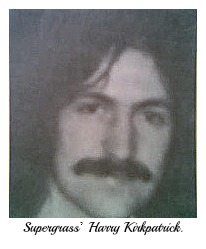
supergrass Harry Kirkpatrick 2

The Irish National Liberation Army (INLA) announced that they had kidnapped the wife of ‘supergrass’ Harry Kirkpatrick.

[Other members of the Kirkpatrick family were also kidnapped on 3 August 1983.]

Friday 16 May 1986

Gerry Adams, then President of Sinn Féin (SF), spoke at a seminar in Amsterdam, Holland. Adams criticised the Anglo-Irish Agreement (AIA) saying that it secured the partition of the six counties of Northern Ireland.

Tuesday 16 May 1995


Malcolm Moss, then Northern Ireland Office (NIO) minister, shook hands with Mitchel McLaughlin, then Sinn Féin (SF) chairman, when the minister opened a shopping centre in Creggan Estate, Derry.

Thursday 16 May 1996

John Major, then British Prime Minister, was reported in an Irish Times (a Dublin based newspaper) article as having said that arms decommissioning would have to be addressed at the start of talks.

Friday 16 May 1997

Blair Keynote Speech

Tony Blair, then British Prime Minister, travelled to Belfast to deliver an important speech on Northern Ireland. Blair reaffirmed his government’s commitment to the Framework Document, the Mitchell Report on decommissioning and the ground rules for entry into all-party talks.

Blair also said that he valued Northern Ireland’s place in the United Kingdom (UK) and suggested that the Republic of Ireland should amend Articles 2 and 3 of its constitution. The Prime Minister also said that government officials would meet with representatives of Sinn Féin (SF) in order to allow a number of issues to be clarified.


Ronnie Flanagan, then Chief Constable of the Royal Ulster Constabulary (RUC), said that all those Loyalist paramilitary organisations represented by the Combined Loyalist Military Command (CLMC) had broken their ceasefire since it was declared in October 1994.

Saturday 16 May 1998

Security forces defused a car bomb, estimated at 500 pounds, which had been left outside the Royal Ulster Constabulary (RUC) station in Armagh.

The bomb was discovered at 11.15pm and the area cleared before a warning was received at 11.30pm.

[The RUC were unable to say which dissident Republican paramilitary group was responsible.]

Larry O’Toole, then a prominent member of Sinn Féin, was shot and injured during a First Holy Communion church service for local children in Ballymun, Dublin. OToole’s son, Lar, was also shot by the gunman who was chased out of the church and later caught by a number of the pursuers.

There was a rally held in Lurgan, County Armagh, in support of the ‘No’ campaign. At the rally a message was read out from James Molyneaux, former leader of the Ulster Unionist Party (UUP), who said that he would be voting against the Good Friday Agreement.

Sunday 16 May 1999

Members of Justice for the Forgotten, the campaign group representing families of those killed in the Dublin and Monaghan bombings on 17 May 1974, held a wreath-laying ceremony in Dublin.

Dublin and Monaghan bombings victim

The group called for a full public inquiry into the bombings.

See Dublin and Monaghan Bombings


Around 800 residents from the Garvaghy Road area of Portadown, County Armagh, held a meeting at which Brendán Mac Cionnaith, then spokesperson of the Garvaghy Road Residents’ Coalition and independent councillor in Portadown, rejected rumours that a deal had been done to resolve the disputed Drumcree parade.


    ——————————————

Remembering all innocent victims of the Troubles

Today is the anniversary of the death of the following people killed as a results of the conflict in Northern Ireland

“To live in hearts we leave behind is not to die

– Thomas Campbell

To the innocent on the list – Your memory will live forever

– To the Paramilitaries –

There are many things worth living for, a few things worth dying for, but nothing worth killing for.

8  People lost their lives on the 16th between 1973 – 1990

 ——————————————

16 May 1973


 Joseph McKenna   (24)

Catholic
Status: Civilian (Civ),

Killed by: non-specific Loyalist group (LOY)
Died two months after being shot from passing car, Grosvenor Road, Belfast.

 ——————————————

16 May 1974


Maureen Moore   (21)

Catholic
Status: Civilian (Civ),

Killed by: non-specific Loyalist group (LOY)
Shot by sniper while standing on corner of Stratheden Street and Edlingham Street, New Lodge, Belfast.

 ——————————————

16 May 1976


Roy McIlwaine   (35)

Protestant
Status: Civilian (Civ),

Killed by: Irish Republican Army (IRA)
Shot while standing outside Social Club, Alliance Road, Belfast.

 ——————————————

16 May 1976


William Martin   (53)

Protestant
Status: Civilian (Civ),

Killed by: Irish Republican Army (IRA)
Shot while standing outside Social Club, Alliance Road, Belfast.

 ——————————————

16 May 1976


Kenneth Nelson  (28)

Protestant
Status: Royal Ulster Constabulary (RUC),

Killed by: Irish Republican Army (IRA)
Off duty. Shot outside his home, Derryfubble, near Benburb, County Tyrone.

 ——————————————

16 May 1981


 Patrick Martin   (38)

Catholic
Status: Civilian (Civ),

Killed by: Ulster Freedom Fighters (UFF)
Shot at his home, Abbeydale Parade, off Crumlin Road, Belfast.

 ——————————————
16 May 1983


Gerard Cathcart   (49)

Protestant
Status: Royal Ulster Constabulary (RUC),

Killed by: Irish Republican Army (IRA)
Off duty. Shot outside his home, Linkview Park, Malone, Belfast.

 ——————————————

16 May 1990
Charles Chapman   (34)

nfNIB
Status: British Army (BA),

Killed by: Irish Republican Army (IRA)
Killed by booby trap bomb attached to British Army (BA) van, outside British Army (BA) recruiting office, Harrow Road, Wembley, London.

 ——————————————

Execution of Clayton Lockett – Failed execution

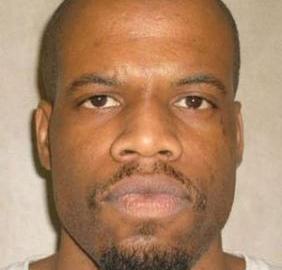
The death of Clayton Darrell Lockett occurred on April 29, 2014, when he suffered a heart attack during an execution by lethal injection in the U.S. state of Oklahoma. Lockett, aged 38, was convicted in 2000 of murder, rape, and kidnapping.

Lockett was administered an untested mixture of drugs that had not previously been used for executions in the United States.

Although the execution was stopped, Lockett died 43 minutes after being sedated. He writhed, groaned, convulsed, and spoke during the process and attempted to rise from the execution table fourteen minutes into the procedure, despite having been declared unconscious.

———————————

Clayton Lockett tasered before bungled lethal injection

———————————

Clayton Lockett
Clayton Lockett.jpg

Mugshot of Lockett
Born Clayton Darrell Lockett
November 22, 1975
Died April 29, 2014 (aged 38)
Oklahoma State Penitentiary,McAlester, Oklahoma
Cause of death Heart attack (following an execution attempt by lethal injection)
Occupation Criminal
Criminal penalty Execution by lethal injection
Conviction(s) 2000: forcible oral sodomy,robbery, assault, rape, first-degree murder, kidnapping,burglary[1]
Killings
Victims Stephanie Neiman

Background

Biography of Clayton Lockett

Clayton Lockett was born in 1975 to a drug-using mother. She abandoned him when he was three years old, and he was then raised by his father who severely physically abused him throughout his childhood, gave him (Lockett) drugs starting at age 3, and encouraged him (Lockett) to steal and not get caught.

Criminal History

In 1992, at the age of sixteen, Lockett pleaded guilty in Kay County to burglary and knowingly concealing stolen property. He received a seven-year prison sentence. Earlier that year, he pleaded no contest to two counts of intimidating state witnesses.

While imprisoned at age 16 at the Oklahoma State Penitentiary, a prison for adults, Lockett was gang raped by three adult male prisoners.

Victim Stephanie Neiman


In 1999, Lockett kidnapped, beat, and shot Stephanie Neiman, a nineteen-year-old high school graduate, friend of Lockett’s other victims, and a witness to his crimes. The men beat her and used duct tape to bind her hands and cover her mouth. Even after being kidnapped and driven to a dusty country road, Neiman did not back down when Lockett asked if she planned to contact police. After she stated she would go to the police, Lockett decided to bury her alive.

Lockett ordered an accomplice to bury her while she was still breathing. She died from two wounds from a shotgun fired by Lockett. In 2000, he was convicted of murder, rape, forcible sodomy, kidnapping, assault and battery and sentenced to death. Previously Lockett was sentenced to four years in prison for a conviction in 1996 in Grady County for conspiracy to commit a felony.

At his 1999 murder trial, DNA from the dead victim, fingerprints from the duct tape used to bind the victim, and eye-witness testimony led to his murder conviction.

On lethal Injections

From 1890 to 2010, the rate of botched lethal injections in the United States was 7.1%, higher than any other form of execution, with firing squads at 0%, the electric chair at 1.9%, hanging at 3.1%, and the gas chamber at 5.4%.

In 2011, Hospira announced that it would stop manufacturing sodium thiopental, due to use by American prisons for executions. “Virtually all” death rows in the US were left without a steady supply of the drug, which is used to numb the pain of potassium chloride stopping the heart. Some states bartered supplies of execution drugs, while other states were accused of illegally buying drugs from India and other sources. The Drug Enforcement Administration seized supplies of sodium thiopental from several states in spring and summer 2011, questioning how they were imported.

Other manufacturers have also refused to provide pharmaceutical drugs for the purpose of execution, and a European export ban added to problems obtaining the necessary drugs.

Due to the supply issues, Oklahoma used an untested mixture of midazolam, vecuronium bromide, and potassium chloride for Lockett’s execution. While Florida had previously used the same three drugs in a 2013 execution,  they used 500 mg of midazolam rather than the 100 mg used by Oklahoma.

Secrecy laws in Oklahoma prevent the public knowing more than which three drugs were used. The state refused to state why that drug combination was chosen, what the drugs were like and how they were obtained. Reportedly, the drugs were bought with petty cash making the transaction harder to track and to challenge legally.

In a recent Florida case experts testified that midazolam would not cause unconsciousness. Instead of sedating some patients midazolam can make them violent. Dennis McGuire took 25 minutes to die; he gasped and snorted. The U.S. Supreme Court has ruled that if the first drug does not make the inmate unconscious there is an unacceptable risk of suffocation and pain from the two following drugs.

Potassium chloride causes severe pain if used without an anesthetic. Pharmacology professor, Craig Stevens of Oklahoma State University asked why anesthesiology or pharmacology experts were not consulted. “Midazolam has no analgesic properties. It’s a whole different drug class than sodium thiopental or barbiturates,” Stevens said. Stevens described dying from the other two drugs without anesthetic as “horrific”.

The drug combination used is considered too painful to euthanise animals. “Veterinarians in at least one state are barred from using a three-drug formula used on several inmates, including Clayton Lockett.”

Oklahoma Governor Mary Fallin had strongly pushed for the execution to take place despite the lack of standard drugs, initially issuing an executive order to proceed despite a stay by the Supreme Court of Oklahoma. Republican allies of Fallin started impeachment proceedings against the justices who tried to delay the execution;  the stay was later lifted. Lockett’s lawyers also unsuccessfully sought to force Oklahoma to reveal the source of the drugs, which the state refused.

Oklahoma officials testified that the drugs to be used in Lockett’s execution had been legally obtained and had not expired.

LaDonna Hollins

Before the execution, Lockett’s stepmother LaDonna Hollins was reported as saying,

“I want to know what mixture of drugs are you going to use now? Is this instant? Is this going to cause horrible pain?” and “I know he’s scared “.

He said he’s not scared of the dying as much as the drugs administered.

Failed Execution

—————————–

Oklahoma inmate Clayton Lockett dies brutal death after botched lethal injection

—————————–


Lockett’s failed execution occurred at Oklahoma State Penitentiary in McAlester, Oklahoma, on April 29, 2014, after he had been tasered by staff and attempted to cut himself earlier that day.  After administration of the first drug at 6:23 p.m. CDT, Lockett was declared unconscious at 6:33 p.m, and the execution was halted after about twenty minutes. He was declared dead at 7:06 p.m. due to a heart attack. 

Oklahoma Department of Corrections Director Robert Patton said one of the doctors present stopped the execution after Lockett had a “vein failure”. According to the Department of Corrections, the time for an inmate to be pronounced dead was 6 to 12 minutes in the previous 19 executions before Lockett’s. 

After being declared unconscious, Lockett was able to raise his head and said, “Oh, man”, “I’m not…” and according to some sources, “something’s wrong”.  Lockett began writhing at 6:36 p.m. and was observed twitching and convulsing. He attempted to rise from the table at 6:37 p.m. and loudly exhaled. A lawyer for Lockett reportedly said,

“It looked like torture.”  

All three drugs had been administered to Lockett, but it was unclear how much entered his system. A vein in the groin was selected as the injection site, and a cloth was put over it to prevent witnesses seeing the groin area. This prevented staff from seeing that the IV connection had failed. Patton said “the chemicals did not enter into the offender”

Prison officials had reportedly discussed taking Lockett to a hospital before he died.

A subsequent report showed Clayton Lockett’s execution was halted 33 minutes after it began, his vein collapsed as the drugs were administered, and a doctor said there were not enough drugs left and that Lockett had not been given enough drugs to cause death; the doctor also said there were not enough drugs to continue.

The report noted:

The doctor checked the IV and reported the blood vein had collapsed, and the drugs had either absorbed into tissue, leaked out or both. […] Patton asked if enough drugs had been administered to cause death, to which the doctor replied “no”. The director then asked if another vein was available to complete the execution, and if so, were there enough drugs left. The doctor answered no to both questions.

Aftermath

Following Lockett’s death, a fourteen-day stay of execution was granted for Charles Frederick Warner, an Oklahoma convict who had been scheduled for execution two hours after Lockett with the same combination of drugs. Governor of Oklahoma Mary Fallin also requested a review of the execution process involved in Lockett’s death.  Fallin’s intervention led to the execution which possibly violated separation of powers within the state.

Dean Sanderford, Lockett’s lawyer, witnessed the execution and complained “the planned review would not be independent”. Sanderford feared “investigation by state employees or agencies would not restore confidence in the execution process”.

Lawyers representing the next set of prisoners scheduled to be executed called for a moratorium on all executions. Madeline Cohen, an attorney for Warner, condemned the way Lockett was executed, noting that “Clayton Lockett was tortured to death,” also denouncing the state’s refusal to disclose “basic information” about the drugs for the lethal injection procedures. Democratic state representative, Joe Dorman calls for outside investigation into how Lockett died. He fears the planned review could “lead to suppression of critical evidence in the unlikely event that criminal wrongdoing is uncovered.”

A timeline issued by Robert Patton, director of the Oklahoma Department of Corrections, revealed that Clayton Lockett was tasered after refusing to be restrained and escorted to a medical room for an X-ray exam as part of the protocol leading up to his execution. During his medical exam officials found a cut on his right arm, but staff determined that sutures were not needed. The timeline also revealed that Lockett refused a food tray twice.

Mary Fallin


Patton also recommended in the letter to governor Mary Fallin that the state conduct a complete review of execution protocols, indefinitely suspend all executions, and investigate the circumstances surrounding the execution.

The White House said the execution “fell short of humane standards” President Barack Obama declared the action “deeply disturbing” and ordered attorney general Eric Holder to review the policy on executions. Obama cited uneven application of the death penalty in the United States, including racial bias (Lockett was African-American) and cases in which murder convictions were later overturned, as grounds for further study of the issue.

Governor Fallin said “the state of Oklahoma executed Clayton Lockett” amid media coverage that portrayed the execution as “botched”, The Telegraph calling it “barbarism” and “inappropriate in a civilized society”, noting “the idea of actually spectating while the victim is killed surely clashes with basic humanity.”

The executive director of the Death Penalty Information Center, Richard Dieter, said the attempted execution of Lockett was a “torturous action” and thinks the execution might “lead to a halt in executions until states can prove they can do it without problems”.

He said the death penalty advocates should be “concerned about whether the state knows what it is doing”.

Emblem of the United Nations.svg

The Office of the United Nations High Commissioner for Human Rights suggested that the execution may have been “cruel, inhuman and degrading treatment” according tointernational law and may have been cruel and unusual punishment under the Constitution of the United States. The government of the United Kingdom issued a statement reiterating its opposition to capital punishment through its embassy in Washington. It said “its use undermines human dignity, there is no conclusive evidence of its deterrentvalue, and any miscarriage of justice leading to its imposition is irreversible and irreparable” and called on the United States to cease its use.

Human rights organizations also condemned the killing and called on the government to end using it. Ryan Kiesel, the executive director of the American Civil Liberties Union of Oklahoma, said that by using a

“Science experiment” to cause Lockett to “die in pain”

over the course of more than 40 minutes, the state had “disgraced itself before the nation and world”.  US advocacy director of Human Rights Watch Antonio Ginatta said “people convicted of crimes should not be test subjects for a state’s grisly experiments” and that the “botched execution was nothing less than state-sanctioned torture”

A month after the execution Oklahoma state had not released the official log of the incident. Oklahoma State University and freedom of information campaigner, Joey Senat said, “They’re not complying with the law by this kind of delay.”

Lockett’s lawyers released the preliminary results of an independent autopsy on Lockett, conducted by forensic pathologist Joseph Cohen and commissioned by Lockett’s legal team. It suggested that the execution team failed to ensure the IV had been properly inserted. According to Cohen, the execution team made several attempts to insert IVs into Lockett’s arms and groin before inserting an IV in his femoral vein. However, they failed to ensure the IV went in all the way, resulting in the drugs being absorbed into Lockett’s muscle. The report also challenged the official claim that Lockett’s veins failed, saying that his veins were perfectly healthy.

See China’s Mobile Execution Van

See Capital Punishment

See Lethal Injection 

Lethal Injection – What’s it all about?

Today’s News and social media have been busy debating the fact  the US pharmaceutical giant Pfizer, has recently took steps to prevent its drugs being used in lethal injection process for cap…

Source: Lethal Injection – What’s it all about?

“Stakeknife” – Is time running out for Freddie Scappaticci ?

Will the IRA’s ‘double-agent assassin’ face justice at last? TO the IRA, he was one of their trusted, cold-blooded killers — yet to the British military, “Stakeknife” was their top informant.   “St…

Source: “Stakeknife” – Is time running out for Freddie Scappaticci ?

Secrets Of Her Majesty’s Secret Service Documentary Full Length

The Secret Intelligence Service (SIS), commonly known as MI6 (Military Intelligence, Section 6), is the British intelligence agency which supplies the British Government with foreign intelligence. …

Source: Secrets Of Her Majesty’s Secret Service Documentary Full Length