The Secret Intelligence Service (SIS), commonly known as MI6 (Military Intelligence, Section 6), is the British intelligence agency which supplies the British Government with foreign intelligence. …
Key Events & Deaths on this day in Northern Ireland Troubles
15th May
——————————–
Saturday 15 May 1971
William ‘Billy’ Reid, an IRA member, was shot dead by British soldiers in Belfast.
[According to ‘Lost Lives’ Reid was the person who fired the shot which killed Robert Curtis, the first British soldier to be killed in ‘the Troubles’, on 6 February 1971.
Reid is reported as having been killed on Curtis Street near the centre of Belfast.]
The British government introduced the ‘Northern Ireland Constitution Bill’ in parliament in Westminster.
[The bill received its Royal Assent on 18 July 1973.]
Wednesday 15 May 1974
Day 1 of the UWC strike
The initial response to the strike was poor with many workers going to work. However, following meetings held at a number of workplaces, people began to leave work during lunch-time and early afternoon.
By the end of the day the port of Larne, County Antrim, was effectively sealed off. A number of roads had been blocked by hijacked vehicles. Some buses were hijacked in Belfast. Electricity supplies were also disrupted with rotating four-hourly power cuts occurring across the region.
The power cuts forced some factories to close and send workers home.
The Ulster Workers’ Council (UWC) issued a statement [PDF; 8KB] saying that it would ensure that essential services would continue. During the evening there was a meeting at Stormont Castle between Stanley Orme, then Minister of Sate at the Northern Ireland Office (NIO), and three Northern Ireland politicians, three members of the Ulster Workers’ Council (UWC), and three members of Loyalist paramilitary organisations who were present as ‘observers’. (The three paramilitary members took guns with them into this meeting.)
[Public Records 1974 – Released 1 January 2005: Note of the meeting between the Stanley Orme and those representing the Ulster Workers’ Council (UWC).]
Colman Rowntree & Martin McAlinden
Shortly after they were captured two members of the Official Irish Republican Army (OIRA) were shot dead by British soldiers. The OIRA members were in the process of planing a landmine near Newry, County Down. (Sutton; 1994)
Sunningdale; Ulster Workers’ Council Strike.
Saturday 15 May 1976
Five Catholic civilians were killed in two separate bomb attacks carried out by the Ulster Volunteer Force (UVF).
One bomb killed two people at the Avenue Bar, Union Street, Belfast.
The second bomb was at Clancey’s Bar, Charlemont, County Armagh. Many other Catholic
ans were inj
ured in the explosions.
Three Royal Ulster Constabulary (RUC) officers were killed in a landmine attack near Belcoo RUC station, County Fermanagh, carried out by the Irish Republican Army (IRA). Another RUC officer was killed in a gun attack at Warrenpoint, County Down.
Wednesday 15 May 1985
District Council Elections
District Council elections were held across Northern Ireland. [When the votes were counted and seats allocated Sinn Féin (SF) had secured 11.8 per cent of the vote and 59 seats in its first local government election in Northern Ireland.]
Thursday 15 May 1986
There was a series of protests and demonstrations to mark the six-month anniversary of the imposition of the Anglo-Irish Agreement (AIA).
One demonstration took place in Hillsborough, County Down, where the AIA had been signed. In Belfast members of the Democratic Unionist Party (DUP) occupied the switchboard of the parliament buildings at Stormont. There was also a brief strike by power workers at Ballylumford, County Antrim.
Sunday 15 May 1988
The Ulster Volunteer Force (UVF) killed three Catholic civilians and injured nine others in a machine-gun attack on the Avenue Bar, Union Street, in the centre of Belfast.
Tuesday 15 May 1990
The funeral of Tomás Ó Fiaich, who had been a Cardinal and Catholic Primate of All Ireland, took place in Armagh. The presence of Gerry Adams, the President of Sinn Féin (SF), and Martin McGuinness, the Vice-President of SF, at the funeral caused some controversy.
Wednesday 15 May 1991
The leaders of the main Unionist parties refused to accept the deadline imposed in the political talks (later known as the Brooke / Mayhew talks) and instead travelled to London for a meeting with John Major, then British Prime Minister.
Unionist representatives spoke to Major about the issue of the venue and nominations for the role of independent chairman of the talks. In particular they voiced their objection to the nominee of the British government, Lord Carrington, as the independent chair for the Strand Two negotiations, because of comments he had made concerning Northern Ireland politicians in his memoirs.
Monday 15 May 1995
Bertie Ahern, then leader of Fianna Fáil (FF), held a meeting in Belfast with representatives of the Progressive Unionist Party (PUP) and the Ulster Democratic Party (UDP). Seamus Mallon, then deputy leader of the Social Democratic and Labour Party (SDLP), held discussions with Gary McMichael, then leader of the UDP. The International Relations Committee in the United States of America (USA) ruled that the MacBride Principles must be applied to the $30 million given to the International Fund for Ireland (IFI).
Friday 15 May 1998
LVF Ceasefire
The Loyalist Volunteer Force (LVF) announced an “unequivocal ceasefire” which the organisation hoped would encourage people to vote against the Good Friday Agreement. [The LVF was formed in 1996 from disaffected ‘maverick’ members of the mid-Ulster brigade of the Ulster Volunteer Force (UVF).
The organisation first came to prominence when it killed Michael McGoldrick (31), a Catholic civilian, who was shot dead outside Lurgan on 8 July 1996.]
Despite attempts by Tony Blair, then British Prime Minister, and David Trimble, then leader of the Ulster Unionist Party (UUP), to win over Jeffrey Donaldson, then UUP Member of Parliament (MP), Donaldson confirmed that he would be voting ‘No’ in the forthcoming referendum on the Good Friday Agreement.
The decision by Donaldson was seen as giving a significant boost to the ‘No’ campaign. Another poll confirmed that the main reason people were planning to vote ‘No’ was the planned release of paramilitary prisoners under the Agreement.
The Ulster Democratic Party (UDP) held a ‘Yes’ rally in the Ulster Hall in Belfast. [Michael Stone, then a Loyalist prisoner serving a sentence for the murder of three people, was released from the Maze Prison to attend the rally. As in the case of the Sinn Féin (SF) Ard Fheis on 9 May 1998, the scene of celebration that greeted the appearance of Stone resulted in fresh controversy about the policy of releasing prisoners to appear at rallies.]
Saturday 15 May 1999
There was an arson attack on an Orange Hall in Donaghmore, County Tyrone. The hall was damaged as a result of the attack
——————————————
Remembering all innocent victims of the Troubles
Today is the anniversary of the death of the following people killed as a results of the conflict in Northern Ireland
“To live in hearts we leave behind is not to die
– Thomas Campbell
To the innocent on the list – Your memory will live forever
– To the Paramilitaries –
There are many things worth living for, a few things worth dying for, but nothing worth killing for.
17 People lost their lives on the 15th between 1971 – 1994
———————————————–
15 May 1971
William Reid (32)
Catholic Status: Irish Republican Army (IRA),
Killed by: British Army (BA) Shot during gun battle, Academy Street, Belfast.
———————————————–
15 May 1974
Colman Rowntree (24)
Catholic Status: Official Irish Republican Army (OIRA),
Killed by: British Army (BA) Shot shortly after being captured while preparing land mine, Ballyholland, near Newry, County Down.
———————————————–
15 May 1974
Martin McAlinden (23)
Catholic Status: Official Irish Republican Army (OIRA),
Killed by: British Army (BA) Shot shortly after being captured while preparing land mine, Ballyholland, near Newry, County Down
———————————————–
15 May 1976
Henry Keys (29)
Protestant Status: Royal Ulster Constabulary (RUC),
Killed by: Irish Republican Army (IRA) Killed in land mine attack on Royal Ulster Constabulary (RUC) foot patrol searching field, adjoining Belcoo Royal Ulster Constabulary (RUC) base, County Fermanagh
———————————————–
15 May 1976
Francis Kettyles (39)
Protestant Status: Royal Ulster Constabulary (RUC),
Killed by: Irish Republican Army (IRA) Killed in land mine attack on Royal Ulster Constabulary (RUC) foot patrol searching field, adjoining Belcoo Royal Ulster Constabulary (RUC) base, County Fermanagh
———————————————–
15 May 1976
Harry Evans (33)
Protestant Status: Royal Ulster Constabulary (RUC),
Killed by: Irish Republican Army (IRA) Killed in land mine attack on Royal Ulster Constabulary (RUC) foot patrol searching field, adjoining Belcoo Royal Ulster Constabulary (RUC) base, County Fermanagh.
———————————————–
15 May 1976 Francis Heaney (46)
Catholic Status: Civilian (Civ),
Killed by: Ulster Volunteer Force (UVF) Killed in bomb attack on Avenue Bar, Union Street, Belfast.
———————————————–
15 May 1976
Henry McMahon (39)
Catholic Status: Civilian (Civ),
Killed by: Ulster Volunteer Force (UVF) Killed in bomb attack on Avenue Bar, Union Street, Belfast.
———————————————–
15 May 1976
Felix Clancey (54)
Catholic Status: Civilian (Civ),
Killed by: Ulster Volunteer Force (UVF) Killed in bomb attack on Clancey’s Bar, Charlemont, County Armagh.
———————————————–
15 May 1976
Sean O’Hagan (22)
Catholic Status: Civilian (Civ),
Killed by: Ulster Volunteer Force (UVF) Killed in bomb attack on Clancey’s Bar, Charlemont, County Armagh.
———————————————–
15 May 1976
Robert McCullough (41)
Catholic Status: Civilian (Civ),
Killed by: Ulster Volunteer Force (UVF) Killed in bomb attack on Clancey’s Bar, Charlemont, County Armagh.
———————————————–
15 May 1976
James Hunter (33)
Protestant Status: Royal Ulster Constabulary (RUC),
Killed by: Irish Republican Army (IRA) Shot during sniper attack on Royal Ulster Constabulary (RUC) mobile patrol, Warrenpoint, County Down.
———————————————–
Robert Nairac (29)
nfNI Status: British Army (BA),
Killed by: Irish Republican Army (IRA) Undercover British Army (BA) member. Abducted outside Three Step Inn, near Forkhill, County Armagh. Presumed killed. Body never recovered.
Today’s News and social media have been busy debating the fact the US pharmaceutical giant Pfizer, has recently took steps to prevent its drugs being used in lethal injection process for capital punishment –
Stating that :
“We strongly object to the use of any of our products in the lethal injection process for capital punishment,”
It stressed that its products were meant to save the lives of patients.
The move reportedly shuts off the last remaining open market source of drugs used in executions in the US and officials are now searching for a new drug cocktails by which the lethal injection could be achieved.
American has a long record of state sanctioned executions as a means of the ultimate deterrent and although the figures have been dropping over the past decade , the USA came fifth in a recent survey of countries who still use execution as a legal method of punishment and surprisingly came above Iraq.
China once again topped the table with over 1000 “official” executions , but this figure is believed to be substantially higher and the Mobile Death Vans have been clocking up the miles.
At least 25 countries were known to have carried out judicial executions in 2015. At least 1,634 executions were carried out in 2015, the highest number in 25 years. This figure does not include the thousands of executions that were believed to be carried out in China. Beginning in 2009, Amnesty International ceased to publish minimum figures for the use of the death penalty in China, where such statistics are considered to be state secrets. 89% of all recorded executions in 2015 took place in 3 countries: Iran, Pakistan, and Saudi Arabia. At least 1,998 people are known to have been sentenced to death in 2014, a decrease compared to 2014.
Countries with the Most Confirmed Executions in 2015
1. China 1,000s
4. Saudi Arabia (158+)
2. Iran (977+)
5. United States (28)
3. Pakistan (326)
6. Iraq (26+)
Whats my view on the death penalty?
For the record I am personally fundamentally against the death penalty , regardless of the crime. That doesn’t mean I’m a bleeding hearts do-gooder , it means I’m a casual pacifist , ( I ‘m against all killings , but accept violence is sometimes necessary to put bad , evil people in their place ) and although I am now leaning towards becoming a fully fledged atheist , I spent much of my childhood in church and wanted more than anything to believe in God, baby Jesus and the essential good in all mankind.
Time and my life experiences have turned my heart hard to these principles and yet there is still a tiny smouldering amber in my soul that clings to a need for some grand plan that heaven is a real place and one day I will be reunited with those I love and lost – in the Kingdom of God and we will live in joy for all eternity – Isn’t religion a little bit insane?
In regards to crime and punishment and the death penalty , although I am against this in principle , if someone commits a heinous crime against another human & esp a defenseless child or women – then I want the bastard to suffer for the rest of his/her natural LIFE . Each and everyday that they breath the air around us. I want them to become the “Bitch” of their cells mates, I want them to be beaten unconscious every day and I want them to curse the day they were born and come to regret the crimes they committed . I want them to live in misery every second of every day and I want them to pray for death.
Amen !
Lethal Injection
Lethal injection is the practice of injecting one or more drugs into a person (typically a barbiturate, paralytic, and potassium solution) for the express purpose of causing immediate death. The main application for this procedure is capital punishment, but the term may also be applied in a broad sense to euthanasia and suicide. It kills the person by first putting them to sleep, and then stopping the breathing and heart, in that order.
First developed in the United States, it is now also a legal method of execution in China, Guatemala, Thailand and Vietnam. It was also used in Philippines until the country re-abolished the death penalty in 2006.
History
—————————–
Guatamala: First Ever Execution By Lethal Injection Carried Out – 1998
Lethal injection, known as putting someone to death, was first proposed on January 17, 1888, by Julius Mount Bleyer, a New York doctor who praised it as being cheaper than hanging.[3] Bleyer’s idea, however, was never used. Almost half a century later, lethal injection was revisited, due to a series of botched executions and the eventual rise of public disapproval in electrocutions. Nazi Germany developed the Action T4 euthanasia program as one of its methods of disposing of Lebensunwertes Leben (“life unworthy of life”).
The British Royal Commission on Capital Punishment (1949–53) also considered lethal injection, but eventually ruled it out after pressure from the British Medical Association (BMA).
On May 11, 1977, Oklahoma‘s state medical examiner, Jay Chapman, proposed a new, less painful method of execution, known as Chapman’s Protocol:
“An intravenoussaline drip shall be started in the prisoner’s arm, into which shall be introduced a lethal injection consisting of an ultra-short-acting barbiturate in combination with a chemical paralytic.”
After the procedure was approved by anesthesiologist Stanley Deutsch, formerly Head of the Department of Anaesthesiology of the Oklahoma University Medical School,[4] the Reverend Bill Wiseman introduced the method into the Oklahoma legislature, where it passed and was quickly adopted (Title 22, Section 1014(A)). Since then, until 2004, thirty-seven of the thirty-eight states using capital punishment introduced lethal injection statutes.
On August 29, 1977,Texas adopted the new method of execution, switching to lethal injection from electrocution. On December 7, 1982, Texas became the first state to use lethal injection to carry out capital punishment, for the execution of Charles Brooks, Jr.
The People’s Republic of China began using this method in 1997, Guatemala in 1998, the Philippines in 1999, Thailand in 2003, and the Republic of China (Taiwan) in 2005.[3]Vietnam first used this method in 2013. The Philippines abolished the death penalty in 2006, with their last execution being in 1999. Guatemala stopped using lethal injection in 2000 after a botched, televised execution, while Thailand stopped in 2009.
The export of drugs to be used for lethal injection was banned by the European Union (EU) in 2011, together with other items under the EU Torture Regulation. Since then, pentobarbital followed thiopental in the European Union’s ban.
By early 2014 a number of botched executions involving lethal injection, and a rising shortage of suitable drugs, had some U.S. states reconsidering lethal injection as a form of execution. Tennessee, which had previously offered inmates a choice between lethal injection and the electric chair, passed a law in May 2014 which gave the state the option to use the electric chair if lethal injection drugs are either unavailable or made unconstitutional. At the same time, Wyoming and Utah were considering the use of firing squads in addition to existing execution methods.
Procedure
Procedure in China executions
————————
Mekong River Execution – China News Broadcast, March 1, 2013
————————
In the past, The People’s Republic of China executed prisoners primarily by means of shooting. In recent years, lethal injection has become more popular. The specific lethal injection procedures, including the drug or drugs used, are a state secret and not publicly known. In at least some cases, prisoners facing death by lethal injection have been sedated at a prison, then placed inside an execution van that is disguised to look like a regular police van.
Procedure in U.S. Executions
The condemned person is strapped onto a gurney; two intravenouscannulae (“IVs”) are inserted, one in each arm. Only one is necessary to carry out the execution; the other is reserved as a backup in the event the primary line fails. A line leading from the IV line in an adjacent room is attached to the prisoner’s IV, and secured so the line does not snap during the injections.
The arm of the condemned person is swabbed with alcohol before the cannula is inserted.
The needles and equipment used are sterilized. There have been questions about why these precautions against infection are performed despite the purpose of the injection being death. There are several explanations: cannulae are sterilized during manufacture, so using sterile ones is routine medical procedure. Secondly, there is a chance that the prisoner could receive a stay of execution after the cannulae have been inserted, as happened in the case of James Autry in October 1983 (he was eventually executed on March 14, 1984). Thus, it would be a hazard to prison personnel to use unsterilized equipment.
————————
HOW LETHAL INJECTION WORKS
————————
Following connection of the lines, saline drips are started in both arms. This, too, is standard medical procedure: it must be ascertained that the IV lines are not blocked, ensuring the chemicals have not precipitated in the IV lines and blocked the needle, preventing the drugs from reaching the subject. A heart monitor is attached so prison officials can determine when death has occurred.
In most states, the intravenous injection is a series of drugs given in a set sequence, designed to first induce unconsciousness followed by death through paralysis of respiratory muscles and/or by cardiac arrest through depolarization of cardiac muscle cells. The execution of the condemned in most states involves three separate injections (in sequential order):
Sodium thiopental or pentobarbital: ultra-short action barbiturate, an anesthetic agent used at a high dose that renders the person unconscious in less than 30 seconds. Depression of respiratory activity is one of the characteristic actions of this drug.onsequently, the lethal-injection doses, as described in the Sodium Thiopental section below, will—even in the absence of the following two drugs—cause death due to lack of breathing, as happens with overdoses of opioids.
Pancuronium bromide: non-depolarizing muscle relaxant, causes complete, fast and sustained paralysis of the skeletal striated muscles, including the diaphragm and the rest of the respiratory muscles; this would eventually cause death by asphyxiation.
The drugs are not mixed externally as that can cause them to precipitate. Also, a sequential injection is key to achieve the desired effects in the appropriate order: administration of the pentobarbital essentially renders the person unconscious; the infusion of the pancuronium bromide induces complete paralysis, including that of the lungs and diaphragm rendering the person unable to breathe. If the person being executed were not already completely unconscious, the injection of a highly concentrated solution of potassium chloride could cause severe pain at the site of the IV line as well as along the punctured vein, but it interrupts the electrical activity of the heart muscle and causes it to stop beating, bringing about the death of the person being executed.
The intravenous tubing leads to a room next to the execution chamber, usually separated from the condemned by a curtain or wall. Typically a prison employee trained in venipuncture inserts the needle, while a second prison employee orders, prepares and loads the drugs into the lethal injection syringes.
Two other staff members take each of the three syringes and secure them into the IVs. After the curtain is opened to allow the witnesses to see inside the chamber, the condemned person is then permitted to make a final statement. Following this, the warden will signal that the execution may commence, and the executioner(s) (either prison staff or private citizens depending on the jurisdiction) will then manually inject the three drugs in sequence.
During the execution, the condemned’s cardiac rhythm is monitored. Death is pronounced after cardiac activity stops. Death usually occurs within seven minutes, although the whole procedure can take up to two hours, as was the case with the execution of Christopher Newton on May 24, 2007. According to state law, if a physician‘s participation in the execution is prohibited for reasons of medical ethics, then the death ruling can be made by the state Medical Examiner’s Office. After confirmation that death has occurred, a coroner signs the condemned’s death certificate.
In two states (Delaware and Missouri) there is a lethal injection machine designed by Massachusetts-based Fred A. Leuchter that comprises two components: the delivery module and the control module. Two staff members each have a station in which they key the machine on and depress two stations buttons to be ready in case of mechanical failure. Each person presses one station button on the console which travels to a computer which starts all three injections electronically.
The computer then deletes who actually started the syringes so that participants are not aware if their syringe contained saline or one of the drugs necessary for execution (to assuage guilt in a manner similar to the blank cartridge in execution by firing squad). The delivery module has eight syringes.
The end syringes containing saline, syringes 2, 4, 6 containing the lethal drugs for the main line and syringes 1, 3, 5 containing the injections for the back-up line. The system was used in New Jersey before the abolition of the death penalty in 2007. Illinois previously used the computer, and Missouri and Delaware use the manual injection switch on the delivery panel.
Eleven states have switched, or have stated their intention to switch, to a one-drug lethal injection protocol. A one-drug method is using the single drug sodium thiopental to execute someone. The first state to switch to this method was Ohio, in December 8, 2009
In 2011, after pressure by activist organizations, the manufacturers of sodium thiopental and pentobarbital halted supply of the drugs to U.S. prisons performing lethal injections and required all resellers to do the same.
Drugs
Conventional lethal injection protocol
Typically, three drugs are used in lethal injection. Sodium thiopental is used to induce unconsciousness, pancuronium bromide (Pavulon) to cause muscle paralysis and respiratory arrest, and potassium chloride to stop the heart.
Sodium Thiopental
Lethal injection dosage: 2–5 grams
Sodium thiopental (US trade name: Sodium Pentothal) is an ultra-short acting barbiturate, often used for anesthesia induction and for medically induced coma. The typical anesthesia induction dose is 0.35 grams. Loss of consciousness is induced within 30–45 seconds at the typical dose, while a 5 gram dose (14 times the normal dose) is likely to induce unconsciousness in 10 seconds.
A full medical dose of Thiopental reaches the brain in about 30 seconds. This induces an unconscious state. Five to twenty minutes after injection, approximately 15% of the drug is in the brain, with the rest in other parts of the body.
The half-life of this drug is about 11.5 hours, and the concentration in the brain remains at around 5–10% of the total dose during that time. When a ‘mega-dose’ is administered, as in state-sanctioned lethal injection, the concentration in the brain during the tail phase of the distribution remains higher than the peak concentration found in the induction dose for anesthesia, because repeated doses—or a single very high dose as in lethal injection—accumulate in high concentrations in body fat, from which the thiopental is gradually released.
This is the reason why an ultra-short acting barbiturate, such as thiopental, can be used for long-term induction of medical coma. Historically, thiopental has been one of the most commonly used and studied drugs for the induction of coma. Protocols vary for how it is given, but the typical doses are anywhere from 500 mg up to 1.5 grams. It is likely that this data was used to develop the initial protocols for state-sanctioned lethal injection, according to which one gram of thiopental was used to induce the coma. Now, most states use 5 grams to be absolutely certain the dosage is effective.
Barbiturates are the same class of drug used in medically assisted suicide. In euthanasia protocols, the typical dose of thiopental is 1.5 grams; the Dutch Euthanasia protocol indicates 1-1.5 grams or 2 grams in case of high barbiturate tolerance.[23] The dose used for capital punishment is therefore about 3 times more than the dose used in euthanasia.
Pancuronium bromide (Pavulon)
Lethal injection dosage: 100 milligrams
Pancuronium bromide (Trade name: Pavulon): The related drug curare, like pancuronium, is a non-depolarizing muscle relaxant (a paralytic agent) that blocks the action of acetylcholine at the motor end-plate of the neuromuscular junction. Binding of acetylcholine to receptors on the end-plate causes depolarization and contraction of the muscle fiber; non-depolarizing neuromuscular blocking agents like pancuronium stop this binding from taking place.
The typical dose for pancuronium bromide in capital punishment by lethal injection is 0.2 mg/kg and the duration of paralysis is around 4 to 8 hours. Paralysis of respiratory muscles will lead to death in a considerably shorter time.
Potassium is an electrolyte, 98% of which is intracellular. The 2% remaining outside the cell has great implications for cells that generate action potentials. Doctors prescribe potassium for patients when there is insufficient potassium, called hypokalemia, in the blood. The potassium can be given orally, which is the safest route; or it can be given intravenously, in which case there are strict rules and hospital protocols on the rate at which it is given.
The usual intravenous dose is 10–20 mEq per hour and it is given slowly since it takes time for the electrolyte to equilibrate into the cells. When used in state-sanctioned lethal injection, bolus potassium injection affects the electrical conduction of heart muscle. Elevated potassium, or hyperkalemia, causes the resting electrical potential of the heart muscle cells to be lower than normal (less negative). Without this negative resting potential, cardiac cells cannot repolarize (prepare for their next contraction).
Depolarizing the muscle cell inhibits its ability to fire by reducing the available number of sodium channels (they are placed in an inactivated state). ECG changes include faster repolarization (peaked T-waves), PR interval prolongation, widening of the QRS, and eventual sine-wave formation and asystole. Cases of patients dying from hyperkalemia (usually secondary to renal failure) are well known in the medical community, where patients have been known to die very rapidly, having previously seemed to be normal.
New lethal injection protocols
The Ohio protocol, developed after the incomplete execution of Romell Broom, ensures the rapid and painless onset of anesthesia by only using sodium thiopental and eliminating the use of Pavulon and potassium as the second and third drugs, respectively. It also provides for a secondary fail-safe measure using intramuscular injection of midazolam and hydromorphone in the event intravenous administration of the sodium thiopental proves problematic. The first state to switch to use Midazolam as the first drug in a new three-drug protocol was Florida on October 15, 2013.[
Then on November 14, 2013, Ohio made the same move.
In the brief for the U.S. courts written by accessories, the State of Ohio implies that they were unable to find any physicians willing to participate in development of protocols for executions by lethal injection, as this would be a violation of medical ethics, such as the Geneva Promise, and such physicians would be thrown out of the medical community and shunned for engaging in such deeds, even if they could not lawfully be stripped of their license.
On December 8, 2009, Kenneth Biros became the first person executed using Ohio’s new single-drug execution protocol. He was pronounced dead at 11:47 a.m. EST, 10 minutes after receiving the injection. On September 10, 2010, Washington became the second state to use the single-drug Ohio protocol with the execution of Cal Coburn Brown, who was proclaimed dead within two minutes after receiving the single-drug injection of sodium thiopental. Currently, eight states (Arizona, Georgia, Idaho, Missouri, Ohio, South Dakota, Texas and Washington) have used the single-drug execution protocol. Five additional states (Arkansas, Kentucky, Louisiana, North Carolina and Tennessee) have announced that they are switching to a single-drug protocol but, as of April 2014, have not executed anyone since switching protocols.
After sodium thiopental began being used in executions, Hospira, the only American company that made the drug, stopped manufacturing it due to its use in executions.[28] The subsequent nationwide shortage of sodium thiopental led states to seek for other drugs. Pentobarbital, a drug often used for animal euthanasia, was used as part of a three drug cocktail for the first time on December 16, 2010, when John David Duty was executed in Oklahoma.
It was then used as the drug in a single drug execution for the first time on March 10, 2011, when Johnnie Baston was executed in Ohio.
Euthanasia Protocol
Lethal injection has also been used in cases of euthanasia to facilitate voluntary death in patients with terminal or chronically painful conditions. Euthanasia can be accomplished either through oral, intravenous, or intramuscular administration of drugs. In individuals who are incapable of swallowing lethal doses of medication, an intravenous route is preferred. The following is a Dutch protocol for parenteral (intravenous) administration to obtain euthanasia, with the old protocol listed first and the new protocol listed second:
First a coma is induced by intravenous administration of 1 g thiopental sodium (Nesdonal), if necessary, 1.5-2 g of the product in case of strong tolerance to barbiturates. Then 45 mg alcuronium chloride (Alloferin) or 18 mg pancuronium bromide (Pavulon) is injected. In order to ensure optimal availability, these agents are preferably given intravenously. However, there are substantial indications that they can also be injected intramuscularly. In severe hepatitis or cirrhosis of the liver, alcuronium is the agent of first choice.
Intravenous administration is the most reliable and rapid way to accomplish euthanasia and therefore can be safely recommended. A coma is first induced by intravenous administration of 20 mg/kg thiopental sodium in a small volume (10 ml physiological saline). Then a triple intravenous dose of a non-depolarizing neuromuscular muscle relaxant is given, such as 20 mg pancuronium bromide or 20 mg vecuronium bromide (Norcuron). The muscle relaxant should preferably be given intravenously, in order to ensure optimal availability. Only for pancuronium dibromide are there substantial indications that the agent may also be given intramuscularly in a dosage of 40 mg.
A euthanasia machine may allow an individual to perform the process alone.
Philip Nitschke’s “Deliverance Machine”
Constitutionality in the United States
In 2006, the Supreme Court ruled in Hill v. McDonough that death-row inmates in the United States could challenge the constitutionality of states’ lethal injection procedures through a federal civil rights lawsuit. Since then, numerous death-row inmates have brought such challenges in the lower courts, claiming that lethal injection as currently practiced violates the ban on “cruel and unusual punishment” found in the Eighth Amendment to the United States Constitution. Lower courts evaluating these challenges have reached opposing conclusions. For example, courts have found that lethal injection as practiced in California, Florida, and Tennessee is unconstitutional. On the other hand, courts have found that lethal injection as practiced in Missouri, Arizona, and Oklahoma is constitutionally acceptable.
As of 2014, California has nearly 750 prisoners condemned to death by lethal injection despite the moratorium imposed when in 2006 a federal court found California’s lethal injection procedures to be unconstitutional.
On September 25, 2007, the United States Supreme Court agreed to hear a lethal injection challenge arising from Kentucky, Baze v. Rees. In Baze, the Supreme Court addressed whether Kentucky’s particular lethal injection procedure comports with the Eighth Amendment and will determine the proper legal standard by which lethal injection challenges in general should be judged, all in an effort to bring some uniformity to how these claims are handled by the lower courts. Although uncertainty over whether executions in the United States would be put on hold during the period in which the United States Supreme Court considers the constitutionality of lethal injection initially arose after the court agreed to hear Baze, no executions took place during the period between when the court agreed to hear the case and when its ruling was announced, with the exception of one lethal injection in Texas hours after the court made its announcement.
On April 16, 2008, the Supreme Court rejected Baze v. Rees thereby upholding Kentucky’s method of lethal injection in a majority 7–2 decision.[47]JusticesRuth Bader Ginsburg and David Souter dissented.[48] Several states immediately indicated plans to proceed with executions.
The U.S. Supreme Court also upheld lethal injection in the 2015 case Glossip v. Gross.
Ethics of lethal injection
The American Medical Association believes that a physician’s opinion on capital punishment is a personal decision. Since the AMA is founded on preserving life, they argue that a doctor “should not be a participant” in executions in any professional capacity with the exception of “certifying death, provided that the condemned has been declared dead by another person” and “relieving the acute suffering of a condemned person while awaiting execution”
Amnesty International argues that the AMA’s position effectively “prohibits doctors from participating in executions.” The AMA, however, does not have the authority to prohibit doctors from participation in lethal injection, nor does it have the authority to revoke medical licenses, since this is the responsibility of the individual states.
Typically, most states do not require that physicians administer the drugs for lethal injection, but many states do require that physicians be present to pronounce or certify death .
Some states specifically detail that participation in a lethal injection is not to be considered practicing medicine. For example, Delaware law reads “the administration of the required lethal substance or substances required by this section shall not be construed to be the practice of medicine and any pharmacist or pharmaceutical supplier is authorized to dispense drugs to the Commissioner or the Commissioner’s designee, without prescription, for carrying out the provisions of this section, notwithstanding any other provision of law” (excerpt from Title 11, Chapter 42, § 4209).[51] State law allows for the dispensing of the drugs/chemicals for lethal injection to the state’s Department of Corrections (DOC) without a prescription.
Controversy
Opposition
Awareness
Opponents of lethal injection believe that it is not actually painless as practiced in the United States. Opponents argue that the thiopental is an ultra-short acting barbiturate that may wear off (anesthesia awareness) and lead to consciousness and an uncomfortable death wherein the inmate is unable to express their discomfort because they have been rendered paralyzed by the paralytic agent.
Opponents point to the fact that sodium thiopental is typically used as an induction agent and not used in the maintenance phase of surgery because of its short acting nature. Following the administration of thiopental, pancuronium bromide is given. Opponents argue that pancuronium bromide not only dilutes the thiopental, but (since the inmate is paralyzed) also prevents the inmate from expressing pain. Additional concerns have been raised over whether inmates are administered an appropriate level of thiopental owing to the rapid redistribution of the drug out of the brain to other parts of the body.
Additionally, opponents argue that the method of administration is also flawed. They state that since the personnel administering the lethal injection lack expertise in anesthesia, the risk of failing to induce unconsciousness is greatly increased. In reference to this problem, Jay Chapman, the creator of lethal injection, said,
“It never occurred to me when we set this up that we’d have complete idiots administering the drugs.”
Also, they argue that the dose of sodium thiopental must be customized to each individual patient, not restricted to a set protocol. Finally, the remote administration results in an increased risk that insufficient amounts of the lethal injection drugs enter the bloodstream.
In total, opponents argue that the effect of dilution or improper administration of thiopental is that the inmate dies an agonizing death through suffocation due to the paralytic effects of pancuronium bromide and the intense burning sensation caused by potassium chloride.
Opponents of lethal injection, as currently practiced, argue that the procedure employed is designed to create the appearance of serenity and a painless death, rather than actually providing it. More specifically, opponents object to the use of Pancuronium bromide, arguing that its use in lethal injection serves no useful purpose since the inmate is physically restrained. Therefore, the default function of pancuronium bromide would be to suppress the autonomic nervous system, specifically to stop breathing.[52]
Research
In 2005, University of Miami researchers, in cooperation with an attorney representing death row inmates, published a research letter in the medical journal The Lancet. The article presented protocol information from Texas and Virginia which showed that executioners had no anesthesia training, drugs were administered remotely with no monitoring for anesthesia, data were not recorded and no peer review was done. Their analysis of toxicology reports from Arizona, Georgia, North Carolina, and South Carolina showed that post-mortem concentrations of thiopental in the blood were lower than that required for surgery in 43 of 49 executed inmates (88%); 21 (43%) inmates had concentrations consistent with awareness.
This led the authors to conclude that there was a substantial probability that some of the inmates were aware and suffered extreme pain and distress during execution. The authors attributed the risk of consciousness among inmates to the lack of training and monitoring in the process, but carefully make no recommendations on how to alter the protocol or how to improve the process. Indeed, the authors conclude, “because participation of doctors in protocol design or execution is ethically prohibited, adequate anesthesia cannot be certain. Therefore, to prevent unnecessary cruelty and suffering, cessation and public review of lethal injections is warranted.”
Paid expert consultants on both sides of the lethal injection debate have found opportunity to criticize the 2005 Lancet article. Subsequent to the initial publication in the Lancet, three letters to the editor and a response from the authors extended the analysis. The issue of contention is whether Thiopental, like many lipid-soluble drugs, may be redistributed from blood into tissues after death, effectively lowering thiopental concentrations over time, or whether thiopental may distribute from tissues into the blood, effectively increasing post-mortem blood concentrations over time. Given the near absence of scientific, peer-reviewed data on the topic of thiopental post-mortem pharmacokinetics, the controversy continues in the lethal injection community and in consequence, many legal challenges to lethal injection have not used the Lancet article.
In 2007, the same group that authored The Lancet study extended its study of the lethal injection process through a critical examination of the pharmacology of the barbiturate thiopental. This study – published in the online journal PloS Medicine – confirmed and extended the conclusions made in The Lancet article and goes further to disprove the assertion that the lethal injection process is painless.
To date these two studies by the University of Miami team serve as the only critical peer-reviewed examination of the pharmacology of the lethal injection process. These findings also appear true to be further supported by increased reporting of problematic lethal injections in the United States.
Single drug
According to the New Lethal Injection Protocols section above, single-drug lethal injection is already in use, or intended, in eleven states.
The execution can be painlessly accomplished, without risk of consciousness, by the injection of a single large dose of a barbiturate. By this logic, the use of any other chemicals is entirely superfluous and only serves to unnecessarily increase the risk of pain during the execution. Another possibility would be the infusion of a powerful and fast-acting narcotic, such as fentanyl, which would ensure comfort while suppressing the victim’s respiratory drive.
When sodium pentobarbital, a barbiturate used in animal euthanasia, is administered in an overdose, it causes rapid unconsciousness. Respiratory arrest follows next, through paralysis of the diaphragm and collapse of the lungs. The drug would then suppress cardiac activity, thus causing death.
Cruel and Unusual
On occasion, there have also been difficulties inserting the intravenous needles, sometimes taking over half an hour to find a suitable vein. Typically, the difficulty is found in convicts with a history of intravenous drug use. Opponents argue that the insertion of intravenous lines that take excessive amounts of time are tantamount to being cruel and unusual punishment. In addition, opponents point to instances where the intravenous line has failed, or where there have been adverse reactions to drugs, or unnecessary delays during the process of execution.
On December 13, 2006, Angel Nieves Diaz was not executed successfully in Florida using a standard lethal injection dose. Diaz was 55 years old, and had been sentenced to death for murder. Diaz did not succumb to the lethal dose even after 35 minutes, necessitating a second dose of drugs to complete the execution. At first, a prison spokesman denied Diaz had suffered pain, and claimed the second dose was needed because Diaz had some sort of liver disease. After performing an autopsy, the Medical Examiner, Dr. William Hamilton, stated that Diaz’s liver appeared normal, but that the needle had been pierced through Diaz’s vein into his flesh. The deadly chemicals had subsequently been injected into soft tissue, rather than into the vein.
Two days after the execution, then-Governor Jeb Bush suspended all executions in the state and appointed a commission “to consider the humanity and constitutionality of lethal injections.” The ban was lifted by Governor Charlie Crist when he signed the death warrant for Mark Dean Schwab on July 18, 2007. On November 1, 2007, the Florida Supreme Court unanimously upheld the state’s lethal injection procedures.
A study published in 2007 in the peer-reviewed journal PLoS Medicine suggested that “the conventional view of lethal injection leading to an invariably peaceful and painless death is questionable”.
The execution of Romell Broom was abandoned in Ohio on September 15, 2009, after prison officials failed to find a vein after 2 hours of trying on his arms, legs, hands and ankle. This has stirred up intense debate in the United States about lethal injection.
Dennis McGuire was executed in Lucasville, Ohio on January 17, 2014. According to reporters the execution of McGuire took more than 20 minutes and McGuire was gasping for air for 10 to 13 minutes. It was the first use of a new drug combo which was introduced in Ohio after the European Union banned sodium thiopental exports. This renewed criticism on the conventional three-drug method.
Clayton Locke
Clayton Lockett died of a heart attack during a failed execution attempt on April 29, 2014 at Oklahoma State Penitentiary in McAlester, Oklahoma. Lockett was administered an untested mixture of drugs that had not previously been used for executions in the U.S., and survived for 43 minutes before being pronounced dead. Lockett convulsed and spoke during the process, and attempted to rise from the execution table 14 minutes into the procedure, despite having been declared unconscious.
———————-
Executions on hold after lethal injection goes wrong
———————-
See Clayton Lockett
European Union export ban
Due to its use for executions in the US, the UK introduced a ban on the export of sodium thiopental in December 2010, after it was established that no European supplies to the US were being used for any other purpose.
The restrictions were based on “the European Union Torture Regulation (including licensing of drugs used in execution by lethal injection)”.[70] From December 21, 2011 the European Union extended trade restrictions to prevent the export of certain medicinal products for capital punishment, stating that “The Union disapproves of capital punishment in all circumstances and works towards its universal abolition”.[71]
Support
Commonality
The combination of a barbiturate induction agent and a nondepolarizing paralytic agent is used in thousands of anesthetics every day. Supporters of the death penalty argue that unless anesthesiologists have been wrong for the last 40 years, the use of pentothal and pancuronium is safe and effective. In fact, potassium is given in heart bypass surgery to induce cardioplegia. Therefore, the combination of these three drugs is still in use today. Supporters of the death penalty speculate that the designers of the lethal injection protocols intentionally used the same drugs as used in every day surgery to avoid controversy. The only modification is that a massive coma-inducing dose of barbiturates is given. In addition, similar protocols have been used in countries that support euthanasia or physician-assisted death.
Anesthesia awareness
Thiopental is a rapid and effective drug for inducing unconsciousness, since it causes loss of consciousness upon one circulation through the brain due to its high lipophilicity. Only a few other drugs, such as methohexital, etomidate, or propofol have the capability to induce anesthesia so rapidly. (Narcotics such as Fentanyl are inadequate as induction agents for anesthesia.) Supporters argue that since the thiopental is given at a much higher dose than for medically induced coma protocols, it is effectively impossible for the condemned to wake up.
Anesthesia awareness occurs when general anesthesia is inadequately maintained, for a number of reasons. Typically, anesthesia is induced with an intravenous drug, but maintained with an inhaled anesthetic given by the anesthesiologist (note that there are several other methods of safely and effectively maintaining anesthesia). Barbiturates are used only for induction of anesthesia and these drugs rapidly and reliably induce anesthesia, but wear off quickly. A neuromuscular blocking drug may then be given to cause paralysis which facilitates intubation, although this is not always required. The anesthesiologist has the responsibility to ensure that the maintenance technique (typically inhalational) is started soon after induction to prevent the patient from waking up.
General anesthesia is not maintained with barbiturate drugs. An induction dose of thiopental wears off after a few minutes because the thiopental redistributes from the brain to the rest of the body very quickly. However, it has a long half-life, which means that it takes a long time for the drug to be eliminated from the body. If a very large initial dose is given, little or no redistribution takes place (since the body is saturated with the drug), which means that recovery of consciousness requires the drug to be eliminated from the body, which is not only slow (taking many hours or days), but unpredictable in duration, making barbiturates very unsatisfactory for maintenance of anesthesia.
Thiopental has a half-life of approximately 11.5 hours (however, the action of a single dose is terminated within a few minutes by redistribution of the drug from the brain to peripheral tissues) and the long acting barbiturate phenobarbital has a half-life of approximately 4–5 days. It contrasts towards the inhaled anesthetics have extremely short half-lives and allow the patient to wake up rapidly and predictably after surgery.
The average time to death once a lethal injection protocol has been started is about 7 to 11 minutes. Since it only takes about 30 seconds for the thiopental to induce anesthesia, 30–45 seconds for the pancuronium to cause paralysis, and about 30 seconds for the potassium to stop the heart, death can theoretically be attained in as little as 90 seconds. Given that it takes time to administer the drug, time for the line to flush itself, time for the change of the drug being administered, and time to ensure that death has occurred, the whole procedure takes about 7–11 minutes. Procedural aspects in pronouncing death also contribute to delay and, therefore, the condemned is usually pronounced dead within 10 to 20 minutes of starting the drugs. Supporters of the death penalty say that a huge dose of thiopental, which is between 14 and 20 times the anesthetic induction dose and which has the potential to induce a medical coma lasting 60 hours, could never wear off in only 10 to 20 minutes.
Dilution effect
Death penalty supporters state that the claim that pancuronium dilutes the sodium thiopental dose is erroneous. Supporters argue that pancuronium and thiopental are commonly used together in surgery every day and if there were a dilution effect, it would be a known drug interaction.
Drug interactions are a complex topic. Some drug interactions can be simplistically classified as either synergistic or inhibitory interactions. In addition, drug interactions can occur directly at the site of action, through common pathways or indirectly through metabolism of the drug in the liver or through elimination in the kidney. Pancuronium and thiopental have different sites of action, one in the brain and one at the neuromuscular junction. Since the half-life of thiopental is 11.5 hours, the metabolism of the drugs is not an issue when dealing with the short time frame in lethal injections. The only other plausible interpretation would be a direct one, or one in which the two compounds interact with each other. Supporters of the death penalty argue that this theory does not hold true. They state that even if the 100 mg of pancuronium directly prevented 500 mg of thiopental from working, there would be sufficient thiopental to induce coma for 50 hours. In addition, if this interaction did occur, then the pancuronium would be incapable of causing paralysis.
Supporters of the death penalty state that the claim that the pancuronium prevents the thiopental from working, yet is still capable of causing paralysis, is not based on any scientific evidence and is a drug interaction that has never before been documented for any other drugs.
Single drug
Amnesty International, Human Rights Watch, Death Penalty Information Center, Reprieve, and other anti-death penalty groups have not proposed a lethal injection protocol which they believe is less painful. Supporters of the death penalty argue that the lack of an alternative proposed protocol is testament to the fact that the painfulness of the lethal injection protocol is not the issue. Instead supporters argue that the issue is the continued existence of the death penalty, since if the only issue was the painfulness of the procedure, then Amnesty International, HRW, or the DPIC should have already proposed a less painful method.
Regardless of an alternative protocol, some death penalty opponents have claimed that execution can be less painful by the administration of a single lethal dose of barbiturate.Supporters of the death penalty, however, state that the single drug theory is a flawed concept.
Terminally ill patients in Oregon who have requested physician-assisted suicide have received lethal doses of barbiturates. The protocol has been highly effective in producing a painless death, but the time to cause death can be prolonged. Some patients have taken days to die, and a few patients have actually survived the process and have regained consciousness up to three days after taking the lethal dose.In a Californian legal proceeding addressing the issue of the lethal injection cocktail being “cruel and unusual,” state authorities said that the time to death following a single injection of a barbiturate could be as much as 45 minutes.
Scientifically, this is readily explained. Barbiturate overdoses typically cause death by depression of the respiratory center, but the effect is variable. Some patients may have complete cessation of respiratory drive, whereas others may only have depression of respiratory function. In addition, cardiac activity can last for a long time after cessation of respiration. Since death is pronounced after asystole and given that the expectation is for a rapid death in lethal injection, multiple drugs are required, specifically potassium chloride to stop the heart. In fact, in the case of Clarence Ray Allen a second dose of potassium chloride was required to attain asystole. The position of most death penalty supporters is that death should be attained in a reasonable amount of time.
Supporters of the death penalty agree that the use of pancuronium bromide is not absolutely necessary in the lethal injection protocol. Some supporters believe that the drug may decrease muscular fasciculations when the potassium is given, but this has yet to be proven.
The execution van, also called a mobile execution unit, was developed by the government of the People’s Republic of China and was first used in 1997.
The prisoner is strapped to a stretcher and executed inside the van. The van allows death sentences to be carried out without moving the prisoner to an execution ground. The vans also require less manpower per execution, requiring four persons to assist with the injection.
The PRC states that the vans are more humane than previous forms of execution. Human-rights groups predict that the execution rate in China will increase because of mobile capital punishment.
People’s Republic of China
After the 1997 decision to legalize lethal injection as a form of execution, PRC officials began using execution vans across China. Becoming popular in 2006 , these officials state that the vans are cost-effective by allowing communities without the money to build dedicated death rows to kill prisoners without the costs associated with sending prisoners away for death. Former Chinese judge and current lawyer Qiu Xingsheng argues that
“some places can’t afford the cost of sending a person to Beijing—perhaps $250—plus $125 more for the drug.”
Because Beijing is the only place where the drug is manufactured, the vans have allowed localities to administer the death sentence where the crime took place. Estimates place the number of execution vans in operation at around 40; the PRC has not confirmed this number.
A converted 24-seat bus, the execution van keeps the appearance of a normal police van on the outside with no markings indicating its purpose. The rear of the vehicle houses a windowless chamber where the execution takes place. Several cameras are present and feed closed-circuit televisions in the front of the van; a recording can be made if desired. The bed itself slides out of the wall under its own power, on which the convicted person is strapped down.
A syringe is put into the arm by a technician and a police official administers the injection by pressing a button
Controversy
The PRC government claims that this is a more humane form of killing people, being far less painful than firing squad executions. Zhao Shijie, president of the Yunnan Provincial High Court, was quoted as praising the new system:
“The use of lethal injection shows that China’s death penalty system is becoming more civilized and humane.”
While the vans have moved China away from previous days of large public executions, human rights activists counter that they are “like government-sanctioned death squads”, and allow for an increased number and a higher efficiency of executions.
There is concern that mobile execution units have made organ harvesting much easier and more profitable, as lethal injection does not damage the body. In March 2006 the Ministry of Health banned the sale of organs. It is believed that this has had no effect. Activists claim that the bodies are quickly cremated, which makes it impossible for family members to determine if organs have in fact been removed
On December 22, 2003, organized crime leader Liu Yong was executed in an execution van in a controversial ruling. Liu was convicted of 32 charges and sentenced to death in 2000, but was granted a reprieve after appealing the case on the grounds that his confession was forced. Liu had been given a retrial by the Supreme Court on December 17.
It was the first time the Supreme Court had bypassed China’s two-trial system in which two trials are permitted and the verdict of the second trial may be appealed by either side.
On March 17, 2006, billionaire Yuan Baojing was executed in a van for the arranged murder of a blackmailer.
Director of the State Food and Drug Administration of the People’s Republic of China, Zheng Xiaoyu was executed in an execution van on July 10, 2007, for corruption. Zheng tried to appeal the sentence, but the court ruled that he was a “great danger” to the country and its reputation.
Losing a loved one is a sad fact of human life and sadly each and every one of us will one day experience the all consuming grief and emotional agony of the death of someone we love and our lives change forever – never again to be complete and clinging to memories that give us brief moments of comfort.
I was nine years old when my dad died and now I am a few months of the big 50 and have a family of my own and yet my life has been forever shadowed by the death of my dad. They say that children should not die before their parents and there is obvious wisdom in this statement. Sadly my dear cousin Denise has gone through this life destroying agony and my heart bleeds for her and I curse the cruel fate that brought this unjust tragedy to her door.
My own grief was hard to comprehend as a nine year old and at first I was unsure of what the future held for me and my siblings , Mags, Jean & David. We were lucky in the respect that we were surrounded by all our cousins , aunties , uncles and grandparents , but nothing could ease the pain and uncertainty of dad suddenly not being there anymore and ……
OK, I’ve had a few drinks and its past one and I feeling bloody depressed .So please forgive me and see below for extracts from my autobiography Belfast Child – which tells the story of my dads death and the impact it had on me and my siblings – whens I’m sober and less drunk I will update this post.
If you want to read more of my story see home page
Chapter Six
Dad’s Death
It was around 1976 that it first came to my attention that dad was ill and he was getting sicker and weaker by the day. He had always been a heavy drinker and smoker, but this was normal where we lived and we never really thought anything about it or the health implications these habits would have on him. One day when dad was supposed to be working I got home from school and found Margaret, Jean and some of their friend’s standing outside the front door. When I asked them what they were doing they said that had arrived home from school and on entering the house had heard a strange noise coming from upstairs and they had fled the house.
Trying to act all brave in from of my sisters I causally moved into the house, making sure I left the front door open, in case I had to make a quick getaway. After a nervous look downstairs and not finding anything, I began to make my way slowly up the stairs. As I got to the top I became aware of a deep rasping sound growing louder and louder that stopped me in my tracks. I’d seen enough of Dr. Who to know the sound I heard wasn’t coming from a human and I flew down the stairs and out of the house as fast as my legs could carry me. When the girls finally caught up with me I confirmed that I had indeed heard the sounds and I thought it might be one of those monsters from Dr.Who. The others looked rightly shocked at my analysis of the situation and it was decided that we would call the police. Christine Russell’s mum was the only neighbour we knew who had a phone and while Margaret and the other’s went to make the call, David and I made our way back to the house, making sure we kept a safe distance between us and the front door.
Word quickly spread around the estate that we had one of those monsters from Dr. Who hiding upstairs and before long large crowds began to gather, in the hope of seeing some action. When the police arrived they asked a few questions before entering the house and slowly making their way up the stairs. Whilst we were all waiting about outside to see what happened, Granny arrived and after a quick chat with a neighbour she made her way into the house with the police up stairs. After a while Granny came out with one of the policemen and explained to us that it was dad in the house, that he was sick and would have to go to hospital. In the distance we could hear the sound of an ambulance rushing towards us and suddenly it wasn’t funny or exciting anymore. I watched with the others as dad was stretchered out and placed in the ambulance and taken to the hospital. By the time everyone had cleared, Aunty Anne, dads younger sister arrived and explained to us that dad was going to be ok, but he would have to stay in hospital for a few days and she would be staying with us whilst he was away.
Being so young I don’t think I fully understood the magnitude of the situation and as usual I just ignored the situation that was going on around me and got on with my life. After that first time, dad was in and out of hospital all the time and gradually he became more and more ill. I remember many evenings at home, dad would take these horrible, agonising fits and one of us would have to run to Christine Russell’s house to call an ambulance. This became almost natural to us, but it was always distressing to see dad suffering so much and be unable to do anything to help.
Gradually we all began to realize that dad was very ill, although none of us wanted to accept or believe that he might die. I had already “lost” my mother and surely God wouldn’t take my dad away also? Once when he was in hospital Margaret decided that we would all do up the garden for dad and plant some rose bushes. We all went to work and by the time dad got out of hospital, the garden was looking great and dad was really impressed with our efforts and monitored the progress of the rose bushes with us. I remember the last time Granny took me up to the hospital to visit dad, I was really shocked and upset at how bad he looked. He was thin as a rake and I remember the watch he had worn all the time on his wrist had slide all the way up his arm to his elbow.
I’ve still got that watch, but I’ve never been able to wear it and every time I look at it I see dad in hospital, all skin and bones and at deaths door.
Although I didn’t know it at the time, I was too young to understand the seriousness of how ill dad was, this was the last time that I would see my dad alive.
I wish I had told him how much I loved him and told him how much the others and I would miss him, how much we needed him and didn’t want him to die.
When I got home I went straight to my room and begged God to save my dad and not take him away from us. But as usual God wasn’t listening and fate was once again messing with my destiny and making my young life a misery.
One day when we got home from school, Aunty Anne was waiting for us and told us that dad had been taken to hospital again, but he should be home in a few days. The day he was suppose to come home arrived and we all busied ourselves tidying up and making the place as nice as possible for him. Someone had told us that dad would be home around three o’clock and when the time came we all went down and stood on the main road watching for the car that would bring him home. Three o’clock came and went, then four and by 5 o’clock we were all getting bored waiting around. Eventually a car did approach us and pulled up, but our relief turned to panic when we realised that only Granny and Granddad were in the back. As they got out it was obvious that Granny was very upset and had been crying. Granddad told us he was taking her home and for us to wait indoors and they would come to see us in a while.
Dad never did come home.
Later that night Granny and Granddad gathered us all in the front room and through tears told us that dad wouldn’t be coming home. She explained to us that dad had died and was now in heaven watching over us. From the moment I heard the news I was distraught with grief and numb to everything going on around me. Dad had been the one stable thing in our lives since mum had left and now we were being told that he had died and we would never see him again.
The pain was almost too much to bear and I kept praying to myself that somehow there had been a terrible mistake and dad was going to walk through the door at any minute. But the brutal truth of the matter was that I wasn’t dreaming and once again fate and chance had entered my life and left a trail of misery and destruction in their wake.
The week of the funeral was the worst and longest of my live and to this day I am still trying to come to terms with dad’s death and the consequences it had on all our lives. After the autopsy dad’s body was brought home and laid to rest in Granny’s front room. Endless people came to pay their last respects and the sound of crying drifted constantly through the house, reminding me of my huge lose. Since the moments dad’s coffin was laid out in the front room, Shep curled up underneath and didn’t move the whole time it was in the house, apart from going for a pee. It was almost as if he was guarding dad’s body and at night when we were sleeping upstairs in Granny’s room, we could hear him whinging softly to himself, as he kept his 24 hour vigil. On the second night we were all brought in to see dad and as I stood over the coffin, looking into his lifeless face, I was praying and willing for him to move and for me to wake up from this horrible nightmare. I don’t know how long I stood looking down at him, but I was completely numb with pain and vaguely remember breaking down in tears and someone leading me away from the room.
When the day of the funeral finally arrived Granny got us all up early and dressed us in new clothes she had brought us for the funeral. I still remember the green and silver dogtooth blazer I wore that day as if it was yesterday and how I hated that jacket. After the coffin had been removed from the house we made our way to the church and I remember being surprised that there were so many people making their way to the church and the main road to see dad off. In the church we took our seats in front of the coffin and suddenly Granny absolutely lost it and threw herself over the coffin, screaming and crying for her baby son. It was really heartbreaking to see Granny suffer like that, but I was so numb with grief that it hardly registered at the time. It had been decided that dad’s band would all attend the funeral and when they stood up and played Amazing Grace it seemed as if everyone in the church was crying. When the service ended dad’s brothers and close family and friends lifted the coffin onto their shoulders and carried dad out of the church and unto the main road, for his final journey. Dads younger, Uncle Sam had been let out of jail for the funeral and his guards respectively give him the freedom to carry dad’s coffin. As the cortege made its way down the Glencairn Road, David and I fell in behind it and we followed the coffin down the Forthriver Road.
Dad had been such an integral part of the community that the whole of Glencairn came out that day to see him off and people lined the whole route all the way out of the estate. I don’t remember much about the graveyard, apart from the fact that it was a beautiful day and I could hear birds singing against the background of people crying. After the burial everyone headed back to Granny’s house for the wake and I remember wishing that I was at home in bed and alone with my broken heart, instead of being surrounded by people talking about dad and the happy memories he had left behind. It was the longest night of my life, with various people coming and going all the time and although they might have been trying to be kind to us, I just wished they would all go home and leave me alone, so I could go to bed and try to begin and comprehend dad’s death and life without him.
Eventually Aunty Anne gathered us all up and brought us home, to our own empty house and eventually got us into bed. I still remember lying there in the dark and thinking over and over again:
Why?
Why you dad?
Why, why, why?
Surely if there really was a God, what possible reason would he have to let this happen to us.
Why would he let this happen to us, after everything else we had been through? I lay awake for hours tortured by the reality of what had happened and what the future now held for us without dad to protect us and mum being a distant memory.
Eventually I feel asleep from exhaustion and had a dream about dad that I was to have for many years after his death .In the dream I’m asleep in my bed and am woken up by the sound of dad gently calling my name. I begin searching the whole house for him and finally I realise that the voice is coming from the attic. When I get half way up the ladder, dads arm reaches down and helps me the rest of the way up. In the loft I notice that dads got a camp bed, a gas oven, kettle and it looks as if he has been here for some time. I ask him what he’s doing and tell him that I thought he was dead and I feel really happy now I know that he’s alive and well and still with us. Dad sits and talks to me for ages and when I ask him to come down and see the others he says he’s hiding and I have to keep it a secret from the others. The dream always ends with me crying hysterically for dad to come down from the loft with me and him reassuring me that everything would be ok. I would always wake up crying and upset and glace through the darkness towards the loft in the hallway, wishing the dream had been real.
The day after the funeral the reality of the situation hit all and we all dealt with our grief privately. Now that dad was dead there was the immediate problem of what was going to happen to us and where we were going to live. Aunty Ann had moved into the house and we all waited apprehensively to see what would happen to us. I remember thinking about mum and wishing she was there to pick up the piece and sooth our agony over dads death. Due to the fact that we were now orphans the social services got involved with the case and there was talk of us all going into a home. When we heard this we all prayed that it would never happen and in our childish innocence we hoped that they would let Margaret look after us, so we could all stay together.
This was never a realistic options as Margaret was only thirteen at the time and legally too young to look after us. Although we were all grief stricken at dad’s death, we really wanted to remain together as a family and we let Granny know this. Granny and the family pulled together and fought tooth and nail for the social services not to take us away from them and finally our future was decided. We were to be split up among the family in Glencairn. At least this meant we would still be living close together. Because Margaret was the oldest and closer to Granny and Granddad, she and David would go to live with them. Jean would go to live with dad’s brother Uncle Jim, his wife Maureen and my cousin’s Denise, Karen and Stephen, otherwise known as Pickle, at the top of the estate. I was going to live with Uncle Sam, Aunt Gerry (who was Maureen’s younger sister) and their children Wee Sam, Linda, Mandy and Joanne, on the Forthriver road. It was not a perfect solution and although we were all really upset that we were to be split up, at least we would all be living with members of the family and would see each other on a daily basis.
I was only 11 years old at the time and like the others had suffered a terrible life at the hands of fate and destiny, but there was one more tragedy just around the corner for me to deal with. Because I was so close to Shep, it was decided that he would come and live with me in Uncle Sam’s house. Since dad’s death Shep had refused to eat or drink and two weeks after the funeral he died one night in his sleep. The vet said that he had died of a broken heart and no one doubted this. There was so much misery in my life that I was almost to numb to mourn Shep’s death at the time. Beside’s I felt like I was also dying from a broken heart and I didn’t care whether I lived or died. I was 11 years old and I had lost the will to live.
Key Events & Deaths on this day in Northern Ireland Troubles
14th May
————————————-
Sunday 14 May 1972
Martha Campbell
A 13 year old Catholic girl was shot dead by Loyalist paramilitaries in Ballymurphy, Belfast.
Monday 14 May 1973
Martin McGuinness was released from prison in the Republic of Ireland having served a six months sentence.
Tuesday 14 May 1974
Beginning of the Ulster Workers Council Strike
There was a debate in the Northern Ireland Assembly on a motion condemning power-sharing and the Council of Ireland. The motion was defeated by 44 votes to 28. At 6.00pm, following the conclusion of the Assembly debate, Harry Murray announced to a group of journalists that a general strike was to start the following day.
The organisation named as being responsible for calling the strike was the Ulster Workers’ Council (UWC). The action was to become known as the UWC Strike. The Ulster Volunteer Force (UVF) and Sinn Féin (SF) were declared legal following the passing of legislation at Westminster.
Saturday 14 May 1977
Robert Nairac (29), a member of the British Army, was abducted by the Irish Republican Army (IRA) outside the Three Step Inn, near Forkhill, County Armagh.
His body was never recovered and he was presumed dead. He is listed as one of the ‘disappeared’.
[The IRA later stated that they had interrogated and killed a Special Air Service (SAS) officer. Nairac was posthumously awarded the George Cross.]
Brendan McLaughlin, an Irish Republican Army (IRA) prisoner in the Maze Prison, joined the hunger strike to replace Francis Hughes who had died on 12 May 1981.
[McLaughlin was taken off the strike on 26 May 1981 when he suffered a perforated ulcer and internal bleeding.]
Wednesday 14 May 1986
The pressure group ‘Campaign for Equal Citizenship‘ was established at a meeting in Belfast. The CEC argued that British political parties, such as the Labour and Conservative, should organise and stand for election in Northern Ireland. The CEC was also in favour of the full administrative integration of Northern Ireland into the United Kingdom
Saturday 14 May 1994
David Wilson (27), a British Army (BA) soldier, was killed by the Irish Republican Army (IRA) during a bomb attack on a permanent Vehicle Checkpoint, Castleblaney Road, Keady, County Armagh.
Sunday 14 May 1995
The Sunday Business Post (a Dublin based newspaper) published a report of an interview with Peter Temple-Morris, then co-chairman of the British-Irish Interparliamentary Body. He expressed the view that Republican frustration with the lack of progress on all-party talks might lead to an end of the Irish Republican Army (IRA) ceasefire.
Wednesday 14 May 1997
Gunmen tried to kill a taxi driver in Milford village, County Armagh.
The attempt failed when the gun jammed. The Loyalist Volunteer Force (LVF) was believed to be responsible for the attack.
Betty Boothroyd, then Speaker of the House of Commons, ruled that the two Sinn Féin (SF) MPs would not be given office facilities at Westminster because they had refused to take their seats in the House.
In the Queen’s speech setting out the Labour governments legislative plans it was announced that the North Report on parades and marches would be implemented in 1998. In addition the European Convention on Human Rights would be incorporated into forthcoming legislation on Northern Ireland.
Thursday 14 May 1998
Tony Blair, then British Prime Minister, paid another visit to Northern Ireland to continue campaigning for a ‘Yes’ vote in the referendum. During his visit he delivered a key note speech.
Friday 14 May 1999
There were further political talks in London involving the two Prime Ministers and the leaders of the Ulster Unionist Party (UUP), the Social Democratic and Labour Party (SDLP), and Sinn Féin (SF). Before the meeting Gerry Adams, then President of Sinn Féin (SF) expressed concern about the state of the ceasefires of the main Loyalist paramilitary groups.
He claimed that the Loyalist Volunteer Force (LVF) had co-operated with other Loyalist groups in carrying out attacks on Catholic homes.
At the meeting Tony Blair, then British Prime Minister, announced an “absolute” deadline of 30 June 1999 for the formation of an Executive and the devolution of power to the Northern Ireland Assembly. Proposals put before the parties were thought to have been agreed by, David Trimble, then leader of the Ulster Unionist Party (UUP), the Irish Government, the Social Democratic and Labour Party (SDLP), and Sinn Féin (SF).
[However the UUP Assembly party failed to endorse the proposals. The proposals would have seen the d’Hondt procedure for the appointment of ministers in a power-sharing executive triggered in the coming week, with full devolution achieved by the end of June, following a report on “progress” on decommissioning by Gen. John de Chastelain.]
Sunday 14 May 2000
Cyril Ramaphosa, former secretary-general of the African National Congress (ANC), and Martti Ahtisaari, former President of Finland, both of whom were appointed as arms inspectors arrived in Northern Ireland. The arms inspectors report to the Independent International Commission on Decommissioning (IICD).
———————————————
Remembering all innocent victims of the Troubles
Today is the anniversary of the death of the following people killed as a results of the conflict in Northern Ireland
“To live in hearts we leave behind is not to die
– Thomas Campbell
To the innocent on the list – Your memory will live forever
– To the Paramilitaries –
There are many things worth living for, a few things worth dying for, but nothing worth killing for.
10 People lost their lives on the 14th between 1972 – 1994
———————————————–
14 May 1972
Marta Campbell (13)
Catholic Status: Civilian (Civ),
Killed by: non-specific Loyalist group (LOY)
Shot while walking along Springhill Avenue, Ballymurphy, Belfast.
———————————————–
14 May 1972
John Pedlow (17)
Protestant Status: Civilian (Civ),
Killed by: Irish Republican Army (IRA)
Died one day after being shot during gun battle between Irish Republican Army (IRA) and Loyalists, Springmartin Road, Belfast.
———————————————–
14 May 1972 Gerard McCusker (24)
Catholic Status: Civilian (Civ),
Killed by: non-specific Loyalist group (LOY)
Found shot on waste ground, Hopeton Street, Shankill, Belfast.
———————————————–
14 May 1973
John McCormac (34)
Catholic Status: Civilian (Civ),
Killed by: Ulster Volunteer Force (UVF)
Died three days after being shot while walking along Raglan Street, Lower Falls, Belfast.
———————————————–
14 May 1973
Roy Rutherford (33)
Protestant Status: Civilian (Civ),
Killed by: Irish Republican Army (IRA)
Killed by booby trap bomb in derelict cottage, Moy Road, Portadown, County Armagh
———————————————–
14 May 1977
Robert Nairac (29)
nfNI Status: British Army (BA),
Killed by: Irish Republican Army (IRA)
Undercover British Army (BA) member. Abducted outside Three Step Inn, near Forkhill, County Armagh. Presumed killed. Body never recovered.
Killed by: non-specific Republican group (REP)
Shot at his workplace, a building site, Ballymagroarty, Derry.
———————————————–
14 May 1981
Samuel Vallely (23)
Protestant Status: Royal Ulster Constabulary (RUC),
Killed by: Irish Republican Army (IRA)
Killed in rocket attack on Royal Ulster Constabulary (RUC) mobile patrol, Springfield Road, Belfast.
———————————————–
14 May 1984 Seamus Fitzsimmons (21)
Cathc Status: Civilian (Civ),
Killed by: Royal Ulster Constabulary (RUC)
Shot by undercover Royal Ulster Constabulary (RUC) members during attempted robbery at Post Office, Ballygalley, near Larne, County Antrim.
———————————————–
14 May 1994 David Wilson (27)
nfNI Status: British Army (BA),
Killed by: Irish Republican Army (IRA)
Killed during bomb attack on British Army (BA) permanent Vehicle Check Point (VCP), Castleblaney Road, Keady, County Armagh.
———————————————–
My autobiography:
A Belfast Child is now available to pre-order on Amazon , launch date now is 3rd September
" he began a turbulent and hedonistic adulthood in London "
Key Events & Deaths on this day in Northern Ireland Troubles
13th May
——————————
Thursday 13 May 1971
The decision to appoint a Director of Public Prosecutions for Northern Ireland was announced.
Sunday 13 May 1973
Two members of the British Army were killed by the Irish Republican Army (IRA) in a bomb attack on the Donegall Road, Belfast.
A member of the IRA was killed as drove through an Ulster Defence Regiment (UDR) Vehicle Check Point (VCP) in County Tyrone.
Monday 13 May 1974
Two members of the Irish Republican Army (IRA) were killed in a premature explosion as they were planting a bomb at a petrol station near Dungannon, County Tyrone.
Friday 13 May 1977
End of United Unionist Action Council
(UUAC) StrikeDay 13 of the UUAC Strike The United Unionist Action Council (UUAC) called an end to its strike. The strike had failed to stop many aspects of industry and commerce. Ian Paisley declared the strike a success.
However, many commentators considered that in comparison with the Ulster Workers Council Stike of 1974 the UUAC strike was not a success. The Royal Ulster Constabulary (RUC) were to report later that 3 people had been killed, 41 RUC officers injured, and 115 people charged with offences committed during the strike.
Tuesday 13 May 1980
John Hume, then leader of the Social Democratic and Labour Party (SDLP), travelled to Downing Street, London, to hold a meeting with Margaret Thatcher, then British Prime Minister.
Wednesday 13 May 1981
Julie Livingstone (14), a Catholic teenager, was shot dead by a plastic bullet fired by the British Army. She had been walking along Stewartstown Road in the Suffolk area of Belfast.
John Hume, then leader of the Social Democratic and Labour Party (SDLP), travelled to London to meet Margaret Thatcher, then British Prime Minister. Hume asked Thatcher to concede to the hunger strikers demand for free association and the right to wear civilian clothes. No concessions were forthcoming from Thatcher.
Thursday 13 May 1982
The European Parliament called on member states to ban the use of plastic bullets.
Sunday 13 May 1990
Loyalist prisoners climbed on to the roof of the Crumlin Road Prison in continuing protests over the issue of segregation.
Wednesday 13 May 1992
A submission made to Strand One of the political talks (later known as the Brooke / Mayhew talks) by the Social Democratic and Labour Party (SDLP) was leaked to the media.
The main element of the submission was a proposal for a six-member Commission that would act as the cabinet of any future government. Three members would be elected (treating Northern Ireland as a single constituency) and three appointed (one each by the British government, Irish government, and the European Community). In turn an elected assembly would scrutinise their performance as well as making its own recommendations to the commissioners.
Friday 13 May 1994
Fred Anthony (38), a Protestant civilian, was killed by the Irish Republican Army (IRA) using a booby trap bomb attached to his car.
Anthony’s wife and two children were injured in the explosion which happened as the car travelled along Hill Street, Lurgan, County Armagh. Anthony had been employed as a civilian cleaner by the Royal Ulster Constabulary (RUC).
Tuesday 13 May 1997
Martin McGuinness, then Vice-President of Sinn Féin (SF) and MP for Mid-Ulster, paid a visit to Roisín McAliskey, then being held in Holloway Prison awaiting a decision about extradition. McGuinness described McAliskey’s treatment as “inhuman and degrading”.
Wednesday 13 May 1998
An anti-Agreement rally was held in Newtownards, County Down.
The rally was addressed by representatives of the Democratic Unionist Party (DUP) and former Ulster Unionist Party (UUP) members.
[The British government was forced to hand over all its private polling information on the forthcoming referendum to the United Kingdom Unionist Party (UKUP). This followed a protest by Robert (Bob) McCartney, then leader of the UKUP, that the Northern Ireland Office (NIO) was informing the Ulster Unionist Party (UUP) of its poll findings and thus giving the ‘Yes’ campaign an unfair advantage.
News of the British decision was reported in the ‘Sunday Tribune’ (a Republic of Ireland newspaper) on 17 May 1998.]
Thursday 13 May 1999
Hillary Clinton addressed a conference in Belfast on the topic of promoting the role of women in society. She later flew to London where she addressed a conference about children.
———————————————
Remembering all innocent victims of the Troubles
Today is the anniversary of the death of the following people killed as a results of the conflict in Northern Ireland
“To live in hearts we leave behind is not to die
– Thomas Campbell
To the innocent on the list – Your memory will live forever
– To the Paramilitaries –
There are many things worth living for, a few things worth dying for, but nothing worth killing for.
15 People lost their lives on the 13th between 1972 – 1997
———————————————–
13 May 1972
John Starrs (19)
Catholic Status: Irish Republican Army (IRA),
Killed by: British Army (BA)
Shot during gun battle, William Street, Derry.
———————————————–
13 May 1972 Thomas McIlroy (50)
Catholic Status: Civilian (Civ),
Killed by: non-specific Loyalist group (LOY)
Shot by sniper firing from Springmartin shortly after car bomb attack on Kelly’s Bar, Whiterock Road, Ballymurphy, Belfast.
———————————————–
13 May 1972 Alan Buckley (22)
nfNI Status: British Army (BA),
Killed by: Irish Republican Army (IRA)
Shot during gun battle, Whiterock Road, Ballymurphy, Belfast.
———————————————–
13 May 1972 Robert McMullan (32)
Catholic Status: Civilian (Civ),
Killed by: not known (nk)
Shot by sniper while walking along New Barnsley Park, Ballymurphy, Belfast.
———————————————–
13 May 1973
Thomas Taylor (26)
nfNI Status: British Army (BA),
Killed by: Irish Republican Army (IRA)
Killed by remote controlled bomb hidden in disused factory, detonated when British Army (BA) foot patrol passed, Donegall Road, Falls, Belfast.
———————————————–
13 May 1973
John Gaskell (22)
nfNI Status: British Army (BA),
Killed by: Irish Republican Army (IRA)
Killed by remote controlled bomb hidden in disused factory, detonated when British Army (BA) foot patrol passed, Donegall Road, Falls, Belfast.
———————————————–
13 May 1973
Kevin Kilpatrick (21)
Catholic Status: Irish Republican Army (IRA),
Killed by: Ulster Defence Regiment (UDR)
Shot while attempting to drive through Ulster Defence Regiment (UDR) Vehicle Check Point (VCP), The Diamond, near Coagh, County Tyrone.
———————————————–
13 May 1974 Eugene Martin (18)
Catholic Status: Irish Republican Army (IRA),
Killed by: Irish Republican Army (IRA)
Died in premature explosion, while planting bomb at petrol filling station, Donnydeade, near Dungannon, County Tyrone
———————————————–
13 May 1974 Sean McKearney (19)
Catholic Status: Irish Republican Army (IRA),
Killed by: Irish Republican Army (IRA)
Died in premature explosion, while planting bomb at petrol filling station, Donnydeade, near Dungannon, County Tyrone.
———————————————–
13 May 1976
Gregory Brown (26)
Protestant Status: Civilian (Civ),
Killed by: Ulster Freedom Fighters (UFF)
Shot while walking along Woodstock Road, Belfast. Alleged informer.
———————————————–
13 May 1981
Eric Guiney (45)
Protestant Status: Civilian (Civ),
Killed by: not known (nk)
Died eight days after milk delivery lorry he was travelling in crashed into lamp post, after coming under missile attack thrown from crowd, at the junction of New Lodge Road and Antrim Road, Belfast. His son also died on 8 May 1981 as a result of the crash on 5 May 1981
———————————————–
13 May 1981
Julie Livingstone (14)
Catholic Status: Civilian (Civ),
Killed by: British Army (BA)
Shot by plastic bullet while walking along Stewartstown Road, Suffolk, Belfast.
Killed by: Irish Republican Army (IRA)
Killed by booby trap bomb attached to his car, which exploded while travelling along The Mall, Armagh.
———————————————–
13 May 1994
Fred Anthony (38)
Protestant Status: Civilian (Civ),
Killed by: Irish Republican Army (IRA)
Civilian employed by Royal Ulster Constabulary (RUC). Killed by booby trap bomb attached to his car which exploded while driving along Hill Street, Lurgan, County Armagh.
———————————————–
13 May 1997
Sean Brown (61)
Catholic Status: Civilian (Civ),
Killed by: Loyalist Volunteer Force (LVF)
Found shot, in his burning car, Moneynick Road, near Randlestown, County Antrim
———————————————–
My autobiography:
A Belfast Child is now available to pre-order on Amazon , launch date now is 3rd September
" he began a turbulent and hedonistic adulthood in London "
Hostages Subjected To Execution Rehearsals In many ISIS execution videos, the victims speak calmly and directly to the camera to describe why they’re there. It seems weird that a person would be so…
What’s the hold-up ?
I’ve been waiting since last year to hear the happy News that she’s carried this promise out!
Sally Jones, who left the UK to join the extremist group of ISIS, has threatened to blow herself up after her husband was killed in a drone strike in Syria’s Raqqa.
Jones, 47, is a former punk rocker, originally from Kent. She has converted to Islam and has been radicalized recently through direct contact with terrorist groups online.
Quoting a Muslim extremist woman who killed herself along with scores of Russian soldiers in a truck bombing in 2000, Jones has expressed herself on the social media that she could be about to become a “black widow” suicide bomber.
The term “Black Widows” refers to a group of Chechen Muslim women whose husbands were killed by the Russian forces in Chechnya.
She moved to Syria with her 10-year-old son in 2013 and joined ISIS after being brainwashed.
“I know what I’m doing. Paradise has a price and I hope this will…
The plight of the Yazidi people of Northern Iraq and Syria has drifted in and out of the public consciousness over the past few years , as these followers of the ancient religion Yazidism – have been pursued and brutalised by the mad men of Islamic State and their deluded followers.
Their men folk have been killed and women systematically raped and force to act as ” Sex Slaves” to fighters of IS and they have been forced into exile from their ancestral lands in Northern Iraq . Over the past few weeks and months mass graves have been uncovered and the true horror of the persecution of the Yazidis people is yet to be told.

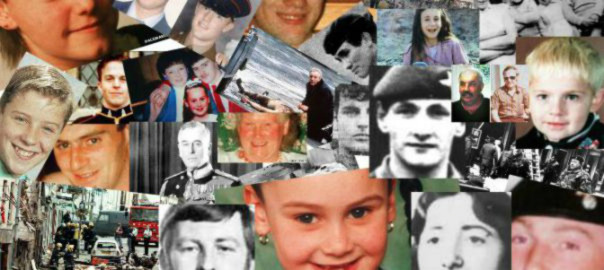


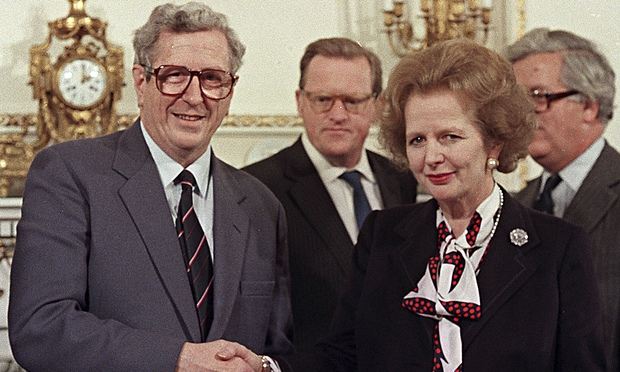
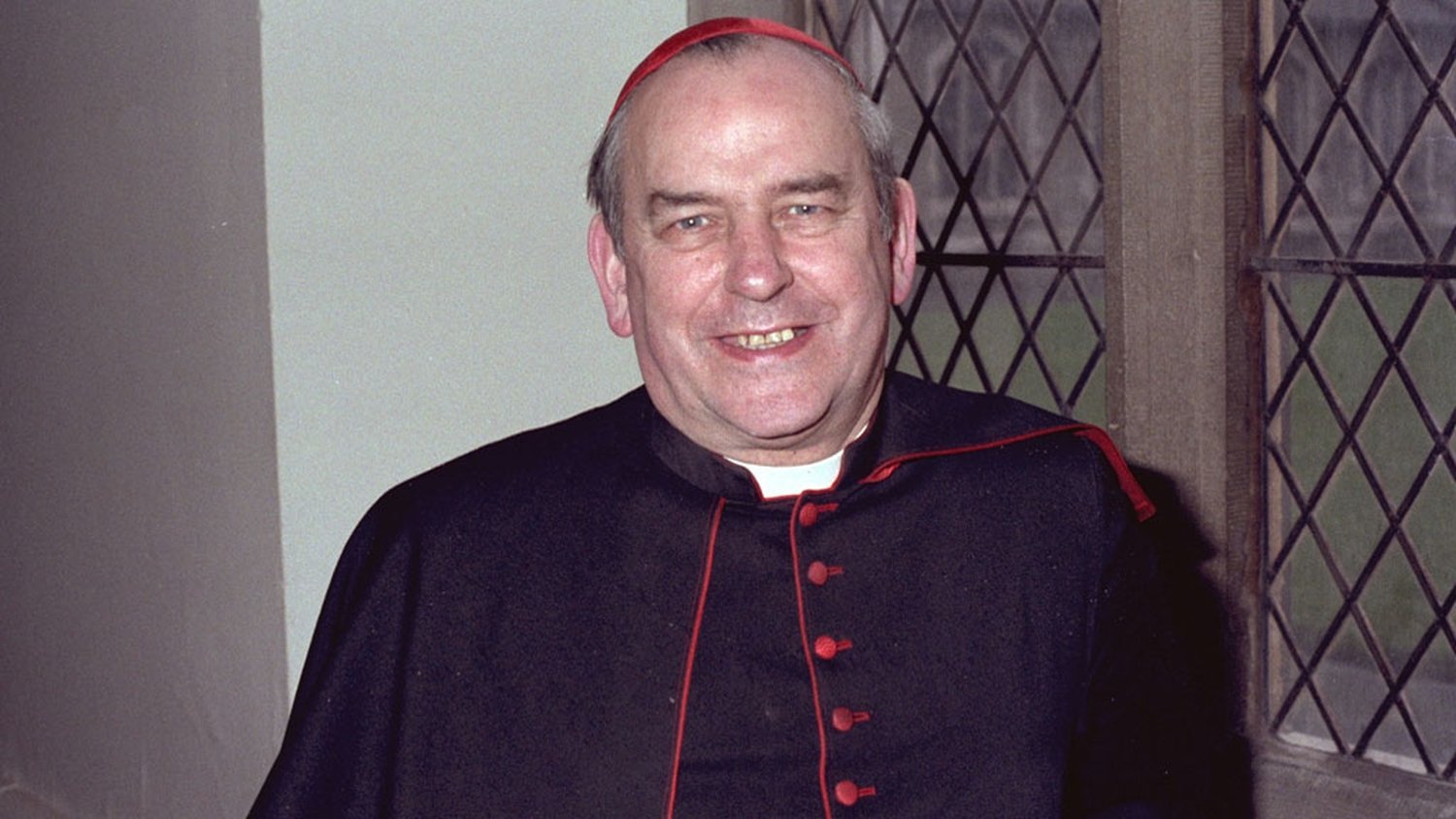





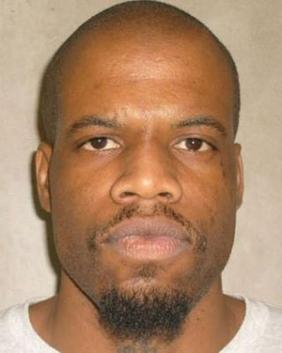


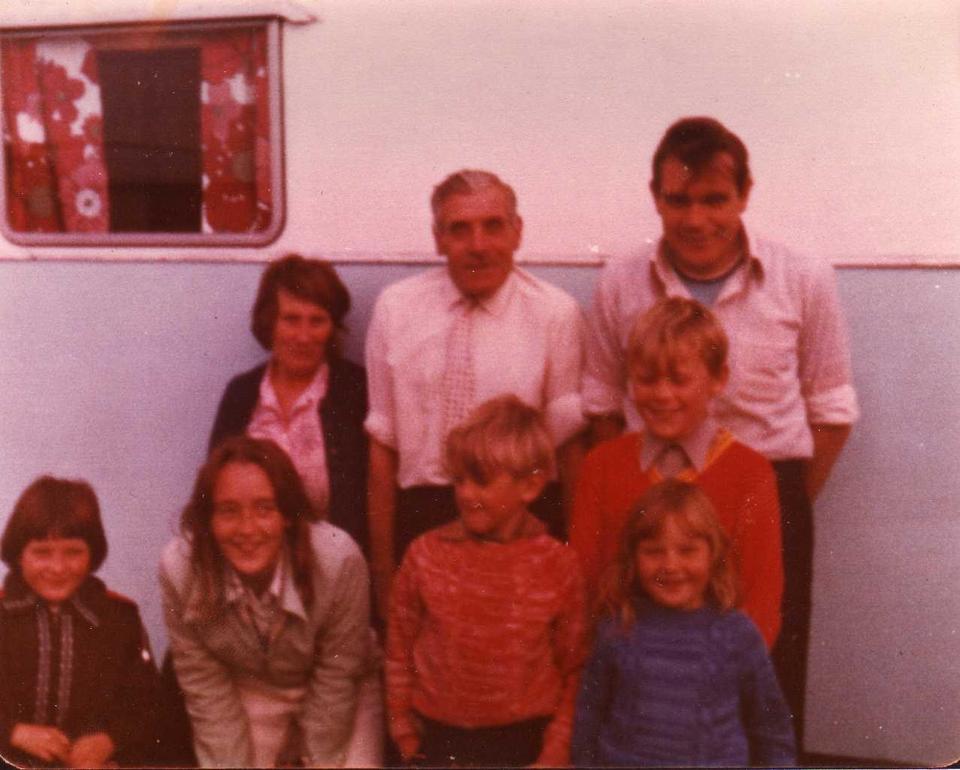


 c
c
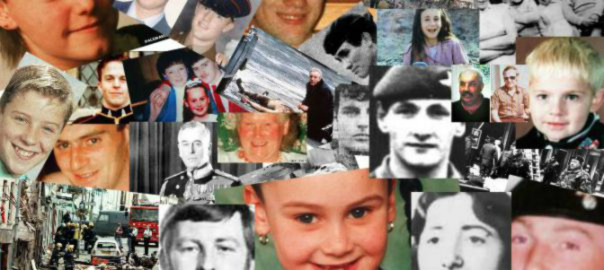







 belfastchildis.com