Source: Birmingham Pub Bombings – 21 November, 1974
Monthly Archives: February 2016


10th February – Deaths & Events in Northern Ireland Troubles
Key Events & Deaths on this day in Northern Ireland Troubles
10th February
——————————————————————-
Thursday 10 February 1972


Two British soldiers were killed in a land mine attack near Cullyhanna, County Armagh.. An IRA member was shot dead during an exchange of gunfire with RUC officers.
Saturday 10 February 1973
Two members of the Irish Republican Army (IRA) were killed in a premature explosion near Strangford, County Down.
Monday 10 February 1975
The Irish Republican Army (IRA) Truce
Two Catholic civilians were shot dead by Loyalist paramilitaries in a gun attack on Hayden’s Bar, near Pomeroy, County Tyrone. A Catholic civilian was shot dead by Loyalists in Belfast. The renewed Irish Republican Army (IRA) ceasefire began.
[The ceasefire was to last officially until 23 January however there were a number of incidents during 1975 involving members of the IRA. During the period of the ceasefire the British government and the Northern Ireland Office (NIO) denied that a deal had been made with the IRA. Sinn Féin (SF) and the IRA said a 12 point plan had been agreed with the British. Some of the elements of this alleged deal were to become apparent such as the setting up of ‘incident centres’ and a reduction in security force activity in Nationalist areas.]
Thursday 10 February 1977
Those members of the Irish Republican Army (IRA) who were arrested at the end of the Balcombe Street siege in London were convicted of six murders.
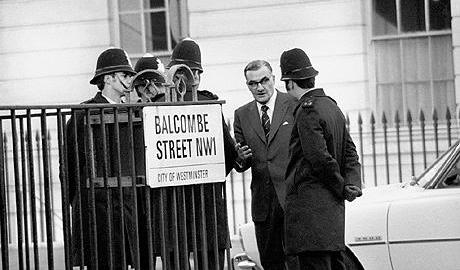
[The Balcombe Street siege had begun on 6 December 1975.]
Sunday 10 February 1980
Betty Williams, one of the founding members of the Peace People, resigned from the organisation for family reasons.
[There was speculation that there had been serious disagreements among the main members of the organisation. On 5 March 1980 another member of the Peace People, Peter McLachlan, also resigned.]
Tuesday 10 February 1987
An opinion poll published in the Daily Express (a British newspaper) found that 61 per cent of the British public were in favour of British withdrawal from Northern Ireland.
Saturday 10 February 1990
A Royal Ulster Constabulary (RUC) patrol came under gunfire on the Shankill Road, Belfast. The shooting incident was attributed to the Ulster Defence Association (UDA) which, it was claimed, was resentful of the work of the Stevens Inquiry.

Hugh Annesley, then Chief Constable of the RUC, issued a strategy document for the future of the RUC.
Monday 10 February 1992
The British government sent an extra battalion of British Army troops to Northern Ireland.
Wednesday 10 February 1993
Albert Reynolds, then Taoiseach (Irish Prime Minister), nominated Gordon Wilson to become a member of the Irish Senate (the upper house of the Irish Parliament).
[Gordon Wilson had been injured, and his daughter killed, in the Enniskillen bomb on 8 November 1987.]
Thursday 10 February 1994
McGlinchey Killed

Dominic McGlinchey, former leader of the Irish National Liberation Army (INLA), was shot dead by three gunmen in Drogheda, Republic of Ireland.
It is not clear which organisation was responsible for the killing
Saturday 10 February 1996
John Bruton, then Taoiseach (Irish Prime Minister), announced that the Irish Government was breaking off ministerial contact with Sinn Féin (SF) in the light of the Irish Republican Army (IRA) bombing in London on 9 February 1996.
Monday 10 February 1997
The Irish Republican Army (IRA) left a large bomb on the outskirts of Strabane, County Tyrone. The bomb was defused by the British Army.
Ed Turner, then Ulster Unionist Party (UUP) mayor of Strabane, said that in light of the attempted bombing he would not be recommending anyone to invest in the town. His statement drew criticism from Nationalists. Gerry Adams, then President of Sinn Féin (SF), sent a fax to John Major, then British Prime Minister, requesting talks between SF and the British government.
Tuesday 10 February 1998

Robert Dougan (38), a leading Loyalist, was shot dead in Dunmurry near Belfast.
[It was believed that Dougan was a leading member of the Ulster Defence Association (UDA). While no group claimed responsibility for the killing Republican paramilitaries were involved and the Irish Republican Army (IRA) were later blamed by the Royal Ulster Constabulary (RUC) for the death. The killing of Dougan (and Brendan Campbell on 9 February 1998) led to the expulsion of Sinn Féin (SF) from the multi-party talks on 20 February 1998.]
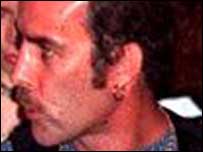
Mark Fulton, considered to be a leading Loyalist figure, was attacked by a gunman who fired two shots at him in the Redmondville estate, Portadown, County Armagh. Fulton escaped injury but blamed the Ulster Volunteer Force (UVF) for the attack. This claim was denied by David Ervine, then leader of the Progressive Unionist Party (PUP).
Wednesday 10 February 1999
The Belfast Telegraph (a Belfast based newspaper) published the results of an opinion poll. The poll showed that, of Ulster Unionist Party (UUP) supporters questioned, 63 per cent approved of David Trimble, then leader of the UUP.
Saturday 10 February 2001
There was a pipe-bomb attack on a Catholic home in Derry. A couple and their two nieces, aged five and three, escaped injury when the device was thrown through the kitchen window of their home in the Waterside area. It exploded, causing minor damage to the house. The attack was carried out by Loyalist paramilitaries.
Sunday 10 February 2002
There was stone throwing in the Arthur Bridge area of the Whitewell Road, north Belfast. The disturbances happened during the evening and followed on from rioting on Saturday (9 February 2002).

Pupils from the Holy Cross Girls’ Primary School in Ardoyne, north Belfast, travelled to County Galway to begin a holiday as guests of Peacock’s Hotel. The management of the hotel had made the offer of the holiday following incidents during 2001 when the school was blockaded by Loyalist protesters.
————————————————————————
Remembering all innocent victims of the Troubles
Today is the anniversary of the death of the following people killed as a results of the conflict in Northern Ireland
“To live in hearts we leave behind is not to die
– Thomas Campbell
To the innocent on the list – Your memory will live forever
– To the Paramilitaries –
There are many things worth living for, a few things worth dying for, but nothing worth killing for.
12 People lost their lives on the 10th February between 1972 – 1998
—————————————————————————
10 February 1972
Joseph Cunningham, (26)
Catholic
Status: Irish Republican Army (IRA),
Killed by: Royal Ulster Constabulary (RUC)
Shot during gun battle, O’Neill’s Road, Newtownabbey, County Antrim.
—————————————————————————
10 February 1972
Ian Harris, (26)
nfNI
Status: British Army (BA),
Killed by: Irish Republican Army (IRA)
Killed in land mine attack on British Army (BA) mobile patrol, Cullyhanna, County Armagh.
—————————————————————————
10 February 1972

David Champ, (23)
nfNI
Status: British Army (BA),
Killed by: Irish Republican Army (IRA)
Killed in land mine attack on British Army (BA) mobile patrol, Cullyhanna, County Armagh
—————————————————————————
10 February 1973
Leonard O’Hanlon, (23)
Catholic
Status: Irish Republican Army (IRA),
Killed by: Irish Republican Army (IRA)
Died in premature bomb explosion in the grounds of Castleward National Trust Estate, near Strangford, County Down.
—————————————————————————
10 February 1973
Vivienne Fitzsimmons, (17)
Catholic
Status: Irish Republican Army (IRA),
Killed by: Irish Republican Army (IRA)
Died in premature bomb explosion in the grounds of Castleward National Trust Estate, near Strangford, County Down.
—————————————————————————
10 February 1975

Joseph Fitzpatrick, (19)
Catholic
Status: Civilian (Civ),
Killed by: non-specific Loyalist group (LOY)
Road sweeper. Shot while sweeping street, Cooke Place, off Ormeau Road, Belfast
—————————————————————————
0 February 1975

Arthur Mulholland, (65)
Catholic
Status: Civilian (Civ),
Killed by: Ulster Volunteer Force (UVF)
Shot during gun attack on Hayden’s Bar, The Rock, near Pomeroy, County Tyrone
—————————————————————————
10 February 1975

Eugene Doyle, (18)
Catholic
Status: Civilian (Civ),
Killed by: Ulster Volunteer Force (UVF)
Shot during gun attack on Hayden’s Bar, The Rock, near Pomeroy, County Tyrone
—————————————————————————
10 February 1980

Hugh Maguire, (9)
Catholic
Status: Civilian (Civ),
Killed by: not known (nk)
Killed during street disturbances, Springfield Road, Ballymurphy, Belfast. Confrontation between local people and British Army (BA) patrol.
—————————————————————————
10 February 1981
David Montgomery, (27)
Protestant
Status: Ulster Defence Regiment (UDR),
Killed by: Irish Republican Army (IRA)
Off duty. Shot at his workplace, a timber yard, Strand Road, Derry.
—————————————————————————
10 February 1994
Dominic McGlinchey, (42)
Catholic
Status: ex-Irish National Liberation Army (xINLA),
Killed by: not known (nk)
Former leader of Irish National Liberation Army (INLA). Shot while at public telephone kiosk, Hardmans Gardens, Drogheda, County Louth.
—————————————————————————
10 February 1998
Robert Dougan, (38)
Protestant
Status: Ulster Defence Association (UDA),
Killed by: Irish Republican Army (IRA)
Shot, while sitting in his stationary car, outside Balmoral Textiles Ltd, Station View, off Upper Dunmurry Lane, Dunmurry, near Belfast, County Antrim.
—————————————————————————
Share this:

9th February – Deaths & Events in Northern Ireland Troubles
Key Events & Deaths on this day in Northern Ireland Troubles
9th February
————————-
Tuesday 9 February 1971

Five men, two of them British Broadcasting Corporation (BBC) engineers, the others construction workers, were killed near a BBC transmitter on Brougher Mountain, County Tyrone in a landmine attack carried out by the Irish Republican Army (IRA).
[It was believed that a British Army (BA) mobile patrol, which had been visiting the site, was the intended target.]
Wednesday 9 February 1972
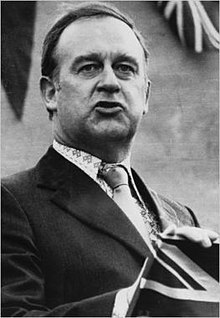
William Craig, who had been Northern Ireland Minister for Home Affairs, launched ‘Ulster Vanguard’ as an umbrella movement for the right-ring of Unionism.
[The new group held a series of demonstrations and marches over next few months. These demonstrations intensified when Stormont was replaced and ‘direct rule’ introduced.]

A Report (Cmnd. 4901) was published by a committee headed by Lord Parker on the methods used by the security forces in to interogate those interned. The methods included: ‘in-depth interrogation’, hooding, food deprivation, use of ‘white noise’ to cause disorientation and sleep deprivation, and being forced to stand for long periods leaning against a wall with their finger-tips. Two members of the committee, including Lord Parker, held that the techniques were justified. Lord Gardiner disagreed.
Saturday 9 February 1974


Anthony O’Connor & Hugh Duffy
Two Catholic civilians were shot dead at O’Kane’s Bar, Grosvenor Road, Belfast, by Loyalist paramilitaries.
Sunday 9 February 1975

Two Catholic civilians, both aged 19, were shot dead by Loyalist paramilitaries as they left St Brigit’s Catholic Church, Malone, Belfast.
The Irish Republican Army (IRA) announced that it was reinstating its ceasefire for an indefinite period as of 6pm on 10 February 1975.
Monday 9 February 1976

Two Protestant civilians were shot dead by the Ulster Volunteer Force (UVF) in the Shankill area of Belfast. It was believed that the two men were mistaken for Catholics.
Monday 9 February 1981

Ian Paisley, then leader of the Democratic Unionist Party (DUP), and other senior members of the DUP held a rally at Belfast City Hall were they signed a covenant, the ‘Ulster Declaration’, based on the Ulster Covenant of 1912. Paisley also announced a ‘Carson Trail’ which was to be a series of protest rallies against the continuing dialogue between Margaret Thatcher, then British Prime Minister, and Charles Haughey, then Taoiseach (Irish Prime Minister).
Friday 9 February 1990
Tommy Lyttle, then leader of the Ulster Defence Association (UDA), appeared in court on charges of having a threatening letter sent to the sister of Brian Nelson.

Amnesty International published a report which claimed that there was “mounting evidence” of collusion between the security forces and Loyalist paramilitaries. The RUC said that the claims were “utter nonsense”.
Thursday 9 February 1995
Sinn Féin (SF) called off a planned meeting with Northern Ireland Office (NIO) officials after the party claimed that the room where the meeting was to have taken place was bugged.
Friday 9 February 1996

End of IRA Ceasefire
The Irish Republican Army (IRA) exploded a large bomb at South Quay in the Docklands area of London. The lorry bomb killed two people, injured many more, caused millions of pounds worth of damage, and marked the end of the IRA ceasefire after 17 months and 9 days. A statement had been issued by the IRA one hour before the explosion occurred at 7.01pm.
Monday 9 February 1998
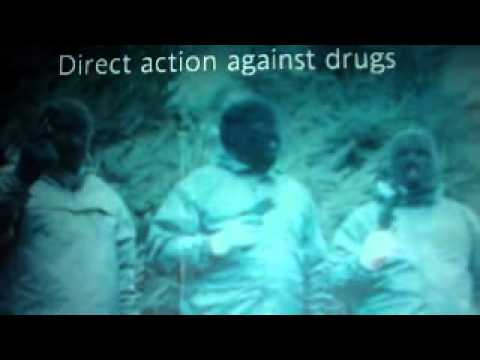
Brendan Campbell (30), a Catholic civilian, was shot dead outside a restaurant on the Lisburn Road, Belfast. Campbell was alleged to be a drugs dealer and the group called Direct Action Against Drugs (DAAD) claimed responsibility.
[Many people believed that DAAD was a cover name (pseudonym) used by the Irish Republican Army (IRA). The killing of Campbell (and Robert Dougan on 10 February 1998) led to the expulsion of Sinn Féin (SF) from the multi-party talks on 20 February 1998.]

A political row broke out between Ken Maginnis, then Security spokesperson for the Ulster Unionist Party (UUP), and Marjorie (Mo) Mowlam, then Secretary of State for Northern Ireland.
In a letter to David Trimble, then leader of the Ulster Unionist Party (UUP), Mowlam demanded an apology from Maginnis for allegedly calling her “a damned liar” during a session of the talks at Stormont. Maginnis said he had “no intention whatsoever” of apologising.

In another row, involving Sinn Féin (SF) and the Social Democratic and Labour Party (SDLP), John Hume, then leader of the SDLP, defended his party colleague, Seamus Mallon, from accusations by Republicans that his attitude at the talks had been “extremely unhelpful”.
The British government published proposals, Your Voice Your Choice, for reforms to the Northern Ireland Police Authority (NIPA).
The Standing Advisory Commission on Human Rights (SACHR) submitted a report to Marjorie (Mo) Mowlam, then Secretary of State for Northern Ireland, expressing concern about the continuing high levels of Catholic unemployment despite the introduction of two Fair Employment acts. The report entitled Employment Equality: Building for the Future examined the effectiveness of fair employment legislation and the impact of government policy. Figures on unemployment showed that Catholics continued to be twice as likely to be unemployed as Protestants.
A number of UUP members, who opposed the party’s involvement in the multi-party talks, established a new pressure group called the ‘Committee for Traditional Ulster Unionist Values’. The new grouping was led by Nelson McCausland.
Tuesday 9 February 1999
The Orange Volunteers (OV) admitted carrying out an attack on a Catholic owned public house in Castledawson, County Derry.

The Belfast Telegraph (a Belfast based newspaper) published the results of an opinion poll. The poll showed that, of those questioned, 50 per cent believed that the Ulster Unionist Party (UUP) should join Sinn Féin (SF) in a power-sharing Executive even without prior decommissioning.
Tuesday 9 February 1999
A middle-aged man discovered an unexploded pipe-bomb outside a public house in Crumlin, County Antrim. The Loyalist paramilitary group the Orange Volunteers (OV) claimed they had targeted the bar.
Saturday 9 February 2002

An estimated 80 people were involved in rioting in the Whitewell Road area of north Belfast. The disturbances broke out in the Arthur Bridge, Longlands estate, and Gunnell Hill areas along the Whitewell Road and eight petrol bombs were thrown. One man was arrested on suspicion of riotous behaviour.
[There were further disturbances in the area on Sunday evening (10 February 2002) and again on Monday morning (11 February 2002).]
A gun was found close to Coronation Park, Aughnacloy, County Tyrone. The main Aughnacloy to Monaghan road was closed for a while on both sides of the Northern Ireland border while the security alert was on-going.

The Executive committee of the Ulster Unionist Party (UUP) held a meeting at which it was decided to seek an increase in affiliation fees from the Orange Order. It was believed that the UUP would be seeking £12,000 per annum. The Orange Order has 120 of the 860 seats on the Ulster Unionist Council (UUC) which is the policy making body of the UUP.
————————————————————————
Remembering all innocent victims of the Troubles
Today is the anniversary of the death of the following people killed as a results of the conflict in Northern Ireland
“To live in hearts we leave behind is not to die
– Thomas Campbell
To the innocent on the list – Your memory will live forever
– To the Paramilitaries –
There are many things worth living for, a few things worth dying for, but nothing worth killing for.
17 People lost their lives on the 9th February between 1971 – 1998
—————————————————————————
09 February 1971

John Eakins, (52)
Protestant
Status: Civilian (Civ),
Killed by: Irish Republican Army (IRA)
Killed while travelling in Landrover, which detonated landmine on track, Brougher Mountain, near Trillick, County Tyrone. British Army (BA) mobile patrol intended target.
—————————————————————————
09 February 1971

William Thomas, (35)
nfNI
Status: Civilian (Civ),
Killed by: Irish Republican Army (IRA)
Killed while travelling in Landrover, which detonated landmine on track, Brougher Mountain, near Trillick, County Tyrone. British Army (BA) mobile patrol intended target.
—————————————————————————
09 February 1971
Harry Edgar, (26)
Protestant
Status: Civilian (Civ),
Killed by: Irish Republican Army (IRA)
Killed while travelling in Landrover, which detonated landmine on track, Brougher Mountain, near Trillick, County Tyrone. British Army (BA) mobile patrol intended target.
—————————————————————————
09 February 1971
David Henson, (24)
nfNI
Status: Civilian (Civ),
Killed by: Irish Republican Army (IRA)
Englishman temporarily working in Northern Ireland. Killed while travelling in Landrover, which detonated landmine on track, Brougher Mountain, near Trillick, County Tyrone. British Army (BA) mobile patrol intended target.
—————————————————————————
09 February 1971

George Beck, (43)
Protestant
Status: Civilian (Civ),
Killed by: Irish Republican Army (IRA)
Killed while travelling in Landrover, which detonated landmine on track, Brougher Mountain, near Trillick, County Tyrone. British Army (BA) mobile patrol intended target.
—————————————————————————
09 February 1972
Patrick Casey, (26)
Catholic
Status: non-specific Republican group (REP),
Killed by: non-specific Republican group (REP)
Died three days after being injured in an explosion at temporary council offices in school hall, Keady, County Armagh. Explosion occurred 6 February 1972.
—————————————————————————
09 February 1974
Anthony O’Connor, (42)
Catholic
Status: Civilian (Civ),
Killed by: Ulster Freedom Fighters (UFF)
Shot while leaving O’Kane’s Bar, Grosvenor Road, Belfast.
—————————————————————————
09 February 1974
Hugh Duffy, (24)
Catholic
Status: Civilian (Civ),
Killed by: Ulster Freedom Fighters (UFF)
Shot while leaving O’Kane’s Bar, Grosvenor Road, Belfast.
—————————————————————————
09 February 1975
Kevin Ballantine, (19)
Catholic
Status: Civilian (Civ),
Killed by: non-specific Loyalist group (LOY)
Shot as he left St Brigid’s Roman Catholic Church, Derryvolgie Avenue, Malone, Belfast.
—————————————————————————
09 February 1975
Gerard Kiely, (19)
Catholic
Status: Civilian (Civ),
Killed by: non-specific Loyalist group (LOY)
Shot as he left St Brigid’s Roman Catholic Church, Derryvolgie Avenue, Malone, Belfast
—————————————————————————
09 February 1976

Archibald Hanna, (51)
Protestant
Status: Civilian (Civ),
Killed by: Ulster Volunteer Force (UVF)
Shot while sitting in stationary lorry outside newsagent’s shop, Cambrai Street, Shankill, Belfast. Assumed to be a Catholic.
—————————————————————————
09 February 1976

Raymond Carlisle, (27)
Protestant
Status: Civilian (Civ),
Killed by: Ulster Volunteer Force (UVF)
Shot while sitting in stationary lorry outside newsagent’s shop, Cambrai Street, Shankill, Belfast. Assumed to be a Catholic.
—————————————————————————
09 February 1989

Anthony Fusco, (33)
Catholic
Status: Civilian (Civ),
Killed by: Ulster Volunteer Force (UVF)
Shot while walking to his workplace, West Street, Smithfield, Belfast.
—————————————————————————
09 February 1993

Michael Beswick, (21)
nfNI
Status: British Army (BA),
Killed by: Irish Republican Army (IRA)
Killed by remote controlled bomb hidden in wall, detonated when British Army (BA) foot patrol passed, Cathedral Road, Armagh.
—————————————————————————
09 February 1996

Inan Ul-Haq Bashir, (29)
nfNIB
Status: Civilian (Civ),
Killed by: Irish Republican Army (IRA)
Killed in lorry bomb explosion, left in car park, South Quay railway station, Isle of Dogs, London. Inadequate warning given.
—————————————————————————
09 February 1996

John Jefferies, (31)
nfNIB
Status: Civilian (Civ),
Killed by: Irish Republican Army (IRA)
Killed in lorry bomb explosion, left in car park, South Quay railway station, Isle of Dogs, London. Inadequate warning given.
—————————————————————————
09 February 1998
Brendan Campbell (30)
Catholic
Status: Civilian (Civ),
Killed by: Irish Republican Army (IRA)
Shot, shortly after leaving Planks Restaurant, Brookland Street, off Lisburn Road, Belfast.
—————————————————————————

Share this:


The London Docklands bombing – 9 February 1996
Docklands bombing
1996
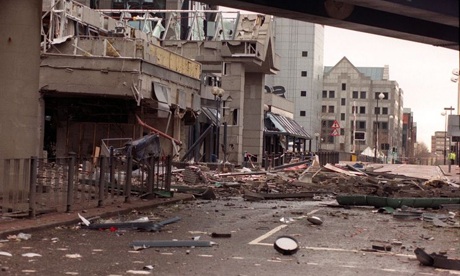
The London Docklands bombing (also known as the Canary Wharf bombing or South Quay bombing) occurred on 9 February 1996, when the Provisional Irish Republican Army (IRA) detonated a powerful truck bomb in Canary Wharf, one of the two financial districts of London. The blast devastated a wide area and caused an estimated £100 million worth of damage. Although the IRA had sent warnings 90 minutes beforehand, the area was not fully evacuated; two people were killed and 39 were injured.
———————————————-
IRA bombs Canary Wharf, London
———————————————-
It marked an end to the IRA’s seventeen-month ceasefire. The IRA had agreed to a ceasefire in August 1994, on the understanding that Sinn Féin would be allowed to take part in peace negotiations. However, when the British government then demanded the IRA must fully disarm before any negotiations, the IRA resumed its campaign. After the bombing, the British government dropped its demand for the IRA to disarm before any negotiations
Background and planning
Since the beginning of its campaign in the early 1970s, the IRA had carried out many bomb attacks in England. As well as attacking military and political targets, it also bombed infrastructure and commercial targets. The goal was to damage the economy and cause disruption, which would put pressure on the British government to negotiate a withdrawal from Northern Ireland.[1] In the early 1990s, the IRA began another major bombing campaign in England. In February 1991 it launched a mortar attack on 10 Downing Street, headquarters of the British government, while Prime Minister John Major was holding a meeting. The mortars narrowly missed the building and there were no casualties. In April 1992, the IRA detonated a powerful truck bomb at the Baltic Exchange in the City of London, its main financial district. The blast killed three people and caused £800 million worth of damage; more than the total damage caused by all IRA bombings before it.[2] In November 1992, the IRA planted a large van bomb at Canary Wharf, London’s second financial district. However, security guards immediately alerted the police and the bomb was defused.[3] In April 1993 the IRA detonated another powerful truck bomb in the City of London. It killed one person and caused £500 million worth of damage.
In December 1993 the British and Irish governments issued the Downing Street Declaration. It allowed Sinn Féin, the political party associated with the IRA, to participate in all-party peace negotiations on condition that the IRA called a ceasefire. The IRA called a ceasefire on 31 August 1994. Over the next seventeen months there were a number of meetings between representatives of the British government and Sinn Féin. There were also talks—among the British and Irish governments and the Northern Ireland parties—about how all-party peace negotiations could take place.
By 1996, John Major’s government had lost its majority in the British parliament and was depending on Ulster unionist votes to stay in power. It was accused of pro-unionist bias as a result. The British government began insisting that the IRA must fully disarm before Sinn Féin would be allowed to take part in full-fledged peace talks. The IRA rejected this, seeing it as a demand for total surrender.[4] Sinn Féin said that the IRA would not disarm before talks, but that it would discuss disarmament as part of an overall solution. On 23 January 1996, the international commission for disarmament in Northern Ireland recommended that Britain drop its demand, suggesting that disarmament begin during talks rather than before.[5] The British government refused to drop its demand.
The bombing

At about 19:01 on 9 February, the IRA detonated a large bomb containing 500 kg of ammonium nitrate fertilizer and sugar,[4][6] in a small lorry about 80 yards (70 m) from South Quay Station on the Docklands Light Railway (in the Canary Wharf area of London), directly under the point where the tracks cross Marsh Wall.[7] The detonating cord was made of semtex, PETN and RDX high explosives.[4] The IRA had sent telephoned warnings 90 minutes beforehand, and the area was evacuated. However, two men working in the newsagents shop directly opposite the explosion, Inam Bashir (29) and John Jeffries (31), had not been evacuated in time and were killed in the explosion. 39 people required hospital treatment due to blast injuries and falling glass. Part of the South Quay Plaza was destroyed.[7] The explosion left a crater ten metres wide and three metres deep.[4] The shockwave from the blast caused windows as far east as Barking, approximately five miles away, to rattle.
————
Victims
————
—————————————
09 February 1996
Inan Ul-Haq Bashir, (29)
nfNIB
Status: Civilian (Civ),
Killed by: Irish Republican Army (IRA)
Killed in lorry bomb explosion, left in car park, South Quay railway station, Isle of Dogs, London. Inadequate warning given.
—————————————
09 February 1996
John Jefferies, (31)
nfNIB
Status: Civilian (Civ),
Killed by: Irish Republican Army (IRA)
Killed in lorry bomb explosion, left in car park, South Quay railway station, Isle of Dogs, London. Inadequate warning given.
—————————————
Approximately £100 million worth of damage was done by the blast.[4] Three nearby buildings (the Midland Bank building, South Quay Plaza I and II) were severely damaged (the latter two requiring complete rebuilding whilst the former was beyond economic repair and was demolished). The station itself was extensively damaged, but both it and the bridge under which the bomb was exploded were reopened within weeks (on 22 April), the latter requiring only cosmetic repairs despite its proximity to the blast.
This bomb represented the end to the IRA ceasefire during the Northern Ireland peace process at the time. James McArdle was convicted of conspiracy to cause explosions, and sentenced to 25 years in prison, but murder charges were dropped.[citation needed] McArdle was released under the terms of the Good Friday Agreement in June 2000 with a royal prerogative of mercy from Queen Elizabeth II.[8]

The IRA described the deaths and injuries as a result of the bomb as “regrettable”, but said that they could have been avoided if police had responded promptly to “clear and specific warnings”. Commissioner of the Metropolitan Police Sir Paul Condon said: “It would be unfair to describe this as a failure of security. It was a failure of humanity.”[9]
On 28 February, John Major, the Prime Minister of the United Kingdom, and John Bruton, the Taoiseach of the Republic of Ireland, announced that all-party talks would be resumed in June. Major’s decision to drop the demand for IRA decommissioning of weapons before Sinn Fein would be allowed into talks led to criticism from the press, which accused him of being “bombed to the table”.[10]
My blog and Twitter account are dedicated to remembering all innocent victims of the Northern Ireland Troubles and all those killed by terrorists across the globe. Have a little look around , you might find something of interest.
Please take the time to follow me on Twitter @bfchild66 and sign up for my blog by clicking the follow button at the bottom of this page , or any page for that matter.
Take Care and be safe!
Share this:

8th February – Deaths & Events in Northern Ireland Troubles
Key Events & Deaths on this day in Northern Ireland Troubles
8th February
Wednesday 8 February 1978

William Gordon (39), then a member of the Ulster Defence Regiment (UDR), and Lesley Gordon (10), his daughter, were killed by a booby-trap bomb attached to a car outside their home in Maghera, County Derry, by the Irish Republican Army (IRA).
Friday 8 February 1980

Leonard Kaitcer, a Belfast antiques dealer, was killed following his kidnapping and demand for a £1 million
Friday 8 February 1991

The government in the Republic of Ireland agreed to abide by the arrangements for planned political talks on the future of Northern Ireland. The arrangements meant that Peter Brooke, then Secretary of State for Northern Ireland, would decide the point in the talks at which the Irish government would be invited to attend.
Monday 8 February 1993
The leaders of the four main churches (Catholic; Presbyterian; Church of Ireland; and Methodist) travelled to the United States of America (USA) to encourage new business investment in Northern Ireland.
Wednesday 8 February 1995
Andrew Clarke (27), a private in the British Army, was sentenced at Belfast Crown Court to 10 years’ imprisonment for the attempted murder of Eddie Copeland in Belfast in October 1993. Michael Ancram, then Political Development Minister at the Northern Ireland Office (NIO), announced a £63 million school building programme.
Thursday 8 February 1996
Dick Spring, then Tánaiste (deputy Irish Prime Minister and Minister for Foreign Affairs), traveled to America for talks with Bill Clinton, then President of the United States of America (USA). The European Court of Human Rights found that aspects of the British Government’s emergency legislation in Northern Ireland infringed the European Convention on Human Rights.
Saturday 8 February 1997

The Royal Ulster Constabulary (RUC) delayed a planned Loyalist band parade outside the Catholic chapel at Harryville, Ballymena, until after the mass was finished. About 20 Orange bands paraded past the chapel in the continuing Loyalist picket at Harryville.
Monday 8 February 1999

A grenade exploded at a Catholic-owned bar near Toomebridge, County Antrim. The attack was claimed by the Orange Volunteers (OV) a Loyalist paramilitary group.
The Belfast Telegraph (a Belfast based newspaper) published the results of a survey of opinion. The poll showed that, of those questioned, 84 per cent wanted Republican and Loyalist paramilitary groups to immediately begin decommissioning their weapons (the breakdown of the figures were 93 per cent of Protestants and 68 per cent of Catholics).
Gerry Adams, then President of Sinn Féin (SF), said that he considered those who had killed Jerry McCabe, who was a Detective in the Garda Síochána (the Irish police), were entitle to early release under the terms of the Good Friday Agreement. Gardaí said they would investigate allegations of witness intimidation in the McCabe case. The Irish-born novelist, Iris Murdoch (79), died from Alzheimer’s Disease.
Friday 8 February 2002
A man (48) employed as a civilian worker by the Ministry of Defence (MOD) was seriously injured in an explosion at approximately 12.00pm (1200GMT) at a British Army training ground near Magilligan Prison, County Londonderry.
[It was thought that he had disturbed a booby-trap bomb near the perimeter fence of the training centre. Dissident Republican paramilitaries were thought to be responsible for planting the device.]

Representatives of the Police Association said that they intended to apply to the High Court for a judicial review of the recent report by Nuala O’Loan, then Police Ombudsman for Northern Ireland (PONI). The report was into the investigation of the Omagh bombing (15 August 1998). The Police Association claimed that the report was inaccurate and unfair.
————————————————————————
Remembering all innocent victims of the Troubles
Today is the anniversary of the death of the following people killed as a results of the conflict in Northern Ireland
“To live in hearts we leave behind is not to die
– Thomas Campbell
To the innocent on the list – Your memory will live forever
– To the Paramilitaries –
There are many things worth living for, a few things worth dying for, but nothing worth killing for.
10 People lost their lives on the 8th February between 1972 – 1985
—————————————————————————
08 February 1972

Bernard Rice, (49)
Catholic
Status: Civilian (Civ),
Killed by: Red Hand Commando (RHC)
Shot from passing car while walking opposite Ardoyne shops, Crumlin Road, Belfast.
—————————————————————————
08 February 1973
Hugh Connolly, (38)
Catholic
Status: Civilian (Civ),
Killed by: British Army (BA)
Shot at the rear of his home, Oranmore Street, Falls, Belfast.
—————————————————————————
08 February 1973

Charles Morrison, (26)
Protestant
Status: Royal Ulster Constabulary (RUC),
Killed by: Irish Republican Army (IRA)
Shot by sniper while sitting in stationary Royal Ulster Constabulary (RUC) patrol car, Dungannon, County Tyrone
—————————————————————————
08 February 1975
William Robson, (22)
nfNI
Status: British Army (BA),
Killed by: Irish Republican Army (IRA)
Died two days after being shot by sniper while on British Army (BA) foot patrol, Mullan, County Fermanagh.
—————————————————————————
08 February 1975

James Sullivan, (30)
Catholic
Status: Civilian (Civ),
Killed by: Ulster Volunteer Force (UVF)
Former internee. Shot at his home, Lesley Street, Ligoniel, Belfast.
—————————————————————————
08 February 1978
William Gordon, (39)
Protestant
Status: Ulster Defence Regiment (UDR),
Killed by: Irish Republican Army (IRA)
Off duty. Killed by booby trap bomb attached to car outside his home, Maghera, County Derry
—————————————————————————
08 February 1978
Lesley Gordon, (10)
Protestant
Status: Civilian (Civ),
Killed by: Irish Republican Army (IRA)
Killed by booby trap bomb attached to her father’s car outside her home, Maghera, County Derry.
—————————————————————————
08 February 1980
Leonard Kaitcer, (50) nfNI
Status: Civilian (Civ),
Killed by: not known (nk)
Abducted from his home, Thornhill, Malone, Belfast. Found shot, Old Collin Road, off Glen Road, Belfast, on 9 February 1980.
—————————————————————————
08 February 1981
Alexander Scott, (36)
Protestant
Status: Royal Ulster Constabulary (RUC),
Killed by: Irish National Liberation Army (INLA)
Off duty. Shot outside his wife’s shop, My Lady’s Road, off Ravenhill Road, Belfast.
—————————————————————————
08 February 1985
Gerard Logue, (19)
Catholic
Status: Civilian (Civ),
Killed by: Royal Ulster Constabulary (RUC)
Shot while sitting in stationary stolen car, Fort Street, off Springfield Road, Belfast.
—————————————————————————
Share this:

Post Traumatic stress disorder
Post traumatic stress disorder

Combat Stress is here to support you
In the UK, there are various charities and service organisations dedicated to aiding veterans in readjusting to civilian life. The Royal British Legion and the more recently established Help for Heroes are two of Britain’s more high-profile veterans’ organisations which have actively advocated for veterans over the years. There has been some controversy that the NHS has not done enough in tackling mental health issues and is instead “dumping” veterans on charities such as Combat Stress.
Visit the website: www.combatstress.org.uk/veterans
——————————————-
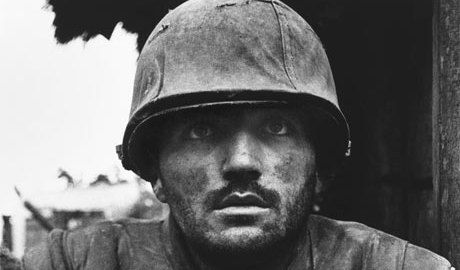
See Shell Shock – The Trauma of Battle
——————————————————-
BBC documentary about PTSD
——————————————————-
Post Traumatic Stress Disorder
PTSD

Post traumatic stress disorder (PTSD)[note 1] is a mental illness that can develop after a person is exposed to one or more traumatic events, such as sexual assault, warfare, traffic collisions, terrorism or other threats on a person’s life.[1] Symptoms include disturbing recurring flashbacks, avoidance or numbing of memories of the event, and hyperarousal, continue for more than a month after the occurrence of a traumatic event.[1]
Most people who have experienced a traumatizing event will not develop PTSD.[2] People who experience interpersonal trauma (e.g., sexual assault, child abuse) are more likely to develop PTSD, as opposed to people who experience non-assault based trauma such as accidents, natural disasters and witnessing trauma.[3] Children are less likely to develop PTSD after trauma than adults, especially if they are under ten years of age.[2]
Psychotherapy is the “gold standard” of treatment for PTSD. Various psychotherapies are evidence-based for PTSD, including prolonged exposure, cognitive processing therapy, eye movement desensitization and reprocessing, cognitive restructuring therapy, trauma-focused cognitive behavioral therapy, brief eclectic psychotherapy, narrative therapy, and stress inoculation training.[4][5] Therapists generally meet one-on-one with individuals with PTSD, but frequently group therapy or more intensive settings are also beneficial. Serotonergic antidepressants (such as fluoxetine and paroxetine, which are the only medications FDA approved for PTSD) are the first-line pharmacologic agents used for PTSD, but medications are best used as in addition to psychotherapy as they rarely result in recovery from PTSD, alone.[4][6][7][8] Most other medications do not have enough evidence to support their use, may only improve symptoms a small amount without resulting in functional recovery, or, in the case of benzodiazepines, have actually been found to worsen and prolong PTSD, including inhibiting the benefits of psychotherapy.[9][10]
The term “posttraumatic stress disorder” was coined in the early 1970s in large part due to diagnoses of US military veterans of the Vietnam War.[11] It was officially recognized by the American Psychiatric Association in 1980 in the third edition of the Diagnostic and Statistical Manual of Mental Disorders (DSM-III).[12] Trauma-related mental disorders have been documented since at least the 17th century, and became more commonly recognized during the World Wars under various terms including “shell shock,” “combat fatigue,” and “war neurosis.”
Classification
Posttraumatic stress disorder was classified as an anxiety disorder in the DSM-IV, but has since been reclassified as a “trauma- and stressor-related disorder” in DSM-5. The characteristic symptoms are not present before exposure to the violently traumatic event. In the typical case, the individual with PTSD persistently avoids trauma-related thoughts and emotions, and discussion of the traumatic event, and may even have amnesia of the event. However, the event is commonly relived by the individual through intrusive, recurrent recollections, flashbacks, and nightmares.[15] While it is common to have symptoms after any traumatic event, these must persist to a sufficient degree (i.e., causing dysfunction in life and/or clinical levels of distress) for longer than one month after the trauma to be classified as PTSD (clinically significant dysfunction or distress for less than one month after the trauma may be acute stress disorder).[1][16][17][18]
Risk factors
.jpg)
No quieren (They do not want to) by Francisco Goya (1746–1828) depicts an elderly woman wielding a knife in defense of a girl being assaulted by a soldier.[19]
PTSD is believed to be caused by the experience of a wide range of traumatic events and, in particular if the trauma is extreme, can occur in persons with no predisposing conditions.[20][21]
Persons considered at risk include, for example, combat military personnel, victims of natural disasters, concentration camp survivors, and victims of violent crime. Individuals frequently experience “survivor’s guilt” for remaining alive while others died. Causes of the symptoms of PTSD are the experiencing or witnessing of a stressor event involving death, serious injury or such threat to the self or others in a situation in which the individual felt intense fear, horror, or powerlessness.[22] Persons employed in occupations that expose them to violence (such as soldiers) or disasters (such as emergency service workers) are also at risk.[22]
Children or adults may develop PTSD symptoms by experiencing bullying.[23]
Several biological indicators have been identified that are related to later PTSD development. Heightened startle responses and a smaller hippocampal volume have been identified as biomarkers for the risk of developing PTSD.[24] Additionally, one study found that soldiers whose leukocytes had greater numbers of glucocorticoid receptors were more prone to developing PTSD after experiencing trauma.[24]
Genetics
Main article: Genetics of posttraumatic stress disorder
There is evidence that susceptibility to PTSD is hereditary. Approximately 30% of the variance in PTSD is caused from genetics alone. For twin pairs exposed to combat in Vietnam, having a monozygotic (identical) twin with PTSD was associated with an increased risk of the co-twin’s having PTSD compared to twins that were dizygotic (non-identical twins).[25] There is evidence that those with a genetically smaller hippocampus are more likely to develop PTSD following a traumatic event. Research has also found that PTSD shares many genetic influences common to other psychiatric disorders. Panic and generalized anxiety disorders and PTSD share 60% of the same genetic variance. Alcohol, nicotine, and drug dependence share greater than 40% genetic similarities.[26]
Trauma
See also: Psychological resilience
Most people will experience at least one traumatizing event in their lifetime.[27] Men are more likely to experience a traumatic event, but women are more likely to experience the kind of high-impact traumatic event that can lead to PTSD, such as interpersonal violence and sexual assault.[2]
Posttraumatic stress reactions have not been studied as well in children and adolescents as adults.[2] The rate of PTSD may be lower in children than adults, but in the absence of therapy, symptoms may continue for decades.[2] One estimate suggests that the proportion of children and adolescents having PTSD in a non-wartorn population in a developed country may be 1% compared to 1.5% to 3% of adults, and much lower below the age of 10 years.[2]
Predictor models have consistently found that childhood trauma, chronic adversity, and familial stressors increase risk for PTSD as well as risk for biological markers of risk for PTSD after a traumatic event in adulthood.[28][29][30] Peritraumatic dissociation in children is a predictive indicator of the development of PTSD later in life.[26] This effect of childhood trauma, which is not well-understood, may be a marker for both traumatic experiences and attachment problems.[31][32] Proximity to, duration of, and severity of the trauma make an impact, and interpersonal traumas cause more problems than impersonal ones.[33]
Quasi-experimental studies have demonstrated a relationship between intrusive thoughts and intentional control responses such that suppression increases the frequency of unwanted intrusive thoughts. These results suggest that suppression of intrusive thoughts may be important in the development and maintenance of PTSD.[34]
Foster care
Adults who were in foster care as children have a higher rate of PTSD.[medical citation needed]
Domestic violence
An individual that has been exposed to domestic violence is predisposed to the development of PTSD. However, being exposed to a traumatic experience does not automatically indicate that an individual will develop PTSD.[16] There is a strong association between the development of PTSD in mothers that experienced domestic violence during the perinatal period of their pregnancy.[35]
Military experience

A U.S. Long-Range Patrol team leader in Vietnam, 1968.
—————————
BBC Interview PTSD Treatment
—————————
Early intervention appears to be a critical preventive measure.[36] Studies have shown that soldiers prepared for the potential of a traumatic experience are more prepared to deal with the stress of a traumatic experience and therefore less likely to develop PTSD.[16]
Among American troops in Vietnam a greater portion of women experienced high levels of war-zone stress compared to theater men—39.9 percent versus 23.5 percent. The key to this fact is that the vast majority (6,250 or 83.3%) of the women who served in the war zone were nurses who dealt almost daily with death. Black veterans had nearly 2.5 fold the risk of developing war zone-related PTSD as compared to white/other veterans. Hispanics had more than three times the risk. But the most revealing fact, theater veterans injured or wounded in combat had nearly four times the risk of developing PTSD compared to those not injured/wounded according to two key studies—the August 2014 National Vietnam Veterans Longitudinal Study (NVVLS). Paired with the late 1980s National Vietnam Veterans Readjustment Study (NVVRS).[37]
The long-term medical consequence of PTSD among male veterans who served in the Vietnam War was that they were almost twice as likely to die in the quarter of a century between the two key studies than those who did not have PTSD. It was also found those with PTSD were more likely to die of chronic conditions such as cancer, nervous system disorders, and musculoskeletal problems. The etiology of this relationship is not certain other than lingering stress from combat such as nightmares, intrusive memories, and hyper-vigilance are aggravating factors contributing to psychological and physiological illnesses.[37]
The racial similarity between Hispanic and Vietnamese soldiers, and the discrimination Hispanic soldiers faced from their own military, made it difficult for Hispanic soldiers to dehumanize their enemy. Hispanic veterans who reported experiencing racial discrimination during their service displayed more symptoms of PTSD than Hispanic veterans who did not.[38]
PTSD is under-diagnosed in female veterans.[39] Sexual assault in the military is a leading cause for female soldiers developing PTSD; a female soldier who is sexually assaulted while serving in the military is nine times more likely to develop PTSD than a female soldier who is not assaulted. A soldier’s assailant may be her colleague or superior officer, making it difficult for her to both report the crime and to avoid interacting with her assailant again.[40] Until the Tailhook scandal drew attention to the problem, the role that sexual assault in the military plays in female veterans developing PTSD went largely unstudied.[41]
Protective effects include social support, which also helps with recovery if PTSD develops.[42][43] For more aggravating factors to recovery once home, see social alienation among returning war veterans.
Drug and substance abuse
Drug abuse and alcohol abuse commonly co-occur with PTSD.[44] Recovery from posttraumatic stress disorder or other anxiety disorders may be hindered, or the condition worsened, by medication or substance overuse, abuse, or dependence; resolving these problems can bring about a marked improvement in an individual’s mental health status and anxiety levels.[45][46]
Pathophysiology
Neuroendocrinology
PTSD symptoms may result when a traumatic event causes an over-reactive adrenaline response, which creates deep neurological patterns in the brain. These patterns can persist long after the event that triggered the fear, making an individual hyper-responsive to future fearful situations.[16][47] During traumatic experiences the high levels of stress hormones secreted suppress hypothalamic activity that may be a major factor toward the development of PTSD.[48]
PTSD causes biochemical changes in the brain and body, that differ from other psychiatric disorders such as major depression. Individuals diagnosed with PTSD respond more strongly to a dexamethasone suppression test than individuals diagnosed with clinical depression.[49][50]
In addition, most people with PTSD also show a low secretion of cortisol and high secretion of catecholamines in urine,[51] with a norepinephrine/cortisol ratio consequently higher than comparable non-diagnosed individuals.[52] This is in contrast to the normative fight-or-flight response, in which both catecholamine and cortisol levels are elevated after exposure to a stressor.[53]
Brain catecholamine levels are high,[54] and corticotropin-releasing factor (CRF) concentrations are high.[55][56] Together, these findings suggest abnormality in the hypothalamic-pituitary-adrenal (HPA) axis.
The HPA axis is responsible for coordinating the hormonal response to stress.[26] Given the strong cortisol suppression to dexamethasone in PTSD, HPA axis abnormalities are likely predicated on strong negative feedback inhibition of cortisol, itself likely due to an increased sensitivity of glucocorticoid receptors.[57]
Translating this reaction to human conditions gives a pathophysiological explanation for PTSD by a maladaptive learning pathway to fear response through a hypersensitive, hyperreactive, and hyperresponsive HPA axis.[58]
Low cortisol levels may predispose individuals to PTSD: Following war trauma, Swedish soldiers serving in Bosnia and Herzegovina with low pre-service salivary cortisol levels had a higher risk of reacting with PTSD symptoms, following war trauma, than soldiers with normal pre-service levels.[59] Because cortisol is normally important in restoring homeostasis after the stress response, it is thought that trauma survivors with low cortisol experience a poorly contained—that is, longer and more distressing—response, setting the stage for PTSD.
Other studies indicate that people that suffer from PTSD have chronically low levels of serotonin, which contributes to the commonly associated behavioral symptoms such as anxiety, ruminations, irritability, aggression, suicidality, and impulsivity.[60] Serotonin also contributes to the stabilization of glucocorticoid production.
Dopamine levels in a person with PTSD can help contribute to the symptoms associated. Low levels of dopamine can contribute to anhedonia, apathy, impaired attention, and motor deficits. Increased levels of dopamine can cause psychosis, agitation, and restlessness.[60]
Hyperresponsiveness in the norepinephrine system can be caused by continued exposure to high stress. Overactivation of norepinephrine receptors in the prefrontal cortex can be connected to the flashbacks and nightmares frequently experienced by those with PTSD. A decrease in other norepinephrine functions (awareness of the current environment) prevents the memory mechanisms in the brain from processing that the experience, and emotions the person is experiencing during a flashback are not associated with the current environment.[60]
However, there is considerable controversy within the medical community regarding the neurobiology of PTSD. A review of existing studies on this subject showed no clear relationship between cortisol levels and PTSD. However, the majority of reports indicate people with PTSD have elevated levels of corticotropin-releasing hormone, lower basal cortisol levels, and enhanced negative feedback suppression of the HPA axis by dexamethasone
Three areas of the brain in which function may be altered in PTSD have been identified: the prefrontal cortex, amygdala, and hippocampus. Much of this research has utilised PTSD victims from the Vietnam War. For example, a prospective study using the Vietnam Head Injury Study showed that damage to the prefrontal cortex may actually be protective against later development of PTSD.[63] In a study by Gurvits et al., combat veterans of the Vietnam War with PTSD showed a 20% reduction in the volume of their hippocampus compared with veterans having suffered no such symptoms.[64] This finding could not be replicated in chronic PTSD patients traumatized at an air show plane crash in 1988 (Ramstein, Germany).[65]
In human studies, the amygdala has been shown to be strongly involved in the formation of emotional memories, especially fear-related memories. Neuroimaging studies in humans have revealed both morphological and functional aspects of PTSD.[66] However, during high stress times the hippocampus, which is associated with the ability to place memories in the correct context of space and time, and with the ability to recall the memory, is suppressed. This suppression is hypothesized to be the cause of the flashbacks that often affect people with PTSD. When someone with PTSD undergoes stimuli similar to the traumatic event, the body perceives the event as occurring again because the memory was never properly recorded in the person’s memory.[26][67][unreliable medical source?]
The amygdalocentric model of PTSD proposes that it is associated with hyperarousal of the amygdala and insufficient top-down control by the medial prefrontal cortex and the hippocampus in particular during extinction.[68] This is consistent with an interpretation of PTSD as a syndrome of deficient extinction ability.[68][69] A study at the European Neuroscience Institute-Goettingen (Germany) found that fear extinction-induced IGF2/IGFBP7 signalling promotes the survival of 17–19-day-old newborn hippocampal neurons. This suggests that therapeutic strategies that enhance IGF2 signalling and adult neurogenesis might be suitable to treat diseases linked to excessive fear memory such as PTSD.[70] Further animal and clinical research into the amygdala and fear conditioning may suggest additional treatments for the condition.
The maintenance of the fear involved with PTSD has been shown to include the HPA axis, the locus coeruleus–noradrenergic systems, and the connections between the limbic system and frontal cortex. The HPA axis that coordinates the hormonal response to stress,[71] which activates the LC-noradrenergic system, is implicated in the over-consolidation of memories that occurs in the aftermath of trauma.[72] This over-consolidation increases the likelihood of one’s developing PTSD. The amygdala is responsible for threat detection and the conditioned and unconditioned fear responses that are carried out as a response to a threat.[26]
The LC–noradrenergic system has been hypothesized to mediate the over-consolidation of fear memory in PTSD. High levels of cortisol reduce noradrenergic activity, and because people with PTSD tend to have reduced levels of cortisol, it is proposed that individuals with PTSD fail to regulate the increased noradrenergic response to traumatic stress.[73] It is thought that the intrusive memories and conditioned fear responses to associated triggers is a result of this response. Neuropeptide Y has been reported to reduce the release of norepinephrine and has been demonstrated to have anxiolytic properties in animal models. Studies have shown people with PTSD demonstrate reduced levels of NPY, possibly indicating their increased anxiety levels.[26]
The basolateral nucleus (BLA) of the amygdala is responsible for the comparison and development of associations between unconditioned and conditioned responses to stimuli, which results in the fear conditioning present in PTSD. The BLA activates the central nucleus (CeA) of the amygdala, which elaborates the fear response, (including behavioral response to threat and elevated startle response). Descending inhibitory inputs from the medial prefrontal cortex (mPFC) regulate the transmission from the BLA to the CeA, which is hypothesized to play a role in the extinction of conditioned fear responses.[26]
Studies have also shown that PTSD patients show hypoactiviation or decreased brain activity in the dorsal and rostral anterior cingulate cortices and the ventromedial prefrontal cortex, areas linked to the experience and regulation of emotion.[74]
Diagnosis
Screening and assessment
A number of screening instruments, including the UCLA PTSD Index for DSM-IV, which have good reliability and validity, are used for the screening of PTSD for children and young adults.[75] Primary Care PTSD Screen and PTSD Checklist are other screening tools.[76]
The American Academy of Child and Adolescent Psychiatry practice parameters is a guidelines for the assessment and treatment of PTSD.[77]
Diagnostic and statistical manual
Since the introduction of DSM-IV, the number of possible events that might be used to diagnose PTSD has increased; one study suggests that the increase is around 50%.[78] Various scales to measure the severity and frequency of PTSD symptoms exist.[79][80] Standardized screening tools such as Trauma Screening Questionnaire[81] and PTSD Symptom Scale[82] can be used to detect possible symptoms of posttraumatic stress disorder and suggest the need for a formal diagnostic assessment.
In DSM-5, published in May, 2013, PTSD is classified as a trauma- and stress-related disorder.[1]
International classification of diseases
The diagnostic criteria for PTSD, stipulated in the International Statistical Classification of Diseases and Related Health Problems 10 (ICD-10), may be summarized as:[83]
- Exposure to a stressful event or situation (either short or long lasting) of exceptionally threatening or catastrophic nature, which is likely to cause pervasive distress in almost anyone.
- Persistent remembering, or “reliving” the stressor by intrusive flash backs, vivid memories, recurring dreams, or by experiencing distress when exposed to circumstances resembling or associated with the stressor.
- Actual or preferred avoidance of circumstances resembling or associated with the stressor (not present before exposure to the stressor).
- Either (1) or (2):
- Inability to recall, either partially or completely, some important aspects of the period of exposure to the stressor
- Persistent symptoms of increased psychological sensitivity and arousal (not present before exposure to the stressor) shown by any two of the following:
- difficulty in falling or staying asleep
- irritability or outbursts of anger
- difficulty in concentrating
- hyper-vigilance
- exaggerated startle response.
The International Statistical Classification of Diseases and Related Health Problems 10 diagnostic guidelines state:[83] In general, this disorder should not be diagnosed unless there is evidence that it arose within 6 months of a traumatic event of exceptional severity. A “probable” diagnosis might still be possible if the delay between the event and the onset was longer than 6 months, provided that the clinical manifestations are typical and no alternative identification of the disorder (e.g., as an anxiety or obsessive-compulsive disorder or depressive episode) is plausible. In addition to evidence of trauma, there must be a repetitive, intrusive recollection or re-enactment of the event in memories, daytime imagery, or dreams. Conspicuous emotional detachment, numbing of feeling, and avoidance of stimuli that might arouse recollection of the trauma are often present but are not essential for the diagnosis. The autonomic disturbances, mood disorder, and behavioural abnormalities all contribute to the diagnosis but are not of prime importance. The late chronic sequelae of devastating stress, i.e. those manifest decades after the stressful experience, should be classified under F62.0.
Differential diagnosis
A diagnosis of PTSD requires exposure to an extreme stressor such as one that is life-threatening. Any stressor can result in a diagnosis of adjustment disorder and it is an appropriate diagnosis for a stressor and a symptom pattern that does not meet the criteria for PTSD, for example a stressor like a partner being fired, or a spouse leaving. If any of the symptom pattern is present before the stressor, another diagnosis is required, such as brief psychotic disorder or major depressive disorder. Other differential diagnoses are schizophrenia or other disorders with psychotic features such as Psychotic disorders due to a general medical condition. Drug-induced psychotic disorders can be considered if substance abuse is involved.[15]
The symptom pattern for acute stress disorder must occur and be resolved within four weeks of the trauma. If it lasts longer, and the symptom pattern fits that characteristic of PTSD, the diagnosis may be changed.[15]
Obsessive compulsive disorder may be diagnosed for intrusive thoughts that are recurring but not related to a specific traumatic event.[15]
Malingering should be considered if a financial and/or legal advantage is a possibility.
Prevention
See also: Traumatic memories
Modest benefits have been seen from early access to cognitive behavioral therapy.[84] Critical incident stress management has been suggested as a means of preventing PTSD, but subsequent studies suggest the likelihood of its producing negative outcomes.[85][86] A review “…did not find any evidence to support the use of an intervention offered to everyone”, and that “…multiple session interventions may result in worse outcome than no intervention for some individuals.”[87] The World Health Organization recommends against the use of benzodiazepines and antidepressants in those having experienced trauma.[88] Some evidence supports the use of hydrocortisone for prevention in adults, however no evidence supports propranolol, escitalopram, temazepam, or gabapentin.[89] In fact, taking benzodiazepines after trauma is associated with a 2-5 times increased risk of developing PTSD and major depressive disorder.[9]
Psychological debriefing
Trauma-exposed individuals often receive treatment called psychological debriefing in an effort to prevent PTSD.[84] Several meta-analyses; however, find that psychological debriefing is unhelpful and is potentially harmful.[84][90][91] This is true for both single-session debriefing and multiple session interventions.[87] The American Psychological Association judges the status of psychological debriefing as No Research Support/Treatment is Potentially Harmful.[92]
Psychological debriefing was; however, the most often used preventive measure, partly because of the relative ease with which this treatment can be given to individuals directly following an event. It consists of interviews that are meant to allow individuals to directly confront the event and share their feelings with the counselor and to help structure their memories of the event.[84]
Risk-targeted interventions
For one such method, see trauma risk management.
Risk-targeted interventions are those that attempt to mitigate specific formative information or events. It can target modeling normal behaviors, instruction on a task, or giving information on the event.[93][94]
Management
Further information: Treatments for combat-related PTSD
.jpg)
An assistance dog trained to help veterans with PTSD
Psychological
Many forms of psychotherapy have been advocated for trauma-related problems such as PTSD. Basic counseling practices common to many treatment responses for PTSD include education about the condition and provision of safety and support.[16][82]
The psychotherapy programs with the strongest demonstrated efficacy include cognitive behavioral programs, variants of exposure therapy[citation needed], stress inoculation training (SIT), variants of cognitive therapy (CT), eye movement desensitization and reprocessing (EMDR),[95] mindfulness-based meditation[96] and many combinations of these procedures.[97]
EMDR and trauma-focused cognitive behavioral therapy (TFCBT) were recommended as first-line treatments for trauma victims in a 2007 review; however, “the evidence base [for EMDR] was not as strong as that for TFCBT … Furthermore, there was limited evidence that TFCBT and EMDR were superior to supportive/non-directive treatments, hence it is highly unlikely that their effectiveness is due to non-specific factors such as attention.”[98] A meta-analytic comparison of EMDR and cognitive behavioral therapy found both protocols indistinguishable in terms of effectiveness in treating PTSD; however, “the contribution of the eye movement component in EMDR to treatment outcome” is unclear.[99]
Cognitive behavioral therapy
Cognitive behavioral therapy (CBT) seeks to change the way a trauma victim feels and acts by changing the patterns of thinking or behavior, or both, responsible for negative emotions. CBT has been proven to be an effective treatment for PTSD and is currently considered the standard of care for PTSD by the United States Department of Defense.[100] In CBT, individuals learn to identify thoughts that make them feel afraid or upset and replace them with less distressing thoughts. The goal is to understand how certain thoughts about events cause PTSD-related stress.
Recent research on contextually based third-generation behavior therapies suggests that they may produce results comparable to some of the better validated therapies.[101] Many of these therapy methods have a significant element of exposure[100] and have demonstrated success in treating the primary problems of PTSD and co-occurring depressive symptoms.[102]
Exposure therapy is a type of cognitive behavioral therapy[103] that involves assisting trauma survivors to re-experience distressing trauma-related memories and reminders in order to facilitate habituation and successful emotional processing of the trauma memory. Most exposure therapy programs include both imaginal confrontation with the traumatic memories and real-life exposure to trauma reminders; this therapy modality is well supported by clinical evidence[citation needed]. The success of exposure-based therapies has raised the question of whether exposure is a necessary ingredient in the treatment of PTSD.[104] Some organizations[which?] have endorsed the need for exposure.[105][106] The US Department of Veterans Affairs has been actively training mental health treatment staff in prolonged exposure therapy[107] and Cognitive Processing Therapy[108] in an effort to better treat US veteranswith PTSD.
Eye movement desensitization and reprocessing
Main article: Eye movement desensitization and reprocessing
Eye movement desensitization and reprocessing (EMDR) is a form of psychotherapy developed and studied by Francine Shapiro.[109] She had noticed that, when she was thinking about disturbing memories herself, her eyes were moving rapidly. When she brought her eye movements under control while thinking, the thoughts were less distressing.[109]
In 2002, Shapiro and Maxfield published a theory of why this might work, called adaptive information processing.[110] This theory proposes that eye movement can be used to facilitate emotional processing of memories, changing the person’s memory to attend to more adaptive information.[111] The therapist initiates voluntary rapid eye movements while the person focuses on memories, feelings or thoughts about a particular trauma.[2][112] The therapists uses hand movements to get the person to move their eyes backward and forward, but hand-tapping or tones can also be used.[2] EMDR closely resembles cognitive behavior therapy as it combines exposure (re-visiting the traumatic event), working on cognitive processes and relaxation/self-monitoring.[2] However, exposure by way of being asked to think about the experience rather than talk about it has been highlighted as one of the more important distinguishing elements of EMDR.[113]
There have been multiple small controlled trials of four to eight weeks of EMDR in adults[114] as well as children and adolescents.[112] EMDR reduced PTSD symptoms enough in the short term that one in two adults no longer met the criteria for PTSD, but the number of people involved in these trials was small.[114] There was not enough evidence to know whether or not EMDR could eliminate PTSD.[114] There was some evidence that EMDR might prevent depression.[114] There were no studies comparing EMDR to other psychological treatments or to medication.[114] Adverse effects were largely unstudied.[114] The benefits were greater for women with a history of sexual assault compared with people who had experienced other types of traumatizing events (such as accidents, physical assaults and war). There is a small amount of evidence that EMDR may improve re-experiencing symptoms in children and adolescents, but EMDR has not been shown to improve other PTSD symptoms, anxiety, or depression.[112]
The eye movement component of the therapy may not be critical for benefit.[2][111] As there has been no major, high quality randomized trial of EMDR with eye movements versus EMDR without eye movements, the controversy over effectiveness is likely to continue.[113] Authors of a meta-analysis published in 2013 stated, “We found that people treated with eye movement therapy had greater improvement in their symptoms of post-traumatic stress disorder than people given therapy without eye movements….Secondly we found that that in laboratory studies the evidence concludes that thinking of upsetting memories and simultaneously doing a task that facilitates eye movements reduces the vividness and distress associated with the upsetting memories.”[95]
Interpersonal psychotherapy
Other approaches, in particular involving social supports,[42][43] may also be important. An open trial of interpersonal psychotherapy[115] reported high rates of remission from PTSD symptoms without using exposure.[116] A current, NIMH-funded trial in New York City is now (and into 2013) comparing interpersonal psychotherapy, prolonged exposure therapy, and relaxation therapy.[117][full citation needed][118][119]
Medication
Most medications do not have enough evidence to support their use.[10] With many medications, residual symptoms following treatment is the rule rather than the exception.[120]
SSRIs and SNRIs
Selective serotonin reuptake inhibitors (SSRIs) and serotonin-norepinephrine reuptake inhibitors (SNRIs) may have some benefit for PTSD symptoms.[10][121] Tricyclic antidepressants are equally effective but are less well tolerated.[122] Evidence provides support for a small or modest improvement with sertraline, fluoxetine, paroxetine, and venlafaxine.[10][123] Thus, these four medications are considered to be first-line medications for PTSD.[121][124]
Benzodiazepines
Benzodiazepines are not recommended for the treatment of PTSD due to a lack of evidence of benefit and risk of worsening PTSD symptoms.[9][125] Some authors believe that the use of benzodiazepines is contraindicated for acute stress, as this group of drugs promotes dissociation and ulterior revivals.[126] Nevertheless, some use benzodiazepines with caution for short-term anxiety and insomnia.[127][128][129] While benzodiazepines can alleviate acute anxiety, there is no consistent evidence that they can stop the development of PTSD and may actually increase the risk of developing PTSD 2-5 times.[9] Additionally, benzodiazepines may reduce the effectiveness of psychotherapeutic interventions, and there is some evidence that benzodiazepines may actually contribute to the development and chronification of PTSD. For those who already have PTSD, benzodiazepines may worsen and prolong the course of illness, by worsening psychotherapy outcomes, and causing or exacerbating aggression, depression (including suicidality), and substance use.[9] Other drawbacks include the risk of developing a benzodiazepine dependence, tolerance (i.e., short-term benefits wearing off with time), and withdrawal syndrome; additionally, individuals with PTSD (even those without a history of alcohol or drug misuse) are at an increased risk of abusing benzodiazepines.[9][124][130] Due to a plethora of other treatments with greater efficacy for PTSD and less risks (e.g., prolonged exposure, cognitive processing therapy, eye movement desensitization and reprocessing, cognitive restructuring therapy, trauma-focused cognitive behavioral therapy, brief eclectic psychotherapy, narrative therapy, stress inoculation training, serotonergic antidepressants, adrenergic inhibitors, antipsychotics, and even anticonvulsants), benzodiazepines should be considered relatively contraindicated until all other treatment options are exhausted.[4][5][9] For those who argue that benzodiazepines should be used sooner in the most severe cases, the adverse risk of disinhibition (associated with suicidality, aggression and crimes) and clinical risks of delaying or inhibiting definitive efficacious treatments, make other alternative treatments preferable (e.g., inpatient, residential, partial hospitalization, intensive outpatient, dialectic behavior therapy; and other fast-acting sedating medications such as trazodone, mirtazapine, amitripytline, doxepin, prazosin, propranolol, guanfacine, clonidine, quetiapine, olanzapine, valproate, gabapentin).[4][7][8] “PTSD recovery should denote improved functioning (e.g. healthy relationships, employment), not simply sedation…. For years, sedatives were the only thing we had in our armamentarium for PTSD. Now, we have many more tools and our patients – whether survivors of assault, combat or any other trauma – deserve those treatments that have proven to be safer and more effective.”[9]
Glucocorticoids
Glucocorticoids may be useful for short-term therapy to protect against neurodegeneration caused by the extended stress response that characterizes PTSD, but long-term use may actually promote neurodegeneration.[131]
Cannabinoids
The cannabinoid nabilone is sometimes used off-label for nightmares in PTSD. Although some short-term benefit was shown, adverse effects are common and it has not been adequately studied to determine efficacy.[132] Additionally, there are other treatments with stronger efficacy and less risks (e.g., psychotherapy, serotonergic antidepressants, adrenergic inhibitors).
Other
- Exercise, sport and physical activity
Physical activity can have an impact on people’s psychological wellbeing[133] and physical health.[134] The U.S. National Center for PTSD recommends moderate exercise as a way to distract from disturbing emotions, build self-esteem and increase feelings of being in control again. They recommend a discussion with a doctor before starting an exercise program.[135]
- Play therapy for children
Play is thought to help children link their inner thoughts with their outer world, connecting real experiences with abstract thought.[136] Repetitive play can also be one of the ways a child relives traumatic events, and that can be a symptom of traumatization in a child or young person.[137] Although it is commonly used, there have not been enough studies comparing outcomes in groups of children receiving and not receiving play therapy, so the effects of play therapy are not yet understood.[2][136]
- Military programs
Many veterans of the wars in Iraq and Afghanistan have faced significant physical, emotional, and relational disruptions. In response, the United States Marine Corps has instituted programs to assist them in re-adjusting to civilian life, especially in their relationships with spouses and loved ones, to help them communicate better and understand what the other has gone through.[138] Walter Reed Army Institute of Research (WRAIR) developed the Battlemind program to assist service members avoid or ameliorate PTSD and related problems.
Epidemiology

Disability-adjusted life year rates for posttraumatic stress disorder per 100,000 inhabitants in 2004.[139]
no data
< 43.5
43.5-45
45-46.5
46.5-48
48-49.5
49.5-51
51-52.5
52.5-54
54-55.5
55.5-57
57–58.5
> 58.5
There is debate over the rates of PTSD found in populations, but, despite changes in diagnosis and the criteria used to define PTSD between 1997 and 2007, epidemiological rates have not changed significantly.[140]
The United Nations’ World Health Organization publishes estimates of PTSD impact for each of its member states; the latest data available are for 2004. Considering only the 25 most populated countries ranked by overall age-standardized Disability-Adjusted Life Year (DALY) rate, the top half of the ranked list is dominated by Asian/Pacific countries, the US, and Egypt.[141] Ranking the countries by the male-only or female-only rates produces much the same result, but with less meaningfulness, as the score range in the single-sex rankings is much-reduced (4 for women, 3 for men, as compared with 14 for the overall score range), suggesting that the differences between female and male rates, within each country, is what drives the distinctions between the countries.[142][143]
| Region | Country | PTSD DALY rate, overall[141] |
PTSD DALY rate, females[142] |
PTSD DALY rate, males[143] |
|---|---|---|---|---|
| Asia / Pacific | Thailand | 59 | 86 | 30 |
| Asia / Pacific | Indonesia | 58 | 86 | 30 |
| Asia / Pacific | Philippines | 58 | 86 | 30 |
| Americas | USA | 58 | 86 | 30 |
| Asia / Pacific | Bangladesh | 57 | 85 | 29 |
| Africa | Egypt | 56 | 83 | 30 |
| Asia / Pacific | India | 56 | 85 | 29 |
| Asia / Pacific | Iran | 56 | 83 | 30 |
| Asia / Pacific | Pakistan | 56 | 85 | 29 |
| Asia / Pacific | Japan | 55 | 80 | 31 |
| Asia / Pacific | Myanmar | 55 | 81 | 30 |
| Europe | Turkey | 55 | 81 | 30 |
| Asia / Pacific | Vietnam | 55 | 80 | 30 |
| Europe | France | 54 | 80 | 28 |
| Europe | Germany | 54 | 80 | 28 |
| Europe | Italy | 54 | 80 | 28 |
| Asia / Pacific | Russian Federation | 54 | 78 | 30 |
| Europe | United Kingdom | 54 | 80 | 28 |
| Africa | Nigeria | 53 | 76 | 29 |
| Africa | Dem. Republ. of Congo | 52 | 76 | 28 |
| Africa | Ethiopia | 52 | 76 | 28 |
| Africa | South Africa | 52 | 76 | 28 |
| Asia / Pacific | China | 51 | 76 | 28 |
| Americas | Mexico | 46 | 60 | 30 |
| Americas | Brazil | 45 | 60 | 30 |
United States
———————————–
US Army Infantryman talks about PTSD
———————————–
The National Comorbidity Survey Replication has estimated that the lifetime prevalence of PTSD among adult Americans is 6.8%, with women (9.7%) more than twice as likely as men[60] (3.6%) to have PTSD at some point in their lives.[144] More than 60% of men and more than 60% of women experience at least one traumatic event in their life. The most frequently reported traumatic events by men are rape, combat, and childhood neglect or physical abuse. Women most frequently report instances of rape, sexual molestation, physical attack, being threatened with a weapon and childhood physical abuse.[60] 88% of men and 79% of women with lifetime PTSD have at least one comorbid psychiatric disorder. Major depressive disorder, 48% of men and 49% of women, and lifetime alcohol abuse or dependence, 51.9% of men and 27.9% of women, are the most common comorbid disorders.[145]
The United States Department of Veterans Affairs estimates that 830,000 Vietnam War veterans suffered symptoms of PTSD.[146] The National Vietnam Veterans’ Readjustment Study (NVVRS) found 15.2% of male and 8.5% of female Vietnam veterans to suffer from current PTSD at the time of the study. Life-Time prevalence of PTSD was 30.9% for males and 26.9% for females. In a reanalysis of the NVVRS data, along with analysis of the data from the Matsunaga Vietnam Veterans Project, Schnurr, Lunney, Sengupta, and Waelde found that, contrary to the initial analysis of the NVVRS data, a large majority of Vietnam veterans suffered from PTSD symptoms (but not the disorder itself). Four out of five reported recent symptoms when interviewed 20–25 years after Vietnam.[147]
A 2011 study from Georgia State University and San Diego State University found that rates of PTSD diagnosis increased significantly when troops were stationed in combat zones, had tours of longer than a year, experienced combat, or were injured. Military personnel serving in combat zones were 12.1 percentage points more likely to receive a PTSD diagnosis than their active-duty counterparts in non-combat zones. Those serving more than 12 months in a combat zone were 14.3 percentage points more likely to be diagnosed with PTSD than those having served less than one year. Experiencing an enemy firefight was associated a 18.3 percentage point increase in the probability of PTSD, while being wounded or injured in combat was associated a 23.9 percentage point increase in the likelihood of a PTSD diagnosis. For the 2.16 million U.S. troops deployed in combat zones between 2001 and 2010, the total estimated two-year costs of treatment for combat-related PTSD are between $1.54 billion and $2.69 billion.[148]
As of 2013, rates of PTSD have been estimated at up to 20% for veterans returning from Iraq and Afghanistan.[27] As of 2013 13% of veterans returning from Iraq were unemployed.[149]
Society and culture

United States—veterans
Further information: Benefits for US Veterans with PTSD
Other countries—veterans
In the UK, there are various charities and service organisations dedicated to aiding veterans in readjusting to civilian life. The Royal British Legion and the more recently established Help for Heroes are two of Britain’s more high-profile veterans’ organisations which have actively advocated for veterans over the years. There has been some controversy that the NHS has not done enough in tackling mental health issues and is instead “dumping” veterans on charities such as Combat Stress.[150][151]
Veterans Affairs Canada offers a new program that includes rehabilitation, financial benefits, job placement, health benefits program, disability awards, peer support[152][153][154] and family support.[155]
History
————————————————————————
Shell Shock in WWI
————————————————————————
The 1952 edition of the DSM-I includes a diagnosis of “gross stress reaction”, which bears striking similarities to the modern definition and understanding of PTSD.[156] Gross stress reaction is defined as a “normal personality [utilizing] established patterns of reaction to deal with overwhelming fear” as a response to “conditions of great stress”.[157] The diagnosis includes language which relates the condition to combat as well as to “civilian catastrophe”.[157]
Early in 1978, the term was used in a working group finding presented to the Committee of Reactive Disorders.[158] The condition was added to the DSM-III, which was being developed in the 1980s, as posttraumatic stress disorder.[156][158] In the DSM-IV, the spelling “posttraumatic stress disorder” is used, while in the ICD-10, the spelling is “post-traumatic stress disorder”.[159]
The addition of the term to the DSM-III was greatly influenced by the experiences and conditions of US military veterans of the Vietnam War.[11] Due to its association with the war in Vietnam, PTSD has become synonymous with many historical war-time diagnoses such as railway spine, stress syndrome, nostalgia, soldier’s heart, shell shock, battle fatigue, combat stress reaction, or traumatic war neurosis.[160][161] Some of these terms date back to the 19th century, which is indicative of the universal nature of the condition. In a similar vein, psychiatrist Jonathan Shay has proposed that Lady Percy‘s soliloquy in the William Shakespeare play Henry IV, Part 1 (act 2, scene 3, lines 40–62[162]), written around 1597, represents an unusually accurate description of the symptom constellation of PTSD.[163]

Statue, Three Servicemen, Vietnam Veterans Memorial
The correlations between combat and PTSD are undeniable; according to Stéphane Audoin-Rouzeau and Annette Becker, “One-tenth of mobilized American men were hospitalized for mental disturbances between 1942 and 1945, and, after thirty-five days of uninterrupted combat, 98% of them manifested psychiatric disturbances in varying degrees.”[164] In fact, much of the available published research regarding PTSD is based on studies done on veterans of the war in Vietnam. A study based on personal letters from soldiers of the 18th-century Prussian Army concludes that combatants may have had PTSD.[165]
The researchers from the Grady Trauma Project highlight the tendency people have to focus on the combat side of PTSD: “less public awareness has focused on civilian PTSD, which results from trauma exposure that is not combat related… “ and “much of the research on civilian PTSD has focused on the sequelae of a single, disastrous event, such as the Oklahoma City bombing, September 11th attacks, and Hurricane Katrina”.[166] Disparity in the focus of PTSD research affects the already popular perception of the exclusive interconnectedness of combat and PTSD. This is misleading when it comes to understanding the implications and extent of PTSD as a neurological disorder. Dating back to the definition of Gross stress reaction in the DSM-I, civilian experience of catastrophic or high stress events is included as a cause of PTSD in medical literature. The 2014 National Comorbidity Survey reports that “the traumas most commonly associated with PTSD are combat exposure and witnessing among men and rape and sexual molestation among women.”[167] Because of the initial overt focus on PTSD as a combat related disorder when it was first fleshed out in the years following the war in Vietnam, in 1975 Ann Wolbert Burgess and Lynda Lytle Holmstrom defined Rape trauma syndrome, RTS, in order to draw attention to the striking similarities between the experiences of soldiers returning from war and of rape victims.[168] This paved the way for a more comprehensive understanding of causes of PTSD.
Terminology
The Diagnostic and Statistical Manual of Mental Disorders does not hyphenate ‘post’ and ‘traumatic’, thus, the DSM-5 lists the disorder as posttraumatic stress disorder. However, many scientific journal articles and other scholarly publications do hyphenate the name of the disorder, viz., post-traumatic stress disorder.[169] Dictionaries also differ with regard to the preferred spelling of the disorder with the Collins English Dictionary – Complete and Unabridged using the hyphenated spelling, and the American Heritage Dictionary of the English Language, Fifth Edition and the Random House Kernerman Webster’s College Dictionary giving the non-hyphenated spelling.[170]
Research
To recapitulate some of the neurological and neurobehavioral symptoms experienced by the veteran population of recent conflicts in Iraq and Afghanistan, researchers at the Roskamp Institute and the James A Haley Veteran’s Hospital (Tampa) have developed an animal model to study the consequences of mild traumatic brain injury (mTBI) and PTSD.[171] In the laboratory, the researchers exposed mice to a repeated session of unpredictable stressor (i.e. predator odor while restrained), and physical trauma in the form of inescapable foot-shock, and this was also combined with a mTBI. In this study, PTSD animals demonstrated recall of traumatic memories, anxiety, and an impaired social behavior, while animals subject to both mTBI and PTSD had a pattern of disinhibitory-like behavior. mTBI abrogated both contextual fear and impairments in social behavior seen in PTSD animals. In comparison with other animal studies,[171][172] examination of neuroendocrine and neuroimmune responses in plasma revealed a trend toward increase in corticosterone in PTSD and combination groups.
Psychotherapy adjuncts
MDMA was used for psychedelic therapy for a variety of indications before its criminalization in the US in 1985. In response to its criminalization, the Multidisciplinary Association for Psychedelic Studies was founded as a nonprofit drug-development organization to develop MDMA into a legal prescription drug for use as an adjunct in psychotherapy.[173] The drug is hypothesized to facilitate psychotherapy by reducing fear, thereby allowing patients to reprocess and accept their traumatic memories without becoming emotionally overwhelmed. In this treatment, patients participate in an extended psychotherapy session during the acute activity of the drug, and then spend the night at the treatment facility. In the sessions with the drug, therapists are not directive and support the patients in exploring their inner experiences. Patients participate in standard psychotherapy sessions before the drug-assisted sessions, as well as after the drug-assisted psychotherapy to help them integrate their experiences with the drug.[174] Preliminary results suggest MDMA-assisted psychotherapy might be effective for individuals who have not responded favorably to other treatments. Future research employing larger sample sizes and an appropriate placebo condition, i.e., one in which subjects cannot discern if they are in the experimental or control condition, will increase confidence in the results of initial research.[175][176]
Clinical research is also investigating using D-cycloserine, hydrocortisone, and propranolol as adjuncts to more conventional exposure therapy
———————————————–
See Shell Shock – The Trauma of Battle
Combat Stress is here to support you
In the UK, there are various charities and service organisations dedicated to aiding veterans in readjusting to civilian life. The Royal British Legion and the more recently established Help for Heroes are two of Britain’s more high-profile veterans’ organisations which have actively advocated for veterans over the years. There has been some controversy that the NHS has not done enough in tackling mental health issues and is instead “dumping” veterans on charities such as Combat Stress.
Visit the website: www.combatstress.org.uk/veterans
——————————————-
Share this:

Shell Shock – The Trauma of Battle
Source: Shell Shock – The Trauma of Battle
Share this:
World War I – Chemical Weapons – History & Background
Source: World War I – Chemical Weapons – History & Background
Share this:
7th February – Deaths & Events in Northern Ireland Troubles
Key Events & Deaths on this day in Northern Ireland Troubles
7th February
Wednesday 7 February 1973

United Loyalist Council Strike
The United Loyalist Council (ULC), led by William Craig, the then leader of Ulster Vanguard, organised a one-day general strike. The ULC was an umbrella group which co-ordinated the activities of the Loyalist Association of Workers (LAW), the Ulster Defence Association (UDA; the largest of the Loyalist paramilitary groups), and a number of other Loyalist paramilitary groups.
The aim of the strike was to “re-establish some kind of Protestant or loyalist control over the affairs in the province, especially over security policy” (Anderson, 1994, p4). Many areas of Northern Ireland were affected by power cuts and public transport was also badly affected. These in turn had the affect of closing many businesses, shops and schools. Loyalists paramilitary groups used ‘persuasion’ or intimidation to force many people from going to work and also to close any premises which had opened.
A number of Royal Ulster Constabulary (RUC) stations were attacked by crowds of Loyalists. There were also many violent incidents throughout the day with the worst of them centred around Belfast. Four people were killed in separate shooting incidents in Belfast. Three of these were members of Loyalist paramilitary groups of whom two were killed by members of the British Army.
There had been eight explosions and 35 cases of arson. The strike was not very well supported by the Protestant population of Northern Ireland. Many Unionists were upset by the level of violence that accompanied the strike.
Thursday 7 February 1974

Edward Heath, then British Prime Minister, calls a general election for 28 February 1974. Francis Pym, then Secretary of State for Northern Ireland, tried to argue for a later election date because of his worry that the Executive would not survive the outcome.
Saturday 7 February 1976
Four civilians died in three separate attacks.
Thomas Quinn (55), a Catholic civilian, was beaten and had his throat cut. His body was found at Forthriver Way, Glencairn, Belfast. Members of he Ulster Volunteer Force (UVF) gang known as the ‘Shankill Butchers’ were responsible for the killing.
Two Protestant civilians, Rachel McLernon (21) and Robert McLernon (16), were killed by an Irish Republican Army (IRA) booby-trap bomb in Cookstown, County Tyrone. Thomas Rafferty (14), a Catholic civilian, was killed by a booby-trap bomb planted by the Irish National Liberation Army (INLA) in Portadown, County Armagh.
Tuesday 7 February 1978
The Social Democratic and Labour Party (SDLP) was reported in the Irish Times as stating that it is “the British dimension which is the obstacle keeping us away from a lasting solution”.
Sunday 7 February 1982
Martin Kyles (19), a Catholic civilian, died two days after being shot by British Soldiers as he travelled (‘joy riding’) in a stolen car in the grounds of the Royal Victoria Hospital, Falls Road, Belfast.
Friday 7 February 1986

The High Court in Belfast ordered that Belfast City Council should end the on-going adjournment of council business in protest to the Anglo-Irish Agreement (AIA). The court also instructed the council to remove the large ‘Belfast Says No’ banner from the front of the City Hall. The court action had been brought by the Alliance Party of Northern Ireland (APNI).
Saturday 7 February 1987
Incendiary devices planted in County Donegal and in Dublin, in the Republic of Ireland, were believed to be the responsibility of the Ulster Freedom Fighters (UFF).
Thursday 7 February 1991

Mortar Attack on Downing Street
The Irish Republican Army (IRA) launched an attack on 10 Downing Street, London, while the British Cabinet was holding a meeting. There were no injuries. The attack took the form of three home-made mortars fired from a parked van in nearby Whitehall and represented a serious breach of security in the area. One of the mortars fell in a garden at the back of Downing street and caused some damage.
[It was reported later that ministers dived under the cabinet table during the attack.]
See IRA Mortar Attack on Downing Street
The Department of Public Prosecutions (DPP) announced that scientific evidence against the ‘Birmingham Six’ had been dropped. The announcement came during proceedings at their renewed appeal. In a ruling by the House of Lords the broadcasting ban on ‘proscribed’ organisations was upheld.
Monday 7 February 1994
Patrick Mayhew, then Secretary of Sate, paid a visit to Derry and stated that inter-party talks were on target.
Tuesday 7 February 1995
A bomb comprised of commercial explosives was defused in Newry, County Down.
[The Irish Republican Army (IRA) later denied that it was responsible for planting the bomb.]
Garda Síochána (the Irish police) uncovered 8,000 rounds of ammunition at Oldcastle, County Meath.
[Two mortar tubes and additional ammunition were discovered on 8 February 1995.]
There was a further meeting between representatives from Sinn Féin (SF) and Northern Ireland Office (NIO) officials. The British officials indicated that if progress continued to be made in the talks then ministers would also take part.

John Bruton, then Taoiseach (Irish Prime Minister), proposed to the Daíl in Dublin that the state of emergency (declared in the Republic in 1939 and renewed in 1976) should be lifted. The proposal was accepted. Dick Spring, then Tánaiste (deputy Irish Prime Minister and Minister for Foreign Affairs), called on the British government to limit or repeal its emergency legislation.
Wednesday 7 February 1996

Dick Spring, then Tánaiste (deputy Irish Prime Minister and Minister for Foreign Affairs), and Patrick Mayhew, then Secretary of State for Northern Ireland, held a meeting in Dublin. Dick Spring proposed the establishment of ‘proximity’ style talks similar to those adopted at the Dayton, Ohio Negotiations in the United States of America (USA) between warring groups from Bosnia. The idea was rejected by unionist politicians.
Wednesday 7 February 2001
There was a pipe-bomb attack on the home of a Catholic family in the mainly Protestant Fountain estate in Derry. A couple and their children escaped injury when a device was left at their home in the early hours of the morning. The device partially exploded causing minor damage to an outer wall about 1.00am. The couple raised the alarm after discovering the six-inch device under a car.
The attack was carried out by Loyalist paramilitaries.
There were pipe-bomb attacks on Catholic homes in Limavady. One device exploded in the front garden of a house at Eventide Gardens, the other at a house on Edenmore Park. Patrick Vincent, whose home was targeted, said he did not know why his family had been singled out. The pipe-bomb exploded outside a bedroom of the house where he lives with his pregnant girlfriend.
The attacks were carried out by Loyalist paramilitaries.
A Loyalist, whose family escaped injury in a pipe-bomb attack on their home in Lurgan, County Armagh, claims the police knew it was going to happen. The family were at home when the bomb exploded at 12.40am. It caused scorch damage to the front door and also damaged the front of a neighbour’s house.

The man blamed the Loyalist Volunteer Force (LVF) for the attack and for two previous attempts on his life
Thursday 7 February 2002
The full Northern Ireland Policing Board (NIPB) met for the second time in three days to continue discussions on the investigation of the Omagh bomb (15 August 1998). The NIPB had met with Nuala O’Loan, then Police Ombudsman for Northern Ireland (PONI), and Ronnie Flanagan, then Chief Constable of the Police Service of Northern Ireland (PSNI), on Tuesday 5 February 2002.
The NIPB decided to appoint a senior police officer from England to oversee the investigation. It was planned that this new officer would have equal status to the current senior investigating officer.
[This was seen as a compromise between the recommendation of O’Loan and the position adopted by Flanaghan.]

The Saville Inquiry into the events of Bloody Sunday granted permission to police officer to give their evidence from behind screens.
[Many of the 20 former and serving officers had applied to be screened from the public gallery. It was also believed that 2 officers would ask to given their evidence in Britain.]
See Bloody Sunday

The Prince of Wales travelled to Northern Ireland for a series of engagements during a two day visit.
————————————————————————
Remembering all innocent victims of the Troubles
Today is the anniversary of the death of the following people killed as a results of the conflict in Northern Ireland
“To live in hearts we leave behind is not to die
– Thomas Campbell
To the innocent on the list – Your memory will live forever
– To the Paramilitaries –
There are many things worth living for, a few things worth dying for, but nothing worth killing for.
11 People lost their lives on the 7th February between 1971 – 1987
—————————————————————————
07 February 1971

Albert Bell, (25)
Protestant
Status: Civilian (Civ),
Killed by: not known (nk)
Found shot by the side of the Belfast to Crumlin Road, Ballyhill, near Belfast, County Antrim.
—————————————————————————
07 February 1973

Brian Douglas, (26)
Protestant
Status: Civilian (Civ),
Killed by: Ulster Defence Association (UDA)
Fireman, shot fighting blaze during street disturbances, Bradbury Place, Belfast.
—————————————————————————
07 February 1973
Andrew Petherbridge, (18)
Protestant
Status: Ulster Defence Association (UDA),
Killed by: British Army (BA)
Shot during street disturbances, at the junction of Newtownards Road and Newcastle Street, Belfast.
—————————————————————————
07 February 1973
Robert Bennett, (31)
Protestant
Status: Ulster Volunteer Force (UVF),
Killed by: British Army (BA)
Shot during street disturbances, Albertbridge Road, Belfast.
—————————————————————————
07 February 1973
Clarke Clarke, (18)
Protestant
Status: Ulster Defence Association (UDA),
Killed by: Irish Republican Army (IRA)
Found shot in entry, off Hallidays Road, New Lodge, Belfast.
—————————————————————————
07 February 1976

Robert McLernon, (16)
Protestant
Status: Civilian (Civ),
Killed by: Irish Republican Army (IRA)
Killed by booby trap bomb hidden in abandoned crashed car, Tyresson Road, Cookstown, County Tyrone.
—————————————————————————
07 February 1976

Rachel McLernon, (21)
Protestant
Status: Civilian (Civ),
Killed by: Irish Republican Army (IRA)
Killed by booby trap bomb hidden in abandoned crashed car, Tyresson Road, Cookstown, County Tyrone.
—————————————————————————
07 February 1976

Thomas Rafferty, (14)
Catholic
Status: Civilian (Civ),
Killed by: Irish National Liberation Army (INLA)
Killed by booby trap bomb concealed behind row of derelict cottages, Derryall Road, Portadown, County Armagh.
—————————————————————————
07 February 1978

John Eaglesham, (58)
Protestant
Status: Ulster Defence Regiment (UDR),
Killed by: Irish Republican Army (IRA)
Off duty. Shot while delivering mail, The Rock, near Pomeroy, County Tyrone.
—————————————————————————
07 February 1982
Martin Kyles, (19)
Catholic
Status: Civilian (Civ),
Killed by: British Army (BA)
Died two days after being shot while travelling in stolen car, in the grounds of the Royal Victoria Hospital, Falls Road, Belfast
—————————————————————————
07 February 1987
Iris Farley, (72)
Protestant
Status: Civilian (Civ),
Killed by: Irish National Liberation Army (INLA)
Died five weeks after being shot during gun attack on her off duty Ulster Defence Regiment (UDR) member son, at their home, Markethill, County Armagh.
—————————————————————————
Share this:

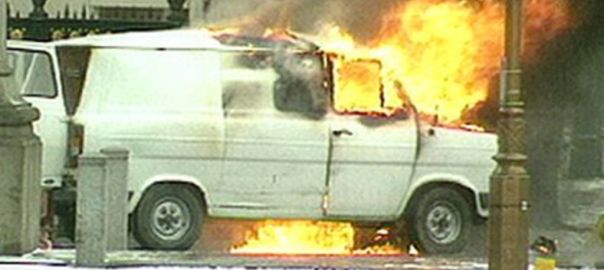
IRA Mortar Attack on Downing Street
Downing Street mortar attack
7th February 1991
—————————-
IRA mortar 10 Downing Street
—————————-
The Downing Street mortar attack was carried out by the Provisional Irish Republican Army (IRA) on 10 Downing Street, London, the official residence of the Prime Minister of the United Kingdom. The 7 February 1991 attack, an assassination attempt on John Major and his War Cabinet who were meeting to discuss the Gulf War, was originally planned to target Major’s predecessor Margaret Thatcher. Two shells overshot Downing Street and failed to explode, and one shell exploded in the rear garden of number 10. No members of the cabinet were injured, though four other people received minor injuries, including two police officers.
Background

The security gates installed in 1989 as a result of the IRA’s bombing campaign in England
During the Troubles, as part of its armed campaign against British rule in Northern Ireland, the Provisional IRA had repeatedly used homemade mortars against targets in Northern Ireland.[1][2] The most notable attack was the 1985 Newry mortar attack which killed nine members of the Royal Ulster Constabulary.[1][2] The IRA had not previously used mortars in England, but in December 1988 items used in their construction and technical details regarding the weapon’s trajectory were found during a raid in Battersea, South London conducted by members of the Metropolitan Police Anti-Terrorist Branch.[3][4] In the late 1980s British Prime Minister Margaret Thatcher was top of the IRA’s list for assassination, following the failed attempt on her life in the Brighton hotel bombing.[3] Security around Downing Street had been increased at a cost of £800,000 following increased IRA activity in England in 1988, including the addition of a police guard post and security gates at the end of the street.[5][6] Plans to leave a car bomb on a street near Downing Street and detonate it by remote control as Thatcher’s official car was driving by had been ruled out by the IRA’s Army Council owing to the likelihood of civilian casualties, which some Army Council members argued would have been politically counter-productive.[3]
Preparation
The Army Council instead sanctioned a mortar attack on Downing Street, and in mid-1990 two IRA members travelled to London to plan the attack.[3] One of the IRA members was knowledgeable about the trajectory of mortars and the other, from the IRA’s Belfast Brigade, was familiar with their manufacture.[3] An active service unit purchased a Ford Transit van and rented a garage, and an IRA co-ordinator procured the explosives and materials needed to manufacture the mortars.[3] The IRA unit began constructing the mortars and cutting a hole in the roof of the van for the mortars to be fired through, and reconnoitred locations in Whitehall to find a suitable place from which the mortars could be fired at the rear of 10 Downing Street, the Prime Minister’s official residence and office.[3][5] Once preparations were complete the two IRA members returned to Ireland, as the IRA leadership considered them to be valuable personnel and did not wish to risk them being arrested in any follow-up operation by the security services.[3] In November 1990 Margaret Thatcher unexpectedly resigned from office, but the Army Council decided the planned attack should still go ahead, targeting her successor John Major.[5] The IRA planned to attack when Major and his ministers were likely to be meeting at Downing Street, and waited until the date of a planned cabinet meeting was publicly known.[7]
The attack
———————-
IRA Mortar Attack on 10 Downing Street
———————-
On the morning of 7 February 1991, the War Cabinet and senior government and military officials were meeting at Downing Street to discuss the ongoing Gulf War. As well as the Prime Minister, John Major, those present at the meeting included politicians Douglas Hurd, Tom King, Norman Lamont, Peter Lilley, Patrick Mayhew, David Mellor and John Wakeham, civil servants Robin Butler, Percy Cradock, Gus O’Donnell and Charles Powell, and Chief of the Defence Staff David Craig.[5][8] As the meeting began an IRA member was driving the transit van to the launch site, at the junction of Horse Guards Avenue and Whitehall close to the headquarters of the Ministry of Defence, approximately 200 yards (200 m) from Downing Street,[2][7] amid a heavy snowfall.[9]
On arrival, the driver parked the van and left the scene on a waiting motorcycle.[7] Several minutes later at 10:08 am, as a policeman was walking towards the van to investigate it, three mortar shells were launched, followed by the explosion of a pre-set incendiary device. This device was designed to destroy any forensic evidence and set the van on fire.[7] Each shell was four and a half feet long, weighed 140 pounds (60 kg), and carried a 40 pounds (20 kg) payload of the plastic explosive Semtex.[10] The type of device used by the attackers was a Mark 10 homemade mortar, according to the British designation.[11] Two shells landed on a grassed area near the Foreign and Commonwealth Office and failed to explode.[2][7] The third shell exploded in the rear garden of 10 Downing Street, 30 yards (30 m) from the office where the cabinet were meeting.[7][10] Had the shell struck 10 Downing Street itself, it is probable the entire cabinet would have been killed.[10][12] On hearing the explosion the cabinet ducked under the table for cover. Bomb-proof netting on the windows of the cabinet office muffled the force of the explosion, which also scorched the rear wall of the building and made a crater several feet deep in the garden.[13][2][3]
Once the sound of the explosion and aftershock had died down, John Major said, “I think we had better start again, somewhere else.”[14] The room was evacuated and the meeting reconvened less than ten minutes later in the Cobra Room.[13][2] No members of the cabinet were injured, but four people received minor injuries, including two police officers injured by flying debris.[3][9]
Reaction
The IRA claimed responsibility for the attack with a statement issued in Dublin, saying “Let the British government understand that, while nationalist people in the six counties [Northern Ireland] are forced to live under British rule, then the British Cabinet will be forced to meet in bunkers”.[13] John Major told the House of Commons that “Our determination to beat terrorism cannot be beaten by terrorism. The IRA’s record is one of failure in every respect, and that failure was demonstrated yet again today. It’s about time they learned that democracies cannot be intimidated by terrorism, and we treat them with contempt”.[13] Leader of the Opposition Neil Kinnock also condemned the attack, stating “The attack in Whitehall today was both vicious and futile”.[9] The head of the Metropolitan Police Anti-Terrorist Branch, Commander George Churchill-Coleman, described the attack as “daring, well planned, but badly executed”.[13] Peter Gurney, the head of the Explosives Section of the Anti-Terrorist Branch who defused one of the unexploded shells, gave his reaction to the attack:[10]
It was a remarkably good aim if you consider that the bomb was fired 250 yards [across Whitehall] with no direct line of sight. Technically, it was quite brilliant and I’m sure that many army crews, if given a similar task, would be very pleased to drop a bomb that close. You’ve got to park the launch vehicle in an area which is guarded by armed men and you’ve got less than a minute to do it. I was very, very surprised at how good it was. If the angle of fire had been moved about five or ten degrees, then those bombs would actually have impacted on Number Ten.[10]
A further statement from the IRA appeared in An Phoblacht, with a spokesperson stating “Like any colonialists, the members of the British establishment do not want the result of their occupation landing at their front or back doorstep … Are the members of the British cabinet prepared to give their lives to hold on to a colony? They should understand the cost will be great while Britain remains in Ireland.”[15] The attack was celebrated in Irish rebel popular culture when The Irish Brigade released a song titled “Downing Street”, to the tune of “On the Street Where You Live“, which included the lyrics “while you hold Ireland, it’s not safe down the street where you live
……………………………………………………………………

 belfastchildis.com