Key Events & Deaths on this day in Northern Ireland Troubles 23rd March ————————————————- Tuesday…
Source: 23rd March – Deaths & Events in Northern Ireland Troubles
Key Events & Deaths on this day in Northern Ireland Troubles 23rd March ————————————————- Tuesday…
Source: 23rd March – Deaths & Events in Northern Ireland Troubles

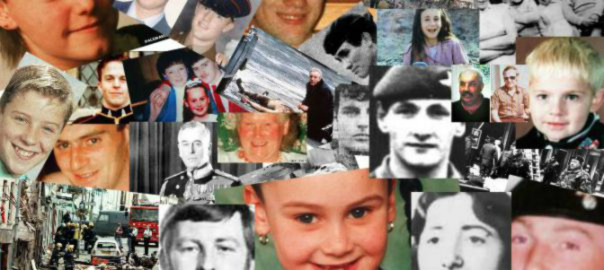
Another IRA Honey Trap Killing
Key Events & Deaths on this day in Northern Ireland Troubles
23rd March
————————————————-
Tuesday 23 March 1971
Faulkner Became Prime Minister
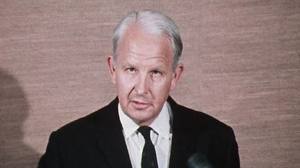
Brian Faulkner succeeds as Northern Ireland Prime Minister after defeating William Craig in a Unionist Party leadership election.
[Faulkner’s tenure of office was to prove very short.]
The Local Government Boundaries (Northern Ireland) Act became law. The Act provided for the appointment of a Boundaries Commissioner to recommend the boundaries and names of district council and ward areas.
Friday 23 March 1973
IRA Honey trap Killings

See Below for more details
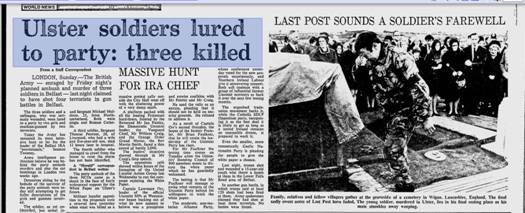
Three members of the British Army were shot dead by the Irish Republican Army (IRA) in a house in the Antrim Road, Belfast. The soldiers had been lured to the house. A Catholic civilian was shot dead by Loyalists in Belfast.
Saturday 23 March 1974
The Ulster Workers’ Council (UWC), a new Loyalist grouping, issued a…
View original post 1,258 more words


Forkhill or Forkill (from Irish: Foirceal) is a small village and civil parish in south County Armagh, Northern Ireland, in the ancient barony of Upper Orior. It is within the Ring of Gullion and in the 2011 Census it had a recorded population of 498.
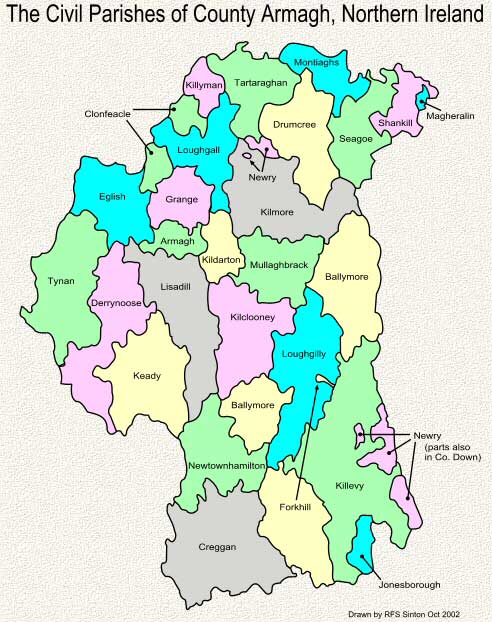
It was also one of the most dangerous and unforgiving places on earth for British soldiers and other security force personnel during the 30 year “conflict” and the South Armagh IRA seemed able to slaughtered at will and the areas nickname “Bandit Country” was written in the blood of the innocent.
———————————————-
BBC Panorama – Bandit Country, South Armagh
———————————————-
See Below for more details on the South Armagh IRA
————————————————
———————
They shall not grow old,
as we that are left grow old:
Age shall not weary them,
nor the…
View original post 6,328 more words
A short video, set to music, in memory Sergeant Michael G. Willets and all those members of HM Armed Forces murdered by Irish Terrorists. We salute you all – memory will live on forever! My…
Source: In memory Sergeant Michael Willetts, GC & all HM Armed Forces murdered by Irish Terrorists.
Remembering all our murdered Hero’s 1441 British armed force personnel died in Operation Banner During the 38 year operation, 1,441 members of the British armed forces died in Operation Banne…
Source: Operation Banner – August 1969 – July 2007

Key Events & Deaths on this day in Northern Ireland Troubles
22nd March
————————————
Wednesday 22 March 1972

Brian Faulkner, then Prime Minister of Northern Ireland, went to London to be informed of the introduction of ‘Direct Rule’.
Thursday 22 March 1979

Members of the Irish Republican Army (IRA) killed Richard Sykes (58), then British Ambassador to the Netherlands, and also his Dutch valet Krel Straub (19), in a gun attack in Den Haag, Netherlands.
The IRA carried out a series of attacks across Northern Ireland with 24 bombs exploding on same day.
Sunday 22 March 1981

Raymond McCreesh, an Irish Republican Army (IRA) prisoner in the Maze Prison, and Patsy O’Hara, then leader of Irish National Liberation Army (INLA) prisoners in the Maze, joined the hunger strike. Brian Lenihan, then Irish Foreign Minister, said that the on-going talks between the British and Irish governments could lead to a United Ireland in 10 years.
Tuesday 22 March 1983
In a district council by-election in Omagh, County Tyrone, a Sinn Féin (SF) candidate won the seat.
[This was the first local government election contested by SF during the current conflict.]
Thursday 22 March 1984
The Irish Republican Army (IRA) exploded three bombs in buildings in the centre of Belfast.
A new Prevention of Terrorism Act became law. The act allowed the Secretary of State to proscribe (declare illegal) organisations that were believed to be associated with terrorism. In addition to issue exclusion orders that prevent people from Northern Ireland travelling to other parts of the United Kingdom or from travelling from the Republic of Ireland to Northern Ireland.
The act allowed the Royal Ulster Constabulary (RUC) to arrest people without a warrant and to detain them for 48 hours, and a further five days on the authority of the Secretary of State.
Friday 22 March 1985
It was announced that Roberty Pascoe would replace Robert Richardson as Commanding Officer of the British Army in Northern Ireland as from June 1985
Sunday 22 March 1987
James Miller, a former MI5 (British Intelligence) agent, claimed that the intelligence service had helped to promote the Ulster Workers’ Council (UWC) strike of 1974 in an effort to destabilise the then Laour Government led by Harold Wilson.
Tuesday 22 March 1988

The Royal Ulster Constabulary (RUC) asked television companies (BBC, ITN and RTE) to give them untransmitted film of the incident involving the two British Army corporals on 19 March 1988.
[The television companies initially refused but later allowed the RUC access to the material. The event caused further friction between the British government and the media.]
Wednesday 22 March 1989
The new Prevention of Terrorism Act became law and allowed the authorities to check bank accounts for paramilitary funds.
Wednesday 22 March 1995

Michael Ancram, then Political Development Minister at the Northern Ireland Office (NIO), participated in a meeting between NIO officials and representatives of the Progressive Unionist Party (PUP) and Ulster Democratic Party (UDP).
Friday 22 March 1996
The Irish Republican Army (IRA) stated that there was little prospect for a renewed ceasefire.
Saturday 22 March 1997
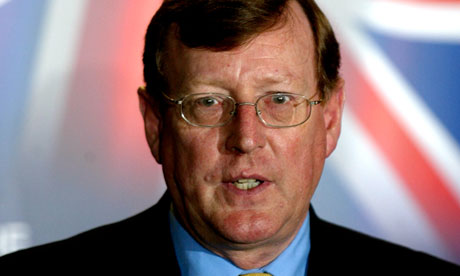
The Ulster Unionist Council of the Ulster Unionist Party (UUP) held its annual meeting in Belfast. David Trimble, then leader of the UUP, criticised “aggressive, loudmouth Unionists” without naming anyone in particular.
[Many people took this to be a reference to Ian Paisley, then leader of the Democratic Unionist Party (DUP), and the DUP issued a statement which called Trimble’s comments “vile, vicious, and venomous”.]
The Alliance Party of Northern Ireland (APNI) held its annual conference. Addressing the conference John Alderdice, then leader of APNI, warned that Northern Ireland could become “Balkanised” by conflict over parades.
Sunday 22 March 1998
Garda Síochána (the Irish police) discovered a large bomb, estimated at 1,300 pounds, in Dundalk, Republic of Ireland, which was about to be transported to a target in Northern Ireland. Two men were arrested at the scene of the discovery.
[It was initially believed that the Continuity Irish Republican Army (CIRA) was responsible for the bomb.]

The Garvaghy Road Residents Coalition (GRRC) organised a march from Park Road in Portadown, County Armagh, to a rally on the Garvaghy Road in Portadown. The march was held to highlight the continuing lack of dialogue between the Orange Order and the residents of the Garvaghy Road.
Several hundred Loyalists gathered to demonstrate against the parade and the Royal Ulster Constabulary (RUC) kept the two groups apart.
A Loyalist gang of approximately 50 men tried to enter a Nationalist estate in north Belfast but were prevented by an RUC patrol. The Loyalists then attacked the RUC car and the officers inside with petrol bombs. Reinforcements had to be called and six people were arrested.
——————————————————————
Remembering all innocent victims of the Troubles
Today is the anniversary of the death of the following people killed as a results of the conflict in Northern Ireland
“To live in hearts we leave behind is not to die
– Thomas Campbell
To the innocent on the list – Your memory will live forever
– To the Paramilitaries –
There are many things worth living for, a few things worth dying for, but nothing worth killing for.
3 People lost their lives on the 22nd March between 1979– 1987
—————————————————————————
22 March 1979
Richard Sykes, (58)
nfNIE
Status: Civilian Political Activist (CivPA),
Killed by: Irish Republican Army (IRA)
British Ambassador to the Netherlands. Shot outside his official residence, Den Haag, Netherlands.
—————————————————————————
22 March 1979
Krel Straub, (19)
nfNIE
Status: Civilian (Civ),
Killed by: Irish Republican Army (IRA)
Dutch valet to British Ambassador to the Netherlands. Shot outside the ambassador’s official residence, Den Haag, Netherlands.
—————————————————————————
22 March 1987
Kevin Duffy, (20)
Catholic
Status: Irish National Liberation Army (INLA),
Killed by: Irish People’s Liberation Organisation (IPLO)
Found shot in playground of St Brigid’s School, Nursery Road, Armagh. Irish National Liberation Army (INLA) / Irish People’s Liberation Organisation (IPLO) feud.
—————————————————————————

Key Events & Deaths on this day in Northern Ireland Troubles
23rd March
————————————————-
Tuesday 23 March 1971
Faulkner Became Prime Minister

Brian Faulkner succeeds as Northern Ireland Prime Minister after defeating William Craig in a Unionist Party leadership election.
[Faulkner’s tenure of office was to prove very short.]
The Local Government Boundaries (Northern Ireland) Act became law. The Act provided for the appointment of a Boundaries Commissioner to recommend the boundaries and names of district council and ward areas.
Friday 23 March 1973
IRA Honey trap Killings
See Below for more details
See IRA Honey Trap & death of three off duty Scottish soldiers
Three members of the British Army were shot dead by the Irish Republican Army (IRA) in a house in the Antrim Road, Belfast. The soldiers had been lured to the house. A Catholic civilian was shot dead by Loyalists in Belfast.
Saturday 23 March 1974
The Ulster Workers’ Council (UWC), a new Loyalist grouping, issued a statement calling for new elections to the Northern Ireland Assembly. The UWC threatened civil disobedience unless the Executive was dissolved.
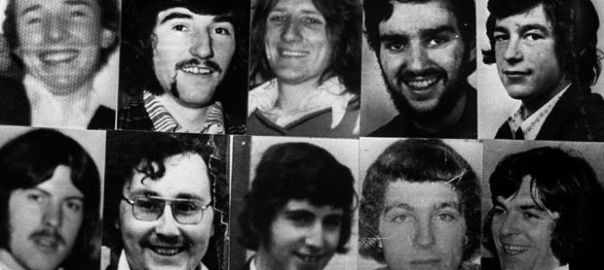
Monday 23 March 1981
Saturday 23 March 1985
The Democratic Unionist Party (DUP) held its annual conference in Castlereagh, East Belfast.

During his speech, Ian Paisley, then leader of the Democratic Unionist Party (DUP), accused the Irish government, the Social Democratic and Labour Party (SDLP), and the Catholic hierarchy of having a vested interest in Irish Republican Army (IRA) atrocities.
Monday 23 March 1987

Two Royal Ulster Constabulary (RUC) officers and a civilian employed by the Prison Sevice were killed in related incidents on the Magee Campus of the University of Ulster.
The report on the alleged ‘shoot to kill’ policy of the security forces was completed by Colin Sampson and delivered to Sir John Hermon, then Chief Constable of the Royal Ulster Constabulary (RUC).
Friday 23 March 1990 4
James Molyneaux, then leader of the Ulster Unionist Party (UUP), said that there would be no agreement on talks while Articles 2 and 3 of the Irish Constitution remained.
Peter Brooke, then Secretary of State for Northern Ireland, said that there was no question mark over the future of the Ulster Defence Regiment (UDR).
Tuesday 23 March 1993

There was a meeting of the Anglo-Irish Intergovernmental Conference (AIIC) in Belfast. The meeting agreed to increase security measures in Northern Ireland and the Republic of Ireland.
Thursday 23 March 1995

The Ulster Freedom Fighters (UFF), a cover name (pseudonym) used by the Ulster Defence Association (UDA), said its prisoners backed the ceasefire and the policies of the Ulster Democratic Party (UDP).
There was a delay in discussions between Sinn Féin (SF) and Northern Ireland Office (NIO) ministers when SF said it wished to discuss ‘demilitarisation’ rather than decommissioning of paramilitary weapons.
Saturday 23 March 1996
David Trimble, then leader of the Ulster Unionist Party (UUP) made a keynote speech at the Annual General Meeting of the Ulster Unionist Council. Sinn Féin (SF) Ard Fheis began in Ambassador Cinema in Dublin. A SF decision on taking part in the 30 May 1996 elections was left for the party’s Ard Chomhairle to make.
Monday 23 March 1998
Sinn Féin (SF) Rejoined Talks

After some initial doubts, Sinn Féin rejoined the multi-party talks at Stormont.
[Although the party had been expelled on 20 February 1998 and the date set for the return to the talks was 9 March 1998, SF had delayed until it had secured a meeting with the British Prime Minister and then decided to wait until after the St Patrick’s Day celebrations.]
The House of Commons Select Committee on Northern Ireland Affairs published a report that highlighted electoral malpractice in the region. The report drew attention to the particular problem of absent voting (postal votes) as well as a serious level of multiple registration in a number of areas.
Tuesday 23 March 1999
A man was injured by a bobby-trap bomb (grenade) as he worked at a scrapyard in Castlewellan, County Down. The attack was carried out by the Orange Volunteers (OV) a dissident Loyalist paramilitary group.

The husband of Rosemary Nelson called for an inquiry into her death, but one that was independent of the Royal Ulster Constabulary (RUC). This call followed a report by the Independent Commission on Police Complaints (ICPC), which had been investigating allegations of death threats against Rosemary Nelson made by members of the RUC. Although the report was not then published it was reported that the inquiry had run into various difficulties, including some from the chief inspector who, “appeared to have difficulties in co-operating productively” with the barrister in charge of the inquiry.
See Rosemary Nelson
[Later Ronnie Flanagan, then Chief Constable of the Royal Ulster Constabulary (RUC), said that he would publish as much as was possible of the report. The report had been prepared by Niall Mulvihill, then Commander of the Metropolitan Police in London, and had been submitted to the Director of Public Prosecutions. A ‘review’ based on the report was issued on 30 March 1999.]

Jack Straw, then British Home Secretary, challenged the release of three Irish Republican Army (IRA) prisoners arrested and convicted in England.
[This action failed but was widely criticised and put additional pressure on the peace process.]
——————————————————————
Remembering all innocent victims of the Troubles
Today is the anniversary of the death of the following people killed as a results of the conflict in Northern Ireland
“To live in hearts we leave behind is not to die
– Thomas Campbell
To the innocent on the list – Your memory will live forever
– To the Paramilitaries –
There are many things worth living for, a few things worth dying for, but nothing worth killing for.
9 People lost their lives on the 23rd March between 1972– 1987
—————————————————————————
23 March 1972

Sean O’Riordan, (13)
Catholic
Status: Irish Republican Army Youth Section (IRAF),
Killed by: British Army (BA)
Shot during petrol bomb attack on British Army (BA) foot patrol, Cawnpore Street, Falls, Belfast.
—————————————————————————
Click this link to read full News Story
—————————————————————————
Sgt Thomas Penrose. Aged 28.
While off duty and with two friends S/Sgt Barrington Foster. aged 28 Duke Of Edinburgh Regiment and Sgt Michael Muldoon. aged 25 Royal Army Dental Corps, were lured to a house by some women on the pretext of a party in the Antrim Road Area of Belfast, The IRA were waiting for them and executed the three Men on the 24-03-1973.
See IRA Honey Trap & death of three off duty Scottish soldiers
—————————————————————————
23 March 1973
Thomas Penrose, (28)
nfNI
Status: British Army (BA),
Killed by: Irish Republican Army (IRA)
Off duty. Shot shortly after being lured to house, Antrim Road, Belfast
Click this link to read full News Story
See IRA Honey Trap & death of three off duty Scottish soldiers
—————————————————————————
23 March 1973
Barrington Foster, (28)
nfNI
Status: British Army (BA),
Killed by: Irish Republican Army (IRA)
Off duty. Shot shortly after being lured to house, Antrim Road, Belfast.
Click this link to read full News Story
See IRA Honey Trap & death of three off duty Scottish soldiers
—————————————————————————
23 March 1973
Michael Muldoon, (25)
nfNI
Status: British Army (BA),
Killed by: Irish Republican Army (IRA)
Off duty. Shot shortly after being lured to house, Antrim Road, Belfast
Click this link to read full News Story
See IRA Honey Trap & death of three off duty Scottish soldiers
—————————————————————————
.
23 March 1974
Donald Farrell, (56)
Protestant
Status: ex-British Army (xBA),
Killed by: Irish Republican Army (IRA)
From Northern Ireland. Recently retired from British Army (BA) . Shot while sitting in his stationary car, near to his home, Mountfield, near Omagh, County Tyrone.
—————————————————————————
23 March 1985
John Corcoran, (45)
nfNIRI
Status: Irish Republican Army (IRA),
Killed by: Irish Republican Army (IRA)
From County Cork. Found shot Ballincollig, near Cork. Alleged informer.
See: IRA Internal Security Unit – Nutting Squad
—————————————————————————
23 March 1987

Leslie Jarvis, (62)
Protestant
Status: Civilian (Civ),
Killed by: Irish Republican Army (IRA)
Civilian employed at Magilligan Prison. Shot in car park outside Magee College of Further Education, Rock Road, Derry.
—————————————————————————
23 March 1987

Austin Wilson, (35)
Protestant
Status: Royal Ulster Constabulary (RUC),
Killed by: Irish Republican Army (IRA)
Killed by booby trap bomb hidden in briefcase, which exploded when called to the scene of a shooting at the car park of Magee College of Further Education, Rock Road, Derry.
—————————————————————————
23 March 1987

John Bennison, (41)
Protestant
Status: Royal Ulster Constabulary (RUC),
Killed by: Irish Republican Army (IRA)
Killed by booby trap bomb hidden in briefcase, which exploded when called to the scene of a shooting at the car park of Magee College of Further Education, Rock Road, Derry
—————————————————————————.

Key Events & Deaths on this day in Northern Ireland Troubles
21st March
————————————————
Tuesday 21 March 1972
Direct Rule
Saturday 21 March 1981

Tomás Ó Fiaich, then Catholic Primate of Ireland, issued a statement calling upon the Irish Republican Army (IRA) to end its use of violence.
Monday 21 March 1983
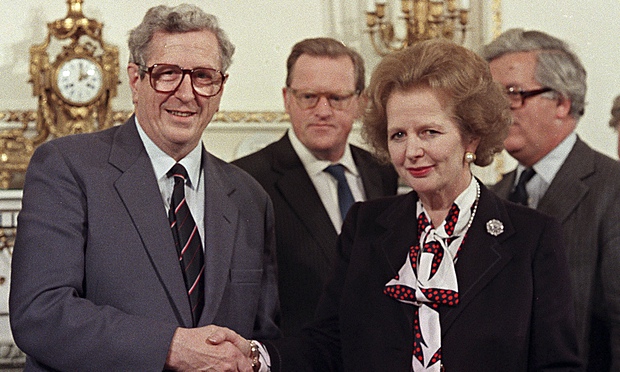
Margaret Thatcher, then British Prime Minister, held a brief meeting with Garret FitzGerald, then Taoiseach (Irish Prime Minister), at an European Economic Community (EEC) summit meeting.
This was Thatcher’s first meeting with a Taoiseach in over 15 months.
Saturday 21 March 1987
Alan Dukes was elected as leader of Fine Gael.
Monday 21 March 1994
Loyalists set alight the car belonging to Joe Hendron, then Social Democratic and Labour Party (SDLP) MP, which was parked outside his south Belfast home.

It was reported that there were angry exchanges between Ian Paisley, then leader of the Democratic Unionist Party (DUP), and John Major, then British Prime Minister, at 10 Downing Street, London.
[There were also reports that Paisley together with some of his colleagues temporarily locked themselves into a toilet at No.10.]
Thursday 21 March 1996

John Major, then British Prime Minister, announced details of elections to be held on 30 May 1996. The elections were designed to decide which parties would take part in all-party negotiations on 10 June 1996. The elections were also to elect delegates to the proposed Forum. The Forum was to be made up of 110 delegates, 90 elected directly and 20 ‘top-up’ seats from the 10 parties polling the most votes.
The Social Democratic and Labour Party (SDLP) and Sinn Féin (SF) both criticised the proposals.
Friday 21 March 1997

Brendan Smyth, a Catholic priest convicted of child sex abuse, was released from prison in Northern Ireland and then extradited to the Republic of Ireland to face further charges of abusing children.
Saturday 21 March 1998
David Trimble, then leader of the Ulster Unionist Party (UUP), delivered a key note speech at the Annual General Meeting of the Ulster Unionist Council.
——————————————————————
Remembering all innocent victims of the Troubles
Today is the anniversary of the death of the following people killed as a results of the conflict in Northern Ireland
“To live in hearts we leave behind is not to die
– Thomas Campbell
To the innocent on the list – Your memory will live forever
– To the Paramilitaries –
There are many things worth living for, a few things worth dying for, but nothing worth killing for.
6 People lost their lives on the 21st March between 1974– 1996
—————————————————————————
21 March 1974

Gerard McCarthy, (28)
Catholic
Status: Civilian (Civ),
Killed by: non-specific Loyalist group (LOY)
Shot while travelling in his firm’s lorry, shortly after leaving his workplace, Duncrue Street, Belfast.
—————————————————————————
21 March 1975
David Halliday, (60)
Protestant
Status: Civilian (Civ),
Killed by: Ulster Volunteer Force (UVF)
Died four months after being shot during armed robbery at Northern Bank, junction of Lyle Street and Crumlin Road, Belfast. He was injured on 18 November 1974.
—————————————————————————
21 March 1980
Sean Walker, (18)
nfNI
Status: British Army (BA),
Killed by: Irish Republican Army (IRA)
Died two weeks after being injured in remote controlled bomb attack on British Army (BA) foot patrol, Crossmaglen, County Armagh.
—————————————————————————
21 March 1987
Emmanuel Gargan, (25)
Catholic
Status: Irish National Liberation Army (INLA),
Killed by: Irish People’s Liberation Organisation (IPLO)
Shot while in Hatfield Bar, Ormeau Road, Belfast. Irish National Liberation Army / Irish People’s Liberation Organisation feud.
—————————————————————————
21 March 1988

Clive Graham, (25)
Protestant
Status: Royal Ulster Constabulary (RUC),
Killed by: Irish Republican Army (IRA)
Shot by sniper while at Royal Ulster Constabulary (RUC) Vehicle Check Point (VCP), Inniscarn Road, Creggan, Derry.
—————————————————————————
21 March 1996

Thomas Sheppard, (41)
Protestant
Status: Ulster Volunteer Force (UVF),
Killed by: Ulster Volunteer Force (UVF)
Shot, while in Towers Tavern, Ballee, Ballymena, County Antrim. Internal Ulster Volunteer Force (UVF) dispute.
—————————————————————————

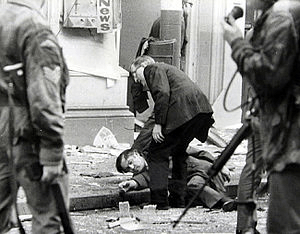

The Donegall Street bombing took place in Belfast, Northern Ireland on 20 March 1972 when the Provisional IRA detonated a massive car bomb in Lower Donegall Street in the city centre just before noon when the street was crowded with shoppers, office workers, and many schoolchildren.
Seven people were killed in the explosion, including two members of the Royal Ulster Constabulary (RUC), who said they had evacuated people to what was considered to have been a safe area following misleading telephone calls, which had originally placed the device in a nearby street. They asserted that when the last call finally identified Donegall Street as the site of the bomb, there wasn’t enough time to clear the street. The Provisional IRA Belfast Brigade admitted responsibility for the bomb, which also injured 148 people, but claimed that the security forces had deliberately misrepresented the warnings in order to maximise the casualties. This was one of the first car bombs the IRA used in their armed campaign
— Disclaimer –
The views and opinions expressed in this post/documentaries are soley intended to educate and provide background information to those interested in the Troubles of Northern Ireland. They in no way reflect my own opinions and I take no responsibility for any inaccuracies or factual errors.

On Monday 20 March 1972, at 11.45 a.m., a local carpet dealer received a telephone call with a warning that a bomb would explode in Belfast city centre’s Church Street which was crowded with shoppers, office workers on lunch breaks, and schoolchildren.
British Army troops and the RUC were alerted and immediately began to evacuate the people into nearby Lower Donegall Street. The second call to the Irish News newspaper seven minutes later also gave Church Street as the location for the device. When a final call came at 11.55 advising the Unionist News Letter newspaper that the bomb was instead placed outside its offices in Lower Donegall Street to where the crowds were being sent, the warning arrived too late for the security forces to clear the street.
The staff working inside the News Letter were told by the caller that they had 15 minutes in which to leave the building, but they never had a chance to evacuate.
.JPG)
The carbomb exploded outside The News Letter offices located at 55-59 Donegall Street
At 11.58 a.m. a 100 pounds (45 kg) gelignite bomb exploded inside a green Ford Cortina parked in the street outside the offices of the News Letter, shaking the city centre with the force of its blast, and instantly killing the two RUC constables, Ernest McAllister (31) and Bernard O’Neill (36), who had been examining the vehicle.
The remains of the two policemen’s bodies, which had been blown to pieces, were allegedly found inside a nearby building. Minutes earlier they had been helping to escort people away from Church Street.
The powerful explosion sent a ball of flame rolling down the street and a pall of black smoke rose upwards. The blast wave ripped into the crowds of people who had run into Donegall Street for safety, tossing them in all directions and killing another four men outright: three of them, Ernest Dougan (39), James Macklin (30) and Samuel Trainor (39) were corporation binmen working in the area, and the fourth man was Sydney Bell (65).
Trainor was also an off-duty Ulster Defence Regiment (UDR) soldier and a member of the Orange Order. A seriously wounded pensioner, Henry Miller (79) would die in hospital on 5 April. Most of the bodies of the dead were mutilated beyond recognition; one of the binmen lay in the road with his head shattered. With the exception of Constable O’Neill, who had been a Catholic, the other six victims were Protestants.
The explosion blew out all the windows in the vicinity, sending shards of glass into people’s faces and bodies as they were hit by falling masonry and timber; severed limbs were hurled into the road and into the mangled front of an office building. The ground floor of the News Letter offices and all buildings in the area suffered heavy damage. The News Letter library in particular sustained considerable damage with many priceless photographs and old documents destroyed.
Around the blast’s epicentre, the street resembled a battlefield. About one hundred schoolgirls lay wounded on the rubble-strewn, bloody pavement covered in glass and debris, and screaming in pain and fright. A total of 148 people were injured in the explosion, 19 of them seriously, including people who had lost eyes and were badly maimed.[9] Among the injured were many News Letter staff.
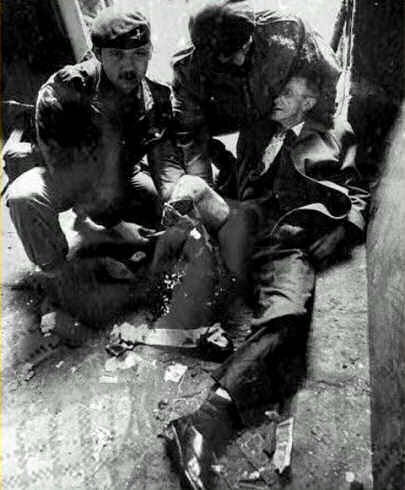
One of the wounded was a child whose injuries had been so severe that a rescue worker at the scene assumed the child had been killed. One young woman lost both legs; she was photographed by Derek Brind of the Associated Press as a British Paratrooper held her in his arms.
Passerby Frank Heagan witnessed the explosion and came upon what was left of two binmen who had been “blown to pieces”. He added that
“there was blood everywhere and people moaning and screaming. The street was full of girls and women all wandering around”.
The injured could be heard screaming as the ambulances transported them to hospital; emergency amputations were performed at the scene.
One policeman angrily denounced the attack by stating:
“This was a deliberate attempt to kill innocent people. The people who planted it must have known that people were being evacuated into its path”.
Whilst the security forces and firemen pulled victims from the debris in Donegall Street, two more bombs went off elsewhere in the city centre; however, nobody was hurt in either attack.
That same day in Derry, a British soldier, John Taylor was shot dead by an IRA sniper. In Dublin, the IRA’s Chief of Staff, Sean MacStiofain suffered burns to his face and hands after he had opened a letter bomb sent to him through the post. Cathal Goulding, head of the Official IRA also received a letter bomb but escaped injury by having dismantled the device before it exploded.
This was amongst the first carbombs that the Provisional IRA had used during The Troubles in its militant campaign to force a British military withdrawal and reunite the six counties of Northern Ireland with the rest of the island of Ireland.
It was part of the IRA’s escalation of violence to avenge the Bloody Sunday killings in which 13 unarmed Catholic civilian men were killed by the British Army’s Parachute Regiment when the latter opened fire during an anti-internment demonstration held in Derry on 30 January 1972.

Lower Donegall Street in 2007, looking south

The bombing had been carried out by a North Belfast unit of the Provisional IRA’s Third Battalion Belfast Brigade. The OC of the Brigade at that time was the volatile Seamus Twomey, who had ordered and directed the attack.
On 23 March, the IRA admitted responsibility for the bomb with one Belfast Brigade officer later telling a journalist
“I feel very bad when the innocent die”.
The IRA, however, tempered the admission by claiming that the caller had given Donegall Street as the correct location for the bomb in all the telephone calls and that the security forces had deliberately evacuated the crowds from Church Street to maximise the casualties.
The IRA’s official statement claiming responsibility for the blast was released through the Irish Republican Publicity Bureau. It read as follows:
“Proper and adequate warnings have been given before all our operations. This practice will continue. Several warnings have been changed by the British security forces in order to cause maximum civilian casualties. ‘This was the principal factor for the tragic loss of life and heavy civilian casualties in Donegall Street on Monday last'”.
Tim Pat Coogan suggested that the IRA had overestimated the security forces’ capacity to deal with multiple bomb scares, adding that in all probability, the caller had been young, nervous, and inexperienced.
It was also alleged that the bombers had intended to leave the carbomb in Church Street but were unable to find a parking place and instead left it in Donegall Street.
——————————–
——————————–
—————————————————————————
20 March 1972

Ernest McAllister, (31)
Protestant
Status: Royal Ulster Constabulary (RUC),
Killed by: Irish Republican Army (IRA)
Killed in car bomb explosion, Donegall Street, Belfast. Inadequate warning given.
—————————————————————————
20 March 1972
Bernard O’Neill, (36)
Catholic
Status: Royal Ulster Constabulary (RUC),
Killed by: Irish Republican Army (IRA)
Killed in car bomb explosion, Donegall Street, Belfast. Inadequate warning given
—————————————————————————
20 March 1972
Ernest Dougan, (39)
Protestant
Status: Civilian (Civ),
Killed by: Irish Republican Army (IRA)
Killed in car bomb explosion, Donegall Street, Belfast. Inadequate warning given
—————————————————————————
20 March 1972
Samuel Trainor, (39)
Protestant
Status: Ulster Defence Regiment (UDR),
Killed by: Irish Republican Army (IRA)
Off duty. Killed in car bomb explosion, Donegall Street, Belfast. Inadequate warning given.
—————————————————————————
20 March 1972
James Macklin, (30)
Protestant
Status: Civilian (Civ),
Killed by: Irish Republican Army (IRA)
Killed in car bomb explosion, Donegall Street, Belfast. Inadequate warning given.
—————————————————————————
20 March 1972
Sydney Bell, (65)
Protestant
Status: Civilian (Civ),
Killed by: Irish Republican Army (IRA)
Killed in car bomb explosion, Donegall Street, Belfast. Inadequate warning given
—————————————————————————
20 March 1972
Henry Miller, (79)
Protestant
Status: Civilian (Civ),
Killed by: Irish Republican Army (IRA)
Injured in car bomb explosion, Donegall Street, Belfast. Inadequate warning given. He died 5 April 1972
—————————————————————————
The attack was condemned by church leaders in Ireland of all denominations. The Official IRA issued a statement disassociating itself from the bombing which it “condemned in the strongest possible terms”.
Two days prior to the bombing, William Craig, founder and leader of the Unionist Vanguard movement, had held a rally at Belfast’s Ormeau Park attended by 100,000 loyalists where he had made the following speech that struck fear in many people from the Catholic community:
“We [Ulster Vanguard] must build up a dossier of the men and women who are a menace to this country. Because if and when the politicians fail us, it may be our job to liquidate the enemy”.
The next day, 30,000 Catholics paraded through Belfast to Ormeau Park where they held their own rally in protest at Craig’s threatening speech. Republican Labour Party leader Paddy Kennedy promised that any Protestant backlash against Catholics:
“would be met by a counter-backlash by the Irish people”.
According to Ed Moloney, the bombing had been considered a disaster for the IRA. Coming so soon after the horrific Abercorn Restaurant bombing which had killed two young Catholic women and maimed many others, the Donegall Street bombing caused them to lose considerable support from the Catholic and Nationalist community who recoiled from the carnage the bombing had wrought.
The IRA followed the Donegall Street attack two days later with a carbomb at a carpark adjacent to Great Victoria Street railway station and close to the Europa Hotel. Although seventy people were treated in hospital for injuries received mainly by flying glass, there were no deaths. The blast caused considerable damage to two trains, parked vehicles, the hotel, and other buildings in the area.
On 24 March, to the profound shock and anger of loyalists and Unionists, British Prime Minister Edward Heath announced the suspension of the 50-year-old Stormont parliament and the imposition of Direct Rule from London.
The Donegall Street bombing led to the closure of traffic in the Royal Avenue shopping district and the erection of security gates which put a “ring of steel” around Belfast city centre.
Although many members of IRA Active Service Units were rounded up by police in the wake of the attack, none of the bombers were ever caught nor was anybody ever charged in connection with the bombing.
In her 1973 book To Take Arms: My Life With the IRA Provisionals, former IRA member Maria McGuire described her sentiments following the Donegall Street bombing,
“I admit at the time I did not connect with the people who were killed or injured in such explosions. I always judged such deaths in terms of the effect they would have on our support – and I felt that this in turn depended on how many people accepted our explanation”.

Key Events & Deaths on this day in Northern Ireland Troubles
20th March
——————————————————–
Monday 20 March 1972

The Irish Republican Army (IRA) exploded a car-bomb in Lower Donegall Street, Belfast bomb, which killed 6 people, mortally wounded one person who died on 5 April, and injured approximately 100 others.
Two of those killed were Royal Ulster Constabulary (RUC) officers who were trying to evacuate people from the area. Another of those killed was a member of the Ulster Defence Regiment (UDR) and the rest were Protestant civilians.
Tuesday 20 March 1973

A government White Paper entitled ‘Northern Ireland Constitutional Proposals‘ was published which proposed a devolved power-sharing 78 member assembly in Northern Ireland and a Council of Ireland.
The election would take place under Proportional Representation (PR) and Westminster would retain the powers relating to law and order matters. These proposals followed on from a discussion paper that had been issued on 30 October 1972 entitled ‘The Future of Northern Ireland’.
[There was an element in Unionist political opinion which was opposed to the idea of power-sharing and still favoured majority rule as the only basis for government. However, the idea of close links with the Republic of Ireland through the proposed Council of Ireland was one which would prove problematic to many Unionists.]
Wednesday 20 March 1974
Two British soldiers were shot dead by mistake by the Royal Ulster Constabulary (RUC) at Mowhan, near Markethill, County Armagh.
The soldiers were believed to be part of an undercover operation but this was denied by Merlyn Rees, then Secretary of Sate for Northern Ireland.
Friday 20 March 1981

Patrick McNally (20), a Catholic civilian, was shot dead by the Ulster Defence Regiment (UDR), while he was ‘joy riding’ in a stolen car on the Ross Road in the Lower Falls Road area of Belfast. [ 1981 Hunger Strike.]
Monday 20 March 1989

Harry Breen, who was then a Chief Superintendent of the Royal Ulster Constabulary (RUC), and Ken Buchanan, who was then a Superintendent, were both killed in an Irish Republican Army (IRA) ambush as they crossed the border in South Armagh.
Friday 20 March 1992

John Hume, then leader of the Social Democratic and Labour Party (SDLP), and Gerry Adams, then President of Sinn Féin (SF), took part in a debate on BBC radio.
Saturday 20 March 1993
Warrington Bombs

The Irish Republican Army (IRA) exploded two small bombs in litter bins in Bridge Street, Warrington, England, killing Johnathan Ball aged 3 years and mortally wounding Timothy Parrry aged 12 years who died on 25 March 1993.
[The IRA had provided inadequate warnings which resulted in the deaths and the 56 injuries. The killings of the two boys led to public protests in England and in the Republic of Ireland against paramilitary violence. The killings also led to the establishment of Initiative ’93.]
See Warrington Bomb
Sunday 20 March 1994

The Irish Republican Army (IRA) fired a mortar at a British Army (BA) base in Crossmaglen, south Armagh, causing an army helicopter to crash.
Monday 20 March 1995

James Kilfedder, the Ulster Popular Unionist Party (UPUP) MP, died while in London.
[His death led to a Westminster by-election on 15 June 1995 in the North Down constituency.]
Wednesday 20 March 1996
Dick Spring, then Tánaiste (deputy Irish Prime Minister and Minister for Foreign Affairs), had a briefing with Patrick Mayhew, then Secretary of State for Northern Ireland, on plans for elections in Northern Ireland. Dick Spring refused to publicly support the plans.
Thursday 20 March 1997

It was announced on behalf of Roisín McAliskey, then being held in prison awaiting a decision about extradition, that she would stand as a ‘unity candidate’ in Mid-Ulster in the general election.
[On 23 March 1997 McAliskey’s name was withdrawn as neither Sinn Féin (SF) nor the Social Democratic and Labour Party (SDLP) were prepared to stand down.]
Friday 20 March 1998
The centre of Derry was cleared for four hours while the British Army defused a bomb.
[It was claimed that a Republican challenged two Continuity Irish Republican Army (CIRA) members as they planted the bomb in the Northern Bank in Guildhall Square, Derry.
It was also claimed that one of the CIRA men pulled out a gun to stop anyone interfering with them.]

————————
Resurrection Man
————————
The film Resurrection Man went on general release in Northern Ireland. The film was based on the killings carried out by of the Ulster Volunteer Force (UVF) ‘Shankill Butchers’ gang.
[There was a mixed response to the film, some people accused the film-makers of dredging up painful memories for the relatives of those killed while others felt that the events were a legitimate subject for the cinema.]
Saturday 20 March 1999

A 13 year-old boy was badly injured in a Loyalist paramilitary ‘punishment’ attack by a gang of masked men in Newtownards, County Down.
The boy who received a broken arm and broken fingers was ordered to leave the area by the gang.
[The boy was one of the youngest people to be the subject of a ‘punishment’ attack.]

In a speech to the Annual General Meeting of the Ulster Unionist Council (UUC), David Trimble, then leader of the Ulster Unionist Party (UUP), assured delegates that there would be Irish Republican Army (IRA) decommissioning.
Trimble was heckled during his speech.
His supporters dominated the election to the vice presidents’ positions, but three of the four honorary secretaries elected were supporters of the dissident Union First group.
Jim Nicholson, then UUP MEP, narrowly won the backing of delegates to continue as the UUP vice-president. Nicholson had earlier admitted that he had had an extra-marital affair.
Gerry Adams, then President of Sinn Féin (SF), was also guardedly optimistic, saying that SF would try to find “some accommodation”.

The funeral procession of Frankie Curry, a prominent dissident member of the Red Hand Commando (RHC) who had been shot dead on 17 March 1999, passed down the Shankill Road in Belfast and was watched by hundreds of people.
——————————————————————
Remembering all innocent victims of the Troubles
Today is the anniversary of the death of the following people killed as a results of the conflict in Northern Ireland
“To live in hearts we leave behind is not to die
– Thomas Campbell
To the innocent on the list – Your memory will live forever
– To the Paramilitaries –
There are many things worth living for, a few things worth dying for, but nothing worth killing for.
17 People lost their lives on the 20th March between 1972– 1993
—————————————————————————
20 March 1972
Ernest McAllister, (31)
Protestant
Status: Royal Ulster Constabulary (RUC),
Killed by: Irish Republican Army (IRA)
Killed in car bomb explosion, Donegall Street, Belfast. Inadequate warning given.
—————————————————————————
20 March 1972
Bernard O’Neill, (36)
Catholic
Status: Royal Ulster Constabulary (RUC),
Killed by: Irish Republican Army (IRA)
Killed in car bomb explosion, Donegall Street, Belfast. Inadequate warning given
—————————————————————————
20 March 1972
Ernest Dougan, (39)
Protestant
Status: Civilian (Civ),
Killed by: Irish Republican Army (IRA)
Killed in car bomb explosion, Donegall Street, Belfast. Inadequate warning given
—————————————————————————
20 March 1972
Samuel Trainor, (39)
Protestant
Status: Ulster Defence Regiment (UDR),
Killed by: Irish Republican Army (IRA)
Off duty. Killed in car bomb explosion, Donegall Street, Belfast. Inadequate warning given.
—————————————————————————
20 March 1972
James Macklin, (30)
Protestant
Status: Civilian (Civ),
Killed by: Irish Republican Army (IRA)
Killed in car bomb explosion, Donegall Street, Belfast. Inadequate warning given.
—————————————————————————
20 March 1972
Sydney Bell, (65)
Protestant
Status: Civilian (Civ),
Killed by: Irish Republican Army (IRA)
Killed in car bomb explosion, Donegall Street, Belfast. Inadequate warning given
—————————————————————————
20 March 1972
Henry Miller, (79)
Protestant
Status: Civilian (Civ),
Killed by: Irish Republican Army (IRA)
Injured in car bomb explosion, Donegall Street, Belfast. Inadequate warning given. He died 5 April 1972
—————————————————————————
20 March 1972
John Taylor, (19)
nfNI
Status: British Army (BA),
Killed by: Irish Republican Army (IRA)
Shot by sniper while on British Army (BA) foot patrol, William Street, Derry.
—————————————————————————
20 March 1973
Bernard McErlean, (16)
Catholic
Status: Civilian (Civ),
Killed by: non-specific Loyalist group (LOY)
Shot from passing car while walking along Grosvenor Road, Belfast.
—————————————————————————
20 March 1974
Michael Herbert, (31)
nfNI
Status: British Army (BA),
Killed by: Royal Ulster Constabulary (RUC)
Shot, in error, while sitting in stationary British Army (BA) civilian type van, Mowhan, near Markethill, County Armagh.
—————————————————————————
20 March 1974
Michael Cotton, (36)
nfNI
Status: British Army (BA),
Killed by: Royal Ulster Constabulary (RUC)
Shot, in error, while sitting in stationary British Army (BA) civilian type van, Mowhan, near Markethill, County Armagh.
—————————————————————————
20 March 1981
Patrick McNally, (20)
Catholic
Status: Civilian (Civ),
Killed by: Ulster Defence Regiment (UDR)
Shot while travelling in stolen car, Ross Road, Lower Falls, Belfast
—————————————————————————
20 March 1989

Robert Buchanan, (55)
Protestant
Status: Royal Ulster Constabulary (RUC),
Killed by: Irish Republican Army (IRA)
Shot while travelling in Royal Ulster Constabulary (RUC) armoured patrol car, Edenappa, near Jonesborough, County Armagh.
—————————————————————————
20 March 1989

Harry Breen, (51)
Protestant
Status: Royal Ulster Constabulary (RUC),
Killed by: Irish Republican Army (IRA)
Shot while travelling in Royal Ulster Constabulary (RUC) armoured patrol car, Edenappa, near Jonesborough, County Armagh.
—————————————————————————
20 March 1990

William McClure, (44)
Protestant
Status: Civilian (Civ),
Killed by: Irish People’s Liberation Organisation (IPLO)
Shot at his home, Skegoneill Avenue, Skegoneill, Belfast.
—————————————————————————
20 March 1993

Jonathan Ball, (3)
nfNIB
Status: Civilian (Civ),
Killed by: Irish Republican Army (IRA)
Killed when two bombs placed in litter bins exploded, Bridge Street, Warrington, England. Inadequate warning given.
See Warrington Bombs
—————————————————————————
20 March 1993

Timothy Parry, (12)
nfNIB
Status: Civilian (Civ),
Killed by: Irish Republican Army (IRA)
Injured when two bombs placed in litter bins exploded, Bridge Street, Warrington, England. Inadequate warning given. He died 25 March 1993.
See Warrington Bombs
—————————————————————————


 belfastchildis.com