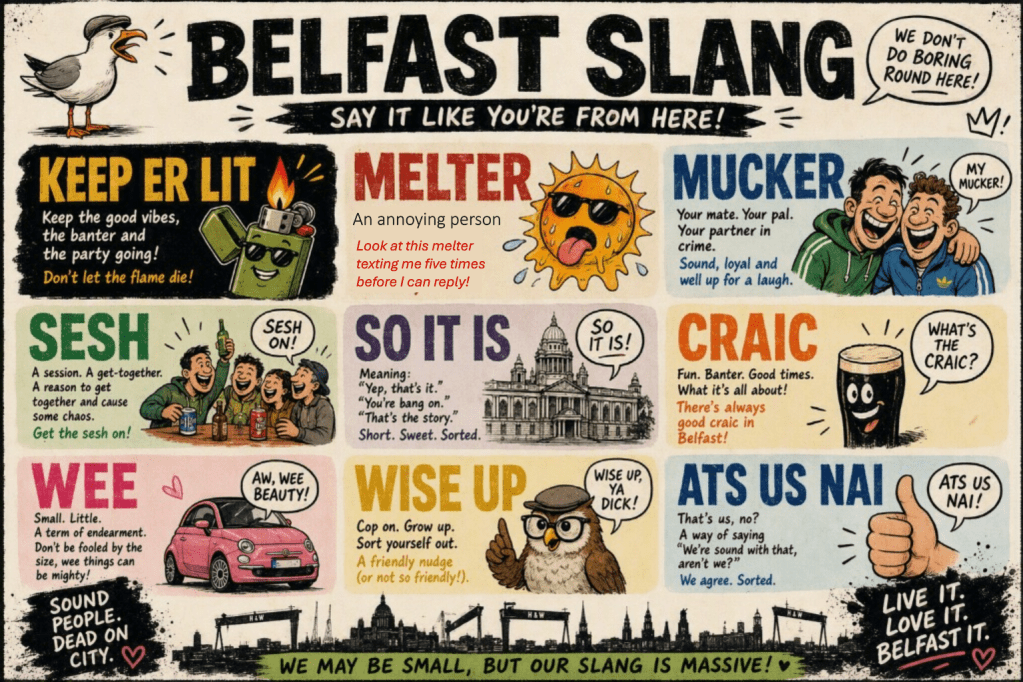
Belfast slang is in a league of its own , so it is, and that’s a big part of the city’s craic. The accent and the banter have been shaped by Irish, Scots, and English influences, so if you’re not from here it can sound a wee bit strange at first and might do yer head in. Some words and phrases might confuse youse, and you might think that ballbeg is slabberin but once you get used to it you won’t be ascared anymore and yer man might become your best mucker. So shut your bake and catch yourself on and we’ll go to the offie and get loads of beer and have a mad sesh 😉
A lot of these slang terms are starting to fade a bit, but there are still some crackers in here, including plenty I still use every day. Some are unique to Belfast, while others are heard more across Northern Ireland, or Ireland as a whole. I’ve highlighted the ones I’ve used since childhood in red , most should feel familiar to people from my generation who have grown in Belfast or other areas of Northern Ireland and Scotland.
The Belfast and Northern Ireland slang list below reflects the region’s distinctive humour, warmth, and everyday culture. Many terms describe people, such as eejit, buck eejit, tube, melter, and hallion, while others capture common experiences, like being banjaxed (exhausted or broken), scundered (embarrassed), ragin’ (angry), or wrecked (very tired). Social life features heavily, with words like sesh, swall, parful, and steamin’ relating to nights out and drinking. Everyday conversations are filled with expressions such as bout ye?, what’s the craic?, catch yourself on, wise up, and keep er lit, which reflect the friendly, humorous, and often sarcastic nature of local speech. The frequent use of affectionate terms like wee, mucker, da, ma, and yer man adds character to the dialect, while phrases such as sure, this is it, so it is, and aye are deeply woven into everyday conversation. Altogether, these 100 slang terms paint a vivid picture of Belfast life, combining wit, storytelling, community spirit, and a talent for turning ordinary situations into good craic. ☘️😄
Here are 100 Belfast /N.I slang terms with a brief description of meaning:
#
Term
Meaning
Example Sentence
1
A Poke
An Ice-cream cone
I’m away for a poke from the ice cream van
2
A Score
£20
Can ye lend me a score?
3
Ach
Expression of disappointment or dismissal
Ach, never mind.
4
Ascared
Afraid or scared
The wee lad was ascared of the dog.
5
Ats Us Nai
We’re done/finished
Pub’s closing, ats us nai.
6
Awful Sleekit
Sneaky or sly
He’s awful sleekit around money.
7
Aye
Yes
Aye, I’ll be there.
8
Bake
Face
Look at the state of your bake!
9
Ballbeg
Fool or nuisance
Don’t be a ballbeg.
10
Baltic
Freezing cold
It’s baltic out there.
11
Banjaxed
Broken or exhausted
My car’s banjaxed.
12
Banter
Playful joking
The banter was excellent.
13
Beezer
Brilliant, great
That concert was beezer.
14
Big Lad/Man
A man
A big man or a small man. Basically just any man.
15
Boggin’
Revolting or dirty
That smell is boggin’.
16
Boke
To feel sick or vomit
That nearly made me boke.
17
Bout Ye?
How are you?
Bout ye, mate?
18
Boys a Dear
Expression of surprise
Boys a dear, that’s expensive!
19
Buck Eejit
Complete idiot
The buck eejit lost his keys again.
20
Catch Yourself On
Stop being ridiculous
Catch yourself on!
21
C’mere
Listen to this
C’mere till I tell ye.
22
Courtin’
Dating
They’re courtin’.
23
Da
Dad
My da loves football.
24
Dander
A wee walk
Let’s go for a dander.
25
Dead-On
Great, reliable ,
he’s dead-on ,so he is
26
Dirtbird
Someone who is promiscuous
Don’t be going near him, he’s a dirtbird
27
Does My Head In
Annoys me
You’re doing my feckin head in
28
Dosser
Lazy person
He’s a complete dosser.
29
Eejit
Fool
You eejit!
30
Face Like a Slapped Arse
Looking miserable
You’ve a face like a slapped arse.
31
Faffin’
Wasting time
Stop faffin’ about.
32
Fair Dig
One on one fight
Lets settle this with a fair dig
33
Feck
Mild swear word
Feck, I’ve missed the bus.
34
Feg
Cigarette
Have ye a spare feg?
35
Foundered
Very cold
I’m foundered standing here.
36
Fruit
Odd or gay person
He’s a bit of a fruit.
37
Geg
Joke or laugh
That was some geg.
38
Giro
Benefits payment
His giro arrived today.
39
Give My Head Peace
Leave me alone
Give my head peace, will ye?
40
Gob
Mouth
Shut your gob.
41
Gutties/Guddies
A pair of trainers
Nice guddies.
42
Gurnin’
Complaining
He’s always gurnin’.
43
Hallion
Rascal
That wee hallion broke the fence.
44
Here’s Me Wha
Listen to this
Here’s me wha, you’ll never guess.
45
Hoak
Search through
Have a hoak in the drawer.
46
I’ll Run Ye Over
To give you a lift
I’ll run ye over to the shop.
47
Jammie
Lucky
You jammie beggar.
48
Jammy
Lucky
She’s jammy winning that raffle.
49
Keep Er Lit
Keep the fun going
Keep er lit tonight!
50
Kex
Male underwear
I need a pair of new kex for my big date
51
Leapin
Disgusting
That toilet is leapin
52
Ma
Mum
My ma’s making dinner.
53
Melter
Annoying person
He’s a melter.
54
Messages
Grocery shopping
I’m away for the messages.
55
Milly
A Belfast working class girl
She’s a Shankill Milly.
56
Minger
Unattractive person or thing Ugly
You’re such a minger
57
Mucker
Friend
Alright mucker?
58
Mullarkey
Nonsense
That’s pure mullarkey.
59
Neb
Nose
Mind your neb.
60
Norn Iron
Northern Ireland
Proud of Norn Iron.
61
Offie
Off-licence shop
Going to the offie for drinks.
62
Oh Mummy
Surprise or shock
Oh mummy, look at that!
63
Oul-Doll
Wife, mother or older woman
My oul-doll’s waiting on me.
64
Parful
Very drunk
He was parful last night.
65
Peeler
Police officer
The peelers are here.
66
Piece
Sandwich
Make me a wee piece will ye
67
Pull
Successfully chat up someone
I pulled at the disco late night
68
Ragin’
Furious
He’s ragin’ about it.
69
Reddener
Embarrassing moment
That was a proper reddener.
70
Ride
Attractive person
Everyone says she’s a good ride.
71
Scrounger
Someone after freebies
He’s a scrounger.
72
Scundered
Embarrassed
I was scundered after falling over.
73
Sesh
Drinking session
Big sesh tonight.
74
Slabber
Talk nonsense or cheek
Stop slabbering.
75
Slagging
Teasing
We’re only slagging ye.
76
So It Is
Added for emphasis
It’s warm today, so it is.
77
Sound
Nice, reliable
He’s sound enough.
78
Split
Leave quickly
Let’s split before it rains.
79
Spoof
Exaggeration or bluff
He’s spoofing again.
80
Spoon
Fool
He’s an annoying spoon.
81
State of Ye
You look terrible
State of ye this morning!
82
Steamin’
Extremely drunk
She was steamin’.
83
Sure, This Is It
That’s how it is
Sure, this is it.
84
Thunder Thighs
Humorous nickname for a sexy girl
Thunder Thighs was at the disco
85
Tube
Idiot
You’re a tube.
86
Up to High Doh
Very excited or anxious
She’s up to high doh.
87
Wee
Small
A wee cup of tea? Used for everything
88
Wee Buns
Easy
That exam was wee buns.
89
What’s the Craic?
What’s happening?
What’s the craic tonight?
90
Wick
Stupid, useless
That new Glentoran kit is wick
91
Wind Yer Neck In
Calm down/Shut up
Wind yer neck in.
92
Windee
Window
Open the windee.
93
Wise Up
Stop being silly
Wise up, will ye?
94
Yarn
A story
Tell us a yarn.
95
Yeo
Celebration shout
Yeo! We won!
96
Yer Man
That man
Yer man owns the shop.
97
Yoke
Thing or object
Pass me that yoke.
98
Yousins / Yous
You people
What are yousins doing later?
99
Swall
Alcohol
There’ll be plenty of swall.
100
Wrecked
Very tired
I’m absolutely wrecked after work.
If Ive missed any out please leave a comment at the bottom of page and I’ll add them asap.
☘️ Common Belfast Accent Features
The Belfast accent is one of the most distinctive accents in the UK and Ireland. It varies across different parts of the city, but these are some of the most common features you’ll hear.
1. “Aye” Instead of “Yes”
One of the most famous Northern Irish words.
Yes → Aye
“Aye, I’ll be there later.”
Pronounced like: eye
2. The “R” Is Stronger
Belfast speakers often pronounce their R sounds more clearly than many English accents.
Car → carrr
Far → farrr
The R can sound slightly rolled or tapped.
3. Short “I” Sounds Become “Oi”
Some words containing “i” sound different.
Examples:
Right → roight
Night → noight
Time → toime
Not everyone speaks this way, but it appears in stronger Belfast accents.
4. “About” Sounds Like “Aboot” or “Aboat”
The “ou” sound often changes.
About → aboot / aboat
House → hoose
This is particularly noticeable to visitors.
5. Fast Speech Rhythm
Belfast people often speak quickly and link words together.
For example:
“How are you?” becomes “Howerye?”
or
“What are you doing?” becomes “Whatcha doin’?”
6. Dropping the “G”
Words ending in -ing often lose the final “g”.
Standard English
Belfast
Walking
Walkin’
Talking
Talkin’
Slabbering
Slabberin’
Gurning
Gurnin’
7. “Th” Can Become “D” or “T”
Some speakers soften “th” sounds.
Examples:
That → Dat
This → Dis
Three → Tree
More noticeable in some neighbourhoods than others.
8. The Famous Rising Tone
Many Belfast speakers end sentences with their voice rising slightly, making statements sound almost like questions.
For example:
“I was in town yesterday?”
even though they’re not asking a question.
9. Use of “Wee”
Perhaps the most famous Belfast word.
Everything can be wee:
A wee cup of tea
A wee walk
A wee car
A wee favour
It often means “small” but can also simply make something sound friendlier.
10. Local Pronunciations
Word
Belfast Pronunciation
Craic
Crack
Eejit
EE-jit
Mucker
MUCK-er
Scundered
SKUN-derd
Peeler
PEE-ler
Norn Iron
NORN EYE-urn
Yousins
YOO-zinz
Banjaxed
BAN-jakst
Example Belfast Conversation
Belfast Accent:
“Bout ye, mucker? What’s the craic? It’s baltic out there, so it is. We’ll go for a wee dander later if ye want.”
Standard English:
“How are you, mate? What’s happening? It’s freezing cold outside. We’ll go for a short walk later if you’d like.”
The Belfast accent is known for being friendly, expressive, and full of humour, which is one reason Belfast slang and storytelling are so memorable. ☘️😄
☘️ Belfast Accent vs Other Irish Accents
Although people outside Ireland often group Irish accents together, the Belfast accent is quite distinct from accents found in Dublin, Cork, Galway, Donegal, and other parts of Ireland.
🔵 1. Belfast Sounds More Scottish-Inspired
Because of centuries of connections between Ulster and western Scotland, the Belfast accent shares some features with Scottish accents.
For example:
Word
Belfast
Typical Southern Irish
House
Hoose
House
About
Aboot / Aboat
About
Now
Nai
Now
This Scottish influence is much less noticeable in Dublin, Cork, or Galway accents.
🟢 2. Belfast Is Often Sharper and Faster
Many southern Irish accents sound more flowing and melodic.
Belfast speech is often:
Faster
More abrupt
More energetic
More heavily stressed
For example:
Belfast
“Bout ye? What’s the craic?”
may sound quick and punchy.
Cork
“Howya, boy?”
often sounds more musical and drawn out.
🟡 3. Belfast Uses Different Slang
While some Irish slang is shared across the island, Belfast has many unique terms.
Belfast
Meaning
Eejit
Fool
Banjaxed
Broken
Scundered
Embarrassed
Mucker
Friend
Peeler
Police officer
Wee
Small
Someone from Cork or Kerry may understand these but use different local expressions.
🟣 4. Belfast Pronounces Some Vowels Differently
Words containing “i” often sound different.
Examples:
Standard
Belfast
Right
Roight
Time
Toime
Night
Noight
This feature is much stronger in Belfast than in most southern accents.
🔴 5. Dublin Sounds Different Again
Dublin accents can vary enormously.
A strong inner-city Dublin accent sounds very different from Belfast:
Belfast
“Aye, dead on.”
Dublin
“Yeah, grand.”
The vocabulary alone often gives away where someone is from.
🟠 6. Belfast Has the Famous “Wee”
Perhaps the biggest giveaway.
People in Belfast use wee constantly:
Wee cup of tea
Wee dog
Wee walk
Wee favour
Visitors often notice that even very large things can be called “wee.”
“That’s our wee shopping centre.”
when the shopping centre is enormous.
⚪ 7. Belfast “R” Sounds Are Stronger
Compared with many southern Irish accents, Belfast often has a more pronounced R sound.
Examples:
Car
Far
Park
The R is usually heard clearly rather than softened.
🟤 8. Belfast Intonation Is Unique
Many Belfast speakers use distinctive rises and falls in pitch that can make statements sound almost like questions.
Example:
“I was in town yesterday?”
To outsiders, it can sound like the speaker is constantly asking questions.
Quick Comparison
Feature
Belfast
Dublin
Cork
Scottish influence
Strong
Low
Very low
Uses “wee” constantly
✅
❌
❌
“Aye” for yes
✅
Sometimes
Rarely
Fast, punchy delivery
✅
Varies
Less common
Strong Ulster slang
✅
❌
❌
Distinct “oi” sounds
✅
Usually no
Usually no
Example Phrase
Belfast:
“Bout ye, mucker? What’s the craic? It’s baltic, so it is.”
Dublin:
“Howya? What’s the story? It’s freezing.”
Cork:
“How’s it going, boy? Fierce cold today.”
All three mean roughly the same thing, but a local could usually tell within seconds which part of Ireland the speaker comes from. ☘️
Things I miss ( and some I don’t ) from home – Belfast
Ok so here’s a list of things I love and miss from home , food and drink I grew up with which are still firm favorites and will be known to all Belfast/Northern Ireland folk the world over. And the good news is you can actually order some of these iconic foods online , including Veg Roll ( who knew ) , Dulse and my fav Tayto Cheese and Onion. So if you have a husband or wife originally from Belfast/Norther Ireland you could bring a smile to their face and the taste of childhood memories. See individual listings for order details were available.
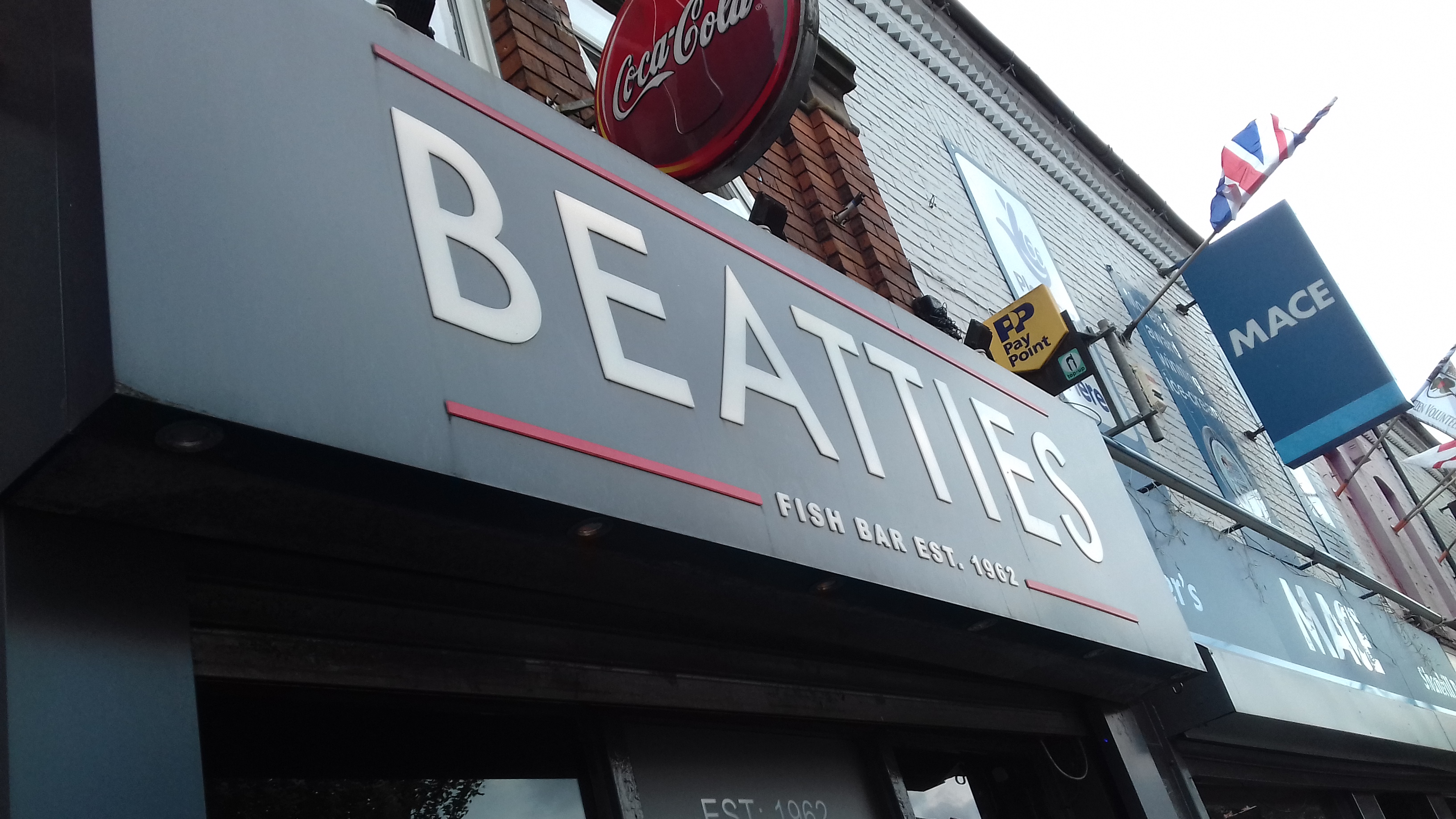
Having just returned from a trip home, working on my forthcoming book and taking in the glorious 12th whilst there I’ve feasted on many of these childhood favorites and so I’m not missing them as much as usual, but give it a few weeks/months and I’d sell my granny for a Pastie Supper from Beatties on the Shankill after a few jar in The Royal or Blues.
The list is a work in progress, so if you notice something missing please email me, leave a comment below or send me a Tweet .
And a MASSIVE BIG thank you to all my Twitter friends whom helped me compile the list and offered many comments and suggestion along the way – I couldn’t have done it without you guys helping me – so Thank You All.
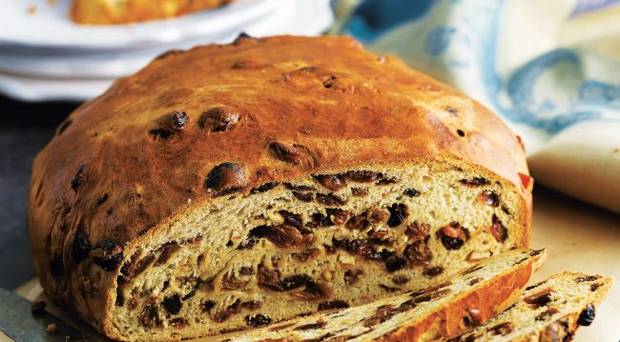
Barmbrack is a yeasted bread with added sultanas and raisins and has long been a favorite of Northern Ireland folk.
It is usually sold in flattened rounds and served toasted with butter. The dough is sweeter than sandwich bread, but not as rich as cake, and the sultanas and raisins add flavour and texture to the final product.
I loved this toasted when I was younger , the smell of hot sultanas and raisins was to die for.
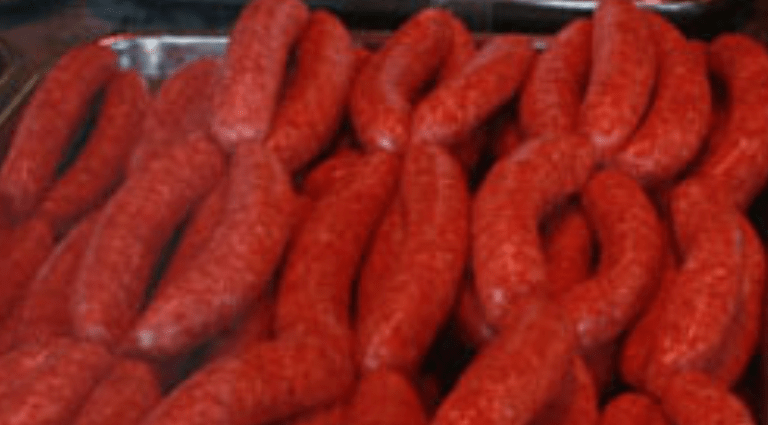
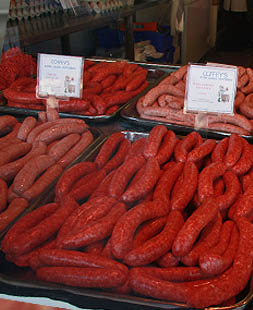
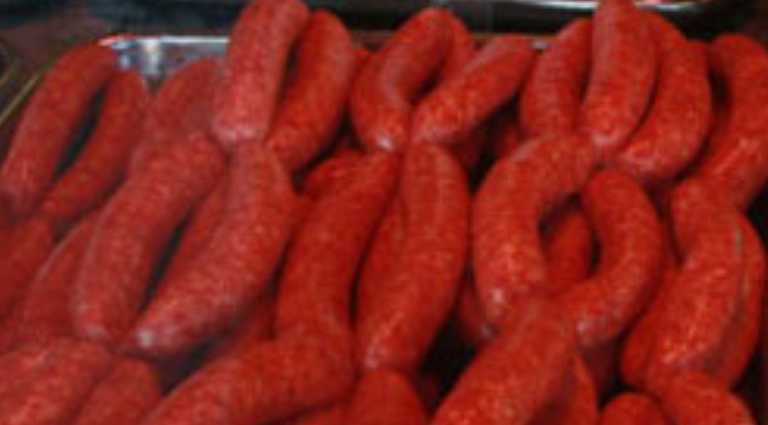
Although beef sausages are available all over the UK the ones from Belfast and my childhood remain a firm favorite and no Ulster Fry is complete without one or two in my humble opinion. I do love a sausage now and again , but I’m very fussy and only eat the top brands or those infused with herbs. cheese , onions, peppers or spices etc . But given a choice I would give them all up for one from home.
——————————————————————————
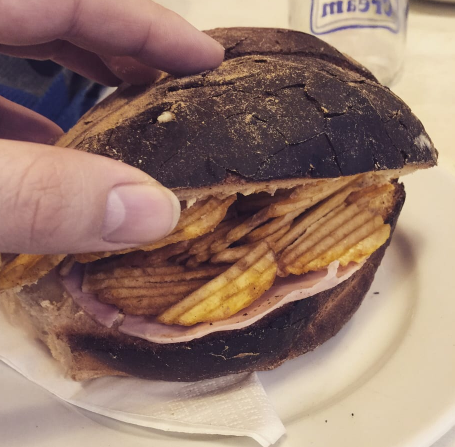
Belfast Bap
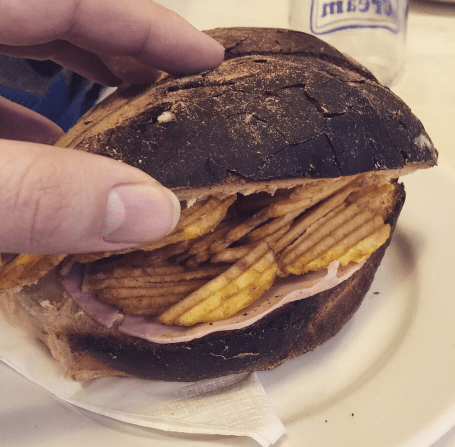
Big, crusty bread famed throughout Northern Ireland and Belfast the stuff of legends and a firm favorite for generations of Norm Iron folk.
Often split in the middle and stuffed full of any filling you like , a pastie, crisps or some folk like Dulse in them, but that’s just wrong in my book.
——————————————————————————
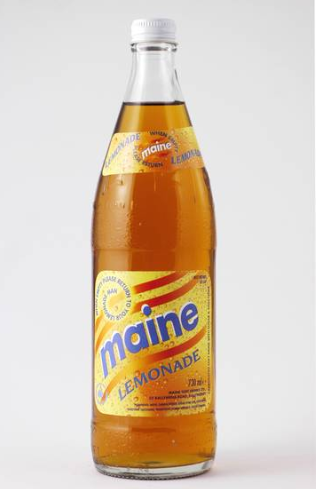
Brown Lemonade
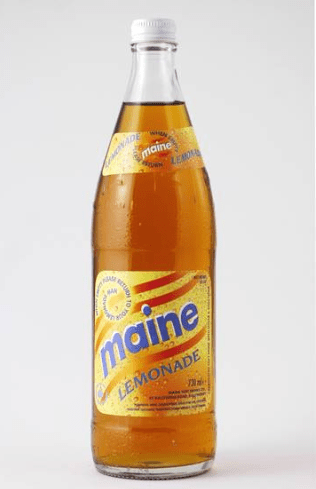
Brown Lemonade is a brown coloured lemonade flavoured fizzy soft drink sold in Northern Ireland. It is made by companies such as Cantrell & Cochrane (C&C) and by Maine.
When I first moved to London and went drinking in the bars and clubs I couldn’t believe that none of them sold or had heard of brown Lemonade. Grrrr……..
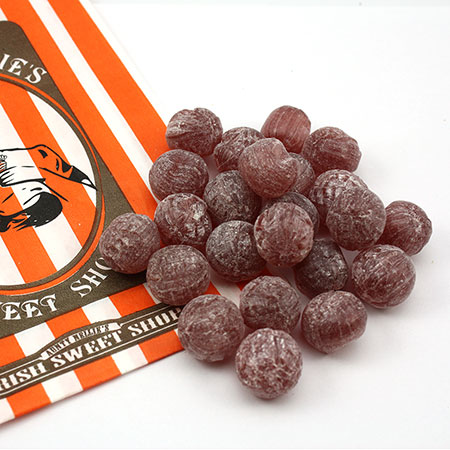
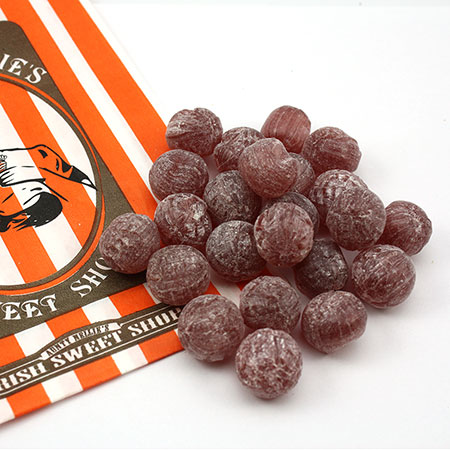
Brandy Balls, a traditional Irish hard boiled sweet, with a sweet brandy hint about them and a taste that transports me back to 1970’s Belfast.
My granddad always seemed to have an endless supply of these in his “magic ” pockets , which held all sorts of weird and wonderful things he would randomly produce. Looking back I think he sucked them so me Granny wouldn’t smell the smoke on him & as he was supposed to have stopped and he’d get a telling off.
————————————————————————-
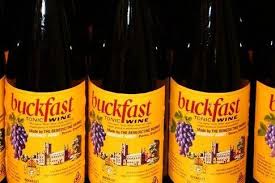
Buckfast
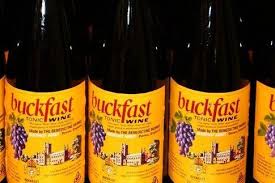
Buckfast Tonic Wine is a caffeinated fortified wine originally made by monks at Buckfast Abbey in Devon, England, now made under a licence granted by the monastery, and distributed by J. Chandler & Company in the United Kingdom and Richmond Marketing Ltd in Ireland.
This stuff is legendary and splits the crowd big style. I’d drank it when I was younger back in Belfast , but had not had it in ages. So whilst I was home ( working on my book & taking in the 12th 2019 ) I decided to try a bottle, small to be fair. But I’d been on the Shankill drinking all day and by the time I drank it , mid afternoon I was already pissed outta my head. To be fair i had drank about 15 pints of Harp & countless Gin n Tonics. Anyways I lost a few hours of my life and had little memory of what i got up to during this sad period. Ive been informed that I was drinking like there was no tomorrow in the Royal, The Blues and various other pubs in and around the Shankill. How I managed to stay conscious long enough to watch the Bonfires is a mystery, but I did have a monster hangover whilst watching the bands on the 12th
See my Tweet below , posted whilst I could still stand, just .
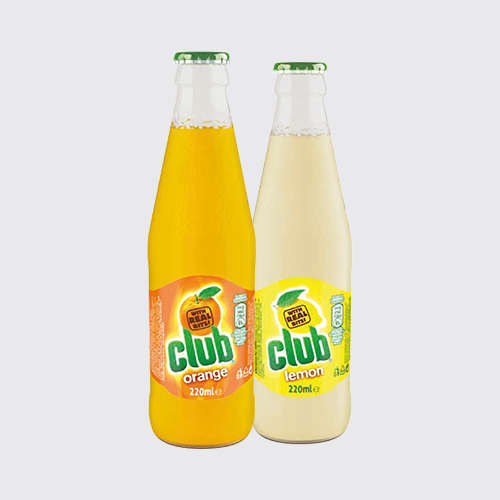
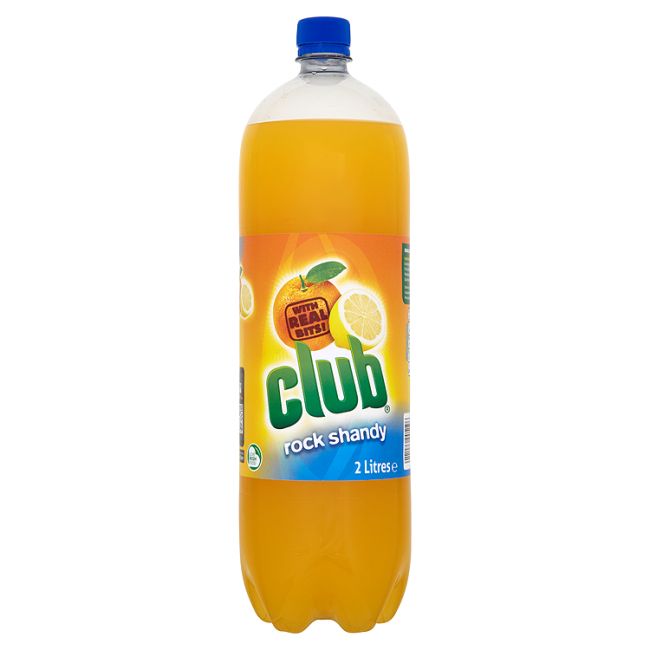
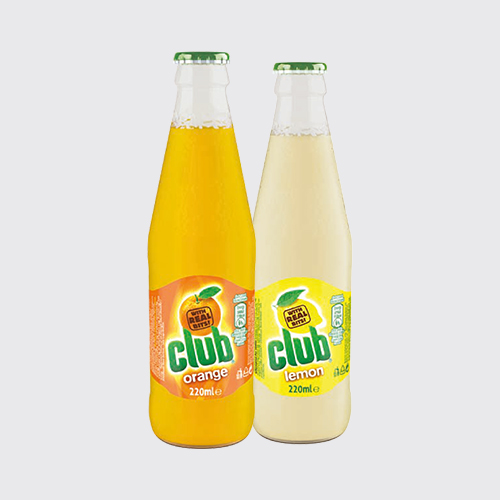
Club is the brand name for a series of Irish carbonated soft
drinks produced in Ireland by Britvic Ireland and previously by Cantrell &
Cochrane (C&C). It is bottled by the Britvic plant in Dublin. The series
includes Club Orange, Club Lemon, Club Rock Shandy (a mixture of the orange and
lemon flavours) and Club Apple soft drinks.
History :
Club Orange, an orange flavoured carbonated drink, was the first
orange fruit juice to appear on the Irish market. It was launched in the late
1930s, with the formula refined since then to its present state. The name Club
derives from the Kildare Street Club in Dublin, which commissioned C&C to
make an orange-flavoured drink. In 1960, Club Lemon was introduced as a sister
product, and in the 2000s several other flavours were added to the range.
In 2004 C&C relaunched Club Lemon, which now also contains vesicles. Over the years a number of drinks have appeared under the Club label, including Club Orange and Cranberry, Club Berry, and Club Apple. Diet and sugar free versions were also produced.
Not a lot I can say about this apart from it was a childhood favorite and there were always a few bottles lurking about in the cupboard or fridge at home. Its got a unique flavor that I’ve never tasted in an fizzy orange drink elsewhere in the world!
————————————————————————-
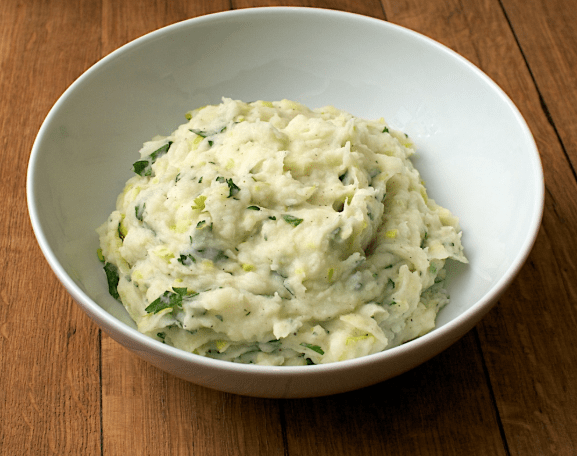
Champ
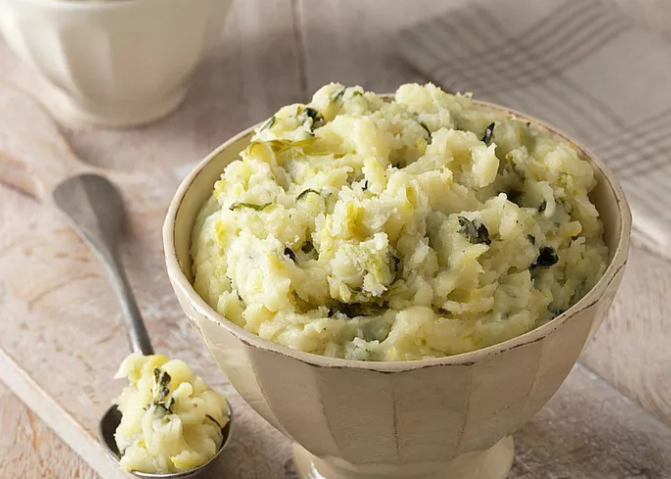
Champ is an Irish dish, made by combining mashed potatoes and
chopped scallions with butter, milk and optionally, salt and pepper. As
recently as the mid-20th century it was sometimes made with stinging nettle
rather than scallions but this is rarely seen now
I never liked this for some reason and when my wee granny use to make it when I was a kid in Glencairn back in the early 70’s I’d wait until she’d left the room and then throw it in the bin or dog, whichever was closer. My wee granny wasn’t the kind of person to take cheek from a nipper like me and i’d have been in trouble if I’d complaint about the food. Plus i loved her and didn’t want to hurt her feelings.
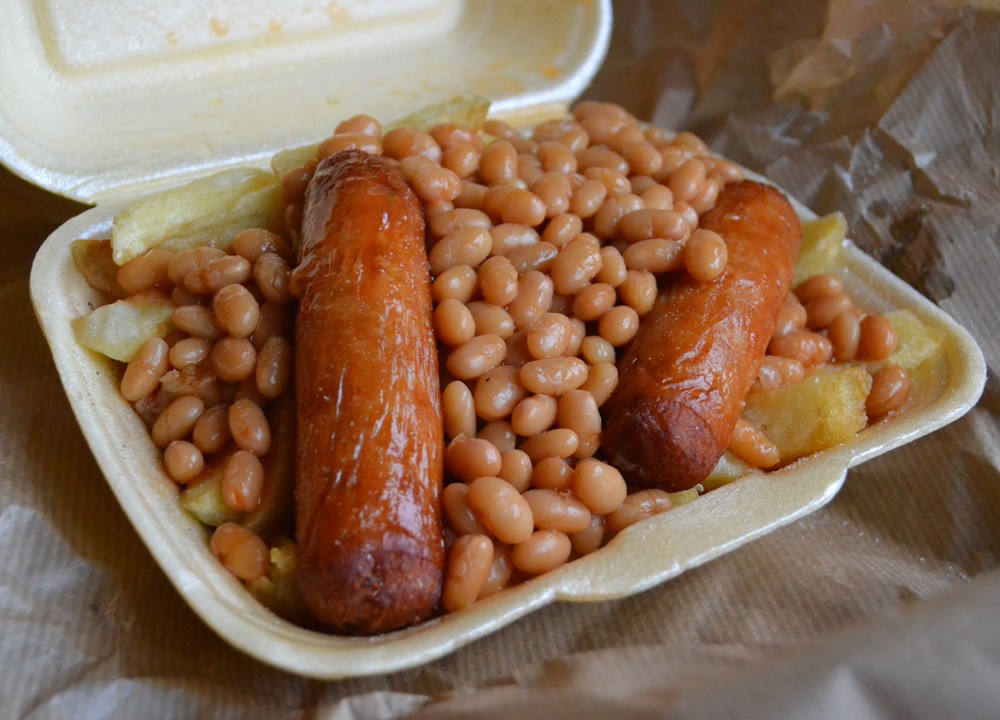
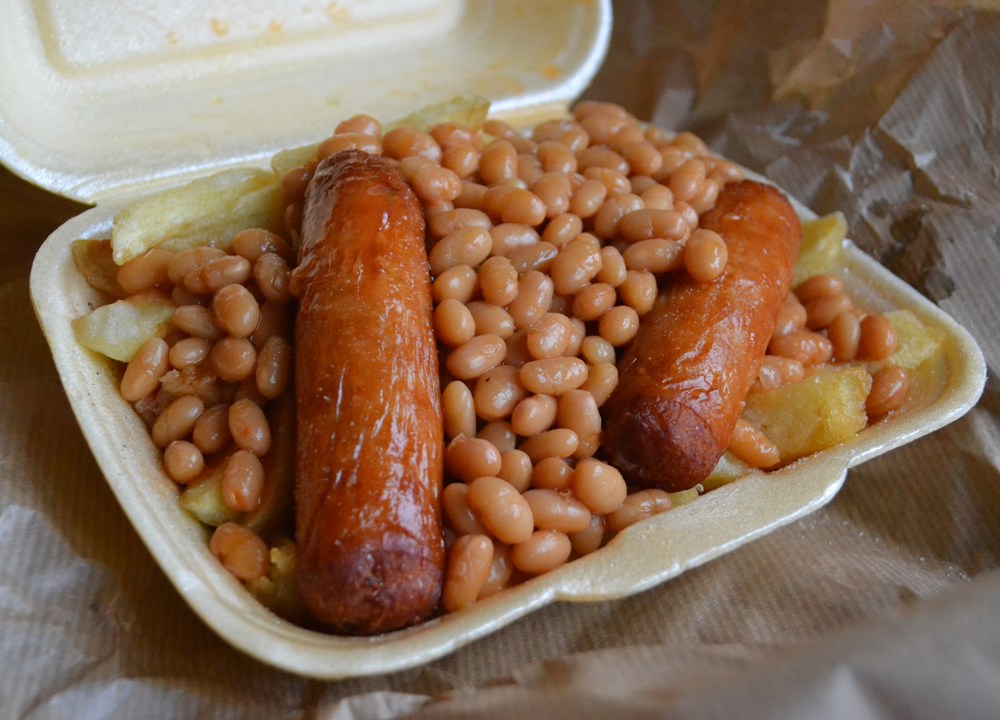
Cowboy supper (plural cowboy suppers). (Northern Ireland ) A meal of sausages, baked beans, and chips or mashed potatoes.
Ok this one’s not strictly traditional Northern Ireland cuisine but once again a firm childhood favorite and a treat on a Friday night when me Da got paid. Once again plastered in HP sauce and a Belfast Bap to make a piece ( Northern Ireland slang for sandwich ) beans and all!
The wife often makes it now, but with posh sausages , caramelized onions , mash and she tries to get me to have it with carrots or some other veg, but sometimes I rebel and much to the amusement of her and the kids I insist on having it with beans ,the taste of my childhood
————————————————————————-
Dulse
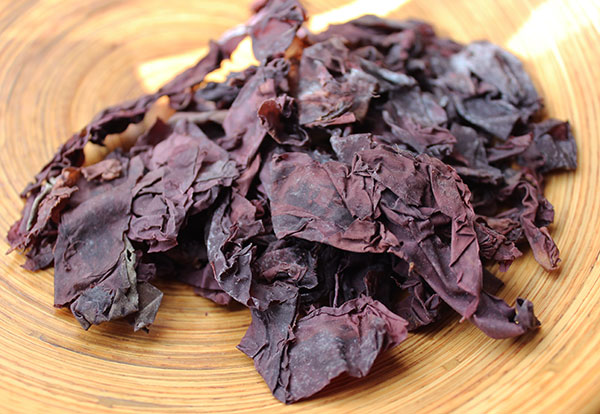
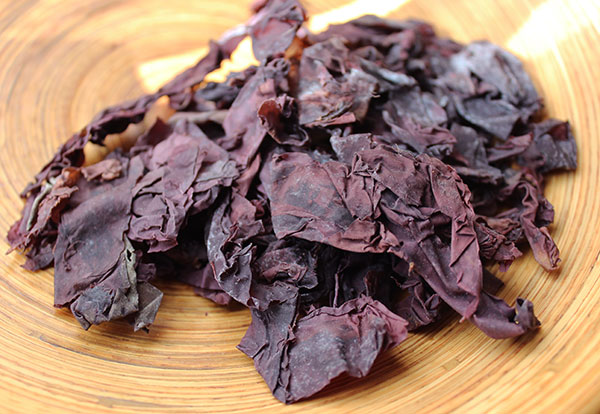
Dulse (Palmaria Palmata) is a wild seaweed that grows on the North Atlantic coast of Britain. Its Gaelic name is duileasg, and the fronds are long and membranous with a dark reddish-purple translucent hue. It formed part of a regular diet for coastal-dwelling communities in Scotland and Northern Ireland for centuries, as it is highly rich in vitamins and minerals, and a good source of protein. It is a very versatile ingredient; it can be eaten raw, having a salty flavour and chewy texture, like a natural chewing gum. It can also be dried and consumed as a snack or added to broths and stews to enhance the flavour and act as a thickener. It can be boiled for several hours into a pulp which has a porridge-like consistenc
Always loved this as a child growing up in Belfast and it was one of my
favourite childhood snacks. We use to get it in Bangor , Millisle and Donaghadee and it was served in
a small white paper bag and fresh from the sea, covered in dry salt. My mum and
many others would make a sandwich (piece in Northern Ireland slang ) and eat it
like this, but I thought that was gross !
Nowadays it seems harder to come across and it just doesn’t taste as
good as what I remember.
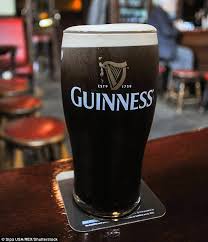
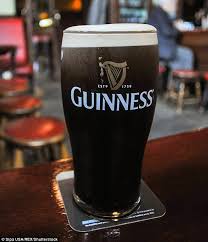
Guinness is a dark Irish dry stout that originated in the
brewery of Arthur Guinness at St. James’s Gate, Dublin, Ireland, in 1759. It is
one of the most successful beer brands worldwide, brewed in almost 50
countries, and available in over 120.
Now I know its controversial, an Irish man not liking the the “ Black Stuff”, but I have a good excuse , trust me!
When I was in my teens my granda use to take me down the Woodvale/Shankill whilst he put a few bets on the horses and watched the results as he supped a few beers in the bars. I was always given a coke and told to be quiet whilst he watched ( and lost on ) the races. As I got a bit older I kept on and on at him to let me have a “real” drink and so one day in order to shut me up he got me a half pint of Guinness . One sip and I hated it, but he insisted I drank the lot and I was sick as dog afterwards.
So that’s why I can’t stand the “Back Stuff “
The perfect pint of Guinness
————————————————————————-
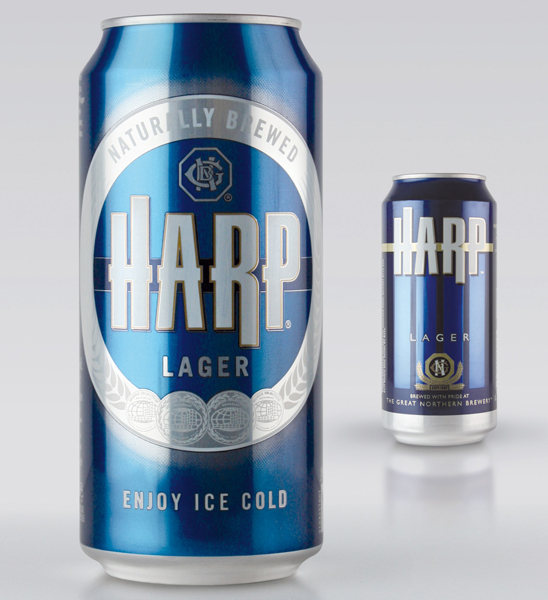
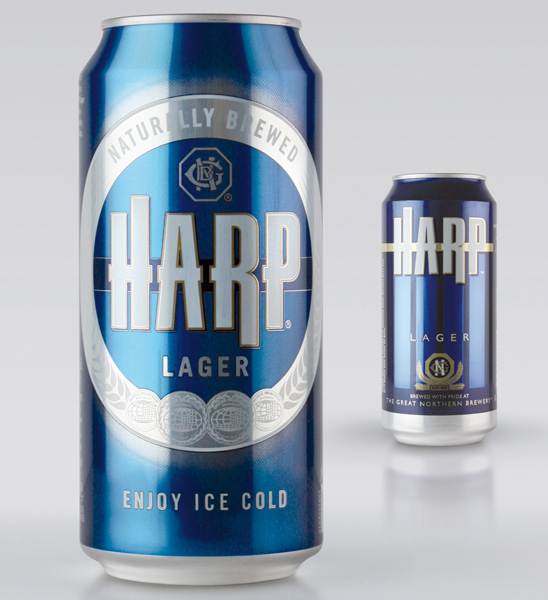
Harp
Harp Lager is an Irish lager created in 1960 by Guinness in
its Great Northern Brewery, Dundalk. It is a major lager brand throughout most
of the North of Ireland, but is a minor lager brand in the rest of the
Republic.
What can I say apart from the taste of Belfast in a glass. The crowd is split on this one, but I’ve always enjoyed it and any time I’m home it’s my drink of choice , apart from gin off course
A pint of Harp and packet of dates please Harp Lager TV Ad 1992
————————————————————————-
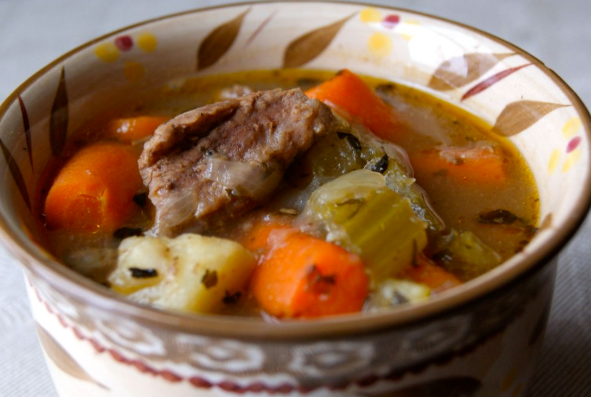
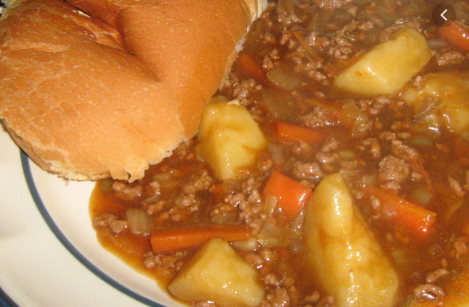
Irish Stew
Irish stew is any variety of meat and root vegetable stew native to Ireland. As in all traditional folk dishes, the exact recipe is not consistent from time to time, or place to place. Common ingredients include lamb, or mutton, as well as potatoes, onions, and parsley. It may sometimes also include carrots.
This is more like the stew I had when I was a kid in Belfast. Although ours use to be much thicker and better looking.
In recent years Ive perfected a recipe that uses lamb on the bone and I gotta say its to die for. But when I was a kid in Belfast my family use to make in with mince meat ( we couldn’t afford real lamb ) , loads of spuds, onion, carrots and thickened it up with gravy. A big bit of bread ( Belfast Bap ) and HP brown sauce made it a winter favourite that would leave me stuffed and needing a wee lay down on the sofa.
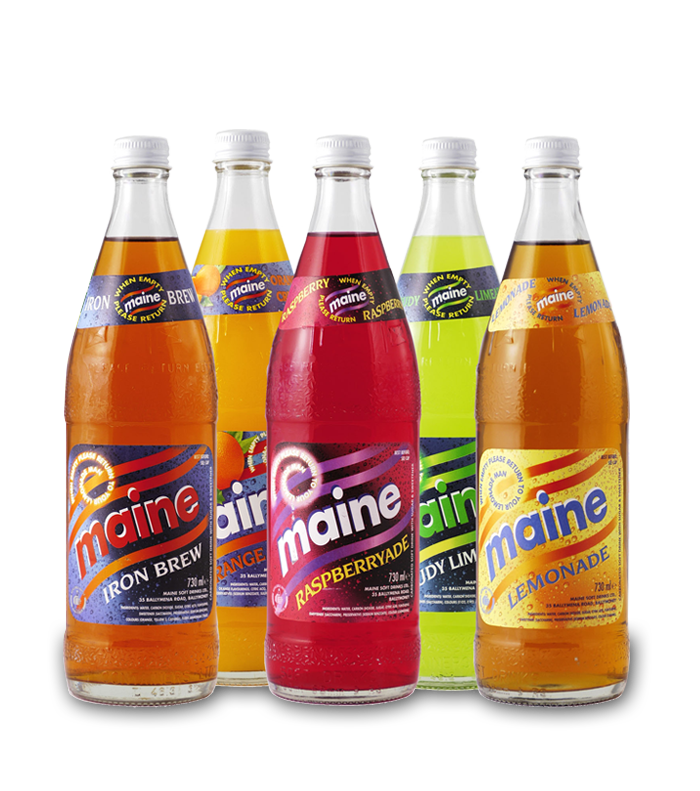
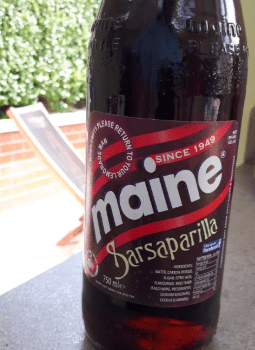
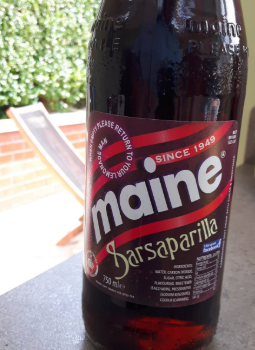
Maine Sarsaparilla – For over 65 years The Maine Man has continued the tradition of delivering quality soft drinks to our doorsteps.
Families throughout Northern Ireland have fond memories of
regular weekly orders of their favourite flavours such as Sarsaparilla,
American Cream Soda, Pineappleade and Cloudy Lime in glass returnable bottles.
Practically everyone who grew up in Northern Ireland
remembers the Maine mineral van coming with a crate of goodies every week.
Flavours like Sarsaparilla, Pineappleade and American Cream Soda came in glass
bottles which were returned empty and new ones replaced them.
It all began when the Harkness family established a soft
drinks business, Braid Mineral Water Co., in Ballymena in 1919. The founder’s
son, John Harkness, decided to branch out on his own in 1949 and formed Maine
Soft Drinks. In 1959 the business relocated to its current premises in Ballymoney.
The company is still owned by the Harkness family and is now
into its 4th generation.
It has expanded and branched out in different ways including
supplying to supermarkets and contract bottling. They are also exporting to
various companies on the UK mainland. Regardless of expansion the doorstep
delivery side of the business is still very important, with more than 40,000
homes supplied on a weekly / fortnightly basis.
Maine Soft Drinks employs more than 100 people, half of which are based in Ballymoney and the other half spread throughout Northern Ireland in depots located in Lurgan, Belfast and Derry-Londonderry.
What can I say apart from this is another childhood favorite and I loved all their drinks especially Cream Soda, Pineappleade and Cloudy Lime , which in my book all have a unique flavor I’ve never come across before throughout my 30 years of living in the land of the English. And having it delivered straight to your door was an added bonus.
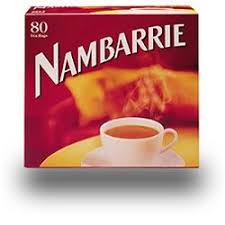
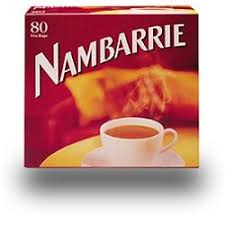
Nambarrie was launched back in 1860 and for over 150 years
has been our wee country’s beloved bold and hearty tea that can be relied on
for the perfect cuppa at any time of the day.
Nambarrie is the brand name of a tea company based in
Andover, Hampshire, now owned by Twinings. Nambarrie Tea Co. Ltd. now operates
delivery depots in Mallusk, County Antrim and Glasgow, being the third biggest
brand in Scotland
On 10, April 2008 Nambarrie announced its plans to close its
factory in Belfast. The factory is now closed and production currently takes
place in England. The signage at the Belfast Nambarrie factory is still
attached, however the building is now disused and has since fallen into disrepair.
Writer and comedian Will Self is a self-confessed fan of Nambarrie.
This was the only tea served in our house when I was a kid and has a very distinct strong taste that lingers on the palette . great for dipping Rich Tea biscuits in and the odd Hob Nob. The wife doesn’t like it so we have “English” breakfast tea at home, which is ok to be fair, but not the taste of my childhood. When I’m back in Belfast , tucking into an Ulster fry or Pastie Supper I always have a big mug of this on the side, with two sugars , sometimes three if I’m feeling rebellious . Don’t tell the wife though , she’s got me on sweeteners at home !
Nambarrie TV Advert
————————————————————————-
Pastie Supper/ Pastie Bap
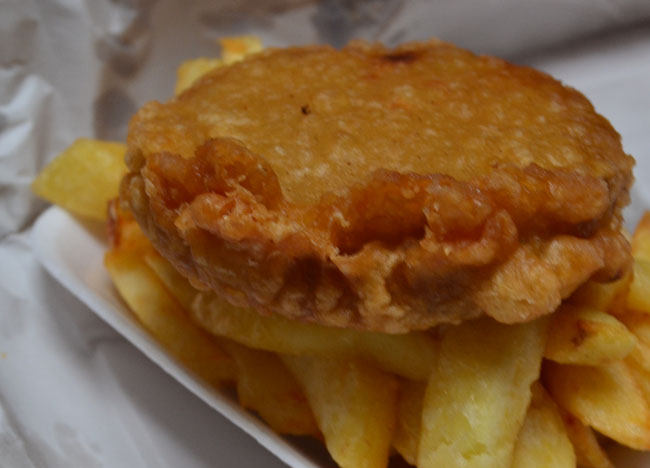
Pastie Supper – A pastie /ˈpæstiː/ is a large to medium-sized round battered pie common to Northern Ireland. Generally served with chips to form a “pastie supper” (“supper” in Northern Irish chip shops meaning something with chips), or in a bread roll as a “pastie bap”, it is a common staple in most fish and chip shops in the country.
Recipes vary, but the most common ingredients are minced pork, onion, potato and seasoning formed into a “round” (just like a burger) which is then covered in a batter mix and deep fried. Traditionally, chip shops coloured the pastie’s filling with a cochineal dye, giving it a bright pink colour, supposedly to make the snack more appetising. Many shops have stopped using this method due to cochineal allergies.
Another taste from home that I yearn for after a beer or six. Although the crowd is split on this I’ve always preferred the pink ones
This is one of the things I miss most about Belfast, the good old Pastie supper, preferably from Beatties on the Shankill. When I first moved to London after a skin full of beer one day I went into the local chippy and tried to order a Pastie Supper. To my absolute horror and continuing disappointment they hadn’t a clue what I was talking about and tried to give me everything from Jamaican Patti to a plastic bag and some very funny looks.
Grrr…… I was gutted
Thrush and Jen challenge. Join us as we make Belfast pastie baps
————————————————————————-
Pigs Trotters
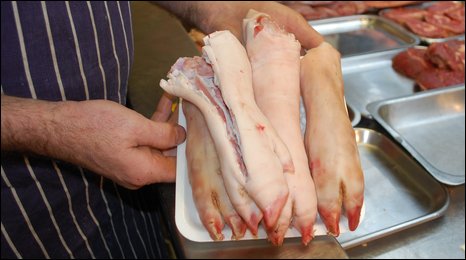
A pig’s trotter, also known as a pettitoe, is the culinary term used to refer to the
foot of a pig. The cuts are used in various dishes around the world, and
experienced a resurgence in the late 2000s. Before sale, the trotters are
cleaned and typically have the hairs pulled with a hot tank and beaters.
They are often used in cooking to make stocks, as they add
thickness to gravy, although they are also served as a normal cut of meat.
Back in the early
70’s my Da use to bring these home from work every Friday night and I use to
love them, although sometimes they still had hair on them and that was kinda
gross to say the least, but didn’t put me of eating them. These days I wouldn’t touch one with a barge
pole , but they bring back memories of my beloved dad and therefore will always
be special to me.
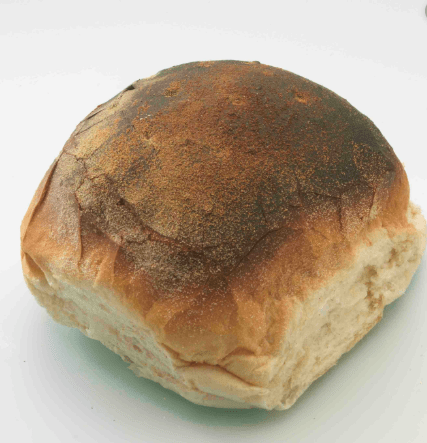
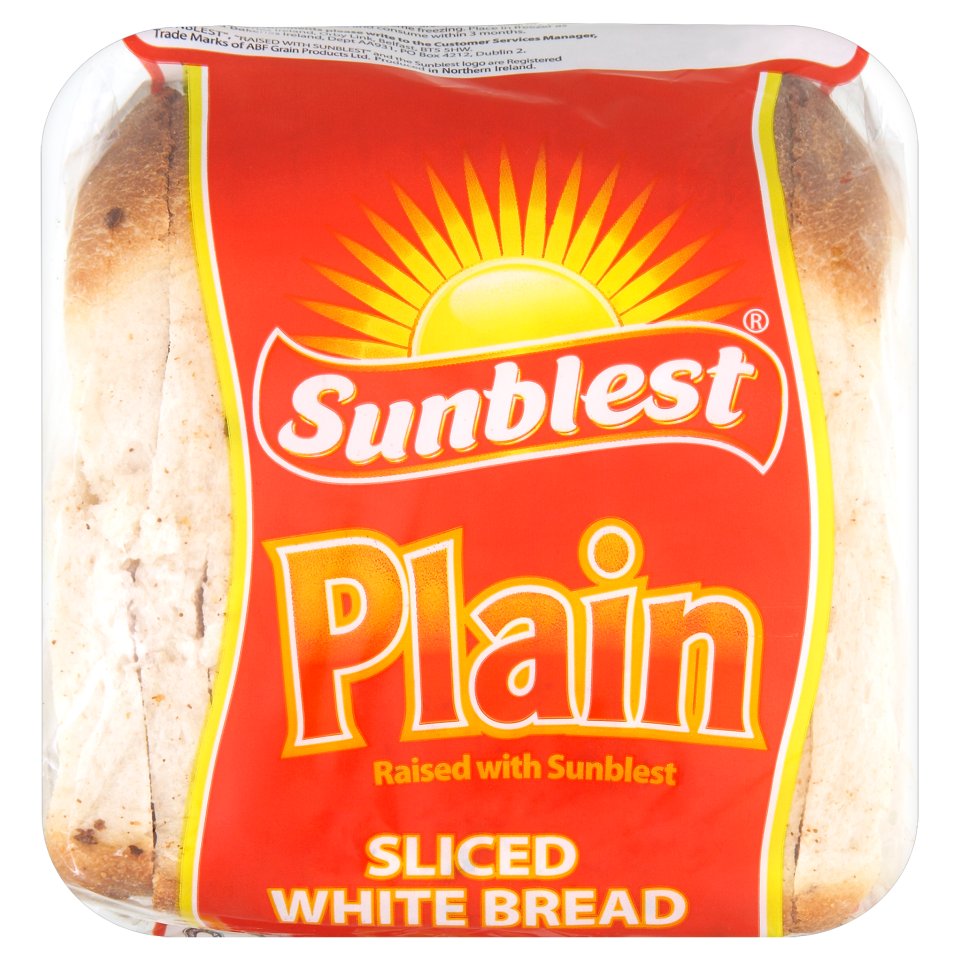
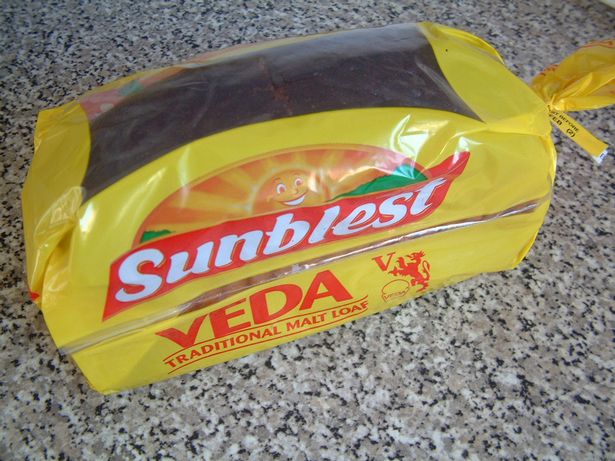
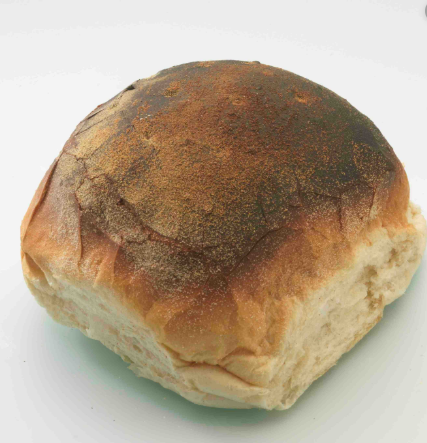
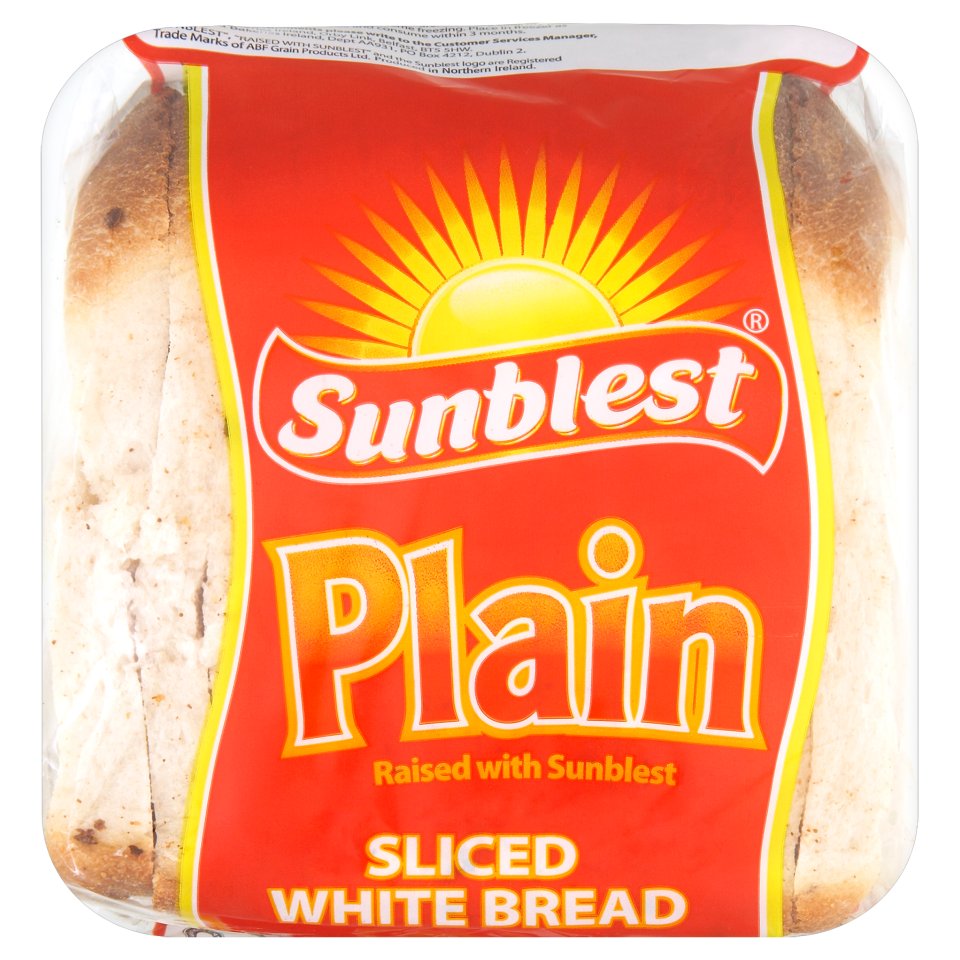
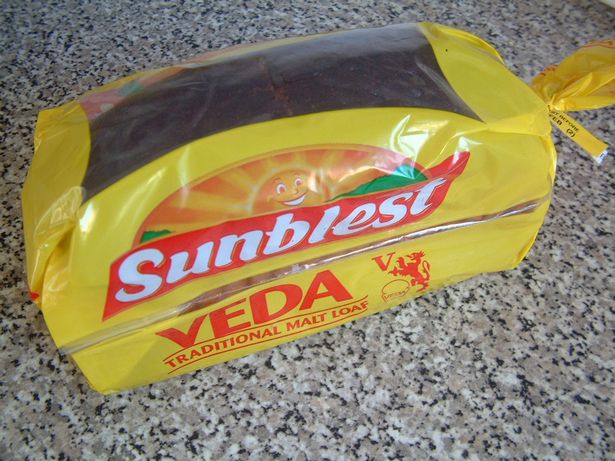
Plain Bread , preferably O’Hara’s – O’Hara’s Plain Bread is a batch bread made in a large baking tray, which means the loaves only form a crust on the top and bottom. it differs from a pan loaf, which is baked in an individual tray and so forms crust round the whole bread. I know the picture is Sunblest , but I couldn’t find a picture of an O’Hara’s one ! If you have one please send it over.
Another thing I really miss from home is plain bread. Nothing tastes better toasted or fried and the crust is always the best bit. I can’t understand why they don’t sell/make it in England .
If they do , where please ?
————————————————————————-
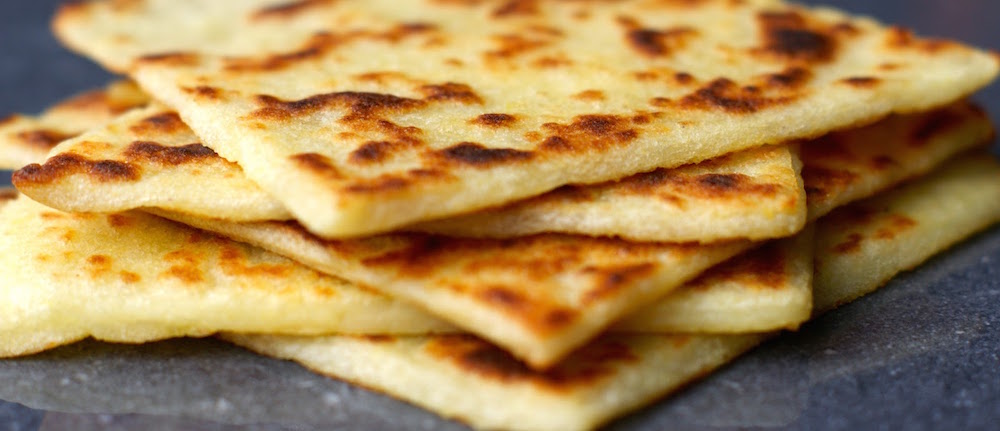
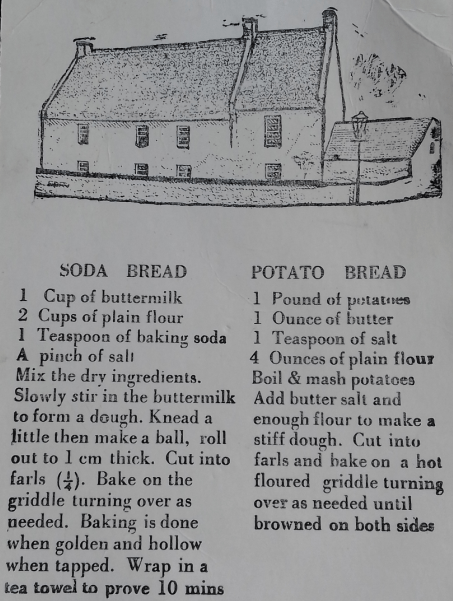
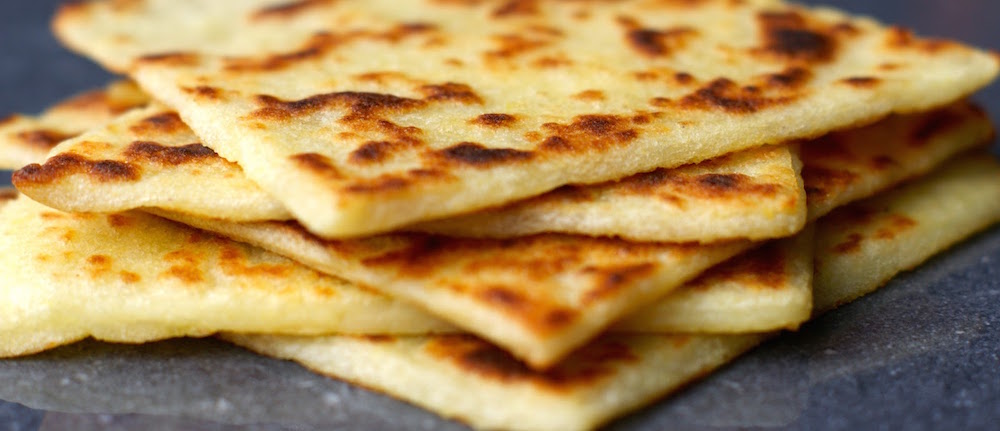
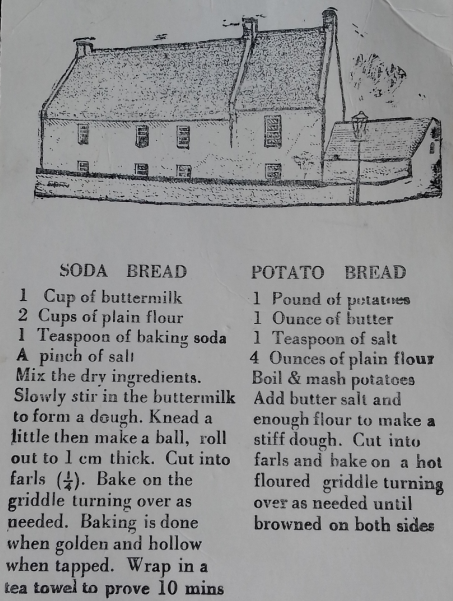
Potato Bread
Potato bread is a form of bread in which potato flour or
potato replaces a portion of the regular wheat flour. It is cooked in a variety
of ways, including baking it on a hot griddle or pan, or in an oven. We fry it
in our family as most others in Northern Ireland do.
This is as iconic as its possible to be when talking about food from Belfast / Northern Ireland. A must have in every Ulster Fry , best served fried in a shallow pan with loads of oil , although some folk like them toasted and covered in butter, my wee granny use to love these served that way. Nowadays its readily available in most of the big UK supermarkets, but it’s just not the same as back home and the taste of my childhood O’Hara’s . Although I do buy and eat it in England , its always a bit of a disappointment.
Also known as Tattie Scone to our friends from Caledonia . I ran a poll on Twitter last year and had over 25,000 votes (see below) and surprisingly Tattie Scone came up tops by a vast margin. I can only assume more Scottish folk responded as its clearly “ Potato Bread “ to most folk in Belfast /Northern Ireland .
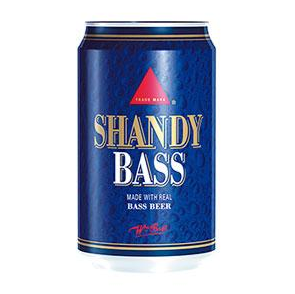
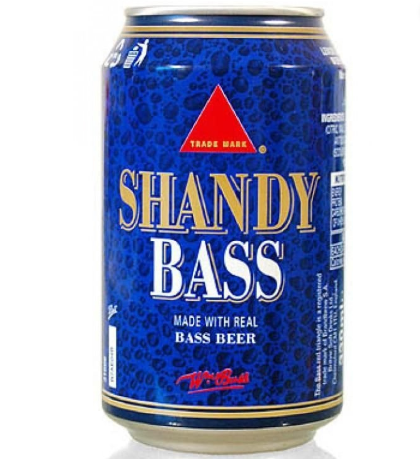
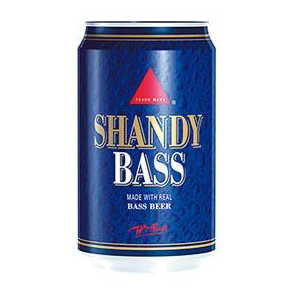
Shandy Bass is a 0.5% ABV shandy made with Bass beer and
lemonade Introduced in 1972, it is made by Britvic.
When I was 12/13 me and my cousin Wee Sam were given a tin of this each ( or did we steal it ? I can’t remember) on the 11th of July. It was the first time I recall drinking alcohol ( I know ) and we were both pissed as a newt, or acted as if we were anyways and we sang and dance to all night long until me granny came and dragged us of to bed. Innocent days I’ll never forget.
Funny Drunk People Compilation
————————————————————————-
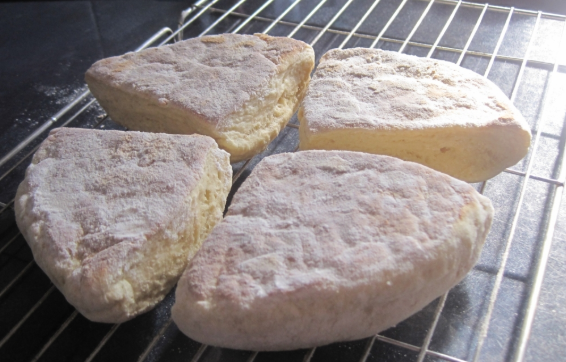
Soda Bread
Soda bread is a variety of quick bread traditionally made in a variety of cuisines in which sodium bicarbonate (otherwise known as “baking soda”, or in Ireland, “bread soda”) is used as a leavening agent instead of the traditional yeast. The ingredients of traditional soda bread are flour, baking soda, salt, and buttermilk. The buttermilk in the dough contains lactic acid, which reacts with the baking soda to form tiny bubbles of carbon dioxide. Other ingredients can be added such as butter, egg, raisins, or nuts. An advantage of quick breads is their ability to be prepared quickly and reliably, without requiring the time-consuming skilled labor and temperature control needed for traditional yeast breads.
Another icon of Northern Ireland foods and star of any Ulster Fry. Like the good old potato bread it can be served toasted or fried and like most of my peers I love it well fried with the yoke of a runny fried egg running all over and soaking into it.
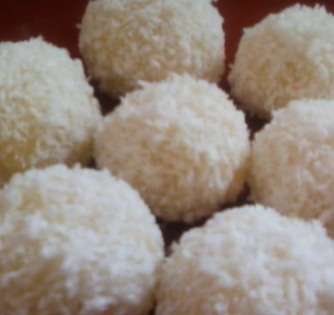
A kind of round bun , dense sponge covered in coconut flakes and held together with icing sugar in the middle.
I loved these as a kid and when I started secondary School, Cairnmartin Ballygomartin , after the bell went I would hang about out side the O’Hara’s at the bottom of Glencairn in the hope that there would be some cheap cakes/buns left over before closing, which they always sold at a knockdown price to get rid of them. If I was lucky there would be a few snowballs on offer , which I loved pulling apart and licking the icing suger from the middle and dunking some in my after school cup of Nambarries tea. Heaven ! They are very popular in Scotland also, but there not the same as the Belfast ones of my childhood.
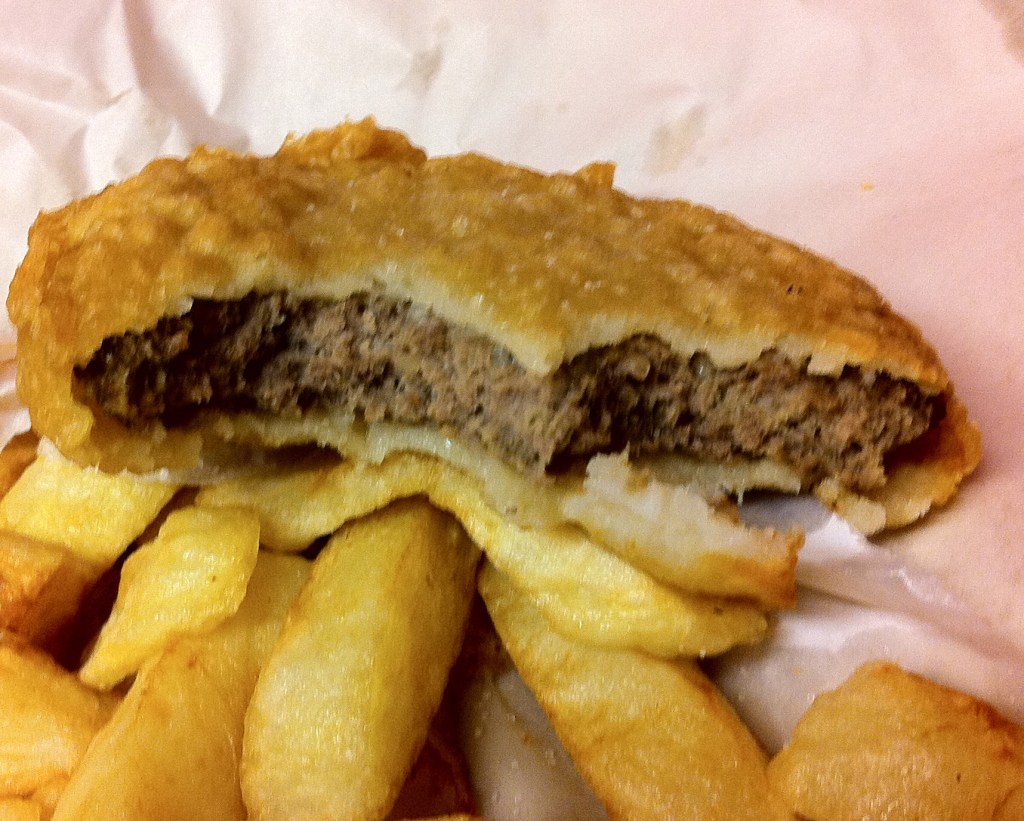
Steakette
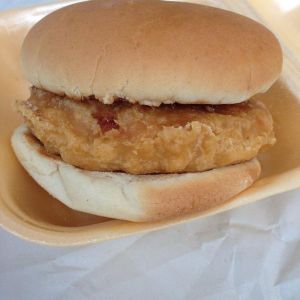
Steakette – Is kind of like a hamburger coated in batter and deep fried in oil.
Not for the faint hearted – These are another favorite of mine and when I’m home and on the beer I head straight for Beatties if I’m on the Shankill and get one. Last time I was home I order a Pastie & Steakette in one sitting and I gotta say they booth went down well. They are normally swimming in fat and grease, but I love them just like that ( don’t tell the wife ) smothered with loads of salt and vinegar. Yum Yum
————————————————————————-
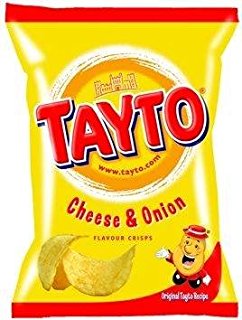
Tayto Cheese and Onion
Set deep in the heart of the Ulster countryside in Tandragee is Tayto Castle where Tayto crisps and snacks have been made for the past 60 years. A ‘Taste of Home’ our products have been a big part of growing up in Northern Ireland.
Established in 1956 and still owned by the same family – the
Hutchinsons, we pride ourselves in employing local people and using local
ingredients and materials to produce great tasting crisps and snacks for
everyone to enjoy. In our 60th year, we are also proud to support Northern
Ireland Year of Food and Drink 2016.
Within the Castle is a closely guarded room where the unique
Tayto Cheese & Onion flavour is made to the same recipe as it has for the
last 60 years. Only a very select few know the secret recipe which has been
carefully passed down to the current day.
Come and visit us at Tayto Castle to see for yourself how
our crisps and snacks are made and meet our very own Mr.Tayto – why not book a
tour today?’
Another of the things I miss most from home and something I always stock up on when visiting Belfast. My daughter orders me a box for Xmas, which was very thoughtful of her. But the problem was they came from the Tayto brand in Ireland (ROI) , in an insulting bluepacket, lol. They just aren’t the same as the ones I still love and crave since childhood.
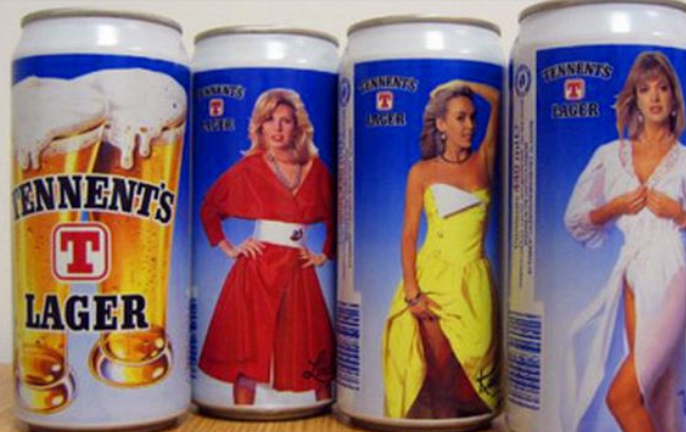
Tennents is the most popular draught lager beer in Northern
Ireland, according to the latest research. 2007It was piloted in Northern
Ireland before being rolled out across the rest of the UK.
Tennents lager was produced by the Bass Brewery on the Glen
Road in west Belfast until a cutback in 2003.
Now it comes from the Wellpark Brewery in Glasgow, but the company, owned by Belgian group InBev, still has a warehouse and logistics operation in Belfast.
A specific draught is brewed for Northern Ireland with an alcohol volume of 3.7% compared with the 4.1% Scottish drinkers buy as research has shown it to be what local consumers want.
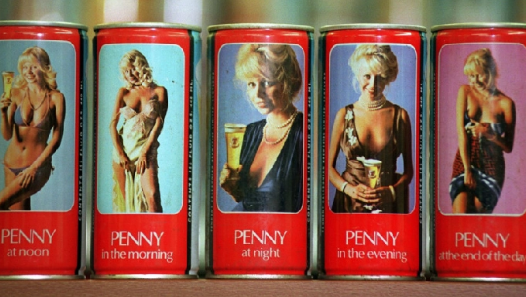
Another iconic Northern Ireland ( and Scotland ) drink from my childhood in Belfast and one which cause much uproar and debate, regarding the sexy ladies on the them. You’d never get away with that now ! I remember my Da and uncles having card schools and drinking vast amounts of this stuff and me and my brothers,cousins always had a good wee look at the ladies on the tin and we all had our favorites. For the record my favorite was Linda
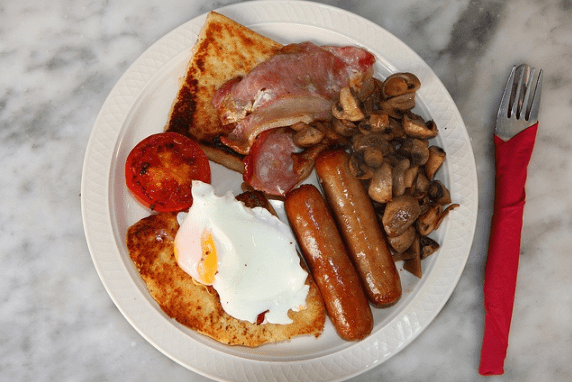
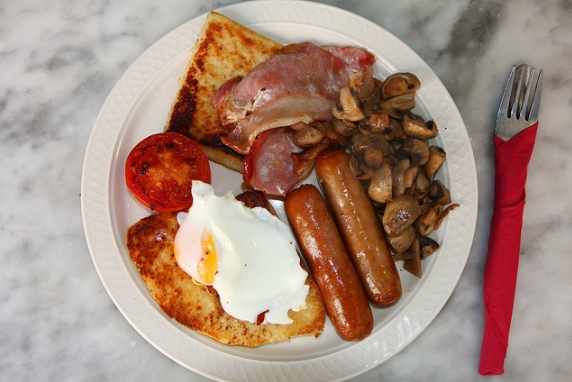
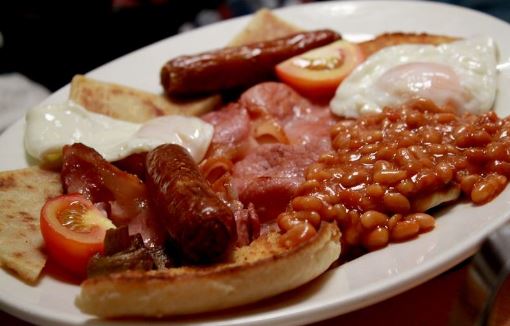
The best known traditional dish in Northern Ireland is the
Ulster fry. An Ulster fry, although not originally particularly associated with
breakfast time, has in recent decades been marketed as Northern Ireland’s
version of a cooked breakfast. It is distinguishable from a full breakfast by
its griddle breads – soda bread and potato bread, fried (or occasionally
grilled) until crisp and golden. Sometimes also including small pancakes.
Bacon, sausages, an egg, and (as a modern development) tomato and sometimes
mushrooms complete the dish It is usually served with tea and toast.
This is a the king of Northern Ireland foods and has been enjoyed for generations of folk from Belfast and throughout the six counties since time began, relatively speaking . It will satisfy any hunger or cure any hangover and is served with an array of tasty N.I things , depending on your preference , including fried eggs, the all important fried potato and soda bread, perfect pork sausages or beef sausages in my house , crispy bacon, black and white pudding ( optional ) and a few slices of Veg Roll (always in my house ) and a mug of strong sweet tea to wash it all down.
With or without Beans?
That is the question – OK I’m going to get slated for this, but I always have beans with an Ulster Fry, blame my English wife for teaching me bad habits. HP sauce is also a must
Ulster Fry Up: Full Northern Irish Breakfast in Belfast, Ireland
Veda bread is a malted bread sold in Northern Ireland and
the Republic of Ireland . It is a small, caramel-coloured loaf with a very soft
consistency when fresh. Allied Bakeries Ireland (ABI) is the market leader with
over 81 per cent value share of the Veda market within Northern Ireland, which
it sells as “Sunblest Veda”.
Stylish Belfast city centre hotel Malmaison has teamed up
with Northern Ireland’s biggest bakery Allied Bakeries Ireland (ABI) to serve
up one of the Province’s best loved bread brands to residents and customers.
Veda bread, while very much a Scottish invention, has become
a Northern Ireland phenomenon since Allied Bakeries Ireland launched its first
Veda loaf back in 1930 and continues to grow from strength to strength.
Sunblest Veda, launched in 1956, is the market leader with
over 81 per cent value share of the Veda market within Northern Ireland and an
established local favourite.
I love this toasted and its smells amazing when covered in butter and eaten whilst still hot. we always had this in the cupboard at home and whenever there was nought else to eat this always filled a hole.
————————————————————————-
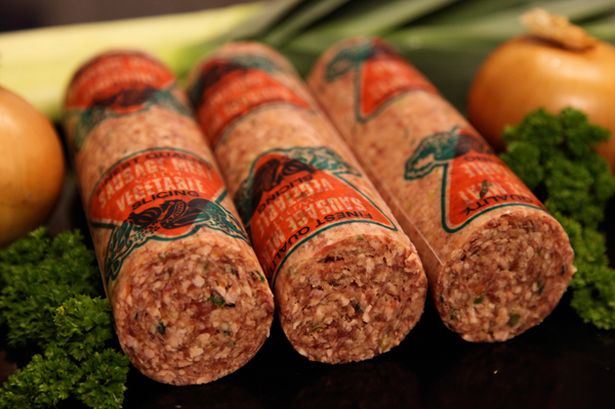
Vegetable Roll
Vegetable Roll is a uniquely Northern Irish delicacy, made
up of cuts of lean beef and seasoned with fresh herbs and vegetables such as
leeks and onions.
Always served with an Ulster Fry in my family and controversially we always kept the plastic cover on whilst cooking, although take it off before eating , if I’m sober at least ! In another of those little Northern Irish things that make my England friend laugh, its as far from being “vegetable “ as can be. I think it just makes us feel we’re getting one of our five a day as it has ” vegetable ” in it. LOL
Twitter : @meatdelivered They deliver Veg roll folks !!!
————————————————————————-
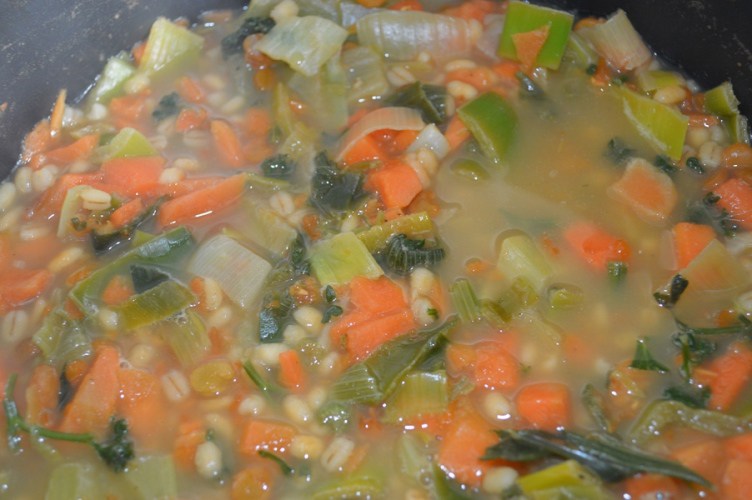
Veg Soup
A traditional soup made by my parents and grandparents and a
traditional winter soup in Northern Ireland and especially popular served as a
starter to Christmas dinner. Pure, simple, wholesome comforting and natural
food. As with all one pot dishes, it always tastes better the following day
when all the ingredients have had time to marinate and got to know each other
so if you want to impress, make it the day before serving.
Another classic I love and miss from home and I have never had this outside Belfast or a soup taht tasted anything like it. It’s common to cook it with a whole chicken (I know ) or shin bone and this is often removed and stripped before being eaten, my family use to leave it in.
Once my veggie sister in law was half way through a bowl before anyone had the heart to tell her it was made with a chicken involved.
Ouch……..
————————————————————————-
Willicks
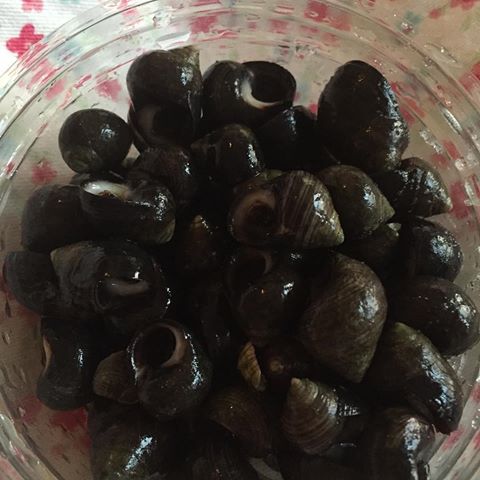
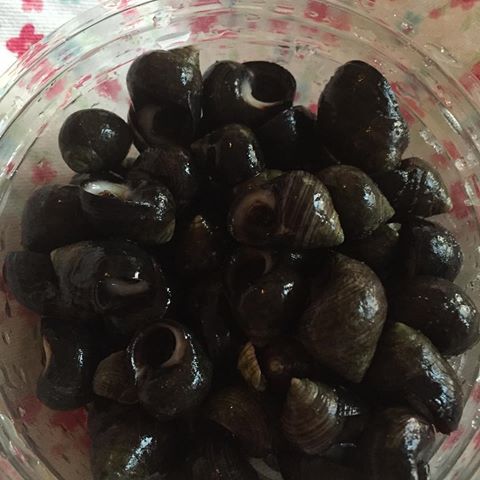
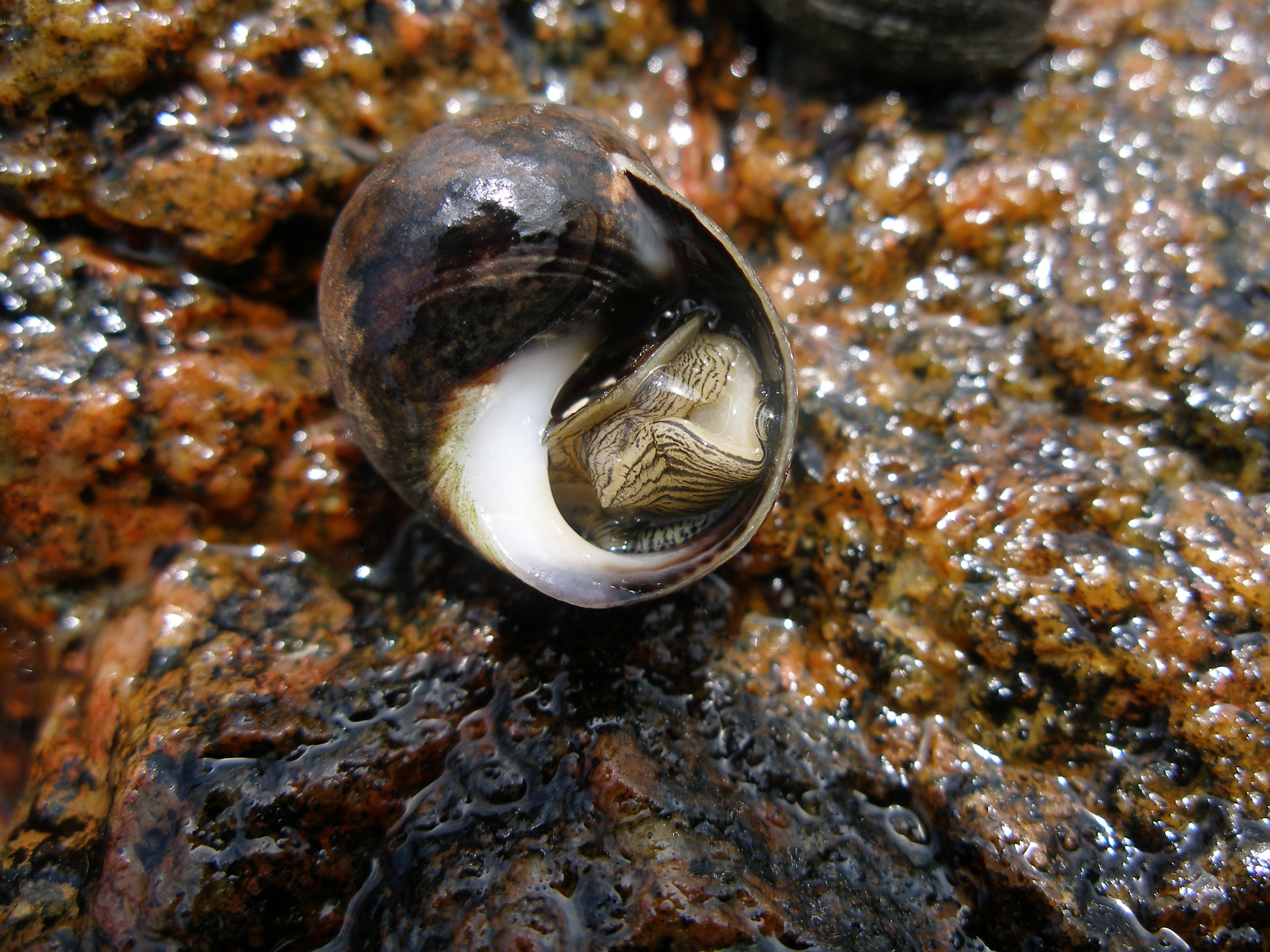
An edible sea snail – The common periwinkle or winkle (Littorina littorea) is a species of small edible whelk or sea snail, a marine gastropod mollusc that has gills and an operculum, and is classified within the family Littorinidae, the periwinkles.
This is a robust intertidal species with a dark and
sometimes banded shell. It is native to the rocky shores of the northeastern,
and introduced to the northwestern, Atlantic Ocean.
The common periwinkle is sold by fishmongers at seafood markets in large cities around the world, and is also commonly found in seafood restaurants as an appetizer or as a part of a seafood platter. In some countries, pubs may serve periwinkles as a snack.
Entrance of a sea snail’s house with living sea snail within. Veddö naturreservat, Sweden 2005.
Most of the volume fished, is consumed by France, Belgium,
Spain and the Netherlands.
I loved these as a child and we use to go round the coast of Antrim and beyond collecting, cooking and eating. We’d spend ages boiling them and when they were cooked we would all gather round, with a pin in hand, to pick the eyes out and tuck in. A taste and smell that always brings me back to my childhood.
Once I was in a French restaurant with the wife and she ordered snails ( Escargots ) and I had the cheek to turn my nose up. Hee hee , The contradiction was not lost on me, but Willicks are just one of those things that I was raised eating/liking and was way more civilized than eating slimy French snails in my book. LOL
Belfast slang is in a league of its own , so it is, and that’s a big part of the city’s craic. The accent and the banter have been shaped by Irish, Scots, and English influences, so if you’re not from here it can sound a wee bit strange at first and might do yer … Continue reading 100 Belfast & Northern Ireland Slang Phrases & Meaning→
Mickey Marley’s Roundabout A Belfast Legend Mickey Marley and his roundabout are woven into the fabric of Northern Ireland’s tortured history and generations of Belfast folk, catholic and protestant alike will have fond memories of grumpy old Mickey and his horse drawn roundabout. As a child I remember vividly riding on his roundabout one glorious … Continue reading Mickey Marley’s Roundabout – A Belfast Legend→
How to speak Belfast / Northern Ireland ( Made me laugh) Ulster English (also called Northern Hiberno-English or Northern Irish English) is a major variety of Hiberno-English, spoken in the province of Ulster: Northern Ireland and three counties of the Republic of Ireland. The dialect has been influenced by the Ulster Irish dialect and also … Continue reading How to speak Belfast / Northern Ireland→
😏
Hit the button below and surprise me 👍
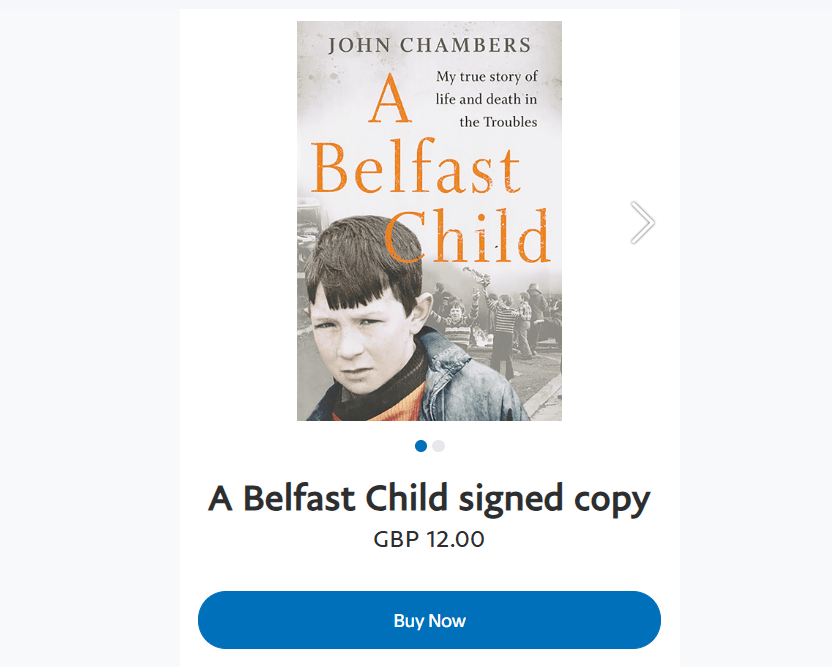
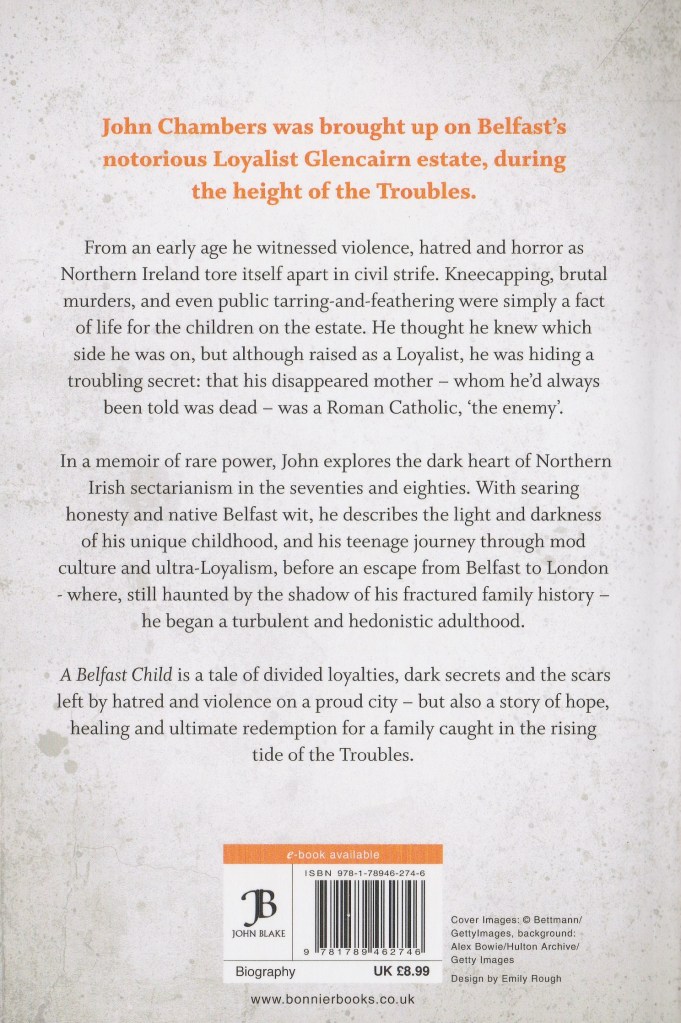
My autobiography: A Belfast Child is now available to pre-order on Amazon , launch date is 30th April.
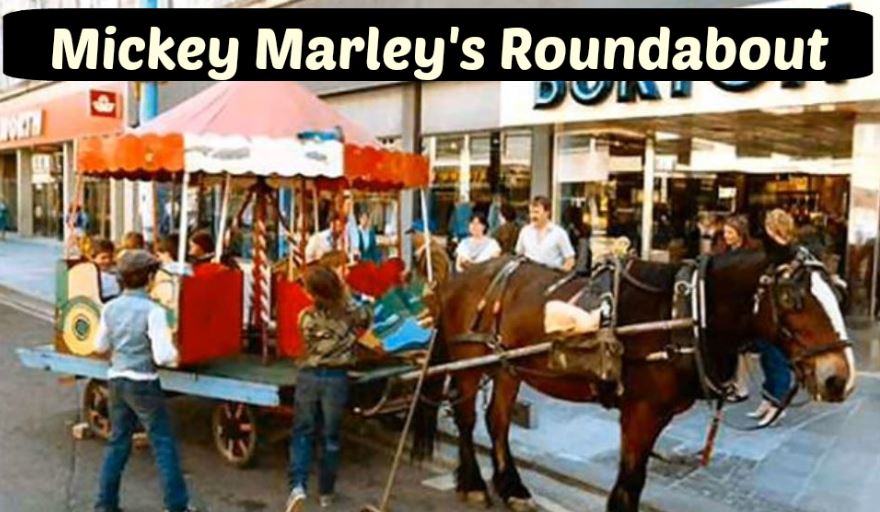
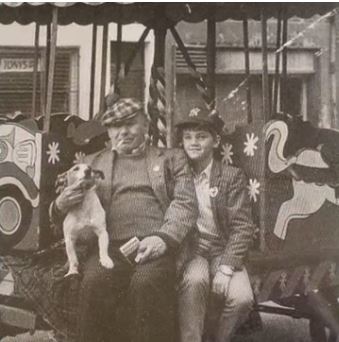
Mickey Marley and his roundabout are woven into the fabric of Northern Ireland’s tortured history and generations of Belfast folk, catholic and protestant alike will have fond memories of grumpy old Mickey and his horse drawn roundabout.
As a child I remember vividly riding on his roundabout one glorious summers day in the Woodvale Park and this memory always brings a smile to my face. Life was simple and innocent back then and the joy of a ride soothed my childhood soul and the world seemed not so scary for a few short moments.
Thank you for the memories Mickey!
The
Mickey Marley Story
Mickey Marley
Mickey Marley (died 28 April 2005) was a street entertainer from Belfast, Northern Ireland.
Born in the Markets area of Belfast, but spending most of his life on the Grosvenor Road in the Falls area of West Belfast, Marley was a common sight in Belfast City Centre for over forty years.
Drawn by his horse Joey Marley would tour the streets of Belfast with his hobby-horse roundabout. When he retired he sold the roundabout to the Ulster Folk and Transport Museum.
His local fame was enhanced by a recording of the song “Mickey Marley’s Roundabout” (written by Belfastman Seamus Robinson) which was a popular children’s request on BBC Radio Ulster. BBC Northern Ireland also made a documentary on his life. The 1973 film followed Marley’s everyday life, against the backdrop of the heavy British Army presence on the streets of Belfast during the early years of the Troubles
Mickey Marley’s Roundabout – Barnbrack
Lyrics to Micky marleys roundabout
Micky Marley had a wee horse
He kept it at the back of the house of course
It wouldn’t eat grass and it wouldn’t eat hay
But it would eat sugarlumps all day
Micky got wood and wheels for a start
Then he sat down and made a wee cart
He hammered and he hammered and he foutered about
Until he had built a roundabout
Chorus
Round and round and up and down,
Through the streets of Belfast town,
All the children laugh and shout,”
“For here comes mickys roundabout”
And then he went from street to street
A penny a time and pick your seat
A hobby horse or a motorcar
Jump on son and hold the bar
The children’s faces smile with glee
Laughs and smiles a sight to see
You haven’t got a penny and your ma’s gone out
You can still get on his roundabout
(Chorus)
But then alas to his dismay
The roundabout was burnt one day
Poor Micky lost everything he had
And all the children were so sad
But his friends they gathered round
From every part of Belfast town
They hammered and they hammered and they fouterd about and built him a brand new roundabout
(Chours)
Hobby horses don’t get old
I’m winter beds they all feel the cold
But Micky knows each winter pass
The roundabout is still at last
No more we’ll hear the happy sounds
Of his roundabout in Belfast town
We thank the horse and the wee small man
For the joy they spread across the land
(Chours) x2
Showman Mickey Marley’s funeral
The funeral of one of Belfast’s best known characters Mickey Marley, immortalised in a Barnbrack song, was being held today.
Mr Marley, who was made famous in Barnbrack’s hit single Mickey Marley’s Roundabout, died last Thursday. He was in his mid 80s.
Requiem Mass was celebrated at St Peter’s Cathedral this morning followed by cremation at Roselawn.
Mr Marley, who lived in the Grosvenor Road area, and his horse-drawn roundabout was a familiar sight on the city’s streets for decades.
After leaving school at a young age, he saved up to buy his first pony and his roundabout was a huge success, first in the Falls area, then Belfast city centre and beyond.
After Sean McRobin, of local band Barnbrack, penned a song about him he became a local celebrity.
He became so well known that during a trip to Stormont in the 1970s, Prime Minister James Callaghan got his driver to stop so he could have a word with him.
His roundabout is currently being restored to its former glory in the Ulster Folk and Transport Museum in Cultra
Belfast slang is in a league of its own , so it is, and that’s a big part of the city’s craic. The accent and the banter have been shaped by Irish, Scots, and English influences, so if you’re not from here it can sound a wee bit strange at first and might do yer … Continue reading 100 Belfast & Northern Ireland Slang Phrases & Meaning→
Mickey Marley’s Roundabout A Belfast Legend Mickey Marley and his roundabout are woven into the fabric of Northern Ireland’s tortured history and generations of Belfast folk, catholic and protestant alike will have fond memories of grumpy old Mickey and his horse drawn roundabout. As a child I remember vividly riding on his roundabout one glorious … Continue reading Mickey Marley’s Roundabout – A Belfast Legend→
How to speak Belfast / Northern Ireland ( Made me laugh) Ulster English (also called Northern Hiberno-English or Northern Irish English) is a major variety of Hiberno-English, spoken in the province of Ulster: Northern Ireland and three counties of the Republic of Ireland. The dialect has been influenced by the Ulster Irish dialect and also … Continue reading How to speak Belfast / Northern Ireland→
The two major divisions of Ulster English are Ulster Scots English (spoken in much of northern County Antrim),[1][2] and mid Ulster English. Sometimes, a third, transitional dialect between Southern and Northern Ireland is designated, known as south Ulster
In the following chart, “UE” means Ulster English, including “MUE” or mid Ulster English (which may incorporate older, more traditional mid Ulster English or “TMUE”), as well as “USE” or Ulster Scots English. “SSIE” here refers to a mainstream, supraregional southern Irish English, used in the chart for the sake of comparison.
In more traditional mid Ulster English, this phoneme may be split, resulting in a distinction between [ɚ(ː)] and [ɛ(ː)ɚ], so that words like urn and earn, for example, are not homophones.
burn, first, learn
/ər/
ɚ
doctor, martyr, parker
/ɔr/
ɔ(ː)ɚ
ɒ(ː)ɹ
for, horse, war
/ɔər/
o(ː)ɚ
ɒ(ː)ɹ
four, hoarse, wore
/ʊər/
u(ː)ɚ
u(ː)ɹ
moor, poor, tour
Other, less overarching features of some Ulster varieties include:
Vowels have phonemic vowel length, with one set of lexically long and one of lexically short phonemes. This may be variously influenced by the Scots system. It is considerably less phonemic than Received Pronunciation, and in vernacular Belfast speech vowel length may vary depending on stress.
/ɑ/ and /ɔː/ distinction in cot and body versus caught and bawdy is mostly preserved, except in Ulster Scots (which here follows Scottish speech) and traditional varieties.
/e/ may occur in such words as beat, decent, leave, Jesus, etc., though this feature is recessive.
Lagan Valley /ɛ/ before /k/ in take and make, etc.
/ɛ/ before velars, as in sack, bag, and bang, etc.
Merger of /a/–/aː/ in all monosyllables, e.g. Sam and psalm[saːm ~ sɑːm] (the phonetic quality varies).
/ʉ/ is possible before /r/ in floor, whore, door, board, etc.
Consonant
Rhoticity, that is, retention of /r/ in all positions.
Palatalisation of /k, ɡ, ŋ/ in the environment of front vowels.
/l/ is not vocalised, except historically; usually “clear” as in Southern Hiberno-English, with some exceptions.
Unaspirated/p/, /k/ between vowels in words such as pepper and packet.
Voiced /d/ (or tapped [ɾ]) for /t/ between vowels in words such as butter and city. This is similar to North American and Australian English.
Dental [t̪] and [d̪] for /t/ and /d/ before /r/ in words such as butter or dry. Dental realisations of /n, l/ may occur as well, e.g. dinner, pillar. This feature, of Gaelic origin, is shared with Southern Hiberno-English.
/ʍ/–/w/ contrast in which–witch. This feature is recessive, particularly in vernacular Belfast speech.
Elision of /d/ in hand[hɑːn], candle[ˈkanl] and old[əʉl], etc.
Elision of /b, ɡ/ in sing[sɪŋ], thimble, finger etc.
/θ/ and /ð/ for th.
/x/ for gh is retained in proper names and a few dialect words or pronunciations, e.g. lough, trough and sheugh.
Grammar derived from Irish
The morphology and syntax of Irish is quite different from that of English, and it has influenced both Northern and Southern Hiberno-English to some degree.
Irish has separate forms for the second person singular (tú) and the second person plural (sibh), (“thou” and “ye” respectively in archaic and some intimate, informal English). Ulster English mirrors Irish in that the singular “you” is distinguished from the plural “you”. This is normally done by using the words yous, yousuns or yis.[3] For example:
“Are yous not finished yet?”
“Did yousuns all go to see it?”
“What are yis up to?”
Irish lacks words that directly translate as “yes” or “no”, and instead repeats the verb in a question (positively or negatively) to answer. As such, Northern and Southern Hiberno-English use “yes” and “no” less frequently than other English dialects.[4][5] For example:
“Are you coming home soon?” “I am”
“Is your computer working?” “It’s not”
The absence of the verb “have” in Irish has influenced some grammar. The concept of “have” is expressed in Irish by the construction ag (“at”) mé (“me”) to create agam (“at me”). Hence, Ulster English speakers sometimes use the verb “have” followed by “with me/on me”.[6] For example:
Much non-standard vocabulary found in Ulster English and many meanings of Standard English words peculiar to the dialect come from Scots and Irish. Some examples are shown in the table below. Many of these are also used in Southern Hiberno-English, especially in the northern half of the island.
Pronounced akh or okh. Usually used to replace “ah!” and “oh!”. Ach is Irish for “but”, and can be used in the same context. Och is Irish and Scottish Gaelic for “alas”, and again can be used in the same context.[7] Cf. German, Dutch, Frisian ach and English agh, German and Dutch have both ach and och.
Mainly used in Tyrone with different meanings depending on usage, but always refers to a female. “Look at thon blade” – “Look at that girl”; “Our blade” – “My sister/cousin” (Can also be used as a term of endearment in this form)
From the longer version “What about ye?” (“What about you?”), which is also used.[11][12]
bru
unemployment benefits
noun
Pronounced broo. Shortened from welfare bureau.[13]
cat-melodeon
awful
adjective
Probably a combination of cat and melodeon, referencing the sound of a screeching cat and badly-played melodeon tunes.[14]
The second part is pronounced mə-LOH-jin.
Crack is originally a Scots/Northern English word meaning something like “news”, “gossip” or “fun”. Originally spelt crack but the Gaelicized spelling craic started in the 1960s and is now common.[12]
From the Hiberno-English pronunciation of creature where ea is realised /e/ (see above) and –ture as archaic /tər/ rather than the standard affricate/tʃər/.
Origin uncertain—either from Irish coillte meaning “woods”;[20] from Irish cúl a’ tí meaning “back of the house” (for it was common practise for country people to go in the back door of the house they were visiting);[21] or from the -culture in “agriculture”.
Probably from Irish. However, it has parallels in both Goidelic (e.g. Irish trína chéile) and Germanic (e.g. Scots throuither,[47] Dutch door elkaar, door-een, German durcheinander).
The Irish huist,[52] meaning “be quiet”, is an unlikely source since the word is known throughout England and Scotland where it derives from early Middle English whist[53] (cf. Middle English hust[54] and Scots wheesht[55]).
wojus
awful/expression of surprise
adjective
Probably a variation of odious. Can also be used as an expression of surprise, usually to something negative. In this case it is most likely a shortened form of “Oh Jesus!”
Used throughout Ireland.
Furthermore, speakers of the dialect conjugate many verbs according to how they are formed in the most vernacular forms of Ulster Scots, e.g. driv instead of drove and driven as the past tense of drive, etc. (literary Scots drave, driven). Verbal syncretism is extremely widespread, as is the Northern subject rule.
Ulster Scots English
This region is heavily influenced by the historic presence of Ulster Scots and covers areas such as northern and eastern County Antrim, the Ards Peninsula in County Down, The Laggan district in County Donegal and northeastern County Londonderry. These districts are strongly Ulster Scots-influenced, and Scots pronunciation of words is often heard. People from here are often mistaken by outsiders as Scottish. This area includes the Glens of Antrim, where the last native Irish speakers of a dialect native to what is now Northern Ireland were to be found. It has been stated that, whilst in the written form, Gaelic of this area continued to use standardised Irish forms, the spoken dialect continued to the Scottish variant, and was in effect no different from the Gaelic of Argyll, or Galloway (both in Scotland).
In the 1830s, Ordnance Survey memoirs came to the following conclusion about the dialect of the inhabitants of Carnmoney, east Antrim:
Their accent is peculiarly, and among old people disagreeably, strong and broad.
The results of a BBC sociolinguistic survey can be found here.[56] East Donegal also has a strong Ulster Scots dialect (see below).
Mid Ulster English
The speech in southern and western County Donegal, southern County Tyrone, southern County Londonderry, northern County Fermanagh, north County Armagh, southwestern County Antrim and most of County Down form a geographical band across the province from east to west. On the whole, these areas have much more in common with the Derry accent in the west than inner-city Belfast except in the east. This accent is often claimed as being the “standard” Northern Irish dialect as it is the most widely used, and it is the dialect of famous Irish writerSéamus Heaney. Parts of the north of County Monaghan (an area centred on Monaghan Town and known as North Monaghan) would roughly fall into this category, but only to a certain extent. Bundoran, a town at the southern extremity of County Donegal, also has quite a western Ireland accent, as do parts of the south-west extremity of County Fermanagh.
Belfast and surroundings
The broad, working-class Belfast dialect is not limited to the city itself but also takes in neighbouring urban areas in the local vicinity (such as Lisburn, Carrickfergus and Newtownards), as well as towns whose inhabitants originally came from Belfast (such as Craigavon). It is generally perceived as being associated with economically disadvantaged areas, and with youth culture. This however is not the dialect used in the media (even those outlets which are based in Belfast). Features of the accent include several vowel shifts, including one from /æ/ to /ɛ/ before or after velars (/bɛɡ/ for bag). Nowadays, this shift largely only happens before /k/, so pack and peck are homophones as /pɛk/.
The Belfast dialect is now becoming more frequently heard in towns and villages whose inhabitants would have traditionally spoken with a distinctively rural accent. Examples of such areas are Moira, Ballyclare, Dromore and Ballynahinch. It could be said that many young people in these areas prefer to use the more cosmopolitan city accent, as opposed to the local variant that their parents or people in other areas would use.
Other phonological features include the following:
Two major realisations of /e/ are to be encountered: in open syllables a long monophthong near [ɛː], but in closed syllables an ingliding diphthong, perhaps most typically [eə], but ranging from [ɛə] to [iə]. Thus days[dɛːz] and daze[deəz] are not homophonous.
In Belfast, and in mid and south Ulster, the opposition between /ɔ/ and /ɒ/ is better maintained than in other parts of Ulster, though it is restricted to only a few environments, e.g., that of a following voiceless plosive. Thus stock[stɒk ~ stɑk ~ sta̠k] is distinct from stalk[stɔ(ː)k]. However, this is complicated by the fact that certain words belonging to the Standard Lexical Set THOUGHT have /ɒ/ rather than the expected /ɔ/. These typically include draw, fall, walk, and caught. Water often has /a/ (the TRAP vowel).
The /aʊ/ phoneme is pronounced [əʉ] in most of Ulster, but in Belfast it is extremely variable and is a sensitive social marker. Pronunciations with a relatively front first element, [ɛ̈] or fronter, are working class. Middle class speakers prefer back [ɑ] or even [ɔ]. The second element is [ʉ ~ y ~ ɨ], often with little or no rounding. How and now may receive special treatment in working-class Belfast speech, with an open first element [a ~ ɑ] and a second element ranging over [i ~ ʉ], a retroflex approximant [ɻ], and zero, i.e., there may be no second element.[57]
Some of the vocabulary used among young people in Ulster, such as the word “spide“, is of Belfast origin.
Derry City and surrounding
The accent of Derry City is actually that of western County Londonderry (including Dungiven and Limavady), northeastern County Donegal (including Inishowen), and northern and western County Tyrone (including Strabane). There is a higher incidence of palatalisation after /k/ and its voiced equivalent /ɡ/[58](e.g. /kʲɑɹ/ “kyar” for “car”), perhaps through influence from Southern Hiberno-English. However, the most noticeable difference is perhaps the intonation, which is unique to the Derry, Letterkenny and Strabane area. The accent of the Finn Valley and especially The Laggan district (centred on the town of Raphoe), both in East Donegal, together with the accent of neighbouring West Tyrone and the accent of the westernmost parts of County Londonderry (not including Derry City), are also quite Scottish sounding. A variety of Ulster Scots is spoken in these areas. This West Ulster variety of Ulster Scots is considered to be quite similar to the Scots spoken in Ayrshire in south-west Scotland.
South Ulster English
South Armagh, south Monaghan, south Fermanagh, south Donegal, north Leitrim, and north Cavan[59][60] natives speak their own distinct variety of English.[61] Areas such as southern and western County Armagh, central and southern County Monaghan (known locally as South Monaghan), northern County Cavan and the southern ‘strip’ of County Fermanagh are the hinterland of the larger Mid-Ulster dialect. The accent gradually shifts from village to village, forming part of the dialect continuum between areas to the North and Midlands (as it once did in Gaelic). This accent is also used in north County Louth (located in Leinster) and in part of the northern ‘strip’ of County Leitrim (in Connacht).