British-Fijian SAS war Hero -Talaiasi Labalaba

Talaiasi Labalaba

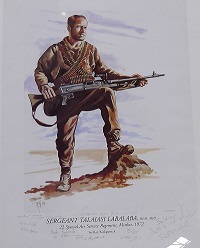
Talaiasi Labalaba BEM (13 July 1942 – 19 July 1972), who initially served in the British Army in the Royal Irish Rangers,  was a British-Fijian Sergeant in B Squadron 22nd British SAS unit involved in the Battle of Mirbat on 19 July 1972.

Mirbat Castle, site of the Battle of Mirbat

Mirbat Castle, site of the Battle of Mirbat

—————————

SAS Hero: Tribute To Sergeant Talaiasi Labalaba

—————————

Sergeant Talaiasi Labalaba with Omani children in Oman

Labalaba, aged 30, was shot dead whilst firing a 25-pounder gun at the attacking guerrilla forces.
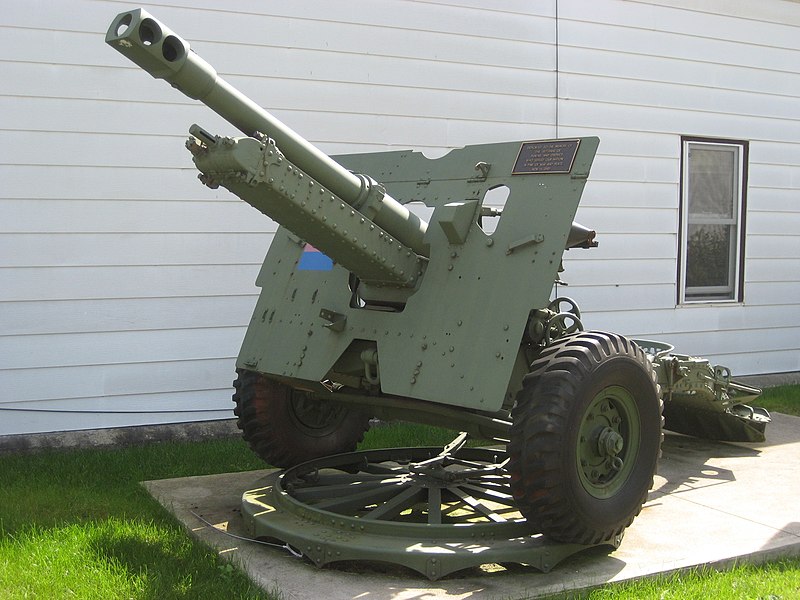
25 Pounder Gun.JPG

He displayed notable bravery by continuing to fire the 25 pounder single handed in spite of being seriously wounded when a bullet hit him on the jaw, after his Omani loader was seriously wounded early in the battle.

Captain Mike Kealy, fellow troopers Tommy Tobin and Sekonaia Takavesi ran a gauntlet of enemy fire but arrived too late to save Labalaba. Both the troopers were also hit,

Sergeant Talaiasi Labalaba (left) and Sgt Sekonaia Takavesi (Right)

Takavesi was wounded in the back and Tobin was killed when a round crept through the sand-bagged walls and hit him in the face. Labalaba’s actions helped to keep the insurgents pinned down until Strikemaster jets of the SOAF arrived to drive back the attackers while reinforcements from Salalah could be organised.

Shoreham Airshow 2013 (9696960681).jpg

BAC Strikemaster Mk82a

Fellow SAS trooper Roger Cole in his book of the battle, SAS: Operation Storm, paid tribute to Labalaba saying if the guerrilla force had taken the 25-pounder then the SAS would have surely lost the battle.

Labalaba was awarded a posthumous Mention in Dispatches for his actions in the Battle of Mirbat, although some of his former comrades have campaigned for him to be awarded a posthumous Victoria Cross. His body was returned to England and buried in the cemetery at St Martin’s Church, Hereford.

Grave of Sgt. T. Labalaba BEM, Special Air Service

In 2012 he was chosen as one of BBC Radio 4‘s 60 New Elizabethans in celebration of Queen Elizabeth’s Diamond Jubilee

——————–

Grave of Sgt. T. Labalaba BEM, Special Air Service

He was fighting a secret and brutal war in a dusty land far from home.

But while the 1972 clash between British forces and Communist rebels in Oman has long passed into history, the actions of Sergeant Talaiasi Labalaba have not.

Instead, the Fijian soldier’s exemplary courage under fire places him high on the pantheon of SAS heroes

Labalaba is remembered to this day. Next month, a statue of the soldier will be unveiled at SAS headquarters in Hereford in the run-up to Remembrance Sunday.

And in a week when the British National Party was accused of appropriating the British military for their own ends – and airbrushing ethnic minority personnel from history –  his story seems particularly poignant.

The sergeant and his nine-strong SAS unit were part of a clandestine mission to protect the Sultan of Oman from the People’s Front for the Liberation of the Occupied Arab Gulf.

By July 1972, they had been in the country for a year and the assignment – codenamed Operation Jaguar – appeared to be going well.

But then the rebels stuck back. On the morning of July 19, around 250 elite fighters stormed MIrbat, a small town on the Arabian sea, leaving the SAS pinned down inside a fort.

As his comrades fought an increasingly desperate battle to hold off 250 insurgents, it dawned on Labalaba, 30, that they were about to be overrun.

With no cover and facing certain death, he sprinted across 800 metres of exposed ground to reach a 25-pound field-gun.

It was a brave – but apparently futile manouevre – as the huge weapon took three men to operate.

That, however, did not deter Labalaba. Nor did facial injuries which would have rendered a lesser man helpless.

As British forces watched in astonishment, Labalaba turned the cumbersome gun on the enemy and opened fire at near point blank range.

Walter Tull

Prejudice: Walter Tull was made a second lieutenant despite a ban on the commissioning of soldiers with ‘Asiatic or negroid features’

He went on for six hours, decimating the rebels and ultimately paying for his courage with his life.

His comrades found him slumped face down by the massive gun. His selfless actions undoubtedly saved many of the British soldiers holed up inside the fort and won him a posthumous Mention in Despatches.

For many, his statue will be a long-overdue memorial to one of the SAS’s greatest heroes.

It is also some small recompense to thousands of ethnic minority servicemen, many from Commonwealth countries, who feel their courage and devotion has not been recognised in the same way as their white counterparts.

Labalaba and his comrade Trooper Sekonaia Takavesi, a fellow Fijian who rushed to his aid after he was wounded, are two of the most celebrated examples.

But there are countless others.

Among those are Second Lieutenant Walter Tull, born in Kent but the son of a former Barbados slave, who volunteered for the army just a week after the declaration of World War One.

He survived many battles, was the first British Army black officer to take charge of white troops and eventually died on the Western Front in 1918.

Tull’s career, however, was blighted by prejudice.

Despite being recommended for the Military Cross for ‘gallantry and coolness under fire’, he never received it.

Senior officers had defied a rule which prevented soldiers with ‘Asiatic or negroid features’ being commissioned to make Tull a second lieutenant.

See Daily Mail for full story

21st May – Deaths & Events in Northern Ireland Troubles

Key Events & Deaths on this day in Northern Ireland Troubles

21st May

Friday 21 June 1968

The annual conference of the Nationalist Party unanimously approved of the protest action by Austin Currie in Caledon, County Tryone on 20 June 1968.

Wednesday 21 May 1969

James Chichester-Clark, then Northern Ireland Prime Minister, together with other members of the Northern Ireland government, travelled to London for a meeting with Harold Wilson, then British Prime Minister, and James Callaghan, then British Home Secretary.

Sunday 21 May 1972

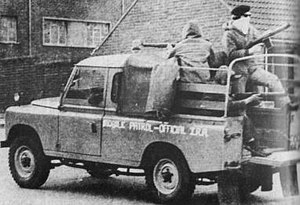
The Official Irish Republican Army (OIRA) kidnapped and shot dead William Best (19) who was a member of the Royal Irish Rangers. Best was originally from Derry and was visiting friends when he was picked up by the OIRA. There was outrage amoung local people at the killing.

[The public reaction to this incident was to lead to the OIRA calling a ceasefire on 29 May 1972.]

Tuesday 21 May 1974

Day 7 of the UWC strike

Len Murray, then General Secretary of the Trades Union Council (TUC), led a ‘back-to-work’ march which turned out to be a fiasco. The march was supported by leading local Trade Union officials and attempted to lead workers back to the Belfast shipyard and factories in east Belfast.

Only about 200 people joined the march.

The march was flanked by members of the Royal Ulster Constabulary (RUC) and British troops but a hostile crowd still managed to assault some of those marching. An updated list [PDF; 78KB]  of those services which were to be allowed through roadblocks and the opening times permitted for shops was issued by the ‘Ulster Army Council’.

At Westminster Harold Wilson, then British Prime Minister, attacked the strike saying that it was a “sectarian strike” and was “being done for sectarian purposes having no relation to this century but only to the seventeenth century”. [ Sunningdale; Ulster Workers’ Council Strike. ]

Wednesday 21 May 1980

Charles Haughey, then Taoiseach (Irish Prime Minister), travelled to London to attend a meeting with Margaret Thatcher, then British Prime Minister. A communiqué released after the meeting promised greater political co-operation between the two governments on the issue of Northern Ireland and referred to the “unique relationship” between the two countries.

Thursday 21 May 1981

Third and Fourth Hunger Strikers Died

Raymond McCreesh (24), a Irish Republican Army (IRA) prisoner, and Patsy O’Hara (23), an Irish National Liberation Army (INLA) prisoner, both died having spent 61 days on hunger strike. Tomás Ó Fiaich, then Catholic Primate of Ireland, criticised the British government’s attitude to the hunger strike.

See 1981 Hunger Strike

Thursday 21 May 1987

James Molyneaux, then leader of the Ulster Unionist Party, and Ian Paisley, then leader of the Democratic Unionist Party (DUP), issued a joint general election manifesto.

Saturday 21 May 1994

Members of the Irish Republican Army (IRA) abducted and then shot dead Reginald McCollum (19), an off-duty member of the Royal Irish Regiment (RIR).

His body was found in a field beside Mullaghcreevie housing estate, Armagh.

Martin Doherty (35), a member of the IRA, was shot dead by the Ulster Volunteer Force (UVF) as he attempted to stop a bomb attack on The Widow Scallans Bar, Pearse Street, Dublin, where a Sinn Féin (SF) function was taking place. Another man was seriously wounded in the attack.

Tuesday 21 May 1996

Hugh Annesley, then Chief Constable of the Royal Ulster Constabulary (RUC), announced that he would retire later in the year.

Wednesday 21 May 1997

Local Government Elections

There were elections to the 26 District Councils across Northern Ireland.

[When the counting of the votes was completed (most results were available by Friday 23 May 1997) the share of the first preference votes was: Ulster Unionist Party (UUP) – 27.8 per cent; Social Democratic and Labour Party (SDLP) – 20.7 per cent; Sinn Féin (SF) – 16.9 per cent; Democratic Unionist Party (DUP) – 15.6 per cent; Alliance Party of Northern Ireland (APNI) – 6.6 per cent; and other parties – 12.5 per cent. The most significant result of the election was that Unionists lost control of Belfast City Council for the first time in its history.

Unionists also lost control of the district councils in Fermanagh, Strabane, and Cookstown. The SDLP lost overall control of Derry City Council because of gains made by SF. SF increased its share of the vote and took 70 seats in total.]

Representatives of SF met with British officials at Stormont, Belfast. This was the first such meeting since the ending of the Irish Republican Army (IRA) ceasefire on 9 February 1997. Marjorie (Mo) Mowlam, then Secretary of State for Northern Ireland, held meetings with Nationalist residents groups of three areas where Orange Order parades were proving controversial.

The areas visited were, Dunloy village in County Antrim, the lower Ormeau Road of Belfast, and the Garvaghy Road in Portadown, County Antrim. Unionists criticised the meetings on the day of the local government elections. Mowlam also made a comment on the British Broadcasting Corporation (BBC) programme Newsnight that, “the [settlement] train might leave the station without Unionists”.

#[She was later forced to retract the comment.]

Friday 21 May 1999

Three men, who had been arrested in July 1998 and later found guilty of conspiracy to cause explosions, were sentenced at the Old Bailey in London. Anthony Hyland (26) was sentenced to 25 years imprisonment, and Darren Mulholland (20) and Liam Grogan (22) each received a sentence of 22 years.

The three had been accused of being part of a Real Irish Republican Army (rIRA) unit.

Two home-made grenades exploded outside two pubs on the Falls Road, in west Belfast. Three men were slightly injured. Sinn Féin accused the Ulster Freedom Fighters (UFF) of being responsible for the attacks. Seven shots were fired at Frank Petticrew, then a Catholic youth worker, as he escorted a Protestant girl back to her Shankill Road home following a cross-community event.

Petticrew claimed that he had been threatened with assassination by Royal Ulster Constabulary (RUC) officers six months earlier. He claimed the officers concerned wanted information on IRA members otherwise he would be shot dead by the Red Hand Defenders (RHD). The RUC denied the allegations.

Sunday 21 May 2000

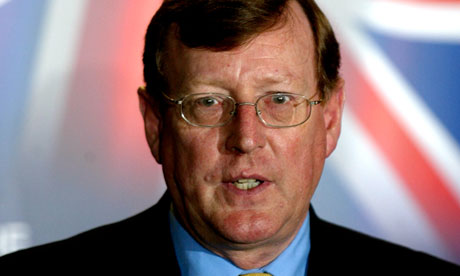
David Trimble, then leader of the Ulster Unionist Party (UUP), stated that it was his belief that the offer by the Irish Republican Army (IRA) to open its arms dumps to international inspection means that its 30-year war is over.


——————————————

Remembering all innocent victims of the Troubles

Today is the anniversary of the death of the following people killed as a results of the conflict in Northern Ireland

“To live in hearts we leave behind is not to die

– Thomas Campbell

To the innocent on the list – Your memory will live forever

– To the Paramilitaries –

There are many things worth living for, a few things worth dying for, but nothing worth killing for.

12 People lost their lives on the 21st May between 1972 – 1994

 ——————————————

21 May 1972
Richard Oliver  (40)

Protestant
Status: Civilian (Civ),

Killed by: not known (nk)
Killed by falling telegraph pole which hijacked bus had collided with, during street disturbances, Ballysillan Road, Belfast.

 ——————————————

21 May 1972


William Best   (19)

Catholic
Status: British Army (BA),

Killed by: Official Irish Republican Army (OIRA)
On leave. Found shot, William Street, Derry.

 ——————————————

21 May 1972
Adrian Barton   (18)

Protestant
Status: Civilian (Civ),

Killed by: non-specific Loyalist group (LOY)
Shot from passing car shortly after leaving Whitehorse Inn, Springfield Road, Belfast. Assumed to be a Catholic.

 ——————————————

21 May 1976


Roberta Bartholomew   (22)

Protestant
Status: Civilian (Civ),

Killed by: Irish Republican Army (IRA)
Killed in bomb attack on Belfast-Portadown train, near Moira, County Down. Inadequate warning given.

 ——————————————

21 May 1977
Christopher Shaw  (63)

Protestant
Status: ex-Royal Ulster Constabulary (xRUC),

Killed by: Irish Republican Army (IRA)
Shot at his home, Fitzwilliam Street, off Lisburn Road, Belfast.

 ——————————————

21 May 1981


Raymond McCreesh   (24)

Catholic
Status: Irish Republican Army (IRA),

Killed by: not known (nk)
Died on the 61st day of hunger strike, Long Kesh / Maze Prison, County Down.

 ——————————————

21 May 1981


Patsy O’Hara   (23)

Catholic
Status: Irish National Liberation Army (INLA),

Killed by: not known (nk)
Died on the 61st day of hunger strike, Long Kesh / Maze Prison, County Down.

See Hungry Strike

 ——————————————

21 May 1987


Ivan Anderson   (47)

Protestant
Status: Ulster Defence Regiment (UDR),

Killed by: Irish Republican Army (IRA)
Off duty. Shot while travelling in his car near to his home, Tiroony, near Carrickmore, County Tyrone.

 ——————————————

21 May 1988


Derek Hayes   (28)

nfNI
Status: British Army (BA),

Killed by: Irish Republican Army (IRA)
Killed by booby trap bomb while British Army (BA) patrol were searching field, off Blaney Road, near Crossmaglen, County Armagh.

 ——————————————

21 May 1991
Wallace McVeigh   (45)

Protestant
Status: Civilian (Civ),

Killed by: Irish Republican Army (IRA)
Shot at his workplace, Balmoral Market, Boucher Road, Belfast. Contractor to British Army (BA) / Royal Ulster Constabulary (RUC).

 ——————————————

21 May 1994

Reginald McCollum   (19)

Protestant
Status: Royal Irish Regiment (RIR),

Killed by: Irish Republican Army (IRA)
Off duty. Found shot in field, by Mullaghcreevie housing estate, Armagh.

 ——————————————

21 May 1994


Martin Doherty   (35)

Catholic
Status: Irish Republican Army (IRA),

Killed by: Ulster Volunteer Force (UVF)
Shot, attempting to stop bomb attack on The Widow Scallans Bar, Pearse Street, Dublin. Sinn Fein (SF) function at the Bar.

 ——————————————

20th May – Deaths & Events in Northern Ireland Troubles

Key Events & Deaths on this day in Northern Ireland Troubles

20th May

Monday 20 May 1968

Terence O’Neill


Terence O’Neill, then Northern Ireland Prime Minister, was showered with eggs, flour and stones after a meeting of the Woodvale Unionist Association.

Monday 20 May 1974

Day 6 of the UWC strike

Michael Mallon (20), a Catholic civilian, was shot dead by the Ulster Freedom Fighters (UFF) a covername for the Ulster Defence Association (UDA), and left by the side of the road at Shaw’s Bridge, Belfast.

Many roads in Northern Ireland were closed because of barricades. Electricity generation dropped to about one-third of normal levels. People were asked only to use telephones in an emergency.

Five hundred additional troops arrived in Northern Ireland.

An advertisement in the News Letter (a Belfast newspaper), which had been placed by Unionist politicians, called for support of the strike.

Stanley Orme, then Minister of Sate at the Northern Ireland Office (NIO), repeated the government’s position of not negotiating with the Ulster Workers’ Council (UWC) Strike Committee.

 [Public Records 1974 – Released 1 January 2005:

Note of a statement made by Stanley Orme, then Minister of Sate at the Northern Ireland Office (NIO), to the House of Commons. The statement sought to explain the circumstances surrounding the decision by Merlyn Rees, then Secretary of Sate for Northern Ireland, to announce a State of Emergency (Section 40, Northern Ireland Constitution Act 1973) on 19 May 1974.]

Friday 20 May 1977

Daniel McCooey (20), a Catholic civilian, died three weeks after he had been severely beaten by members of a British Army foot patrol in Castle Street, Belfast.

A member of the Royal Ulster Constabulary (RUC) was shot dead by the Irish Republican Army (IRA) in County Tyrone.

Tuesday 20 May 1980

Margaret Thatcher, then British Prime Minister, stated in the House of Commons:

“The future of the constitutional affairs of Northern Ireland is a matter for the people of Northern Ireland, this government and this parliament and no one else.”

This statement was made the day before Charles Haughey, then Taoiseach (Irish Prime Minister), was due to arrive in London with talks with Thatcher.

Wednesday 20 May 1981

District Council Elections

Local government elections were held in Northern Ireland against the backdrop of the continuing hunger strike. In the increased tension in the region, ‘moderate’ parties all suffered a decline in support.

The Democratic Unionist Party (DUP) achieved 26.6 per cent of the vote compared to the 26.5 per cent recorded by the Ulster Unionist Party (UUP). The Social Democratic and Labour Party (SDLP) obtained 17.5 per cent of the first preference votes compared to 20.6 per cent in 1977.

 See  1981 Hunger Strike

Monday 20 May 1985


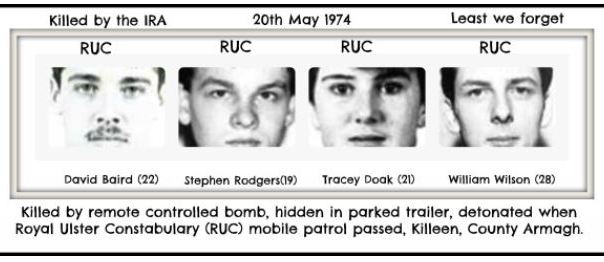
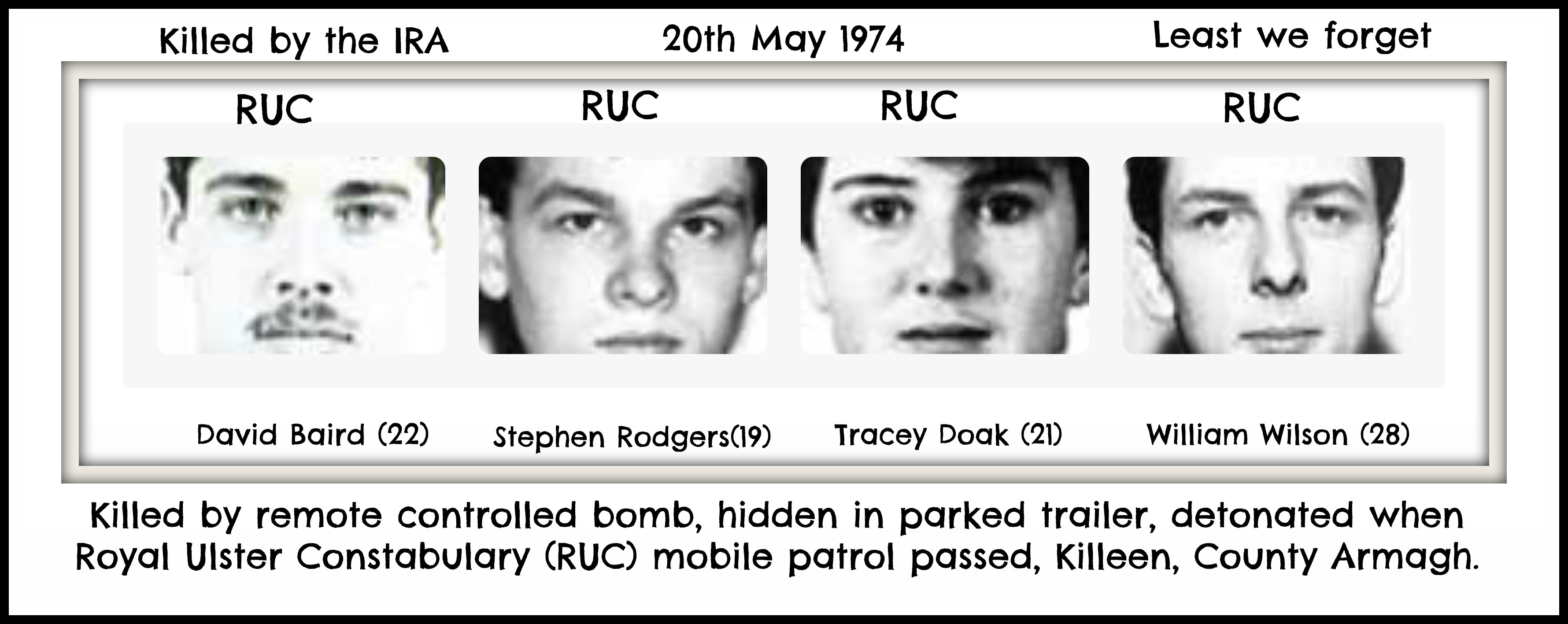
RUC  Collage

Four Royal Ulster Constabulary (RUC) officers in a mobile patrol were killed when the Irish Republican Army (IRA) exploded a bomb in a parked trailer at Killeen, County Down.

Tuesday 20 May 1986

Nicholas Scott, then a Northern Ireland Office (NIO) Minister, provided information in the House of Commons on the level of intimidation that Royal Ulster Constabulary (RUC) officers had faced from Loyalists during protests at the Anglo-Irish Agreement (AIA).

Scott said that there had been 368 cases of intimidation.

[Later information provided by the RUC indicated that the final number was over 500 homes attacked and 150 RUC families forced to move.]

Monday 20 May 1991

The Social Democratic and Labour Party (SDLP) announced that it was leaving the political talks (later known as the Brooke / Mayhew talks) until such time as the procedures for the main talks were agreed by the other parties.

Thursday 20 May 1993

The Irish Republican Army (IRA) exploded a bomb, estimated at 1,000 pounds, in Glengall Street, Belfast. Thirteen people were injured in the explosion. The bomb was placed outside the Grand Opera House and close to the Headquarters of the Ulster Unionist Party (UUP).

[Later estimates put the cost of the damage at £6.5 million.]

Friday 20 May 1994

There was serious rioting in Protestant areas of Belfast following the appearance in Belfast Magistrates’ Court of a man accused of ‘directing the activities’ of the Ulster Freedom Fighters (UFF), a cover name (pseudonym) used by the Ulster Defence Association (UDA).

Monday 20 May 1996

Gerry Adams, then President of Sinn Féin (SF), said that SF was prepared to accept the six ‘Mitchell Principles’ if the other parties agreed to them.

Tuesday 20 May 1997

John Hume, then leader of the Social Democratic and Labour Party (SDLP), tabled a motion in the House of Commons calling on the British government to conduct a new inquiry into the events of ‘Bloody Sunday‘ in Derry on 30 January 1972.

Jack Straw, then British Home Secretary, announced that two Irish Republican Army (IRA) prisoners, Danny McNamee and Liam McCotter, would be transferred to prisons in Northern Ireland.

Wednesday 20 May 1998

Blair’s Pledges

Tony Blair, then British Prime Minister, delivered a speech at the Coleraine campus of the University of Ulster in which he unveiled a hand-written set of pledges to the people of Northern Ireland in advance of the Referendum on 22 May 1998. The text of the pledges was as follows: “I pledge to the people of Northern Ireland:

  • No change in the status of Northern Ireland without the express consent of the people of Northern Ireland.
  • Power to take decisions returned to a Northern Ireland Assembly, with accountable North/South co-operation.
  • Fairness and equality guaranteed for all.
  • Those who use or threaten violence excluded from the Government of Northern Ireland.
  • Prisoners kept in unless violence is given up for good.

Whatever the Referendum result, as Prime Minister of the United Kingdom I will continue to work for stability and prosperity for all the people of Northern Ireland

.” Bill Clinton, then President of the United States of America (USA), sent a personal message to the people of Northern Ireland calling on them to vote ‘Yes’ in the

forthcoming referendum.

In the final hours of campaigning David Trimble, then leader of the Ulster Unionist Party (UUP), and Ian Paisley, then leader of the Democratic Unionist Party (DUP), took part in a live television debate.

The 10 minute encounter took place on the BBC’s ‘Newsline’ programme. The debate was heated with Paisley accusing Trimble of being prepared to “break the union”.

Thursday 20 May 1999

There were disturbances involving Loyalists and the Royal Ulster Constabulary (RUC) in Portadown, County Armagh.

The Ulster Unionist Party (UUP) delegation did not arrive for a second day of talks at Downing Street. The UUP stated that it had not been informed of the continuation of the talks.

Sinn Féin (SF) accused the UUP of a deliberate snub of the Prime Minister.

garvaghy road residents coalition 2

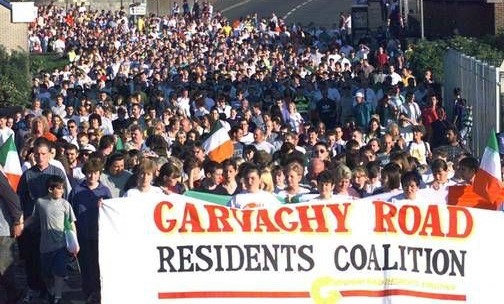
The Garvaghy Road Residents Coalition (GRRC) called for the Parades Commission to re-route the part of the Drumcree parade which passed close to Obins Street and St John’s Catholic Church.

Paul Berry, then a Democratic Unionist Party (DUP) Assemblyman, responded in an interview on Radio Ulster and said Loyalists would not be stopped from getting down the Garvaghy Road,

“If it is a matter of taking the law into our own hands then we are going to have to do it. That is a threat.”

(Reported in ‘Fortnight’ magazine, September 1999, p6). Mr Berry later denied making a threat. Planners from the Department of the Environment (DOE) in Northern Ireland told a regional planning conference in Dublin that Derry would be developed as the growth hub of the north-west.


 ——————————————

Remembering all innocent victims of the Troubles

Today is the anniversary of the death of the following people killed as a results of the conflict in Northern Ireland

“To live in hearts we leave behind is not to die

– Thomas Campbell

To the innocent on the list – Your memory will live forever

– To the Paramilitaries –

There are many things worth living for, a few things worth dying for, but nothing worth killing for.

10 People lost their lives on the 20th  May between 1972 – 1986

 ——————————————

20 May 1972
Henry Gillespie  (32)

Protestant
Status: Ulster Defence Regiment (UDR),

Killed by: Irish Republican Army (IRA)
Shot by sniper while on Ulster Defence Regiment mobile patrol, Killyliss, near Dungannon, County Tyrone.

 ——————————————

20 May 1974
Miicahel Mallon   (20)

Catholic
Status: Civilian (Civ),

Killed by: Ulster Defence Association (UDA)
Found shot by side of Milltown Road, Shaw’s Bridge, Belfast.

 ——————————————

20 May 1977


Robert North  (52)

Protestant
Status: Royal Ulster Constabulary (RUC),

Killed by: Irish Republican Army (IRA)
Off duty reservist. Shot while driving school bus along Drumlee Road, near Benburb, County Tyrone

 ——————————————

20 May 1977


 Daniel McCooey  (20)

Catholic
Status: Civilian (Civ),

Killed by: British Army (BA)
Died three weeks after being badly beaten by British Army (BA) foot patrol, Castle Street, Belfast.

 ——————————————

20 May 1979


Stanley Wray  (50)

Protestant
Status: Royal Ulster Constabulary (RUC),

Killed by: Irish Republican Army (IRA)
Off duty. Shot shortly after leaving Claremont Presbyterian Church, Northland Road, Derry.

 ——————————————

20 May 1985


William Wilson   (28)

Protestant
Status: Royal Ulster Constabulary (RUC),

Killed by: Irish Republican Army (IRA)
Killed by remote controlled bomb, hidden in parked trailer, detonated when Royal Ulster Constabulary (RUC) mobile patrol passed, Killeen, County Armagh.

 ——————————————

20 May 1985


Stephen Rodgers   (19)

Protestant
Status: Royal Ulster Constabulary (RUC),

Killed by: Irish Republican Army (IRA)
Killed by remote controlled bomb, hidden in parked trailer, detonated when Royal Ulster Constabulary (RUC) mobile patrol passed, Killeen, County Armagh.

 ——————————————

20 May 1985


David Baird   (22)

Protestant
Status: Royal Ulster Constabulary (RUC),

Killed by: Irish Republican Army (IRA)
Killed by remote controlled bomb, hidden in parked trailer, detonated when Royal Ulster Constabulary (RUC) mobile patrol passed, Killeen, County Armagh.

 ——————————————

20 May 1985

Tracey Doak   (21)

Protestant
Status: Royal Ulster Constabulary (RUC),

Killed by: Irish Republican Army (IRA)
Killed by remote controlled bomb, hidden in parked trailer, detonated when Royal Ulster Constabulary (RUC) mobile patrol passed, Killeen, County Armagh.

 ——————————————

20 May 1986
Colm McKevitt  (30)

Catholic
Status: Civilian (Civ),

Killed by: Irish Republican Army (IRA)
Shot shortly after being abducted from his sister’s home, Killeen, County Armagh. Alleged informer.

 ——————————————

On this day in 1950 – Tornado sweeps southern England

BBC News story 1950

21st May

Two people have died in violent storms and a tornado which have devastated southern England.

Several others were injured in lightning strikes and fierce winds which caused massive damage to property around London.

The two who died were Frederick Cast and James Perry, of Kempston in Bedfordshire. Both were struck by lightning and killed as they ran for shelter.

Three others with them were injured and taken to hospital

Black Cloud

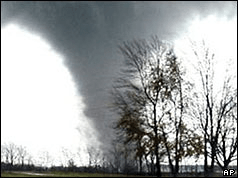
The worst damage to property was caused by a tornado which began in the late afternoon in Buckinghamshire.

Eyewitnesses spoke of a dense, black cloud gathering on the horizon and quickly developing into the dark column of a tornado.

It swept through towns and villages across the top of London as far as the Cambridgeshire fens, leaving ruin in its wake.

Terrifying Wind

In the Buckinghamshire village of Linslade, the terrifying wind wrecked hundreds of houses and other buildings as it tore through the streets and surrounding fields.

One resident, Tony Birch, described the scene:

“When we looked out of the side of the house, clouds appeared to be coming together in different directions.  I believe I saw the actual source of the tornado.”

Dozens homeless

Whole streets of houses were stripped of their roof tiles, with furniture inside ruined by the heavy rain which followed.

Dozens of people have been made homeless, and relief workers are now helping those affected.

There were extraordinary scenes as the wind passed over: hundreds of trees were uprooted, drawn into the air and dropped large distances away.

The tornado also lifted up parked cars, cattle and horses and dumped them in nearby fields.

Witnesses said the tornado was 50 yards (45.7 metres) wide in places, although it shrank to just 5 yards (4.6 metres) wide in others.

It took less than an hour to travel from one end of the village to the other, but it caused hundreds of pounds worth of damage.

Flood Warnings

Other towns in the tornado’s path were also badly affected.

About half a mile from Linslade, in the town of Leighton Buzzard, a shop in the high street was struck by lightning and set on fire, while in Ely, Cambridgeshire, a double-decker bus was overturned.

There are warnings of further flooding throughout the entire region, and it’s likely that the difficult weather conditions will continue.

The path of the 1950 tornado was at least 66 miles long. It remains the longest trail on record for a tornado in England, and at two and a half hours the tornado is the longest lasting on record in Europe.In Linslade alone, 200 houses were damaged, 50 extensively. The Ministry of Supply handed out 450 tarpaulins to cover damaged roofs.

A further victim of the storms was eight-year-old Jennifer Margaret Reeves, who was swept away by flood waters and drowned.

One or two tornadoes are reported every year in the UK, of varying severity. Most are very limited in area, and cause damage over a narrow band not many miles in length.

They generally happen as a result of violent thunderstorms, and are caused by strong air currents within a storm cloud creating a high-speed funnel of wind.

———————-

Extreme up-close video of tornado near Wray, CO!

———————-


Sir Nicholas George Winton MBE – We Salute You!

Nicholas Winton

Nicholas Winton memorial service honours Holocaust hero

Sir Nicholas Winton

A memorial service is being held for Sir Nicholas Winton, who rescued hundreds of children from the Holocaust in the months before World War Two.

Some 400 people are attending event at London’s Guildhall, including 28 of those he saved and Czech, Slovak and UK government representatives.

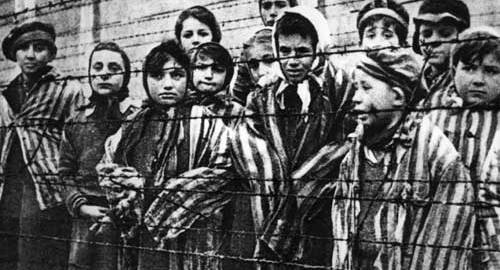
Sir Nicholas organised the “Kindertransport” in which 669 mostly Jewish children came to Britain by train from Czechoslovakia in 1939.

He died on 1 July last year, aged 106.

The Kindertransport became public knowledge on BBC TV show That’s Life in 1988 when presenter Esther Rantzen reunited some of those saved with the person who helped them escape the Nazis

See BBC News for full story

———————–

Sir Nicholas Winton, Nicky’s Children, the Czech Kindertransport

———————–

Sir Nicholas George Winton MBE (born Nicholas George Wertheim; 19 May 1909 – 1 July 2015) was a British humanitarian who organized the rescue of 669 children, most of them Jewish, from Czechoslovakia on the eve of the Second World War in an operation later known as the Czech Kindertransport (German for “children transportation”). Winton found homes for the children and arranged for their safe passage to Britain.

The world found out about his work over 40 years later, in 1988. The British press dubbed him the “British Schindler“. On 28 October 2014, he was awarded the highest honour of the Czech Republic, the Order of the White Lion (1st class), by Czech President Miloš Zeman.

Sir
Nicholas Winton
MBE
Nicholas Winton in Prague.jpg

Winton in Prague on 10 October 2007
Born Nicholas George Wertheim
(1909-05-19)19 May 1909
Hampstead, London, England
Died 1 July 2015(2015-07-01) (aged 106)
Wexham Hospital, Slough, Berkshire, England
Other names Nicholas George Wortham[1]
Alma mater Stowe School
Occupation Humanitarian
Years active 1938–2015
Spouse(s) Grete Gjelstrup (m. 1948; d. 1999)
Children 3
Website nicholaswinton.com
Military career
Allegiance  United Kingdom
Service/branch  Royal Air Force
Years of service 1940–1954
Rank Flight lieutenant
Battles/wars Second World War

Early life

Nicholas Winton was born on 19 May 1909 in Hampstead, London, a son of bank manager Rudolph Wertheim and wife Barbara (née Wertheimer). His parents were German Jews who had moved to London two years earlier. The family name was Wertheim, but they changed it to Winton in an effort at integration. They also converted to Christianity, and Winton was baptised.

Stoweschool.jpg

Motto Latin: Persto et Praesto
(“I stand firm and I stand first”)

In 1923, Winton entered Stowe School, which had just opened.  He left without qualifications, attending night school while volunteering at the Midland Bank. He then went to Hamburg, where he worked at Behrens Bank, followed by Wasserman Bank in Berlin. In 1931, he moved to France and worked for the Banque Nationale de Crédit in Paris. He also earned a banking qualification in France. Returning to London, he became a broker at the London Stock Exchange. Though a stockbroker, Winton was also “an ardent socialist who became close to Labour Party luminaries Aneurin Bevan, Jennie Lee and Tom Driberg.” Through another socialist friend, Martin Blake, Winton became part of a leftwing circle opposed to appeasement and concerned about the dangers posed by the Nazis.[11]

At school, he had become an outstanding fencer and he was selected for the British team in 1938. He had hoped to compete in the next Olympics, but the games were cancelled because of the war

Rescue work

Shortly before Christmas 1938, Winton was planning to travel to Switzerland for a skiing holiday. He decided instead to visit Prague and help Martin Blake, who was in Prague as an associate of the British Committee for Refugees from Czechoslovakia,  then in the process of being occupied by Germany, and had called Winton to ask him to assist in Jewish welfare work.

Nazi Swastika

Winton single-handedly established an organization to aid children from Jewish families at risk from the Nazis. He set up his office at a dining room table in his hotel in Wenceslas Square. In November 1938, following Kristallnacht in Nazi-ruled Germany, the House of Commons approved a measure to allow the entry into Britain of refugees younger than 17, provided they had a place to stay and a warranty of £50 was deposited for their eventual return to their own country.

The Netherlands

An important obstacle was getting official permission to cross into the Netherlands, as the children were to embark on the ferry at Hoek van Holland. After Kristallnacht in November 1938, the Dutch government officially closed its borders to any Jewish refugees. The border guards, marechaussees, searched for them and returned any found to Germany, despite the horrors of Kristallnacht being well known.

Winton succeeded, thanks to the guarantees he had obtained from Britain. After the first train, the process of crossing the Netherlands went smoothly.Winton ultimately found homes in Britain for 669 children, many of whose parents would perish in the Auschwitz concentration camp. His mother worked with him to place the children in homes and later hostels. Throughout the summer of 1939, he placed photographs of the children in Picture Post seeking families to accept them. He also wrote to US politicians such as Roosevelt, asking them for haven for more children. He said that two thousand more might have been saved if they had helped but only Sweden took any besides those sent to Britain. The last group of 250, scheduled to leave Prague on 1 September 1939, were unable to depart. With Hitler‘s invasion of Poland on the same day, the Second World War had begun.

Of the children due to leave on that train, only two survived the war.

Winton acknowledged the vital roles of Doreen Warriner (March 16, 1904 – December 17, 1972), Trevor Chadwick (April 22, 1907 – December 23, 1979),  Nicholas Stopford,  Beatrice Wellington (June 15, 1907 – ) Josephine Pike, and Bill Barazetti (1914 – 2000 in Prague who also worked to evacuate children from Europe. Winton was in Prague for only about three weeks before the Nazis occupied the country. He never set foot in Prague Station. As he later wrote, “Chadwick did the more difficult and dangerous work after the Nazis invaded… he deserves all praise

—————————–

Sir Nicholas Winton – BBC Programme

“That’s Life” aired in 1988

—————————–

Notable people saved

Of the 669 children saved from the Holocaust through Winton’s efforts, more than 370 have never been traced. BBC News suggested in 2015 that they may not know the full story of how they survived the war

Second World War

After the outbreak of the Second World War, Winton applied successfully for registration as a conscientious objector and later served with the Red Cross. In 1940, he rescinded his objections and joined the Royal Air Force, Administrative and Special Duties Branch. He was an aircraftman, rising to sergeant by the time he was commissioned on 22 June 1944 as an acting pilot officer on probation.

On 17 August 1944, he was promoted to pilot officer on probation. He was promoted to the rank of war substantive flying officer on 17 February 1945.  He relinquished his commission on 19 May 1954, retaining the honorary rank of flight lieutenant.
Post-war


After the war, Winton worked for the International Refugee Organisation and then the International Bank for Reconstruction and Development in Paris, where he met Grete Gjelstrup, a Danish secretary and accountant’s daughter.They married in her hometown of Vejle on 31 October 1948. The couple settled in Maidenhead, England, where they brought up their three children and he stood, unsuccessfully, for the town council in 1954. Winton found work in the finance departments of various companies.

Recognition

It is often wrongly reported that Winton suppressed humanitarian exploits for many years despite mentioning them in his election material while unsuccessfully standing for election to the town council in 1954.  In 1988 his wife found a detailed scrapbook in their attic, containing lists of the children, including their parents’ names and the names and addresses of the families that took them in. She gave the scrapbook to Elisabeth Maxwell, a Holocaust researcher and wife of media magnate Robert Maxwell.

Winton himself could not remember the reason why this was done. Letters were sent to each of these known addresses and 80 of “Winton’s children” were found in Britain.

The wider world found out about his work in February 1988  during an episode of the BBC television programme That’s Life! when he was invited as a member of the audience. At one point, Winton’s scrapbook was shown and his achievements were explained. The host of the programme, Esther Rantzen, asked whether anybody in the audience owed their lives to Winton, and if so, to stand – more than two dozen people surrounding Winton rose and applauded.

100th Birthday


To celebrate his 100th birthday, Winton flew over the White Waltham Airfield in a microlight piloted by Judy Leden, the daughter of one of the boys he saved. His birthday was also marked by the publication of a profile in The Jewish Chronicle


Death

Winton died peacefully in his sleep on the morning of 1 July 2015 at Wexham Park Hospital in Slough from cardio-respiratory failure having been admitted a week earlier following a deterioration in his health. He was 106 years old.

Winton’s death came 76 years to the day after 241 of the children he saved left Prague on a train.[45] A special report from the BBC News on several of the children whom Winton rescued during the war had been published earlier that day.

Honours

In the 1983 Queen’s Birthday Honours, Winton was appointed a Member of the Order of the British Empire (MBE) for his work in establishing the Abbeyfield homes for the elderly in Britain, and in the 2003 New Year Honours, he was knighted in recognition of his work on the Czech Kindertransport.

He met the Queen again during her state visit to Bratislava, Slovakia, in October 2008.In 2003, Winton received the Pride of Britain Award for Lifetime Achievement.  In 2010, Winton was named a British Hero of the Holocaust by the British Government.
Winton was awarded the Order of Tomáš Garrigue Masaryk, Fourth Class, by the Czech President Václav Havel in 1998. In 2008, he was honoured by the Czech government in several ways. An elementary school in Kunžak is named after him,  and he was awarded the Cross of Merit of the Minister of Defence, Grade I.The Czech government nominated him for the 2008 Nobel Peace Prize.

The minor planet 19384 Winton was named in his honour by Czech astronomers Jana Tichá and Miloš Tichý.


Statue at Prague main railway station, by Flor Kent, unveiled on 1 September 2009

A statue of Winton stands on Platform 1 of the Praha hlavní nádraží railway station. Created by Flor Kent, it was unveiled on 1 September 2009 as part of a larger commemoration of the 70th anniversary of the last Kindertransport train (see also Winton train, below).

There are also three memorials at Liverpool Street Station in London, where the Kindertransport children arrived.  In September 2010, another statue of Winton was unveiled, this time at Maidenhead railway station by Home Secretary Theresa May, MP for Maidenhead. Created by Lydia Karpinska, it depicts Winton sitting on a bench and reading a book.

Winton was baptised as a Christian by his parents, but his Jewish ancestry disqualified him from being declared a Righteous Among the Nations by Yad Vashem in Israel. As an adult, he was not active in any particular religion.  In a 2015 interview Winton told Stephen Sackur, he had become disillusioned with religion during the war as he could not reconcile religious movements “praying for victory on both sides of the same war”. Winton went on to describe his personal beliefs,

“I believe in ethics, and if everybody believed in ethics we’d have no problems at all. That’s the only way out; forget the religious side.”

Winton received the Wallenberg Medal on 27 June 2013 in London.The following year, the International Raoul Wallenberg Foundation established a literary competition named after Winton. The contest is for essays by high school students about Winton’s legacy.

Winton was awarded the Freedom of the City of London on 23 February 2015.

Winton train

Main article: Winton Train

The headboard worn by No. 60163 Tornado from Harwich to Liverpool Street station, the final leg of the Winton Train from Prague.

On 1 September 2009, a special “Winton Train” set off from the Prague Main railway station. The train, composed of one or two steam locomotives (out of a set of six) and carriages used in the 1930s, headed to London via the original Kindertransport route. On board were several surviving “Winton children” and their descendants, who were welcomed by Winton in London. The occasion marked the 70th anniversary of the intended last Kindertransport, due to set off on 3 September 1939 but prevented by the outbreak of the Second World War. At the train’s departure, a memorial statue for Winton, designed by Flor Kent, was unveiled at the railway station.

Order of the White Lion

On 19 May 2014, Winton’s 105th birthday, it was announced he was to receive the Czech Republic‘s highest honour, for giving Czech children “the greatest possible gift: the chance to live and to be free”. On 28 October 2014, Winton was awarded the Order of the White Lion (Class I) by Czech President Miloš Zeman,[69] the Czech Defence Ministry having sent a special aircraft to bring him to Prague. The award was made alongside one to Sir Winston Churchill, which was accepted by his grandson Nicholas Soames. Zeman said he regretted the highest Czech award having been awarded to the two personalities so belatedly, but added “better late than never”.

Winton was also able to meet some of the people he rescued 75 years earlier, themselves then in their 80s. He said, “I want to thank you all for this enormous expression of thanks for something which happened to me nearly 100 years ago—and a 100 years is a heck of a long time. I am delighted that so many of the children are still about and are here to thank me.”[68][71]

Popular culture


Winton’s work is the subject of three films by Slovak filmmaker Matej Mináč: the drama All My Loved Ones (1999), in which Winton was played by Rupert Graves, the documentary The Power of Good: Nicholas Winton (Síla lidskosti—Nicholas Winton, 2002), which won an Emmy Award , and the documentary drama Nicky’s Family (Nickyho rodina, 2011). A play about Winton, Numbers from Prague, was performed in Cambridge in January 2011. Winton was featured in the 2000 Warner Brothers documentary written and directed by Mark Jonathan Harris and produced by Deborah Oppenheimer, Into the Arms of Strangers: Stories of the Kindertransport, which received the Academy Award for Best Documentary Feature, and the film’s accompanying book of the same name.

Speaking on BBC Radio 4’s Today programme, on 28 October 2014, Winton said he thought he had “made a difference to a lot of people” and went on to say,

“I don’t think we’ve learned anything… the world today is in a more dangerous situation than it has ever been.”

Memorial

On 20 May 2016 Glen Art  will present a memorial concert celebrating Winton’s life with Jason Isaacs, Rupert Graves and Alexander Baillie, at St John’s, Smith Square. All funds donated will be given to charities supporting Syrian refugee children.

On 22 April 2016, a remembrance quarter peal was rung and a new method named ‘Sir Nicholas Winton Delight’ by bellringers of the Whiting Society of Ringers

holocaust

See The Holocaust

Dr. Fritz Klein, center, who selected prisoners to be sent to the gas chamber at Bergen-Belsen concentration camp in Germany, was forced to move bodies to a mass grave after the camp was liberated by the British in April, 1945. Sixty thousand prisoners, most of them seriously ill, were found in the camp along with thousands of unburied corpses. Klein was later tried and hanged. (AP Photo)

See Pictures that changed the World – Dr Fritz Klein in a mass grave

See Mossad

mossad 4


19th May – Deaths & Events in Northern Ireland Troubles

Key Events & Deaths on this day in Northern Ireland Troubles

19th May

Sunday 19 May 1974

Day 5 of the UWC strike

Merlyn Rees, then Secretary of Sate for Northern Ireland, announced a State of Emergency (Section 40, Northern Ireland Constitution Act 1973).

Rees flew to Chequers, the country home of the Prime Minister, for talks.

The United Ulster Unionist Council (UUUC) met and agreed to support the Ulster Workers’ Council (UWC). The UWC withdrew its call for a total stoppage as of midnight. Some shops reported panic buying. A memorandum was submitted by the Northern Ireland Labour Party (NILP) to the Northern Ireland Office (NIO

Tuesday 19 May 1981

Five British soldiers were killed in an Irish Republican Army (IRA) landmine attack near Bessbrook, County Armagh. The soldiers had been travelling in an armoured vehicle when the bomb exploded.

Tuesday 19 May 1987

Robert McCarty

The Ulster Unionist Party (UUP) expelled Robert McCartney because of his criticism of UUP leaders and also for his involvement in the Campaign for Equal Citizenship.

Wednesday 19 May 1993

Local Government Elections

There were district council elections to choose 582 councillors for the 26 District Councils in Northern Ireland.

[When the results were declared they showed an increase in the percentage share of the vote for the Social Democratic and Labour Party (SDLP), Sinn Féin (SF), and the Alliance Party of Northern Ireland (APNI).]

gilford pub bombing

Three former detectives in the British police who had been involved in the investigations that led to the convictions of the Guildford Four were cleared of conspiring to pervert the course of justice. The men were accused of having manufactured the interview notes of one of the Guildford Four.

See Guildford Bombing

Thursday 19 May 1994

The Northern Ireland Office (NIO) published a 21 page British government response to Sinn Féin (SF) questions that arose from the Downing Street Declaration (DSD). SF had submitted a series of 20 questions via the Irish government. Albert Reynolds, then Taoiseach (Irish Prime Minister), described the clarification as “comprehensive and positive”.

Friday 19 May 1995

At the Forum for Peace and Reconciliation in Dublin, Seamus Mallon, then deputy leader of the Social Democratic and Labour Party (SDLP), criticised the support by Sinn Féin (SF) for imposed all-Ireland institutions without a democratic assembly in Northern Ireland. Mallon argued in favour of the model in the Framework Documents (published on 22 February 1995).

Sunday 19 May 1996

Geoffrey Anderson, then a Royal Irish Regiment soldier, killed two people and injured a third before committing suicide.

See Irish Times for full story

There was a confrontation between the Royal Ulster Const abulary (RUC) and nationalists in the village of Dunloy, County Antrim, during an Apprentice Boys of Derry march

Monday 19 May 1997

Gerry Adams, then President of Sinn Féin (SF), and Martin McGuinness, then Vice-President of Sinn Féin (SF), travelled to Westminster to press their case for facilities within the House of Commons.

The two SF Members of Parliament (MPs) were denied access to the House when they refused to take their seats which would have involved taking an oath of allegiance to the Queen.

Tuesday 19 May 1998

John Hume, then leader of the Social Democratic and Labour Party (SDLP), and David Trimble, then leader of the Ulster Unionist Party (UUP), met on the stage at a U2 concert at Belfast’s Waterfront Hall.

The concert had been arranged to support the ‘Yes’ campaign.

[Bono, then lead singer with the group U2, joined the two party leaders on stage and held their arms aloft. This event was thought to have given the ‘Yes’ campaign a much needed boost. Until then the two party leaders had not campaigned together.]

A ‘pipe-bomb’ contained in a parcel was delivered to the Dublin Tourist offices in St Andrew’s Street, Dublin, Republic of Ireland. The device was spotted and defused.

[An unknown Loyalist paramilitary group was thought to be responsible for the attack. Pipe-bombs were widely used by Loyalist paramilitaries over the coming years particularly in attacks on the homes of Catholic families in Northern Ireland.]

Wednesday 19 May 1999

John Pickering (Rev), then rector of Drumcree, together with his vestry, decided to defy the General Synod’s vote on 18 May 1999 and announced that they would go ahead with the service for the Orange Order at Drumcree on 4 July 1999.

Talks were held in Downing Street involving the Ulster Unionist Party (UUP), the Social Democratic and Labour Party (SDLP), and Sinn Féin (SF).

However the parties failed to reach agreement on outstanding issues.

Loyalists clashed with Royal Ulster Constabulary (RUC) officers in Portadown, County Armagh.

Eddie Copeland was awarded £27,500 by Belfast High Court in compensation for injuries received when he was shot by a British Army soldier on 26 October 1993. The case was taken against the Ministry of Defence. Copeland had been attending the funeral of Thomas Begley who was killed planting a bomb on the Shankill Road on 23 October 1993.

Garda Síochána (the Irish police) opened an inquiry into the killing of Seamus Ludlow on 2 May 1976 who was found shot in laneway near to his home, Thistlecross, near Dundalk, County Louth. Gardaí initially blamed the Irish Republican Army (IRA) for the killing.

[However later it was claimed that Ludlow had been killed by the Red Hand Commando (RHC) / Ulster Volunteer Force (UVF). There was also speculation of involvement by the Special Air Service (SAS) and also by the Ulster Defence Regiment (UDR).]


  ——————————————

Remembering all innocent victims of the Troubles

Today is the anniversary of the death of the following people killed as a results of the conflict in Northern Ireland

“To live in hearts we leave behind is not to die

– Thomas Campbell

To the innocent on the list – Your memory will live forever

– To the Paramilitaries –

There are many things worth living for, a few things worth dying for, but nothing worth killing for.

10 People lost their lives on the 19th May between 1972 – 1981

 ——————————————

19 May 1972
Harold Morris   (15)

Protestant
Status: Civilian (Civ),

Killed by: Irish Republican Army (IRA)
Shot by sniper while walking along Boundary Street, Shankill, Belfast.

 ——————————————

19 May 1972


Manus Deery  (15)

Catholic
Status: Civilian (Civ),

Killed by: British Army (BA)
Shot by sniper from British Army (BA) observation post on city walls, while in entry off Westland Street, Derry.

 ——————————————

19 May 1973
Robert McIntyre   (24)

Protestant
Status: Ulster Volunteer Force (UVF),

Killed by: Ulster Defence Regiment (UDR)
Died two days after being shot by off duty Ulster Defence Regiment (UDR) member while attempting to hijack a car, Shankill Road, Belfast.

 ——————————————

19 May 1973
Edward Coogan    (39)

Catholic
Status: Civilian (Civ),

Killed by: non-specific Loyalist group (LOY)
Shot from passing car while walking along Adela Street, off Antrim Road, Belfast.

 ——————————————

19 May 1979
Jack McClenaghan   (64)

Protestant
Status: ex-Ulster Defence Regiment (xUDR),

Killed by: Irish Republican Army (IRA)
Shot while delivering bread, Garrison, County Fermanagh.

 ——————————————

19 May 1981


Andrew Gavin   (19)

nfNI
Status: British Army (BA),

Killed by: Irish Republican Army (IRA)
Killed in land mine attack on British Army (BA) Armoured Personnel Carrier, Chancellor’s Road, Altnaveigh, near Bessbrook, County Armagh.

 ——————————————

19 May 1981


Paul Bulman  (19)

nfNI
Status: British Army (BA),

Killed by: Irish Republican Army (IRA)
Killed in land mine attack on British Army (BA) Armoured Personnel Carrier, Chancellor’s Road, Altnaveigh, near Bessbrook, County Armagh.

 ——————————————

19 May 1981


Michael Bagshaw   (25)

nfNI
Status: British Army (BA),

Killed by: Irish Republican Army (IRA)
Killed in land mine attack on British Army (BA) Armoured Personnel Carrier, Chancellor’s Road, Altnaveigh, near Bessbrook, County Armagh.

 ——————————————

19 May 1981
John King  (20)

nfNI
Status: British Army (BA),

Killed by: Irish Republican Army (IRA)
Killed in land mine attack on British Army (BA) Armoured Personnel Carrier, Chancellor’s Road, Altnaveigh, near Bessbrook, County Armagh.

 ——————————————

19 May 1981


Grenville Winstone  (27)

nfNI
Status: British Army (BA),

Killed by: Irish Republican Army (IRA)
Killed in land mine attack on British Army (BA) Armoured Personnel Carrier, Chancellor’s Road, Altnaveigh, near Bessbrook, County Armagh.

 ——————————————

See: Bessbrook : 

Black Rod – What’s it all about?

OriginThe office was created in 1350 by royal letters patent, though the current title dates from 1522. The position was adopted by other members of the Commonwealth when they adopted the British Westminster system. The title is derived from the staff of office, an ebony staff topped with a golden lion, which is the main symbol of the office’s authority.

Source: Black Rod – What’s it all about?

Black Rod – What’s it all about?

The Gentleman Usher of the Black Rod, generally shortened to Black Rod, is an official in the parliaments of several Commonwealth countries. The position originates in the House of Lords of the Parliament of the United Kingdom.

Caricature from Vanity Fair of Admiral Sir Augustus W.J. Clifford, 1st Bt, as Black Rod

In the United Kingdom, Black Rod is responsible for maintaining the buildings, services, and security of the Palace of Westminster.

——————————-

UK Parliament Open Lecture – Black Rod: today’s role in Parliament

——————————-

United Kingdom
Gentleman Usher of the
Black Rod
House of Lords.svg
Lt Gen David Leakey.jpg

Incumbent
Lt Gen David Leakey CMG CBE

since 1 February 2011

Parliament of the United Kingdom
Reports to Clerk of the Parliaments
Appointer The Crown 
Clerk of the Parliaments
Formation 1350
First holder Walter Whitehorse (known)
Deputy Yeoman Usher of the Black Rod
Website Parliamentary information page

Origin

The office was created in 1350 by royal letters patent, though the current title dates from 1522. The position was adopted by other members of the Commonwealth when they adopted the British Westminster system. The title is derived from the staff of office, an ebony staff topped with a golden lion, which is the main symbol of the office’s authority.

United Kingdom

Appointment

Black Rod is formally appointed by the Crown based on a recruitment search performed by the Clerk of the Parliaments, to whom he reports. Prior to 2002 the office rotated among retired senior officers from the Royal Navy, the British Army and the Royal Air Force. It is now advertised openly. Black Rod is an officer of the English Order of the Garter, and is usually appointed Knight Bachelor if not already knighted. His deputy is the Yeoman Usher of the Black Rod.

Official duties

He is responsible, as the representative of the Administration and Works Committee, for maintaining the buildings, services, and security of the Palace of Westminster. Black Rod’s official duties also include responsibility as the usher and doorkeeper at meetings of the Most Noble Order of the Garter; the personal attendant of the Sovereign in the Lords; as secretary to the Lord Great Chamberlain and as the Sergeant-at-Arms and Keeper of the Doors of the House, in charge of the admission of strangers to the House of Lords. Either Black Rod or his deputy, the Yeoman Usher, is required to be present when the House of Lords, the upper house of Parliament, is in session, and plays a role in the introduction of all new Lords Temporal in the House (but not of bishops as new Lords Spiritual). Black Rod also arrests any Lord guilty of breach of privilege or other Parliamentary offence, such as contempt or disorder, or the disturbance of the House’s proceedings. His equivalent for security in the House of Commons is the Serjeant at Arms.

Black Rod, along with his deputy, is responsible for organizing ceremonial events within the Palace of Westminster, providing leadership in guiding the significant logistics of running such events.

Ceremonial Duties

Mace

Black Rod is in theory responsible for carrying the Mace into and out of the chamber for the Speaker of the House of Lords (formerly the Lord Chancellor, now the Lord Speaker), though this role is delegated to the Yeoman Usher and Deputy Serjeant-at-Arms, or on judicial occasions, to the Lord Speaker’s deputy, the Assistant Serjeant-at-Arms. The mace was introduced in 1876.

State Opening of Parliament

Black Rod is best known for his part in the ceremonies surrounding the State Opening of Parliament and the Throne speech. He summons the Commons to attend the speech and leads them to the Lords. As part of the ritual, as Black Rod approaches the doors to the chamber of the House of Commons to make his summons, they are slammed in his face. This is to symbolize the Commons’ independence of the Sovereign. Black Rod then strikes the door three times with his staff, and is then admitted and issues the summons of the monarch to attend.

This ritual is derived from the attempt by King Charles I to arrest the Five Members in 1642, in what was seen as a breach of the constitution. This and prior actions of the King led to the Civil War. After that incident, the House of Commons has maintained its right to question the right of the monarch’s representative to enter their chamber, although they cannot bar him from entering with lawful authority. In recent years, Black Rod has received jibes on this annual occasion from the outspoken republican Labour MP Dennis Skinner

See here for more details on Black Rod


Girl Power! Boudica – Warrior Queen

Boudica Warrior Queen Boudica (/ˈbuːdᵻkə/; alternative spellings: Boudicca, Boudicea, also known as Boadicea /boʊdᵻˈsiːə/ and in Welsh as Buddug [ˈbɨ̞ðɨ̞ɡ]) (d. AD 60 or 61) was a queen of the Brit…

Source: Girl Power! Boudica – Warrior Queen

The “B-Specials” or “B Men’

The Ulster Special Constabulary ( commonly called the “B-Specials” or “B Men’) ———————————- B Specials Brit…

Source: The “B-Specials” or “B Men’