Footage has emerged of an intriguing network of caves found through a rabbit hole that many believe were built by the Knights Templar order 700 years ago.
The sanctuary in Shropshire is located under an unassuming set of what appear to be large rabbit holes in a farmer’s field near the town of Shifnal.
The caves, some of which have to be accessed on hands and knees, are one metre underground and are carved out of sandstone. They feature several alcoves and a font.
It remains unclear exactly what the caves were used for or when they were built, but Historic England describes them as a “grotto” and states it appears they have recently been used for “black magic rites”
Photographer Michael Scott said: “I traipsed over a field to find it, but if you didn’t know it was there you would just walk right past it. Considering how long it’s been there it’s in amazing condition, it’s like an underground temple.”
“I had to crouch down and once I was in it was completely silent. There were a few spiders in there but that was it. It was raining so the slope down was quite sludgy but inside the cave was bone dry.”
The Poor Fellow-Soldiers of Christ and of the Temple of Solomon (Latin: Pauperes commilitones Christi Templique Salomonici), also known as the Order of Solomon’s Temple (French: Ordre du Temple or Templiers, Arabic: فرسان الهيكل), the Knights Templar, or simply as Templars, was a Christian military order recognised in 1139 by papal bullOmne Datum Optimum of the Holy See.[4] The order was founded in 1119 and active from about 1129 to 1312.
The order, which was among the wealthiest and most powerful, became a favoured charity throughout Christendom and grew rapidly in membership and power. They were prominent in Christian finance. Templar knights, in their distinctive white mantles with a red cross, were among the most skilled fighting units of the Crusades.
Non-combatant members of the order managed a large economic infrastructure throughout Christendom, developing innovative financial techniques that were an early form of banking, and building fortifications across Europe and the Holy Land.
The Templars were closely tied to the Crusades; when the Holy Land was lost, support for the order faded. Rumours about the Templars’ secret initiation ceremony created distrust, and King Philip IV of France – deeply in debt to the order – took advantage of the situation to gain control over them. In 1307, he had many of the order’s members in France arrested, tortured into giving false confessions, and burned at the stake.
Pope Clement V disbanded the order in 1312 under pressure from King Philip.
The abrupt reduction in power of a significant group in European society gave rise to speculation, legend, and legacy through the ages. The re-use of their name for later organizations has kept the name “Templar” alive to the modern day.
Knights Templar Poor Fellow-Soldiers of Christ and of the Temple of Solomon Pauperes commilitones Christi Templique Salomonici Hierosolymitanis
After Europeans in the First Crusade recovered Jerusalem in 1099, many Christians made pilgrimages to various sacred sites in the Holy Land. Although the city of Jerusalem was under relatively secure Christian control, the rest of Outremer was not. Bandits and marauding highwaymen preyed upon pilgrims, who were routinely slaughtered, sometimes by the hundreds, as they attempted to make the journey from the coastline at Jaffa into the interior of the Holy Land.
The Temple Mount had a mystique because it was above what was believed to be the ruins of the Temple of Solomon. The Crusaders therefore referred to the Al-Aqsa Mosque as Solomon’s Temple, and from this location the new order took the name of Poor Knights of Christ and the Temple of Solomon, or “Templar” knights. The order, with about nine knights including Godfrey de Saint-Omer and André de Montbard, had few financial resources and relied on donations to survive.
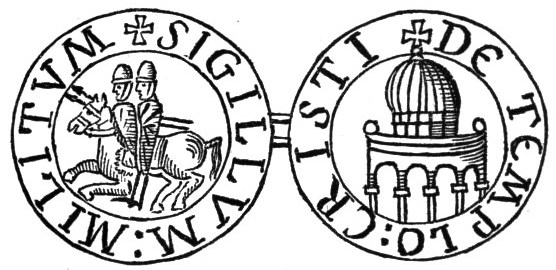
Their emblem was of two knights riding on a single horse, emphasising the order’s poverty.
The first headquarters of the Knights Templar, on the Temple Mount in Jerusalem. The Crusaders called it the Temple of Solomon and from this location derived their name of Templar.
The impoverished status of the Templars did not last long. They had a powerful advocate in Saint Bernard of Clairvaux, a leading Church figure, the French abbot primarily responsible for the founding of the Cistercian Order of monks and a nephew of André de Montbard, one of the founding knights. Bernard put his weight behind them and wrote persuasively on their behalf in the letter ‘In Praise of the New Knighthood’, and in 1129, at the Council of Troyes, he led a group of leading churchmen to officially approve and endorse the order on behalf of the church. With this formal blessing, the Templars became a favoured charity throughout Christendom, receiving money, land, businesses, and noble-born sons from families who were eager to help with the fight in the Holy Land. Another major benefit came in 1139, when Pope Innocent II‘s papal bullOmne Datum Optimum exempted the order from obedience to local laws.
This ruling meant that the Templars could pass freely through all borders, were not required to pay any taxes, and were exempt from all authority except that of the pope.
With its clear mission and ample resources, the order grew rapidly. Templars were often the advance shock troops in key battles of the Crusades, as the heavily armoured knights on their warhorses would set out to charge at the enemy, ahead of the main army bodies, in an attempt to break opposition lines. One of their most famous victories was in 1177 during the Battle of Montgisard, where some 500 Templar knights helped several thousand infantry to defeat Saladin‘s army of more than 26,000 soldiers.
A Templar Knight is truly a fearless knight, and secure on every side, for his soul is protected by the armour of faith, just as his body is protected by the armour of steel. He is thus doubly armed, and need fear neither demons nor men.”
Bernard de Clairvaux, c. 1135,
De Laude Novae Militae—In Praise of the New Knighthood
Although the primary mission of the order was military, relatively few members were combatants. The others acted in support positions to assist the knights and to manage the financial infrastructure. The Templar Order, though its members were sworn to individual poverty, was given control of wealth beyond direct donations. A nobleman who was interested in participating in the Crusades might place all his assets under Templar management while he was away. Accumulating wealth in this manner throughout Christendom and the Outremer, the order in 1150 began generating letters of credit for pilgrims journeying to the Holy Land: pilgrims deposited their valuables with a local Templar preceptory before embarking, received a document indicating the value of their deposit, then used that document upon arrival in the Holy Land to retrieve their funds in an amount of treasure of equal value.
This innovative arrangement was an early form of banking and may have been the first formal system to support the use of cheques; it improved the safety of pilgrims by making them less attractive targets for thieves, and also contributed to the Templar coffers.
Based on this mix of donations and business dealing, the Templars established financial networks across the whole of Christendom. They acquired large tracts of land, both in Europe and the Middle East; they bought and managed farms and vineyards; they built massive stone cathedrals and castles; they were involved in manufacturing, import and export; they had their own fleet of ships; and at one point they even owned the entire island of Cyprus. The Order of the Knights Templar arguably qualifies as the world’s first multinational corporation.
In the mid-12th century, the tide began to turn in the Crusades. The Muslim world had become more united under effective leaders such as Saladin, and dissension arose amongst Christian factions in, and concerning, the Holy Land. The Knights Templar were occasionally at odds with the two other Christian military orders, the Knights Hospitaller and the Teutonic Knights, and decades of internecine feuds weakened Christian positions, both politically and militarily. After the Templars were involved in several unsuccessful campaigns, including the pivotal Battle of Hattin, Jerusalem was recaptured by Muslim forces under Saladin in 1187.
The Holy Roman Emperor Frederick II reclaimed the city for Christians in the Sixth Crusade of 1229, without Templar aid, but only held it briefly for a little more than a decade. In 1244, the Ayyubids, together with Khwarezmi mercenaries recaptured Jerusalem, and the city did not return to Western control until 1917 when the British captured it from the Ottoman Empire in World War I.
The Templars were forced to relocate their headquarters to other cities in the north, such as the seaport of Acre, which they held for the next century. It was lost in 1291, followed by their last mainland strongholds, Tortosa (Tartus in what is now Syria) and Atlit in present-day Israel. Their headquarters then moved to Limassol on the island of Cyprus, and they also attempted to maintain a garrison on tiny Arwad Island, just off the coast from Tortosa. In 1300, there was some attempt to engage in coordinated military efforts with the Mongols via a new invasion force at Arwad.
In 1302 or 1303, however, the Templars lost the island to the Egyptian Mamluks in the Siege of Arwad. With the island gone, the Crusaders lost their last foothold in the Holy Land.
With the order’s military mission now less important, support for the organization began to dwindle. The situation was complex, however, since during the two hundred years of their existence, the Templars had become a part of daily life throughout Christendom.
The organization’s Templar Houses, hundreds of which were dotted throughout Europe and the Near East, gave them a widespread presence at the local level.[3] The Templars still managed many businesses, and many Europeans had daily contact with the Templar network, such as by working at a Templar farm or vineyard, or using the order as a bank in which to store personal valuables. The order was still not subject to local government, making it everywhere a “state within a state”—its standing army, though it no longer had a well-defined mission, could pass freely through all borders.
This situation heightened tensions with some European nobility, especially as the Templars were indicating an interest in founding their own monastic state, just as the Teutonic Knights had done in Prussia and the Knights Hospitaller were doing in Rhodes.
Arrests, charges and dissolution
In 1305, the new Pope Clement V, based in Avignon, France, sent letters to both the Templar Grand Master Jacques de Molay and the Hospitaller Grand Master Fulk de Villaret to discuss the possibility of merging the two orders. Neither was amenable to the idea, but Pope Clement persisted, and in 1306 he invited both Grand Masters to France to discuss the matter. De Molay arrived first in early 1307, but de Villaret was delayed for several months.
While waiting, De Molay and Clement discussed criminal charges that had been made two years earlier by an ousted Templar and were being discussed by King Philip IV of France and his ministers. It was generally agreed that the charges were false, but Clement sent the king a written request for assistance in the investigation. According to some historians, King Philip, who was already deeply in debt to the Templars from his war with the English, decided to seize upon the rumors for his own purposes. He began pressuring the church to take action against the order, as a way of freeing himself from his debts.
At dawn on Friday, 13 October 1307 (a date sometimes linked with the origin of the Friday the 13th superstition) King Philip IV ordered de Molay and scores of other French Templars to be simultaneously arrested. The arrest warrant started with the phrase: “Dieu n’est pas content, nous avons des ennemis de la foi dans le Royaume”
[“God is not pleased. We have enemies of the faith in the kingdom”].
Claims were made that during Templar admissions ceremonies, recruits were forced to spit on the Cross, deny Christ, and engage in indecent kissing; brethren were also accused of worshiping idols, and the order was said to have encouraged homosexual practices. The Templars were charged with numerous other offences such as financial corruption, fraud, and secrecy.
Many of the accused confessed to these charges under torture, and these confessions, even though obtained under duress, caused a scandal in Paris. The prisoners were coerced to confess that they had spat on the Cross:
“Moi, Raymond de La Fère, 21 ans, reconnais que [j’ai] craché trois fois sur la Croix, mais de bouche et pas de cœur” (free translation: “I, Raymond de La Fère, 21 years old, admit that I have spat three times on the Cross, but only from my mouth and not from my heart”).
The Templars were accused of idolatry and were suspected of worshipping either a figure known as Baphomet or a mummified severed head they recovered, amongst other artifacts, at their original headquarters on the Temple Mount that many scholars theorize might have been that of John the Baptist, among other things.
Relenting to Phillip’s demands, Pope Clement then issued the papal bull Pastoralis Praeeminentiae on 22 November 1307, which instructed all Christian monarchs in Europe to arrest all Templars and seize their assets. Pope Clement called for papal hearings to determine the Templars’ guilt or innocence, and once freed of the Inquisitors‘ torture, many Templars recanted their confessions. Some had sufficient legal experience to defend themselves in the trials, but in 1310, having appointed the archbishop of Sens, Philippe de Marigny, to lead the investigation, Philip blocked this attempt, using the previously forced confessions to have dozens of Templars burned at the stake in Paris.
With Philip threatening military action unless the pope complied with his wishes, Pope Clement finally agreed to disband the order, citing the public scandal that had been generated by the confessions. At the Council of Vienne in 1312, he issued a series of papal bulls, including Vox in excelso, which officially dissolved the order, and Ad providam, which turned over most Templar assets to the Hospitallers.
As for the leaders of the order, the elderly Grand Master Jacques de Molay, who had confessed under torture, retracted his confession. Geoffroi de Charney, Preceptor of Normandy, also retracted his confession and insisted on his innocence. Both men were declared guilty of being relapsed heretics, and they were sentenced to burn alive at the stake in Paris on 18 March 1314. De Molay reportedly remained defiant to the end, asking to be tied in such a way that he could face the Notre Dame Cathedral and hold his hands together in prayer.
According to legend, he called out from the flames that both Pope Clement and King Philip would soon meet him before God. His actual words were recorded on the parchment as follows : “Dieu sait qui a tort et a péché. Il va bientot arriver malheur à ceux qui nous ont condamnés à mort” (free translation :
“God knows who is wrong and has sinned. Soon a calamity will occur to those who have condemned us to death”).
Pope Clement died only a month later, and King Philip died in a hunting accident before the end of the year.
With the last of the order’s leaders gone, the remaining Templars around Europe were either arrested and tried under the Papal investigation (with virtually none convicted), absorbed into other military orders such as the Knights Hospitaller, or pensioned off and allowed to live out their days peacefully. By papal decree, the property of the Templars was transferred to the Knights Hospitaller, which also absorbed many of the Templars’ members.
In effect, the dissolution of the Templars could be seen as the merger of the two rival orders. Templar organizations simply changed their name, from Knights Templar to Order of Christ and also a parallel Supreme Order of Christ of the Holy See in which both are considered the successors.
In September 2001, a document known as the “Chinon Parchment” dated 17–20 August 1308 was discovered in the Vatican Secret Archives by Barbara Frale, apparently after having been filed in the wrong place in 1628. It is a record of the trial of the Templars and shows that Clement absolved the Templars of all heresies in 1308 before formally disbanding the order in 1312, as did another Chinon Parchment dated 20 August 1308 addressed to Philip IV of France, also mentioning that all Templars that had confessed to heresy were “restored to the Sacraments and to the unity of the Church”.
This other Chinon Parchment has been well-known to historians, having been published by Étienne Baluze in 1693 and by Pierre Dupuy in 1751.
The current position of the Roman Catholic Church is that the medieval persecution of the Knights Templar was unjust, that nothing was inherently wrong with the order or its rule, and that Pope Clement was pressed into his actions by the magnitude of the public scandal and by the dominating influence of King Philip IV, who was Clement’s relative.
Organization
Templar chapel from the 12th century in Metz, France.
Once part of the Templar commandery of Metz, the oldest Templar institution of the Holy Roman Empire.
The Templars were organized as a monastic order similar to Bernard’s Cistercian Order, which was considered the first effective international organization in Europe. The organizational structure had a strong chain of authority. Each country with a major Templar presence (France, Poitou, Anjou, Jerusalem, England, Aragon, Portugal, Italy, Tripoli, Antioch, Hungary, and Croatia) had a Master of the Order for the Templars in that region.
All of them were subject to the Grand Master, appointed for life, who oversaw both the order’s military efforts in the East and their financial holdings in the West. The Grand Master exercised his authority via the visitors-general of the order, who were knights specially appointed by the Grand Master and convent of Jerusalem to visit the different provinces, correct malpractices, introduce new regulations, and resolve important disputes. The visitors-general had the power to remove knights from office and to suspend the Master of the province concerned.
No precise numbers exist, but it is estimated that at the order’s peak there were between 15,000 and 20,000 Templars, of whom about a tenth were actual knights.
Ranks within the order
Three main ranks
There was a threefold division of the ranks of the Templars: the noble knights, the non-noble sergeants, and the chaplains. The Templars did not perform knighting ceremonies, so any knight wishing to become a Knight Templar had to be a knight already. They were the most visible branch of the order, and wore the famous white mantles to symbolise their purity and chastity.
They were equipped as heavy cavalry, with three or four horses and one or two squires. Squires were generally not members of the order but were instead outsiders who were hired for a set period of time. Beneath the knights in the order and drawn from non-noble families were the sergeants. They brought vital skills and trades such as blacksmithing and building, and administered many of the order’s European properties. In the Crusader States, they fought alongside the knights as light cavalry with a single horse.
Several of the order’s most senior positions were reserved for sergeants, including the post of Commander of the Vault of Acre, who was the de facto Admiral of the Templar fleet. The sergeants wore black or brown. From 1139, chaplains constituted a third Templar class. They were ordained priests who cared for the Templars’ spiritual needs.
All three classes of brother wore the order’s red cross.
Grand Masters
Templar building at Saint Martin des Champs, France
Starting with founder Hugues de Payens in 1118–1119, the order’s highest office was that of Grand Master, a position which was held for life, though considering the martial nature of the order, this could mean a very short tenure. All but two of the Grand Masters died in office, and several died during military campaigns. For example, during the Siege of Ascalon in 1153, Grand Master Bernard de Tremelay led a group of 40 Templars through a breach in the city walls. When the rest of the Crusader army did not follow, the Templars, including their Grand Master, were surrounded and beheaded.
The Grand Master oversaw all of the operations of the order, including both the military operations in the Holy Land and Eastern Europe and the Templars’ financial and business dealings in Western Europe. Some Grand Masters also served as battlefield commanders, though this was not always wise: several blunders in de Ridefort’s combat leadership contributed to the devastating defeat at the Battle of Hattin. The last Grand Master was Jacques de Molay, burned at the stake in Paris in 1314 by order of King Philip IV.
Behaviour, clothing and beards
Representation of a Knight Templar
Bernard de Clairvaux and founder Hugues de Payens devised the specific code of behaviour for the Templar Order, known to modern historians as the Latin Rule. Its 72 clauses defined the ideal behaviour for the Knights, such as the types of garments they were to wear and how many horses they could have. Knights were to take their meals in silence, eat meat no more than three times per week, and not have physical contact of any kind with women, even members of their own family.
A Master of the Order was assigned:
“4 horses, and one chaplain-brother and one clerk with three horses, and one sergeant brother with two horses, and one gentleman valet to carry his shield and lance, with one horse.”
As the order grew, more guidelines were added, and the original list of 72 clauses was expanded to several hundred in its final form.
The knights wore a white surcoat with a red cross and a white mantle also with a red cross; the sergeants wore a black tunic with a red cross on the front and a black or brown mantle. The white mantle was assigned to the Templars at the Council of Troyes in 1129, and the cross was most probably added to their robes at the launch of the Second Crusade in 1147, when Pope Eugenius III, King Louis VII of France, and many other notables attended a meeting of the French Templars at their headquarters near Paris.
According to their Rule, the knights were to wear the white mantle at all times, even being forbidden to eat or drink unless they were wearing it.
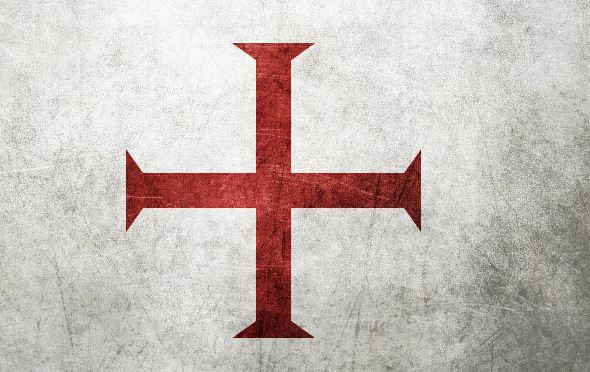
One of the many reported flags of the Knights Templar
The red cross that the Templars wore on their robes was a symbol of martyrdom, and to die in combat was considered a great honour that assured a place in heaven. There was a cardinal rule that the warriors of the order should never surrender unless the Templar flag had fallen, and even then they were first to try to regroup with another of the Christian orders, such as that of the Hospitallers. Only after all flags had fallen were they allowed to leave the battlefield.
This uncompromising principle, along with their reputation for courage, excellent training, and heavy armament, made the Templars one of the most feared combat forces in medieval times.
Although not prescribed by the Templar Rule, it later became customary for members of the order to wear long and prominent beards. In about 1240, Alberic of Trois-Fontaines described the Templars as an “order of bearded brethren”; while during the interrogations by the papal commissioners in Paris in 1310–11, out of nearly 230 knights and brothers questioned, 76 are described as wearing a beard, in some cases specified as being “in the style of the Templars”, and 133 are said to have shaved off their beards, either in renunciation of the order or because they had hoped to escape detection.
Initiation, known as Reception (receptio) into the order, was a profound commitment and involved a solemn ceremony. Outsiders were discouraged from attending the ceremony, which aroused the suspicions of medieval inquisitors during the later trials. New members had to willingly sign over all of their wealth and goods to the order and take vows of poverty, chastity, piety, and obedience.[
Most brothers joined for life, although some were allowed to join for a set period. Sometimes a married man was allowed to join if he had his wife’s permission, but he was not allowed to wear the white mantle.
As the chapel of the New Temple in London, it was the location for Templar initiation ceremonies. In modern times it is the parish church of the Middle and Inner Temples, two of the Inns of Court, and a popular tourist attraction.
With their military mission and extensive financial resources, the Knights Templar funded a large number of building projects around Europe and the Holy Land. Many of these structures are still standing. Many sites also maintain the name “Temple” because of centuries-old association with the Templars.
Distinctive architectural elements of Templar buildings include the use of the image of “two knights on a single horse”, representing the Knights’ poverty, and round buildings designed to resemble the Church of the Holy Sepulchre in Jerusalem.
Modern organizations
The story of the persecution and sudden dissolution of the secretive yet powerful medieval Templars has drawn many other groups to use alleged connections with the Templars as a way of enhancing their own image and mystery. There is no clear historical connection between the Knights Templar, which were dismantled in the Rolls of the Catholic Church in 1309 with the martyrdom of Jacques de Molay, and any of the modern organizations, the earliest emerged publicly in the 18th century.
Beginning in the 1960s, there have been speculative popular publications surrounding the order’s early occupation of the Temple Mount in Jerusalem and speculation about what relics the Templars may have found there, such as the Holy Grail or the Ark of the Covenant, or the historical accusation of idol worship (Baphomet) transformed into a context of “witchcraft”.
The association of the Holy Grail with the Templars has precedents even in 12th century fiction; Wolfram von Eschenbach‘s Parzival calls the knights guarding the Grail Kingdom templeisen, apparently a conscious fictionalisation of the templarii.
The incredible state sanctioned (unconfirmed but highly likely) execution of Kim Jong-nam has all the ingredients of a 1970’s John le Carré spy novel and the plot seems to thicken by the day as more and more details become available and the world is watching with bated breath to see where the story takes us next.
Kim Jong-nam
According to reports today 28th Feb 2017 – the two women implicated in the killing of the estranged brother of North Korea’s leader will be charged with murder shortly, Malaysia’s prosecutor has says.
Attorney General Mohamed Apandi Ali said the women – from Indonesia and Vietnam – would be formally charged and could face death if convicted.
The women allegedly smeared a deadly chemical over Kim Jong-nam’s face at a Malaysia airport earlier this month.
They have said they thought they were taking part in a TV prank.
“They will be charged in court under Section 302 of the penal code,” the attorney general said, which is a murder charge with a mandatory death sentence if found guilty.
He said no decision had yet been taken on whether to charge a North Korean man, Ri Jong Chol, who is also being held over the killing.
That “depends on the outcome of the police investigation, which is still ongoing”, Mr Apandi was quoted as saying by AFP news agency.
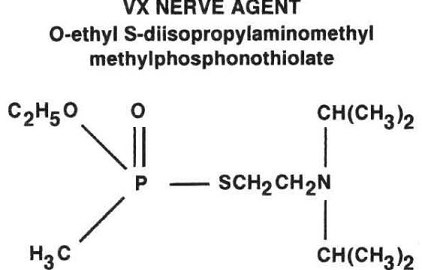
VX is a lethal nerve agent and one of the deadliest chemicals ever created by man. It is classified as a weapon on mass destruction by the UN and can come in liquid, gas or cream form. A victim can be subjected to as little as 10mg and be dead within 15 minutes.
How does it work?
The chemical attacks the body’s nervous system and shuts it down, causing death. Victims may initially feel giddy or nauseous but soon their bodies begin to convulse and they can no longer breathe.
The production and stockpiling of VX exceeding 100 grams (3.53 oz) per year was outlawed by the Chemical Weapons Convention of 1993. The only exception is for “research, medical or pharmaceutical purposes outside a single small-scale facility in aggregate quantities not exceeding 10 kg [22 lb] per year per facility”.
The VX nerve agent is the best-known of the V-series of nerve agents and is considered an area denial weapon due to its physical properties. It is far more potent than sarin, another well-known nerve agent toxin, but works in a similar way.
Chemical characteristics
With its high viscosity and low volatility, VX has the texture and feel of motor oil. This makes it especially dangerous, as it has a high persistence in the environment. It is odorless and tasteless, and can be distributed as a liquid, either pure or as a mixture with a clay or talc in the form of thickened agent, or as an aerosol.
VX is an acetylcholinesterase inhibitor, i.e., it works by blocking the function of the enzymeacetylcholinesterase. Normally, when a motor neuron is stimulated, it releases the neurotransmitteracetylcholine into the space between the neuron and an adjacent muscle cell. When this acetylcholine is taken up by the muscle cell, it stimulates muscle contraction. To avoid a state of constant muscle contraction, the acetylcholine is then broken down to non-reactive substances (acetic acid and choline) by the enzyme acetylcholinesterase. VX blocks the action of acetylcholinesterase, resulting in an accumulation of acetylcholine in the space between the neuron and muscle cell, leading to uncontrolled muscle contraction.
This results in initial violent contractions, followed by sustained supercontraction restricted to the subjunctional endplatesarcoplasm and prolonged depolarizing neuromuscular blockade, the latter resulting in flaccid paralysis of all the muscles in the body. Sustained paralysis of the diaphragm muscle causes death by asphyxiation.
VX can also be delivered in binary chemical weapons which mix in-flight to form the agent prior to release. Binary VX is referred to as VX2,[6] and is created by mixing O-(2-diisopropylaminoethyl) O′-ethyl methylphosphonite (Agent QL) with elemental sulfur (Agent NE) as is done in the Bigeye aerial chemical bomb. It may also be produced by mixing with sulfur compounds, as with the liquid dimethyl polysulfide mixture (Agent NM) in the canceled XM736 8-inch projectile program.
Solvolysis
Like other organophosphorus nerve agents, VX may be destroyed by reaction with strong nucleophiles. The reaction of VX with concentrated aqueous sodium hydroxide results in competing cleavage of the P-O and P-S esters, with P-S cleavage dominating. This is problematic, however, as the product of P-O bond cleavage (named EA 2192) remains toxic. In contrast, reaction with the hydroperoxide anion (hydroperoxidolysis) leads to exclusive cleavage of the P-S bond.
P-S cleavage
NaOH(aq) reacts with VX in two ways. It can cleave VX’s P-S bond, yielding two relatively nontoxic products…
P-O cleavage
…or it can cleave VX’s P-O bond, forming ethanol and EA 2192 (shown in red), which has similar toxicity to VX itself
VX is the most toxic nerve agent ever synthesized for which activity has been independently confirmed. The median lethal dose (LD50) for humans is estimated to be about 10 mg (0.00035 oz) through skin contact and the LCt50 for inhalation is estimated to be 30–50 mg·min/m3.
Nerve agents act by inhibiting the hydrolysis of acetylcholine (ACh) by acetylcholinesterase (AChE). Nerve agents bind to the active site of AChE, rendering it incapable of deactivating ACh. Any ACh that is not hydrolyzed (deactivated) still can interact with the receptor, resulting in persistent and uncontrolled stimulation of that receptor. Thus, the clinical effects of nerve agent poisoning are the result of this persistent stimulation and subsequent fatigue at the muscarinic and nicotinic ACh receptors.
Early symptoms of percutaneous exposure (skin contact) may be local muscular twitching or sweating at the area of exposure followed by nausea or vomiting. Some of the early symptoms of a VX vapor exposure to nerve agent may be rhinorrhea (runny nose) and/or tightness in the chest with shortness of breath (bronchial constriction). Miosis (pinpointing of the pupils) may be an early sign of agent exposure but is not usually used as the only indicator of exposure.
Treatment
When treating VX exposure, primary consideration should be given to removal of the liquid agent from the skin, before removal of the individual to an uncontaminated area or atmosphere. After removal from the area, the casualty (the victim) should be decontaminated by washing the contaminated areas with household bleach and flushing with clean water. After decontamination, clothing should be removed and skin contamination washed away. If possible, decontamination should be completed before the casualty is taken for further medical treatment.
An individual who has received a known nerve-agent exposure, or who exhibits definite signs or symptoms of nerve-agent exposure should immediately be given the antidotes atropine and pralidoxime (2-PAM), as well an injected sedative/antiepileptic such as diazepam. In several nations the nerve agent antidotes are issued for military personnel in the form of an autoinjector such as the United States military Mark I NAAK.
Atropine blocks a subset of acetylcholine receptors known as muscarinic acetylcholine receptors (mAchRs), so that the buildup of acetylcholine produced by loss of the acetylcholinesterase function has a reduced effect on their target receptor. Pralidoxime (2-PAM) reactivates the acetylcholinesterase enzyme (AChE), thus reversing the effects of VX. VX and other organophosphates block AChE activity by binding to the active site of the enzyme. The phosphate group on VX is transferred from VX to AChE, which inactivates the enzyme and produces an inactive metabolite of VX. Pralidoxime removes this phosphate group.
However, if pralidoxime is not given soon enough, the inactivated enzyme will “age”, resulting in a much stronger AChE-phosphate binding, that pralidoxime cannot reverse.
Diagnostic tests
Controlled studies in humans have shown that minimally toxic doses cause 70–75% depression of erythrocytecholinesterase within several hours of exposure. The serum level of ethyl methylphosphonic acid (EMPA), a VX hydrolysis product, was measured to confirm exposure in one poisoning victim.
History
Discovery
The chemists Ranajit Ghosh La-a and J.F. Newman discovered the V-series nerve agents at the British firm ICI in 1952, patenting diethyl S-2-diethylaminoethyl phosphono- thioate (agent VG) in November 1952. Further commercial research on similar compounds ceased in 1955 when its lethality to humans was discovered. The U.S. went into production of large amounts of VX in 1961 at Newport Chemical Depot.
The discovery occurred when the chemists were investigating a class of organophosphate compounds (organophosphate esters of substituted aminoethanethiols).[16] Like Gerhard Schrader, an earlier investigator of organophosphates, Ghosh found that they were quite effective pesticides. In 1954, ICI put one of them on the market under the trade name Amiton. It was subsequently withdrawn, as it was too toxic for safe use. The toxicity did not go unnoticed, and samples of it had been sent to the British Armed Forces research facility at Porton Down for evaluation.
After the evaluation was complete, several members of this class of compounds became a new group of nerve agents, the V agents. The best-known of these is probably VX, assigned the UK Rainbow Code Purple Possum, with the Russian V-Agent coming a close second (Amiton is largely forgotten as VG). This class of compounds is also sometimes known as Tammelin’s esters, after Lars-Erik Tammelin of the Swedish National Defence Research Institute. Tammelin was also conducting research on this class of compounds in 1952, but did not widely publicize his work. The name is a contraction of the words “venomous agent X”.
Instances of VX use
There was evidence of a combination of chemical agents having been used by Iraq against the Kurds at Halabja in 1988 under Saddam Hussein. Hussein later testified to UNSCOM that Iraq had researched VX, but had failed to weaponize the agent due to production failure. After U.S. and allied forces had invaded Iraq, no VX agent or production facilities were found. However, UNSCOM laboratories detected traces of VX on warhead remnants.
In December 1994 and January 1995, Masami Tsuchiya of Aum Shinrikyo synthesized 100 to 200 grams (3.5 to 7.1 oz) of VX which was used to attack three people. Two people were injured and one 28-year-old man died, who was the first victim of VX ever documented in the world at that time. The VX victim, whom Shoko Asahara had suspected as a spy, was attacked at 7:00 am on December 12, 1994 on the street in Osaka by Tomomitsu Niimi and another AUM member, who sprinkled the nerve agent on his neck.
He chased them for about 100 yards (90 metres) before collapsing, dying 10 days later without ever coming out of a deep coma. Doctors in the hospital suspected at the time he had been poisoned with an organophosphate pesticide, but the cause of death was pinned down only after cult members arrested for the subway attack confessed to the killing. Metabolites of VX such as ethyl methylphosphonate, methylphosphonic acid and diisopropyl-2-(methylthio)ethylamine were later found in samples of the victim’s blood seven months after his murder.
Unlike the cases for sarin gas (the Matsumoto incident and the attack on the Tokyo subway), VX was not used for mass murder.
The authorities further reported that one of the women suspected of applying the nerve agent experienced some physical symptoms of VX-poisoning. The director of a non-proliferation research program of the Middlebury Institute of International Studies at Monterey stated that VX fumes would have killed the suspected attackers even if they had been wearing gloves, suggesting that the VX was applied as two non-fatal components that would mix to form VX only on the victim’s face.
Worldwide stockpiles
Some countries known to possess VX are the United States, Russia, and Syria.
A Sudanese pharmaceutical facility, the Al-Shifa pharmaceutical factory, was bombed by the U.S. in 1998 acting on information that it produced VX and that the origin of the agent was associated with both Iraq and Al Qaeda. The U.S. had obtained soil samples identified as containing O-ethyl hydrogen methylphosphonothioate (EMPTA), a chemical used in the production of VX which may also have commercial applications. Chemical weapons experts later suggested that the widely used Fonophos organophosphate insecticide could have been mistaken for EMPTA.
In 1969, the U.S. government canceled its chemical weapons programs, banned the production of VX in the United States, and began the destruction of its stockpiles of agents by a variety of methods. Early disposal included the U.S. Army’s CHASE (Cut Holes And Sink ‘Em) program, in which old ships were filled with chemical weapons stockpiles and then scuttled. CHASE 8 was conducted on June 15, 1967, in which the steamship Cpl. Eric G. Gibson was filled with 7,380 VX rockets and scuttled in 2,200 m (7,200 ft) of water off the coast of Atlantic City, New Jersey. Incineration was used for VX stockpile destruction starting in 1990 with Johnston Atoll Chemical Agent Disposal System in the North Pacific with other incineration plants following at Deseret Chemical Depot, Pine Bluff Arsenal, Umatilla Chemical Depot and Anniston Army Depot with the last of the VX inventory destroyed on December 24, 2008.
Stockpile elimination under the Chemical Weapons Convention
Worldwide, VX disposal has continued since 1997 under the mandate of the Chemical Weapons Convention. In fiscal year 2008, the U.S. Department of Defense released a study finding that the United States had dumped at least 112 tonnes (124 short tons) of VX into the Atlantic Ocean off the coasts of New York/New Jersey and Florida between 1969 and 1970. This material consisted of nearly 22,000 M55 rockets, 19 bulk containers holding 640 kg (1,400 lb) each, and one M23 chemical landmine.
The Newport Chemical Depot began VX stockpile elimination using chemical neutralization in 2005. VX was hydrolyzed to much less toxic byproducts by using concentrated caustic solution, and the resulting waste was then shipped off-site for further processing. Technical and political issues regarding this secondary byproduct resulted in delays, but the depot completed their VX stockpile destruction in August 2008.
In Russia, the U.S. is providing support for these destruction activities with the Nunn-Lugar Global Cooperation Initiative. The Initiative has been able to convert a former chemical weapons depot at Shchuchye, Kurgan Oblast, into a facility to destroy those chemical weapons. The new facility, which opened in May 2009, has been working on eliminating the nearly 5,400 tonnes (5,950 short tons) of nerve agents held at the former storage complex. However, this facility only holds about 14% of Russian chemical weapons, which are stored at seven sites.
In popular culture
One of the best-known references to VX in popular culture is its use in the 1996 film The Rock, which centers on a threatened VX attack on San Francisco from the island of Alcatraz. The film uses artistic license, notably with VX being ascribed corrosive powers it does not possess, permitting an early scene in which a VX victim is shown with his face melting, rather than dying through asphyxiation. It also shows the hero applying an intracardiac injection of atropine as a defense against VX contamination, rather than the more usual intramuscular injection (e.g. into the thigh) of a combination of atropine and pralidoxime.
In the BBC One spy drama Spooks, an episode named “I Spy Apocalypse” (Series 2, Episode 5) features an EERE (Extreme Emergency Response Exercise) turned real life emergency. A dirty bomb was reported to have exploded in Parliament Square and later the Morningside area of Edinburgh. The bomb was confirmed to have dispersed VX in quantities that exceeded the lethal dose across much of the southeast of England. It is later found that the emergency is a well constructed and believable exercise designed to test the MI5 officers to their limits.
In the CBS American science-based drama television series Eleventh Hour, an episode named Subway (Episode 16); Dr Hood, a science advisor to the FBI is called in to determine the cause of a poison cluster, which is killing people in Philadelphia.
VX agent was featured on the History Channel’s television series Modern Marvels in the episode Deadliest Weapons (Season 11, Episode 10).
Another reference to VX is found in the 2012 art-housedark comedy film It’s a Disaster. The film centers around four couples who gather for a regular couples brunch and later learn about a multi-city VX attack on the United States that may threaten their lives
Ivanov Markov (Bulgarian: Георги Иванов Марков; 1 March 1929 – 11 September 1978) was a Bulgarian dissident writer.
Markov originally worked as a novelist and playwright in his native country, then governed by a communist regime under chairman Todor Zhivkov, until his defection from Bulgaria in 1969. After relocating, he worked as a broadcaster and journalist for the BBC World Service, the US-funded Radio Free Europe, and Germany’s Deutsche Welle. Markov used such forums to conduct a campaign of sarcastic criticism against the incumbent Bulgarian regime, which, according to his wife at the time of death, eventually became “vitriolic” and included “really smearing mud on the people in the inner circles”.
He was assassinated on a London street via a micro-engineered pellet containing ricin, fired into his leg via an umbrella wielded by someone associated with the Bulgarian secret police. It has been speculated that they asked the KGB for help.
Life in Bulgaria
Georgi Markov was born on 1 March 1929, in Knyazhevo, a Sofia neighbourhood. In 1946 he graduated from the Gymnasium (high school) and began university studies in industrial chemistry. Initially Markov worked as a chemical engineer and a teacher in a technical school. At the age of 19 years he became ill with tuberculosis which forced him to attend various hospitals. His first literary attempts occurred during that time.
In 1957 a novelThe Night of Celsius appeared. Soon another novel The Ajax Winners (1959) and two collections of short stories (1961) were published. In 1962 Markov published the novel Men which won the annual award of the Union of Bulgarian Writers and he was subsequently accepted as a member of the Union, a prerequisite for a professional career in literature. Georgi Markov started working at the Narodna Mladezh publishing house.
The story collections A Portrait of My Double (1966) and The Women of Warsaw (1968) secured his place as one of the most talented young writers of Bulgaria. Markov also wrote a number of plays but most of them were never staged or were removed from theatre repertoire by the Communist censors:
To Crawl Under the Rainbow, The Elevator, Assassination in the Cul-de-Sac, Stalinists, and I Was Him. The novel The Roof was halted in mid-printing since it described as a fact and in allegorical terms the collapse of the roof of the Lenin steel mill. Markov was one of the authors of the popular TV series At Every Milestone which created the character of the Second World War detective Velinsky and his nemesis the Resistance fighter Deyanov.
Despite the ban of some of his works, Georgi Markov had become a successful author. He was among the writers and poets that Zhivkov tried to co-opt and coerce into serving the regime with their works. During this period Markov had a bohemian lifestyle which was unknown to most Bulgarians.
Writer and a dissident
In 1969, Georgi Markov left for Bologna, Italy, where his brother lived. His initial idea was to wait until his status with the Bulgarian authorities improved, but he gradually changed his mind and decided to stay in the West, especially after September 1971 when the Bulgarian government refused to extend his passport. Markov moved to London where he learned English and started working for the Bulgarian section of the BBC World Service (1972). He tried to work for the film industry, hoping for help from Peter Uvaliev, but was unsuccessful.
Later he also worked with Deutsche Welle and Radio Free Europe. In 1972, Markov’s membership in the Union of Bulgarian Writers was suspended and he was sentenced in absentia to six years and six months in prison for his defection.
His works were withdrawn from libraries and bookshops and his name was not mentioned by the official Bulgarian media until 1989. The Bulgarian Secret Service started Markov’s file under the code name “Wanderer”. In 1974 his play To Crawl Under the Rainbow was staged in London, while in Edinburgh the play Archangel Michael, written in English, won first prize.
The novel The Right Honourable Chimpanzee, coauthored by David Phillips, was published after his death. In 1975 Markov married Annabel Dilke. The couple had a daughter, Alexandra-Raina, born a year later.
Between 1975 and 1978, Markov worked on his In Absentia Reports analysis of life in Communist Bulgaria. They were broadcast weekly on Radio Free Europe. Their criticism of the Communist government and personally of the Party leader Todor Zhivkov made Markov even more an enemy of the regime.
Today, we Bulgarians present a fine example of what it is to exist under a lid which we cannot lift and which we no longer believe someone else can lift… And the unending slogan which millions of loudspeakers blare out is that everyone is fighting for the happiness of the others. Every word spoken under the lid constantly changes its meaning. Lies and truths swap their values with the frequency of an alternating current…
We have seen how personality vanishes, how individuality is destroyed, how the spiritual life of a whole people is corrupted in order to turn them into a listless flock of sheep. We have seen so many of those demonstrations which humiliate human dignity, where normal people are expected to applaud some paltry mediocrity who has proclaimed himself a demi-god and condescendingly waves to them from the heights of his police inviolability…
— Georgi Markov describing life under a totalitarian regime in The Truth that Killed
In 1978, Markov was murdered in London by an operative connected to the KGB and the Bulgarian secret police under Zhivkov. His In Absentia Reports were published in Bulgaria in 1990, after the end of the Communist government.
In 2000, Markov was posthumously awarded the Order of Stara Planina, Bulgaria’s most prestigious honour, for his “significant contribution to the Bulgarian literature, drama and non-fiction and for his exceptional civic position and confrontation to the Communist regime.”
Assassination
Agents of the Bulgarian secret police (Darzhavna Sigurnost; Bulgarian: Държавна сигурност, abbreviated ДС), assisted by the KGB, had previously made two failed attempts to kill Markov before a third attempt succeeded. On 7 September 1978 (the 67th birthday of Todor Zhivkov), Markov walked across Waterloo Bridge spanning the River Thames, and waited at a bus stop to take a bus to his job at the BBC. He felt a slight sharp pain, as a bug bite or sting, on the back of his right thigh.
He looked behind him and saw a man picking up an umbrella off the ground. The man hurriedly crossed to the other side of the street and got in a taxi which then drove away. The event is recalled as the “Umbrella Murder” with the assassin claimed to be Francesco Gullino, codenamed “Piccadilly”.
When he arrived at work at the BBC World Service offices, Markov noticed a small red pimple had formed at the site of the sting he had felt earlier and the pain had not lessened or stopped. He told at least one of his colleagues at the BBC about this incident.
That evening he developed a fever and was admitted to St James’ Hospital in Balham, where he died four days later, on 11 September 1978, at the age of 49. The cause of death was poisoning from a ricin-filled pellet.
Due to the circumstances and statements Markov made to doctors expressing the suspicion that he had been poisoned, the Metropolitan Police ordered a thorough autopsy of Markov’s body. Dr Bernard Riley, a forensic pathologist discovered a spherical metal pellet the size of a pin-head embedded in Markov’s leg.
The pellet measured 1.70 mm (0.07 in) in diameter and was composed of 90% platinum and 10% iridium. It had two holes with diameters of 0.35 mm (0.01 in) drilled through it, producing an X-shaped cavity. Further examination by experts from Robert Gergi and Porton Down showed that the pellet contained traces of toxic ricin. A sugary substance coated the tiny holes creating a bubble which trapped the ricin inside the cavities.
The specially crafted coating was designed to melt at 37 °C (the human body temperature). As the pellet was shot into Markov, the coating melted and the ricin was free to be absorbed into the bloodstream and kill him. Regardless of whether the doctors treating Markov had known that the poison was ricin, the result would have been the same, as there was no known antidote to ricin at the time.
A diagram of a possible umbrella gun
Ten days before the murder, an attempt was made to kill another Bulgarian defector, Vladimir Kostov, in the same manner as Markov, in a Paris metro station. Doctors found the same kind of pellet in his skin. However, it seems that the sugar coating of the pellet protecting the ricin content was damaged during the shot or before, and thus, only a tiny portion of the poison got into his blood, causing only fever.
Kostov reported that the shot came from a man carrying a small bag, but not an umbrella. The main reason for this was the declaration of Markov who saw the umbrella but never said he was shot by it. However, forensic experts declared that the probable “gun” that shot the bullet was probably very sophisticated, another reason to believe in state action.
KGB defectors including Oleg Kalugin and Oleg Gordievsky have confirmed that the KGB arranged the murder, even presenting the Bulgarian assassin with alternatives such as a poisonous jelly to smear on Markov’s skin, but to this day no one has been charged with Markov’s murder, largely because most documents relating to his death were probably destroyed.
The British newspaper The Times has reported that the prime suspect is an Italian named Francesco Gullino (or Giullino) who was last known to be living in Denmark.
A British documentary, The Umbrella Assassin (2006), interviewed people associated with the case in Bulgaria, Britain, Denmark and America, and revealed that the prime suspect, Gullino, is alive and well, and still travelling freely throughout Europe.
There were reports in June 2008 that Scotland Yard had renewed its interest in the case. Detectives were sent to Bulgaria and requests were made to interview relevant individuals.
Copycat attacks
On 11 May 2012, a German man (not identified by name in press reports) died almost a year after being stabbed with an umbrella in the city of Hannover. German police – who noted a resemblance to the Markov case – believe the umbrella was used to inject mercury, and the reported cause of death was mercury poisoning.
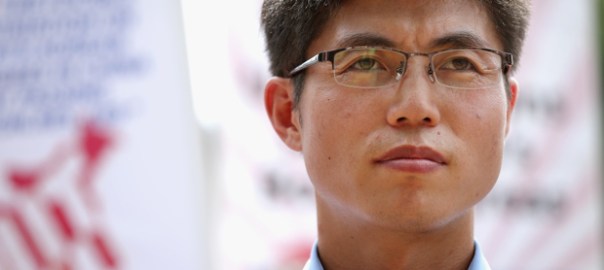
Shin Dong-hyuk Twenty-seven years ago, Shin Dong-hyuk was born inside Camp 14, one of five sprawling political prisons in the mountains of North Korea. Located about 55 miles north of Pyongy…
Twenty-seven years ago, Shin Dong-hyuk was born inside Camp 14, one of five sprawling political prisons in the mountains of North Korea. Located about 55 miles north of Pyongyang, the labor camp is a ‘complete control district,’ a no-exit prison where the only sentence is life.
No one born in Camp 14 or in any North Korean political prison camp has escaped. No one except Shin. This is his story.
A gripping, terrifying memoir with a searing sense of place, ESCAPE FROM CAMP 14 will unlock, through Shin, a dark and secret nation, taking readers to a place they have never before been allowed to go.
‘This is a story unlike any other’ Barbara Demick, author of Nothing toEnvy: Ordinary Lives in North Korea
———————————————————–
This extraordinary story lifts the lid on the secretive and brutal totalitarian regime of North Korean ‘s labour camps and the forgotten political…
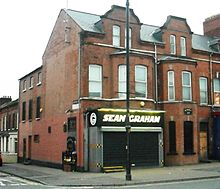
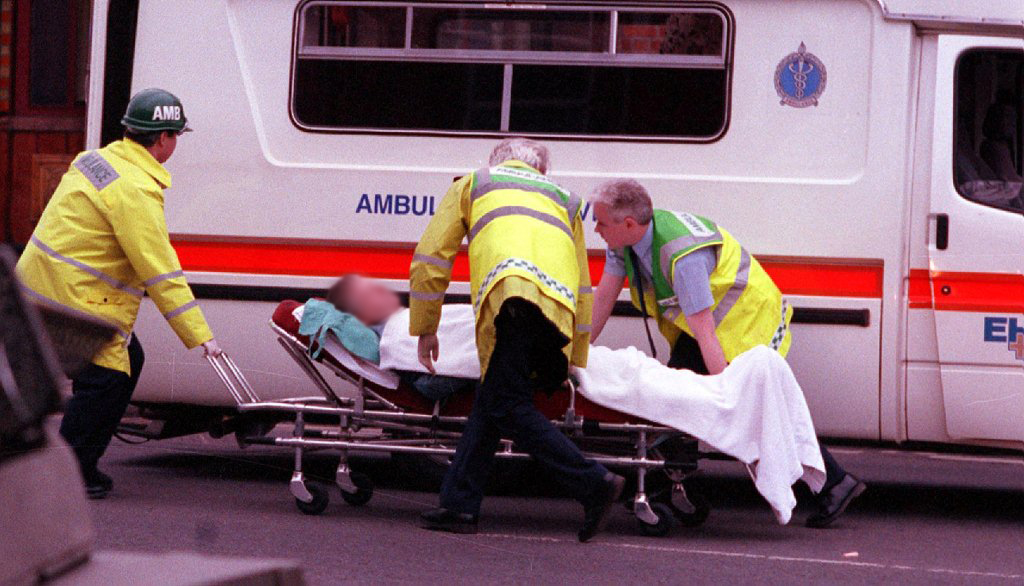
On 5 February 1992, a mass shooting took place at the Sean Graham bookmaker‘s shop on the Lower Ormeau Road in Belfast, Northern Ireland. Members of the Ulster Defence Association (UDA), a loyalist paramilitary group, opened fire on the customers, killing five civilians and wounding another nine. The shop was in an Irish nationalist area, and all of the victims were local Catholic civilians. The UDA claimed responsibility using the cover name “Ulster Freedom Fighters”, and said the shooting was retaliation for the Teebane bombing, which had been carried out by the Provisional IRA less than three weeks before
Background
Ulster Freedom Fighters insignia in the Annadale Flats area, January 2012
The start of 1992 had witnessed an intensification in the campaign of violence being carried out by the Ulster Defence Association (UDA) under their UFF covername. The group’s first…
The M62 coach bombing happened on 4 February 1974 on the M62 motorway in northern England, when a Provisional Irish Republican Army (IRA) bomb exploded in a coach carrying off-duty British Armed Fo…










 Y
Y N
N
 N
N 







 belfastchildis.com