Key Events & Deaths on this day in Northern Ireland Troubles
29th December
—————————————
Wednesday 29 December 1971
A British soldier was shot dead in Derry.
Friday 29 December 1972
Ruairi O Bradaigh, then President of Sinn Féin (SF), arrested and held under new legislation in Republic of Ireland.
Sunday 29 December 1974
Irish Republican Army (IRA) prisoners at Portlaoise Prison in the Republic of Ireland held a number of prison officers hostage and caused considerable damage in protests for better conditions. Troops were used to regain control and the prison officers were freed unharmed.
Sunday 29 December 1996
A report in the Sunday Times (a London based newspaper) claimed that Gerry Adams, then President of Sinn Féin (SF), and Martin McGuinness, the Vice-President of Sinn Féin (SF), had both been appointed to the Irish Republican Army (IRA) Army Council. This allegation was denied by the men.
Monday 29 December 1997
Three men, all Irish National Liberation Army (INLA) prisoners at the Maze, appeared in court charged with the murder of Billy Wright, who had been leader of the Loyalist Volunteer Force (LVF). Adam Ingram, then Security Minister, announced that the inquiry into the escape of Liam Averill from the Maze Prison would be extended to include the killing of Billy Wright.
See Billy Wright
Wednesday 29 December 1999
A Catholic man was stabbed and killed at a taxi depot in New Lodge, Belfast. The killing was not thought to be sectarian.
————————————-
——————————————————————————
Remembering all innocent victims of the Troubles
Today is the anniversary of the death of the following people killed as a results of the conflict in Northern Ireland
“To live in hearts we leave behind is not to die
– Thomas Campbell
To the innocent on the list – Your memory will live forever
– To the Paramilitaries –
There are many things worth living for, a few things worth dying for, but nothing worth killing for.
4 People lost their lives on the 29th December between 1971 – 1976
————————————————————
29 December 1971
Richard Ham, (20)
nfNI Status: British Army (BA),
Killed by: Irish Republican Army (IRA) Shot while on British Army (BA) foot patrol, Foyle Road, Brandywell, Derry
————————————————————
29 December 1972
James McDaid, (30)
Catholic Status: Irish Republican Army (IRA),
Killed by: British Army (BA) Shot while walking across field, Ballyarnet, Derry.
————————————————————
29 December 1973
Miichael Logue, (21)
Catholic Status: Royal Ulster Constabulary (RUC),
Killed by: Ulster Defence Association (UDA) Shot by sniper when Royal Ulster Constabulary (RUC) patrol lured to bogus robbery, Forthriver Road, Glencairn, Belfast.
————————————————————
29 December 1976 James Liggett, (67)
Protestant Status: Civilian (Civ),
Killed by: People’s Republican Army (PRA) Security man. Died two weeks after being shot trying to stop bomb attack on Tavern Bar, Edenderry, Portadown, County Armagh.
There are two absolute certainties in life – taxes and death , one steals our hard earned cash and the other is the final act of our journey through life.
No matter who you are or how much wealth you have accumulated death comes to us all and it is the cruelest act of mother nature that we can’t avoid the grim reaper.
The trick is to make the most of life your have and live and enjoy everyday as though it were a gift – Carpe diem – and when you time comes hopefully you will have few regrets.
The list below doesnotinclude all celebrity deaths for 2015 and forgive me if I have missed out some giants of humanity .I have only included those people whom might be considered household names and those who made an impression on me as i journeyed through life.
Please feel free to let me know if you would like someone added to the list and i will happily do so.
January
– Donna Douglas –
Died January 1st
September 26, 1932 – January 1, 2015
The Americanactress and singer, known for her role as Elly May Clampett in CBS‘s The Beverly Hillbillies (1962–1971). Following her acting career, Douglas became a real estate agent, a Gospel singer and inspirational speaker, and authored books for children and adults.
Douglas died at Baton Rouge General Hospital, aged 82, on January 1, 2015, from pancreatic cancer
—————————————–
The Beverly Hillbillies – Season 1- Episode 5
—————————————–
– Khan Bonfils –
Died January 5th
1972 – January 5, 2015
————————————
———————————
Kan (Khan) Bonfils was a British actor and performer. He trained at the Webber Douglas Academy of Dramatic Art. He was a trained Martial Artist and studied the art of Wing Chun Kung Fu from Austin Goh, and was also a practitioner of Yin Style Ba Gua Zhang in London since 2008.
His other film credits include Tomb Raider 2, Batman Begins, and the James Bond films Tomorrow Never Dies (1997) and Skyfall (2012).
Bonfils also performed in the West End: Miss Saigon at Drury Lane, Theatre Royal London and The King & I at London Palladium where he performed the lead with Elaine Paige.
Bonfils also had a brief modelling career, before starting acting, modelling for Michiko Kochino, Hermes, Oswald Boateng and more.
On 5 January 2015, Bonfils was rehearsing an upcoming stage production of Dante‘s Inferno when he collapsed. He could not be resuscitated, and was pronounced dead by paramedics. He was 42 years old.
—————————————–
– Darren Majian Shahlavi –
Died 14th January
5 August 1972 – 14 January 2015
Sometimes credited as Shahlavi, was an English actor, martial artist and stuntman.
Darren Majian Shahlavi sometimes credited as Shahlavi, was an English actor, martial artist and stuntman. His surname is of Persian origin. He may be best known for his role as Taylor “The Twister” Milos in the 2010 film Ip Man 2.
Shahlavi was known primarily for playing bad guys in martial arts films such as Bloodmoon and Tai Chi Boxer. He had starred in the Asian film series The Techno Warriors, and American films Hostile Environment, Sometimes a Hero, Legion of the Dead and the cult classic Beyond the Limits, for German Horror master Olaf Ittenbach.[1]
On 14 January 2015, Shahlavi died in his sleep at the age of 42.The cause of death was a fatal heart attack caused by atherosclerosis.
—————————————–
– Ena Baxter –
Died January 15th
12th August 1924 – Jan 15 2015
Baxters Food Group Limited, also known as Baxters of Speyside or Baxters, is a Scottish food processing company, based in Fochabers, Moray, Scotland. Baxters is best known for canned soups, made to unique recipes, such as Royal Game. It also makes a range of jams, pickled vegetables and chutneys. The company holds the Royal Warrant for manufacturers of Scottish specialities from Her Majesty the Queen.
The company was known as W.A. Baxter & Sons Ltd. prior to 21 December 2006.[
—————————————–
– Ethal Lang –
Died 15th January age 115
Ethal age 20
27 May 1900 – 15th Jan 2015
Ethel Lang (née Lancaster;[2] 27 May 1900 – 15 January 2015)[3][4] was a British supercentenarian who, at the time of her death, was the oldest living person in the United Kingdom,[4] the second-oldest living person in Europe after Emma Morano of Italy and the ninth oldest living person in the world. Lang was the last living British person to have been born in the British Empire during the reign of Queen Victoria[4] and world’s second last living person to have been born in during the reign of Queen Victoria. The last one is Jamaican woman Violet Brown
—————————————–
– Anne Kirkbride –
Died January 19th
June 21 195 – Jan 19 2015
——————
Granada Reports – Anne Kirkbride tribute programme
——————
Anne Kirkbride was an English actress, known for her long-running role as Deirdre Barlow in the ITV soap Coronation Street, which she played for 42 years from 1972 to 2014. For this role, she posthumously received the Outstanding Achievement Award at the 2015 British Soap Awards
Kirkbride died of breast cancer in a Manchester hospital on 19 January 2015
—————————————–
– Leon Brittan –
Died 21st January
September 25 1939 – January 21 2015
Leon Brittan, Baron Brittan of Spennithorne, QC, PC, DL (25 September 1939 – 21 January 2015) was a British politician, Conservative Member of Parliament and barrister, as well as a member of the European Commission. He served several ministerial roles in Margaret Thatcher‘s government, including Home Secretary.
Brittan died at his home in London on 21 January 2015, at the age of 75; he had been ill with cancer for some time. He had two stepdaughters
Pauline Yates died in London, Englandon 21 January 2015, aged 85
—————————————–
-Demis Roussos –
Died 25th January 2015
15 June 1946 – 25 January 201
Artemios “Demis” Ventouris-Roussos (Greek: Αρτέμιος “Ντέμης” Βεντούρης-Ρούσσος, 15 June 1946 – 25 January 2015) was aGreeksinger and performer who had international hit records as a solo performer in the 1970s after having been a member ofAphrodite’s Child, a progressive rock group that also included Vangelis.
Roussos sold over 60 million albums worldwide[1] and became “an unlikely kaftan-wearing sex symbol.
Roussos died in the morning of 25 January 2015, while hospitalized at Ygeia Hospital in Athens, Greece
—————————————–
– Geraldine McEwan –
Died 30th January
9 May 1932 – 30 January 2015
Geraldine McEwan was an English actress who had a long career in theatre, television and film.
Michael Coveney described her, in a tribute article, as “a great comic stylist, with a syrupy, seductive voice and a forthright, sparkling manner.”
McEwan died on 30 January 2015 at the Charing Cross Hospital in Hammersmith after suffering a stroke three months earlier
—————————————–
February
-Sandra Locke “Sandy” Chalmers
Died 2nd February
29 February 1940 – 2 February 2015
Sandra Locke “Sandy” Chalmers was a British radio producer and broadcaster, who was editor of Woman’s Hour on BBC Radio 4 in the 1980s.
She was born in Gatley, Stockport, Cheshire. Her father was an architect and her mother a medical secretary.[1] She attended Withington Girls’ School. As children, she and her older sister Judith appeared regularly on the BBC programme Children’s Hour. Sandra Chalmers then studied English at Victoria University of Manchester (now Manchester University), becoming president of the Women Students’ Union. She worked at the advertising agency J Walter Thompson in London, before starting to work regularly on radio in Manchester. In 1970 she became a senior producer, newsreader and host on the newly established station BBC Radio Manchester. Then, during the mid-1970s, she was appointed as manager of BBC Radio Stoke, becoming the first woman to manage a BBC local radio station
She died in 2015, aged 74 survived by a son, Richard, a daughter, Becky, and five grandchildren
—————————————–
– Steve Strange –
Died February 12th
May 28 1959 – February 12 2015
——————–
Steve Strange
——————–
Stephen John Harrington (28 May 1959 – 12 February 2015), better known by his stage name Steve Strange, was a Welsh pop singer. From the late 1970s he was a nightclub host and promoter. He became famous as the leader of the new wavesynthpop group Visage, best known for their single “Fade to Grey“, and was one of the most influential figures behind the New Romantic movement of the early 1980s.
On 12 February 2015, Strange suffered a heart attack while in Sharm el-Sheikh, Egypt. He died later that day in hospital
—————————————–
– Pamela Isabel Cundell –
Died 14th February
15 January 1920 – 14 February 2015
She died at the age of 95
Pamela Isabel Cundell was an English character actress. Her best-known role was as Mrs Fox in the long-running TV comedy Dad’s Army.
She is a descendant of Henry Condell, one of the managers of the Lord Chamberlain’s Men, the playing company of William Shakespeare.[3] Henry Condell also helped put together the first folio of Shakespeare’s works after his death
—————————————–
– Leonard Nimoy –
Died 27th February
March 26, 1931 – February 27, 2015
——————–
Leonard Nimoy on Piers Morgan, February 10, 2014
——————–
Leonard Simon Nimoy (/ˈniːmɔɪ/; March 26, 1931 – February 27, 2015) was an American actor, film director, photographer, author, singer, and songwriter. He was known for his role as Mr. Spock of the Star Trek franchise, a character he portrayed in television and film from a pilot episode shot in late 1964 to his final film performance released in 2013.[1]
Nimoy began his career in his early twenties, teaching acting classes in Hollywood and making minor film and television appearances through the 1950s, as well as playing the title role in Kid Monk Baroni. Foreshadowing his fame as a semi-alien, he played Narab, one of three Martian invaders in the 1952 movie serial Zombies of the Stratosphere.
In December 1964, he made his first appearance in the rejected Star Trek pilot “The Cage“, and went on to play the character of Spock until the end of the production run in early 1969, followed by eight feature films and guest slots in the various spin-off series. The character has had a significant cultural impact and garnered Nimoy three Emmy Award nominations; TV Guide named Spock one of the 50 greatest TV characters.[3][4] After the original Star Trek series, Nimoy starred in Mission: Impossible for two seasons, hosted the documentary series In Search of…, narrated Civilization IV, and made several well-received stage appearances. He also had a recurring role in the science fiction series Fringe.
Nimoy died of complications from COPD on February 27, 2015, at the age of 83, in his Bel Air home
—————————————–
March
-Terry Pratchett –
Died 12th March
28 April 1948 – 12 March 2015
Sir Terence David John “Terry” Pratchett, OBE was an English author of fantasy novels, especially comical works.[2] He is best known for his Discworld series of 41 novels. Pratchett’s first novel, The Carpet People, was published in 1971; after the first Discworld novel, The Colour of Magic, was published in 1983, he wrote two books a year on average. His 2011 Discworld novel Snuff was at the time of its release the third-fastest-selling hardback adult-readership novel since records began in the UK, selling 55,000 copies in the first three days.[3] His final Discworld novel, The Shepherd’s Crown, was published in August 2015, five months after his death.
In December 2007, Pratchett announced that he was suffering from early-onset Alzheimer’s disease.[12] He later made a substantial public donation to the Alzheimer’s Research Trust[13] (now Alzheimer’s Research UK), filmed a television programme chronicling his experiences with the disease for the BBC, and also became a patron for Alzheimer’s Research UK.[14] Pratchett died on 12 March 2015, aged 66.
Pratchett died at his home on the morning of 12 March 2015 from his Alzheimer’s, according to his publisher.[69]The Telegraph reported an unidentified source as saying that despite his previous discussion of assisted suicide, his death had been natural.[70] After Pratchett’s death, his assistant, Rob Wilkins, wrote from the official Terry Pratchett Twitter account:
AT LAST,SIRTERRY, WE MUST WALK TOGETHER.
Terry took Death’s arm and followed him through the doors and on to the black desert under the endless night.
The End
—————————————–
– Eric Stanley Taylor MBE –
Died 17th March
26 October 1924 – 17 March 2015
Known professionally as Shaw Taylor
Eric Stanley Taylor[1]MBE (26 October 1924 – 17 March 2015), known professionally as Shaw Taylor, was a British actor and television presenter, best known for presenting the long-running five-minute crime programme Police 5.
Anne was a British gurner, 28 times the women’s world champion
—————————————–
April
-Hayley Leanne Okines –
Died 2nd April
3 December 1997 – 2 April 2015
Hayley Leanne Okines was an English girl with the extremely rare aging disease known as progeria.[2][3] She was known for spreading awareness of the condition. Although the average life expectancy for sufferers is 13 years, Hayley was part of a drug trial that had seen her surpass doctors’ predictions of her projected lifespan. However, she died on 2 April 2015 at the age of 17 due to complications of pneumonia, having lived four years beyond doctors’ initial predictions.[4]
In 1999, at two years old,[5] Okines was diagnosed with progeria, a genetic disease that caused her to age eight times faster than the average person. This put her projected lifespan at thirteen years.[6] She frequently travelled to Boston to receive new treatments in the United States.[7] In 2012, an autobiography of Hayley Okines was published titled Old Before My Time.[8][9] The book was co-authored by Hayley Okines, her mother Kerry Okines, and contributor Alison Stokes.
Hayley lived in Bexhill-on-Sea, East Sussex, with her mother Kerry, her father Mark, and younger siblings Louis and Ruby (neither of whom has progeria). She attended Bexhill College.
—————————————–
– James Best –
Died 6th April 2015
July 26, 1926 – April 6, 2015
James Best (born Jewel Jules Franklin Guy was an American actor, who in six decades of television is best known for his starring role as bumbling Sheriff Rosco P. Coltrane in the CBS television series The Dukes of Hazzard. He also worked as an acting coach, artist, college professor, and musician.
Best died on April 6, 2015, in Hickory, North Carolina from complications of pneumonia. He was 88
—————————————–
– Vivian Nicholson –
Died 11 April
3 April 1936 – 11 April 201
————————
Viv Nicholson interviewed by Alan Whicker 1966
————————
Vivian Nicholson (3 April 1936 – 11 April 2015) was a British woman who became famous when she told the media she would “spend, spend, spend” after her husband Keith won £152,319 (equivalent to £3.03 million in 2015, adjusted for inflation) on the football pools in 1961.[1][2] Nicholson became the subject of tabloid news stories for many years due to her and Keith’s subsequent rapid spending of their fortune and her later chaotic life.
Nicholson died at Pinderfields hospital, Wakefield, aged 79, on 11 April 2015, after having had a stroke and dementia
—————————————–
– David A. Ulliott –
Died 6th April
1 April 1954 – 6 April 2015
David A. Ulliott known by the nickname Devilfish, was an English professional gambler and poker player. Formerly, Ulliott was a minor figure in the Hull underworld,[1] but went on to become a World Series of Pokerbracelet-winner, and a mainstay of televised poker. At the poker table, he was known for wearing orange-tinted prescription sunglasses, a sharp suit (or leather jacket) and gold knuckledusterrings reading “Devil” and “Fish”, which he made himself
Ulliott was diagnosed with colon cancer in February 2015, and died of the disease on 6 April 2015.[37][38] He was 61
—————————————–
– Claire Gordon –
Died 13th April
16 January 1941 – 13 April 2015
Claire Gordon ( was an English film actress and comedienne known for leading and cameo roles in many British movies from the late 1950s to the mid-1980s, and for working with most of the television comedy stars of that time. She was best known for her leading roles in the cult films Konga and Beat Girl, Gordon became the subject of singer Scott Walker‘s song “Archangel”.
Claire died of a brain tumour on 13 April 2015 in a nursing home in west London
Colin Bloomfi was an English radio personality best known for his coverage of Derby County F.C. on BBC Radio Derby, as a presenter, reporter and commentator. Following his terminal prognosis for melanoma, he became an activist and fundraiser, setting up an eponymous appeal to educate children about the illness.
Bloomfield died at a hospice near his family home on 25 April 2015, aged 33.Later that day, Shrewsbury Town achieved promotion to League One, which they dedicated to Bloomfield and to Lloyd Burton, an eleven-year-old fan who had died of a brain tumour earlier that week
—————————————–
– Keith Harris –
Died 28th April
21 September 1947 – 28 April 2015
—————————-
Keith Harris & Orville 3-2-1
—————————-
Keith Shenton Harris was an English ventriloquist, best known for his television show The Keith Harris Show (1982–90), audio recordings, and club appearances with his puppets Orville the Duck and Cuddles the Monkey. He had a UK Top 10 hit single in 1982 with “Orville’s Song” which reached number 4 in the charts.
Harris had his spleen removed and chemotherapy after a cancer diagnosis in 2013. He subsequently returned to work. The cancer returned in 2014 and he died on 28 April 2015, at the age of 67 at Blackpool Victoria Hospital.
—————————————–
– Peter Nigel Terry –
15 August 1945 – 30 April 2015
Peter Nigel Terry (15 August 1945 – 30 April 2015) was an English stage and film actor probably best known by film audiences for his portrayal of King Arthur in John Boorman‘s Excalibur (1981). He had a long career in classical theatre.
Ryan McHenry was a Scottish film director best known for the film Zombie Musical in which he received a nomination for the Best Director accolade at the 2011 British Academy Scotland New Talent Awards.
After initial signs that McHenry had beaten cancer, he returned to work in July 2014 after a long course of chemotherapy. The cancer returned, and on 2 May 2015 he died. Two days before his death he had tweeted, in his typical deadpan humour
“Yesterday was my 10,000th day alive on this Earth and not one of you got me a card or anything..
—————————————–
– Ruth Rendell –
Died 2nd May 2015
17 February 1930 – 2 May 2015
Ruth Barbara Rendell, Baroness Rendell of Babergh, CBE (née Grasemann; 17 February 1930 – 2 May 2015) was an English author of thrillers and psychological murder mysteries.
Rendell’s best-known creation, Chief Inspector Wexford, was the hero of many popular police stories, some of them successfully adapted for TV. But Rendell also generated a separate brand of crime fiction that deeply explored the psychological background of criminals and their victims, many of them mentally afflicted or otherwise socially isolated. This theme was developed further in a third series of novels, written under her pseudonym Barbara Vine.
Rendell had a stroke on 7 January 2015and died on 2 May 2015.
Riley B. “B.B.” King was an American blues singer, songwriter, musician, record producer, and actor.
Rolling Stone ranked King No. 6 on its 2011 list of the 100 greatest guitarists of all time.[2] King introduced a sophisticated style of soloing based on fluid string bending and shimmering vibrato that influenced many later electric blues guitarists.[3] King was inducted into the Rock and Roll Hall of Fame in 1987 and is considered one of the most influential blues musicians of all time, earning the nickname “The King of the Blues”, and one of the “Three Kings of the Blues Guitar” along with Albert and Freddie.[4][5][6] King was known for performing tirelessly throughout his musical career, appearing at more than 200 concerts per year on average into his 70s.[7] In 1956, he reportedly appeared at 342 shows.
Anne Meara (September 20, 1929 – May 23, 2015) was an American actress and comedian. Along with her husband, Jerry Stiller, she was one-half of a prominent 1960s comedy team, Stiller and Meara. She was also featured on stage, television, in numerous films, and later became a playwright.
Kennedy died on 1 June 2015 at his home in Fort William at the age of 55; his death was announced in the early hours of the following day.[51] The police described his death as “sudden and non-suspicious”.[52] Following a post-mortem his family announced that Kennedy had died of a major haemorrhage linked to his alcoholism.
Always noted as an actor for his deep strong voice, Lee was also known for his singing ability, recording various opera and musical pieces between 1986 and 1998 and the symphonic metal album Charlemagne: By the Sword and the Cross in 2010 after having worked with several metal bands since 2005. The heavy metal follow-up titled Charlemagne: The Omens of Death was released on 27 May 2013.[4][5] He was honoured with the “Spirit of Metal” award at the 2010 Metal Hammer Golden God awards ceremony. Lee died from complications of respiratory problems and heart failure in a Chelsea hospital on the morning of 7 June 2015 at the age of 93.
Lee died at the Chelsea and Westminster Hospital on 7 June 2015 at 8:30am after being admitted for respiratory problems and heart failure, shortly after celebrating his 93rd birthday there.
—————————————–
– James Last –
Died 9th June 2015
17 April 1929 – 9 June 2015
James Last (also known as “Hansi“, born Hans Last; 17 April 1929 – 9 June 2015)was a German composer and big bandleader of The James Last Orchestra. Initially a jazz bassist (Last won the award for “best bassist in Germany in each of the years 1950 – 1952), his trademark “happy music” made his numerous albums best-sellers in Germany and the United Kingdom, with 65 of his albums reaching the charts in the UK alone.[2][2] His composition “Happy Heart” became an international success in interpretations by Andy Williams and Petula Clark.
In September 2014 Last learned that a “life threatening” illness had worsened (the exact details were never disclosed), and in early 2015 he announced his retirement from touring would take place following a final “goodbye tour”, which commenced in Germany and ended in London.[9] Last died less than three months later, on 9 June 2015 in Florida at the age of 86
Ron Moody died in a London hospital on 11 June 2015, aged 91
—————————————–
– Patrick Macnee –
Died 25th June
6 February 1922 – 25 June 2015
Daniel Patrick Macnee , known professionally as Patrick Macnee, was a British-American actor. He was best known for his role as the secret agent John Steed in the British television series The Avengers.
Sir Nicholas George WintonMBE(born Nicholas George Wertheim; was a British humanitarian who organized the rescue of 669 children, most of them Jewish, from Czechoslovakia on the eve of the Second World War in an operation later known as the Czech Kindertransport (German for “children transportation”). Winton found homes for the children and arranged for their safe passage to Britain.[2] The world found out about his work over 40 years later, in 1988. The British press dubbed him the “British Schindler“.[3] On 28 October 2014, he was awarded the highest honour of the Czech Republic, the Order of the White Lion (1st class), by Czech President Miloš Zeman.
—————————————–
Val Doonican
Died 1st July 2015
3 February 1927 – 1 July 2015
Michael Valentine “Val” Doonican was an Irish singer of traditional pop, easy listening, andnovelty songs, who was noted for his warm and relaxed style. A crooner, he found popular success, especially in the United Kingdom where he had five successive Top 10 albums in the 1960s as well as several hits on the UK Singles Chart, including “Walk Tall” and “Elusive Butterfly“. The Val Doonican Show, which featured his singing and a variety of guests, had a long and successful run onBBC Television from 1965 to 1986 and Doonican won the Variety Club of Great Britain‘s BBC-TV Personality of the Year award three times.[1] Doonican had a gentle baritone voiceand, according to The Guardian, he had “an easygoing, homely charm that enchanted middle England
Val Doonican died at a nursing home in Buckinghamshire on the evening of 1 July 2015, aged 88.He had not been ill
Sharif, who spoke Arabic, English, Greek, French, Spanish and Italian fluently, was often cast as a foreigner of some sort. He bridled at travel restrictions imposed during the reign of Egypt’s Gamal Abdel Nasser, leading to self-exile in Europe. The estrangement this caused led to an amicable divorce from his wife, the iconic Egyptian actress Faten Hamama. He had converted to Islam in order to marry her. He was a lifelong horse racing enthusiast, and at one time ranked among the world’s top contract bridge players.
Sharif died after suffering a heart attack at a hospital in Cairo, Egypt. He was 83.
Rees died of brain cancer at age 71 at his home in New York
—————————————–
– Aubrey Morris –
(born Aubrey Jack Steinberg)
Died 15th July
1 June 1926 – 15 July 2015 Aged 89
Aubrey Morris (born Aubrey Jack Steinberg was a British actor perhaps best known for his appearances in the films A Clockwork Orange and The Wicker Man
Bianchi had previously raced in Formula Renault 3.5, GP2 and Formula Three and was a Ferrari Driver Academy member. He entered Formula One as a practice driver in 2012 for Sahara Force India. In 2013, he made his debut driving for Marussia, finishing 15th in his opening race in Australia and ended the season in 19th position without scoring any points. His best result that year was 13th at the Malaysian Grand Prix. In October 2013, the team confirmed that he would drive for the team the following season. In the 2014 season, he scored both his and the Marussia’s first points in Formula One at the Monaco Grand Prix.[1]
He died from injuries sustained at the time of his accident in Suzuka nine months prior.
—————————————–
August
– Cilli Bllack –
Died 1st August
27 May 1943 – 1 August 2015
Black died at her holiday home near Estepona, Spain.
Following the results of a post-mortem examination, her sons confirmed that Black had died from a stroke following a fall in her Spanish villa.[67] The ten-page pathologist’s report confirmed that Black had suffered a subarachnoid haemorrhage after falling backwards and hitting her head, it was thought, on a terrace wall. It was believed she had not been found for at least four hours
Championed by her friends the Beatles, she began her career as a singer in 1963, and her singles “Anyone Who Had a Heart” and “You’re My World” both reached number one in the UK in 1964. Black had eleven Top Ten hits on the British charts between then and 1971. In May 2010, new research published by BBC Radio 2 showed that her version of “Anyone Who Had a Heart” was the UK’s biggest selling single by a female artist in the 1960s.[1] “You’re My World” was also a modest hit in the US, peaking at No. 26 on the Billboard Hot 100.
Along with a successful recording career in the 1960s and early 1970s, Black hosted her own variety show, Cilla, for the BBC between 1968 and 1976. After a brief time as a comedy actress in the mid-1970s, she became a prominent television presenter in the 1980s and 1990s, hosting hit entertainment shows such as Blind Date (1985–2003), The Moment of Truth (1998–2001) andSurprise Surprise (1984–2001).
In 2013, Black celebrated her 50 years in show business. British television network ITV honoured this milestone with a one-off entertainment special which aired on 16 October 2013. The show, called The One & Only Cilla Black, featured Black herself and was hosted by Paul O’Grady.[2]
Cilla Black died on 1 August 2015 after a fall in her villa in Estepona, Spain. The day after her funeral, the compilation album The Very Best of Cilla Black went to number one on the UK Albums Chart and the New Zealand Albums Chart; it was her first number one album.
Black died at her holiday home near Estepona, Spain.
George Edward Cole, OBE (22 April 1925 – 5 August 2015) was an English actor whose career spanned more than 70 years. He was best known for playing Arthur Daley in the long-running ITV comedy-drama show Minder and Flash Harry in the early St Trinian’s films.
Stephen Lewis (17 December 1926 – 12 August 2015), credited early in his career as Stephen Cato, was an English actor, comedian, director, screenwriter, and playwright. He is best known for his roles as Inspector Cyril “Blakey” Blake in the LWT sitcom and film versions of On the Buses, appearing for the length of the series, (along with Bob Grant and Anna Karen), Clem “Smiler” Hemmingway in Last of the Summer Wine, and Harry Lambert in BBC Television’s Oh, Doctor Beeching!.
Lewis died at the age of 88 during the early morning of 12 August 2015 at 1:50 am , in a nursing home in Wanstead, London, where his sister Connie, aged 84 also resides.
—————————————–
– Catherine Jane Mitchell –
( Known professionally as Kitty McGeever )
Died 16th August
15 October 1966 – 16 August 2015
Catherine Jane Mitchell known professionally as Kitty McGeever, was an English actress and comedienne.
She was the first blind actress to be cast in a British soap opera, playing the fictional character Lizzie Lakely in Emmerdale from April 2009 to March 2013
McGeever died on 16 August 2015, aged 48.It was confirmed that she had been waiting for a kidney transplant and had asked for her organs to be donated to help others.
In April 2015, Fry was diagnosed as being terminally ill with lung cancer.Vowing, “The show must go on” he said, “It is bad news for me personally. But it has made me even more determined to carry on. It gives me a chance to say goodbye to my fans, who have been so loyal to me over the years. I hope they and the theatres will all bear with me. I feel good most of the time. But there will be bad days too. It has been a privilege to be allowed to perform my skills on a national stage and Television. I have never taken that for granted and I would like to give something back and say, ‘thank you for having me. It has been a real pleasure’.”
He died on the morning of 25 August 2015, at the age of 53
—————————————–
– Joan O’Callaghan –
Died 16th August
30 September 1934 – 16 August 2015
Joan O’Callaghan known professionally as Anna Kashfi, was an Indian born Americanfilm actress who had a brief Hollywood career in the 1950s..
—————————————–
– Teresa Ellen Gorman –
(née Moore)
Died 28th August
30 September 1931 – 28 August 2015
Teresa Ellen Gorman was a British politician. She was ConservativeMember of Parliament for Billericay, in the county of Essex in England, from 1987 to 2001 when she stood down. She was a leading figure in the rebellions over the Maastricht Treaty that nearly brought down John Major’s government. She worked in both education and business.
—————————————–
– Joy Beverley –
Died 31st August 2015
The Beverley Sisters were a British female vocal and light entertainmenttrio, most popular during the 1950s and 1960s.
Eldest sister Joy (born Joycelyn Victoria Chinery, 5 May 1924 – 31 August 2015),[nb 1][2][3] and the twins, Teddie (born Hazel P. Chinery, 5 May 1927) and Babs (born Babette P. Chinery, 5 May 1927), comprised the trio. Their style was loosely modelled on that of their American counterparts, the Andrews Sisters. Their notable successes have included “Sisters“, “I Saw Mommy Kissing Santa Claus” and “Little Drummer Boy
Died aged 91 after suffering a stroke
—————————————–
September
– Joyce Audrey Botterill –
Died 3rd September
27 April 1939 – 3 September 2015
Joyce Audrey Botterill known professionally as Judy Carne, was an English actress best remembered for the phrase “Sock it to me!” on Rowan & Martin’s Laugh-In.
he died from pneumonia on 3 September 2015 at a hospital in Northampton
A professional horticulturist over a period spanning 40 years, he appeared on numerous gardening programmes for the BBC andYorkshire Television and was awarded the Harlow Carr medal by The Royal Horticultural Society for his growing, lecturing and exhibitions of vegetables. Maiden’s work has been published in a number of audio visual presentations[3][4] He was a Fellow of theNational Vegetable Society, and served on the society’s judging panel. He was a committee member of the Leeds Horticultural Society.
He died on 17 September 2015 of prostate cancer.
—————————————–
– Brian Sewell –
Died 19th September
15 June 1931 – 19 September 2015
Brian Sewell was an English art critic and media personality. He wrote for theLondon Evening Standard and was noted for his acerbic view of conceptual art and the Turner Prize. The Guardian described him as “Britain’s most famous and controversial art critic”,[3] while the Standard called him the “nation’s best art critic”, and Artnet Newscalled him the United Kingdom’s “most famous and controversial art critic.
Sewell died of cancer on 19 September 2015 at the age of 84 in London
—————————————–
– Jackie Collins –
Died 19th September
October 1937 – 19 September 2015
Jacqueline Jill CollinsOBE was an English romancenovelist. She moved to Los Angeles in the 1960s, became a U.S. citizen and spent most of her career there. She wrote 32 novels, all of which appeared on The New York Times bestsellers list. In total, her books have sold over 500 million copies and have been translated into 40 languages.Eight of her novels have been adapted for the screen, either as films or television mini-series. She was the younger sister of actress Joan Collins.
She died age 77 in September after losing her battle with breast cancer
He was a Member of Parliament for 40 years (from 1952 until his retirement in 1992) and was the last surviving member of thecabinet formed by Harold Wilson after the Labour Party’s victory in the 1964 general election. A major figure in the party, he was twice defeated in bids for the party leadership.
To the public at large, Healey became well known for his bushy eyebrows and his creative turns of phrase.
After a short illness Healey died in his sleep at his home in Alfriston, Sussex, on 3 October 2015 at the age of 98
She announced on the Victoria Derbyshire programme she had been diagnosed with an aggressive form of leukaemia and urgently needed a donor with matching tissue type so she could have a stem cell transplant. Lloyd-Roberts confirmed she would be keeping a video diary for the programme.[6] She died on 13 October 2015 at University College Hospital in London, aged 64
Susan Ann “Sue” Lloyd-RobertsCBE was a British television journalist who contributed reports to BBC programmes and, earlier in her career, worked for ITN.
He died in hospital on 21 October 2015 after a short illness
—————————————–
– Kirsty Howard –
Died 24th October
20 September 1995 – 24 October 2015
Kirsty Howard was a British woman, most notable for her charity work.
Howard was the figurehead of Kirsty’s Appeal, a charitable foundation in her name, created to raise £5 million for Francis House, Didsbury, Manchester, the hospice where she received care. In October 2006, the appeal announced that it had reached its initial target figure of £5,000,000. Howard took part in numerous fundraising efforts, which gained national support and attention
—————————————–
– Maureen O’Hara –
Died 24 October 2015
17 August 1920 – 24 October 2015
Maureen O’Hara (born Maureen FitzSimons; was an Irish-American actress and singer. The famously red-headed O’Hara was known for her beauty and playing fiercely passionate but sensible heroines, often in westerns and adventure films. She worked on numerous occasions with director John Ford and longtime friend John Wayne, and was one of thelast surviving stars from the Golden Age of Hollywood.
She died in her sleep at her home in Boise, Idaho from natural causes
—————————————–
– Gulam Kaderbhoy Noon –
Baron Noon, MBE
Died 27th October
24 January 1936 – 27 October 2015
Gulam Kaderbhoy Noon, Baron Noon, MBE was a British businessman originally fromMumbai, India. Known as the “Curry King”, Noon operated a number of food product companies in Southall, London. He was a member of the Dawoodi Bohra Ismaili Shia community Known as the “Curry King “
He died of cancer on 27 October 2015.
—————————————–
Al Molinaro
Died 30th October
Albert Francis “Al” Molinaro (born Umberto Francesca Molinaro; June 24, 1919 – October 30, 2015) was an American TV actor.He was known for his television sitcom roles as Al Delvecchio on Happy Days and Murray Greshler on The Odd Couple. He also starred in TV commercials for On-Cor frozen dinners for 16 years.
Molinaro died in a Glendale, California, hospital on October 30, 2015, at the age of 96
Warren Mitchell (born Warren Misell; 14 January 1926 – 14 November 2015) was an English actor. He was a BAFTA TV Awardwinner and twice a Laurence Olivier Award winner
Mitchell died, in the early hours of 14 November 2015, after long period of illness
—————————————–
– Cynthia Payne –
Died 15th November
24 December 1932 – 15 November 2015
Cynthia Payne was an English brothel keeperand party hostess who made the headlines in the 1970s and 1980s, when she was acquitted of running a brothel at 32 Ambleside Avenue, in Streatham, a southwestern suburb of London
—————————————–
– Saeed Jaffrey –
OBE
Died 15th November
8 January 1929 – 15 November 2015
Saeed Jaffrey, OBE was an Indian-born British actor whose versatility and fluency in multiple languages[2] allowed him to straddle radio, stage, television and film in a career that spanned over six decades and more than a hundred and fifty British, American and Indian movies
Jonah Tali Lomu, MNZM was a New Zealand rugby union player.[2] He was the youngest ever All Black when he played his first international in 1994 at the age of 19 years and 45 days.[3] Lomu finished with 63 caps and scored 37 international tries. He has been described as the first true global superstar of rugby union[4] and as having a huge impact on the game.[5] Lomu was inducted into the International Rugby Hall of Fame on 9 October 2007,[6]and the IRB Hall of Fame on 24 October 2011
Anthony Valentine was an English actor known for his television roles: the ruthless Toby Meres in Callan, the sinister Major Mohn in Colditz, and the title character in Raffles.
In 2010, Loggia was diagnosed with Alzheimer’s disease and died on December 4, 2015, of complications from the disease, at his home in the Brentwood neighborhood of Los Angeles, aged 85
—————————————–
– Nicholas John Smith –
Died 6th December
5 March 1934 – 6 December 2015
—————————
Are you being served?
—————————
Nicholas John Smith was an English actor. He was best known for his role in the BBCsitcomAre You Being Served?, in which he played Mr. Rumbold, the manager of the fictional Grace Brothers department store.
He died on 6 December 2015 following seven weeks of hospitalisation for a fall at his home in Sutton
—————————————–
– Shirley Stelfox –
Died 7th December
11 April 1941 – 7 December 2015
————————–
Last Emmerdale Appearance
————————–
Shirley Rosemary Stelfox was an English television actress, best known for her portrayal of the character Edna Birch, local gossip and moralising busybody in a Yorkshire village in the popular British soap opera Emmerdale. She said in an interview that she was wounded by the inference that her “character was a gossip”. The success of the soap had made her a household name in Britain. Furthermore Stelfox had appeared in every soap opera over a fifty year period.
Stelfox died from cancer on 7 December 2015, aged 74
—————————————–
Jimmy Hill
Died 19th December 2015
22 July 1928 – 19 December 2015
James William Thomas “Jimmy” HillOBE (22 July 1928 – 19 December 2015) was an English football professional and personality. His career included almost every role in the sport, including player, trade union leader, coach, manager, director, chairman, television executive, presenter, analyst and assistant referee.
He began his playing career at Brentford in 1949, and moved to Fulham three years later. As president of the Professional Footballers’ Association, he successfully campaigned for an end to The Football League‘s maximum wage in 1961. After retiring as a player, he took over as manager of Coventry City, modernising the team’s image and guiding them from the Third to the First Division. In 1967, he began a career in football broadcasting, and from 1973 to 1998 was host of the BBC‘sMatch of the Day
Hill has died at the age of 87 after suffering with Alzheimer’s Disease
—————————————–
– Greville Ewan Janner –
Baron Janner of Braunstone,
QC
Died 19th December
11 July 1928 – 19 December 2015
Greville Ewan Janner, Baron Janner of Braunstone, QC was a British politician, barrister and writer. He was chosen at the last moment before an election to follow his father as a Labour MP, and went on to serve 27 years (from 1970 to 1997) in the House of Commons and then as a member of the House of Lords until ill health intervened. Never afrontbencher, Janner was particularly known for his work on Select Committees and he chaired the Select Committee on Employment for a time.[2] He was associated with a number of Jewish organisations including the Board of Deputies of British Jews, of which he was chairman from 1978 to 1984, and was later prominent in the field of education about the Holocaust.
Janner died from complications of Alzheimer’s disease, aged 87.
—————————————–
– Lemmy –
Died 28th December 2015
24 December 1945 – 28 December 2015
Ian Fraser “Lemmy” Kilmister (24 December 1945 – 28 December 2015) was an English musician, singer, and songwriter who founded and fronted the rock band Motörhead. His music and lifestyle was a distinctive part of the heavy metal genre.
Lemmy was born in Stoke-on-Trent and grew up in North Wales. He was influenced by rock and roll and the early Beatles, which led to him playing in several rock groups in the 1960s, most significantly the Rockin’ Vickers. He worked a roadie for Jimi Hendrix and The Nice, before joining the space rock band Hawkwind in 1971, singing lead on their hit “Silver Machine“. After being fired from Hawkwind, he founded Motörhead as lead singer, bassist, songwriter and frontman. Motörhead’s success peaked in 1980 and 1981 and included the hit single “Ace of Spades“. Lemmy continued to record and tour regularly with Motörhead until his death in December 2015.
Aside from his musical skills, Lemmy was well known for his hard living lifestyle and regular consumption of alcohol and amphetamines. He was also noted for his collection of Nazi memorabilia, although he did not support Nazi ideals. He made several cameo appearances in film and television.
On 28 December 2015, four days after his 70th birthday, Lemmy died at his home in Los Angeles, California, at 16:00 PST from an “extremely aggressive cancer.”[44] Motörhead announced his death on their official Facebook page later that day. According to the band, his cancer had only been diagnosed two days prior to his death
Key Events & Deaths on this day in Northern Ireland Troubles
h December
Sunday 28
December 1969Split in the IRA
There was a split in the Irish Republican Army (IRA).
[The breakaway group became known as the Provisional IRA and the remaining group became known as the Official IRA. The split in the IRA became public knowledge on 11 January 1970.]
Thursday 28 December 1972
Two people were killed in a Loyalist bomb attack on the village of Belturbet, County Cavan, Republic of Ireland.
Friday 28 December 1990
In an interview published in the Belfast Telegraph (a Belfast based newspaper) Peter Brooke, then Secretary of State for Northern Ireland, said he believed that there had been “real advances” during the year. Although admitting that no substantial progress he pointed to the fact that there had at least been “new thinking about difficult issues, re-analysis of positions and goals, and re-evaluation of the validity of traditional aims in the context of the nineteen-nineties.”
Tuesday 28 December 1993
Republicans held a meeting at Loughmacrory, County Tyrone, to consider the Downing Street Declaration. It was reported that many people were critical of the Declaration.
Saturday 28 December 1996
Liam Duffy, an political activist with Sinn Féin (SF), discovered a bomb under his car in the Waterside area of Derry. John Hume, then leader of the Social Democratic and Labour Party (SDLP), called for an early general election stating his view that a strong government in Westminster would help the peace process
Monday 28 December 1998
Loyalist paramilitaries threw a blast-bomb at a Catholic home in Armagh. The bomb exploded outside the house and there were no injuries.
——————————————————————————
Remembering all innocent victims of the Troubles
Today is the anniversary of the death of the following people killed as a results of the conflict in Northern Ireland
“To live in hearts we leave behind is not to die
– Thomas Campbell
To the innocent on the list – Your memory will live forever
– To the Paramilitaries –
There are many things worth living for, a few things worth dying for, but nothing worth killing for.
4 People lost their lives on the 28th December between 1972 – 1980
————————————————————
——————————
28 December 1972 Geraldine O’Reilly, (15)
nfNIRI Status: Civilian (Civ),
Killed by: non-specific Loyalist group (LOY) Killed when car bomb exploded, Main Street, Belturbet, County Cavan.
——————————
28 December 1972 Patrick Stanley, (16)
nfNIRI Status: Civilian (Civ),
Killed by: non-specific Loyalist group (LOY) Killed when car bomb exploded, Main Street, Belturbet, County Cavan.
——————————
28 December 1973
Alexander Howell, (35)
Protestant Status: Ulster Volunteer Force (UVF),
Killed by: British Army (BA) Shot during altercation between local people and British Army (BA) patrol outside Bayardo Bar, Shankill Road, Belfast.
——————————
28 December 1980
Hugh McGinn, (40)
Catholic Status: British Army Territorial Army (TA),
Killed by: Irish National Liberation Army (INLA) Off duty. Shot outside his home, Umgola Villas, Umgola, near Armagh
Key Events & Deaths on this day in Northern Ireland Troubles
27th December
Monday 27 December 1982
Patrick Elliott (19), a Catholic civilian, was shot dead by British soldiers as he ran from a fish and chip shop which he had robbed on the Andersonstown Road, Belfast.
Wednesday 27 December 1995
Martin McCrory (30), a Catholic civilian was shot dead at his home, Norglen Parade, Turf Lodge, Belfast. Responsibility for the killing was claimed by Direct Action Against Drugs (DAAD), a cover name (pseudonym) used by the IRA
Billy Wright Shot Dead in Maze Prison Members of the Irish National Liberation Army (INLA) shot and killed Billy Wright (37), then leader of the Loyalist Volunteer Force (LVF), within the Maze Prison. Wright was sitting in a prison van waiting to be driven to the visiting block when three INLA inmates climbed across the roof of a ‘H Block’ and shot him several times. Another LVF prisoner in the van was not attacked.
The shooting took place around 10.00am. The shooting represented a serious breach of security both in the smuggling of a gun into the prison and the attack itself.
[Wright, who was called “King Rat” by the media and security services, was the leader of the LVF. The LVF was composed mainly of former members of the mid-Ulster Brigade of the Ulster Volunteer Force (UVF). Wright was thought to be personally responsible for the sectarian killing of a number of Catholic civilians. He had been under a death threat from former colleagues because he opposed the Combined Loyalist Military Command (CLMC) ceasefire.]
Seamus Dillon (45), a Catholic man, was shot dead by the LVF as he worked as a security guard outside a Dungannon Hotel, in County Tyrone.
Two other security guards and a bar attendant, who was a teenager, were shot and injured. Dillon had served a term of imprisonment as a Republican prisoner but the attack was a random one at a place frequented by Catholics.
[This attack was considered as a retaliation for the killing of Billy Wright. In the coming weeks 10 Catholics were shot dead by the LVF and the Ulster Freedom Fighters (UFF).]
Monday 27 December 1999
Loyalists carried out a paramilitary ‘punishment’ shooting on a 17 year old youth in Ballinahinch, County Down. The young man was shot in the leg.
Supporters of the Loyalist Volunteer Force (LVF) and the Ulster Volunteer Force (UVF) were involved in a fight in the social club of Portadown Football Club. Eleven people were injured in the fight during which baseball bats were used.
A bomb alert disrupted a horse racing meeting at Kempton Park in Surrey. Approximately 20,000 people were evacuated from the course. The Continuity Irish Republican Army (CIRA) were blamed for the incident.
————————————–
——————————————————————————
Remembering all innocent victims of the Troubles
Today is the anniversary of the death of the following people killed as a results of the conflict in Northern Ireland
“To live in hearts we leave behind is not to die
– Thomas Campbell
To the innocent on the list – Your memory will live forever
– To the Paramilitaries –
There are many things worth living for, a few things worth dying for, but nothing worth killing for.
7 People lost their lives on the 27th December between 1972 – 1997
————————————————————
27 December 1972 Eugene Devlin, (22)
Catholic Status: Irish Republican Army (IRA),
Killed by: British Army (BA) Shot during attempted sniper attack on British Army (BA) patrol, Townsend Street, Strabane, County Tyrone.
————————————————————
27 December 1973
Thomas Niedermayer, (45)
nfNI Status: Civilian (Civ),
Killed by: not known (nk) German Manager of Grundig factory. Died in unclear circumstances shortly after being abducted, by the IRA, from his home, Glengoland Gardens, Suffolk, Belfast. His remains eventually found, during excavation work with a mechanical digger, buried in an embankment by Collin River, off Glen Road, Collin, near Belfast, County Antrim, on 11 March 1980
————————————————————
27 December 1980 Heather Pollock, (53)
Protestant Status: Civilian (Civ),
Killed by: Irish Republican Army (IRA) Died three weeks after being shot in her home during sniper attack on Royal Ulster Constabulary (RUC) mobile patrol, Strabane, County Tyrone.
————————————————————
27 December 1982
Patrick Elliott, (19)
Catholic Status: Civilian (Civ),
Killed by: British Army (BA) Shot while running away immediately after robbing fish and chip shop, Andersonstown Road, Belfast.
————————————————————
27 December 1995
Martin McCrory, (30)
Catholic Status: Civilian (Civ),
Killed by: Direct Action Against Drugs (DAAD) Shot, at his home, Norglen Parade, Turf Lodge, Belfast.
————————————————————
27 December 1997
Billy Wright, (36)
Protestant Status: Loyalist Volunteer Force (LVF),
Killed by: Irish National Liberation Army (INLA) Leader of Loyalist Volunteer Force. Shot, while travelling in prison van, inside Long Kesh / Maze prison, County Down.
Key Events & Deaths on this day in Northern Ireland Troubles
26th December
————————————–
There were no significant events on the 26th of December during the 30 years span of the troubles. Unfortunately the brief Xmas peace was over and two people lost their lives on the 26th December between 1973 – 1976
——————————————————————————
Remembering all innocent victims of the Troubles
Today is the anniversary of the death of the following people killed as a results of the conflict in Northern Ireland
“To live in hearts we leave behind is not to die
– Thomas Campbell
To the innocent on the list – Your memory will live forever
– To the Paramilitaries –
There are many things worth living for, a few things worth dying for, but nothing worth killing for.
2 People lost their lives on the 26th December between 1973 – 1976
————————————————————
26 December 1973
George Hyde, (19)
Protestant Status: Ulster Defence Association (UDA),
Killed by: non-specific Loyalist group (LOY) Found beaten to death in Loyalist compound, Long Kesh Prison, County Down. Alleged informer.
————————————————————
26 December 1976 Paul Kerr, (23)
Catholic Status: Civilian (Civ),
Killed by: British Army (BA) Died three days after being shot, while involved in a burglary at a house, Granville Road, Dungannon, County Tyrone.
The Christmas truce (German: Weihnachtsfrieden; French: Trêve de Noël) was a series of widespread but unofficial ceasefires along the Western Front around Christmas 1914. In the week leading up to the holiday, German and British soldiers crossed trenches to exchange seasonal greetings and talk. In areas, men from both sides ventured into no man’s land on Christmas Eve and Christmas Day to mingle and exchange food and souvenirs. There were joint burial ceremonies and prisoner swaps, while several meetings ended in carol-singing. Men played games of football with one another, giving one of the most enduring images of the truce. However, the peaceful behaviour was not ubiquitous; fighting continued in some sectors, while in others the sides settled on little more than arrangements to recover bodies.
The following year, a few units arranged ceasefires, but the truces were not nearly as widespread…
The Christmas truce (German: Weihnachtsfrieden; French: Trêve de Noël) was a series of widespread but unofficial ceasefires along the Western Front around Christmas 1914. In the week leading up to the holiday, German and British soldiers crossed trenches to exchange seasonal greetings and talk. In areas, men from both sides ventured into no man’s land on Christmas Eve and Christmas Day to mingle and exchange food and souvenirs. There were joint burial ceremonies and prisoner swaps, while several meetings ended in carol-singing.
Men played games of football with one another, giving one of the most enduring images of the truce. However, the peaceful behaviour was not ubiquitous; fighting continued in some sectors, while in others the sides settled on little more than arrangements to recover bodies.
The following year, a few units arranged ceasefires, but the truces were not nearly as widespread as in 1914; this was, in part, due to strongly worded orders from the high commands of both sides prohibiting fraternisation. Soldiers were no longer amenable to truce by 1916. The war had become increasingly bitter after devastating human losses suffered during the battles of the Somme and Verdun, and the incorporation of poison gas.
—————————
The Christmas Truce of 1914
—————————
The truces were not unique to the Christmas period, and reflected a growing mood of “live and let live“, where infantry in close proximity would stop overtly aggressive behaviour, and often engage in small-scale fraternisation, engaging in conversation or bartering for cigarettes. In some sectors, there would be occasional ceasefires to allow soldiers to go between the lines and recover wounded or dead comrades, while in others, there would be a tacit agreement not to shoot while men rested, exercised, or worked in full view of the enemy.
The Christmas truces were particularly significant due to the number of men involved and the level of their participation – even in very peaceful sectors, dozens of men openly congregating in daylight was remarkable – and are often seen as a symbolic moment of peace and humanity amidst one of the most violent events of human history.
Background
The first five months of World War I had seen an initial German attack through Belgium into France, which had been repulsed outside Paris by French and British troops at the Battle of the Marne in early September 1914. The Germans fell back to the Aisne valley, where they prepared defensive positions. In the subsequent Battle of the Aisne, the Allied forces were unable to push through the German line, and the fighting quickly degenerated into a stalemate; neither side was willing to give ground, and both started to develop fortified systems of trenches.
To the north, on the right of the German army, there had been no defined front line, and both sides quickly began to try to use this gap to outflank one another; in the ensuing “Race to the Sea“, the two sides repeatedly clashed, each trying to push forward and threaten the end of the other’s line. After several months of fighting, during which the British forces were withdrawn from the Aisne and sent north into Flanders, the northern flank had developed into a similar stalemate. By November, there was a continuous front line running from the North Sea to the Swiss frontier, occupied on both sides by armies in prepared defensive positions.[1]
Christmas Cheer
Soldiers of the 5th London Rifle Brigade with German Saxon regimental troops during the truce at Ploegsteert
Fraternisation – peaceful and sometimes friendly interactions between opposing forces – was a regular feature in quiet front-line sectors of the Western Front. In some areas, it manifested simply as a passive inactivity, where both sides would refrain from overtly aggressive or threatening behaviour, while in other cases it extended to regular conversation or even visits from one trench to another.
Truces between British and German units can be dated to early November 1914, around the time opposing armies had begun static trench warfare. At this time, both sides’ rations were brought up to the front line after dusk, and soldiers on both sides noted a period of peace while they collected their food. By 1 December, a British soldier could record a friendly visit from a German sergeant one morning:
“to see how we were getting on”.
Relations between French and German units were generally more tense, but the same phenomenon began to emerge. In early December, a German surgeon recorded a regular half-hourly truce each evening to recover dead soldiers for burial, during which French and German soldiers exchanged newspapers.
This behaviour was often challenged by both junior and senior officers; the young Charles de Gaulle wrote on 7 December of the “lamentable” desire of French infantrymen to leave the enemy in peace, while the commander of 10th Army, Victor d’Urbal, wrote of the
“unfortunate consequences” when men “become familiar with their neighbours opposite”.
Other truces could be enforced on both sides by weather conditions, especially when trench lines flooded in low-lying areas, though these often lasted after the weather had cleared.
The close proximity of trench lines made it easy for soldiers to shout greetings to each other, and this may have been the most common method of arranging informal truces during 1914. Men would frequently exchange news or greetings, helped by a common language; many German soldiers had lived in England, particularly London, and were familiar with the language and the culture. Several British soldiers recorded instances of Germans asking about news from the football leagues, while other conversations could be as banal as discussions of the weather or as plaintive as messages for a sweetheart.
One unusual phenomenon that grew in intensity was music; in peaceful sectors, it was not uncommon for units to sing in the evenings, sometimes deliberately with an eye towards entertaining or gently taunting their opposite numbers. This shaded gently into more festive activity; in early December, E.H.W. Hulse of the Scots Guards wrote that he was planning to organise a concert party for Christmas Day, which would “give the enemy every conceivable form of song in harmony” in response to frequent choruses of Deutschland Über Alles.
Approach to Christmas
In the lead up to Christmas 1914, there were several peace initiatives. The Open Christmas Letter was a public message for peace addressed “To the Women of Germany and Austria“, signed by a group of 101 British women suffragettes at the end of 1914 as the first Christmas of World War I approached.
Pope Benedict XV, on 7 December 1914, had begged for an official truce between the warring governments.
“He asked that the guns may fall silent at least upon the night the angels sang.”
This attempt was officially rebuffed.
Christmas 1914
British and German troops meeting in no man’s land during the unofficial truce (British troops from the Northumberland Hussars, 7th Division, Bridoux-Rouge Banc Sector)
Roughly 100,000 British and German troops were involved in the unofficial cessations of hostility along the Western Front.
The first truce started on Christmas Eve 1914, when German troops decorated the area around their trenches in the region of Ypres, Belgium and particularly in Saint-Yvon (called Saint-Yves, in Plugstreet/Ploegstraat – Comines-Warneton), where Capt. Bruce Bairnsfather described the truce.
The Germans placed candles on their trenches and on Christmas trees, then continued the celebration by singing Christmas carols. The British responded by singing carols of their own. The two sides continued by shouting Christmas greetings to each other. Soon thereafter, there were excursions across No Man’s Land, where small gifts were exchanged, such as food, tobacco and alcohol, and souvenirs such as buttons and hats.
The artillery in the region fell silent. The truce also allowed a breathing spell where recently killed soldiers could be brought back behind their lines by burial parties. Joint services were held. In many sectors, the truce lasted through Christmas night, continuing until New Year’s Day in others.
On the day itself, Brigadier-General Walter Congreve, then commanding 18 Infantry Brigade, stationed near Neuve Chapelle, wrote a letter recalling the Germans initiated by calling a truce for the day. One of his brigade’s men bravely lifted his head above the parapet and others from both sides walked onto no man’s land. Officers and men shook hands and exchanged cigarettes and cigars, one of his Captains
“smoked a cigar with the best shot in the German army”,
the latter no more than 18 years old. Congreve admitted he was reluctant to personally witness the scene of the truce for fear he would be a prime target for German snipers.
I wouldn’t have missed that unique and weird Christmas Day for anything. … I spotted a German officer, some sort of lieutenant I should think, and being a bit of a collector, I intimated to him that I had taken a fancy to some of his buttons. … I brought out my wire clippers and, with a few deft snips, removed a couple of his buttons and put them in my pocket. I then gave him two of mine in exchange. … The last I saw was one of my machine gunners, who was a bit of an amateur hairdresser in civil life, cutting the unnaturally long hair of a docile Boche, who was patiently kneeling on the ground whilst the automatic clippers crept up the back of his neck.
“Dear Mother, I am writing from the trenches. It is 11 o’clock in the morning. Beside me is a coke fire, opposite me a ‘dug-out’ (wet) with straw in it. The ground is sloppy in the actual trench, but frozen elsewhere. In my mouth is a pipe presented by the Princess Mary. In the pipe is tobacco. Of course, you say. But wait. In the pipe is German tobacco. Haha, you say, from a prisoner or found in a captured trench. Oh dear, no! From a German soldier. Yes a live German soldier from his own trench. Yesterday the British & Germans met & shook hands in the Ground between the trenches, & exchanged souvenirs, & shook hands. Yes, all day Xmas day, & as I write. Marvellous, isn’t it?”
Captain Sir Edward Hulse reported how the first interpreter he met from the German lines was from Suffolk where he had left his girlfriend and a 3.5 hp motorcycle. Hulse went on to describe a sing-song which
“ended up with ‘Auld lang syne‘ which we all, English, Scots, Irish, Prussians, Wurttenbergers, etc, joined in. It was absolutely astounding, and if I had seen it on a cinematograph film I should have sworn that it was faked!”
Captain Robert Patrick Miles, King’s Shropshire Light Infantry, who was attached to the Royal Irish Rifles recalled in an edited letter that was published in both the Daily Mail and the Wellington Journal & Shrewsbury News in January 1915, following his death in action on 30 December 1914:
Friday (Christmas Day). We are having the most extraordinary Christmas Day imaginable. A sort of unarranged and quite unauthorized but perfectly understood and scrupulously observed truce exists between us and our friends in front. The funny thing is it only seems to exist in this part of the battle line – on our right and left we can all hear them firing away as cheerfully as ever.
The thing started last night – a bitter cold night, with white frost – soon after dusk when the Germans started shouting ‘Merry Christmas, Englishmen’ to us. Of course our fellows shouted back and presently large numbers of both sides had left their trenches, unarmed, and met in the debatable, shot-riddled, no man’s land between the lines. Here the agreement – all on their own – came to be made that we should not fire at each other until after midnight tonight.
The men were all fraternizing in the middle (we naturally did not allow them too close to our line) and swapped cigarettes and lies in the utmost good fellowship. Not a shot was fired all night.
Of the Germans he wrote:
“They are distinctly bored with the war…In fact, one of them wanted to know what on earth we were doing here fighting them.” The truce in that sector continued into Boxing Day; he commented about the Germans, “The beggars simply disregard all our warnings to get down from off their parapet, so things are at a deadlock. We can’t shoot them in cold blood…I cannot see how we can get them to return to business.”
On Christmas Eve and Christmas Day (24 and 25 December) 1914, Alfred Anderson’s unit of the 1st/5th Battalion of Black Watch was billeted in a farmhouse away from the front line. In a later interview (2003), Anderson, the last known surviving Scottish veteran of the war, vividly recalled Christmas Day and said:
I remember the silence, the eerie sound of silence. Only the guards were on duty. We all went outside the farm buildings and just stood listening. And, of course, thinking of people back home. All I’d heard for two months in the trenches was the hissing, cracking and whining of bullets in flight, machinegun fire and distant German voices. But there was a dead silence that morning, right across the land as far as you could see. We shouted ‘Merry Christmas’, even though nobody felt merry. The silence ended early in the afternoon and the killing started again. It was a short peace in a terrible war.
Nor were the observations confined to the British. French Leutnant Johannes Niemann wrote:
“grabbed my binoculars and looking cautiously over the parapet saw the incredible sight of our soldiers exchanging cigarettes, schnapps and chocolate with the enemy.”
General Sir Horace Smith-Dorrien, commander of the British II Corps, issued orders forbidding friendly communication with the opposing German troops. Adolf Hitler, then a young corporal of the 16th Bavarian Reserve Infantry, was also an opponent of the truce.
In the Comines sector of the front there was an early fraternisation between German and French soldiers in December 1914, during a short truce, and there are at least two other testimonials, from French soldiers, of similar behaviours in sectors where German and French companies opposed each other. Gervais Morillon wrote to his parents: ‘The Boches waved a white flag and shouted “Kamarades, Kamarades, rendez-vous.”
When we didn’t move they came towards us unarmed, led by an officer. Although we are not clean they are disgustingly filthy. I am telling you this but don’t speak of it to anyone. We must not mention it even to other soldiers.’ Gustave Berthier wrote: ‘On Christmas day the Boches made a sign showing they wished to speak to us. They said they didn’t want to shoot … They were tired of making war, they were married like me, they didn’t have any differences with the French but with the English.’
In sections of the front where German and Belgian troops faced each other in December 1914, there was at least one such instance when a truce was achieved at the request of Belgian soldiers who wished to send letters back to their families, over the German-occupied parts of their own country.[28]
Richard Schirrmann, who was in a German regiment holding a position on the Bernhardstein, one of the mountains of the Vosges, wrote an account of events in December 1915: “When the Christmas bells sounded in the villages of the Vosges behind the lines ….. something fantastically unmilitary occurred. German and French troops spontaneously made peace and ceased hostilities; they visited each other through disused trench tunnels, and exchanged wine, cognac and cigarettes for Westphalian black bread, biscuits and ham. This suited them so well that they remained good friends even after Christmas was over.” He was separated from the French troops by a narrow No Man’s Land and described the landscape as: “Strewn with shattered trees, the ground ploughed up by shellfire, a wilderness of earth, tree-roots and tattered uniforms.” Military discipline was soon restored, but Schirrmann pondered over the incident, and whether “thoughtful young people of all countries could be provided with suitable meeting places where they could get to know each other.” He went on to found the German Youth Hostel Association in 1919.[29]
Football Matches
Many accounts of the truce involve one or more football matches played in no-man’s land. This was mentioned in some of the earliest reports, with a letter written by a doctor attached to the Rifle Brigade, published in The Times on 1 January 1915, reported
“a football match… played between them and us in front of the trench.”
A wide range of similar stories have been told over the years, often naming specific units or a precise score. Some accounts of the game bring in elements of fiction by Robert Graves, a British poet and writer who reconstructed the encounter in a story published in 1962; in Graves’s version, the score was 3–2 to the Germans.
However, the truth of the accounts has been disputed by some historians; in 1984, Malcolm Brown and Shirley Seaton concluded that there were probably attempts to play organised matches which failed due to the state of the ground, but that the contemporary reports were either hearsay or refer to ‘kick-about’ matches with ‘made-up footballs’ such as a bully-beef tin.
Chris Baker, former chairman of The Western Front Association and author of The Truce: The Day the War Stopped is also skeptical, but says that although there is little hard evidence, the most likely place that an organised match could have taken place was near the village of Messines:
“There are two references to a game being played on the British side, but nothing from the Germans. If somebody one day found a letter from a German soldier who was in that area, then we would have something credible.”
In fact, there is a German reference. Leutnant Kurt Zehmisch of Germany’s 134th Saxons Infantry Regiment said that the English “brought a soccer ball from their trenches, and pretty soon a lively game ensued. How marvelously wonderful, yet how strange it was.”[34] In 2011, Mike Dash concluded that
“there is plenty of evidence that football was played that Christmas Day—mostly by men of the same nationality, but in at least three or four places between troops from the opposing armies”.
A wide variety of units were reported in contemporary accounts to have taken part in games; Dash listed the 133rd Royal Saxon Regiment pitched against “Scottish troops”; the Argyll and Sutherland Highlanders against unidentified Germans (with the Scots reported to have won 4–1); the Royal Field Artillery against “Prussians and Hanovers” near Ypres; and the Lancashire Fusiliers, based near Le Touquet, with the specific detail of a bully beef ration tin as the “ball”.One recent writer has identified 29 separate reports of football, though does not give substantive details.
Eastern Front
A separate manifestation of the Christmas truce in December 1914 occurred on the Eastern front, where the first move originated from the Austrian commanders, at some uncertain level of the military hierarchy. The Russians responded positively and soldiers eventually met in no man’s land.
Public Awareness
The events of the truce were not reported for a week, in an unofficial press embargo which was eventually broken by the New York Times on 31 December. The British papers quickly followed, printing numerous first-hand accounts from soldiers in the field, taken from letters home to their families, and editorials on “one of the greatest surprises of a surprising war”. By 8 January pictures had made their way to the press, and both the Mirror and Sketch printed front-page photographs of British and German troops mingling and singing between the lines. The tone of the reporting was strongly positive, with the Times endorsing the “lack of malice” felt by both sides and the Mirror regretting that the “absurdity and the tragedy” would begin again.
Coverage in Germany was more muted, with some newspapers strongly criticising those who had taken part, and no pictures published. In France, meanwhile, the greater level of press censorship ensured that the only word that spread of the truce came from soldiers at the front or first-hand accounts told by wounded men in hospitals.
The press was eventually forced to respond to the growing rumours by reprinting a government notice that fraternising with the enemy constituted treason, and in early January an official statement on the truce was published, claiming it had happened on restricted sectors of the British front, and amounted to little more than an exchange of songs which quickly degenerated into shooting.
Later Truces
After Christmas 1914, sporadic attempts were made at seasonal truces; a German unit attempted to leave their trenches under a flag of truce on Easter Sunday 1915, but were warned off by the British opposite them, and later in the year, in November, a Saxon unit briefly fraternised with a Liverpool battalion. In December 1915, there were explicit orders by the Allied commanders to forestall any repeat of the previous Christmas truce. Individual units were encouraged to mount raids and harass the enemy line, whilst communicating with the enemy was discouraged by artillery barrages along the front line throughout the day. The prohibition was not completely effective, however, and a small number of brief truces occurred.
An eyewitness account of one truce, by Llewelyn Wyn Griffith, recorded that after a night of exchanging carols, dawn on Christmas Day saw a “rush of men from both sides … [and] a feverish exchange of souvenirs” before the men were quickly called back by their officers, with offers to hold a ceasefire for the day and to play a football match. It came to nothing, as the brigade commander threatened repercussions for the lack of discipline, and insisted on a resumption of firing in the afternoon. Another member of Griffith’s battalion, Bertie Felstead, later recalled that one man had produced a football, resulting in “a free-for-all; there could have been 50 on each side”, before they were ordered back.[42]
In an adjacent sector, a short truce to bury the dead between the lines led to official repercussions; a company commander, Sir Iain Colquhoun of the Scots Guards, was court-martialled for defying standing orders to the contrary. While he was found guilty and reprimanded, the punishment was annulled by General Haig and Colquhoun remained in his position; the official leniency may perhaps have been because he was related to H. H. Asquith, the Prime Minister.
In the Decembers of 1916 and 1917, German overtures to the British for truces were recorded without any success. In some French sectors, singing and an exchange of thrown gifts was occasionally recorded, though these may simply have reflected a seasonal extension of the live-and-let-live approach common in the trenches.
At Easter 1915 there were recorded instances of truces between Orthodox troops of opposing sides on the Eastern front. The Bulgarian writer Yordan Yovkov, serving as an officer near the Greek border at the Mesta river, witnessed one such truce. It inspired his short story ‘Holy Night’, translated into English in 2013 by Krastu Banaev.
Legacy and historical significance
Although the popular tendency has been to see the December 1914 Christmas Truces as unique and therefore of romantic rather than political significance, they have also been interpreted as part of the widespread non-cooperation with the war spirit and conduct by serving soldiers.
In his book on trench warfare, historian Tony Ashworth describes what he calls the ‘live and let live system.’ Complicated local truces and agreements not to fire at each other were developed by men along the front throughout the war. These often began with agreement not to attack each other at tea, meal or washing times, and in some places became so developed that whole sections of the front would see few casualties for extended periods of time. This system, Ashworth argues, ‘gave soldiers some control over the conditions of their existence.’
The December 1914 Christmas Truces then can be seen as not unique, but as the most dramatic example of non-cooperation with the war spirit that included refusal to fight, unofficial truces, mutinies, strikes, and peace protests.
In the 1933 play Petermann schließt Frieden oder Das Gleichnis vom deutschen Opfer (Petermann makes peace: or, the parable of German sacrifice), written by Nazi writer and World War I veteran Heinz Steguweit(German), a German soldier, accompanied by Christmas carols sung by his comrades, erects an illuminated Christmas tree between the trenches, but is shot dead by the enemy. Later, when the fellow soldiers find his body, they notice in horror that enemy snipers have shot down every single Christmas light from the tree.[49]
The final episode of the BBC television series Blackadder Goes Forth references the Christmas truce, with the main character Edmund Blackadder having played in a football match. He is also seen being annoyed at having had a goal disallowed for offside.[51]
The song “All Together Now” by Liverpool band The Farm took its inspiration from the Christmas Day Truce of 1914. The song has been re-recorded by The Peace Collective for release in December 2014 to mark the centenary of the event.[52]
John McCutcheon‘s song “Christmas in the Trenches,” from his 1984 album Winter Solstice, presents a composite account of attested events of the truce from the perspective of a fictitious English soldier. (Mike Harding‘s song “Christmas 1914”, from his 1989 album Plutonium Alley, and Garth Brooks‘s song “Belleau Wood”, from his 1997 album Sevens, contain similar depictions of the truce.)
The 1992 film A Midnight Clear depicts a Christmas truce loosely based on events from the 1914 truce, although the setting is moved to the end of WWII.[53]
In the intro of the 1995 episode “The River of Stars” of the series Space: Above and Beyond images of the Christmas Truce of 1914 were shown.
In 2008, the truce was depicted on stage at the Pantages Theater in Minneapolis, in the radio musical drama All Is Calm: The Christmas Truce of 1914. It was created and directed by Peter Rothstein, and co-produced by Theater Latté Da and the vocal ensemble Cantus, both Minneapolis-based organizations. It has continued to play at the Pantages Theater each December since its premiere.
Ahead of the centenary of the truce (December 2014), English composer Chris Eaton and singer Abby Scott produced the song, 1914 – The Carol of Christmas, to benefit British armed forces charities. At 5 December 2014 it had reached top of the iTunes Christmas chart.[57]
In 2014 the Northumbria and Newcastle Universities Martin Luther King Peace Committee[58] produced resources to enable schools and churches to mark the December 1914 Christmas Truces. These included lesson plans, hand-outs, worksheets, PowerPoint slide shows, and full plans for assemblies, and carol services/Christmas productions. The authors explained that their purpose was both to enable schoolteachers to help children learn about the remarkable events of December 1914, but also to use the theme of Christmas to provide a counterpoint to the UK government’s glorification of the First World War as heroic. As the Peace Committee argues, “These spontaneous acts of festive goodwill directly contradicted orders from high command, and offered an evocative and hopeful – albeit brief – recognition of shared humanity”[59] – and thereby, they argue, give a rereading of the traditional Christmas message of “on earth peace, good will toward men.”[60]
Monuments
A Christmas truce memorial was unveiled in Frelinghien, France, on 11 November 2008. Also on that day, at the spot where, on Christmas Day 1914, their regimental ancestors came out from their trenches to play football, men from the 1st Battalion, The Royal Welch Fusiliers played a football match with the German Battalion 371. The Germans won 2–1.
Key Events & Deaths on this day in Northern Ireland Troubles
24th December
———————-
Monday 24 December 1973
Monaghan Street , Newry
Two members of the Irish Republican Army (IRA) and a Protestant civilian were killed in a bomb attack on a public house in Monaghan Street, Newry, County Down. The bomb was being planted by the IRA and exploded prematurely.
Saturday 24 December 1983
Margaret Thatcher, then British Prime Minister, paid a six-hour visit to Northern Ireland. During the brief tour Thatcher met Christmas shoppers in Newtownards, County Down, and visited members of the security forces in County Armagh and County Tyrone.
Monday 24 December 1984
The Court of Appeal in Belfast quashed the convictions of 14 men who had been sentenced on the evidence of an Ulster Volunteer Force (UVF) ‘supergrass’ informer Joseph Bennett.
Thursday 24 December 1992
The Irish Republican Army (IRA) called a three-day ceasefire.
Sunday 24 December 1995
The British government paid £38,700 to cover the legal costs of the families of the three unarmed Irish Republican Army (IRA) members killed in Gibraltar by undercover members of the Special Air Service (SAS) on 6 March 1988. The British government was ordered to pay the costs following a decision on 27 September 1995 by the European Court of Human Rights in Strasbourg.
The Sunday Times (a London based newspaper) claimed that Libya had provided the British government with details of its assistance to the Irish Republican Army (IRA). [It was claimed that: over 130 tonnes of arms were shipped from Tripoli to Ireland; £9 million in cash had been handed over; and 20 IRA members had been trained in Libya.]
Friday 24 December 1999
A man who was being held in prison accused of the murder of Charles Bennett on 30 July 1999 was released after charges were withdrawn. No explanation was given for the withdrawal of charges against the man.
————————————————
——————————————————————————
Remembering all innocent victims of the Troubles
Today is the anniversary of the death of the following people killed as a results of the conflict in Northern Ireland
“To live in hearts we leave behind is not to die
– Thomas Campbell
To the innocent on the list – Your memory will live forever
– To the Paramilitaries –
There are many things worth living for, a few things worth dying for, but nothing worth killing for.
5 People lost their lives on the 24th December between 1972 – 1974
————————————————————
24 December 1972 Colin Harker, (23)
nfNI Status: British Army (BA),
Killed by: Irish Republican Army (IRA) Died three months after being shot by sniper, while on British Army (BA) foot patrol, Lecky Road, Derry. He was injured on 14th September 1972.
————————————————————
24 December 1973
Edward Grant, (18)
Catholic Status: Irish Republican Army (IRA),
Killed by: Irish Republican Army (IRA) Died in premature bomb explosion, Clarke’s Bar, Monaghan Street, Newry, County Down
————————————————————
24 December 1973
Brendan Quinn, (17)
Catholic Status: Irish Republican Army (IRA),
Killed by: Irish Republican Army (IRA) Died in premature bomb explosion, Clarke’s Bar, Monaghan Street, Newry, County Down
————————————————————
24 December 1973 Aubrey Harshaw, (18)
Protestant Status: Civilian (Civ),
Killed by: Irish Republican Army (IRA) Died in premature bomb explosion, Clarke’s Bar, Monaghan Street, Newry, County Down.
————————————————————
24 December 1974
Anthony Morgan, (34)
Catholic Status: Civilian (Civ),
Killed by: Ulster Defence Association (UDA) Died over two months after being shot, when he arrived at his building site workplace, Belfast City Hospital, off Lisburn Road, Belfast. He was injured on 8 October 1974








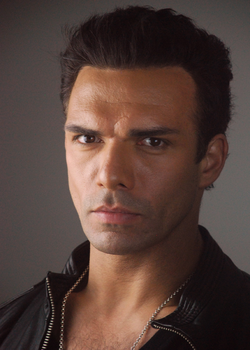


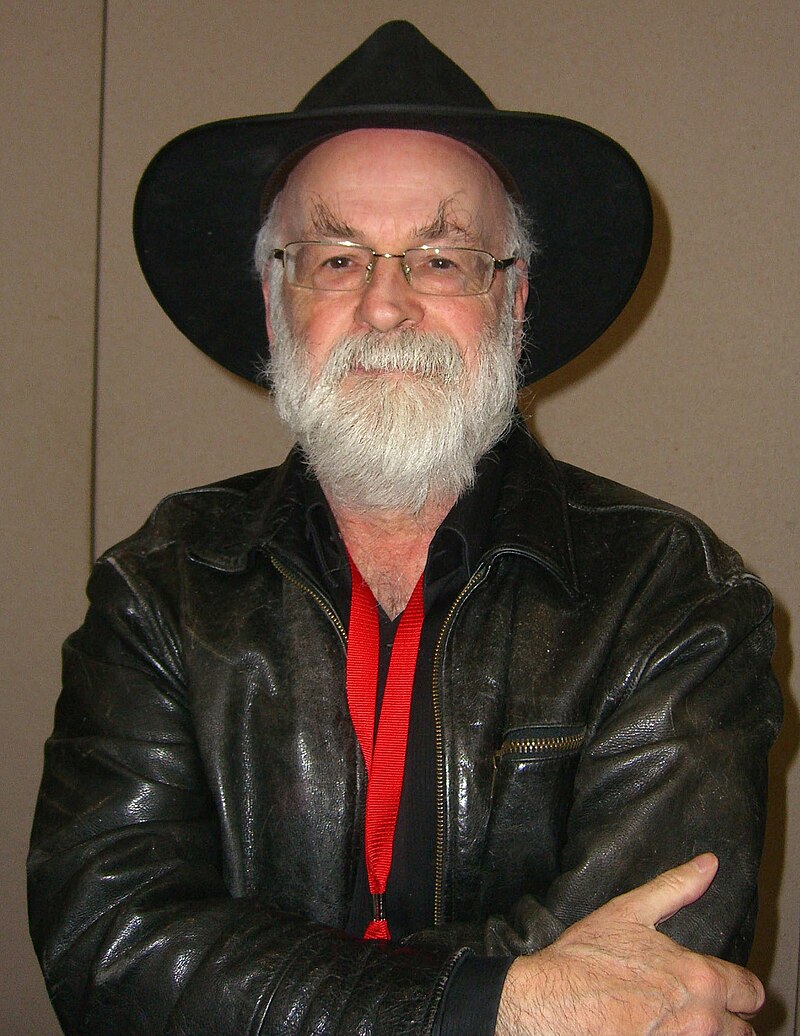


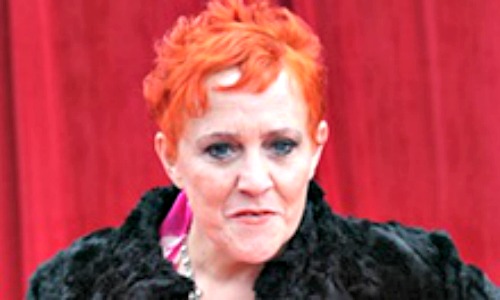

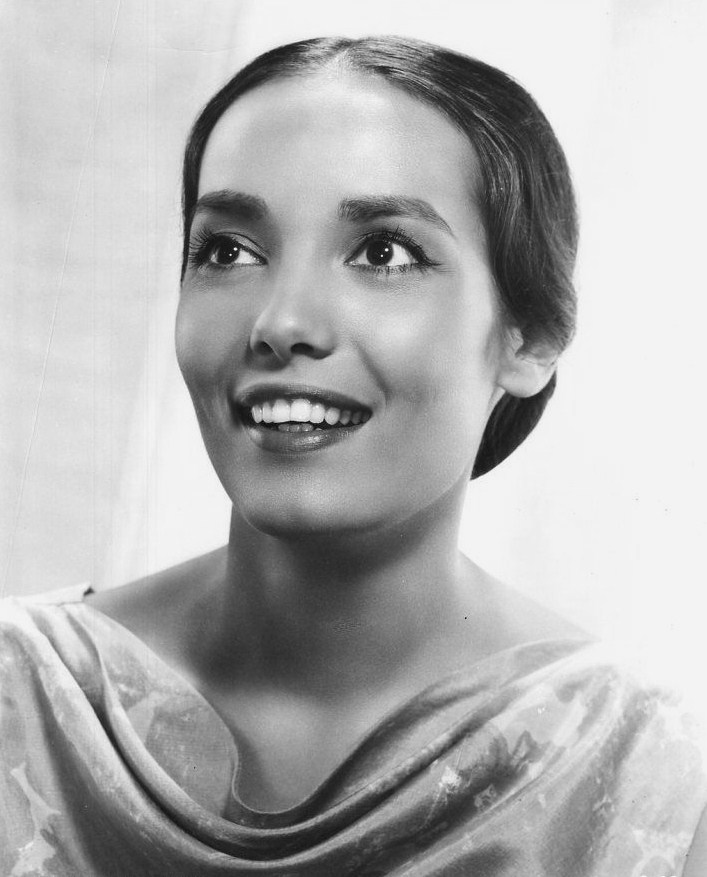




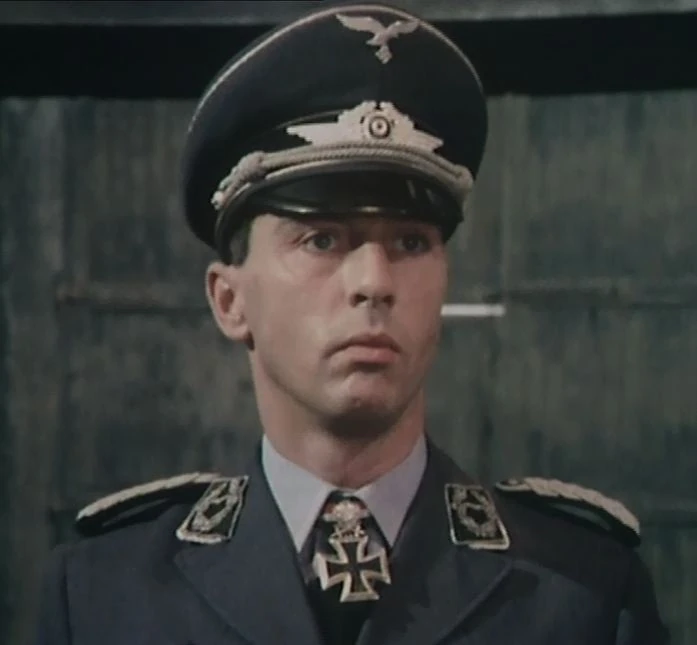


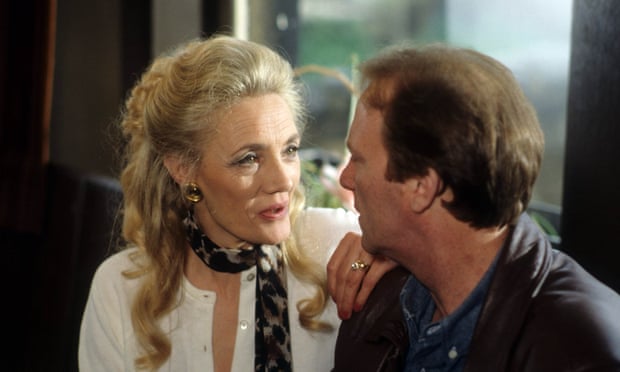


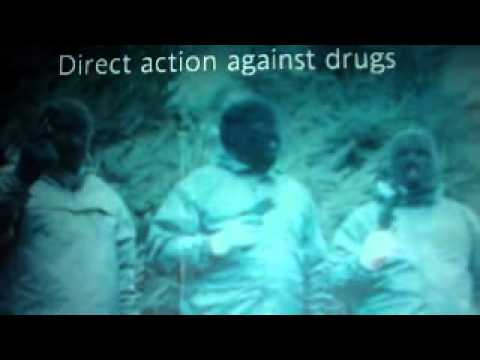





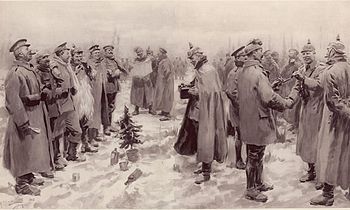


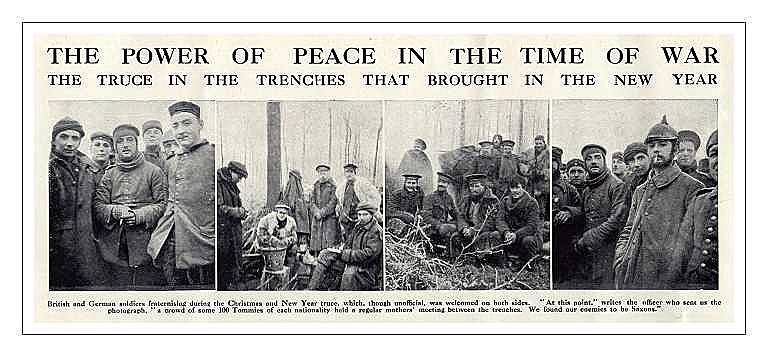







 belfastchildis.com