The Gurkha – Unsung Hero’s of the British Army ———————————————————̵…
Source: The Gurkha – Unsung Hero’s of the British Army. Background & History
The Gurkha – Unsung Hero’s of the British Army ———————————————————̵…
Source: The Gurkha – Unsung Hero’s of the British Army. Background & History


In the UK, there are various charities and service organisations dedicated to aiding veterans in readjusting to civilian life. The Royal British Legion and the more recently established Help for Heroes are two of Britain’s more high-profile veterans’ organisations which have actively advocated for veterans over the years. There has been some controversy that the NHS has not done enough in tackling mental health issues and is instead “dumping” veterans on charities such as Combat Stress.
Visit the website: www.combatstress.org.uk/veterans
——————————————-
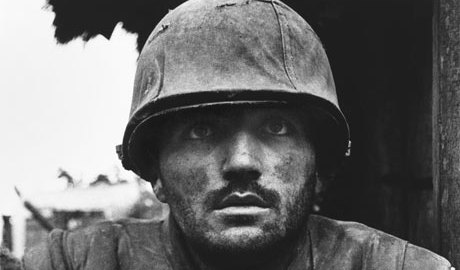
See Shell Shock – The Trauma of Battle
——————————————————-
BBC documentary about PTSD
——————————————————-
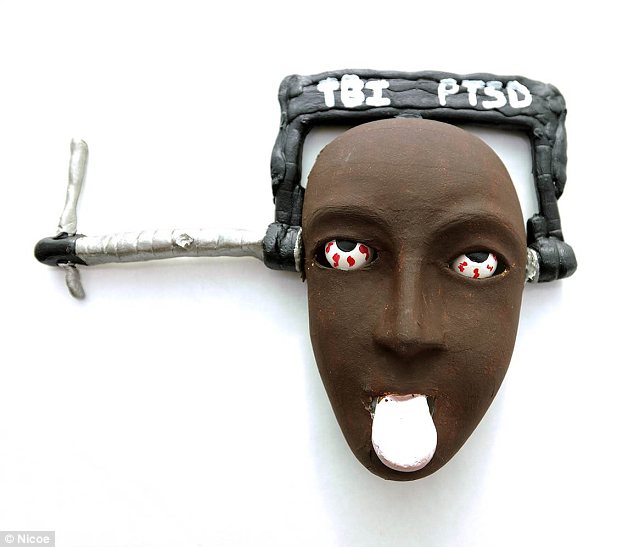
Post traumatic stress disorder (PTSD)[note 1] is a mental illness that can develop after a person is exposed to one or more traumatic events, such as sexual assault, warfare, traffic collisions, terrorism or other…
View original post 8,082 more words

War-wounded military dog awarded charity medal

A military dog who lost her leg on duty in Afghanistan has received a vet charity’s medal honouring the work of animals in war.
Lucca, a 12-year-old German Shepherd, suffered injuries including the loss of a leg during a search for improvised explosive devices (IEDs) in 2012.
She received the medal at a ceremony at Wellington Barracks in central London.
The Dickin medal, founded in 1943, is awarded by the People’s Dispensary for Sick Animals (PDSA) charity.
Lucca was trained by US Marine Corps as a search dog to sniff out munitions and explosives, and according to the Marines, protected the lives of thousands of allied troops.
On her final patrol Lucca discovered a 30lb (13.6kg) IED and, as she searched for additional explosives, a second device detonated.
———————————-
Military Dog Lucca Injured in Afghanistan Retires
———————————-
_handler_pets_the_head_of_his_MWD_Rico,_at_the_War_Dog_Cemetery_located_on_Naval_Base_Guam.jpg)
A…
View original post 1,172 more words

Battle of Clontarf Part 1 Part 2 The Battle of Clontarf (Irish: Cath Chluain Tarbh) was a battle that took place on 23 April 1014 at Clontarf, near Dublin, on the east coast of Ireland. It pitted t…
Source: Battle of Clontarf . Brian Boru: 1014
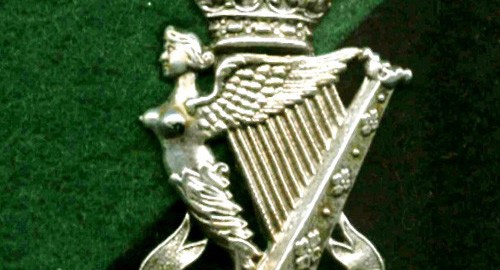

Thomas Shaw June 1899 – 2 March 2002

Shaw was born in Belfast, Northern Ireland, in June 1899. He first enlisted as a rifleman at 15 in 1914 and went into battle, but was sent home after his brother, a military policeman, met him by chance while in France. In 1916 he joined the 16th battalion of the Royal Irish Rifles and fought in battles such as Messines and Passchendaele. He stayed in Germany as part of the Army of Occupation for six months after the war ended and returned home in April 1919.
During World War II he was in charge of meat rations in Belfast. In 1942, he married his girlfriend Nell; they spent the last 12 years living at sheltered accommodation in Savoy, Bangor, County Down. He died on 2 March 2002 at the age of 102 and was buried in Clandeboye cemetery in Bangor.

A plaque in honour of Thomas Shaw was put up at the front door of the Savoy in Bangor on 4 August 2014

————————————————
Royal Ulster Rifles

D Company, Eighteenth Platoon, 2nd Battalion of the Royal Ulster Rifles
The Royal Irish Rifles (became the Royal Ulster Rifles from 1 January 1921) was an infantry rifle regiment of the British Army, first created in 1881 by the amalgamation of the 83rd (County of Dublin) Regiment of Foot and the 86th (Royal County Down) Regiment of Foot. The regiment saw service in the Second Boer War, the First World War, the Second World War and the Korean War.
In 1968 the Royal Ulster Rifles was amalgamated with the other regiments of the North Irish Brigade, the Royal Irish Fusiliers (Princess Victoria’s) and the Royal Inniskilling Fusiliers to create the Royal Irish Rangers. However, in 1992, the Royal Irish Rangers was later merged with the Ulster Defence Regiment to form the Royal Irish Regiment.
———————————
Royal Ulster Rifles – 1954
———————————
| Active | 1793–1968 |
|---|---|
| Country |  United Kingdom United Kingdom |
| Branch |  British Army British Army |
| Type | Rifles |
| Role | Light infantry |
| Size | 1-2 Regular battalions 3 Militia and Special Reserve battalions Up to 16 Hostilities-only battalions |
| Garrison/HQ | RHQ – Victoria Barracks, Belfast (1881-1937) St Patrick’s Barracks, Ballymena (1937-1968) |
| Nickname(s) | The Stickies,[1] The Rifles |
| Motto | Quis Separabit (Who shall separate us [from the love of Christ]) (Latin) |
| Colours | None as a rifle regiment |
| March | Quick: “The Ulster Rifles march ‘Off, Off, Said the Stranger'”
Slow: “The South Down Militia” |
| Engagements | Badajoz, Jhansi, Somme, Normandy Landings, Rhine Crossing, Korea
|
The regiment’s history dates backs to the reign of King George III. In 1793 the British army expanded to meet the commitments of the war with the French First Republic. As part of that expansion it raised two new regiments of foot, the 83rd and the 86th. At the same time the counties Antrim, Down and Louth regiments of militia were raised.
In 1881, under the Childers Reforms, the 83rd and 86th were amalgamated into a single regiment, named the Royal Irish Rifles, one of eight infantry regiments raised and garrisoned in Ireland. It was the county regiment of Antrim, Down, Belfast and Louth, with its depot located at Belfast. Militarily, the whole of Ireland was administered as a single command within the United Kingdom with Command Headquarters at Parkgate (Phoenix Park) Dublin, directly under the War Office in London.
Also known as the Second Boer War.

Monument to Royal Irish Rifles in grounds of Belfast City Hall
In October 1905, a memorial was erected in the grounds of Belfast City Hall in memory of the 132 who did not return. Field Marshal Lord Grenfell unveiled the memorial while the Times reported the event.

Infantry of the Royal Irish Rifles during the Battle of the Somme (1916) in the Great War.
The regiment provided battalions to all three Irish infantry divisions of the Great War: 10th (Irish), 16th (Irish) and 36th (Ulster). Members of the Ulster Volunteers, Young Citizen Volunteers (and national Volunteers served in all three divisions with the majority of the first two named in 36th (Ulster) Infantry Division. In addition, the 7th Battalion became home to a company of the Royal Jersey Militia, sometimes known as the Jersey Pals.
Most battalions served in the trenches of the Western Front.

Men of the 16th (Service) Battalion, Royal Irish Rifles, the pioneer battalion of the 36th (Ulster) Division, moving to the frontline 20 November 1917.
The Royal Irish Rifles lost 25,000 officers and men throughout the Great War, with over 7,000 of them being killed in action.
After the Great War the War Office decided that Ulster should be represented on the Army List as Connaught, Leinster and Munster already had their own regiments and so, in 1920, a new name was proposed for the Royal Irish Rifles. From 1 January 1921 the regiment became the Royal Ulster Rifles.
Despite the change of name, the Regiment continued to accept recruits from the rest of Ireland; for example, almost 50% of personnel in the 1st Battalion who arrived in Korea in 1950 were Irish nationals.
In 1937 the already close relationship with the London Irish Rifles was formally recognised when they were incorporated into the Corps while still retaining their regimental identity as a territorial battalion. Two years later the London Irish formed a second battalion.
When war was declared the 1st Battalion was serving in India, with the 31st Independent Brigade Group, which was trained in mountain warfare. When the brigade returned to the United Kingdom, it was decided that, with its light scale of equipment, the brigade could be converted into a glider-borne unit. 31st Infantry Brigade, which also included the 1st Border Regiment, 2nd South Staffs and 2nd Ox and Bucks, was renamed 1st Airlanding Brigade and trained as glider infantry.
They were assigned to the 1st Airborne Division, part of the British Army’s airborne forces. The battalion, along with the 2nd Oxford and Bucks Light Infantry, were later transferred to join the 12th Devonshire Regiment in the 6th Airlanding Brigade as part of the newly raised 6th Airborne Division which was actually only the second of two airborne divisions created by the British Army in World War II.

Riflemen of the Royal Ulster Rifles, 6 Airlanding Brigade, aboard a jeep and trailer, driving off Landing Zone N past a crashed Airspeed Horsa glider on the evening of 6 June
Carried in Horsa gliders, the battalion took part in Operation Mallard, the British glider-borne landings in the later afternoon of 6 June 1944, otherwise known as D-Day. They served throughout the Battle of Normandy employed as normal infantry until August 1944 and the breakout from the Normandy beachhead where the entire 6th Airborne Division advanced 45 miles in 9 days. They returned to England in September 1944 for rest and retraining until December 1944 when the 6th Airborne was then recalled to Belgium after the surprise German offensive in the Ardennes which is now known as the Battle of the Bulge where the division played a comparatively small role in the mainly-American battle.
They then took part in their final airborne mission of the war known as Operation Varsity, which was the airborne element of Operation Plunder, the crossing of the River Rhine by the 21st Army Group in March 1945. The 6th Airborne was joined by the US 17th Airborne Division, and both divisions suffered heavy casualties.
The 2nd Battalion was part of the 9th Infantry Brigade, 3rd Infantry Division serving with the British Expeditionary Force (BEF) in France from 1939-1940. The division was commanded by the then Major General Bernard Montgomery who would eventually lead the Anglo-Canadian forces as commander of the 21st Army Group in the North West Europe Campaign. The 3rd Infantry Division took part in the Battle of Dunkirk, where it gained a decent reputation and earned the nickname of ^Monty’s Ironsides^, and had to be evacuated from Dunkirk with the rest of the BEF.
The battalion returned to Europe for the D-Day landings in June 1944 and fought in the Battle of Normandy, specifically in Operation Charnwood where they were the first British troops to enter the city of Caen, which had previously seen bitter fighting in the British attempt to capture it. The battalion later fought in Belgium, Holland and Germany
The 6th (Home Defence) Battalion was raised in 1939 from No. 200 Group National Defence Companies and consisting of older men with previous military experience who were unfit for active service. On 24 December 1940 the battalion was redesignated as the 30th Battalion, dropping the Home Defence from its title, and converted to a regular infantry battalion. It was disbanded in Northern Ireland in May 1943.
The 7th (Home Defence) Battalion was raised on 29 June 1940, joining the 215th Independent Infantry Brigade (Home). The battalion served in Ulster until leaving for the United Kingdom in September 1942. On 24 December 1941, the battalion was redesignated the 31st Battalion and dropped the Home Defence title.
The 8th Battalion, Royal Ulster Rifles was also raised in 1940, and joined 203rd Independent Infantry Brigade (Home). In early 1942 the battalion was transferred to the Royal Artillery and converted into the 117th Light Anti-Aircraft Regiment, Royal Artillery. The regiment served with Home Forces until November 1942 when it was sent overseas to North Africa to fight in the final stages of the North African Campaign as part of the British First Army.
In September 1943 the regiment landed in Italy shortly after the initial invasion, now as part of the British Eighth Army, and served on the Italian Front until June 1944, when the regiment was broken up and the men were retrained as infantrymen, due to a severe shortage of infantrymen, particularly in Italy. Many of the men retrained were sent to the 2nd, 7th and 10th battalions of the Rifle Brigade (Prince Consort’s Own), another rifle regiment, in 61st Lorried Infantry Brigade, 6th Armoured Division.
The 70th (Young Soldiers) Battalion was formed on 12 September 1940 at Holywood from the younger soldiers of the 6th and 7th battalions and volunteers of the ages of 18 and 19 who were too young for conscription. The battalion spent most of its time guarding airfields and aerodromes before moving to the United Kingdom in October 1941.
The Royal Ulster Rifles had the unique distinction of being the only infantry regiment of the British Army to have both of its regular battalions involved in the Normandy landings.
In 1947 the Royal Ulster Rifles were grouped with the other two remaining Irish regiments, the Royal Inniskilling Fusiliers and the Royal Irish Fusiliers, into the North Irish Brigade. A year later, the regiment formed a pipe band, wearing saffron kilts and playing Irish Warpipes. In the same year, in 1948, the 2nd Battalion was amalgamated with the 1st Battalion to form the 1st Battalion, Royal Ulster Rifles (83rd and 86th), thus retaining the history of both of the previous regiments of foot. This happened throughout the British Army in 1948 after India gained its independence.
The 1st Battalion, Royal Ulster Rifles disembarked at Pusan in early November as part of the 29th Independent Infantry Brigade Group. They were transported forward to Uijongbu, where under the direct command of the Eighth United States Army they were directed against guerrilla forces swept past by the rapid progress of the United Nations Army.
By mid December a defensive line was being prepared on the south bank of the River Han on the border with North Korea. protecting the approach to Seoul, the capital of South Korea. As the New Year started, the Fiftieth Chinese Communist Army engaged the United Nations troops focusing on 29 Brigade, who were dispersed over a very wide front (12 miles). The Rifles fighting with 1st Battalion, Royal Northumberland Fusiliers were able to hold their position in their first major action at the Battle of Chaegunghyon and the Communist Army’s progress was halted, at least temporarily.
The Chinese Fifth Phase Campaign or the Battle of the Imjin River began on 22 April with the goal of taking Seoul. By 25 April, the Brigade was ordered to withdraw as the Communist forces were threatening to encircle it. With virtually no cover and seriously outnumbered, the Rifles came under heavy fire as they withdrew to a blocking position. The Brigade was able to hold its position, despite fierce fighting, and neutralized the effectiveness of the Sixty-fourth Chinese Communist Army. Although the enemy’s offensive had come within 5 miles of Seoul, the capital had been saved.
At the time, the Times reported the Battle of Imjin concluding with:
The fighting 5th wearing St George and the Dragon and the Irish Giants with the Harp and Crown have histories that they would exchange with no one. As pride, sobered by mourning for fallen observes how well these young men have acquitted themselves in remotest Asia. The parts taken by the regiments may be seen as a whole. The motto of the Royal Ulster Rifles may have the last word Quis Separabit. (Who shall separate us)
As a result of this action, members of the Rifles were awarded 2 Distinguished Service Orders, 2 Military Crosses, 2 Military Medals, and 3 men were Mentioned in Despatches. When the area was recaptured, a memorial was erected to the 208 men killed or missing after the battle. It stood over-looking the battlefield till 1962 when Seoul’s growth threatened to consume it, and it was carried by HMS Belfast back to Ireland where it was the focusof the Regiment’s St Patrick’s Barracks in Ballymena. When the barracks closed in 2008,[ the Imjin River Memorial was again moved, this time to the grounds of the Belfast City Hall.
In 1968 the Royal Ulster Rifles amalgamated with the Royal Inniskilling Fusiliers and the Royal Irish Fusiliers to form the Royal Irish Rangers (27th (Inniskilling), 83rd and 87th). A further amalgamation took place with the Ulster Defence Regiment in 1992 to form the Royal Irish Regiment (27th Inniskilling, 83rd, 87th and the Ulster Defence Regiment).
Veterans of the Royal Ulster Rifles in Northern Ireland remain few, as only around four veterans are known to be still alive today in Northern Ireland. However, many of them are still widely involved today, as several of them have participated in the annual Korea Day in Northern Ireland, along with three of them travelling to South Korea on the Revisit Program in April 2013 in association with the Somme Association to visit the sites of Battles like the Battle of the Imjin River, with the help of current serving Army officers in Northern Ireland. The legacy of these veterans is still alive today, as one of the dedicated veterans’ grandson travelled to Seoul, South Korea to attend a United Nations Youth Peace Camp in Seoul with 16 other delegations in July 2014, to learn about the sacrifice their grandparents had made to themselves and their country, and the Republic of Korea 60 years ago.
Recipients of the Victoria Cross:
Visit the Royal Ulster Rifles Museum

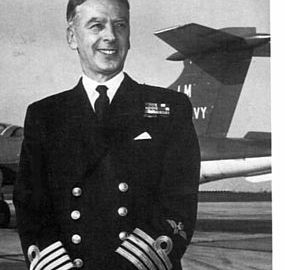
Eric ‘Winkle’ Brown: Celebrated British pilot dies, aged 97

One of the most famous British pilots, Capt Eric “Winkle” Brown, has died at the age of 97.
He was the Royal Navy’s most decorated pilot and held the world record for flying the greatest number of different types of aircraft, 487.
During World War Two Capt Brown flew fighter aircraft and witnessed the liberation of Bergen Belsen concentration camp.
He died at the East Surrey Hospital, Redhill, after a short illness.
A statement released by his family said: “It is with deep regret that the passing of Captain Eric Melrose Brown CBE DSC AFC is announced.

“Eric was the most decorated pilot of the Fleet Air Arm in which service he was universally known as ‘Winkle’ on account of his diminutive stature.
“He also held three absolute Guinness World Records, including for the number of aircraft carrier deck landings and types of aeroplane flown.”
————————————————-
Eric Melrose “Winkle” Brown
————————————-
Story of Captain Winkle Brown
————————————-
Captain Eric Melrose “Winkle” Brown, CBE, DSC, AFC, Hon FRAeS, RN[2] (21 January 1919 – 21 February 2016) was a British Royal Navy officer and test pilot who flew 487 different types of aircraft, more than anyone else in history.[1][3] He also held the world record for most aircraft carrier landings performed (2,407)[1] and was the Fleet Air Arm‘s most decorated living pilot.[4] He achieved several “firsts” in naval aviation, including the first landings on an aircraft carrier of a twin-engined aircraft, an aircraft with a tricycle undercarriage and a jet-propelled aircraft.
Brown was born in Leith, near Edinburgh, Scotland. He first flew when he was eight or ten when he was taken up in a Gloster Gauntlet by his father, the younger Brown sitting on his father’s knee.[5]
In 1936, Brown’s father, an ex-Royal Flying Corps pilot, had taken him to see the 1936 Olympics in Berlin. Hermann Göring had recently announced the existence of the Luftwaffe, so Brown and his father met, and were invited to join social gatherings by members of the newly disclosed organisation. It was here that Brown first met Ernst Udet, a former World War I fighter ace.
Brown soon discovered in himself and Udet a shared love of flying and Udet offered to take Brown up with him. Brown eagerly accepted the German’s offer and after his arrival at the appointed airfield at Halle, he was soon flying in a two-seat Bucker Jungmann, which Udet threw around much to Brown’s delight. Udet told Brown he “must learn to fly” and that he “had the temperament of a fighter pilot”. He also told Brown to learn German.
In 1937, Brown left the Royal High School and entered Edinburgh University, studying Modern Languages with an emphasis on German. While there he joined the university’s Air Unit and received his first formal flying instruction. In February 1938 he returned to Germany, where, having been invited to attend the 1938 Automobile Exhibition by Udet, by then a Luftwaffe Major General, he saw the demonstration of the Focke-Wulf Fw 61 helicopter flown by Hanna Reitsch before a small crowd inside the Deutschlandhalle. During this visit he met and got to know Reitsch. Brown was later to renew his acquaintance with her after the war, in less pleasant circumstances, she having been arrested after the German surrender in 1945.
In the meantime, Brown had been selected to take part as an exchange student at the Schule Schloss Salem, located on the banks of Lake Constance, and it was while there in Germany that Brown was woken up with a loud knocking on his door one morning in September 1939. Upon opening the door he was met by a woman with the announcement that “our countries are at war“. Soon after, Brown was arrested by the SS. Fortunately, after 3 days incarceration, they merely escorted Brown in his MG Magnette sports car to the Swiss border, saying they were allowing him to keep the car because they “had no spares for it”.[6]
.jpg)
HMS Audacity in 1941.
On returning to a United Kingdom now at war, he joined the Royal Navy Volunteer Reserve as a Fleet Air Arm pilot, where he was posted to 802 Squadron, initially serving on the first escort carrier HMS Audacity flying the Grumman Martlet. During his service on board the Audacity he shot down two Focke-Wulf Fw 200 “Condor” maritime patrol aircraft. The Audacity was torpedoed and sunk on 21 December 1941 by U-751, commanded by Gerhard Bigalk. Eric Brown was one of only two survivors of the squadron, being saved by his Mae West life jacket.
The loss of life was such that 802 Squadron was disbanded until February 1942. On 10 March 1942 he was awarded the Distinguished Service Cross for his service on Audacity, in particular “For bravery and skill in action against Enemy aircraft and in the protection of a Convoy against heavy and sustained Enemy attacks”.[7]
Following the loss of Audacity, Brown was posted to the Royal Aircraft Establishment (RAE) at Farnborough, where his experience in deck landings was sought. While there he initially performed testing of the newly navalised Sea Hurricane and Seafire.
His aptitude for deck landings led to his posting for the testing of carriers’ landing arrangements before they were brought into service. The testing involved multiple combinations of landing point and type of aircraft. with the result that by the close of 1943 he had performed around 1,500 deck landings on 22 different carriers. In six years at RAE, Brown recalls that he hardly ever took a single day’s leave.[8]
In 1943 Brown resumed operational flying, being seconded to Royal Canadian Air Force (RCAF) squadrons flying escort operations to USAAF B-17s over France. His job was to train them in deck-landing techniques, though on airfields.[Note 1] As a form of quid pro quo he joined them on fighter operations.
He also flew several stints with Fighter Command in the air defence of Great Britain. During this time, in the summer of 1944 Brown’s home was destroyed by a V-1 “Doodlebug” cruise missile, concussing his wife and causing serious injury to their cleaner, including the loss of one eye.
After his time operational, again in 1943, he then went back to the RAE, this time to perform experimental flying, almost immediately being transferred to southern Italy to evaluate captured Regia Aeronautica and Luftwaffe aircraft. This Brown did with almost no tuition, information having to be gleaned from whatever documents were available. On completion of these duties, his commander, being impressed with his performance, sent him back to the RAE with the recommendation that he be employed in the Aerodynamics Flight department at Farnborough. During the first month in the Flight, Brown flew thirteen aircraft types, including a captured Focke-Wulf Fw 190.
While at Farnborough as Chief Naval Test Pilot, Brown was involved in the deck landing trials of the Sea Mosquito, the heaviest aircraft yet chosen to be flown from a British carrier. Brown landed one for the first time on HMS Indefatigable on 25 March 1944. This was the first landing on a carrier by a twin-engined aircraft.[9] The fastest speed for deck landing was 86 kts, while the stall speed was 110 kts.[8]
At this time, the RAE was the leading authority on high-speed flight and Brown became involved in this sort of testing, flights being flown where the aircraft, usually a Spitfire, would be dived at speeds of the high subsonic and near transonic region. Figures achieved by Brown and his colleagues during these tests reached Mach 0.86 for a standard Spitfire IX, to Mach 0.92 for a modified Spitfire PR Mk XI flown by his colleague Sqn Ldr Anthony F. Martindale.
Together with Brown and Martindale, the RAE Aerodynamics Flight also included two other test pilots, Sqn Ldr James “Jimmy” Nelson and Sqn Ldr Douglas Weightman.[10]
During this same period the RAE was approached by United States Army Air Forces (USAAF) General Jimmy Doolittle with a request for help, as the 8th Air Force had been having trouble when their Lightning, Thunderbolt and Mustang aircraft, providing top cover for the bombers, dived down onto attacking German fighters, some of the diving US fighters encountering speed regions where they became difficult to control. As a result of Doolittle’s request, early in 1944 the P-38H Lightning, P-51B Mustang and P-47C Thunderbolt, were dived for compressibility testing at the RAE by Brown and several other pilots. The results of the tests were that the tactical Mach numbers, i.e., the manoeuvring limits, were Mach 0.68 for the Lightning, Mach 0.71 for the Thunderbolt and Mach 0.78 for the Mustang. The corresponding figure for both the Fw 190 and Bf 109 was Mach 0.75. The tests flown by Brown and his colleagues resulted in Doolittle being able to argue with his superiors for the Mustang to be chosen in preference to the P-38 and P-47 for all escort duties from then on, which it subsequently was.
Brown had been made aware of the British progress in jet propulsion in May 1941 when he had heard of the Gloster E.28/39 after diverting in bad weather to RAF Cranwell during a flight and had subsequently met Frank Whittle when asked to suggest improvements to the jet engine to make it more suitable for naval use. This resulted in the Gloster Meteor being selected as the Royal Navy‘s first jet fighter, although, as it turned out, few would be used by them. Brown was also selected as the pilot for the Miles M.52 supersonic research aircraft programme, and he flew modified aircraft incorporating components intended for the M.52; however, the post-war government later cancelled the project in 1945 with the M.52 almost complete.[6]
During carrier compatibility trials, Brown crash-landed a Fairey Firefly Mk I, Z1844, on the deck of HMS Pretoria Castle on 9 September 1943, when the arrestor hook indicator light falsely showed the hook was in the “down” position. The fighter hit the crash barrier, sheared off its undercarriage and shredded the propeller, but the pilot was unhurt.[11] On 2 May 1944, he was appointed Member of the Order of the British Empire “for outstanding enterprise and skill in piloting aircraft during hazardous aircraft trials.”[12]

A Royal Air Force Hoverfly I of the type flown by Brown from Speke to Farnborough in 1945
In February 1945, Brown learned that the Aerodynamics Flight had been allocated three Sikorsky R-4B Hoverfly/Gadfly helicopters. He had never seen one of these tail-rotor machines, so a trip to Farnborough was arranged and Brown had a short flight as a passenger in one. A few days later, Brown and Martindale were sent to RAF Speke to collect two new R-4Bs. On arrival, they found the American mechanics assembling the machines, and when Brown asked the Master Sergeant in charge about himself and Martindale being taught to fly them, he was handed a “large orange-coloured booklet” with the retort; “Whaddya mean, bud? – Here’s your instructor”. Brown and Martindale examined the booklet and after several practice attempts at hovering and controlling the craft, followed by a stiff drink, they set off for Farnborough. Brown and Martindale managed the trip safely, if raggedly, in formation, although sometimes as much as a couple of miles apart.[13]
On 4 April, Brown added another “first” to his logbook when engaged in trials in relation to the flexible deck concept with HMS Pretoria Castle, in which he was supposed to make a number of landing approaches to the escort carrier in a Bell Airacobra, which had coincidentally been modified with a tail hook. During one of these passes, Brown declared an emergency and was given permission to make a deck landing; a ruse which had previously been agreed with the carrier’s captain, Caspar John. Although the landing was achieved without difficulty, the long take off run required for the Airacobra meant that even with the ship steaming at full speed, there was little margin of error. This was the first carrier landing and take off for any aircraft with a tricycle undercarriage.[14]
With the end of the European war in sight, the RAE prepared itself to acquire German aeronautical technology and aircraft before it was either accidentally destroyed or taken by the Soviets, and, because of his skills in the language, Brown was made CO of “Enemy Flight”. He flew to Northern Germany; among the targets for the RAE was the Arado Ar 234, a new jet bomber that the Allies, particularly the Americans, were much interested in. A number of the jets were based at an airfield in Denmark, the German forces having retreated there. He expected to arrive at a liberated aerodrome, just after it had been taken by the British Army; however, German resistance to the Allied advance meant that the ground forces had been delayed and the airfield was still an operational Luftwaffe base. Luckily for Brown, the commanding officer of the Luftwaffe airfield at Grove offered his surrender, Brown taking charge of the airfield and its staff of 2,000 men until Allied forces arrived the next day.
Subsequently, Brown and Martindale, along with several other members of the Aerodynamics Flight and assisted by a co-operative German pilot, later ferried twelve Ar 234s across the North Sea and on to Farnborough. The venture was not without risk, as before their capture, the Germans had destroyed all the engine log books for the aircraft, leaving Brown and his colleagues no idea of the expected engine hours remaining to the machines. Because of the scarcity of the special high-temperature alloys for use in their construction, the Junkers Jumo 004 engines had a life of only 25 hours – it was thus not known whether the engines were brand new or just about to expire.[15]
During this period, Brown was asked by Brigadier Glyn Hughes, the Medical Officer of the British 2nd Army [16] occupying the newly liberated Bergen-Belsen concentration camp, to help interrogate the former camp commandant and his assistant. Agreeing to do so, he subsequently interviewed Josef Kramer and Irma Grese, Brown remarking; “Two more loathsome creatures it is hard to imagine” and describing the latter as “… the worst human being I have ever met.” Kramer and Grese were later tried and hanged for war crimes.[6][17]

The captured He 177 A-5 in British markings flown by Brown at Farnborough in September 1944
After World War II‚ Brown commanded the Enemy Aircraft Flight, an elite group of pilots who test-flew captured German and Italian aircraft. That experience makes Brown one of the few men qualified to compare both Allied and Axis aeroplanes as they flew during the war. He flight-tested 53 German aircraft, including the Me 163B Komet rocket fighter. His flight test of this rocket plane, apparently the only one by an Allied pilot, was accomplished unofficially: it was deemed to be more or less suicidal due to the notoriously dangerous propellants C-Stoff and T-Stoff. Brown also flight tested all three of the German jet designs to see front-line action in the war: the Messerschmitt Me 262 and the Arado Ar 234, each type powered by Junkers Jumo 004 engines, and the BMW 003-powered Heinkel He 162 turbojet combat aircraft.
Fluent in German, he helped interview many Germans after World War II, including Wernher von Braun and Hermann Göring,[18] Willy Messerschmitt, Dr. Ernst Heinkel[19] and Kurt Tank. Brown was himself using Himmler’s personal aircraft, a specially converted Focke-Wulf Fw 200 Condor that had been captured and was being used by the RAE Flight based at the former Luftwaffe airfield at Schleswig.[20] He was also able to renew acquaintances with German pilot Hanna Reitsch, whom he had met in Germany before the war.
As an RAE test pilot he was involved in the wartime Miles M.52 supersonic project, test flying a Spitfire fitted with the M.52’s all moving tail, diving from high altitude to achieve high subsonic speeds. He was due to fly the M.52 in 1946, but this fell through when the project was cancelled. The all moving tail information, however, supplied upon instruction from the British government ostensibly as part of an information exchange with the Americans (although no information was ever received in return), allowed Bell to modify its XS-1 for the true transsonic pitch controllability, allowing in turn Chuck Yeager to become the first man to exceed Mach 1 in 1947.[21]
In a throwback to his days testing aircraft in high speed dives, while at the RAE Brown performed similar testing of the Avro Tudor airliner. The requirement was to determine the safe limiting speed for the aircraft and to gather data on high-speed handling of large civil aircraft in preparation for a projected four-jet version of the Tudor. Flying from 32,000 ft, in a succession of dives to speeds initially to Mach 0.6, he succeeded in diving the Tudor up to Mach 0.7, an unusual figure for such a large piston-engined aeroplane, this speed figure being dictated by the pilot’s discretion, as pulling the aircraft out of the dive had required the combined efforts of both Brown and his second pilot. However, as an airliner, the Tudor was not a success. The planned jet-version of the Tudor would later become the Avro Ashton.[22]

The high-speed DH 108 VW120 that Brown flew. This aircraft later crashed, killing Brown’s successor at the RAE, Sqn Ldr Stuart Muller-Rowland.
In 1946 he test flew a modified (strengthened and control-boosted) de Havilland DH.108 after a crash in a similar aircraft while diving at speeds approaching the sound barrier had killed Geoffrey de Havilland, Jr. Brown initially started his tests from a height of 35,000 ft, rising to 45,000 ft and during a dive from the latter he achieved a Mach number of 0.985. It was only when attempting the tests from the same height as de Havilland, 4,000 ft,that he discovered that in a Mach 0.88 dive from that altitude the aircraft suffered from a high-g pitch oscillation at several hertz (Hz). “the ride was smooth, then suddenly it all went to pieces … as the plane porpoised wildly my chin hit my chest, jerked hard back, slammed forward again, repeated it over and over, flogged by the awful whipping of the plane …”. Remembering the drill he had often practised, Brown managed to pull back gently on both stick and throttle and the motion; “… ceased as quickly as it had started”.[23] He believed that he survived the test flight partly because he was a shorter man, de Havilland having suffered a broken neck possibly due to the violent oscillation.[24] Test instrumentation on Brown’s flight recorded during the oscillations accelerations of +4 and −3g’s at 3 Hz. Brown described the DH 108 as; “A killer. Nasty stall. Vicious undamped longitudinal oscillation at speed in bumps”.[25] All three DH.108 aircraft were lost in fatal accidents.
In 1948 Brown was awarded the Boyd Trophy for his work in trials for the rubber deck landing system.[26] On 30 March 1949 he was granted a permanent Royal Navy commission as a lieutenant, with seniority backdated to his original wartime promotion to the rank.[27]
On 12 August 1949, he was testing the third of three Saunders-Roe SR.A/1 jet-powered flying-boat fighter prototypes, TG271, when he struck submerged debris, the aircraft sinking in the Solent off Cowes, Isle of Wight.[28][29] He was pulled unconscious from the cockpit of the wrecked aircraft, having been knocked out in the crash, by Saunders-Roe test pilot Geoffrey Tyson. He was promoted lieutenant-commander on 1 April 1951,[30] commander on 31 December 1953[31] and captain on 31 December 1960.[32]
Brown was responsible for at least two important firsts in carrier aviation – the first carrier landing using an aircraft equipped with a tricycle undercarriage (Bell Airacobra Mk 1 AH574) on the trials carrier HMS Pretoria Castle on 4 April 1945 and the world’s first landing of a jet aircraft, landing the de Havilland Sea Vampire LZ551/G on the Royal Navy carrier HMS Ocean on 3 December 1945.
In the 1950s during the Korean War, Brown was seconded as an exchange officer for two years to the United States Naval Test Pilot School at Patuxent, Maryland, where he flew a number of American aircraft, including 36 types of helicopter. In January 1952, it was while here that Brown demonstrated the steam catapult to the Americans, flying a Grumman Panther off the carrier HMS Perseus while the ship was still tied up to the dock at the Philadelphia Naval Yard. It had been planned for Brown to make the first catapult launch with the ship under way and steaming into any wind; however, the wind on the day was so slight that British officials decided that, as the new steam catapult was capable of launching an aircraft without any wind, they would risk their pilot (Brown) if the Americans would risk their aircraft. The launch was a success and US carriers would later feature the steam catapult. It was around the same time that another British invention was being offered to the US, the Angled Flight deck, and Brown once again was called upon to promote the concept. Whether due to Brown or not, the first US aircraft carrier modified with the new flight deck, the USS Antietam, was ready less than nine months later.[6]
In 1954 Brown, by then a Commander, became Commander (Air) of the RNAS Brawdy, where he remained until returning to Germany in late 1957, becoming Chief of British Naval Mission to Germany, his brief being to re-establish German naval aviation after its pre-war integration with and subornation to, the Luftwaffe. During this period Brown worked closely with Admiral Gerhard Wagner of the German Naval Staff. Training was conducted initially in the UK on Hawker Sea Hawks and Fairey Gannets, and during this time Brown was allocated a personal Percival Pembroke aircraft by the Marineflieger, which, to his surprise, the German maintenance personnel took great pride in. It was, in fact, the first exclusively naval aircraft the German Navy had owned since the 1930s.[33] Brown led the re-emergence of naval aviation in Germany to the point that in 1960 Marineflieger squadrons were integrated into NATO.
Later Brown enjoyed a brief three-month period as a test pilot for the Focke-Wulf company, helping them out until they could find a replacement after the company’s previous test pilot had been detained due to having relatives in East Germany.[6][34]
In the 1960s, due to his considerable experience of carrier aviation, Brown, while working at the Admiralty as Deputy Director of Naval Air Warfare, was consulted on the flight deck arrangement of the planned new UK class of aircraft carrier, the CVA-01, although the ship was subsequently cancelled while still on the stocks. In September 1967 came his last appointment in the Royal Navy when, as a Captain, he took command of HMS Fulmar, then the Royal Naval Air Station (now RAF), Lossiemouth, until March 1970. He was appointed a Naval Aide de Camp to Queen Elizabeth II on 7 July 1969[35] and promoted to Commander of the Order of the British Empire in the 1970 New Year Honours.[36] He relinquished his appointment as Naval ADC on 27 January 1970 and retired from the Royal Navy later in 1970.[37]
He served as President of the Royal Aeronautical Society from 1982 to 1983.[38]
On 24 February 2015 Brown delivered the Edinburgh University Mountbatten Lecture, entitled “Britain’s Defence in the Near Future.” Speaking at the Playfair Library, he warned: “They [the Russians] are playing a very dangerous game of chess. … They are playing it to the hilt. It may develop into that. It is certainly showing the same signs as what caused the Cold War.”[39]
He flew aircraft from Britain, the United States, Germany, Italy and Japan and is listed in the Guinness Book of World Records as holding the record for flying the greatest number of different aircraft. The official record is 487, but includes only basic types. For example, Captain Brown flew fourteen versions of the Spitfire and Seafire and although these versions are very different they appear only once in the list. The list includes only aircraft flown by Brown as ‘Captain in Command’.
Because of the special circumstances involved, he didn’t think that this record would ever be beaten.[40]
He also held the world record for the most carrier landings, 2,407, partly compiled in testing the arrestor wires on more than twenty aircraft carriers during World War II.
In his book “Wings on my sleeve” (page 157 et seq), Brown records his admiration of a number of erstwhile colleagues who deserve recognition:-
I was fortunate to have such fine C.O.s as Alan Hards, Dick Ubee, Silyn Roberts, and Alan Wheeler. … It was always a thrill to me to meet and talk flying business with men like Geoffrey Tyson, Harald Penrose, Jeffrey Quill, Mutt Summers, Bill Pegg, and George Errington. All these had been heroes in my private hall of fame long before I knew them personally. … Geoffrey de Havilland, Bill Humble, and Alex Henshaw … They were men of great dash … Mike Lithgow, Peter Twiss, John Cunningham of Comet fame, John Derry, Neville Duke, and Roland Beamont.
Brown goes on to mention the pilot of the first jet flight in Britain, Jerry Sayer, before going on to mention the aircraft designers R. J. Mitchell designer of the Spitfire, Sir Sydney Camm, R. E. Bishop, Roy Chadwick and Joe Smith, followed by the names of what he describes as “boffins and boffinettes”, which include the brilliant aerodynamicists Morien Morgan, Handel Davies, Dai Morris, and P. A. Hufton, and the “boffinettes” like Gwen Alston, Anne Burns (structural engineer), Dorothy Pearse (aircraft engineer) and Pauline Gower (head of the women’s sectiom of the ATA).
Brown’s last credits mention Lewis Boddington, Dr. Thomlinson, John Noble and Charles Crowfoot whom he records (with “others”) as being responsible for “giving the Royal Navy a technical lead in aircraft carrier equipment which it still holds to this day [1978].”
Brown ends this section with “These men and women were civil servants, but they worked hours, took responsibility, and produced results far beyond what their country paid them for. To me they represent the true measure of Britain’s greatness.”
Brown wrote several books about his experiences, including many describing the flight characteristics of the various aircraft he flew and an autobiography, Wings on My Sleeve, first published in 1961 and considerably up-dated in later editions. He was also the author of dozens of articles in aviation magazines and journals.[41]
His most well-known series of articles is “Viewed from the Cockpit” which was published (and occasionally re-published) in the journal Air International.[41] Flight review highlights in this series have included the following types:
As regards his preferences Brown states:
“My favourite piston engine (aircraft) is the de Havilland Hornet. For the simple reason it was over-powered. This is an unusual feature in an aircraft, you could do anything on one engine, almost, that you could do on two. It was a ‘hot rod Mosquito‘ really, I always described it as like flying a Ferrari in the sky.
“On the jet side I was a great admirer of the F-86 Sabre, but in particular, the Model E (F-86E) which had the flying tail, and this gave me what I call the ‘perfect harmony of control’. If a pilot has this perfect harmony of control you feel you’re part of the aeroplane and you’re bonded with it really. You’ve got into it and the aeroplane welcomes you and says ‘thank God you’ve come, you’re part of me anyway’ and to fly like that is a sheer delight.”[46]
Brown’s last flight as a pilot was in 1994, but in 2015 was still lecturing and regularly attending the British Rocketry Oral History Programme (BROHP), where the annual presentation of the Sir Arthur Clarke Awards takes place. In 2007 he was the recipient of the Lifetime Achievement Award.
Brown lived, in semi-retirement, at Copthorne, West Sussex,[17] where he was interviewed by BBC Radio 4 in April 2013[47] and in June 2014 he was the subject of the hour-long BBC Two documentary Britain’s Greatest Pilot: The Extraordinary Story of Captain Winkle Brown.[8]
Assessing his achievements Mark Bowman, Chief Test Pilot at BAE Systems, said, “They didn’t have the advantage of high-tech simulators. He just had to look at the aircraft and think what he was going to do with it”, adding that he would have been flying the aircraft with “the benefit of a slide rule, not a bank of computers as we have now.”[48]
In November 2014 he was the guest for the 3,000th edition of BBC Radio 4‘s Desert Island Discs. During the programme he revealed that, at the age of 95, he still enjoyed driving and had just bought himself a new sports car. His musical choices included “At Last” by the Glenn Miller Orchestra, and “Amazing Grace” by the Royal Scots Dragoon Guards. His favourite was “Stardust” by Artie Shaw and His Orchestra.[49] Brown died in February 2016.[50]
Brown received the affectionate nickname “Winkle” from his Royal Navy colleagues. Short for “Periwinkle”, a small mollusc, the name was given to Brown because of his short stature of 5 ft 7 in (1.70 m).[17] Brown has partly attributed his survival, through a number of incidents, to his small stature and his ability to “curl himself up in the cockpit”.[8]
_Ribbon.png)   |
|||
 |
 |
  |
 |

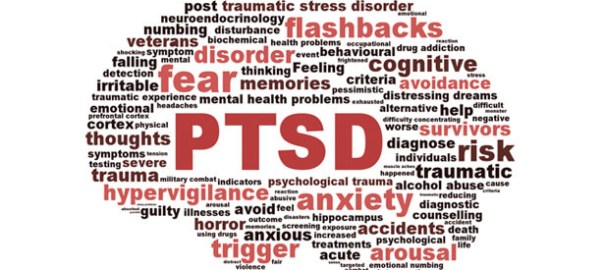
In the UK, there are various charities and service organisations dedicated to aiding veterans in readjusting to civilian life. The Royal British Legion and the more recently established Help for Heroes are two of Britain’s more high-profile veterans’ organisations which have actively advocated for veterans over the years. There has been some controversy that the NHS has not done enough in tackling mental health issues and is instead “dumping” veterans on charities such as Combat Stress.
Visit the website: www.combatstress.org.uk/veterans
——————————————-
See Shell Shock – The Trauma of Battle
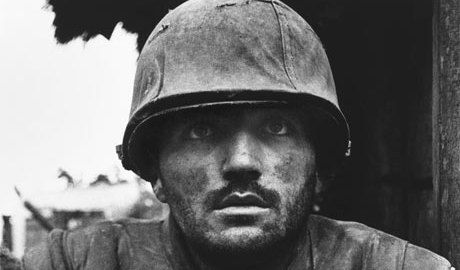
——————————————————-
BBC documentary about PTSD
——————————————————-

Post traumatic stress disorder (PTSD)[note 1] is a mental illness that can develop after a person is exposed to one or more traumatic events, such as sexual assault, warfare, traffic collisions, terrorism or other threats on a person’s life.[1] Symptoms include disturbing recurring flashbacks, avoidance or numbing of memories of the event, and hyperarousal, continue for more than a month after the occurrence of a traumatic event.[1]
Most people who have experienced a traumatizing event will not develop PTSD.[2] People who experience interpersonal trauma (e.g., sexual assault, child abuse) are more likely to develop PTSD, as opposed to people who experience non-assault based trauma such as accidents, natural disasters and witnessing trauma.[3] Children are less likely to develop PTSD after trauma than adults, especially if they are under ten years of age.[2]
Psychotherapy is the “gold standard” of treatment for PTSD. Various psychotherapies are evidence-based for PTSD, including prolonged exposure, cognitive processing therapy, eye movement desensitization and reprocessing, cognitive restructuring therapy, trauma-focused cognitive behavioral therapy, brief eclectic psychotherapy, narrative therapy, and stress inoculation training.[4][5] Therapists generally meet one-on-one with individuals with PTSD, but frequently group therapy or more intensive settings are also beneficial. Serotonergic antidepressants (such as fluoxetine and paroxetine, which are the only medications FDA approved for PTSD) are the first-line pharmacologic agents used for PTSD, but medications are best used as in addition to psychotherapy as they rarely result in recovery from PTSD, alone.[4][6][7][8] Most other medications do not have enough evidence to support their use, may only improve symptoms a small amount without resulting in functional recovery, or, in the case of benzodiazepines, have actually been found to worsen and prolong PTSD, including inhibiting the benefits of psychotherapy.[9][10]
The term “posttraumatic stress disorder” was coined in the early 1970s in large part due to diagnoses of US military veterans of the Vietnam War.[11] It was officially recognized by the American Psychiatric Association in 1980 in the third edition of the Diagnostic and Statistical Manual of Mental Disorders (DSM-III).[12] Trauma-related mental disorders have been documented since at least the 17th century, and became more commonly recognized during the World Wars under various terms including “shell shock,” “combat fatigue,” and “war neurosis.”
Posttraumatic stress disorder was classified as an anxiety disorder in the DSM-IV, but has since been reclassified as a “trauma- and stressor-related disorder” in DSM-5. The characteristic symptoms are not present before exposure to the violently traumatic event. In the typical case, the individual with PTSD persistently avoids trauma-related thoughts and emotions, and discussion of the traumatic event, and may even have amnesia of the event. However, the event is commonly relived by the individual through intrusive, recurrent recollections, flashbacks, and nightmares.[15] While it is common to have symptoms after any traumatic event, these must persist to a sufficient degree (i.e., causing dysfunction in life and/or clinical levels of distress) for longer than one month after the trauma to be classified as PTSD (clinically significant dysfunction or distress for less than one month after the trauma may be acute stress disorder).[1][16][17][18]
.jpg)
No quieren (They do not want to) by Francisco Goya (1746–1828) depicts an elderly woman wielding a knife in defense of a girl being assaulted by a soldier.[19]
PTSD is believed to be caused by the experience of a wide range of traumatic events and, in particular if the trauma is extreme, can occur in persons with no predisposing conditions.[20][21]
Persons considered at risk include, for example, combat military personnel, victims of natural disasters, concentration camp survivors, and victims of violent crime. Individuals frequently experience “survivor’s guilt” for remaining alive while others died. Causes of the symptoms of PTSD are the experiencing or witnessing of a stressor event involving death, serious injury or such threat to the self or others in a situation in which the individual felt intense fear, horror, or powerlessness.[22] Persons employed in occupations that expose them to violence (such as soldiers) or disasters (such as emergency service workers) are also at risk.[22]
Children or adults may develop PTSD symptoms by experiencing bullying.[23]
Several biological indicators have been identified that are related to later PTSD development. Heightened startle responses and a smaller hippocampal volume have been identified as biomarkers for the risk of developing PTSD.[24] Additionally, one study found that soldiers whose leukocytes had greater numbers of glucocorticoid receptors were more prone to developing PTSD after experiencing trauma.[24]
There is evidence that susceptibility to PTSD is hereditary. Approximately 30% of the variance in PTSD is caused from genetics alone. For twin pairs exposed to combat in Vietnam, having a monozygotic (identical) twin with PTSD was associated with an increased risk of the co-twin’s having PTSD compared to twins that were dizygotic (non-identical twins).[25] There is evidence that those with a genetically smaller hippocampus are more likely to develop PTSD following a traumatic event. Research has also found that PTSD shares many genetic influences common to other psychiatric disorders. Panic and generalized anxiety disorders and PTSD share 60% of the same genetic variance. Alcohol, nicotine, and drug dependence share greater than 40% genetic similarities.[26]
Most people will experience at least one traumatizing event in their lifetime.[27] Men are more likely to experience a traumatic event, but women are more likely to experience the kind of high-impact traumatic event that can lead to PTSD, such as interpersonal violence and sexual assault.[2]
Posttraumatic stress reactions have not been studied as well in children and adolescents as adults.[2] The rate of PTSD may be lower in children than adults, but in the absence of therapy, symptoms may continue for decades.[2] One estimate suggests that the proportion of children and adolescents having PTSD in a non-wartorn population in a developed country may be 1% compared to 1.5% to 3% of adults, and much lower below the age of 10 years.[2]
Predictor models have consistently found that childhood trauma, chronic adversity, and familial stressors increase risk for PTSD as well as risk for biological markers of risk for PTSD after a traumatic event in adulthood.[28][29][30] Peritraumatic dissociation in children is a predictive indicator of the development of PTSD later in life.[26] This effect of childhood trauma, which is not well-understood, may be a marker for both traumatic experiences and attachment problems.[31][32] Proximity to, duration of, and severity of the trauma make an impact, and interpersonal traumas cause more problems than impersonal ones.[33]
Quasi-experimental studies have demonstrated a relationship between intrusive thoughts and intentional control responses such that suppression increases the frequency of unwanted intrusive thoughts. These results suggest that suppression of intrusive thoughts may be important in the development and maintenance of PTSD.[34]
Adults who were in foster care as children have a higher rate of PTSD.[medical citation needed]
An individual that has been exposed to domestic violence is predisposed to the development of PTSD. However, being exposed to a traumatic experience does not automatically indicate that an individual will develop PTSD.[16] There is a strong association between the development of PTSD in mothers that experienced domestic violence during the perinatal period of their pregnancy.[35]

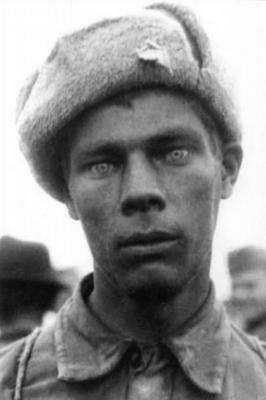
Early intervention appears to be a critical preventive measure.[36] Studies have shown that soldiers prepared for the potential of a traumatic experience are more prepared to deal with the stress of a traumatic experience and therefore less likely to develop PTSD.[16]
Among American troops in Vietnam a greater portion of women experienced high levels of war-zone stress compared to theater men—39.9 percent versus 23.5 percent. The key to this fact is that the vast majority (6,250 or 83.3%) of the women who served in the war zone were nurses who dealt almost daily with death. Black veterans had nearly 2.5 fold the risk of developing war zone-related PTSD as compared to white/other veterans. Hispanics had more than three times the risk. But the most revealing fact, theater veterans injured or wounded in combat had nearly four times the risk of developing PTSD compared to those not injured/wounded according to two key studies—the August 2014 National Vietnam Veterans Longitudinal Study (NVVLS). Paired with the late 1980s National Vietnam Veterans Readjustment Study (NVVRS).[37]
The long-term medical consequence of PTSD among male veterans who served in the Vietnam War was that they were almost twice as likely to die in the quarter of a century between the two key studies than those who did not have PTSD. It was also found those with PTSD were more likely to die of chronic conditions such as cancer, nervous system disorders, and musculoskeletal problems. The etiology of this relationship is not certain other than lingering stress from combat such as nightmares, intrusive memories, and hyper-vigilance are aggravating factors contributing to psychological and physiological illnesses.[37]
The racial similarity between Hispanic and Vietnamese soldiers, and the discrimination Hispanic soldiers faced from their own military, made it difficult for Hispanic soldiers to dehumanize their enemy. Hispanic veterans who reported experiencing racial discrimination during their service displayed more symptoms of PTSD than Hispanic veterans who did not.[38]
PTSD is under-diagnosed in female veterans.[39] Sexual assault in the military is a leading cause for female soldiers developing PTSD; a female soldier who is sexually assaulted while serving in the military is nine times more likely to develop PTSD than a female soldier who is not assaulted. A soldier’s assailant may be her colleague or superior officer, making it difficult for her to both report the crime and to avoid interacting with her assailant again.[40] Until the Tailhook scandal drew attention to the problem, the role that sexual assault in the military plays in female veterans developing PTSD went largely unstudied.[41]
Protective effects include social support, which also helps with recovery if PTSD develops.[42][43] For more aggravating factors to recovery once home, see social alienation among returning war veterans.
Drug abuse and alcohol abuse commonly co-occur with PTSD.[44] Recovery from posttraumatic stress disorder or other anxiety disorders may be hindered, or the condition worsened, by medication or substance overuse, abuse, or dependence; resolving these problems can bring about a marked improvement in an individual’s mental health status and anxiety levels.[45][46]
PTSD symptoms may result when a traumatic event causes an over-reactive adrenaline response, which creates deep neurological patterns in the brain. These patterns can persist long after the event that triggered the fear, making an individual hyper-responsive to future fearful situations.[16][47] During traumatic experiences the high levels of stress hormones secreted suppress hypothalamic activity that may be a major factor toward the development of PTSD.[48]
PTSD causes biochemical changes in the brain and body, that differ from other psychiatric disorders such as major depression. Individuals diagnosed with PTSD respond more strongly to a dexamethasone suppression test than individuals diagnosed with clinical depression.[49][50]
In addition, most people with PTSD also show a low secretion of cortisol and high secretion of catecholamines in urine,[51] with a norepinephrine/cortisol ratio consequently higher than comparable non-diagnosed individuals.[52] This is in contrast to the normative fight-or-flight response, in which both catecholamine and cortisol levels are elevated after exposure to a stressor.[53]
Brain catecholamine levels are high,[54] and corticotropin-releasing factor (CRF) concentrations are high.[55][56] Together, these findings suggest abnormality in the hypothalamic-pituitary-adrenal (HPA) axis.
The HPA axis is responsible for coordinating the hormonal response to stress.[26] Given the strong cortisol suppression to dexamethasone in PTSD, HPA axis abnormalities are likely predicated on strong negative feedback inhibition of cortisol, itself likely due to an increased sensitivity of glucocorticoid receptors.[57]
Translating this reaction to human conditions gives a pathophysiological explanation for PTSD by a maladaptive learning pathway to fear response through a hypersensitive, hyperreactive, and hyperresponsive HPA axis.[58]
Low cortisol levels may predispose individuals to PTSD: Following war trauma, Swedish soldiers serving in Bosnia and Herzegovina with low pre-service salivary cortisol levels had a higher risk of reacting with PTSD symptoms, following war trauma, than soldiers with normal pre-service levels.[59] Because cortisol is normally important in restoring homeostasis after the stress response, it is thought that trauma survivors with low cortisol experience a poorly contained—that is, longer and more distressing—response, setting the stage for PTSD.
Other studies indicate that people that suffer from PTSD have chronically low levels of serotonin, which contributes to the commonly associated behavioral symptoms such as anxiety, ruminations, irritability, aggression, suicidality, and impulsivity.[60] Serotonin also contributes to the stabilization of glucocorticoid production.
Dopamine levels in a person with PTSD can help contribute to the symptoms associated. Low levels of dopamine can contribute to anhedonia, apathy, impaired attention, and motor deficits. Increased levels of dopamine can cause psychosis, agitation, and restlessness.[60]
Hyperresponsiveness in the norepinephrine system can be caused by continued exposure to high stress. Overactivation of norepinephrine receptors in the prefrontal cortex can be connected to the flashbacks and nightmares frequently experienced by those with PTSD. A decrease in other norepinephrine functions (awareness of the current environment) prevents the memory mechanisms in the brain from processing that the experience, and emotions the person is experiencing during a flashback are not associated with the current environment.[60]
However, there is considerable controversy within the medical community regarding the neurobiology of PTSD. A review of existing studies on this subject showed no clear relationship between cortisol levels and PTSD. However, the majority of reports indicate people with PTSD have elevated levels of corticotropin-releasing hormone, lower basal cortisol levels, and enhanced negative feedback suppression of the HPA axis by dexamethasone
Three areas of the brain in which function may be altered in PTSD have been identified: the prefrontal cortex, amygdala, and hippocampus. Much of this research has utilised PTSD victims from the Vietnam War. For example, a prospective study using the Vietnam Head Injury Study showed that damage to the prefrontal cortex may actually be protective against later development of PTSD.[63] In a study by Gurvits et al., combat veterans of the Vietnam War with PTSD showed a 20% reduction in the volume of their hippocampus compared with veterans having suffered no such symptoms.[64] This finding could not be replicated in chronic PTSD patients traumatized at an air show plane crash in 1988 (Ramstein, Germany).[65]
In human studies, the amygdala has been shown to be strongly involved in the formation of emotional memories, especially fear-related memories. Neuroimaging studies in humans have revealed both morphological and functional aspects of PTSD.[66] However, during high stress times the hippocampus, which is associated with the ability to place memories in the correct context of space and time, and with the ability to recall the memory, is suppressed. This suppression is hypothesized to be the cause of the flashbacks that often affect people with PTSD. When someone with PTSD undergoes stimuli similar to the traumatic event, the body perceives the event as occurring again because the memory was never properly recorded in the person’s memory.[26][67][unreliable medical source?]
The amygdalocentric model of PTSD proposes that it is associated with hyperarousal of the amygdala and insufficient top-down control by the medial prefrontal cortex and the hippocampus in particular during extinction.[68] This is consistent with an interpretation of PTSD as a syndrome of deficient extinction ability.[68][69] A study at the European Neuroscience Institute-Goettingen (Germany) found that fear extinction-induced IGF2/IGFBP7 signalling promotes the survival of 17–19-day-old newborn hippocampal neurons. This suggests that therapeutic strategies that enhance IGF2 signalling and adult neurogenesis might be suitable to treat diseases linked to excessive fear memory such as PTSD.[70] Further animal and clinical research into the amygdala and fear conditioning may suggest additional treatments for the condition.
The maintenance of the fear involved with PTSD has been shown to include the HPA axis, the locus coeruleus–noradrenergic systems, and the connections between the limbic system and frontal cortex. The HPA axis that coordinates the hormonal response to stress,[71] which activates the LC-noradrenergic system, is implicated in the over-consolidation of memories that occurs in the aftermath of trauma.[72] This over-consolidation increases the likelihood of one’s developing PTSD. The amygdala is responsible for threat detection and the conditioned and unconditioned fear responses that are carried out as a response to a threat.[26]
The LC–noradrenergic system has been hypothesized to mediate the over-consolidation of fear memory in PTSD. High levels of cortisol reduce noradrenergic activity, and because people with PTSD tend to have reduced levels of cortisol, it is proposed that individuals with PTSD fail to regulate the increased noradrenergic response to traumatic stress.[73] It is thought that the intrusive memories and conditioned fear responses to associated triggers is a result of this response. Neuropeptide Y has been reported to reduce the release of norepinephrine and has been demonstrated to have anxiolytic properties in animal models. Studies have shown people with PTSD demonstrate reduced levels of NPY, possibly indicating their increased anxiety levels.[26]
The basolateral nucleus (BLA) of the amygdala is responsible for the comparison and development of associations between unconditioned and conditioned responses to stimuli, which results in the fear conditioning present in PTSD. The BLA activates the central nucleus (CeA) of the amygdala, which elaborates the fear response, (including behavioral response to threat and elevated startle response). Descending inhibitory inputs from the medial prefrontal cortex (mPFC) regulate the transmission from the BLA to the CeA, which is hypothesized to play a role in the extinction of conditioned fear responses.[26]
Studies have also shown that PTSD patients show hypoactiviation or decreased brain activity in the dorsal and rostral anterior cingulate cortices and the ventromedial prefrontal cortex, areas linked to the experience and regulation of emotion.[74]
A number of screening instruments, including the UCLA PTSD Index for DSM-IV, which have good reliability and validity, are used for the screening of PTSD for children and young adults.[75] Primary Care PTSD Screen and PTSD Checklist are other screening tools.[76]
The American Academy of Child and Adolescent Psychiatry practice parameters is a guidelines for the assessment and treatment of PTSD.[77]
Since the introduction of DSM-IV, the number of possible events that might be used to diagnose PTSD has increased; one study suggests that the increase is around 50%.[78] Various scales to measure the severity and frequency of PTSD symptoms exist.[79][80] Standardized screening tools such as Trauma Screening Questionnaire[81] and PTSD Symptom Scale[82] can be used to detect possible symptoms of posttraumatic stress disorder and suggest the need for a formal diagnostic assessment.
In DSM-5, published in May, 2013, PTSD is classified as a trauma- and stress-related disorder.[1]
The diagnostic criteria for PTSD, stipulated in the International Statistical Classification of Diseases and Related Health Problems 10 (ICD-10), may be summarized as:[83]
The International Statistical Classification of Diseases and Related Health Problems 10 diagnostic guidelines state:[83] In general, this disorder should not be diagnosed unless there is evidence that it arose within 6 months of a traumatic event of exceptional severity. A “probable” diagnosis might still be possible if the delay between the event and the onset was longer than 6 months, provided that the clinical manifestations are typical and no alternative identification of the disorder (e.g., as an anxiety or obsessive-compulsive disorder or depressive episode) is plausible. In addition to evidence of trauma, there must be a repetitive, intrusive recollection or re-enactment of the event in memories, daytime imagery, or dreams. Conspicuous emotional detachment, numbing of feeling, and avoidance of stimuli that might arouse recollection of the trauma are often present but are not essential for the diagnosis. The autonomic disturbances, mood disorder, and behavioural abnormalities all contribute to the diagnosis but are not of prime importance. The late chronic sequelae of devastating stress, i.e. those manifest decades after the stressful experience, should be classified under F62.0.
A diagnosis of PTSD requires exposure to an extreme stressor such as one that is life-threatening. Any stressor can result in a diagnosis of adjustment disorder and it is an appropriate diagnosis for a stressor and a symptom pattern that does not meet the criteria for PTSD, for example a stressor like a partner being fired, or a spouse leaving. If any of the symptom pattern is present before the stressor, another diagnosis is required, such as brief psychotic disorder or major depressive disorder. Other differential diagnoses are schizophrenia or other disorders with psychotic features such as Psychotic disorders due to a general medical condition. Drug-induced psychotic disorders can be considered if substance abuse is involved.[15]
The symptom pattern for acute stress disorder must occur and be resolved within four weeks of the trauma. If it lasts longer, and the symptom pattern fits that characteristic of PTSD, the diagnosis may be changed.[15]
Obsessive compulsive disorder may be diagnosed for intrusive thoughts that are recurring but not related to a specific traumatic event.[15]
Malingering should be considered if a financial and/or legal advantage is a possibility.
Modest benefits have been seen from early access to cognitive behavioral therapy.[84] Critical incident stress management has been suggested as a means of preventing PTSD, but subsequent studies suggest the likelihood of its producing negative outcomes.[85][86] A review “…did not find any evidence to support the use of an intervention offered to everyone”, and that “…multiple session interventions may result in worse outcome than no intervention for some individuals.”[87] The World Health Organization recommends against the use of benzodiazepines and antidepressants in those having experienced trauma.[88] Some evidence supports the use of hydrocortisone for prevention in adults, however no evidence supports propranolol, escitalopram, temazepam, or gabapentin.[89] In fact, taking benzodiazepines after trauma is associated with a 2-5 times increased risk of developing PTSD and major depressive disorder.[9]
Trauma-exposed individuals often receive treatment called psychological debriefing in an effort to prevent PTSD.[84] Several meta-analyses; however, find that psychological debriefing is unhelpful and is potentially harmful.[84][90][91] This is true for both single-session debriefing and multiple session interventions.[87] The American Psychological Association judges the status of psychological debriefing as No Research Support/Treatment is Potentially Harmful.[92]
Psychological debriefing was; however, the most often used preventive measure, partly because of the relative ease with which this treatment can be given to individuals directly following an event. It consists of interviews that are meant to allow individuals to directly confront the event and share their feelings with the counselor and to help structure their memories of the event.[84]
Risk-targeted interventions are those that attempt to mitigate specific formative information or events. It can target modeling normal behaviors, instruction on a task, or giving information on the event.[93][94]
.jpg)
An assistance dog trained to help veterans with PTSD
Many forms of psychotherapy have been advocated for trauma-related problems such as PTSD. Basic counseling practices common to many treatment responses for PTSD include education about the condition and provision of safety and support.[16][82]
The psychotherapy programs with the strongest demonstrated efficacy include cognitive behavioral programs, variants of exposure therapy[citation needed], stress inoculation training (SIT), variants of cognitive therapy (CT), eye movement desensitization and reprocessing (EMDR),[95] mindfulness-based meditation[96] and many combinations of these procedures.[97]
EMDR and trauma-focused cognitive behavioral therapy (TFCBT) were recommended as first-line treatments for trauma victims in a 2007 review; however, “the evidence base [for EMDR] was not as strong as that for TFCBT … Furthermore, there was limited evidence that TFCBT and EMDR were superior to supportive/non-directive treatments, hence it is highly unlikely that their effectiveness is due to non-specific factors such as attention.”[98] A meta-analytic comparison of EMDR and cognitive behavioral therapy found both protocols indistinguishable in terms of effectiveness in treating PTSD; however, “the contribution of the eye movement component in EMDR to treatment outcome” is unclear.[99]
Cognitive behavioral therapy (CBT) seeks to change the way a trauma victim feels and acts by changing the patterns of thinking or behavior, or both, responsible for negative emotions. CBT has been proven to be an effective treatment for PTSD and is currently considered the standard of care for PTSD by the United States Department of Defense.[100] In CBT, individuals learn to identify thoughts that make them feel afraid or upset and replace them with less distressing thoughts. The goal is to understand how certain thoughts about events cause PTSD-related stress.
Recent research on contextually based third-generation behavior therapies suggests that they may produce results comparable to some of the better validated therapies.[101] Many of these therapy methods have a significant element of exposure[100] and have demonstrated success in treating the primary problems of PTSD and co-occurring depressive symptoms.[102]
Exposure therapy is a type of cognitive behavioral therapy[103] that involves assisting trauma survivors to re-experience distressing trauma-related memories and reminders in order to facilitate habituation and successful emotional processing of the trauma memory. Most exposure therapy programs include both imaginal confrontation with the traumatic memories and real-life exposure to trauma reminders; this therapy modality is well supported by clinical evidence[citation needed]. The success of exposure-based therapies has raised the question of whether exposure is a necessary ingredient in the treatment of PTSD.[104] Some organizations[which?] have endorsed the need for exposure.[105][106] The US Department of Veterans Affairs has been actively training mental health treatment staff in prolonged exposure therapy[107] and Cognitive Processing Therapy[108] in an effort to better treat US veteranswith PTSD.
Eye movement desensitization and reprocessing (EMDR) is a form of psychotherapy developed and studied by Francine Shapiro.[109] She had noticed that, when she was thinking about disturbing memories herself, her eyes were moving rapidly. When she brought her eye movements under control while thinking, the thoughts were less distressing.[109]
In 2002, Shapiro and Maxfield published a theory of why this might work, called adaptive information processing.[110] This theory proposes that eye movement can be used to facilitate emotional processing of memories, changing the person’s memory to attend to more adaptive information.[111] The therapist initiates voluntary rapid eye movements while the person focuses on memories, feelings or thoughts about a particular trauma.[2][112] The therapists uses hand movements to get the person to move their eyes backward and forward, but hand-tapping or tones can also be used.[2] EMDR closely resembles cognitive behavior therapy as it combines exposure (re-visiting the traumatic event), working on cognitive processes and relaxation/self-monitoring.[2] However, exposure by way of being asked to think about the experience rather than talk about it has been highlighted as one of the more important distinguishing elements of EMDR.[113]
There have been multiple small controlled trials of four to eight weeks of EMDR in adults[114] as well as children and adolescents.[112] EMDR reduced PTSD symptoms enough in the short term that one in two adults no longer met the criteria for PTSD, but the number of people involved in these trials was small.[114] There was not enough evidence to know whether or not EMDR could eliminate PTSD.[114] There was some evidence that EMDR might prevent depression.[114] There were no studies comparing EMDR to other psychological treatments or to medication.[114] Adverse effects were largely unstudied.[114] The benefits were greater for women with a history of sexual assault compared with people who had experienced other types of traumatizing events (such as accidents, physical assaults and war). There is a small amount of evidence that EMDR may improve re-experiencing symptoms in children and adolescents, but EMDR has not been shown to improve other PTSD symptoms, anxiety, or depression.[112]
The eye movement component of the therapy may not be critical for benefit.[2][111] As there has been no major, high quality randomized trial of EMDR with eye movements versus EMDR without eye movements, the controversy over effectiveness is likely to continue.[113] Authors of a meta-analysis published in 2013 stated, “We found that people treated with eye movement therapy had greater improvement in their symptoms of post-traumatic stress disorder than people given therapy without eye movements….Secondly we found that that in laboratory studies the evidence concludes that thinking of upsetting memories and simultaneously doing a task that facilitates eye movements reduces the vividness and distress associated with the upsetting memories.”[95]
Other approaches, in particular involving social supports,[42][43] may also be important. An open trial of interpersonal psychotherapy[115] reported high rates of remission from PTSD symptoms without using exposure.[116] A current, NIMH-funded trial in New York City is now (and into 2013) comparing interpersonal psychotherapy, prolonged exposure therapy, and relaxation therapy.[117][full citation needed][118][119]
Most medications do not have enough evidence to support their use.[10] With many medications, residual symptoms following treatment is the rule rather than the exception.[120]
Selective serotonin reuptake inhibitors (SSRIs) and serotonin-norepinephrine reuptake inhibitors (SNRIs) may have some benefit for PTSD symptoms.[10][121] Tricyclic antidepressants are equally effective but are less well tolerated.[122] Evidence provides support for a small or modest improvement with sertraline, fluoxetine, paroxetine, and venlafaxine.[10][123] Thus, these four medications are considered to be first-line medications for PTSD.[121][124]
Benzodiazepines are not recommended for the treatment of PTSD due to a lack of evidence of benefit and risk of worsening PTSD symptoms.[9][125] Some authors believe that the use of benzodiazepines is contraindicated for acute stress, as this group of drugs promotes dissociation and ulterior revivals.[126] Nevertheless, some use benzodiazepines with caution for short-term anxiety and insomnia.[127][128][129] While benzodiazepines can alleviate acute anxiety, there is no consistent evidence that they can stop the development of PTSD and may actually increase the risk of developing PTSD 2-5 times.[9] Additionally, benzodiazepines may reduce the effectiveness of psychotherapeutic interventions, and there is some evidence that benzodiazepines may actually contribute to the development and chronification of PTSD. For those who already have PTSD, benzodiazepines may worsen and prolong the course of illness, by worsening psychotherapy outcomes, and causing or exacerbating aggression, depression (including suicidality), and substance use.[9] Other drawbacks include the risk of developing a benzodiazepine dependence, tolerance (i.e., short-term benefits wearing off with time), and withdrawal syndrome; additionally, individuals with PTSD (even those without a history of alcohol or drug misuse) are at an increased risk of abusing benzodiazepines.[9][124][130] Due to a plethora of other treatments with greater efficacy for PTSD and less risks (e.g., prolonged exposure, cognitive processing therapy, eye movement desensitization and reprocessing, cognitive restructuring therapy, trauma-focused cognitive behavioral therapy, brief eclectic psychotherapy, narrative therapy, stress inoculation training, serotonergic antidepressants, adrenergic inhibitors, antipsychotics, and even anticonvulsants), benzodiazepines should be considered relatively contraindicated until all other treatment options are exhausted.[4][5][9] For those who argue that benzodiazepines should be used sooner in the most severe cases, the adverse risk of disinhibition (associated with suicidality, aggression and crimes) and clinical risks of delaying or inhibiting definitive efficacious treatments, make other alternative treatments preferable (e.g., inpatient, residential, partial hospitalization, intensive outpatient, dialectic behavior therapy; and other fast-acting sedating medications such as trazodone, mirtazapine, amitripytline, doxepin, prazosin, propranolol, guanfacine, clonidine, quetiapine, olanzapine, valproate, gabapentin).[4][7][8] “PTSD recovery should denote improved functioning (e.g. healthy relationships, employment), not simply sedation…. For years, sedatives were the only thing we had in our armamentarium for PTSD. Now, we have many more tools and our patients – whether survivors of assault, combat or any other trauma – deserve those treatments that have proven to be safer and more effective.”[9]
Glucocorticoids may be useful for short-term therapy to protect against neurodegeneration caused by the extended stress response that characterizes PTSD, but long-term use may actually promote neurodegeneration.[131]
The cannabinoid nabilone is sometimes used off-label for nightmares in PTSD. Although some short-term benefit was shown, adverse effects are common and it has not been adequately studied to determine efficacy.[132] Additionally, there are other treatments with stronger efficacy and less risks (e.g., psychotherapy, serotonergic antidepressants, adrenergic inhibitors).
Physical activity can have an impact on people’s psychological wellbeing[133] and physical health.[134] The U.S. National Center for PTSD recommends moderate exercise as a way to distract from disturbing emotions, build self-esteem and increase feelings of being in control again. They recommend a discussion with a doctor before starting an exercise program.[135]
Play is thought to help children link their inner thoughts with their outer world, connecting real experiences with abstract thought.[136] Repetitive play can also be one of the ways a child relives traumatic events, and that can be a symptom of traumatization in a child or young person.[137] Although it is commonly used, there have not been enough studies comparing outcomes in groups of children receiving and not receiving play therapy, so the effects of play therapy are not yet understood.[2][136]
Many veterans of the wars in Iraq and Afghanistan have faced significant physical, emotional, and relational disruptions. In response, the United States Marine Corps has instituted programs to assist them in re-adjusting to civilian life, especially in their relationships with spouses and loved ones, to help them communicate better and understand what the other has gone through.[138] Walter Reed Army Institute of Research (WRAIR) developed the Battlemind program to assist service members avoid or ameliorate PTSD and related problems.

Disability-adjusted life year rates for posttraumatic stress disorder per 100,000 inhabitants in 2004.[139]
There is debate over the rates of PTSD found in populations, but, despite changes in diagnosis and the criteria used to define PTSD between 1997 and 2007, epidemiological rates have not changed significantly.[140]
The United Nations’ World Health Organization publishes estimates of PTSD impact for each of its member states; the latest data available are for 2004. Considering only the 25 most populated countries ranked by overall age-standardized Disability-Adjusted Life Year (DALY) rate, the top half of the ranked list is dominated by Asian/Pacific countries, the US, and Egypt.[141] Ranking the countries by the male-only or female-only rates produces much the same result, but with less meaningfulness, as the score range in the single-sex rankings is much-reduced (4 for women, 3 for men, as compared with 14 for the overall score range), suggesting that the differences between female and male rates, within each country, is what drives the distinctions between the countries.[142][143]
| Region | Country | PTSD DALY rate, overall[141] |
PTSD DALY rate, females[142] |
PTSD DALY rate, males[143] |
|---|---|---|---|---|
| Asia / Pacific | Thailand | 59 | 86 | 30 |
| Asia / Pacific | Indonesia | 58 | 86 | 30 |
| Asia / Pacific | Philippines | 58 | 86 | 30 |
| Americas | USA | 58 | 86 | 30 |
| Asia / Pacific | Bangladesh | 57 | 85 | 29 |
| Africa | Egypt | 56 | 83 | 30 |
| Asia / Pacific | India | 56 | 85 | 29 |
| Asia / Pacific | Iran | 56 | 83 | 30 |
| Asia / Pacific | Pakistan | 56 | 85 | 29 |
| Asia / Pacific | Japan | 55 | 80 | 31 |
| Asia / Pacific | Myanmar | 55 | 81 | 30 |
| Europe | Turkey | 55 | 81 | 30 |
| Asia / Pacific | Vietnam | 55 | 80 | 30 |
| Europe | France | 54 | 80 | 28 |
| Europe | Germany | 54 | 80 | 28 |
| Europe | Italy | 54 | 80 | 28 |
| Asia / Pacific | Russian Federation | 54 | 78 | 30 |
| Europe | United Kingdom | 54 | 80 | 28 |
| Africa | Nigeria | 53 | 76 | 29 |
| Africa | Dem. Republ. of Congo | 52 | 76 | 28 |
| Africa | Ethiopia | 52 | 76 | 28 |
| Africa | South Africa | 52 | 76 | 28 |
| Asia / Pacific | China | 51 | 76 | 28 |
| Americas | Mexico | 46 | 60 | 30 |
| Americas | Brazil | 45 | 60 | 30 |
———————————–
US Army Infantryman talks about PTSD
———————————–
The National Comorbidity Survey Replication has estimated that the lifetime prevalence of PTSD among adult Americans is 6.8%, with women (9.7%) more than twice as likely as men[60] (3.6%) to have PTSD at some point in their lives.[144] More than 60% of men and more than 60% of women experience at least one traumatic event in their life. The most frequently reported traumatic events by men are rape, combat, and childhood neglect or physical abuse. Women most frequently report instances of rape, sexual molestation, physical attack, being threatened with a weapon and childhood physical abuse.[60] 88% of men and 79% of women with lifetime PTSD have at least one comorbid psychiatric disorder. Major depressive disorder, 48% of men and 49% of women, and lifetime alcohol abuse or dependence, 51.9% of men and 27.9% of women, are the most common comorbid disorders.[145]
The United States Department of Veterans Affairs estimates that 830,000 Vietnam War veterans suffered symptoms of PTSD.[146] The National Vietnam Veterans’ Readjustment Study (NVVRS) found 15.2% of male and 8.5% of female Vietnam veterans to suffer from current PTSD at the time of the study. Life-Time prevalence of PTSD was 30.9% for males and 26.9% for females. In a reanalysis of the NVVRS data, along with analysis of the data from the Matsunaga Vietnam Veterans Project, Schnurr, Lunney, Sengupta, and Waelde found that, contrary to the initial analysis of the NVVRS data, a large majority of Vietnam veterans suffered from PTSD symptoms (but not the disorder itself). Four out of five reported recent symptoms when interviewed 20–25 years after Vietnam.[147]
A 2011 study from Georgia State University and San Diego State University found that rates of PTSD diagnosis increased significantly when troops were stationed in combat zones, had tours of longer than a year, experienced combat, or were injured. Military personnel serving in combat zones were 12.1 percentage points more likely to receive a PTSD diagnosis than their active-duty counterparts in non-combat zones. Those serving more than 12 months in a combat zone were 14.3 percentage points more likely to be diagnosed with PTSD than those having served less than one year. Experiencing an enemy firefight was associated a 18.3 percentage point increase in the probability of PTSD, while being wounded or injured in combat was associated a 23.9 percentage point increase in the likelihood of a PTSD diagnosis. For the 2.16 million U.S. troops deployed in combat zones between 2001 and 2010, the total estimated two-year costs of treatment for combat-related PTSD are between $1.54 billion and $2.69 billion.[148]
As of 2013, rates of PTSD have been estimated at up to 20% for veterans returning from Iraq and Afghanistan.[27] As of 2013 13% of veterans returning from Iraq were unemployed.[149]
In the UK, there are various charities and service organisations dedicated to aiding veterans in readjusting to civilian life. The Royal British Legion and the more recently established Help for Heroes are two of Britain’s more high-profile veterans’ organisations which have actively advocated for veterans over the years. There has been some controversy that the NHS has not done enough in tackling mental health issues and is instead “dumping” veterans on charities such as Combat Stress.[150][151]
Veterans Affairs Canada offers a new program that includes rehabilitation, financial benefits, job placement, health benefits program, disability awards, peer support[152][153][154] and family support.[155]
————————————————————————
Shell Shock in WWI
————————————————————————
The 1952 edition of the DSM-I includes a diagnosis of “gross stress reaction”, which bears striking similarities to the modern definition and understanding of PTSD.[156] Gross stress reaction is defined as a “normal personality [utilizing] established patterns of reaction to deal with overwhelming fear” as a response to “conditions of great stress”.[157] The diagnosis includes language which relates the condition to combat as well as to “civilian catastrophe”.[157]
Early in 1978, the term was used in a working group finding presented to the Committee of Reactive Disorders.[158] The condition was added to the DSM-III, which was being developed in the 1980s, as posttraumatic stress disorder.[156][158] In the DSM-IV, the spelling “posttraumatic stress disorder” is used, while in the ICD-10, the spelling is “post-traumatic stress disorder”.[159]
The addition of the term to the DSM-III was greatly influenced by the experiences and conditions of US military veterans of the Vietnam War.[11] Due to its association with the war in Vietnam, PTSD has become synonymous with many historical war-time diagnoses such as railway spine, stress syndrome, nostalgia, soldier’s heart, shell shock, battle fatigue, combat stress reaction, or traumatic war neurosis.[160][161] Some of these terms date back to the 19th century, which is indicative of the universal nature of the condition. In a similar vein, psychiatrist Jonathan Shay has proposed that Lady Percy‘s soliloquy in the William Shakespeare play Henry IV, Part 1 (act 2, scene 3, lines 40–62[162]), written around 1597, represents an unusually accurate description of the symptom constellation of PTSD.[163]

Statue, Three Servicemen, Vietnam Veterans Memorial
The correlations between combat and PTSD are undeniable; according to Stéphane Audoin-Rouzeau and Annette Becker, “One-tenth of mobilized American men were hospitalized for mental disturbances between 1942 and 1945, and, after thirty-five days of uninterrupted combat, 98% of them manifested psychiatric disturbances in varying degrees.”[164] In fact, much of the available published research regarding PTSD is based on studies done on veterans of the war in Vietnam. A study based on personal letters from soldiers of the 18th-century Prussian Army concludes that combatants may have had PTSD.[165]
The researchers from the Grady Trauma Project highlight the tendency people have to focus on the combat side of PTSD: “less public awareness has focused on civilian PTSD, which results from trauma exposure that is not combat related… “ and “much of the research on civilian PTSD has focused on the sequelae of a single, disastrous event, such as the Oklahoma City bombing, September 11th attacks, and Hurricane Katrina”.[166] Disparity in the focus of PTSD research affects the already popular perception of the exclusive interconnectedness of combat and PTSD. This is misleading when it comes to understanding the implications and extent of PTSD as a neurological disorder. Dating back to the definition of Gross stress reaction in the DSM-I, civilian experience of catastrophic or high stress events is included as a cause of PTSD in medical literature. The 2014 National Comorbidity Survey reports that “the traumas most commonly associated with PTSD are combat exposure and witnessing among men and rape and sexual molestation among women.”[167] Because of the initial overt focus on PTSD as a combat related disorder when it was first fleshed out in the years following the war in Vietnam, in 1975 Ann Wolbert Burgess and Lynda Lytle Holmstrom defined Rape trauma syndrome, RTS, in order to draw attention to the striking similarities between the experiences of soldiers returning from war and of rape victims.[168] This paved the way for a more comprehensive understanding of causes of PTSD.
The Diagnostic and Statistical Manual of Mental Disorders does not hyphenate ‘post’ and ‘traumatic’, thus, the DSM-5 lists the disorder as posttraumatic stress disorder. However, many scientific journal articles and other scholarly publications do hyphenate the name of the disorder, viz., post-traumatic stress disorder.[169] Dictionaries also differ with regard to the preferred spelling of the disorder with the Collins English Dictionary – Complete and Unabridged using the hyphenated spelling, and the American Heritage Dictionary of the English Language, Fifth Edition and the Random House Kernerman Webster’s College Dictionary giving the non-hyphenated spelling.[170]
To recapitulate some of the neurological and neurobehavioral symptoms experienced by the veteran population of recent conflicts in Iraq and Afghanistan, researchers at the Roskamp Institute and the James A Haley Veteran’s Hospital (Tampa) have developed an animal model to study the consequences of mild traumatic brain injury (mTBI) and PTSD.[171] In the laboratory, the researchers exposed mice to a repeated session of unpredictable stressor (i.e. predator odor while restrained), and physical trauma in the form of inescapable foot-shock, and this was also combined with a mTBI. In this study, PTSD animals demonstrated recall of traumatic memories, anxiety, and an impaired social behavior, while animals subject to both mTBI and PTSD had a pattern of disinhibitory-like behavior. mTBI abrogated both contextual fear and impairments in social behavior seen in PTSD animals. In comparison with other animal studies,[171][172] examination of neuroendocrine and neuroimmune responses in plasma revealed a trend toward increase in corticosterone in PTSD and combination groups.
MDMA was used for psychedelic therapy for a variety of indications before its criminalization in the US in 1985. In response to its criminalization, the Multidisciplinary Association for Psychedelic Studies was founded as a nonprofit drug-development organization to develop MDMA into a legal prescription drug for use as an adjunct in psychotherapy.[173] The drug is hypothesized to facilitate psychotherapy by reducing fear, thereby allowing patients to reprocess and accept their traumatic memories without becoming emotionally overwhelmed. In this treatment, patients participate in an extended psychotherapy session during the acute activity of the drug, and then spend the night at the treatment facility. In the sessions with the drug, therapists are not directive and support the patients in exploring their inner experiences. Patients participate in standard psychotherapy sessions before the drug-assisted sessions, as well as after the drug-assisted psychotherapy to help them integrate their experiences with the drug.[174] Preliminary results suggest MDMA-assisted psychotherapy might be effective for individuals who have not responded favorably to other treatments. Future research employing larger sample sizes and an appropriate placebo condition, i.e., one in which subjects cannot discern if they are in the experimental or control condition, will increase confidence in the results of initial research.[175][176]
Clinical research is also investigating using D-cycloserine, hydrocortisone, and propranolol as adjuncts to more conventional exposure therapy
———————————————–
See Shell Shock – The Trauma of Battle
Combat Stress is here to support you
In the UK, there are various charities and service organisations dedicated to aiding veterans in readjusting to civilian life. The Royal British Legion and the more recently established Help for Heroes are two of Britain’s more high-profile veterans’ organisations which have actively advocated for veterans over the years. There has been some controversy that the NHS has not done enough in tackling mental health issues and is instead “dumping” veterans on charities such as Combat Stress.
Visit the website: www.combatstress.org.uk/veterans
——————————————-

Source: Shell Shock – The Trauma of Battle
Source: World War I – Chemical Weapons – History & Background
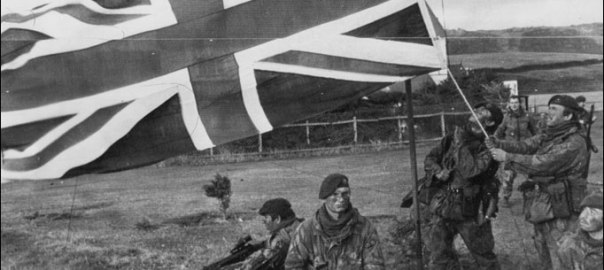

The Falklands War – The Untold Story
The Battle of Goose Green (28–29 May 1982) was an engagement between British and Argentine forces during the Falklands War. Goose Green and its neighbouring settlement Darwin on East Falkland lie on Choiseul Sound on the east side of the island’s central isthmus. They are about 13 miles (21 km) south of the site where the major British amphibious landings took place in San Carlos Water (Operation Sutton) on the night of 21/22 May 1982.

|
|||||||
| Belligerents | |||||||
|---|---|---|---|---|---|---|---|
 Argentina Argentina |
United Kingdom |
||||||
| Commanders and leaders | |||||||
| Lt. Col. Ítalo Piaggi (POW) Vicecomodoro Wilson Pedrozo |
Lt. Col. Herbert Jones † Maj. Chris Keeble |
||||||
| Strength | |||||||
| 684[4]-871 army 202 airforce 10 navy personnel Total: 896-1083[5] |
690[6] | ||||||
| Casualties and losses | |||||||
| 45[7][8]-55 killed[9][10] 98 army wounded[11] and at least 14 air force personnel wounded.[12] 961[13] captured |
|||||||
——————————————–
The Battle of Goose Green
——————————————–
British forces worked on UTC (Zulu) Time and many reports and sources quote the timing of events based on Zulu time. All times stated in this page are reflected as local, Falkland Island time (UTC−3), the same as Argentine time. On the day of the battle, sunrise was at 08:39 and sunset at 16:58.[17] To avoid confusion between similar company designations, Argentine companies are referred to in the form “Company A” while British forces are referred to as “A Company.”

Map 1: Context map showing location of the Darwin isthmus in relation to the Falkland Islands. Area in red matches the area covered by Map 2
Goose Green and Darwin are on a narrow isthmus connecting Lafonia to Wickham Heights, which together form the large eastern island of the Falkland Islands. The terrain is rolling and treeless and is covered with grass outcrops, areas of thick gorse and peat bogs making effective camouflage and concealment extremely difficult. From May to August, the southern hemisphere winter, the ground is sodden and frequently covered with brackish water, causing movement to be slow and exhausting, especially at night. The isthmus has two settlements, both on the eastern coastal edge with Darwin settlement to the north and Goose Green to the south. The islands have a cold, damp climate and light, drizzly rains occur two out of every three days with continuous winds. Periods of rain, snow, fog, and sun change rapidly, and sunshine is extremely limited, leaving few opportunities for troops to warm up and dry out.[18]
The bulk of the Argentine forces were in positions around Port Stanley about 50 miles (80 km) to the east of San Carlos. The Argentine positions at Goose Green and Darwin were well defended by a force of combined units equipped with artillery, mortars, 35 mm cannon and machine guns.[19] British intelligence indicated that the Argentine force only presented limited offensive capabilities and did not pose a major threat to the landing area at San Carlos. Consequently, Goose Green seemed to have no strategic military value for the British in their campaign to recapture the islands and initial plans for land operations had called for Goose Green to be isolated and bypassed.[20]
After the British landings at San Carlos on 21 May and while the bridgehead was being consolidated, no offensive ground operations had been conducted and activities were limited to digging fortified positions, patrolling and waiting;[21] during this time Argentine air attacks caused significant loss of and damage to British ships in the area around the landing grounds. These attacks, and the lack of movement of the landed forces out of the San Carlos area, led to a feeling among senior commanders and politicians in the UK that the momentum of the campaign was being lost.[22] As a result, British Joint Headquarters in the UK came under increasing pressure from the British government for an early ground offensive of political and propaganda value.[23] There were also fears that the United Nations Security Council would vote for a cease-fire, maintaining current positions. If the Darwin-Goose Green isthmus could be taken prior to such a decision, British forces would control access to the entire Lafonia and thus a significant portion of East Falkland.[24] On 25 May Brigadier Julian Thompson, ground forces commander, commanding 3 Commando Brigade, was again ordered to mount an attack on Argentine positions around Goose Green and Darwin.[22]
The defending Argentine forces, known as Task Force Mercedes, consisted of two companies of Lieutenant-Colonel Italo Piaggi‘s 12th Infantry Regiment (IR12)—his third company (Company B) was still deployed on Mount Kent as Combat Team Solari and was only to re-join the battalion after the first days fighting.[25] The Task Force in 1982 also contained a company of the Ranger-type 25th Infantry Regiment (IR25).[26] Air defence was provided by a battery of six 20 mm Rheinmetall manned by Air Force personnel and two radar-guided Oerlikon 35 mm anti-aircraft guns from the 601st Anti-Aircraft Battalion, that would be employed in a ground support role in the last stages of the fighting. There was also one battery of three OTO Melara Mod 56 105 mm pack howitzers from the 4th Airborne Artillery Regiment. Pucarás based at Stanley, armed with rockets and napalm, provided close air support.[27][28] Total forces under Piaggi’s commanded numbered 1083 men.[29]
Piaggi’s orders required him: (a) to provide a reserve battle group (Task Force Mercedes) in support of other forces deployed to the west of Stanley; (b) to occupy and defend the Darwin isthmus; and (c) to defend Military Air Base Condor located at Goose Green. He assumed an all-round defence posture with Company A, IR12 providing the key to his defence, they being deployed along a gorse hedge running across the Darwin isthmus from Darwin Hill to Boca House.[25] Piaggi deployed his Recce Platoon as an advance screen forward of Company A IR12 towards Coronation Ridge while Company C IR12 were deployed south of Goose Green to cover the approaches from Lafonia. To replace his Company B left on Mount Kent, he created a composite company from headquarters and other staff and deployed them in Goose Green. 1st Lt Carlos Daniel Esteban‘s “Ranger” Company C IR25 provided a mobile reserve and were billeted at the school-house in Goose Green.[25] Elements were also deployed to Darwin settlement, Salinas Beach and Boca House and the air force security cadets together with the anti-aircraft elements were charged with protecting the airfield. Minefields had been laid in areas deemed tactically important (Refer Map 2) to provide further defence against attack.[30]

Argentinian 120mm mortar position (possibly close to Goose Green)
On paper Piaggi had a full regiment, but it consisted of units from three separate regiments from two different brigades, none of whom had ever worked together. IR12 consisted mostly of conscripts from the northern, sub-tropical province of Corrientes, while the IR25 Company was considered an elite formation and well-led. At the start of the battle, the Argentinian forces had about the same number of effective combatants as the British paratroopers.[31] Some elements were well-trained and displayed a high degree of morale and motivation (Company C IR25 and 25 Signal company); one of their officers remarking that: “…we are going to defend something that is ours.”[31] Other companies were less well motivated, with the 12th Regiment chaplain, Padre Santiago Mora writing:
The conscripts of 25th Infantry wanted to fight and cover themselves in glory. The conscripts of 12th Infantry Regiment fought because they were told to do so. This did not make them any less brave. On the whole, they remained admirably calm.[32]
The Argentine positions were well-selected, and officers were well-briefed.[31] In the weeks before the battle British air strikes, poor logistic support and inclement conditions had contributed to the reduction of overall Argentine morale,[33] but it remained strong among the officers, NCOs and conscripts of the 25th Regiment company and 4th Airborne Artillery battery.[34]

Remains of Harrier XZ998, shot down over Goose Green on 27 May 1982.
On 4 May three Royal Navy Sea Harriers operating from HMS Hermes attacked the airfield and installations at Goose Green. During the operation, a Sea Harrier was shot down by Argentine 35mm anti-aircraft fire, killing its pilot.[35] As part of the diversionary raids to cover the British landings in the San Carlos area on 21 May, which involved naval shelling and air attacks, ‘D’ Squadron of the SAS put in a major raid to simulate a battalion-sized attack on the Argentine troops dug in on Darwin Ridge.[36] Argentine forces had also spotted 2 Para reconnaissance parties in the days prior to the attack. Throughout 27 May, Royal Air Force Harriers were active over Goose Green. One of them, responding to a call for help from 2 Para, was lost to 35mm fire while attacking Darwin Ridge.[37][38][39] The Harrier attacks, the sighting of the reconnaissance elements as well as the BBC announcing that the 2nd Battalion of the Parachute Regiment were poised and ready to assault Darwin and Goose Green the day before the assault alerted the Argentine garrison to the impending attack.[40]
Thompson ordered 2nd Battalion of the Parachute Regiment (2 Para) to prepare for and execute the operation as they were the unit closest to Goose Green in the San Carlos defensive perimeter.[41] He ordered Lieutenant-Colonel Herbert ‘H’ Jones, Officer Commanding 2 Para, to “carry out a raid on Goose Green isthmus and capture the settlements before withdrawing in a reserve for the main thrust to the north.” The “capture” component appealed more to Jones than the “raid” component, although Thompson later acknowledged that he had assigned insufficient forces to rapidly execute the “capture” part of the orders.[42]

Milan missile, similar to those used in the battle
2 Para consisted of three rifle companies, one patrol company, one support company and an HQ company. Thompson had assigned three 105 mm artillery pieces with 960 shells from 29 Commando Regiment, Royal Artillery; one MILAN anti-tank missile platoon and Scout helicopters as support elements. In addition, close air support was available from three Royal Air Force Harriers, and naval gunfire support was to be provided by HMS Arrow in the hours of darkness.[43]
SAS reconnaissance had reported that the Darwin – Goose Green area was occupied by one Argentine company. Brigade intelligence reported that enemy forces consisted of three infantry companies (two from IR12 and one from IR25), one platoon from IR8 plus a possible amphibious platoon together with artillery and helicopter support. Jones was not too perturbed by the conflicting intelligence reports and, incorrectly, tended to believe the SAS reports, on the assumption that they were actually “on the spot” and were able to provide more accurate information than the Brigade intelligence staff.[44] Based on this intelligence and the orders from Thompson, Jones planned the operation to be conducted in six phases, as a complicated night / day, silent / noisy attack. C Company was to secure the start line and then A Company was to launch the attack from the start line on the left (Darwin) side of the isthmus. B Company would launch their attack from the start line directly after A Company had initiated contact and would advance on the right (Boca House) side of the isthmus. Once A and B Companies had secured their initial objectives, D Company would then advance from the start line between A and B Companies and were to “go firm” on having exploited their objective. This would be followed by C Company, who were required to pass through D Company and neutralise any Argentine reserves. C Company would then advance again and clear the Goose Green airfield after which the settlements of Darwin and Goose Green would be secured by A and D Companies respectively.[45]
As most of the helicopter airlift capability had been lost with the sinking of the Atlantic Conveyor, 2 Para were required to walk the 13 miles (21 km) from San Carlos to the forming-up place at Camilla Creek House.[46] C Company and the commando engineers moved out from there at 22:00 on 27 May to clear the route to the start line for the other companies. A fire base (consisting of air and naval fire controllers, mortars and snipers) was established by Support Company west of Camilla Creek, and they were in position by 02:00 on the morning of 28 May.[47] The three guns from 8 Battery, their crew and ammunition had been flown in to Camilla Creek House by 20 Sea King helicopter sorties after last light on the evening of 27 May. The attack, to be initiated by A company, was scheduled to start at 03:00, but because of delays in registering the support fire from HMS Arrow, only commenced at 03:35.[48]
—————————————————
20th Century Battlefields – Falklands War
—————————————————

Map 2: Actual course of British attack: Goose Green, 28–29 May 1982
At 03:35 HMS Arrow opened fire (she was to fire a total of 22 star-shell (illumination) and 135 rounds of 4.5″ HE shells in a 90-minute bombardment), signalling the start of the attack.[49] In the ensuing night battle about twelve Argentines were killed.[26] The platoon under Sub-Lieutenant Gustavo Adolfo Malacalza fought a delaying action against the British paratroopers, blooding themselves on Burntside Hill before taking up combat positions again on Darwin Ridge.[26]
Major Philip Neame’s D Company was temporarily halted by the Coronation Ridge position. Two of his men, 24-year-old Lance-Corporal Gary Bingley and 19-year-old Private Barry Grayling darted out from under cover to charge the enemy machine gun nest that was holding up the advance. Both were hit 10 metres (11 yd) from the machine gun, but shot two of the crew before collapsing. Bingley “got hit in the head and I got hit in the hip,” Grayling recalled in an interview published in 2007. “Unfortunately, he didn’t make it.”[50] Bingley was posthumously awarded the Military Medal and Grayling was decorated with the Queen’s Gallantry Medal. With the enemy machine gun out of action, the Paras were able to clear the Argentine platoon position, at the cost of three dead.[26]
Then 2 Para moved on to the south via Darwin Parks. The Argentines made a determined stand along Darwin Ridge. As A and B Companies moved south from Coronation Ridge they were raked by fire from a couple of concealed Argentine FN MAG machine guns. An Argentine senior NCO, Company Sergeant-Major Juan Carlos Cohelo, is credited with rallying the IR12’s A Company remnants falling back from Darwin Parks, and was later awarded the Medal of Valour in Combat. He was seriously wounded later in the day. Another two IR12 NCOs, reported to be sergeants, who had fallen back from the earlier fighting, at great risk to themselves cleared the jammed machinegun of IR25 Private Jorge Oscar Ledesma, allowing him to resume fire at a critical point in the morning battle; Ledesma’s fire killed Colonel Jones, according to 2012 Argentine reports.[51]
The first British assault was broken up by fire from Sub-Lieutenant Ernesto Orlando Peluffo‘s IR12 platoon after the platoon sergeant, Buenaventura Jumilla, warned that the British were approaching. Corporal David Abols later said that an Argentine sniper was mainly responsible for holding up A Company and with shooting several Paras in the morning fighting.[a] Nevertheless, the Paras called on the Argentines to surrender. The death of Lieutenant-Colonel Jones was attributed to a sniper identified as Corporal Osvaldo Faustino Olmos, who was interviewed by the British newspaper “Daily Express” in 1996.[52]Corporal Olmos, of IR25 had refused to leave his foxhole and his section fired at Jones and the five paratrooperss who accompanied him as he moved forward.[b]
At this juncture of the battle, 2nd Para’s advance had become stuck. A Company was in the gorse line at the bottom of Darwin Hill, and against the entrenched Argentines who were looking down the hill at them. As it was now daylight, Jones led an unsuccessful charge up a small gully resulting in the death of the adjutant, Captain Wood, A Company’s second-in-command Captain Dent, and Corporal Hardman.[53]
Shortly thereafter Jones was seen to run west along the base of Darwin Ridge to a small re-entrant, followed by his bodyguard. He checked his Sterling submachine gun, then ran up the hill towards an Argentine trench. He was seen to be hit once, then fell, got up and was hit again from the side. He fell metres short of the trench, hit in the back and the groin, and died within minutes.[53][c]
As Jones lay dying, his men radioed for urgent casualty evacuation. However, the British Scout Helicopter sent to evacuate Jones was shot down by an Argentine FMA IA 58 Pucara ground attack aircraft. The pilot, Lt. Richard Nunn RM was killed and posthumously received the DFC, and the aircrewman, Sgt. Belcher RM badly wounded in both legs.[53] Corporal José Luis Ríos, of the 12th Regiment’s Reconnaissance Platoon who in the opinion of historian Hugh Bicheno had killed Lieutenant-Colonel Jones,[54] was later fatally wounded manning a machine-gun in his trench by Corporal Abols firing a 66 mm rocket.[d]
Jones was posthumously awarded the Victoria Cross.

Remnants of Argentinian defensive positions along gorse hedge on Darwin Hill
By then it was 10.30 am and Major Dair Farrar-Hockley‘s A Company made a third attempt, but this petered out. Eventually the British company, hampered by the morning fog as they advanced up the slope of Darwin Ridge, were driven back to the gulley by the fire of 1st Platoon of IR25’s C Company, under the command of 2nd Lieutenant Roberto Estévez.
During this action Lieutenant Estévez directed Argentine 105 mm artillery and 120 mm mortar fire that posthumously earned him the Argentine Nation to the Heroic Valour in Combat Cross (CHVC). 2 Para’s mortar crews fired 1,000 rounds to keep the enemy at bay, and helped stop the Argentines getting a proper aim at the Paras.[e]
It was almost noon before the British advance resumed. A Company soon cleared the eastern end of the Argentine position and opened the way forward. There had been two battles going on in the Darwin hillocks – one around Darwin Hill looking down on Darwin Bay, and an equally fierce one in front of Boca Hill, also known as Boca House Ruins. Sub-Lieutenant Guillermo Ricardo Aliaga‘s 3rd Platoon of RI 8’s C Company held Boca Hill. The position of Boca Hill was taken after heavy fighting by Major John Crosland’s B Company with support from the MILAN anti-tank platoon. Sub-Lieutenants Aliaga and Peluffo were gravely wounded in the fighting. Crosland was the most experienced British officer and, as the events of the day unfolded, it was later said that Crosland’s cool and calm leadership of his soldiers on the battlefield turned the Boca House section of the front line.
About the time of the victory at the Boca Hill position, A Company overcame the Argentine defenders on Darwin Hill, finally taking the position that had resisted for nearly six hours,[f] with many Argentine and British casualties. Majors Farrar-Hockley and Crosland each won the Military Cross for their efforts. Corporal David Abols was awarded a Distinguished Conduct Medal for his daring charges which turned the Darwin Hill battle.

35mm Oerlikon, similar to the two guns deployed by Argentinean forces at the airfield
After the victory on Darwin Ridge, C and D Companies began to make their way to the small airfield as well as Darwin School, which was east of the airfield, while B Company made their way south of Goose Green Settlement. A Company remained on Darwin Hill. C Company took heavy losses when they became the target of intense direct fire from 35 mm anti-aircraft guns, causing 20 per cent casualties.[55] Private Mark Hollman-Smith, a signaller in the company headquarters, was killed by anti-aircraft guns while trying to recover a heavy machine gun from wounded Private Steve Russell.[56]
Lieutenant James Barry’s No. 12 Platoon, D company, saw some fierce action at the airfield. They were ambushed,[26] by another platoon of the 25th Regiment but one of his men shot dead two of the attackers, and then reported the events to Major Neame.[g] The platoon sergeant charged the attacking enemy with his machine gun, killing four of them. Private Graham Carter won the Military Medal by rallying No. 12 Platoon and leading it forward at bayonet point to take the airfield.[26]
The IR25 platoon defending the airfield fled into the Darwin-Goose Green track and was able to escape. Sergeant Sergio Ismael Garcia of IR25 single-handedly covered the withdrawal of his platoon during the British counterattack. He was posthumously awarded the Argentine Nation to the Valour in Combat Medal. Four Paras of D Company and approximately a dozen Argentines were killed in these engagements. Among the British dead were 29-year-old Lieutenant Barry and two NCOs, Lance-Corporal Smith and Corporal Sullivan, who were killed after Barry’s attempt to convince Sub Lieutenant Juan José Gómez Centurión to surrender, had been rebuffed.[26][h][57][58] C Company had not lost a single man in the Darwin School fighting, but Private Steve Dixon, from D Company, died when a splinter from a 35 mm anti-aircraft shell struck him in the chest.[59] The Argentine 35mm anti-aircraft guns under the command of Second Lieutenant Claudio Oscar Braghini reduced the schoolhouse to rubble after sergeants Mario Abel Tarditti and Roberto Amado Fernandez reported to him that sniper fire was coming from there.[2][3]
At around this time three Harriers made an attack on the Argentine 35mm gun positions; the army radar-guided guns were unable to respond effectively because a piece of mortar shrapnel had earlier struck the generator to the guns and fire-control radar. This greatly lifted morale among the British paras and helped convince Piaggi of the futility of continued resistance. Although it was not known at the time, the Harriers came close to being shot down in their bomb run after being misidentified as enemy aircraft by Lieutenant-Commander Nigel Ward and Flight Lieutenant Ian Mortimer of 801 Squadron.[i]

J Company, 42 Commando, RM arrive in Goose Green as reinforcements on the evening of 28 May after fighting had ceased, but prior to the Argentinian surrender.
By last light, the situation for 2 Para was critical. A Company was still on Darwin Hill north of the gorse hedge, B Company had penetrated much further south and had swung in a wide arc from the western shore of the isthmus eastwards towards Goose Green. They were isolated and under fire from an Argentinian platoon and unable to receive mutual support from the other companies.[60] To worsen their predicament Argentine helicopters—a Puma, a Chinook and six Hueys—landed southwest of their position just after last light, bringing in the remaining Company B of IR12 (Combat Team Solari) from Mount Kent.[61] B company managed to bring in artillery fire on these new reinforcements, forcing them to disperse towards the Goose Green settlement, while some re-embarked and left with the departing helicopters.[62] For C Company, the attack had also fizzled out after the skirmish at the school-house with the company commander injured, no radio contact and the platoons scattered with up to 1,200m between them. The C Company second-in-command was also unaccounted for.[63] D Company had regrouped just before last light, and they were deployed to the west of the dairy; exhausted, hungry, low on ammunition and without water.[64] Food was redistributed to share one ration-pack between two men for A and C Companies, but B and D Companies could not be reached. At this time a British helicopter casualty evacuation flight took place, successfully extracting C Company casualties on the forward slope of Darwin Hill under fire from Argentine positions.[65]
To Keeble, the situation looked precarious: the settlements had been surrounded but not captured, and his companies were exhausted, cold and low on water, ammunition and food. His concern was that the Company B reinforcements dropped by helicopter would either be used in an early morning counter-attack, or used to stiffen the defences around Goose Green. He had seen the C Company assault stopped in its tracks by the AA fire from the airfield, and had seen the Harrier strikes of earlier that afternoon missing their intended targets. In an order group with the A and C Company commanders, he indicated his preference for calling for an Argentine surrender rather than facing an ongoing battle the following morning. His alternative plan, if the Argentines did not surrender, was to “flatten Goose Green” with all available fire-power and then launch an assault with all forces possible, including reinforcements he had requested from Thompson. On Thompson’s orders, J Company of 42 Commando, Royal Marines, the remaining guns of 8 Battery, and additional mortars were helicoptered in to provide the necessary support.[66]

Once Thompson and 3 Brigade had agreed to the approach, a message was relayed by CB radio from San Carlos to Mr. Eric Goss, the farm manager in Goose Green – who in turn delivered it to Piaggi. The call explained the details of a planned delegation who would go forward from the British lines to the Argentine positions in Goose Green bearing a message. Piaggi agreed to receive the delegation.[67] Soon after midnight, two Argentine Air Force warrant officer prisoners of war were sent to meet with Piaggi and to hand over the proposed terms of surrender.[j] On receiving the terms, Piaggi concluded “..The battle had turned into a sniping contest. They could sit well out of range of our soldiers’ fire and, if they wanted to, raze the settlement. I knew that there was no longer any chance of reinforcements from 6th [Compañía ‘Piribebuy’] Regiment’s B Company and so I suggested to Wing Commander [Vice Commodore] Wilson Pedrozo that he talk to the British. He agreed reluctantly.” The next morning, agreement for an unconditional surrender was reached and Pedrozo held a short parade and those on parade then laid down their weapons. After burning the regimental flag, Piaggi led the troops and officers, carrying their personal belongings, into captivity.[68]


Between 45[8][69] and 55 Argentines were killed[10] (32 from IR12, 13 from Company C 25IR, five killed in the Platoon from IR8, 4 Air Force staff and one Navy servicemen)[9] and about 86 wounded.[10] The claim in various British books that the 8th Regiment lost five killed defending Boca House is disputed, with other sources claiming that Corporal Juan Waudrik (supposedly killed at Boca House) was mortally wounded in late May after the tractor he was riding detonated a mine at Fox Bay,[70] and that Privates Simón Oscar Antieco, Jorge Daniel Ludueña, Sergio Fabián Nosikoski and Eduardo Sosa, the four conscripts reportedly killed fighting alongside Waudrik, were killed in the same locality on West Falkland during a naval bombardment on 9 May. In all, the 8IR lost 5 killed during the Falklands War.[citation needed] The remainder of the Argentine force were taken prisoner. Argentine dead were buried in a cemetery to the north of Darwin, and the wounded were evacuated to hospital ships via the medical post in San Carlos. Prisoners were used to clear the battlefield; in an incident involving the moving of artillery ammunition, four IR12 conscripts were involved in a huge explosion that caused two fatalities and two seriously wounded.[14] After clearing the area and assisting with the burying of the dead, the prisoners were marched to and interned in San Carlos.[71] The British lost 18 killed (16 Paras, one Royal Marine pilot and one commando sapper)[14] and 64 wounded. The seriously wounded were evacuated to the hospital ship Uganda.[72]
Lieutenant-Colonel Ítalo Ángel Piaggi surrendered his forces in Goose Green on the Argentinian National Army Day (29 May). After the war he was forced to resign from the army, and faced ongoing trials questioning his competence at Goose Green. In 1986 he wrote a book titled Ganso Verde, in which he strongly defended his decisions during the war and criticised the lack of logistical support from Stanley. In his book he said that Task Force Mercedes had plenty of 7.62mm rifle ammunition left, but had run out of 81mm mortar rounds, and there were only 394 shells left for the 105mm artillery guns.[4] On 24 February 1992, after a long fight in both civil and military courts, Piaggi had his retired military rank and pay reinstated as a full colonel.[73] He died in July 2012.[74]

See Victoria Cross
Lieutenant-Colonel Herbert ‘H’ Jones was buried at Ajax Bay on 30 May; after the war his body was exhumed and transferred to the British cemetery in San Carlos.[75] He was posthumously awarded the Victoria Cross.[76]
Major Chris Keeble, who took over command of 2 Para when Jones was killed, was awarded the DSO for his actions at Goose Green.[77] Keeble’s leadership at Goose Green was one of the key factors which lead to the British victory, in that his flexible style of command and the autonomy he afforded to his company commanders was much more successful than the rigid control and adherence to plan exercised by Jones.[78] Despite sentiment among the soldiers of 2 Para for him to remain in command, he was superseded by Lieutenant-Colonel David Robert Chaundler, who was flown in from Britain to take command of the battalion.[79]
All order of battle data from Fitz-Gibbon (2002), unless otherwise stated[43]
| Argentine Forces (Task Force Mercedes) Lieutenant Colonel I. Piaggi |
British Forces (2 Para Group) Lieutenant Colonel H. Jones |
| The following forces were present at the start of fighting at circa 06:35 on 28 May 1982 | |
| Infantry | |
| HQ Company (-) Infantry Regiment 12 (Lt. Col. Piaggi) | HQ Company (-) 2 Para (Lt. Col H. Jones) |
| Company A, Infantry Regiment 12 (1st Lt. Manresa) | A Company, 2 Para (Maj. D. Farrar-Hockley) |
| Company C, Infantry Regiment 12 (1st Lt. Fernández) | B Company, 2 Para (Maj. J. Crossland) |
| Company C, Infantry Regiment 25 (1st Lt. Esteban) | C (Patrol) Company, 2 Para [two platoons] (Maj. Roger Jenner) |
| 3 Platoon, Company C, Infantry Regiment 8[80] | D Company, 2 Para (Maj. P. Neame) |
| Support Company, 2 Para (Maj. Hugh Jenner)[81] | |
| Recce Platoon (-) Infantry Regiment 12 | NGFO 4, 148 Commando FO Bty[80] |
| 202 air force personnel from Security Coy, Military Aviation School; Pucará Sqn, Malvinas; 1st Naval Attack Sqn [MB-399] and also including 20m AA crews[80] | |
| Engineers | |
| One section, Engineer Company 9 | Recce Troop, 59 Independent Commando Squadron, Royal Engineers |
| Artillery and support fire | |
| 3x 105mm pack howitzer: Troop from Battery A, Airborne Artillery Regiment 4[80] | 3x 105mm light guns from 8 Commando Battery[80] |
| 1x 120mm Mortar | 2x 81mm Mortars |
| NGS from 1x Type 21 frigate (HMS Arrow: dark hours only) | |
| Anti-tank | |
| 1x 105mm recoilless rifle | 3x Milan ATGM detachments from 43 Battery, 32 Guided Weapons Regiment[80] |
| Air defence | |
| 2x 35mm radar controlled AA: 3 Sec, Battery B, GADA 601[80] | 6x Blowpipe detachments: Air Defence Troop, Royal Marines |
| 6x 20mm AA | |
| Close air support | |
| 3x Pucará operated from Stanley airfield[82] | 3x Harrier GR3s from HMS Hermes[83] |
| Reinforcements received during 28 May 1982 | |
| 106 personnel: Company B, Infantry Regiment 12 | |
| Reinforcements received after fighting ceased | |
| J Company, 42 Commando, Royal Marines | |
| Remaining 3x 105mm light guns from 8 Commando Battery | |
| Mortar locating radar | |
| 2x 120mm Mortars | 6x 81mm Mortars |
| Reserves available as of 29 May | |
| None | 1x Type 21 frigate for NGS |
| Harrier close air support | |
| Memorials related to the battle | ||||||||||
|---|---|---|---|---|---|---|---|---|---|---|
|
During the planning of the assault of both Darwin and Goose Green, the Battalion Headquarters were listening in to the BBC World Service. The newsreader announced that the 2nd Battalion of the Parachute Regiment were poised and ready to assault Darwin and Goose Green, causing great confusion with the commanding officers of the battalion. Lieutenant Colonel Jones became furious with the level of incompetence and told BBC representative Robert Fox he was going to sue the BBC, Whitehall and the War Cabinet.[84]
In the years after the battle, Argentine army officers and NCOs were accused of handing out brutal field punishment to their troops at Goose Green (and other locations during the war).[85] In 2009, Argentine authorities in Comodoro Rivadavia ratified a decision made by authorities in Río Grande, Tierra del Fuego. announcing their intention to charge 70 officers and NCOs with inhumane treatment of conscript soldiers during the war.[86] There were claims, however, that false testimonies were used as evidence in accusing the Argentine officers and NCOs of abandonment, and Pablo Vassel who has made the denouncements, had to step down from his post as president of Human Rights Department of Corrientes province.[87] Other veterans are sceptical about the veracity of the accusations with Colonel José Martiniano Duarte, an ex-601 Commando Company officer in the Falklands, saying that it has become fashionable for ex-conscripts to now accuse their superiors of abandonment.[88] Since the 2009 announcement was made, no one in the military or among the retired officers and NCOs has been charged, causing Vassel in April 2014 to comment:
For over two years we’ve been waiting for a final say on behalf of the courts … There are some types of crimes that no state should allow to go unpunished, no matter how much time has passed, such as the crimes of the dictatorship. Last year Germany sentenced a 98-year-old corporal for his role in the concentration camps in one of the Eastern European countries occupied by Nazi Germany. It didn’t take into account his age or rank.[89]
The Falklands War – The Untold Story
See Victoria Cross
……………………………………..


.JPG)
 belfastchildis.com
