A short video, set to music, in memory Sergeant Michael G. Willets and all those members of HM Armed Forces murdered by Irish Terrorists. We salute you all – memory will live on forever! My…
Remembering all our murdered Hero’s 1441 British armed force personnel died in Operation Banner During the 38 year operation, 1,441 members of the British armed forces died in Operation Banne…
The Donegall Street bombing took place in Belfast, Northern Ireland on 20 March 1972 when the Provisional IRA detonated a massive car bomb in Lower Donegall Street in the city centre just before noon when the street was crowded with shoppers, office workers, and many schoolchildren.
Seven people were killed in the explosion, including two members of the Royal Ulster Constabulary (RUC), who said they had evacuated people to what was considered to have been a safe area following misleading telephone calls, which had originally placed the device in a nearby street. They asserted that when the last call finally identified Donegall Street as the site of the bomb, there wasn’t enough time to clear the street. The Provisional IRA Belfast Brigade admitted responsibility for the bomb, which also injured 148 people, but claimed that the security forces had deliberately misrepresented the warnings in order to maximise the casualties. This was one of the first car bombs the IRA used in their armed campaign
— Disclaimer –
The views and opinions expressed in this post/documentaries are soley intended to educate and provide background information to those interested in the Troubles of Northern Ireland. They in no way reflect my own opinions and I take no responsibility for any inaccuracies or factual errors.
The Bombing
Warning telephone calls
On Monday 20 March 1972, at 11.45 a.m., a local carpet dealer received a telephone call with a warning that a bomb would explode in Belfast city centre’s Church Street which was crowded with shoppers, office workers on lunch breaks, and schoolchildren.
British Army troops and the RUC were alerted and immediately began to evacuate the people into nearby Lower Donegall Street. The second call to the Irish News newspaper seven minutes later also gave Church Street as the location for the device. When a final call came at 11.55 advising the Unionist News Letter newspaper that the bomb was instead placed outside its offices in Lower Donegall Street to where the crowds were being sent, the warning arrived too late for the security forces to clear the street.
The staff working inside the News Letter were told by the caller that they had 15 minutes in which to leave the building, but they never had a chance to evacuate.
The explosion
The carbomb exploded outside The News Letter offices located at 55-59 Donegall Street
At 11.58 a.m. a 100 pounds (45 kg) gelignite bomb exploded inside a green Ford Cortina parked in the street outside the offices of the News Letter, shaking the city centre with the force of its blast, and instantly killing the two RUC constables, Ernest McAllister (31) and Bernard O’Neill (36), who had been examining the vehicle.
The remains of the two policemen’s bodies, which had been blown to pieces, were allegedly found inside a nearby building. Minutes earlier they had been helping to escort people away from Church Street.
The powerful explosion sent a ball of flame rolling down the street and a pall of black smoke rose upwards. The blast wave ripped into the crowds of people who had run into Donegall Street for safety, tossing them in all directions and killing another four men outright: three of them, Ernest Dougan (39), James Macklin (30) and Samuel Trainor (39) were corporation binmen working in the area, and the fourth man was Sydney Bell (65).
Trainor was also an off-duty Ulster Defence Regiment (UDR) soldier and a member of the Orange Order. A seriously wounded pensioner, Henry Miller (79) would die in hospital on 5 April. Most of the bodies of the dead were mutilated beyond recognition; one of the binmen lay in the road with his head shattered. With the exception of Constable O’Neill, who had been a Catholic, the other six victims were Protestants.
The explosion blew out all the windows in the vicinity, sending shards of glass into people’s faces and bodies as they were hit by falling masonry and timber; severed limbs were hurled into the road and into the mangled front of an office building. The ground floor of the News Letter offices and all buildings in the area suffered heavy damage. The News Letter library in particular sustained considerable damage with many priceless photographs and old documents destroyed.
Around the blast’s epicentre, the street resembled a battlefield. About one hundred schoolgirls lay wounded on the rubble-strewn, bloody pavement covered in glass and debris, and screaming in pain and fright. A total of 148 people were injured in the explosion, 19 of them seriously, including people who had lost eyes and were badly maimed.[9] Among the injured were many News Letter staff.
One of the wounded was a child whose injuries had been so severe that a rescue worker at the scene assumed the child had been killed. One young woman lost both legs; she was photographed by Derek Brind of the Associated Press as a British Paratrooper held her in his arms.
Passerby Frank Heagan witnessed the explosion and came upon what was left of two binmen who had been “blown to pieces”. He added that
“there was blood everywhere and people moaning and screaming. The street was full of girls and women all wandering around”.
The injured could be heard screaming as the ambulances transported them to hospital; emergency amputations were performed at the scene.
One policeman angrily denounced the attack by stating:
“This was a deliberate attempt to kill innocent people. The people who planted it must have known that people were being evacuated into its path”.
Whilst the security forces and firemen pulled victims from the debris in Donegall Street, two more bombs went off elsewhere in the city centre; however, nobody was hurt in either attack.
That same day in Derry, a British soldier, John Taylor was shot dead by an IRA sniper. In Dublin, the IRA’s Chief of Staff, Sean MacStiofain suffered burns to his face and hands after he had opened a letter bomb sent to him through the post. Cathal Goulding, head of the Official IRA also received a letter bomb but escaped injury by having dismantled the device before it exploded.
This was amongst the first carbombs that the Provisional IRA had used during The Troubles in its militant campaign to force a British military withdrawal and reunite the six counties of Northern Ireland with the rest of the island of Ireland.
It was part of the IRA’s escalation of violence to avenge the Bloody Sunday killings in which 13 unarmed Catholic civilian men were killed by the British Army’s Parachute Regiment when the latter opened fire during an anti-internment demonstration held in Derry on 30 January 1972.
Lower Donegall Street in 2007, looking south
Aftermath
The bombing had been carried out by a North Belfast unit of the Provisional IRA’s Third Battalion Belfast Brigade. The OC of the Brigade at that time was the volatile Seamus Twomey, who had ordered and directed the attack.
On 23 March, the IRA admitted responsibility for the bomb with one Belfast Brigade officer later telling a journalist
“I feel very bad when the innocent die”.
The IRA, however, tempered the admission by claiming that the caller had given Donegall Street as the correct location for the bomb in all the telephone calls and that the security forces had deliberately evacuated the crowds from Church Street to maximise the casualties.
The IRA’s official statement claiming responsibility for the blast was released through the Irish Republican Publicity Bureau. It read as follows:
“Proper and adequate warnings have been given before all our operations. This practice will continue. Several warnings have been changed by the British security forces in order to cause maximum civilian casualties. ‘This was the principal factor for the tragic loss of life and heavy civilian casualties in Donegall Street on Monday last'”.
Tim Pat Coogan suggested that the IRA had overestimated the security forces’ capacity to deal with multiple bomb scares, adding that in all probability, the caller had been young, nervous, and inexperienced.
It was also alleged that the bombers had intended to leave the carbomb in Church Street but were unable to find a parking place and instead left it in Donegall Street.
——————————–
Victims
——————————–
—————————————————————————
20 March 1972
Ernest McAllister, (31)
Protestant Status: Royal Ulster Constabulary (RUC),
Killed by: Irish Republican Army (IRA)
Killed in car bomb explosion, Donegall Street, Belfast. Inadequate warning given.
—————————————————————————
20 March 1972
Bernard O’Neill, (36)
Catholic Status: Royal Ulster Constabulary (RUC),
Killed by: Irish Republican Army (IRA)
Killed in car bomb explosion, Donegall Street, Belfast. Inadequate warning given
—————————————————————————
20 March 1972 Ernest Dougan, (39)
Protestant Status: Civilian (Civ),
Killed by: Irish Republican Army (IRA)
Killed in car bomb explosion, Donegall Street, Belfast. Inadequate warning given
—————————————————————————
20 March 1972 Samuel Trainor, (39)
Protestant Status: Ulster Defence Regiment (UDR),
Killed by: Irish Republican Army (IRA)
Off duty. Killed in car bomb explosion, Donegall Street, Belfast. Inadequate warning given.
—————————————————————————
20 March 1972 James Macklin, (30)
Protestant Status: Civilian (Civ),
Killed by: Irish Republican Army (IRA)
Killed in car bomb explosion, Donegall Street, Belfast. Inadequate warning given.
—————————————————————————
20 March 1972 Sydney Bell, (65)
Protestant Status: Civilian (Civ),
Killed by: Irish Republican Army (IRA)
Killed in car bomb explosion, Donegall Street, Belfast. Inadequate warning given
—————————————————————————
20 March 1972 Henry Miller, (79)
Protestant Status: Civilian (Civ),
Killed by: Irish Republican Army (IRA)
Injured in car bomb explosion, Donegall Street, Belfast. Inadequate warning given. He died 5 April 1972
—————————————————————————
The attack was condemned by church leaders in Ireland of all denominations. The Official IRA issued a statement disassociating itself from the bombing which it “condemned in the strongest possible terms”.
Two days prior to the bombing, William Craig, founder and leader of the Unionist Vanguard movement, had held a rally at Belfast’s Ormeau Park attended by 100,000 loyalists where he had made the following speech that struck fear in many people from the Catholic community:
“We [Ulster Vanguard] must build up a dossier of the men and women who are a menace to this country. Because if and when the politicians fail us, it may be our job to liquidate the enemy”.
The next day, 30,000 Catholics paraded through Belfast to Ormeau Park where they held their own rally in protest at Craig’s threatening speech. Republican Labour Party leader Paddy Kennedy promised that any Protestant backlash against Catholics:
“would be met by a counter-backlash by the Irish people”.
According to Ed Moloney, the bombing had been considered a disaster for the IRA. Coming so soon after the horrific Abercorn Restaurant bombing which had killed two young Catholic women and maimed many others, the Donegall Street bombing caused them to lose considerable support from the Catholic and Nationalist community who recoiled from the carnage the bombing had wrought.
The IRA followed the Donegall Street attack two days later with a carbomb at a carpark adjacent to Great Victoria Street railway station and close to the Europa Hotel. Although seventy people were treated in hospital for injuries received mainly by flying glass, there were no deaths. The blast caused considerable damage to two trains, parked vehicles, the hotel, and other buildings in the area.
On 24 March, to the profound shock and anger of loyalists and Unionists, British Prime Minister Edward Heath announced the suspension of the 50-year-old Stormont parliament and the imposition of Direct Rule from London.
The Donegall Street bombing led to the closure of traffic in the Royal Avenue shopping district and the erection of security gates which put a “ring of steel” around Belfast city centre.
Although many members of IRA Active Service Units were rounded up by police in the wake of the attack, none of the bombers were ever caught nor was anybody ever charged in connection with the bombing.
In her 1973 book To Take Arms: My Life With the IRA Provisionals, former IRA member Maria McGuire described her sentiments following the Donegall Street bombing,
“I admit at the time I did not connect with the people who were killed or injured in such explosions. I always judged such deaths in terms of the effect they would have on our support – and I felt that this in turn depended on how many people accepted our explanation”.
My autobiography: A Belfast Child is now available to pre-order on Amazon , launch date is 30th April.
Key Events & Deaths on this day in Northern Ireland Troubles
20th March
——————————————————–
Monday 20 March 1972
The Irish Republican Army (IRA) exploded a car-bomb in Lower Donegall Street, Belfast bomb, which killed 6 people, mortally wounded one person who died on 5 April, and injured approximately 100 others.
Two of those killed were Royal Ulster Constabulary (RUC) officers who were trying to evacuate people from the area. Another of those killed was a member of the Ulster Defence Regiment (UDR) and the rest were Protestant civilians.
A government White Paper entitled ‘Northern Ireland Constitutional Proposals‘ was published which proposed a devolved power-sharing 78 member assembly in Northern Ireland and a Council of Ireland.
The election would take place under Proportional Representation (PR) and Westminster would retain the powers relating to law and order matters. These proposals followed on from a discussion paper that had been issued on 30 October 1972 entitled ‘The Future of Northern Ireland’.
[There was an element in Unionist political opinion which was opposed to the idea of power-sharing and still favoured majority rule as the only basis for government. However, the idea of close links with the Republic of Ireland through the proposed Council of Ireland was one which would prove problematic to many Unionists.]
Wednesday 20 March 1974
Two British soldiers were shot dead by mistake by the Royal Ulster Constabulary (RUC) at Mowhan, near Markethill, County Armagh.
The soldiers were believed to be part of an undercover operation but this was denied by Merlyn Rees, then Secretary of Sate for Northern Ireland.
Friday 20 March 1981
Patrick McNally (20), a Catholic civilian, was shot dead by the Ulster Defence Regiment (UDR), while he was ‘joy riding’ in a stolen car on the Ross Road in the Lower Falls Road area of Belfast. [ 1981 Hunger Strike.]
Monday 20 March 1989
Harry Breen
Harry Breen, who was then a Chief Superintendent of the Royal Ulster Constabulary (RUC), and Ken Buchanan, who was then a Superintendent, were both killed in an Irish Republican Army (IRA) ambush as they crossed the border in South Armagh.
Friday 20 March 1992
John Hume, then leader of the Social Democratic and Labour Party (SDLP), and Gerry Adams, then President of Sinn Féin (SF), took part in a debate on BBC radio.
Saturday 20 March 1993
Warrington Bombs
The Irish Republican Army (IRA) exploded two small bombs in litter bins in Bridge Street, Warrington, England, killing Johnathan Ball aged 3 years and mortally wounding Timothy Parrry aged 12 years who died on 25 March 1993.
[The IRA had provided inadequate warnings which resulted in the deaths and the 56 injuries. The killings of the two boys led to public protests in England and in the Republic of Ireland against paramilitary violence. The killings also led to the establishment of Initiative ’93.]
The Irish Republican Army (IRA) fired a mortar at a British Army (BA) base in Crossmaglen, south Armagh, causing an army helicopter to crash.
Monday 20 March 1995
James Kilfedder, the Ulster Popular Unionist Party (UPUP) MP, died while in London.
[His death led to a Westminster by-election on 15 June 1995 in the North Down constituency.]
Wednesday 20 March 1996
Dick Spring, then Tánaiste (deputy Irish Prime Minister and Minister for Foreign Affairs), had a briefing with Patrick Mayhew, then Secretary of State for Northern Ireland, on plans for elections in Northern Ireland. Dick Spring refused to publicly support the plans.
Thursday 20 March 1997
It was announced on behalf of Roisín McAliskey, then being held in prison awaiting a decision about extradition, that she would stand as a ‘unity candidate’ in Mid-Ulster in the general election.
[On 23 March 1997 McAliskey’s name was withdrawn as neither Sinn Féin (SF) nor the Social Democratic and Labour Party (SDLP) were prepared to stand down.]
Friday 20 March 1998
The centre of Derry was cleared for four hours while the British Army defused a bomb.
[It was claimed that a Republican challenged two Continuity Irish Republican Army (CIRA) members as they planted the bomb in the Northern Bank in Guildhall Square, Derry.
It was also claimed that one of the CIRA men pulled out a gun to stop anyone interfering with them.]
————————
Resurrection Man
————————
The filmResurrection Man went on general release in Northern Ireland. The film was based on the killings carried out by of the Ulster Volunteer Force (UVF) ‘Shankill Butchers’ gang.
[There was a mixed response to the film, some people accused the film-makers of dredging up painful memories for the relatives of those killed while others felt that the events were a legitimate subject for the cinema.]
Saturday 20 March 1999
A 13 year-old boy was badly injured in a Loyalist paramilitary ‘punishment’ attack by a gang of masked men in Newtownards, County Down.
The boy who received a broken arm and broken fingers was ordered to leave the area by the gang.
[The boy was one of the youngest people to be the subject of a ‘punishment’ attack.]
In a speech to the Annual General Meeting of the Ulster Unionist Council (UUC), David Trimble, then leader of the Ulster Unionist Party (UUP), assured delegates that there would be Irish Republican Army (IRA) decommissioning.
Trimble was heckled during his speech.
His supporters dominated the election to the vice presidents’ positions, but three of the four honorary secretaries elected were supporters of the dissident Union First group.
Jim Nicholson, then UUP MEP, narrowly won the backing of delegates to continue as the UUP vice-president. Nicholson had earlier admitted that he had had an extra-marital affair.
Gerry Adams, then President of Sinn Féin (SF), was also guardedly optimistic, saying that SF would try to find “some accommodation”.
The funeral procession of Frankie Curry, a prominent dissident member of the Red Hand Commando (RHC) who had been shot dead on 17 March 1999, passed down the Shankill Road in Belfast and was watched by hundreds of people.
——————————————————————
Remembering all innocent victims of the Troubles
Today is the anniversary of the death of the following people killed as a results of the conflict in Northern Ireland
“To live in hearts we leave behind is not to die
– Thomas Campbell
To the innocent on the list – Your memory will live forever
– To the Paramilitaries –
There are many things worth living for, a few things worth dying for, but nothing worth killing for.
17 People lost their lives on the 20th March between 1972– 1993
—————————————————————————
20 March 1972
Ernest McAllister, (31)
Protestant Status: Royal Ulster Constabulary (RUC),
Killed by: Irish Republican Army (IRA)
Killed in car bomb explosion, Donegall Street, Belfast. Inadequate warning given.
Killed by: Irish Republican Army (IRA)
Shot by sniper while on British Army (BA) foot patrol, William Street, Derry.
—————————————————————————
20 March 1973 Bernard McErlean, (16)
Catholic Status: Civilian (Civ),
Killed by: non-specific Loyalist group (LOY)
Shot from passing car while walking along Grosvenor Road, Belfast.
—————————————————————————
20 March 1974 Michael Herbert, (31)
nfNI Status: British Army (BA),
Killed by: Royal Ulster Constabulary (RUC)
Shot, in error, while sitting in stationary British Army (BA) civilian type van, Mowhan, near Markethill, County Armagh.
—————————————————————————
20 March 1974 Michael Cotton, (36)
nfNI Status: British Army (BA),
Killed by: Royal Ulster Constabulary (RUC)
Shot, in error, while sitting in stationary British Army (BA) civilian type van, Mowhan, near Markethill, County Armagh.
—————————————————————————
20 March 1981 Patrick McNally, (20)
Catholic Status: Civilian (Civ),
Killed by: Ulster Defence Regiment (UDR)
Shot while travelling in stolen car, Ross Road, Lower Falls, Belfast
—————————————————————————
20 March 1989
Robert Buchanan, (55)
Protestant Status: Royal Ulster Constabulary (RUC),
Killed by: Irish Republican Army (IRA)
Shot while travelling in Royal Ulster Constabulary (RUC) armoured patrol car, Edenappa, near Jonesborough, County Armagh.
—————————————————————————
20 March 1989
Harry Breen, (51)
Protestant Status: Royal Ulster Constabulary (RUC),
Killed by: Irish Republican Army (IRA)
Shot while travelling in Royal Ulster Constabulary (RUC) armoured patrol car, Edenappa, near Jonesborough, County Armagh.
—————————————————————————
20 March 1990
William McClure, (44)
Protestant Status: Civilian (Civ),
Killed by: Irish People’s Liberation Organisation (IPLO)
Shot at his home, Skegoneill Avenue, Skegoneill, Belfast.
—————————————————————————
20 March 1993
Jonathan Ball, (3)
nfNIB Status: Civilian (Civ),
Killed by: Irish Republican Army (IRA)
Killed when two bombs placed in litter bins exploded, Bridge Street, Warrington, England. Inadequate warning given.
Killed by: Irish Republican Army (IRA)
Injured when two bombs placed in litter bins exploded, Bridge Street, Warrington, England. Inadequate warning given. He died 25 March 1993.
The Warrington bombings were two separate bomb attacks that took place during early 1993 in Warrington, England. The first attack happened on 26 February, when a bomb exploded at a gas storage facility. It caused extensive damage but no injuries. While fleeing the scene, the bombers shot and injured a police officer and two of them were then caught after a high-speed car chase.
The second attack happened on 20 March, when two small bombs exploded in litter bins outside shops and businesses on Bridge Street.
Two children were killed and dozens of people were injured.
Johnathan Ball
The attacks were carried out by the Provisional Irish Republican Army (IRA) and it has been claimed that members of Red Action were also involved.[2] Since the early 1970s the IRA had been carrying out attacks in both Northern Ireland and England with the stated goal of putting pressure on the British Government to withdraw from Northern Ireland.
The 20 March bombing received extensive coverage in the media and caused widespread anger, leading to mass protests against the IRA in Dublin.
First attack
On the night of 25 February 1993, three IRA members planted bombs at the gas holders on Winwick Road, Warrington. At 11:45 pm that night a police officer stopped the three men in a van on Sankey Street. As he was questioning them, the IRA members shot him three times and sped off in the van.
About an hour later they hijacked a car in Lymm, put the driver in the boot and drove off towards Manchester. At about 1 am police spotted the car and chased it along the M62 motorway in the direction of Warrington. Shots were fired during the high-speed chase and two police vehicles were hit. Police stopped the car on the motorway near Croft and arrested two of the IRA members: Páidric MacFhloinn (age 40) and Denis Kinsella (age 25).
The third member, Michael Timmins, escaped.At 4:10 am on 26 February the bombs exploded at the gas holders, sending a fireball 1,000 feet (300 m) into the sky and causing extensive damage to the facility. The emergency services arrived and evacuated about 100 people from their homes. There was much disruption to transport that morning as police set up roadblocks and trains were diverted away from Warrington.
In 1994, MacFhloinn was sentenced to 35 years in prison and Kinsella to 25 years for their part in the bombing. John Kinsella (age 49) was sentenced to 20 years for possessing Semtex explosives that he had hidden for the IRA unit.
Second Attack
Site of the second bombing
Johnathan Ball
Shortly before midday on 20 March 1993, The Samaritans in Liverpool received a bomb warning by telephone. According to police, the caller said only that a bomb had been planted outside a Boots shop. Merseyside Police sent officers to branches of Boots in Liverpool and warned the Cheshire Constabulary, who patrolled nearby Warrington.
About 30 minutes later, at about 12:25, two bombs exploded on Bridge Street in Warrington, about 100 yards (91 m) apart. The blasts happened within a minute of each other. One exploded outside Boots and McDonald’s, and one outside the Argos catalogue store.
The area was crowded with shoppers. Witnesses said that:
“the first explosion drove panicking shoppers into the path of the next blast just seconds later”.
It was later found that the bombs had been placed inside cast-ironlitter bins, causing large amounts of shrapnel. Buses were organized to ferry people away from the scene and 20 paramedics and crews from 17 ambulances were sent to deal with the aftermath.
Three-year-old Johnathan Ball died at the scene. He had been in town with his babysitter, they had been shopping for a Mother’s Day card. The second victim, 12-year-old Tim Parry, received the full force of the blast and was gravely wounded. He died on 25 March 1993 when doctors switched his life support machine off, having asked permission to do so from his family, after tests had found minimal brain activity.
Fifty-four other people were injured, four of them seriously.
The Provisional IRA issued a statement the day after the bombing, acknowledging its involvement but saying:
Responsibility for the tragic and deeply regrettable death and injuries caused in Warrington yesterday lies squarely at the door of those in the British authorities who deliberately failed to act on precise and adequate warnings.
A day later, an IRA spokesman said that “two precise warnings” had been given “in adequate time”, one to the Samaritans and one to Merseyside Police.
He added: “You don’t provide warnings if it is your intention to kill”.
Cheshire’s assistant chief constable denied there had been a second warning and said:
Yes, a warning was given half-an-hour before, but no mention was made of Warrington. If the IRA think they can pass on their responsibility for this terrible act by issuing such a nonsensical statement, they have sadly underestimated the understanding of the British public.
A piece on BBC North West’s Inside Out programme in September 2013 speculated that the bombing may have been the work of a “rogue” IRA unit, which was supported by the IRA but operated independently and was driven by left wing extremism and who used operatives who were from England to avoid suspicion.
The programe suggested, but provided no evidence, that those who planted the bombs were members of the leftist group Red Action.
Aftermath
———————————
IRA Child Killers
———————————
The fact “that two very young children were victims — one of whom fought for his life for several days” ensured that the 20 March bombings received:
“massive coverage” in the media and caused “widespread anger and revulsion”.
Shortly after the bombings, a group called “Peace ’93” was set up in Dublin. The main organizer was Susan McHugh, a Dublin housewife and mother. On 25 March 1993, thousands held a “peace rally” in Dublin. They signed a condolence book outside the General Post Office and laid bouquets and wreaths, with messages of sorrow and apology, to be taken to Warrington for the boys’ funerals.
However, some criticized Peace ’93 for focusing only on IRA violence and for:
“the lack of response to the deaths of children in Northern Ireland”.
Roy Greenslade wrote that, compared to the Warrington bombings, these deaths were “virtually ignored” by the media in Great Britain and he accused it of having a “hierarchy” of victims.
On 1 April 1993, the Irish Government announced measures designed to make extradition easier from the Republic of Ireland to the UK.
In 1994 Irish rock band The Cranberries released the song “Zombie“, which was written in protest at the bombings. The song went on to become one of their biggest hits.
Colin Parry carries his sons coffin
The parents of Tim Parry set up the Tim Parry Trust Fund to promote greater understanding between Great Britain and Ireland. The Tim Parry-Johnathan Ball Foundation for Peace worked jointly with the NSPCC to develop The Peace Centre, situated close to Warrington town centre, which was opened on the seventh anniversary of the attack in 2000. Its purpose is to promote peace and understanding amongst all communities affected by conflict and violence. The centre hosts an annual peace lecture, as well as being home to the local NSPCC and Warrington Youth Club.
The killing of Ball and Parry is still on Cheshire Police’s list of unsolved homicides
———————————————————-
The Tim Parry Johnathan Ball Foundation for Peace is a charity that campaigns only for one thing … Peace
Who We Work With
Working to prevent conflict with people vulnerable to it, affected by it and those professionals who are tasked to deal with it
Key Events & Deaths on this day in Northern Ireland Troubles
19th March
——————————————————
Thursday 19 March 1981
See 1981 Hunger Strike
Wednesday 19 March 1986
Richard Needham, then a Northern Ireland Office (NIO) Minsiter, announced that the Department of the Environment would take over the function of setting the ‘rates’ (local government tax) in the 18 district councils that were refusing to do so. The councils were protesting against the Anglo-Irish Agreement (AIA).
Saturday 19 March 1988
Army Corporals Killed
During the funeral of Kevin Brady, killed at Milltown Cemetery (16 March 1988), a car approached the funeral procession at high speed. It was claimed by some present that they feared another attack by Loyalist gunmen. The car’s passage was blocked and a group of the mourners attacked the two passengers.
The two men in the car were later identified as corporals Derek Wood and David Howes of the British Army. One of the soldiers fired a warning shot but both were beaten and overpowered. The two soldiers were driven to waste ground and shot dead. Part of this incident was also recorded on television news cameras.
[The presence of the two soldiers in plain clothes in a republican district of Belfast was never adequately explained.]
Wednesday 19 March 1997
Orange Order Halls in Ballymena and Bellaghy were damaged in arson attacks.
The Belfast Walkers Club of the Apprentice Boys of Derry (ABD) announced that they would voluntarily reroute their Easter Monday parade away from the lower Ormeau area of Belfast.
Friday 19 March 1999
Ronnie Flanagan, then Chief Constable of the Royal Ulster Constabulary (RUC), asked John Stevens, then Metropolitan Police Deputy Commissioner, to examine a report written by British-Irish Rights Watch, a human rights group based in London, on the 1989 killing of Pat Finucane. The report claimed to contain new evidence about the killing
——————————————————————
Remembering all innocent victims of the Troubles
Today is the anniversary of the death of the following people killed as a results of the conflict in Northern Ireland
“To live in hearts we leave behind is not to die
– Thomas Campbell
To the innocent on the list – Your memory will live forever
– To the Paramilitaries –
There are many things worth living for, a few things worth dying for, but nothing worth killing for.
7 People lost their lives on the 19th March between 1973– 1989
—————————————————————————
19 March 1973 Robert Collins, (18)
Protestant Status: Civilian (Civ),
Killed by: non-specific Republican group (REP)
Died two days after found shot, Brompton Park, Ardoyne, Belfast.
—————————————————————————
19 March 1974
Frederick Robinson, (40)
Protestant Status: Royal Ulster Constabulary (RUC),
Killed by: Irish Republican Army (IRA)
Off duty. Killed by booby trap bomb attached to his car outside his home, Glenkeen Avenue, Greenisland, County Antrim.
—————————————————————————
19 March 1979 Peter Woolmore, (21)
nfNI Status: British Army (BA),
Killed by: Irish Republican Army (IRA)
Killed in mortar bomb attack on Newtownhamilton British Army (BA) base, County Armagh
—————————————————————————
19 March 1981 Gerry Rowland, (40)
Catholic Status: Civilian (Civ),
Killed by: Irish Republican Army (IRA)
Shot by sniper while travelling in car with off duty Ulster Defence Regiment member, near Crossmaglen, County Armagh.
—————————————————————————
19 March 1988
Derek Wood, (24)
nfNI Status: British Army (BA),
Killed by: Irish Republican Army (IRA)
Undercover British Army (BA) member. Found shot, shortly after being abducted at the funeral of Irish Republican Army (IRA) member Caoimhin MacBradaigh, on waste ground off Andersonstown Road, Belfast.
Killed by: Irish Republican Army (IRA)
Undercover British Army (BA) member. Found shot, shortly after being abducted at the funeral of Irish Republican Army (IRA) member Caoimhin MacBradaigh, on waste ground off Andersonstown Road, Belfast.
The battle took place on 1 July 1690 in the old style (Julian) calendar. This was equivalent to 11 July in the new style (Gregorian) calendar, although today its commemoration is held on 12 July,[1] on which the decisive Battle of Aughrim was fought a year later. William’s forces defeated James’s army, which consisted mostly of raw recruits. The symbolic importance of this battle has made it one of the best-known battles in the history of the British Isles and a key part of the folklore of the Orange Order. Its commemoration today is principally by the Protestant Orange Institution.
The battle was the decisive encounter in a war that was primarily about James’s attempt to regain the thrones of England and Scotland, resulting from the Invitation to William and William’s wife, Mary, to take the throne. It is regarded as a crucial moment in the struggle between Irish Protestant and Catholic interests.
Duke of Scomberg
The previous year William had sent the Duke of Schomberg to take charge of the Irish campaign. He was a 75-year-old professional soldier who had accompanied William during the Glorious Revolution. Under his command, affairs had remained static and very little had been accomplished, partly because the English troops, unaccustomed to the climate,[citation needed] suffered severely from fever. William, dissatisfied with the state of affairs in Ireland, decided to take charge in person.
In an Irish context, the war was a sectarian and ethnic conflict, in many ways a re-run of the Irish Confederate Wars of 50 years earlier. For the Jacobites, the war was fought for Irish sovereignty, religious tolerance for Catholicism, and land ownership. The Catholic upper classes had lost almost all their lands after Cromwell’s conquest, as well as the right to hold public office, practice their religion, and sit in the Irish Parliament. They saw the Catholic King James as a means of redressing these grievances and securing the autonomy of Ireland from England. To these ends, under Richard Talbot, 1st Earl of Tyrconnel, they had raised an army to restore James after the Glorious Revolution. By 1690, they controlled all of Ireland except for the province of Ulster. Most of James II’s troops at the Boyne were Irish Catholics.
The majority of Irish people were Jacobites and supported James II due to his 1687 Declaration of Indulgence or, as it is also known, the Declaration for the Liberty of Conscience, that granted religious freedom to all denominations in England and Scotland and also due to James II’s promise to the Irish Parliament of an eventual right to self-determination.[2][3]
Conversely, for the Williamites, the war was about maintaining Protestant and English rule in Ireland. They feared for their lives and their property if James and his Catholic supporters were to rule Ireland, nor did they trust the promise of tolerance, seeing the Declaration of Indulgence as a ploy to re-establish Catholicism as the sole state religion. In particular, they dreaded a repeat of the Irish Rebellion of 1641, which had been marked by widespread killing. For these reasons, Protestants fought en masse for William of Orange. Many Williamite troops at the Boyne, including their very effective irregular cavalry, were Ulster Protestants, who called themselves “Inniskillingers” and were referred to by contemporaries as “Scots-Irish“.
Ironically, historian Derek Brown notes that if the battle is seen as part of the War of the Grand Alliance, Pope Alexander VIII was an ally of William and an enemy to James; the Papal States were part of the Grand Alliance with a shared hostility to the Catholic Louis XIV of France, who at the time was attempting to establish dominance in Europe and to whom James was an ally.[4]
Commanders
The opposing armies in the battle were led by the Roman Catholic King James II of England, Scotland, and Ireland and opposing him, his nephew and son-in-law, the Protestant King William III (“William of Orange”) who had deposed James the previous year. James’s supporters controlled much of Ireland and the Irish Parliament. James also enjoyed the support of his cousin, Louis XIV, who did not want to see a hostile monarch on the throne of England. Louis sent 6,000 French troops to Ireland to support the Irish Jacobites. William was already Stadtholder of the Netherlands and was able to call on Dutch and allied troops from Europe as well as England and Scotland.
James was a seasoned officer who had proven his bravery when fighting for his brother – King Charles II – in Europe, notably at the Battle of the Dunes (1658). However, recent historians have noted that he was prone to panicking under pressure and making rash decisions, possibly due to the onset of the dementia which would overtake him completely in later years. William, although a seasoned commander, was hardly one of history’s great generals and had yet to win a major battle.
Many of his battles ended in stalemates, prompting at least one modern historian to argue that William lacked an ability to manage armies in the thick of conflict. William’s success against the French had been reliant upon tactical manoeuvres and good diplomacy rather than force. His diplomacy had assembled the League of Augsburg, a multi-national coalition formed to resist French aggression in Europe. From William’s point of view, his takeover of power in England and the ensuing campaign in Ireland was just another front in the war against King Louis XIV.
The Williamite army at the Boyne was about 36,000 strong, composed of troops from many countries. Around 20,000 troops had been in Ireland since 1689, commanded by Schomberg. William himself arrived with another 16,000 in June 1690. William’s troops were generally far better trained and equipped than James’s. The best Williamite infantry were from Denmark and the Netherlands, professional soldiers equipped with the latest flintlock muskets. There was also a large contingent of French Huguenot troops fighting with the Williamites. William did not have a high opinion of his English and Scottish troops, with the exception of the Ulster Protestant irregulars who had held Ulster in the previous year. The English and Scottish troops were felt to be politically unreliable, since James had been their legitimate monarch up to a year before. Moreover, they had only been raised recently and had seen little battle action.
Jacobite Army
The Jacobites were 23,500 strong. James had several regiments of French troops, but most of his manpower was provided by Irish Catholics. The Jacobites’ Irish cavalry, who were recruited from among the dispossessed Irish gentry, proved themselves to be high calibre troops during the course of the battle. However, the Irish infantry, predominantly peasants who had been pressed into service, were not trained soldiers. They had been hastily trained, poorly equipped, and only a minority of them had functional muskets. In fact, some of them carried only farm implements such as scythes at the Boyne. On top of that, the Jacobite infantry who actually had firearms were all equipped with the obsolete matchlock musket.
The battle
Battle of the Boyne between James II and William III, 11 July 1690, Jan van Huchtenburg.
William had landed in Carrickfergus in Ulster on 14 June 1690 and marched south to take Dublin. He was heard to remark that ‘the place was worth fighting for’. James chose to place his line of defense on the River Boyne, around 30 miles (48 km) from Dublin. The Williamites reached the Boyne on 29 June. The day before the battle, William himself had a narrow escape when he was wounded in the shoulder by Jacobite artillery while surveying the fords over which his troops would cross the Boyne.
The battle itself was fought on 1 July OS (11th NS), for control of a ford on the Boyne near Drogheda, about 2.5 kilometres (1.6 mi) northwest of the hamlet of Oldbridge (and about 1.5 kilometres (0.9 mi) west-northwest of the modern Boyne River Bridge). William sent about a quarter of his men to cross the river at Roughgrange, about 4 kilometres (2.5 mi) west of Donore and about 6 miles (9.7 km) southwest of Oldbridge. The Duke of Schomberg’s son, Meinhardt, led this crossing, which Irish dragoons in picquet under Neil O’Neill unsuccessfully opposed. James, an inexperienced general, thought that he might be outflanked and sent half his troops, along with most of his artillery, to counter this move. What neither side had realised was that there was a deep, swampy ravine at Roughgrange. Because of this ravine, the opposing forces there could not engage each other, but literally sat out the battle. The Williamite forces went on a long detour march which, later in the day, almost saw them cut off the Jacobite retreat at the village of Naul.
At the main ford near Oldbridge, William’s infantry, led by the elite Dutch Blue Guards, forced their way across the river, using their superior firepower to slowly drive back the enemy foot soldiers, but were pinned down when the Jacobite cavalry counter-attacked. Having secured the village of Oldbridge, some Williamite infantry tried to hold off successive cavalry attacks with disciplined volley fire, but were scattered and driven into the river, with the exception of the Blue Guards. William’s second-in-command, the Duke of Schomberg, and George Walker were killed in this phase of the battle. The Williamites were not able to resume their advance until their own horsemen managed to cross the river and, after being badly mauled, managed to hold off the Jacobite cavalry until they retired and regrouped at Donore, where they once again put up stiff resistance before retiring.
The Jacobites retired in good order. William had a chance to trap them as they retreated across the River Nanny at Duleek, but his troops were held up by a successful rear-guard action. The Dutch secretary of King William, Constantijn Huygens Jr., has given a good description (in Dutch) of the battle and its aftermath, including subsequent cruelties committed by the victorious soldiers.[5]
The casualty figures of the battle were quite low for a battle of such a scale—of the 50,000 or so participants, about 2,000 died. Three-quarters of the dead were Jacobites. William’s army had far more wounded. At the time, most casualties of battles tended to be inflicted in the pursuit of an already-beaten enemy; this did not happen at the Boyne, as the counter-attacks of the skilled Jacobite cavalry screened the retreat of the rest of their army, and in addition William was always disinclined to endanger the person of James, since he was the father of his wife, Mary. The Jacobites were badly demoralised by the order to retreat, which lost them the battle. Many of the Irish infantrymen deserted. The Williamites triumphantly marched into Dublin two days after the battle. The Jacobite army abandoned the city and marched to Limerick, behind the River Shannon, where they were unsuccessfully besieged.
Soon after the battle William issued the Declaration of Finglas, offering full pardons to ordinary Jacobite soldiers but not to their leaders. After his defeat, James did not stay in Dublin, but rode with a small escort to Duncannon and returned to exile in France, even though his army left the field relatively unscathed. James’s loss of nerve and speedy exit from the battlefield enraged his Irish supporters, who fought on until the Treaty of Limerick in 1691; he was derisively nicknamed Seamus a’ chaca (“James the shit”) in Irish.
There is an oral tradition stating that no battle took place at all, that a symbolic victory was shown by the crossing of the River Boyne and that the total fatalities were a result of Williamite cavalry attacking the local able-bodied men.
It is well documented that Williams’ horse on that day was black, despite all Orange Order murals depicting it as white with William holding his sword between the horse’s ears to make it resemble a unicorn as a symbol of his “Saviour” status. Depictions of William have been strongly influenced by Benjamin West‘s 1778 painting The Battle of the Boyne.
Aftermath
The battle was overshadowed by the defeat of an Anglo-Dutch fleet by the French two days later at the Battle of Beachy Head, a far more serious event in the short term; only on the continent was the Boyne treated as an important victory. Its importance lay in the fact that it was the first proper victory for the League of Augsburg, the first-ever alliance between the Vatican and Protestant countries. The victory motivated more nations to join the alliance and in effect ended the fear of a French conquest of Europe.
The Boyne also had strategic significance for both England and Ireland. It marked the end of James’s hope of regaining his throne by military means and probably assured the triumph of the Glorious Revolution. In Scotland, news of this defeat temporarily silenced the Highlanders supporting the Jacobite Rising, which Bonnie Dundee had led. In Ireland, the Boyne fully assured the Jacobites that they could successfully resist William. But it was a general victory for William, and is still celebrated by the Protestant Orange Order on the Twelfth of July. Ironically, due to the political situation mentioned above, the Pope also hailed the victory of William at the Boyne, ordered the bells of the Vatican to be rung in celebration.
Some Irish Catholics who were taken prisoner after the battle were tortured until they agreed to convert to Protestantism.[6]
The Treaty of Limerick was very generous to Catholics. It allowed most land owners to keep their land so long as they swore allegiance to William of Orange. It also said that James could take a certain number of his soldiers and go back to France. However, Protestants in England were annoyed with this kind treatment towards the Catholics, especially when they were gaining strength and money. Because of this, penal laws were introduced. These laws included banning Catholics from owning weapons, reducing their land, and prohibiting them from working in the legal profession.
Commemoration
River Boyne, west of Drogheda, today
View of the commemorative obelisk, prior to 1883. It was destroyed in 1923.
Medal Struck to Commemorate the Battle of the Boyne (Robert Chambers, p.8, July 1832)[7]
Originally, Irish Protestants commemorated the Battle of Aughrim on 12 July (old style, equivalent to 22 July new style), symbolising their victory in the Williamite war in Ireland. At Aughrim, which took place a year after the Boyne, the Jacobite army was destroyed, deciding the war in the Williamites’ favour. The Boyne, which, in the old Julian calendar, took place on 1 July, was treated as less important, third after Aughrim and the anniversary of the Irish Rebellion of 1641 on 23 October.
In 1752, the Gregorian calendar was adopted in Ireland, which erroneously placed the Boyne on 12 July instead of Aughrim (the correct equivalent date was 11 July, as the difference between the calendars for the year in question, 1690, was not 11 days but only 10 days). However, even after this date, “The Twelfth” still commemorated Aughrim.[clarification needed] But after the Orange Order was founded in 1795 amid sectarian violence in Armagh[further explanation needed], the focus of parades on 12 July switched to the Battle of the Boyne.[further explanation needed] Usually the dates before the introduction of the calendar on 14 September 1752 are mapped in English language histories directly onto the Julian dates without shifting them by 10 or 11 days.[8]
Being suspicious of anything with Papist connotations, however, rather than shift the anniversary of the Boyne to the new 1 July[clarification needed] or celebrate the new anniversary of Aughrim, the Orangemen continued to march on 12 July which was (erroneously) thought to have marked the battle of the Boyne in New Style dates.[clarification needed] Despite this, there are also smaller parades and demonstrations on 1 July, the date which maps the old style date of the Boyne to the new style in the usual manner and which also commemorate the heavy losses of the 36th (Ulster) Division on the first day of the Battle of the Somme in July 1916.[citation needed]
The memory of the battle also has resonance among Irish nationalists. In 1923, IRA members blew up a large monument to the battle on the battlefield site on the Boyne and destroyed a statue of William III in 1929 that stood outside Trinity College, Dublin in the centre of the Irish capital.[citation needed]
Twelfth in Northern Ireland 2013 (BBC Documentary)
———————————-
The Battle of the Boyne remains a controversial topic today in Northern Ireland, where some Protestants remember it as the great victory over Catholics that resulted in the sovereignty of Parliament and the Protestant monarchy.
In recent decades, “The Twelfth” has often been marked by confrontations, as members of the Orange Order attempt to celebrate the date by marching past or through what they see as their traditional route. Some of these areas, however, now have a nationalist majority who object to marches passing through what they see as their areas.
Each side thus dresses up the disputes in terms of the other’s alleged attempts to repress them; Nationalists still see Orange Order marches as provocative attempts to “show who is boss”, whilst Unionists insist that they have a right to “walk the Queen’s highway”. Since the start of The Troubles, the celebrations of the battle have been seen as playing a critical role in the awareness of those involved in the unionist/nationalist tensions in Northern Ireland.
The battlefield today
The site of the Battle of the Boyne sprawls over a wide area west of the town of Drogheda. In the County Development Plan for 2000, Meath County Council rezoned the land at the eastern edge of Oldbridge, at the site of the main Williamite crossing, to residential status. A subsequent planning application for a development of over 700 houses was granted by Meath County Council and this was appealed by local historians to An Bord Pleanala (The Planning Board). In March 2008 after an extremely long appeal process, An Bord Pleanala approved permission for this development to proceed. However, due to the current economic climate in Ireland, no work has yet started on this development.
The current Interpretive Centre dedicated to informing tourists and other visitors about the battle is about 1-mile (1.6 km) to the west of the main crossing point. This facility was redeveloped in 2008 and is now open for tourists. The battle’s other main combat areas (at Duleek, Donore and Plattin – along the Jacobite line of retreat) are marked with tourist information signs.
On 4 April 2007 in a sign of improving relations between unionist and nationalist groups, the newly elected First Minister of Northern Ireland, the Reverend Ian Paisley, was invited to visit the battle site by the Taoiseach (Prime Minister) Bertie Ahern later in the year. Following the invitation, Paisley commented that “such a visit would help to demonstrate how far we have come when we can celebrate and learn from the past so the next generation more clearly understands”. On 10 May the visit took place, and Paisley presented the Taoiseach with a Jacobite musket in return for Ahern’s gift at the St Andrews talks of a walnut bowl made from a tree from the site. A new tree was also planted in the grounds of Oldbridge House by the two politicians to mark the occasion.[9]
Like the vast majority of Protestants in Northern Ireland apart from my Birthday, Christmas and our family holiday to Ballyferris, the 12th of July was the biggest and most important day of the year. In 1663 the Protestant King Billy defeated the Catholic King James at the Battle of Boyne and changed the course of Irish history forever. Three hundred years later on the 12th of July every year Northern Ireland came to a standstill as the Protestant majority took to the streets and celebrated the most sacred day in the Protestant calendar. As a child I loved the whole 12th experience and counted the days down until the great day arrived. For weeks before the 12th all the children, with the help of adults would gather all sorts of burnable material for the bonfire that would be lit the night before, to signal the beginning of the celebrations. After school we would rush home, have something to eat and head of in the hunt for wood and whatever else we could find that would burn. Sometimes there would be dozens of us going back and forth to the gel carrying whatever we could find and placing it on the ever growing bonfire in the middle of the square. In Glencairn alone there would be about five or six bonfires and it was always very competitive to see which area could collect the most wood and have the biggest bonfire. Competition between the various parts of the estate were fierce and as the eleventh grew closer, the older boys would be allowed to stay out all night with suitable adults and guard the wood from raids from those at the top or bottom of the estate. As the day grew closer, the excitement was almost tangible and in the early evening sunshine we would gather around the ever-growing tower of wood and play until darkness. There was always a hunt, the command centre and if we were lucky the older boys would let us go inside and wait until they returned from another hunt for wood. One day when there was only myself and a few of the other younger children guarding the wood , the boys from the top of the estate came charging through the square in a bare faced raid on our precious wood. There were only about five of us and there was about fifteen of them and they were all older than us and there was little we could do but stand by and watch as they made off with their precious bounty. Taking control I told David to run as fast as he could and find the rest of our gang. Picking up stones from the ground I began pelting the enemy with missiles. The others soon joined in and before long the enemy had to duck and hide as we threw everything we could find at them. But we were well out numbered and it was only a matter of time before they had over powered us and decided to take me prisoner, as I seemed to be in charge.
Panic and terror washed over me as I was lead away to the enemy camp at the top of the estate. To add insult to injury a boy named Y forced me to help him carry a door stolen from our bonfire. I was threatened with a dig in the face if I tried to run away or do anything stupid, so I decided self preservation was the best course of action and was a model prisoner. As we marched in single file towards the top of the estate and the enemy bonfire, I wondered with dread what fate awaited me when we arrived there. A few weeks before John Jackson had also been captured in a raid and when he was finally set free he had a black eye and a busted lip. As I marched on all sorts of thoughts of pain and torture were going through my mind, when suddenly I heard the sound of running feet and raised voices. As I turned I was delighted to see my brother and about ten of our gang running towards us. Panic set into the enemy as they realized what was happening and some of them dropped what they were carrying and fled. Before I knew what was happening my rescuers had caught up with us and a massive fight broke out between the two warring sides. I dropped my end of the door I was carrying and jumped on Y terrorising him with a blood curdling scream that rose from deep within me. I was free! The noise was deafening as the two sides fought a running battle, but reinforcements had arrived from our gang and before long we had beaten the enemy into retreat. When they had all fled, we gathered up our stolen wood and sang as we made our way back to our camp.
I was a hero and that night guarding the bonfire I wallowed as all those present praised my heroic deeds of the day and I now had access to the hut whenever I liked.
As the great day drew closer our house was always in a state of complete chaos. Dad was busy making sure everything was ready for the bands biggest and most important march of the year. There were over forty people in the band and they all had to have uniforms that fitted perfectly and instruments that were at the peak of their working year. While dad got on with that, Granny took us down town and rigged us out with new clothes and shoes for the big day. Image was everything and regardless of how scruffy and dirty we looked the rest of the year, on the 12th of July we would be immaculately turned out. Granny had an old friend called Isaac who lived in Ballysillan and although he was half blind, deaf and always drunk, he had in his day been a competent barber and Granny saw no reason not to continue sending me and David over to Isaac whenever a hair cut was in order, even though he had been retired for over thirty years. Besides he only charged £1.50 and as money was always tight it made perfect sense. Unfortunately for us he would give us a cut that would have shamed a corpse and eventually I came up with the idea that we should cut each other’s hair and pocket the money for ourselves.
These plans went well for a few months until one-day granny give us the money to go and get our hairs cut. When we got back, Granny was stood by the door waiting for us, which was most unusual and asked us had Isaac cut our hair? When we answered yes, she asked us how he was. By now we were both starting to get a bit suspicious and nervously answered ok. How were we to know that he had died the night before from a sudden heart attached and was now in the morgue having the final hair cut of his life. Needless to say Granny went ape and we got a good thumping for the lies. From that day on Granny personally escorted us to the barbers and watched with a critical eye as we had our hairs cut.
————————————————–
The Sash my Father Wore
SHANKILL PROTESTANT BOYS FLUTE BAND, SINGING THE SASH
——————————————————————————————————————–
Growing up in loyalist Belfast every child knew the words to the Sash and it was our national anthem.
————————————————–
Lyrics
So sure l’m an Ulster Orangeman, from Erin’s isle I came,
To see my British brethren all of honour and of fame,
And to tell them of my forefathers who fought in days of yore,
That I might have the right to wear, the sash my father wore!
Chorus:
It is old but it is beautiful, and its colours they are fine
It was worn at Derry, Aughrim, Enniskillen and the Boyne.
My father wore it as a youth in bygone days of yore,
And on the Twelfth I love to wear the sash my father wore.
Chorus
For those brave men who crossed the Boyne have not fought or died in vain
Our Unity, Religion, Laws, and Freedom to maintain,
If the call should come we’ll follow the drum, and cross that river once more
That tomorrow’s Ulsterman may wear the sash my father wore!
Chorus
And when some day, across the sea to Antrim’s shore you come,
We’ll welcome you in royal style, to the sound of flute and drum
And Ulster’s hills shall echo still, from Rathlin to Dromore
As we sing again the loyal strain of the sash my father wore!
————————————————–
As the 12th grew closer and closer there was always an atmosphere of excitement and anticipation whilst everyone counted the days down. The various bonfires were now mountains of burnable material that towered high above the houses and flats that surrounded the area. Apart from the hundreds of bands and orange lodge’s from Northern Ireland that would be marching on the day, dozen’s more would travel over from Scotland, Mainland England and as far afield as Canada & Australia. This was the most sacred day in the Loyalist calendar. Loyalist’s from across the world would make the pilgrimage back to Northern Ireland to celebrate their culture and age old traditions. Even at nine years old I felt a tremendous sense of pride and loyalty and passion at the Protestant culture and traditions that governed my daily life in Loyalist West Belfast. I was no different from any other child from a working class Protestant family in Northern Ireland. Although unlike my peers I had a secret Catholic mother.
Like all other Loyalist areas of Belfast and throughout Northern Ireland Glencairn was awash with Loyalist flags, red, white and blue bunting, murals and countless houses had Union Jacks and Red Hand of Ulster flag’s flying proudly from the front. As the twelfth of July approached this visual proclamation of Protestant pride took on a new meaning and the paving stones would be painted red, white and blue whilst almost every house in the estate flew a Loyalist or Protestant flag of some description. As a child this added to the sense of excitement for me and I took this as a sign of the glorious party that everyone would take part in to celebrate the twelfth.
When the 11th of July finally arrived Granny would come round to our house first thing and sort dad and us all out and make sure we had enough food to see us over the holiday period. We would be almost bursting with excitement and as soon as breakfast was over, David, Shep and I were out the door and heading towards the bonfire, where we would meet up with our mates and spend the day collecting last minute material for the fire and generally playing around. As evening approached adults would gradually start to gather around the bonfire and the celebrations would get in to full swing. Loud Loyalist music would be blaring from various houses around the square and as the night wore on more and more people would gather and the whole square came alive with the sound of laughter and people enjoying themselves. Everybody took part in the celebrations and the whole community mucked in to make sure the occasion was really special and a night to remember. Local women would prepare loads and loads of food for the party and this would be distributed throughout the day to anyone who needed a bite to eat. As the evening wore on the music got louder, the adults would become very loud and funny as the drink kicked in and as darkness engulfed Belfast the time to light the children’s bonfire would arrive. Finally when everyone was in place, to cries of delight from the gathered crowds, an Effie of the pope was placed on the top of the bonfire. On this night more than any other, the two communities of Northern Ireland were divided more than ever, as the Protestant majority noisily celebrated its supremacy over the Catholic minority. Surrounded by all my family and friends I watched in awe as the bonfire was lit and the flames, slowly at first, then faster licked their way up towards the top and the pope. As the flames grew higher and higher and finally reached the pope and engulfed him in flames, screams of joy rang out through the summer’s nights and echoed around the estate and Protestant Northern Ireland. Shouts of encouragement egged the flames on until finally the pope disintegrated in front of our eyes and we all took great joy from the fact the he was obviously suffering a terrible death.
As grew older & wiser my hatred of the Pope and all things Catholic diminished ,but my hatred of Republicans & The IRA is as strong today as it was when I was a Child. I blamed them for the misery & slaughter they unleased in their quest for a United Ireland and the 1000’s of innocent victims now in too early graves.
We had killed and burned to cinders the father of the hated Catholic Church and her people and we sang and yelled with pleasure as the ritual the stirred in us. As the fire burned the crackle of the wood and the spit of the flames filled the air and children would dance round the fire, laughing and singing with the adults until it was time for bed. Eventually Granny would come and find David, Shep and me and bring us home in protest to bed. As soon as we were settled down she would go out into the square again and David and I would climb out of bed and watch from our bedroom window, the antics of the drunken adults as they sang and danced the night away around the burning bonfire.
First thing next morning Granny would be round at the crack of dawn and yell for us to get up as she busied herself making everyone a full Ulster Fry and getting us ready. Before long the house was in complete chaos as Granny washed and fed us and made sure we were smartly turned out for the day. As the morning wore on members of the band would arrive for last minute preparation and before long the whole street was out and about, as the band nervously got in a few last minutes of practice. At about eight thirty the whole band would start to gather outside the shops and take up their places. By now the route out of the estate was lined with hundreds of people, regardless of age or hangovers, who had come to see them off. When everyone was in place dad took up his position at the right of the procession and after one last check shouted, “March” and they would strike up a tune and begin to march. Every year a loyal crowd of followers would fall in beside them and accompany them on the 26 mile march to the field. Much to my annoyance I was too young to be allowed to go with them and I longed for the day when I would be old enough. As we stood on the kerb watching them go my heart was full of pride as I watched dad in his uniform lead them down the Road and out of the estate. When they were out of sight we would all travel down to Ormeau Road, where hundreds of bands and Orange men would meet before making their way to the field. Tens of thousands lined the route and as a child it seemed to me the whole world had gathered to celebrate with 12th of July. Our family always sat outside the garage on the lower Ormeau road and watched as hundred of bands, of all shapes and colours, lead thousands of bowler hatted Orangemen and women to the field.
Throughout Northern Ireland dozens of similar parades were taking place, but the march in Belfast was always by far the biggest and the most important of the day. We watched with mounting excitement as various bands passed and waited with baited breath for dad’s band to come into view, so we could cheer them on.
Each band would be attached to an Orange lodge that marched in front of them all the way to the field. They all had a unique uniform that extinguished them from the other bands marching. The hardcore Loyalist and paramilitary flute bands always got the loudest cheers and when a talented leader came into view everyone watched with nervous anticipation as he done various tricks with his pole, flinging it high into the sky, before catching it on the way down and immediately throwing it over his neck or under his legs before going into an routine.. Although dad’s band was an accordion band and we all took great pride in them being part of the parade, the flute and hardcore Loyalist bands were the crowds favourite and when they played a familiar tune huge cheers arose from the gathered crowd and people would join in and sing a long at the top of their voices until the band passed and another came into view. I always loved the sound of the Lambeg drums as they made their way to where we were standing and their mournful tunes drifted far over our heads and echoed through the streets of Belfast, as a warning to the Catholic people that today was our day and we were the masters of Northern Ireland. A sea of colour washed past as band after band marched by us on their way to the field. Apart from local and famous flute bands getting the loudest cheers , bands from the Shankill Road brought the loudest cheers of encouragement and joy , these were our people, come to our shore to support us in our never ending war against the IRA and Catholic people and we made sure they knew we appreciated their commitment. When dad’s band finally came into sight a huge cheer rang out from all of us and those among the spectators from Glencairn and the surrounding areas. As they passed us we would call dad’s name and when he and the other’s from the band noticed us they would all turn and salute us as they marched past. I almost burst with pride as I watched them move off and disappear in to the distance and always regretted that I was not going with them. The parade took about two hours to pass us and when it was all over, Granny would take us home. Exhausted from shouting and singing after dinner we would while away the time until 17:30, when we would go back to town to cheer them on their homeward journey from the field. When it was all over there would always be lots of parties in the estate as we clung desperately to the day and never wanted it to end. By the time we eventually got to bed I would be counting down the days until next year and the time I was old enough to take part in the parade and go all the way to the mystical field with dad and the rest of the band. Sleep came easily and I dreamt I was the leader of one of the more famous bands and the best leader in the whole wide world.
Every year on the 13th July the entire Chambers clan, aunties, uncles, grandparents, cousin’s, close friends and an assortment of animals would descend on Ballyferris Caravan Park to start the annual holidays. Ballyferris is a small seaside town on the east coast of County Down and like all other aspects of our life it was a Protestant town and a favourite destination for Protestants throughout Belfast and the Shankill road area. It was like a home from home and we all loved and looked forward to our yearly visits there. In the early years we never had a car and would travel down on the bus or train, depending on how much money we had. We must have looked like a Sunday school outing as 9 adults shepherded over a dozen kids through the centre of Belfast towards the train or bus station. When we finally arrived in Ballyferris we would all help unpack the luggage and settle into various caravans that stood side by side looking out towards the sea. There were that many of us that it must have looked as though we had taken over the whole caravan site and the other children always sought us out as they wanted to become part of our massive gang. There was a huge green in the centre of the site and at every opportunity two teams were rustled together and a football match would get under way. I used to love it if I got picked to play on the same side as dad and other members of the family and the rest of the family cheered on from the touchline. I dreamt that I was George Best, playing for Manchester United. When we weren’t playing football or flying our kites David, wee Sam , Pickle and me would go down to the beach in search of crabs and other sea life and if they were lucky to survive being captured , we would bring them up to the green and race them for packets of sweets and crisps etc. Once wee Sam and I got separated from the other as we climbed further and further over the rocks until we were right by the sea’s edge. We lost all sense of time as we cast our crab lines out as far as possible in our quest to catch the biggest crab. Gradually it started to rain and as it began to fall heavier and heavier we decided to pack up and head back to the caravan with our bucket of nervous crabs. As we turned to leave we noticed with mounting panic that the tide had come in and we were completely surrounded by the rising sea water. Our frantic cries finally caught the attention of a man walking his dog on the beach and before long the whole family and most of the other people staying at the caravan site were gathered at the edge of the water telling us not to move and the coastguards were on their way. Panic turned to excitement as a dot appeared in the distance sea and the coast boat came slowly into view. Wee Sam and I were pleased as punch as the boat drew up and the coastguard helped us into the boat. As the boat made its way to the beach we waved like royalty to the gathered crowds on the beachfront. Sadly our joy was short lived as when we arrived on the beach we got a severe ticking off from our parents and any other adult who felt like having a go. Not that we let this spoil our new found fame and at every opportunity for the rest of the holiday we boasted to our peers about our daring rescue by the coast guard from the jaws of certain death.
In the evening if the weather was good we would all gather as much food and drink as we could carry and go down to the beach to have a BBQ or picnic. We would collect wood from the beach and before long we would have a fire going and cook baked potatoes and roast sausages round the edge. As darkness rolled in we would sit around the fire singing Loyalist song and telling stories and before long I would fall asleep on dad’s knee and the next thing I knew I was waking up the next morning, in the caravan to the sounds and smells of Granny making breakfast. The best part of the whole holiday for me and the other children was when we would all be gathered up and went to Millisle , a seaside town about two miles away with a huge funfair. Sometime’s when the weather was really good we would walk to Millisle along the beach front and as it came into view we would race over the sand dunes in a scramble to see who could get there first. The day would be spent going from one ride to another and although I loved it all, I enjoyed the dodgem cars best of all and I drove like a kamikaze pilot as I crashed into dad and anyone else I could catch. Dad always seemed to enjoy our time at the funfair and he took part in loads of different games until he had won us all a present of some description. After exhausting ourselves on the rides we would join our grandparents and others on the beach for a picnic and if we were really lucky we were treated to fish and chips from one of the many chippies along the seas front. After dinner dad and his brothers would go for a pint in one of the local bars and we kids would amuse ourselves by burying each other in the sand and paddling by the water’s edge. It was always with great sadness for me when these days came to an end and I would feel heartbroken as we packed up our things for the bus back to the caravan site. I never wanted these holidays to end and when the day came that we would be travelling back to Belfast I would take long walks along the beach and through the caravan site and considered hiding until everyone else had left and I could stay there forever. Dad and the others were used to my wander lust and a search party was soon despatched to find me and bring me back into the fold. As the bus pulled away from the caravan site, taking us home, I fought to hold back my tears as I said a silent goodbye to Ballyferris and the bright lights of the fun fair.
Years later as a teenager, with my life in tatters and on the brink of suicide, I ran away from home and ended up back in Ballyferris. But this time I was all alone and it was mid winter, snowing, freezing cold and the funfair was in complete darkness. And my beloved father was dead.
Four Catholic civilians were killed by the blast—including two 13-year-old boys standing outside—and almost 50 people were injured, some severely.
—————————-
The Innocent Victims
—————————-
————————————————–
17 March 1976
Patrick Barnard, (13)
Catholic Status: Civilian (Civ),
Killed by: Ulster Volunteer Force (UVF)
Killed in car bomb explosion, outside Hillcrest Bar, Donaghmore Road, Dungannon, County Tyrone.
————————————————–
17 March 1976
Joseph Kelly, (57)
Catholic Status: Civilian (Civ),
Killed by: Ulster Volunteer Force (UVF)
Killed in car bomb explosion, outside Hillcrest Bar, Donaghmore Road, Dungannon, County Tyrone
————————————————–
17 March 1976
James McCaughey, (13)
Catholic Status: Civilian (Civ),
Killed by: Ulster Volunteer Force (UVF)
Killed in car bomb explosion, outside Hillcrest Bar, Donaghmore Road, Dungannon, County Tyrone.
————————————————–
17 March 1976
Andrew Small, (62)
Catholic Status: Civilian (Civ),
Killed by: Ulster Volunteer Force (UVF)
Killed in car bomb explosion, outside Hillcrest Bar, Donaghmore Road, Dungannon, County Tyrone.
————————————————–
Disclaimer
The views and opinions expressed in this post and page are soley intended to educate and provide background information to those interested in the Troubles of Northern Ireland.
They in no way reflect my own opinions and I take no responsibility for any inaccuracies or factual errors
In December 1980, UVF member Garnet James Busby confessed to having been one of the bombers and was sentenced to life in prison. The UVF unit responsible was the Mid-Ulster Brigade, which at the time was led by the notorious Robin Jackson.
The attack is one of many linked to the Glenanne gang, a loose association of loyalist militants and rogue members of the Northern Ireland security forces, who carried out a series of attacks against the Catholic/Irish nationalist community in the area during the 1970s.
Situation in Northern Ireland
By the mid-1970s, the conflict in Northern Ireland, known as the Troubles, showed no signs of abating. The Provisional Irish Republican Army (IRA) intensified its bombing campaign to drive British forces out, and began targeting English cities. The main loyalist paramilitary groups—the UVF and Ulster Defence Association (UDA)—responded with random attacks on the local Catholic population, which in turn led to IRA reprisals against Protestants.
During 1975 the IRA was officially on ceasefire. Loyalists believed the ceasefire was part of a secret deal between the British Government and IRA which would mean a British withdrawal from Northern Ireland. According to journalist Peter Taylor, the vicious tit-for-tat violence between the IRA and loyalists made 1975 one of the
In Belfast, the loyalist Shankill Butchers gang, led by Lenny Murphy, began an 18-month killing spree designed to strike terror into the Catholic community, whom they believed were giving succour to the IRA. The gang would drive around Catholic areas in a black taxi and kidnap random Catholic passersby, then torture and hack them to death. However, most tit-for-tat attacks were bombings and shootings targeting pubs, or roadside ambushes, as in the case of the Miami Showband massacre.
This saw three members of the popular Irish cabaret band shot dead at a fake military checkpoint by UVF gunmen in British Army uniforms. Two of those convicted were Ulster Defence Regiment (UDR) soldiers. Investigations established that UVF Mid-Ulster Brigade commander Robin Jackson was the organizer and main gunman in the July 1975 ambush. Described as “the most notorious Loyalist paramilitary in Northern Ireland”, it was also revealed that he was a Royal Ulster Constabulary (RUC) Special Branch agent.
A further 50 paramilitary attacks have been linked to Jackson, including the 1974 Dublin and Monaghan bombings, which killed 33 people.
Loyalists sought revenge, and members of the UVF Mid-Ulster Brigade planned to attack a nearby Catholic primary school. The operation was aborted by the UVF leadership on the grounds that it was “morally unacceptable”, would provoke a terrible response from the IRA and could spark civil war.
Harold Wilson announced on 16 March 1976 that he was resigning as British Prime Minister. That same day, the British Army defused a 200-pound IRA bomb left outside a garage in Dungannon.
The bombing
The Hillcrest Bar (now McAleer’s) on Dungannon’s Donaghmore Road, was a pub frequented by Catholics and was jointly owned by a Catholic and a Protestant. An incendiary device had been planted inside the premises the year before. On the evening of 17 March 1976, the pub was packed with revelers celebrating Saint Patrick’s Day. There was also a disco for young people being held in a school across the road.
According to writer and former British soldier Ken Wharton, a loyalist attack had been anticipated in Northern Ireland as ‘Catholic pubs’ would be packed with people enjoying the Irish holiday. Earlier that day in East Belfast, Catholic teacher John Donnelly had been drinking in the Cregagh Inn on Woodstock Road.
When one of his former students identified him as a Catholic, UDA members who happened to be in the pub forced him outside (in full view of the customers) and stabbed him to death behind the building.
That evening, UVF members parked a green Austin-Healey 1100 car outside the Hillcrest Bar. It had been stolen in Armagh nine days earlier. At 8.20 pm, the time bomb hidden in the car exploded. The blast killed three people outright and fatally wounded another.Almost 50 people were injured, nine of them severely.
The force of the blast blew out all the pub’s windows and rained debris on the footpath outside. The pub manager, who had been upstairs when the bomb detonated, said :
“everything just simply erupted around us. There was no warning”
One of those killed was Joseph Kelly (57), who had been inside the pub. Two 13-year-old boys, James McCaughey and Patrick Barnard, were in the street near the car bomb when it went off; James was mutilated beyond recognition and Patrick would die of his horrific injuries in hospital the following day.
The boys were on their way to a disco at a school across the road. Andrew Small (62) was walking past with his wife and was also killed in the blast. All of the victims were Catholic civilians with no links to republican paramilitary groups.
The getaway car used by the bombers had been stolen in Portadown. It was found burnt out a mile from the bomb site.
Responsibility
—————————————
Glenanne Gang
—————————————
The 17 March bombing is one of the attacks that the Pat Finucane Centre (PFC) has attributed to the Glenanne gang. This was a loose alliance of loyalist militants (in particular the UVF Mid-Ulster Brigade) and rogue members of the Northern Ireland security forces: the Royal Ulster Constabulary (RUC) and the British Army’s Ulster Defence Regiment (UDR). The group carried out a series of attacks against Catholics/Irish nationalists in the area during the 1970s.
The PFC requested that Professor Douglass Cassel (formerly of Northwestern University School of Law in Chicago) convene an international inquiry to investigate allegations of collusion between loyalists and the security forces in sectarian killings. This international team concluded in their 2006 report that the Hillcrest Bar bombing was one of the attacks perpetrated by the Glenanne gang.
In December 1980, Dungannon UVF member Garnet James Busby confessed to having been part of the bombing unit. He also confessed to other attacks, including another Dungannon pub bombing, and the double murder of married couple Peter and Jenny McKearney in 1975. Although Busby named three other men involved in the Hillcrest Bar bombing he was the only one convicted. At his trial, an RUC inspector told the court that the same UVF group had carried out the Miami Showband killings.
In 1981 Garnet Busby received six life sentences for the murders of the McKearneys, Joseph Kelly, Andrew Small, James McCaughey and Patrick Barnard. He was sent to the Maze Prison.
Forkhill or Forkill (from Irish: Foirceal) is a small village and civil parish in south County Armagh, Northern Ireland, in the ancient barony of Upper Orior. It is within the Ring of Gullion and in the 2011 Census it had a recorded population of 498.
It was also one of the most dangerous and unforgiving places on earth for British soldiers and other security force personnel during the 30 year “conflict” and the South Armagh IRA seemed able to slaughtered at will and the areas nickname “Bandit Country” was written in the blood of the innocent.
———————————————-
BBC Panorama – Bandit Country, South Armagh
———————————————-
See Below for more details on the South Armagh IRA
————————————————
Never forget
They died serving their country
I salute you all!
———————
They shall not grow old, as we that are left grow old: Age shall not weary them, nor the years condemn. At the going down of the sun and in the morning We will remember them
———————
Below is a list of British army & other security personnel whom lost their lives in or around the Forkhill area during the troubles , hero’s one and all. The most famous name on the list is Captain Robert Nairac , whose body has never been recovered and is named as one the Disappeared.
I have included civilians and republican deaths at the end of the list.
Killed by: Irish Republican Army (IRA) Died two days after being injured when detonated booby trap bomb in derelict house, Mullaghbawn, near Forkhill, County Armagh.
—————————————–
14 December 1974 Michael Gibson, (20)
nfNI Status: British Army (BA),
Killed by: Irish Republican Army (IRA) Shot by snipers while on joint British Army (BA) / Royal Ulster Constabulary (RUC) foot patrol, Killeavy, near Forkhill, County Armagh. He died 30 December 1974.
—————————————–
14 December 1974
David McNeice, (19)
Protestant Status: Royal Ulster Constabulary (RUC),
Killed by: Irish Republican Army (IRA) Shot by snipers while on joint British Army (BA) / Royal Ulster Constabulary (RUC) foot patrol, Killeavy, near Forkhill, County Armagh.
—————————————–
17 July 1975
Edward Garside, (34)
nfNI Status: British Army (BA),
Killed by: Irish Republican Army (IRA) Killed by remote controlled bomb, hidden in milk churn, detonated when British Army (BA) foot patrol passed, Tullydonnell, near Forkhill, County Armagh.
—————————————–
17 July 1975
Robert McCarter, (33)
nfNI Status: British Army (BA),
Killed by: Irish Republican Army (IRA) Killed by remote controlled bomb, hidden in milk churn, detonated when British Army (BA) foot patrol passed, Tullydonnell, near Forkhill, County Armagh.
—————————————–
17 July 1975
Calvert Brown, (25)
nfNI Status: British Army (BA),
Killed by: Irish Republican Army (IRA) Killed by remote controlled bomb, hidden in milk churn, detonated when British Army (BA) foot patrol passed, Tullydonnell, near Forkhill, County Armagh.
—————————————–
17 July 1975 Peter Willis, (37)
nfNI Status: British Army (BA),
Killed by: Irish Republican Army (IRA) Killed by remote controlled bomb, hidden in milk churn, detonated when British Army (BA) foot patrol passed, Tullydonnell, near Forkhill, County Armagh.
—————————————–
21 November 1975
Simon Francis, (29)
nfNI Status: British Army (BA),
Killed by: Irish Republican Army (IRA) Killed by booby trap bomb hidden in abandoned rifle close to crashed car, Carrive, near Forkhill, County Armagh
—————————————–
14 May 1977
Robert Nairac, (29)
nfNI Status: British Army (BA),
Killed by: Irish Republican Army (IRA) Undercover British Army (BA) member. Abducted outside Three Step Inn, near Forkhill, County Armagh. Presumed killed. Body never recovered.
Killed by: Irish Republican Army (IRA) Killed by remote controlled bomb hidden in parked car, detonated when British Army (BA) foot patrol passed, Forkhill, County Armagh.
—————————————–
16 December 1979
Peter Grundy, (21)
nfNI Status: British Army (BA),
Killed by: Irish Republican Army (IRA) Killed by booby trap bomb hidden in derelict house, while on British Army (BA) foot patrol, Forkhill, County Armagh.
—————————————–
01 January 1980
Gerard Hardy, (18)
nfNI Status: British Army (BA),
Killed by: British Army (BA) Undercover British Army (BA) member. Shot in error, by other British Army (BA) members while setting ambush position, Tullydonnell, near Forkhill, County Armagh.
—————————————–
01 January 1980 Simon Bates, (23)
nfNI Status: British Army (BA),
Killed by: British Army (BA) Undercover British Army (BA) member. Shot in error, by other British Army (BA) members while setting ambush position, Tullydonnell, near Forkhill, County Armagh
—————————————–
09 August 1980
Brian Brown, (29)
nfNI Status: British Army (BA),
Killed by: Irish Republican Army (IRA) Killed by remote controlled bomb while on British Army (BA) foot patrol, Forkhill, County Armagh
—————————————–
31 January 1984
William Savage, (27)
Protestant Status: Royal Ulster Constabulary (RUC),
Killed by: Irish Republican Army (IRA) Killed in land mine attack on Royal Ulster Constabulary (RUC) armoured patrol car, Drumintee Road, near Forkhill, County Armagh.
—————————————–
31 January 1984
Thomas Bingham, (29)
Protestant Status: Royal Ulster Constabulary (RUC),
Killed by: Irish Republican Army (IRA) Killed in land mine attack on Royal Ulster Constabulary (RUC) armoured patrol car, Drumintee Road, near Forkhill, County Armagh
—————————————–
17 March 1993
Lawrence Dickson, (26)
nfNI Status: British Army (BA),
Killed by: Irish Republican Army (IRA) Shot by sniper while on British Army (BA) foot patrol, Bog Road, Forkhill, County Armagh.
—————————————–
Innocent Civilians Killed in Forkhill
—————————————–
10 March 1974 Michael Gallagher, (18)
Catholic Status: Civilian (Civ),
Killed by: Irish Republican Army (IRA) Injured by booby trap bomb hidden in abandoned car, Dromintee, near Forkhill, County Armagh. Intended for British Army (BA) foot patrol. He died 14 March 1974.
—————————————–
10 March 1974
Michael McCreesh, (15)
Catholic Status: Civilian (Civ),
Killed by: Irish Republican Army (IRA) Killed by booby trap bomb hidden in abandoned car, Dromintee, near Forkhill, County Armagh. Intended for British Army (BA) foot patrol.
—————————————–
19 January 1975
Patrick Toner, (7)
Catholic Status: Civilian (Civ),
Killed by: Irish Republican Army (IRA) Killed by booby trap bomb in field near his home, Forkhill, County Armagh.
—————————————–
12 June 1976
Liam Prince, (26)
Catholic Status: Civilian (Civ),
Killed by: British Army (BA) Shot while travelling in his car at British Army (BA) Vehicle Check Point (VCP), near Forkhill, County Armagh.
—————————————–
02 April 1977 Hugh Clarke, (30)
Protestant Status: Civilian (Civ),
Killed by: Republican Action Force (RepAF) Found shot, Tullymacreeve, near Forkhill, County Armagh.
—————————————–
25 June 1978 Patrick McEntee, (54)
Catholic Status: Civilian (Civ),
Killed by: Irish Republican Army (IRA) Found shot, Ballsmill, near Forkhill, County Armagh. Alleged informer.
—————————————–
12 December 2001 Derek Lenehan, (27)
nfNI Status: Civilian (Civ),
Killed by: Irish National Liberation Army (INLA) From Dublin. Died several hours after being found shot in the legs, by the side of New Road, near Forkhill, County Armagh.
—————————————–
Republicans Terrorists Killed in Forkhill
—————————————–
15 April 1976
Peter Cleary, (25)
Catholic Status: Irish Republican Army (IRA),
Killed by: British Army (BA) Shot by undercover British Army (BA) member, shortly after being detained at a friend’s home, Tievecrom, near Forkhill, County Armagh.
—————————————–
05 March 1982
Seamus Morgan, (24)
Catholic Status: Irish Republican Army (IRA),
Killed by: Irish Republican Army (IRA) Found shot near Forkhill, County Armagh. Alleged informer.
—————————————–
14 March 1987 Fergus Conlon, (31)
Catholic Status: Civilian Political Activist (CivPA),
Killed by: Irish National Liberation Army (INLA) Irish Republican Socialist Party member. Found shot, Clontigora, near Forkhill, County Armagh. Irish National Liberation Army / Irish People’s Liberation Organisation feud
—————————————–
Provisional IRA South Armagh Brigade
The South Armagh Brigade of the Provisional Irish Republican Army (IRA) operated during the Troubles in south County Armagh. It was organised into two battalions, one around Jonesborough and another around Crossmaglen. By the 1990s, the South Armagh Brigade was thought to consist of about 40 members,[1] roughly half of them living south of the border.[2] It has allegedly been commanded since the 1970s by Thomas ‘Slab’ Murphy who is also alleged to be a member of the IRA’s Army Council.[3] Compared to other brigades, the South Armagh IRA was seen as an ‘independent republic’ within the republican movement, retaining a battalion organizational structure and not adopting the cell structure the rest of the IRA was forced to adopt after repeated intelligence failures.[4]
As well as paramilitary activity, the South Armagh Brigade has also been widely accused of smuggling across the Irish border.[5] Between 1970 and 1997 the brigade was responsible for the deaths of 165 members of British security forces (123 British soldiers and 42 Royal Ulster Constabulary (RUC) officers). A further 75 civilians were killed in the area during the conflict,[6] as well as ten South Armagh Brigade members.[7] The RUC recorded 1,255 bombings and 1,158 shootings around a radius of ten miles from the geographic center of South Armagh in the same period.[6]
At the beginning of the Northern Ireland Troubles in August 1969, rioters, led by IRA men, attacked the RUC barracks in Crossmaglen, in retaliation for the attacks on Catholic/nationalist areas in Belfast in the Northern Ireland riots of August 1969.[citation needed] After the split in the IRA in that year, the South Armagh unit sided with the Provisional IRA rather than the Official IRA. The following August, two RUC constables were killed by a bomb in Crossmaglen. A week later, a British soldier was killed in a firefight along the border.[9]
However, the IRA campaign in the area did not begin in earnest until 1971. In August of that year, two South Armagh men were shot and one killed by the British Army in Belfast, having been mistaken for gunmen.[citation needed] This caused outrage in the South Armagh area, provided the IRA with many new recruits and created a climate where local people were prepared to tolerate the killing of security force members.[10]
During the early 1970s, the brigade was mostly engaged in ambushes of British Army patrols. In one such ambush in August 1972, a Ferret armoured car was destroyed by a 600 lb landmine, killing one soldier. There were also frequent gun attacks on foot patrols. Travelling overland in South Armagh eventually became so dangerous that the British Army began using helicopters to transport troops and supply its bases – a practice that had to be continued until the late 1990s. According to author Toby Harnden, the decision was taken shortly after a Saracen armoured vehicle was destroyed by a culvert bomb near Crossmaglen, on 9 October 1975. Subsequently, the British Army gave up the use of roads to the IRA in South Armagh.[11] IRA volunteer Éamon McGuire, a former Aer Lingus senior engineer, and his team claim that they were responsible for getting the British Army “off the ground and into the air” in South Armagh. He was identified as the IRA’s chief technical officer by the Central Intelligence Agency.[12] Another noted IRA commander at that time was the commanding officer of the first battalion, Captain Michael McVerry. He was eventually killed during an attack on the RUC barracks in Keady in November 1973. Around this time IRA engineers in South Armagh pioneered the use of home-made mortars which were relatively inaccurate but highly destructive.[13]
In 1975 and 1976, as sectarian violence increased in Northern Ireland, the South Armagh Republican Action Force, allegedly a cover-name for the South Armagh Brigade, carried out two attacks against Protestants. In September 1975 they attacked an Orange lodge in Newtownhamilton, killing five members of the lodge. Then, in January 1976, after a series of loyalist Ulster Volunteer Force (UVF) attacks on Catholic civilians in the border areas (including the Reavey and O’Dowd killings the previous day), the group shot and killed ten Protestant workmen in the “Kingsmill massacre” near Bessbrook. The workers’ bus was stopped and the one Catholic worker taken aside before the others were killed.[14] In response, the British government stated that it was dispatching the Special Air Service (SAS) to South Armagh, although the SAS had been present in the area for many years.[15] While loyalist attacks on Catholics declined afterwards and many Protestants became more reluctant to help the UVF, the massacre caused considerable controversy in the republican movement.
By the end of the 1970s, the IRA in most of Northern Ireland had been restructured into a cell system. South Armagh, however, where the close rural community and family connections of IRA men diminished the risk of infiltration, retained its larger “battalion” structure. On 17 February 1978 the commander of the 2nd Battalion Royal Green Jackets, Lieutenant Colonel Ian Corden-Lloyd, was killed and two other soldiers injured when the Gazelle helicopter he was travelling in was attacked by an IRA unit near Jonesborough. At that moment, a gun battle was taking place on the ground between British soldiers and members of the South Armagh Brigade. The helicopter crashed while taking evasive manoeuvres after being fired at from the east side of Edenappa road.[16] Corden-Lloyd’s subordinates had been accused of brutality against Catholic civilians in Belfast in 1971.[17] In August 1979, a South Armagh unit killed 18 soldiers in the Warrenpoint ambush.[18] This was the biggest single loss of life inflicted on the British Army in its deployment in Northern Ireland (Operation Banner).
A number of South Armagh IRA members were imprisoned by the end of the 1970s and took part in the blanket protest and dirty protest in pursuit of political status for IRA prisoners. Raymond McCreesh, a South Armagh man, was among the ten republican hunger strikers who died for this goal in the 1981 hunger strike. The South Armagh Brigade retaliated for the deaths of the hunger strikers by killing five British soldiers with a mine that destroyed their armoured vehicle near Bessbrook.[19]
1980s
During the mid-1980s, the brigade focused its attacks on the RUC, killing 20 of its members between 1984 and 1986. Nine of these were killed in the February 1985 Newry mortar attack.[20]
In 1986, the British Army erected ten hilltop observation posts in South Armagh. These bases acted as information-gathering centres and also allowed the British Army to patrol South Armagh more securely. Between 1971 and the erection of the hilltop sites in the mid-1980s (the first in 1986), 84 members of the security forces were killed in the Crossmaglen and Forkhill areas by the IRA. After this, 24 security force personnel and Lord Justice Gibson and his wife were killed in the same areas, roughly a third of the previous yearly rate.
In March 1989, two senior RUC officers were killed in an ambush near Jonesborough. Chief Superintendent Harry Breen and Superintendent Bob Buchanan were returning from a meeting with the Garda Síochána in the Republic of Ireland, where they had been discussing a range of issues including ways of combating IRA attacks on the cross-border rail link, when they were ambushed.[21] This incident was investigated by the Smithwick Tribunal into alleged collusion between the IRA and the Gardaí.[22] As the divisional commander for South Armagh, Breen was the most senior policeman to have been killed during the Troubles.[23]
South Armagh became the most heavily militarized area in Northern Ireland. In an area with a population of 23,000, the British Army stationed around 3,000 troops in support of the RUC to contain an unknown number of paramilitaries.[24]
1990s
In the late 1980s and early 1990s, the IRA elsewhere in Northern Ireland found that nine out of ten planned operations failed to materialize.[25] However, the South Armagh Brigade continued to carry out varied and high-profile attacks in the same period.[26] By 1991, the RUC acknowledged that no mobile patrols had operated in South Armagh without Army support since 1975.[27]
These squads were responsible for killing seven soldiers and two RUC members until the Caraher team was finally caught by the Special Air Service in April 1997.[29] The South Armagh Brigade also built the bombs that were used to wreck economic targets in London during the 1990s, specially hitting the financial district. The truck bombs were sent to England by ferry.[30] On 22 April 1993, the South Armagh IRA unit took control of the village of Cullaville near the border with the Republic, for two hours, making good use of dead ground. The fact that the IRA executed the action despite the presence of a British Army watchtower nearby, caused outrage among British and Irish parliamentary circles.[31][32]
The South Armagh Brigade was by far the most effective IRA brigade in shooting down British helicopters during the conflict. They carried out 23 attacks on British Army helicopters during the Troubles, bringing four down on separate occasions: the Gazelle shot down in February 1978 near Jonesborough,[16] a Lynx in June 1988, while in 1994 another Lynx and an RAF Puma were shot down in March and July respectively.[33] The shooting down of the Lynx in 1994 during a mortar attack on Crossmaglen barracks is regarded by Toby Harnden as the most successful IRA operation against a helicopter in the course of the Troubles.[34] A sustained machine gun attack against a helicopter was filmed by a Dublin television crew in March 1991 outside Crossmaglen Health Center. There was no reaction from British security although the RUC/Army base was just 50 yards away.[35][36] The only successful IRA attack against an Army helicopter outside South Armagh was carried out by the East Tyrone Brigade near Clogher, County Tyrone, on 11 February 1990.[37] By 1994, the safest way for the British army to travel across South Armagh and some areas of Tyrone and Fermanagh was on board troop-carrying Chinook helicopters.[38]
Ceasefires and the peace process
Borucki sangar, a British army outpost in Crossmaglen with a republican flag on top during an Ógra Shinn Féin protest some time before its removal in 2000
The IRA ceasefire of 1994 was a blow to the South Armagh Brigade, in that it allowed the security forces to operate openly in the area without fear of attack and to build intelligence on IRA members.[39] When the IRA resumed its campaign in 1996-97, the South Armagh IRA was less active than previously,[40] although one of the sniper teams killed one soldier and seriously wounded an RUC constable. But the snipers also lost a number of their most skilled members, such as Mícheál Caraher, who were arrested and imprisoned just weeks before the second ceasefire. The capture of the sniper team was the single major success for the security forces in South Armagh in more than a decade,[41] and was arguably among the most important of the Troubles,[42] but by then, the IRA and Sinn Féin had achieved huge political gains towards their long-term goals.[43] The last major action of the brigade before the last IRA ceasefire was a mortar attack on Newtownhamilton RUC/Army barracks, on 12 July 1997. The single Mk-15 mortar bomb landed 40 yards short of the perimeter fence.[42]
In 1997, several members of the South Armagh Brigade, based in Jonesborough and Dromintee, following Michael McKevitt, left the Provisional IRA because of its acceptance of the Mitchell Principles of non-violence at a General Army Convention in October of that year and formed a dissident grouping, the Real IRA, which rejected the peace process. Their discontent was deepened by Sinn Féin’s signing of the Good Friday Agreement in 1998. Most of the South Armagh IRA stayed within the Provisional movement, but there were reports of them aiding the dissidents throughout 1998.[44] The Omagh bombing of August 1998, a botched Real IRA operation which killed 29 civilians, was prepared by dissident republicans in South Armagh.[45] Thomas Murphy and the leadership of the IRA in the area have allegedly since re-asserted their control, expelling dissidents from the district under threat of death. Michael McKevitt and his wife Bernadette were evicted from their home near Dundalk.[46] IRA members in South Armagh ceased cooperating with the RIRA after the Omagh bombing.[47]
After the Provisional IRA announced its intention to disarm and accept peaceful methods in July 2005, the British government announced a full demilitarisation plan which included the closing of all British Army bases in South Armagh by 2007. The normalisation process, negotiated under the provisions of the Good Friday Agreement in exchange for the complete decommissioning of IRA weaponry, was one of the main goals of the republican political strategy in the region.[48][49]
Senior IRA figures in South Armagh, notably Thomas Murphy, are alleged to have been involved in large-scale smuggling across the Irish border and money-laundering. Other alleged illegal activities involve fraud through embezzlement of agricultural subsidies and false claims of property loss. In 2006, the British and Irish authorities mounted joint operations to clamp down on smuggling in the area and to seize Thomas Murphy’s assets.[51][52] On 22 June 1998 a deadly incident involving fuel smuggling took place near Crossmaglen, when former Thomas Murphy employee Patrick Belton ran over and killed a British soldier attempting to stop him while driving his oil tanker through a military checkpoint. Belton was shot and injured by other members of the patrol, but managed to flee to the Republic. He was later acquitted of any charges, but he eventually agreed in 2006 to pay €500,000 for cross-border smuggling.[53][54] Some sources claim that the smuggling activities not only made the South Armagh brigade self-sustained, but also provided financial support to most of the IRA operations around Northern Ireland.[55][56] The IRA control over the roads across the border in South Armagh enabled them to impose ‘taxes’ on every cross-border illegal enterprise.[56]
One of the first leaders of the Provisional IRA, Seán Mac Stíofáin, supported the use of snipers in his book Memories of a Revolutionary, attracted by the motto “one shot, one kill”.[6] The majority of soldiers shot dead in 1972 (the bloodiest year of the conflict in Northern Ireland) fell victim to IRA snipers.[7]
The AR-18 Armalite rifle became the weapon of choice for IRA members at this time.[9]
The British Army assessment of the conflict asserted that the IRA sniping skills often did not match those expected from a well-trained sniper.[10] The report identifies four different patterns of small arms attacks during the IRA campaign, the last being that developed by the South Armagh sniper units.[11]
Sniper teams in South Armagh
The rifles
During the 1980s, the IRA relied mostly on weaponry smuggled from Libya.[12][13][14] The regular shipments from the United States, once the main source of arms for the republicans through the gunrunning operations of George Harrison, were disrupted after he was arrested by the Federal Bureau of Investigation in 1981.[15] The smuggling scheme suffered a further blow when the Fenit-based trawler Marita Ann, with a huge arms cache from Boston, was captured by the Irish Naval Service in 1985.[16]
However, between the mid-1980s and the 1990s there was some small-scale activity,[17] leading to the purchase of US-made Barrett M82 and M90 rifles,[18] which became common weapons for the South Armagh snipers. According to letters seized by US federal authorities from a Dundalk IRA member, Martin Quigley, who had travelled to USA to study computing at Lehigh University in Pennsylvania,[19] the organisation managed to smuggle an M82 to the Republic of Ireland just before his arrest in 1989. He was part of a bigger plot to import electronic devices to defeat British Army counter-measures against IRA remote-controlled bombs.[20]
In August 1986, another M82 had been sent in pieces from Chicago to Dublin, where the rifle was re-assembled.[21] At least two of the M90 rifles were bought as recently as six months after the first IRA ceasefire.[22] It was part of a batch of two sold to Michael Suárez, a Cuban resident of Cleveland, on 27 January 1995 by a firearms dealer; Suárez later passed the weapons to an Irishman, who finally shipped the rifles, their ammunition and two telescopic sights to the Republic of Ireland.[23] An unidentified leading figure inside the IRA sniper campaign, quoted by Toby Harnden, said that:
What’s special about the Barrett is the huge kinetic energy… The bullet can just walk through a flak jacket. South Armagh was the prime place to use such weapon because of the availability of Brits. They came to dread it and that was part of its effectiveness.[24]
Three of the security forces members killed in this campaign were instead the victims of 7.62×51mm rounds. Five missed shots belonged to the same kind of weapon.[25] Harnden recalls a Belgian FN FAL rifle recovered by the Gardaí near Inniskeen in 1998 as the possible source of these bullets.[26]
Shootings
Contrary to the first British Army assessment and the speculation of the press,[27] there was not just a single sniper involved.[5] According to Harnden, there were two different teams,[28] one responsible for the east part of South Armagh, around Dromintee, the other for the west, in the area surrounding Cullyhanna.[29] The volunteer in charge of the Cullyhanna unit was Frank “One Shot” McCabe, a senior IRA member from Crossmaglen.[2] Each team comprised at least four members, not counting those in charge of support activities, such as scouting for targets and driving vehicles. Military officials claim that the Dromintee-based squad deployed up to 20 volunteers in some of the sniping missions.[30] The teams made good use of dead ground to conceal themselves from British observation posts.[31]
Between 1990 and 1997, 24 shots were fired at British forces. The first eight operations (1990–1992), ended in misses. On 16 March 1990, the Barret M82 was used for first time by the IRA. The target was a checkpoint manned by soldiers of the Light Infantry regiment on Сastleblaney Road. A single .50 round pierced the helmet and skimmed the skull of Lance Corporal Hartsthorne, who survived with minor head injuries.[32][33] In August 1992, one team mortally wounded a Light Infantry soldier. By April 1997 seven soldiers and two policemen had been killed. An RUC constable almost lost one of his legs in what became the last sniper attack during the Troubles.
Another six rounds achieved nothing, albeit two of them near-missed the patrol boat HMS Cygnet, in Carlingford Lough[26] and another holed Borucki sangar, a British Army outpost in Crossmaglen square.[33] On 31 July 1993 at 10:00 pm a British Army patrol which had set a mobile checkpoint on Newry Road, near Newtownhamilton, was fired at by an IRA sniper team. The British soldiers returned fire, but there were no injuries on either side.[34] The marksman usually fired from a distance of less than 300 metres, despite the 1 km effective range of the rifles. Sixteen operations were carried out from the rear of a vehicle, with the sniper protected by an armour plate in case the patrols returned fire.[35] At least in one incident, after the killing of a soldier in Forkhill on 17 March 1993, the British Army fired back at the sniper’s vehicle without effect.[36] The IRA vehicles were escorted by scout cars, to alert about the presence of security checkpoints ahead.[35]
Two different sources include in the campaign two incidents which happened outside South Armagh; one in Belcoo, County Fermanagh, where a constable was killed,[37] the other in West Belfast, in June 1993.[33] An RUC investigation following the latter shooting led to the discovery of one Barrett M82, hidden in a derelict house. It was later determined that this rifle was the weapon responsible for the first killing in South Armagh in 1992.[38] Another Barrett is reported to have been in possession of the IRA team in the Occupation of Cullaville in South Armagh in April 1993.[39]
A third unrelated sniper attack, which resulted in the death of a British soldier, was carried out by the IRA at New Lodge, North Belfast, on 3 August 1992.[40] Two other soldiers were wounded by snipers at New Lodge in November 1993[41] and January 1994. Two people were arrested and a loaded rifle recovered in the aftermath of the latter incident.[42] On 30 December 1993 Guardsman Daniel Blinco became the last soldier killed by snipers in South Armagh before the first IRA ceasefire in 1994.[43] His killing, along with the reaction of the MP of his constituency, was covered by the BBC´s Inside Ulster,[44] which also showed Blinco’s abandoned helmet and the hole made by the sniper’s bullet on the wall of a pub.[45] The tabloid press of that time started calling the sniper ‘Goldfinger’ or ‘Terminator’, the nicknames current in Crossmaglen’s bars.[26] The last serviceman killed by snipers at South Armagh, Lance Bombardier Stephen Restorick, was also the last British soldier to die by hostile fire during the Troubles, on 12 February 1997. Restorick’s killing resulted in a public outcry; Gerry Adams called his death “tragic” and wrote a letter of condolence to his mother.[46][47]
The IRA ceasefire from 31 August 1994 gave an opportunity to the British to collect intelligence to be used against the snipers.[49] The truce was strongly resented by South Armagh IRA members.[50] During the ceasefire, an alleged member of the Drumintee squad, Kevin Donegan, was arrested by an RUC patrol in relation to the 1994 murder of a postal worker in the course of an armed robbery.[51][52] When the IRA ended the ceasefire with the bombing of the London Docklands in February 1996, some volunteers had already abandoned the organisation, while others had turned to criminal activities.[53][54] The period after the ceasefire saw little IRA activity in South Armagh.[55]
Following two successful attacks in 1997, on 10 April a Special Air Service unit captured four men from the sniper team based in the west of the region, responsible for several deaths. After a brief fist fight, James McArdle, Michael Caraher, Bernard McGinn and Martin Mines were seized at a farm near Freeduff and handed over to the RUC. The British troops were under strict orders to avoid IRA casualties.[22] A Barrett M90 rifle was seized,[56] which forensic and intelligence reports linked only to the 1997 shootings.[57] It was hinted that there was an informer, a suggestion dismissed by the Ombudsman report.[58]
McGinn provided the RUC with a lot of information about IRA activities, and even betrayed Frank McCabe, the IRA commander behind the sniper campaign,[2][59] but he eventually withdrew his statement.[60] One of the key players in the British campaign against the South Armagh sniper was Welsh Guards‘ Captain Rupert Thorneloe, according to journalist Toby Harnden. Thorneloe worked as an intelligence liaison officer between the 3rd Infantry Brigade and the RUC Special Branch. Thorneloe, who reached the rank of Lieutenant-Colonel, was killed in July 2009 by an improvised explosive device during the war in Afghanistan.[3] Another senior figure involved in the British efforts against the sniper squads was SAS Staff Sergeant Gaz Hunter,[4] whose experience in South Armagh dated back to 1975.[61] Despite the sense of relief among British forces after the arrests,[62] there was concern over the other two Barrett rifles still in possession of the South Armagh Brigade.[60]
One of the IRA volunteers captured, Michael Caraher, was the brother of Fergal Caraher, a Sinn Féin member and IRA volunteer[63] killed by Royal Marines at a checkpoint on 30 December 1990 near Cullyhanna.[8] Michael, also shot and wounded in the same attack, had lost a lung in the aftermath.[64] Despite some witnesses claiming that the shooting was unprovoked, the Marines involved were acquitted by Lord Chief Justice Hutton.[65] The shooting of Guardsman Daniel Blinco in Crossmaglen took place on the second anniversary of the killing of Fergal Caraher.[43] Michael Caraher was thought to be the shooter in several attacks,[66] but he was only indicted for the case of the maimed constable. He was defended by solicitor Rosemary Nelson, later killed by the loyalist organisation Red Hand Defenders.[67] The other three men of the sniper team were convicted in 1999 for six killings, two of them unrelated to the sniping operations (the deaths of two men when one of the team’s members, James McArdle, planted the bomb at Canary Wharf in 1996).[62]
The capture of the sniper unit was the greatest success for the security forces in South Armagh in more than a decade.[68][69] The men were set free 18 months later under the terms of the Good Friday Agreement.[62] The Dromintee sniper party was never caught.
Conclusions
Barrett M-82 rifle, the main weapon used by the sniper squads
The IRA sniping activities further restricted the freedom of movement of the British Army in South Armagh by hindering their patrols. The MoD issued a new type of body armour, which was both expensive (£4,000) and too heavy (32 lbs) for use on patrol.[70] The morale of the troops was so low that some servicemen had to be disciplined for remaining in shelter while under orders to check vehicles.[71] A British major said that:
That meant that to some extent the IRA had succeeded in forcing troops off the ground and it made helicopters more vulnerable so we had to guard against using them too much.[6]
The IRA strategy also diverted a large amount of British security resources from routine operations to tackle the threat.[72] Until the 1994 ceasefire, even the SAS was unable to prevent the attacks. The IRA ceasefire between 1994 and 1996 made surveillance easier for the RUC and the British Army,[73] leading to the success against the Caraher team.[74] The security forces set the ground for an SAS ambush by deploying a decoy patrol, but this counter-sniper operation failed twice. At the end, the sniper squad was tracked to a farm complex and arrested there.[75]
By the second IRA ceasefire, another team was still operational, and two Barrett rifles remained unaccounted for.[76] The campaign is viewed as the most efficient overall IRA operation in Northern Ireland for this period.[77]
A Highway Code-style sign saying “SNIPER AT WORK” was mounted by the IRA near Crossmaglen and became an icon of the republican cause
———————————————————-
IRA’s top sniper Bernard McGinn is found dead in his Monaghan home
The sniper who killed the last British Army victim of the Troubles shot by the IRA has died at his home, reportedly of natural causes.
Bernard McGinn was the infamous IRA sniper who shot Lance Bombardier Stephen Restorick dead in Bessbrook in February 1997.
The South armagh sniper was one of the most feared figures of The Troubles, shooting down soldiers from as far away as half a mile. He became a folk hero in Republican circles while derided by others.
McGinn was 56 when he was found dead at his home in Monaghan town on Saturday.
Police say it is thought he died of natural causes with a post mortem due to be held on Monday.
An IRA volunteer at the age of 15, McGinn was the son of a local Sinn Fein councillor and the brother-in-law of current Sinn Fein deputy and Health spokesman Caoimhghín Ó Caoláin.
Rosemary Nelson (née Magee; 4 September 1958 – 15 March 1999) was a prominent Irish human rights solicitor who was assassinated by an Ulster loyalist paramilitary group in 1999. A bomb exploded under her car at her home in Lurgan, Northern Ireland; the Red Hand Defenders claimed responsibility. Allegations that the British state security forces were involved in her killing led to a public inquiry.
It found no evidence that state forces directly facilitated her murder, but could not exclude the possibility that individual members had helped the perpetrators. It said that the Royal Ulster Constabulary (RUC) failed to protect her and that she had been publicly threatened and assaulted by officers, which helped legitimize her as a target.
— Disclaimer –
The views and opinions expressed in this post/documentaries are soley intended to educate and provide background information to those interested in the Troubles of Northern Ireland. They in no way reflect my own opinions and I take no responsibility for any inaccuracies or factual errors.
Career
Rosemary Nelson, née Magee, obtained her law degree at Queens University, Belfast (QUB). She worked with other solicitors for a number of years before opening her own practice. Nelson represented clients in a number of high-profile cases (including Michael Caraher, one of the South Armagh Snipers, as well as a republican paramilitary accused of killing two RUC officers.
Nelson claimed she had received death threats from members of the RUC as a result of her legal work. Some RUC officers made abusive and threatening remarks about Nelson to her clients, which became publicly known.
In 1998, the United Nations Special Rapporteur on the Independence of Judges and Solicitors, Param Cumaraswamy, noted these threats in his annual report, and stated in a television interview that he believed her life could be in danger. He made recommendations to the British government concerning threats from police against Solicitors, which were not acted upon.
Later that year, Nelson testified before a committee of the United States Congress investigating human rights in Northern Ireland, confirming that death threats had been made against her and her three children.
Nelson was assassinated, at the age of 40, by a car bomb outside her home in Lurgan, County Armagh, in 1999. A loyalist paramilitary group calling itself the Red Hand Defenders claimed responsibility for the killing.
She was survived by her husband and their three children.
Posthumous
In 2004, the Cory Collusion Inquiry recommended that the UK Government hold an inquiry into the circumstances of Nelson’s death. Nelson was posthumously awarded the Train Foundation‘s Civil Courage Prize, which recognises “extraordinary heroes of conscience”.[15]
Inquiry
The resulting inquiry into her assassination opened at the Craigavon Civic Centre, Craigavon, County Armagh, in April 2005. In September 2006 the British Security Service MI5 announced it would be represented at the inquiry. This move provoked criticism from Nelson’s family, who reportedly expressed concerns that MI5 would remove sensitive or classified information.
The results of the inquiry were published on 23 May 2011. The inquiry found no evidence that state agencies (the RUC, British Army and MI5) had “directly facilitated” her murder, but “could not exclude the possibility” that individual members had helped the perpetrators.
It found that state agencies had failed to protect her and that some RUC intelligence about her had ‘leaked’. Both of these, it said, increased the danger to her life.
The report also stated that RUC officers had publicly abused and assaulted her in 1997, and made threatening remarks about her to her clients, which became publicly known.
It concluded that this helped “legitimise her as a target in the eyes of loyalist terrorists”.
My autobiography: A Belfast Child is now available to pre-order on Amazon , launch date is 30th April.

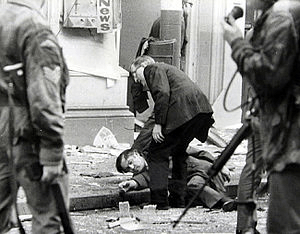


.JPG)
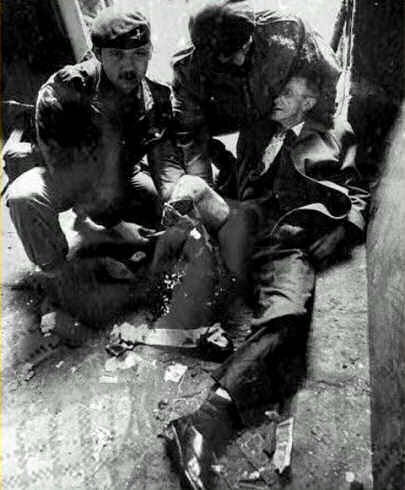




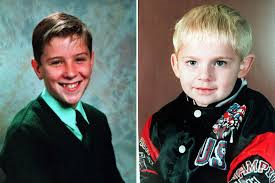


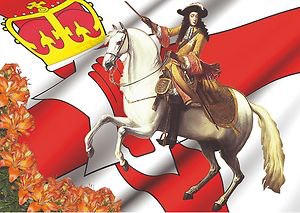


_-_Copy.jpg)
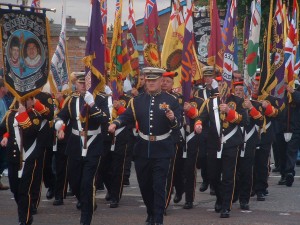
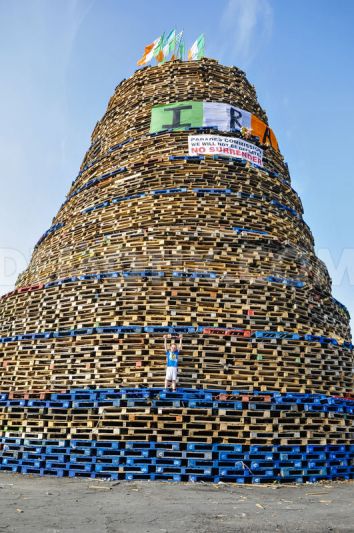
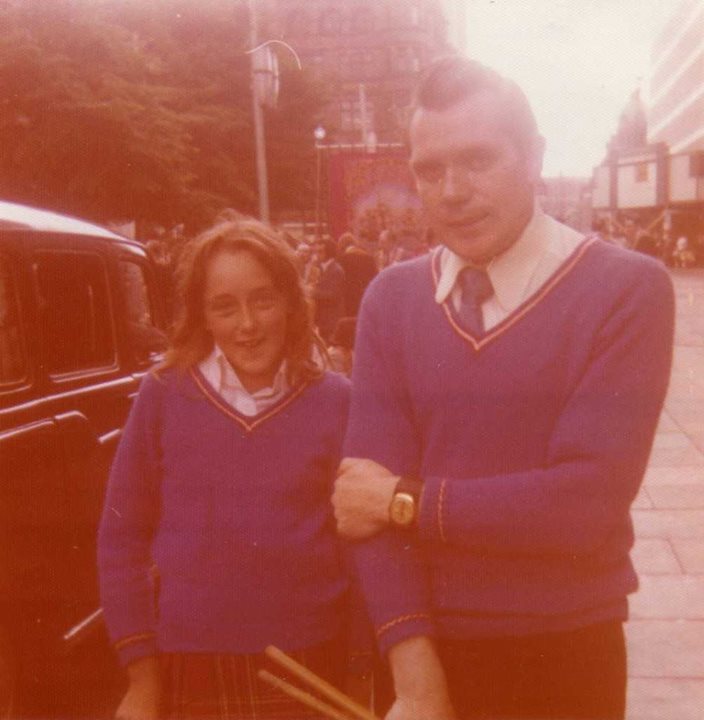
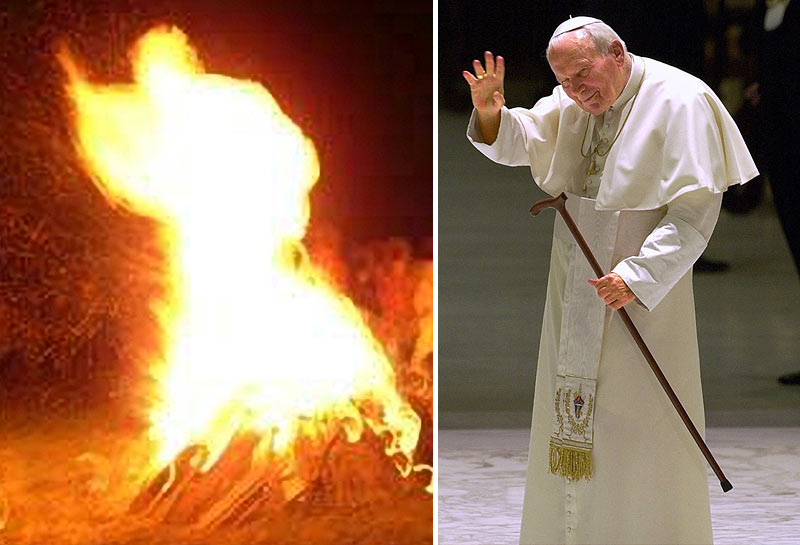


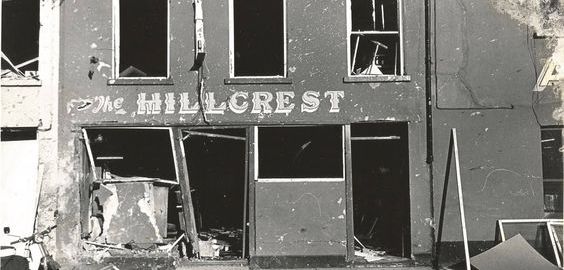







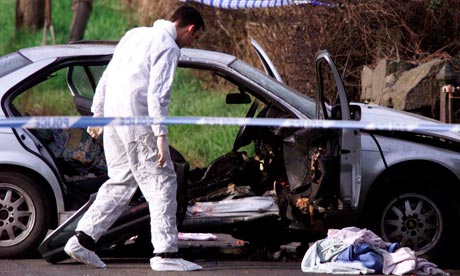
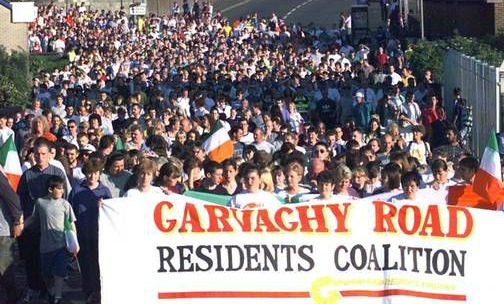


 belfastchildis.com