The Warrington bombings were two separate bomb attacks that took place during early 1993 in Warrington, England. The first attack happened on 26 February, when a bomb exploded at a gas storage facility. It caused extensive damage but no injuries. While fleeing the scene, the bombers shot and injured a police officer and two of them were then caught after a high-speed car chase.
The second attack happened on 20 March, when two small bombs exploded in litter bins outside shops and businesses on Bridge Street.
Two children were killed and dozens of people were injured.
Johnathan Ball
The attacks were carried out by the Provisional Irish Republican Army (IRA) and it has been claimed that members of Red Action were also involved.[2] Since the early 1970s the IRA had been carrying out attacks in both Northern Ireland and England with the stated goal of putting pressure on the British Government to withdraw from Northern Ireland.
The 20 March bombing received extensive coverage in the media and caused widespread anger, leading to mass protests against the IRA in Dublin.
First attack
On the night of 25 February 1993, three IRA members planted bombs at the gas holders on Winwick Road, Warrington. At 11:45 pm that night a police officer stopped the three men in a van on Sankey Street. As he was questioning them, the IRA members shot him three times and sped off in the van.
About an hour later they hijacked a car in Lymm, put the driver in the boot and drove off towards Manchester. At about 1 am police spotted the car and chased it along the M62 motorway in the direction of Warrington. Shots were fired during the high-speed chase and two police vehicles were hit. Police stopped the car on the motorway near Croft and arrested two of the IRA members: Páidric MacFhloinn (age 40) and Denis Kinsella (age 25).
The third member, Michael Timmins, escaped.At 4:10 am on 26 February the bombs exploded at the gas holders, sending a fireball 1,000 feet (300 m) into the sky and causing extensive damage to the facility. The emergency services arrived and evacuated about 100 people from their homes. There was much disruption to transport that morning as police set up roadblocks and trains were diverted away from Warrington.
In 1994, MacFhloinn was sentenced to 35 years in prison and Kinsella to 25 years for their part in the bombing. John Kinsella (age 49) was sentenced to 20 years for possessing Semtex explosives that he had hidden for the IRA unit.
Second Attack
Site of the second bombing
Johnathan Ball
Shortly before midday on 20 March 1993, The Samaritans in Liverpool received a bomb warning by telephone. According to police, the caller said only that a bomb had been planted outside a Boots shop. Merseyside Police sent officers to branches of Boots in Liverpool and warned the Cheshire Constabulary, who patrolled nearby Warrington.
About 30 minutes later, at about 12:25, two bombs exploded on Bridge Street in Warrington, about 100 yards (91 m) apart. The blasts happened within a minute of each other. One exploded outside Boots and McDonald’s, and one outside the Argos catalogue store.
The area was crowded with shoppers. Witnesses said that:
“the first explosion drove panicking shoppers into the path of the next blast just seconds later”.
It was later found that the bombs had been placed inside cast-ironlitter bins, causing large amounts of shrapnel. Buses were organized to ferry people away from the scene and 20 paramedics and crews from 17 ambulances were sent to deal with the aftermath.
Three-year-old Johnathan Ball died at the scene. He had been in town with his babysitter, they had been shopping for a Mother’s Day card. The second victim, 12-year-old Tim Parry, received the full force of the blast and was gravely wounded. He died on 25 March 1993 when doctors switched his life support machine off, having asked permission to do so from his family, after tests had found minimal brain activity.
Fifty-four other people were injured, four of them seriously.
The Provisional IRA issued a statement the day after the bombing, acknowledging its involvement but saying:
Responsibility for the tragic and deeply regrettable death and injuries caused in Warrington yesterday lies squarely at the door of those in the British authorities who deliberately failed to act on precise and adequate warnings.
A day later, an IRA spokesman said that “two precise warnings” had been given “in adequate time”, one to the Samaritans and one to Merseyside Police.
He added: “You don’t provide warnings if it is your intention to kill”.
Cheshire’s assistant chief constable denied there had been a second warning and said:
Yes, a warning was given half-an-hour before, but no mention was made of Warrington. If the IRA think they can pass on their responsibility for this terrible act by issuing such a nonsensical statement, they have sadly underestimated the understanding of the British public.
A piece on BBC North West’s Inside Out programme in September 2013 speculated that the bombing may have been the work of a “rogue” IRA unit, which was supported by the IRA but operated independently and was driven by left wing extremism and who used operatives who were from England to avoid suspicion.
The programe suggested, but provided no evidence, that those who planted the bombs were members of the leftist group Red Action.
Aftermath
———————————
IRA Child Killers
———————————
The fact “that two very young children were victims — one of whom fought for his life for several days” ensured that the 20 March bombings received:
“massive coverage” in the media and caused “widespread anger and revulsion”.
Shortly after the bombings, a group called “Peace ’93” was set up in Dublin. The main organizer was Susan McHugh, a Dublin housewife and mother. On 25 March 1993, thousands held a “peace rally” in Dublin. They signed a condolence book outside the General Post Office and laid bouquets and wreaths, with messages of sorrow and apology, to be taken to Warrington for the boys’ funerals.
However, some criticized Peace ’93 for focusing only on IRA violence and for:
“the lack of response to the deaths of children in Northern Ireland”.
Roy Greenslade wrote that, compared to the Warrington bombings, these deaths were “virtually ignored” by the media in Great Britain and he accused it of having a “hierarchy” of victims.
On 1 April 1993, the Irish Government announced measures designed to make extradition easier from the Republic of Ireland to the UK.
In 1994 Irish rock band The Cranberries released the song “Zombie“, which was written in protest at the bombings. The song went on to become one of their biggest hits.
Colin Parry carries his sons coffin
The parents of Tim Parry set up the Tim Parry Trust Fund to promote greater understanding between Great Britain and Ireland. The Tim Parry-Johnathan Ball Foundation for Peace worked jointly with the NSPCC to develop The Peace Centre, situated close to Warrington town centre, which was opened on the seventh anniversary of the attack in 2000. Its purpose is to promote peace and understanding amongst all communities affected by conflict and violence. The centre hosts an annual peace lecture, as well as being home to the local NSPCC and Warrington Youth Club.
The killing of Ball and Parry is still on Cheshire Police’s list of unsolved homicides
———————————————————-
The Tim Parry Johnathan Ball Foundation for Peace is a charity that campaigns only for one thing … Peace
Who We Work With
Working to prevent conflict with people vulnerable to it, affected by it and those professionals who are tasked to deal with it
Key Events & Deaths on this day in Northern Ireland Troubles
19th March
——————————————————
Thursday 19 March 1981
See 1981 Hunger Strike
Wednesday 19 March 1986
Richard Needham, then a Northern Ireland Office (NIO) Minsiter, announced that the Department of the Environment would take over the function of setting the ‘rates’ (local government tax) in the 18 district councils that were refusing to do so. The councils were protesting against the Anglo-Irish Agreement (AIA).
Saturday 19 March 1988
Army Corporals Killed
During the funeral of Kevin Brady, killed at Milltown Cemetery (16 March 1988), a car approached the funeral procession at high speed. It was claimed by some present that they feared another attack by Loyalist gunmen. The car’s passage was blocked and a group of the mourners attacked the two passengers.
The two men in the car were later identified as corporals Derek Wood and David Howes of the British Army. One of the soldiers fired a warning shot but both were beaten and overpowered. The two soldiers were driven to waste ground and shot dead. Part of this incident was also recorded on television news cameras.
[The presence of the two soldiers in plain clothes in a republican district of Belfast was never adequately explained.]
Wednesday 19 March 1997
Orange Order Halls in Ballymena and Bellaghy were damaged in arson attacks.
The Belfast Walkers Club of the Apprentice Boys of Derry (ABD) announced that they would voluntarily reroute their Easter Monday parade away from the lower Ormeau area of Belfast.
Friday 19 March 1999
Ronnie Flanagan, then Chief Constable of the Royal Ulster Constabulary (RUC), asked John Stevens, then Metropolitan Police Deputy Commissioner, to examine a report written by British-Irish Rights Watch, a human rights group based in London, on the 1989 killing of Pat Finucane. The report claimed to contain new evidence about the killing
——————————————————————
Remembering all innocent victims of the Troubles
Today is the anniversary of the death of the following people killed as a results of the conflict in Northern Ireland
“To live in hearts we leave behind is not to die
– Thomas Campbell
To the innocent on the list – Your memory will live forever
– To the Paramilitaries –
There are many things worth living for, a few things worth dying for, but nothing worth killing for.
7 People lost their lives on the 19th March between 1973– 1989
—————————————————————————
19 March 1973 Robert Collins, (18)
Protestant Status: Civilian (Civ),
Killed by: non-specific Republican group (REP)
Died two days after found shot, Brompton Park, Ardoyne, Belfast.
—————————————————————————
19 March 1974
Frederick Robinson, (40)
Protestant Status: Royal Ulster Constabulary (RUC),
Killed by: Irish Republican Army (IRA)
Off duty. Killed by booby trap bomb attached to his car outside his home, Glenkeen Avenue, Greenisland, County Antrim.
—————————————————————————
19 March 1979 Peter Woolmore, (21)
nfNI Status: British Army (BA),
Killed by: Irish Republican Army (IRA)
Killed in mortar bomb attack on Newtownhamilton British Army (BA) base, County Armagh
—————————————————————————
19 March 1981 Gerry Rowland, (40)
Catholic Status: Civilian (Civ),
Killed by: Irish Republican Army (IRA)
Shot by sniper while travelling in car with off duty Ulster Defence Regiment member, near Crossmaglen, County Armagh.
—————————————————————————
19 March 1988
Derek Wood, (24)
nfNI Status: British Army (BA),
Killed by: Irish Republican Army (IRA)
Undercover British Army (BA) member. Found shot, shortly after being abducted at the funeral of Irish Republican Army (IRA) member Caoimhin MacBradaigh, on waste ground off Andersonstown Road, Belfast.
Killed by: Irish Republican Army (IRA)
Undercover British Army (BA) member. Found shot, shortly after being abducted at the funeral of Irish Republican Army (IRA) member Caoimhin MacBradaigh, on waste ground off Andersonstown Road, Belfast.
Key Events & Deaths on this day in Northern Ireland Troubles
18th March
————————————————————
Wednesday 18 March 1970
Harry West and William Graig
Five Unionist Members of Parliament (MPs), including William Craig and Harry West, were expelled from the Unionist Parliamentary Party.
Saturday 18 March 1972
Ulster Vanguard held a rally in Ormeau Park, Belfast, which was attended by an estimated 60,000 people. The rally was addressed by William Craig who warned that, “if and when the politicians fail us, it may be our job to liquidate the enemy”.
Tuesday 18 March 1975
The two Price sisters, Marion Price and Dolours Price, were transferred from Durham Prison to Armagh Prison following a long protest campaign. The Price sisters had been convicted of causing explosions in London on 8 March 1973.
Thursday 18 March 1976
Merlyn Rees, then Secretary of Sate for Northern Ireland, indicated that he was opposed to any increase in the number of Members of Parliament (MPs) representing Northern Ireland.
[At this time the number was 12 but it was to be increased first to 17 and later to 18.]
A new prison at Maghaberry, County Antrim, received its first batch of prisoners.
Saturday 18 March 1995
At a meeting of the Ulster Unionist Council (UUC) James Molyneaux, then leader of the Ulster Unionist Party (UUP), was challenged for the position of leader by Lee Reynolds, a 21 year old student.
Molyneaux received 521 votes, Reynolds 88 votes, and there were 10 spoilt votes.
Molyneaux said that the 15 per cent who voted against him were “taking a kick at John Major through me”.
[Molyneaux announced his resignation as leader of the UUP on 28 August 1995.]
Tuesday 18 March 1997
Derrylin, County Fermanagh, was sealed off for a time following an Irish Republican Army (IRA) warning that a bomb had been left in the village.
Robert Salters, then Grand Master of the Orange Order, said that he supported the “Dromore initiative” which sought to find a compromise between local residents of the village and Orangemen.
Joel Patton, then spokesperson for the Spirit of Drumcree (SOD), was critical of the compromise.
An amateur drama group based in Dunloy, County Antrim, called off its planned appearance at a festival in Larne, County Antrim, because Loyalist posters threatening the group had appeared outside the intended venue.
The ‘Birmingham Six’ issued a libel writ against David Evans, then Conservative Member of Parliament (MP), when comments he had made about the six men in a school magazine subsequently appeared in the national media.
Orange Order Halls in Ballymena and Bellaghy were damaged in arson attacks. The Belfast Walkers Club of the Apprentice Boys of Derry (ABD) announced that they would voluntarily reroute their Easter Monday parade away from the lower Ormeau area of Belfast.
Wednesday 18 March 1998
The Royal Ulster Constabulary (RUC) arrested 15 Ulster Volunteer Force (UVF) prisoners in the Maze Prison in connection with the killing of David Keys (26) on 15 March 1998 inside the Maze.
Thursday 18 March 1999
There was rioting in Portadown and Lurgan, County Armagh.
The funeral of Rosemary Nelson took place in Lurgan, it was attended by thousands of mourners. Nelson had been killed in a Loyalist attack on 15 March 1999. Father Kieran McPartlan called for an independent inquiry to be set up to investigate the circumstances surrounding her killing.
Bertie Ahern, then Taoiseach (Irish Prime Minister), Tony Blair, then British Prime Minister, and Bill Clinton, then President of the USA, issued a tripartite statement. They urged the leaders of political parties in Northern Ireland to meet the deadline set for all aspects of the Good Friday Agreement.
——————————————————————
Remembering all innocent victims of the Troubles
Today is the anniversary of the death of the following people killed as a results of the conflict in Northern Ireland
“To live in hearts we leave behind is not to die
– Thomas Campbell
To the innocent on the list – Your memory will live forever
– To the Paramilitaries –
There are many things worth living for, a few things worth dying for, but nothing worth killing for.
4 People lost their lives on the 18th March between 1976 – 1991
—————————————————————————
18 March 1976 James Donnelly, (39)
Catholic Status: Civilian (Civ),
Killed by: Ulster Defence Association (UDA)
Found stabbed to death, at the rear of Cregagh Inn, Cregagh Road, Belfast.
—————————————————————————
18 March 1986 David Mulley, (20)
nfNI Status: British Army (BA),
Killed by: Irish Republican Army (IRA)
Killed by remote controlled bomb, hidden in derelict building detonated when joint British Army (BA) / Royal Ulster Constabulary (RUC) foot patrol passed, Castlewellan, County Down.
—————————————————————————
18 March 1988
Gillian Johnston, (21)
Protestant Status: Civilian (Civ),
Killed by: Irish Republican Army (IRA)
Shot while sitting in stationary car outside her home, Leggs, near Belleek, County Fermanagh.
————————————
18 March 1991
Francis Taggart, (17)
Catholic Status: Civilian (Civ),
Killed by: non-specific Loyalist group (LOY)
Found stabbed to death, behind leisure centre, Warren Park, Lisburn, County Antrim. —————————————
—————————————————————————
My autobiography: A Belfast Child is now available to pre-order on Amazon , launch date is 30th April.
Four Catholic civilians were killed by the blast—including two 13-year-old boys standing outside—and almost 50 people were injured, some severely.
—————————-
The Innocent Victims
—————————-
————————————————–
17 March 1976
Patrick Barnard, (13)
Catholic Status: Civilian (Civ),
Killed by: Ulster Volunteer Force (UVF)
Killed in car bomb explosion, outside Hillcrest Bar, Donaghmore Road, Dungannon, County Tyrone.
————————————————–
17 March 1976
Joseph Kelly, (57)
Catholic Status: Civilian (Civ),
Killed by: Ulster Volunteer Force (UVF)
Killed in car bomb explosion, outside Hillcrest Bar, Donaghmore Road, Dungannon, County Tyrone
————————————————–
17 March 1976
James McCaughey, (13)
Catholic Status: Civilian (Civ),
Killed by: Ulster Volunteer Force (UVF)
Killed in car bomb explosion, outside Hillcrest Bar, Donaghmore Road, Dungannon, County Tyrone.
————————————————–
17 March 1976
Andrew Small, (62)
Catholic Status: Civilian (Civ),
Killed by: Ulster Volunteer Force (UVF)
Killed in car bomb explosion, outside Hillcrest Bar, Donaghmore Road, Dungannon, County Tyrone.
————————————————–
Disclaimer
The views and opinions expressed in this post and page are soley intended to educate and provide background information to those interested in the Troubles of Northern Ireland.
They in no way reflect my own opinions and I take no responsibility for any inaccuracies or factual errors
In December 1980, UVF member Garnet James Busby confessed to having been one of the bombers and was sentenced to life in prison. The UVF unit responsible was the Mid-Ulster Brigade, which at the time was led by the notorious Robin Jackson.
The attack is one of many linked to the Glenanne gang, a loose association of loyalist militants and rogue members of the Northern Ireland security forces, who carried out a series of attacks against the Catholic/Irish nationalist community in the area during the 1970s.
Situation in Northern Ireland
By the mid-1970s, the conflict in Northern Ireland, known as the Troubles, showed no signs of abating. The Provisional Irish Republican Army (IRA) intensified its bombing campaign to drive British forces out, and began targeting English cities. The main loyalist paramilitary groups—the UVF and Ulster Defence Association (UDA)—responded with random attacks on the local Catholic population, which in turn led to IRA reprisals against Protestants.
During 1975 the IRA was officially on ceasefire. Loyalists believed the ceasefire was part of a secret deal between the British Government and IRA which would mean a British withdrawal from Northern Ireland. According to journalist Peter Taylor, the vicious tit-for-tat violence between the IRA and loyalists made 1975 one of the
In Belfast, the loyalist Shankill Butchers gang, led by Lenny Murphy, began an 18-month killing spree designed to strike terror into the Catholic community, whom they believed were giving succour to the IRA. The gang would drive around Catholic areas in a black taxi and kidnap random Catholic passersby, then torture and hack them to death. However, most tit-for-tat attacks were bombings and shootings targeting pubs, or roadside ambushes, as in the case of the Miami Showband massacre.
This saw three members of the popular Irish cabaret band shot dead at a fake military checkpoint by UVF gunmen in British Army uniforms. Two of those convicted were Ulster Defence Regiment (UDR) soldiers. Investigations established that UVF Mid-Ulster Brigade commander Robin Jackson was the organizer and main gunman in the July 1975 ambush. Described as “the most notorious Loyalist paramilitary in Northern Ireland”, it was also revealed that he was a Royal Ulster Constabulary (RUC) Special Branch agent.
A further 50 paramilitary attacks have been linked to Jackson, including the 1974 Dublin and Monaghan bombings, which killed 33 people.
Loyalists sought revenge, and members of the UVF Mid-Ulster Brigade planned to attack a nearby Catholic primary school. The operation was aborted by the UVF leadership on the grounds that it was “morally unacceptable”, would provoke a terrible response from the IRA and could spark civil war.
Harold Wilson announced on 16 March 1976 that he was resigning as British Prime Minister. That same day, the British Army defused a 200-pound IRA bomb left outside a garage in Dungannon.
The bombing
The Hillcrest Bar (now McAleer’s) on Dungannon’s Donaghmore Road, was a pub frequented by Catholics and was jointly owned by a Catholic and a Protestant. An incendiary device had been planted inside the premises the year before. On the evening of 17 March 1976, the pub was packed with revelers celebrating Saint Patrick’s Day. There was also a disco for young people being held in a school across the road.
According to writer and former British soldier Ken Wharton, a loyalist attack had been anticipated in Northern Ireland as ‘Catholic pubs’ would be packed with people enjoying the Irish holiday. Earlier that day in East Belfast, Catholic teacher John Donnelly had been drinking in the Cregagh Inn on Woodstock Road.
When one of his former students identified him as a Catholic, UDA members who happened to be in the pub forced him outside (in full view of the customers) and stabbed him to death behind the building.
That evening, UVF members parked a green Austin-Healey 1100 car outside the Hillcrest Bar. It had been stolen in Armagh nine days earlier. At 8.20 pm, the time bomb hidden in the car exploded. The blast killed three people outright and fatally wounded another.Almost 50 people were injured, nine of them severely.
The force of the blast blew out all the pub’s windows and rained debris on the footpath outside. The pub manager, who had been upstairs when the bomb detonated, said :
“everything just simply erupted around us. There was no warning”
One of those killed was Joseph Kelly (57), who had been inside the pub. Two 13-year-old boys, James McCaughey and Patrick Barnard, were in the street near the car bomb when it went off; James was mutilated beyond recognition and Patrick would die of his horrific injuries in hospital the following day.
The boys were on their way to a disco at a school across the road. Andrew Small (62) was walking past with his wife and was also killed in the blast. All of the victims were Catholic civilians with no links to republican paramilitary groups.
The getaway car used by the bombers had been stolen in Portadown. It was found burnt out a mile from the bomb site.
Responsibility
—————————————
Glenanne Gang
—————————————
The 17 March bombing is one of the attacks that the Pat Finucane Centre (PFC) has attributed to the Glenanne gang. This was a loose alliance of loyalist militants (in particular the UVF Mid-Ulster Brigade) and rogue members of the Northern Ireland security forces: the Royal Ulster Constabulary (RUC) and the British Army’s Ulster Defence Regiment (UDR). The group carried out a series of attacks against Catholics/Irish nationalists in the area during the 1970s.
The PFC requested that Professor Douglass Cassel (formerly of Northwestern University School of Law in Chicago) convene an international inquiry to investigate allegations of collusion between loyalists and the security forces in sectarian killings. This international team concluded in their 2006 report that the Hillcrest Bar bombing was one of the attacks perpetrated by the Glenanne gang.
In December 1980, Dungannon UVF member Garnet James Busby confessed to having been part of the bombing unit. He also confessed to other attacks, including another Dungannon pub bombing, and the double murder of married couple Peter and Jenny McKearney in 1975. Although Busby named three other men involved in the Hillcrest Bar bombing he was the only one convicted. At his trial, an RUC inspector told the court that the same UVF group had carried out the Miami Showband killings.
In 1981 Garnet Busby received six life sentences for the murders of the McKearneys, Joseph Kelly, Andrew Small, James McCaughey and Patrick Barnard. He was sent to the Maze Prison.
Key Events & Deaths on this day in Northern Ireland Troubles
17th March
————————————————
Monday 17 March 1975
Thomas Smith (26), then an Irish Republican Army (IRA) prisoner, was shot dead by the Irish Army during an attempted escape from Portlaoise Prison, County Laois, Republic of Ireland.
Wednesday 17 March 1976
Four Catholic civilians were killed by a bomb planted by the Ulster Volunteer Force (UVF) outside the Hillcrest Bar, Donaghmore Road, Dungannon, County Tyrone.
David Jones (23), a British soldier, was shot dead by the Irish Republican Army (IRA) during a gun battle in a field near Maghera, County Derry.
Jones had been undercover at the time. Francis Hughes, then a member of the IRA, was arrested following the incident.
Wednesday 17 March 1982
Charles Haughey, then Taoiseach (Irish Prime Minister), paid a visit to the United States of America (USA) as part of St Patrick day celebrations. During the visit he called on the US government to put more pressure on Britain to consider the possibility of Irish unity.
Thursday 17 March 1983
Ronald Reagan, then President of the United States of America (USA), said that those who supported terrorism were no friends of Ireland. Edward Kennedy, then a United States (US) Senator, proposed a senate motion calling for a united Ireland.
Saturday 17 March 1984
Dominic McGlinchey, then considered leader of the Irish National Liberation Army (INLA), was recaptured after an exchange of gunfire with the Garda Síochána (the Irish police) and immediately extradited from the Republic of Ireland to Northern Ireland.
He became the first Republican to be extradited to face charges related to the conflict in Northern Ireland.
Monday 17 March 1986
Garret FitzGerald, then Taoiseach (Irish Prime Minister), was in Washington for the St Partick’s Day celebrations and to meet with Ronald Reagan, then President of the United States of America (USA).
Tuesday 17 March 1987
St Patrick’s Day. Ronald Reagan, then President of the United States, announced the first payment of $50 million to the International Fund for Ireland (IFI). The IFI was one of the initiatives in the Anglo-Irish Agreement (AIA).
Thursday 17 March 1994
Bill Clinton, then President of the USA, attended a St Patrick’s Day conference in Washington and called upon the Irish Republican Army (IRA) to “lay down their arms”.
The Ulster Unionist Council (UUC) held its annual general meeting. James Molyneaux, then leader of the UUP, addressed the meeting and rejected any proposals for north-south political institutions as part of a political settlement.
Friday 17 March 1995
Adams Attends White House Reception
Gerry Adams, then President of Sinn Féin (SF), attended the St Patrick’s Day reception hosted by Bill Clinton, then President of the United States of America (USA), at the White House. A delegation from the Ulster Democratic Party (UDP) also attended the reception. The group met with Edward Kennedy, then a US Senator.
Monday 17 March 1997
Billy Hutchinson, then a spokesperson for the Progressive Unionist Party (PUP), received a warning from the Royal Ulster Constabulary (RUC) that the Irish National Liberation Army (INLA) was planning to assassinate him.
John Kinsella, who had been sentenced in 1994 for 20 years for possession of explosives, had his case referred to the Court of Appeal in London.
John Major, then British Prime Minister, announced the date of the general election as 1 May 1997.
Tuesday 17 March 1998
First St Partick’s Day Parade in Belfast Loyalist paramilitaries carried out a bomb attack on St. Comgall’s parish centre in Larne, County Antrim.
[It was believed that the Loyalist Volunteer Force (LVF) was responsible for the attack. There were no injuries and only minor damage to the hall.]
An ‘official’ St. Patrick’s day parade took place in Belfast.
[This was the first time since the establishment of the state that a parade had received backing from Belfast City Council. The organising committee had stated their wish to have a cross-community celebration. Following the parade a number of Unionist councillors, particularly members of the Democratic Unionist Party (DUP) claimed that Irish Republican Army (IRA) slogans were shouted by people in the crowd. Unionists also objected to the fact that the ‘tricolour’ (the Irish national flag) was displayed by some spectators. The objections following the parade in 1998 was to result in Belfast City Council withdrawing funds for future parades.]
In the cafeteria of the House of Commons Ken Maginnis, then Security Spokesperson of the Ulster Unionist Party (UUP), took down two ‘tricolour’ flags that were part of a display for St. Patrick’s day and threw them into the Thames river saying he “did not think they would pollute the river too much”.
This incident happened while his colleague and party leader David Trimble was in the United States of America (USA) for the St Patrick’s day celebrations. While in Washington Trimble had a meeting with Bill Clinton, then President of the United States of America (USA). Clinton was believed to have urged Trimble to hold a face-to-face meeting with Gerry Adams, then President of Sinn Féin (SF).
[The UUP later said that it was not interested in a “stunt meeting” with Adams.]
A number of other Northern Ireland politicians also made the trip to the USA for St. Patrick’s day.
Wednesday 17 March 1999
Frankie Curry, a prominent former member of the Red Hand Commando (RHC), was shot dead in a street off the Shankill Road. The Red Hand Defenders (RHD) blamed the Ulster Volunteer Force (UVF) for the killing.
[The shooting raised fears of a potential feud amongst Loyalist paramilitaries. In an interview published in the Sunday Life (a Belfast based newspaper) after his death Curry admitted killing 16 people but he denied that he was a member of the RHD. In 2001 it became apparent that the RHD was a cover name used by both the Ulster Defence Association (UDA) and the UVF.]
There were violent confrontations in Portadown, County Armagh, with 40 Royal Ulster Constabulary (RUC) officers being injured. Vigils were held across Northern Ireland in protest at the killing of Rosemary Nelson on 15 March 1999.
Bill Clinton, then President of the USA, urged political leaders in Northern Ireland to lift their sights above short-term difficulties when he was presented with shamrock by Bertie Ahern, then Taoiseach (Irish Prime Minister), at the White House.
David Trimble, then leader of the Ulster Unionist Party (UUP), held a 30 minute meeting in the White House with Gerry Adams, then President of Sinn Féin (SF).
While St Patrick’s Day events took place in over 500 cities all over the world there was no official parade in Belfast.
The Unionist controlled Belfast City Council had withdrawn funds for the parade.
——————————————————————
Remembering all innocent victims of the Troubles
Today is the anniversary of the death of the following people killed as a results of the conflict in Northern Ireland
“To live in hearts we leave behind is not to die
– Thomas Campbell
To the innocent on the list – Your memory will live forever
– To the Paramilitaries –
There are many things worth living for, a few things worth dying for, but nothing worth killing for.
14 People lost their lives on the 17th March between 1973 – 1999
—————————————————————————
17 March 1973 Michael Gay, (21)
nfNI Status: British Army (BA),
Killed by: Irish Republican Army (IRA) Killed in land mine attack on British Army (BA) mobile patrol, Parkanaur, near Dungannon, County Tyrone.
—————————————————————————
17 March 1973 Lindsay Mooney, (19)
Protestant Status: Ulster Defence Association (UDA),
Killed by: Ulster Defence Association (UDA) Died in premature bomb explosion while parking car outside Kirk’s Lounge Bar, Cloughfinn, near Lifford, County Donegal.
—————————————————————————
17 March 1974
Cyril Wilson, (37)
Protestant Status: Royal Ulster Constabulary (RUC),
Killed by: Irish Republican Army (IRA) Shot by sniper while on Royal Ulster Constabulary (RUC) mobile patrol, Rathmore, Craigavon, County Armagh.
—————————————————————————
17 March 1974 Michael Ryan, (23)
nfNI Status: British Army (BA),
Killed by: Irish Republican Army (IRA) Shot by sniper while on British Army (BA) mobile patrol, Foyle Road, Brandywell, Derry.
—————————————————————————
17 March 1975 Thomas Smith, (28)
nfNIRI Status: Irish Republican Army (IRA),
Killed by: Irish Army (IA) From County Dublin. Shot during attempted escape from Portlaoise Prison, County Laois
—————————————————————————
17 March 1976
Joseph Kelly, (57)
Catholic Status: Civilian (Civ),
Killed by: Ulster Volunteer Force (UVF) Killed in car bomb explosion, outside Hillcrest Bar, Donaghmore Road, Dungannon, County Tyrone.
—————————————————————————
17 March 1976
Andrew Small, (62)
Catholic Status: Civilian (Civ),
Killed by: Ulster Volunteer Force (UVF) Killed in car bomb explosion, outside Hillcrest Bar, Donaghmore Road, Dungannon, County Tyrone.
—————————————————————————
17 March 1976
James McCaughey, (13)
Catholic Status: Civilian (Civ),
Killed by: Ulster Volunteer Force (UVF) Killed in car bomb explosion, outside Hillcrest Bar, Donaghmore Road, Dungannon, County Tyrone
—————————————————————————
17 March 1976
Patrick Barnard, (13)
Catholic Status: Civilian (Civ),
Killed by: Ulster Volunteer Force (UVF) Killed in car bomb explosion, outside Hillcrest Bar, Donaghmore Road, Dungannon, County Tyrone.
—————————————————————————
17 March 1977
Daniel Carville, (35)
Catholic Status: Civilian (Civ),
Killed by: Ulster Defence Association (UDA) Shot while driving his car slowly over ramps, Cambrai Street, Shankill, Belfast
—————————————————————————
17 March 1978 David Jones, (23)
nfNI Status: British Army (BA),
Killed by: Irish Republican Army (IRA) Undercover British Army (BA) member. Shot during gun battle with Irish Republican Army (IRA) unit in field, Lisnamuck, near Maghera, County Derry.
—————————————————————————
17 March 1989 Niall Davies, (42)
Catholic Status: Civilian (Civ),
Killed by: Ulster Volunteer Force (UVF) Shot at his home, Church Road, Glengormley, near Belfast, County Antrim
—————————————————————————
17 March 1993
Lawrence Dickson, (26)
nfNI Status: British Army (BA),
Killed by: Irish Republican Army (IRA) Shot by sniper while on British Army (BA) foot patrol, Bog Road, Forkhill, County Armagh
—————————————————————————
17 March 1999
Frankie Curry, (46)
Protestant Status: Red Hand Commando (RHC),
Killed by: Ulster Volunteer Force (UVF) Shot while walking across waste ground, off Malvern Way, Shankill, Belfast. Red Hand Commando (RHC) / Ulster Volunteer Force (UVF) dispute.
—————————————————————————
My autobiography: A Belfast Child is now available to pre-order on Amazon , launch date is 30th April.
Key Events & Deaths on this day in Northern Ireland Troubles
16th March
Saturday 16 March 1974
Two British soldiers were shot dead by members of the Irish Republican Army (IRA) near Crossmaglen, County Armagh.
Tuesday 16 March 1976
Harold Wilson, then British Prime Minister, announced that he was resigning as leader of the Labour Party and thus as Prime Minister. [On 5 April 1976 James Callaghan succeeded Wilson.]
Friday 16 March 1979 Bennett Report
(Cmnd 7497)
The committee headed by the English judge Harry Bennett, which was set up to investigate allegations of ill-treatment of people held in interrogation centres in Northern Ireland, published its report (Bennett Report, Cmnd 7497).
The report found that there were instances where there was medical evidence of injuries sustained in police custody which were not self-inflicted.
[The report made a number of suggestions and the Labour government undertook to implement two major recommendations. The first that closed-circuit television cameras should be installed in interview rooms and the second that those being detained should have access to their solicitor after 48 hours in custody.
When the Conservative Party came to power in May 1979 the new government implemented most of the remaining recommendations in the report.]
Wednesday 16 March 1988
Milltown Cemetery Killings
During the funerals, at Milltown Cemetery in Belfast, for the three Irish Republican Army (IRA) members killed in Gibraltar (6 March 1988) a Loyalist gunman, Michael Stone, launched a grenade and gun attack on mourners.
Three people were killed and 50 injured. The whole episode was recorded by television news cameras. The police and the army had withdrawn to avoid any confrontation with the mourners. Stone was chased to a nearby motorway were he was attacked by a number of mourners. The police arrived in time to save his life.
[The main loyalist paramilitary groups denied any involvement with Stone. One of those killed, Kevin Brady, was a member of the IRA.]
A Catholic civilian died eight months after being shot in Belfast.
Tuesday 16 March 1993
John Major, then British Prime Minister, said that his government would not bring forward legislation to allow for devolved government in Scotland or Wales.
Wednesday 16 March 1994
John Wheeler, then NIO Security Minister, turned down a request from the Bloody Sunday Justice Group for a new inquiry into the killings in Derry on 30 January 1972.
[A new Inquiry was eventually announced on 29 January 1998.]
Thursday 16 March 1995
A small bomb containing Semtex explosives partially exploded while being defused by British Army technical officers in Newry, County Down.
[The Irish Republican Army (IRA) later denied responsibility for the device.]
Sunday 16 March 1997
There were reports that a compromise had been reached over the disputed 12 July Orange Order parade in Dromore, County Tyrone. The Orange Order denied that a compromise had been achieved.
An article in the Sunday Post carried claims by a former member of the Parachute Regiment of the British Army that on ‘Bloody Sunday’ (30 January 1972) some of his fellow soldiers had deliberately killed unarmed civilians.
John Bruton, then Taoiseach (Irish Prime Minister), called on the British government to investigate this new evidence
Tuesday 16 March 1999
Ronnie Flanagan, then Chief Constable of the Royal Ulster Constabulary (RUC), announced that David Phillips, then Chief Constable of Kent, had been asked to oversee the investigation into the murder of Rosemary Nelson. He also invited the United States Federal Bureau of Investigation (FBI) to assist.
[Both these moves were viewed as an attempt to try to counter calls by Nationalists for an independent international inquiry into the events surrounding the death of Nelson. Although the FBI initially became involved in the case it later withdrew.]
Bertie Ahern, then Taoiseach (Irish Prime Minister), who was in Washington, said the relationship between Irish Republican Army (IRA) decommissioning and the setting up of the Northern Executive was the one remaining difficulty. He indicated to the leader of the political parties in Northern Ireland that he expected them to meet the 2 April 1998 deadline for the implementation of institutions set out in the Good Friday Agreement.
——————————————————————
Remembering all innocent victims of the Troubles
Today is the anniversary of the death of the following people killed as a results of the conflict in Northern Ireland
“To live in hearts we leave behind is not to die
– Thomas Campbell
To the innocent on the list – Your memory will live forever
– To the Paramilitaries –
There are many things worth living for, a few things worth dying for, but nothing worth killing for.
12 People lost their lives on the 16th March between 1972 – 1989
—————————————————————————
16 March 1972 Carmel Knox, (20)
Catholic Status: Civilian (Civ),
Killed by: non-specific Loyalist group (LOY)
Killed when bomb exploded in public toilet, Market Street, Lurgan, County Armagh
—————————————————————————
16 March 1973
William Kenny, (28)
Protestant Status: Ulster Defence Regiment (UDR),
Killed by: Irish Republican Army (IRA)
Off duty. Abducted while driving his car, Halliday’s Road, New Lodge, Belfast. Found shot a short time later in entry off Edlingham Street, New Lodge, Belfast.
—————————————————————————
16 March 1974 Roy Bedford, (22)
nfNI Status: British Army (BA),
Killed by: Irish Republican Army (IRA)
Shot by snipers, while on British Army (BA) foot patrol, Moybane, near Crossmaglen, County Armagh.
—————————————————————————
16 March 1974
Philip James, (22)
nfNI Status: British Army (BA),
Killed by: Irish Republican Army (IRA)
Shot by snipers, while on British Army (BA) foot patrol, Moybane, near Crossmaglen, County Armagh.
—————————————————————————
16 March 1975
Mildred Harrison, (26)
Protestant Status: Royal Ulster Constabulary (RUC),
Killed by: Ulster Volunteer Force (UVF)
Killed during bomb explosion while on Royal Ulster Constabulary (RUC) foot patrol passing Ormeau Arms Bar, High Street, Bangor, County Down
—————————————————————————
16 March 1977 Alexander Watters, (62)
Protestant Status: Civilian (Civ),
Killed by: not known (nk)
Shot while cycling along road between Tobermore and Draperstown, County Derry.
—————————————————————————
16 March 1983 William Miller, (26)
Protestant Status: Ulster Volunteer Force (UVF),
Killed by: Royal Ulster Constabulary (RUC)
Shot while travelling in stolen car, Elmwood Avenue, off University Road, Belfast
—————————————————————————
16 March 1988
Kevin Mulligan, (27)
Catholic Status: Civilian (Civ),
Killed by: Ulster Freedom Fighters (UFF)
Died eight months after being shot at his workplace, a garage, Lord Street, off Albertbridge Road, Belfast. Injured on 17 July 1987.
—————————————————————————
16 March 1988
Caoimhin MacBradaigh, (30)
Catholic Status: Irish Republican Army (IRA),
Killed by: non-specific Loyalist group (LOY)
Killed in grenade and gun attack on mourners at the funeral of three Irish Republican Army (IRA) members killed at Gibraltar, Milltown Cemetery, Falls, Belfast.
—————————————————————————
16 March 1988
Thomas McErlean, (20)
Catholic Status: Civilian (Civ),
Killed by: non-specific Loyalist group (LOY)
Killed in grenade and gun attack on mourners at the funeral of three Irish Republican Army (IRA) members killed at Gibraltar, Milltown Cemetery, Falls, Belfast.
—————————————————————————
16 March 1988
John Murray, (26)
Catholic Status: Civilian (Civ),
Killed by: non-specific Loyalist group (LOY)
Killed in grenade and gun attack on mourners at the funeral of three Irish Republican Army (IRA) members killed at Gibraltar, Milltown Cemetery, Falls, Belfast.
—————————————————————————
16 March 1989 John Irvine , (49)
Protestant Status: Ulster Volunteer Force (UVF),
Killed by: Irish Republican Army (IRA)
Shot at his home, Skegoneill Avenue, Skegoneill, Belfast.
—————————————————————————
My autobiography: A Belfast Child is now available to pre-order on Amazon , launch date is 30th April.
Forkhill or Forkill (from Irish: Foirceal) is a small village and civil parish in south County Armagh, Northern Ireland, in the ancient barony of Upper Orior. It is within the Ring of Gullion and in the 2011 Census it had a recorded population of 498.
It was also one of the most dangerous and unforgiving places on earth for British soldiers and other security force personnel during the 30 year “conflict” and the South Armagh IRA seemed able to slaughtered at will and the areas nickname “Bandit Country” was written in the blood of the innocent.
———————————————-
BBC Panorama – Bandit Country, South Armagh
———————————————-
See Below for more details on the South Armagh IRA
————————————————
Never forget
They died serving their country
I salute you all!
———————
They shall not grow old, as we that are left grow old: Age shall not weary them, nor the years condemn. At the going down of the sun and in the morning We will remember them
———————
Below is a list of British army & other security personnel whom lost their lives in or around the Forkhill area during the troubles , hero’s one and all. The most famous name on the list is Captain Robert Nairac , whose body has never been recovered and is named as one the Disappeared.
I have included civilians and republican deaths at the end of the list.
Killed by: Irish Republican Army (IRA) Died two days after being injured when detonated booby trap bomb in derelict house, Mullaghbawn, near Forkhill, County Armagh.
—————————————–
14 December 1974 Michael Gibson, (20)
nfNI Status: British Army (BA),
Killed by: Irish Republican Army (IRA) Shot by snipers while on joint British Army (BA) / Royal Ulster Constabulary (RUC) foot patrol, Killeavy, near Forkhill, County Armagh. He died 30 December 1974.
—————————————–
14 December 1974
David McNeice, (19)
Protestant Status: Royal Ulster Constabulary (RUC),
Killed by: Irish Republican Army (IRA) Shot by snipers while on joint British Army (BA) / Royal Ulster Constabulary (RUC) foot patrol, Killeavy, near Forkhill, County Armagh.
—————————————–
17 July 1975
Edward Garside, (34)
nfNI Status: British Army (BA),
Killed by: Irish Republican Army (IRA) Killed by remote controlled bomb, hidden in milk churn, detonated when British Army (BA) foot patrol passed, Tullydonnell, near Forkhill, County Armagh.
—————————————–
17 July 1975
Robert McCarter, (33)
nfNI Status: British Army (BA),
Killed by: Irish Republican Army (IRA) Killed by remote controlled bomb, hidden in milk churn, detonated when British Army (BA) foot patrol passed, Tullydonnell, near Forkhill, County Armagh.
—————————————–
17 July 1975
Calvert Brown, (25)
nfNI Status: British Army (BA),
Killed by: Irish Republican Army (IRA) Killed by remote controlled bomb, hidden in milk churn, detonated when British Army (BA) foot patrol passed, Tullydonnell, near Forkhill, County Armagh.
—————————————–
17 July 1975 Peter Willis, (37)
nfNI Status: British Army (BA),
Killed by: Irish Republican Army (IRA) Killed by remote controlled bomb, hidden in milk churn, detonated when British Army (BA) foot patrol passed, Tullydonnell, near Forkhill, County Armagh.
—————————————–
21 November 1975
Simon Francis, (29)
nfNI Status: British Army (BA),
Killed by: Irish Republican Army (IRA) Killed by booby trap bomb hidden in abandoned rifle close to crashed car, Carrive, near Forkhill, County Armagh
—————————————–
14 May 1977
Robert Nairac, (29)
nfNI Status: British Army (BA),
Killed by: Irish Republican Army (IRA) Undercover British Army (BA) member. Abducted outside Three Step Inn, near Forkhill, County Armagh. Presumed killed. Body never recovered.
Killed by: Irish Republican Army (IRA) Killed by remote controlled bomb hidden in parked car, detonated when British Army (BA) foot patrol passed, Forkhill, County Armagh.
—————————————–
16 December 1979
Peter Grundy, (21)
nfNI Status: British Army (BA),
Killed by: Irish Republican Army (IRA) Killed by booby trap bomb hidden in derelict house, while on British Army (BA) foot patrol, Forkhill, County Armagh.
—————————————–
01 January 1980
Gerard Hardy, (18)
nfNI Status: British Army (BA),
Killed by: British Army (BA) Undercover British Army (BA) member. Shot in error, by other British Army (BA) members while setting ambush position, Tullydonnell, near Forkhill, County Armagh.
—————————————–
01 January 1980 Simon Bates, (23)
nfNI Status: British Army (BA),
Killed by: British Army (BA) Undercover British Army (BA) member. Shot in error, by other British Army (BA) members while setting ambush position, Tullydonnell, near Forkhill, County Armagh
—————————————–
09 August 1980
Brian Brown, (29)
nfNI Status: British Army (BA),
Killed by: Irish Republican Army (IRA) Killed by remote controlled bomb while on British Army (BA) foot patrol, Forkhill, County Armagh
—————————————–
31 January 1984
William Savage, (27)
Protestant Status: Royal Ulster Constabulary (RUC),
Killed by: Irish Republican Army (IRA) Killed in land mine attack on Royal Ulster Constabulary (RUC) armoured patrol car, Drumintee Road, near Forkhill, County Armagh.
—————————————–
31 January 1984
Thomas Bingham, (29)
Protestant Status: Royal Ulster Constabulary (RUC),
Killed by: Irish Republican Army (IRA) Killed in land mine attack on Royal Ulster Constabulary (RUC) armoured patrol car, Drumintee Road, near Forkhill, County Armagh
—————————————–
17 March 1993
Lawrence Dickson, (26)
nfNI Status: British Army (BA),
Killed by: Irish Republican Army (IRA) Shot by sniper while on British Army (BA) foot patrol, Bog Road, Forkhill, County Armagh.
—————————————–
Innocent Civilians Killed in Forkhill
—————————————–
10 March 1974 Michael Gallagher, (18)
Catholic Status: Civilian (Civ),
Killed by: Irish Republican Army (IRA) Injured by booby trap bomb hidden in abandoned car, Dromintee, near Forkhill, County Armagh. Intended for British Army (BA) foot patrol. He died 14 March 1974.
—————————————–
10 March 1974
Michael McCreesh, (15)
Catholic Status: Civilian (Civ),
Killed by: Irish Republican Army (IRA) Killed by booby trap bomb hidden in abandoned car, Dromintee, near Forkhill, County Armagh. Intended for British Army (BA) foot patrol.
—————————————–
19 January 1975
Patrick Toner, (7)
Catholic Status: Civilian (Civ),
Killed by: Irish Republican Army (IRA) Killed by booby trap bomb in field near his home, Forkhill, County Armagh.
—————————————–
12 June 1976
Liam Prince, (26)
Catholic Status: Civilian (Civ),
Killed by: British Army (BA) Shot while travelling in his car at British Army (BA) Vehicle Check Point (VCP), near Forkhill, County Armagh.
—————————————–
02 April 1977 Hugh Clarke, (30)
Protestant Status: Civilian (Civ),
Killed by: Republican Action Force (RepAF) Found shot, Tullymacreeve, near Forkhill, County Armagh.
—————————————–
25 June 1978 Patrick McEntee, (54)
Catholic Status: Civilian (Civ),
Killed by: Irish Republican Army (IRA) Found shot, Ballsmill, near Forkhill, County Armagh. Alleged informer.
—————————————–
12 December 2001 Derek Lenehan, (27)
nfNI Status: Civilian (Civ),
Killed by: Irish National Liberation Army (INLA) From Dublin. Died several hours after being found shot in the legs, by the side of New Road, near Forkhill, County Armagh.
—————————————–
Republicans Terrorists Killed in Forkhill
—————————————–
15 April 1976
Peter Cleary, (25)
Catholic Status: Irish Republican Army (IRA),
Killed by: British Army (BA) Shot by undercover British Army (BA) member, shortly after being detained at a friend’s home, Tievecrom, near Forkhill, County Armagh.
—————————————–
05 March 1982
Seamus Morgan, (24)
Catholic Status: Irish Republican Army (IRA),
Killed by: Irish Republican Army (IRA) Found shot near Forkhill, County Armagh. Alleged informer.
—————————————–
14 March 1987 Fergus Conlon, (31)
Catholic Status: Civilian Political Activist (CivPA),
Killed by: Irish National Liberation Army (INLA) Irish Republican Socialist Party member. Found shot, Clontigora, near Forkhill, County Armagh. Irish National Liberation Army / Irish People’s Liberation Organisation feud
—————————————–
Provisional IRA South Armagh Brigade
The South Armagh Brigade of the Provisional Irish Republican Army (IRA) operated during the Troubles in south County Armagh. It was organised into two battalions, one around Jonesborough and another around Crossmaglen. By the 1990s, the South Armagh Brigade was thought to consist of about 40 members,[1] roughly half of them living south of the border.[2] It has allegedly been commanded since the 1970s by Thomas ‘Slab’ Murphy who is also alleged to be a member of the IRA’s Army Council.[3] Compared to other brigades, the South Armagh IRA was seen as an ‘independent republic’ within the republican movement, retaining a battalion organizational structure and not adopting the cell structure the rest of the IRA was forced to adopt after repeated intelligence failures.[4]
As well as paramilitary activity, the South Armagh Brigade has also been widely accused of smuggling across the Irish border.[5] Between 1970 and 1997 the brigade was responsible for the deaths of 165 members of British security forces (123 British soldiers and 42 Royal Ulster Constabulary (RUC) officers). A further 75 civilians were killed in the area during the conflict,[6] as well as ten South Armagh Brigade members.[7] The RUC recorded 1,255 bombings and 1,158 shootings around a radius of ten miles from the geographic center of South Armagh in the same period.[6]
At the beginning of the Northern Ireland Troubles in August 1969, rioters, led by IRA men, attacked the RUC barracks in Crossmaglen, in retaliation for the attacks on Catholic/nationalist areas in Belfast in the Northern Ireland riots of August 1969.[citation needed] After the split in the IRA in that year, the South Armagh unit sided with the Provisional IRA rather than the Official IRA. The following August, two RUC constables were killed by a bomb in Crossmaglen. A week later, a British soldier was killed in a firefight along the border.[9]
However, the IRA campaign in the area did not begin in earnest until 1971. In August of that year, two South Armagh men were shot and one killed by the British Army in Belfast, having been mistaken for gunmen.[citation needed] This caused outrage in the South Armagh area, provided the IRA with many new recruits and created a climate where local people were prepared to tolerate the killing of security force members.[10]
During the early 1970s, the brigade was mostly engaged in ambushes of British Army patrols. In one such ambush in August 1972, a Ferret armoured car was destroyed by a 600 lb landmine, killing one soldier. There were also frequent gun attacks on foot patrols. Travelling overland in South Armagh eventually became so dangerous that the British Army began using helicopters to transport troops and supply its bases – a practice that had to be continued until the late 1990s. According to author Toby Harnden, the decision was taken shortly after a Saracen armoured vehicle was destroyed by a culvert bomb near Crossmaglen, on 9 October 1975. Subsequently, the British Army gave up the use of roads to the IRA in South Armagh.[11] IRA volunteer Éamon McGuire, a former Aer Lingus senior engineer, and his team claim that they were responsible for getting the British Army “off the ground and into the air” in South Armagh. He was identified as the IRA’s chief technical officer by the Central Intelligence Agency.[12] Another noted IRA commander at that time was the commanding officer of the first battalion, Captain Michael McVerry. He was eventually killed during an attack on the RUC barracks in Keady in November 1973. Around this time IRA engineers in South Armagh pioneered the use of home-made mortars which were relatively inaccurate but highly destructive.[13]
In 1975 and 1976, as sectarian violence increased in Northern Ireland, the South Armagh Republican Action Force, allegedly a cover-name for the South Armagh Brigade, carried out two attacks against Protestants. In September 1975 they attacked an Orange lodge in Newtownhamilton, killing five members of the lodge. Then, in January 1976, after a series of loyalist Ulster Volunteer Force (UVF) attacks on Catholic civilians in the border areas (including the Reavey and O’Dowd killings the previous day), the group shot and killed ten Protestant workmen in the “Kingsmill massacre” near Bessbrook. The workers’ bus was stopped and the one Catholic worker taken aside before the others were killed.[14] In response, the British government stated that it was dispatching the Special Air Service (SAS) to South Armagh, although the SAS had been present in the area for many years.[15] While loyalist attacks on Catholics declined afterwards and many Protestants became more reluctant to help the UVF, the massacre caused considerable controversy in the republican movement.
By the end of the 1970s, the IRA in most of Northern Ireland had been restructured into a cell system. South Armagh, however, where the close rural community and family connections of IRA men diminished the risk of infiltration, retained its larger “battalion” structure. On 17 February 1978 the commander of the 2nd Battalion Royal Green Jackets, Lieutenant Colonel Ian Corden-Lloyd, was killed and two other soldiers injured when the Gazelle helicopter he was travelling in was attacked by an IRA unit near Jonesborough. At that moment, a gun battle was taking place on the ground between British soldiers and members of the South Armagh Brigade. The helicopter crashed while taking evasive manoeuvres after being fired at from the east side of Edenappa road.[16] Corden-Lloyd’s subordinates had been accused of brutality against Catholic civilians in Belfast in 1971.[17] In August 1979, a South Armagh unit killed 18 soldiers in the Warrenpoint ambush.[18] This was the biggest single loss of life inflicted on the British Army in its deployment in Northern Ireland (Operation Banner).
A number of South Armagh IRA members were imprisoned by the end of the 1970s and took part in the blanket protest and dirty protest in pursuit of political status for IRA prisoners. Raymond McCreesh, a South Armagh man, was among the ten republican hunger strikers who died for this goal in the 1981 hunger strike. The South Armagh Brigade retaliated for the deaths of the hunger strikers by killing five British soldiers with a mine that destroyed their armoured vehicle near Bessbrook.[19]
1980s
During the mid-1980s, the brigade focused its attacks on the RUC, killing 20 of its members between 1984 and 1986. Nine of these were killed in the February 1985 Newry mortar attack.[20]
In 1986, the British Army erected ten hilltop observation posts in South Armagh. These bases acted as information-gathering centres and also allowed the British Army to patrol South Armagh more securely. Between 1971 and the erection of the hilltop sites in the mid-1980s (the first in 1986), 84 members of the security forces were killed in the Crossmaglen and Forkhill areas by the IRA. After this, 24 security force personnel and Lord Justice Gibson and his wife were killed in the same areas, roughly a third of the previous yearly rate.
In March 1989, two senior RUC officers were killed in an ambush near Jonesborough. Chief Superintendent Harry Breen and Superintendent Bob Buchanan were returning from a meeting with the Garda Síochána in the Republic of Ireland, where they had been discussing a range of issues including ways of combating IRA attacks on the cross-border rail link, when they were ambushed.[21] This incident was investigated by the Smithwick Tribunal into alleged collusion between the IRA and the Gardaí.[22] As the divisional commander for South Armagh, Breen was the most senior policeman to have been killed during the Troubles.[23]
South Armagh became the most heavily militarized area in Northern Ireland. In an area with a population of 23,000, the British Army stationed around 3,000 troops in support of the RUC to contain an unknown number of paramilitaries.[24]
1990s
In the late 1980s and early 1990s, the IRA elsewhere in Northern Ireland found that nine out of ten planned operations failed to materialize.[25] However, the South Armagh Brigade continued to carry out varied and high-profile attacks in the same period.[26] By 1991, the RUC acknowledged that no mobile patrols had operated in South Armagh without Army support since 1975.[27]
These squads were responsible for killing seven soldiers and two RUC members until the Caraher team was finally caught by the Special Air Service in April 1997.[29] The South Armagh Brigade also built the bombs that were used to wreck economic targets in London during the 1990s, specially hitting the financial district. The truck bombs were sent to England by ferry.[30] On 22 April 1993, the South Armagh IRA unit took control of the village of Cullaville near the border with the Republic, for two hours, making good use of dead ground. The fact that the IRA executed the action despite the presence of a British Army watchtower nearby, caused outrage among British and Irish parliamentary circles.[31][32]
The South Armagh Brigade was by far the most effective IRA brigade in shooting down British helicopters during the conflict. They carried out 23 attacks on British Army helicopters during the Troubles, bringing four down on separate occasions: the Gazelle shot down in February 1978 near Jonesborough,[16] a Lynx in June 1988, while in 1994 another Lynx and an RAF Puma were shot down in March and July respectively.[33] The shooting down of the Lynx in 1994 during a mortar attack on Crossmaglen barracks is regarded by Toby Harnden as the most successful IRA operation against a helicopter in the course of the Troubles.[34] A sustained machine gun attack against a helicopter was filmed by a Dublin television crew in March 1991 outside Crossmaglen Health Center. There was no reaction from British security although the RUC/Army base was just 50 yards away.[35][36] The only successful IRA attack against an Army helicopter outside South Armagh was carried out by the East Tyrone Brigade near Clogher, County Tyrone, on 11 February 1990.[37] By 1994, the safest way for the British army to travel across South Armagh and some areas of Tyrone and Fermanagh was on board troop-carrying Chinook helicopters.[38]
Ceasefires and the peace process
Borucki sangar, a British army outpost in Crossmaglen with a republican flag on top during an Ógra Shinn Féin protest some time before its removal in 2000
The IRA ceasefire of 1994 was a blow to the South Armagh Brigade, in that it allowed the security forces to operate openly in the area without fear of attack and to build intelligence on IRA members.[39] When the IRA resumed its campaign in 1996-97, the South Armagh IRA was less active than previously,[40] although one of the sniper teams killed one soldier and seriously wounded an RUC constable. But the snipers also lost a number of their most skilled members, such as Mícheál Caraher, who were arrested and imprisoned just weeks before the second ceasefire. The capture of the sniper team was the single major success for the security forces in South Armagh in more than a decade,[41] and was arguably among the most important of the Troubles,[42] but by then, the IRA and Sinn Féin had achieved huge political gains towards their long-term goals.[43] The last major action of the brigade before the last IRA ceasefire was a mortar attack on Newtownhamilton RUC/Army barracks, on 12 July 1997. The single Mk-15 mortar bomb landed 40 yards short of the perimeter fence.[42]
In 1997, several members of the South Armagh Brigade, based in Jonesborough and Dromintee, following Michael McKevitt, left the Provisional IRA because of its acceptance of the Mitchell Principles of non-violence at a General Army Convention in October of that year and formed a dissident grouping, the Real IRA, which rejected the peace process. Their discontent was deepened by Sinn Féin’s signing of the Good Friday Agreement in 1998. Most of the South Armagh IRA stayed within the Provisional movement, but there were reports of them aiding the dissidents throughout 1998.[44] The Omagh bombing of August 1998, a botched Real IRA operation which killed 29 civilians, was prepared by dissident republicans in South Armagh.[45] Thomas Murphy and the leadership of the IRA in the area have allegedly since re-asserted their control, expelling dissidents from the district under threat of death. Michael McKevitt and his wife Bernadette were evicted from their home near Dundalk.[46] IRA members in South Armagh ceased cooperating with the RIRA after the Omagh bombing.[47]
After the Provisional IRA announced its intention to disarm and accept peaceful methods in July 2005, the British government announced a full demilitarisation plan which included the closing of all British Army bases in South Armagh by 2007. The normalisation process, negotiated under the provisions of the Good Friday Agreement in exchange for the complete decommissioning of IRA weaponry, was one of the main goals of the republican political strategy in the region.[48][49]
Senior IRA figures in South Armagh, notably Thomas Murphy, are alleged to have been involved in large-scale smuggling across the Irish border and money-laundering. Other alleged illegal activities involve fraud through embezzlement of agricultural subsidies and false claims of property loss. In 2006, the British and Irish authorities mounted joint operations to clamp down on smuggling in the area and to seize Thomas Murphy’s assets.[51][52] On 22 June 1998 a deadly incident involving fuel smuggling took place near Crossmaglen, when former Thomas Murphy employee Patrick Belton ran over and killed a British soldier attempting to stop him while driving his oil tanker through a military checkpoint. Belton was shot and injured by other members of the patrol, but managed to flee to the Republic. He was later acquitted of any charges, but he eventually agreed in 2006 to pay €500,000 for cross-border smuggling.[53][54] Some sources claim that the smuggling activities not only made the South Armagh brigade self-sustained, but also provided financial support to most of the IRA operations around Northern Ireland.[55][56] The IRA control over the roads across the border in South Armagh enabled them to impose ‘taxes’ on every cross-border illegal enterprise.[56]
One of the first leaders of the Provisional IRA, Seán Mac Stíofáin, supported the use of snipers in his book Memories of a Revolutionary, attracted by the motto “one shot, one kill”.[6] The majority of soldiers shot dead in 1972 (the bloodiest year of the conflict in Northern Ireland) fell victim to IRA snipers.[7]
The AR-18 Armalite rifle became the weapon of choice for IRA members at this time.[9]
The British Army assessment of the conflict asserted that the IRA sniping skills often did not match those expected from a well-trained sniper.[10] The report identifies four different patterns of small arms attacks during the IRA campaign, the last being that developed by the South Armagh sniper units.[11]
Sniper teams in South Armagh
The rifles
During the 1980s, the IRA relied mostly on weaponry smuggled from Libya.[12][13][14] The regular shipments from the United States, once the main source of arms for the republicans through the gunrunning operations of George Harrison, were disrupted after he was arrested by the Federal Bureau of Investigation in 1981.[15] The smuggling scheme suffered a further blow when the Fenit-based trawler Marita Ann, with a huge arms cache from Boston, was captured by the Irish Naval Service in 1985.[16]
However, between the mid-1980s and the 1990s there was some small-scale activity,[17] leading to the purchase of US-made Barrett M82 and M90 rifles,[18] which became common weapons for the South Armagh snipers. According to letters seized by US federal authorities from a Dundalk IRA member, Martin Quigley, who had travelled to USA to study computing at Lehigh University in Pennsylvania,[19] the organisation managed to smuggle an M82 to the Republic of Ireland just before his arrest in 1989. He was part of a bigger plot to import electronic devices to defeat British Army counter-measures against IRA remote-controlled bombs.[20]
In August 1986, another M82 had been sent in pieces from Chicago to Dublin, where the rifle was re-assembled.[21] At least two of the M90 rifles were bought as recently as six months after the first IRA ceasefire.[22] It was part of a batch of two sold to Michael Suárez, a Cuban resident of Cleveland, on 27 January 1995 by a firearms dealer; Suárez later passed the weapons to an Irishman, who finally shipped the rifles, their ammunition and two telescopic sights to the Republic of Ireland.[23] An unidentified leading figure inside the IRA sniper campaign, quoted by Toby Harnden, said that:
What’s special about the Barrett is the huge kinetic energy… The bullet can just walk through a flak jacket. South Armagh was the prime place to use such weapon because of the availability of Brits. They came to dread it and that was part of its effectiveness.[24]
Three of the security forces members killed in this campaign were instead the victims of 7.62×51mm rounds. Five missed shots belonged to the same kind of weapon.[25] Harnden recalls a Belgian FN FAL rifle recovered by the Gardaí near Inniskeen in 1998 as the possible source of these bullets.[26]
Shootings
Contrary to the first British Army assessment and the speculation of the press,[27] there was not just a single sniper involved.[5] According to Harnden, there were two different teams,[28] one responsible for the east part of South Armagh, around Dromintee, the other for the west, in the area surrounding Cullyhanna.[29] The volunteer in charge of the Cullyhanna unit was Frank “One Shot” McCabe, a senior IRA member from Crossmaglen.[2] Each team comprised at least four members, not counting those in charge of support activities, such as scouting for targets and driving vehicles. Military officials claim that the Dromintee-based squad deployed up to 20 volunteers in some of the sniping missions.[30] The teams made good use of dead ground to conceal themselves from British observation posts.[31]
Between 1990 and 1997, 24 shots were fired at British forces. The first eight operations (1990–1992), ended in misses. On 16 March 1990, the Barret M82 was used for first time by the IRA. The target was a checkpoint manned by soldiers of the Light Infantry regiment on Сastleblaney Road. A single .50 round pierced the helmet and skimmed the skull of Lance Corporal Hartsthorne, who survived with minor head injuries.[32][33] In August 1992, one team mortally wounded a Light Infantry soldier. By April 1997 seven soldiers and two policemen had been killed. An RUC constable almost lost one of his legs in what became the last sniper attack during the Troubles.
Another six rounds achieved nothing, albeit two of them near-missed the patrol boat HMS Cygnet, in Carlingford Lough[26] and another holed Borucki sangar, a British Army outpost in Crossmaglen square.[33] On 31 July 1993 at 10:00 pm a British Army patrol which had set a mobile checkpoint on Newry Road, near Newtownhamilton, was fired at by an IRA sniper team. The British soldiers returned fire, but there were no injuries on either side.[34] The marksman usually fired from a distance of less than 300 metres, despite the 1 km effective range of the rifles. Sixteen operations were carried out from the rear of a vehicle, with the sniper protected by an armour plate in case the patrols returned fire.[35] At least in one incident, after the killing of a soldier in Forkhill on 17 March 1993, the British Army fired back at the sniper’s vehicle without effect.[36] The IRA vehicles were escorted by scout cars, to alert about the presence of security checkpoints ahead.[35]
Two different sources include in the campaign two incidents which happened outside South Armagh; one in Belcoo, County Fermanagh, where a constable was killed,[37] the other in West Belfast, in June 1993.[33] An RUC investigation following the latter shooting led to the discovery of one Barrett M82, hidden in a derelict house. It was later determined that this rifle was the weapon responsible for the first killing in South Armagh in 1992.[38] Another Barrett is reported to have been in possession of the IRA team in the Occupation of Cullaville in South Armagh in April 1993.[39]
A third unrelated sniper attack, which resulted in the death of a British soldier, was carried out by the IRA at New Lodge, North Belfast, on 3 August 1992.[40] Two other soldiers were wounded by snipers at New Lodge in November 1993[41] and January 1994. Two people were arrested and a loaded rifle recovered in the aftermath of the latter incident.[42] On 30 December 1993 Guardsman Daniel Blinco became the last soldier killed by snipers in South Armagh before the first IRA ceasefire in 1994.[43] His killing, along with the reaction of the MP of his constituency, was covered by the BBC´s Inside Ulster,[44] which also showed Blinco’s abandoned helmet and the hole made by the sniper’s bullet on the wall of a pub.[45] The tabloid press of that time started calling the sniper ‘Goldfinger’ or ‘Terminator’, the nicknames current in Crossmaglen’s bars.[26] The last serviceman killed by snipers at South Armagh, Lance Bombardier Stephen Restorick, was also the last British soldier to die by hostile fire during the Troubles, on 12 February 1997. Restorick’s killing resulted in a public outcry; Gerry Adams called his death “tragic” and wrote a letter of condolence to his mother.[46][47]
The IRA ceasefire from 31 August 1994 gave an opportunity to the British to collect intelligence to be used against the snipers.[49] The truce was strongly resented by South Armagh IRA members.[50] During the ceasefire, an alleged member of the Drumintee squad, Kevin Donegan, was arrested by an RUC patrol in relation to the 1994 murder of a postal worker in the course of an armed robbery.[51][52] When the IRA ended the ceasefire with the bombing of the London Docklands in February 1996, some volunteers had already abandoned the organisation, while others had turned to criminal activities.[53][54] The period after the ceasefire saw little IRA activity in South Armagh.[55]
Following two successful attacks in 1997, on 10 April a Special Air Service unit captured four men from the sniper team based in the west of the region, responsible for several deaths. After a brief fist fight, James McArdle, Michael Caraher, Bernard McGinn and Martin Mines were seized at a farm near Freeduff and handed over to the RUC. The British troops were under strict orders to avoid IRA casualties.[22] A Barrett M90 rifle was seized,[56] which forensic and intelligence reports linked only to the 1997 shootings.[57] It was hinted that there was an informer, a suggestion dismissed by the Ombudsman report.[58]
McGinn provided the RUC with a lot of information about IRA activities, and even betrayed Frank McCabe, the IRA commander behind the sniper campaign,[2][59] but he eventually withdrew his statement.[60] One of the key players in the British campaign against the South Armagh sniper was Welsh Guards‘ Captain Rupert Thorneloe, according to journalist Toby Harnden. Thorneloe worked as an intelligence liaison officer between the 3rd Infantry Brigade and the RUC Special Branch. Thorneloe, who reached the rank of Lieutenant-Colonel, was killed in July 2009 by an improvised explosive device during the war in Afghanistan.[3] Another senior figure involved in the British efforts against the sniper squads was SAS Staff Sergeant Gaz Hunter,[4] whose experience in South Armagh dated back to 1975.[61] Despite the sense of relief among British forces after the arrests,[62] there was concern over the other two Barrett rifles still in possession of the South Armagh Brigade.[60]
One of the IRA volunteers captured, Michael Caraher, was the brother of Fergal Caraher, a Sinn Féin member and IRA volunteer[63] killed by Royal Marines at a checkpoint on 30 December 1990 near Cullyhanna.[8] Michael, also shot and wounded in the same attack, had lost a lung in the aftermath.[64] Despite some witnesses claiming that the shooting was unprovoked, the Marines involved were acquitted by Lord Chief Justice Hutton.[65] The shooting of Guardsman Daniel Blinco in Crossmaglen took place on the second anniversary of the killing of Fergal Caraher.[43] Michael Caraher was thought to be the shooter in several attacks,[66] but he was only indicted for the case of the maimed constable. He was defended by solicitor Rosemary Nelson, later killed by the loyalist organisation Red Hand Defenders.[67] The other three men of the sniper team were convicted in 1999 for six killings, two of them unrelated to the sniping operations (the deaths of two men when one of the team’s members, James McArdle, planted the bomb at Canary Wharf in 1996).[62]
The capture of the sniper unit was the greatest success for the security forces in South Armagh in more than a decade.[68][69] The men were set free 18 months later under the terms of the Good Friday Agreement.[62] The Dromintee sniper party was never caught.
Conclusions
Barrett M-82 rifle, the main weapon used by the sniper squads
The IRA sniping activities further restricted the freedom of movement of the British Army in South Armagh by hindering their patrols. The MoD issued a new type of body armour, which was both expensive (£4,000) and too heavy (32 lbs) for use on patrol.[70] The morale of the troops was so low that some servicemen had to be disciplined for remaining in shelter while under orders to check vehicles.[71] A British major said that:
That meant that to some extent the IRA had succeeded in forcing troops off the ground and it made helicopters more vulnerable so we had to guard against using them too much.[6]
The IRA strategy also diverted a large amount of British security resources from routine operations to tackle the threat.[72] Until the 1994 ceasefire, even the SAS was unable to prevent the attacks. The IRA ceasefire between 1994 and 1996 made surveillance easier for the RUC and the British Army,[73] leading to the success against the Caraher team.[74] The security forces set the ground for an SAS ambush by deploying a decoy patrol, but this counter-sniper operation failed twice. At the end, the sniper squad was tracked to a farm complex and arrested there.[75]
By the second IRA ceasefire, another team was still operational, and two Barrett rifles remained unaccounted for.[76] The campaign is viewed as the most efficient overall IRA operation in Northern Ireland for this period.[77]
A Highway Code-style sign saying “SNIPER AT WORK” was mounted by the IRA near Crossmaglen and became an icon of the republican cause
———————————————————-
IRA’s top sniper Bernard McGinn is found dead in his Monaghan home
The sniper who killed the last British Army victim of the Troubles shot by the IRA has died at his home, reportedly of natural causes.
Bernard McGinn was the infamous IRA sniper who shot Lance Bombardier Stephen Restorick dead in Bessbrook in February 1997.
The South armagh sniper was one of the most feared figures of The Troubles, shooting down soldiers from as far away as half a mile. He became a folk hero in Republican circles while derided by others.
McGinn was 56 when he was found dead at his home in Monaghan town on Saturday.
Police say it is thought he died of natural causes with a post mortem due to be held on Monday.
An IRA volunteer at the age of 15, McGinn was the son of a local Sinn Fein councillor and the brother-in-law of current Sinn Fein deputy and Health spokesman Caoimhghín Ó Caoláin.
Record of a telephone conversation between Edward Heath, then British Prime Minister, and Brian Faulkner, then Northern Ireland Prime Minister, during which Heath invited Faulkner to a meeting in London on Wednesday 22 March 1972.]
Friday 15 March 1974
Two members of the Irish Republican Army (IRA) were killed when a bomb they were planting exploded prematurely in Dungannon, County Tyrone.
A Catholic civilian was shot dead by Loyalists in Belfast.
A Protestant civilian was killed in bomb explosion in Magherafelt, County Derry.
Saturday 15 March 1975
John Fulton & StephenGoatley
Two members of the Ulster Defence Association (UDA) were shot dead in the Alexandra Bar, York Road, Belfast, in an attack by the Ulster Volunteer Force (UVF). These killings were part of a feud between the two Loyalist paramilitary groups
Sunday 15 March 1981
Francis Hughes, an Irish Republican Army (IRA) prisoner in the Maze Prison, joined Bobby Sands on hunger strike
Alan McCrum (11), a Protestant boy, was killed and 34 people injured when the Irish Republican Army (IRA) exploded a bomb in Bridge Street, Banbridge, County Down. An inadequate warning had been given.
Thursday 15 March 1984
Garret FitzGerald, then Taoiseach (Irish Prime Minister), addressed the United States Congress and called on Americans to urge the British to accept the proposals that were emerging from the New Ireland Forum.
[The report of the Forum was published on 2 May 1984.]
Sunday 15 March 1987
Two men were shot dead by the Irish National Liberation Army (INLA) in Belfast.
Wednesday 15 March 1989
The Elected Authorities (Northern Ireland) Act became law. One of the requirements of the Act was that candidates standing in district council elections should sign a declaration that they would not express support for illegal organisations or acts of violence.
Wednesday 15 March 1995
The north White House fountain has been dyed green for Saint Patrick’s Day
The Ulster Democratic Party (UDP) announced that a delegation would be attending the St Patrick’s Day reception at the White House, Washington, despite the presence of Gerry Adams, then President of Sinn Féin (SF).
15 March 1998
David Keys (26), who had been charged with the murder of two friends at Poyntzpass, Co. Armagh, was found hanged in his cell at the Maze Prison.
Victims
Both of Keys’ wrists were also slashed. At the time the RUC said that they were treating his death as murder.
[It was believed that Keys had been beaten and then hung from a window to give the impression that he had committed suicide. Keys had elected to be held in the Loyalist Volunteer Force (LVF) wing of the Maze Prison and it is believed that the LVF killed him either because of the intense reaction to the Poyntzpass killings on 3 March 1998 or because the LVF thought he had informed on members of the organisation. Three other men were also charged with the Poyntzpass killings. Later over a dozen members of the LVF were charged with involvement in the killing of Keys.]
Monday 15 March 1999
Rosemary Nelson Killed
Rosemary Nelson, a Lurgan solicitor, was killed by a booby trap car bomb in Lurgan, County Armagh. Nelson had been driving away from her home in her BMW car at lunchtime when the explosion happened.
The Red Hand Defenders (RHD) claimed responsibility for the murder.
[The fact that commercial explosives had been used in the bomb led some commentators to speculate that one of the mainstream Loyalist groups was involved in the killing. In the following years it became clear that the name RHD was being used as a cover name by both the Ulster Defence Association (UDA) and the Loyalist Volunteer Force (LVF).
Nelson, who had represented Nationalist clients in several high-profile cases had complained of Loyalist paramilitary and RUC threats against her. Nationalists called for an independent international inquiry into the events surround the killing. Paul Murphy, then Secretary of State, announced a public Inquiry into the killing on 16 November 2004. The Inquiry opened on 19 April 2005.]
Loyalists carried out a petrol-bomb attack on the home of a ‘mixed-marriage’ family in Larne, County Antrim. There were no injuries as a result of the attack.
Friday 15 March 2002
The third recruitment drive for Police Service of Northern Ireland (PSNI) was started. Figures released showed that during the second campaign a total of 525 out of 3,500 applicants were from the Republic of Ireland.
However a Ulster Unionist Party (UUP) member of the Police Board criticised the high numbers of Catholics joining from the Republic and said it masked a reluctance among local Catholics to join the new police service.
John Taylor, then Ulster Unionist peer (Lord Kilclooney), gave evidence for a second day to the Bloody Sunday Inquiry. He said that the decision to block the Civil Rights march on Bloody Sunday from reaching the city centre was taken at the highest political level in London. He said the Joint Security Committee (JSC) at Stormont, which he chaired at that time, had recommended the march be stopped but the decision was agreed between the Chief of the General Staff (of the British Army) and Edward Heath, then British Prime Minister
Today is the anniversary of the death of the following people killed as a results of the conflict in Northern Ireland
“To live in hearts we leave behind is not to die
– Thomas Campbell
To the innocent on the list – Your memory will live forever
– To the Paramilitaries –
There are many things worth living for, a few things worth dying for, but nothing worth killing for.
23 People lost their lives on the 15th March between 1972 – 1999
—————————————————————————
15 March 1972
William Logan, (23)
Protestant Status: Royal Ulster Constabulary (RUC),
Killed by: Irish Republican Army (IRA) Shot while on Royal Ulster Constabulary (RUC) mobile patrol, Brackaville Road, Coalisland, County Tyrone.
—————————————————————————
15 March 1972
Christopher Cracknell, (29)
nfNI Status: British Army (BA),
Killed by: Irish Republican Army (IRA) Killed by booby trap bomb, hidden in abandoned car, Grosvenor Road, Belfast
—————————————————————————
15 March 1972
Anthony Butcher, (24)
nfNI Status: British Army (BA),
Killed by: Irish Republican Army (IRA) Killed by booby trap bomb, hidden in abandoned car, Grosvenor Road, Belfast.
—————————————————————————
15 March 1973
Larry McMahon, (42)
Catholic Status: Civilian (Civ),
Killed by: Ulster Volunteer Force (UVF) Killed in bomb attack on his home, Circular Road, Jordanstown, Newtownabbey, County Antrim.
—————————————————————————
15 March 1974 Patrick McDonald, (21)
Catholic Status: Irish Republican Army (IRA),
Killed by: Irish Republican Army (IRA) Killed in premature explosion of land mine, Aughnacloy Road, Dungannon, County Tyrone
—————————————————————————
15 March 1974 Kevin Murray, (27)
Catholic Status: Irish Republican Army (IRA),
Killed by: Irish Republican Army (IRA) Killed in premature explosion of land mine, Aughnacloy Road, Dungannon, County Tyrone
—————————————————————————
15 March 1974 Noel McCartan, (26)
Catholic Status: Civilian (Civ),
Killed by: Ulster Volunteer Force (UVF) Shot while walking along Ormeau Road, near Havelock Place, Belfast.
—————————————————————————
15 March 1974 Adam Johnston, (34)
Protestant Status: Civilian (Civ),
Killed by: Irish Republican Army (IRA) Killed in lorry bomb explosion, Queen Street, Magherafelt, County Derry. Inadequate warning given.
—————————————————————————
15 March 1975
John Fulton, (20)
Protestant Status: Ulster Defence Association (UDA),
Killed by: Ulster Volunteer Force (UVF) Shot while in Alexandra Bar, York Road, Belfast. Ulster Defence Association (UDA) / Ulster Volunteer Force (UVF) feud.
—————————————————————————
15 March 1975
Stephen Goatley, (19)
Protestant Status: Ulster Defence Association (UDA),
Killed by: Ulster Volunteer Force (UVF) Shot while in Alexandra Bar, York Road, Belfast. Ulster Defence Association (UDA) / Ulster Volunteer Force (UVF) feud.
—————————————————————————
15 March 1976 Julius Stephen, (34)
nfNIB Status: Civilian (Civ),
Killed by: Irish Republican Army (IRA) Tube train driver. Shot shortly after bomb exploded prematurely on tube train, at West Ham Underground Station, London.
—————————————————————————
15 March 1977 David McQuillan, (36)
Protestant Status: Ulster Defence Regiment (UDR),
Killed by: Irish Republican Army (IRA) Off duty. Shot near his home, Bellaghy, County Derry.
—————————————————————————
15 March 1980 John Bateman, (18)
nfNI Status: British Army (BA),
Killed by: Irish Republican Army (IRA) Shot by sniper while on British Army (BA) foot patrol, Crossmaglen, County
—————————————————————————
15 March 1982
Alan McCrum, (11)
Protestant Status: Civilian (Civ),
Killed by: Irish Republican Army (IRA) Killed in car bomb explosion, Bridge Street, Banbridge, County Down. Inadequate warning given.
—————————————————————————
15 March 1983
Frederick Morton, (59)
Protestant Status: Royal Ulster Constabulary (RUC),
Killed by: Irish Republican Army (IRA) Off duty reservist. Shot during ambush while driving his bread van, Tandragee Road, Newry, County Down.
—————————————————————————
15 March 1986 John O’Neill, (25)
Catholic Status: Civilian (Civ),
Killed by: Ulster Volunteer Force (UVF) Found beaten to death at the rear of Boy’s Model School, off Ballysillan Road, Ballysillan, Belfast.
Killed by: Irish National Liberation Army (INLA) Shot while travelling in car along Springhill Avenue, Ballymurphy, Belfast. Irish National Liberation Army / Irish People’s Liberation Organisation feud.
—————————————————————————
15 March 1987
Anthony McCarthy, (31)
Catholic Status: Civilian (Civ),
Killed by: Irish National Liberation Army (INLA) Shot while travelling in car along Springhill Avenue, Ballymurphy, Belfast. Irish National Liberation Army / Irish People’s Liberation Organisation feud.
—————————————————————————
15 March 1988
Charles McGrillen, (25)
Catholic Status: Civilian (Civ),
Killed by: Ulster Freedom Fighters (UFF) Shot at his workplace, Dunne’s Stores, Annadale Embankment, Ballynafeigh, Belfast
—————————————————————————
15 March 1993
Robert Shaw, (56)
Catholic Status: Civilian (Civ),
Killed by: Ulster Freedom Fighters (UFF) Shot while sitting in stationary van, Quay Road, Newtownabbey, County Antrim
—————————————————————————
15 March 1996
Barbara McAlorum, (9)
Catholic Status: Civilian (Civ),
Killed by: Irish National Liberation Army (INLA) Shot, at her home, Ashfield Gardens, Skegoneill, Belfast. Her relative the intended target. Internal Irish National Liberation Army dispute.
—————————————————————————
15 March 1998
David Keys, (26)
Protestant Status: Loyalist Volunteer Force (LVF),
Killed by: Loyalist Volunteer Force (LVF) Found strangled in his cell, Long Kesh / Maze Prison, County Down. Internal Loyalist Volunteer Force (LVF) dispute.
—————————————————————————
15 March 1999
Rosemary Nelson, (40)
Catholic Status: Civilian (Civ),
Killed by: Red Hand Defenders (RHD) Lawyer. Killed by booby trap bomb attached to her car, which exploded shortly after leaving her home, while travelling along Ashford Grange, Lurgan, County Armagh.
Rosemary Nelson (née Magee; 4 September 1958 – 15 March 1999) was a prominent Irish human rights solicitor who was assassinated by an Ulster loyalist paramilitary group in 1999. A bomb exploded under her car at her home in Lurgan, Northern Ireland; the Red Hand Defenders claimed responsibility. Allegations that the British state security forces were involved in her killing led to a public inquiry.
It found no evidence that state forces directly facilitated her murder, but could not exclude the possibility that individual members had helped the perpetrators. It said that the Royal Ulster Constabulary (RUC) failed to protect her and that she had been publicly threatened and assaulted by officers, which helped legitimize her as a target.
— Disclaimer –
The views and opinions expressed in this post/documentaries are soley intended to educate and provide background information to those interested in the Troubles of Northern Ireland. They in no way reflect my own opinions and I take no responsibility for any inaccuracies or factual errors.
Career
Rosemary Nelson, née Magee, obtained her law degree at Queens University, Belfast (QUB). She worked with other solicitors for a number of years before opening her own practice. Nelson represented clients in a number of high-profile cases (including Michael Caraher, one of the South Armagh Snipers, as well as a republican paramilitary accused of killing two RUC officers.
Nelson claimed she had received death threats from members of the RUC as a result of her legal work. Some RUC officers made abusive and threatening remarks about Nelson to her clients, which became publicly known.
In 1998, the United Nations Special Rapporteur on the Independence of Judges and Solicitors, Param Cumaraswamy, noted these threats in his annual report, and stated in a television interview that he believed her life could be in danger. He made recommendations to the British government concerning threats from police against Solicitors, which were not acted upon.
Later that year, Nelson testified before a committee of the United States Congress investigating human rights in Northern Ireland, confirming that death threats had been made against her and her three children.
Nelson was assassinated, at the age of 40, by a car bomb outside her home in Lurgan, County Armagh, in 1999. A loyalist paramilitary group calling itself the Red Hand Defenders claimed responsibility for the killing.
She was survived by her husband and their three children.
Posthumous
In 2004, the Cory Collusion Inquiry recommended that the UK Government hold an inquiry into the circumstances of Nelson’s death. Nelson was posthumously awarded the Train Foundation‘s Civil Courage Prize, which recognises “extraordinary heroes of conscience”.[15]
Inquiry
The resulting inquiry into her assassination opened at the Craigavon Civic Centre, Craigavon, County Armagh, in April 2005. In September 2006 the British Security Service MI5 announced it would be represented at the inquiry. This move provoked criticism from Nelson’s family, who reportedly expressed concerns that MI5 would remove sensitive or classified information.
The results of the inquiry were published on 23 May 2011. The inquiry found no evidence that state agencies (the RUC, British Army and MI5) had “directly facilitated” her murder, but “could not exclude the possibility” that individual members had helped the perpetrators.
It found that state agencies had failed to protect her and that some RUC intelligence about her had ‘leaked’. Both of these, it said, increased the danger to her life.
The report also stated that RUC officers had publicly abused and assaulted her in 1997, and made threatening remarks about her to her clients, which became publicly known.
It concluded that this helped “legitimise her as a target in the eyes of loyalist terrorists”.
My autobiography: A Belfast Child is now available to pre-order on Amazon , launch date is 30th April.
Note by Merlyn Rees, then Secretary of State for Northern Ireland. The note deals with plans for the Constitutional Convention; the election to which was held on 1 May 1975.]
Monday 14 March 1977
James Nicholson (44), an English businessman, was shot dead by the Irish Republican Army (IRA) as he left the Strathearn Audio factory, Stockman’s Lane, Belfast.
Sunday 14 March 1982
John Hume, then leader of the Social Democratic and Labour Party (SDLP), said that the plans for ‘rolling devolution’ were “unworkable”.
Wednesday 14 March 1984
Gerry Adams, then President of Sinn Féin (SF), was shot and wounded by the Ulster Freedom Fighters (UFF), a covername used by the Ulster Defence Association (UDA), as he travelled by car through Belfast.
Three other SF members were also wounded in the attack. The men were returning to west Belfast from a court appearance in the center of Belfast.
[In March 1985 three men were sentenced for attempted murder as a result of the attack.]
Eighteen members of the Royal Ulster Constabulary (RUC) were reprimanded and one cautioned over their part in incidents surrounding the shootings which led to the ‘shoot to kill’ allegations.
Wednesday 14 March 1990
There were disturbances in the Crumlin Road Prison over the issue of the segregation of Republican and Loyalist prisoners.
[The issue was to lead to further disturbances during the year.]
Thursday 14 March 1991
‘Birmingham Six’ Freed
Six men, known as the ‘Birmingham Six’, who had spent 16 years in jail were freed by the Court of Appeal in London. The six were: Hugh Callaghan, Paddy Hill, Gerry Hunter, Richard McIlkenny, Billy Power, and Johnny Walker. The men had been convicted for the bombings that occurred in two public houses in Birmingham on 21 November 1974.
The six had been found guilty on the basis of forensic evidence and confessions that the men claimed were beaten out of them.
The forensic evidence was shown to be unreliable and there was evidence that the police had forged notes of interviews and had given false evidence at the original trial. Kenneth Baker, then Home Secretary, accepted that this was the third case of a miscarriage of justice involving Irish people in the previous 18 months.
Peter Brooke, then Secretary of State for Northern Ireland, announced to the House of Commons that an agreement had been reached with the Irish government whereby he would decide when they would enter the political negotiations. In addition he also set Easter as the deadline for all the parties deciding on the arrangements for new political talks.
[The talks were to involve the four main political parties and were the first in a series that lasted from April 1991 to November 1992 and later became known as the Brooke / Mayhew Talks. Patrick Mayhew took over from Brooke as Secretary of State before the talks were concluded.]
Monday 14 March 1994
Louis Blom-Cooper, then independent commissioner for Royal Ulster Constabulary (RUC) holding stations, called for the introduction of video and audio recording of interrogations.
Tuesday 14 March 1995
Prison officers at the Maze Prison carry out searches for “illicit material” which spark rioting by 150 Ulster Volunteer Force (UVF) prisoners.
[In the following week there are a number of attacks on the homes of prison officers.]
Friday 14 March 1997
John Slane (44), a Catholic man, was shot dead in his home in west Belfast.
[It was believed that a Loyalist paramilitary group was responsible although none of the various groups claimed responsibility.]
Sloan left a wife and nine children.
4
A number of shots were fired by a Royal Ulster Constabulary (RUC) patrol outside the Derryhirk Bar in Aghagallon, County Antrim. An investigation into the incident was announced by the Independent Commission for Police Complaints.
The Court of Appeal cleared Damien Sullivan of the murder in May 1994 of Nigel Smyth who was a security guard at the time. Thomas Fox, a co-accused, had his appeal rejected.
David McClean, then a junior minister in the Home Office, wrote a letter in the Guardian (a British newspaper) in which he compared Roisín McAliskey, then being held in prison awaiting a decision about extradition, to “IRA scum” and to Myra Hindley (a notorious child killer).
George Mitchell, then Chairman of the multi-party talks at Stormont, spoke at the American Ireland Fund dinner in Washington and condemned the “twin demons of Northern Ireland, violence and intransigence” which were feeding off each other “in a deadly ritual in which most of the victims were innocent”.
[Many people took the reference to “intransigence” to have been particularly directed at certain Unionist politicians, especially Ian Paisley, then leader of the Democratic Unionist Party (DUP). The DUP subsequently issued a statement which called for Mitchell’s resignation as Chairman of the talks.]
Edward Kennedy, then an American Senator, called for an “immediate and unconditional” ceasefire by the Irish Republican Army (IRA). Kennedy also called on John Major, then British Prime Minister, to state that Sinn Féin (SF) would be allowed to enter the Stormont talks when they resumed on 3 June 1997.
Sunday 14 March 1999
The Parades Commission banned a Loyalist parade from passing through the mainly Catholic Garvaghy Road in Portadown, County Armagh.
Wednesday 14 March 2001
Adrian Porter (34), a member of the Loyalist Volunteer Force (LVF), died several hours after being shot at his home in Conlig, near Bangor, County Down. The Ulster Volunteer Force (UVF) were responsible for the killing which was part of a feud between the LVF and the UVF.
Thursday 14 March 2002
There was further speculation in some of the media that there would be an imminent move on arms by the Irish Republican Army (IRA).
Senior security sources were reported as saying that they expected there would be another act of IRA decommissioning “sooner rather than later”.
John Taylor, then Ulster Unionist peer (Lord Kilclooney), told the Bloody Sunday Inquiry that he believed in 1972, and still believed, that 13 gunmen were killed by the British army on Bloody Sunday.
Later during questioning he partially qualified his assertion and said:
“There are those who now say that innocent people were shot. If that is so it is a tragedy, but at that time I believed that all of those who were shot were shot because they were endangering the lives of the security forces, and that they were armed.”
Lisburn, in County Antrim, and Newry, in County Down, were granted city status in a competition to mark Queen Elizabeth’s Golden Jubilee. The towns were judged on their notable characteristics, historical and royal connections and progressive attitudes.
The two new cities join the existing three cities of Armagh, Belfast, and Derry.
There was continued criticism of the remarks made by David Trimble, then leader of the Ulster Unionist Party (UUP), about the Republic of Ireland on 9 March 2002. Richard Haass, then a special advisor to the US President, said the comments were “regrettable”. He said he thought leaders should not talk “in ways that sharpen sectarian conflict”. John Reid, then Secretary of State for Northern Ireland, also joined the criticism.
——————————————————————
Remembering all innocent victims of the Troubles
Today is the anniversary of the death of the following people killed as a results of the conflict in Northern Ireland
“To live in hearts we leave behind is not to die
– Thomas Campbell
To the innocent on the list – Your memory will live forever
– To the Paramilitaries –
There are many things worth living for, a few things worth dying for, but nothing worth killing for.
9 People lost their lives on the 14th March between 1972 – 2001
—————————————————————————
14 March 1972
Colm Keenan, (19)
Catholic Status: Irish Republican Army (IRA),
Killed by: British Army (BA)
Shot while in entry off Dove Gardens, Bogside, Derry.
—————————————————————————
14 March 1972
Eugene McGillan, (18)
Catholic Status: Irish Republican Army (IRA),
Killed by: British Army (BA)
Shot while in entry off Dove Gardens, Bogside, Derry.
—————————————————————————
14 March 1974
George Robinson, (46)
Protestant Status: Civilian (Civ),
Killed by: non-specific Republican group (REP)
Shot at his home, Bankmore Street, off Ormeau Road, Belfast
—————————————————————————
14 March 1977
James Nicholson, (44)
nfNI Status: Civilian (Civ),
Killed by: Irish Republican Army (IRA)
English businessman. Shot while in chauffeur-driven car, just after leaving Strathearn Audio factory, Stockman’s Lane, Belfast.
—————————————————————————
14 March 1987 Fergus Conlon, (31)
Catholic Status: Civilian Political Activist (CivPA),
Killed by: Irish National Liberation Army (INLA)
Irish Republican Socialist Party member. Found shot, Clontigora, near Forkhill, County Armagh. Irish National Liberation Army / Irish People’s Liberation Organisation feud
—————————————————————————
14 March 1988
Kevin McCracken, (31)
Catholic Status: Irish Republican Army (IRA),
Killed by: British Army (BA)
Shot during attempted Irish Republican Army (IRA) sniper attack on British Army (BA) foot patrol, Norglen Crescent, Turf Lodge, Belfast.
—————————————————————————
14 March 1989
Thomas Hardy, (48)
Protestant Status: Ulster Defence Regiment (UDR),
Killed by: Irish Republican Army (IRA)
Off duty. Shot at his workplace, Granville Meats, Aughnacloy Road, Dungannon, County Tyrone.
—————————————————————————
14 March 1997
John Slane, (44)
Catholic Status: Civilian (Civ),
Killed by: non-specific Loyalist group (LOY)
Shot, at his home, Thames Court, off Broadway, Falls, Belfast.
—————————————————————————
14 March 2001
Adrian Porter, (34)
Protestant Status: Loyalist Volunteer Force (LVF),
Killed by: Ulster Volunteer Force (UVF)
Died several hours after being shot at his home, Breezemount Park, Conlig, near Bangor, County Down. Loyalist Volunteer Force (LVF) / Ulster Volunteer Force (UVF) feud.
—————————————————————————
My autobiography: A Belfast Child is now available to pre-order on Amazon , launch date is 30th April.
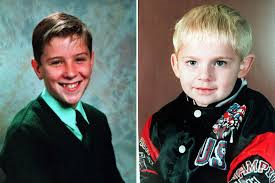


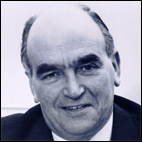


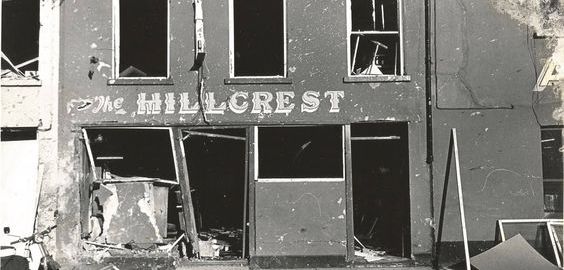


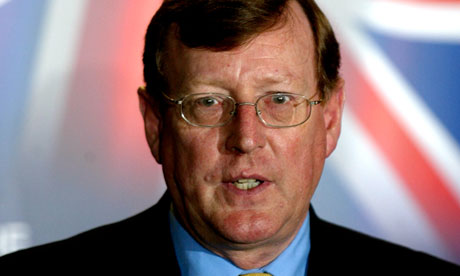











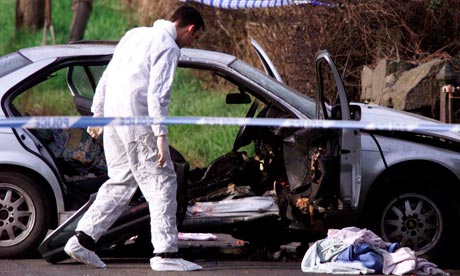
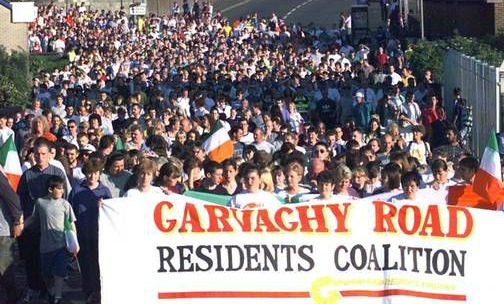


 belfastchildis.com