Key Events & Deaths on this day in Northern Ireland Troubles
26th January
—————————————-
Sunday 26 January 1969
William Morgan, then Minister of Health and Social Services, resigned from the Northern Ireland government
Thursday 26 March 1970
The Police (Northern Ireland) Act became law. The act provided for the disarmament of the Royal Ulster Constabulary (RUC) and the establishment of an RUC reserve force. The Act established the Police Authority of Northern Ireland (PANI) which was meant to contain representatives from across the community.
[None of the main Nationalist parties have ever taken part in the PANI.]
Thursday 26 January 1984
The Hennessy Report, into the mass escape of 38 Republican prisoners from the Maze Prison on 25 September 1983, was published. Most of the responsibility for the escape was placed on prison staff. James Prior, then Secretary of State for Northern Ireland, stated that there would be no ministerial resignations as a result of the report.
Tuesday 26 January 1988
James Molyneaux, then leader of the Ulster Unionist Party (UUP) and Ian Paisley, then leader of the Democratic Unionist Party (DUP) met with Tom King, then Secretary of State for Northern Ireland, and proposed a form of devolved administration for Northern Ireland. The system proposed involved committees with chairpersons being decided on party strength.
Thursday 26 January 1989
The report of an independent inquiry into the claims made in the Thames Television documentary Death on the Rock vindicated the programme. Margaret Thatcher, then British Prime Minister, criticised the report.
Saturday 26 January 1991
The Royal Ulster Constabulary (RUC) carried out a raid on the premises of An Phoblacht (Republican News) in west Belfast. The RUC removed computer equipment and computer disks from the building.
Monday 26 January 1998
UDP Expelled From Talks
The multi-party talks switched venue from Stormont in Belfast to Lancaster House in London in an attempt to inject impetus to the search for a political settlement.
However, following the revelation that the Ulster Freedom Fighters (UFF), a cover name (pseudonym) used by the Ulster Defence Association (UDA), had been involved in the killing of (at least) three Catholics in the previous couple of weeks there were calls for the expulsion of the Ulster Democratic Party (UDP) which is politically associated with the UDA / UFF.
The British and Irish governments, at the insistence of some of the other political parties, took the final decision to expel the UDP. By this time the UDP had already left the talks venue. The two governments issued a document on UDP participation. This indicated that the UDP could re-enter the talks process if the UFF maintained its renewed ceasefire.
[Marjorie (Mo) Mowlam, then Secretary of State for Northern Ireland, revealed that she knew on 12 January 1998 of the UFF’s breach of its ceasefire. Mowlam must have been informed of this by Ronnie Flanagan, then Chief Constable of the Royal Ulster Constabulary (RUC). Flanagan only made the information public on 22 January 1998. Immediately after the UFF was named as being responsible it called a renewed ceasefire. During the 10 day delay in making the announcement public three Catholic civilians were killed by Loyalist paramilitaries.]
The funeral of Liam Conway, shot dead by the Loyalist Volunteer Force (LVF), took place in Donaghmore, County Tyrone. His blind brother helped carry the coffin.
It was revealed that a member of a Royal Ulster Constabulary (RUC) patrol in Derry pointed a gun at a Catholic security man outside a night club and fired a blank bullet. [This incident
Tuesday 26 January 1999
A Catholic family who have lived for 42 years on a mainly Protestant estate near Carrickfergus, County Antrim, discovered a pipe-bomb beside their car. The Red Hand Defenders (RHD) later claimed responsibility. The family said they were shocked at the attack.
[In 2001 it became apparent that RHD was a cover name used by both the Ulster Defence Association (UDA) and the Ulster Volunteer Force (UVF).]
Marjorie (Mo) Mowlam, then Secretary of State for Northern Ireland, published draft legislation that defined the departmental structures in the Northern Ireland Assembly. John McFall, then Education Minister, announced a school building programme of over £67 million.
Friday 26 January 2001
There was a pipe-bomb attack in Ballymoney. It took place in the same housing estate where the Quinn children were killed on 12 July 1998. The Royal Ulster Constabulary (RUC) said it could not rule out a sectarian motive for the attack. There were pipe-bomb attacks on the homes of two Catholic families in the Waterside area of Derry. The two families were related.
[Only one of the devices was found at the time, the remains of the second device was discovered on Sunday 28 January 2001.]
The attacks were carried out by Loyalist paramilitaries.
Saturday 26 January 2002
Gerry Adams, then President of Sinn Féin (SF), said that he agreed in principle that the Omagh bombers should be brought to justice. However he stated that the real issue was how the police had dealt with the information already in its possession. Adams said that people would make their own judgement on whether information should be passed to the police and that many would see it as “a moral issue” (BBC, ‘Inside Politics’).
—————————————————————————
Remembering all innocent victims of the Troubles
Today is the anniversary of the death of the following people killed as a results of the conflict in Northern Ireland
“To live in hearts we leave behind is not to die
– Thomas Campbell
To the innocent on the list – Your memory will live forever
– To the Paramilitaries –
There are many things worth living for, a few things worth dying for, but nothing worth killing for.
6 People lost their lives on the 26th January between 1972– 1992
————————————————————
26 January 1972 Peter McNulty, (47)
Catholic Status: Irish Republican Army (IRA),
Killed by: Irish Republican Army (IRA) Killed in premature bomb explosion during attack on Castlewellan Royal Ulster Constabulary (RUC) base, County Down.
————————————————————
26 January 1974
John Rodgers, (50)
Protestant Status: Royal Ulster Constabulary (RUC),
Killed by: Irish Republican Army (IRA) Shot while on Royal Ulster Constabulary (RUC) foot patrol, Antrim Road, Glengormley, near Belfast, County Antrim.
————————————————————
26 January 1975
Edward Wilson, (16)
Protestant Status: Civilian (Civ),
Killed by: Irish Republican Army (IRA) Air Cadet. Killed by booby trap bomb at Air Training Corps premises, Old Cavehill Road, Belfast.
————————————————————
26 January 1980 Errol Pryce, (21)
nfNI
Status: British Army (BA),
Killed by: Irish Republican Army (IRA) Shot by sniper while on British Army (BA) foot patrol, Whiterock Road, Ballymurphy, Belfast
————————————————————
26 January 1987
George Shaw, (57)
Protestant Status: Ulster Defence Regiment (UDR),
Killed by: Irish Republican Army (IRA) Off duty. Shot outside his home, Coalisland Road, Dungannon, County Tyrone
————————————————————
26 January 1992 John McIvor, (36)
Catholic Status: Civilian (Civ),
Killed by: non-specific Loyalist group (LOY) Found stabbed to death, in the toilets of Liverpool Supporters’ Social Club, Templemore Avenue, Belfast.
————————————————————
This is simply the story of a boy trying to grow up, survive, thrive, have fun & discover himself against a backdrop of events that might best be described as ‘explosive’, captivating & shocking the world for thirty long years.
Sperm whale deaths: Fifth whale washes up in Lincolnshire
A fifth sperm whale has washed up on the east coast of England.
It follows the death of a beached whale in Hunstanton, Norfolk, on Friday and the discovery of three carcasses near Skegness over the weekend.
The sperm whales are believed to be from a pod spotted off the Norfolk coast.
The fifth whale was found at Wainfleet, Lincolnshire, on Monday afternoon, the Maritime and Coastguard Agency reported.
It was found on the site of a former bombing range, and warnings have been issued for people to stay away.
The Lincolnshire Wildlife Trust tweeted: “There is no public access to the area and it is extremely dangerous with tidal creeks and the potential for unexploded ordinance. Many of the lanes to the marshes are private and not accessible.”
Sperm whale deaths: Fifth whale washed up in Lincolnshire
————————————————–
Marine biologists were using a probe to examine one of the Skegness whales earlier on Monday when there was a “huge blast of air”, said BBC reporter David Sykes.
Mature males average 16 metres (52 ft) in length but some may reach 20.5 metres (67 ft), with the head representing up to one-third of the animal’s length. The sperm whale feeds primarily on squid. Plunging to 2,250 metres (7,382 ft) for prey, it is the second deepest diving mammal, following only the Cuvier’s beaked whale.[9] The sperm whale’s clicking vocalization, a form of echolocation and communication, may be as loud as 230 decibels (re 1 µPa at 1 m) underwater.[10] It has the largest brain of any animal on Earth, more than five times heavier than a human’s. Sperm whales can live for more than 60 years.[11]
The sperm whale can be found anywhere in the open ocean. Females and young males live together in groups while mature males live solitary lives outside of the mating season. The females cooperate to protect and nurse their young. Females give birth every four to twenty years, and care for the calves for more than a decade. A mature sperm whale has few natural predators. Calves and weakened adults are taken by pods of orcas.
——————————————————–
SPERM WHALES ‘ADOPT’ DEFORMED DOLPHIN
——————————————————–
From the early eighteenth century through the late 20th, the species was a prime target of whalers. The head of the whale contains a liquid wax called spermaceti, from which the whale derives its name. Spermaceti was used in lubricants, oil lamps, and candles. Ambergris, a waste product from its digestive system, is still used as a fixative in perfumes. Occasionally the sperm whale’s great size allowed it to defend itself effectively against whalers. The species is now protected by a whaling moratorium, and is currently listed as vulnerable by the International Union for the Conservation of Nature and Natural Resources (IUCN).
Taxonomy and naming
Etymology
The name sperm whale is a clip of spermaceti whale. Spermaceti, originally mistakenly identified as the whales’ semen, is the semi-liquid, waxy substance found within the whale’s head (see below).[12] The sperm whale is also known as the “cachalot”, which is thought to derive from the archaic French for “tooth” or “big teeth”, as preserved for example in cachau in the Gascon dialect (a word of either Romance[13] or Basque[14] origin). The etymological dictionary of Corominas says the origin is uncertain, but it suggests that it comes from the Vulgar Latincappula, plural of cappulum, “sword hilt”.[15] The word cachalot came to English via French from Spanish or Portuguese cachalote, perhaps from Galician/Portuguese cachola, “big head”.[16] The term is retained in the Russian word for the animal, кашалот (kashalot), as well as in many other languages.
The scientific genus name Physeter comes from Greekphysētēr (φυσητήρ), meaning “blowpipe, blowhole (of a whale)”, or – as a pars pro toto – “whale”. The specific namemacrocephalus is Latinized from the Greek makrokephalos (μακροκέφαλος, meaning “big-headed”), from makros (μακρός, “large”) + kefalos (κέφαλος, “head”).
Its synonymous specific name catodon means “down-tooth”, from the Greek elements cat(a)- (“below”) and odṓn (“tooth”); so named because it has visible teeth only in its lower jaw.[17] (See: Teeth) Another synonym australasianus (“Australasian“) was applied to sperm whales in the southern hemisphere.[18]
Taxonomy
The sperm whale belongs to the orderCetartiodactyla,[19][20][21][22][23] the order containing all cetaceans and even-toed ungulates. It is a member of the unranked clade Cetacea, with all the whales, dolphins, and porpoises, and further classified into Odontoceti, containing all the toothed whales and dolphins. It is the sole extant species of its genus, Physeter, in the family Physeteridae. Two species of the related extant genus Kogia, the pygmy sperm whaleKogia breviceps and the dwarf sperm whaleK. simus, are placed either in this family or in the family Kogiidae.[24] In some taxonomic schemes the families Kogiidae and Physeteridae are combined as the superfamily Physeteroidea (see the separate entry on the sperm whale family).[25]
The sperm whale is one of the species originally described by Linnaeus in 1758 in his eighteenth century work, Systema Naturae. He recognised four species in the genus Physeter.[26] Experts soon realised that just one such species exists, although there has been debate about whether this should be named P. catodon or P. macrocephalus, two of the names used by Linnaeus. Both names are still used, although most recent authors now accept macrocephalus as the valid name, limiting catodon’s status to a lesser synonym.[b]
The sperm whale is the largest toothed whale, with adult males measuring up to 20.5 metres (67 ft) long and weighing up to 57,000 kilograms (56 long tons; 63 short tons).[35][36] By contrast, the second largest toothed whale, Baird’s Beaked Whale measures 12.8 metres (42 ft) and weighs up to 15 short tons (14,000 kg).[37] The Nantucket Whaling Museum has a 5.5 metres (18 ft)-long jawbone. The museum claims that this individual was 24 metres (80 ft) long; the whale that sank the Essex (one of the incidents behind Moby-Dick) was claimed to be 26 metres (85 ft). A similar size is reported from a jawbone from the British Natural History Museum. A 67-foot specimen is reported from a Soviet whaling fleet near the Kurile Islands in 1950.[38][39] There is disagreement on the claims of adult males approaching or exceeding 24 metres (80 ft) in length.[40]
Extensive whaling may have decreased their size, as males were highly sought, primarily after World War II.[39] Today, males do not usually exceed 18.3 metres (60 ft) in length or 51,000 kilograms (50 long tons; 56 short tons) in weight.[34] Another view holds that exploitation by overwhaling had virtually no effect on the size of the bull sperm whales, and their size may have actually increased in current times on the basis of density dependent effects.[41]
It is among the most sexually dimorphic of all cetaceans. At birth both sexes are about the same size,[34] but mature males are typically 30% to 50% longer and three times as massive as females.[35]
Unusual among cetaceans, the sperm whale’s blowhole is highly skewed to the left of the head
The sperm whale’s unique body is unlikely to be confused with any other species. The sperm whale’s distinctive shape comes from its very large, block-shaped head, which can be one-quarter to one-third of the animal’s length. The S-shaped blowhole is located very close to the front of the head and shifted to the whale’s left.[35] This gives rise to a distinctive bushy, forward-angled spray.
The sperm whale’s flukes (tail lobes) are triangular and very thick. Proportionally, they are larger than that of any other cetacean, and are very flexible.[42] The whale lifts its flukes high out of the water as it begins a feeding dive.[35] It has a series of ridges on the back’s caudal third instead of a dorsal fin. The largest ridge was called the ‘hump’ by whalers, and can be mistaken for a dorsal fin because of its shape and size.[34]
In contrast to the smooth skin of most large whales, its back skin is usually wrinkly and has been likened to a prune by whale-watching enthusiasts.[43]Albinos have been reported.[44][45][46]
Skeleton
Sperm whale skeleton
The ribs are bound to the spine by flexible cartilage, which allows the ribcage to collapse rather than snap under high pressure.[47] While sperm whales are well adapted to diving, repeated dives to great depths have long-term effects. Bones show the same pitting that signals decompression sickness in humans. Older skeletons showed the most extensive pitting, whereas calves showed no damage. This damage may indicate that sperm whales are susceptible to decompression sickness, and sudden surfacing could be lethal to them.[48]
Like all cetaceans, the spine of the sperm whale has reduced zygapophysial joints, of which the remnants are modified and are positioned higher on the vertebral dorsal spinous process, hugging it laterally, to prevent extensive lateral bending and facilitate more dorso-ventral bending. These evolutionary modifications make the spine more flexible but weaker than the spines of terrestrial vertebrates.[49]
As with other toothed whales, the skull of the sperm whale is asymmetrical so as to aid echolocation. Sound waves that strike the whale from different directions will not be channeled in the same way.[50] Within the basin of the cranium, the openings of the bony narial tubes (from which the nasal passages spring) are skewed towards the left side of the skull.
Jaws and teeth
The lower jaw is long and narrow. The teeth fit into sockets along the upper jaw.
The sperm whale’s lower jaw is very narrow and underslung.[51] The sperm whale has 18 to 26 teeth on each side of its lower jaw which fit into sockets in the upper jaw.[51] The teeth are cone-shaped and weigh up to 1 kilogram (2.2 lb) each.[52] The teeth are functional, but do not appear to be necessary for capturing or eating squid, as well-fed animals have been found without teeth or even with deformed jaws. One hypothesis is that the teeth are used in aggression between males.[53] Mature males often show scars which seem to be caused by the teeth. Rudimentary teeth are also present in the upper jaw, but these rarely emerge into the mouth.[54] Analyzing the teeth is the preferred method for determining a whale’s age. Like the age-rings in a tree, the teeth build distinct layers of cementum and dentine as they grow.[55]
Brain
The sperm whale’s brain is the largest in the world, five times heavier than a human’s.
The brain is the largest known of any modern or extinct animal, weighing on average about 7.8 kilograms (17 lb),[56][57] more than five times heavier than a human’s, and has a volume of about 8,000 cm3.[58] Although larger brains generally correlate with higher intelligence, it is not the only factor. Elephants and dolphins also have larger brains than humans.[59] The sperm whale has a lower encephalization quotient than many other whale and dolphin species, lower than that of non-human anthropoid apes, and much lower than humans‘.[57][60]
The sperm whale’s cerebrum is the largest in all mammalia, both in absolute and relative terms. The olfactory system is reduced, suggesting that the sperm whale has a poor sense of taste and smell. By contrast, the auditory system is enlarged. The pyramidal tract is poorly developed, reflecting the reduction of its limbs.[61]
Biological systems
The sperm whale respiratory system has adapted to cope with drastic pressure changes when diving. The flexible ribcage allows lung collapse, reducing nitrogen intake, and metabolism can decrease to conserve oxygen.[62][63] Between dives, the sperm whale surfaces to breathe for about eight minutes before diving again.[35] Odontoceti (toothed whales) breathe air at the surface through a single, S-shaped blowhole, which is extremely skewed to the left. Sperm whales spout (breathe) 3–5 times per minute at rest, increasing to 6–7 times per minute after a dive. The blow is a noisy, single stream that rises up to 2 metres (6.6 ft) or more above the surface and points forward and left at a 45° angle.[64] On average, females and juveniles blow every 12.5 seconds before dives, while large males blow every 17.5 seconds before dives.[65] A sperm whale killed 160 km (100 mi) south of Durban, South Africa after a 1-hour, 50-minute dive was found with two dogfish (Scymnodon sp.), usually found at the sea floor, in its belly.[66]
The sperm whale has the longest intestinal system in the world,[67] exceeding 300 m in larger specimens.[68][69]The sperm whale has four stomachs. The first secretes no gastric juices and has very thick muscular walls to crush the food (since whales cannot chew) and resist the claw and sucker attacks of swallowed squid. The second stomach is larger and is where digestion takes place. Undigested squid beaks accumulate in the second stomach – as many as 18,000 have been found in some dissected specimens.[68][70][71] Most squid beaks are vomited by the whale, but some occasionally make it to the hindgut. Such beaks precipitate the formation of ambergris.[71]
The arterial system of a sperm whale foetus.
In 1959, the heart of a 22 metric tons (24 short tons) male taken by whalers was measured to be 116 kilograms (256 lb), about 0.5% of its total mass.[72] The circulatory system has a number of specific adaptations for the aquatic environment. The diameter of the aortic arch increases as it leaves the heart. This bulbous expansion acts as a windkessel, ensuring a steady blood flow as the heart rate slows during diving.[73] The arteries that leave the aortic arch are positioned symmetrically. There is no costocervical artery. There is no direct connection between the internal carotid artery and the vessels of the brain.[74] Their circulatory system has adapted to dive at great depths, as much as 2,250 metres (7,382 ft).[9]Myoglobin, which stores oxygen in muscle tissue, is much more abundant than in terrestrial animals.[75] The blood has a high density of red blood cells, which contain oxygen-carrying haemoglobin. The oxygenated blood can be directed towards only the brain and other essential organs when oxygen levels deplete.[76][77][78] The spermaceti organ may also play a role by adjusting buoyancy (see below).[79] The arterial retia mirabilia are extraordinarily well-developed. The complex arterial retia mirabilia of the sperm whale are more extensive and larger than those of any other cetacean.[74]
Anatomy of the sperm whale’s head. The organs above the jaw are devoted to sound generation.
Atop the whale’s skull is positioned a large complex of organs filled with a liquid mixture of fats and waxes called spermaceti. The purpose of this complex is to generate powerful and focused clicking sounds, which the sperm whale uses for echolocation and communication.[80][81][82][83][84][85][86][87][88][89][89][90]
The spermaceti organ is like a large barrel of spermaceti. Its surrounding wall, known as the case, is extremely tough and fibrous. The case can hold within it up to 1,900 litres of spermaceti.[91] It is proportionately larger in males.[92] This oil is a mixture of triglycerides and wax esters. The proportion of wax esters in the spermaceti organ increases with the age of the whale: 38–51% in calves, 58–87% in adult females, and 71–94% in adult males.[93] The spermaceti at the core of the organ has a higher wax content than the outer areas.[94] The speed of sound in spermaceti is 2,684 m/s (at 40 kHz, 36 °C), making it nearly twice as fast as in the oil in a dolphin’s melon.[95] Below the spermaceti organ lies the “junk” (so-called because many whalers dismissed this part as a worthwhile source of oil), which consists of compartments of spermaceti separated by cartilage. It is analogous to the melon found in other toothed whales.
Running through the head are two air passages. The left passage runs alongside the spermaceti organ and goes directly to the blowhole, whilst the right passage runs underneath the spermaceti organ and passes air through a pair of phonic lips and into the distal sac at the very front of the nose. The distal sac is connected to the blowhole and the terminus of the left passage. When the whale is submerged, it can close the blowhole, and air that passes through the phonic lips can circulate back to the lungs. The sperm whale, unlike other odontocetes, has only one pair of phonic lips, whereas all other toothed whales have two,[96] and it is located at the front of the nose instead of behind the melon.
At the posterior end of this spermaceti complex is the frontal sac, which covers the concave surface of the cranium. The posterior wall of the frontal sac is covered with fluid–filled knobs, which are about 4–13 mm in diameter and separated by narrow grooves. The anterior wall is smooth. The knobbly surface reflects sound waves that come through the spermaceti organ from the phonic lips. The grooves between the knobs trap a film of air that is consistent whatever the orientation or depth of the whale, making it an excellent sound mirror.[95]
The spermaceti organs may also help adjust the whale’s buoyancy. It is hypothesized that before the whale dives, cold water enters the organ, and it is likely that the blood vessels constrict, reducing blood flow, and, hence, temperature. The wax therefore solidifies and reduces in volume.[79][97] The increase in specific density generates a down force of about 392 newtons (88 lbf) and allows the whale to dive with less effort.[citation needed] During the hunt, oxygen consumption, together with blood vessel dilation, produces heat and melts the spermaceti, increasing its buoyancy and enabling easy surfacing.[98] However, more recent work[84] have found many problems with this theory including the lack of anatomical structures for the actual heat exchange.[99]
Herman Melville‘s fictional story Moby Dick suggests that the “case” containing the spermaceti serves as a battering ram for use in fights between males.[100] Apart from a few famous instances such as the well-documented sinking of the ships Essex and Ann Alexander by attackers estimated to weigh only one-fifth as much as the ships, this hypothesis is not well supported in current scientific literature.[101]
The phonic lips.
The frontal sac, exposed. Its surface is covered with fluid-filled knobs.
A piece of the posterior wall of the frontal sac. The grooves between the knobs trap a consistent film of air, making it an excellent sound mirror.[95]
Like other toothed whales, the sperm whale can retract its eyes.
The sperm whale’s eye does not differ greatly from those of other toothed whales except in size. It is the largest among the toothed whales, weighing about 170 g. It is overall ellipsoid in shape, compressed along the visual axis, measuring about 7×7×3 cm. The cornea is elliptical and the lens is spherical. The sclera is very hard and thick, roughly 1 cm anteriorly and 3 cm posteriorly. There are no ciliary muscles. The choroid is very thick and contains a fibrous tapetum lucidum. Like other toothed whales, the sperm whale can retract and protrude its eyes thanks to a 2-cm-thick retractor muscle attached around the eye at the equator.[102]
According to Fristrup and Harbison (2002),[103] sperm whales eyes afford good vision and sensitivity to light. They conjectured that sperm whales use vision to hunt squid, either by detecting silhouettes from below or by detecting bioluminescence. If sperm whales detect silhouettes, Fristrup and Harbison suggested that they hunt upside down, allowing them to use the forward parts of the ventral visual fields for binocular vision.
Sleeping
For some time researchers have been aware that pods of sperm whales may sleep for short periods, assuming a vertical position with their heads just below or at the surface. A 2008 study published in Current Biology recorded evidence that whales may sleep with both sides of the brain. It appears that some whales may fall into a deep sleep for about 7 percent of the time, most often between 6 p.m. and midnight.[104]
Genetics
Sperm whales have 21 pairs of chromosomes (2n=42).[105] The genome of live whales can be examined by recovering shed skin.[106]
Vocalization complex
Mechanism
When echolocating, the sperm whale emits a directionally focused beam of broadband clicks. Clicks are generated by forcing air through a pair of phonic lips (also known as “monkey lips” or “museau de singe”) at the front end of the nose, just below the blowhole. The sound then travels backwards along the length of the nose through the spermaceti organ. Most of the sound energy is then reflected off the frontal sac at the cranium and into the melon, whose lens-like structure focuses it.[81][82][83][84][85][86][87][88] Some of the sound will reflect back into the spermaceti organ and back towards the front of the whale’s nose, where it will be reflected through the spermaceti organ a third time. This back and forth reflection which happens on the scale of a few milliseconds creates a multi-pulse click structure.[107] This multi-pulse click structure allows researchers to measure the whale’s spermaceti organ using only the sound of its clicks. [108][109] Because the IPI of a sperm whale’s click is related to the length of the sound producing organ, an individual whale’s click is unique to that individual. However, if the whale matures and the size of the spermaceti organ increases, the tone of the whale’s click will also change.[109] The lower jaw is the primary reception path for the echoes. A continuous fat-filled canal transmits received sounds to the inner ear.[110]
The source of the air forced through the phonic lips is the right nasal passage. While the left nasal passage opens to the blow hole, the right nasal passage has evolved to supply air to the phonic lips. It is thought that the nostrils of the land-based ancestor of the sperm whale migrated through evolution to their current functions, the left nostril becoming the blowhole and the right nostril becoming the phonic lips.[111]
Air that passes through the phonic lips passes into the distal sac, then back down through the left nasal passage. This recycling of air allows the whale to continuously generate clicks for as long as it is submerged.[112]
Types of vocalization
A creak is a rapid series of high-frequency clicks that sounds somewhat like a creaky door hinge. It is typically used when homing in on prey.[113]
A coda is a short pattern of 3 to 20 clicks that is used in social situations. They were once thought to be a way by which individuals identified themselves, but individuals have been observed producing multiple codas, and the same codas are used by multiple individuals.[114] However, each click contains a physical signature which suggests that clicks can be used to identify individuals.[80] Geographically separate pods exhibit distinct dialects.[115] Large males are generally solitary and rarely produce codas.[114] In breeding grounds, codas are almost entirely produced by adult females. Despite evidence that sperm whales share similar codas, it is still unknown whether sperm whales possess individually specific coda repertoires or whether individuals make codas at different rates.[116]
Slow clicks are heard only in the presence of males (it is not certain whether females occasionally make them). Males make a lot of slow clicks in breeding grounds (74% of the time), both near the surface and at depth, which suggests they are primarily mating signals. Outside breeding grounds, slow clicks are rarely heard, and usually near the surface.[117]
Sperm whales are among the most cosmopolitan species. They prefer ice-free waters over 1,000 metres (3,300 ft) deep.[2] Although both sexes range through temperate and tropical oceans and seas, only adult males populate higher latitudes.[44]
They are relatively abundant from the poles to the equator and are found in all the oceans. They inhabit the Mediterranean Sea, but not the Black Sea,[34] while its presence in the Red Sea is uncertain.[2] The shallow entrances to both the Black Sea and the Red Sea may account for their absence.[118] The Black Sea’s lower layers are also anoxic and contain high concentrations of sulphur compounds such as hydrogen sulphide.[119]
Grown males are known to enter surprisingly shallow bays to rest (whales will be in state of rest during these occasions). There are unique, coastal groups reported from various areas such as Scotland,[128] Shiretoko Peninsula, off Kaikoura, in Davao Gulf, and so on.
Diet
A piece of sperm whale skin with giant squid sucker scars
Sperm whales usually dive between 300 to 800 metres (980 to 2,620 ft), and sometimes 1 to 2 kilometres (3,300 to 6,600 ft), in search of food.[129] Such dives can last more than an hour.[129] They feed on several species, notably the giant squid, but also the colossal squid, octopuses, and fish like demersalrays, but their diet is mainly medium-sized squid.[130] Some prey may be taken accidentally while eating other items.[130] Most of what is known about deep sea squid has been learned from specimens in captured sperm whale stomachs, although more recent studies analysed feces. One study, carried out around the Galápagos, found that squid from the genera Histioteuthis (62%), Ancistrocheirus (16%), and Octopoteuthis (7%) weighing between 12 and 650 grams (0.026 and 1.433 lb) were the most commonly taken.[131] Battles between sperm whales and giant squid or colossal squid have never been observed by humans; however, white scars are believed to be caused by the large squid. One study published in 2010 collected evidence that suggests that female sperm whales may collaborate when hunting Humboldt squid.[132] Tagging studies have shown that sperm whales hunt upside down at the bottom of their deep dives. It is suggested that the whales can see the squid silhouetted above them against the dim surface light.[133]
An older study, examining whales captured by the New Zealand whaling fleet in the Cook Strait region, found a 1.69:1 ratio of squid to fish by weight.[134] Sperm whales sometimes take sablefish and toothfish from long lines. Long-line fishing operations in the Gulf of Alaska complain that sperm whales take advantage of their fishing operations to eat desirable species straight off the line, sparing the whales the need to hunt.[135] However, the amount of fish taken is very little compared to what the sperm whale needs per day. Video footage has been captured of a large male sperm whale “bouncing” a long line, to gain the fish.[136] Sperm whales are believed to prey on the megamouth shark, a rare and large deep-sea species discovered in the 1970s.[137] In one case, three sperm whales were observed attacking or playing with a megamouth.[138]
The sharp beak of a consumed squid lodged in the whale’s intestine may lead to the production of ambergris, analogous to the production of pearls.[139] The irritation of the intestines caused by squid beaks stimulates the secretion of this lubricant-like substance. Sperm whales are prodigious feeders and eat around 3% of their body weight per day. The total annual consumption of prey by sperm whales worldwide is estimated to be about 91 million tonnes (100 million short tons).[140] In comparison, human consumption of seafood is estimated to be 115 million tonnes (127 million short tons).[141]
Sperm whales hunt through echolocation. Their clicks are among the most powerful sounds in the animal kingdom (see above). It has been hypothesised that it can stun prey with its clicks. Experimental studies attempting to duplicate this effect have been unable to replicate the supposed injuries, casting doubt on this idea.[142]
It has been stated that sperm whales, as well as other large cetaceans, help fertilise the surface of the ocean by consuming nutrients in the depths and transporting those nutrients to the oceans’ surface when they defecate, an effect known as the whale pump.[143] This fertilises phytoplankton and other plants on the surface of the ocean and contributes to ocean productivity and the drawdown of atmospheric carbon.[144]
Sperm whales can live 70 years or more.[34][44][145] They are a prime example of a species that has been K-selected, meaning their reproductive strategy is associated with stable environmental conditions and comprises a low birth rate, significant parental aid to offspring, slow maturation, and high longevity.[35]
How they choose mates has not been definitively determined. Males will fight with each other over females, and males will mate with multiple females, making them polygynous, but they do not dominate the group like a harem.[146][147] Males do not provide paternal care to their offspring.[148]
Females become fertile at around 9 years of age.[149] The oldest pregnant female ever recorded was 41 years old.[150]Gestation requires 14 to 16 months, producing a single calf.[34] Sexually mature females give birth once every 4 to 20 years (pregnancy rates were higher during the whaling era).[149] Birth is a social event, as the mother and calf need others to protect them from predators. The other adults may jostle and bite the newborn in its first hours.[151]
Lactation proceeds for 19 to 42 months, but calves, rarely, may suckle up to 13 years.[34] Like other whales, the sperm whale’s milk has a higher fat content than that of terrestrial mammals: about 36%,[152] compared to 4% in cow milk. This gives it a consistency similar to cottage cheese,[153] which prevents it from dissolving in the water before the calf can eat it.[154] It has an energy content of roughly 3,840 kcal/kg,[152] compared to just 640 kcal/kg in cow milk.[155] Calves may be allowed to suckle from females other than their mothers.[34]
Males become sexually mature at 18 years. Upon reaching sexual maturity, males move to higher latitudes, where the water is colder and feeding is more productive. Females remain at lower latitudes.[34] Males reach their full size at about age 50.[35]
Social behaviour
Relations within the species
Sperm whales adopt the “marguerite formation” to defend a vulnerable pod member.
Adult males who are not breeding live solitary lives, whereas females and juvenile males live together in groups. The main driving force for the sexual segregation of adult sperm whales is scramble competition for mesopelagic squid.[156] Females and their young remain in groups,[35] while mature males leave their “natal unit” somewhere between 4 and 21 years of age. Mature males sometimes form loose bachelor groups with other males of similar age and size.[35] As males grow older, they typically live solitary lives.[35] Mature males have beached themselves together, suggesting a degree of cooperation which is not yet fully understood.[35] The whales rarely, if ever, leave their group.[157]
A social unit is a group of sperm whales who live and travel together over a period of years. Individuals rarely, if ever, join or leave a social unit. There is a huge variance in the size of social units. They are most commonly between six and nine individuals in size but can have more than twenty.[158] Unlike orcas, sperm whales within a social unit show no significant tendency to associate with their genetic relatives.[159] Females and calves spend about three quarters of their time foraging and a quarter of their time socializing. Socializing usually takes place in the afternoon.[160]
When sperm whales socialize, they emit complex patterns of clicks called codas. They will spend much of the time rubbing against each other. Tracking of diving whales suggests that groups engage in herding of prey, similar to bait balls created by other species, though the research needs to be confirmed by tracking the prey.[161][162]
Relations with other species
The most common natural predator of sperm whales is the orca, but pilot whales and false killer whales sometimes harass them.[163][164] Orcas prey on target groups of females with young, usually making an effort to extract and kill a calf. The adults will protect their calves or an injured adult by encircling them. They may face inwards with their tails out (the ‘marguerite formation’, named after the flower). The heavy and powerful tail of an adult whale can deliver lethal blows.[165] Alternatively, they may face outwards (the ‘heads-out formation’). Early whalers exploited this behaviour, attracting a whole unit by injuring one of its members.[166] If the orca pod is extremely large, its members may sometimes be able to kill adult female sperm whales. Solitary mature males are known to interfere and come to the aid of vulnerable groups nearby.[167] Individual large mature male sperm whales have no non-human predators, and are believed to be too large, powerful and aggressive to be threatened by orcas.[168] In addition, male sperm whales have been observed to attack and intimidate orca pods. An incident was filmed from a long-line trawler: an orca pod was systematically taking fish caught on the trawler’s long lines (as the lines were being pulled into the ship) when a male sperm whale appeared to repeatedly charge the orca pod in an attempt to drive them away; it was speculated by the film crew that the sperm whale was attempting to access the same fish. The orcas employed a tail outward and tail slapping defensive position against the bull sperm whale similar to that used by female sperm whales against attacking orcas.[169]
Sperm whales are not known for forging bonds with other species, but it was observed that a bottlenose dolphin with spinal deformity had been accepted into a pod of sperm whales.[170] They are known to swim alongside other cetaceans such as humpback,[171]fin, minke, pilot,[172] and orca whales on occasion.[173]
Fossil sperm whales differ from modern sperm whales in tooth count and the shape of the face and jaws.[178] For example, Scaldicetus had a tapered rostrum.[179] Genera from the Oligocene and early and middle Miocene, with the possible exception of Aulophyseter, had teeth in their upper jaws.[178]Acrophyseter, from the late Miocene, also had teeth in both the upper and lower jaws as well as a short rostrum and an upward curving mandible (lower jaw).[25] These anatomical differences suggest that fossil species may not have necessarily been deep-sea squid eaters like the modern sperm whale, but that some genera mainly ate fish.[178]Zygophyseter, dated from the middle to late Miocene and found in southern Italy, had teeth in both jaws and appears to have been adapted to feed on large prey, rather like the modern Orca (Killer Whale). Other fossil sperm whales with adaptations similar to this are collectively known as killer sperm whales.[175]
Phylogeny
The traditional view has been that Mysticeti (baleen whales) and Odontoceti (toothed whales) arose from more primitive whales early in the Oligocene period, and that the super-family Physeteroidea, which contains the sperm whale, dwarf sperm whale, and pygmy sperm whale, diverged from other toothed whales soon after that, over 23million years ago.[176][178] From 1993 to 1996, molecular phylogenetics analyses by Milinkovitch and colleagues, based on comparing the genes of various modern whales, suggested that the sperm whales are more closely related to the baleen whales than they are to other toothed whales, which would have meant that Odontoceti were not monophyletic; in other words, it did not consist of a single ancestral toothed whale species and all its descendants.[174] However, more recent studies, based on various combinations of comparative anatomy and molecular phylogenetics, criticised Milinkovitch’s analysis on technical grounds and reaffirmed that the Odontoceti are monophyletic.[174][181][182]
In the 19th century, sperm whales were hunted using rowboats and hand-thrown harpoons, a rather dangerous method, as the whales sometimes fought back.
Spermaceti, obtained primarily from the spermaceti organ, and sperm oil, obtained primarily from the blubber in the body, were much sought after by eighteenth, nineteenth, and twentieth century whalers. These substances found a variety of commercial applications, such as candles, soap, cosmetics, machine oil, other specialised lubricants, lamp oil, pencils, crayons, leather waterproofing, rust-proofing materials and many pharmaceutical compounds.[183][184][185][186]Ambergris, a solid, waxy, flammable substance produced in the digestive system of sperm whales, was also sought as a fixative in perfumery.
Prior to the early eighteenth century, hunting was mostly by indigenous Indonesians.[187] Legend has it that sometime in the early eighteenth century, around 1712, Captain Christopher Hussey, while cruising for right whales near shore, was blown offshore by a northerly wind, where he encountered a sperm whale pod and killed one.[188] Although the story may not be true, sperm whales were indeed soon exploited by American whalers. Judge Paul Dudley, in his Essay upon the Natural History of Whales (1725), states that one Atkins, ten or twelve years in the trade, was among the first to catch sperm whales sometime around 1720 off the New England coast.[189]
There were only a few recorded catches during the first few decades (1709–1730s) of offshore sperm whaling. Instead, sloops concentrated on Nantucket Shoals, where they would have taken right whales or went to the Davis Strait region to catch bowhead whales. By the early 1740s, with the advent of spermaceti candles (before 1743), American vessels began to focus on sperm whales. The diary of Benjamin Bangs (1721–1769) shows that, along with the bumpkin sloop he sailed, he found three other sloops flensing sperm whales off the coast of North Carolina in late May 1743.[190] On returning to Nantucket in the summer 1744 on a subsequent voyage, he noted that “45 spermacetes are brought in here this day,” another indication that American sperm whaling was in full swing.[190]
American sperm whaling soon spread from the east coast of the American colonies to the Gulf Stream, the Grand Banks, West Africa (1763), the Azores (1765), and the South Atlantic (1770s). From 1770 to 1775 Massachusetts, New York, Connecticut, and Rhode Island ports produced 45,000 barrels of sperm oil annually, compared to 8,500 of whale oil.[191] In the same decade, the British began sperm whaling, employing American ships and personnel.[192] By the following decade, the French had entered the trade, also employing American expertise.[192] Sperm whaling increased until the mid-nineteenth century. Spermaceti oil was important in public lighting (for example, in lighthouses, where it was used in the United States until 1862, when it was replaced by lard oil, in turn replaced by petroleum) and for lubricating the machines (such as those used in cotton mills) of the Industrial Revolution. Sperm whaling declined in the second half of the nineteenth century, as petroleum came into broader use. In that sense, petroleum use may be said to have protected whale populations from even greater exploitation.[193][194] Sperm whaling in the eighteenth century began with small sloops carrying only one or two whaleboats. The fleet’s scope and size increased over time, and larger ships entered the fishery. In the late eighteenth century and early nineteenth century sperm whaling ships sailed to the equatorial Pacific, the Indian Ocean, Japan, the coast of Arabia, Australia and New Zealand.[192][195][196] Hunting could be dangerous to the crew, since sperm whales (especially bulls) will readily fight to defend themselves against attack, unlike most baleen whales. When dealing with a threat, sperm whales will use their huge head effectively as a battering ram.[101] Arguably the most famous sperm whale counter-attack occurred on 20 November 1820, when a whale claimed to be about 25.9 metres (85 ft) long rammed and sank the Nantucket whaleship Essex. Only 8 out of 21 sailors survived to be rescued by other ships.[197] This instance is popularly believed to have inspired Herman Melville‘s famous book Moby-Dick.[198]
Scrimshaw was the art of drawing on the teeth of sperm whales. It was a way for whalers to pass the time between hunts.
The sperm whale’s ivory-like teeth were often sought by eighteenth- and nineteenth-century whalers, who used them to produce inked carvings known as scrimshaw. Thirty teeth of the sperm whale can be used for ivory. Each of these teeth, up to 20 cm (8 in) and 8 cm (3 in) across, are hollow for the first half of their length. Like walrus ivory, sperm whale ivory has two distinct layers. However, sperm whale ivory contains a much thicker inner layer. Though a widely practised art in the nineteenth century, scrimshaw using genuine sperm whale ivory declined substantially after the retirement of the whaling fleets in the 1880s. Currently the Endangered Species Act and the Convention on International Trade in Endangered Species of Wild Fauna and Flora (CITES), prevents the sales of or trade in sperm whale ivory harvested after 1973 or scrimshaw crafted from it.
Modern whaling was more efficient than open-boat whaling, employing steam-powered ships and exploding harpoons. Initially, modern whaling activity focused on large baleen whales, but as these populations were taken, sperm whaling increased. Spermaceti, the fine waxy oil produced by sperm whales, was in high demand. In both the 1941 to 1942 and 1942 to 1943 seasons, Norwegian expeditions took over 3,000 sperm whales off the coast of Peru alone. After the war, whaling continued unabated to obtain oil for cosmetics and high-performance machinery, such as automobile transmissions.
The hunting led to the near extinction of large whales, including sperm whales, until bans on whale oil use were instituted in 1972. The International Whaling Commission gave the species full protection in 1985 but hunting by Japan in the northern Pacific Ocean continued until 1988.[194]
It is estimated that the historic worldwide population numbered 1,100,000 before commercial sperm whaling began in the early eighteenth century.[2] By 1880 it had declined by an estimated 29 percent.[2] From that date until 1946, the population appears to have partially recovered as whaling activity decreased, and after World War II, the whale population increases to 33 percent of the pre-whaling population.[2] Between 184,000 and 236,000 sperm whales were killed by the various whaling nations in the nineteenth century,[199] while in the twentieth century, at least 770,000 were taken, the majority between 1946 and 1980.[200]
Sperm whaling peaked in the 1830s and 1960s.
Sperm whales increase levels of primary production and carbon export by depositing iron-rich faeces into surface waters of the Southern Ocean. The iron-rich faeces cause phytoplankton to grow and take up more carbon from the atmosphere. When the phytoplankton dies, it sinks to the deep ocean and takes the atmospheric carbon with it. By reducing the abundance of sperm whales in the Southern Ocean, whaling has resulted in an extra 2 million tonnes of carbon remaining in the atmosphere each year.[201]
Remaining sperm whale populations are large enough that the species’ conservation status is rated as vulnerable rather than endangered.[2] However, the recovery from centuries of commercial whaling is a slow process, particularly in the South Pacific, where the toll on breeding-age males was severe.[202]
Current conservation status
The total number of sperm whales in the world is unknown, but is thought to be in the hundreds of thousands.[2] The conservation outlook is brighter than for many other whales. Commercial whaling has ceased,[2] and the species is protected almost worldwide, though records indicate that in the eleven-year period starting from 2000, Japan has caught 51 sperm whales. Fishermen do not target the creatures sperm whales eat,[2] but long-line fishing operations in the Gulf of Alaska have complained about sperm whales stealing fish from their lines.[135]
Currently, entanglement in fishing nets and collisions with ships represent the greatest threats to the sperm whale population.[44] Other threats include ingestion of marine debris, ocean noise, and chemical pollution.[203] The International Union for Conservation of Nature (IUCN) regards the sperm whale as being “Vulnerable“.[2] The species is listed as endangered on the United States Endangered Species Act.[204]
Rope-mounted teeth are important cultural objects throughout the Pacific. In New Zealand, the Māori know them as “rei puta”; such whale tooth pendants were rare objects because sperm whales were not actively hunted in traditional Māori society.[206] Whale ivory and bone were taken from beached whales. In Fiji the teeth are known as tabua, traditionally given as gifts for atonement or esteem (called sevusevu), and were important in negotiations between rival chiefs.[207]Friedrich Ratzel in The History of Mankind reported in 1896 that, in Fiji, whales’ or cachalots’ teeth were the most-demanded article of ornament or value. They occurred often in necklaces.[208] Today the tabua remains an important item in Fijian life. The teeth were originally rare in Fiji and Tonga, which exported teeth, but with the Europeans’ arrival, teeth flooded the market and this “currency” collapsed. The oversupply led in turn to the development of the European art of scrimshaw.[209]
Herman Melville‘s novel Moby-Dick is based on a true story about a sperm whale that attacked and sank the whaleship Essex.[210][211] Melville associated the sperm whale with the Bible’s Leviathan.[211][212] The fearsome reputation perpetuated by Melville was based on bull whales’ ability to fiercely defend themselves from attacks by early whalers, occasionally resulting in the destruction of the whaling ships.
The sperm whale was designated as the Connecticutstate animal by the CT General Assembly in 1975. It was selected because of its specific contribution to the state’s history and because of its present-day plight as an endangered species.[213]
Sperm whales are not the easiest of whales to watch, due to their long dive times and ability to travel long distances underwater. However, due to the distinctive look and large size of the whale, watching is increasingly popular. Sperm whale watchers often use hydrophones to listen to the clicks of the whales and locate them before they surface. Popular locations for sperm whale watching include the town of Kaikoura on New Zealand‘s South Island, Andenes and Tromsø in Arctic Norway; as well as the Azores, where the continental shelf is so narrow that whales can be observed from the shore,[120][214] and Dominica[215] where a long-term scientific research program, The Dominica Sperm Whale Project, has been in operation since 2005.[
Robert Burns (25 January 1759 – 21 July 1796), also known as Rabbie Burns, the Bard of Ayrshire and various other names and epithets,[nb 1] was a Scottish poet and lyricist. He is widely regarded as the national poet of Scotland and is celebrated worldwide. He is the best known of the poets who have written in the Scots language, although much of his writing is also in English and a light Scots dialect, accessible to an audience beyond Scotland. He also wrote in standard English, and in these writings his political or civil commentary is often at its bluntest.
He is regarded as a pioneer of the Romantic movement, and after his death he became a great source of inspiration to the founders of both liberalism and socialism, and a cultural icon in Scotland and among the Scottish diaspora around the world. Celebration of his life and work became almost a national charismatic cult during the 19th and 20th centuries, and his influence has long been strong on Scottish literature. In 2009 he was chosen as the greatest Scot by the Scottish public in a vote run by Scottish television channel STV.
He was born in a house built by his father (now the Burns Cottage Museum), where he lived until Easter 1766, when he was seven years old. William Burnes sold the house and took the tenancy of the 70-acre (280,000 m2) Mount Oliphant farm, southeast of Alloway. Here Burns grew up in poverty and hardship, and the severe manual labour of the farm left its traces in a premature stoop and a weakened constitution.
He had little regular schooling and got much of his education from his father, who taught his children reading, writing, arithmetic, geography, and history and also wrote for them A Manual Of Christian Belief. He was also taught by John Murdoch (1747–1824), who opened an “adventure school” in Alloway in 1763 and taught Latin, French, and mathematics to both Robert and his brother Gilbert (1760–1827) from 1765 to 1768 until Murdoch left the parish. After a few years of home education, Burns was sent to Dalrymple Parish School during the summer of 1772 before returning at harvest time to full-time farm labouring until 1773, when he was sent to lodge with Murdoch for three weeks to study grammar, French, and Latin.
By the age of 15, Burns was the principal labourer at Mount Oliphant. During the harvest of 1774, he was assisted by Nelly Kilpatrick (1759–1820), who inspired his first attempt at poetry, “O, Once I Lov’d A Bonnie Lass”. In the summer of 1775, he was sent to finish his education with a tutor at Kirkoswald, where he met Peggy Thompson (b.1762), to whom he wrote two songs, “Now Westlin’ Winds” and “I Dream’d I Lay”.
Tarbolton
Despite his ability and character, William Burnes was consistently unfortunate, and migrated with his large family from farm to farm without ever being able to improve his circumstances. At Whitsun, 1777, he removed his large family from the unfavourable conditions of Mount Oliphant to the 130-acre (0.53 km2) farm at Lochlea, near Tarbolton, where they stayed until William Burnes’ death in 1784. Subsequently, the family became integrated into the community of Tarbolton. To his father’s disapproval, Robert joined a country dancing school in 1779 and, with Gilbert, formed the Tarbolton Bachelors’ Club the following year. His earliest existing letters date from this time, when he began making romantic overtures to Alison Begbie (b. 1762). In spite of four songs written for her and a suggestion that he was willing to marry her, she rejected him.
Robert Burns was initiated into masonic Lodge St David, Tarbolton, on 4 July 1781, when he was 22.
In December 1781, Burns moved temporarily to Irvine to learn to become a flax-dresser, but during the workers’ celebrations for New Year 1781/1782 (which included Burns as a participant) the flax shop caught fire and was burnt to the ground. This venture accordingly came to an end, and Burns went home to Lochlea farm. During this time he met and befriended Captain Richard Brown who encouraged him to become a poet.
He continued to write poems and songs and began a commonplace book in 1783, while his father fought a legal dispute with his landlord. The case went to the Court of Session, and Burnes was upheld in January 1784, a fortnight before he died.
Robert and Gilbert made an ineffectual struggle to keep on the farm, but after its failure they moved to the farm at Mossgiel, near Mauchline, in March, which they maintained with an uphill fight for the next four years. During the summer of 1784 Burns came to know a group of girls known collectively as The Belles of Mauchline, one of whom was Jean Armour, the daughter of a stonemason from Mauchline.
Love affairs
His first child, Elizabeth Paton Burns (1785–1817), was born to his mother’s servant, Elizabeth Paton (1760–circa 1799), while he was embarking on a relationship with Jean Armour, who became pregnant with twins in March 1786. Burns signed a paper attesting his marriage to Jean, but her father “was in the greatest distress, and fainted away”. To avoid disgrace, her parents sent her to live with her uncle in Paisley. Although Armour’s father initially forbade it, they were eventually married in 1788.[6] Armour bore him nine children, only three of whom survived infancy.
Burns was in financial difficulties due to his want of success in farming, and to make enough money to support a family he took up a friend’s offer of work in Jamaica,[7] at a salary of £30 per annum.[8][9] The position that Burns accepted was as a bookkeeper on a slave plantation. Burns’s egalitarian views were typified by “The Slave’s Lament” six years later, but in 1786 there was little public awareness of the abolitionist movement that began about that time.[10][11]
At about the same time, Burns fell in love with Mary Campbell (1763–1786), whom he had seen in church while he was still living in Tarbolton. She was born near Dunoon and had lived in Campbeltown before moving to work in Ayrshire. He dedicated the poems “The Highland Lassie O”, “Highland Mary”, and “To Mary in Heaven” to her. His song “Will ye go to the Indies, my Mary, And leave auld Scotia’s shore?” suggests that they planned to emigrate to Jamaica together. Their relationship has been the subject of much conjecture, and it has been suggested that on 14 May 1786 they exchanged Bibles and plighted their troth over the Water of Fail in a traditional form of marriage. Soon afterwards Mary Campbell left her work in Ayrshire, went to the seaport of Greenock, and sailed home to her parents in Campbeltown.[8][9]
In October 1786, Mary and her father sailed from Campbeltown to visit her brother in Greenock. Her brother fell ill with typhus, which she also caught while nursing him. She died of typhus on 20 or 21 October 1786 and was buried there.[9]
Kilmarnock Edition
Title page of the Kilmarnock Edition
As Burns lacked the funds to pay for his passage to the West Indies, Gavin Hamilton suggested that he should “publish his poems in the mean time by subscription, as a likely way of getting a little money to provide him more liberally in necessaries for Jamaica.” On 3 April Burns sent proposals for publishing his Scotch Poems to John Wilson, a local printer in Kilmarnock, who published these proposals on 14 April 1786, on the same day that Jean Armour’s father tore up the paper in which Burns attested his marriage to Jean. To obtain a certificate that he was a free bachelor, Burns agreed on 25 June to stand for rebuke in the Mauchline kirk for three Sundays. He transferred his share in Mossgiel farm to his brother Gilbert on 22 July, and on 30 July wrote to tell his friend John Richmond that, “Armour has got a warrant to throw me in jail until I can find a warrant for an enormous sum … I am wandering from one friend’s house to another.”[12]
On 31 July 1786 John Wilson published the volume of works by Robert Burns, Poems, Chiefly in the Scottish dialect.[13] Known as the Kilmarnock volume, it sold for 3 shillings and contained much of his best writing, including “The Twa Dogs”, “Address to the Deil“, “Halloween“, “The Cotter’s Saturday Night”, “To a Mouse“, “Epitaph for James Smith“, and “To a Mountain Daisy“, many of which had been written at Mossgiel farm. The success of the work was immediate, and soon he was known across the country.
Burns postponed his planned emigration to Jamaica on 1 September, and was at Mossgiel two days later when he learnt that Jean Armour had given birth to twins. On 4 September Thomas Blacklock wrote a letter expressing admiration for the poetry in the Kilmarnock volume, and suggesting an enlarged second edition.[13] A copy of it was passed to Burns, who later recalled, “I had taken the last farewell of my few friends, my chest was on the road to Greenock; I had composed the last song I should ever measure in Scotland – ‘The Gloomy night is gathering fast’ – when a letter from Dr Blacklock to a friend of mine overthrew all my schemes, by opening new prospects to my poetic ambition. The Doctor belonged to a set of critics for whose applause I had not dared to hope. His opinion that I would meet with encouragement in Edinburgh for a second edition, fired me so much, that away I posted for that city, without a single acquaintance, or a single letter of introduction.”[14]
On 27 November 1786 Burns borrowed a pony and set out for Edinburgh. On 14 December William Creech issued subscription bills for the first Edinburgh edition of Poems, Chiefly in the Scottish dialect, which was published on 17 April 1787. Within a week of this event, Burns had sold his copyright to Creech for 100 guineas.[13] For the edition, Creech commissioned Alexander Nasmyth to paint the oval bust-length portrait now in the Scottish National Portrait Gallery, which was engraved to provide a frontispiece for the book. Nasmyth had come to know Burns and his fresh and appealing image has become the basis for almost all subsequent representations of the poet.[15] In Edinburgh, he was received as an equal by the city’s men of letters—including Dugald Stewart, Robertson, Blair and others—and was a guest at aristocratic gatherings, where he bore himself with unaffected dignity. Here he encountered, and made a lasting impression on, the 16-year-old Walter Scott, who described him later with great admiration:
His person was strong and robust; his manners rustic, not clownish, a sort of dignified plainness and simplicity which received part of its effect perhaps from knowledge of his extraordinary talents. His features are presented in Mr Nasmyth’s picture but to me it conveys the idea that they are diminished, as if seen in perspective. I think his countenance was more massive than it looks in any of the portraits … there was a strong expression of shrewdness in all his lineaments; the eye alone, I think, indicated the poetical character and temperament. It was large, and of a dark cast, and literally glowed when he spoke with feeling or interest. I never saw such another eye in a human head, though I have seen the most distinguished men of my time.
The new edition of his poems brought Burns £400. His stay in the city also resulted in some lifelong friendships, among which were those with Lord Glencairn, and Frances Anna Dunlop (1730–1815), who became his occasional sponsor and with whom he corresponded for many years until a rift developed. He embarked on a relationship with the separated Agnes “Nancy” McLehose (1758–1841), with whom he exchanged passionate letters under pseudonyms (Burns called himself “Sylvander” and Nancy “Clarinda”‘). When it became clear that Nancy would not be easily seduced into a physical relationship, Burns moved on to Jenny Clow (1766–1792), Nancy’s domestic servant, who bore him a son, Robert Burns Clow, in 1788. He also had an affair with a servant girl, Margaret “May” Cameron. His relationship with Nancy concluded in 1791 with a final meeting in Edinburgh before she sailed to Jamaica for what turned out to be a short-lived reconciliation with her estranged husband. Before she left, he sent her the manuscript of “Ae Fond Kiss” as a farewell.
In Edinburgh, in early 1787, he met James Johnson, a struggling music engraver and music seller with a love of old Scots songs and a determination to preserve them. Burns shared this interest and became an enthusiastic contributor to The Scots Musical Museum. The first volume was published in 1787 and included three songs by Burns. He contributed 40 songs to volume two, and he ended up responsible for about a third of the 600 songs in the whole collection, as well as making a considerable editorial contribution. The final volume was published in 1803.
On his return from Edinburgh in February 1788, he resumed his relationship with Jean Armour and took a lease on Ellisland Farm, Dumfriesshire, settling there in June. He also trained as a gauger or exciseman in case farming continued to be unsuccessful. He was appointed to duties in Customs and Excise in 1789 and eventually gave up the farm in 1791. Meanwhile, in November 1790, he had written “Tam O’ Shanter“. About this time he was offered and declined an appointment in London on the staff of The Star newspaper,[16] and refused to become a candidate for a newly created Chair of Agriculture in the University of Edinburgh,[16] although influential friends offered to support his claims. He did however accept membership of the Royal Company of Archers in 1792.[17]
Lyricist
After giving up his farm, he removed to Dumfries. It was at this time that, being requested to write lyrics for The Melodies of Scotland, he responded by contributing over 100 songs. He made major contributions to George Thomson‘s A Select Collection of Original Scottish Airs for the Voice as well as to James Johnson’s Scots Musical Museum. Arguably his claim to immortality chiefly rests on these volumes, which placed him in the front rank of lyric poets. As a songwriter he provided his own lyrics, sometimes adapted from traditional words. He put words to Scottish folk melodies and airs which he collected, and composed his own arrangements of the music including modifying tunes or recreating melodies on the basis of fragments. In letters he explained that he preferred simplicity, relating songs to spoken language which should be sung in traditional ways. The original instruments would be fiddle and the guitar of the period which was akin to a cittern, but the transcription of songs for piano has resulted in them usually being performed in classical concert or music hall styles.[18]
Thomson as a publisher commissioned arrangements of “Scottish, Welsh and Irish Airs” by such eminent composers of the day as Franz Haydn and Ludwig van Beethoven, with new lyrics. The contributors of lyrics included Burns. While such arrangements had wide popular appeal,[19][20][21][22] Beethoven’s music was more advanced and difficult to play than Thomson intended.[23][24]
Burns described how he had to master singing the tune before he composed the words:
Burns House in Dumfries, Scotland
My way is:
I consider the poetic sentiment, correspondent to my idea of the musical expression, then chuse my theme, begin one stanza, when that is composed—which is generally the most difficult part of the business—I walk out, sit down now and then, look out for objects in nature around me that are in unison or harmony with the cogitations of my fancy and workings of my bosom, humming every now and then the air with the verses I have framed. when I feel my Muse beginning to jade, I retire to the solitary fireside of my study, and there commit my effusions to paper, swinging, at intervals, on the hind-legs of my elbow chair, by way of calling forth my own critical strictures, as my, pen goes.
—Robert Burns
Burns also worked to collect and preserve Scottish folk songs, sometimes revising, expanding, and adapting them. One of the better known of these collections is The Merry Muses of Caledonia (the title is not Burns’s), a collection of bawdy lyrics that were popular in the music halls of Scotland as late as the 20th century. Many of Burns’s most famous poems are songs with the music based upon older traditional songs. For example, “Auld Lang Syne” is set to the traditional tune “Can Ye Labour Lea”, “A Red, Red Rose” is set to the tune of “Major Graham” and “The Battle of Sherramuir” is set to the “Cameronian Rant”.
Failing health and death
The death room of Robert Burns
Robert Burns Mausoleum at St. Michael’s churchyard in Dumfries
Burns’s worldly prospects were perhaps better than they had ever been; but he had become soured, and moreover he had alienated many of his best friends by too freely expressing sympathy with the French Revolution and the then unpopular advocates of reform at home. His political views also came to the notice of his employers and in an attempt to prove his loyalty to the Crown, Burns joined the Royal Dumfries Volunteers in March 1795.[25] As his health began to give way, he began to age prematurely and fell into fits of despondency. The habits of intemperance (alleged mainly by temperance activist James Currie)[26] are said to have aggravated his long-standing possible rheumatic heart condition.[27] His death followed a dental extraction in winter 1795.
On the morning of 21 July 1796, Burns died in Dumfries, at the age of 37. The funeral took place on Monday 25 July 1796, the day that his son Maxwell was born. He was at first buried in the far corner of St. Michael’s Churchyard in Dumfries; a simple “slab of freestone” was erected as his gravestone by Jean Armour, which some felt insulting to his memory.[28] His body was eventually moved to its final location in the same cemetery, the Burns Mausoleum, in September 1817.[29] The body of his widow Jean Armour was buried with his in 1834.[27]
Armour had taken steps to secure his personal property, partly by liquidating two promissory notes amounting to fifteen pounds sterling (about 1,100 pounds at 2009 prices).[30] The family went to the Court of Session in 1798 with a plan to support his surviving children by publishing a four-volume edition of his complete works and a biography written by Dr. James Currie. Subscriptions were raised to meet the initial cost of publication, which was in the hands of Thomas Cadell and William Davies in London and William Creech, bookseller in Edinburgh.[31] Hogg records that fund-raising for Burns’s family was embarrassingly slow, and it took several years to accumulate significant funds through the efforts of John Syme and Alexander Cunningham.[27]
Burns was posthumously given the freedom of the town of Dumfries.[26] Hogg records that Burns was given the freedom of the Burgh of Dumfries on 4 June 1787, 9 years before his death, and was also made an Honorary Burgess of Dumfries.[32]
Through his twelve children, Burns has over 600 living descendants as of 2012.[33]
Literary style
Burns’s style is marked by spontaneity, directness, and sincerity, and ranges from the tender intensity of some of his lyrics through the humour of “Tam o’ Shanter” and the satire of “Holy Willie’s Prayer” and “The Holy Fair”.
Statue of Burns in Dumfries town centre, unveiled in 1882
Burns’s poetry drew upon a substantial familiarity with and knowledge of Classical, Biblical, and English literature, as well as the Scottish Makar tradition.[34] Burns was skilled in writing not only in the Scots language but also in the Scottish English dialect of the English language. Some of his works, such as “Love and Liberty” (also known as “The Jolly Beggars”), are written in both Scots and English for various effects.[35]
The strong emotional highs and lows associated with many of Burns’s poems have led some, such as Burns biographer Robert Crawford,[37] to suggest that he suffered from manic depression—a hypothesis that has been supported by analysis of various samples of his handwriting. Burns himself referred to suffering from episodes of what he called “blue devilism”. However, the National Trust for Scotland has downplayed the suggestion on the grounds that evidence is insufficient to support the claim.[38]
Influence
Britain
Burns is generally classified as a proto-Romantic poet, and he influenced William Wordsworth, Samuel Taylor Coleridge, and Percy Bysshe Shelley greatly. His direct literary influences in the use of Scots in poetry were Allan Ramsay and Robert Fergusson. The Edinburgh literati worked to sentimentalise Burns during his life and after his death, dismissing his education by calling him a “heaven-taught ploughman”. Burns influenced later Scottish writers, especially Hugh MacDiarmid, who fought to dismantle what he felt had become a sentimental cult that dominated Scottish literature.
Canada
Burns Monument in Dorchester square, Montréal, Québec
Burns had a significant influence on Alexander McLachlan[39] and some influence on Robert Service. While this may not be so obvious in Service’s English verse, which is Kiplingesque, it is more readily apparent in his Scots verse.[40]
Scottish Canadians have embraced Robert Burns as a kind of patron poet and mark his birthday with festivities. ‘Robbie Burns Day’ is celebrated from Newfoundland and Labrador[41] to Nanaimo.[42] Every year, Canadian newspapers publish biographies of the poet,[43] listings of local events[44] and buffet menus.[45] Universities mark the date in a range of ways: McMaster University library organized a special collection[46] and Simon Fraser University‘s Centre for Scottish Studies organized a marathon reading of Burns’ poetry).[47][48]Senator Heath Macquarrie quipped of Canada’s first Prime Minister that “While the lovable [Robbie] Burns went in for wine, women and song, his fellow Scot, John A. did not chase women and was not musical!” [49] ‘Gung Haggis Fat Choy’ is a hybrid of Chinese New Year and Robbie Burns Day, celebrated in Vancouver since the late 1990s.[50][51]
United States
In January 1864, President Abraham Lincoln was invited to attend a Robert Burns celebration by Robert Crawford; and if unable to attend, send a toast. Lincoln composed a toast.[52]
An example of Burns’s literary influence in the U.S. is seen in the choice by novelist John Steinbeck of the title of his 1937 novel, Of Mice and Men, taken from a line in the second-to-last stanza of “To a Mouse“: “The best laid schemes o’ mice an’ men / Gang aft agley.” Burns’s influence on American vernacular poets such as James Whitcomb Riley and Frank Lebby Stanton has been acknowledged by their biographers.[53] When asked for the source of his greatest creative inspiration, singer songwriter Bob Dylan selected Burns’s 1794 song “A Red, Red Rose” as the lyric that had the biggest effect on his life.[54][55] The author J. D. Salinger used protagonist Holden Caulfield’s misinterpretation of Burns’s poem “Comin’ Through the Rye” as his title and a main interpretation of Caulfield’s grasping to his childhood in his 1951 novel The Catcher in the Rye. The poem, actually about a rendezvous, is thought by Caulfield to be about saving people from falling out of childhood.[56]
Russia
Burns became the “people’s poet” of Russia. In Imperial Russia Burns was translated into Russian and became a source of inspiration for the ordinary, oppressed Russian people. In Soviet Russia, he was elevated as the archetypal poet of the people. As a great admirer of the egalitarian ethos behind the American and French Revolutions who expressed his own egalitarianism in poems such as his “Birthday Ode for George Washington” or his “Is There for Honest Poverty” (commonly known as “A Man’s a Man for a’ that”), Burns was well placed for endorsement by the Communist regime as a “progressive” artist. A new translation of Burns begun in 1924 by Samuil Marshak proved enormously popular, selling over 600,000 copies.[57] The USSR honoured Burns with a commemorative stamp in 1956. He remains popular in Russia after the fall of the Soviet Union.[58]
Burns clubs have been founded worldwide. The first one, known as The Mother Club, was founded in Greenock in 1801 by merchants born in Ayrshire, some of whom had known Burns. The club set its original objectives as “To cherish the name of Robert Burns; to foster a love of his writings, and generally to encourage an interest in the Scottish language and literature.” The club also continues to have local charitable work as a priority.[59]
Burns’s birthplace in Alloway is now a public museum known as Burns Cottage. His house in Dumfries is operated as the Robert Burns House, and the Robert Burns Centre in Dumfries features more exhibits about his life and works. Ellisland Farm in Auldgirth, which he owned from 1788 to 1791, is maintained as a working farm with a museum and interpretation centre by the Friends of Ellisland Farm.
Significant 19th-century monuments to him stand in Alloway, Edinburgh, and Dumfries. An early 20th-century replica of his birthplace cottage belonging to the Burns Club Atlanta stands in Atlanta, Georgia. These are part of a large list of Burns memorials and statues around the world.
In the suburb of Summerhill, Dumfries, the majority of the streets have names with Burns connotations. A British Rail Standard Class 7 steam locomotive was named after him, along with a later Class 87 electric locomotive, No. 87035. On 24 September 1996, Class 156 diesel unit 156433 was named “The Kilmarnock Edition” by Jimmy Knapp, General Secretary of the RMT union, at Girvan Station to launch the new “Burns Line” services between Girvan, Ayr, and Kilmarnock, supported by Strathclyde Passenger Transport (SPT).
Several streets surrounding the Frederick Law Olmsted, Jr.‘s Back Bay Fens in Boston, Massachusetts, were designated with Burns connotations. A life-size statue was dedicated in Burns’s honour within the Back Bay Fens of the West Fenway neighbourhood in 1912. It stood until 1972 when it was relocated downtown, sparking protests from the neighbourhood, literary fans, and preservationists of Olmsted’s vision for the Back Bay Fens.
There is a statue of Burns in The Octagon, Dunedin, in the same pose as the one in Dundee. Dunedin’s first European settlers were Scots; Thomas Burns, a nephew of Burns, was one of Dunedin’s founding fathers.
A crater on Mercury is named after Burns.
In November 2012, Burns was awarded the title Honorary Chartered Surveyor[60] by The Royal Institution of Chartered Surveyors, the only posthumous membership so far granted by the institution.
The oldest statue of Burns is in the town of Camperdown, Victoria.[61] It now hosts an annual Robert Burns Scottish Festival in celebration of the statue and its history.[62]
The Soviet Union was the first country in the world to honour Burns with a commemorative stamp, marking the 160th anniversary of his death in 1956.[63]
The Royal Mail has issued postage stamps commemorating Burns three times. In 1966, two stamps were issued, priced fourpence and one shilling and threepence, both carrying Burns’s portrait. In 1996, an issue commemorating the bicentenary of his death comprised four stamps, priced 19p, 25p, 41p and 60p and including quotes from Burns’s poems. On 22 January 2009, two stamps were issued by the Royal Mail to commemorate the 250th anniversary of Burns’s birth.
Burns was pictured on the Clydesdale Bank £5 note from 1971 to 2009.[64][65] On the reverse of the note was a vignette of a field mouse and a wild rose in reference to Burns’s poem “To a Mouse”. The Clydesdale Bank’s notes were redesigned in 2009 and, since then, he has been pictured on the front of their £10 note.[65] In September 2007, the Bank of Scotland redesigned their banknotes to feature famous Scottish bridges. The reverse side of new £5 features Brig o’ Doon, famous from Burns’s poem “Tam o’ Shanter”, and pictures the statue of Burns at that site.[66]
In 1996, the Isle of Man issued a four-coin set of Crown (5/-) pieces on the themes of “Auld Lang Syne”, Edinburgh Castle, Revenue Cutter, and Writing Poems.[67] Tristan da Cunha produced a gold £5 Bicentenary Coin.[68]
In 1976, singer Jean Redpath, in collaboration with composer Serge Hovey, started to record all of Burns’ songs, with a mixture of traditional and Burns’ own compositions. The project ended when Hovey died, after seven of the planned twenty-two volumes were completed. Redpath also recorded four cassettes of Burns’ songs (re-issued as 3 CDs) for the Scots Musical Museum.[70]
In 1996, a musical about Burns’s life called Red Red Rose won third place at a competition for new musicals in Denmark. Robert Burns was played by John Barrowman. On 25 January 2008, a musical play about the love affair between Robert Burns and Nancy McLehose entitled Clarinda premiered in Edinburgh before touring Scotland.[71] The plan was that Clarinda would make its American premiere in Atlantic Beach, FL, at Atlantic Beach Experimental Theatre on 25 January 2013.[72]Eddi Reader has released two albums, Sings the Songs of Robert Burns and The Songs of Robert Burns Deluxe Edition, about the work of the poet.
“Great chieftain o’ the puddin-race!” – cutting the haggis at a Burns supper
Burns Night, in effect a second national day, is celebrated on Burns’s birthday, 25 January, with Burns suppers around the world, and is more widely observed in Scotland than the official national day, St. Andrew’s Day. The first Burns supper in The Mother Club in Greenock was held on what was thought to be his birthday on 29 January 1802; in 1803 it was discovered from the Ayr parish records that the correct date was 25 January 1759.[59]
The format of Burns suppers has changed little since. The basic format starts with a general welcome and announcements, followed with the Selkirk Grace. After the grace comes the piping and cutting of the haggis, when Burns’s famous “Address to a Haggis” is read and the haggis is cut open. The event usually allows for people to start eating just after the haggis is presented. At the end of the meal, a series of toasts and replies is made. This is when the toast to “the immortal memory”, an overview of Burns’s life and work, is given. The event usually concludes with the singing of “Auld Lang Syne”.
Greatest Scot
In 2009, STV ran a television series and public vote on who was “The Greatest Scot” of all time. Robert Burns won, narrowly beating William Wallace.
————————————-
Fun Facts
1. Burns is a music legend
Countless singers, from Mariah Carey to Susan Boyle, have covered Robert’s poem, Auld Lang Syne
2. How many statues?
There are more statues of Robert Burns in the world than any other non-religious figure, after Queen Victoria and Christopher Columbus.
In fact, you can’t go anywhere without bumping in to him, with statues in Australia, Canada, America, New Zealand and of course, the UK.
3. He was a womaniser
When he wasn’t busy writing astounding poems, he had a pretty busy schedule in the bedroom too. Burn fathered 12 children from four different mothers.
His last child, Maxwell, was born on the day of his funeral in 1796.
4. Long hair, don’t care
He was also a rebel teenager, growing his hair long and wearing it inn a ponytail
The 18th century equivalent of the middle finger at your parents.
5. No net-worth
Despite being widely regarded as the national poet of Scotland, Burns died a very poor man with approximately £1 to his name.
A net-worth of no more than the cost of two cans of Irn Bru.
6. He was very big headed
According to a plaster cast taken of his skull, Robert Burns had a larger head than the average man.
Now, nothing has been scientifically proven but perhaps that is why so much creative genius would flow from his noggin to paper.
7. Burns is Blowin’ in the Wind
Scotland’s National Bard has been the inspiration to many music legends, including Bob Dylan who cited him as his greatest creative inspiration.
8. He inspired Thriller!
Even if you thought Mr Burns was just a character in The Simpsons, you have probably been listening to songs inspired by his writing.
It is said that Michael Jackson’s smash hit Thriller ’ was inspired by Burn’s ‘Tam o’Shanter’ poem.
9. Michael Jackson loved Rabbie
Jacko’s obsession didn’t stop there; he even created a whole album based on Rabbie Burns’ poems.
He and David Gest collaborated to create a musical about the poet’s life.
10. Fans in high places
U.S president, Abraham Lincoln, could recite Burn’s work by heart. He would regularly break out in to sporadic verse to entertain guests at The White House.
A traditional Scottish dish most people either love or hate, given its unique list of ingredients. Haggis is usually made by combining sheep’s ‘pluck’ (heart, liver and lungs) with onion, oatmeal, suet, spices, soaked in stock and then boiled in the sheep’s stomach.
Haggis is traditionally served as part of the Burns supper annually on January 25th, when Scotland’s national poet, Robert Burns, is celebrated.
Availability
Widely available in supermarkets, however cheaper brands normally come in artificial skins rather than the traditional stomach.
Cook it
Haggis is traditionally served with neeps and tatties (turnips and potatoes).
Key Events & Deaths on this day in Northern Ireland Troubles
25th January
———————————————————–
Monday 25 January 1971
The 170 delegates of the Ulster Unionist Council (UUC) called for the resignation of James Chichester-Clark, then Northern Ireland Prime Minister.
Tuesday 25 January 1972
General Ford, then Commander of Land Forces in Northern Ireland, put Andrew MacLellan, Commander 8 Infantry Brigade, in overall command of the operation to contain the civil rights march planned for 30 January 1972.
Sunday 25 January 1976
Two Catholic civilians were killed by Loyalist paramilitaries who had left a bomb at the Hibernian Social Club, Conway Street, Lisburn, County Antrim. A Protestant civilian was shot dead by Loyalists in Portadown.
Monday 25 January 1988
A member of the Royal Ulster Constabulary (RUC) was killed in Belfast.
A Catholic civilian was shot dead in County Down.
Sir Patrick Mayhew, then Attorney-General of the United Kingdom, announced that there were to be no prosecutions of security force members arising from the Stalker and Sampson inquiry into an alleged ‘shoot to kill’ policy by the security forces in Northern Ireland. The reason given was one of ‘national security’.
Tuesday 25 January 1994
The Combined Loyalist Military Command (CLMC) announced that it would adopt a ‘wait and see’ attitude towards the Downing Street Declaration (DSD).
Saturday 25 January 1997
A bomb exploded under a car at Ballynahinch, County Down. The car belonged to three off-duty British soldiers who were visiting a disco in the town. None of the soldiers were seriously injured in the incident.
Martin McGuiness
Sinn Féin (SF) announced its list of candidates for the general election, with Martin McGuinness, then Vice-President of SF, to stand in Mid-Ulster and Gerry Adams, then President of SF, to stand in West Belfast.
Sunday 25 January 1998
A Catholic man, was shot and injured by the Loyalist Volunteer Force (LVF) in the Taghnevan Estate in Lurgan. The man was sitting in the cab of a lorry when a lone gunman shot at him several times.
A man in his 20s was the victim of a paramilitary ‘punishment’ attack. The man was beaten by five masked men who broke into a house in Drummard Park, Derry.
Relatives of those killed on ‘Bloody Sunday’ called on the British government to establish a full, independent inquiry into the killings on 30 January 1972.
Around 1,000 people attended a peace vigil in Belfast to protest against the recent spate of killings of Catholics by Loyalist paramilitary groups.
Monday 25 January 1999
Loyalist paramilitaries carried out a bomb attack on the home of a Catholic man and his elderly mother in Greenisland, County Antrim.
Gerry Adams, then President of Sinn Féin (SF), and Martin McGuinness, then Vice-President of SF, did not attend a meeting with Marjorie (Mo) Mowlam, then Secretary of State for Northern Ireland, about the upsurge in paramilitary ‘punishment’ attacks.
Bairbre de Brun
Bairbre de Brún and Alex Maskey attended on behalf of SF. Adam Ingram, then Security Minister at the Northern Ireland Office (NIO), held a meeting with relatives of Irish Republican Army (IRA) members killed at Loughgall, County Antrim, in 1987. The meeting was criticised by relatives of those killed by the IRA in the same area.
Proinsias De Rossa, formerly leader of Democratic Left (DL), replaced Dick Spring, formerly leader of the Irish Labour Party, as foreign affairs spokesman in the Irish government. Three party colleagues of De Rossa were also given high-profile positions in government.
Thursday 25 January 2001
Six ‘improvised bombs’ were found on the roof of a school in a Loyalist area of east Belfast. More than 160 pupils and staff had to be evacuated while British Army (BA) bomb disposal officers dealt with the devices. There was speculation that the devices were being stored prior to use on Catholics homes in the nearby Nationalist Short Strand area.
Friday 25 January 2002
The security forces made an arms find in west Belfast. A man (54) was arrested and charged with having firearms and ammunition with intent to endanger life. There were three sectarian attacks on houses in Larne, County Antrim. The living room window of a house in Cairngorm Walk was broken.
Two windows of a house at Ballycraigy Ring were broken and a car parked outside also had its windscreen smashed in the attack. In the third attack, the door window of a property in Torr Gardens was also broken.
Lembit Opik, then Liberal Democrats’ Northern Ireland spokesperson, travelled to the region to meet community groups in north and east Belfast.
—————————————————————————
Remembering all innocent victims of the Troubles
Today is the anniversary of the death of the following people killed as a results of the conflict in Northern Ireland
“To live in hearts we leave behind is not to die
– Thomas Campbell
To the innocent on the list – Your memory will live forever
– To the Paramilitaries –
There are many things worth living for, a few things worth dying for, but nothing worth killing for.
9 People lost their lives on the 25th January between 1973– 1989
————————————————————
25 January 1973
William Staunton, (46)
Catholic Status: Civilian (Civ),
Killed by: Irish Republican Army (IRA) Resident magistrate. Died three months after being shot outside St Dominic’s School, Falls Road, Belfast. He was injured on 11 October 1972
————————————————————
25 January 1974 Howard Fawley, (19)
nfNI Status: British Army (BA),
Killed by: Irish Republican Army (IRA) Killed in land mine attack on British Army (BA) foot patrol searching field, Ballymaguigan, near Ballyronan, County Derry.
————————————————————
25 January 1976
Samuel Neill, (29)
Protestant Status: Civilian (Civ),
Killed by: Ulster Volunteer Force (UVF) Shot while walking along Union Street, Edgarstown, Portadown, County Armagh
————————————————————
25 January 1976
Raymond Mayes, (33)
Catholic Status: Civilian (Civ),
Killed by: non-specific Loyalist group (LOY) Killed in bomb attack on Hibernian Social Club, Conway Street, Lisburn, County Antrim.
————————————————————
25 January 1976
John Tennyson, (27)
Catholic Status: Civilian (Civ),
Killed by: non-specific Loyalist group (LOY) Killed in bomb attack on Hibernian Social Club, Conway Street, Lisburn, County Antrim.
————————————————————
25 January 1981 Philip Barker, (25)
nfNI Status: British Army (BA),
Killed by: Irish Republican Army (IRA) Shot while at British Army (BA) pedestrian check point, junction of Berry Street and Church Lane, Belfast.
————————————————————
25 January 1988
John Kielty, (45)
Catholic Status: Civilian (Civ),
Killed by: Ulster Freedom Fighters (UFF) Businessman. Shot at his workplace, Dundrum, near Newcastle, County Down
————————————————————
25 January 1988
Colin Gilmore, (27)
Protestant Status: Royal Ulster Constabulary (RUC),
Killed by: Irish Republican Army (IRA) Killed in grenade attack on Royal Ulster Constabulary (RUC) mobile patrol, outside Royal Victoria Hospital, Falls Road, Belfast.
————————————————————
25 January 1989 David Dornan, (26)
Protestant Status: Civilian (Civ),
Killed by: Ulster Freedom Fighters (UFF) Shot at his workplace, building site, Kingsmore Link Road, Lisburn, County Antrim. Assumed to be a Catholic.
————————————————————
This is simply the story of a boy trying to grow up, survive, thrive, have fun & discover himself against a backdrop of events that might best be described as ‘explosive’, captivating & shocking the world for thirty long years.
When he was exposed as an agent in 1991 he was abducted by the IRA, but escaped and was resettled in England. His identity became publicly known after a minor court case. He was later shot six times by an IRA gunman, but recovered from the injuries. He has written two books about his life, Fifty Dead Men Walking: The Terrifying True Story of a Secret Agent Inside the IRA and Dead Man Running
———————————————
Disclaimer
The views and opinions expressed in this documentary/ies and page are soley intended to educate and provide background information to those interested in the Troubles of Northern Ireland.
They in no way reflect my own opinions and I take no responsibility for any inaccuracies or factual errors
———————————————
————————————————–
The Informer – BBC Panorama Martin McGartland
————————————————–
Childhood in west Belfast
Born into a staunchly Irish republican, Roman Catholic family in Belfast, Northern Ireland, McGartland grew up in a council house in Moyard, Ballymurphy at the foot of the Black Mountain. His parents were separated and he had one brother, Joe, and two sisters, Elizabeth and Catherine. As the violent religious-political conflict known as the Troubles escalated, republican areas such as Ballymurphy increasingly came under the control of the local Provisional IRA (IRA) who, in the absence of normal policing, took on some policing functions. Their methods were not met with approval by all residents.[4] One of the effects of the continuous rioting and the campaign of bombings and shootings in Belfast and all over Northern Ireland was to make McGartland grow up quickly.[5]
McGartland described his childhood in West Belfast as one in which he would join with older boys in stone-throwing to goad the British Army. He also became involved in battles with other Catholic youths against Ulster Protestant boys from nearby loyalist estates; this mostly involved throwing stones at each other. His sister Catherine was one of many children who joined the youth movement of the IRA. She was later killed after accidentally falling through a skylight at her school. He attended Vere Foster Primary School, a “controlled” school located in Moyard, Ballymurphy. The school closed in 2011. McGartland later attended St. Thomas’ Secondary School.[6] He befriended a homeless man who sheltered in the disused Old Broadway cinema on the Falls Road, and provided the man with food and money. McGartland’s first job was working a paper round, and later delivering milk.[7]
Special Branch agent
—————————————
IRA Informers Documentary
—————————————
McGartland became involved in petty crime, which brought him to the notice of the Royal Ulster Constabulary (RUC). His activities also attracted the attention of the IRA and on several occasions he narrowly escaped local disciplinary squads. Since the beginning of the Troubles, many Irish republicans reported offences to Sinn Fein, a political party associated with the IRA, rather than the RUC. This effectively made the IRA a police force in some areas.[8] McGartland says because he was sickened by increasing Provisional IRA violence directed at young Catholic petty lawbreakers in the form of punishment beatings (often carried out with iron bars and baseball bats) and knee-cappings, in 1986 at the age of 16 he agreed to provide information to the RUC about local IRA members, thereby preventing them from carrying out many attacks against the security forces. At the same time, the IRA employed him as a security officer in a protection racket; his job was to guard a building site in Ballymurphy which was under the protection of the IRA.[9] He then worked for a local taxi firm as an unlicensed driver, paying a percentage to the IRA. This enabled him to better identify suspects who had been targeted by RUC Special Branch. He recounted in his book Fifty Dead Men Walking that he occasionally drove IRA punishment squads around and overheard them boast about the beatings they had meted out to their victims. McGartland asserts many were innocent people who had somehow incurred the wrath of a member of the IRA.[10]
Infiltration of the IRA
McGartland later infiltrated the IRA in autumn 1989, having been asked to join by Davy Adams, a leading IRA member and a nephew of Sinn Fein president Gerry Adams. This was after being recommended by childhood friend Harry Fitzsimmons, part of an IRA bomb team, whom McGartland often drove around Belfast. Davy Adams immediately gave McGartland his first assignment which was to check the house of a well-known Ulster Volunteer Force (UVF) figure.[11] McGartland was given the code name Agent Carol by the RUC.[12]
Holding the rank of lieutenant in the IRA Belfast Intelligence unit, he ended up working mainly for Davy Adams, whom he drove to meetings and to survey potential IRA targets. McGartland had a special tracking device attached to his car.[13] He was also recruited by an IRA Active Service Unit (ASU) which was headed by a man known as “Spud”.[14] He convinced his IRA associates that he was a committed member of the organisation and he successfully led a double life, which was kept secret even from the mother of his two sons. From 1989-91, he provided information about IRA activities and planned attacks to the RUC Special Branch. During his time as a Special Branch intelligence agent, he became close to senior IRA members, having daily contact with those responsible for organising and perpetrating the shooting attacks and bombings throughout Northern Ireland.[15] He also worked closely with Belfast actress Rosena Brown, a prominent and highly skilled IRA intelligence officer.[16] Working in the IRA Intelligence unit enabled McGartland to learn about the organisation’s command structure pertaining to finance, ordnance, intelligence and the detailed planning of operations.[17] He discovered how IRA sympathisers had infiltrated various public institutions and businesses, and many members acquired computer skills, thereby enabling the IRA to gain access to detailed information on a wide range of people in Northern Ireland including politicians, lawyers, judges, members of the security forces, Ulster loyalist paramilitaries, and prison officers.[18]
Although McGartland prevented the IRA from carrying out many “spectaculars”, including the planned bombing of two lorries transporting British soldiers from Stranraer to Larne that could have resulted in the loss of over a dozen lives,[19] his reported greatest regret was his failure in June 1991 to save the life of 21-year-old Private Tony Harrison. Harrison, a soldier from London, who was shot by the IRA at the home of his East Belfast fiancee where they were making wedding plans. McGartland had driven the IRA gunmen’s getaway car and had been brought into the operation so late he had no time to advise his handlers although he had previously indicated the IRA’s interest in the area.[20] A taxi driver and republican sympathiser, Noel Thompson, who picked Harrison up at Belfast airport and informed the IRA was later jailed for 12 years for conspiracy to murder.[21]
Exposed as an agent
In that same year 1991, McGartland provided information about a mass shooting attack planned on Charlie Heggarty’s pub in Bangor, County Down, where British soldiers frequently drank after what was generally a football match between the prison wardens. The RUC intercepted the two couriers delivering the guns to be used to shoot the soldiers and McGartland was exposed as an infiltrator.[22] Diaries of the late Detective Superintendent Ian Phoenix, head of the Northern Ireland Police Counter-Surveillance Unit, revealed that he and the other Special Branch officers had advised senior RUC officers against stopping the gun couriers’ vehicles as doing so would put McGartland’s life at risk as well as allow the actual IRA gunmen to escape.[23] The penalty for informing on the IRA was death, often preceded by lengthy and sometimes brutal interrogations.
With his cover blown, McGartland was kidnapped in August 1991 by Jim “Boot” McCarthy and Paul “Chico” Hamilton, two IRA men with previous convictions for paramilitary activities. He would later allege that McCarthy and Hamilton were RUC informers based on what he had personally observed of the men during his kidnapping as he waited to be interrogated, tortured and subsequently executed. These allegations, however, were strongly denied by both men.[24] McGartland escaped being killed by jumping from a third floor window in the Twinbrook flat where he had been taken for interrogation following his abduction.[25]
England
He moved to England and received nearly £100,000 to buy a house and establish a new life in Whitley Bay, Tyne & Wear, going by the name Martin Ashe.[26] He failed in his attempt to receive compensation for his injuries.[27]
Three years after moving to England, the IRA sent his mother a Catholic mass card with McGartland’s name written on it. Mass cards are sent as tokens of sympathy to bereaved families when a member of the family has died.[28]
In 1997, his identity was revealed publicly by the Northumbria Police in court when he was caught breaking the speed limit and subsequently prosecuted for holding driving licences in different names, which he explained as a means of avoiding IRA detection.[12] He was cleared of perverting the course of justice.[29] In June 1997, the BBC broadcast a television documentary on his story.[30]
Journalist Kevin Myers praised McGartland’s heroism and the Sunday Express newspaper described him as a “real-life James Bond“.[31]
Shooting
The street in Whitley Bay where McGartland was shot in June 1999
In 1999, he was shot six times at his home by two men receiving serious wounds in the chest, stomach, side, upper leg and hand. He had attempted to wrestle the gun away from his assailant, but was shot in the left hand, the blast almost destroying his thumb. He received assistance from his neighbours and was rushed to intensive care in hospital where he recovered from his injuries. The IRA was blamed.[32][33] He was relocated immediately, protected by 12 armed officers and given a specially armoured car. Total costs, including the investigation, amounted to £1,500,000.[34]
In 2000, Lord Vivian asked in the House of Lords whether the government intended to remove police protection from McGartland and was told by Lord Bassam of Brighton that “Individual protection arrangements are a matter for the chief constable of the police force concerned and are not discussed for security reasons.”[35]
In 1997 McGartland published a book about his life, Fifty Dead Men Walking.[3] The title indicates the number of lives he considers he saved through his activities.[12] The following year he won his lawsuit against Associated Newspapers, publishers of The Daily Mail, The Evening Standard and This is London web site, which had published an article alleging the shooting might be related to connections with local criminal gangs.[39]
In 2003, PIRA member Scott Gary Monaghan,[40] a native of Glasgow, whose republican career began there in the Kevin Barry Flute Band, and who had been sentenced to 1004 years imprisonment in 1993, sued Northumbria Police for £150,000 for alleged ill-treatment when he was arrested (but not charged) over McGartland’s shooting.[40] McGartland criticised the police for inadequate protection but offered to testify on their behalf, saying: “There are people who have been the victims of terrorist attacks, who’ve lost loved ones, and some of them haven’t been compensated. It’s a scandal. I am the victim of an attack and I got around £50,000 in compensation, which is not a big amount considering my injuries. I’m not complaining. At the end of the day I was grateful to be alive. The reason I will help Northumbria Police is that this is an injustice.”[29] Monaghan’s main claims were for false imprisonment, assault and wrongful interference with goods. They were rejected by the High Court in January 2006. However, he was awarded £100 for a delay in returning items of property. As of September 2008, no one was ever charged with the shooting.[41][42]
Threats to his family
After the 1994 ceasefire, McGartland appealed to be allowed to return home to West Belfast. When he asked Sinn Féin president Gerry Adams, when he would be able to, he was informed that it was a matter between him and the IRA.[12] McGartland has said that his relatives have received harassment from Republicans;[12] in 1996, his brother Joe was subjected to a severe and prolonged IRA punishment beating with baseball bats, iron bars and a wooden plank embedded with nails. The assault left him confined to a wheelchair for three months.[43] In August 2006 Ian Paisley told Peter Hain, Secretary of State for Northern Ireland, “We have also heard how the sister of IRA informer Martin McGartland was told by police that her safety was under threat. This news broke immediately after the Secretary of State’s comments that he believed the IRA had ended all of its illegal activity.”[44]
Home Secretary denial
Despite McGartland being known as one of the best agents to operate during the Troubles,[45] British Home SecretaryTheresa May told a court in early 2014 that she refused to confirm or deny that he was a British agent working for MI5 offering as explanation, “in case providing such information would endanger his life or damage national security”.[45]
McGartland responded by lambasting May, pointing out that “this is one of the daftest things I have ever heard; everyone who is interested knows my past … “[n]o current security interest is at stake.” After highlighting the two books he has written about his life as an undercover agent, one of which was made into a successful film, there have also been six television documentaries on him and a number of newspaper articles. He went on to state, “the authorities wrote to the BBC back in 1997 admitting that I have been resettled and was being protected because of my service to them. I wonder how well briefed the Home Secretary is?”.[45]
There are letters extant which demonstrate that Crown authorities through their solicitors Burton & Burton wrote to the BBC and confirmed that McGartland had worked for them under the code name Agent Carol. And while MI5 admitted in a letter that there was a continued threat to McGartland’s life, they commented “it is not such that he needs immediate police protection or to abandon immediately his residence”. The Crown authorities advised in the same letter that he take up the offer of a new identity. All the comments within the letters had been agreed with Northumbria Police.[46] The following is an extract from the Northumbria Police newspaper “The Crown authorities reject any suggestion that Mr. McGartland has been treated unreasonably. Individuals who have given valuable service to the country and who may be at threat as a result deserve – and receive – considerable support at public expense to ensure their safety”.[citation needed]
May’s department the Home Office oversees MI5 and she herself had signed the application in a court case brought by McGartland and his partner, both of whom are obliged to live under secret identities that were provided by MI5. McGartland additionally has a contract which was signed by MI5 after he was shot in England in which the representatives of the PSNI and Northumbria Police acknowledged his service in general terms. Because he is unable to claim State benefits due to security reasons MI5 had previously helped him financially; however this assistance was withdrawn after he gave an interview to the Belfast Telegraph. He commented, “Refusing to confirm or deny my role is simply a trick to avoid the State’s responsibilities toward someone who has risked his life for it.”[45]
In the same month, May made an application using the controversial “Closed Material Procedures” (CMPs) which are secret courts under the recent Justice and Security Act. If these were to be used in McGartland’s lawsuit against the government for negligence and breach of contract, they would ensure that the public, media, as well as McGartland and his lawyers, would be denied access to the hearings. Instead his case would be heard by a “Special Advocate”. By not being present with his lawyers at the closed court, he would not be privy to anything pertaining to his case that the court submitted. McGartland pointed out that the case had nothing to do with national security or his undercover work 24 years earlier. This move by May was described by some lawyers and Human Rights’ groups as “Kafkaesque”. May argued that were the government to confirm in one case that a person was an agent then refused to comment in another, that would give rise to the suspicion that the person worked as an agent thereby putting his life in danger, McGartland replied that May’s argument would be reasonable if “those particular horses had not bolted long ago
——————————————-
Other high profile Republican informers
Denis Donaldson
—————————————-
Denis Donaldson Sinn Fein Stormontgate press conference
In 1981 he was arrested by French authorities at Orly airport, along with fellow IRA volunteer, William “Blue” Kelly. The duo were using false passports and Donaldson said that they were returning from a guerrilla training camp in Lebanon. At the 1983 general election, Donaldson was the Sinn Féin candidate in Belfast East.
In the late 1980s, he travelled to Lebanon again and held talks with both Lebanese Shia militias, Hezbollah and Amal, in an effort to secure the freedom of the Irish hostage Brian Keenan.
As the Sinn Féin leadership under Gerry Adams and Martin McGuinness turned toward a “peace process” strategy, Donaldson was dispatched to New York City, where he helped establish Friends of Sinn Féin, an organisation that solicited mainstream political and financial support for the new strategy while attempting to isolate hard-line activists in Irish Northern Aid and other support organisations in the US. Martin Galvin, a Bronx-based Irish-American attorney and future “dissident republican“, later claimed that he had warned the republican movement’s leadership that he suspected Donaldson of being a British government informer.[3]
In the early 2000s, Donaldson was appointed Sinn Féin’s Northern Ireland Assembly group administrator in Parliament Buildings. In October 2002, he was arrested in a raid on the Sinn Féin offices as part of a high-profile Police Service of Northern Ireland investigation into an alleged republican spy ring – the so-called Stormontgate affair. In December 2005, the Public Prosecution Service for Northern Ireland dropped the espionage charges against Donaldson and two other men on the grounds that it would not be in the “public interest” to proceed with the case.
British agent
On 16 December 2005, Sinn Féin president Gerry Adams announced to a press conference in Dublin that Donaldson had been a spy in the pay of British intelligence. This was confirmed by Donaldson in a statement which he read out on RTÉ, the Irish state broadcaster, shortly afterwards.[4]
He stated that he was recruited after compromising himself during a vulnerable time in his life, but did not specify why he was vulnerable or why he would risk his life as a mole for British intelligence in an area such as West Belfast.[5]
Donaldson’s daughter Jane is married to Ciaran Kearney, who was arrested along with Donaldson in the Stormontgate affair. The couple had two young daughters at the time of the arrest. Kearney is a son of the civil rights and MacBride Principles campaigner, Oliver Kearney.[6]
On 19 March 2006, Hugh Jordan, a journalist for the Sunday World tracked him down to an isolated pre-Famine cottage near Glenties, County Donegal. The dwelling had not been modernised and so there was no running water or electricity.[7]
Death
Last picture at cottage in Donegal
On 4 April 2006, Donaldson was found shot dead inside his cottage, where he had been living for several months. The extended Donaldson family had used it as a holiday retreat for several years. Gardaí (ROI police) said they had been aware of his presence since January and they had warned him of a threat to his life. They had offered him protection, but he refused it, and exchanged phone numbers with him. The cottage was located in the townland of Classey, 8 km from the village of Glenties on the road to Doochary.
The last person he is believed to have spoken to is Tim Cranley, a census taker, who spoke to him in the cottage around 8:30pm on the previous day. His body was found by Gardaí about 5pm after a passer-by reported seeing a broken window and a smashed-in door. Chief Superintendent Terry McGinn, the local Garda commander, said that the cottage belonged to Donaldson’s “son-in-law Ciaran Kearney” and that members of his family had been visiting him in the days before his death.
A statement by Northern Ireland Secretary of State Peter Hain referred to his death as a “barbaric act”, while ROI Prime Minister Bertie Ahern condemned “the brutal murder” of Donaldson. Two shotgun cartridges were found at the threshold of the cottage and a post mortem revealed that he had died from a shotgun blast to the chest. ROI Minister for Justice, Equality and Law ReformMichael McDowell initially said that Donaldson had been shot in the head.[8] His right hand was also badly damaged by gunshot.
The Provisional IRA issued a one-line statement saying that it had “no involvement whatsoever” with the murder. The murder was also condemned by Sinn Féin leader Gerry Adams. The Democratic Unionist Party leader Ian Paisley blamed republicans for the killing, saying that “eyes will be turned towards IRA/Sinn Féin on this issue”. In May 2005, Minister McDowell advised a US Special Envoy to Northern Ireland that he believed the outing of Donaldson as an informant was a clear message from the British Government that it had another, more valuable, source of information within the republican leadership.[9] On 8 April 2006 Donaldson was buried in Belfast City Cemetery, rather than at Milltown Cemetery, the more common burial place for republicans.
In February 2009, Gardaí announced they had a new lead in the inquiry into his death.[10] On 12 April 2009, the Real IRA claimed responsibility for his death.[11]
In April 2011, two arrests were made in County Donegal by the Garda Special Detective Unit in connection with the murder – a 69-year-old man and a 31-year-old man. They were subsequently released without charge. The Garda and PSNI murder investigation is ongoing.
MI5 – Raymond Gilmour full interview and news story
—————————————————–
Early life
He was born in 1959 into a working class Catholic, nationalist family in Creggan, Derry to Patrick and Brigid Gilmour. He was the youngest of eleven siblings and grew up as The Troubles began in Derry City in the early 1970s. A cousin, Hugh Gilmour, was shot dead by the British Army on Bloody Sunday, a seminal event in the development of the “Troubles” and a traumatic event witnessed by the 12-year-old Gilmour himself.[1] His parents were reportedly split over the issue of political violence. He described his father as an “armchair supporter” of the IRA, while his mother was reportedly fiercely opposed to their actions.[citation needed]
Two of Gilmour’s brothers were kneecapped by the IRA for alleged anti-social behaviour.[2] He was also given a beating by British soldiers at age 13 for petty crime and they attempted to recruit him as an informer.[3] Gilmour left school without sitting for his O Level exams and drifted into crime. When he was 16, he was again in trouble with the authorities, this time for armed robbery. On remand in Crumlin Road Prison, he was severely beaten by IRA prisoners.[4] It was at this point that he apparently agreed to become an undercover agent for British security forces.
INLA member
Several months later, he joined the INLA. He chose the INLA over the IRA as a number of his friends were already in the organisation.[5] Gilmour participated in, among other activities, a botched car hijacking in which a friend, Colm McNutt, also an INLA member, was shot dead by an undercover soldier.[6] In 1978, after two years with the INLA as an RUC agent, he left on police instructions. He got married the same year and fathered the first of two children.
IRA career
After an interlude of several months, Gilmour was instructed by his RUC handler to join the IRA. He was offered £200 a week with bonuses for arrests and weapons finds.[7] The IRA vetted him for several weeks before accepting his application in late 1980. They attached him to an active service unit in the Brandywell area of Derry. Over the following two years, he was involved in many IRA operations, mostly as a getaway driver. Most of these operations were “shoots” or sniping attacks, but on only one occasion, in January 1981, did his activities result in the death of a British soldier, who was shot and killed at Castle Gate, near Derry’s city walls.[8] Gilmour claims that he helped to foil many other IRA attacks, saving the lives of numerous police and soldiers. In November 1981, he was arrested by the RUC, along with two other IRA members, on their way to carry out a shooting attack on riot police, who were combating disturbances arising out of the 1981 Irish Hunger Strike. Gilmour was sent on remand to Crumlin Road Prison. After a riot that destroyed much of the republican wing there, he was transferred to the Maze Prison. His RUC handler then applied pressure on the authorities for his release, he was freed on 1 April 1982.[9]
Supergrass
He left the IRA and went into protective custody in August of that year, as he believed that his position in the IRA was about to be discovered after his information led to the capture of an M60 machine gun.[10] Around 100 IRA and INLA members were then arrested in Derry on his evidence, of whom 35 were charged with terrorist offences.[11]
In November, Gilmour’s father was abducted by the IRA. He was held in secret in an unknown location for almost a year.[12] Gilmour was then sent to Cyprus and then Newcastle by the RUC. The following year, Gilmour gave evidence in a special Diplock Court, jury-less trial against the 35 people he had incriminated. Under the “supergrass” scheme, his was the only evidence available against them.[13] On December 18, 1984, the presiding judge, Lord Lowry, ruled that Gilmour was not a credible witness. He said he was, “entirely unworthy of belief … a selfish and self-regarding man, to whose lips a lie comes more naturally than the truth”.[14]
Exile and plea to return home
Since then, Gilmour has been in hiding outside Northern Ireland. He states that of the IRA and INLA members he knew, almost half were dead or missing by the end of the conflict.[15] In 1998, he published a book, Dead Ground (ISBN 0-7515-2621-5), telling of his experiences.
In 2007, Gilmour publicly voiced his desire to return home to Derry, asking Martin McGuinness for assurances of his safety. He also revealed that he had a heart complaint and was an alcoholic. McGuinness said Gilmour must decide for himself whether or not it was safe to return to Derry and that he was not under threat from Sinn Féin, nor – he believes – from the IRA.[16] McGuinness stated that if de facto exiles such as Gilmour wanted to return home, it was a matter for their own judgment and their ability to make peace with the community.[16]
Gilmour’s former RUC handler advised him not to return, citing the 2006 murder in Glenties, County Donegal, of Denis Donaldson, a high-ranking Sinn Féin politician and activist who was revealed to have been a long-term informer.[17]
In April 2014, Gilmour’s second book What Price Truth was published; in the book Gilmour goes into greater detail about his life within the IRA and INLA.
—————————————————–
Sean O’Callaghan
Sean O’Callaghan (born 26 January 1954) is a former member of the Provisional Irish Republican Army (IRA). Between 1979 and 1988, he was also an informant for the Garda Síochána‘s Special Branch. In 1988, he resigned from the IRA and voluntarily surrendered to British prosecution. Following his release from jail, O’Callaghan published his memoirs, The Informer: The True Life Story of One Man’s War on Terrorism.
By the late 1960s, the teenaged O’Callaghan had ceased practising the Catholic religion, regarding himself as an atheist and a Marxist. He sympathised with the Northern Ireland Civil Rights Association. In 1969, violent attacks were perpetrated against civil rights organizers and many other Catholics by unionists. Believing that he would be helping to combat British imperialism, O’Callaghan volunteered for the newly founded Provisional IRA at the age of 16.
Soon afterwards, O’Callaghan was arrested by local Gardaí after he accidentally detonated a small amount of explosives, which caused damage to his parents’ house and those of his neighbours.[2] After demanding, and receiving, treatment as a political prisoner, O’Callaghan quietly served his sentence.
After becoming a full-time volunteer, O’Callaghan was involved in various IRA operations, including a May 1974 mortar attack on a British army base at Clogher, County Tyrone in which a female “Greenfinch” Ulster Defence Regiment (UDR) soldier, Private Eva Martin, was killed. In his memoirs, O’Callaghan wrote that, although some individual UDR soldiers had had links to loyalist paramilitary gangs, he subsequently learned that Private Martin was not one of them. A secondary school teacher, she and her husband had both volunteered for the UDR. It was Martin’s husband who found her body on a shattered staircase inside the base.[3]
In August 1974, O’Callagan walked into a bar in Omagh, County Tyrone and fatally shot Detective Inspector Peter Flanagan of the RUC Special Branch. D.I. Flanagan, a Catholic, was regarded as a traitor by both the IRA and many local residents. Flanagan was also rumoured, falsely, to have used excessive force while interrogating IRA suspects.[4]
Becoming an informant
In 1976, aged 21, O’Callaghan resigned from the Provisional IRA, and moved to London. In May 1978, he married a Scottish woman of Protestant unionist descent.[5] For several years afterward, he ran a moderately successful mobile cleaning business.[6]
O’Callaghan later recalled, “In truth there seemed to be no escaping from Ireland. At the strangest of times I would find myself reliving the events of my years in the IRA. As the years went on, I came to believe that the Provisional IRA was the greatest enemy of democracy and decency in Ireland.”[7]
In 1979, O’Callaghan was the target of an overture by his former IRA colleagues, who wished him to rejoin the organisation.[8] In response, O’Callaghan decided to become an informer. In his memoirs, O’Callaghan described his reasons as follows, “I had been brought up to believe that you had to take responsibility for your own actions. If you did something wrong then you made amends. I came to believe that individuals taking responsibility for their own actions is the basis for civilization, Without that safety net we have nothing.”[9]
“The final straw,” was O’Callaghan’s disgust over the IRA’s fatal bombing attack on the yacht of Lord Mountbatten, which also killed Mountbatten’s 14-year-old grandchild and a 15-year-old “boat employee”.[10][11] After rejoining the IRA, O’Callaghan claims he heard allegations that the bombing was planned to obtain money from the Soviet military intelligence service (the GRU) and the East German Stasi.[12]
In 1979, O’Callaghan and his wife moved to Tralee, where he arranged a clandestine meeting with a local officer of the Garda Special Branch. In Tralee’s Roman Catholic cemetery, O’Callaghan expressed his intention to subvert the IRA from within. He insisted that he would only speak directly to his contact and would not be blackmailed into providing information, but would freely give whatever information was asked for. At this point O’Callaghan was still opposed to helping the British in a similar manner.[13]
Infiltration
A few weeks later, O’Callaghan made contact with Kerry IRA leader Martin Ferris and attended his first IRA meeting since 1975. Immediately afterwards, he telephoned his Garda contact and said, “We’re in.”[14]
According to O’Callaghan, “Over the next few months plans to carry out various armed robberies were put together by the local IRA. It was relatively easy for me to foil these attempts; an occasional Garda car or roadblock at the ‘wrong time’; the routine arrest of Ferris or myself; or simple ‘bad planning’, such as a car arriving late — a whole series of random stratagems.”[15]
Then, during the 1981 hunger strike in the Maze Prison, O’Callaghan attempted to start his own hunger strike in support of the Maze prisoners but was told to desist by the IRA for fear it would detract focus from the prisoners. O’Callaghan successfully sabotaged the efforts of republicans in Kerry from staging hunger strikes of their own.[16]
In 1984, O’Callaghan informed his Garda handler of an attempt to smuggle seven tons of AK-47 assault rifles from the United States. The shipment had been purchased from the Winter Hill Gang, an Irish-American crime family based in South Boston, Massachusetts. The actual planning of the shipment was carried out by Patrick Nee, a South Boston gangster and staunch IRA supporter. The security on the American end of the shipment was handled by Kevin Weeks and Whitey Bulger, a Federal Bureau of Investigation (FBI) informant.
Overseen by Bulger and Nee, the guns were loaded aboard the Valhalla, a fishing trawler from Gloucester, Massachusetts. However, O’Callaghan had already briefed his handlers on the shipment. As a result, the cargo was intercepted by a combined force of the Irish Navy and the Garda Síochána. The Valhalla’s crew was arrested by US Customs agents immediately after returning to Gloucester. One of the crewmembers, John MacIntyre, agreed to wear a wire on meeting Bulger, Weeks, and Nee. After learning of MacIntyre’s deal from FBI agent John Connolly, Bulger murdered him and buried him in a South Boston basement. Nee subsequently served a long sentence in the US Federal Prison system for his role in the shipment. In his 2006 memoir A Criminal and an Irishman, Nee compares O’Callaghan to Judas Iscariot.
O’Callaghan claimed to have been tasked in 1984 with placing 25lb of Frangex in the toilet of a theatre in London.[17] At the time Prince Charles and Princess Diana were due to attend a benefit concert featuring Duran Duran and Dire Straits among other performers.[18] A warning was phoned in and royal correspondent, James Whitaker noted later that the early departure of the Royal couple had seemed rude at the time. The theatre had been searched before the concert and a second search following the warning revealed no device.[17]
On 29 November 1988, after having again resigned from the Provisional IRA, O’Callaghan walked into a police station in Tunbridge Wells, England. He confessed to the murders of Private Eva Martin and D.I. Peter Flanagan and voluntarily surrendered to British prosecution.[19] Although the RUC repeatedly offered him witness protection as part of the supergrass policy, O’Callaghan refused to accept. In his memoirs, he states that he intended to continue combating Sinn Féin and the IRA through the press after his release.
O’Callaghan served his sentence in prisons in Northern Ireland and England and foiled several planned escapes by imprisoned IRA members. While in jail he told his story to The Sunday Times. O’Callaghan was released as part of a Prerogative of Mercy by Queen Elizabeth II in 1997. In 1999, he published an autobiography entitled The Informer: The True Life Story of One Man’s War On Terrorism.
Robbery victim
O’Callaghan appeared as a Crown Prosecution witness in August 2006 during the trial of Yousef Samhan, 26, of Northolt, London, after an incident in which O’Callaghan was bound to a chair by two young men whom he met in a gay bar in West London. The court heard that O’Callaghan was held at knifepoint while the two men ransacked the property that O’Callaghan had been staying in at Pope’s Lane, Ealing, London.
During the trial O’Callaghan stated that he had been looking after the property for a friend, the author Ruth Dudley Edwards, and he invited the two men back to the house for a drink after socialising with them in a nearby gay pub, West Five. O’Callaghan informed the court that had frequented the pub “only because it was the nearest” public house. He further outlined that when they arrived back at Dudley Edwards’ home, he was then knocked to the floor, tied with an electrical flex to a chair and then held at knifepoint while Samhan and another man proceeded to burgle the property.[20][20][21][22]
In his defence, Samhan claimed that O’Callaghan was a willing participant and had requested that he be tied up during a gay bondage session with the two men. Samhan was nevertheless found guilty of robbery on 6 September 2006.[22][23]
Present occupation
He now lives relatively openly in England, having refused to adopt a new identity, and works as a security consultant, occasional advisor to the Ulster Unionist Party,[24] and media pundit, usually whenever the IRA has made a major announcement.
In 1998, O’Callaghan declared, “I know that the organization led by Gerry Adams and Martin McGuinness would like to murder me. I know that that organization will go on murdering other people until they are finally defeated. It is my belief that in spite of IRA/Sinn Féin’s strategic cunning, and no matter how many people they kill, the people of the Irish Republic expect, because they have been told so by John Hume, that there will be peace. There may come a time when their patience runs out. If that were to happen there would be no place for IRA/Sinn Féin to hide. We must work tirelessly to bring that day forward.”[25]
Controversy
Many Irish republicans have strongly denied the allegations made by O’Callaghan in his book The Informer and subsequent newspaper articles. O’Callaghan stated that he had risen to leader of Southern Command and a substitute delegate on the IRA Army Council both in print and before a Dublin jury under oath. However, these claims have been disputed by Sinn Féin. A 1997 article in An Phoblacht alleges that O’Callaghan “…has been forced to overstate his former importance in the IRA and to make increasingly outlandish accusations against individual republicans.”[26]
O’Callaghan’s claimed to have attended an IRA finance meeting alongside Pat Finucane and Gerry Adams in Letterkenny in 1980.[27][28] However, both Finucane and Adams repeatedly denied being IRA members.[29] In Finucane’s case, both the RUC and the Stevens Report have said that he was not a member
Fulton’s real name is purportedly Peter Keeley, a Catholic from Newry, who joined the Royal Irish Rangers at the age of 18. He was selected and trained by the Intelligence Corps and returned to civilian life to infiltrate the IRA. He reportedly gave evidence to the Smithwick Tribunal, in which he reasserted his claim that Garda Owen Corrigan was a double agent for the IRA.[1]
Undercover activity
In Unsung Hero, “Fulton” claims he worked undercover as a British Army agent within the IRA. He was believed to have operated predominantly inside the IRA South Down Brigade, as well as concentrating on the heavy IRA activity in South Armagh.[2] “Fulton” and four members of his IRA unit in Newry reportedly pioneered the use of “flash guns” to detonate bombs.[3]
In one incident, “Fulton” was questioned on responsibility for designing firing mechanisms used in a horizontal mortar attack on a Royal Ulster Constabulary (RUC) armoured patrol car on Merchants Quay, Newry, County Down, on 27 March 1992. Colleen McMurray, a constable (aged 34) died and another constable was seriously injured.[4] “Fulton” claims he tipped off his MI5 handler that an attack was likely.[3]
Arrest
On 5 November 2006, he was released without charge after being arrested in London, and transferred to Belfast to be questioned about his knowledge or involvement in the deaths of Irish People’s Liberation Organisation member Eoin Morley (aged 23), Royal Ulster Constabulary officer Colleen McMurray (34), and Ranger Cyril Smith (aged 21). “I personally did not kill people”, he stated. His lawyers have asked the British Ministry of Defence to provide him and his family with new identities, relocation and immediate implementation of the complete financial package, including his army pension and other discharge benefits, which he had been reportedly promised by the MoD for his covert tour of duty. His ex-wife, Margaret Keeley, filed a lawsuit in early 2014 for full access to documents relating to her ex-husband. She claims to have been wrongfully arrested and falsely imprisoned during a three-day period in 1994 following a purported attempt by the IRA to assassinate a senior detective in East Belfast.[5][6]
Legal cases
On 26 November 2013, it was reported that The Irish News had won a legal battle after a judge ruled against Keeley’s lawsuit against the newspaper for breach of privacy and copyright, by publishing his photograph, which thereby also, he argued, endangered his life. Belfast District Judge Isobel Brownlie stated at least twice that she was not impressed with Keeley’s evidence and described him as “disingenuous”. Under British law, Keeley will also be billed for the newspaper’s legal costs.[7]
On 31 January 2014, the Belfast High Court ruled that “Fulton” had to pay damages to Eilish Morley, the mother of IPLO member Eoin Morley, shot dead at age 23 by the Provisional IRA (PIRA).[8] The order was issued based upon his failure to appear in court. The scale of the pay-out for which he is liable is to be assessed at a later stage
Scappaticci was born around 1946 and grew up in the Markets area of Belfast, the son of Daniel Scappaticci, an Italian immigrant to the city in the 1920s. In 1962 at the age of 16 he was encouraged to sign for the football club Nottingham Forest although his father is said to have resisted the idea. He took up work as a bricklayer.[2]
He was fined for riotous assembly in 1970 after being caught up in “the Troubles” and, one year later, was interned without trial at the age of 25 as part of Operation Demetrius.[2] Among those interned with him were figures later to become prominent in the republican movement, such as Ivor Bell, Gerry Adams, and Alex Maskey. He was released from detention in 1974 and was by this time a member of the Provisional IRA.[3]
IRA career
By 1980, Scappaticci was a lead member in the Internal Security Unit (ISU) for the IRA Northern Command.[4] The ISU was a unit tasked with counter-intelligence and the investigation of leaks within the IRA along with the exposure of moles/informers (also known as “touts“). Via the ISU, Scappaticci played a key role in investigating suspected informers, conducting inquiries into operations suspected of being compromised, debriefing of IRA volunteers released from Royal Ulster Constabulary and British Army questioning, and vetting of potential IRA recruits. The ISU has also been referred to as the “Nutting Squad”. Various killings as a result of ISU activities have been attributed to Scappaticci.[5]
After the original allegations broke in 2003, Scappaticci, by now living in the Riverdale area of West Belfast, claimed his involvement with the IRA ended in 1990 due to his wife’s illness. He denied that he had ever been linked to any facet of the British intelligence services, including the Force Research Unit.[6]
Involvement with British Intelligence
Scappaticci’s first involvement with British Intelligence is alleged to have been in 1978, two years before the Force Research Unit (FRU) was formed in 1980. He is said to have worked as an agent for the Royal Ulster Constabulary (RUC) Special Branch. The role of the FRU was to centralise Army Intelligence under the Intelligence Corps.
The former FRU agent turned whistleblower using the pseudonym “Martin Ingram” has said in his 2004 book Stakeknife that Scappaticci eventually developed into an agent handled by British Army Intelligence via the FRU. Ingram says that Scapaticci’s activities as a high grade intelligence source came to his attention in 1982 after Scappaticci was detained for a drunk driving offence. In 2003, Scappaticci was alleged to have volunteered as an informer in 1978 after being assaulted in an argument with a fellow IRA member.[7] Ingram paints Scappaticci at this time as “the crown jewels”, (the best) agent handled by the FRU. He cites a number of allegations against Scappaticci. His accusations centre on various individuals who died as a result of the activities of the ISU between 1980 and 1990. Ingram also alleges that Scappaticci disclosed information to British intelligence on IRA operations during the time period, involving:
IRA members involved in the kidnapping of wealthy Irish supermarket magnate Ben Dunne in 1981. Ingram alleges that Scappaticci was influential in identifying his kidnappers to the authorities.
the attempted kidnapping of Galen Weston, a Canadian born business tycoon in 1983. Weston kept a manor outside Dublin where the kidnapping was to take place.
the kidnapping of supermarket boss Don Tidey from his home in Rathfarnham in Dublin. Ingram alleges that Scappaticci tipped off the FRU on the details of the kidnapping which eventually resulted in the killings of a trainee Garda Síochána (Gary Sheehan) and an Irish Army soldier (Private Patrick Kelly).
Aside from providing intelligence to the FRU, Scappaticci is alleged to have worked closely with his FRU handlers throughout the 1980s and 1990s to protect and promote his position within the IRA. The controversy that has arisen centres on the allegation by Ingram that Scappaticci’s role as an informer was protected by the FRU through the deaths of those who might have been in a position to expose him as a British agent.[8]
Involvement with the Cook Report
In 1993 Scappaticci approached the ITV programme The Cook Report and agreed to an interview on his activities in the IRA and the alleged role of Martin McGuinness in the organisation. The first interview took place on 26 August 1993 in the car park of the Culloden Hotel in Cultra, County Down. This interview was, unknown to Scappaticci, recorded and eventually found its way into an edition of the programme. The interview was posted on the World Wide Web as the 2003 allegations against Scappaticci surfaced.
Scappaticci appears to give intimate details of the modus operandi of the IRA’s Northern Command, indicated some of his previous involvement in the organisation and alleges, amongst other things, that Martin McGuinness was involved in the death of Frank Hegarty – an IRA volunteer who had been killed as an informer by the IRA in 1986. It has since been alleged that Scappaticci knew the intimate details of Hegarty’s killing because, as part of his duties in the ISU, he had reportedly been involved in the interrogation and execution of Hegarty regarding a large Libyan arms cache, which the Gardaí found. Ingram stated that Hegarty was a FRU agent whom other FRU members had encouraged to rise through the organisation and gain the confidence of key IRA members. His allegations indicate that, to the handlers of the FRU, it was more important to keep Stakeknife in place rather than save the life of Hegarty.[9]
Involvement with the Stevens Report
Things deteriorated for Scappaticci when Sir John Stevens, the Metropolitan police commissioner who has been probing RUC and British Army collusion with loyalist paramilitaries in the killing of Protestant student, Brian Adam Lambert in 1987 and the killing of solicitor Pat Finucane in 1989, revealed that he knew of his existence. In April 2004, Stevens signalled that he intended to question Scappaticci as part of the third Stevens inquiry.
A report in a February 2007 edition of the Belfast News Letter reported that a cassette recording allegedly of Scappaticci talking about the number of murders he was involved in via the “Nutting Squad”, as well as his work as an Army agent, had been lodged with the PSNI in 2004 and subsequently passed to the Stevens Inquiry in 2005.[10] It is unclear whether this audio is a recording made via the Cook Report investigation. There were several inconsistencies with the various media reports alleging that Scappaticci was Stakeknife. The Provisional IRA reportedly assured Scappaticci of their belief in his denials, and has issued public statements suggesting that the announcement of the former as a “tout” was a stunt by the British government to undermine Sinn Féin and the Republican movement.[11]
Key Events & Deaths on this day in Northern Ireland Troubles
24th January
———————————————–
Friday 24 January 1969
Faulkner Resigned Brian Faulkner, then Deputy Prime Minister and Minister of Commerce, resigned from the Northern Ireland cabinet in protest at the policies of Terence O’Neill, then Northern Ireland Prime Minister, and the lack of ‘strong government’.
Monday 24 January 1972
Frank Lagan, then Chief Superintendent of the Royal Ulster Constabulary (RUC) notified Andrew MacLellan, then Commander 8 Infantry Brigade, of his contact with the Civil Rights Association, and informed him of their intention to hold a non-violent demonstration protesting against Internment on 30 January 1972.
He also asked that the march be allowed to take place without military intervention. MacLellan agreed to recommend this approach to General Ford, then Commander of Land Forces in Northern Ireland. However Ford had placed Derek Wilford, Commander of 1st Battalion Parachute Regiment, in charge of the proposed arrest operation.
[The broad decision to carry out arrests was probably discussed by the Northern Ireland Committee of the British Cabinet. Edward Heath, then British Prime Minister, confirmed on 19 April 1972 that the plan was known to British government Ministers.]
Saturday 24 February 1979
Two Catholic teenagers, Martin McGuigan (16) and James Keenan (16), were killed by the Irish Republican Army (IRA) in a remote controlled bomb explosion at Darkley, near Keady, County Armagh.
[It is believed that the two teenagers were mistaken in the dark for a British Army foot patrol.]
Tuesday 24 January 1984
Londonderry District Council was given permission by the Northern Ireland Office (NIO) to change the name of the council to Derry District Council. The official name of the city remainsed Londonderry but many Unionists are upset by the name change. Derry District Council also voted to stop flying the Union Jack flag on council property
Friday 24 January 1986
Tom King, then Secretary of State for Northern Ireland, said that he was encouraged by the swing away from Sinn Féin (SF) in the Westminster by-elections.
Saturday 24 January 1987
Neil Kinnock, then leader of the British Labour Party, visited Northern Ireland.
Sunday 24 January 1988
Representatives of constituency members of the Social Democratic and Labour Party (SDLP) stated their support for the talks between John Hume, then leader of the SDLP, and Gerry Adams, then leader of Sinn Féin (SF).
Thursday 24 January 1991
A British Army spokesperson confirmed that the British government had withdrawn the 600 soldiers brought to Northern Ireland before Christmas.
Monday 24 January 1994
Incendiary devices that had been planted by the Ulster Freedom Fighters (UFF), a cover name (pseudonym) used by the Ulster Defence Association (UDA), were found at a school in Dundalk, Republic of Ireland, and at a postal sorting office in Dublin.
Tuesday 24 January 1995
The report of the Parliamentary Boundary Commission proposed that the number of Westminster constituencies should be increased by one to 18. The new constituency was to be West Tyrone. All the other constituencies, with the exception of North Antrim, had revisions to their boundaries.
Wednesday 24 January 1996
Mitchell Report on Decommissioning
The report of the International Body on arms decommissioning, the Mitchell Report, was published (the report is dated 22 January 1996) in Belfast. Included in the report were six principles (the ‘Mitchell Principles’) by which parties could enter into all-party talks and at the end of the report there were a number of confidence building measures.
The main conclusion of the report was that decommissioning of paramilitary arms should take place during all-party talks rather than before or after as some parties wanted. The report was welcomed by the Irish Government and opposition parties, the Social Democratic and Labour Party (SDLP), and the Alliance Party of Northern Ireland (APNI). Sinn Féin (SF), the Ulster Democratic Party (UDP) and the Progressive Unionist Party (PUP) accepted the report as a way forward.
The Democratic Unionist Party (DUP) rejected the report and the Ulster Unionist Party (UUP) expressed reservations. In a move which surprised many observers John Major, the British Prime Minister, ignored the main elements of the report and focused on the “elective process” mentioned as one of a series of confidence building measures. The UUP and the DUP welcomed the proposed elections while the SDLP initially rejected the proposal. The Irish Government accused the British of not consulting them on the announcement.
[Relations between the two Governments were soured for some days afterwards.]
Saturday 24 January 1998
John McColgan (33), a Catholic man, was shot dead in Belfast and his body left on the Upper Glen Road, Belfast. The Loyalist Volunteer Force (LVF) claimed that its members carried out the killing but there were immediate doubts about who was responsible. The shooting occurred late in the evening when McColgan, who was a taxi driver, picked up a number of men on the Anderstown Road at around 9.00pm.
These men forced McColgan to drive to Hannahstown Hill then shot him around 9.30pm and left his body on the road, and drove off in the taxi.
[McColgan’s death brought the number of Catholics killed since 27 December 1997 to eight.]
A car bomb exploded outside an entertainment club, the ‘River Club’ on Factory Road in Enniskillen, County Fermanagh. Warnings about the bomb were received at 7.30pm and the bomb exploded at around 9.30pm. The building was extensively damaged but there were no injuries.
[A Republican paramilitary group, the ‘Continuity’ Irish Republican Army (CIRA) was thought to be responsible.]
There was also a hoax bomb alert at Newtownbutler, County Fermanagh. The funeral of Ben Hughes, shot by the Ulster Freedom Fighters (UFF) / Ulster Defence Association (UDA), took place at Milltown Cemetery in Belfast.
A number of his Protestant work colleagues took part in the funeral. Gerry Adams, then President of Sinn Féin (SF), said that many Nationalists would be sceptical of the claims by the UFF that it had resumed its ceasefire.
Seamus Mallon, then deputy leader of the Social Democratic and Labour Party (SDLP), said, in an interview, that the multi-party talks process now faced a moral dilemma. Mallon said that he found it morally questionable and distasteful that “parties connected with those that kill should remain in the talks”.
The Irish Republican Socialist Party (IRSP) held a meeting in Dublin to discuss the killings in Northern Ireland. [The IRSP is considered to be the political wing of the Irish National Liberation Army (INLA).] A march to commemorate the dead of ‘Bloody Sunday’ took place in London. Anthony Farrar-Hockley, former commander of British Army land forces in Northern Ireland, said that he saw no need to apologise for the killing of 14 people in Derry on ‘Bloody Sunday’.
Sunday 24 January 1999
David Trimble, then leader of the Ulster Unionist Party (UUP), stated that the political process could be “parked” if decommissioning of paramilitary weapons did not take place.
Wednesday 24 January 2001
Mandelson Resigned
Five members of a Catholic family – including a six year old girl – escaped injury when a pipe-bomb exploded in the living room of their home shortly before 1.00am. The device caused extensive damage to the interior of the terraced house and blew in all the windows downstairs. The attack was carried out by Loyalist paramilitaries. Peter Mandelson, then Secretary of State for Northern Ireland, resigned from the British cabinet (for the second time in his political career) over his alleged role in the Hinduja passport affair. His departure came in the midst of a further crisis over the decommissioning of paramilitary weapons. John Reid, then Secretary of State for Scotland, was appointed to succeed Mandelson. He was the first Catholic to hold the post.
Thursday 24 January 2002
Ronnie Flanagan, then Chief Constable of the Police Service of Northern Ireland (PSNI), travelled to Omagh, County Tyrone, to present his response to the earlier report by Nuala O’Loan, then Police Ombudsman for Northern Ireland (PONI), on the investigation into the Omagh Bombing (15 August 1998).
The summary of O’Loan’s report was published on 12 December 2001 and it was critical of some aspects of the investigation into the bombing. In his (unpublished) report Flanagan stated that he dealt with each of the points raised by O’Loan. With regard to O’Loan’s recommendations, some were accepted but a key one was changed.
This was the recommendation by O’Loan that a police officer from outside Northern Ireland should be appointed to takeover the Omagh investigation. Flanagan announced that a senior detective from Merseyside would be appointed to ‘advise’ the investigation. Flanagan met the relatives of the victims of the bombing and later gave a press conference.
Some of the relatives said they were not satisfied with the outcome of the meeting. Some relatives revealed that they were close to withdrawing support for the police investigation.
—————————————————————————
Remembering all innocent victims of the Troubles
Today is the anniversary of the death of the following people killed as a results of the conflict in Northern Ireland
“To live in hearts we leave behind is not to die
– Thomas Campbell
To the innocent on the list – Your memory will live forever
– To the Paramilitaries –
There are many things worth living for, a few things worth dying for, but nothing worth killing for.
5 People lost their lives on the 24th January between 1975– 1998
————————————————————
24 January 1975 Thomas Lea, (32)
nfNI Status: British Army (BA),
Killed by: Irish Republican Army (IRA) Died eight months after being injured in bomb attack, Colinward Street, off Springfield Road, Belfast. He was wounded on 5 May 1974
————————————————————
24 January 1976
Patrick Quail, (37)
Catholic Status: Civilian (Civ),
Killed by: non-specific Loyalist group (LOY) Shot while walking along Clifton Street, Belfast.
————————————————————
24 January 1976
David McDowell, (26)
Protestant Status: Ulster Defence Regiment (UDR),
Killed by: British Army (BA) Off duty. Shot while driving bus at British Army (BA) Vehicle Check Point (VCP), Middletown, County Armagh.
Killed by: Loyalist Volunteer Force (LVF) Taxi driver. Found shot by the side of the road, Hannahstown Hill, Hannahstown, Belfast.
————————————————————
This is simply the story of a boy trying to grow up, survive, thrive, have fun & discover himself against a backdrop of events that might best be described as ‘explosive’, captivating & shocking the world for thirty long years.
The British Empire comprised the dominions, colonies, protectorates, mandates and other territories ruled or administered by the United Kingdom. It originated with the overseas possessions and trading posts established by England between the late 16th and early 18th centuries. At its height, it was the largest empire in history and, for over a century, was the foremost global power.[1] By 1922 the British Empire held sway over about 458 million people, one-fifth of the world’s population at the time.[2] The empire covered more than 13,000,000 sq mi (33,670,000 km2), almost a quarter of the Earth’s total land area.[3][4] As a result, its political, legal, linguistic and cultural legacy is widespread. At the peak of its power, the phrase “the empire on which the sun never sets” was often used to describe the British Empire, because its expanse around the globe meant that the sun was always shining on at least one of its territories.
————————————-
History of the British Empire
————————————-
During the Age of Discovery in the 15th and 16th centuries, Portugal and Spain pioneered European exploration of the globe, and in the process established large overseas empires. Envious of the great wealth these empires generated, England, France, and the Netherlands began to establish colonies and trade networks of their own in the Americas and Asia.[5] A series of wars in the 17th and 18th centuries with the Netherlands and France left England (and then, following union between England and Scotland in 1707, Great Britain) the dominant colonial power in North America and India.
The independence of the Thirteen Colonies in North America in 1783 after the American War of Independence caused Britain to lose some of its oldest and most populous colonies. British attention soon turned towards Asia, Africa, and the Pacific. After the defeat of France in the Revolutionary and Napoleonic Wars (1792–1815), Britain emerged as the principal naval and imperial power of the 19th century (with London the largest city in the world from about 1830).[6]Unchallenged at sea, British dominance was later described as Pax Britannica (“British Peace”), a period of relative peace in Europe and the world (1815–1914) during which the British Empire became the global hegemon and adopted the role of global policeman.[7][8][9][10] In the early 19th century, the Industrial Revolution began to transform Britain; by the time of the Great Exhibition in 1851 the country was described as the “workshop of the world”.[11] The British Empire was expanded to include India, large parts of Africa and many other territories throughout the world. Alongside the formal control it exerted over its own colonies, British dominance of much of world trade meant that it effectively controlled the economies of many regions, such as Asia and Latin America.[12][13] Domestically, political attitudes favoured free trade and laissez-faire policies and a gradual widening of the voting franchise. During the century, the population increased at a dramatic rate, accompanied by rapid urbanisation, causing significant social and economic stresses.[14] To seek new markets and sources of raw materials, the Conservative Party under Disraeli launched a period of imperialist expansion in Egypt, South Africa, and elsewhere. Canada, Australia, and New Zealand became self-governing dominions.[15]
By the start of the twentieth century, Germany and the United States had challenged some of Britain’s economic lead. Subsequent military and economic tensions between Britain and Germany were major causes of the First World War, during which Britain relied heavily upon its empire. The conflict placed enormous strain on the military, financial and manpower resources of Britain. Although the empire achieved its largest territorial extent immediately after World War I, Britain was no longer the world’s pre-eminent industrial or military power. In the Second World War, Britain’s colonies in South-East Asia were occupied by Japan. Despite the final victory of Britain and its allies, the damage to British prestige helped to accelerate the decline of the empire. India, Britain’s most valuable and populous possession, achieved independence as part of a larger decolonisation movement in which Britain granted independence to most of the territories of the Empire. The political transfer of Hong Kong to China in 1997 marked for many the end of the British Empire.[16][17][18][19] Fourteen overseas territories remain under British sovereignty. After independence, many former British colonies joined the Commonwealth of Nations, a free association of independent states. The United Kingdom is now one of 16 Commonwealth nations, a grouping known informally as the Commonwealth realms, that share one monarch—Queen Elizabeth II.
All areas of the world that were ever part of the British Empire. Current British Overseas Territories have their names underlined in red.
Origins (1497–1583)
A replica of The Matthew, John Cabot‘s ship used for his second voyage to the New World.
The foundations of the British Empire were laid when England and Scotland were separate kingdoms. In 1496 King Henry VII of England, following the successes of Spain and Portugal in overseas exploration, commissioned John Cabot to lead a voyage to discover a route to Asia via the North Atlantic.[20] Cabot sailed in 1497, five years after the European discovery of America, and although he successfully made landfall on the coast of Newfoundland (mistakenly believing, like Christopher Columbus, that he had reached Asia),[21] there was no attempt to found a colony. Cabot led another voyage to the Americas the following year but nothing was heard of his ships again.[22]
No further attempts to establish English colonies in the Americas were made until well into the reign of Queen Elizabeth I, during the last decades of the 16th century.[23] In the meantime the Protestant Reformation had turned England and Catholic Spain into implacable enemies .[20] In 1562, the English Crown encouraged the privateersJohn Hawkins and Francis Drake to engage in slave-raiding attacks against Spanish and Portuguese ships off the coast of West Africa[24] with the aim of breaking into the Atlantic trade system. This effort was rebuffed and later, as the Anglo-Spanish Wars intensified, Elizabeth I gave her blessing to further privateering raids against Spanish ports in the Americas and shipping that was returning across the Atlantic, laden with treasure from the New World.[25] At the same time, influential writers such as Richard Hakluyt and John Dee (who was the first to use the term “British Empire”)[26] were beginning to press for the establishment of England’s own empire. By this time, Spain had become the dominant power in the Americas and was exploring the Pacific ocean, Portugal had established trading posts and forts from the coasts of Africa and Brazil to China, and France had begun to settle the Saint Lawrence River area, later to become New France.[27]
Plantations of Ireland
Although England trailed behind other European powers in establishing overseas colonies, it had been engaged during the 16th century in the settlement of Ireland with Protestants from England and Scotland, drawing on precedents dating back to the Norman invasion of Ireland in 1169.[28][29] Several people who helped establish the Plantations of Ireland also played a part in the early colonisation of North America, particularly a group known as the West Country men.[30]
In 1578, Elizabeth I granted a patent to Humphrey Gilbert for discovery and overseas exploration.[31] That year, Gilbert sailed for the West Indies with the intention of engaging in piracy and establishing a colony in North America, but the expedition was aborted before it had crossed the Atlantic.[32][33] In 1583 he embarked on a second attempt, on this occasion to the island of Newfoundland whose harbour he formally claimed for England, although no settlers were left behind. Gilbert did not survive the return journey to England, and was succeeded by his half-brother, Walter Raleigh, who was granted his own patent by Elizabeth in 1584. Later that year, Raleigh founded the colony of Roanoke on the coast of present-day North Carolina, but lack of supplies caused the colony to fail.[34]
In 1603, James VI, King of Scots, ascended (as James I) to the English throne and in 1604 negotiated the Treaty of London, ending hostilities with Spain. Now at peace with its main rival, English attention shifted from preying on other nations’ colonial infrastructures to the business of establishing its own overseas colonies.[35] The British Empire began to take shape during the early 17th century, with the English settlement of North America and the smaller islands of the Caribbean, and the establishment of private companies, most notably the English East India Company, to administer colonies and overseas trade. This period, until the loss of the Thirteen Colonies after the American War of Independence towards the end of the 18th century, has subsequently been referred to by some historians as the “First British Empire”.[36]
The Caribbean initially provided England’s most important and lucrative colonies,[37] but not before several attempts at colonisation failed. An attempt to establish a colony in Guiana in 1604 lasted only two years, and failed in its main objective to find gold deposits.[38] Colonies in St Lucia (1605) and Grenada (1609) also rapidly folded, but settlements were successfully established in St. Kitts (1624), Barbados (1627) and Nevis (1628).[39] The colonies soon adopted the system of sugar plantations successfully used by the Portuguese in Brazil, which depended on slave labour, and—at first—Dutch ships, to sell the slaves and buy the sugar.[40] To ensure that the increasingly healthy profits of this trade remained in English hands, Parliament decreed in 1651 that only English ships would be able to ply their trade in English colonies. This led to hostilities with the United Dutch Provinces—a series of Anglo-Dutch Wars—which would eventually strengthen England’s position in the Americas at the expense of the Dutch.[41] In 1655, England annexed the island of Jamaica from the Spanish, and in 1666 succeeded in colonising the Bahamas.[42]
Map of British colonies in North America, 1763–1776.
England’s first permanent settlement in the Americas was founded in 1607 in Jamestown, led by Captain John Smith and managed by the Virginia Company. Bermuda was settled and claimed by England as a result of the 1609 shipwreck there of the Virginia Company’s flagship, and in 1615 was turned over to the newly formed Somers Isles Company.[43] The Virginia Company’s charter was revoked in 1624 and direct control of Virginia was assumed by the crown, thereby founding the Colony of Virginia.[44] The London and Bristol Company was created in 1610 with the aim of creating a permanent settlement on Newfoundland, but was largely unsuccessful.[45] In 1620, Plymouth was founded as a haven for puritan religious separatists, later known as the Pilgrims.[46] Fleeing from religious persecution would become the motive of many English would-be colonists to risk the arduous trans-Atlantic voyage: Maryland was founded as a haven for Roman Catholics (1634), Rhode Island (1636) as a colony tolerant of all religions and Connecticut (1639) for Congregationalists. The Province of Carolina was founded in 1663. With the surrender of Fort Amsterdam in 1664, England gained control of the Dutch colony of New Netherland, renaming it New York. This was formalised in negotiations following the Second Anglo-Dutch War, in exchange for Suriname.[47] In 1681, the colony of Pennsylvania was founded by William Penn. The American colonies were less financially successful than those of the Caribbean, but had large areas of good agricultural land and attracted far larger numbers of English emigrants who preferred their temperate climates.[48]
African slaves working in 17th-century Virginia, by an unknown artist, 1670.
In 1670, Charles II incorporated by royal charter the Hudson’s Bay Company (HBC), granting it a monopoly on the fur trade in the area known as Rupert’s Land, which would later form a large proportion of the Dominion of Canada. Forts and trading posts established by the HBC were frequently the subject of attacks by the French, who had established their own fur trading colony in adjacent New France.[49]
Two years later, the Royal African Company was inaugurated, receiving from King Charles a monopoly of the trade to supply slaves to the British colonies of the Caribbean.[50] From the outset, slavery was the basis of the British Empire in the West Indies. Until the abolition of the slave trade in 1807, Britain was responsible for the transportation of 3.5 million African slaves to the Americas, a third of all slaves transported across the Atlantic.[51] To facilitate this trade, forts were established on the coast of West Africa, such as James Island, Accra and Bunce Island. In the British Caribbean, the percentage of the population of African descent rose from 25 percent in 1650 to around 80 percent in 1780, and in the 13 Colonies from 10 percent to 40 percent over the same period (the majority in the southern colonies).[52] For the slave traders, the trade was extremely profitable, and became a major economic mainstay for such western British cities as Bristol and Liverpool, which formed the third corner of the so-called triangular trade with Africa and the Americas. For the transported, harsh and unhygienic conditions on the slaving ships and poor diets meant that the average mortality rate during the Middle Passage was one in seven.[53]
In 1695, the Scottish Parliament granted a charter to the Company of Scotland, which established a settlement in 1698 on the isthmus of Panama. Besieged by neighbouring Spanish colonists of New Granada, and afflicted by malaria, the colony was abandoned two years later. The Darien scheme was a financial disaster for Scotland—a quarter of Scottish capital[54] was lost in the enterprise—and ended Scottish hopes of establishing its own overseas empire. The episode also had major political consequences, persuading the governments of both England and Scotland of the merits of a union of countries, rather than just crowns.[55] This occurred in 1707 with the Treaty of Union, establishing the Kingdom of Great Britain.
At the end of the 16th century, England and the Netherlands began to challenge Portugal’s monopoly of trade with Asia, forming private joint-stock companies to finance the voyages—the English, later British, East India Company and the Dutch East India Company, chartered in 1600 and 1602 respectively. The primary aim of these companies was to tap into the lucrative spice trade, an effort focused mainly on two regions; the East Indies archipelago, and an important hub in the trade network, India. There, they competed for trade supremacy with Portugal and with each other.[56] Although England ultimately eclipsed the Netherlands as a colonial power, in the short term the Netherlands’ more advanced financial system[57] and the three Anglo-Dutch Wars of the 17th century left it with a stronger position in Asia. Hostilities ceased after the Glorious Revolution of 1688 when the Dutch William of Orange ascended the English throne, bringing peace between the Netherlands and England. A deal between the two nations left the spice trade of the East Indies archipelago to the Netherlands and the textiles industry of India to England, but textiles soon overtook spices in terms of profitability, and by 1720, in terms of sales, the British company had overtaken the Dutch.[57]
Peace between England and the Netherlands in 1688 meant that the two countries entered the Nine Years’ War as allies, but the conflict—waged in Europe and overseas between France, Spain and the Anglo-Dutch alliance—left the English a stronger colonial power than the Dutch, who were forced to devote a larger proportion of their military budget on the costly land war in Europe.[58] The 18th century saw England (after 1707, Britain) rise to be the world’s dominant colonial power, and France becoming its main rival on the imperial stage.[59]
The death of Charles II of Spain in 1700 and his bequeathal of Spain and its colonial empire to Philippe of Anjou, a grandson of the King of France, raised the prospect of the unification of France, Spain and their respective colonies, an unacceptable state of affairs for England and the other powers of Europe.[60] In 1701, England, Portugal and the Netherlands sided with the Holy Roman Empire against Spain and France in the War of the Spanish Succession, which lasted until 1714.
At the concluding Treaty of Utrecht, Philip renounced his and his descendants’ right to the French throne and Spain lost its empire in Europe.[60] The British Empire was territorially enlarged: from France, Britain gained Newfoundland and Acadia, and from Spain, Gibraltar and Minorca. Gibraltar became a critical naval base and allowed Britain to control the Atlantic entry and exit point to the Mediterranean. Spain also ceded the rights to the lucrative asiento (permission to sell slaves in Spanish America) to Britain.[61]
During the middle decades of the 18th century, there were several outbreaks of military conflict on the Indian subcontinent, the Carnatic Wars, as the English East India Company (the Company) and its French counterpart, the Compagnie française des Indes orientales, struggled alongside local rulers to fill the vacuum that had been left by the decline of the Mughal Empire. The Battle of Plassey in 1757, in which the British, led by Robert Clive, defeated the Nawab of Bengal and his French allies, left the Company in control of Bengal and as the major military and political power in India.[62] France was left control of its enclaves but with military restrictions and an obligation to support British client states, ending French hopes of controlling India.[63] In the following decades the Company gradually increased the size of the territories under its control, either ruling directly or via local rulers under the threat of force from the British Indian Army, the vast majority of which was composed of Indian sepoys.[64]
The British and French struggles in India became but one theatre of the global Seven Years’ War (1756–1763) involving France, Britain and the other major European powers. The signing of the Treaty of Paris (1763) had important consequences for the future of the British Empire. In North America, France’s future as a colonial power there was effectively ended with the recognition of British claims to Rupert’s Land,[49] and the ceding of New France to Britain (leaving a sizeable French-speaking population under British control) and Louisiana to Spain. Spain ceded Florida to Britain. Along with its victory over France in India, the Seven Years’ War therefore left Britain as the world’s most powerful maritime power.[65]
Loss of the Thirteen American Colonies
—————————————–
England’s Greatest Loss : Documentary on How Britain Lost The American Colonies
During the 1760s and early 1770s, relations between the Thirteen Colonies and Britain became increasingly strained, primarily because of resentment of the British Parliament’s attempts to govern and tax American colonists without their consent.[66] This was summarised at the time by the slogan “No taxation without representation“, a perceived violation of the guaranteed Rights of Englishmen. The American Revolution began with rejection of Parliamentary authority and moves towards self-government. In response Britain sent troops to reimpose direct rule, leading to the outbreak of war in 1775. The following year, in 1776, the United States declared independence. The entry of France to the war in 1778 tipped the military balance in the Americans’ favour and after a decisive defeat at Yorktown in 1781, Britain began negotiating peace terms. American independence was acknowledged at the Peace of Paris in 1783.[67]
Surrender of Cornwallis at Yorktown. The loss of the American colonies marked the end of the “first British Empire”.
The loss of such a large portion of British America, at the time Britain’s most populous overseas possession, is seen by some historians as the event defining the transition between the “first” and “second” empires,[68] in which Britain shifted its attention away from the Americas to Asia, the Pacific and later Africa. Adam Smith‘s Wealth of Nations, published in 1776, had argued that colonies were redundant, and that free trade should replace the old mercantilist policies that had characterised the first period of colonial expansion, dating back to the protectionism of Spain and Portugal.[65][69] The growth of trade between the newly independent United States and Britain after 1783 seemed to confirm Smith’s view that political control was not necessary for economic success.[70][71]
Events in America influenced British policy in Canada, where between 40,000 and 100,000[72] defeated Loyalists had migrated from America following independence.[73] The 14,000 Loyalists who went to the Saint John and Saint Croix river valleys, then part of Nova Scotia, felt too far removed from the provincial government in Halifax, so London split off New Brunswick as a separate colony in 1784.[74] The Constitutional Act of 1791 created the provinces of Upper Canada (mainly English-speaking) and Lower Canada (mainly French-speaking) to defuse tensions between the French and British communities, and implemented governmental systems similar to those employed in Britain, with the intention of asserting imperial authority and not allowing the sort of popular control of government that was perceived to have led to the American Revolution.[75]
Tensions between Britain and the United States escalated again during the Napoleonic Wars, as Britain tried to cut off American trade with France and boarded American ships to impress men into the Royal Navy. The US declared war, the War of 1812, and invaded Canadian territory as Britain invaded American territory, but the pre-war boundaries were reaffirmed by the 1814 Treaty of Ghent, ensuring Canada’s future would be separate from that of the United States.[76][77]
Since 1718, transportation to the American colonies had been a penalty for various criminal offences in Britain, with approximately one thousand convicts transported per year across the Atlantic.[78] Forced to find an alternative location after the loss of the 13 Colonies in 1783, the British government turned to the newly discovered lands of Australia.[79] The western coast of Australia had been discovered for Europeans by the Dutch explorer Willem Jansz in 1606 and was later named New Holland by the Dutch East India Company,[80] but there was no attempt to colonise it. In 1770 James Cook discovered the eastern coast of Australia while on a scientific voyage to the South Pacific Ocean, claimed the continent for Britain, and named it New South Wales.[81] In 1778, Joseph Banks, Cook’s botanist on the voyage, presented evidence to the government on the suitability of Botany Bay for the establishment of a penal settlement, and in 1787 the first shipment of convicts set sail, arriving in 1788.[82] Britain continued to transport convicts to New South Wales until 1840.[83] The Australian colonies became profitable exporters of wool and gold,[84] mainly because of gold rushes in the colony of Victoria, making its capital Melbourne the richest city in the world[85] and the largest city after London in the British Empire.[86]
During his voyage, Cook also visited New Zealand, first discovered by Dutch explorer Abel Tasman in 1642, and claimed the North and South islands for the British crown in 1769 and 1770 respectively. Initially, interaction between the indigenous Māori population and Europeans was limited to the trading of goods. European settlement increased through the early decades of the 19th century, with numerous trading stations established, especially in the North. In 1839, the New Zealand Company announced plans to buy large tracts of land and establish colonies in New Zealand. On 6 February 1840, Captain William Hobson and around 40 Maori chiefs signed the Treaty of Waitangi.[87] This treaty is considered by many to be New Zealand’s founding document,[88] but differing interpretations of the Maori and English versions of the text[89] have meant that it continues to be a source of dispute.[90]
Britain was challenged again by France under Napoleon, in a struggle that, unlike previous wars, represented a contest of ideologies between the two nations.[91] It was not only Britain’s position on the world stage that was threatened: Napoleon threatened to invade Britain itself, just as his armies had overrun many countries of continental Europe.
The Napoleonic Wars were therefore ones in which Britain invested large amounts of capital and resources to win. French ports were blockaded by the Royal Navy, which won a decisive victory over a Franco-Spanish fleet at Trafalgar in 1805. Overseas colonies were attacked and occupied, including those of the Netherlands, which was annexed by Napoleon in 1810. France was finally defeated by a coalition of European armies in 1815.[92] Britain was again the beneficiary of peace treaties: France ceded the Ionian Islands, Malta (which it had occupied in 1797 and 1798 respectively), Mauritius, St Lucia, and Tobago; Spain ceded Trinidad; the Netherlands Guyana, and the Cape Colony. Britain returned Guadeloupe, Martinique, French Guiana, and Réunion to France, and Java and Suriname to the Netherlands, while gaining control of Ceylon (1795–1815).[93]
Abolition of slavery
—————————–
The Story of William Wilberforce
—————————–
With support from the British abolitionist movement, Parliament enacted the Slave Trade Act in 1807, which abolished the slave trade in the empire. In 1808, Sierra Leone was designated an official British colony for freed slaves.[94] The Slavery Abolition Act passed in 1833 abolished slavery in the British Empire on 1 August 1834 (with the exception of St. Helena, Ceylon and the territories administered by the East India Company, though these exclusions were later repealed). Under the Act, slaves were granted full emancipation after a period of 4 to 6 years of “apprenticeship”.[95]
An elaborate map of the British Empire in 1886, marked in the traditional colour for imperial British dominions on maps.
Between 1815 and 1914, a period referred to as Britain’s “imperial century” by some historians,[96][97] around 10,000,000 square miles (26,000,000 km2) of territory and roughly 400 million people were added to the British Empire.[98] Victory over Napoleon left Britain without any serious international rival, other than Russia in central Asia.[99] Unchallenged at sea, Britain adopted the role of global policeman, a state of affairs later known as the Pax Britannica,[8] and a foreign policy of “splendid isolation“.[100] Alongside the formal control it exerted over its own colonies, Britain’s dominant position in world trade meant that it effectively controlled the economies of many countries, such as China, Argentina and Siam, which has been characterised by some historians as “Informal Empire“.[101][102]
British imperial strength was underpinned by the steamship and the telegraph, new technologies invented in the second half of the 19th century, allowing it to control and defend the empire. By 1902, the British Empire was linked together by a network of telegraph cables, the so-called All Red Line.[103]
The East India Company drove the expansion of the British Empire in Asia. The Company’s army had first joined forces with the Royal Navy during the Seven Years’ War, and the two continued to co-operate in arenas outside India: the eviction of Napoleon from Egypt (1799), the capture of Java from the Netherlands (1811), the acquisition of Singapore (1819) and Malacca (1824) and the defeat of Burma (1826).[99]
From its base in India, the Company had also been engaged in an increasingly profitable opium export trade to China since the 1730s. This trade, illegal since it was outlawed by the Qing dynasty in 1729, helped reverse the trade imbalances resulting from the British imports of tea, which saw large outflows of silver from Britain to China.[104] In 1839, the confiscation by the Chinese authorities at Canton of 20,000 chests of opium led Britain to attack China in the First Opium War, and resulted in the seizure by Britain of Hong Kong Island, at that time a minor settlement.[105]
During the late 18th and early 19th centuries the British Crown began to assume an increasingly large role in the affairs of the Company. A series of Acts of Parliament were passed, including the Regulating Act of 1773, Pitt’s India Act of 1784 and the Charter Act of 1813 which regulated the Company’s affairs and established the sovereignty of the Crown over the territories that it had acquired.[106] The Company’s eventual end was precipitated by the Indian Rebellion, a conflict that had begun with the mutiny of sepoys, Indian troops under British officers and discipline.[107] The rebellion took six months to suppress, with heavy loss of life on both sides. The following year the British government dissolved the Company and assumed direct control over India through the Government of India Act 1858, establishing the British Raj, where an appointed governor-general administered India and Queen Victoria was crowned the Empress of India.[108] India became the empire’s most valuable possession, “the Jewel in the Crown”, and was the most important source of Britain’s strength.[109]
A series of serious crop failures in the late 19th century led to widespread famines on the subcontinent in which it is estimated that over 15 million people died. The East India Company had failed to implement any coordinated policy to deal with the famines during its period of rule. Later, under direct British rule, commissions were set up after each famine to investigate the causes and implement new policies, which took until the early 1900s to have an effect.[110]
British cavalry charging against Russian forces at Balaclava in 1854.
During the 19th century, Britain and the Russian Empire vied to fill the power vacuums that had been left by the declining Ottoman Empire, Qajar dynasty and Qing Dynasty. This rivalry in Eurasia came to be known as the “Great Game“.[111] As far as Britain was concerned, defeats inflicted by Russia on Persia and Turkey demonstrated its imperial ambitions and capabilities and stoked fears in Britain of an overland invasion of India.[112] In 1839, Britain moved to pre-empt this by invading Afghanistan, but the First Anglo-Afghan War was a disaster for Britain.[113]
When Russia invaded the Turkish Balkans in 1853, fears of Russian dominance in the Mediterranean and Middle East led Britain and France to invade the Crimean Peninsula to destroy Russian naval capabilities.[113] The ensuing Crimean War (1854–56), which involved new techniques of modern warfare,[114] and was the only global war fought between Britain and another imperial power during the Pax Britannica, was a resounding defeat for Russia.[113] The situation remained unresolved in Central Asia for two more decades, with Britain annexing Baluchistan in 1876 and Russia annexing Kirghizia, Kazakhstan, and Turkmenistan. For a while it appeared that another war would be inevitable, but the two countries reached an agreement on their respective spheres of influence in the region in 1878 and on all outstanding matters in 1907 with the signing of the Anglo-Russian Entente.[115] The destruction of the Russian Navy by the Japanese at the Battle of Port Arthur during the Russo-Japanese War of 1904–05 also limited its threat to the British.[116]
The Dutch East India Company had founded the Cape Colony on the southern tip of Africa in 1652 as a way station for its ships travelling to and from its colonies in the East Indies. Britain formally acquired the colony, and its large Afrikaner (or Boer) population in 1806, having occupied it in 1795 to prevent its falling into French hands, following the invasion of the Netherlands by France.[117] British immigration began to rise after 1820, and pushed thousands of Boers, resentful of British rule, northwards to found their own—mostly short-lived—independent republics, during the Great Trek of the late 1830s and early 1840s.[118] In the process the Voortrekkers clashed repeatedly with the British, who had their own agenda with regard to colonial expansion in South Africa and with several African polities, including those of the Sotho and the Zulu nations. Eventually the Boers established two republics which had a longer lifespan: the South African Republic or Transvaal Republic (1852–77; 1881–1902) and the Orange Free State (1854–1902).[119] In 1902 Britain occupied both republics, concluding a treaty with the two Boer Republics following the Second Boer War (1899–1902).[120]
In 1869 the Suez Canal opened under Napoleon III, linking the Mediterranean with the Indian Ocean. Initially the Canal was opposed by the British;[121] but once opened, its strategic value was quickly recognised and became the “jugular vein of the Empire”.[122] In 1875, the Conservative government of Benjamin Disraeli bought the indebted Egyptian ruler Isma’il Pasha‘s 44 percent shareholding in the Suez Canal for £4 million (£340 million in 2013). Although this did not grant outright control of the strategic waterway, it did give Britain leverage. Joint Anglo-French financial control over Egypt ended in outright British occupation in 1882.[123] The French were still majority shareholders and attempted to weaken the British position,[124] but a compromise was reached with the 1888 Convention of Constantinople, which made the Canal officially neutral territory.[125]
With French, Belgian and Portuguese activity in the lower Congo River region undermining orderly incursion of tropical Africa, the Berlin Conference of 1884–85 was held to regulate the competition between the European powers in what was called the “Scramble for Africa” by defining “effective occupation” as the criterion for international recognition of territorial claims.[126] The scramble continued into the 1890s, and caused Britain to reconsider its decision in 1885 to withdraw from Sudan. A joint force of British and Egyptian troops defeated the Mahdist Army in 1896, and rebuffed a French attempted invasion at Fashoda in 1898. Sudan was nominally made an Anglo-Egyptian Condominium, but a British colony in reality.[127]
The last decades of the 19th century saw concerted political campaigns for Irish home rule. Ireland had been united with Britain into the United Kingdom of Great Britain and Ireland with the Act of Union 1800 after the Irish Rebellion of 1798, and had suffered a severe famine between 1845 and 1852. Home rule was supported by the British Prime minister, William Gladstone, who hoped that Ireland might follow in Canada’s footsteps as a Dominion within the empire, but his 1886 Home Rule bill was defeated in Parliament. Although the bill, if passed, would have granted Ireland less autonomy within the UK than the Canadian provinces had within their own federation,[134] many MPs feared that a partially independent Ireland might pose a security threat to Great Britain or mark the beginning of the break-up of the empire.[135] A second Home Rule bill was also defeated for similar reasons.[135] A third bill was passed by Parliament in 1914, but not implemented because of the outbreak of the First World War leading to the 1916 Easter Rising.[136]
World wars (1914–1945)
———————–
World War 1 Explained
———————–
By the turn of the 20th century, fears had begun to grow in Britain that it would no longer be able to defend the metropole and the entirety of the empire while at the same time maintaining the policy of “splendid isolation“.[137] Germany was rapidly rising as a military and industrial power and was now seen as the most likely opponent in any future war. Recognising that it was overstretched in the Pacific[138] and threatened at home by the Imperial German Navy, Britain formed an alliance with Japan in 1902 and with its old enemies France and Russia in 1904 and 1907, respectively.[139]
Britain’s fears of war with Germany were realised in 1914 with the outbreak of the First World War. Britain quickly invaded and occupied most of Germany’s overseas colonies in Africa. In the Pacific, Australia and New Zealand occupied German New Guinea and Samoa respectively. Plans for a post-war division of the Ottoman Empire, which had joined the war on Germany’s side, were secretly drawn up by Britain and France under the 1916 Sykes–Picot Agreement. This agreement was not divulged to the Sharif of Mecca, who the British had been encouraging to launch an Arab revolt against their Ottoman rulers, giving the impression that Britain was supporting the creation of an independent Arab state.[140]
A poster urging men from countries of the British Empire to enlist in the British army.
The British declaration of war on Germany and its allies also committed the colonies and Dominions, which provided invaluable military, financial and material support. Over 2.5 million men served in the armies of the Dominions, as well as many thousands of volunteers from the Crown colonies.[141] The contributions of Australian and New Zealand troops during the 1915 Gallipoli Campaign against the Ottoman Empire had a great impact on the national consciousness at home, and marked a watershed in the transition of Australia and New Zealand from colonies to nations in their own right. The countries continue to commemorate this occasion on Anzac Day. Canadians viewed the Battle of Vimy Ridge in a similar light.[142] The important contribution of the Dominions to the war effort was recognised in 1917 by the British Prime Minister David Lloyd George when he invited each of the Dominion Prime Ministers to join an Imperial War Cabinet to co-ordinate imperial policy.[143]
The changing world order that the war had brought about, in particular the growth of the United States and Japan as naval powers, and the rise of independence movements in India and Ireland, caused a major reassessment of British imperial policy.[146] Forced to choose between alignment with the United States or Japan, Britain opted not to renew its Japanese alliance and instead signed the 1922 Washington Naval Treaty, where Britain accepted naval parity with the United States.[147] This decision was the source of much debate in Britain during the 1930s[148] as militaristic governments took hold in Japan and Germany helped in part by the Great Depression, for it was feared that the empire could not survive a simultaneous attack by both nations.[149] Although the issue of the empire’s security was a serious concern in Britain, at the same time the empire was vital to the British economy.[150]
In 1919, the frustrations caused by delays to Irish home rule led members of Sinn Féin, a pro-independence party that had won a majority of the Irish seats at Westminster in the 1918 British general election, to establish an Irish assembly in Dublin, at which Irish independence was declared. The Irish Republican Army simultaneously began a guerrilla war against the British administration.[151] The Anglo-Irish War ended in 1921 with a stalemate and the signing of the Anglo-Irish Treaty, creating the Irish Free State, a Dominion within the British Empire, with effective internal independence but still constitutionally linked with the British Crown.[152]Northern Ireland, consisting of six of the 32 Irish counties which had been established as a devolved region under the 1920 Government of Ireland Act, immediately exercised its option under the treaty to retain its existing status within the United Kingdom.[153]
A similar struggle began in India when the Government of India Act 1919 failed to satisfy demand for independence.[154] Concerns over communist and foreign plots following the Ghadar Conspiracy ensured that war-time strictures were renewed by the Rowlatt Acts. This led to tension,[155] particularly in the Punjab region, where repressive measures culminated in the Amritsar Massacre. In Britain public opinion was divided over the morality of the event, between those who saw it as having saved India from anarchy, and those who viewed it with revulsion.[155] The subsequent Non-Co-Operation movement was called off in March 1922 following the Chauri Chaura incident, and discontent continued to simmer for the next 25 years.[156]
In 1922, Egypt, which had been declared a British protectorate at the outbreak of the First World War, was granted formal independence, though it continued to be a British client state until 1954. British troops remained stationed in Egypt until the signing of the Anglo-Egyptian Treaty in 1936,[157] under which it was agreed that the troops would withdraw but continue to occupy and defend the Suez Canal zone. In return, Egypt was assisted to join the League of Nations.[158]Iraq, a British mandate since 1920, also gained membership of the League in its own right after achieving independence from Britain in 1932.[159] In Palestine, Britain was presented with the problem of mediating between the Arab and Jewish communities. The 1917 Balfour Declaration, which had been incorporated into the terms of the mandate, stated that a national home for the Jewish people would be established in Palestine, and Jewish immigration allowed up to a limit that would be determined by the mandatory power.[160] This led to increasing conflict with the Arab population, who openly revolted in 1936. As the threat of war with Germany increased during the 1930s, Britain judged the support of the Arab population in the Middle East as more important than the establishment of a Jewish homeland, and shifted to a pro-Arab stance, limiting Jewish immigration and in turn triggering a Jewish insurgency.[140]
The ability of the Dominions to set their own foreign policy, independent of Britain, was recognised at the 1923 Imperial Conference.[161] Britain’s request for military assistance from the Dominions at the outbreak of the Chanak Crisis the previous year had been turned down by Canada and South Africa, and Canada had refused to be bound by the 1923 Treaty of Lausanne.[162][163] After pressure from Ireland and South Africa, the 1926 Imperial Conference issued the Balfour Declaration, declaring the Dominions to be “autonomous Communities within the British Empire, equal in status, in no way subordinate one to another” within a “British Commonwealth of Nations“.[164] This declaration was given legal substance under the 1931 Statute of Westminster.[133] The parliaments of Canada, Australia, New Zealand, the Union of South Africa, the Irish Free State and Newfoundland were now independent of British legislative control, they could nullify British laws and Britain could no longer pass laws for them without their consent.[165] Newfoundland reverted to colonial status in 1933, suffering from financial difficulties during the Great Depression.[166] Ireland distanced itself further from Britain with the introduction of a new constitution in 1937, making it a republic in all but name.[167]
Britain’s declaration of war against Nazi Germany in September 1939 included the Crown colonies and India but did not automatically commit the Dominions of Australia, Canada, New Zealand, Newfoundland and South Africa. All soon declared war on Germany, but the Irish Free State chose to remain legally neutral throughout the war.[168]
After the German occupation of France in 1940, Britain and the empire stood alone against Germany, until the entry of the Soviet Union to the war in 1941. British Prime Minister Winston Churchill successfully lobbied President Franklin D. Roosevelt for military aid from the United States, but Roosevelt was not yet ready to ask Congress to commit the country to war.[169] In August 1941, Churchill and Roosevelt met and signed the Atlantic Charter, which included the statement that “the rights of all peoples to choose the form of government under which they live” should be respected. This wording was ambiguous as to whether it referred to European countries invaded by Germany, or the peoples colonised by European nations, and would later be interpreted differently by the British, Americans, and nationalist movements.[170][171]
In December 1941, Japan launched, in quick succession, attacks on British Malaya, the United States naval base at Pearl Harbor, and Hong Kong. Churchill’s reaction to the entry of the United States into the war was that Britain was now assured of victory and the future of the empire was safe,[172] but the manner in which British forces were rapidly defeated in the Far East irreversibly harmed Britain’s standing and prestige as an imperial power.[173][174] Most damaging of all was the fall of Singapore, which had previously been hailed as an impregnable fortress and the eastern equivalent of Gibraltar.[175] The realisation that Britain could not defend its entire empire pushed Australia and New Zealand, which now appeared threatened by Japanese forces, into closer ties with the United States. This resulted in the 1951 ANZUS Pact between Australia, New Zealand and the United States of America.[170]
Decolonisation and decline (1945–1997)
Though Britain and the empire emerged victorious from the Second World War, the effects of the conflict were profound, both at home and abroad. Much of Europe, a continent that had dominated the world for several centuries, was in ruins, and host to the armies of the United States and the Soviet Union, who now held the balance of global power.[176] Britain was left essentially bankrupt, with insolvency only averted in 1946 after the negotiation of a $US 4.33 billion loan (US$56 billion in 2012) from the United States,[177] the last instalment of which was repaid in 2006.[178] At the same time, anti-colonial movements were on the rise in the colonies of European nations. The situation was complicated further by the increasing Cold War rivalry of the United States and the Soviet Union. In principle, both nations were opposed to European colonialism. In practice, however, American anti-communism prevailed over anti-imperialism, and therefore the United States supported the continued existence of the British Empire to keep Communist expansion in check.[179] The “wind of change” ultimately meant that the British Empire’s days were numbered, and on the whole, Britain adopted a policy of peaceful disengagement from its colonies once stable, non-Communist governments were available to transfer power to. This was in contrast to other European powers such as France and Portugal,[180] which waged costly and ultimately unsuccessful wars to keep their empires intact. Between 1945 and 1965, the number of people under British rule outside the UK itself fell from 700 million to five million, three million of whom were in Hong Kong.[181]
Initial disengagement
About 14.5 million lost their homes as a result of the partition of India in 1947.
The pro-decolonisation Labour government, elected at the 1945 general election and led by Clement Attlee, moved quickly to tackle the most pressing issue facing the empire: that of Indian independence.[182] India’s two major political parties—the Indian National Congress and the Muslim League—had been campaigning for independence for decades, but disagreed as to how it should be implemented. Congress favoured a unified secular Indian state, whereas the League, fearing domination by the Hindu majority, desired a separate Islamic state for Muslim-majority regions. Increasing civil unrest and the mutiny of the Royal Indian Navy during 1946 led Attlee to promise independence no later than 1948. When the urgency of the situation and risk of civil war became apparent, the newly appointed (and last) Viceroy, Lord Mountbatten, hastily brought forward the date to 15 August 1947.[183] The borders drawn by the British to broadly partition India into Hindu and Muslim areas left tens of millions as minorities in the newly independent states of India and Pakistan.[184] Millions of Muslims subsequently crossed from India to Pakistan and Hindus vice versa, and violence between the two communities cost hundreds of thousands of lives. Burma, which had been administered as part of the British Raj, and Sri Lanka gained their independence the following year in 1948. India, Pakistan and Sri Lanka became members of the Commonwealth, while Burma chose not to join.[185]
The British Mandate of Palestine, where an Arab majority lived alongside a Jewish minority, presented the British with a similar problem to that of India.[186] The matter was complicated by large numbers of Jewish refugees seeking to be admitted to Palestine following the Holocaust, while Arabs were opposed to the creation of a Jewish state. Frustrated by the intractability of the problem, attacks by Jewish paramilitary organisations and the increasing cost of maintaining its military presence, Britain announced in 1947 that it would withdraw in 1948 and leave the matter to the United Nations to solve.[187] The UN General Assembly subsequently voted for a plan to partition Palestine into a Jewish and an Arab state.
Following the defeat of Japan in the Second World War, anti-Japanese resistance movements in Malaya turned their attention towards the British, who had moved to quickly retake control of the colony, valuing it as a source of rubber and tin.[188] The fact that the guerrillas were primarily Malayan-Chinese Communists meant that the British attempt to quell the uprising was supported by the Muslim Malay majority, on the understanding that once the insurgency had been quelled, independence would be granted.[188] The Malayan Emergency, as it was called, began in 1948 and lasted until 1960, but by 1957, Britain felt confident enough to grant independence to the Federation of Malaya within the Commonwealth. In 1963, the 11 states of the federation together with Singapore, Sarawak and North Borneo joined to form Malaysia, but in 1965 Chinese-majority Singapore was expelled from the union following tensions between the Malay and Chinese populations.[189]Brunei, which had been a British protectorate since 1888, declined to join the union[190] and maintained its status until independence in 1984.
British Prime Minister Anthony Eden‘s decision to invade Egypt during the Suez Crisis ended his political career and revealed Britain’s weakness as an imperial power.
In 1951, the Conservative Party returned to power in Britain, under the leadership of Winston Churchill. Churchill and the Conservatives believed that Britain’s position as a world power relied on the continued existence of the empire, with the base at the Suez Canal allowing Britain to maintain its pre-eminent position in the Middle East in spite of the loss of India. However, Churchill could not ignore Gamal Abdul Nasser‘s new revolutionary government of Egypt that had taken power in 1952, and the following year it was agreed that British troops would withdraw from the Suez Canal zone and that Sudan would be granted self-determination by 1955, with independence to follow.[191] Sudan was granted independence on 1 January 1956.
In July 1956, Nasser unilaterally nationalised the Suez Canal. The response of Anthony Eden, who had succeeded Churchill as Prime Minister, was to collude with France to engineer an Israeli attack on Egypt that would give Britain and France an excuse to intervene militarily and retake the canal.[192] Eden infuriated US President Dwight D. Eisenhower, by his lack of consultation, and Eisenhower refused to back the invasion.[193] Another of Eisenhower’s concerns was the possibility of a wider war with the Soviet Union after it threatened to intervene on the Egyptian side. Eisenhower applied financial leverage by threatening to sell US reserves of the British pound and thereby precipitate a collapse of the British currency.[194] Though the invasion force was militarily successful in its objectives,[195] UN intervention and US pressure forced Britain into a humiliating withdrawal of its forces, and Eden resigned.[196][197]
The Suez Crisis very publicly exposed Britain’s limitations to the world and confirmed Britain’s decline on the world stage, demonstrating that henceforth it could no longer act without at least the acquiescence, if not the full support, of the United States.[198][199][200] The events at Suez wounded British national pride, leading one MP to describe it as “Britain’s Waterloo“[201] and another to suggest that the country had become an “American satellite“.[202]Margaret Thatcher later described the mindset she believed had befallen the British political establishment as “Suez syndrome”, from which Britain did not recover until the successful recapture of the Falkland Islands from Argentina in 1982.[203]
While the Suez Crisis caused British power in the Middle East to weaken, it did not collapse.[204] Britain again deployed its armed forces to the region, intervening in Oman (1957), Jordan (1958) and Kuwait (1961), though on these occasions with American approval,[205] as the new Prime Minister Harold Macmillan‘s foreign policy was to remain firmly aligned with the United States.[201] Britain maintained a military presence in the Middle East for another decade. In January 1968, a few weeks after the devaluation of the pound, Prime Minister Harold Wilson and his Defence SecretaryDenis Healey announced that British troops would be withdrawn from major military bases East of Suez, which included the ones in the Middle East, and primarily from Malaysia and Singapore.[206] The British withdrew from Aden in 1967, Bahrain in 1971, and Maldives in 1976.[207]
British decolonisation in Africa. By the end of the 1960s, all but Rhodesia (the future Zimbabwe) and the South African mandate of South West Africa (Namibia) had achieved recognised independence.
Macmillan gave a speech in Cape Town, South Africa in February 1960 where he spoke of “the wind of change blowing through this continent”.[208] Macmillan wished to avoid the same kind of colonial war that France was fighting in Algeria, and under his premiership decolonisation proceeded rapidly.[209] To the three colonies that had been granted independence in the 1950s—Sudan, the Gold Coast and Malaya—were added nearly ten times that number during the 1960s.[210]
Most of the UK’s Caribbean territories achieved independence after the departure in 1961 and 1962 of Jamaica and Trinidad from the West Indies Federation, established in 1958 in an attempt to unite the British Caribbean colonies under one government, but which collapsed following the loss of its two largest members.[213]Barbados achieved independence in 1966 and the remainder of the eastern Caribbean islands in the 1970s and 1980s,[213] but Anguilla and the Turks and Caicos Islands opted to revert to British rule after they had already started on the path to independence.[214] The British Virgin Islands,[215]Cayman Islands and Montserrat opted to retain ties with Britain,[216] while Guyana achieved independence in 1966. Britain’s last colony on the American mainland, British Honduras, became a self-governing colony in 1964 and was renamed Belize in 1973, achieving full independence in 1981. A dispute with Guatemala over claims to Belize was left unresolved.[217]
British territories in the Pacific acquired independence in the 1970s beginning with Fiji in 1970 and ending with Vanuatu in 1980. Vanuatu’s independence was delayed because of political conflict between English and French-speaking communities, as the islands had been jointly administered as a condominium with France.[218] Fiji, Tuvalu, the Solomon Islands and Papua New Guinea chose to become Commonwealth realms.
The Hong Kong Convention Centre hosted the ceremony for the Transfer of sovereignty over Hong Kong from Britain to China in 1997, symbolically marking the “end of Empire”.
In 1980, Rhodesia, Britain’s last African colony, became the independent nation of Zimbabwe. The New Hebrides achieved independence (as Vanuatu) in 1980, with Belize following suit in 1981. The passage of the British Nationality Act 1981, which reclassified the remaining Crown colonies as “British Dependent Territories” (renamed British Overseas Territories in 2002)[219] meant that, aside from a scattering of islands and outposts (and the acquisition in 1955 of an uninhabited rock in the Atlantic Ocean, Rockall),[220] the process of decolonisation that had begun after the Second World War was largely complete. In 1982, Britain’s resolve in defending its remaining overseas territories was tested when Argentinainvaded the Falkland Islands, acting on a long-standing claim that dated back to the Spanish Empire.[221] Britain’s ultimately successful military response to retake the islands during the ensuing Falklands War was viewed by many to have contributed to reversing the downward trend in Britain’s status as a world power.[222] The same year, the Canadian government severed its last legal link with Britain by patriating the Canadian constitution from Britain. The 1982 Canada Act passed by the British parliament ended the need for British involvement in changes to the Canadian constitution.[18] Similarly, the Constitution Act 1986 reformed the constitution of New Zealand to sever its constitutional link with Britain, and the Australia Act 1986 severed the constitutional link between Britain and the Australian states.[223]
Britain retains sovereignty over 14 territories outside the British Isles, which were renamed the British Overseas Territories in 2002.[229] Some are uninhabited except for transient military or scientific personnel; the remainder are self-governing to varying degrees and are reliant on the UK for foreign relations and defence. The British government has stated its willingness to assist any Overseas Territory that wishes to proceed to independence, where that is an option.[230] British sovereignty of several of the overseas territories is disputed by their geographical neighbours: Gibraltar is claimed by Spain, the Falkland Islands and South Georgia and the South Sandwich Islands are claimed by Argentina, and the British Indian Ocean Territory is claimed by Mauritius and Seychelles.[231] The British Antarctic Territory is subject to overlapping claims by Argentina and Chile, while many countries do not recognise any territorial claims in Antarctica.[232]
Parliament House in Canberra, Australia. Britain’s Westminster System of governance has left a legacy of parliamentary democracies in many former colonies.
Cricket being played in India. British sports continue to be enthusiastically supported in various parts of the former Empire.
Decades, and in some cases centuries, of British rule and emigration have left their mark on the independent nations that arose from the British Empire. The empire established the use of English in regions around the world. Today it is the primary language of up to 400 million people and is spoken by about one and a half billion as a first, second or foreign language.[235]
The spread of English from the latter half of the 20th century has been helped in part by the cultural influence of the United States, itself originally formed from British colonies. Except in Africa where nearly all the former colonies have adopted the presidential system, the English parliamentary system has served as the template for the governments for many former colonies, and English common law for legal systems.[236]
The British Judicial Committee of the Privy Council still serves as the highest court of appeal for several former colonies in the Caribbean and Pacific. British Protestantmissionaries who travelled around the globe often in advance of soldiers and civil servants spread the Anglican Communion to all continents. British colonial architecture, such as in churches, railway stations and government buildings, can be seen in many cities that were once part of the British Empire.[237]
Political boundaries drawn by the British did not always reflect homogeneous ethnicities or religions, contributing to conflicts in formerly colonised areas. The British Empire was also responsible for large migrations of peoples. Millions left the British Isles, with the founding settler populations of the United States, Canada, Australia and New Zealand coming mainly from Britain and Ireland. Tensions remain between the white settler populations of these countries and their indigenous minorities, and between white settler minorities and indigenous majorities in South Africa and Zimbabwe. Settlers in Ireland from Great Britain have left their mark in the form of divided nationalist and unionist communities in Northern Ireland. Millions of people moved to and from British colonies, with large numbers of Indians emigrating to other parts of the empire, such as Malaysia and Fiji, and Chinese people to Malaysia, Singapore and the Caribbean.[240] The demographics of Britain itself was changed after the Second World War owing to immigration to Britain from its former colonies
Key Events & Deaths on this day in Northern Ireland Troubles
23rd January
——————————————–
Thursday 23 January 1969
People’ Democracy March; Civil Rights Campaign.
Saturday 23 January 1971
There were riots in the Shankill Road area of Belfast.
Thursday 23 January 1975
The Irish Republican Army (IRA) placed a large time bomb at the Woodford waterworks pumping station in North London.
Three people were injured in the explosion and there was substantial damage.
Friday 23 January 1976
The Irish Republican Army (IRA) truce was officially brought to an end.
[Indirect contact between the British government and the IRA were maintained for a period after the ending of the truce.]
Saturday 23 January 1982
Two members of the Ulster Defence Association (UDA), a father and son, were shot dead in their home by other UDA members in an internal dispute.
Thursday 23 January 1986
Westminster By-Elections
Fifteen Westminster by-elections were held across Northern Ireland. The by-elections were caused when Unionist Members of Parliament (MPs) resigned their seats in protest at the Anglo-Irish Agreement (AIA).
Unionists fought the election under the slogan ‘Ulster Says No’ and wanted the elections to act as a referendum on the AIA. The SDLP decided not to nominate candidates in safe Unionists seats but instead fought in four marginal constituencies.
[When counting of the votes was completed it became clear that Unionists had increased their vote on the 1983 general election. The vote for Sinn Féin (SF) was down by 5 per cent on the 1985 local government election. Seamus Mallon of the Social Democratic and Labour Party (SDLP) won the Newry and Armagh seat from Jim Nicholson of the Ulster Unionist Party (UUP). As most of the constituencies were uncontested by Nationalist candidates, Unionists put up dummy candidates called ‘Peter Barry’ in four seats. Peter Barry was at the time Irish Foreign Minister.]
Brian Mawhinney, then Member of Parliament (MP) for Peterborough, was appointed as a junior minister at the Northern Ireland Office (NIO). Mawhinney was originally from Northern Ireland.
Monday 23 January 1989
The Irish Republican Army (IRA) issued a statement that it had “stood down and disarmed” its West Fermanagh Brigade. This action followed the killing (on 15 January 1989) of a man whom, it was claimed, was an Royal Ulster Constabulary (RUC) informer.
Saturday 23 January 1993
Michael Ferguson (21), a Royal Ulster Constabulary (RUC) officer, was shot dead by the Irish Republican Army (IRA) on Shipquay Street, Derry.
Sunday 23 January 1994
Albert Reynolds, then Taoiseach (Irish Prime Minister), said he would give clarification of the Downing Street Declaration (DSD) to anyone who asked for it.
Friday 23 January 1998
UFF Reinstate Ceasefire The Ulster Freedom Fighters (UFF), a cover name (pseudonym) for the Ulster Defence Association (UDA), issued a statement saying that they were reinstating their ceasefire following a “measured military response”
. The statement was seen as an admission that they had been responsible for a number of recent deaths of Catholics. Nationalists were angered by the wording of the statement;
Martin McGuinness, the Vice-President of Sinn Féin (SF), described it as an affront. A number of parties and individuals called for the Ulster Democratic Party (UDP), which is politically associated with the UDA / UFF, to be expelled from the multi-party talks at Stormont. The UDP issued a short statement in response to these calls.
Liam Conway (39), a Catholic civilian, was shot dead by a Loyalist Volunteer Force (LVF) gunman in Hesketh Road, in north Belfast. The shooting occurred around 5.00pm a few hours after the UFF had announced the reinstatement of its ceasefire. Conway was working on laying gas pipes in a Loyalist area. Liam Conway worked to help support his sister and two blind brothers.
[The UFF / UDA denied that it was responsible for the killing.]
A man was shot and injured in the legs in a Loyalist paramilitary ‘punishment’ attack. The Royal Ulster Constabulary (RUC) arrested a 13 Protestant men in various parts of Belfast. Four of the men were from Portadown and were believed to have links with the LVF.
The RUC also discovered a cache of Powergel, a powerful commercial explosive, together with other explosives in a house in the Shankill area of Belfast. An estimated 300 pounds of explosive were recovered.
Bertie Ahern, then Taoiseach (Irish Prime Minister), laid a wreath at the ‘Bloody Sunday’ memorial in the Bogside during a visit to Derry. He called for a full independent inquiry into the events of ‘Bloody Sunday’. He also visited Belfast where he stated that there would be no “internal solution” to the problems of Northern Ireland and that any North-South bodies would have to have executive powers.
Saturday 23 January 1999
Loyalist paramilitaries carried out two ‘pipe bomb’ attacks on the homes of Catholic families living in Larne, County Antrim.
[The attacks appeared to be part of systematic intimidation campaign against Catholics living in east Antrim that began in early 1997. The first use of ‘pipe-bombs’ by Loyalist paramilitaries was recorded on 19 May 1998.]
The Royal Ulster Constabulary (RUC) announced that seven police bases along the County Fermanagh border would be closed in the coming weeks.
Tuesday 23 January 2001
A 70 year old man carried a pipe-bomb out of his home in Garvagh, County Derry, after it was thrown through a window and landed at his feet about 1.00am. Not realising what it was, he lifted it and took it outside. His 60 year old neighbour, who lives alone, had been asleep when a similar device was hurled through her window. The householders, both Protestant, said they had no idea why their homes had been targeted. The attacks were not thought to have been sectarian.
Tuesday 23 January 2001
Republican Mortar Attack There was a mortar attack on a British Army base in Derry. Dissident Republican Paramilitaries were believed to have been responsible for the attack. Tony Blair, then British Prime Minister, held meetings with the pro-Agreement political parties to try to break the impasse over the remaining issues of police reform, demilitarisation, and paramilitary disarmament.
Wednesday 23 January 2002
The Bloody Sunday Inquiry announced that it would temporarily move to a location in Britain in order to hear the testimony of British Army paratroopers who fired the fatal shots in Derry on Bloody Sunday (30 January 1972). The 36 soldiers had won court cases that supported their wish not to have to travel to Derry to give evidence.
[The soldiers will also retain their anonymity during the proceedings. Initially Lord Saville suggested that the soldiers’ evidence could be taken by a video link from Britain. However both the soldiers and the families of those killed and injured objected to this solution.]
—————————————————————————
Remembering all innocent victims of the Troubles
Today is the anniversary of the death of the following people killed as a results of the conflict in Northern Ireland
“To live in hearts we leave behind is not to die
– Thomas Campbell
To the innocent on the list – Your memory will live forever
– To the Paramilitaries –
There are many things worth living for, a few things worth dying for, but nothing worth killing for.
5 People lost their lives on the 23rd January between 1977– 1998
————————————————————
23 January 1977 Alan Muncaster, (19)
nfNI Status: British Army (BA),
Killed by: Irish National Liberation Army (INLA) Shot by sniper while on British Army (BA) foot patrol, Eliza Street, Markets, Belfast
————————————————————
23 January 1982 Robert Mitchell, (46)
Protestant Status: Ulster Defence Association (UDA),
Killed by: Ulster Defence Association (UDA) Shot with his son at their home, Rosebery Gardens, off Woodstock Road, Belfast. Internal Ulster Defence Association dispute.
————————————————————
23 January 1982 Roy Mitchell, (21)
Protestant Status: Ulster Defence Association (UDA),
Killed by: Ulster Defence Association (UDA) Shot with his father at their home, Rosebery Gardens, off Woodstock Road, Belfast. Internal Ulster Defence Association dispute.
————————————————————
23 January 1993
Michael Ferguson, (21)
Catholic Status: Royal Ulster Constabulary (RUC),
Killed by: Irish Republican Army (IRA) Shot while on Royal Ulster Constabulary (RUC) foot patrol, Shipquay Street, Derry
————————————————————
23 January 1998
Liam Conway, (39)
Catholic Status: Civilian (Civ),
Killed by: Loyalist Volunteer Force (LVF) Shot, while sitting in mechanical digger, laying pipes, Hesketh Road, off Crumlin Road, Belfast.
————————————————————
This is simply the story of a boy trying to grow up, survive, thrive, have fun & discover himself against a backdrop of events that might best be described as ‘explosive’, captivating & shocking the world for thirty long years.
Key Events & Deaths on this day in Northern Ireland Troubles
22nd January
————————————————
Saturday 22 January 1972
An anti-internment march was held at Magilligan strand, County Derry, with several thousand people taking part. As the march neared the internment camp it was stopped by members of the Green Jackets and the Parachute Regiment of the British Army, who used barbed wire to close off the beach.
When it appeared that the marchers were going to go around the wire, the army then fired rubber bullets and CS gas at close range into the crowd. A number of witnesses claimed that the paratroopers (who had been bused from Belfast to police the march) severely beat protesters and had to be physically restrained by their own officers.
John Hume accused the soldiers of “beating, brutalising and terrorising the demonstrators”. There was also an anti-internment parade in Armagh, County Armagh.
Tuesday 22 January 1974
Eighteen Loyalist protestors were forcefully removed from the front benches of the Assembly. It took eight Royal Ulster Constabulary (RUC) officers to carry Ian Paisley, then leader of the Democratic Unionist Party (DUP), to steps outside the Assembly building.
Harry West succeeded Brian Faulkner as leader of the Ulster Unionist Party (UUP).
Thursday 22 January 1976
Two members of the Royal Ulster Constabulary (RUC) were killed by a booby-trap bomb in Donegall Pass RUC base, Belfast. No group claimed responsibility.
A Catholic civilian was shot dead by Loyalists in Belfast.
A member of the Ulster Defence Regiment (UDR) was shot dead by the IRA near Portglenone, County Derry.
In a case of mistaken identity, a Protestant civilian was shot dead by Loyalists in Belfast.
The IRA shot dead a man alleged to have been an informer in County Tyrone.
Saturday 22 January 1977
Two people were found shot dead in a burning car in the Shankill area of Belfast; they had been killed by Loyalist paramilitaries.
Nelson Pleaded Guilty Brian Nelson, who had operated as a British Army agent and a Ulster Defence Association (UDA) intelligence officer, pleaded guilty to five charges of conspiracy to murder and 14 charges of possessing information useful to terrorists. [Nelson was sentenced to 10 years’ imprisonment. His decision to plead guilty meant that the security services did not have to justify their actions in court.]
Friday 22 January 1993
Patrick Mayhew, then Secretary of State for Northern Ireland, travelled to Dublin for informal talks with Dick Spring, the Tánaiste (deputy Irish Prime Minister and Minister for Foreign Affairs). Mayhew agreed to informal discussions with the Irish government in advance of any new political talks in Northern Ireland.
Sunday 22 January 1995
Dick Spring, then Tánaiste (deputy Irish Prime Minister and Minister for Foreign Affairs), said that the issue of the decommissioning of paramilitary weapons should not be allowed to become an obstacle to all-party talks.
Thursday 22 January 1998
RUC Blame UDA / UFF For Killings Chris McMahon (29), a Catholic civilian, was shot and seriously wounded at the bakery where he worked in Newtownabbey, near Belfast. McMahon was shot at around 6.00pm in a random attack by a Loyalist paramilitary group.
Ronnie Flanagan, then Chief Constable of the Royal Ulster Constabulary (RUC), stated that the Ulster Freedom Fighters (UFF) were involved in the recent killings of three Catholics. This despite the fact that the UFF was supposed to be on ceasefire.
The UFF is a cover name (pseudonym) used by the Ulster Defence Association (UDA). David Adams, then a spokesman for the Ulster Democratic Party (UDP), denied that the UFF were behind the recent killings. There were calls for the UDP to be expelled from the multi-party talks.
The funeral of Larry Brennan took place in Belfast.
The funeral of Jim Guiney, who was a leading member of the Ulster Defence Association (UDA), took place in Lisburn, County Down. Further evidence of the Republic of Ireland’s growing modern technological base was confirmed when Dell Computer announced plans to create 3,000 new jobs in Limerick, County Limerick and Bray, County Wicklow, over the next three years in an £180m. expansion plan.
Friday 22 January 1999
The Royal Ulster Constabulary (RUC) announced that seven security bases along the County Fermanagh border would be closed.
Lindsay Robb, then a Loyalist Volunteer Force (LVF) prisoner and former member of the Progressive Unionist Party (PUP) team that engaged in talks leading to the Good Friday Agreement, was the first LVF prisoner to be given early release.
Tuesday 22 January 2002
Two packages, each containing a single bullet, which were addressed to representatives of Nationalist resident groups were intercepted by postal workers at Mallusk, County Antrim.
Breandan Mac Cionnaith,
The parcels were addressed to Gerard Rice, then representative of the Lower Ormeau Concerned Community in Belfast, and Breandan Mac Cionnaith, then representative of the Garvaghy Road Residents’ Coalition in Portadown, County Armagh. Both men were prominent in protests against Loyal Order parades in their areas.
A suspected pipe-bomb was found outside the home of Alex Maskey (SF), then Member of the Legislative Assembly (MLA). The device was later declared an “elaborate hoax”.
Colin Murphy
Colm Murphy (49) was found guilty at the Special Criminal Court (three judges sitting without a jury) in Dublin, Republic of Ireland, of conspiracy to cause an explosion. He was the first person to be convicted in relation to the Omagh Bombing on 15 August 1998. Murphy was originally from south Armagh but had a home in County Louth, Republic of Ireland.
[Murphy was sentenced on Friday 25 January 2002 to 14 years in prison.]
It was announced that the British Army’s Ebrington Barracks in Derry would close, as would a watchtower near the border in south Armagh. Although the Army stated that troop numbers would not be reduced it was announced that 500 soldiers based at Ebrington would return to England where they would be put on stand-by.
David Trimble, then leader of the Ulster Unionist Party (UUP), travelled to Downing Street, London, for a meeting with Tony Blair, then British Prime Minister. Trimble warned that the peace process was in danger of being undermined. He claimed that the government had “bent the rules” to allow Sinn Féin (SF) Members of Parliament (MPs) office facilities at Westminster.
Trimble also advised Blair against amnesties for Irish Republican Army (IRA) members who were ‘on the run’.
—————————————————————————
Remembering all innocent victims of the Troubles
Today is the anniversary of the death of the following people killed as a results of the conflict in Northern Ireland
“To live in hearts we leave behind is not to die
– Thomas Campbell
To the innocent on the list – Your memory will live forever
– To the Paramilitaries –
There are many things worth living for, a few things worth dying for, but nothing worth killing for.
9 People lost their lives on the 22nd January between 1976– 1990
————————————————————
22 January 1976 Niall O’Neill, (27)
Catholic Status: Civilian (Civ),
Killed by: non-specific Loyalist group (LOY) Shot at his home, Thirlmere Gardens, off Cavehill Road, Belfast.
————————————————————
22 January 1976
John Arrell, (32)
Protestant Status: Ulster Defence Regiment (UDR),
Killed by: Irish Republican Army (IRA) Off duty. Shot while driving his firm’s minibus home from work, Claudy, near Portglenone, County Derry.
————————————————————
22 January 1976
John Morrow, (36)
Protestant Status: Civilian (Civ),
Killed by: Ulster Volunteer Force (UVF) Shot during gun attack on his firm’s van, while travelling along Ballyutoag Road, Ligoniel, Belfast. Assumed to be a Catholic.
————————————————————
22 January 1976 Kieran McCann, (20)
Catholic Status: Civilian (Civ),
Killed by: Irish Republican Army (IRA) Shot at his workplace, Eglish, near Dungannon, County Tyrone. Alleged informer.
————————————————————
22 January 1976
George Bell, (54)
Protestant Status: Royal Ulster Constabulary (RUC),
Killed by: not known (nk) Killed by booby trap bomb hidden in abandoned shotgun which exploded in Donegall Pass Royal Ulster Constabulary (RUC) base, Belfast.
————————————————————
22 January 1976
Neville Cummings, (37)
Protestant Status: Royal Ulster Constabulary (RUC),
Killed by: not known (nk) Killed by booby trap bomb hidden in abandoned shotgun which exploded in Donegall Pass Royal Ulster Constabulary (RUC) base, Belfast.
————————————————————
22 January 1977 Thomas Boston, (45)
Protestant Status: Civilian (Civ),
Killed by: non-specific Loyalist group (LOY) Found shot in burning car, Downing Street, Shankill, Belfast.
————————————————————
22 January 1977 John Lowther, (43)
nfNI Status: Civilian (Civ),
Killed by: non-specific Loyalist group (LOY) Originally from County Mayo. Found shot in burning car, Downing Street, Shankill, Belfast.
————————————————————
22 January 1990
Derek Monteith, (35)
Protestant Status: Royal Ulster Constabulary (RUC),
Killed by: Irish Republican Army (IRA) Off duty. Shot at his home, Kilburn Park, Armagh.
————————————————————
This is simply the story of a boy trying to grow up, survive, thrive, have fun & discover himself against a backdrop of events that might best be described as ‘explosive’, captivating & shocking the world for thirty long years.
Her Majesty’s Prison Maze (previously Long Kesh Detention Centre and known colloquially as the Maze Prison, The Maze, the H Blocks or Long Kesh) was a prison in Northern Ireland that was used to house paramilitary prisoners during the Troubles from mid-1971 to mid-2000.
————————–
The Maze Prison Documentary
————————–
– Disclaimer –
The views and opinions expressed in these pages/documentaries are soley intended to educate and provide background information to those interested in the Troubles of Northern Ireland. They in no way reflect my own opinions and I take no responsibility for any inaccuracies or factual errors.
It was situated at the former Royal Air Force station of Long Kesh, on the outskirts of Lisburn. This was in the townland of Maze, about nine miles (14 km) southwest of Belfast. The prison and its inmates played a prominent role in recent Irish history, notably in the 1981 hunger strike. The prison was closed in 2000 and demolition began on 30 October 2006, but on 18 April 2013 it was announced by the Northern Ireland Executive that the remaining buildings would be redeveloped into a peace centre.[1]
Background
The entrance to Compound 19
Following the introduction of internment in 1971, “Operation Demetrius” was implemented by the Royal Ulster Constabulary (RUC) and British Army with raids for 452 suspects on 9 August 1971. The RUC and army arrested 342 Irish nationalists, but key Provisional Irish Republican Army (IRA) members had been tipped off and 104 of those arrested were released when it emerged they had no paramilitary connections.[2] Those behind Operation Demetrius were accused of bungling, by arresting many of the wrong people and using out-of-date information. Following nationalist protests, some Ulster loyalists were also arrested. By 1972, there were 924 internees and by the end of internment on 5 December 1975, 1,981 people had been detained; 1,874 (94.6%) of whom were Catholic/Irish nationalist and 107 (5.4%) Ulster Protestants/loyalists.[3]
Initially, the internees were housed, with different paramilitary groups separated from each other, in Nissen huts at a disused RAF airfield that became the Long Kesh Detention Centre. The internees and their supporters agitated for improvements in their conditions and status; they saw themselves as political prisoners rather than common criminals. In July 1972, the Secretary of State for Northern Ireland, William Whitelaw introduced Special Category Status for those sentenced for crimes relating to the civil violence. There were 1,100 Special Category Status prisoners at that time.
Special Category Status for convicted paramilitary-linked prisoners gave them the same privileges previously available only to internees. These privileges included free association between prisoners, extra visits, food parcels and the right to wear their own clothes rather than prison uniforms.[4]
However, Special Category Status was short-lived. As part of a new British policy of “criminalisation”, and coinciding with the end of internment, the new Secretary of State for Northern Ireland, Merlyn Rees, ended Special Category Status from 1 March 1976. Those convicted of “scheduled terrorist offences” after that date were housed in the eight new “H-Blocks” that had been constructed at Long Kesh, now officially named Her Majesty’s Prison Maze (HMP Maze). Existing prisoners remained in separate compounds and retained their Special Category Status with the last prisoner to hold this status being released in 1986. Some prisoners changed from being Special Category Status prisoners to being common criminals. Brendan Hughes, an IRA prisoner, had been imprisoned with Special Category Status in Cage 11, but was alleged to have been involved in a fight with warders. He was taken to court and convicted then returned to the jail as a common prisoner and incarcerated in the H-Blocks as an ordinary prisoner, all within the space of several hours.[5]
H-Blocks
Prisoners convicted of scheduled offences after 1 March 1976 were housed in the “H-Blocks” that had been constructed. Prisoners without Special Category Status began protesting for its return immediately after they were transferred to the H-Blocks. Their first act of defiance, initiated by Kieran Nugent, was to refuse to wear the prison uniforms, stating that convicted criminals, and not political prisoners, wear uniforms. Not allowed their own clothes, they wrapped themselves in bedsheets. Prisoners participating in the protest were “on the blanket“. By 1978, more than 300 men had joined the protest. The British government refused to back down. In March 1978, some prisoners refused to leave their cells to shower or use the lavatory, and were provided with wash-hand basins in their cells.[6][7] The prisoners requested that showers be installed in their cells; and when this request was turned down, they refused to use the wash-hand basins.[6] At the end of April 1978, a fight occurred between a prisoner and a prison officer in H-Block 6. The prisoner was taken away to solitary confinement, and rumours spread across the wing that the prisoner had been badly beaten.[6] The prisoners responded by smashing the furniture in their cells, forcing the prison authorities to remove the remaining furniture from the cells, leaving only blankets and mattresses.[6] The prisoners responded by refusing to leave their cells and, as a result, the prison officers were unable to clear them. This resulted in the blanket protest escalating into the dirty protest, as the prisoners could not leave their cells to “slop out” (i.e., empty their chamber pots), and started smearing excrement on the walls of their cells to mitigate the spread of maggots.[8]
Republicans outside the prison took the battle to the media and both sides fought for public support. Inside the prison, the prisoners took another step and organized a hunger strike.
A view along the corridor of one of the wings of H4
On 27 October 1980, seven republican prisoners refused food and demanded political status. The Conservative government led by Margaret Thatcher did not initially give in. In December, the prisoners called off the hunger strike when the government appeared to concede to their demands. However, the government immediately reverted to their previous stance, in the belief that the prisoners would not start another strike. Bobby Sands, the leader of the Provisional IRA prisoners, began a second action on 1 March 1981. Outside the prison, in a major publicity coup, Sands was nominated for Parliament and won the Fermanagh and South Tyrone by-election. But the British government still resisted and on 5 May, after 66 days on hunger strike, Sands died. More than 100,000 people attended Sands’ funeral in Belfast. Another nine hunger strikers (members of both the IRA and the INLA) died by the end of August before the hunger strike was called off in October.
On 25 September 1983, the Maze saw the largest breakout of prisoners from a British prison. Thirty-eight prisoners hijacked a prison meals lorry and smashed their way out. During the breakout, four prison officers were stabbed, including one, James Ferris, who died of a heart attack as a result. Another officer was shot in the head by Gerry Kelly, and several other officers were injured by the escapees.[9] Nineteen of the prisoners were soon recaptured, but the other nineteen escaped.
In March 1997, an IRA escape attempt was foiled when a 40 ft (12 m) underground tunnel was found. The tunnel led from H-Block 7 and was 80 ft (24 m) short of the perimeter wall.
In December 1997, IRA prisoner Liam Averill escaped dressed as a woman during a Christmas party for prisoners’ children.[10] Averill, who was jailed for life after committing two murders, was not recaptured, and was instead given amnesty in early 2001 when he was one of a number of republican escapees to present themselves to the authorities in a two-week period.[11]
Organisation
During the 1980s, the British government slowly introduced changes, granting what some would see as political status in all but name. Republican and loyalist prisoners were housed according to group. They organised themselves along military lines and exercised wide control over their respective H-Blocks. The Loyalist Volunteer Force (LVF) leader Billy Wright was shot dead in December 1997 by two Irish National Liberation Army (INLA) prisoners.[12]
Peace process
H-Block Monument in the Free Derry area of the Bogside, Derry; in memory of the hunger strikers in the H-Block of Long Kesh prison in 1981.
The prisoners also played a significant role in the Northern Ireland peace process. On 9 January 1998, the British Secretary of State for Northern Ireland, Mo Mowlam, paid a surprise visit to the prison to talk to members of the Ulster Defence Association (UDA) including Johnny Adair, Sam McCrory and Michael Stone. They had voted for their political representatives to pull out of talks. Shortly after Mowlam’s visit, they changed their minds, allowing their representatives to continue talks that would lead to the Good Friday Agreement of 10 April 1998. Afterwards, the prison was emptied of its paramilitary prisoners as the groups they represented agreed to the ceasefire. In the two years following the agreement, 428 prisoners were released. On 29 September 2000, the remaining four prisoners at the Maze were transferred to other prisons in Northern Ireland and the Maze Prison was closed.
Future
A monitoring group was set up on 14 January 2003 to debate the future of the 360-acre (1.5 km2) site. With close motorway and rail links, there were many proposals, including a museum, a multi-purpose sports stadium and an office, hotel and leisure village. In January 2006, the government unveiled a masterplan [13] for the site incorporating many of these proposals, including a 45,000 seat national multi-sport stadium for football, rugby and Gaelic games. The Government’s infrastructure organisation, the Strategic Investment Board (SIB), was tasked with taking forward the proposed Stadium idea and appointed one of its senior advisers, Tony Whitehead, to manage the project. The capacity of the proposed Stadium was later adjusted to first 35,000 and then 38,000 and the organising bodies of all three sports – Irish FA, Ulster Rugby and Ulster GAA – agreed in principle to support the integrated scheme.
In October 2006, demolition work started in preparation for construction on the site.
In January 2009, plans to build the new £300 million multi-purpose stadium on the site of The Maze were cancelled, with politicians saying that plans to start the construction of the stadium would not be reconsidered until at least 2012.[citation needed]
Discussion is still ongoing as to the listed status of sections of the old prison. The hospital and part of the H-Blocks are currently listed buildings, and would remain as part of the proposed site redevelopment as a “conflict transformation centre” with support from republicans such as Martin McGuinness and opposition from unionists, who consider that this risks creating “a shrine to the IRA”.[14]
In January 2013, plans were approved by the Northern Ireland environment minister Alex Attwood for the site to be redeveloped as showgrounds as the result of an application by the Royal Ulster Agricultural Society with the objective of relocating Balmoral Show from its current location in Belfast.
– Disclaimer –
The views and opinions expressed in these pages/documentaries are soley intended to educate and provide background information to those interested in the Troubles of Northern Ireland. They in no way reflect my own opinions and I take no responsibility for any inaccuracies or factual errors.



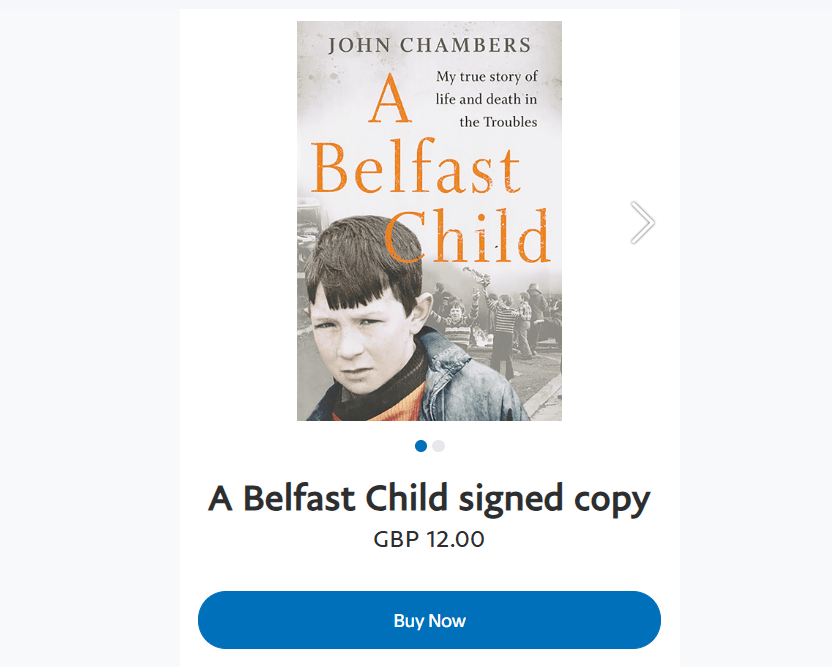



.svg)
.jpg)



.jpg)


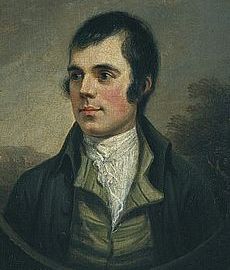


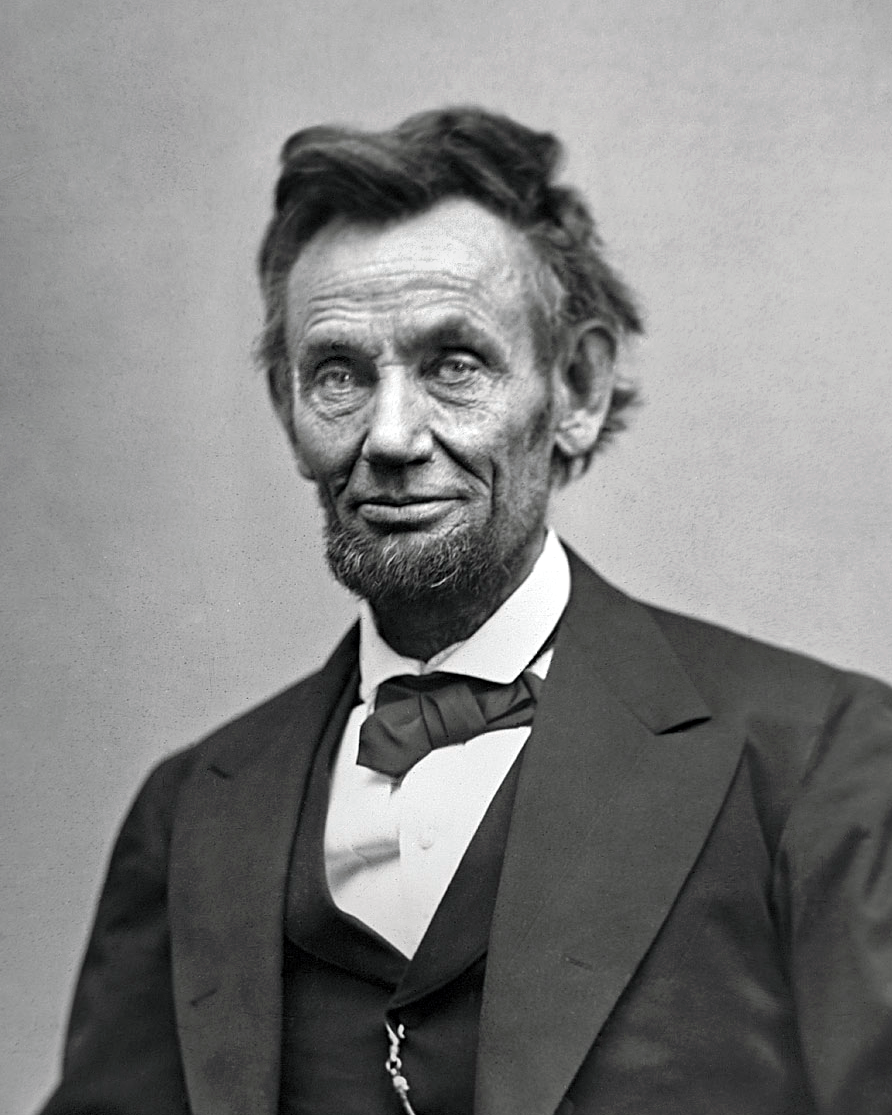



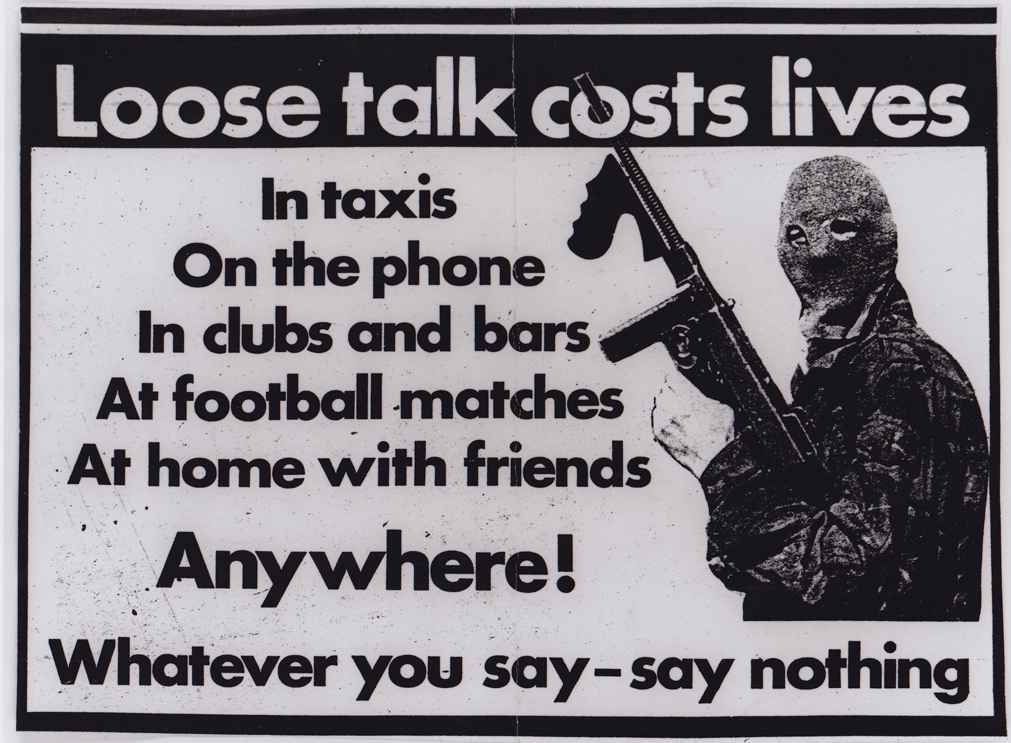







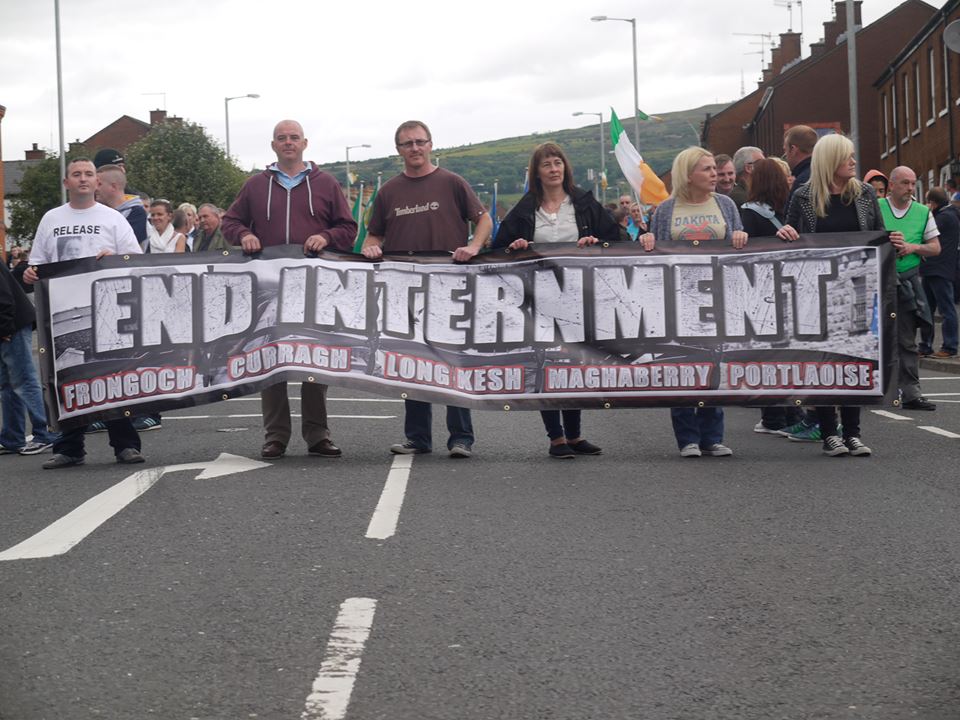


.png)




.jpg)


.jpg)


.jpg)




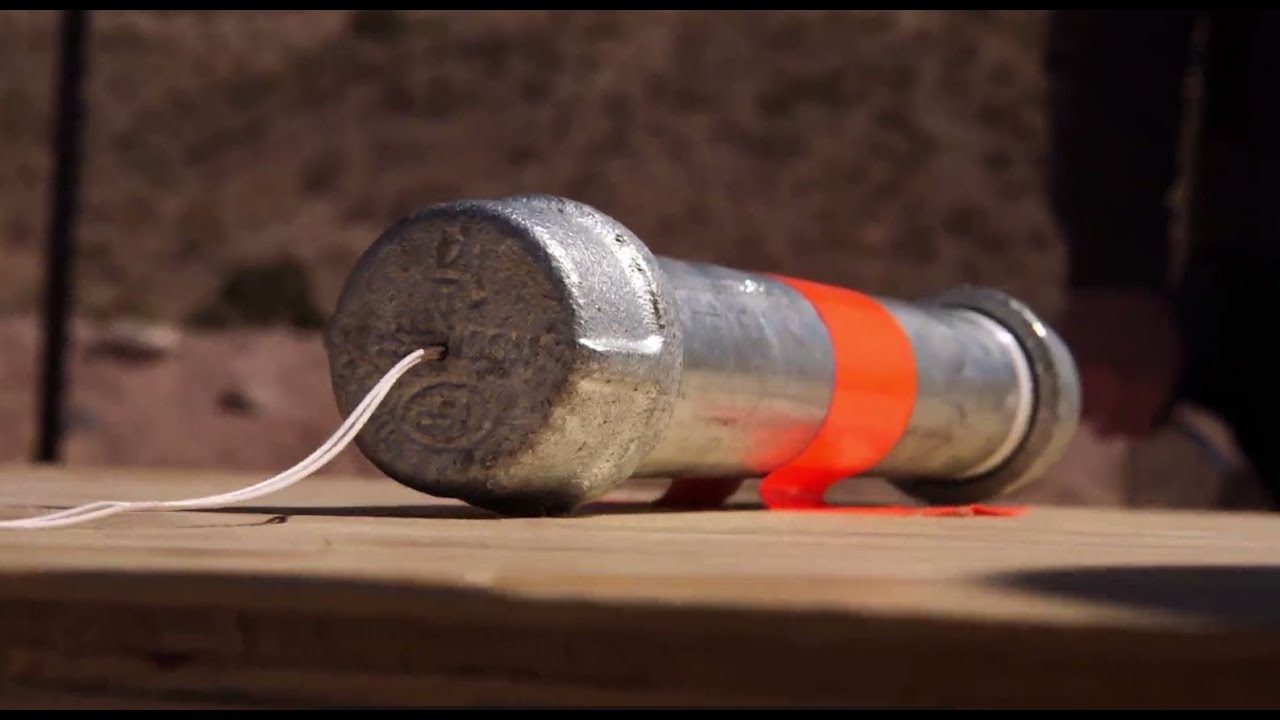




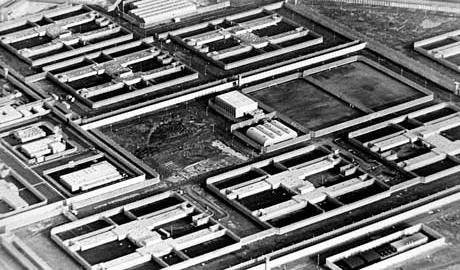


 belfastchildis.com